
Healthy gums are one of the most important foundations of a strong and attractive smile. Many people focus only on their teeth while ignoring the condition of their gums, but gum health directly affects overall oral health and even general body wellness. Visiting a dentist for gum treatment is essential when symptoms like bleeding gums, swelling, bad breath, gum recession, or tooth sensitivity begin to appear. A professional dentist for gum treatment can identify early warning signs of periodontal disease and help prevent serious complications that may lead to tooth loss.
Modern dentistry offers many advanced solutions for patients experiencing gum problems. A qualified dentist for gum treatment uses modern diagnostic tools, professional cleaning methods, and customized periodontal therapy plans to restore gum health. Whether the issue is mild gingivitis or advanced periodontitis, receiving treatment early can dramatically improve long-term oral health outcomes. Many patients delay visiting a dentist for gum treatment because they underestimate gum disease symptoms, but early intervention is often simpler, faster, and more affordable.
One of the most common signs that you may need a dentist for gum treatment is bleeding while brushing or flossing. Healthy gums should not bleed regularly. Persistent bleeding often indicates inflammation caused by plaque and bacteria buildup near the gumline. If left untreated, this inflammation can progress into periodontal disease, affecting the supporting bone structure around the teeth. A professional dentist for gum treatment can remove harmful bacteria and recommend preventive care strategies to stop the disease from advancing.
Another major reason patients visit a dentist for gum treatment is gum recession. Receding gums expose the tooth roots, causing sensitivity to hot and cold foods while also increasing the risk of decay. Gum recession may result from aggressive brushing, poor oral hygiene, smoking, genetics, or untreated gum disease. A skilled dentist for gum treatment evaluates the severity of recession and may recommend procedures such as deep cleaning, gum grafting, or laser periodontal therapy to restore gum tissue health.
🦷 Professional periodontal care typically begins with a detailed oral examination. During this process, a dentist for gum treatment measures gum pocket depths, checks for inflammation, evaluates bone loss, and identifies infection areas. Digital X-rays are often used to assess the condition of the jawbone and surrounding tissues. Based on these findings, the dental professional creates a personalized treatment plan tailored to the patient’s specific needs.
Deep cleaning procedures are among the most effective treatments offered by a dentist for gum treatment. This procedure, commonly called scaling and root planing, removes plaque and tartar beneath the gums. The treatment smooths tooth roots, making it harder for bacteria to accumulate again. Many patients notice reduced swelling, fresher breath, and healthier gums after visiting a dentist for gum treatment for deep cleaning therapy.
Advanced periodontal disease may require more specialized treatment methods. In severe cases, a dentist for gum treatment may recommend surgical procedures to restore damaged tissue and bone. Common periodontal surgeries include flap surgery, bone grafting, tissue regeneration, and gum graft procedures. These treatments aim to stabilize teeth, rebuild lost tissue, and improve both oral function and appearance. Thanks to modern technology, many gum treatments are now minimally invasive and involve faster recovery times.
💡 Maintaining excellent oral hygiene at home is also essential after visiting a dentist for gum treatment. Patients are usually advised to brush twice daily using a soft-bristled toothbrush, floss carefully around the gumline, and use antibacterial mouthwash if recommended. Regular dental checkups help monitor gum health and prevent recurring infection. A dentist for gum treatment may also suggest lifestyle changes such as quitting smoking, reducing sugar intake, and improving nutrition to support long-term gum healing.
The cost of treatment from a dentist for gum treatment can vary depending on the severity of the condition and the type of procedure required. Mild gingivitis treatment and professional cleaning may cost between $100 and $300, while deep scaling and root planing can range from $500 to $2,000 depending on the number of affected areas. Advanced periodontal surgery may cost more, especially if bone grafting or tissue regeneration is needed. Patients should consult directly with a dentist for gum treatment for a personalized treatment estimate and detailed care plan.
🌍 Many international patients now travel abroad for affordable periodontal care and cosmetic dental procedures. Clinics specializing in periodontal therapy often provide modern equipment, experienced dental professionals, and comprehensive treatment packages. If you are considering professional care abroad, you can visit the Redent Klinik Contact Page to learn more about available dental services and consultation options.
Understanding gum disease prevention is equally important. Regular visits to a dentist for gum treatment can help detect problems before they become severe. Preventive care includes professional cleanings, plaque removal, oral hygiene education, and periodontal evaluations. According to the American Dental Association, maintaining healthy gums is a critical part of overall oral health and can reduce the risk of future dental complications.
✨ Choosing the right dentist for gum treatment involves evaluating the dentist’s experience, technology, patient reviews, and treatment approach. Patients should look for clinics that provide comprehensive periodontal evaluations, modern diagnostic imaging, and personalized care plans. Communication and patient comfort are also essential factors. A knowledgeable dentist for gum treatment will explain all available treatment options clearly and help patients make informed decisions about their oral health.
In conclusion, visiting a dentist for gum treatment is one of the most important steps you can take to protect your smile and maintain long-term oral health. Gum disease often develops silently, but early treatment can prevent serious damage and restore healthy gums effectively. Whether you are experiencing bleeding gums, bad breath, gum recession, or tooth sensitivity, scheduling an appointment with a professional dentist for gum treatment can significantly improve your comfort, confidence, and overall dental health. With proper care, preventive habits, and regular checkups, patients can enjoy healthier gums and stronger teeth for many years.
What Does a Dentist for Gum Treatment Actually Do?
Many people believe dental visits are only necessary when they experience tooth pain or cavities, but gum health is equally important for maintaining a strong and healthy smile. A dentist for gum treatment specializes in diagnosing, preventing, and treating conditions that affect the gums and supporting structures of the teeth. Gum disease can begin silently with mild symptoms and gradually progress into serious oral health complications if left untreated. Visiting a qualified dentist for gum treatment helps patients protect their teeth, gums, jawbone, and overall oral health before problems become severe.
Healthy gums are essential because they support the teeth and act as a protective barrier against harmful bacteria. When plaque and tartar accumulate near the gumline, inflammation may develop, leading to gingivitis or advanced periodontal disease. A professional dentist for gum treatment removes bacterial buildup, evaluates gum health, and creates personalized treatment plans to restore healthy tissue and prevent future complications.
Understanding the Role of a Dentist for Gum Treatment
A dentist for gum treatment focuses on identifying gum infections, inflammation, bleeding, recession, and bone loss around the teeth. These professionals often provide preventive periodontal care as well as advanced treatment solutions for patients with mild or severe gum disease. The main goal is to eliminate infection, preserve natural teeth, and improve oral health stability.
🦷 During a routine examination, a dentist for gum treatment carefully evaluates the gums for signs of redness, swelling, bleeding, or deep periodontal pockets. The dentist may also use digital X-rays to detect hidden bone loss or infection below the gumline. This detailed assessment allows the dental professional to identify issues early and recommend the most effective treatment options.
Many patients visit a dentist for gum treatment because they experience chronic bad breath, sensitive teeth, loose teeth, or receding gums. These symptoms often indicate periodontal disease that requires professional attention. Early intervention significantly increases the chances of successful treatment and long-term gum preservation.
Common Gum Problems Treated by a Dentist for Gum Treatment
Gingivitis
Gingivitis is the earliest stage of gum disease and one of the most common reasons people visit a dentist for gum treatment. This condition develops when plaque buildup irritates the gums, causing inflammation and bleeding during brushing or flossing. Gingivitis is usually reversible when treated early with professional cleanings and improved oral hygiene habits.
A dentist for gum treatment typically removes plaque and tartar accumulation through professional cleaning procedures. Patients are also educated on proper brushing techniques, flossing methods, and preventive care strategies to reduce future inflammation.
Periodontitis
When gingivitis is left untreated, it can progress into periodontitis, a more advanced form of gum disease. In this stage, bacteria spread deeper beneath the gums, damaging connective tissues and jawbone support. A skilled dentist for gum treatment helps stop disease progression through deep cleaning procedures such as scaling and root planing.
⚠️ Advanced periodontitis may cause loose teeth, gum recession, chewing discomfort, and even tooth loss. A professional dentist for gum treatment may recommend laser periodontal therapy, antibiotic treatments, or surgical procedures depending on the severity of the condition.
Gum Recession
Gum recession occurs when gum tissue pulls away from the teeth, exposing sensitive tooth roots. This problem may result from aggressive brushing, smoking, genetics, or untreated gum disease. A dentist for gum treatment evaluates the cause of recession and may suggest gum grafting procedures to protect the exposed roots and restore gum appearance.
How a Dentist for Gum Treatment Performs Deep Cleaning
Deep cleaning is one of the most important services provided by a dentist for gum treatment. This procedure involves removing bacteria, plaque, and tartar from below the gumline using specialized dental instruments. Scaling removes hardened deposits, while root planing smooths the tooth roots to discourage bacterial attachment.
Patients often notice major improvements after visiting a dentist for gum treatment for deep cleaning therapy. Symptoms like bleeding, swelling, and persistent bad breath may significantly decrease after treatment. Deep cleaning is especially effective for patients with moderate periodontal disease who want to avoid surgery.
✨ Modern dental clinics often use ultrasonic devices and laser technology to make treatment more comfortable and efficient. These advanced methods allow a dentist for gum treatment to target infected areas precisely while minimizing discomfort and recovery time.
Preventive Care Recommendations
A dentist for gum treatment does not only focus on active infections but also emphasizes prevention. Preventive periodontal care is essential for maintaining healthy gums and reducing the risk of future disease. Patients are usually advised to:
- Brush teeth twice daily using a soft-bristled toothbrush
- Floss carefully around the gumline every day
- Use antibacterial mouthwash if recommended
- Avoid smoking and tobacco products
- Maintain regular professional dental cleanings
- Follow a balanced diet rich in vitamins and minerals
Regular maintenance appointments with a dentist for gum treatment help monitor gum health and detect potential problems early. Preventive care is often more affordable and less invasive than treating advanced gum disease later.
Cost of Visiting a Dentist for Gum Treatment
The cost of visiting a dentist for gum treatment depends on the severity of the condition and the required procedures. Basic periodontal evaluations and professional cleanings may cost between $100 and $300, while deep cleaning procedures can range from $500 to $2,000 depending on the number of affected teeth and treatment complexity.
💰 Surgical gum procedures such as gum grafting or flap surgery may increase costs further. However, treating gum disease early through routine visits to a dentist for gum treatment can often prevent expensive restorative procedures in the future.
Choosing the Right Dental Clinic
Finding the right dentist for gum treatment is an important step toward long-term oral health. Patients should choose clinics that provide modern periodontal technology, personalized treatment plans, experienced dental professionals, and strong patient reviews. A high-quality clinic focuses not only on treating current gum problems but also on preventing future disease progression.
If you are searching for professional periodontal care and personalized dental solutions, you can visit the Redent Klinik Contact Page for additional information about consultation and treatment options.
According to the American Dental Association, maintaining healthy gums is essential for protecting overall oral health and reducing the risk of tooth loss. Regular visits to a dentist for gum treatment can significantly improve oral hygiene, comfort, and confidence.
🌟 In conclusion, a dentist for gum treatment plays a critical role in preserving gum health, preventing tooth loss, and improving overall dental wellness. Whether patients are dealing with mild gingivitis, gum recession, or advanced periodontal disease, professional care provides effective solutions that restore healthy gums and support long-term oral health. Early treatment, proper hygiene habits, and regular dental checkups remain the best strategies for maintaining a healthy smile for years to come.
Signs You Need a Dentist for Gum Treatment Immediately
Many people ignore early gum disease symptoms because they believe minor bleeding or gum sensitivity is normal. Unfortunately, delaying professional care can allow bacterial infections to worsen over time and eventually damage the gums, teeth, and jawbone. Recognizing the warning signs early and visiting a dentist for gum treatment quickly can prevent serious oral health complications and expensive restorative procedures later. Gum disease often progresses silently, which is why understanding the symptoms is essential for maintaining long-term dental health.
A professional dentist for gum treatment can diagnose gum conditions before they become severe. Many patients only seek treatment once pain or tooth mobility develops, but by that stage, periodontal disease may already be advanced. Regular dental evaluations and early intervention help preserve healthy gums and prevent permanent damage.
Bleeding Gums During Brushing or Flossing
One of the most common signs that you should visit a dentist for gum treatment is bleeding while brushing or flossing. Healthy gums generally do not bleed regularly. Occasional irritation may happen if flossing habits suddenly change, but persistent bleeding usually indicates inflammation caused by plaque accumulation near the gumline.
🦷 Gingivitis, the earliest stage of gum disease, often begins with bleeding gums. At this stage, a dentist for gum treatment can usually reverse the condition through professional cleaning and improved oral hygiene habits. If left untreated, the inflammation may spread deeper below the gums and develop into periodontitis.
Bleeding gums should never be ignored because they often signal bacterial infection. A qualified dentist for gum treatment evaluates the severity of inflammation and recommends the most appropriate treatment plan based on the patient’s condition.
Persistent Bad Breath and Unpleasant Taste
Chronic bad breath, also called halitosis, is another major sign that you may need a dentist for gum treatment. While temporary bad breath can result from food or dry mouth, ongoing unpleasant odor often indicates bacterial growth beneath the gums.
Bacteria trapped in periodontal pockets release toxins that produce strong odors and contribute to gum tissue destruction. A professional dentist for gum treatment removes harmful bacteria through deep cleaning procedures and helps patients improve oral hygiene routines to maintain fresh breath.
When Mouthwash Is Not Enough
Many patients try to hide bad breath with mouthwash, chewing gum, or breath sprays without addressing the underlying infection. If bad breath persists despite daily brushing and rinsing, visiting a dentist for gum treatment becomes extremely important.
Swollen, Red, or Tender Gums
Healthy gums are usually firm and light pink in color. Swollen, red, or painful gums may indicate infection or inflammation. A dentist for gum treatment examines these symptoms carefully to determine whether gingivitis or periodontitis is developing.
⚠️ Swelling often occurs because the body is reacting to harmful bacteria around the gumline. If untreated, the inflammation can gradually destroy supporting tissues around the teeth. Seeking help from a dentist for gum treatment early may stop the disease before permanent damage occurs.
Tender gums can also make eating, brushing, and flossing uncomfortable. Many patients avoid brushing painful areas, which unfortunately allows even more plaque to accumulate. A professional dentist for gum treatment provides solutions that reduce inflammation and restore comfort.
Gum Recession and Tooth Sensitivity
Gum recession occurs when gum tissue pulls away from the teeth, exposing sensitive root surfaces. Receding gums are one of the clearest signs that a patient should visit a dentist for gum treatment. Exposed roots increase the risk of tooth decay, sensitivity, and eventual tooth instability.
Patients often notice discomfort while consuming hot drinks, cold beverages, or sweet foods. A dentist for gum treatment may recommend deep cleaning procedures, desensitizing products, or gum grafting depending on the severity of recession.
Causes of Gum Recession
- Aggressive tooth brushing
- Untreated periodontal disease
- Smoking and tobacco use
- Teeth grinding
- Poor oral hygiene habits
- Genetic predisposition
🌟 Identifying the underlying cause is essential because a dentist for gum treatment must address both the symptoms and the factors contributing to tissue loss.
Loose Teeth or Changes in Bite Alignment
As periodontal disease progresses, it can weaken the bone and connective tissues supporting the teeth. This may lead to loose teeth or noticeable changes in bite alignment. A professional dentist for gum treatment evaluates tooth mobility carefully because it often indicates advanced gum disease.
Patients sometimes notice gaps developing between teeth or difficulty chewing comfortably. These symptoms require immediate evaluation by a dentist for gum treatment because untreated bone loss may eventually lead to tooth extraction.
Pus Around the Gums
The presence of pus near the gums is a serious warning sign of infection and should never be ignored. Pus indicates bacterial accumulation beneath the gums and often signals advanced periodontal disease or a dental abscess.
🚨 Patients experiencing pus, swelling, pain, or fever should contact a dentist for gum treatment immediately. Emergency periodontal care may be necessary to stop infection from spreading and protect surrounding tissues.
How a Dentist for Gum Treatment Diagnoses Gum Disease
A dentist for gum treatment uses several diagnostic methods to identify periodontal problems accurately. These may include:
- Measuring gum pocket depth
- Checking for bleeding and inflammation
- Digital X-rays to detect bone loss
- Examining gum recession severity
- Assessing tooth stability
Comprehensive evaluation allows the dentist for gum treatment to create a personalized treatment plan tailored to the patient’s oral health needs.
Importance of Early Treatment
Early intervention is one of the most important factors in successful periodontal care. Visiting a dentist for gum treatment at the first sign of symptoms may prevent the need for complex surgical procedures later. Mild gingivitis is often reversible, while advanced periodontitis may require extensive therapy.
💡 Professional periodontal care not only protects the gums but also supports overall health. Studies suggest that severe gum disease may be associated with systemic conditions such as diabetes and cardiovascular disease. Maintaining healthy gums with regular visits to a dentist for gum treatment contributes to better long-term wellness.
If you are experiencing gum discomfort, bleeding, or other periodontal symptoms, you can visit the Redent Klinik Contact Page for professional consultation and treatment information.
According to the American Dental Association, routine dental visits and preventive periodontal care are essential for maintaining healthy gums and reducing the risk of tooth loss.
✨ In conclusion, understanding the signs of gum disease can help patients seek timely care before serious complications develop. Symptoms like bleeding gums, bad breath, gum recession, swelling, loose teeth, and sensitivity should never be ignored. A qualified dentist for gum treatment can diagnose these problems early, provide effective treatment, and help restore healthy gums for a stronger and healthier smile.
Best Gum Disease Treatments Recommended by Dental Experts
Gum disease is one of the most common oral health problems affecting adults worldwide. While many patients initially experience mild symptoms such as bleeding gums or slight inflammation, untreated gum disease can gradually progress into severe periodontal damage and tooth loss. Fortunately, modern dentistry offers highly effective treatment solutions that can restore gum health and protect the teeth for many years. A professional dentist for gum treatment uses advanced diagnostic methods and personalized treatment plans to address every stage of periodontal disease.
The best treatment approach depends on the severity of the infection, the amount of tissue damage, and the patient’s oral hygiene habits. A skilled dentist for gum treatment evaluates the condition carefully before recommending preventive care, deep cleaning procedures, laser therapy, or surgical periodontal treatments. Early intervention often allows simpler and less invasive solutions, while advanced cases may require more comprehensive periodontal therapy.
Professional Dental Cleaning for Early Gum Disease
One of the first and most important treatments provided by a dentist for gum treatment is professional dental cleaning. Patients with mild gingivitis often benefit significantly from routine plaque and tartar removal. During this procedure, harmful bacterial buildup above and below the gumline is removed using specialized dental instruments.
🦷 Gingivitis is the earliest stage of gum disease and is generally reversible when treated promptly. A professional cleaning performed by a dentist for gum treatment helps reduce inflammation, eliminate bacteria, and restore healthier gums. Patients are also educated about proper brushing and flossing techniques to maintain long-term oral hygiene.
Professional cleanings are usually recommended every six months, but patients with ongoing gum problems may need more frequent maintenance visits with a dentist for gum treatment to prevent disease progression.
Scaling and Root Planing
Scaling and root planing, commonly known as deep cleaning, is one of the most effective non-surgical procedures performed by a dentist for gum treatment. This treatment is recommended for patients with moderate periodontal disease and deep gum pockets.
What Happens During Scaling?
During the scaling process, a dentist for gum treatment removes hardened tartar and bacterial deposits from below the gumline. Ultrasonic tools and manual instruments are often used to clean infected areas thoroughly.
What Is Root Planing?
Root planing smooths the tooth roots to prevent bacteria from reattaching easily. This process allows the gums to heal and reattach more effectively to the teeth. Patients who receive treatment from a qualified dentist for gum treatment often notice reduced bleeding, less swelling, and fresher breath within a short time.
✨ Deep cleaning may require local anesthesia depending on the severity of infection and patient comfort level. Multiple appointments are sometimes necessary if several areas of the mouth are affected.
Laser Gum Therapy
Modern dental clinics increasingly use laser technology as part of periodontal care. Laser periodontal therapy allows a dentist for gum treatment to target infected tissue precisely while minimizing damage to healthy gums.
Laser treatment offers several advantages, including:
- Reduced bleeding during treatment
- Faster healing time
- Less discomfort after procedures
- Minimal swelling
- Improved bacterial elimination
⚡ Many patients prefer laser periodontal therapy because it is less invasive than traditional surgery. A skilled dentist for gum treatment may combine laser treatment with deep cleaning procedures for enhanced periodontal healing.
Antibiotic Therapy for Gum Infection
In some cases, bacterial infection spreads deeply beneath the gums and requires antibiotic support. A dentist for gum treatment may prescribe oral antibiotics or place antibacterial medication directly into periodontal pockets.
Antibiotic therapy helps reduce bacterial activity and supports tissue healing after deep cleaning procedures. However, antibiotics alone are not enough to cure gum disease completely. Mechanical plaque and tartar removal by a dentist for gum treatment remains essential for long-term success.
Gum Grafting Procedures
Patients experiencing severe gum recession may require gum graft surgery. A dentist for gum treatment performs this procedure to restore lost gum tissue and protect exposed tooth roots.
Benefits of Gum Grafting
- Reduced tooth sensitivity
- Improved smile appearance
- Protection against root decay
- Prevention of further recession
- Enhanced gum stability
🌟 Gum grafting often involves taking healthy tissue from another area of the mouth and attaching it to the affected region. A qualified dentist for gum treatment carefully evaluates each patient to determine the most appropriate grafting technique.
Periodontal Surgery for Advanced Cases
Advanced periodontal disease may require surgical treatment when deep gum pockets and severe bone loss are present. A dentist for gum treatment may recommend flap surgery, bone grafting, or guided tissue regeneration depending on the severity of damage.
Flap surgery allows the dentist to lift the gums temporarily and clean bacteria from deep periodontal pockets. Bone grafting procedures may help regenerate lost bone tissue around the teeth. These advanced therapies performed by a dentist for gum treatment aim to stabilize teeth and improve long-term oral health.
🚨 Patients with severe periodontal disease should not delay treatment because ongoing infection can eventually lead to permanent tooth loss and major oral health complications.
Maintenance Therapy After Gum Treatment
Successful periodontal care does not end after the initial procedure. Long-term maintenance is extremely important for preventing recurrence. A professional dentist for gum treatment usually recommends regular periodontal maintenance visits every three to four months for patients with a history of gum disease.
These visits typically include:
- Professional plaque and tartar removal
- Monitoring gum pocket depth
- Checking for inflammation or bleeding
- Evaluating oral hygiene habits
- Early detection of recurring infection
💡 Patients who follow maintenance schedules recommended by their dentist for gum treatment generally experience better long-term outcomes and lower risk of tooth loss.
Choosing the Right Treatment Plan
Every patient’s periodontal condition is different, which is why individualized care is essential. A qualified dentist for gum treatment creates a treatment plan based on the severity of infection, overall health, smoking habits, oral hygiene routines, and bone condition.
If you are searching for professional periodontal care and advanced dental solutions, you can visit the Redent Klinik Contact Page for more information about available treatment options and consultations.
According to the American Dental Association, early diagnosis and proper periodontal treatment are critical for preserving natural teeth and maintaining healthy gums.
✨ In conclusion, modern periodontal dentistry offers many highly effective treatments for patients experiencing gum disease. From professional cleanings and deep scaling procedures to laser therapy and surgical interventions, a skilled dentist for gum treatment can restore healthy gums and help prevent serious oral health complications. Early treatment, preventive care, and regular maintenance remain the key factors for protecting long-term dental health and preserving a confident smile.
How a Dentist for Gum Treatment Diagnoses Periodontal Problems
Accurate diagnosis is one of the most important steps in protecting gum health and preventing long-term dental complications. Many people do not realize they have gum disease until symptoms become severe, which is why regular evaluations from a dentist for gum treatment are essential. Periodontal disease often develops slowly and painlessly, allowing bacteria to damage gum tissue and supporting bone structures over time. A skilled dentist for gum treatment uses advanced diagnostic techniques to detect gum problems early and create effective treatment plans before permanent damage occurs.
Modern dental technology allows a dentist for gum treatment to identify signs of infection, inflammation, bone loss, and gum recession with great precision. Early diagnosis not only improves treatment success but also reduces the need for invasive procedures later. Patients who receive timely periodontal evaluations often preserve their natural teeth longer and maintain healthier gums throughout life.
Initial Consultation and Oral Health Evaluation
The diagnostic process usually begins with a comprehensive oral examination performed by a dentist for gum treatment. During this consultation, the dentist asks questions about symptoms, medical history, oral hygiene habits, smoking, medications, and family history of gum disease.
🦷 Understanding the patient’s lifestyle and health background helps the dentist for gum treatment identify possible risk factors contributing to periodontal problems. Conditions such as diabetes, hormonal changes, stress, smoking, and poor oral hygiene can significantly increase the risk of gum disease.
Patients are often asked whether they experience:
- Bleeding while brushing or flossing
- Persistent bad breath
- Gum swelling or redness
- Loose teeth
- Tooth sensitivity
- Pain while chewing
- Receding gums
These symptoms provide valuable information that helps the dentist for gum treatment determine the severity and progression of periodontal disease.
Visual Examination of the Gums
After discussing symptoms and medical history, the dentist for gum treatment performs a detailed visual inspection of the gums and surrounding tissues. Healthy gums are generally firm, pink, and tightly attached to the teeth. Any visible inflammation, swelling, bleeding, or gum recession may indicate periodontal disease.
Signs the Dentist Looks For
- Red or purple gum discoloration
- Swollen gum tissue
- Bleeding around the gumline
- Visible plaque and tartar buildup
- Gum recession exposing tooth roots
- Pus or infection around teeth
⚠️ A qualified dentist for gum treatment understands that even small changes in gum appearance may signal deeper periodontal issues beneath the surface. This is why professional evaluation is so important even when symptoms seem mild.
Periodontal Pocket Measurements
One of the most important diagnostic tools used by a dentist for gum treatment is periodontal probing. This process measures the depth of spaces between the teeth and gums, known as periodontal pockets.
In healthy mouths, these pockets are usually shallow, typically between 1 and 3 millimeters. Deeper pockets often indicate infection and gum tissue detachment caused by periodontal disease. A dentist for gum treatment uses a specialized periodontal probe to gently measure pocket depths around each tooth.
Understanding Pocket Depths
- 1–3 mm: Healthy gums
- 4–5 mm: Early periodontal disease
- 6 mm or more: Advanced periodontitis
📏 Deep periodontal pockets create spaces where bacteria thrive, making cleaning more difficult. A professional dentist for gum treatment uses these measurements to determine the severity of gum disease and plan appropriate treatment.
Digital X-Rays and Bone Loss Detection
Many periodontal problems occur beneath the gumline where they are not visible during a standard oral examination. Digital X-rays allow a dentist for gum treatment to evaluate the condition of the jawbone and supporting structures around the teeth.
X-rays help detect:
- Bone loss caused by gum disease
- Hidden infections
- Abscesses near tooth roots
- Tartar deposits below the gums
- Changes in tooth stability
✨ Digital imaging technology provides highly detailed results with lower radiation exposure compared to traditional X-rays. A skilled dentist for gum treatment uses this information to identify damage that may not yet cause visible symptoms.
Evaluating Tooth Mobility and Bite Changes
As periodontal disease progresses, the supporting bone around the teeth weakens. A dentist for gum treatment checks for tooth mobility by gently testing whether teeth move abnormally. Loose teeth often indicate advanced bone loss and severe periodontal damage.
Patients may also experience changes in bite alignment or gaps developing between teeth. A professional dentist for gum treatment carefully evaluates these changes because they can affect chewing ability and overall oral stability.
Diagnosing Gum Recession
Gum recession is another important condition diagnosed by a dentist for gum treatment. Receding gums expose tooth roots, increasing sensitivity and the risk of root decay. The dentist measures the extent of recession and determines whether it is caused by periodontal disease, aggressive brushing, grinding, or other factors.
🌟 Early diagnosis of gum recession allows a dentist for gum treatment to recommend preventive measures before severe tissue loss develops. In some cases, gum grafting procedures may be suggested to restore gum coverage and protect the roots.
Advanced Diagnostic Technology
Modern periodontal clinics may use additional technology to improve diagnostic accuracy. Some advanced tools used by a dentist for gum treatment include:
- Laser bacterial detection systems
- 3D dental imaging
- Saliva testing for bacterial analysis
- Intraoral cameras
- Digital periodontal charting software
These technologies allow the dentist for gum treatment to monitor disease progression more effectively and provide highly personalized treatment plans.
Why Early Diagnosis Is So Important
Early diagnosis dramatically increases the success rate of periodontal treatment. A dentist for gum treatment can often reverse gingivitis completely when detected early. However, advanced periodontitis may require surgery, bone grafting, or extensive restorative treatment.
💡 Delaying diagnosis may lead to permanent bone loss, gum recession, loose teeth, and even tooth extraction. Routine dental checkups help identify gum disease before symptoms become severe.
If you are experiencing bleeding gums, bad breath, sensitivity, or gum discomfort, you can visit the Redent Klinik Contact Page for professional periodontal consultation and treatment information.
According to the American Dental Association, regular periodontal evaluations are essential for protecting oral health and preventing tooth loss associated with gum disease.
✨ In conclusion, accurate diagnosis by a professional dentist for gum treatment is the foundation of successful periodontal care. Through visual examinations, pocket measurements, digital imaging, and advanced diagnostic tools, dental professionals can identify gum disease early and create personalized treatment plans. Patients who prioritize routine evaluations and early intervention are far more likely to maintain healthy gums, preserve their natural teeth, and enjoy long-term oral wellness.
Professional Deep Cleaning and Scaling Procedures Explained
Professional deep cleaning is one of the most effective and commonly recommended procedures for patients suffering from gum disease. When plaque and tartar accumulate beneath the gumline, regular brushing and flossing are no longer enough to eliminate harmful bacteria. A professional dentist for gum treatment uses specialized deep cleaning procedures to remove infection, reduce inflammation, and help restore healthy gum tissue. These treatments are essential for preventing gum disease from progressing into severe periodontal damage and tooth loss.
Many patients are unfamiliar with deep cleaning procedures and may feel nervous when a dentist for gum treatment recommends scaling and root planing. However, understanding how these treatments work can help patients feel more comfortable and confident about protecting their oral health. Deep cleaning procedures are designed to target infection beneath the gums while preserving natural teeth and improving long-term periodontal stability.
What Is Deep Cleaning?
Deep cleaning, also known as scaling and root planing, is a non-surgical periodontal treatment performed by a dentist for gum treatment. Unlike a standard dental cleaning that focuses mainly on the visible tooth surfaces above the gums, deep cleaning targets bacteria, plaque, and tartar below the gumline.
🦷 Periodontal disease creates pockets between the gums and teeth where harmful bacteria thrive. These bacteria can damage gum tissue and eventually destroy the supporting bone around the teeth. A qualified dentist for gum treatment performs deep cleaning to eliminate these bacterial deposits and help the gums heal properly.
Deep cleaning is often recommended for patients who show signs of moderate gum disease, including:
- Bleeding gums
- Swollen or tender gums
- Persistent bad breath
- Gum recession
- Deep periodontal pockets
- Bone loss around teeth
Early treatment from a dentist for gum treatment can prevent the need for more invasive surgical procedures later.
The Scaling Procedure
Scaling is the first stage of deep cleaning. During this process, the dentist for gum treatment carefully removes plaque, tartar, and bacteria from above and below the gumline. Hardened tartar cannot be removed with regular brushing at home and requires professional dental instruments.
Tools Used During Scaling
A dentist for gum treatment may use several tools during scaling procedures, including:
- Ultrasonic scalers
- Hand scalers and curettes
- Water irrigation systems
- Laser-assisted periodontal tools
⚡ Ultrasonic scalers use vibrations and water spray to break apart tartar efficiently while minimizing discomfort. These modern tools allow a dentist for gum treatment to clean periodontal pockets more effectively and comfortably.
The Root Planing Procedure
Root planing is the second stage of deep cleaning and focuses on smoothing the tooth root surfaces. Rough root surfaces allow bacteria to attach easily, making reinfection more likely. A professional dentist for gum treatment smooths these surfaces carefully to encourage gum reattachment and healing.
✨ Root planing also reduces inflammation and creates a cleaner environment for healthy tissue regeneration. Patients who receive treatment from a dentist for gum treatment often experience noticeable improvement in gum health within several weeks.
Benefits of Root Planing
- Reduced gum inflammation
- Smaller periodontal pockets
- Less bleeding during brushing
- Improved gum attachment
- Lower bacterial accumulation
- Fresher breath
Root planing is extremely important because it addresses the root cause of periodontal disease rather than only treating visible symptoms.
Does Deep Cleaning Hurt?
Many patients worry about discomfort before visiting a dentist for gum treatment for deep cleaning. Fortunately, modern periodontal care techniques make the procedure much more comfortable than many people expect.
Local anesthesia is commonly used to numb the treatment area during scaling and root planing. This helps patients remain relaxed and comfortable throughout the procedure. Some mild sensitivity or soreness may occur afterward, but a professional dentist for gum treatment usually provides aftercare instructions to minimize discomfort.
💡 Patients with dental anxiety should discuss their concerns openly with the dentist for gum treatment. Many clinics offer calming techniques or sedation options to improve patient comfort during periodontal therapy.
Recovery After Deep Cleaning
Recovery after scaling and root planing is generally straightforward when patients follow proper care instructions. A dentist for gum treatment may recommend avoiding extremely hot or cold foods for several days and maintaining excellent oral hygiene habits.
Post-Treatment Care Tips
- Brush gently with a soft toothbrush
- Floss carefully around treated areas
- Use antibacterial mouthwash if recommended
- Avoid smoking and tobacco products
- Drink plenty of water
- Attend follow-up appointments
🌟 Most patients notice reduced swelling, less bleeding, and fresher breath after treatment from a dentist for gum treatment. The gums typically begin healing quickly once harmful bacteria are removed.
How Many Deep Cleaning Sessions Are Needed?
The number of appointments required depends on the severity of gum disease. Some patients only need one session, while others require multiple visits if several areas of the mouth are affected. A professional dentist for gum treatment evaluates each patient individually and creates a personalized treatment schedule.
Severe periodontal disease may require treatment divided into different quadrants of the mouth. This approach allows the dentist for gum treatment to clean each section thoroughly while maintaining patient comfort.
Cost of Deep Cleaning Procedures
The cost of scaling and root planing varies depending on the extent of periodontal disease and the number of treated areas. On average, deep cleaning procedures performed by a dentist for gum treatment may cost between $500 and $2,000.
💰 Several factors influence treatment costs:
- Severity of gum disease
- Number of affected teeth
- Use of laser technology
- Need for anesthesia or sedation
- Location of the dental clinic
Although periodontal therapy may seem expensive initially, early treatment by a dentist for gum treatment can prevent more costly restorative procedures in the future.
Importance of Maintenance After Deep Cleaning
Deep cleaning alone is not enough to guarantee lifelong gum health. Patients must continue regular maintenance visits with a dentist for gum treatment to prevent recurring infection. Periodontal maintenance appointments are usually scheduled every three to four months for patients with a history of gum disease.
These visits allow the dentist for gum treatment to monitor gum healing, remove new plaque buildup, and detect early signs of recurrence before serious problems develop.
If you are experiencing symptoms such as bleeding gums, swelling, or persistent bad breath, you can visit the Redent Klinik Contact Page to learn more about professional periodontal care and consultation options.
According to the American Dental Association, regular periodontal maintenance and professional deep cleaning procedures are essential for preventing advanced gum disease and preserving long-term oral health.
✨ In conclusion, professional scaling and root planing procedures performed by a skilled dentist for gum treatment are highly effective for controlling periodontal disease and restoring healthier gums. Deep cleaning removes harmful bacteria beneath the gumline, reduces inflammation, and helps prevent tooth loss. Patients who seek treatment early and follow proper maintenance routines often enjoy stronger gums, healthier teeth, and improved confidence for many years.
How to Prevent Gum Disease and Protect Your Oral Health
Preventing gum disease is one of the most important steps in maintaining a healthy smile and avoiding serious dental complications later in life. Many patients only visit a dentist for gum treatment after symptoms such as bleeding gums, swelling, or tooth sensitivity become severe. However, prevention is always more effective, less expensive, and less invasive than advanced periodontal treatment. By understanding the causes of gum disease and following healthy oral hygiene habits, patients can significantly reduce their risk of infection and long-term gum damage.
Gum disease develops when plaque and bacteria accumulate around the teeth and beneath the gumline. Without proper cleaning, this buildup hardens into tartar, irritating the gums and causing inflammation. A professional dentist for gum treatment can remove these deposits during regular checkups and help patients maintain healthy gums before periodontal disease develops.
Why Gum Disease Prevention Matters
Healthy gums are essential because they support the teeth and protect the underlying bone structure. When gum disease progresses, it can lead to gum recession, bone loss, loose teeth, and eventually tooth loss. Visiting a dentist for gum treatment regularly helps identify early signs of periodontal disease before permanent damage occurs.
🦷 Preventive periodontal care not only improves oral health but may also support overall wellness. Studies suggest that severe gum disease may be linked to systemic health conditions such as diabetes, cardiovascular disease, and chronic inflammation. A skilled dentist for gum treatment focuses on both prevention and long-term oral stability to help patients maintain healthier smiles.
Brush Your Teeth Properly Every Day
One of the most effective ways to avoid gum disease is proper tooth brushing. A dentist for gum treatment usually recommends brushing at least twice daily using a soft-bristled toothbrush and fluoride toothpaste.
Correct Brushing Techniques
- Brush gently in circular motions
- Clean along the gumline carefully
- Brush for at least two minutes
- Replace toothbrushes every three months
- Use soft bristles to avoid gum damage
⚠️ Aggressive brushing can actually damage the gums and contribute to gum recession. A professional dentist for gum treatment can demonstrate proper brushing methods during routine checkups.
The Importance of Daily Flossing
Flossing removes plaque and food particles from areas that toothbrushes cannot easily reach. Without flossing, bacteria may accumulate between the teeth and near the gumline, increasing the risk of inflammation and infection.
A dentist for gum treatment often explains that consistent flossing is one of the best ways to prevent gingivitis and periodontal disease. Patients who floss daily usually experience healthier gums and reduced bleeding during brushing.
Common Flossing Mistakes
- Flossing too aggressively
- Skipping difficult areas
- Using improper flossing angles
- Flossing inconsistently
✨ A qualified dentist for gum treatment may also recommend water flossers or interdental brushes for patients with braces, implants, or gum sensitivity.
Schedule Regular Dental Checkups
Routine dental visits are essential for preventing gum disease because plaque and tartar can accumulate even in patients with good oral hygiene habits. A dentist for gum treatment performs professional cleanings that remove hardened tartar impossible to eliminate at home.
Most patients benefit from dental checkups every six months, although individuals with a history of gum disease may require more frequent visits. During these appointments, the dentist for gum treatment examines the gums carefully and identifies early signs of infection before they become serious.
Benefits of Preventive Dental Visits
- Early detection of gum disease
- Professional plaque removal
- Monitoring gum recession
- Evaluating oral hygiene habits
- Preventing tooth loss
💡 Preventive visits are often far less expensive than advanced periodontal treatments or restorative procedures required after severe gum damage develops.
Maintain a Healthy Diet
Nutrition plays an important role in gum health. A balanced diet strengthens the immune system and helps the body fight bacterial infections more effectively. A professional dentist for gum treatment may encourage patients to consume foods rich in vitamins and minerals that support healthy gums.
Foods That Support Healthy Gums
- Leafy green vegetables
- Fresh fruits rich in vitamin C
- Dairy products containing calcium
- Lean proteins
- Water-rich foods
🍎 Reducing sugar intake is also extremely important because sugar feeds harmful oral bacteria. A dentist for gum treatment may recommend limiting sugary snacks, carbonated beverages, and acidic foods that contribute to plaque buildup and gum irritation.
Avoid Smoking and Tobacco Products
Smoking is one of the biggest risk factors for gum disease. Tobacco products weaken the immune system, reduce blood flow to the gums, and slow healing after periodontal treatment. A dentist for gum treatment often advises patients to quit smoking to improve gum health and treatment outcomes.
🚭 Smokers are significantly more likely to develop advanced periodontal disease and tooth loss compared to non-smokers. Quitting tobacco products can greatly improve the effectiveness of treatment provided by a dentist for gum treatment.
Manage Stress and Overall Health
Stress may negatively affect the immune system and increase inflammation throughout the body, including the gums. Patients experiencing chronic stress may be more vulnerable to gum disease. A professional dentist for gum treatment may discuss how overall health conditions can impact periodontal stability.
Conditions such as diabetes require careful management because uncontrolled blood sugar levels can worsen gum inflammation. Patients with chronic health issues should maintain regular visits with a dentist for gum treatment to monitor oral health closely.
Use Antibacterial Mouthwash if Recommended
Antibacterial mouthwash can help reduce oral bacteria and support daily hygiene routines. However, mouthwash should never replace brushing and flossing. A dentist for gum treatment may recommend specific mouthwash products for patients with gingivitis, sensitivity, or ongoing periodontal maintenance needs.
🌟 Using professional oral care products recommended by a dentist for gum treatment can improve long-term gum health and reduce bacterial growth between dental visits.
Recognize Early Warning Signs
Understanding the symptoms of gum disease is one of the most important aspects of prevention. Patients should contact a dentist for gum treatment immediately if they notice:
- Bleeding gums
- Persistent bad breath
- Swollen or red gums
- Gum recession
- Loose teeth
- Pain while chewing
Early intervention allows a dentist for gum treatment to stop periodontal disease before severe damage occurs.
If you are looking for professional periodontal care and preventive dental support, you can visit the Redent Klinik Contact Page for additional information about consultations and treatment services.
According to the American Dental Association, maintaining excellent oral hygiene and attending routine dental visits are critical for preventing gum disease and protecting long-term oral health.
✨ In conclusion, preventing gum disease requires a combination of proper oral hygiene habits, regular professional cleanings, healthy lifestyle choices, and early detection of symptoms. A skilled dentist for gum treatment plays a major role in helping patients maintain healthy gums and avoid serious periodontal complications. By brushing correctly, flossing daily, eating nutritious foods, avoiding tobacco, and attending regular checkups, patients can enjoy healthier gums, stronger teeth, and a more confident smile for years to come.
Cost of Visiting a Dentist for Gum Treatment in 2026
The cost of periodontal care is one of the most common concerns patients have before scheduling an appointment with a dentist for gum treatment. Gum disease treatment costs can vary significantly depending on the severity of the condition, the procedures required, the location of the clinic, and the experience of the dental professional. While some patients only need preventive cleanings, others may require advanced periodontal surgery or regenerative therapy. Understanding the pricing structure helps patients prepare financially and make informed decisions about their oral health.
Many people delay treatment because they worry about expenses, but postponing care often leads to more severe gum disease and much higher treatment costs later. Visiting a qualified dentist for gum treatment early can help prevent extensive periodontal damage, tooth loss, and expensive restorative procedures in the future. Investing in preventive care and timely treatment is usually far more affordable than repairing advanced oral health problems.
Factors That Affect Gum Treatment Costs
The cost of visiting a dentist for gum treatment depends on several important factors. Every patient’s periodontal condition is different, which means treatment plans and pricing may vary considerably.
Severity of Gum Disease
Mild gingivitis generally costs less to treat than advanced periodontitis. Patients with early-stage inflammation may only require professional cleaning and oral hygiene instruction from a dentist for gum treatment. However, severe gum disease involving bone loss and deep periodontal pockets often requires more complex therapy.
Type of Treatment Needed
The specific procedure recommended by the dentist for gum treatment has a major impact on total costs. Deep cleaning, laser therapy, gum grafting, and periodontal surgery all have different pricing structures.
Location of the Dental Clinic
Dental treatment costs vary depending on the country and region. Clinics located in large cities or premium dental centers may charge higher prices than smaller practices. Many international patients now travel abroad to receive affordable care from an experienced dentist for gum treatment while maintaining high treatment quality.
Technology and Equipment Used
Modern clinics using laser periodontal systems, digital imaging, and advanced surgical technology may charge higher fees due to improved precision and patient comfort. A professional dentist for gum treatment often combines modern technology with personalized care for better treatment outcomes.
Average Costs of Common Gum Treatments
Below are estimated treatment prices patients may encounter when visiting a dentist for gum treatment in 2026. Prices vary depending on location and clinical complexity.
Professional Dental Cleaning
- Estimated Cost: $100–$300
Professional cleaning removes plaque and tartar buildup above the gumline. A dentist for gum treatment may recommend routine cleanings every six months to help prevent gum disease progression.
Scaling and Root Planing (Deep Cleaning)
- Estimated Cost: $500–$2,000
Deep cleaning procedures are commonly recommended by a dentist for gum treatment for patients with moderate periodontal disease. Pricing depends on the number of treated areas and severity of infection.
Laser Gum Therapy
- Estimated Cost: $1,000–$4,000
Laser periodontal treatment offers minimally invasive bacterial removal and tissue healing. A dentist for gum treatment may recommend this option for patients seeking faster recovery and reduced discomfort.
Gum Grafting Surgery
- Estimated Cost: $600–$3,000 per area
Gum grafting restores lost tissue and protects exposed tooth roots. The cost depends on the amount of grafting material and the complexity of the procedure performed by the dentist for gum treatment.
Bone Grafting and Regenerative Procedures
- Estimated Cost: $1,500–$5,000
Patients with advanced periodontal disease may require regenerative procedures to rebuild lost bone support. A skilled dentist for gum treatment carefully evaluates whether regenerative therapy is necessary.
Does Insurance Cover Gum Treatment?
Dental insurance plans often cover at least part of periodontal treatment costs, especially preventive care and basic deep cleaning procedures. However, coverage varies depending on the insurance provider and policy details.
🦷 A dentist for gum treatment may help patients understand insurance benefits and estimate out-of-pocket expenses before beginning treatment. Many clinics also provide payment plans or financing options to make periodontal care more affordable.
Treatments Commonly Covered by Insurance
- Routine cleanings
- Periodontal evaluations
- Scaling and root planing
- Maintenance cleanings
- Some surgical procedures
Cosmetic periodontal procedures may not always be fully covered. Patients should discuss insurance details directly with their dentist for gum treatment and insurance provider before treatment begins.
Why Early Treatment Saves Money
Many patients attempt to avoid treatment costs by delaying professional care. Unfortunately, untreated gum disease often becomes much more expensive over time. A professional dentist for gum treatment can treat early gingivitis relatively easily, but advanced periodontitis may require surgery, tooth extraction, implants, or extensive restorative dentistry.
⚠️ Delaying treatment may lead to:
- Severe bone loss
- Loose teeth
- Tooth loss
- Need for dental implants
- Chronic oral infection
- Higher overall treatment costs
Early visits to a dentist for gum treatment help patients avoid complex procedures and preserve their natural teeth more effectively.
Affordable International Gum Treatment Options
Many patients now explore international dental tourism for affordable periodontal care. Countries offering high-quality dental services at lower prices attract individuals seeking experienced specialists and advanced technology without excessive costs.
🌍 Visiting an international dentist for gum treatment may provide substantial savings compared to treatment prices in some countries. Patients should always research clinic qualifications, patient reviews, technology standards, and dentist experience before traveling for periodontal procedures.
If you are looking for affordable and professional periodontal care, you can visit the Redent Klinik Contact Page for consultation details and treatment information.
How to Reduce Future Gum Treatment Costs
The best way to reduce future expenses is prevention. A dentist for gum treatment usually recommends maintaining excellent oral hygiene habits and attending regular checkups to prevent periodontal disease progression.
Cost-Saving Prevention Tips
- Brush twice daily
- Floss consistently
- Avoid smoking
- Attend routine dental visits
- Follow professional hygiene recommendations
- Treat symptoms early
💡 Patients who prioritize preventive care often spend far less on dental treatment over their lifetime than those who ignore early gum disease symptoms.
According to the American Dental Association, preventive periodontal care and routine dental maintenance are essential for reducing long-term oral health expenses and preserving healthy teeth and gums.
✨ In conclusion, the cost of visiting a dentist for gum treatment in 2026 depends on the severity of gum disease, treatment complexity, technology used, and clinic location. While periodontal therapy may involve significant investment in some cases, early diagnosis and preventive care remain the most effective ways to minimize expenses and maintain long-term oral health. Patients who seek timely treatment, maintain strong oral hygiene habits, and attend regular checkups are far more likely to protect both their smile and their financial health.
Advanced Periodontal Therapy and Surgical Gum Procedures
Advanced gum disease can cause severe damage to the gums, bone, and supporting structures around the teeth if left untreated. While early-stage periodontal problems may respond well to preventive care and deep cleaning procedures, advanced cases often require specialized surgical treatment. A professional dentist for gum treatment uses modern periodontal therapy techniques to control infection, restore damaged tissue, and preserve natural teeth whenever possible.
Many patients become concerned when they hear the word “surgery,” but modern periodontal procedures are far more comfortable and effective than in the past. Thanks to advanced technology, minimally invasive techniques, laser-assisted treatments, and improved healing methods, a qualified dentist for gum treatment can often perform complex periodontal procedures with reduced discomfort and faster recovery times.
The main goals of advanced periodontal therapy are to eliminate bacterial infection, reduce gum pocket depth, regenerate damaged tissue, stabilize teeth, and improve long-term oral health. Patients who receive timely treatment from a skilled dentist for gum treatment are often able to avoid tooth loss and maintain healthier gums for many years.
When Surgical Gum Treatment Becomes Necessary
A dentist for gum treatment may recommend advanced therapy when non-surgical methods such as professional cleaning or scaling and root planing are no longer sufficient. Severe periodontal disease can create deep gum pockets where bacteria continue to grow despite routine care.
Signs Advanced Therapy May Be Needed
- Severe gum recession
- Deep periodontal pockets
- Bone loss around teeth
- Loose or shifting teeth
- Persistent gum infection
- Difficulty chewing
- Chronic bad breath despite treatment
⚠️ Ignoring these symptoms can lead to permanent tooth loss and major oral health complications. A professional dentist for gum treatment evaluates the severity of tissue damage carefully before recommending surgical intervention.
Flap Surgery for Deep Periodontal Pockets
Flap surgery, also called pocket reduction surgery, is one of the most common procedures performed by a dentist for gum treatment for advanced periodontal disease. This procedure allows the dentist to access bacteria and tartar deep beneath the gums that cannot be reached during standard deep cleaning.
How Flap Surgery Works
During the procedure, the dentist for gum treatment gently lifts the gum tissue away from the teeth to expose infected areas underneath. Bacteria, plaque, and tartar deposits are thoroughly removed before the gums are repositioned and secured.
🦷 Flap surgery helps reduce periodontal pocket depth, making it easier for patients to clean their teeth and gums effectively after healing. Smaller pockets also reduce the risk of future bacterial accumulation.
Bone Grafting Procedures
Advanced gum disease can destroy the jawbone supporting the teeth. In these situations, a dentist for gum treatment may recommend bone grafting procedures to rebuild lost bone tissue.
Purpose of Bone Grafting
- Restore bone support around teeth
- Prevent tooth instability
- Improve long-term oral function
- Prepare for possible dental implants
- Reduce further bone deterioration
✨ Bone grafting materials may come from the patient’s own bone, donor tissue, synthetic materials, or biocompatible substitutes. A qualified dentist for gum treatment carefully selects the most appropriate grafting method based on the patient’s needs.
Bone regeneration is a gradual process that may take several months, but it can significantly improve periodontal stability and oral health outcomes.
Guided Tissue Regeneration
Guided tissue regeneration is another advanced procedure offered by a dentist for gum treatment to encourage the body to regrow bone and gum tissue damaged by periodontal disease.
During this treatment, a special membrane is placed between the gum tissue and bone to prevent unwanted tissue from interfering with regeneration. This allows healthy bone and connective tissue to heal more effectively.
🌟 A dentist for gum treatment may combine guided tissue regeneration with bone grafting procedures for patients with severe periodontal destruction.
Laser-Assisted Periodontal Therapy
Modern laser technology has transformed many aspects of periodontal treatment. A dentist for gum treatment may use dental lasers to remove infected tissue, eliminate bacteria, and promote healing with minimal discomfort.
Benefits of Laser Gum Treatment
- Reduced bleeding during procedures
- Less swelling after treatment
- Faster healing time
- Improved patient comfort
- Minimal damage to healthy tissue
⚡ Laser therapy is especially appealing to patients seeking minimally invasive alternatives to traditional surgery. A professional dentist for gum treatment can determine whether laser periodontal therapy is appropriate based on the severity of gum disease.
Gum Grafting for Receding Gums
Gum recession is a common complication of advanced periodontal disease. When gum tissue pulls away from the teeth, the roots become exposed and vulnerable to sensitivity and decay. A dentist for gum treatment may recommend gum grafting procedures to restore gum coverage.
Types of Gum Grafts
- Connective tissue grafts
- Free gingival grafts
- Pedicle grafts
💡 Gum grafting improves both function and appearance by protecting exposed roots and enhancing smile aesthetics. Patients treated by an experienced dentist for gum treatment often experience reduced sensitivity and improved gum stability after healing.
Recovery After Surgical Gum Procedures
Recovery time varies depending on the type of periodontal surgery performed. Most patients experience mild swelling or tenderness for several days after treatment from a dentist for gum treatment.
Recovery Tips
- Follow all post-treatment instructions carefully
- Use prescribed medications if needed
- Avoid smoking and alcohol during healing
- Eat soft foods temporarily
- Maintain gentle oral hygiene practices
- Attend follow-up appointments
🪥 Proper aftercare is essential for successful healing. A dentist for gum treatment monitors recovery closely to ensure the gums and supporting tissues heal correctly.
Long-Term Benefits of Advanced Periodontal Therapy
Advanced periodontal procedures performed by a qualified dentist for gum treatment provide many long-term benefits for oral health and quality of life.
- Reduced risk of tooth loss
- Improved gum stability
- Healthier bone support
- Reduced inflammation
- Improved chewing ability
- Better smile appearance
- Enhanced confidence
✨ Patients who commit to ongoing maintenance visits after treatment often experience excellent long-term outcomes. Regular periodontal maintenance allows the dentist for gum treatment to monitor healing and prevent recurring infection.
Importance of Choosing an Experienced Periodontal Specialist
Advanced gum procedures require skill, precision, and experience. Choosing a trusted dentist for gum treatment with modern technology and strong periodontal expertise is extremely important for successful results.
Patients should look for clinics that provide:
- Comprehensive periodontal evaluations
- Advanced imaging technology
- Modern surgical equipment
- Laser therapy options
- Personalized treatment planning
- Strong patient reviews
If you are searching for professional periodontal care and advanced gum treatment options, you can visit the Redent Klinik Contact Page for consultation details and treatment information.
According to the American Dental Association, early diagnosis and proper periodontal therapy are essential for preserving natural teeth and preventing severe oral health complications.
🌍 In conclusion, advanced periodontal therapy offers highly effective solutions for patients suffering from severe gum disease, bone loss, and tissue damage. A skilled dentist for gum treatment can perform flap surgery, bone grafting, gum grafts, laser therapy, and regenerative procedures to restore oral health and protect natural teeth. With proper treatment, maintenance care, and healthy oral hygiene habits, patients can enjoy stronger gums, improved comfort, and a healthier smile for many years.
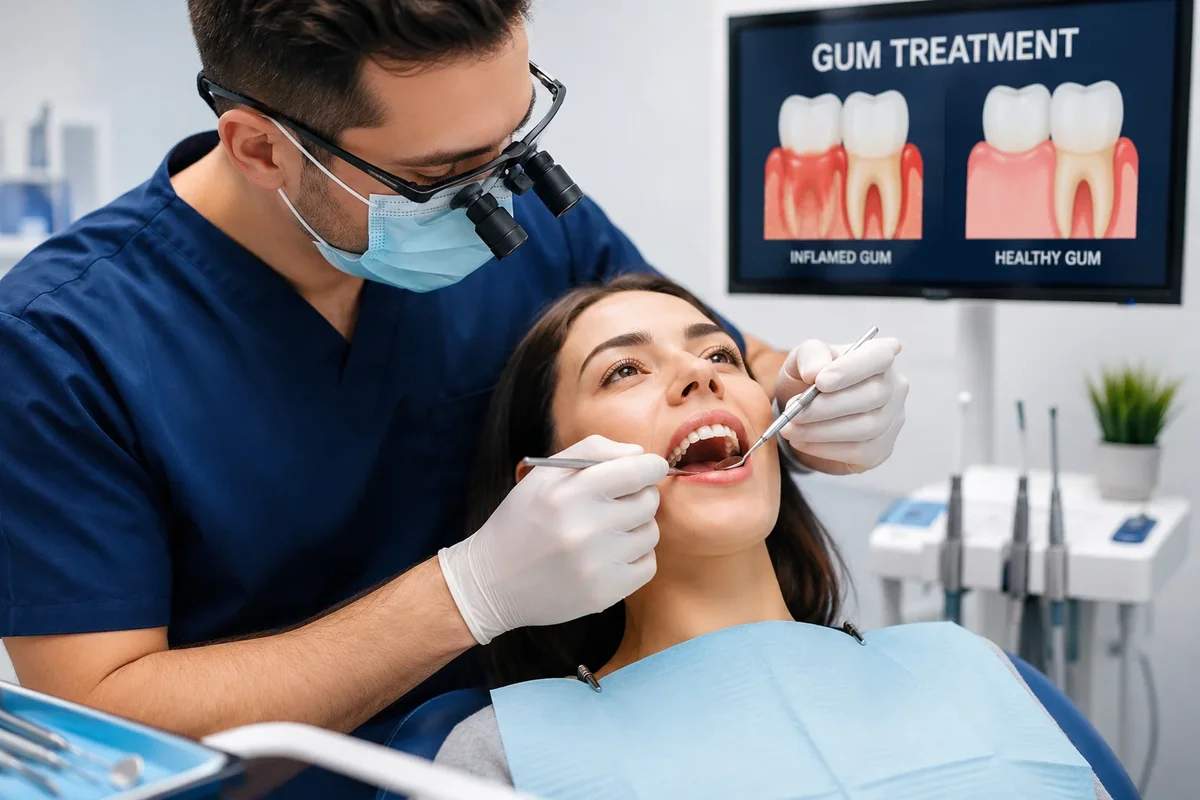
Choosing the Right Dentist for Gum Treatment Near You
Finding the right dental professional is one of the most important decisions patients can make when dealing with gum disease. The quality of periodontal care directly affects treatment success, long-term oral health, and overall patient comfort. A qualified dentist for gum treatment not only treats active gum disease but also helps patients prevent future complications through personalized care and preventive strategies. Because periodontal disease can become severe if left untreated, choosing an experienced and trustworthy provider is essential for protecting your smile.
Many patients search online for a dentist for gum treatment near their location after experiencing symptoms such as bleeding gums, swelling, gum recession, or persistent bad breath. However, selecting the best clinic involves more than simply finding the closest office. Patients should carefully evaluate the dentist’s experience, technology, patient reviews, treatment philosophy, and overall approach to periodontal care.
Why Experience Matters in Periodontal Care
Gum disease treatment often requires advanced knowledge and specialized techniques. An experienced dentist for gum treatment understands how to diagnose periodontal disease accurately, evaluate bone loss, and recommend the most effective treatment options based on each patient’s condition.
🦷 Patients with moderate or severe gum disease may require complex procedures such as scaling and root planing, laser therapy, gum grafting, or regenerative surgery. Choosing a highly trained dentist for gum treatment increases the likelihood of successful treatment outcomes and healthier long-term results.
When researching a clinic, patients should look for dental professionals who regularly perform periodontal procedures and stay updated with modern treatment methods.
Check the Technology Used in the Clinic
Modern dental technology plays a major role in improving periodontal diagnosis and treatment accuracy. A professional dentist for gum treatment often uses advanced imaging systems and minimally invasive treatment tools to provide more comfortable and effective care.
Important Technology Features
- Digital dental X-rays
- Laser periodontal therapy systems
- Ultrasonic scaling devices
- 3D dental imaging
- Digital periodontal charting
- Intraoral cameras
✨ Advanced technology allows a dentist for gum treatment to detect hidden infections, reduce discomfort during procedures, and improve healing times. Patients often feel more confident when receiving care from clinics equipped with modern periodontal systems.
Read Patient Reviews and Testimonials
Patient reviews provide valuable insight into the quality of care offered by a dentist for gum treatment. Reviews can reveal important information about treatment success, clinic cleanliness, communication quality, staff professionalism, and patient satisfaction.
What to Look for in Reviews
- Positive comments about gum disease treatment results
- Mentions of comfortable treatment experiences
- Clear communication and transparency
- Friendly and supportive staff
- Professional follow-up care
🌟 Consistently positive feedback often indicates that a dentist for gum treatment prioritizes patient care and maintains high treatment standards.
Evaluate the Consultation Process
A quality consultation is one of the clearest signs of a professional dentist for gum treatment. During the first appointment, the dentist should perform a comprehensive periodontal evaluation and explain the condition clearly.
The consultation process should include:
- Reviewing medical and dental history
- Examining gum health carefully
- Measuring periodontal pockets
- Taking digital X-rays if needed
- Discussing treatment options
- Providing cost estimates
💡 A trustworthy dentist for gum treatment takes time to answer patient questions and explain every procedure in detail. Patients should never feel pressured into treatment without fully understanding their condition.
Importance of Personalized Treatment Plans
No two periodontal cases are exactly the same. A skilled dentist for gum treatment creates individualized treatment plans based on factors such as:
- Severity of gum disease
- Bone loss level
- Smoking habits
- Oral hygiene routines
- Medical conditions
- Patient goals and expectations
⚠️ Clinics offering identical treatment plans for every patient may not provide the level of personalized care needed for optimal periodontal health. A professional dentist for gum treatment carefully evaluates each patient before recommending procedures.
Ask About Preventive and Maintenance Care
Successful periodontal treatment does not end after the initial procedure. Ongoing maintenance is essential for preventing recurring infection and preserving healthy gums. A reliable dentist for gum treatment emphasizes long-term prevention strategies as part of comprehensive care.
Preventive Services Often Offered
- Routine periodontal maintenance cleanings
- Oral hygiene education
- Smoking cessation guidance
- Nutritional recommendations
- Monitoring gum pocket depth
🪥 Patients who follow maintenance programs recommended by a dentist for gum treatment often experience better long-term outcomes and reduced risk of severe periodontal relapse.
Compare Costs and Financing Options
The cost of periodontal care can vary between clinics. A professional dentist for gum treatment should provide transparent pricing and explain all expected expenses before treatment begins.
Questions Patients Should Ask
- Does the clinic accept insurance?
- Are financing plans available?
- What procedures are included in the estimate?
- Will additional appointments be required?
- Are follow-up visits included?
💰 While affordability is important, patients should avoid selecting a dentist for gum treatment based solely on the lowest price. Experience, technology, and treatment quality are equally important factors when choosing periodontal care.
Consider International Dental Care Options
Many patients now travel internationally for affordable and high-quality periodontal treatment. Clinics specializing in dental tourism often combine experienced professionals, modern technology, and lower treatment costs.
🌍 Choosing an international dentist for gum treatment may provide substantial savings while maintaining excellent treatment quality. However, patients should carefully research clinic reputation, sterilization standards, certifications, and patient reviews before traveling.
If you are searching for professional periodontal care and personalized treatment options, you can visit the Redent Klinik Contact Page for additional consultation and treatment information.
Questions to Ask Before Starting Treatment
Before selecting a dentist for gum treatment, patients should feel comfortable asking detailed questions about procedures, recovery, and expected outcomes.
Important Questions Include
- What stage of gum disease do I have?
- Which treatment options are recommended?
- How long will recovery take?
- What are the risks and benefits?
- How can I prevent future gum problems?
✨ Open communication helps build trust between the patient and the dentist for gum treatment, improving treatment confidence and long-term cooperation.
According to the American Dental Association, selecting a qualified dental professional and maintaining regular periodontal care are essential for preserving healthy gums and preventing tooth loss.
🌟 In conclusion, choosing the right dentist for gum treatment requires careful research, attention to experience, modern technology, patient reviews, and preventive care philosophy. Patients should prioritize professionalism, clear communication, and personalized treatment planning when selecting periodontal care providers. By choosing a trusted and experienced dentist for gum treatment, individuals can significantly improve their oral health, protect their natural teeth, and maintain a healthier smile for many years.