
Finding a reliable dentist for low income people can feel overwhelming for families, students, seniors, and individuals struggling with rising healthcare costs. Many people delay dental visits because they worry about treatment expenses, but avoiding oral care often leads to more serious problems later. Tooth decay, gum disease, infections, and missing teeth can affect confidence, speech, eating habits, and overall health. Fortunately, there are many affordable dental care options available today for anyone searching for a dentist for low income people.
A professional dentist for low income people understands the financial concerns patients face and usually offers budget-friendly treatment plans, payment options, preventive care programs, and community support resources. Across the United States and many other countries, affordable dental clinics, nonprofit organizations, government-funded health centers, and dental schools help patients receive quality care without overwhelming costs. These services are designed specifically to help people who need affordable oral healthcare while still maintaining high treatment standards.
One of the most important things to understand is that preventive dental care is significantly less expensive than emergency treatment. A routine cleaning or dental exam may cost far less than root canal therapy, tooth extraction, or dental implant surgery later. Visiting a dentist for low income people regularly can help detect problems early and reduce long-term expenses. Preventive services often include:
- Dental cleanings 🦷
- Routine oral examinations
- X-rays and diagnostic imaging
- Fluoride treatments
- Cavity fillings
- Basic gum disease treatment
- Emergency pain management
Many community clinics and affordable dental centers use sliding-scale pricing. This means the cost of treatment depends on the patient’s income level. For example, a person with limited income may pay much less for the same procedure compared to someone with private insurance. This system allows a dentist for low income people to provide essential oral healthcare while keeping treatment accessible for vulnerable patients.
Dental schools are another excellent option for affordable care. Universities with dental education programs often provide reduced-cost services performed by supervised dental students. Patients can receive treatments such as cleanings, fillings, crowns, dentures, and even oral surgery at significantly lower prices. Choosing a dental school clinic can be a practical solution for anyone looking for a dentist for low income people without sacrificing quality care.
Government assistance programs may also help cover dental costs for eligible patients. Medicaid dental coverage varies depending on the state, but many programs include preventive care, emergency treatment, and limited restorative services. Some nonprofit organizations also organize free dental events and mobile clinics throughout the year. These initiatives are especially useful for uninsured patients searching for a dependable dentist for low income people.
Here are some average affordable dental treatment prices commonly available through low-cost clinics and community programs:
| Dental Treatment | Estimated Affordable Price |
|---|---|
| Dental Cleaning | $40 – $120 |
| Dental Exam | $30 – $80 |
| Tooth Filling | $70 – $200 |
| Tooth Extraction | $80 – $250 |
| Emergency Dental Visit | $50 – $150 |
| Complete Dentures | $500 – $1500 |
Prices may vary depending on location, clinic type, and treatment complexity. However, affordable solutions are available for patients who take the time to research local programs and clinics. A trusted dentist for low income people will often explain treatment costs clearly before starting procedures and may provide financing plans to reduce financial stress.
Another important factor is oral health education. Affordable dental providers frequently focus on teaching patients how to protect their teeth and gums at home. Good brushing habits, flossing, reducing sugar intake, and attending regular checkups can prevent expensive dental problems in the future. This preventive approach helps both adults and children maintain healthier smiles while reducing overall healthcare costs.
People searching online for affordable dental care should also look for federally funded health centers, charity dental programs, and nonprofit clinics in their local area. Many organizations specialize in helping uninsured or low-income patients receive necessary oral treatment. A caring dentist for low income people understands that dental anxiety and financial pressure often go together, so these clinics usually focus on creating supportive and welcoming environments.
Patients who need advanced procedures such as implants, crowns, veneers, or full-mouth restorations may also consider international dental tourism options. Clinics offering high-quality treatment at lower costs have become increasingly popular. For example, many international patients contact affordable clinics through the Redent Klinik Contact Page to learn more about treatment options and personalized dental care plans.
It is also important to rely on trusted dental information from professional organizations. The American Dental Association provides educational resources about oral health, preventive care, dental procedures, and patient safety standards. Reviewing reliable information helps patients make informed decisions when choosing a dentist for low income people.
Affordable dental care is not only about saving money. It is about improving quality of life, restoring confidence, reducing pain, and protecting long-term health. Oral infections can contribute to serious health conditions including heart disease, diabetes complications, and nutritional problems. That is why finding the right dentist for low income people is an important step toward maintaining both oral and overall wellness.
Today, more affordable dental solutions exist than ever before. Whether through community clinics, dental schools, nonprofit programs, payment plans, or government-supported services, patients can access professional oral healthcare without facing impossible financial burdens. By researching available resources and prioritizing preventive care, individuals and families can achieve healthier smiles while staying within their budget. 😊
How a Dentist for Low Income People Can Reduce Dental Costs
Choosing the right dentist for low income people can make a major difference in managing dental expenses while still receiving professional and safe oral healthcare. Many individuals postpone treatment because they assume dental care is always expensive, but affordable options are available in many cities and communities. A skilled dentist for low income people focuses on preventive care, flexible payment methods, and budget-friendly treatment plans that help patients maintain healthy teeth without financial stress.
Dental costs can become overwhelming when oral health problems are ignored for long periods. Small cavities may turn into infections, gum inflammation can develop into advanced periodontal disease, and untreated damage may eventually require extractions or dental implants. One of the biggest advantages of visiting a dentist for low income people early is preventing these expensive complications before they become serious.
Why Preventive Care Saves Money
Preventive dentistry is one of the most effective ways to reduce overall treatment expenses. Routine examinations and professional cleanings help dentists identify problems before they require major procedures. A trusted dentist for low income people usually encourages patients to attend regular checkups because preventive care is significantly cheaper than restorative or emergency treatment.
For example, a small filling may cost less than treating a severe infection with root canal therapy and a dental crown. Preventive care often includes:
- Routine dental examinations 🦷
- Professional teeth cleaning
- Digital dental X-rays
- Fluoride treatments
- Sealants for cavity prevention
- Early gum disease treatment
- Oral hygiene education
Patients who regularly visit a dentist for low income people are often able to avoid expensive emergency visits later. Preventive care protects both oral health and personal finances over time.
Affordable Payment Plans and Financing
Another reason many people choose a dentist for low income people is the availability of flexible payment options. Some clinics understand that paying for treatment all at once may not be realistic for every patient. Instead, they provide monthly payment arrangements that make dental care more manageable.
Common Payment Options
- Interest-free installment plans
- Monthly financing programs
- Discount membership plans
- Cash payment discounts
- Family treatment packages
- Reduced-cost preventive programs
These payment methods allow patients to receive necessary treatment without delaying important procedures. A compassionate dentist for low income people often explains all financial details clearly before beginning treatment, helping patients avoid unexpected expenses.
Sliding-Scale Dental Clinics
Sliding-scale clinics are one of the most popular solutions for affordable oral healthcare. These clinics calculate treatment fees based on a patient’s income level. Patients with lower incomes typically pay reduced rates for the same services. A dentist for low income people working in a sliding-scale clinic may provide exams, cleanings, fillings, and emergency care at significantly lower prices than private practices.
Many nonprofit organizations and community health centers use this system to make dental care accessible for vulnerable individuals and families. Patients may need to provide proof of income to qualify for reduced pricing.
Dental Schools and University Clinics
Dental schools are another excellent option for affordable treatment. Universities with dental programs often provide reduced-cost services performed by dental students under professional supervision. This allows patients to receive high-quality treatment while helping students gain practical experience.
A university-based dentist for low income people program may offer:
- Dental cleanings
- Tooth fillings
- Crowns and bridges
- Dentures
- Simple oral surgery
- Preventive treatments
Although appointments at dental schools may take longer, the savings can be substantial. This option is especially useful for patients needing multiple procedures.
Government and Community Assistance Programs
Many patients searching for a dentist for low income people qualify for government-supported healthcare programs. Medicaid may cover preventive and emergency dental services depending on local regulations. Community health centers also frequently provide low-cost treatment for uninsured patients.
Some nonprofit organizations organize free dental events throughout the year where volunteer dentists offer cleanings, extractions, and emergency care. These programs help thousands of people receive essential oral treatment at little or no cost.
Examples of Low-Cost Services
| Dental Service | Average Affordable Cost |
|---|---|
| Dental Cleaning | $40 – $100 |
| Basic Filling | $70 – $180 |
| Simple Extraction | $80 – $220 |
| Dental Crown | $500 – $900 |
| Partial Dentures | $300 – $1000 |
Costs vary depending on the clinic, location, and treatment complexity, but affordable care is often available for patients who research their options carefully.
How Good Oral Hygiene Reduces Future Costs
A reliable dentist for low income people not only provides treatment but also teaches patients how to maintain oral health at home. Daily habits play a major role in preventing expensive dental problems.
Simple habits that reduce future dental expenses include:
- Brushing twice daily with fluoride toothpaste
- Flossing every day
- Reducing sugary drinks and snacks
- Drinking more water 💧
- Avoiding smoking and tobacco products
- Scheduling regular dental checkups
Preventive habits lower the risk of cavities and gum disease while reducing the need for costly restorative procedures later.
Affordable International Dental Options
Some patients needing advanced procedures explore international dental clinics for more affordable care. Treatments such as implants, veneers, and full-mouth restorations may cost significantly less in some countries while still maintaining high-quality standards.
Patients interested in affordable treatment solutions can contact clinics directly through the Redent Klinik Contact Page to learn more about personalized treatment plans and available services.
For trusted oral health information and dental education resources, patients can also visit the American Dental Association.
Ultimately, finding the right dentist for low income people is about more than saving money. It is about protecting long-term health, improving confidence, and making professional dental care accessible to everyone. With preventive care, flexible payment plans, community clinics, and affordable treatment programs, quality oral healthcare is possible even for patients on limited budgets. 😊
Best Dental Clinics Offering Affordable Care for Families
Finding affordable dental care for an entire family can be challenging, especially when multiple family members need regular checkups, fillings, orthodontic care, or emergency treatment. Fortunately, many clinics today focus specifically on providing quality care through a dentist for low income people model that supports families with limited budgets. These clinics aim to make oral healthcare accessible without sacrificing patient safety, professionalism, or treatment quality.
A trusted dentist for low income people often understands that parents may postpone treatment because of financial concerns. However, delaying dental care can create more expensive problems in the future. Small cavities may become infections, untreated gum disease can worsen, and children may develop severe tooth decay that affects eating, sleeping, and school performance. Family-focused affordable clinics work to prevent these problems early while keeping treatment costs manageable.
Why Affordable Family Dental Clinics Matter
Oral health affects every part of daily life. Healthy teeth and gums improve confidence, nutrition, speech, and overall wellness. Children especially benefit from regular dental visits because preventive care helps protect developing teeth and reduces future treatment costs. A reliable dentist for low income people usually emphasizes preventive dentistry to help families avoid expensive emergency procedures later.
Affordable family dental clinics commonly provide:
- Routine cleanings 🦷
- Dental exams for adults and children
- Digital X-rays
- Fluoride treatments
- Cavity fillings
- Tooth extractions
- Emergency dental services
- Basic orthodontic consultations
- Dentures and restorative treatments
Many of these clinics also offer flexible scheduling for busy families, allowing parents to arrange appointments for multiple family members during the same visit.
Community Health Centers and Nonprofit Clinics
Community health centers are among the best options for finding a dentist for low income people. These clinics are often supported by government funding or nonprofit organizations and focus on helping underserved communities receive healthcare services.
Many community clinics use sliding-scale pricing, meaning treatment costs are adjusted based on the patient’s income level. Families with lower household income may qualify for significant discounts on preventive and restorative treatments.
Benefits of Community Dental Clinics
- Affordable pricing for families
- Reduced-cost preventive care
- Payment plans and financing options
- Child-friendly dental environments 😊
- Emergency dental treatment availability
- Access to multilingual staff in some areas
A compassionate dentist for low income people working in a community clinic often spends extra time educating families about proper oral hygiene and prevention strategies to reduce future dental expenses.
Dental Schools Offering Reduced-Cost Care
Dental schools are another excellent resource for affordable family treatment. Universities with dental programs frequently provide services performed by dental students under professional supervision. Patients receive quality care while students gain clinical experience.
A dental school-based dentist for low income people program can help families save significant amounts of money on procedures such as:
- Professional cleanings
- Tooth-colored fillings
- Simple crowns
- Root canal treatments
- Partial dentures
- Preventive pediatric care
Appointments at dental schools may take longer than traditional private clinics, but the reduced prices often make them worthwhile for families on tight budgets.
Affordable Pediatric Dental Services
Children require specialized dental attention because their teeth and jaws are still developing. A family-focused dentist for low income people often provides preventive pediatric services designed to protect children from cavities and oral infections.
Important Pediatric Preventive Treatments
- Dental sealants
- Fluoride varnish treatments
- Early orthodontic monitoring
- Nutrition guidance
- Oral hygiene education
Preventive care during childhood reduces the likelihood of costly dental problems later in life. Teaching children healthy brushing and flossing habits early also improves long-term oral health outcomes.
Average Costs at Affordable Family Clinics
Many people searching for a dentist for low income people want a better understanding of treatment costs before scheduling appointments. While prices vary depending on location and clinic type, affordable family clinics usually provide lower rates than private cosmetic dental offices.
| Dental Treatment | Affordable Family Clinic Cost |
|---|---|
| Child Dental Cleaning | $30 – $80 |
| Adult Dental Exam | $40 – $100 |
| Tooth Filling | $70 – $180 |
| Simple Tooth Extraction | $80 – $220 |
| Emergency Visit | $50 – $150 |
| Basic Dentures | $500 – $1200 |
These affordable price ranges help many families maintain oral health without creating excessive financial pressure.
How to Choose the Right Affordable Dental Clinic
Not every clinic provides the same level of service, so families should carefully evaluate their options before choosing a dentist for low income people. Reading online reviews, checking licensing information, and asking about payment options can help patients find trustworthy care.
Questions Families Should Ask
- Do you offer payment plans?
- Is preventive care available for children?
- Do you accept Medicaid or public insurance?
- Are emergency appointments available?
- Do you provide treatment estimates in advance?
A reliable clinic should communicate clearly, explain treatment recommendations honestly, and focus on preventive care rather than unnecessary procedures.
The Importance of Regular Dental Visits
One of the biggest mistakes families make is waiting until severe pain develops before seeking care. Visiting a dentist for low income people regularly helps detect issues early and reduces the risk of expensive emergency treatment.
Routine dental care can help prevent:
- Severe tooth decay
- Advanced gum disease
- Dental infections
- Tooth loss
- Painful abscesses
- Expensive restorative procedures
Consistent preventive care is usually much cheaper than treating advanced dental problems later.
Families interested in affordable international dental treatment options may also explore personalized care plans through the Redent Klinik Contact Page. Patients seeking trusted oral health information can visit the American Dental Association for educational resources and dental care guidance.
Ultimately, finding the right dentist for low income people can help families maintain healthy smiles, improve overall wellness, and reduce long-term healthcare costs. Affordable family dental clinics, nonprofit organizations, dental schools, and community health centers all play an important role in making quality oral healthcare accessible for everyone regardless of income level. 😊
Government Programs That Help With Dental Treatment
Many individuals and families struggle to afford regular dental care, especially when they do not have private insurance coverage. Fortunately, several government-supported healthcare programs help patients access affordable oral treatment through clinics and providers that specialize as a dentist for low income people. These programs are designed to improve public health, reduce untreated dental disease, and make preventive care accessible to vulnerable populations.
Dental health is not only important for maintaining a healthy smile. Poor oral hygiene and untreated dental problems can contribute to infections, heart disease, diabetes complications, nutritional problems, and chronic pain. Government assistance programs help patients avoid these serious health risks by connecting them with a reliable dentist for low income people who provides affordable preventive and restorative care.
Why Government Dental Assistance Matters
Millions of people delay dental treatment every year because they fear high treatment costs. Unfortunately, postponing oral healthcare often leads to worsening conditions that eventually require more expensive procedures. Government-supported programs help solve this problem by making essential services available to low-income families, seniors, disabled individuals, and uninsured patients.
A professional dentist for low income people participating in government healthcare programs may provide:
- Routine dental exams 🦷
- Teeth cleanings
- X-rays and diagnostics
- Cavity fillings
- Tooth extractions
- Emergency dental care
- Gum disease treatment
- Dentures and restorative care
These services help patients maintain oral health while avoiding major financial burdens.
Medicaid Dental Coverage
One of the most important programs for finding a dentist for low income people is Medicaid. Medicaid is a government-funded healthcare program that supports eligible low-income individuals and families. Dental coverage under Medicaid varies depending on the state, but many programs include preventive and emergency dental services.
Common Medicaid Dental Benefits
- Dental exams and cleanings
- Tooth-colored fillings
- Emergency extractions
- Pediatric dental services
- X-rays and preventive screenings
- Basic gum disease treatment
Children usually receive broader dental coverage through Medicaid because preventive pediatric care is considered essential for long-term health. Adult coverage may be more limited in some states, but many patients still receive valuable preventive and emergency treatment through a participating dentist for low income people.
Children’s Health Insurance Program (CHIP)
The Children’s Health Insurance Program, commonly called CHIP, helps families whose income is too high for Medicaid but still insufficient for private insurance. CHIP often includes comprehensive dental coverage for children and teenagers.
A dentist for low income people accepting CHIP coverage may provide services such as:
- Routine checkups
- Dental sealants
- Orthodontic evaluations
- Fluoride treatments
- Cavity prevention programs
Preventive pediatric care is extremely important because untreated cavities during childhood can affect speech, nutrition, and overall development.
Federally Qualified Health Centers
Federally Qualified Health Centers (FQHCs) are community-based clinics funded by government programs to provide affordable healthcare services in underserved areas. These clinics often include dental departments specifically focused on helping patients find a dependable dentist for low income people.
Advantages of Federally Qualified Health Centers
- Sliding-scale pricing based on income
- Affordable preventive care 😊
- Access to emergency treatment
- Family-focused dental services
- Support for uninsured patients
- Multilingual staff in many locations
These clinics play a major role in improving public oral health by offering affordable treatment options to patients who may otherwise avoid dental care entirely.
Veterans Affairs Dental Programs
Veterans may qualify for dental benefits through the Department of Veterans Affairs (VA). Eligibility depends on military service history, disability status, and healthcare classification. Eligible veterans can receive treatment through VA dental clinics or approved providers functioning as a dentist for low income people.
Available services may include:
- Routine preventive care
- Restorative treatments
- Oral surgery
- Complete dentures
- Emergency dental services
Veterans with service-connected dental conditions may qualify for broader treatment coverage.
Free Dental Clinics and Community Events
Many nonprofit organizations work alongside government-supported healthcare systems to provide free dental clinics throughout the year. Volunteer dentists, hygienists, and healthcare teams organize special events where patients can receive basic treatment at no cost.
A volunteer dentist for low income people may provide:
- Dental cleanings
- Simple fillings
- Tooth extractions
- Oral health screenings
- Emergency pain relief
These events often prioritize patients experiencing severe pain or urgent oral health problems.
Average Costs Through Government-Assisted Clinics
Government-funded clinics usually offer lower prices than private dental offices. While exact costs vary depending on location and eligibility, affordable treatment is often available through community healthcare systems.
| Dental Service | Estimated Low-Cost Range |
|---|---|
| Routine Cleaning | $20 – $80 |
| Dental Exam | $30 – $90 |
| Basic Filling | $50 – $150 |
| Tooth Extraction | $60 – $200 |
| Dentures | $400 – $1200 |
These affordable price ranges allow patients to receive necessary treatment while managing limited financial resources.
How to Apply for Government Dental Assistance
Patients looking for a dentist for low income people through government programs should begin by researching local healthcare agencies and community clinics. Most programs require proof of income, identification documents, and residency information.
Important Steps to Take
- Check local Medicaid eligibility requirements
- Search for community health centers nearby
- Ask clinics about sliding-scale pricing
- Gather income verification documents
- Schedule preventive appointments early
Early action is important because some programs may have waiting lists or limited appointment availability.
The Long-Term Benefits of Affordable Dental Care
Visiting a dentist for low income people regularly helps prevent severe oral health complications and improves overall quality of life. Affordable preventive care reduces the risk of painful infections, tooth loss, and expensive restorative procedures later.
Patients seeking affordable international dental treatment options may also explore personalized care through the Redent Klinik Contact Page. Reliable oral health guidance and educational materials are also available through the American Dental Association.
Government-supported dental programs continue to play a critical role in helping underserved communities receive professional oral healthcare. With the support of community clinics, Medicaid programs, nonprofit organizations, and preventive care services, patients can find a trustworthy dentist for low income people and maintain healthier smiles without overwhelming financial stress. 😊
Dental Insurance Options for Low Income Individuals
Finding affordable dental insurance can be difficult for individuals and families living on a limited budget. Many people delay oral treatment because they assume insurance premiums and dental procedures are too expensive. However, there are several insurance solutions and discount programs specifically designed to help patients access a reliable dentist for low income people without facing overwhelming financial pressure.
Dental insurance plays an important role in reducing treatment costs and encouraging preventive care. Without coverage, many patients only visit a clinic during severe pain or emergencies, which often leads to more expensive procedures later. A trusted dentist for low income people frequently works with affordable insurance programs, government-supported plans, and low-cost membership systems that make dental care more accessible.
Why Dental Insurance Is Important
Oral health problems can become serious very quickly if left untreated. Small cavities may turn into painful infections, and untreated gum disease can eventually lead to tooth loss. Dental insurance helps reduce out-of-pocket costs and allows patients to seek preventive care before problems become severe.
A dentist for low income people often encourages patients to focus on preventive treatment because regular care usually costs much less than emergency procedures. Insurance coverage commonly helps pay for:
- Routine dental exams 🦷
- Professional cleanings
- X-rays and diagnostics
- Cavity fillings
- Tooth extractions
- Emergency dental visits
- Preventive gum care
Access to affordable insurance gives patients greater confidence when scheduling regular appointments and maintaining long-term oral health.
Medicaid Dental Insurance Coverage
Medicaid is one of the most common insurance options for individuals searching for a dentist for low income people. This government-funded healthcare program supports eligible low-income adults, children, seniors, and disabled individuals.
Dental benefits under Medicaid vary by state, but many programs cover essential preventive and emergency treatments. Pediatric dental services are often more comprehensive because children’s oral health is considered a critical healthcare need.
Services Commonly Covered by Medicaid
- Dental cleanings
- Routine examinations
- Tooth fillings
- Emergency extractions
- Pediatric dental care
- X-rays
- Basic periodontal treatment
Patients should contact local Medicaid offices or community clinics to verify which services are covered in their region.
Affordable Dental Discount Plans
Dental discount plans are becoming increasingly popular for people who do not qualify for Medicaid but still need affordable care. Unlike traditional insurance, these programs usually require an annual membership fee in exchange for discounted treatment rates.
Many clinics operating as a dentist for low income people participate in dental savings networks that help patients reduce treatment expenses immediately.
Advantages of Dental Discount Plans
- No complicated approval process 😊
- Immediate access to discounts
- Reduced prices for preventive care
- Affordable annual membership fees
- No large deductibles in many cases
- Lower prices on restorative treatments
Discount plans are especially helpful for uninsured individuals who need regular dental care but cannot afford expensive private insurance policies.
Employer-Sponsored Dental Insurance
Some low-income workers receive dental benefits through their employers. Even basic employer-sponsored insurance can significantly reduce treatment costs when visiting a participating dentist for low income people.
Employer dental plans often cover:
- Preventive exams
- Routine cleanings
- Basic fillings
- Partially covered crowns
- Emergency procedures
Patients should carefully review annual coverage limits, waiting periods, and co-payment requirements before selecting a plan.
Affordable Family Insurance Programs
Families with children may qualify for low-cost insurance programs designed specifically for preventive pediatric care. These plans help parents reduce the financial burden of maintaining their children’s oral health.
A family-focused dentist for low income people often works closely with public insurance providers and community health systems to help children receive preventive services such as:
- Dental sealants
- Fluoride treatments
- Orthodontic evaluations
- Preventive cleanings
- Cavity prevention programs
Early preventive treatment helps reduce expensive dental problems later in life.
Average Dental Insurance Costs and Savings
Many patients searching for a dentist for low income people want to understand the financial difference insurance can make. While insurance costs vary depending on the provider and coverage level, affordable plans can substantially reduce out-of-pocket expenses.
| Dental Service | Without Insurance | With Affordable Coverage |
|---|---|---|
| Dental Cleaning | $80 – $200 | $0 – $50 |
| Dental Exam | $50 – $150 | $0 – $40 |
| Tooth Filling | $120 – $350 | $40 – $120 |
| Tooth Extraction | $150 – $400 | $60 – $180 |
| Emergency Visit | $100 – $300 | $40 – $100 |
These savings can make a major difference for families and individuals with limited financial resources.
How to Choose the Right Dental Insurance
Choosing the right insurance plan requires careful research. Not all plans provide the same level of coverage, and some may include waiting periods or annual treatment limits. A professional dentist for low income people may help patients understand which insurance options work best for their specific needs.
Important Factors to Consider
- Monthly premium costs
- Annual coverage limits
- Deductibles and co-payments
- Preventive care coverage
- Emergency treatment availability
- Participating dental providers nearby
Patients should compare multiple plans carefully before making a decision.
Community Clinics Accepting Low-Cost Insurance
Many community health centers and nonprofit dental clinics accept affordable insurance programs and Medicaid coverage. These clinics often specialize as a dentist for low income people and focus on providing accessible care to underserved communities.
Patients seeking affordable international dental treatment solutions can also explore personalized care plans through the Redent Klinik Contact Page. Educational oral health resources and preventive care guidance are also available through the American Dental Association.
The Long-Term Value of Affordable Coverage
Dental insurance is not only about reducing immediate treatment costs. It also encourages preventive care, improves oral health awareness, and helps patients avoid severe dental emergencies. A reliable dentist for low income people understands that consistent preventive treatment is one of the best ways to protect both health and finances.
By using affordable insurance programs, discount memberships, and community-supported healthcare systems, patients can access professional oral treatment without delaying necessary care. These solutions make it possible for individuals and families to maintain healthier smiles while managing limited budgets more effectively. 😊
Free and Sliding-Scale Dental Services You Should Know
Accessing affordable oral healthcare can be extremely difficult for uninsured individuals and families struggling with limited financial resources. Many people delay treatment because they fear expensive dental bills, but avoiding care often causes oral health problems to become much worse over time. Fortunately, there are many free and sliding-scale programs designed to help patients find a reliable dentist for low income people without overwhelming financial pressure.
Free dental clinics, nonprofit healthcare organizations, dental schools, and sliding-scale community centers all play an important role in improving public oral health. These services help patients receive preventive treatment, emergency care, and restorative procedures at reduced costs or sometimes completely free. A compassionate dentist for low income people working in these programs focuses on accessibility, prevention, and long-term oral health support.
What Are Sliding-Scale Dental Services?
Sliding-scale dental clinics adjust treatment prices according to a patient’s income level. This system allows individuals with lower earnings to pay significantly reduced fees compared to standard private clinics. Many patients searching for a dentist for low income people choose sliding-scale clinics because they offer affordable preventive and emergency care while maintaining professional treatment standards.
Patients may need to provide proof of income, identification, or residency information to qualify for reduced pricing. These clinics are often operated by:
- Community health centers 🦷
- Nonprofit organizations
- Government-supported healthcare facilities
- Religious charities
- Dental schools and universities
The goal of sliding-scale care is to make dental treatment accessible for everyone regardless of financial status.
Types of Services Commonly Available
A dentist for low income people working in free or sliding-scale clinics usually provides essential preventive and restorative services. While cosmetic procedures may not always be included, patients can often receive treatment for pain relief, infections, and oral health maintenance.
Common Affordable Dental Services
- Routine dental examinations
- Professional teeth cleaning
- Digital X-rays
- Cavity fillings
- Simple tooth extractions
- Emergency dental visits
- Basic gum disease treatment
- Dentures and partial dentures
Some larger community clinics may also provide pediatric dentistry, oral surgery, and preventive orthodontic evaluations for children.
Free Dental Clinics and Charity Programs
Many nonprofit organizations organize free dental care events throughout the year. Volunteer dentists and hygienists donate their time to help uninsured patients receive urgent treatment. A volunteer dentist for low income people may provide free cleanings, extractions, fillings, and oral health screenings during these events.
Charity dental clinics are especially valuable for patients experiencing severe tooth pain, infections, or emergency situations. Some organizations focus specifically on helping:
- Low-income families
- Senior citizens 👵
- Veterans
- Disabled individuals
- Homeless communities
- Uninsured patients
These programs help reduce untreated dental disease while improving overall public health.
Dental Schools Offering Low-Cost Treatment
Dental schools are another excellent option for affordable oral healthcare. Universities with dental programs frequently offer reduced-cost services performed by supervised students. Patients who choose a dental school-based dentist for low income people program often save substantial amounts of money on preventive and restorative treatment.
Treatments Commonly Offered at Dental Schools
- Dental cleanings
- Tooth-colored fillings
- Root canal therapy
- Dental crowns
- Complete and partial dentures
- Simple oral surgery
Although appointments may take longer because students are supervised during procedures, treatment quality is carefully monitored by experienced dental professionals.
How Community Health Centers Help Patients
Community health centers are one of the most important resources for finding a dentist for low income people. These clinics receive government or nonprofit support to provide affordable healthcare services in underserved areas.
Many community clinics offer:
- Sliding-scale payment systems
- Affordable preventive care
- Emergency dental appointments
- Pediatric dental services
- Payment plans for larger treatments
- Multilingual patient support 😊
These clinics focus heavily on prevention because early treatment helps reduce expensive procedures later.
Average Costs at Sliding-Scale Clinics
Patients often worry about treatment costs even at affordable clinics. However, a dentist for low income people working in a sliding-scale facility usually charges significantly lower prices than private cosmetic dental offices.
| Dental Treatment | Estimated Sliding-Scale Cost |
|---|---|
| Dental Exam | $20 – $70 |
| Professional Cleaning | $30 – $90 |
| Tooth Filling | $50 – $150 |
| Simple Extraction | $60 – $180 |
| Emergency Visit | $40 – $120 |
| Basic Dentures | $400 – $1000 |
Costs vary depending on location, clinic funding, and treatment complexity, but affordable options are often available for patients willing to research local programs.
Why Preventive Care Is So Important
A skilled dentist for low income people usually emphasizes preventive dentistry because small dental issues are much cheaper to treat than advanced oral disease. Regular cleanings and examinations help identify cavities, gum problems, and infections before they become severe.
Simple Preventive Habits That Save Money
- Brush teeth twice daily
- Use fluoride toothpaste
- Floss every day
- Limit sugary drinks and snacks
- Drink more water 💧
- Avoid smoking and tobacco
- Attend regular dental checkups
Preventive care reduces the risk of painful emergencies and expensive restorative procedures.
How to Find Free or Sliding-Scale Dental Care
Patients searching for a dentist for low income people should begin by contacting local health departments, nonprofit clinics, and community healthcare organizations. Many cities maintain directories of low-cost healthcare services available for uninsured residents.
Patients may also ask local dentists whether they participate in charity programs or affordable care initiatives. Some clinics reserve emergency appointments for low-income patients experiencing severe pain.
Individuals seeking affordable international dental treatment solutions may explore personalized care through the Redent Klinik Contact Page. Educational oral healthcare resources and preventive dentistry guidance are also available through the American Dental Association.
The Value of Accessible Dental Care
Affordable dental treatment is about more than saving money. Oral health affects nutrition, speech, confidence, and overall wellness. A dependable dentist for low income people helps patients maintain healthy smiles while reducing the physical and emotional stress caused by untreated dental problems.
Free clinics, sliding-scale centers, nonprofit programs, and dental schools continue to provide essential services for underserved communities around the world. With proper preventive care and access to affordable treatment options, patients can protect their oral health without facing impossible financial burdens. 😊
Emergency Dentist for Low Income People and Urgent Care Tips
Dental emergencies can happen unexpectedly and often create severe pain, anxiety, and financial stress. A broken tooth, infection, swelling, or sudden toothache may require immediate treatment, but many patients hesitate to seek care because they worry about the cost. Fortunately, there are many clinics and healthcare programs designed to help patients find an affordable dentist for low income people during urgent situations.
Emergency dental care is extremely important because untreated oral infections and severe dental problems can quickly become dangerous. Infections may spread to surrounding tissues, swelling can interfere with eating and speaking, and untreated pain can significantly reduce quality of life. A reliable dentist for low income people understands these challenges and often provides low-cost emergency services, flexible payment plans, or sliding-scale treatment options.
What Is Considered a Dental Emergency?
Many patients are unsure whether their dental problem requires immediate treatment. In general, a dental emergency involves severe pain, infection, trauma, or uncontrolled bleeding. A professional dentist for low income people may recommend urgent care for several common situations.
Common Dental Emergencies
- Severe toothache 🦷
- Broken or cracked teeth
- Knocked-out teeth
- Swollen gums or jaw
- Dental abscesses and infections
- Bleeding after trauma
- Lost crowns or fillings
- Painful wisdom teeth
Ignoring these problems can allow the condition to worsen, potentially leading to more complicated and expensive treatment later.
How Emergency Dental Clinics Help Low-Income Patients
Many emergency dental clinics understand that patients may not have insurance coverage or savings available during urgent situations. A compassionate dentist for low income people often provides affordable evaluations and focuses first on relieving pain and stabilizing the problem.
Some clinics offer:
- Same-day emergency appointments
- Sliding-scale pricing
- Monthly payment plans
- Reduced-cost extractions
- Emergency infection treatment
- Discounted consultations
These services help patients receive immediate treatment without facing impossible financial barriers.
Why Untreated Dental Infections Are Dangerous
One of the most serious dental emergencies involves oral infections. Dental abscesses occur when bacteria infect the tooth or surrounding tissues. If left untreated, infections may spread to the jaw, neck, or bloodstream.
A skilled dentist for low income people will usually prioritize infection treatment because delaying care can create severe health complications.
Symptoms of a Serious Dental Infection
- Throbbing tooth pain
- Facial swelling 😷
- Difficulty swallowing
- Fever
- Pus around the gums
- Bad taste in the mouth
- Swollen lymph nodes
Patients experiencing these symptoms should seek professional dental care as quickly as possible.
Affordable Emergency Treatment Options
Patients searching for a dentist for low income people during emergencies often worry about costs. However, many clinics focus on affordable urgent care solutions to help patients receive necessary treatment quickly.
Common Emergency Treatments
- Emergency examinations
- X-rays and diagnostics
- Pain management
- Temporary fillings
- Simple tooth extractions
- Drainage of dental abscesses
- Temporary crowns or repairs
Emergency dentists usually focus first on eliminating pain and stabilizing the condition before discussing long-term restorative options.
Average Emergency Dental Costs
The cost of emergency dental care varies depending on the severity of the problem, clinic location, and required treatment. However, a dentist for low income people often provides more affordable pricing than private cosmetic dental practices.
| Emergency Treatment | Estimated Affordable Cost |
|---|---|
| Emergency Exam | $40 – $120 |
| Dental X-Ray | $20 – $80 |
| Simple Extraction | $80 – $220 |
| Temporary Filling | $50 – $150 |
| Abscess Treatment | $100 – $300 |
These prices are estimates and may vary depending on the complexity of the dental emergency.
What to Do Before Seeing an Emergency Dentist
Taking the right steps before visiting a dentist for low income people can help reduce pain and protect the affected area.
Helpful Emergency Care Tips
- Rinse with warm salt water
- Apply a cold compress to reduce swelling ❄️
- Avoid chewing on the painful side
- Keep broken tooth fragments if possible
- Use over-the-counter pain medication carefully
- Avoid placing aspirin directly on the gums
These temporary measures may help manage discomfort until professional treatment becomes available.
Community Clinics and Emergency Assistance Programs
Many community health centers and nonprofit organizations offer urgent dental services for uninsured patients. A community-based dentist for low income people may provide same-day emergency treatment at reduced costs or through sliding-scale payment systems.
Some cities also organize volunteer dental events that focus specifically on emergency care for low-income patients experiencing severe pain or infections.
How Preventive Care Reduces Emergency Visits
One of the best ways to avoid dental emergencies is through preventive care. Regular visits to a dentist for low income people help detect cavities, gum disease, and infections before they become serious.
Preventive Habits That Lower Emergency Risks
- Brush twice daily with fluoride toothpaste
- Floss every day
- Reduce sugary foods and drinks 🍭
- Wear mouthguards during sports
- Attend regular dental checkups
- Address small problems early
Preventive care usually costs far less than emergency treatment and helps maintain long-term oral health.
Finding Affordable Emergency Dental Care
Patients needing urgent treatment should contact local health centers, nonprofit dental clinics, or community healthcare organizations to locate a dependable dentist for low income people. Many clinics reserve emergency appointment slots specifically for patients experiencing severe pain.
Individuals interested in affordable international treatment options may also explore care plans through the Redent Klinik Contact Page. Trusted oral healthcare information and emergency dental education resources are also available through the American Dental Association.
Dental emergencies can feel frightening and stressful, especially for patients with limited financial resources. However, affordable urgent care options are available through community clinics, sliding-scale providers, nonprofit organizations, and government-supported healthcare systems. A dependable dentist for low income people can help patients receive immediate pain relief, protect long-term oral health, and avoid serious complications without overwhelming financial hardship. 😊
How Community Health Centers Provide Affordable Dental Care
Community health centers play a vital role in helping underserved populations access affordable oral healthcare. Millions of individuals and families struggle to pay for routine dental treatment every year, especially when they lack private insurance coverage. Fortunately, community-based clinics often provide a dependable dentist for low income people who focuses on affordable preventive care, emergency treatment, and long-term oral health support.
These healthcare centers are designed to improve access to essential medical and dental services in underserved communities. Many are supported by government funding, nonprofit organizations, or charitable healthcare programs. A professional dentist for low income people working in a community health center understands the financial challenges patients face and focuses on creating practical treatment solutions that fit limited budgets.
What Are Community Health Centers?
Community health centers are nonprofit or government-supported clinics that provide healthcare services regardless of a patient’s financial situation. Their goal is to improve public health by ensuring everyone has access to basic medical and dental care.
A community-based dentist for low income people often works alongside physicians, hygienists, and healthcare professionals to provide integrated care for patients who may otherwise avoid treatment because of cost concerns.
Services Commonly Offered
- Routine dental exams 🦷
- Professional cleanings
- Digital dental X-rays
- Tooth fillings
- Simple extractions
- Emergency dental care
- Pediatric dentistry
- Preventive oral health education
These services help patients maintain oral health while reducing the risk of severe dental problems later.
Sliding-Scale Payment Systems
One of the biggest advantages of visiting a dentist for low income people at a community health center is the sliding-scale pricing system. This payment model adjusts treatment costs according to the patient’s income level.
For example, individuals with lower household income may pay significantly reduced fees for examinations, cleanings, or emergency procedures. Patients are typically asked to provide proof of income or financial documentation to qualify for discounts.
Benefits of Sliding-Scale Pricing
- Lower treatment costs 😊
- Affordable preventive care
- Reduced emergency expenses
- Improved access for uninsured patients
- Flexible financial support options
This system allows more patients to receive consistent oral healthcare without delaying treatment due to financial stress.
Preventive Care and Early Treatment
A trusted dentist for low income people working in a community clinic usually focuses heavily on preventive dentistry. Preventive care helps identify oral health problems early before they require expensive restorative procedures.
Regular preventive treatment may include:
- Routine oral examinations
- Professional plaque removal
- Fluoride applications
- Dental sealants for children
- Early gum disease detection
- Oral cancer screenings
Preventive care is often far less expensive than treating advanced dental disease. Small cavities, for example, are much cheaper to repair than severe infections requiring root canal treatment or extractions.
Pediatric Dental Care for Families
Many community health centers provide affordable pediatric services through a dentist for low income people program designed specifically for children and families. Early dental care is extremely important because untreated cavities can affect speech, nutrition, and overall development.
Children’s Dental Services Often Include
- Routine cleanings
- Fluoride treatments
- Sealants to prevent cavities
- Dental education for parents
- Orthodontic evaluations
- Emergency pediatric treatment
Teaching children healthy oral hygiene habits early helps reduce future dental expenses and supports lifelong oral health.
Emergency Dental Services at Community Clinics
Dental emergencies can create severe pain and emotional stress, especially for patients with limited financial resources. A community-based dentist for low income people often provides affordable emergency treatment for conditions such as infections, broken teeth, and swelling.
Common Emergency Treatments
- Emergency dental exams
- Simple tooth extractions
- Temporary fillings
- Infection management
- Pain relief treatment
- Abscess drainage
Many community clinics reserve emergency appointment slots for urgent cases to ensure patients receive immediate care when necessary.
Average Costs at Community Health Centers
Patients searching for a dentist for low income people often worry about pricing. Fortunately, community clinics usually offer lower treatment costs compared to private dental practices.
| Dental Service | Estimated Community Clinic Cost |
|---|---|
| Dental Cleaning | $25 – $80 |
| Dental Exam | $20 – $70 |
| Tooth Filling | $50 – $150 |
| Simple Extraction | $60 – $180 |
| Emergency Visit | $40 – $120 |
| Partial Dentures | $350 – $900 |
These reduced costs make preventive and emergency dental treatment much more accessible for low-income individuals and families.
Additional Support Services
Community healthcare centers often provide more than dental treatment alone. A dentist for low income people working within these systems may coordinate care with physicians, nutrition counselors, and social workers to improve overall health outcomes.
Extra Services Often Available
- Health education programs
- Nutrition counseling 🍎
- Smoking cessation support
- Chronic disease management
- Mental health resources
- Transportation assistance in some areas
This integrated approach helps patients improve both oral health and overall wellness.
How to Find a Community Dental Clinic
Patients looking for a dentist for low income people can start by contacting local public health departments or nonprofit healthcare organizations. Many cities maintain directories of affordable community clinics and federally qualified health centers.
Patients should ask clinics about:
- Sliding-scale eligibility
- Payment plan availability
- Emergency appointment options
- Insurance and Medicaid acceptance
- Pediatric dental services
Researching local resources early can help patients receive preventive care before severe problems develop.
The Long-Term Benefits of Community Dental Care
Regular visits to a dentist for low income people through a community health center help patients avoid painful infections, tooth loss, and expensive emergency procedures. Affordable preventive care improves confidence, nutrition, speech, and overall quality of life.
Patients interested in affordable international dental treatment options may also explore personalized care plans through the Redent Klinik Contact Page. Educational oral health information and preventive care resources are available through the American Dental Association.
Community health centers continue to provide essential support for underserved populations worldwide. Through preventive care, affordable pricing, emergency services, and patient education, a reliable dentist for low income people helps individuals and families maintain healthier smiles without facing overwhelming financial hardship. 😊
Ways to Save Money on Major Dental Procedures
Major dental procedures can be expensive, especially for patients without private insurance coverage. Treatments such as dental implants, crowns, root canals, dentures, bridges, and oral surgery often create financial stress for individuals and families on limited budgets. However, there are many practical ways to reduce treatment costs while still receiving professional care from a trusted dentist for low income people.
Many patients postpone important dental treatment because they fear large bills, but delaying care can cause oral health problems to become more severe and even more expensive later. A reliable dentist for low income people often helps patients explore affordable treatment options, payment plans, preventive care strategies, and low-cost clinics that make major procedures more accessible.
Why Major Dental Procedures Become Expensive
Complex dental treatments usually require advanced materials, specialized laboratory work, multiple appointments, and experienced dental professionals. Procedures such as implants or full-mouth restorations may involve surgery, digital imaging, and custom restorations.
A professional dentist for low income people understands these financial concerns and often works with patients to reduce unnecessary costs whenever possible.
Common Expensive Dental Procedures
- Dental implants 🦷
- Root canal treatment
- Dental crowns
- Complete dentures
- Bridges and restorations
- Wisdom tooth surgery
- Periodontal gum treatment
Although these procedures may seem costly initially, avoiding treatment can result in pain, infections, tooth loss, and more complicated oral health problems.
Choosing Preventive Care to Avoid Expensive Treatment
One of the best ways to reduce dental expenses is prevention. A dentist for low income people typically emphasizes preventive dentistry because small problems are far cheaper to treat than advanced disease.
For example, a simple filling is much less expensive than root canal treatment and a crown. Routine cleanings and exams help identify problems early before they become severe.
Preventive Habits That Save Money
- Brush twice daily with fluoride toothpaste
- Floss every day
- Reduce sugary foods and drinks 🍭
- Visit the dentist regularly
- Avoid smoking and tobacco products
- Seek treatment for small cavities early
These simple habits help patients avoid major restorative procedures later in life.
Dental Schools Offering Lower-Cost Procedures
Dental schools are one of the best options for affordable advanced treatment. Universities with dental programs often provide reduced-cost services performed by supervised dental students. Patients seeking a dentist for low income people may save significant amounts on procedures such as crowns, dentures, and root canals.
Benefits of Dental School Clinics
- Reduced treatment prices 😊
- Professional supervision
- Access to advanced procedures
- Affordable restorative care
- Comprehensive examinations
Appointments may take longer, but many patients find the savings worthwhile.
Payment Plans and Financing Options
Many clinics now offer flexible financing solutions for patients who cannot afford large upfront payments. A compassionate dentist for low income people often works with financing companies or provides in-house payment plans to make major procedures more manageable.
Common Financing Solutions
- Monthly installment plans
- Interest-free financing options
- Discounts for cash payments
- Family treatment packages
- Membership savings programs
Payment plans allow patients to begin treatment sooner instead of delaying care due to financial concerns.
Comparing Treatment Options Carefully
Patients should always discuss multiple treatment options before agreeing to expensive procedures. A trusted dentist for low income people will explain alternatives clearly and help patients choose solutions that fit both their oral health needs and financial situation.
Examples of Alternative Treatments
- Partial dentures instead of implants
- Composite fillings instead of cosmetic veneers
- Tooth extraction instead of advanced restoration in some cases
- Preventive periodontal care instead of surgery
Understanding all available options helps patients make informed decisions without unnecessary financial pressure.
Average Costs of Major Dental Procedures
Many patients searching for a dentist for low income people want realistic price expectations before beginning treatment. Costs vary depending on location, materials, and procedure complexity, but affordable clinics often offer lower prices than luxury cosmetic practices.
| Dental Procedure | Average Standard Cost | Affordable Clinic Estimate |
|---|---|---|
| Dental Crown | $900 – $1800 | $500 – $900 |
| Root Canal | $700 – $1500 | $400 – $900 |
| Dental Implant | $3000 – $6000 | $1500 – $3500 |
| Complete Dentures | $1500 – $4000 | $500 – $1500 |
| Wisdom Tooth Surgery | $300 – $1000 | $150 – $500 |
Prices vary significantly depending on clinic type and geographic location, but affordable options are available for patients who research carefully.
Community Clinics and Nonprofit Assistance
Community health centers and nonprofit organizations frequently help patients find a dentist for low income people for major restorative procedures. Some programs provide reduced-cost dentures, emergency surgery, or financial assistance for medically necessary treatment.
Patients should contact local public health departments or nonprofit healthcare organizations to learn about available support programs.
International Dental Treatment Options
Dental tourism has become increasingly popular among patients needing extensive restorative work. Some international clinics provide high-quality treatment at lower prices than many private clinics in the United States.
A carefully selected international dentist for low income people program may help patients reduce the costs of implants, crowns, veneers, and full-mouth restorations while still maintaining professional treatment standards.
Benefits of Dental Tourism
- Lower treatment prices 🌍
- Comprehensive treatment packages
- Modern dental technology
- Personalized patient support
- Shorter waiting times
Patients considering international treatment should research clinics carefully and verify qualifications before making decisions.
How to Avoid Hidden Dental Costs
Before starting major treatment, patients should ask for detailed written estimates. A transparent dentist for low income people will explain costs clearly and discuss any additional procedures that may become necessary.
Important Questions to Ask
- Are X-rays included in the estimate?
- Will follow-up appointments cost extra?
- Are laboratory fees included?
- Is anesthesia charged separately?
- What payment plans are available?
Understanding treatment costs in advance helps patients avoid unexpected financial surprises.
Patients seeking personalized affordable treatment options may contact clinics directly through the Redent Klinik Contact Page. Educational oral healthcare resources and preventive dentistry information are also available through the American Dental Association.
Major dental procedures do not always have to create impossible financial burdens. Through preventive care, community clinics, dental schools, financing plans, and affordable treatment providers, patients can work with a dependable dentist for low income people to restore oral health while managing costs more effectively. 😊
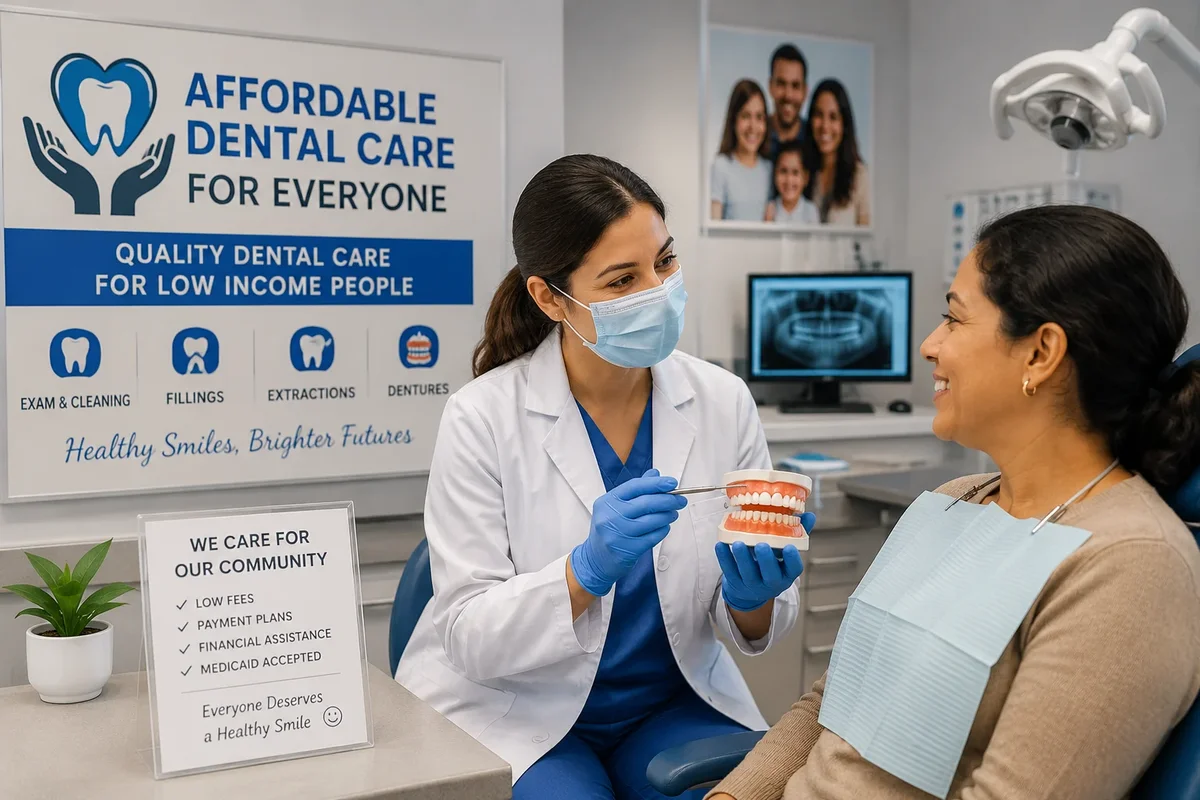
Choosing the Right Dentist for Low Income People Near You
Finding the right dentist for low income people is one of the most important steps toward maintaining healthy teeth and gums without creating overwhelming financial stress. Many individuals and families delay oral healthcare because they assume treatment will always be expensive. However, affordable dental clinics, community health centers, nonprofit organizations, and payment-friendly providers now offer practical solutions for patients with limited budgets.
Choosing the right clinic requires more than simply finding the lowest price. A professional dentist for low income people should provide safe treatment, clear communication, preventive care, and flexible financial options while helping patients feel comfortable and respected. By researching carefully and understanding available resources, patients can receive high-quality dental care without sacrificing affordability.
Why Choosing the Right Dentist Matters
Oral health directly affects overall wellness, confidence, nutrition, and daily comfort. Untreated dental problems can lead to severe pain, infections, difficulty eating, and even chronic health complications. A trusted dentist for low income people helps patients prevent these issues through affordable preventive care and early treatment.
Patients who choose a reliable dental provider are more likely to:
- Attend regular dental checkups 🦷
- Receive preventive care consistently
- Avoid severe oral infections
- Reduce long-term treatment costs
- Feel more confident about their smile
- Improve overall quality of life
Building a long-term relationship with a dependable clinic can significantly improve both oral health and financial stability.
Important Qualities to Look For
Not every clinic offering low prices provides the same level of care. Patients searching for a dentist for low income people should evaluate clinics carefully before scheduling treatment.
Key Features of a Good Affordable Dental Clinic
- Transparent pricing and treatment estimates
- Friendly and respectful staff 😊
- Clean and modern treatment environment
- Preventive care focus
- Flexible payment plans
- Emergency appointment availability
- Positive patient reviews
- Licensed and experienced dental professionals
A trustworthy clinic should clearly explain treatment recommendations and answer questions honestly without pressuring patients into unnecessary procedures.
Checking Online Reviews and Reputation
Before choosing a dentist for low income people, patients should research the clinic’s reputation online. Reviews often provide valuable insight into patient experiences, customer service quality, appointment scheduling, and pricing transparency.
What to Look for in Reviews
- Cleanliness and professionalism
- Affordable treatment experiences
- Friendly communication
- Pain management quality
- Clear explanation of costs
- Positive experiences with children or seniors
Although no clinic receives perfect reviews, consistent complaints about hidden fees or poor communication should be considered carefully.
Community Health Centers and Affordable Clinics
Community clinics are often one of the best places to find a reliable dentist for low income people. These clinics are usually supported by nonprofit organizations or government funding programs and focus on providing accessible healthcare services.
Many community dental centers offer:
- Sliding-scale pricing
- Reduced-cost preventive care
- Affordable emergency treatment
- Family dental services
- Pediatric dental programs
- Flexible payment options
Community clinics are especially valuable for uninsured patients or families struggling with high healthcare costs.
Questions to Ask Before Scheduling an Appointment
Patients should gather information before selecting a dentist for low income people. Asking the right questions helps avoid confusion and unexpected expenses later.
Helpful Questions to Ask
- Do you offer payment plans?
- Do you accept Medicaid or public insurance?
- Are emergency appointments available?
- Do you provide treatment estimates beforehand?
- What preventive services are included?
- Are there additional costs for X-rays or follow-up visits?
Good communication is extremely important because it helps patients understand both treatment needs and financial responsibilities clearly.
Comparing Costs Between Clinics
Different clinics may charge very different prices for the same procedures. Patients searching for a dentist for low income people should compare treatment costs carefully while also considering treatment quality and reputation.
| Dental Service | Affordable Clinic Range | Private Cosmetic Clinic Range |
|---|---|---|
| Dental Cleaning | $30 – $90 | $120 – $300 |
| Dental Exam | $20 – $80 | $100 – $250 |
| Tooth Filling | $50 – $180 | $200 – $500 |
| Simple Extraction | $70 – $220 | $250 – $600 |
| Emergency Visit | $40 – $150 | $150 – $400 |
These comparisons show how community clinics and affordable providers can significantly reduce oral healthcare costs.
Importance of Preventive Dentistry
A dependable dentist for low income people usually focuses heavily on preventive care because it helps patients avoid major expenses later. Preventive treatment is almost always more affordable than emergency or restorative procedures.
Essential Preventive Habits
- Brush teeth twice daily
- Use fluoride toothpaste
- Floss every day
- Reduce sugary foods and drinks 🍭
- Avoid tobacco products
- Attend regular dental checkups
Consistent preventive care lowers the risk of gum disease, tooth loss, infections, and painful emergencies.
Affordable Dental Care for Families and Seniors
Families and elderly patients often require specialized support when searching for a dentist for low income people. Many clinics offer family-focused treatment plans and senior dental programs to make care more accessible.
Services Often Offered for Families and Seniors
- Discounted family appointments
- Affordable dentures
- Pediatric preventive programs
- Senior oral health evaluations
- Payment-friendly restorative care
These services help vulnerable populations maintain oral health without excessive financial burden.
Considering International Dental Treatment
Some patients requiring advanced restorative work explore international dental clinics to reduce treatment costs. A carefully researched international dentist for low income people may provide affordable implants, crowns, veneers, and dentures while maintaining modern treatment standards.
Patients should always verify qualifications, clinic reputation, hygiene standards, and treatment guarantees before traveling for dental care.
Building Long-Term Oral Health Habits
The right dentist for low income people does more than provide affordable treatment. They also help patients build healthy long-term oral care habits that reduce future expenses and improve overall wellness.
Patients interested in personalized affordable dental treatment options can explore professional care plans through the Redent Klinik Contact Page. Educational oral healthcare resources and preventive dentistry guidance are also available through the American Dental Association.
Choosing the right dental provider requires careful research, honest communication, and attention to preventive care. With the support of community clinics, nonprofit organizations, payment plans, and affordable treatment programs, patients can find a dependable dentist for low income people and maintain healthy smiles without overwhelming financial stress. 😊