
Finding the right dentist for low income individuals is often challenging, especially when budgets are tight and dental care feels out of reach. Yet oral health is closely connected to confidence, daily comfort, and long-term wellness. Many people delay treatment because they assume dental care will be too expensive, but the truth is that numerous affordable options exist—ranging from community clinics to government programs and sliding-scale services. In this guide, you’ll discover how a dentist for low income patients can still provide excellent care, what options are available, and how to reduce costs without sacrificing quality. 🦷✨
One of the biggest misconceptions about seeking a dentist for low income families is that affordable clinics provide lower-quality care. In reality, many community dentistry programs operate under strict medical standards and often collaborate with reputable institutions such as the American Dental Association. In fact, many dentists who serve low-income communities do so out of dedication to public health, ensuring that essential treatments like cleanings, fillings, and emergency procedures are accessible. These services help prevent long-term complications and reduce the need for expensive interventions later on. When patients choose these options early, they preserve both oral health and financial stability.
Another important part of understanding how a dentist for low income system works is recognizing the range of support programs available. Many people aren’t aware that local health departments offer subsidized services, and some countries provide government-funded dental benefits for vulnerable groups. Even when full treatments are not covered, partial discounts or preventive care programs can significantly lower the overall cost. This is especially helpful for individuals who struggle with chronic dental issues, as ongoing care helps maintain healthier teeth and gums over time.
If you’ve ever searched for an affordable option but felt overwhelmed, you’re not alone. Many patients report confusion about which clinic to choose, what questions to ask, and how much they can expect to pay. That’s why contacting reliable and transparent clinics can make the process easier. For example, you can reach out to the team at the Redent Klinik Contact Page to request personalized guidance, learn more about available options, or ask specific questions about treatment affordability. Clear communication helps remove uncertainty and empowers patients to make informed decisions.
Choosing a dentist for low income is also about understanding your rights as a patient. Affordable clinics emphasize ethical pricing, meaning they tailor their services to meet the needs of individuals who cannot afford standard private-practice fees. Some clinics even offer extended payment plans or reduced-cost packages for preventive care. These options minimize financial pressure while allowing patients to stay up to date with essential check-ups. Preventive dentistry is incredibly powerful: routine cleanings, fluoride treatments, and early cavity detection can prevent gum disease and tooth decay—conditions that often become far more costly when neglected.
In addition to cost-saving programs, many dentists who focus on low-income communities offer educational support. They teach patients how to maintain oral hygiene effectively at home, which reduces the need for frequent treatments. They emphasize brushing techniques, proper flossing habits, and dietary guidance. This approach not only saves money but also builds long-term habits that promote healthier teeth. These educational strategies are often complemented by community workshops or informational materials provided at no charge.
It’s also worth noting that alternative care options—like community dental schools—can serve as a budget-friendly substitute for a traditional dentist for low income. These institutions allow dental students to work under supervision, offering high-quality treatments at significantly reduced prices. Many families rely on these programs and report excellent outcomes thanks to the close supervision of certified instructors. This model helps future dentists gain valuable experience while supporting patients who need affordable care.
For those facing sudden pain or dental emergencies, finding a responsive and affordable clinic is crucial. A qualified dentist for low income understands the need for quick attention and often reserves appointment slots for urgent cases. Whether it’s a chipped tooth, swelling, or intense discomfort, timely intervention prevents the issue from worsening and reduces the eventual treatment cost.
Finally, many people benefit from exploring flexible financial solutions. Sliding-scale clinics adjust treatment costs based on income levels, ensuring fairness and accessibility. Some facilities also provide bundled preventive packages or partnerships with dental networks that lower fees. These options show that finding a reliable dentist for low income patients isn’t just possible—it’s increasingly supported through modern healthcare strategies.
How to Find a Dentist for Low Income Families Near You
Locating a reliable dentist for low income families can feel overwhelming when you don’t know where to start. Many people fear that affordable care means poor quality, long wait times, or limited treatment options. Fortunately, this is not the case. Across the United States, local clinics, nonprofit programs, and public health networks have expanded dramatically, making it easier than ever for low-income patients to receive safe, professional, and affordable dental services. In this section, you’ll learn step-by-step how to identify trustworthy providers, verify their credentials, compare treatment options, and secure care that matches both your oral health needs and financial situation. 🦷💙
Start With Local Health Departments and Community Clinics
Your first resource when searching for a dentist for low income should be your local health department. Most counties offer public dental programs that charge significantly lower fees than private clinics. These programs are supported by government and community funding, allowing them to serve individuals who otherwise could not afford care. They commonly provide preventive services such as cleanings, fluoride treatments, and basic restorative procedures. Not only are these clinics budget-friendly, but they also follow strict health regulations overseen by organizations like the American Dental Association.
Community health centers are another essential resource. These facilities often operate on sliding-scale systems, meaning the cost of treatment is adjusted according to your income. Many families rely on these centers year after year because they offer predictable pricing and compassionate care. They also tend to have multilingual staff and social workers who can help you navigate paperwork, insurance, or financial aid options. When searching for a dentist for low income in your region, always check if your city has a federally qualified health center (FQHC), as these are known for offering some of the most affordable dental services available.
Use Online Tools to Compare Affordable Dental Care Options
Online databases make it easier to locate a dentist for low income that operates within your area and budget. Platforms managed by community health networks often provide search filters for pricing, insurance acceptance, and available services. You can also use nonprofit directories that list clinics offering free or low-cost care. These directories are updated frequently and often include patient reviews that help you assess the reliability of each provider.
When reviewing online listings, check whether the dentist is credentialed, the facility is accredited, and the clinic adheres to safety standards. Many clinics proudly display their ADA compliance, community awards, or partnerships with dental schools. This transparency reflects a strong professional commitment and helps patients feel confident in choosing that provider.
Tips for Evaluating Online Listings Effectively
- Look for clinics that clearly state income-based pricing or sliding-scale systems.
- Check whether the services offered include preventive, restorative, and emergency dentistry.
- Verify if the clinic accepts Medicaid or other government assistance programs.
- Read patient testimonials, especially those mentioning affordability and staff professionalism.
- Call the clinic directly to confirm hours, payment options, and appointment availability.
Evaluating online resources carefully helps you avoid misinformation and ensures you choose a dentist for low income that meets your expectations.
Ask About Dental School Clinics for Reduced Fees
Dental schools play a major role in delivering affordable dental care across many regions. As part of their training, dental students must treat real patients under the direct supervision of experienced and certified instructors. This creates a safe, structured environment that benefits both students and patients. Fees at dental schools are often 50–70% lower than those at private clinics, making them one of the most cost-effective alternatives when searching for a dentist for low income.
While appointments may take longer due to educational procedures, the quality of care is consistently high because every step is reviewed by licensed professionals. Many dental schools also offer specialty services—such as periodontal treatment, orthodontics, or prosthodontics—at significantly reduced prices.
Networking: Ask Friends, Social Service Workers, and Nonprofits
Personal referrals can be incredibly helpful when searching for a dentist for low income. Community organizations, churches, and local nonprofits often maintain lists of dentists who assist low-income families. Social workers can also point you toward charitable programs or grant-supported clinics that you might not find online. Because these referrals come from trusted community sources, they can save you time and help you avoid unreliable providers.
Special Assistance for Family and Children’s Dentistry
If you are searching specifically for family or pediatric care, certain charities and programs focus on children’s oral health. These programs frequently collaborate with low-income clinics to ensure that young patients receive preventive services early, reducing long-term dental issues. Parents often report that these programs make routine care easier to access and far less stressful.
Schedule a Consultation and Ask the Right Questions
Once you have identified a potential dentist for low income, scheduling an initial consultation is essential. During your visit or phone call, ask about the full breakdown of costs, the types of treatments offered, available financial aid options, and payment flexibility. Reputable clinics will always explain fees clearly and provide cost estimates in writing.
To streamline communication, you can reach out to the clinic team at the Redent Klinik Contact Page for questions or personalized support. Transparent clinics help patients feel empowered and avoid financial surprises.
Confirm Transportation and Accessibility Options
Many low-income patients rely on public transportation, so selecting a conveniently located clinic is important. Some cities also offer transportation assistance for medical and dental visits. Always confirm whether the clinic is wheelchair accessible, child-friendly, and safe to travel to.
By following these steps—researching online tools, consulting community resources, visiting dental schools, and verifying clinic details—you can confidently find a qualified, affordable, and supportive dentist for low income near you. This proactive approach ensures you receive the care you need without sacrificing financial stability or treatment quality. 🌟
Government and Community Programs That Help You Access a Dentist for Low Income
Finding an affordable dentist for low income patients often depends on knowing which government-supported and community-driven programs are available in your region. Many families assume that dental care is not covered by public assistance, but this is a misconception. Across the United States, a wide range of federal, state, and nonprofit systems are designed specifically to bridge the gap between dental care costs and patient budgets. These programs offer reduced-fee services, preventive dentistry benefits, subsidized treatments, and alternative care pathways. Understanding how these systems work allows individuals and families to access essential services with confidence and clarity. 🦷🌟
Key Federal Programs Supporting Low-Income Dental Care
Several federal programs were developed to ensure that individuals with limited financial means can still access a qualified dentist for low income needs. While availability varies by state, these programs serve millions of Americans every year and are considered the foundation of accessible dental care in low-income communities.
Medicaid and CHIP Dental Benefits
Medicaid is one of the largest health assistance programs in the United States, and many states include dental benefits for children and, in some cases, adults. The Children’s Health Insurance Program (CHIP) guarantees dental coverage for minors, ensuring preventive and emergency services are available regardless of a family’s financial situation.
When searching for a dentist for low income, Medicaid-approved clinics should be one of the first considerations. Dental treatments under Medicaid may include cleanings, X-rays, fillings, emergency extractions, fluoride applications, and sometimes restorative procedures. Adults may experience more limited coverage depending on state policies, but essential services are still widely available.
HRSA-Funded Health Centers
The Health Resources and Services Administration (HRSA) operates federally funded community health centers that provide medical and dental services at significantly reduced costs. These centers follow a strict sliding-fee scale based on income verification.
HRSA clinics often become the primary choice for individuals seeking a dependable dentist for low income because they offer predictable pricing, professional standards, and access to multilingual staff. They also collaborate with local outreach programs to educate communities about oral disease prevention, nutrition, and home care.
State-Level Programs for Affordable Dental Services
Each state offers a unique network of programs designed to make dental care accessible for underserved populations. These programs help fill the gaps left by federal initiatives and often work in partnership with universities, public hospitals, and community organizations.
State Dental Assistance and Subsidized Treatment Plans
Many states run dental assistance programs that provide vouchers, subsidies, or partially funded care for qualifying residents. These programs often prioritize essential services such as emergency pain relief, infection treatment, and preventive check-ups.
Patients searching for a dentist for low income can apply for these subsidies through local health departments. The application process typically requires proof of income, residency, and financial hardship documentation. Once approved, individuals receive reduced-fee services at partner clinics.
Mobile Dental Units
Some states operate mobile dental vans that travel to rural or underserved communities. These mobile clinics provide on-site care, especially in areas where access to dental facilities is limited. Mobile units are staffed by licensed dentists and hygienists who deliver basic and preventive services at minimal or no cost.
For families who lack transportation or live far from dental centers, mobile programs ensure they can still receive support from a qualified dentist for low income without travel barriers.
Community-Based Nonprofit Programs Offering Dental Support
Nonprofit organizations play a critical role in connecting patients to affordable dental care. Many operate free clinics, charitable dentistry events, outreach campaigns, and volunteer networks to support individuals facing financial hardship.
Free Dental Days and Charitable Clinics
Several nonprofit groups host annual or semiannual “Free Dental Days,” where dentists volunteer their services to provide cleanings, fillings, and extractions at no charge. These events serve thousands of patients each year, especially those who lack insurance or savings for emergency treatment.
Regular charitable clinics, on the other hand, operate year-round. These facilities maintain a roster of volunteer dentists and can be an excellent source when seeking an experienced dentist for low income. The care quality is typically high because volunteers are passionate professionals committed to community wellness.
Faith-Based and Community Outreach Programs
Churches, community centers, and faith-based charities often collaborate with dental professionals to sponsor free or low-cost dental outreach events. Some of these programs also provide transportation assistance, hygiene supplies, or referrals to long-term care options.
Families struggling to find a reliable dentist for low income benefit greatly from these outreach networks, as they eliminate many logistical and financial barriers.
Using Online Tools to Locate Government and Community Programs
Government websites, nonprofit directories, and ADA-compliant clinic listings make it much easier to identify accessible care. Many platforms offer search filters for treatment type, affordability, insurance acceptance, and geographic location. These tools help patients pinpoint licensed providers quickly and safely.
If you’re unsure where to begin, reaching out through the Redent Klinik Contact Page can also help guide you toward available assistance options or provide additional support.
From federal programs like Medicaid to state-funded initiatives and charitable organizations, countless resources exist to help families secure trustworthy dental care. By understanding these options and using them strategically, finding a qualified dentist for low income becomes far simpler and far more achievable—ensuring every individual has a pathway to maintaining oral health, comfort, and overall well-being. 🌟
Low-Cost Dental Clinics: What to Expect from a Dentist for Low Income
Choosing a dentist for low income at a low-cost clinic is one of the most effective ways to access quality dental care without the financial stress that often prevents families from seeking treatment. These clinics were created specifically to serve individuals who face financial barriers, lack insurance, or require urgent care but cannot afford standard private-practice prices. Many patients are pleasantly surprised to learn that low-cost clinics follow strict professional guidelines, maintain modern facilities, and provide comprehensive treatment options. Understanding what to expect during your visit can help reduce anxiety, improve communication, and ensure that you receive the care you need in a supportive environment. 🦷💙
Understanding the Structure of Low-Cost Dental Clinics
Low-cost clinics operate under a unique system designed to maximize accessibility and minimize cost. Unlike private practices that depend on standard fee structures, affordable clinics often rely on government funding, nonprofit grants, or community support. This allows them to offer essential dentistry services at significantly reduced rates.
When visiting a dentist for low income at one of these clinics, you can expect transparent pricing, flexible payment options, and a patient-centered approach. Most clinics use sliding-scale fees, meaning your treatment cost is directly linked to your income level. This ensures fairness and prevents financial hardship while still allowing clinics to sustain operations and provide high-quality care.
Services Commonly Offered at Low-Cost Clinics
- Routine cleanings and dental exams
- Fluoride treatments and oral hygiene education
- X-rays and diagnostic screenings
- Fillings and cavity repair
- Emergency extractions
- Basic periodontal treatments
- Preventive sealants for children
These services are delivered with the same professional standards expected of any licensed dental practice. Many clinics collaborate with accredited institutions or follow guidelines established by the American Dental Association, ensuring safety, reliability, and competence.
What Your First Appointment Will Look Like
Your initial visit to a dentist for low income typically begins with a straightforward check-in process. You may be asked to provide proof of income, identification, and insurance status if applicable. This information helps determine your eligibility for discounted pricing or financial assistance programs.
A comprehensive dental exam usually follows, during which the dentist evaluates your teeth, gums, bite alignment, and overall oral health. X-rays are frequently taken during this visit to identify underlying issues such as impacted teeth, deep decay, or bone loss. The dentist will then explain the findings in simple terms, ensuring you understand your current oral health status and treatment needs.
Care Planning and Treatment Recommendations
After completing your exam, the dentist will outline a personalized treatment plan. This plan may include preventive care, restorative procedures, or follow-up visits. A dentist for low income will typically present multiple cost-effective options, helping you choose the one that fits your budget without compromising your long-term oral health.
It is common for low-cost clinics to prioritize urgent treatments—such as extractions, pain management, or infection control—before moving on to cosmetic or non-essential procedures. This approach addresses immediate medical needs while reducing the likelihood of expensive complications later on.
Quality Standards and Professional Ethics in Affordable Clinics
Despite the misconception that low-cost means low-quality, many affordable clinics deliver exceptional care. Dentists at these clinics are licensed professionals who meet the same educational and ethical standards as private practitioners. Many choose to work in community clinics out of a commitment to public health and accessibility.
To maintain high-quality services, clinics often implement internal review systems, continuing education requirements, and sterilization protocols comparable to private practices. Patients can feel confident that a dentist for low income is trained to offer safe, effective, and modern dental treatments.
Communication and Patient Support Services
One of the major benefits of visiting a low-cost clinic is the level of patient support offered. Many facilities employ multilingual staff, social workers, financial counselors, and health educators who help streamline the patient experience. These professionals assist with scheduling, paperwork, payment plans, and treatment explanations.
Clinics focusing on dentist for low income services often take a more compassionate approach to care, recognizing that patients may feel vulnerable due to financial constraints or untreated dental issues. Their goal is to create a safe, welcoming environment where all patients are treated respectfully regardless of income level.
Understanding the Cost Breakdown at Low-Cost Clinics
One of the biggest concerns for patients is the cost of treatment. Low-cost clinics address this by offering clear pricing models and itemized receipts. Many provide estimates before treatment begins so patients can plan their budgets. Below is a rough example of the pricing range you might encounter in a typical affordable clinic:
Approximate Low-Cost Clinic Prices (Estimated Ranges):
• Basic cleaning: $30–$60
• Dental exam: $20–$45
• X-rays: $25–$60
• Filling: $50–$125
• Simple extraction: $75–$150
• Fluoride treatment: $15–$30
These prices vary based on location and available funding, but they offer a general idea of what you might expect from a dentist for low income. The transparency of these cost structures helps reduce financial anxiety and encourages patients to seek routine care rather than waiting until conditions worsen.
How to Make the Most of Your Visit
To maximize the benefits of your appointment, always bring any previous dental records, a list of medications you are taking, and questions you want to discuss. This helps the dentist tailor the treatment plan more effectively.
If you need guidance on choosing an affordable dentist or verifying clinic details, the team at the Redent Klinik Contact Page can assist with personalized advice and additional information.
Overall, visiting a dentist for low income at a low-cost clinic is a practical, safe, and empowering way to maintain oral health while staying within your financial limits. These clinics focus on accessibility, dignity, and high-quality care—ensuring that every individual, regardless of income, has the opportunity to enjoy a healthy, confident smile. 🌟
Sliding-Scale Payment Systems Offered by a Dentist for Low Income
One of the most valuable support mechanisms available to individuals seeking a dentist for low income is the sliding-scale payment system. This system adjusts treatment costs based on a patient’s income level, creating a fair and accessible structure that allows people from all financial backgrounds to receive necessary dental care. Sliding-scale systems are used widely in community clinics, federally funded health centers, nonprofit dental organizations, and some private practices with a strong commitment to public health. Understanding how these systems work helps patients plan their dental visits with confidence and avoid unexpected costs. 🦷💙
How Sliding-Scale Fees Work and Who Qualifies
Sliding-scale payments are designed to make dental care affordable by matching the cost of treatment to the patient’s ability to pay. When you visit a clinic offering a dentist for low income services, the staff typically asks for documentation such as proof of income, household size, employment status, or participation in government assistance programs. This information helps determine your position on the clinic’s fee chart, which includes multiple tiers based on income brackets.
Patients with the lowest income levels may receive services at significantly reduced rates, while those with moderate incomes receive partial discounts. The goal is not to provide free care for everyone, but to ensure dental services remain accessible and financially manageable regardless of socioeconomic status. Because this approach is tailored, it allows families to access preventive, restorative, and emergency dentistry without fear of overwhelming bills.
Typical Documentation Required for Sliding-Scale Eligibility
- Pay stubs or employment verification forms
- Tax returns or official income statements
- Letters of participation in assistance programs (e.g., SNAP, Medicaid, WIC)
- Proof of residency and household size
Providing the correct documents ensures smooth processing and immediate application of your sliding-scale benefits when meeting with a dentist for low income.
Types of Services Covered Under Sliding-Scale Programs
Sliding-scale payment systems generally cover a wide range of services, although the exact offerings vary by clinic. Most facilities include preventive exams, basic restorative procedures, and emergency treatments. High-cost procedures may require additional planning, but clinics still aim to make them more affordable.
Common Services Offered at Reduced Rates
- Routine dental cleanings and oral exams
- X-rays and diagnostic screenings
- Fluoride treatments and oral hygiene consultations
- Fillings for cavities
- Extractions for damaged or infected teeth
- Basic periodontal care for gum disease
When working with a dentist for low income, patients often discover that even more complex procedures—such as crowns, dentures, or root canal therapy—can be offered at reduced rates if the clinic receives supplemental funding or community support.
Advantages of Sliding-Scale Systems for Low-Income Patients
Sliding-scale programs offer a variety of benefits beyond lower treatment costs. They promote preventive care, encourage earlier intervention, and reduce the long-term burden of untreated oral disease. Because many patients postpone visiting a dentist due to financial worries, sliding-scale systems help eliminate these barriers and make consistent dental health a reality for more families.
Another major advantage is transparency. Clinics that work with sliding-scale systems typically provide clear written estimates, itemized billing, and honest explanations of all costs. Patients feel respected, informed, and fully aware of what they can expect to pay before treatment begins.
Improved Oral Health Outcomes Through Accessible Care
The availability of an affordable dentist for low income leads to better oral health outcomes for entire communities. People who once avoided dental care can finally receive check-ups, have cavities filled, and address gum disease before it becomes severe. This has a ripple effect on overall health, as dental infections are linked to systemic concerns such as heart disease, diabetes complications, and chronic inflammation.
By supporting early intervention and consistent care, sliding-scale systems help individuals maintain oral health while avoiding the financial strain associated with untreated dental issues.
How Clinics Determine Fee Levels for Sliding-Scale Care
Clinics use federal poverty guidelines and local cost-of-living data to determine where a patient falls within their sliding-scale structure. Each clinic updates its fee charts annually to reflect economic changes. This ensures that services offered by a dentist for low income remain fair, relevant, and accessible—even during periods of financial uncertainty.
Fees may be expressed as fixed percentages of the full treatment cost. For example, a patient may pay 20%, 40%, 60%, or 80% of the standard rate depending on their income bracket. Preventive care often receives the highest discount to encourage long-term dental health maintenance.
Examples of Sliding-Scale Adjusted Prices (Estimated)
• Cleaning & exam: $25–$45
• Filling: $35–$75
• Extraction: $45–$100
• X-rays: $15–$30
These estimations vary between clinics but demonstrate how sliding scales help patients access affordable care while still receiving treatment from a qualified dentist for low income.
How Patients Can Maximize Their Sliding-Scale Benefits
To get the most value from these programs, patients should keep financial documents updated, attend appointments consistently, and ask about additional discounts for bundled services. Many clinics offer reduced rates for multi-visit treatment plans or preventive care packages.
Patients should also communicate openly with their dentist about ongoing oral health issues, as early detection can dramatically reduce the number of visits needed. By partnering with a dentist for low income who understands sliding-scale programs, families can achieve sustainable and long-lasting oral health improvements.
For those who need guidance in selecting a clinic with transparent pricing structures, the team at the Redent Klinik Contact Page is always available to provide support and information tailored to your needs.
Sliding-scale payment systems embody the principle that no one should be denied dental care simply because of financial hardship. By working with clinics that offer these programs, individuals can receive essential treatments, maintain good oral health, and build confidence knowing that a caring dentist for low income is within reach. 🌟
Emergency Dental Care Options from a Dentist for Low Income Patients
For many individuals, dental emergencies happen unexpectedly and at the worst possible moment—causing pain, anxiety, and significant financial concern. Fortunately, access to a dentist for low income during emergencies is far more achievable than many people realize. Whether you’re dealing with severe tooth pain, a cracked tooth, swelling, infection, or bleeding gums, emergency dental programs and low-cost clinics are designed specifically to provide fast, affordable care without forcing patients into financial crisis. Understanding how these emergency systems work, where to find immediate help, and what treatments are typically offered ensures that low-income families can receive urgent dental attention when they need it most. ⚠️🦷
What Counts as a Dental Emergency?
Before seeking help from a dentist for low income, it’s important to know what qualifies as a dental emergency. While many dental concerns can wait for a standard appointment, some conditions pose immediate risks to your oral and overall health. Emergency clinics prioritize the most serious cases to ensure rapid treatment and pain relief.
Common Dental Emergencies Include:
- Severe or persistent toothache that disrupts daily activities
- Swelling or abscess indicating infection
- Cracked or fractured teeth from accidents or biting hard foods
- Knocked-out (avulsed) teeth
- Exposed nerves causing extreme sensitivity
- Uncontrolled bleeding after trauma
- Infections that cause fever, facial swelling, or difficulty swallowing
Patients experiencing any of these symptoms should immediately contact a clinic offering emergency appointments. A qualified dentist for low income will evaluate your condition quickly to relieve pain, control the infection, or stabilize damaged teeth.
Where to Find Emergency Dental Care for Low-Income Individuals
Emergency dental care programs exist in nearly every region, but knowing where to look is essential. Most cities and counties operate public health clinics that accept walk-in patients or same-day emergency appointments. These clinics are often funded by government agencies, nonprofit organizations, or community grants, making them ideal destinations for low-income patients needing urgent support.
Types of Facilities Offering Affordable Emergency Care
- Community health centers: Many FQHCs reserve daily emergency slots.
- Low-cost dental clinics: Provide reduced rates for urgent issues such as pain or infection.
- Dental school clinics: Offer emergency care supervised by licensed faculty at low fees.
- Mobile dental vans: Travel to underserved communities and provide same-day support.
- Hospital emergency departments: Offer limited dental care but can treat severe infections.
These facilities work closely with trained professionals who treat dental trauma, infections, and acute pain. Their mission is to ensure everyone, regardless of financial status, has access to immediate care from a dentist for low income.
Typical Costs for Emergency Dental Care
Cost is a major concern during emergencies, but clinics designed for low-income patients aim to minimize financial strain. Fees vary based on clinic funding, treatment complexity, and location, but they are significantly lower than prices at private practices. Below is an approximate range of what low-income patients may expect:
Estimated Emergency Dental Cost Ranges:
• Emergency exam: $20–$50
• X-rays: $25–$60
• Antibiotics for infection: $10–$30
• Tooth extraction: $70–$150
• Temporary filling: $40–$80
• Incision & drainage for abscess: $60–$120
A dentist for low income will prioritize affordable solutions, often focusing first on relieving pain and stopping the infection before recommending follow-up care for long-term restoration.
How Emergency Treatment Is Conducted at Low-Cost Clinics
Emergency procedures follow a structured and efficient process to ensure rapid relief. Upon arrival, the dentist performs a quick evaluation to determine the severity of your condition. This may involve visual inspection, X-rays, and questions about symptoms. Because these clinics operate with limited resources, they must prioritize patients based on urgency.
Steps Typically Included in Emergency Treatment
- Pain assessment and management: Immediate relief using medications or numbing agents.
- Infection control: Antibiotics, drainage procedures, or cleaning of infected areas.
- Stabilization of damaged teeth: Temporary fillings, crowns, or bonding.
- Extraction if needed: Performed when the tooth cannot be saved or poses health risks.
- Follow-up scheduling: Planning for further care to restore dental function.
Dentists at these facilities work efficiently while maintaining compassion and professionalism. Their primary goal is to restore comfort and prevent the condition from worsening.
Pain Management and Infection Prevention for Low-Income Patients
Pain and infection are the most common reasons low-income individuals seek emergency dental care. A committed dentist for low income understands that untreated pain can interfere with work, sleep, eating, and overall well-being. To address these concerns, clinics may prescribe affordable pain relievers or antibiotics while offering immediate treatment.
Patients are also taught how to manage symptoms at home, including cold compress techniques, proper oral hygiene routines, and avoidance of irritants like sugary or acidic foods.
When to Seek Immediate Help Instead of Waiting
Many people delay emergency dental visits because they fear the cost, but waiting can lead to serious complications. Dental infections can spread rapidly, affecting the jawbone, bloodstream, or airway in severe cases. Conditions such as abscesses or severe swelling should never be ignored.
Signs You Should Visit an Emergency Clinic Immediately
- High fever alongside dental pain
- Swelling that affects breathing or swallowing
- A tooth knocked out due to trauma
- Severe bleeding that does not stop
- Intense pain preventing you from eating or sleeping
If you’re unsure whether your situation requires immediate attention, contact your nearest emergency clinic or consult a trusted provider through the Redent Klinik Contact Page for guidance.
Emergency dental care is not a luxury—it is an essential resource that protects your health, prevents complications, and ensures that pain does not interfere with daily life. With the help of a dedicated dentist for low income, patients can receive urgent treatment that is safe, affordable, and compassionate. 🌟
Insurance and Assistance Plans That Support a Dentist for Low Income Visits
Many individuals seeking a dentist for low income patients rely on insurance programs and financial assistance plans to make essential dental care more affordable. While dental insurance in the United States is often less comprehensive than medical insurance, there are numerous public and private options designed specifically to support individuals with limited financial means. Understanding how these programs work—and knowing how to apply them effectively—can dramatically reduce out-of-pocket expenses for preventive, restorative, and emergency dental care. This section provides a detailed guide to the most common insurance types, supplemental assistance programs, and strategies for maximizing coverage when visiting a dentist for low income. 🦷💙
Medicaid and State-Run Dental Insurance Programs
Medicaid remains the most important public insurance resource for individuals looking for a dentist for low income. While dental benefits vary significantly by state, Medicaid covers children’s dental services nationwide under the Early and Periodic Screening, Diagnostic, and Treatment (EPSDT) program. Adult coverage, however, depends on state-level decisions and may include preventive, emergency, or limited restorative care.
What Medicaid Typically Covers
- Routine dental exams and cleanings
- X-rays for diagnostic purposes
- Fillings and extractions
- Pain management and emergency visits
- In some states: crowns, root canals, or periodontal treatment
Patients using Medicaid should always check whether a clinic accepts their coverage before scheduling an appointment. Many low-cost clinics and community health centers work directly with Medicaid, making them excellent choices when searching for a reliable dentist for low income.
CHIP: Dental Insurance for Children in Low-Income Families
The Children’s Health Insurance Program (CHIP) ensures that minors from low-income households receive comprehensive dental coverage, even when their parents do not qualify for Medicaid. CHIP covers preventive, restorative, and emergency dentistry to protect children’s oral health and ensure healthy development.
Because dental problems in childhood can lead to long-term complications, CHIP-supported clinics prioritize early detection and intervention. Families seeking a dentist for low income pediatric patients often find CHIP-compliant clinics especially helpful due to predictable coverage and minimal out-of-pocket costs.
Private Dental Insurance Options for Low-Income Patients
Not all low-income families qualify for Medicaid or CHIP, and many prefer private dental insurance because of flexible provider networks or better service availability. Fortunately, several insurance companies now offer low-premium dental plans tailored for budget-conscious individuals.
Features of Low-Premium Private Insurance Plans
- Low monthly costs
- Preventive care often fully covered
- Discounted rates for basic restorative treatments
- Large provider networks with transparent pricing
- No waiting periods for urgent care in certain plans
When selecting private insurance to visit a dentist for low income, patients should carefully review annual maximums, deductibles, and coverage limitations. Some plans appear inexpensive up front but provide limited benefits when major dental work is needed.
Dental Discount Plans and Membership Programs
Dental discount plans differ from traditional insurance but can be extremely useful for individuals seeking affordable care. These membership-based programs offer reduced rates at participating clinics in exchange for an annual fee. Because there are no deductibles, waiting periods, or claim forms, discount plans offer immediate savings for patients needing a dentist for low income.
Advantages of Dental Discount Plans
- Immediate eligibility upon enrollment
- 30–60% savings on preventive and basic services
- No limits on number of visits
- Reduced costs for emergency and restorative procedures
- Transparent pricing charts for all participating providers
Discount plans are especially beneficial for individuals without insurance who want to minimize out-of-pocket expenses while maintaining regular dental visits.
Charitable Assistance Programs and Nonprofit Support
Several nonprofit organizations provide financial assistance to individuals unable to pay for dental services. These organizations often partner with clinics offering dentist for low income services to ensure funds are distributed responsibly and effectively.
Common Types of Dental Assistance Programs
- Grant-based dental aid: Covers treatments for qualified applicants.
- Free dental days: Clinics provide no-cost services for basic treatments.
- Volunteer dentist networks: Professionals donate their time to underserved populations.
Many of these programs prioritize emergency cases, seniors, veterans, and individuals with disabilities. Because application processes can vary, patients are encouraged to contact clinics directly for guidance or use informational resources provided by organizations such as the American Dental Association.
Flexible Payment Plans and In-House Financing
Some dental clinics offer their own internal financing systems, allowing patients to spread costs over time. This is particularly helpful for those who do not qualify for insurance but still need urgent or extensive dental care.
Benefits of In-House Financing
- Low or no-interest payment plans
- Customized repayment schedules
- No need for external credit checks in many clinics
- Ability to start treatment immediately
A compassionate dentist for low income understands the financial pressures patients face and often uses these financing options to make essential treatments more accessible.
Maximizing Your Insurance and Assistance Benefits
To make the most of insurance or discount plans, patients should stay informed about annual limits, preventive visit schedules, and coverage restrictions. Keeping detailed dental records and obtaining pre-treatment estimates can prevent unexpected costs. Patients should also communicate clearly with their dental provider to ensure recommended treatments align with their financial and insurance situation.
For guidance on choosing the best insurance or assistance program for your needs, the Redent Klinik Contact Page offers personalized support and detailed information.
Overall, insurance coverage, discount plans, and charitable programs play a crucial role in helping individuals access a trustworthy dentist for low income. With a strategic approach, patients can dramatically reduce dental expenses and receive high-quality care without financial hardship. 🌟
How Dental Schools Provide Quality Care as a Dentist for Low Income Alternative
Dental schools play a crucial and often underestimated role in making oral healthcare accessible to individuals seeking a dentist for low income. These institutions provide comprehensive dental services performed by supervised students, significantly reducing treatment costs while still delivering high-quality care. Because dental training programs require hands-on clinical experience, patients benefit from the latest technology, innovative treatment methods, and detailed attention from future dentists who are eager to learn and excel. For many families, dental schools represent one of the most reliable and cost-effective alternatives to traditional clinics. In this section, we explore in depth how dental schools operate, what patients can expect, and why they are an excellent option for anyone searching for affordable dental care. 🦷🎓
Why Dental Schools Are an Ideal Choice for Low-Income Patients
Dental schools provide a unique balance between affordability and quality. While the procedures are performed by students, every step is closely supervised by licensed professionals—often specialists with years of experience. This results in a thorough, precise treatment process that can exceed the level of attention provided in fast-paced private practices. Because students must demonstrate competency in every procedure, they tend to work more carefully and systematically.
Patients seeking a dentist for low income often find that dental schools offer services at 50–70% lower cost compared to regular clinics. Despite the reduced price, the equipment, materials, and clinical protocols used in these facilities align with modern standards set by organizations like the American Dental Association. This combination of affordability, safety, and quality makes dental schools a reliable choice for individuals and families with limited financial resources.
Benefits of Receiving Care Through Dental Schools
- Affordable pricing often based on procedure complexity rather than income documentation
- Supervision by experienced faculty ensures safety and precision
- Access to modern technology and up-to-date clinical techniques
- Comprehensive services including preventive, restorative, and specialty dentistry
- Extended appointment times that allow for careful evaluation and detailed care
- Community-focused approach benefiting both students and patients
Because of these advantages, dental schools consistently attract individuals searching for a dependable dentist for low income who still values professional-quality treatment.
Types of Services Offered at Dental School Clinics
Dental schools provide an impressive range of services that rival full-service clinics. Most schools operate multiple departments dedicated to specific dental specialties, giving patients access to a wide variety of treatments at reduced costs.
Common Services Available
- Routine cleanings, check-ups, and X-rays
- Comprehensive exams and oral cancer screenings
- Fillings, crowns, and bridges
- Root canal treatment (endodontics)
- Gum disease treatment (periodontics)
- Orthodontic evaluations and braces at reduced prices
- Cosmetic dentistry options like whitening or bonding
- Complete and partial dentures
The range of treatment options available makes dental schools an outstanding alternative for a dentist for low income, especially for patients who require multiple procedures or ongoing care.
What to Expect During a Dental School Appointment
Appointments at dental schools differ slightly from traditional clinics due to the educational environment. Expect longer visits, detailed assessments, and a step-by-step approach to care. This is not a disadvantage—longer sessions mean students take time to evaluate every aspect of your oral health under faculty supervision.
Typical Appointment Structure
- Initial evaluation: Students review your medical history, perform a complete exam, and take X-rays.
- Case discussion: Students consult with faculty to develop a treatment plan.
- Procedure preparation: All steps are verified by faculty before beginning treatment.
- Treatment delivery: Students perform procedures under direct supervision.
- Final inspection: Faculty members review the completed treatment to ensure accuracy.
While these steps may extend visit duration, they ensure high-quality care. For individuals looking for a dentist for low income, this structured approach provides reassurance that every aspect of treatment meets professional standards.
Cost Structure at Dental Schools
Dental school pricing is straightforward and significantly lower than the cost at private clinics. Because schools subsidize much of the training process, patients only pay for materials and a portion of clinic costs. To illustrate the savings, here are typical price ranges offered by many U.S. dental schools:
Estimated Dental School Procedure Costs:
• Cleaning & exam: $20–$45
• Fillings: $40–$90
• Crown: $300–$600 (versus $1,000+ at private clinics)
• Dentures: $250–$600
• Root canal therapy: $150–$300
• Orthodontic braces: $2,000–$4,000 (versus $5,000–$8,000 privately)
These costs make dental schools one of the most practical choices for individuals searching for a reliable dentist for low income without sacrificing quality.
How to Apply for Treatment at a Dental School Clinic
Most dental schools accept new patients through an intake or screening process. This helps faculty assign cases to the appropriate student groups and ensures that the clinic has the resources to meet patient needs.
Typical Enrollment Steps
- Call or visit the dental school website to request screening
- Complete medical history forms
- Attend an initial assessment appointment
- Review the proposed treatment plan and estimated cost
- Schedule appointments based on student and clinic availability
Because dental schools are in high demand among those seeking a dentist for low income, patients should expect longer appointment intervals. However, the low cost and high quality make the wait worthwhile.
Who Benefits Most from Dental School Clinics?
Dental schools are ideal for patients seeking preventive care, restorative procedures, orthodontic evaluations, or comprehensive treatment plans. They are particularly beneficial for patients who:
- Have limited income and no dental insurance
- Require multiple procedures
- Prefer detailed, highly supervised care
- Want modern treatment techniques at a reduced price
Patients needing emergency care may also receive support, although dental schools often have limited emergency availability. Those requiring immediate, same-day treatment should still contact a community clinic or emergency-based dentist for low income.
For personalized guidance in choosing between dental schools and low-cost clinics, individuals can reach out via the Redent Klinik Contact Page. This helps ensure patients make informed decisions based on their unique needs.
Overall, dental schools offer an exceptional and affordable alternative for individuals searching for a trustworthy dentist for low income. By combining high-level supervision, modern equipment, detailed care, and reduced pricing, these institutions help bridge the dental care gap for countless families—empowering them to maintain a healthy, confident smile. 🌟
Tips to Reduce Treatment Costs When Choosing a Dentist for Low Income
Finding a dentist for low income is an excellent first step toward affordable oral care, but knowing how to further reduce your treatment expenses can make dental care even more accessible. Many patients are unaware that several cost-saving strategies—ranging from preventive lifestyle habits to smart clinic selection—can significantly lower the financial burden of dental treatment. This section provides a detailed, practical guide designed to help individuals and families maximize affordability without compromising on quality. These methods are commonly recommended by community clinics, public health experts, and dental professionals. By applying these tips, you can maintain excellent oral health while benefiting from the services of a reliable dentist for low income. 🦷💙
Prioritize Preventive Care to Avoid High-Cost Treatments
The most effective way to save money on dental care is to prevent problems before they start. Preventive dentistry is far cheaper than restorative procedures, and it significantly reduces the long-term need for expensive treatments like crowns, root canals, or tooth replacements. Patients who consistently prioritize preventive care often spend 40–70% less on lifetime dental expenses.
Preventive Habits That Save Money
- Brush twice daily with fluoride toothpaste
- Floss once per day to prevent gum disease
- Limit sugary foods and acidic beverages
- Use antimicrobial mouthwash to reduce bacterial buildup
- Schedule regular check-ups with a dentist for low income
When you regularly visit a clinic for preventive care, dentists can identify problems early—long before they require costly treatments. Low-income patients especially benefit from these early interventions, as they keep dental bills manageable and avoid emergencies.
Compare Prices and Request Written Estimates
Many people do not realize that dental clinics vary widely in their pricing. Even within the same city, treatment costs can differ by 30–50%. Because of this, patients should always compare clinics and request written cost estimates before committing to treatment. A transparent dentist for low income will gladly provide a breakdown of all fees, including X-rays, exams, and procedure costs.
How to Compare Dental Costs Effectively
- Ask for itemized treatment plans
- Compare at least three clinics before choosing one
- Check whether the clinic uses sliding-scale pricing
- Review patient testimonials about cost transparency
By comparing prices in advance, patients can avoid overpaying and find the most budget-friendly option available. Many clinics also offer bundled pricing for multi-step treatments, helping further reduce costs.
Choose Clinics That Offer Sliding-Scale or Subsidized Rates
Patients with financial limitations should always look for clinics that offer sliding-scale payments. These systems adjust the cost of care based on your income and household size, making it easier to access affordable treatment from a qualified dentist for low income.
Additionally, some clinics receive government funding that allows them to offer substantial discounts for preventive care, emergency dental visits, and restorative treatments.
Subsidized Treatments Often Include:
- Cleanings and check-ups
- Basic fillings
- Tooth extractions
- Denture fittings
- Preventive fluoride applications
These subsidies help ease financial pressure and ensure that low-income individuals receive essential care without delay.
Use Dental Schools as a Low-Cost Alternative
Dental schools remain one of the most cost-effective solutions for individuals looking for full-service treatment on a limited budget. Because procedures are performed by highly trained students under professional supervision, costs are often 50–70% lower than private practice fees.
Dental schools are especially beneficial for complex procedures such as root canals, crowns, and orthodontic work—treatments that are normally expensive even at a dentist for low income clinic.
Why Dental Schools Are Affordable
- Patients pay only for materials and minimal clinic fees
- Students gain practical experience while offering care
- Supervision ensures treatment safety and quality
These institutions are ideal for patients who are not in immediate emergency situations and can attend slightly longer appointment times.
Check for Discounts, Promotions, and Preventive Packages
Many clinics that serve low-income populations offer special pricing events, including free dental days, discounted cleanings, senior citizen discounts, and seasonal promotions. These programs help reduce the overall cost of care and encourage patients to maintain regular appointments rather than postponing treatment.
Common Low-Income Dental Discounts Include:
- Reduced-price cleanings during community outreach events
- Student or veteran discounts
- Special rates for first-time patients
- Discounted X-ray and exam bundles
Clinics that employ a dentist for low income often advertise these programs on community boards, local health department websites, or nonprofit directories.
Ask About In-House Payment Plans
One of the best ways to reduce upfront costs is to take advantage of in-house payment plans. These plans allow patients to spread payments over several months, making even expensive treatments more manageable.
Typical Features of In-House Plans
- Zero or low-interest repayment options
- Flexible monthly installments
- No need for third-party financing
- Eligibility based on income rather than credit scores
When visiting a dentist for low income, always ask if long-term treatment plans like dentures, root canals, or deep cleanings can be financed in smaller payments.
Use Community Resources and Assistance Programs
Many nonprofit organizations and charities offer dental assistance grants, vouchers, and volunteer-based treatment programs. These resources often partner with local clinics to help individuals receive care at reduced or no cost.
Patients can also reach out to the Redent Klinik Contact Page for support or to learn about community programs available in their area.
Maintain Consistent Dental Records
Keeping detailed dental records helps reduce costs over time. When dentists have access to your history—including X-rays, treatment notes, and past diagnoses—they can avoid repeating expensive diagnostic procedures. This helps lower your total cost of treatment while ensuring your dentist for low income can create an accurate and personalized care plan.
Overall, implementing these strategies allows patients to receive high-quality, affordable care while minimizing financial strain. With the support of a compassionate dentist for low income, individuals can maintain oral health confidently, effectively, and cost-efficiently. 🌟
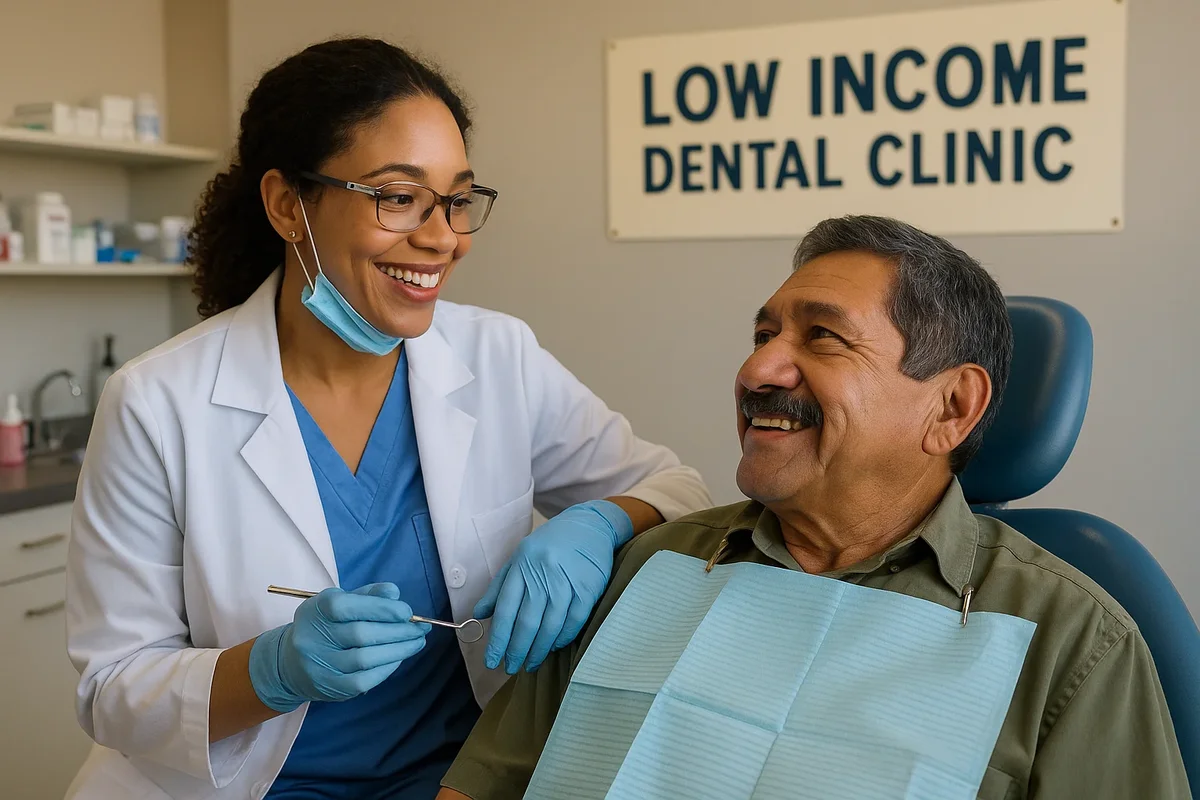
When to Contact a Dentist for Low Income for Preventive and Restorative Care
Knowing exactly when to contact a dentist for low income can make a tremendous difference in both your oral health and your long-term financial stability. Many dental problems begin quietly—often without pain—until they progress into more serious issues that require complex and costly treatments. For low-income individuals, timely care is especially important because early intervention prevents emergencies, reduces expenses, and protects overall health. In this comprehensive guide, you’ll learn how to recognize dental problems early, when to schedule preventive visits, and how to determine the right moment to seek restorative care from a trusted dentist for low income. 🦷💙
The Importance of Regular Preventive Visits
Preventive care is the foundation of a healthy mouth and one of the most effective ways to minimize long-term dental costs. Even if you feel no discomfort, routine check-ups allow a dentist for low income to detect early signs of decay, gum disease, or structural damage long before they turn into emergencies.
How Often Should You Visit?
- Most adults should schedule dental visits every 6 months
- Patients with gum disease may need visits every 3–4 months
- Children benefit from check-ups every 6 months, starting at age one
- Individuals with chronic health conditions (diabetes, cardiovascular disease, dry mouth) may require more frequent exams
Routine care ensures plaque removal, early cavity detection, and timely X-rays. These preventive steps dramatically reduce the risk of needing expensive treatments later and help stretch limited budgets more effectively.
Signs That You Need to Contact a Dentist Immediately
Many oral health issues worsen quickly, so recognizing warning signs and contacting a dentist for low income promptly can prevent complications. Ignoring symptoms often leads to infections, tooth loss, or high-cost emergency visits.
Warning Signs of Dental Problems
- Persistent toothache or throbbing pain
- Sensitivity to hot, cold, or sweet foods
- Bleeding or swollen gums
- Bad breath that doesn’t improve with brushing
- Loose teeth in adults
- Cracks, chips, or broken teeth
- Pus, swelling, or facial inflammation
- Difficulty chewing or biting
Any of these symptoms require prompt attention, especially when finances are limited. An early appointment with a dentist for low income helps resolve problems before they escalate, saving you both time and money.
Preventive Treatments That Reduce Future Costs
Preventive dentistry focuses on protecting your teeth and gums so that restorative treatments become less necessary. These procedures are typically more affordable and easier to schedule—especially at clinics serving low-income patients.
Common Preventive Services Include:
- Professional teeth cleaning
- Fluoride treatments for enamel strength
- Dental sealants for children
- Oral cancer screenings
- Gum disease assessments
- Bite and alignment evaluations
Your dentist for low income will recommend appropriate preventive care based on your oral health history, lifestyle, and risk level. These visits are essential because they correct minor issues early and prevent large financial burdens later.
When Restorative Dental Care Becomes Necessary
Restorative care focuses on repairing or replacing teeth that have been damaged by decay, trauma, or wear. A dentist for low income provides multiple options to restore function and appearance at affordable rates. The sooner restorative care is performed, the better the outcome—and the lower the cost.
Types of Restorative Treatments
- Fillings: Repair small cavities before they expand
- Crowns: Protect weakened or cracked teeth
- Root canals: Save infected teeth from extraction
- Dentures and partials: Replace missing teeth affordably
- Extractions: Remove damaged teeth that cannot be saved
Choosing timely restorative treatment prevents pain, infection, and future complications. Clinics offering dentist for low income services often provide cost estimates and flexible payment plans to relieve financial stress.
How Delaying Dental Care Increases Costs
Dental problems never resolve on their own. Delay allows decay to spread, gum disease to worsen, and infections to deepen. What might cost $80 today could easily cost $800 in a few months if treatment is ignored.
Examples of How Costs Increase Over Time
- A small cavity left untreated may become a root canal
- Mild gum inflammation can progress into periodontal disease
- A chipped tooth may fracture and require a crown
- Decay in one tooth can spread to surrounding teeth
A proactive approach—regular visits and immediate attention to symptoms—is the best financial strategy when working with a dentist for low income.
The Role of Dental Education in Early Detection
Dentists at low-income clinics place significant emphasis on patient education. They teach preventive habits, discuss risk factors, and help patients understand how lifestyle, diet, and home care influence long-term oral health.
By empowering patients with knowledge, a dentist for low income reduces the likelihood of emergencies and supports long-term oral stability.
Where to Seek Guidance and Schedule Care
If you are unsure whether your symptoms require professional attention, or if you want advice on preventive or restorative care, you can always reach out to trusted dental professionals. For tailored guidance and support, visit the Redent Klinik Contact Page to connect with a knowledgeable team.
Knowing when to contact a dentist for low income is essential for protecting your health and avoiding unnecessary expenses. With a combination of preventive visits, early symptom recognition, and timely restorative care, low-income patients can maintain excellent oral health and confidently manage their dental needs. 🌟