
Getting new teeth is more than just restoring your smile — it’s about regaining confidence, proper chewing function, and long-term oral health. When someone searches for a dentist for new teeth, they’re often looking for a trusted professional who can replace missing or damaged teeth with precision, comfort, and natural-looking results. Whether it’s a single dental implant, a full-mouth restoration, or a cosmetic smile makeover, the right specialist makes all the difference. 🦷
Choosing a qualified dentist for new teeth ensures that your treatment plan is not only aesthetically pleasing but also medically sound. These experts use cutting-edge technology such as 3D imaging, digital scanning, and computer-guided surgery to achieve perfect alignment and durability. By visiting a reputable dental clinic like Redent Klinik Contact Page, patients can experience a seamless journey from consultation to completion.
Modern dental science offers several methods to replace lost teeth, but not every technique suits every patient. A highly skilled dentist for new teeth will begin with a thorough oral examination, assessing bone density, gum condition, and bite alignment. They will then recommend the most suitable solution — whether that’s implants, bridges, or advanced zirconia crowns. These restorations are designed to look and function like natural teeth, allowing you to eat, speak, and smile with confidence. 😁
When evaluating a dentist for new teeth, it’s important to look for specific qualifications. Certified dental implantologists, prosthodontists, or oral surgeons often specialize in tooth replacement. You should also check their credentials, patient testimonials, before-and-after photos, and whether they follow recognized standards like those set by the American Dental Association. Clinics adhering to these standards guarantee safe, sterile, and long-lasting results. 🏅
One of the most common reasons people delay getting new teeth is fear — fear of pain, cost, or the unknown. However, today’s dentist for new teeth can provide virtually painless procedures using sedation dentistry or laser technology. These advancements reduce anxiety and speed up recovery. For example, same-day implants and digital smile design allow patients to leave the clinic with a complete smile makeover in just one or two appointments. 💫
Beyond the physical transformation, visiting a dentist for new teeth can have life-changing psychological effects. Missing teeth can cause self-consciousness, social withdrawal, or difficulty eating certain foods. A full set of functional, natural-looking teeth restores confidence, improves digestion, and can even enhance facial symmetry. Studies show that people with healthy, complete smiles tend to smile more often, which in turn boosts mood and interpersonal connections. 🌟
Another major factor in choosing the right dentist for new teeth is communication. A patient-centered clinic takes the time to explain every step — from implant placement and temporary restorations to final fitting and aftercare. Clear communication builds trust and ensures patients know exactly what to expect. A detailed treatment plan should include cost transparency, realistic timelines, and maintenance guidance. This approach eliminates surprises and promotes a stress-free experience. 🗓️
Hygiene and aftercare are equally critical. Once your new teeth are placed, your dentist will schedule follow-up visits to check healing progress and implant stability. The right dentist for new teeth will educate you about proper brushing techniques, interdental cleaning, and professional check-ups. Ignoring aftercare can lead to complications like infection, gum inflammation, or implant failure. Therefore, choosing a dentist who emphasizes preventive care is just as important as their technical expertise. 🪥
In terms of long-term success, a dentist for new teeth who uses biocompatible materials like titanium and zirconia provides a higher success rate and better aesthetics. These materials fuse naturally with the bone (a process called osseointegration), ensuring stability for decades. With proper maintenance, dental implants can last a lifetime, making them a cost-effective investment in your overall health. 💎
Ultimately, the best dentist for new teeth is someone who sees beyond the procedure — they understand that every smile is unique. They tailor treatments not only to your oral condition but also to your personal goals, lifestyle, and facial structure. Whether you’re replacing one tooth or rebuilding your entire smile, the journey begins with choosing a qualified, compassionate professional who prioritizes your well-being. Your new teeth aren’t just replacements; they’re the foundation of renewed confidence and health. ❤️
By the end of your consultation, you should feel informed, comfortable, and excited about your upcoming transformation. When performed by an experienced dentist for new teeth, the process is smooth, predictable, and life-enhancing. Don’t wait — take the first step toward your new smile today and rediscover what it feels like to eat, laugh, and live without hesitation. 🌈
The Latest Dental Implant Technologies for New Teeth
In the modern world of dentistry, innovation is reshaping how people restore their smiles. The role of a dentist for new teeth has evolved far beyond simple replacements — it now involves advanced science, precision engineering, and artistry. Whether you’re missing one tooth or an entire arch, today’s technologies make it possible to achieve natural-looking, durable, and comfortable results in record time. Let’s explore the most cutting-edge advancements that have transformed the world of new teeth replacements. ⚙️
3D Imaging and Digital Smile Design
Before the first drill ever touches the bone, a professional dentist for new teeth will use 3D imaging technology to create a complete digital model of your mouth. This process, known as Digital Smile Design (DSD), allows the dentist to visualize your final smile before treatment even begins. High-resolution CT scans provide detailed information about bone density, nerve positions, and gum contours. This ensures that every implant or crown is placed with surgical precision. Patients can also preview the aesthetic outcome and make adjustments based on their preferences. 🖥️
By using these digital tools, the dentist for new teeth minimizes errors, shortens surgery time, and achieves perfect alignment. In many modern clinics, computer-guided implant surgery has become standard practice, providing a level of accuracy that was impossible just a decade ago. The entire process is both faster and safer for patients.
All-on-4 and All-on-6 Dental Implant Systems
One of the most revolutionary developments in the field of restorative dentistry is the introduction of All-on-4 and All-on-6 systems. These methods enable patients to replace an entire arch of missing teeth using only four or six strategically placed implants. A skilled dentist for new teeth evaluates your jawbone and determines the optimal angles for implant placement. Once inserted, a fixed full-arch bridge is attached, creating the look and feel of a complete natural smile. 😁
This approach eliminates the need for bone grafting in many cases, reducing treatment time and recovery. For patients seeking immediate results, some clinics even offer “Teeth in a Day,” where temporary crowns are placed right after surgery. Such innovations allow individuals to walk out of the clinic with a full set of functioning teeth in a single visit.
Biocompatible and Durable Materials
The choice of materials plays a critical role in both aesthetics and long-term success. Titanium remains the gold standard for dental implants due to its strength and ability to fuse naturally with the bone — a process called osseointegration. However, zirconia implants have recently emerged as a metal-free, white alternative that blends seamlessly with the gums. A modern dentist for new teeth will often provide patients with both options depending on medical needs and cosmetic goals.
These advanced materials are resistant to corrosion, plaque buildup, and temperature sensitivity. They not only last for decades but also maintain their appearance over time. Biocompatible solutions are especially beneficial for patients with allergies or sensitivities to metal. 🌿
Minimally Invasive and Pain-Free Techniques
For many patients, the fear of dental surgery prevents them from seeking help. Fortunately, a qualified dentist for new teeth now has access to minimally invasive tools that drastically reduce discomfort. Techniques like flapless surgery, laser-assisted gum contouring, and computer-guided drilling minimize trauma to surrounding tissues. As a result, there’s less bleeding, faster healing, and virtually no pain.
In addition, the use of local anesthesia and sedation dentistry allows patients to remain relaxed throughout the procedure. The days of lengthy recoveries and painful swelling are long gone. These advances make tooth replacement accessible even for those with dental anxiety. 🌸
Immediate Loading and Same-Day Implants
Traditional implants often required months of healing before a crown could be attached. Today, thanks to innovations in implant surface design and digital planning, many patients can receive their new teeth on the same day. A specialized dentist for new teeth can now extract damaged teeth, insert implants, and attach a temporary crown in a single appointment.
This “immediate loading” approach is ideal for busy individuals who cannot afford multiple visits. It provides instant function and aesthetics while the implant integrates with the bone underneath. Once healing is complete, the temporary crowns are replaced with permanent, custom-made restorations that look indistinguishable from natural teeth. ⚡
Regenerative Dentistry and Bone Growth Stimulation
For patients with insufficient bone structure, older methods required extensive grafting. However, new regenerative techniques now allow the dentist for new teeth to stimulate bone growth naturally. Using platelet-rich plasma (PRP), collagen membranes, and growth factors, the jawbone can regenerate and strengthen before implant placement.
This cutting-edge method shortens the waiting period and enhances implant stability. It’s particularly effective for patients who have suffered bone loss due to gum disease or long-term tooth absence. The result is a stronger, more stable foundation for your new teeth and a reduced risk of implant failure. 🦴
Artificial Intelligence in Implant Planning
Artificial Intelligence (AI) is the latest technological leap revolutionizing dental care. AI-based software assists the dentist for new teeth by analyzing scans, predicting outcomes, and customizing implant positions for maximum accuracy. These digital tools eliminate human error and help design restorations that fit perfectly within each patient’s unique anatomy.
AI systems also track healing progress and patient data, alerting the dentist to any irregularities during recovery. As technology advances, AI-driven implant dentistry is expected to set new standards in safety and precision. 🤖
Connecting Innovation to Patient Care
Ultimately, the goal of every innovation is to enhance the patient’s experience and outcome. The modern dentist for new teeth combines these technologies to deliver personalized treatment that’s efficient, long-lasting, and aesthetically flawless. From digital planning to regenerative healing, every step is designed to restore confidence and improve quality of life.
When seeking advanced solutions, it’s essential to choose a clinic that invests in up-to-date technology and continuous training. Centers like Redent Klinik Contact Page offer comprehensive care backed by scientific innovation and professional expertise. For further standards and guidance, you can visit the American Dental Association to learn more about best practices in modern implantology.
These combined innovations prove that dentistry is no longer about just fixing teeth — it’s about redefining smiles through science, art, and empathy. When you choose a highly skilled dentist for new teeth who embraces these technologies, you’re not just restoring your teeth — you’re investing in a confident, healthier future. 🌟
How to Prepare for Your First Visit to a Dentist for New Teeth
Taking the step to meet a dentist for new teeth for the first time is both exciting and a bit nerve-wracking. After all, this appointment marks the beginning of your journey toward a restored, confident smile. Proper preparation helps ensure that your consultation and treatment process go smoothly, efficiently, and stress-free. Whether you’re planning dental implants, bridges, or a full-mouth restoration, understanding what to expect and how to prepare will give you peace of mind. 🦷
Understanding the Purpose of the First Appointment
Your initial visit with a dentist for new teeth serves several purposes: evaluation, education, and planning. During this session, the dentist gathers detailed information about your oral health and overall medical history. This step is crucial because conditions like diabetes, hypertension, or smoking habits can affect treatment success. The first consultation is not only about examining your teeth — it’s about creating a personalized roadmap to your new smile.
The dentist for new teeth will typically perform an oral exam, take X-rays or 3D scans, and assess gum condition and bone density. They may also discuss your expectations and aesthetic preferences — whether you want whiter, perfectly aligned teeth or a natural, balanced look. Every detail helps in designing a solution tailored just for you. 🌟
Essential Steps Before Your Appointment
Preparation before seeing your dentist for new teeth can make the experience smoother and more productive. Here are key steps to follow:
1. Gather Medical and Dental Records
If you’ve received dental treatment in the past, bring copies of X-rays, previous dental charts, or notes from your prior dentist. These documents provide valuable insights into your oral history and help the dentist for new teeth avoid repeating unnecessary tests. For example, past records may reveal bone loss levels or previous root canal treatments that influence your new treatment plan.
2. Make a List of Medications and Health Conditions
Some medications can interfere with dental surgery or healing. It’s essential to provide your dentist with a list of any drugs, vitamins, or supplements you’re taking. Conditions such as diabetes, heart disease, or osteoporosis can also affect implant success. A responsible dentist for new teeth will collaborate with your physician if necessary to ensure your safety throughout the procedure.
3. Plan Financially and Ask for Cost Transparency
Replacing teeth is an investment in your health and self-confidence. Before your appointment, prepare questions about costs, insurance coverage, and financing options. A professional dentist for new teeth will always provide a clear cost breakdown. For reference, the average cost of a single implant in the U.S. ranges from $3,000 to $5,000, depending on materials and location. Full-mouth restorations can reach $20,000–$45,000, though many clinics abroad offer affordable alternatives without compromising quality.
During the Consultation: What to Expect
When you arrive at the clinic, you’ll usually start with a comprehensive oral assessment. The dentist for new teeth may take digital X-rays or CT scans to evaluate bone volume and jaw structure. These images help determine if you’re a candidate for implants or if you need bone grafting first. Your bite alignment and gum condition are also checked to ensure a stable foundation for new restorations. 📸
Once diagnostics are complete, the dentist will discuss treatment options, timelines, and expected outcomes. You’ll learn the difference between individual implants, bridges, dentures, and full-arch replacements like All-on-4 systems. The goal is to match your oral condition, lifestyle, and aesthetic goals to the ideal treatment plan. A good dentist for new teeth takes the time to answer all your questions in detail, ensuring that you feel informed and confident about your decision.
Questions You Should Ask Your Dentist
Preparation isn’t just about paperwork — it’s also about asking the right questions. When meeting your dentist for new teeth, consider asking:
- What are my best treatment options, and how long will they take?
- What materials will be used for my implants or crowns?
- Are there any risks or complications I should be aware of?
- How should I prepare before and after the procedure?
- What follow-up care and maintenance will be required?
These questions help you gain insight into the dentist’s expertise and approach. Remember, transparency and good communication are the foundations of a successful treatment experience. 🗣️
Emotional and Mental Preparation
Many people feel anxious before visiting a dentist for new teeth, especially if they’ve had negative experiences in the past. It’s perfectly normal to feel nervous about dental work, but modern clinics prioritize comfort. Consider visiting the clinic in advance, meeting the staff, or even taking a virtual tour of the facilities. Familiarity can significantly reduce stress on the day of your appointment.
Relaxation techniques such as deep breathing or meditation can also help calm your mind. Some clinics offer sedation options like nitrous oxide or mild oral sedatives, allowing patients to stay relaxed during treatment. Knowing that your comfort is a priority helps you enter the appointment with confidence. 🌿
Post-Consultation Follow-Up
After the first visit, your dentist for new teeth will typically provide a personalized treatment plan outlining the steps, timeline, and cost of your procedure. You might also receive pre-surgery instructions, such as dietary restrictions or oral hygiene routines to follow before your next appointment. Following these instructions carefully ensures smooth and predictable results.
If you’re considering traveling abroad for dental care, you can reach out to Redent Klinik Contact Page for professional consultation and international patient support. The clinic’s team can assist with scheduling, accommodation guidance, and personalized treatment quotes. Additionally, you can check the American Dental Association website for guidelines on preparing for major dental treatments safely.
Final Thoughts
Your first visit to a dentist for new teeth sets the foundation for your entire smile restoration journey. By gathering information, preparing questions, and mentally readying yourself, you’re taking a proactive step toward long-term oral health. Preparation ensures that your treatment is not rushed or stressful but carefully planned and tailored to your specific needs.
A well-prepared patient is a confident patient — and confidence leads to better results. The partnership between you and your dentist for new teeth should be built on mutual trust, open communication, and shared goals. With these principles in place, your first visit becomes the gateway to a lifetime of smiles, comfort, and renewed self-esteem. 🌈
Common Myths About Getting New Teeth — Debunked!
When it comes to restoring a smile, misinformation spreads quickly. Many people delay visiting a dentist for new teeth because of common myths that create fear or confusion. From concerns about pain and cost to misconceptions about durability and appearance, these myths can prevent patients from taking advantage of modern, life-changing dental treatments. In this section, we’ll separate fact from fiction and explore the truth behind the most common misunderstandings about getting new teeth. 🦷
Myth 1: Getting New Teeth Is Painful
One of the most widespread misconceptions is that visiting a dentist for new teeth involves unbearable pain. In reality, modern dental technology has made procedures nearly painless. Local anesthesia, sedation options, and minimally invasive techniques ensure patient comfort from start to finish. 💤
For example, laser-assisted procedures and computer-guided implant placement minimize trauma to surrounding tissues. This results in reduced swelling and faster healing times. Most patients report mild discomfort similar to what they feel after a routine filling. The truth is that with an experienced dentist for new teeth, pain management is highly effective and personalized. 💉
Myth 2: Dental Implants Don’t Look Natural
Another common belief is that artificial teeth will look fake or unnatural. However, today’s dental restorations are meticulously designed to match your facial structure, gum line, and natural tooth shade. A skilled dentist for new teeth uses digital smile design and 3D printing to craft perfectly customized crowns that blend seamlessly with your natural teeth.
High-quality materials like zirconia and ceramic not only mimic the appearance of real enamel but also reflect light in the same way. This makes them virtually indistinguishable from natural teeth. When placed correctly, even close family members may not notice which teeth are implants and which are original. 🌟
Myth 3: Dental Implants Are Only for the Elderly
While it’s true that many older adults benefit from implants, a dentist for new teeth treats patients of all ages — from young adults with congenital tooth loss to middle-aged individuals who have experienced trauma or decay. The primary requirement is sufficient bone density and overall oral health, not age. 🧬
In fact, younger patients often achieve even faster recovery times thanks to better bone regeneration. Age should never be a barrier to a healthy, complete smile. What matters most is a thorough assessment by a qualified dental professional who can evaluate individual suitability.
Myth 4: New Teeth Require Special or Difficult Maintenance
Many people believe that new teeth demand complicated cleaning routines. The truth is, implants and restorations can be maintained almost exactly like natural teeth. A dentist for new teeth typically recommends regular brushing with a soft-bristle toothbrush, flossing, and professional cleanings every six months.
Modern materials used in dental implants resist decay and staining, meaning you can enjoy your favorite foods without worry. However, maintaining gum health is critical. Your dentist may suggest interdental brushes or water flossers to remove plaque between crowns and gums. With proper care, your new smile can last a lifetime. 🪥
Myth 5: The Procedure Takes Too Long
In the past, implant procedures could take months, but advancements in immediate-loading implants have changed everything. A skilled dentist for new teeth can now perform same-day implant procedures, allowing patients to leave the clinic with functional temporary crowns.
While healing is still necessary for the permanent restorations, technology like “Teeth in a Day” and “All-on-4” systems significantly reduce waiting times. Patients who qualify can experience an almost instant smile transformation, proving that modern dentistry is faster, safer, and more efficient than ever before. ⚡
Myth 6: Implants Are Too Expensive
Many avoid seeing a dentist for new teeth because they believe implants are unaffordable. However, when compared to long-term costs of dentures or bridges, implants often prove more economical. They don’t require adhesives, replacements, or frequent repairs. 💰
According to recent data, the lifetime cost of implants can be lower than that of traditional restorations. Moreover, clinics abroad, such as those in Turkey and other European destinations, offer world-class treatment at significantly reduced prices. Patients can learn more about their options through the Redent Klinik Contact Page for detailed cost consultations and travel packages. For official dental guidelines, the American Dental Association also provides excellent resources on budgeting for dental care.
Myth 7: Dental Implants Can Fall Out Easily
This myth likely stems from experiences with poorly fitted dentures. However, a professional dentist for new teeth ensures implants are securely integrated with your jawbone through a process called osseointegration. Once healed, they become as strong as natural roots, providing unmatched stability and function.
When maintained properly, implant success rates exceed 95%. The only causes of failure are poor oral hygiene or untreated gum disease — both of which can be easily prevented with regular checkups and cleanings. 🔩
Myth 8: The Results Don’t Last Long
Contrary to popular belief, results from a qualified dentist for new teeth can last a lifetime. With biocompatible materials and modern surgical precision, implants are designed for longevity. The titanium post fuses with the jawbone, becoming a permanent part of your anatomy. Crowns or bridges may eventually need replacement after 10–15 years due to wear, but the foundation remains stable indefinitely.
To extend the lifespan of your implants, it’s important to follow your dentist’s aftercare instructions, attend routine cleanings, and maintain a balanced diet. With proper attention, your smile will stay radiant for decades. 🌈
Final Thoughts on Myths and Realities
It’s clear that modern dentistry has moved far beyond the limitations of the past. Myths about pain, cost, or artificial appearance simply no longer apply. The truth is, with the right dentist for new teeth, anyone can experience a comfortable, natural-looking, and long-lasting smile transformation.
Trustworthy dental professionals rely on evidence-based practices, advanced technology, and patient-centered care. So, if you’ve been hesitating due to outdated beliefs, now is the perfect time to take the first step. Schedule your consultation, separate fact from fiction, and let science give you back your confident smile. 🌟
Step-by-Step Process of Replacing Missing Teeth Professionally
Understanding the complete process of tooth replacement can ease anxiety and help patients know exactly what to expect when visiting a dentist for new teeth. The procedure may seem complex, but with today’s advancements in dental technology, it has become highly efficient, minimally invasive, and tailored to each patient’s needs. This step-by-step guide walks you through every stage — from initial consultation to final restoration — so you can confidently begin your journey toward a new, radiant smile. 🦷
Step 1: Initial Consultation and Evaluation
The process always begins with a thorough evaluation by a dentist for new teeth. During this visit, the dentist reviews your medical and dental history, performs a clinical exam, and orders diagnostic imaging such as panoramic X-rays or 3D CT scans. These images reveal the quality of your jawbone, the health of surrounding tissues, and any underlying issues that could affect treatment success.
The dentist also takes time to discuss your expectations, aesthetic goals, and concerns. Whether you’re missing one tooth or several, understanding your preferences helps create a personalized treatment plan. This consultation ensures that the chosen method — be it implants, bridges, or dentures — aligns perfectly with your oral anatomy and lifestyle. 💬
Step 2: Digital Smile Design and Treatment Planning
After your assessment, your dentist for new teeth will create a digital treatment plan using advanced software. This phase is crucial because it allows the dentist to simulate the final outcome before any procedure begins. Using 3D modeling, they can visualize implant placement, evaluate symmetry, and ensure that your new teeth complement your facial structure.
Digital planning eliminates guesswork. It gives patients the opportunity to preview their new smile and even suggest modifications. This collaborative approach between the patient and dentist guarantees satisfaction and long-term success. 🖥️
Step 3: Bone Grafting (If Necessary)
Not all patients have sufficient bone density to support implants immediately. In such cases, a dentist for new teeth may recommend a bone grafting procedure. Bone grafting involves using either synthetic materials or a small amount of bone from another part of your body to strengthen the jawbone. This creates a solid foundation for implant placement later on.
Thanks to regenerative dentistry techniques, healing is faster and more predictable than ever. The graft integrates with your natural bone over several months, ensuring a stable base for long-term success. 🦴
Step 4: Implant Placement Surgery
Once the bone and gums are ready, the dentist for new teeth proceeds with implant surgery. Under local anesthesia or mild sedation, the dentist makes a tiny incision in the gum and carefully inserts a titanium or zirconia implant into the jawbone. This small post acts as an artificial tooth root, securely anchoring the future crown or bridge.
Thanks to 3D-guided navigation, the procedure is extremely precise, minimizing discomfort and healing time. The implant site is then closed with sutures, and a healing cap may be placed to protect the area. Most patients return to normal activities within 24–48 hours. ⚙️
Step 5: Healing and Osseointegration
Following implant placement, a crucial healing phase called osseointegration begins. During this period, your jawbone naturally fuses with the implant surface, creating an unbreakable bond. A skilled dentist for new teeth monitors your progress through regular follow-up visits and imaging.
This stage typically lasts 3–6 months, depending on your bone quality and overall health. Patients are advised to maintain good oral hygiene and avoid smoking or excessive pressure on the treated area. Once integration is complete, the implant becomes as stable as a natural tooth root. 💪
Step 6: Abutment Placement
After successful osseointegration, the next step is to attach an abutment — a small connector that links the implant to the final crown. The dentist for new teeth reopens the gum slightly to expose the implant and secures the abutment in place. This part remains visible above the gum line and serves as the base for the prosthetic tooth.
The gum tissue is then allowed to heal around the abutment, shaping a natural contour for a seamless appearance. This healing usually takes one to two weeks, after which impressions can be taken for the final restoration. 🧩
Step 7: Crown or Bridge Fabrication
Once your gums have healed, the dentist for new teeth takes precise impressions of your mouth to create the final crown, bridge, or denture. These prosthetics are custom-made in a dental laboratory using materials such as ceramic, zirconia, or porcelain fused to metal. Each restoration is color-matched and shaped to perfectly mimic natural teeth.
During this stage, temporary crowns may be placed to protect your implants and maintain function. When your final restorations are ready, the dentist ensures that the fit, color, and bite are perfect before permanently securing them. ✨
Step 8: Final Placement and Smile Reveal
The final appointment is the most exciting moment — your new smile is unveiled! The dentist for new teeth permanently attaches the crown or bridge, checks your bite alignment, and polishes the surface for a natural shine. Patients often feel an immediate boost in confidence as they see their reflection for the first time. 🌈
At this stage, your dentist provides detailed instructions on care, maintenance, and hygiene to ensure your new teeth last for decades. You’ll also be scheduled for periodic check-ups to monitor your oral health and implant condition. 🪥
Step 9: Aftercare and Long-Term Maintenance
Proper aftercare is vital for maintaining your investment. Your dentist for new teeth will emphasize routine brushing, flossing, and professional cleaning. Using a non-abrasive toothpaste and soft-bristle brush helps protect both natural and artificial surfaces. Avoiding hard foods and not smoking will further enhance implant longevity.
Regular check-ups every six months allow your dentist to catch potential issues early. If any problem arises, early intervention ensures long-lasting results and prevents complications. For international patients seeking guidance, you can contact Redent Klinik Contact Page for expert support. You can also visit the American Dental Association website for aftercare tips and clinical standards. 🌍
Final Thoughts on the Tooth Replacement Journey
Every stage of the process — from planning to healing — is designed to deliver durable, natural-looking results. A professional dentist for new teeth understands that each patient’s anatomy, expectations, and comfort levels differ. That’s why they combine artistry, technology, and precision at every step.
By understanding this process in detail, patients can approach their treatment with confidence, knowing exactly what’s ahead. The result isn’t just a new smile — it’s a renewed sense of self. When handled by an experienced professional, the journey to new teeth becomes a transformative experience that enhances both function and beauty for years to come. 🌟
The Healing and Recovery Timeline After New Teeth Treatment
Healing after dental implant or restoration procedures is a crucial phase that determines the long-term success of your new smile. When guided by an experienced dentist for new teeth, recovery becomes a smooth, predictable, and comfortable process. While every patient heals differently, there are well-defined stages that occur as the body adapts to and integrates the new dental structures. This detailed timeline explains what happens from the first day to full recovery, helping you understand how to protect your investment and maintain your oral health. 🦷
Stage 1: The First 24–48 Hours After Treatment
The immediate post-procedure period focuses on controlling bleeding, swelling, and discomfort. Your dentist for new teeth will place gauze pads to encourage clot formation and protect the surgical site. During this phase, it’s important not to disturb the treated area — avoid touching it with your tongue or fingers, and refrain from using straws, smoking, or eating hard foods.
Mild swelling and tenderness are normal, but cold compresses applied in 10-minute intervals can greatly reduce inflammation. Pain management typically involves over-the-counter medications or prescriptions provided by your dentist. A soft diet — such as smoothies, yogurt, soups, and mashed vegetables — is recommended for the first few days. 🥣
Essential Tips for Day 1–2
- Use an ice pack on your cheek for 15 minutes at a time to minimize swelling.
- Keep your head elevated while sleeping to prevent pressure buildup.
- Follow the dentist for new teeth instructions regarding medication and oral rinses strictly.
This short but critical phase sets the foundation for successful healing, so follow every guideline carefully.
Stage 2: The First Week of Healing
By the third day, swelling begins to decrease, and mild bruising may appear, especially if multiple implants were placed. The dentist for new teeth will often recommend a saline rinse (salt water) to keep the mouth clean without irritating the surgical site. Continue avoiding alcohol, smoking, or spicy foods, as these can delay recovery or cause infection.
Gums will start to close around the implant or surgical area, forming a protective seal. The healing process is already in motion internally — tissues regenerate, and blood vessels form around the new structures. Most patients can return to work within 3–5 days, as long as they avoid heavy physical activity. 💪
Key Considerations for Week 1
- Brush gently using a soft-bristled toothbrush to keep surrounding teeth clean.
- Use antiseptic mouthwash only if recommended by your dentist for new teeth.
- Stick to soft foods but ensure you’re getting enough protein, as it helps tissue regeneration.
Stage 3: Weeks 2 to 6 — The Osseointegration Phase
Once initial healing is complete, your body begins the biological process known as osseointegration — the fusion of bone tissue with the dental implant. This stage is where the true magic happens. Under the supervision of a professional dentist for new teeth, this process typically takes several weeks but ensures the stability and strength of your new smile for decades.
During this time, you’ll notice less sensitivity and more comfort while chewing. However, it’s vital not to rush into eating hard or sticky foods yet. Your dentist will likely schedule periodic check-ups and X-rays to monitor bone bonding and gum condition. Maintaining excellent oral hygiene remains essential to prevent infection and ensure a smooth integration process. 🩺
What to Expect During Osseointegration
- Gums will fully close around implants, forming a natural contour.
- Bone cells attach to the implant surface, increasing stability.
- The dentist for new teeth may fit a temporary crown for aesthetic purposes during this stage.
This biological process ensures your implants feel and function just like real teeth once healing is complete.
Stage 4: Months 2 to 6 — Complete Healing and Crown Placement
After sufficient bone fusion, your dentist for new teeth moves to the final stages: abutment placement and permanent crown fitting. The abutment acts as a connector between the implant and crown, creating the foundation for your visible tooth. Once placed, the gum tissue heals naturally around it within two weeks, mimicking the shape of a natural tooth socket.
Next comes the exciting part — crafting and fitting your permanent crowns or bridges. Using digital impressions, your dentist creates custom restorations that match your natural tooth color, size, and shape. When attached, they restore full chewing function and complete your aesthetic transformation. ✨
Long-Term Healing and Adaptation
After placement, your body continues to adapt to the new prosthetics. Minor bite adjustments may be necessary as your jaw muscles adapt. Your dentist for new teeth will schedule follow-up visits to fine-tune your bite, ensuring perfect comfort and alignment. Over time, implants become indistinguishable from natural teeth — both visually and functionally.
Stage 5: Maintenance and Lifetime Care
Healing doesn’t end once your crowns are in place — long-term success depends on consistent maintenance. A qualified dentist for new teeth emphasizes preventive care and regular check-ups every 6 months. Professional cleanings remove plaque and tartar buildup around the gums and implants, while periodic imaging ensures bone levels remain stable.
At home, maintain daily oral hygiene by brushing twice a day and flossing around the implants with specialized tools such as interdental brushes or water flossers. Avoid habits like nail-biting or chewing ice, which can damage the crowns. For best results, complement your home care with professional advice from trusted sources like the American Dental Association or consult Redent Klinik Contact Page for personalized follow-up care. 🌍
Practical Lifestyle Tips for Long-Term Success
- Eat a balanced diet rich in calcium, vitamin D, and omega-3s to support bone strength.
- Quit smoking and limit alcohol to improve gum health.
- Wear a mouthguard if you grind your teeth at night to protect your restorations.
Final Thoughts on Healing and Recovery
Healing after dental implant or restoration work is a gradual but rewarding process. By trusting an experienced dentist for new teeth, following post-operative guidelines, and maintaining regular visits, patients can achieve predictable and lasting results. Recovery doesn’t just restore your teeth — it restores confidence, speech clarity, and quality of life. 🌈
Each milestone, from the first 48 hours to the final crown placement, contributes to a strong, functional, and beautiful smile. With modern implantology and the support of your dental team, the journey toward full recovery is smoother than ever. In the hands of the right dentist for new teeth, your new smile is not just a cosmetic improvement — it’s a lifelong investment in your health and happiness. 💎
Comparing Costs: Dental Implants vs. Dentures for New Teeth
When deciding how to restore a missing smile, one of the most common concerns patients face is cost. While price is important, it should never be the only factor guiding your choice. A professional dentist for new teeth helps patients understand not just the financial investment but also the long-term value, durability, and comfort that each solution offers. In this section, we’ll compare dental implants and dentures in terms of cost, longevity, aesthetics, and maintenance — providing you with the knowledge to make an informed decision. 💰
Understanding the True Value of Dental Restoration
Before diving into numbers, it’s crucial to understand that replacing teeth is not a luxury — it’s an investment in your overall health and quality of life. A qualified dentist for new teeth will explain how missing teeth can cause bone loss, speech difficulties, and digestive issues over time. Restoring your smile helps preserve facial structure, confidence, and functionality. Therefore, while implants may seem more expensive upfront, their lifetime benefits often outweigh initial costs.
Option 1: Dental Implants — The Premium, Permanent Solution
Dental implants are widely regarded as the gold standard for replacing missing teeth. Each implant consists of a titanium post that fuses with your jawbone and supports a custom-made crown. This structure mimics the function and appearance of a natural tooth.
Average Cost of Dental Implants
The cost of implants can vary depending on region, materials, and the complexity of your case. On average, a single dental implant in the United States costs between $3,000 and $5,000. For patients requiring a full-mouth restoration, prices can range from $20,000 to $45,000. Clinics in countries like Turkey or Eastern Europe often provide equally high-quality treatments for significantly lower costs — a factor many international patients consider. 🌍
Your dentist for new teeth may also offer advanced systems like All-on-4 or All-on-6 implants, which restore an entire arch of teeth using just a few strategically placed implants. These methods reduce overall costs and treatment time, providing long-lasting, aesthetically pleasing results.
Factors Affecting Implant Cost
- Number of missing teeth or full-arch replacements required
- Type of materials used (titanium vs. zirconia)
- Bone grafting or sinus lift needs
- Location of the dental clinic and experience of the dentist for new teeth
- Laboratory customization and digital smile design services
Although implants are more expensive initially, they rarely require replacement and can last a lifetime with proper care — making them a one-time investment in your oral health. 🦷
Option 2: Dentures — The Affordable, Removable Alternative
Dentures have been a traditional tooth replacement solution for centuries. Modern dentures are made from lightweight acrylic or flexible resin and are custom-shaped to fit your mouth. A dentist for new teeth may recommend dentures for patients with significant bone loss or those who prefer a non-surgical option.
Average Cost of Dentures
Complete dentures typically cost between $1,000 and $3,000 per arch, depending on material quality and customization. Partial dentures are usually cheaper, ranging from $700 to $2,000. These options are significantly more affordable than implants upfront, but they come with additional long-term expenses for adjustments, relining, and periodic replacements. 🪥
Pros and Cons of Dentures
- Pros: Affordable, non-invasive, and quickly fabricated.
- Cons: Less stable, may slip while speaking or eating, require adhesives, and often need replacement every 5–8 years.
Over time, bone resorption beneath the gums can cause dentures to loosen. This affects comfort and aesthetics. A qualified dentist for new teeth can help manage these changes with periodic fittings, but they cannot prevent gradual bone loss, which is a major limitation of removable options.
Cost Comparison Over 20 Years
To illustrate the long-term financial difference, let’s compare both options over two decades:
| Factor | Dental Implants | Dentures |
|---|---|---|
| Initial Cost | $3,000–$5,000 per implant | $1,000–$3,000 per arch |
| Replacement Frequency | Usually none (can last lifetime) | Every 5–8 years |
| Maintenance | Regular brushing, flossing, check-ups | Adhesives, soaks, and frequent relines |
| Bone Preservation | Yes — prevents jawbone loss | No — bone gradually deteriorates |
| 20-Year Total Cost (Est.) | $5,000–$8,000 (one-time) | $8,000–$12,000 (with replacements) |
As shown, while dentures seem cheaper initially, implants often provide better long-term value. The durability and stability achieved by a professional dentist for new teeth mean fewer replacements, lower maintenance, and superior comfort.
Aesthetic and Functional Differences
Dentures can restore appearance but may not replicate the natural feel of teeth. In contrast, implants fuse with bone, creating a realistic bite force and natural smile line. Patients treated by an expert dentist for new teeth often report improved confidence and the ability to eat all types of foods without worry. 🍎
Implants also help maintain facial structure by preventing bone resorption — something dentures cannot do. Over time, this prevents the “sunken face” appearance that sometimes develops with long-term denture wearers.
Which Option Is Right for You?
The decision between implants and dentures depends on your oral health, budget, and lifestyle. A thorough examination by an experienced dentist for new teeth can help determine the best option. Patients with good bone density and long-term goals often choose implants for their permanence and comfort. Meanwhile, those seeking a quicker or budget-friendly fix may prefer dentures, knowing that periodic maintenance will be required.
If you are exploring both options, consult professionals like Redent Klinik Contact Page for customized recommendations. They provide transparent cost breakdowns, multi-option treatment plans, and affordable international packages. For authoritative cost guidance and safety standards, refer to the American Dental Association. 🩺
Final Thoughts on Cost and Value
In the long run, choosing the right dentist for new teeth is more important than choosing the cheapest treatment. Quality implants performed by skilled hands provide decades of comfort, stability, and confidence. While dentures serve as an accessible short-term fix, implants are an enduring investment in health and self-esteem. 🌟
Ultimately, the best choice balances affordability, function, and longevity — and that balance begins with a thorough consultation guided by expertise, transparency, and trust. 💎
Long-Term Care and Maintenance for Your New Teeth
Once you’ve completed your restoration journey with a trusted dentist for new teeth, maintaining those results becomes your next priority. Dental implants, bridges, or crowns can last for decades — even a lifetime — when properly cared for. While the materials are durable, they still require consistent maintenance, much like natural teeth. The good news is that with modern dental technology and a proactive care routine, keeping your new smile healthy is easier than ever. 🌟
Daily Oral Hygiene for New Teeth
Proper home care remains the foundation of long-term success. A skilled dentist for new teeth always emphasizes that even artificial restorations can be compromised if bacteria and plaque accumulate on the gums or between teeth. Establishing strong hygiene habits ensures both the implants and surrounding tissues remain healthy for years.
1. Brushing Techniques
Use a soft-bristled toothbrush and fluoride toothpaste twice daily. Electric toothbrushes are highly effective for reaching crevices around implants and bridges. Your dentist for new teeth may recommend angling the brush slightly toward the gum line to remove plaque without irritating the tissue. Avoid abrasive toothpaste, which can wear down ceramic surfaces and damage the finish of your restorations. 🪥
2. Flossing and Interdental Cleaning
Daily flossing is essential. For implants, use unwaxed dental floss or interdental brushes designed for wider spaces. Water flossers can also remove trapped debris under bridges or crowns. Consistent interdental cleaning prevents peri-implantitis, a gum condition that can compromise implant stability. 💧
3. Antimicrobial Mouthwash
Rinsing with an alcohol-free, antibacterial mouthwash once or twice a day helps reduce bacterial growth. Your dentist for new teeth might prescribe a chlorhexidine rinse temporarily after surgery, transitioning later to over-the-counter products suitable for long-term use.
Routine Dental Visits and Professional Check-Ups
Even the most diligent patients can’t clean every surface at home. That’s why visiting your dentist for new teeth at least twice a year is vital. Professional cleanings remove hardened plaque (calculus) and monitor the condition of implants, abutments, and gum tissues.
What Happens During a Check-Up?
- Implant Inspection: Your dentist examines implant stability and checks for bone loss around the site using digital X-rays.
- Gum Health Evaluation: Measuring pocket depths helps detect early signs of inflammation or infection.
- Crown or Bridge Adjustment: If biting pressure has shifted, your dentist for new teeth may polish or realign restorations for better comfort.
- Professional Polishing: Surfaces are polished to restore shine and remove surface stains.
These routine visits are not only preventive but also reassuring — ensuring your smile remains as brilliant and functional as the day it was completed. 🦷
Dietary Choices That Protect Your New Smile
Eating habits play a major role in long-term oral health. After treatment, your dentist for new teeth typically provides a list of foods to avoid and recommends a balanced diet to promote bone and gum strength.
Best Foods for Oral Health
- Leafy greens and citrus fruits rich in vitamin C to strengthen gum tissue.
- Dairy products for calcium and vitamin D to preserve bone density.
- Fish and nuts containing omega-3 fatty acids to reduce inflammation.
Foods to Limit or Avoid
- Sticky candies and caramel that cling to restorations.
- Very hard foods like ice, unpopped popcorn kernels, or hard candies that could crack crowns.
- Excessive coffee, tea, or red wine that may stain porcelain restorations.
By following a mindful diet, you not only protect your investment but also maintain the natural brightness and structural integrity of your teeth. 🥗
Managing Habits That Affect Implant Longevity
Certain habits can harm even the strongest restorations. Your dentist for new teeth will advise against biting nails, opening packages with your teeth, or grinding during sleep. Bruxism (night grinding) places excessive pressure on implants, which can lead to fractures or micro-movements that affect stability.
To prevent this, your dentist may design a custom night guard — a soft, protective appliance that cushions your teeth during sleep. This small precaution can extend the life of your restorations dramatically. 😴
Signs That You Should See Your Dentist Promptly
Even well-maintained restorations may occasionally require professional attention. Contact your dentist for new teeth if you notice:
- Persistent gum bleeding or swelling
- Loose or shifting crowns
- Unusual discomfort while biting
- Bad breath that doesn’t improve with cleaning
- Clicking sounds near implant sites
Early intervention prevents small issues from becoming major complications. Regular X-rays and clinical evaluations can detect bone or gum changes long before they cause noticeable symptoms. 🩺
Professional Whitening and Cosmetic Maintenance
While dental implants and crowns don’t stain like natural enamel, surrounding teeth may darken over time. To maintain a uniform appearance, your dentist for new teeth may offer professional whitening treatments. These are carefully balanced to avoid harming the gumline or ceramic materials. Cosmetic polishing and recontouring may also enhance aesthetics, ensuring your smile remains bright and balanced for years. ✨
Long-Term Protection and Periodic Upgrades
Even though implants are built to last, some components like crowns or abutments may eventually require replacement due to wear. A professional dentist for new teeth monitors these over time and recommends replacements when needed — usually after 10 to 15 years of continuous use. Technological advancements also make newer materials lighter, stronger, and more lifelike, so occasional upgrades can improve both comfort and appearance.
Where to Get Reliable Aftercare Support
If you’ve recently had dental work or are planning your follow-up visits, professional support is key. You can always reach out through the Redent Klinik Contact Page for guidance or appointment scheduling. For standardized care recommendations, refer to the American Dental Association, which provides trusted resources on oral health maintenance and implant longevity.
Final Thoughts on Long-Term Success
Your new teeth represent a significant investment in your health, function, and self-confidence. By maintaining excellent hygiene, visiting your dentist for new teeth regularly, and making small lifestyle adjustments, you can enjoy a radiant and resilient smile for decades. Long-term dental success isn’t just about technique — it’s about partnership between patient and dentist, built on consistency, care, and trust. 💎
With proper attention, every meal, every laugh, and every photo becomes a celebration of your new beginning — proof that with expert guidance and dedication, a perfect smile truly can last a lifetime. 🌈
Choosing the Right Dentist for New Teeth: What to Look For
Selecting the right dentist for new teeth is the most critical step in your journey toward a healthy, beautiful, and lasting smile. This decision determines not only the quality of your results but also your comfort, safety, and confidence throughout treatment. With hundreds of clinics and specialists to choose from, understanding what makes an exceptional dental professional can help you avoid costly mistakes and achieve life-changing results. 🦷
1. Qualifications and Professional Experience
When seeking a dentist for new teeth, credentials matter. Look for a dental surgeon who has advanced education in implantology, prosthodontics, or restorative dentistry. These specializations ensure that your dentist understands both the aesthetic and functional aspects of tooth replacement. Many top professionals undergo international training programs and hold certifications from recognized institutions such as the American Dental Association or the International Congress of Oral Implantologists.
How to Verify Credentials
- Check the dentist’s license and educational background.
- Ask about post-graduate training in implant or cosmetic dentistry.
- Review professional memberships — credible practitioners belong to global or national dental associations.
- Request before-and-after photos of real patients treated by the same dentist for new teeth.
Experience is equally vital. A skilled dentist should have performed dozens, if not hundreds, of implant or full-mouth restoration cases. Their precision and familiarity with complex situations ensure a smoother, safer experience for you. 🩺
2. Technology and Treatment Methods Used
Modern dental technology has revolutionized how implants and restorations are performed. The right dentist for new teeth invests in state-of-the-art equipment that guarantees accuracy, safety, and comfort. Some of the most advanced clinics use 3D digital imaging, computer-guided implant placement, and intraoral scanners to design your smile with pinpoint precision.
Key Technologies to Look For
- CBCT Scanning: Provides a 3D view of your bone and nerves, helping plan perfect implant positioning.
- CAD/CAM Systems: Enables same-day crown fabrication for faster, more precise results.
- Laser Dentistry: Reduces bleeding and accelerates healing.
- Digital Smile Design: Allows visualization of your final results before treatment begins.
A professional dentist for new teeth also stays updated with the latest biocompatible materials such as titanium, zirconia, and nano-ceramics — ensuring longevity and natural aesthetics. Clinics that invest in technology tend to deliver more predictable outcomes and shorter recovery times. ⚙️
3. Patient Reviews and Reputation
One of the best ways to evaluate a dentist for new teeth is by researching patient testimonials and online feedback. Consistently high ratings, detailed reviews, and authentic before-and-after images speak volumes about the dentist’s skill and professionalism. Look for reviews that mention pain management, communication, aftercare, and overall satisfaction.
Tips for Evaluating Reviews
- Use trusted platforms like Google Maps, RealSelf, or Trustpilot.
- Pay attention to recurring comments — both positive and negative.
- Seek out video testimonials for authentic, verifiable feedback.
- Ask the clinic if you can speak with former patients for reference.
A reputable dentist for new teeth will never hesitate to provide transparent reviews or showcase verified patient outcomes. 🌟
4. Personalized Treatment Planning
No two patients are the same — and a top dentist for new teeth understands that. The best professionals perform comprehensive assessments that include digital imaging, oral scans, and medical history analysis. They tailor every step of your treatment to your needs, from implant selection to crown color matching and gum contouring.
Personalization not only ensures visual harmony but also enhances comfort and functionality. Some dentists even use virtual simulations to show patients exactly what their new smile will look like before the procedure begins. 🖥️
Why Customization Matters
- Guarantees better bite alignment and chewing comfort.
- Ensures the new teeth complement your facial features.
- Reduces post-procedure adjustments and discomfort.
- Improves long-term durability and bone stability.
With a personalized approach, your dentist for new teeth becomes not just a technician but an artist crafting your perfect smile. 🎨
5. Transparency in Pricing and Treatment Options
A trustworthy dentist for new teeth provides clear, detailed cost breakdowns before any procedure begins. Hidden fees or vague estimates are red flags. Instead, look for clinics that present written treatment plans outlining every stage — consultation, surgery, materials, follow-ups, and maintenance.
Important Questions to Ask
- Is the quoted price inclusive of all materials and follow-ups?
- Are there flexible payment plans or insurance options?
- What kind of warranty does the clinic offer for implants or crowns?
Transparency builds trust and prevents unexpected surprises. Many internationally recognized clinics, such as Redent Klinik Contact Page, provide comprehensive consultations that cover cost, technique, and expected outcomes in detail before treatment begins. 💎
6. Comfort, Communication, and Environment
Your comfort during treatment is just as important as the technical results. The ideal dentist for new teeth should prioritize patient care through excellent communication, a stress-free environment, and a compassionate approach. Anxiety is common, especially before surgery, and the right dentist knows how to make you feel relaxed and informed.
Signs of a Patient-Focused Clinic
- Staff are friendly, empathetic, and available to answer questions.
- The clinic is clean, modern, and equipped with sterilized tools.
- Clear communication is maintained at every stage of the process.
- Post-treatment support and follow-up appointments are guaranteed.
Feeling safe and supported allows patients to undergo even complex procedures with confidence. A caring dentist for new teeth treats every patient as a partner, not just a case. 💬
7. International Patients and Dental Tourism
Today, dental tourism has become a booming trend. Patients from around the world travel to countries like Turkey for high-quality yet affordable dental care. If you’re considering this option, choosing a reliable dentist for new teeth abroad requires extra attention to credentials, communication, and aftercare.
Many international clinics offer all-inclusive packages that cover treatment, accommodation, and transportation. However, always verify the clinic’s reputation, check its sterilization standards, and ensure it provides post-procedure follow-up care even after you return home. ✈️
Benefits of Dental Tourism
- Access to world-class care at a fraction of domestic prices.
- Comprehensive treatment and vacation experience combined.
- Short waiting times compared to many Western countries.
For international patients, clinics like Redent Klinik Contact Page specialize in coordinating travel and treatment seamlessly, ensuring every aspect of the journey is handled with professionalism. 🌍
8. Final Checklist Before You Choose
Before committing to treatment, ensure that your chosen dentist for new teeth meets the following standards:
- Verified qualifications and years of practical experience
- Modern technology and advanced surgical techniques
- Positive, verifiable patient reviews and results
- Transparent pricing with written documentation
- Comprehensive aftercare and follow-up system
Taking the time to research thoroughly ensures peace of mind and maximizes the success of your procedure. Remember — your new smile is a lifelong investment, not a quick fix. 🕊️
Final Thoughts on Choosing the Best Dentist
Choosing the right dentist for new teeth is a decision that blends trust, technology, artistry, and care. When you find a professional who meets all these criteria, the outcome goes beyond just new teeth — it’s renewed self-confidence, improved health, and a smile that feels as natural as it looks. 🌈
With due diligence and the right partnership, your dream smile isn’t far away. Let expertise and compassion guide you to the best choice — and let your new teeth become a reflection of your best self. 💖
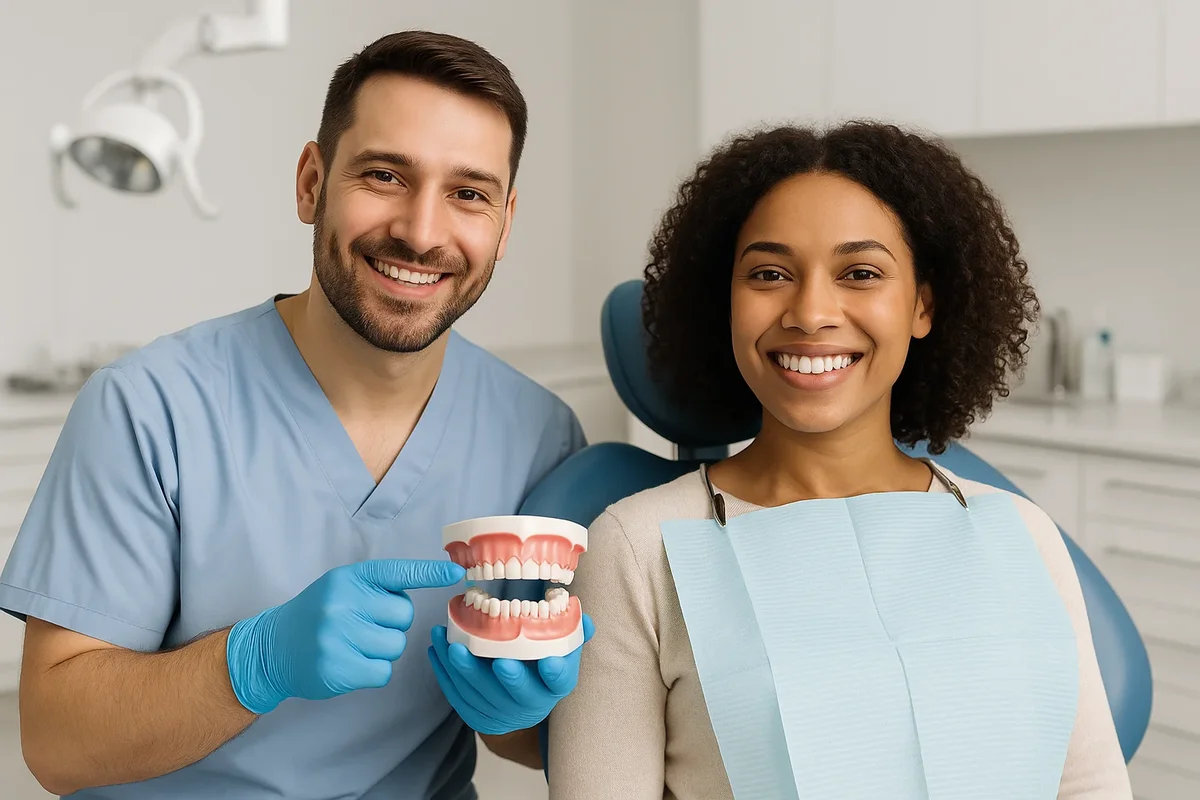
Frequently Asked Questions About Visiting a Dentist for New Teeth
Many patients considering restorative treatments have important questions before beginning their journey. Understanding what to expect can make the entire process smoother and less stressful. Whether you’re worried about pain, cost, procedure time, or long-term success, an experienced dentist for new teeth can provide accurate, reassuring answers. This section compiles the most common questions asked by patients, backed by professional insights and real-world guidance. 🦷
1. How Long Does the Process Take From Start to Finish?
The treatment timeline depends on the type of restoration and your individual oral health. For single-tooth implants, the process can take 3–6 months due to the natural bone integration stage. However, with innovations like immediate-load implants, some patients can leave the clinic with temporary crowns on the same day. A skilled dentist for new teeth will assess your bone density and gum condition to determine the best approach. ⏳
Full-mouth restorations, such as All-on-4 or All-on-6 implants, typically require 2–3 visits spread over a few months. The first involves diagnostic scans and implant placement, while the second and third involve fitting permanent restorations. Throughout the process, digital planning ensures every stage is safe and predictable.
Key Factors Influencing Treatment Duration
- Number of implants or restorations required
- Presence of gum disease or bone loss
- Healing capacity and general health of the patient
- Type of procedure (standard vs. same-day implants)
Your dentist for new teeth will explain your customized timeline in detail during your initial consultation, ensuring you understand each stage clearly before beginning.
2. Is the Procedure Painful?
One of the most common fears about visiting a dentist for new teeth is pain. In truth, modern dentistry has evolved to make treatments remarkably comfortable. Local anesthesia, sedation, and gentle surgical techniques ensure that patients experience minimal discomfort during and after procedures.
Post-surgery, mild soreness or swelling may occur, but it’s typically well-managed with over-the-counter pain relievers or prescribed medications. Most patients report that implant placement feels easier than tooth extraction. 🩺
Comfort Techniques Offered by Modern Clinics
- Digital-guided surgery for precise and minimal incisions
- Conscious sedation for anxious patients
- Laser-assisted healing to reduce inflammation
- Follow-up care with anti-inflammatory rinses and medications
An experienced dentist for new teeth ensures every patient receives individualized care and reassurance throughout the process. The goal is a calm, pain-free experience that builds confidence and comfort. 🌿
3. How Long Do Dental Implants Last?
When properly maintained, dental implants can last a lifetime. The titanium or zirconia post fuses with your jawbone through a process called osseointegration, creating a permanent foundation for your crown or bridge. The visible restorations, such as porcelain or zirconia crowns, generally last 15–20 years before requiring replacement due to natural wear. ⌛
However, longevity depends heavily on consistent care and professional monitoring. A dedicated dentist for new teeth will schedule follow-up visits every six months to ensure your implants remain stable and your gums healthy. Daily hygiene, non-smoking habits, and balanced nutrition also play a role in extending implant life.
Maintenance Tips for Longevity
- Brush twice daily with a soft-bristle toothbrush.
- Use interdental brushes or water flossers to remove debris.
- Avoid chewing extremely hard objects like ice or bones.
- Visit your dentist regularly for professional cleanings.
With care, the results from a professional dentist for new teeth can remain functional, beautiful, and stable for decades. 🌟
4. How Much Does It Cost?
The cost of getting new teeth varies widely based on geography, materials, and procedure complexity. In the United States, a single implant may range between $3,000 and $5,000. Full-mouth restorations like All-on-4 systems may cost $20,000 to $45,000 per arch. However, clinics abroad — such as those in Turkey, Thailand, or Eastern Europe — offer equally high-quality care for significantly lower prices. 🌍
When consulting a dentist for new teeth, always request a detailed written estimate. This should include all costs related to diagnostics, surgery, materials, crowns, and aftercare. Many clinics provide financing options or treatment packages to make procedures more affordable.
Example of Cost Transparency
- Initial Consultation: Free or low-cost diagnostic visit
- Implant Placement: $700–$1,500 abroad or $3,000–$5,000 domestically
- Final Crown: $600–$1,000 per unit
- Follow-Up and Maintenance: Included in treatment packages at reputable clinics like Redent Klinik Contact Page
Transparency builds trust, and a reliable dentist for new teeth will always prioritize clarity about pricing before treatment begins.
5. Can I Eat Normally After Getting New Teeth?
Yes! One of the greatest advantages of modern implants and restorations is the ability to enjoy a full, unrestricted diet once healing is complete. After receiving treatment from a qualified dentist for new teeth, you’ll be able to chew, bite, and speak naturally again.
Initially, a soft diet is recommended for the first few weeks as tissues heal. After osseointegration, your dentist will give the green light for normal foods, including fruits, vegetables, meats, and even crunchy snacks. 🥦
Foods to Embrace and Avoid
- Embrace: Yogurt, smoothies, eggs, mashed vegetables, and soups during early recovery.
- After Healing: You can eat almost anything, just avoid using your teeth as tools.
- Avoid: Hard candies, bones, or sticky caramel that may damage crowns.
Patients consistently report improved chewing power and confidence after full recovery — one of the many reasons visiting a professional dentist for new teeth can transform everyday life. 🍎
6. Are There Any Risks Involved?
Like any surgical procedure, dental restoration carries minimal but possible risks. These include infection, nerve irritation, or implant failure due to insufficient bone. However, such complications are extremely rare when treated by a certified and experienced dentist for new teeth.
Pre-procedure assessments, 3D scans, and detailed medical evaluations minimize risks significantly. Patients are also educated about aftercare routines to promote successful healing. In reputable clinics, implant success rates exceed 95% — one of the highest among medical procedures. ✅
Safety Protocols Followed by Professionals
- Sterile environment and single-use surgical tools
- Advanced imaging and digital planning before surgery
- Regular follow-up visits for monitoring integration
- Patient education on oral hygiene and risk factors
With the right dentist for new teeth, safety and success go hand in hand.
7. What If I’m an International Patient?
Dental tourism has become increasingly popular, especially in countries offering advanced treatments at lower costs. For example, many patients travel to Turkey for expert care by a dentist for new teeth. Clinics catering to international patients often provide all-inclusive packages covering accommodation, airport transfers, and translation support. ✈️
Before traveling, confirm that the clinic offers remote follow-up options and international guarantees. Reputable facilities such as Redent Klinik Contact Page maintain global communication standards, ensuring post-treatment support even after patients return home.
8. How Do I Choose the Right Dentist?
The best way to choose a dentist for new teeth is to evaluate credentials, experience, technology, and patient testimonials. Look for digital treatment planning, modern facilities, and clear communication. Visiting in person or scheduling an online consultation can help you understand their approach and professionalism.
Checklist Before Choosing
- Verify qualifications and professional licenses.
- Ask for before-and-after photos of real patients.
- Confirm the use of certified materials and technology.
- Check reviews and request transparent pricing upfront.
Final Thoughts on Common Questions
Every question you ask brings you one step closer to the confident, radiant smile you deserve. Working with an experienced dentist for new teeth ensures not just excellent results but also peace of mind. Whether it’s understanding costs, healing time, or long-term expectations, the answers lie in choosing expertise and trust.
Your new smile is more than a cosmetic change — it’s a transformation in health, confidence, and quality of life. For more information or to begin your personalized journey, visit the Redent Klinik Contact Page and connect with experts who can guide you every step of the way. 🌈