
Choosing the right dentist for orthodontics is one of the most important decisions you can make for your oral health and overall confidence 😊. Orthodontic care is not only about achieving a beautiful smile; it is also about correcting bite problems, improving chewing function, protecting long-term dental health, and even supporting proper jaw alignment. This comprehensive guide is designed to fully answer the question many patients ask: what exactly does a dentist for orthodontics do, and why does it matter so much?
A dentist for orthodontics focuses on diagnosing, preventing, and correcting misaligned teeth and jaws. While general dentists handle routine dental care such as cleanings, fillings, and crowns, orthodontic-focused dentists dedicate their expertise to alignment issues like crooked teeth, crowding, spacing, overbites, underbites, and crossbites. These problems are not merely cosmetic. If left untreated, they can lead to uneven tooth wear, jaw pain, headaches, gum disease, and difficulty cleaning between teeth 😬.
One of the key benefits of visiting a dentist for orthodontics is the personalized treatment planning process. Every mouth is different, and a skilled orthodontic-focused dentist evaluates facial structure, jaw movement, bite force, tooth position, and long-term oral health goals. Using digital scans, X-rays, and clinical examinations, the dentist creates a tailored roadmap designed to move teeth safely and effectively into their ideal positions. This individualized approach is essential for achieving stable, long-lasting results.
Another crucial role of a dentist for orthodontics is early detection. Many orthodontic problems begin developing in childhood, even before all permanent teeth have erupted. Early assessments can identify jaw growth issues or spacing concerns that may worsen over time. In some cases, interceptive orthodontics can reduce treatment duration later or prevent the need for more complex procedures. That said, orthodontic treatment is no longer limited to children and teenagers. Adults of all ages are now seeking orthodontic care to improve both function and appearance 💡.
Modern orthodontic dentistry has evolved dramatically. A dentist for orthodontics today may offer a wide range of treatment options, including traditional metal braces, ceramic braces, lingual braces, and clear aligner systems. These advancements mean treatments are more comfortable, discreet, and efficient than ever before. Many adults who avoided braces in the past now feel confident pursuing treatment thanks to nearly invisible solutions that fit seamlessly into daily life.
Beyond aesthetics, a properly aligned bite plays a major role in long-term oral health. When teeth are straight and the bite is balanced, it becomes easier to maintain good oral hygiene. Brushing and flossing are more effective, reducing the risk of cavities and gum disease. A dentist for orthodontics helps ensure that teeth meet correctly, distributing biting forces evenly and minimizing excessive stress on specific teeth or jaw joints. This can significantly lower the risk of tooth fractures and temporomandibular joint (TMJ) disorders over time.
Trust and communication are also central to orthodontic success. A qualified dentist for orthodontics explains each stage of treatment clearly, sets realistic expectations, and monitors progress closely. Regular check-ups allow adjustments to be made safely, ensuring teeth move as planned. Patients are guided on oral care routines, dietary considerations, and habits to avoid during treatment, helping them stay comfortable and confident throughout the process 😄.
If you are considering orthodontic treatment and want professional guidance, connecting with a reputable dental clinic is a smart first step. You can easily reach out through the Redent Klinik Contact Page to receive personalized information and expert support. For additional educational resources and professional standards in dentistry, the American Dental Association is also a trusted authority that highlights the importance of qualified dental care.
In summary, a dentist for orthodontics plays a vital role in improving not only how your smile looks, but also how it functions for years to come. By addressing alignment issues early, offering modern treatment options, and focusing on long-term oral health, orthodontic-focused dentists help patients achieve healthier, more confident smiles 🌟. Understanding their role empowers you to make informed decisions and take a proactive step toward better dental well-being.
What a Dentist for Orthodontics Does and Why It Matters
A dentist for orthodontics plays a highly specialized role in modern dental care, focusing on the alignment of teeth and jaws to improve both function and appearance. Many people mistakenly believe orthodontic care is only cosmetic, but in reality, it directly impacts oral health, digestion, speech, and long-term dental stability. Understanding what a dentist for orthodontics does—and why their role matters—helps patients make informed, confident decisions about their treatment 🦷.
Core Responsibilities of a Dentist for Orthodontics
At the most basic level, a dentist for orthodontics diagnoses alignment and bite issues that affect how teeth fit together. These issues can include crowding, spacing, rotated teeth, protrusion, overbites, underbites, crossbites, and jaw discrepancies. Through detailed examinations, digital scans, and imaging, the dentist evaluates how teeth and jaws interact during chewing, speaking, and resting.
Once a diagnosis is made, the dentist for orthodontics designs a customized treatment plan. This plan outlines which orthodontic appliances will be used, how long treatment is expected to last, and what outcomes are realistic. Precision is critical here, as improper force or timing can lead to root damage, gum recession, or unstable results. This is why orthodontic-focused expertise is so important—it ensures teeth move safely and predictably.
Beyond Straight Teeth: Functional Benefits
A key reason a dentist for orthodontics matters is functionality. Misaligned teeth can cause uneven bite pressure, leading to premature tooth wear, cracks, and jaw strain. Over time, this imbalance may contribute to chronic headaches, facial pain, or temporomandibular joint (TMJ) issues 😖. By correcting alignment, orthodontic care restores balance and reduces unnecessary stress on the teeth and jaw joints.
Speech can also be affected by dental alignment. Certain sounds require precise tongue and tooth positioning. A dentist for orthodontics can identify whether spacing or bite issues are contributing to speech difficulties and incorporate corrective strategies into the treatment plan. While not all speech issues are orthodontic in nature, proper alignment often improves clarity and comfort.
Oral Hygiene and Long-Term Dental Health
Another often-overlooked role of a dentist for orthodontics is improving oral hygiene outcomes. Crowded or overlapping teeth create hard-to-clean areas where plaque and bacteria accumulate easily. Even patients with excellent brushing habits may struggle to clean these tight spaces effectively. Orthodontic treatment straightens teeth, making daily hygiene more efficient and significantly lowering the risk of cavities and gum disease over time 🪥.
From a long-term perspective, straight teeth are more likely to remain healthy into older age. Teeth that are properly aligned experience less abnormal wear, are easier to restore if needed, and tend to stay stronger for longer. This preventive aspect makes orthodontic care a smart investment, not just an aesthetic choice.
The Importance of Expertise and Monitoring
A dentist for orthodontics does far more than place braces or provide aligners. Continuous monitoring is one of the most critical parts of treatment. Teeth do not always move exactly as predicted, and biological responses can vary between patients. Regular follow-ups allow the dentist to adjust forces, modify appliances, and ensure that progress stays on track without causing harm.
This expertise is especially important for adult patients. Adult bone structure is fully developed, meaning tooth movement requires careful planning and controlled force. A dentist for orthodontics understands these biological differences and adapts treatment accordingly, reducing risks while still achieving effective results.
Education, Guidance, and Patient Support
Education is another major responsibility of a dentist for orthodontics. Patients receive guidance on how to care for their teeth during treatment, what foods to avoid, how to clean around appliances, and how to manage mild discomfort. This ongoing support helps patients stay motivated and prevents complications that could prolong treatment ⏳.
Equally important is expectation management. A skilled dentist for orthodontics communicates clearly about timelines, limitations, and post-treatment responsibilities such as retainer use. This transparency builds trust and leads to higher patient satisfaction and better long-term outcomes.
In summary, a dentist for orthodontics is essential not only for creating straighter smiles, but for protecting oral health, improving function, and ensuring lasting results. Their role combines medical expertise, precision planning, and patient-centered care. By addressing both visible and hidden alignment issues, orthodontic-focused dentists help patients achieve healthier, more confident smiles that truly stand the test of time ✨.
When to See a Dentist for Orthodontics: Signs You Shouldn’t Ignore
Knowing when to visit a dentist for orthodontics can make a major difference in both treatment success and overall oral health. Many orthodontic problems develop gradually, which means patients often adapt to discomfort or functional issues without realizing that treatment is needed. Unfortunately, delaying orthodontic care can lead to more complex problems later. Recognizing the warning signs early allows a dentist for orthodontics to intervene at the right time and prevent long-term complications 😊.
Visible Signs of Misalignment
One of the most obvious reasons to consult a dentist for orthodontics is visibly crooked or crowded teeth. Teeth that overlap, twist, or appear uneven are not just an aesthetic concern. Crowding often indicates that there is insufficient space in the jaw, which can cause teeth to erupt in improper positions. Over time, this increases the risk of tooth decay and gum disease because crowded areas are difficult to clean effectively.
Large gaps or excessive spacing between teeth are another common sign. While spacing may seem less problematic than crowding, it can still affect bite stability and gum health. A dentist for orthodontics evaluates whether spacing is caused by missing teeth, jaw size discrepancies, or abnormal tooth eruption patterns and recommends appropriate corrective treatment.
Early Warning Signs in Children
Children benefit greatly from early orthodontic evaluations. A dentist for orthodontics may recommend an assessment as early as age seven, even if all permanent teeth have not yet erupted. Warning signs in children include thumb sucking beyond early childhood, difficulty biting or chewing, mouth breathing, early or late loss of baby teeth, and jaws that shift or make sounds when opening or closing.
Early intervention does not always mean immediate braces. In many cases, a dentist for orthodontics simply monitors growth and development, guiding jaw growth or tooth eruption to reduce the severity of future treatment. This proactive approach can shorten treatment time and lower complexity during adolescence.
Bite Problems and Jaw Discomfort
Problems with how the upper and lower teeth fit together are a strong indicator that it is time to see a dentist for orthodontics. Common bite issues include overbite, underbite, crossbite, and open bite. These conditions can lead to uneven wear on teeth, chipped enamel, and excessive pressure on certain areas of the mouth 😬.
Jaw pain, clicking, or popping sounds may also signal underlying alignment issues. While not all jaw discomfort is orthodontic in nature, a dentist for orthodontics can determine whether bite imbalance is contributing to temporomandibular joint (TMJ) stress. Addressing alignment issues often reduces jaw strain and improves overall comfort.
Speech and Chewing Difficulties
Speech challenges can sometimes be linked to dental alignment. Lisping or difficulty pronouncing certain sounds may result from spacing or bite problems. A dentist for orthodontics assesses whether tooth position is interfering with tongue placement and airflow. Correcting alignment can improve speech clarity and confidence over time.
Similarly, chewing difficulties should never be ignored. If certain teeth do not meet properly, food may not be broken down efficiently, placing extra stress on specific teeth and jaw muscles. A dentist for orthodontics helps restore balance, making eating more comfortable and effective.
Adult-Specific Signs That Require Attention
Many adults assume orthodontic treatment is only for younger patients, but this is no longer true. Adults should consider seeing a dentist for orthodontics if they notice shifting teeth, increasing crowding, or changes in their bite. Teeth naturally move over time, especially if wisdom teeth, gum disease, or tooth loss are involved.
Frequent headaches, facial tension, or uneven tooth wear can also indicate bite misalignment in adults. A dentist for orthodontics evaluates these symptoms holistically, determining whether orthodontic correction could relieve discomfort and prevent further damage. Modern treatment options, such as clear aligners, make orthodontic care more discreet and convenient for adult lifestyles 💼.
Why Timing Matters
Timing plays a critical role in orthodontic outcomes. The sooner a dentist for orthodontics identifies a problem, the more treatment options are available. Early or timely intervention often results in shorter treatment durations, lower costs, and more stable results. Waiting until symptoms worsen may limit choices and require more complex procedures.
In conclusion, knowing when to see a dentist for orthodontics is about listening to your body and observing changes in your teeth, bite, and jaw comfort. Whether you are a parent monitoring your child’s development or an adult experiencing new dental concerns, early consultation leads to better outcomes. Paying attention to these signs empowers you to protect your oral health and take a confident step toward a healthier, more balanced smile 🌟.
Types of Orthodontic Treatments Offered by Dentists
A dentist for orthodontics offers a wide range of treatment options designed to correct misaligned teeth and jaw issues while fitting different lifestyles, ages, and clinical needs. Orthodontic care is no longer a one-size-fits-all solution. Thanks to advances in dental technology and materials, patients today can benefit from more comfortable, effective, and discreet treatments than ever before 😊. Understanding these options helps you work with a dentist for orthodontics to choose the most suitable path toward a healthier, well-aligned smile.
Traditional Metal Braces
Traditional metal braces remain one of the most effective and widely used orthodontic treatments. A dentist for orthodontics often recommends them for moderate to severe alignment and bite problems. Metal braces consist of brackets bonded to the teeth and connected by archwires that apply controlled pressure to gradually move teeth into their ideal positions.
Although they are more visible than other options, modern metal braces are smaller, smoother, and more comfortable than older versions. They allow precise control over tooth movement, making them especially effective for complex cases involving significant crowding, rotation, or jaw discrepancies. For many patients, metal braces provide the most predictable and efficient results.
Who Benefits Most from Metal Braces?
A dentist for orthodontics may suggest metal braces for children, teenagers, and adults who require substantial corrections. They are durable, cost-effective compared to some alternatives, and suitable for nearly all orthodontic conditions. Patients who prioritize effectiveness over aesthetics often find this option ideal.
Ceramic Braces: A More Discreet Option
Ceramic braces function similarly to metal braces but use tooth-colored or clear brackets that blend more naturally with the teeth. A dentist for orthodontics may recommend ceramic braces for patients who want effective treatment with less visual impact. They offer the same level of control as metal braces while being less noticeable in everyday interactions 😄.
However, ceramic braces require careful oral hygiene, as the brackets can stain if not properly maintained. A dentist for orthodontics provides detailed care instructions to help patients keep their braces clean and aesthetically pleasing throughout treatment.
Balancing Appearance and Performance
Ceramic braces are a popular choice for older teens and adults who want a balance between effectiveness and appearance. While slightly more fragile than metal braces, they remain a reliable option when managed correctly under professional supervision.
Clear Aligners and Removable Systems
Clear aligner systems have transformed modern orthodontic care. A dentist for orthodontics may recommend clear aligners for patients with mild to moderate alignment issues who prefer a nearly invisible treatment. These custom-made, removable trays gradually shift teeth by applying gentle, consistent pressure.
One of the main advantages of clear aligners is flexibility. They can be removed for eating, brushing, and flossing, making daily oral hygiene easier. This option is especially appealing to adults with active professional or social lifestyles 🧑💼.
Discipline and Suitability
While clear aligners offer convenience, they require commitment. A dentist for orthodontics emphasizes that aligners must be worn for the recommended number of hours per day to be effective. Patients who follow instructions carefully often achieve excellent results, but aligners may not be suitable for very complex cases.
Lingual Braces: Hidden Orthodontic Treatment
Lingual braces are attached to the inner surfaces of the teeth, making them virtually invisible from the outside. A dentist for orthodontics may suggest this option for patients who want powerful orthodontic correction without visible appliances. Lingual braces work similarly to traditional braces but require specialized training and precise customization.
Because they are placed behind the teeth, lingual braces can take some time to get used to, particularly with speech and tongue comfort. However, with expert planning and gradual adaptation, many patients adjust successfully and appreciate the hidden nature of the treatment.
Specialized Expertise Matters
Not all dental clinics offer lingual braces. Choosing a skilled dentist for orthodontics is especially important for this option, as it requires advanced experience and careful monitoring to ensure comfort and effectiveness.
Choosing the Right Treatment with a Dentist for Orthodontics
Selecting the most appropriate orthodontic treatment is a collaborative process. A dentist for orthodontics evaluates tooth alignment, jaw structure, lifestyle preferences, and long-term goals before recommending a solution. Factors such as treatment duration, visibility, maintenance, and budget all play a role in the decision-making process.
In conclusion, the variety of orthodontic treatments available today allows a dentist for orthodontics to tailor care to each patient’s unique needs. Whether using traditional braces, discreet ceramic options, removable aligners, or hidden lingual systems, the goal remains the same: safe, effective alignment that supports long-term oral health and confidence 🌟. Understanding these options empowers patients to take an active role in their orthodontic journey and achieve lasting, meaningful results.
Braces vs. Clear Aligners: Which Option Is Right for You?
One of the most common questions patients ask a dentist for orthodontics is whether braces or clear aligners are the better choice. Both treatment options are effective, widely used, and supported by strong clinical evidence. However, they work in different ways and suit different needs, lifestyles, and orthodontic conditions. Understanding the strengths and limitations of each option helps you make a confident, informed decision together with your dentist for orthodontics 😊.
How Braces Work and What They Offer
Traditional braces use fixed brackets and archwires to apply continuous, controlled pressure to the teeth. A dentist for orthodontics carefully adjusts these components over time to guide teeth into their correct positions. Because braces are fixed in place, they work around the clock without relying on patient compliance.
This constant force makes braces especially effective for complex orthodontic cases. Severe crowding, significant rotations, large gaps, and jaw-related bite problems often respond best to braces. A dentist for orthodontics may recommend braces when precise tooth movement and strong control are required to achieve stable, long-lasting results.
Advantages of Braces
Braces offer several important benefits. They are highly versatile, suitable for nearly all orthodontic conditions, and do not depend on daily removal or reinsertion. This makes them an excellent option for children and teenagers who may struggle with compliance. Additionally, braces allow a dentist for orthodontics to make fine adjustments that are difficult to achieve with removable systems.
Modern braces are also more comfortable and efficient than in the past. Advances in materials and techniques have reduced friction and treatment time, improving the overall patient experience 🦷.
Understanding Clear Aligners
Clear aligners are removable, transparent trays custom-made to fit snugly over the teeth. A dentist for orthodontics designs a sequence of aligners that gradually move teeth into alignment. Each set is worn for a specific period before progressing to the next stage.
The biggest appeal of clear aligners is discretion. Because they are nearly invisible, many adults and image-conscious teens prefer them. Aligners can also be removed for eating, brushing, and flossing, making daily oral hygiene easier compared to fixed braces 😄.
Benefits and Responsibilities of Aligners
Clear aligners offer flexibility and comfort, but they require discipline. A dentist for orthodontics emphasizes that aligners must be worn for the recommended number of hours each day to be effective. Inconsistent wear can delay progress or compromise results.
Aligners are generally best suited for mild to moderate alignment issues. While technology continues to advance, certain complex movements may still be more predictable with braces. A dentist for orthodontics evaluates whether aligners can safely and effectively meet your treatment goals.
Lifestyle Considerations
Lifestyle plays a major role when choosing between braces and aligners. A dentist for orthodontics considers factors such as work environment, social preferences, and daily routines. Patients with busy professional lives may prefer aligners for their discreet appearance and convenience. On the other hand, individuals who want a low-maintenance option may benefit from braces, which do not require daily removal.
Dietary habits are another consideration. Braces require avoiding hard or sticky foods to prevent damage, while aligners allow normal eating when removed. A dentist for orthodontics discusses these practical differences in detail to ensure patients know what to expect 🍎.
Oral Hygiene and Maintenance
Maintaining oral hygiene is essential during orthodontic treatment. Braces require extra care when brushing and flossing around brackets and wires. A dentist for orthodontics provides specialized tools and instructions to help keep teeth and gums healthy.
Aligners simplify hygiene routines, but they must be cleaned regularly to prevent odor and bacterial buildup. A dentist for orthodontics educates patients on proper aligner care to maintain both oral health and appliance clarity.
Making the Right Choice with a Dentist for Orthodontics
There is no universal “better” option—only the option that best fits your needs. A dentist for orthodontics evaluates clinical factors such as bite complexity, tooth movement requirements, and jaw structure alongside personal preferences and lifestyle considerations.
In conclusion, both braces and clear aligners are powerful orthodontic tools when used appropriately. By consulting a skilled dentist for orthodontics, you receive personalized guidance that balances effectiveness, comfort, aesthetics, and long-term stability. This collaborative approach ensures that whichever option you choose, you are taking a confident step toward a healthier, more aligned smile 🌟.
How to Choose the Best Dentist for Orthodontics
Selecting the right dentist for orthodontics is one of the most important steps in achieving a healthy, well-aligned smile. Orthodontic treatment is a long-term commitment that affects not only appearance, but also bite function, jaw health, and overall oral stability. Because results depend heavily on professional expertise, choosing the best dentist for orthodontics requires careful evaluation rather than quick decisions 😊.
Qualifications, Training, and Experience
The first factor to consider when choosing a dentist for orthodontics is professional background. While many dentists provide basic orthodontic services, not all have the same level of training or experience. A dentist for orthodontics should have advanced education in orthodontic diagnosis, treatment planning, and appliance management. Experience is especially important for complex cases involving bite correction, jaw discrepancies, or adult orthodontics.
Patients should feel confident asking about a dentist’s experience with cases similar to their own. A seasoned dentist for orthodontics understands how teeth respond to movement over time and can anticipate challenges before they arise. This level of expertise significantly reduces the risk of complications and improves treatment efficiency.
Technology and Diagnostic Tools
Modern orthodontic care relies heavily on advanced technology. A high-quality dentist for orthodontics uses digital scans, 3D imaging, and precise diagnostic tools to plan treatment accurately. These technologies allow for better visualization of tooth movement, improved comfort, and more predictable outcomes.
Digital planning also enables patients to better understand their treatment journey. When a dentist for orthodontics can clearly explain how teeth will move and what results to expect, patients feel more informed and confident throughout the process 🧠.
Range of Treatment Options
Another key indicator of a strong dentist for orthodontics is the variety of treatment options offered. Orthodontic needs vary widely, and a one-method approach may not be suitable for everyone. A dentist for orthodontics who provides multiple solutions—such as traditional braces, ceramic braces, and clear aligners—can tailor treatment to individual needs rather than forcing a single option.
Having access to different orthodontic systems allows the dentist to prioritize effectiveness, comfort, and lifestyle compatibility. This flexibility is especially valuable for adult patients who may have specific aesthetic or professional concerns.
Customized Treatment Planning
Personalization is a hallmark of quality orthodontic care. A dentist for orthodontics should never rely on generic treatment plans. Instead, they should consider facial structure, bite mechanics, oral habits, and long-term dental health when designing a strategy. Customized planning ensures not only straight teeth, but also stable and functional results that last.
Communication and Patient Comfort
Clear communication is essential when working with a dentist for orthodontics. Orthodontic treatment often spans months or even years, making trust and understanding critical. The dentist should explain procedures, timelines, and expectations in simple, transparent language, allowing patients to feel comfortable asking questions at any stage.
Patient comfort also extends beyond explanations. A dentist for orthodontics who prioritizes gentle techniques, pain management strategies, and emotional reassurance creates a more positive treatment experience 😌. This is particularly important for patients who feel anxious about dental procedures.
Ongoing Monitoring and Support
Orthodontic success depends on consistent monitoring. A reliable dentist for orthodontics schedules regular follow-ups to assess progress and make necessary adjustments. These appointments help ensure that teeth are moving as planned and allow early correction if something deviates from expectations.
Support also includes guidance on oral hygiene, appliance care, and lifestyle adjustments during treatment. A dentist for orthodontics who actively supports patients throughout the journey significantly improves compliance and outcomes.
Reputation, Reviews, and Trust
Reputation plays an important role when choosing a dentist for orthodontics. Patient reviews, testimonials, and referrals provide valuable insight into real treatment experiences. Consistent positive feedback regarding professionalism, results, and patient care is a strong indicator of quality.
Ultimately, trust is the deciding factor. A dentist for orthodontics should make patients feel heard, respected, and confident in the care they receive. This trust forms the foundation of a successful orthodontic relationship and leads to better cooperation and satisfaction 🌟.
In conclusion, choosing the best dentist for orthodontics involves evaluating expertise, technology, treatment flexibility, communication, and patient-centered care. Taking the time to make an informed choice ensures not only a straighter smile, but also a healthier, more balanced bite that supports long-term oral well-being.
Orthodontic Treatment Process Step by Step
Understanding the orthodontic treatment process helps patients feel confident and prepared when working with a dentist for orthodontics. While every treatment plan is customized, most orthodontic journeys follow a clear, structured sequence designed to ensure safe tooth movement and long-lasting results. Knowing what happens at each stage reduces anxiety, improves cooperation, and leads to better overall outcomes 😊.
Initial Consultation and Comprehensive Assessment
The first step with a dentist for orthodontics is a detailed consultation. During this visit, the dentist evaluates tooth alignment, bite relationship, jaw movement, and facial proportions. Digital scans, photographs, and X-rays are often used to create a complete diagnostic picture.
This assessment allows the dentist for orthodontics to identify underlying issues that may not be visible to the naked eye, such as impacted teeth or jaw discrepancies. Just as importantly, the dentist listens to the patient’s concerns, goals, and expectations. This two-way communication ensures that treatment planning aligns with both clinical needs and personal preferences.
Diagnosis and Treatment Planning
After collecting diagnostic data, the dentist for orthodontics designs a personalized treatment plan. This plan outlines the type of orthodontic appliance recommended, the estimated treatment duration, and the expected results. Patients receive a clear explanation of why a specific approach is chosen and how it will address their alignment issues.
At this stage, the dentist for orthodontics also discusses responsibilities during treatment, such as oral hygiene routines and appointment schedules. Transparency here builds trust and sets the foundation for a smooth treatment experience 🧩.
Placement of Orthodontic Appliances
Once the treatment plan is approved, the next step is appliance placement. Whether braces or aligners are used, a dentist for orthodontics ensures precise application to achieve controlled tooth movement. For braces, brackets are bonded to the teeth and connected with archwires. For aligners, patients receive their first set of custom trays.
The placement appointment is typically painless, though patients may feel mild pressure afterward. A dentist for orthodontics explains what sensations are normal and how to manage initial discomfort, helping patients adjust comfortably 😌.
Early Adaptation Period
The first few weeks are an adjustment phase. Teeth begin responding to orthodontic forces, and patients may notice temporary soreness or sensitivity. A dentist for orthodontics reassures patients that this is a normal part of the process and provides guidance on eating softer foods and maintaining oral hygiene.
Regular Adjustments and Monitoring
Orthodontic treatment is dynamic, requiring ongoing supervision. A dentist for orthodontics schedules regular follow-up visits to monitor progress and make necessary adjustments. For braces, this may involve tightening wires or changing elastics. For aligners, patients transition through a planned sequence of trays.
These visits are crucial for keeping tooth movement on track. Teeth do not always respond exactly as predicted, and a dentist for orthodontics uses clinical expertise to adjust treatment as needed, preventing delays or complications 🔍.
Patient Cooperation and Daily Care
Successful orthodontic outcomes depend heavily on patient cooperation. A dentist for orthodontics emphasizes proper brushing, flossing, and appliance care throughout treatment. For aligner users, consistent wear is essential to maintain progress.
Patients are also advised to avoid habits that could damage appliances or slow treatment, such as chewing hard objects or skipping aligner wear. When patients follow professional guidance, treatment proceeds more efficiently and comfortably.
Completion and Appliance Removal
When teeth reach their desired positions, the dentist for orthodontics carefully removes braces or completes the aligner sequence. This milestone marks the visible success of treatment, but it is not the end of the orthodontic journey.
Final evaluations ensure that bite alignment, tooth contact, and aesthetics meet the planned goals. Patients often notice immediate improvements in comfort, function, and confidence at this stage 😄.
Retention Phase and Long-Term Stability
Retention is one of the most important steps overseen by a dentist for orthodontics. Teeth naturally tend to shift back toward their original positions if not properly supported. Retainers help maintain alignment and protect the results achieved through months of treatment.
In summary, the orthodontic treatment process is a carefully guided journey led by a skilled dentist for orthodontics. From diagnosis and planning to active treatment and retention, each step plays a vital role in creating a stable, healthy, and confident smile. Understanding this process empowers patients to stay engaged and committed, ensuring results that truly last 🌟.
Orthodontics for Children, Teens, and Adults
Orthodontic care is no longer limited to a specific age group. A dentist for orthodontics treats patients across all life stages—children, teenagers, and adults—each with unique needs, goals, and biological considerations. While the core principles of orthodontics remain the same, age plays a significant role in treatment planning, appliance choice, and overall approach. Understanding how orthodontic care differs by age helps patients and parents make confident, well-timed decisions 😊.
Orthodontics for Children: Early Guidance Matters
For children, visiting a dentist for orthodontics at an early age is primarily about evaluation rather than immediate treatment. Early orthodontic assessments typically focus on jaw growth, tooth eruption patterns, and oral habits. Even before all permanent teeth appear, a dentist for orthodontics can identify potential issues such as crowding, jaw imbalance, or bite irregularities.
Early orthodontic care, often referred to as interceptive orthodontics, aims to guide natural growth rather than correct fully developed problems. In some cases, simple appliances are used to expand the jaw, create space for erupting teeth, or discourage habits like thumb sucking. This proactive approach can reduce the need for more complex treatment later 🧒.
Benefits of Early Orthodontic Evaluation
A dentist for orthodontics helps parents understand whether a child needs immediate intervention or simple monitoring. Early evaluations can shorten future treatment time, lower complexity, and improve long-term stability. Importantly, early care focuses on function and development—not just appearance.
Orthodontics for Teenagers: Ideal Timing for Alignment
Teenage years are often considered the ideal time for orthodontic treatment. By this stage, most permanent teeth have erupted, and jaw growth is still ongoing. A dentist for orthodontics can take advantage of this growth phase to move teeth more efficiently and correct bite problems effectively.
Teens commonly receive braces or clear aligners depending on their needs and preferences. A dentist for orthodontics considers factors such as school activities, sports, and self-confidence when recommending treatment options. Modern orthodontic solutions are more comfortable and less noticeable than ever, helping teens stay confident during treatment 😄.
Compliance and Responsibility
Teen orthodontic success depends heavily on cooperation. A dentist for orthodontics educates teens on proper oral hygiene, appliance care, and the importance of following instructions. When teens understand how their actions affect treatment duration and results, outcomes improve significantly.
Orthodontics for Adults: It’s Never Too Late
Adult orthodontics has grown rapidly in recent years. Many adults seek a dentist for orthodontics to address alignment issues that were never treated earlier or have developed over time. Teeth can shift due to aging, tooth loss, gum disease, or previous orthodontic relapse.
Adults often prioritize discreet treatment options, such as clear aligners or ceramic braces. A dentist for orthodontics tailors treatment plans to fit professional, social, and lifestyle needs while still achieving effective correction. Although adult bone structure is fully developed, modern techniques allow safe and predictable tooth movement 🧑💼.
Special Considerations for Adult Patients
A dentist for orthodontics carefully evaluates gum health, bone density, and existing dental work before starting adult treatment. Adults may require a more gradual approach and close monitoring, but the benefits are significant—improved bite function, easier oral hygiene, and enhanced confidence.
Common Goals Across All Age Groups
Regardless of age, the goals of orthodontic treatment remain consistent. A dentist for orthodontics aims to create proper tooth alignment, balanced bite function, and long-term stability. Treatment is not just about straight teeth, but about protecting oral health and improving quality of life.
For children, the focus is growth guidance. For teens, it is efficient correction during development. For adults, it is refinement, restoration, and prevention of future problems. A dentist for orthodontics adapts techniques and communication style to match each age group’s needs, ensuring a positive and effective experience for everyone 🌟.
In conclusion, orthodontic care is truly for all ages. Whether guiding early development, supporting teenage growth, or helping adults achieve long-awaited improvements, a skilled dentist for orthodontics provides age-appropriate, personalized care. Understanding these differences empowers patients and families to seek treatment at the right time and enjoy the lifelong benefits of a healthy, well-aligned smile.
Costs, Duration, and Value of Orthodontic Treatment
One of the most important considerations when visiting a dentist for orthodontics is understanding the costs, treatment duration, and overall value of orthodontic care. Orthodontic treatment is an investment in long-term oral health, function, and confidence—not just a cosmetic upgrade. When patients clearly understand what influences pricing and timelines, they are better prepared to make informed, stress-free decisions 😊.
What Factors Influence Orthodontic Costs?
The cost of treatment with a dentist for orthodontics varies depending on several key factors. Case complexity is one of the most significant. Mild alignment issues generally require shorter treatment times and simpler appliances, while severe crowding, bite problems, or jaw discrepancies may require longer, more involved care.
The type of orthodontic appliance also plays a role. Traditional metal braces are often more affordable, while ceramic braces, lingual braces, and clear aligners may involve higher costs due to materials, customization, and technology. A dentist for orthodontics explains these differences transparently, helping patients weigh benefits against expenses.
Technology, Expertise, and Follow-Up Care
Advanced diagnostic tools, digital planning, and ongoing monitoring are all part of comprehensive orthodontic care. A skilled dentist for orthodontics invests in modern technology to improve accuracy, comfort, and predictability. These factors contribute to cost but also enhance treatment quality and reduce the likelihood of complications or relapse.
Follow-up visits, adjustments, and retention appliances are typically included in treatment plans. A dentist for orthodontics ensures patients understand what is covered so there are no surprises later in the process.
Typical Treatment Duration Explained
Orthodontic treatment duration varies widely, but most patients work with a dentist for orthodontics for a period ranging from several months to a few years. Mild cases may be completed in under a year, while more complex cases often require 18 to 24 months or longer.
Treatment time depends on how teeth respond to movement, patient age, appliance type, and cooperation. A dentist for orthodontics designs treatment plans that balance efficiency with biological safety, ensuring teeth move at a healthy, sustainable pace 🕒.
The Role of Patient Cooperation
Patient behavior significantly affects treatment duration. A dentist for orthodontics emphasizes the importance of attending scheduled appointments, maintaining oral hygiene, and following appliance instructions. For clear aligner users, consistent daily wear is critical to staying on schedule.
When patients actively participate in their care, treatment often progresses smoothly and finishes on time—or even early.
Understanding the True Value of Orthodontic Care
While costs and timelines matter, the true value of working with a dentist for orthodontics extends far beyond numbers. Orthodontic treatment improves bite function, reduces uneven tooth wear, lowers the risk of gum disease, and supports long-term dental stability. These benefits can prevent costly restorative treatments in the future.
From a quality-of-life perspective, straight teeth and a balanced bite often boost self-confidence, comfort, and ease of daily activities such as eating and speaking. Many patients report feeling more confident socially and professionally after completing treatment 😄.
Long-Term Savings and Preventive Benefits
A dentist for orthodontics focuses on prevention as much as correction. Proper alignment makes teeth easier to clean, reducing cavities and gum problems over time. By addressing underlying issues early, orthodontic care can minimize future dental expenses related to damage, tooth loss, or jaw problems.
Seen through this lens, orthodontic treatment is not an expense—it is a strategic investment in lifelong oral health.
Making an Informed Decision with a Dentist for Orthodontics
A trustworthy dentist for orthodontics provides clear explanations of costs, timelines, and expected outcomes before treatment begins. This transparency allows patients to plan confidently and focus on the benefits rather than uncertainties.
In conclusion, understanding the costs, duration, and value of orthodontic treatment helps patients appreciate the full scope of what a dentist for orthodontics offers. With personalized planning, expert supervision, and long-term benefits, orthodontic care delivers value that extends far beyond a straighter smile 🌟.
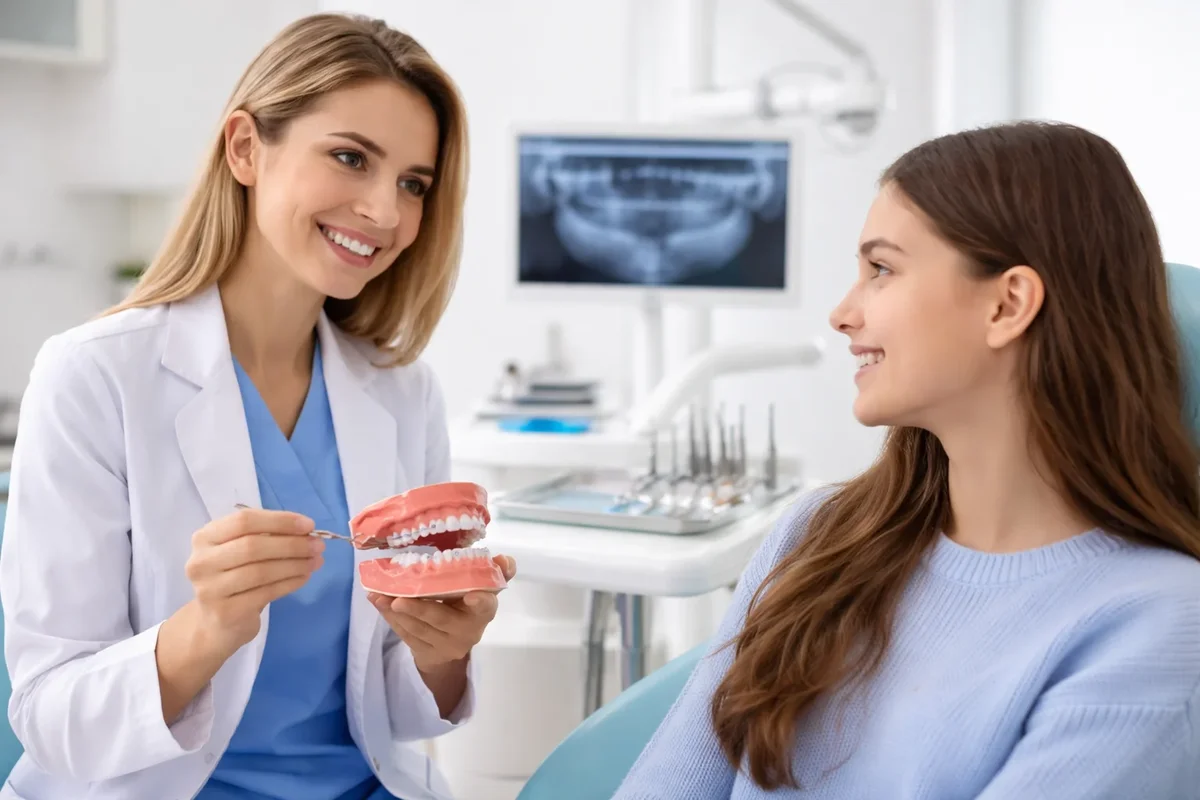
Life After Treatment: Retainers, Results, and Long-Term Care
Completing orthodontic treatment is a major milestone, but the journey with a dentist for orthodontics does not end the day braces are removed or the final aligner is worn. Life after treatment is a critical phase that determines whether the results you worked so hard to achieve will last for years—or slowly fade over time. Retention, long-term care, and follow-up guidance from a dentist for orthodontics are essential to maintaining a healthy, confident smile 😊.
Why Retainers Are Essential After Orthodontic Treatment
After teeth have been moved into their ideal positions, they naturally try to shift back toward their original alignment. This biological tendency is known as relapse. A dentist for orthodontics uses retainers to stabilize teeth while the surrounding bone and tissues adapt to the new positions.
Retainers are not optional accessories—they are a fundamental part of orthodontic success. A dentist for orthodontics determines the type of retainer, how often it should be worn, and for how long based on individual risk factors such as age, original alignment severity, and bite characteristics.
Types of Retainers Commonly Used
A dentist for orthodontics may recommend removable retainers or fixed (bonded) retainers. Removable retainers are typically worn full-time at first, then gradually reduced to nighttime wear. Fixed retainers are bonded behind the teeth and provide continuous support without requiring daily removal.
Each option has advantages. Removable retainers allow easy cleaning, while fixed retainers offer convenience and constant retention. A dentist for orthodontics helps patients choose the option that best fits their lifestyle and long-term goals 🦷.
Maintaining Results Through Daily Habits
Long-term success depends not only on retainers, but also on daily oral habits. A dentist for orthodontics emphasizes the importance of consistent oral hygiene after treatment. Straight teeth are easier to clean, but they still require proper brushing, flossing, and regular dental check-ups.
Wearing retainers as instructed is crucial. Skipping nights or stopping retainer use too early is one of the most common reasons patients experience relapse. A dentist for orthodontics educates patients on realistic expectations, often recommending lifelong nighttime retainer wear to preserve results.
Diet and Lifestyle Considerations
Certain habits can compromise orthodontic results over time. Teeth grinding, nail biting, or using teeth as tools can gradually affect alignment. A dentist for orthodontics may suggest protective measures such as night guards for patients who grind their teeth.
Maintaining overall oral health—including gum health—is also essential. Healthy gums provide stable support for aligned teeth, reinforcing the results achieved through orthodontic treatment 🌱.
Follow-Up Visits and Long-Term Monitoring
Even after active treatment ends, periodic follow-ups with a dentist for orthodontics remain important. These visits allow the dentist to assess retainer fit, monitor tooth stability, and identify early signs of movement before significant relapse occurs.
Life changes such as wisdom tooth eruption, tooth loss, or gum disease can influence alignment years after treatment. A dentist for orthodontics evaluates these factors and recommends adjustments or replacement retainers when necessary.
Addressing Minor Shifts Early
If minor tooth movement occurs, early intervention can often correct it quickly. A dentist for orthodontics may recommend short-term aligner use or retainer modification to restore alignment without restarting full treatment.
This proactive approach saves time, effort, and cost while preserving the integrity of the original treatment results.
The Emotional and Functional Benefits of Long-Term Success
The benefits of orthodontic treatment extend well beyond straight teeth. Patients who follow post-treatment guidance from a dentist for orthodontics often enjoy improved bite comfort, easier oral hygiene, and enhanced self-confidence for decades.
A stable, aligned smile supports better chewing, clearer speech, and balanced jaw function. Emotionally, many patients feel more comfortable smiling, speaking, and engaging socially—benefits that continue long after treatment ends 😄.
In conclusion, life after orthodontic treatment is about protection, consistency, and partnership with a trusted dentist for orthodontics. Retainers, healthy habits, and long-term monitoring work together to preserve results and maximize the value of treatment. By staying committed to post-treatment care, patients ensure that their new smile remains strong, stable, and confident for a lifetime 🌟.