
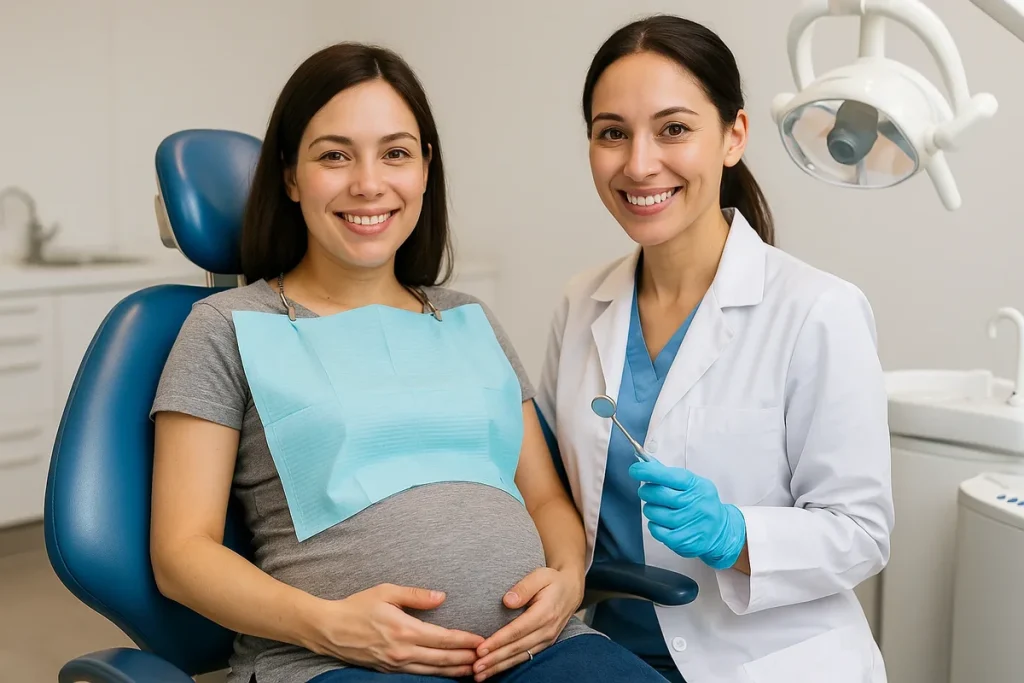
Pregnancy is an exciting journey filled with anticipation and joy 🤰—but it also brings unique changes to every part of a woman’s body, including the mouth. Visiting a dentist for pregnancy is one of the most important yet often overlooked aspects of prenatal care. While many expectant mothers focus on nutrition, exercise, and medical checkups, maintaining oral health during pregnancy is equally vital. Proper dental care not only keeps your smile healthy but also supports your overall well-being and that of your developing baby.
Many women experience hormonal changes during pregnancy that can lead to gum sensitivity, inflammation, or bleeding—conditions known collectively as “pregnancy gingivitis.” Visiting a specialized dentist for pregnancy ensures that these changes are monitored and managed safely. The goal is to prevent minor oral issues from progressing into more serious infections that could impact both mother and baby. Studies have shown that poor oral health in expectant mothers may be linked to premature birth, low birth weight, and other complications, making professional dental care essential during all trimesters.
Choosing a dentist for pregnancy means finding someone who understands the physiological and hormonal changes that occur during this stage. Such dentists are experienced in tailoring treatments to pregnant patients, ensuring comfort, safety, and effectiveness. For example, certain dental procedures may need to be scheduled at specific times during pregnancy—usually the second trimester is considered the safest window for most dental treatments. A specialized dentist will also take precautions when using X-rays, anesthesia, or medications, ensuring that both mother and baby remain protected.
Good oral hygiene during pregnancy goes beyond routine brushing and flossing. Expectant mothers should also be mindful of what they eat. Morning sickness and increased acidity can erode tooth enamel, while cravings for sugary snacks can promote cavity formation. A dentist for pregnancy can guide you on safe and effective ways to protect your teeth from acid damage and bacterial growth. Fluoride use, gentle toothpaste, and mouth rinses suitable for pregnancy can make a major difference in oral health outcomes. 😊
Regular dental checkups during pregnancy also provide an opportunity to detect any early signs of decay or gum disease. Many women mistakenly avoid dental visits out of fear of potential risks, but this is actually counterproductive. According to the American Dental Association, dental care—including cleanings, X-rays, and necessary treatments—is safe and highly recommended during pregnancy. The key is to inform your dentist about your pregnancy so that they can adapt procedures and medications accordingly. Modern dental clinics are fully equipped to provide safe care for expectant mothers while ensuring minimal stress and discomfort.
Another crucial benefit of seeing a dentist for pregnancy is the prevention of periodontal disease, which has been linked to adverse pregnancy outcomes. Inflammation in the gums can release harmful bacteria into the bloodstream, potentially affecting the placenta. Preventing gum infections and treating cavities early not only helps maintain oral comfort but also supports fetal development. Dental professionals can perform deep cleanings, remove tartar buildup, and teach proper brushing techniques to reduce bacterial load in the mouth.
Aside from professional care, education plays a huge role. Many mothers-to-be are unaware that oral health problems can affect their babies even after birth. For example, bacteria from the mother’s mouth can be transmitted to the baby through saliva. Visiting a dentist for pregnancy allows new mothers to learn safe oral hygiene practices that protect both themselves and their infants in the long term. Dentists often provide recommendations on when to schedule a baby’s first dental visit and how to maintain a healthy routine at home.
If you’re pregnant and haven’t yet visited a dentist for pregnancy, it’s never too late to start. Contact a reputable dental clinic and schedule an appointment to discuss your current oral health status. Clinics such as Redent Klinik Contact Page offer personalized consultations for expecting mothers, focusing on gentle, pregnancy-safe care. These visits provide peace of mind, knowing that your oral and overall health are being properly managed during this delicate time.
In summary, dental care is a critical but often underestimated part of a healthy pregnancy. A professional dentist for pregnancy helps you maintain strong teeth, healthy gums, and a confident smile throughout your nine months. From preventive treatments and safe procedures to education and emotional support, the right dental care team ensures both you and your baby enjoy optimal health. By prioritizing oral care now, you’re setting a strong foundation for your family’s future wellness. 🌿
Remember: A healthy pregnancy starts with a healthy mouth—so book your appointment today and keep your smile as radiant as your upcoming motherhood! 💖
Why Dental Care Matters During Pregnancy
Many expecting mothers focus primarily on prenatal vitamins, balanced nutrition, and regular doctor checkups—but often overlook oral health. Visiting a dentist for pregnancy is one of the most important steps in ensuring a healthy pregnancy for both mother and baby. 🦷 Oral health plays a direct role in overall well-being, influencing everything from hormone balance to fetal development. When dental care is neglected, even minor issues like gum inflammation can escalate into serious health concerns. Understanding why dental care matters during pregnancy helps women make informed, proactive choices that protect their smiles and their growing families.
Hormonal Changes and Oral Health
During pregnancy, hormone levels—particularly progesterone and estrogen—increase dramatically. These hormones make gums more sensitive to plaque and bacteria, often leading to swelling, tenderness, or bleeding. This condition, known as pregnancy gingivitis, affects nearly 60–75% of pregnant women according to clinical studies. A dentist for pregnancy understands how to manage these hormonal effects safely. They can recommend special cleanings, gentle toothpaste formulas, and rinses designed for sensitive gums. Without such care, gingivitis can progress to periodontitis, a serious gum infection linked to premature birth and low birth weight. Therefore, monitoring oral health throughout pregnancy is not a luxury—it’s a medical necessity. 🤰
Impact of Oral Infections on Pregnancy Outcomes
Untreated oral infections are not limited to the mouth; they can have systemic effects. When bacteria from gum disease enter the bloodstream, they can trigger inflammation in the body. Studies suggest that this inflammation may affect the placenta, contributing to complications like preterm delivery. Seeing a dentist for pregnancy helps identify and treat such infections early. Dentists use pregnancy-safe scaling techniques to remove tartar and bacterial buildup, reducing the risk of harmful inflammation. A clean and healthy mouth supports a stable environment for the baby’s growth and minimizes unnecessary medical risks.
Morning Sickness and Enamel Erosion
Many pregnant women experience nausea and vomiting, especially during the first trimester. This repeated acid exposure weakens tooth enamel and increases the risk of cavities. A specialized dentist for pregnancy will guide you on how to neutralize acid after vomiting—usually by rinsing with a mild baking soda solution or fluoride mouthwash instead of brushing immediately. This helps prevent enamel erosion and sensitivity. Additionally, dentists may suggest calcium-rich foods, fluoride treatments, and remineralizing toothpaste to rebuild enamel strength. By managing acid exposure properly, pregnant women can preserve strong, healthy teeth throughout their pregnancy. 💪
Safe Nutrition for Oral and Fetal Health
Nutrition affects both oral and overall health. Diets rich in calcium, vitamin D, and phosphorus support tooth and bone development for both mother and baby. A dentist for pregnancy often collaborates with obstetricians and nutritionists to create a balanced plan that supports oral health. Limiting sugary snacks and choosing nutrient-dense foods reduces plaque buildup while promoting strong enamel. Simple habits—like drinking water after meals, chewing sugar-free gum, and eating crunchy fruits—can keep your mouth clean and hydrated. These small lifestyle choices add up to a big difference in both maternal comfort and fetal well-being.
Safe Dental Treatments During Pregnancy
Many mothers fear dental visits during pregnancy due to concerns about safety—but most procedures are perfectly safe when managed correctly. The American Dental Association confirms that routine cleanings, cavity fillings, and even local anesthesia are safe for pregnant women. However, visiting a certified dentist for pregnancy ensures extra precautions are taken. For example, the second trimester (weeks 13–27) is the ideal time for most treatments, as morning sickness usually subsides and fetal development is more stable. Emergency dental care, such as infection treatment or tooth extractions, can be performed anytime if necessary, with appropriate protection and medication selection. This professional guidance reduces discomfort and keeps both mother and baby safe. 🩺
Communication Between Dentist and Obstetrician
Effective collaboration between healthcare providers ensures comprehensive prenatal care. A dentist for pregnancy often communicates directly with the obstetrician to confirm the safety of procedures, medications, and timing. This team-based approach ensures consistency across treatments and minimizes risk. For example, certain antibiotics or pain relievers may be substituted for pregnancy-safe alternatives. Even radiographs, when needed, can be performed with lead shielding to protect the abdomen. Transparency between your dentist and doctor guarantees safe, coordinated, and worry-free care throughout your pregnancy journey.
Emotional and Psychological Benefits of Oral Care
Pregnancy can be physically and emotionally challenging. Regular visits to a dentist for pregnancy not only ensure dental health but also boost confidence and reduce anxiety. Many women find comfort in knowing that their oral health is being professionally managed, allowing them to focus on enjoying their pregnancy. Clean, pain-free teeth contribute to better eating habits, restful sleep, and overall positivity. Plus, healthy gums and fresh breath make social interactions more pleasant, which can be uplifting during an emotional time. Dental care, therefore, supports not just the body, but also the mind. 🌸
Ultimately, dental care during pregnancy is a cornerstone of maternal and fetal health. By choosing a trusted dentist for pregnancy and maintaining regular checkups, expecting mothers protect themselves and their babies from avoidable complications. From managing hormonal changes and preventing infections to supporting emotional well-being, professional dental care forms an integral part of a healthy pregnancy plan. For tailored guidance or a gentle prenatal dental consultation, visit the Redent Klinik Contact Page and start your journey toward a radiant smile and a healthy, happy pregnancy. 💖
Common Oral Health Issues in Pregnancy
Pregnancy brings many beautiful changes—but also several challenges for oral health. Hormonal fluctuations, morning sickness, altered eating habits, and immune system adjustments can make the mouth more vulnerable to various dental problems. Visiting a dentist for pregnancy helps expecting mothers manage these issues safely and effectively. Understanding the most common oral health concerns during pregnancy allows women to recognize early warning signs and seek timely professional care. 🦷
Pregnancy Gingivitis: The Most Common Condition
One of the most widespread oral health problems during pregnancy is pregnancy gingivitis. This condition affects up to 70% of expectant mothers and is caused by hormonal changes that increase blood flow to the gums, making them more sensitive and prone to inflammation. Typical symptoms include redness, swelling, and bleeding while brushing or flossing. A qualified dentist for pregnancy can manage these symptoms through professional cleanings, guidance on safe home care routines, and the use of gentle, non-irritating oral care products. Ignoring gingivitis can lead to more serious complications like periodontitis, which may increase the risk of premature labor. Therefore, consistent dental monitoring throughout pregnancy is essential. 🤰
Periodontal Disease: A Hidden Risk for Mother and Baby
When gingivitis is left untreated, it can progress to periodontal (gum) disease—a severe infection that damages the soft tissue and bone supporting the teeth. This condition not only threatens oral health but can also have systemic effects. Studies indicate that periodontal bacteria may enter the bloodstream and trigger inflammatory responses that affect the placenta. This has been associated with adverse pregnancy outcomes such as preterm birth and low birth weight. A dentist for pregnancy can perform safe deep cleanings (scaling and root planing) to remove plaque and bacteria below the gumline, reducing infection and inflammation. Regular maintenance cleanings help ensure that gums remain healthy throughout pregnancy.
How to Recognize Periodontal Problems Early
Early detection is key to managing gum disease during pregnancy. Common warning signs include persistent bad breath, receding gums, or loose teeth. If these symptoms appear, visiting a dentist for pregnancy should be a top priority. The dentist can evaluate gum depth using non-invasive methods and suggest tailored treatments, ensuring minimal discomfort and maximum safety for both mother and baby. Preventing periodontal disease not only protects oral health but also supports a healthier pregnancy outcome overall. 🌿
Tooth Decay and Cavities During Pregnancy
Morning sickness, frequent snacking, and cravings for sweets can all contribute to a higher risk of cavities during pregnancy. Acid exposure from vomiting erodes enamel, while increased carbohydrate intake feeds cavity-causing bacteria. A specialized dentist for pregnancy understands these risks and recommends strategies like rinsing with fluoride mouthwash, avoiding sugary drinks, and brushing gently with a soft-bristled toothbrush. Dental checkups allow early detection and treatment of small cavities before they become painful or require more invasive procedures. Maintaining a strong enamel layer helps reduce the need for dental interventions later in pregnancy. 🪥
Safe Treatments for Cavities
Many women hesitate to get fillings during pregnancy, but postponing treatment can worsen decay. The American Dental Association affirms that local anesthesia and most filling materials are safe when administered correctly. An experienced dentist for pregnancy will choose pregnancy-friendly anesthetics and minimize exposure to stress. Most cavity treatments are ideally performed during the second trimester, when the mother is most comfortable. By addressing cavities early, you prevent unnecessary pain and preserve oral health for the remainder of your pregnancy.
Pregnancy Tumors: Benign but Concerning
Some pregnant women develop small, red lumps on the gums known as “pregnancy tumors” or pyogenic granulomas. These growths are non-cancerous and usually caused by hormonal changes or irritation from plaque buildup. Although they can bleed easily, they typically disappear after childbirth. Still, a dentist for pregnancy should examine these growths to confirm they are benign and not masking another condition. In rare cases, if the tumor causes significant discomfort or interferes with eating or brushing, the dentist may safely remove it during the second trimester. Maintaining proper oral hygiene and regular dental checkups can help minimize their occurrence. 🌸
Dry Mouth and Excessive Salivation
Pregnant women may experience either dry mouth (xerostomia) or excessive saliva production (ptyalism). Both conditions can be uncomfortable and affect oral hygiene. Dry mouth increases cavity risk by reducing saliva’s natural cleansing effect, while excessive salivation can cause nausea or bad taste. A knowledgeable dentist for pregnancy can recommend practical remedies such as increasing water intake, chewing sugar-free gum, or using mild fluoride rinses to balance saliva levels. These simple adjustments can significantly improve comfort and oral health during pregnancy.
Morning Sickness and Acid Management
Morning sickness not only causes nausea but also exposes teeth to stomach acids. Over time, this acid weakens enamel, leading to sensitivity and erosion. A dentist for pregnancy advises waiting at least 30 minutes before brushing after vomiting to prevent enamel abrasion. Instead, rinsing with water or a baking soda solution can neutralize acids safely. The dentist may also suggest toothpaste with added fluoride or calcium to strengthen enamel and restore mineral balance. Maintaining these habits helps prevent long-term enamel damage and ensures a brighter, healthier smile. 😁
Gum Sensitivity and Bleeding
Bleeding gums during pregnancy can be alarming, but it is often a symptom of hormonal changes rather than serious disease. However, if bleeding is frequent or accompanied by pain, swelling, or bad breath, consulting a dentist for pregnancy is essential. They will check for signs of infection and perform gentle cleanings to reduce inflammation. Regular dental care ensures gums stay healthy, comfortable, and free from chronic irritation.
In conclusion, common oral health issues during pregnancy—such as gingivitis, gum disease, cavities, and enamel erosion—can all be managed effectively with professional care and consistent hygiene. By choosing an experienced dentist for pregnancy, expectant mothers protect their teeth, gums, and overall well-being. For safe, gentle, and expert prenatal dental care, reach out through the Redent Klinik Contact Page and take the first step toward a healthy pregnancy and radiant smile. 💖
What to Expect at a Dentist Appointment During Pregnancy
Visiting a dentist for pregnancy can initially feel intimidating for many expectant mothers, especially those unsure about what’s safe or necessary during this delicate time. However, modern dentistry is well-prepared to accommodate pregnant patients safely and comfortably. Understanding what happens during a dental appointment while expecting can ease anxiety, improve cooperation, and ensure the best oral care for both mother and baby. 👶🦷
Initial Consultation and Health Evaluation
Your first visit to a dentist for pregnancy usually begins with a detailed health assessment. The dentist will ask questions about your pregnancy stage, overall health, current medications, and any symptoms you might be experiencing. This helps them tailor treatments to your specific needs. Expectant mothers should always inform their dentist of their due date, prenatal supplements, and any existing conditions such as gestational diabetes or high blood pressure. This ensures safe planning and avoids potential drug or treatment interactions. Your dentist might also communicate with your obstetrician to align care plans and ensure both professionals are aware of your condition and treatment schedule.
Medical History and Trimester-Based Planning
Pregnancy is divided into three trimesters, and dental care is strategically planned around them. During the first trimester, a dentist for pregnancy typically limits treatments to essential checkups and preventive care due to the critical phase of fetal organ development. The second trimester is considered the safest period for most dental procedures, as nausea subsides and the baby’s development stabilizes. In the third trimester, prolonged reclining may be uncomfortable, so short, focused appointments are preferred. By scheduling care around these phases, both comfort and safety are maximized for the patient and the unborn baby.
Comprehensive Oral Examination
During your dental appointment, the dentist will conduct a thorough oral examination to check for signs of gum inflammation, plaque buildup, tooth decay, or any lesions. A dentist for pregnancy uses gentle tools and methods to avoid discomfort. If needed, dental X-rays may be taken, but only with proper shielding over the abdomen and thyroid to protect the fetus. The American Dental Association confirms that dental radiographs are safe during pregnancy when protective measures are used. These X-rays help detect hidden problems like infections, bone loss, or decay that can’t be seen during a visual exam. By identifying these early, treatment can be provided before pain or complications arise. 📸
Professional Cleaning and Gum Care
Professional cleanings are an essential part of prenatal oral health. A dentist for pregnancy will remove plaque and tartar buildup using gentle ultrasonic tools and soft instruments. This not only prevents cavities and gingivitis but also improves gum health, which can be sensitive due to hormonal changes. The dentist may use pregnancy-safe fluoride pastes or antiseptic rinses to further protect teeth and gums. These products help reduce bacterial growth, freshen breath, and strengthen enamel without exposing the baby to any harmful ingredients. Expect a clean, refreshed feeling after the session—often accompanied by valuable hygiene tips tailored to pregnancy. 🌿
Tips for Daily Oral Care Between Visits
The dentist will likely provide personalized advice for maintaining oral hygiene at home. This includes using a soft-bristled toothbrush, fluoride toothpaste, and alcohol-free mouthwash. Pregnant women are encouraged to brush at least twice daily and floss gently once a day. A dentist for pregnancy may also suggest rinsing after morning sickness with a baking soda solution to neutralize acid and protect enamel. Simple preventive actions like these can make a significant difference in maintaining oral health throughout pregnancy.
Discussion of Safe Medications and Procedures
Safety is always a top priority during dental appointments for pregnant patients. The dentist for pregnancy will carefully choose medications that are proven safe for both mother and baby. For example, lidocaine—a common local anesthetic—is considered safe when used in appropriate doses. Antibiotics like penicillin and amoxicillin may be prescribed if needed, while certain pain relievers are avoided. Your dentist will explain each medication’s purpose, side effects, and safety rating, ensuring you feel fully informed before any treatment. Transparency and clear communication build trust and reduce stress during your visit.
Comfort Measures During the Appointment
Pregnant women often experience back pain or dizziness when lying flat for long periods. A compassionate dentist for pregnancy understands this and will adjust the dental chair to a semi-reclined position to prevent pressure on major blood vessels. They may offer extra pillows or support under the knees to enhance comfort. Breaks can also be taken throughout the procedure to allow for rest or position changes. Small accommodations like these make dental visits much more pleasant and safe for expectant mothers. 💺
Education and Preventive Counseling
Beyond treatment, a visit to the dentist for pregnancy serves as an educational opportunity. Your dentist will explain how oral health influences your overall pregnancy, including the potential link between gum disease and premature birth. You’ll receive guidance on nutrition, emphasizing foods that strengthen teeth—like calcium-rich dairy products, leafy greens, and nuts—and advice on avoiding excessive sugar intake. The dentist might also teach you how to clean your tongue effectively and recognize early symptoms of oral issues before they worsen. This proactive counseling ensures long-term benefits that extend beyond pregnancy itself. 🌸
Scheduling Follow-Up Visits
Regular dental visits during pregnancy are highly encouraged. Most women benefit from at least two cleanings—one during the second trimester and another close to delivery. However, women with gum disease or increased sensitivity may need more frequent visits. A reliable dentist for pregnancy will help you create a personalized schedule based on your oral health condition. They’ll also coordinate with your obstetrician if further treatments are required, ensuring all aspects of your prenatal care remain aligned. Consistency and preventive attention are the foundation of healthy teeth and gums during pregnancy. 🗓️
In conclusion, knowing what to expect at a dental appointment while pregnant empowers women to prioritize their oral health confidently. A professional dentist for pregnancy provides gentle, safe, and effective care designed for expecting mothers. From medical coordination and cleanings to preventive education, every visit contributes to a healthier smile and a safer pregnancy. To book your personalized prenatal dental checkup, visit the Redent Klinik Contact Page and let experienced professionals guide you through every step of your journey to motherhood—with a healthy, glowing smile. 💖
Medications and X-Rays: What’s Safe for Expecting Mothers?
One of the most common concerns among expecting mothers is whether dental treatments involving medications or X-rays are safe during pregnancy. The truth is that, under professional supervision, both can be performed safely with minimal to no risk to the baby. Consulting a qualified dentist for pregnancy ensures that every medication and diagnostic procedure is carefully chosen and administered with your and your baby’s safety as the top priority. Understanding how these precautions work can help you feel confident about receiving the care you need. 🦷🤰
Understanding the Importance of Dental Diagnostics During Pregnancy
Dental diagnostics, including X-rays, are sometimes unavoidable—especially when there’s a suspected infection, deep cavity, or gum disease. Delaying diagnosis can lead to more severe problems that may threaten both oral and systemic health. A specialized dentist for pregnancy follows strict safety protocols to ensure minimal radiation exposure. Modern dental X-rays use extremely low doses of radiation, often less than what you’d absorb from a single day of natural background radiation. When performed with protective gear and precision, these diagnostics are not only safe but also essential for preventing infections that could impact pregnancy outcomes.
Safety Measures for Dental X-Rays
During an X-ray, your dentist for pregnancy will place a lead apron over your abdomen and a thyroid collar around your neck to shield the baby from any stray radiation. Digital radiography—commonly used in modern clinics—reduces exposure even further compared to traditional film-based systems. These images help detect hidden cavities, bone loss, or abscesses that are impossible to identify through a simple visual exam. By diagnosing such problems early, the dentist can treat infections before they become serious, preventing potential risks like inflammation or fever, which could indirectly affect the baby. The American Dental Association confirms that dental X-rays are safe when proper precautions are taken, even during pregnancy. 📸
Safe Use of Local Anesthetics
Many dental procedures—such as fillings, extractions, or cleanings—require local anesthesia to keep you comfortable. A knowledgeable dentist for pregnancy understands that pain and stress can negatively impact both mother and fetus, so using safe anesthesia is important. Lidocaine, one of the most common anesthetics, is classified as safe (Category B by the FDA) for use during pregnancy when administered at appropriate doses. This means it has not shown any harmful effects on fetal development in clinical studies. Dentists also minimize dosage to ensure maximum safety while maintaining comfort during procedures.
Managing Anxiety and Pain Naturally
Some pregnant women may experience dental anxiety, making them hesitant to receive necessary care. A caring dentist for pregnancy can offer non-medicated relaxation techniques such as controlled breathing, music therapy, or gentle communication to help reduce fear. In some cases, nitrous oxide (laughing gas) may be used in very low concentrations, but only under medical clearance and strict supervision. Pain control after procedures can usually be managed with pregnancy-safe medications or natural remedies like cold compresses and saltwater rinses, further ensuring minimal chemical exposure. 🌿
Antibiotics and Painkillers: What’s Safe and What to Avoid
Dental infections sometimes require antibiotics, and it’s crucial to use only those proven safe during pregnancy. A dentist for pregnancy typically prescribes antibiotics such as penicillin, amoxicillin, or clindamycin—all of which are considered safe for expecting mothers. These medications effectively fight bacterial infections without harming the baby. On the other hand, antibiotics like tetracycline are strictly avoided because they can affect fetal bone and tooth development. For pain management, acetaminophen (paracetamol) is generally considered safe, while NSAIDs such as ibuprofen are avoided, especially in the third trimester. Your dentist and obstetrician may collaborate to confirm every medication choice before prescription. 💊
Safe Timing for Medications
The stage of pregnancy plays a major role in medication safety. During the first trimester, dentists aim to limit prescriptions to essential medications only, as this is when the baby’s organs are forming. The second trimester is usually the safest window for most dental treatments and medication use. In the third trimester, dental visits are often shorter, and medications are prescribed conservatively. By working with a dentist for pregnancy, you’ll receive personalized recommendations that protect both your oral health and your baby’s development.
Managing Dental Emergencies Safely
Sometimes, emergency dental care can’t wait. Severe toothaches, infections, or abscesses pose far greater risks to pregnancy than the medications used to treat them. An experienced dentist for pregnancy will take immediate but safe action—using localized anesthesia, drainage techniques, or antibiotic therapy—to stop infection spread and pain. Ignoring an oral infection can lead to fever or sepsis, both of which can endanger pregnancy. Thus, timely treatment under professional guidance is always the safest option, even when medications are necessary.
Supplements, Vitamins, and Dental Health
In addition to prescribed medications, certain prenatal supplements also influence oral health. Calcium and vitamin D strengthen teeth and bones, while folic acid supports gum tissue health and reduces inflammation. Your dentist for pregnancy may collaborate with your doctor to ensure you’re taking the right dosage of these nutrients. Over-supplementation, however, can sometimes cause mild gum irritation or dry mouth, so professional advice is always recommended. Maintaining a balanced approach to nutrition helps optimize both oral and systemic health throughout pregnancy. 🥛
Natural Remedies: When and How to Use Them
While it’s tempting to rely on natural remedies for safety, not all herbal products are pregnancy-safe. A dentist for pregnancy can help identify which natural options are beneficial and which should be avoided. For example, rinsing with warm saltwater can soothe gums safely, but certain essential oils (like clove or peppermint) may be too strong during pregnancy. Always seek professional guidance before trying home remedies, even if they seem harmless. The goal is to combine safe natural practices with proven medical care to achieve the best results for you and your baby. 🌸
Collaboration Between Dentist and Obstetrician
Coordination between your dentist for pregnancy and obstetrician ensures that all medications, X-rays, and procedures align with your medical condition. This teamwork guarantees safe dosing, accurate timing, and minimal risk. For example, if you’re on prescribed prenatal vitamins or have gestational diabetes, your dentist can adjust your treatment plan accordingly. Communication between both professionals ensures consistent monitoring, resulting in optimal safety throughout your pregnancy. 🤝
In conclusion, modern dental care offers safe, evidence-based options for expecting mothers who need medications or X-rays. A professional dentist for pregnancy combines advanced technology, protective measures, and pregnancy-safe medications to deliver effective treatment without compromising safety. By trusting qualified professionals and maintaining open communication with your healthcare team, you protect not only your smile but also your baby’s health. For personalized prenatal dental consultations, visit the Redent Klinik Contact Page and take the next step toward a worry-free, radiant pregnancy. 💖
How Hormonal Changes Affect Your Oral Health
Pregnancy triggers profound hormonal shifts that influence nearly every system in the body—including the mouth. These fluctuations in estrogen and progesterone levels can alter the way your gums, teeth, and even saliva respond to bacteria and inflammation. That’s why seeing a dentist for pregnancy is crucial: specialized dental professionals understand how to manage these hormonal effects safely while protecting both maternal and fetal health. 🤰🦷
The Hormone-Health Connection in Pregnancy
During pregnancy, estrogen and progesterone levels can increase up to ten times their normal range. These hormones prepare the body for childbirth, but they also cause increased blood flow to the gums, making them more sensitive, swollen, and prone to bleeding. This is known as pregnancy gingivitis. While gingivitis may seem minor, untreated inflammation can progress to more serious periodontal disease. A qualified dentist for pregnancy monitors these hormonal effects closely, providing gentle, targeted treatments to maintain healthy gums and prevent infections. Regular professional cleanings and preventive guidance are essential to balance the effects of hormones on oral tissues.
Increased Gum Sensitivity and Inflammation
Rising progesterone levels cause the tiny blood vessels in the gums to expand, making them more reactive to even small amounts of plaque. As a result, pregnant women often experience redness, swelling, or tenderness when brushing. A dentist for pregnancy can recommend safe anti-inflammatory rinses and soft-bristled brushes that minimize irritation. They may also suggest increasing the frequency of cleanings to every three or four months during pregnancy to control inflammation effectively. Neglecting these symptoms can lead to gum infections, which can, in turn, influence the body’s immune response and, in rare cases, affect pregnancy outcomes such as premature birth. 🌿
Hormones and Saliva Composition
Hormonal changes also impact saliva production and composition. Some women experience dry mouth (xerostomia), while others notice excessive salivation. Both can alter the mouth’s pH balance, creating a more favorable environment for bacterial growth. A dentist for pregnancy will recommend strategies such as staying hydrated, chewing sugar-free gum, and using mild fluoride rinses to support saliva flow and reduce bacterial buildup. Saliva acts as the mouth’s natural defense system—it neutralizes acids, washes away food debris, and contains enzymes that inhibit bacterial activity. Therefore, maintaining optimal saliva production is key to protecting oral health during pregnancy.
Morning Sickness and Enamel Damage
Morning sickness, a common pregnancy symptom, exposes teeth to stomach acids that erode enamel. This erosion can increase sensitivity and lead to cavities. A knowledgeable dentist for pregnancy will advise against brushing immediately after vomiting, as the enamel is temporarily softened by acid. Instead, rinsing with a mixture of water and baking soda helps neutralize acidity. After 30 minutes, gentle brushing with fluoride toothpaste is safe. The dentist might also recommend remineralizing treatments to strengthen enamel and reduce sensitivity, ensuring teeth remain protected throughout pregnancy. 🌸
Hormonal Impact on Immune Response
Increased hormone levels don’t just affect the gums—they also influence how the immune system reacts to oral bacteria. During pregnancy, the immune system naturally weakens slightly to prevent the body from rejecting the developing baby. Unfortunately, this makes the mouth more susceptible to bacterial infections. A dentist for pregnancy plays a vital role in monitoring and controlling bacterial growth through safe deep cleanings and preventive care. By reducing harmful bacteria in the mouth, the dentist helps prevent oral infections from spreading or triggering systemic inflammation that might affect the placenta or fetal growth. 🧬
Pregnancy Tumors: A Hormonal Response
Some pregnant women develop benign overgrowths on their gums, known as pregnancy tumors or pyogenic granulomas. These lesions are not cancerous but are caused by hormonal changes combined with local irritation or poor oral hygiene. They appear as red, swollen bumps that may bleed easily. A dentist for pregnancy can evaluate the growth to confirm it’s harmless and monitor its progress. Most of these growths shrink after childbirth, but if they cause discomfort or interfere with eating, the dentist can safely remove them during the second trimester. Proper plaque control greatly reduces the likelihood of developing these hormonal growths. 🩺
Cravings, Diet, and Hormonal Influence
Hormones also influence taste preferences and cravings. Many expecting mothers crave sweets or carbohydrates, which increase the risk of tooth decay. A dentist for pregnancy will emphasize the importance of balanced nutrition—not just for the baby’s health but also to stabilize oral pH levels and prevent plaque buildup. Incorporating calcium-rich foods like yogurt, cheese, and almonds strengthens teeth, while crunchy fruits and vegetables help clean the surface of teeth naturally. Maintaining a nutrient-dense diet counteracts the side effects of pregnancy hormones and supports a radiant, healthy smile. 🥦🥛
Safe Preventive Measures and Dental Visits
Because hormonal changes can’t be avoided, the best strategy is proactive prevention. Regular dental checkups every trimester allow early detection of potential gum or enamel issues. A dentist for pregnancy can tailor preventive treatments such as fluoride varnishes, gentle scaling, or plaque control instructions. Using pregnancy-safe mouthwash, flossing daily, and drinking plenty of water are simple yet powerful ways to reduce hormonal side effects on oral health. Additionally, maintaining good oral hygiene reduces bacteria that can travel through the bloodstream, indirectly protecting the baby’s development.
Psychological Effects of Hormonal Changes
Beyond physical symptoms, hormonal fluctuations can also affect mood and stress levels, which indirectly impact oral health. Stress can cause teeth grinding (bruxism), jaw tension, or even neglect of oral hygiene routines. A caring dentist for pregnancy understands these emotional shifts and provides supportive care that reduces anxiety. Calming dental environments, soft lighting, and patient-centered communication all help pregnant women feel at ease during visits. Managing stress contributes not only to better oral outcomes but also to overall maternal well-being. 🌺
In summary, hormonal changes during pregnancy have wide-ranging effects on oral health—from gum sensitivity and enamel erosion to altered immune responses. With the expert guidance of a dentist for pregnancy, these natural changes can be managed safely and effectively. Through routine checkups, personalized hygiene plans, and balanced nutrition, expecting mothers can maintain a healthy mouth and support their baby’s growth. To schedule a prenatal oral health consultation with experienced specialists, visit the Redent Klinik Contact Page and ensure your smile remains as strong and radiant as your maternal journey. 💖
Preventive Dental Care Tips for Pregnant Women
Pregnancy is a time of transformation—emotionally, physically, and hormonally. These changes can significantly affect oral health, which is why preventive care is more important than ever. Seeing a dentist for pregnancy regularly helps expecting mothers prevent dental problems before they begin, ensuring both maternal and fetal well-being. With the right approach to hygiene, diet, and dental visits, you can protect your smile throughout pregnancy and beyond. 🌸
Why Prevention Matters During Pregnancy
Pregnancy alters your body’s hormonal balance, immune response, and metabolism. These factors can increase the risk of gum disease, cavities, and enamel erosion. A professional dentist for pregnancy understands these unique challenges and helps you create a personalized oral care routine to minimize them. Prevention not only saves time and discomfort—it also safeguards your baby’s health. Research shows that mothers with untreated gum infections are more likely to deliver prematurely or have babies with low birth weight. Maintaining good oral hygiene reduces such risks and promotes overall pregnancy wellness. 🤰
Establishing a Pregnancy-Safe Oral Hygiene Routine
The foundation of preventive dental care starts at home. Brushing your teeth at least twice daily with a fluoride toothpaste helps remove plaque and strengthen enamel. A dentist for pregnancy may suggest using a soft-bristled brush to avoid irritating sensitive gums. Flossing once a day removes bacteria between teeth and along the gumline—areas a toothbrush can’t reach. For extra protection, an alcohol-free fluoride mouthwash can help neutralize acids and prevent cavities. Regular home care, combined with professional checkups, forms the cornerstone of pregnancy-safe oral health. 🪥
Adapting to Morning Sickness and Acid Reflux
Many expectant mothers struggle with morning sickness or heartburn, both of which expose teeth to stomach acid. Frequent vomiting can erode enamel and cause sensitivity. A knowledgeable dentist for pregnancy recommends avoiding brushing immediately after vomiting, as enamel becomes temporarily softened. Instead, rinse with a mixture of baking soda and water to neutralize acids, wait 30 minutes, and then brush gently. If acid reflux is frequent, your dentist might suggest a remineralizing toothpaste or fluoride varnish to rebuild enamel strength and reduce discomfort.
Choosing the Right Dental Products
Not all oral care products are suitable for pregnancy. Toothpaste and mouthwashes with harsh ingredients, strong whitening agents, or alcohol should be avoided. A trusted dentist for pregnancy can recommend gentle, pregnancy-safe formulas that maintain gum health without exposing the baby to unnecessary chemicals. Some fluoride-based toothpastes and xylitol mouth rinses help reduce cavity-causing bacteria naturally, offering safe and effective protection. Always consult your dentist before switching to new oral care products during pregnancy. 🌿
Nutrition and Oral Health During Pregnancy
What you eat during pregnancy not only nourishes your baby but also affects your teeth and gums. A balanced diet rich in calcium, vitamin D, phosphorus, and folate helps maintain healthy enamel and gum tissues. A dentist for pregnancy often advises including dairy products, leafy greens, eggs, and nuts in your diet. At the same time, reducing sugary snacks and acidic beverages minimizes the risk of tooth decay. Drinking plenty of water, especially after meals, helps wash away food particles and regulate saliva production. Hydration is a simple yet powerful preventive measure against plaque and dry mouth.
Managing Pregnancy Cravings Safely
Hormonal fluctuations can cause unusual food cravings—often for sweets or carbohydrates. Overindulging in sugary foods, however, can accelerate tooth decay. A dentist for pregnancy can provide alternatives such as fresh fruit, sugar-free yogurt, or healthy snacks that satisfy cravings without harming your teeth. Chewing sugar-free gum containing xylitol after meals can also help reduce acid buildup and encourage saliva flow. Maintaining mindful eating habits supports both oral and systemic health throughout pregnancy. 🍎
Routine Dental Checkups and Cleanings
Preventive care extends beyond home routines. Regular dental visits are safe and essential during pregnancy. The American Dental Association encourages pregnant women to schedule at least two checkups during pregnancy—ideally once per trimester. A skilled dentist for pregnancy will perform gentle cleanings to remove tartar, monitor gum health, and detect early signs of decay or infection. These visits also serve as educational opportunities where you can ask questions and receive guidance tailored to your stage of pregnancy.
When to Schedule Your Appointments
The second trimester is typically the most comfortable and safest period for dental procedures. By this stage, morning sickness has usually subsided, and the baby’s vital organs are developed. Your dentist for pregnancy may recommend shorter, more frequent appointments later in pregnancy to prevent discomfort from lying back too long. Regular professional monitoring ensures that any developing issues are managed promptly, reducing the likelihood of complex treatments after childbirth. 🗓️
Controlling Plaque and Bacteria
Pregnancy hormones make the gums more reactive to plaque buildup, leading to inflammation. A dentist for pregnancy emphasizes the importance of plaque control through proper brushing techniques and professional cleanings. Some clinics offer safe antimicrobial treatments or fluoride gels to help control bacteria and strengthen teeth. Using interdental brushes or water flossers can also help clean between teeth more effectively. Keeping bacteria levels low reduces the chance of gum disease and protects both maternal and fetal health. 💧
Stress Management and Oral Health
Pregnancy can bring emotional stress, which may lead to teeth grinding or jaw tension. Over time, this can wear down enamel and cause muscle pain. A compassionate dentist for pregnancy may recommend using a night guard or relaxation techniques such as gentle jaw exercises. Managing stress through rest, mindfulness, and balanced breathing not only benefits mental health but also prevents dental issues linked to tension. Remember—taking care of your smile is part of taking care of your overall well-being. 🌼
In conclusion, preventive dental care during pregnancy is about consistency, education, and early intervention. By following a healthy diet, maintaining excellent hygiene habits, and attending regular checkups, you can avoid most oral health complications associated with pregnancy. A professional dentist for pregnancy provides the guidance and care you need to ensure a comfortable, healthy journey for both you and your baby. To schedule a pregnancy-safe preventive dental visit, connect through the Redent Klinik Contact Page and receive expert support tailored to your stage of motherhood. 💖
Choosing the Right Dentist for Pregnancy: What to Look For
Finding the right dentist for pregnancy is one of the most important decisions you can make during your prenatal journey. Pregnancy brings a host of hormonal, physical, and emotional changes, and your oral health plays a vital role in maintaining your overall well-being. A qualified pregnancy dentist understands these changes and provides care tailored to the unique needs of expecting mothers. Choosing wisely means ensuring comfort, safety, and effective treatment for both you and your baby. 🤰🦷
Why Specialization Matters in Prenatal Dental Care
Not every dentist is trained to handle the nuances of pregnancy dental care. A dentist for pregnancy specializes in understanding how hormonal shifts influence the gums, teeth, and immune system. They also know which medications, anesthetics, and treatment methods are safe during each trimester. This specialized knowledge prevents complications and provides peace of mind. From safe radiography to managing sensitive gums, a qualified professional ensures every aspect of your dental care is handled with precision and empathy. 🌿
Experience and Credentials to Check
When choosing your dentist for pregnancy, research their qualifications and background. Look for certifications or additional training in maternal or preventive dentistry. Some dentists attend continuing education programs focusing on pregnancy and women’s health. You can also verify their association with reputable institutions such as the American Dental Association. Additionally, reviews and patient testimonials often provide valuable insights into their approach and care quality. A dentist with proven experience treating pregnant patients will understand the importance of comfort, timing, and communication throughout your pregnancy. 🩺
Safety First: Ensuring Pregnancy-Friendly Procedures
Pregnancy-safe dental care requires awareness and caution. A dentist for pregnancy uses protective equipment like lead aprons during X-rays, selects anesthesia carefully, and adjusts treatment plans to minimize stress. For example, the second trimester is often the preferred time for procedures like cleanings or fillings, while major dental surgeries are postponed until after delivery unless absolutely necessary. The dentist should also inquire about your medical history, medications, and any obstetric complications before beginning treatment. These safety protocols ensure that your oral health is cared for without compromising your baby’s development. 💖
Comfort-Oriented Dental Practices
Pregnant women often experience back pain, nausea, or dizziness, especially when lying flat. The best dentist for pregnancy will accommodate these physical changes with adjustable chairs, supportive cushions, and shorter appointments. They will also schedule breaks during longer sessions and use soft lighting or calming music to ease anxiety. Dental visits during pregnancy should feel nurturing and relaxing, not stressful. Clinics that demonstrate empathy and prioritize your comfort are usually the best choice for long-term prenatal care. 🌸
Clear Communication and Patient Education
Communication is key to safe and effective prenatal dental care. A skilled dentist for pregnancy will take time to explain every procedure, discuss safe treatment options, and address your concerns openly. They will never proceed without your understanding and consent. Expect your dentist to educate you on how oral health affects pregnancy outcomes, such as the connection between gum disease and premature labor. Transparency and education empower you to make informed decisions for yourself and your baby. The ability to communicate clearly and compassionately is one of the strongest indicators of a quality dental professional. 🗣️
Collaboration With Your Obstetrician
One of the best signs you’ve found a responsible dentist for pregnancy is their willingness to collaborate with your obstetrician. Coordinating care between your dentist and your prenatal doctor ensures that all medications, procedures, and timing align with your medical plan. This teamwork approach minimizes risks and ensures both professionals share relevant updates about your condition. For instance, if you develop gestational diabetes, your dentist can tailor preventive treatments to reduce gum inflammation and infection risk. Such collaboration is the gold standard for modern prenatal dental care. 🤝
Checking for Modern Equipment and Technology
Technology plays an essential role in ensuring a safe and comfortable dental experience. A modern dentist for pregnancy will use digital X-rays, ultrasonic cleaning devices, and minimally invasive techniques to reduce discomfort and exposure. Digital imaging significantly lowers radiation levels and provides instant results, allowing quick, accurate diagnoses. Additionally, ergonomic dental chairs and advanced suction systems improve comfort during procedures. Ask your clinic about their technology standards—modern tools reflect a dentist’s commitment to both safety and efficiency. 💻
Hygiene and Infection Control
Pregnancy weakens the immune system slightly, making proper hygiene in a dental office more important than ever. Ensure that your dentist for pregnancy follows rigorous sterilization protocols. Instruments should be individually sealed and disinfected, and the clinic should maintain high cleanliness standards. This reduces the risk of cross-contamination and ensures a sterile environment. Don’t hesitate to ask about infection control measures; a professional dentist will be proud to explain their safety processes in detail. 🧼
Personal Connection and Emotional Comfort
Choosing a dentist for pregnancy is not just about credentials—it’s also about trust. Pregnancy is an emotional period, and a supportive dentist can help alleviate anxiety. Look for someone who listens attentively, explains gently, and provides reassurance during every appointment. Building a personal connection makes dental visits less intimidating and more enjoyable. A compassionate professional understands that a mother’s peace of mind directly contributes to her physical health, creating a positive environment for both mom and baby. 🌷
Location, Accessibility, and Emergency Support
Convenience is another key factor. Your dentist for pregnancy should be easily accessible, especially if you experience sudden pain or gum swelling. Clinics offering flexible scheduling and emergency care demonstrate their dedication to patient well-being. Having a reliable dentist nearby eliminates unnecessary stress and ensures immediate attention if urgent dental issues arise. Pregnancy requires careful planning—choosing a conveniently located dental practice simplifies that journey. 🚗
In summary, selecting the right dentist for pregnancy means finding a professional who is qualified, compassionate, and committed to providing safe, evidence-based care. Look for experience with prenatal patients, advanced equipment, strong communication skills, and a collaborative attitude with other healthcare providers. Most importantly, choose a clinic where you feel comfortable and confident. For expert prenatal dental care and supportive guidance, visit the Redent Klinik Contact Page and book your consultation today. Your smile—and your baby’s future health—deserve the very best care. 💕
The Connection Between Oral Health and Baby’s Development
Many expectant mothers are surprised to learn that oral health can directly influence their baby’s growth and overall development. Regular visits to a dentist for pregnancy are not just about keeping your teeth clean—they are an important part of prenatal health. Research has established a strong link between maternal oral health and outcomes like birth weight, premature delivery, and even early childhood dental health. By understanding this connection, mothers can take proactive steps to protect both their smiles and their baby’s future. 🤰🦷
How Maternal Oral Health Affects Fetal Development
During pregnancy, bacteria from the mouth can enter the bloodstream through inflamed gums and potentially reach the placenta. This process may trigger an immune response that influences fetal growth. Studies have shown that severe gum infections are associated with higher risks of premature birth and low birth weight. A qualified dentist for pregnancy helps minimize these risks through preventive care and safe treatments. Regular cleanings and infection control reduce harmful bacteria, stabilizing oral and systemic health for both mother and child. Maintaining a healthy mouth also supports nutrient absorption, ensuring that the baby receives vital vitamins and minerals essential for proper development. 🌿
Inflammation and Its Impact on Pregnancy
Gum disease, also known as periodontal disease, causes inflammation in the body. This inflammation can release toxins and inflammatory molecules called prostaglandins into the bloodstream, which may influence uterine contractions and placental health. A dentist for pregnancy focuses on reducing this inflammation through safe scaling, root planing, and improved home hygiene practices. Early intervention not only prevents gum disease progression but also reduces systemic inflammation, creating a safer environment for the baby. The connection between oral health and fetal well-being is clear: healthy gums support healthy pregnancies. 🧬
The Role of Nutrition in Oral and Fetal Health
Nutrition is a key factor linking maternal oral health to fetal growth. A dentist for pregnancy often collaborates with doctors or nutritionists to ensure that mothers consume enough calcium, phosphorus, and vitamin D. These nutrients are vital for forming strong teeth and bones in the developing baby. Poor maternal nutrition or untreated oral infections can lead to deficiencies that affect enamel formation and bone density. Additionally, maintaining balanced blood sugar levels helps prevent gum inflammation and protects both maternal and fetal health. Eating a diet rich in leafy greens, dairy, and lean proteins is a practical way to support both your smile and your baby’s growth. 🥛🥦
Morning Sickness and Nutrient Absorption
Morning sickness can interfere with proper nutrition and oral health. Frequent vomiting exposes teeth to stomach acid, weakening enamel and increasing sensitivity. A knowledgeable dentist for pregnancy will provide strategies to protect enamel, such as rinsing with baking soda water and using fluoride toothpaste. These small actions help ensure the mother’s mouth remains healthy enough to absorb nutrients efficiently, benefiting the baby’s development. Managing nausea and acid exposure effectively is therefore an important aspect of prenatal oral care. 💧
Bacteria Transmission From Mother to Baby
After birth, bacteria in the mother’s mouth can easily be transferred to the baby through shared utensils, kisses, or even close contact. Maintaining a clean oral environment during pregnancy significantly reduces this bacterial load. A dentist for pregnancy will educate mothers about reducing transmission risk through consistent brushing, flossing, and professional cleanings. By lowering harmful bacterial levels, mothers help their babies start life with a healthier oral microbiome, reducing the risk of early childhood cavities and infections. This preventative step is one of the greatest gifts a mother can give her child’s long-term dental health. 👶
The Importance of Early Infant Oral Care
Your dentist may also guide you on how to care for your baby’s mouth after birth. Even before teeth emerge, gently wiping the baby’s gums with a clean, damp cloth after feeding helps prevent bacterial buildup. Once the first teeth appear, a soft infant toothbrush can be used with water. A dentist for pregnancy often recommends scheduling a baby’s first dental visit around the first birthday. Establishing this routine early ensures your child grows up understanding the value of oral hygiene and preventive care. 🪥
The Systemic Benefits of Healthy Oral Care During Pregnancy
Good oral health positively affects the entire body. When oral bacteria are kept under control, the risk of developing gestational complications such as preeclampsia or gestational diabetes decreases. A skilled dentist for pregnancy focuses on preventing infection, inflammation, and pain—all of which can stress the immune system. Lowering oral bacteria also helps maintain a balanced gut microbiome, which influences nutrient absorption and immune function. In this way, routine dental care becomes an essential component of holistic prenatal health. 🌺
Psychological and Emotional Well-Being
Oral discomfort, pain, or self-consciousness can cause unnecessary stress during pregnancy. Stress increases cortisol levels, which may negatively affect fetal growth. Visiting a compassionate dentist for pregnancy ensures that dental issues are addressed promptly, reducing discomfort and anxiety. Feeling confident about your smile can improve self-esteem and emotional balance during pregnancy, which benefits both you and your baby. Healthy oral habits also establish a sense of stability and control, promoting overall mental wellness. 🌸
Collaboration Between Dental and Medical Professionals
Close communication between your dentist and obstetrician is essential to ensure safe and coordinated care. A dentist for pregnancy who works collaboratively with medical professionals can adapt treatment plans to your trimester, health conditions, and medication use. For instance, if you have high blood pressure or gestational diabetes, your dentist will take extra precautions when recommending procedures or pain management options. This partnership ensures that every aspect of your care supports a healthy pregnancy and baby. 🤝
In conclusion, oral health plays a direct role in supporting your baby’s development and overall pregnancy outcomes. Regular visits to a qualified dentist for pregnancy help manage gum health, prevent bacterial infections, and optimize nutrient absorption. Taking proactive care of your oral health ensures your baby receives the healthiest possible start in life. For expert guidance and pregnancy-safe dental care, visit the Redent Klinik Contact Page and schedule a consultation with specialists who understand the unique connection between oral health and prenatal wellness. 💖
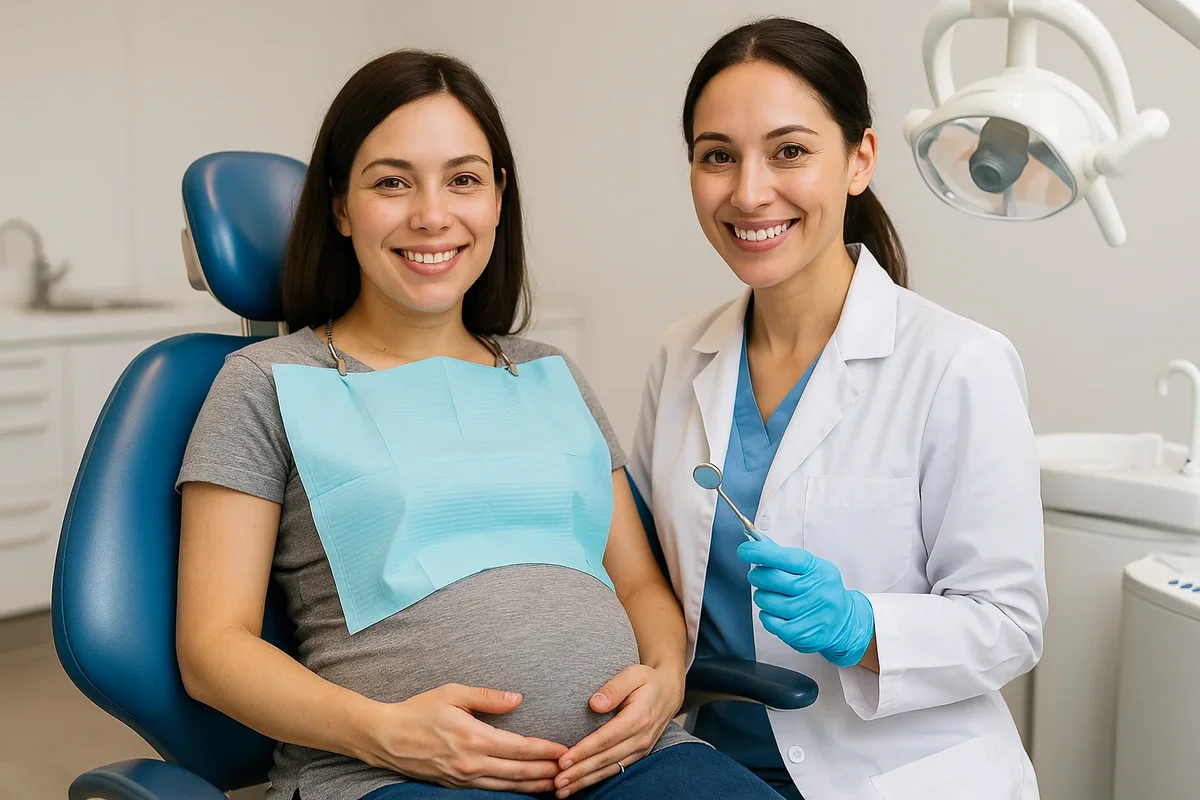
Postpartum Dental Care: Continuing Healthy Habits After Birth
The journey of motherhood doesn’t end at childbirth—and neither does the importance of oral health. After delivery, many women experience hormonal fluctuations, fatigue, and lifestyle adjustments that can impact their dental hygiene routines. A dentist for pregnancy not only supports mothers during pregnancy but also provides vital guidance for postpartum oral care. Maintaining healthy teeth and gums after birth benefits your overall well-being and sets an excellent example for your growing family. 🦷🤱
Why Postpartum Oral Care Matters
After giving birth, your body undergoes another wave of hormonal and physiological changes. Estrogen and progesterone levels begin to stabilize, but this process can take weeks or months. These hormonal adjustments can continue to affect gum health, making new mothers susceptible to inflammation and bleeding gums. A dentist for pregnancy transitions into a supportive role during the postpartum period, helping mothers restore oral balance and manage lingering dental sensitivities. Ignoring dental care after childbirth can lead to gingivitis, cavities, and even long-term bone loss if preventive steps aren’t taken early. 🌿
Managing Hormonal Shifts After Delivery
The drop in pregnancy hormones affects saliva production, taste sensitivity, and gum tissue recovery. Some women experience dry mouth or a metallic taste during the postpartum phase. Regular hydration and the use of sugar-free xylitol gum can stimulate saliva flow and protect enamel. Your dentist for pregnancy may recommend fluoride rinses or remineralizing toothpaste to strengthen teeth weakened by pregnancy or morning sickness. These simple preventive habits help stabilize your mouth’s environment as your body adapts to postpartum changes. 💧
Dealing With Postpartum Fatigue and Oral Hygiene
New mothers often face exhaustion, irregular sleep, and busy feeding schedules. As a result, daily dental care routines can easily fall behind. However, neglecting oral hygiene can lead to plaque buildup and infections that are harder to manage later. A dentist for pregnancy advises new moms to keep dental supplies accessible—like a toothbrush and floss near the sink or even next to the baby’s crib—to make quick cleanings easier. Brushing for two minutes twice a day and flossing once daily are small but crucial acts of self-care that preserve long-term oral health. 🪥
Time-Saving Oral Care Strategies for New Moms
Motherhood often leaves little time for elaborate routines. A supportive dentist for pregnancy can help develop a practical, time-efficient oral care plan. For instance, using an electric toothbrush can ensure thorough cleaning even when you’re tired, while water flossers simplify interdental cleaning. Keeping a fluoride mouthwash handy allows for a quick rinse when brushing isn’t possible. These small modifications make oral care sustainable without adding stress to your new routine. 💡
The Relationship Between Breastfeeding and Oral Health
Breastfeeding influences a mother’s calcium and nutrient levels, which can affect tooth and bone density if not balanced with proper nutrition. A dentist for pregnancy emphasizes the importance of calcium-rich foods like yogurt, almonds, and leafy greens to maintain enamel strength. Additionally, staying hydrated is crucial since breastfeeding can cause dehydration that leads to dry mouth. Adequate fluid intake helps sustain saliva production, preventing bacterial buildup and tooth decay. By maintaining balanced nutrition and hydration, mothers support both their oral health and milk production naturally. 🍼
Supplements and Mineral Balance
Some new mothers require supplements after delivery to restore calcium and vitamin D levels. A dentist for pregnancy may collaborate with your physician to ensure safe supplementation that benefits both dental and systemic recovery. Vitamin C also plays a role in healing gum tissue and preventing inflammation, especially if you’ve undergone a lengthy or stressful labor. Postpartum oral care isn’t just about brushing—it’s about supporting your body holistically to recover from pregnancy and maintain health long-term. 🌸
Preventing Postpartum Gum Disease
Gum disease can develop or worsen after pregnancy if inflammation persists. A professional cleaning by a dentist for pregnancy helps remove plaque, tartar, and bacteria that home care alone can’t reach. If you notice bleeding gums, persistent bad breath, or tenderness, schedule a dental checkup promptly. Untreated gum issues can lead to infections that spread systemically, affecting your energy levels and immune function. Early detection and treatment during the postpartum stage can prevent chronic problems and protect your oral and overall health. 🩺
Stress and Its Impact on Teeth
Caring for a newborn can be overwhelming, leading to teeth grinding (bruxism) and jaw tension. Over time, this can wear down enamel and cause headaches or TMJ discomfort. A compassionate dentist for pregnancy may recommend a night guard or stress-relief exercises to protect your teeth and jaw. Relaxation techniques such as deep breathing, gentle yoga, or short walks can also help lower cortisol levels, reducing the likelihood of stress-related dental problems. 🧘♀️
Scheduling Your First Postpartum Dental Visit
Most experts, including the American Dental Association, recommend visiting your dentist within six months after giving birth. This visit allows your dentist for pregnancy to assess gum health, check for enamel erosion, and perform a professional cleaning. It’s also an opportunity to discuss any dental concerns you may have, such as sensitivity or bleeding. During this visit, your dentist may also provide guidance on your baby’s future oral care and how to avoid bacterial transmission. Regular dental monitoring helps catch potential issues before they become serious. 🗓️
Maintaining Emotional and Physical Balance
Good oral health after pregnancy contributes to confidence, comfort, and overall happiness. When you feel well, you care better for your baby. Many mothers report feeling revitalized after dental cleanings—a small but meaningful step toward reclaiming self-care. A caring dentist for pregnancy understands this emotional connection and provides gentle, supportive care designed to restore your comfort and self-assurance. Continuing these healthy habits ensures your smile remains strong and radiant as your family grows. 🌼
In summary, postpartum dental care is an essential continuation of the oral health journey that began during pregnancy. Regular hygiene, balanced nutrition, stress management, and professional checkups form the foundation of long-term oral and systemic wellness. A dedicated dentist for pregnancy supports mothers through every stage—before, during, and after birth—helping them maintain confidence, comfort, and vitality. To schedule your postpartum checkup and receive compassionate, expert care, visit the Redent Klinik Contact Page today. Because a healthy smile is one of the best gifts you can give yourself and your baby. 💖
Disclosure: this page may contain affiliate links. We may earn a commission if you use them, at no extra cost to you.