
Pregnancy is one of the most transformative times in a woman’s life—physically, emotionally, and hormonally. During this period, many women experience changes that can affect their oral health, making it essential to find a reliable dentist for pregnant women. Dental care during pregnancy is not just about maintaining a beautiful smile; it’s a key component of overall health for both mother and baby. Hormonal fluctuations can increase the risk of gum disease, tooth sensitivity, and cavities, so early attention and professional guidance are vital. 🦷🤰
Unfortunately, many expectant mothers hesitate to see a dentist for pregnant women due to fears about X-rays, anesthesia, or dental procedures harming the baby. However, research and the American Dental Association confirm that most dental treatments are completely safe when managed correctly. Proper oral hygiene and timely dental checkups can even help prevent complications such as preterm birth or low birth weight caused by untreated gum infections.
When you visit a specialized dentist for pregnant women, the first step often involves a detailed oral examination. The dentist checks for signs of gingivitis, pregnancy tumors (small benign growths on the gums), and any decay. These conditions are common due to elevated hormone levels, especially progesterone, which can increase gum sensitivity and inflammation. In some cases, mild bleeding during brushing is the first indicator that your gums need professional care. Rather than ignoring these symptoms, seeking help ensures both your safety and your baby’s wellbeing. 🌿
Beyond regular cleanings, your dentist may recommend gentle fluoride treatments or scaling to remove plaque buildup. These procedures are safe, non-invasive, and effective in preventing periodontal disease. A professional dentist for pregnant women also provides nutritional advice—such as increasing calcium and vitamin D intake—to strengthen teeth and bones. Hydration plays a crucial role too, as saliva helps neutralize acid in the mouth and prevents enamel erosion.
Many expectant mothers experience morning sickness, which can expose teeth to stomach acid, leading to enamel erosion. A skilled dentist for pregnant women advises rinsing your mouth with a mixture of baking soda and water afterward to neutralize acid levels. Avoid brushing immediately after vomiting, as the enamel is temporarily softened. Instead, wait at least 30 minutes before brushing with a soft-bristled toothbrush and fluoride toothpaste. This small adjustment can significantly reduce long-term damage.
Another aspect often overlooked is the link between oral health and pregnancy outcomes. Studies show that women with untreated gum disease are more likely to experience preeclampsia, gestational diabetes, or preterm delivery. Visiting a dentist for pregnant women regularly can lower these risks by maintaining healthy gums and controlling bacterial growth. The mouth is the gateway to the body, and any infection here can spread through the bloodstream, potentially affecting the developing baby. 🌸
For those concerned about the safety of dental X-rays, modern digital systems used by a qualified dentist for pregnant women emit extremely low radiation. Protective lead aprons and thyroid collars further minimize exposure. Most preventive and restorative procedures, including fillings and cleanings, are considered safe during the second trimester—the ideal time for dental work. In contrast, elective cosmetic procedures such as whitening or veneers should be postponed until after childbirth.
Comfort during dental visits is also a top priority. A caring dentist for pregnant women ensures the treatment chair is positioned slightly upright to prevent pressure on the vena cava, a major vein that carries blood back to the heart. This attention to positioning prevents dizziness or nausea during longer appointments. Furthermore, open communication between your dentist and obstetrician helps tailor your treatment plan to your specific trimester and medical history.
Home care routines complement professional treatment. Brushing twice a day with fluoride toothpaste, flossing gently, and using alcohol-free mouthwash keep your mouth fresh and protected. A balanced diet rich in fruits, vegetables, and dairy products supports stronger teeth. If you ever have concerns or notice sudden swelling, tenderness, or persistent bleeding, it’s best to reach out to a professional immediately through the Redent Klinik Contact Page. Timely consultation ensures personalized care and reassurance for both you and your baby. 💕
Ultimately, choosing an experienced dentist for pregnant women empowers you to take control of your health during this delicate period. With the right dental professional, you can prevent oral issues before they escalate, ensure a safe pregnancy, and maintain your radiant smile. Good oral care is not just a matter of aesthetics—it’s a commitment to a healthier, happier motherhood journey.
By the end of your pregnancy, regular visits to a specialized dentist for pregnant women will help you transition seamlessly into postpartum dental care. Remember, your smile is one of the first gifts your baby will recognize—so keeping it bright, strong, and healthy is a beautiful way to begin this new chapter of life. 🌼
Why Oral Health Matters During Pregnancy
Maintaining good oral health during pregnancy is not just about keeping your smile bright—it’s an essential part of protecting both maternal and fetal health. A specialized dentist for pregnant women understands that hormonal changes can significantly impact the gums and teeth. Increased progesterone and estrogen levels can lead to swollen gums, gingivitis, and even early stages of periodontal disease if proper care isn’t taken. These oral conditions, when left untreated, can contribute to systemic inflammation that affects pregnancy outcomes. 🦷💖
Hormonal Changes and Their Impact on Gums
One of the first things a dentist for pregnant women explains is how hormonal shifts affect the oral cavity. Higher hormone levels alter the way gums respond to bacterial plaque, making them more sensitive and likely to bleed. This condition, known as “pregnancy gingivitis,” typically develops between the second and eighth month of pregnancy. Symptoms include redness, tenderness, and bleeding when brushing or flossing. Without proper dental care, gingivitis can advance to periodontitis, an infection that has been linked to preterm birth and low birth weight in several medical studies.
By maintaining consistent dental visits, a dentist for pregnant women can monitor gum health and apply gentle cleaning techniques to prevent bacterial buildup. Regular scaling and professional cleanings remove plaque that home brushing cannot reach, reducing the risk of deeper gum infection. 💧
The Connection Between Gum Disease and Pregnancy Complications
Recent research highlights a strong connection between poor oral health and pregnancy complications. When inflammation in the gums releases harmful bacteria into the bloodstream, these microorganisms can travel to the uterus and trigger early contractions. A professional dentist for pregnant women not only focuses on cleaning teeth but also emphasizes infection control and inflammation reduction. Expectant mothers who maintain oral hygiene are statistically less likely to experience gestational diabetes, preeclampsia, or premature labor.
Oral bacteria such as Porphyromonas gingivalis can disrupt placental function and increase systemic inflammation. That’s why regular dental checkups act as preventive healthcare for the baby as well. Your dentist for pregnant women might collaborate with your obstetrician to ensure all treatments are pregnancy-safe and well-timed according to your trimester.
Reducing Risks Through Preventive Care
Preventive dental care is the cornerstone of a healthy pregnancy. Brushing twice daily with fluoride toothpaste, flossing carefully, and using a mild, alcohol-free mouthwash are essential habits. A dentist for pregnant women might also recommend a professional fluoride varnish if your teeth show early signs of demineralization. Fluoride strengthens enamel and helps fight acid erosion, especially useful if morning sickness or acid reflux is common during pregnancy.
Proper hydration and a balanced diet play supporting roles. Consuming dairy products, green leafy vegetables, and vitamin C–rich fruits enhances gum health and bone strength. Additionally, avoiding sugary snacks and soft drinks can significantly reduce bacterial growth that contributes to gum inflammation. 🍎🥛
Why Routine Dental Checkups Are Crucial
Many women mistakenly postpone dental appointments until after childbirth. However, regular visits to a dentist for pregnant women are crucial throughout all trimesters. Routine checkups ensure that any developing oral condition is caught early. Dentists also monitor for pregnancy tumors—small, noncancerous growths that appear on the gums due to hormonal changes. These often disappear after delivery but may require professional cleaning to prevent irritation or bleeding.
A professional dentist for pregnant women tailors every aspect of dental care to the unique needs of expectant mothers. For example, they avoid unnecessary X-rays during the first trimester but may recommend limited digital imaging later, using protective gear like a lead apron. This minimizes exposure while still ensuring accurate diagnosis.
The Role of the Immune System in Oral Health
Pregnancy temporarily suppresses the immune system, making the body more vulnerable to bacterial infections. This is one reason why gum inflammation tends to escalate during this period. By visiting an experienced dentist for pregnant women, mothers can keep bacterial activity under control through professional cleanings, scaling, and personalized at-home routines. Proactive dental management supports immune balance and overall wellbeing. 🌼
Benefits for the Mother and Baby
Good oral health doesn’t just benefit the mother—it positively impacts the developing baby. Healthy gums and teeth reduce the risk of transmitting oral bacteria from mother to child. Additionally, maintaining a clean oral environment helps regulate inflammation levels, ensuring better nutrient flow through the placenta. A skilled dentist for pregnant women helps build this foundation for long-term family health.
Beyond the biological benefits, consistent dental care also boosts confidence. Many pregnant women report feeling self-conscious about bleeding gums or mild halitosis. Through proper oral care, these symptoms can be minimized, leading to a more comfortable and stress-free pregnancy experience. Stress hormones like cortisol can influence both dental health and pregnancy outcomes, so addressing oral issues early has holistic benefits. 🪷
Partnering with the Right Clinic
If you’re searching for trustworthy and compassionate care, the Redent Klinik Contact Page is the ideal place to schedule your next checkup. The clinic’s specialists have experience working with expectant mothers and understand how to provide comfort, safety, and top-quality treatment. A professional dentist for pregnant women doesn’t just clean your teeth—they act as a supportive healthcare partner during one of the most delicate times of your life.
In summary, oral health during pregnancy is far more than cosmetic—it’s a direct contributor to maternal and fetal wellbeing. Partnering with a qualified dentist for pregnant women ensures that hormonal changes, diet adjustments, and preventive care are all managed effectively. By prioritizing oral health, you protect yourself and your baby, creating a foundation for a healthy smile and a healthy future. 🌺
Is It Safe to Visit a Dentist While Pregnant?
One of the most common concerns among expectant mothers is whether it’s truly safe to visit a dentist for pregnant women. The short answer is yes—dental care during pregnancy is not only safe but highly recommended. Ignoring dental issues during this sensitive period can lead to complications that affect both mother and baby. Modern dental science and professional protocols are specifically designed to ensure comfort, safety, and minimal risk during every stage of pregnancy. 🦷🤰
Timing Dental Visits: Which Trimester Is Best?
When planning dental visits, timing is essential. A knowledgeable dentist for pregnant women typically advises scheduling routine checkups and cleanings during the second trimester (between weeks 13 and 28). At this stage, morning sickness has usually subsided, and the baby’s critical organs have already developed. This makes it the most comfortable and safest time for dental procedures. During the first trimester, dentists focus on preventive care and avoiding unnecessary treatments, while in the third trimester, extended reclining can cause discomfort or light-headedness due to pressure on the vena cava.
However, emergencies such as infections, abscesses, or severe tooth pain should never be postponed. A specialized dentist for pregnant women knows how to manage such cases safely using pregnancy-appropriate anesthesia and antibiotics when necessary. The goal is to prevent any infection from spreading, as oral bacteria entering the bloodstream can pose greater risks than the treatment itself.
Dental X-Rays During Pregnancy: Are They Safe?
One of the most misunderstood topics in prenatal dental care is the safety of dental X-rays. Modern X-ray systems, especially digital ones, emit extremely low radiation levels—far below the threshold considered harmful. A dentist for pregnant women always takes extra precautions by providing a lead apron and thyroid collar to shield both mother and fetus from exposure. When taken properly, dental X-rays are completely safe and can help diagnose hidden cavities, root infections, or bone loss that may worsen without detection. 🌿
It’s important to note that untreated oral infections can cause inflammation throughout the body, which can indirectly affect fetal health. Thus, avoiding X-rays entirely could sometimes do more harm than good. A professional dentist for pregnant women balances diagnostic accuracy with patient safety, ensuring that only absolutely necessary images are taken.
Types of Safe Dental Procedures During Pregnancy
Routine cleanings, fillings, and non-surgical treatments are all safe during pregnancy when performed by a qualified dentist for pregnant women. Local anesthetics such as lidocaine can be used safely in moderate doses, and most common antibiotics (like amoxicillin or penicillin) are considered safe under supervision. Procedures like scaling, polishing, and simple cavity fillings are not only permissible but encouraged to prevent future complications.
However, cosmetic procedures such as teeth whitening, veneers, or elective surgeries should be postponed until after delivery. Your dentist for pregnant women will carefully document your treatment plan to ensure all interventions are compatible with pregnancy and that no medications interfere with your prenatal vitamins or supplements.
The Role of Anesthesia and Pain Management
Pain management during dental treatment is often a top concern. Thankfully, modern anesthetics used by a certified dentist for pregnant women are safe and well-tolerated. Lidocaine, the most commonly used local anesthetic, has been studied extensively and shown to pose minimal risk to the developing fetus. The dentist will use the smallest effective dose to numb the area and keep you comfortable without excessive medication exposure.
Over-the-counter pain relief options such as acetaminophen are generally safe, but it’s important to avoid nonsteroidal anti-inflammatory drugs (NSAIDs) like ibuprofen unless prescribed. The best practice is to consult both your obstetrician and your dentist for pregnant women before taking any medication. This collaborative approach ensures holistic and risk-free care. 🌸
Handling Morning Sickness and Dental Appointments
Morning sickness is a common pregnancy symptom that can make dental visits challenging. A compassionate dentist for pregnant women will adjust appointment times to when nausea is least severe—usually late morning or early afternoon. They may also use mild mint-flavored toothpaste or fluoride gel instead of strong mint or citrus flavors to minimize triggers. After episodes of vomiting, dentists recommend rinsing with a mix of water and baking soda to neutralize stomach acid before brushing to protect tooth enamel from erosion.
Comfort and Positioning During Treatment
Comfort during dental procedures is critical for expectant mothers. A specialized dentist for pregnant women ensures that the dental chair is tilted slightly to the left rather than lying flat. This positioning prevents compression of the vena cava, which could reduce blood flow and cause dizziness or nausea. Additional pillows or rolled towels may be used to support the lower back, promoting relaxation and stable circulation during treatment.
The clinic environment is also adapted for pregnant patients—shorter appointments, gentle suction systems, and calm, odor-free rooms all contribute to a positive experience. A caring dentist for pregnant women understands that emotional comfort is as important as physical safety. 🌼
Importance of Communication Between Dentist and Obstetrician
For truly integrated care, communication between your dentist and obstetrician is essential. A professional dentist for pregnant women will always review your medical history, trimester stage, and prescribed supplements before treatment. This ensures there are no contraindications and that all medications and materials used are pregnancy-safe. The collaboration between dental and prenatal teams provides peace of mind and guarantees comprehensive maternal care.
If you have any doubts or need personalized consultation, you can always reach out through the Redent Klinik Contact Page. The clinic’s experts are trained to handle the unique needs of pregnancy, ensuring both mother and baby receive gentle, effective, and evidence-based dental care.
In conclusion, visiting a dentist for pregnant women is one of the smartest health decisions you can make during pregnancy. Safe, preventive, and well-timed dental care not only protects your smile but also supports your baby’s growth and development. With the right professional guidance and communication, there’s no reason to postpone dental health—because a healthy mouth contributes to a healthy pregnancy. 🌺
Essential Dental Care Tips for Pregnant Women
Proper oral hygiene during pregnancy plays a crucial role in ensuring the wellbeing of both mother and baby. A dedicated dentist for pregnant women provides tailored advice and treatments that help prevent oral complications, support hormonal balance, and maintain healthy gums and teeth throughout all trimesters. Pregnancy often increases the risk of gingivitis, cavities, and enamel erosion, but with professional care and the right daily habits, these can easily be avoided. 🪥🤰
Establishing a Safe and Effective Oral Care Routine
The foundation of good oral health during pregnancy begins at home. A dentist for pregnant women always recommends brushing at least twice daily with a fluoride toothpaste. Fluoride helps to remineralize enamel and fight decay, especially important when hormonal changes cause increased mouth acidity. Expectant mothers should also floss gently once a day to remove plaque and food debris between teeth where a toothbrush cannot reach.
Morning sickness can make brushing challenging, particularly if strong toothpaste flavors trigger nausea. In this case, a professional dentist for pregnant women suggests switching to a mild or unflavored toothpaste and using a smaller, soft-bristled brush. If vomiting occurs frequently, it’s vital to rinse the mouth with a solution of one teaspoon of baking soda in a glass of water to neutralize stomach acid. Avoid brushing immediately after vomiting to prevent enamel abrasion—wait 30 minutes before resuming normal oral hygiene. 🌸
Professional Cleanings and Regular Checkups
Routine professional cleanings are essential during pregnancy. A qualified dentist for pregnant women can safely remove plaque and tartar buildup that may contribute to gum inflammation. Most dentists recommend scheduling a checkup once every six months, but pregnant women may benefit from an additional visit during the second trimester if gum bleeding or swelling is present. Regular monitoring allows for early detection of potential oral infections that could otherwise escalate into serious issues.
At these visits, your dentist for pregnant women will also assess any pregnancy-related oral changes such as pregnancy tumors—harmless, red lumps on the gums caused by hormonal fluctuations. These typically disappear after delivery, but monitoring ensures they don’t become irritated or infected. The dentist can also offer fluoride treatments and dental sealants when necessary, all proven to be safe during pregnancy. 🦷
Choosing the Right Dental Products
Not all dental products are suitable for expectant mothers. A specialized dentist for pregnant women recommends avoiding alcohol-based mouthwashes, opting instead for gentle, alcohol-free alternatives. These maintain freshness and prevent gum irritation without exposing the body to unnecessary chemicals. Fluoride mouth rinses can also be beneficial, particularly for women prone to enamel wear from acid reflux or frequent vomiting.
Similarly, whitening toothpastes and at-home bleaching kits should be avoided during pregnancy. Though not harmful in small doses, the whitening agents can cause gum sensitivity and irritation. Postpone these cosmetic treatments until after childbirth to ensure maximum comfort and safety.
Nutrition and Oral Health: What to Eat and Avoid
Good nutrition is one of the most powerful ways to protect oral health. A well-informed dentist for pregnant women emphasizes that the baby’s teeth start forming in the womb, around the sixth week of pregnancy. Therefore, a balanced diet rich in calcium, phosphorus, vitamin D, and vitamin C is essential. Dairy products like milk and yogurt strengthen both maternal teeth and fetal bone development, while leafy greens and fruits enhance gum tissue resilience.
On the other hand, high-sugar snacks, sticky candies, and sugary beverages should be limited. Frequent sugar intake encourages bacterial growth, leading to plaque buildup and potential cavities. Instead, snack on crunchy fruits like apples or carrots—they act as natural cleansers, stimulating saliva flow and washing away debris. Hydration is equally vital; drinking plenty of water helps neutralize acids and maintain optimal saliva production. 🥛🍎
Addressing Common Pregnancy-Related Dental Symptoms
Pregnancy hormones often cause mild gum bleeding, sensitivity, or swelling. A compassionate dentist for pregnant women will reassure you that these symptoms are normal but must be monitored. If bleeding persists despite proper hygiene, it might indicate gingivitis or vitamin deficiency. Gentle cleaning techniques, combined with regular professional care, usually resolve the issue quickly.
Another common condition is “pregnancy dry mouth,” caused by hormonal changes or increased fluid demand. This can lead to discomfort and increased cavity risk. To combat dryness, your dentist for pregnant women may suggest sugar-free chewing gum to stimulate saliva or special moisturizing mouth rinses safe for pregnancy.
Stress Management and Oral Health Connection
Pregnancy can be an emotional rollercoaster, and stress can affect oral health too. Clenching or grinding teeth (bruxism) during sleep is not uncommon among expectant mothers. Your dentist for pregnant women may recommend a soft night guard to protect the teeth and relieve jaw tension. Mindfulness exercises, light stretching, and good sleep hygiene also reduce stress levels, benefiting both your mouth and your baby’s development. 🌼
When to Contact Your Dentist
Never ignore persistent toothaches, swelling, or gum bleeding. These can indicate infections requiring prompt attention. An experienced dentist for pregnant women can provide safe, effective treatments and prescribe medications approved for pregnancy. Timely intervention prevents complications like abscesses or systemic inflammation, which can impact fetal health if untreated.
If you experience any dental emergency or discomfort, don’t wait—visit the Redent Klinik Contact Page to schedule a consultation. The clinic’s professionals specialize in pregnancy-safe dental care and can design personalized treatment plans that prioritize your comfort and your baby’s safety.
In summary, maintaining good oral hygiene during pregnancy is a vital part of maternal care. A trusted dentist for pregnant women provides preventive strategies, safe treatments, and nutritional guidance that ensure a healthy smile throughout pregnancy and beyond. By following these dental care tips, you not only protect your oral health but also create a strong foundation for your child’s future wellbeing. 🌺
Safe Dental Treatments During Pregnancy
Many expectant mothers hesitate to seek dental treatment out of fear that it might harm their baby, but visiting a qualified dentist for pregnant women ensures that both mother and child remain safe throughout any necessary procedures. In reality, several dental treatments are not only safe during pregnancy but also highly recommended for preventing complications. Avoiding treatment when issues arise can be far riskier than receiving proper care under professional supervision. 🦷🤰
Understanding What’s Safe and What’s Not
A knowledgeable dentist for pregnant women will always evaluate the urgency and safety of each dental procedure before proceeding. Preventive and restorative treatments such as cleanings, fillings, and scaling are completely safe when proper precautions are taken. These treatments help control bacteria and prevent inflammation that can spread to the bloodstream. On the other hand, cosmetic treatments like teeth whitening or veneers should be postponed until after childbirth, as they provide no medical necessity and may increase gum sensitivity.
Most dental procedures during pregnancy can be comfortably performed using localized anesthesia and safe materials. The American Dental Association confirms that lidocaine, the most commonly used local anesthetic, is safe for expectant mothers when administered in controlled doses. A skilled dentist for pregnant women always ensures that the minimal effective dosage is used to provide comfort without any systemic risk.
Essential Safe Procedures During Pregnancy
There are several procedures that are both beneficial and safe to perform during pregnancy. These include:
- Dental Cleaning (Prophylaxis): Regular professional cleaning is essential for preventing gingivitis, a common condition in pregnant women caused by hormonal changes. A dentist for pregnant women will use gentle scaling techniques to remove plaque and tartar without discomfort.
- Cavity Fillings: If cavities are detected, prompt fillings using composite resin materials are safe and recommended. Untreated cavities can progress to infections, posing greater risks to both mother and baby.
- Gum Therapy: Non-surgical periodontal cleaning is safe and helps control inflammation. Deep cleaning below the gumline can prevent the spread of bacteria into the bloodstream.
- Emergency Treatments: If tooth pain, abscesses, or swelling occur, immediate care from a dentist for pregnant women prevents complications and reduces stress on the body.
When performed in a calm, sterile environment by an experienced dental team, these procedures have zero negative impact on pregnancy and can even improve overall prenatal health.
Managing Anesthesia and Medication Safely
A professional dentist for pregnant women understands how to manage pain relief effectively while minimizing exposure to medications. Local anesthetics like lidocaine or prilocaine are safe and do not cross the placental barrier in harmful amounts. Nitrous oxide (laughing gas) is generally avoided unless absolutely necessary, as prolonged exposure could affect fetal development. If antibiotics or painkillers are prescribed, they are carefully selected from pregnancy-safe categories—such as amoxicillin or acetaminophen.
In every case, the dentist collaborates with the patient’s obstetrician to ensure complete coordination and safety. This interprofessional approach guarantees that no drug or procedure interferes with prenatal vitamins or supplements. 🌸
X-Rays and Diagnostic Imaging During Pregnancy
While routine dental X-rays are often postponed until after birth, emergency imaging can be safely performed with protective measures. Modern digital X-ray systems emit minimal radiation, and a dentist for pregnant women uses a lead apron and thyroid shield to protect the abdomen and neck. The radiation exposure from a single dental X-ray is less than what one would experience on a short airplane flight—making it safe when done under supervision.
Dental X-rays are sometimes essential for identifying hidden infections, bone loss, or tooth fractures that could worsen if left untreated. A professional dentist for pregnant women will always weigh the benefits against the risks and proceed only when absolutely necessary.
Emergency Dental Care Considerations
Dental emergencies should never be delayed during pregnancy. Conditions such as abscesses, severe tooth decay, or trauma require immediate attention. A trained dentist for pregnant women uses safe local anesthesia, pain management, and minimally invasive techniques to control infection quickly. Delaying treatment increases systemic inflammation, which can affect pregnancy outcomes.
For severe infections, antibiotics like penicillin or cephalexin are commonly prescribed and considered safe. Stronger painkillers, if needed, are prescribed under the supervision of both dentist and obstetrician. The goal is always to preserve the mother’s comfort and eliminate infection as quickly as possible. 💊
Post-Treatment Care and Comfort Tips
After any dental procedure, proper aftercare ensures smooth healing. Your dentist for pregnant women will advise on how to manage mild soreness using natural remedies like cold compresses or warm saltwater rinses instead of chemical-based products. Expectant mothers are encouraged to maintain hydration, avoid hard foods, and rest properly after treatments.
If sensitivity occurs, use a soft-bristled toothbrush and desensitizing toothpaste. Regular follow-up appointments help the dentist monitor healing progress and prevent recurrence of any issue. Visiting a trusted clinic like Redent Klinik Contact Page ensures that every treatment is handled with gentle care and complete safety protocols tailored for pregnancy.
Procedures to Postpone Until After Delivery
Although many treatments are safe, some should be postponed. A responsible dentist for pregnant women will advise waiting until postpartum for elective or cosmetic procedures, including:
- Teeth whitening treatments
- Veneer applications
- Major oral surgeries
- Orthodontic adjustments involving frequent X-rays
These treatments can safely wait until hormonal levels stabilize and breastfeeding routines are established. This precaution minimizes unnecessary stress and ensures optimal recovery.
Empowering Expectant Mothers Through Education
Education is a powerful tool for prevention. A dentist for pregnant women takes the time to explain each procedure, clarify safety concerns, and provide lifestyle guidance. Understanding what’s safe reduces anxiety and encourages consistent care. The dentist may also provide personalized reminders for follow-ups and preventive care after delivery to maintain oral health long term. 🌿
In conclusion, safe dental treatments during pregnancy are not only possible—they’re essential. Under the care of an experienced dentist for pregnant women, expectant mothers can receive effective treatment for gum disease, cavities, and other oral conditions without jeopardizing their pregnancy. By trusting evidence-based care and communicating openly with both dental and medical professionals, mothers can protect their health, ensure a smooth pregnancy, and welcome their baby with a confident, healthy smile. 🌺
Foods That Support Oral Health in Expectant Mothers
Nutrition plays a crucial role in maintaining dental and overall health during pregnancy. The food you eat not only nourishes your baby but also impacts the condition of your teeth and gums. A well-informed dentist for pregnant women emphasizes that the right dietary habits can significantly reduce the risk of cavities, enamel erosion, and gum inflammation. Conversely, poor nutrition can weaken enamel, increase bacterial activity, and trigger oral complications that may affect both mother and child. 🥦🤰
The Link Between Nutrition and Oral Health
During pregnancy, the body requires additional nutrients to support fetal development, including the formation of teeth and bones. A specialized dentist for pregnant women often reminds patients that the baby’s teeth begin developing around the sixth week of gestation. Adequate intake of calcium, vitamin D, phosphorus, and vitamin C ensures that both mother and baby have strong dental structures and resilient gum tissues.
Hormonal changes can alter saliva composition, increase acidity, and elevate the risk of tooth decay. Balanced nutrition helps neutralize acid levels, strengthen enamel, and promote optimal pH in the mouth. Additionally, eating certain foods at regular intervals can stimulate saliva production, which is a natural defense mechanism against harmful bacteria.
Essential Nutrients for Healthy Teeth and Gums
An experienced dentist for pregnant women tailors dietary recommendations according to trimester needs and individual health conditions. Below are the most important nutrients that support oral and systemic health during pregnancy:
- Calcium: Found in milk, yogurt, cheese, and fortified plant-based milks, calcium strengthens tooth enamel and supports fetal bone development. Pregnant women should aim for at least 1,000 mg of calcium per day.
- Vitamin D: This vitamin enhances calcium absorption and can be obtained from sunlight exposure and foods like salmon, egg yolks, and fortified cereals. Deficiency may lead to gum inflammation and enamel defects.
- Phosphorus: A vital mineral for enamel protection, phosphorus is abundant in fish, eggs, lean meat, and nuts. A dentist for pregnant women often recommends pairing phosphorus with calcium for maximum benefit.
- Vitamin C: Essential for gum tissue repair and collagen production, vitamin C is found in citrus fruits, strawberries, bell peppers, and broccoli. Lack of this vitamin can cause swollen or bleeding gums.
- Folic Acid: Best known for preventing neural tube defects, folic acid also promotes healthy gums and cell regeneration in the mouth.
When these nutrients are consistently present in your diet, oral tissues remain stronger, less prone to infection, and better equipped to handle hormonal changes. 🌿
Healthy Eating Habits for Pregnant Women
Beyond nutrient selection, the pattern of eating is equally important. A dentist for pregnant women recommends consuming smaller, balanced meals throughout the day to maintain stable blood sugar levels and prevent acid buildup. Frequent snacking on sugary or starchy foods encourages bacterial activity, which leads to decay. Instead, choose snacks like unsalted nuts, yogurt, cheese, or fresh vegetables.
Cheese, in particular, helps neutralize acids in the mouth and replenishes minerals lost during digestion. Crunchy fruits such as apples and pears act as natural cleaners, gently scrubbing tooth surfaces and stimulating saliva flow. Drinking plenty of water—especially fluoridated water—further supports enamel remineralization and keeps the mouth hydrated. 💧
Foods and Drinks to Avoid During Pregnancy
A professional dentist for pregnant women will also identify foods that should be limited or eliminated to protect oral and overall health. These include:
- Sugary Beverages: Soft drinks, energy drinks, and sweetened teas erode enamel and encourage plaque buildup.
- Sticky Snacks: Caramel, toffee, and dried fruits cling to teeth, feeding bacteria that produce harmful acids.
- Highly Acidic Foods: Frequent consumption of citrus juices, vinegar-based dressings, and carbonated water can weaken enamel over time.
- Excessive Coffee and Tea: These can stain teeth and contribute to dehydration, reducing saliva flow.
If these foods are consumed occasionally, rinsing the mouth with water afterward can help reduce their negative effects. A caring dentist for pregnant women might suggest waiting 30 minutes before brushing to allow enamel to re-harden after acid exposure.
Managing Cravings Safely
Pregnancy cravings can sometimes lead to poor dietary choices. Whether you crave sweets, sour snacks, or salty foods, moderation is key. A compassionate dentist for pregnant women advises satisfying cravings with healthier alternatives—for example, fruit instead of candy or yogurt instead of ice cream. These choices not only satisfy taste buds but also deliver essential nutrients for oral health.
For those dealing with frequent morning sickness, rinsing with water or a mild mouthwash helps remove acid residues. Avoid brushing immediately after vomiting to protect enamel. If reflux is common, your dentist may recommend fluoride mouth rinses or toothpaste for additional protection. 🌸
The Role of Hydration in Oral Health
Hydration is one of the simplest yet most effective dental care habits during pregnancy. Saliva contains enzymes and minerals that protect against cavities and infection. Dehydration reduces saliva production, making it easier for bacteria to thrive. A dentist for pregnant women encourages drinking plain water throughout the day, particularly after meals. If you live in an area with fluoridated tap water, this further strengthens teeth and reduces cavity risk.
Additionally, chewing sugar-free gum with xylitol after meals helps stimulate saliva flow, neutralize acids, and prevent plaque buildup. The ADA endorses xylitol gum as a safe and effective oral hygiene tool, especially during pregnancy. 🌼
Collaborating with Your Dentist for Nutritional Guidance
Optimal oral health during pregnancy requires collaboration between you and your dental professional. A specialized dentist for pregnant women not only performs treatments but also educates expectant mothers about dietary habits that enhance oral and overall wellbeing. They may recommend tailored supplements if dietary intake is insufficient, ensuring both mother and baby receive the necessary nutrients.
For personalized guidance, visit the Redent Klinik Contact Page. The clinic’s specialists can assess your current dental health, review your diet, and offer safe, evidence-based nutrition strategies suited to your pregnancy stage.
In summary, food choices directly influence oral health during pregnancy. By working closely with a trusted dentist for pregnant women and maintaining a nutrient-rich diet, you can strengthen enamel, reduce gum problems, and support your baby’s healthy development. Smart nutrition isn’t just about eating well—it’s about building the foundation for a lifetime of healthy smiles for both mother and child. 🪷
When to Schedule Dental Appointments While Pregnant
Knowing the right time to schedule dental appointments during pregnancy is essential for maintaining oral and overall health. A professional dentist for pregnant women carefully plans treatments and checkups based on each trimester, ensuring that procedures are both safe and effective. Pregnancy is a time of rapid hormonal and physiological changes, and the timing of dental care can make a big difference in comfort, safety, and results. 🦷🤰
The Importance of Timely Dental Visits
Many expectant mothers postpone dental care out of concern for their baby’s safety. However, regular visits to a qualified dentist for pregnant women are not only safe but highly beneficial. Untreated oral conditions such as gingivitis, cavities, or infections can worsen during pregnancy and may even affect fetal health. Professional checkups help manage these risks early, avoiding complications later on.
A trusted dentist for pregnant women follows a trimester-based approach to ensure each visit aligns with the physiological changes occurring in the body. This approach takes into account factors like hormonal surges, morning sickness, and positional comfort to provide the safest and most effective care possible.
First Trimester (Weeks 1–12): Focus on Prevention
The first trimester is a critical period for the baby’s organ development. During this stage, elective dental treatments are usually postponed, and the focus shifts toward preventive care and patient education. A compassionate dentist for pregnant women performs a comprehensive oral examination to identify any existing issues and recommend safe home care routines.
Because morning sickness and fatigue are common in early pregnancy, dentists may adjust oral hygiene routines to minimize nausea. For instance, switching to a bland toothpaste and using a smaller toothbrush head can make brushing easier. Patients are advised to maintain gentle but consistent hygiene habits, as neglect can quickly lead to gum inflammation.
Managing Early Pregnancy Symptoms
During this phase, hormonal changes increase the likelihood of gum sensitivity and bleeding. A qualified dentist for pregnant women may recommend using a soft-bristled toothbrush and alcohol-free mouthwash to soothe irritated gums. Morning sickness can also expose teeth to acid, which erodes enamel. Rinsing with baking soda and water after vomiting helps neutralize acid before brushing. 🌿
Second Trimester (Weeks 13–28): The Safest Window for Treatment
The second trimester is considered the ideal time for dental procedures. Morning sickness usually subsides, and the risk of complications is lower. Most non-urgent treatments, such as cleanings, cavity fillings, or scaling, can be safely performed during this period under the supervision of a professional dentist for pregnant women.
Dental visits during this stage are comfortable for most mothers, as the growing belly has not yet reached its full size. The dentist may schedule a comprehensive cleaning and address any minor issues before they worsen. Preventive and restorative procedures are prioritized, while unnecessary interventions remain postponed until after delivery. 🩵
Mid-Pregnancy Comfort and Positioning
To maintain circulation and prevent dizziness, a trained dentist for pregnant women positions the dental chair at a slight incline rather than flat on the back. This helps avoid pressure on the vena cava, the major vein responsible for returning blood to the heart. If the appointment lasts longer than usual, breaks are encouraged for stretching or adjusting posture. These small adjustments ensure maximum comfort and safety throughout the procedure.
Third Trimester (Weeks 29–40): Prioritize Comfort and Monitoring
By the third trimester, the baby is almost fully developed, and the mother’s comfort becomes the top priority. During this time, only urgent treatments should be performed, such as addressing infections or severe tooth pain. A careful dentist for pregnant women minimizes the duration of appointments and ensures proper support for the back and hips to reduce discomfort.
Regular cleanings and checkups remain important to prevent gingivitis from progressing into periodontitis. Since swollen gums are more common in the final trimester, gentle cleaning and at-home care guidance are emphasized. Frequent small meals, proper hydration, and consistent brushing and flossing help keep oral bacteria under control. 🧡
Emergency Dental Care in the Third Trimester
If an emergency arises, such as severe toothache or abscess, immediate care is necessary. An experienced dentist for pregnant women can safely perform the needed treatment using pregnancy-safe anesthesia and antibiotics. Postponing emergency care is not advisable, as infections can spread and negatively affect both maternal and fetal health.
Appointments are best scheduled during morning or early afternoon hours when energy levels are higher. If possible, the dentist may coordinate with your obstetrician to ensure all medications and procedures align with your prenatal plan. 🌸
Scheduling Regular Checkups
Throughout pregnancy, consistent dental visits every 4–6 months are recommended, or more frequently if gum problems persist. Routine cleanings by a dentist for pregnant women help control plaque buildup, reduce inflammation, and prevent gum infections. These visits also provide an opportunity to reinforce proper oral hygiene techniques and evaluate dietary habits affecting oral health.
Each appointment is an opportunity to address questions, adjust dental care routines, and ensure peace of mind. A caring dentist for pregnant women will also keep detailed records of your dental and medical history to provide continuity of care postpartum.
Planning Postpartum Dental Care
Dental care doesn’t end with childbirth. After delivery, new mothers often experience hormonal fluctuations that can still affect gum health. Scheduling a follow-up visit with your dentist for pregnant women within the first few months after giving birth helps restore oral balance. The dentist can also provide guidance on safe treatments for nursing mothers, such as fluoride applications or gentle whitening sessions.
If you’re uncertain about when to schedule your next visit, don’t hesitate to contact professionals through the Redent Klinik Contact Page. Their experienced team can provide personalized advice based on your pregnancy stage and overall health condition.
In conclusion, knowing when to schedule dental appointments during pregnancy ensures both comfort and safety. By working closely with a trusted dentist for pregnant women, expectant mothers can receive the right care at the right time, preventing complications and supporting both their own wellbeing and their baby’s development. 🌺
Importance of Choosing an Experienced Dentist for Pregnant Women
Selecting an experienced dentist for pregnant women is one of the most crucial decisions expectant mothers can make for their health. Pregnancy brings significant hormonal, physical, and emotional changes that can influence dental health, and not all dental practitioners have the expertise to manage these unique needs. A qualified professional understands the balance between safety and effectiveness, ensuring that every treatment supports both maternal comfort and fetal wellbeing. 🦷🤰
Why Specialized Experience Matters
Pregnancy alters how the body reacts to medications, anesthesia, and even mild infections. An experienced dentist for pregnant women understands these biological changes and tailors dental care accordingly. For example, hormone-induced gingivitis requires gentle but thorough cleaning, while dental X-rays must be handled with extra caution and protective measures. These professionals are trained to identify subtle signs of oral issues that general dentists may overlook in pregnant patients.
Moreover, a specialized dentist for pregnant women can recognize how certain symptoms—such as bleeding gums, tooth mobility, or oral lesions—relate to hormonal fluctuations rather than underlying disease. This distinction prevents unnecessary treatments and anxiety while ensuring proper monitoring. Experienced dentists also coordinate with obstetricians and gynecologists to maintain a unified care plan throughout the pregnancy. 🌿
Safety Protocols and Clinical Expertise
A certified dentist for pregnant women follows stringent safety protocols during every stage of treatment. These include avoiding unnecessary medications, limiting X-rays to emergencies, and using biocompatible dental materials that pose no risk to the developing baby. Dental chairs are adjusted to prevent vena cava compression in late pregnancy, and all instruments are sterilized under medical-grade conditions to eliminate infection risks.
When providing anesthesia or prescribing antibiotics, experienced dentists use only drugs approved for pregnancy, such as lidocaine for numbing and amoxicillin for infection control. They also avoid tetracycline and NSAIDs, which can harm fetal development. This deep understanding of pharmacological interactions ensures that treatment remains safe while effectively relieving pain or infection. 💉
Gentle Techniques and Patient Comfort
Pregnant women often experience sensitivity and discomfort during dental procedures. A compassionate dentist for pregnant women uses minimally invasive techniques to reduce pain and stress. Ultrasonic scalers are used at lower intensities to minimize vibration, and ergonomically designed chairs provide extra lumbar and hip support. Additionally, breaks during longer sessions allow mothers to stretch and breathe comfortably.
Emotional support is equally important. Pregnancy can heighten anxiety, and skilled dentists are trained to create a calm, reassuring atmosphere. They communicate every step clearly, explaining how each procedure benefits both mother and baby. This approach builds trust and promotes relaxation—crucial for maintaining normal heart rate and blood pressure during treatment. 🌸
How to Find the Right Dentist During Pregnancy
Choosing a reliable dentist for pregnant women involves more than convenience; it requires careful research and evaluation. Look for professionals with proven experience treating expectant mothers, ideally with certifications or ongoing education in prenatal dental care. Reading patient reviews and consulting your obstetrician for referrals can also help identify trusted practitioners.
When visiting a new clinic, ask specific questions such as:
- Does the dentist have experience managing dental treatments during pregnancy?
- Are all medications and materials pregnancy-safe?
- How are X-rays and anesthesia handled?
- Is the dental chair setup adjusted for late pregnancy comfort?
A qualified dentist for pregnant women will confidently answer these questions and customize care based on trimester and individual medical history. It’s also advisable to choose a clinic that has accessible communication with medical professionals, ensuring a cohesive approach between your dentist and obstetrician. 🩵
The Value of Regular Monitoring and Long-Term Care
An experienced dentist for pregnant women not only manages immediate oral issues but also plans for postpartum dental health. Hormonal fluctuations can persist for weeks after delivery, making follow-up visits vital for maintaining gum stability and preventing recurring inflammation. The dentist monitors healing, reinforces oral hygiene habits, and provides safe treatments for breastfeeding mothers.
Postpartum care often includes fluoride varnishes, enamel-strengthening treatments, or gentle whitening options once nursing is established. A good dental professional ensures that each of these services aligns with the mother’s health and lifestyle needs. 🌼
Benefits of Choosing a Reputable Dental Clinic
Opting for a reputable clinic with a team of specialists can make a significant difference. At such facilities, every dentist for pregnant women is trained in patient safety, comfort, and prenatal communication. Modern clinics use ergonomic equipment, soft lighting, and odor-free environments to prevent nausea or discomfort. Furthermore, advanced sterilization systems minimize any infection risk.
Reputable clinics also offer flexible scheduling options to accommodate pregnancy fatigue or morning sickness. They keep detailed dental and medical records, ensuring continuity of care even after delivery. The integration of technology—such as digital X-rays, intraoral scanners, and electronic health monitoring—enables faster, safer, and more precise treatments.
For expectant mothers seeking trusted prenatal dental care, visiting the Redent Klinik Contact Page is an excellent first step. Their team of professionals specializes in managing pregnancy-related oral health needs with compassion and advanced medical precision.
How Experience Improves Outcomes for Mother and Baby
Choosing an experienced dentist for pregnant women directly impacts both maternal and fetal health outcomes. Early detection and treatment of gum disease can lower the risk of preterm birth and low birth weight. Proper oral hygiene guidance reduces bacterial transmission, while pain-free, stress-free care supports emotional balance throughout pregnancy.
Moreover, mothers who receive professional dental education during pregnancy are more likely to maintain better oral health habits long-term. This positive influence extends to the child as well—research shows that mothers with healthy teeth are less likely to transmit cavity-causing bacteria to their infants. 💖
Final Thoughts: Trust, Experience, and Compassion
The importance of selecting an experienced dentist for pregnant women cannot be overstated. A combination of medical expertise, gentle care, and understanding ensures that every expectant mother receives the safest and most comfortable treatment possible. Beyond technical skill, empathy and clear communication are what truly define great prenatal dental care.
By working with a qualified dentist for pregnant women, you safeguard your health, your baby’s development, and your long-term confidence. Professional guidance helps prevent preventable dental problems and provides peace of mind at every stage of pregnancy. Trust experience, prioritize safety, and choose a dental partner who truly understands the beautiful journey of motherhood. 🌺
Myths and Facts About Pregnancy and Dental Care
When it comes to oral health during pregnancy, misinformation can spread quickly. Many expectant mothers avoid necessary dental visits out of fear or misconceptions, which can lead to more harm than good. An experienced dentist for pregnant women plays a vital role in clarifying these myths and replacing them with evidence-based facts. Understanding what’s true and what’s false empowers mothers to make informed decisions that benefit both their own wellbeing and their baby’s development. 🦷🤰
Myth 1: “It’s Unsafe to Visit the Dentist During Pregnancy”
This is one of the most widespread misconceptions. In reality, visiting a qualified dentist for pregnant women is not only safe but essential. Dental treatments such as cleanings, cavity fillings, and gum therapy are perfectly safe when performed with proper precautions. Delaying treatment for pain or infection can actually pose a higher risk to both mother and child. The American Dental Association confirms that preventive and emergency dental care is safe throughout pregnancy when handled by trained professionals.
To ensure maximum safety, your dentist for pregnant women will avoid unnecessary X-rays and postpone elective cosmetic procedures until after delivery. Protective lead aprons and thyroid shields are always used during essential imaging. The goal is to keep both the mother comfortable and the fetus protected while maintaining optimal oral health. 🌿
Myth 2: “Dental X-Rays Are Dangerous During Pregnancy”
Modern digital X-rays emit extremely low radiation levels, far below any threshold that could harm the fetus. A certified dentist for pregnant women uses lead aprons and specialized shields to minimize exposure even further. These safety measures make dental X-rays safer than many daily environmental exposures. In fact, X-rays are sometimes necessary for diagnosing hidden infections or tooth fractures that could lead to severe complications if ignored.
Therefore, rather than avoiding X-rays altogether, expectant mothers should rely on the guidance of their dental professional to determine when imaging is appropriate. Delayed diagnosis of infection poses a far greater risk than the carefully controlled radiation of a digital dental X-ray. 💡
Myth 3: “Dental Anesthesia Is Unsafe for Pregnant Women”
Another misconception is that local anesthesia should be avoided during pregnancy. In fact, the opposite is true—uncontrolled pain and stress can elevate blood pressure and cause unnecessary strain. A well-trained dentist for pregnant women uses small, carefully monitored doses of local anesthesia such as lidocaine, which is proven to be safe. These anesthetics numb the treatment area without affecting the baby.
The dentist ensures that the smallest effective dose is administered and avoids vasoconstrictors if necessary. Patients remain relaxed and pain-free, which benefits both their emotional wellbeing and fetal health. 🩵
Fact Check: Pain Relief and Medication Safety
While anesthetics like lidocaine are safe, over-the-counter painkillers should be taken only under medical supervision. Acetaminophen (paracetamol) is generally considered safe, while ibuprofen and aspirin are best avoided unless specifically prescribed. An experienced dentist for pregnant women always coordinates with the obstetrician before recommending any medication, ensuring complete maternal safety.
Myth 4: “Pregnancy Damages Teeth Because the Baby Takes Calcium from the Mother”
This myth likely stems from the fact that some women experience dental problems during pregnancy. However, the baby doesn’t “steal” calcium from the mother’s teeth. Instead, poor diet and hormonal changes are usually to blame. A dentist for pregnant women emphasizes that maintaining a calcium-rich diet—through milk, yogurt, cheese, and fortified plant-based alternatives—supports both maternal and fetal bone strength.
If calcium intake is insufficient, the body draws it from the mother’s bones, not teeth. Thus, eating a balanced diet and taking prenatal vitamins ensures that both you and your baby get adequate nutrition without any harm to your dental health. 🥛🍎
Myth 5: “Bleeding Gums Are Normal and Don’t Need Treatment”
While mild gum bleeding is common due to hormonal changes, it should never be ignored. A skilled dentist for pregnant women explains that pregnancy gingivitis, if untreated, can lead to periodontitis—a serious gum infection linked to premature birth and low birth weight. Regular dental cleanings, gentle brushing, and flossing are the best defenses against gum disease.
Bleeding gums indicate inflammation caused by bacteria, not a harmless symptom. Addressing it early prevents infection from spreading and ensures overall pregnancy health. 🌸
Fact Check: Managing Gum Sensitivity Safely
If gums are tender or swollen, using a soft-bristled toothbrush and alcohol-free mouthwash can help. A professional cleaning performed by a dentist for pregnant women removes plaque buildup and promotes healing. The dentist may also recommend vitamin C and folic acid supplements to strengthen gum tissue naturally.
Myth 6: “Dental Treatment Should Be Avoided Until After Delivery”
Delaying dental care for nine months is one of the biggest mistakes expectant mothers can make. Oral infections can spread to the bloodstream, affecting both maternal and fetal health. A dentist for pregnant women ensures that necessary treatments are performed safely during pregnancy, particularly in the second trimester, which is the most comfortable and stable period for procedures.
Neglecting dental issues until after delivery often results in more complex problems, higher treatment costs, and unnecessary pain. Preventive care and timely treatment help maintain a healthy mouth and reduce postnatal complications. 💖
Myth 7: “Dental Cleanings Can Harm the Baby”
This is another false belief. Professional cleanings are completely safe and strongly encouraged during pregnancy. In fact, removing plaque and tartar buildup prevents gum infections and improves oral hygiene. A dentist for pregnant women uses gentle scaling and polishing methods designed for sensitive gums, ensuring comfort and safety throughout the session.
Cleanings also reduce the bacterial load in the mouth, which benefits not only the mother but also the developing baby. Maintaining oral hygiene during pregnancy is one of the easiest ways to prevent systemic inflammation and promote long-term health. 🌼
Separating Fact from Fiction: The Role of Education
Ultimately, understanding the truth about dental care during pregnancy empowers mothers to make informed, confident decisions. A trusted dentist for pregnant women provides evidence-based information, helping to eliminate myths that might otherwise lead to unnecessary fear or avoidance of care. Through regular consultations and open communication, expectant mothers can stay proactive and enjoy a healthy pregnancy journey.
If you’re uncertain about what’s safe or have lingering concerns, professional advice is just a click away. Visit the Redent Klinik Contact Page to schedule a consultation with experts who specialize in dental care for expectant mothers.
In conclusion, separating myths from facts is essential for maintaining both dental and overall health during pregnancy. By consulting a qualified dentist for pregnant women, mothers can ensure that every step of their dental care is safe, effective, and perfectly aligned with their pregnancy needs. Trust the facts, not the fears—because your smile and your baby’s health deserve only the best. 🌺
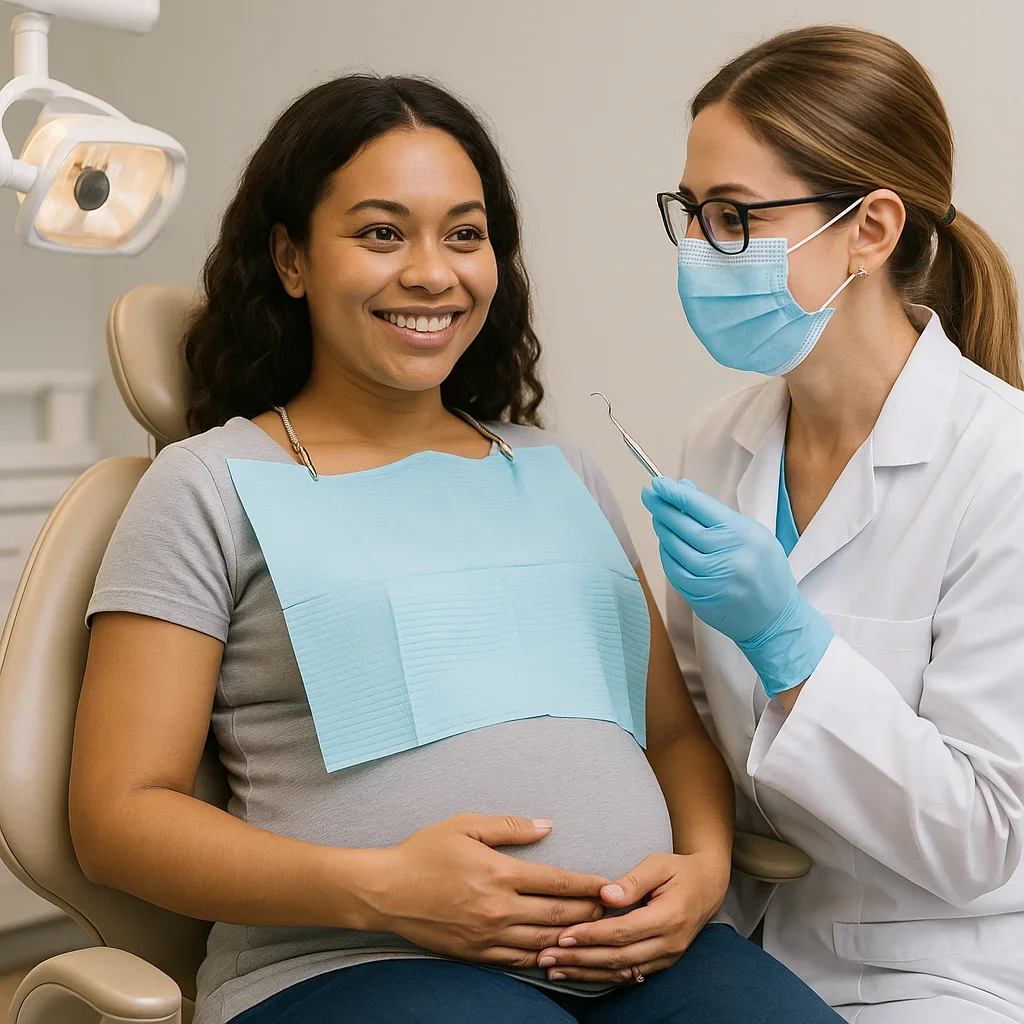
Postpartum Dental Health: Continuing the Journey
Pregnancy may end with childbirth, but the impact on your oral health can last well beyond delivery. Many new mothers experience ongoing hormonal changes, fatigue, and dietary adjustments that continue to affect their teeth and gums. An experienced dentist for pregnant women also serves as a postpartum dental guide, ensuring that mothers maintain strong oral hygiene habits and recover fully after giving birth. Proper postpartum dental care not only supports a mother’s health but also lays the foundation for her baby’s future oral wellbeing. 🦷🤱
The Importance of Postpartum Oral Health
After childbirth, hormone levels gradually begin to stabilize, but the body remains in a recovery phase. During this period, inflammation, gum sensitivity, and tooth weakness are still common. A skilled dentist for pregnant women emphasizes that maintaining regular dental checkups after delivery is just as important as during pregnancy. Ignoring postpartum oral health may lead to long-term issues like chronic gum disease or enamel erosion.
Postpartum gingivitis, for instance, can linger due to residual hormonal effects and increased oral bacteria from lack of sleep or irregular brushing. Furthermore, breastfeeding can lead to mild dehydration, reducing saliva flow and increasing the risk of cavities. Addressing these issues early with the help of a dentist for pregnant women ensures that oral balance is restored safely. 🌿
Common Postpartum Dental Issues
Even after pregnancy, the body undergoes several adjustments that can affect dental health. A professional dentist for pregnant women identifies the most frequent postpartum oral problems and provides targeted treatments:
- Gum Inflammation: Lingering hormonal changes can cause gum swelling or bleeding. Professional cleanings and antibacterial mouth rinses help reduce inflammation and promote healing.
- Tooth Sensitivity: Nutrient depletion and enamel thinning may cause discomfort when eating or drinking. Fluoride treatments restore mineral balance and strengthen enamel.
- Dry Mouth: Common among breastfeeding mothers, this condition can lead to bad breath and decay. Hydration and saliva-stimulating products are often recommended.
- Cavities: Frequent snacking and limited time for brushing increase cavity risks. A dentist for pregnant women offers preventive fluoride varnishes or sealants to protect teeth.
- Jaw Tension and Bruxism: Stress and lack of sleep may cause teeth grinding. Custom night guards relieve jaw strain and prevent enamel wear.
Impact on General Health
Untreated dental problems can also affect overall health, particularly in the postpartum period when the immune system is still adjusting. Chronic gum infections may release inflammatory substances into the bloodstream, potentially contributing to fatigue or systemic inflammation. That’s why continuous monitoring by a dentist for pregnant women is crucial—not only for oral comfort but also for overall recovery. 💧
Dental Care for Breastfeeding Mothers
Breastfeeding is an intense physical process that demands proper nutrition and hydration. A qualified dentist for pregnant women advises nursing mothers to maintain a calcium-rich diet, including dairy, leafy greens, and almonds, to replenish mineral stores. Since dehydration is common, increasing water intake helps prevent dry mouth and supports saliva flow, which is essential for enamel protection.
It’s also important to note that most dental treatments, including anesthesia and X-rays, are safe for breastfeeding mothers when performed correctly. However, the dentist ensures that medications used are compatible with nursing. Antibiotics like amoxicillin or penicillin are generally safe, while certain painkillers and antibiotics are avoided. The dentist for pregnant women will always consult your healthcare provider before prescribing medication to ensure both maternal and infant safety. 🌸
Managing Fatigue and Oral Hygiene
New mothers often struggle to find time for themselves, especially in the early weeks. Despite the exhaustion, skipping brushing or flossing can quickly lead to gum problems. A compassionate dentist for pregnant women recommends simplifying your oral hygiene routine: use an electric toothbrush for efficiency, floss before bedtime, and rinse with an alcohol-free mouthwash twice daily. Keeping a small dental kit near your nursing area can make maintenance easier during busy moments.
Preventing Bacterial Transmission to the Baby
Research shows that mothers can pass cavity-causing bacteria to their infants through saliva. This can occur through actions like sharing utensils or cleaning pacifiers with the mouth. A proactive dentist for pregnant women educates mothers on minimizing transmission by maintaining their own oral hygiene and avoiding saliva contact with the baby’s items.
Since infants are born without oral bacteria, delaying exposure helps protect their future dental health. Practicing good hygiene and visiting the dentist regularly significantly reduces the bacterial load in the mother’s mouth, creating a safer environment for the child. 🍼
Scheduling the First Postpartum Dental Visit
A postpartum dental checkup should ideally take place within six months of delivery, or sooner if any pain or swelling occurs. A thorough evaluation by a dentist for pregnant women ensures that the gums, teeth, and soft tissues are healthy and that no cavities or infections developed during pregnancy. The visit typically includes professional cleaning, fluoride treatment, and personalized advice for maintaining long-term oral health.
For mothers who have undergone a C-section or are still recovering, dental appointments can be scheduled once medical clearance is received from their physician. Many dental clinics, such as those reachable via the Redent Klinik Contact Page, provide flexible appointment times tailored to new mothers’ needs.
Long-Term Oral Health and Emotional Wellbeing
Postpartum dental care goes beyond just oral hygiene—it also supports emotional recovery. A confident smile boosts self-esteem and helps mothers reconnect with their identity after the challenges of pregnancy and childbirth. A compassionate dentist for pregnant women understands this emotional dimension, offering not just treatment but reassurance and encouragement.
Addressing dental issues early helps prevent pain, infection, and stress, allowing mothers to focus fully on bonding with their newborns. In some cases, minor cosmetic procedures—such as gentle whitening or enamel polishing—can be considered once breastfeeding stabilizes, helping restore a mother’s sense of confidence and vitality. 🌺
Collaborative Care: Working with Medical Professionals
The best results come when dental and medical professionals collaborate. A multidisciplinary approach involving both your obstetrician and dentist for pregnant women ensures that treatments, medications, and supplements work harmoniously. This team-based care also provides peace of mind, knowing that every aspect of your health is being managed safely and comprehensively.
Final Recommendations
- Maintain dental visits every six months.
- Brush twice daily and floss regularly, even during busy newborn care routines.
- Stay hydrated and maintain a balanced diet rich in calcium and vitamins.
- Avoid sugary snacks and late-night eating without brushing.
- Consult your dentist for pregnant women about any tooth or gum discomfort immediately.
In conclusion, postpartum dental health is a continuation of the pregnancy care journey. By maintaining regular visits with a trusted dentist for pregnant women, mothers can protect their oral health, recover faster, and ensure a positive start for their child’s dental future. Consistent care, professional guidance, and balanced nutrition together form the foundation for lasting smiles—for both mother and baby. 💖