
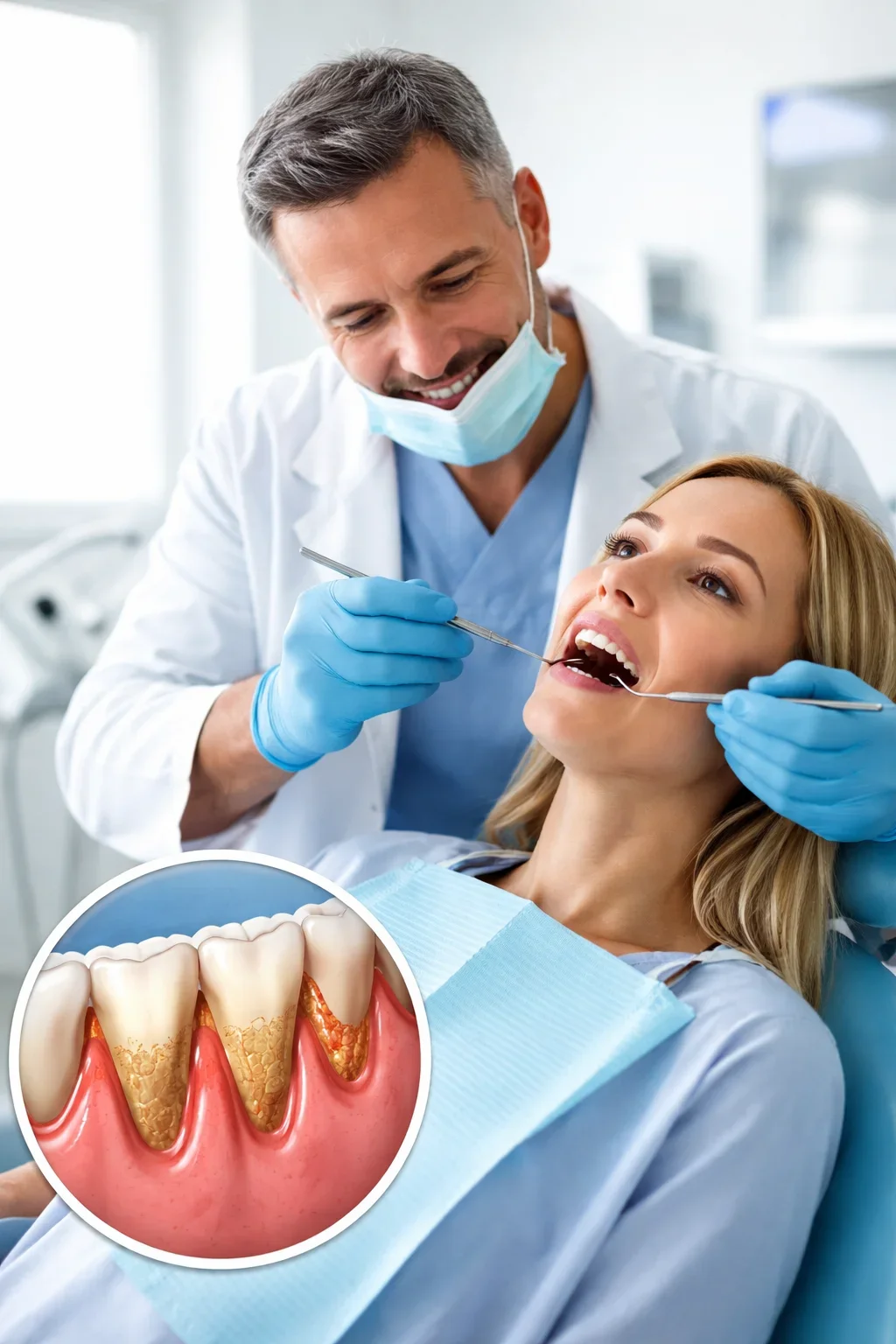
Receding gums are more than just a cosmetic concern—they are a serious oral health issue that can lead to tooth sensitivity, root exposure, decay, and even tooth loss if left untreated. If you have noticed your teeth appearing longer, increased sensitivity to hot or cold, or discomfort near the gumline, it may be time to consult a dentist for receding gums. Acting early can make a significant difference in preventing long-term damage and preserving your natural smile. 😊
A dentist for receding gums specializes in diagnosing and managing gum recession, a condition where the gum tissue pulls back and exposes the root surface of the tooth. Unlike enamel, the root surface is not protected by a hard outer layer, making it more vulnerable to decay and sensitivity. Many patients underestimate the seriousness of gum recession until symptoms become painful or visible. However, with professional care from a dentist for receding gums, the progression of the condition can often be slowed—or even stopped.
There are several reasons why someone might need a dentist for receding gums. Aggressive brushing, periodontal disease (gum disease), genetic predisposition, teeth grinding, hormonal changes, and even misaligned teeth can all contribute to gum tissue loss. An experienced gum recession specialist carefully evaluates the underlying cause before recommending treatment. Without identifying the root cause, simply treating the symptoms may not prevent further recession.
One of the most important roles of a dentist for receding gums is performing a comprehensive periodontal examination. This includes measuring gum pocket depths, checking for inflammation or bleeding, evaluating bone levels with digital X-rays, and assessing overall oral hygiene habits. Early detection is crucial. When caught in its initial stages, gum recession can often be managed with non-surgical therapies such as deep cleaning (scaling and root planing), antimicrobial treatments, and lifestyle adjustments.
For moderate to advanced cases, a dentist for receding gums may recommend specialized procedures. These may include gum grafting, pinhole surgical techniques, or regenerative treatments to restore lost tissue. Gum grafting, for example, involves taking healthy tissue—often from the roof of the mouth—and placing it over exposed roots to protect them. Modern techniques have significantly improved patient comfort and recovery time. 😌
Many patients also ask whether receding gums can grow back naturally. Unfortunately, once gum tissue has receded significantly, it does not regenerate on its own. This is why seeking help from a dentist for receding gums as soon as symptoms appear is essential. Professional intervention can prevent further deterioration and protect the structural integrity of your teeth.
Cost is another common concern. The price of treatment by a dentist for receding gums depends on severity and procedure type. For example:
Estimated Treatment Costs (USA Average):
- Scaling and Root Planing: $150–$350 per quadrant
- Gum Grafting: $600–$1,200 per tooth
- Pinhole Surgical Technique: $3,000–$6,000 (multiple teeth)
These figures are general estimates and may vary by location and complexity. For personalized evaluation and guidance, you can always visit our Redent Klinik Contact Page to schedule a consultation.
According to the American Dental Association, maintaining proper oral hygiene and regular dental check-ups are critical for preventing periodontal diseases that often lead to gum recession. A qualified dentist for receding gums not only treats the existing issue but also develops a long-term prevention strategy tailored to your needs.
In summary, gum recession is a progressive condition that should never be ignored. Consulting a dentist for receding gums ensures accurate diagnosis, effective treatment planning, and ongoing prevention. Whether you are experiencing mild sensitivity or advanced tissue loss, professional care can help restore comfort, protect your teeth, and preserve your smile for years to come. 🦷✨
What Does a Dentist for Receding Gums Actually Do?
When patients first hear the term dentist for receding gums, they often assume it simply refers to a general dentist who treats gum problems. In reality, a dentist for receding gums plays a far more specialized and strategic role in diagnosing, managing, and preventing gum tissue loss. Gum recession is not just about appearance; it is a progressive oral health condition that can compromise the stability of your teeth. Understanding exactly what a dentist for receding gums does helps patients make informed decisions about their treatment and long-term dental health. 🦷
Comprehensive Diagnosis and Gum Assessment
The first responsibility of a dentist for receding gums is performing a detailed periodontal evaluation. This includes measuring gum pocket depths around each tooth, examining the gumline for inflammation, checking for bleeding on probing, and assessing plaque accumulation. Using digital X-rays, a dentist for receding gums can also evaluate underlying bone levels to determine whether gum recession is linked to periodontal disease.
Many cases of gum recession develop slowly and painlessly, which means patients may not realize they need a dentist for receding gums until visible changes occur. Teeth may appear longer, roots may become exposed, or sensitivity may increase. A professional evaluation ensures early detection before significant structural damage develops.
Identifying the Root Cause
A crucial part of what a dentist for receding gums actually does is identifying the underlying cause. Gum recession does not occur randomly. Common contributing factors include:
- Aggressive brushing techniques
- Periodontal (gum) disease
- Genetic predisposition
- Teeth grinding (bruxism)
- Hormonal changes
- Misaligned teeth or bite issues
Without addressing the root cause, treatment may only provide temporary improvement. A dentist for receding gums develops a personalized care plan based on these findings to prevent further tissue loss.
Non-Surgical Treatments Offered by a Dentist for Receding Gums
In mild to moderate cases, a dentist for receding gums may recommend non-surgical therapies. One of the most common procedures is scaling and root planing, often referred to as deep cleaning. This treatment removes plaque and tartar below the gumline, reducing bacterial infection and allowing gum tissue to heal.
Additionally, a dentist for receding gums may prescribe antimicrobial rinses or localized antibiotic therapy to eliminate harmful bacteria. Fluoride treatments may also be applied to protect exposed roots and reduce sensitivity. These conservative approaches are especially effective when gum recession is detected early.
Surgical Solutions for Advanced Gum Recession
When gum recession is more severe, a dentist for receding gums may recommend surgical procedures. Gum grafting is one of the most common treatments. During this procedure, healthy tissue is placed over exposed roots to protect them and restore a healthier gumline. Modern techniques make this procedure more comfortable and predictable than ever before. 😌
Another minimally invasive option sometimes offered by a dentist for receding gums is the pinhole surgical technique. This method involves creating a small entry point in the gum tissue and gently repositioning it over exposed areas without traditional grafting. Recovery time is often shorter compared to traditional surgery.
Preventive Education and Long-Term Care
A key part of what a dentist for receding gums does extends beyond treatment. Prevention is equally important. Patients receive guidance on proper brushing techniques, the use of soft-bristled toothbrushes, and non-abrasive toothpaste. In some cases, custom night guards are recommended to prevent grinding-related gum damage.
Routine follow-up visits are essential. A dentist for receding gums monitors gum health over time to ensure the condition does not progress. Consistent professional cleanings and home care significantly reduce the risk of recurrence.
When Should You See a Dentist for Receding Gums?
You should schedule an appointment with a dentist for receding gums if you notice:
- Increased tooth sensitivity
- Teeth appearing longer
- Visible root surfaces
- Bleeding or swollen gums
- Persistent bad breath
Delaying treatment can allow bacteria to penetrate deeper tissues, potentially leading to bone loss and tooth mobility.
Ultimately, a dentist for receding gums does much more than treat symptoms. They evaluate, diagnose, design personalized treatment plans, perform advanced procedures when necessary, and educate patients on prevention strategies. Whether your case is mild or advanced, consulting a qualified dentist for receding gums ensures your smile remains healthy, functional, and protected for years to come. 🌿✨
Top 7 Causes of Gum Recession You Shouldn’t Ignore
Understanding why gum recession happens is the first step toward protecting your smile. Many patients visit a dentist for receding gums only after noticing visible changes, but the underlying causes often begin years earlier. Gum tissue does not simply disappear overnight. Instead, it gradually pulls away from the tooth surface due to mechanical, biological, or systemic factors. A skilled dentist for receding gums carefully evaluates these causes to stop progression and prevent long-term damage. 🦷
1. Periodontal (Gum) Disease
The most common reason people seek a dentist for receding gums is periodontal disease. This bacterial infection destroys the supporting structures of the teeth, including gum tissue and bone. Plaque accumulation along the gumline triggers inflammation, and if untreated, this inflammation progresses into deeper infection. Over time, the gums detach from the teeth, forming pockets that allow bacteria to thrive.
A dentist for receding gums will measure pocket depths, assess bleeding, and determine whether scaling and root planing or advanced periodontal therapy is necessary. Early intervention significantly reduces the risk of permanent damage.
2. Aggressive or Incorrect Brushing
Brushing your teeth is essential—but brushing too hard can be harmful. Many patients who visit a dentist for receding gums are surprised to learn that aggressive brushing is contributing to their problem. Using a hard-bristled toothbrush or applying excessive pressure can gradually wear away gum tissue.
How to Prevent Brushing-Related Recession
- Use a soft-bristled toothbrush
- Brush with gentle, circular motions
- Avoid abrasive toothpaste
- Replace your toothbrush regularly
A dentist for receding gums often provides personalized instruction to correct brushing habits and prevent further recession.
3. Genetic Predisposition
Sometimes, gum recession runs in families. Even with excellent oral hygiene, some individuals are more likely to develop thin or fragile gum tissue. If you have a family history of gum disease or recession, visiting a dentist for receding gums regularly is especially important.
A dentist for receding gums may recommend more frequent check-ups or preventive treatments to protect vulnerable tissues.
4. Teeth Grinding (Bruxism)
Chronic teeth grinding places excessive pressure on the supporting structures of the teeth. Over time, this force can contribute to gum recession and bone loss. A dentist for receding gums can identify signs of bruxism, such as worn enamel or jaw tension.
Custom night guards are often prescribed by a dentist for receding gums to protect both teeth and gums from ongoing stress.
5. Hormonal Changes
Hormonal fluctuations during pregnancy, puberty, or menopause can increase gum sensitivity and inflammation. This heightened vulnerability may accelerate gum recession in some individuals. A dentist for receding gums monitors these changes carefully and may suggest additional cleanings during high-risk periods.
6. Misaligned Teeth or Bite Problems
When teeth are misaligned, certain areas may experience excessive pressure during chewing. Over time, this uneven force can cause localized gum recession. A dentist for receding gums evaluates bite alignment and may collaborate with an orthodontic specialist if necessary.
7. Tobacco Use
Smoking and tobacco use significantly increase the risk of gum disease and recession. Nicotine reduces blood flow to gum tissues, impairing healing and immune response. Patients who smoke are far more likely to require advanced care from a dentist for receding gums.
Why Early Evaluation Matters
Regardless of the cause, early detection is critical. The longer gum recession progresses, the more complex treatment becomes. A dentist for receding gums not only treats the visible symptoms but also addresses the underlying cause to prevent recurrence.
If you recognize any of these risk factors, consulting a dentist for receding gums promptly can protect your teeth from sensitivity, decay, and eventual tooth loss. Comprehensive evaluation, preventive strategies, and professional care ensure your gum health remains stable for years to come. 😊
Gum recession is often multifactorial, meaning several causes may work together. This is why a dentist for receding gums takes a holistic approach—evaluating hygiene habits, lifestyle factors, medical history, and bite alignment before creating a personalized treatment plan. Early professional guidance is always more effective and less invasive than waiting until symptoms become severe.
Ultimately, understanding these seven causes empowers patients to take control of their oral health. With regular visits to a qualified dentist for receding gums, proactive prevention becomes possible, protecting both your smile and overall well-being. 🌿✨
Early Signs That Mean You Need a Dentist for Receding Gums
Gum recession rarely happens overnight. In most cases, it develops gradually and silently, which makes early detection extremely important. Many patients delay visiting a dentist for receding gums because they assume mild sensitivity or slight gum changes are normal. However, identifying the early warning signs can prevent more serious complications such as root decay, bone loss, and even tooth loss. Knowing when to consult a dentist for receding gums can protect both your smile and your long-term oral health. 🦷
Increased Tooth Sensitivity
One of the earliest and most common symptoms that signals the need for a dentist for receding gums is increased tooth sensitivity. If you experience discomfort when consuming hot coffee, cold drinks, sweet foods, or even breathing in cold air, exposed tooth roots may be the cause. Unlike enamel, root surfaces are covered by cementum, which is much softer and more vulnerable.
A dentist for receding gums evaluates the extent of exposure and may recommend desensitizing treatments, fluoride applications, or protective restorations. Early management prevents worsening discomfort and reduces the risk of decay on exposed roots.
Teeth Appearing Longer Than Before
If your teeth suddenly look longer in the mirror, this is often not because your teeth have grown—but because your gums have receded. A dentist for receding gums frequently hears patients say, “My teeth look different.” Visual elongation is a classic sign of gum tissue pulling away from the crown.
When this occurs, scheduling an evaluation with a dentist for receding gums ensures that the underlying cause—whether brushing habits, gum disease, or bite pressure—is properly diagnosed.
Uneven Gumline
Another subtle indicator that you may need a dentist for receding gums is an uneven gumline. If certain teeth appear higher or lower than others, localized recession may be developing. This often occurs due to misalignment or uneven biting forces.
A dentist for receding gums will assess bite dynamics and determine whether orthodontic correction, night guards, or gum therapy is needed.
Bleeding or Inflamed Gums
Healthy gums do not bleed during normal brushing or flossing. Persistent bleeding or redness may indicate early gum disease, which is one of the leading causes of recession. Consulting a dentist for receding gums at this stage can prevent progression to advanced periodontal disease.
Deep cleaning procedures such as scaling and root planing are commonly performed by a dentist for receding gums to remove plaque buildup below the gumline and promote healing.
Visible Tooth Roots
Seeing yellowish or darker areas near the gumline is often a sign of exposed roots. This is a strong indication that you should consult a dentist for receding gums as soon as possible. Root surfaces are highly susceptible to decay because they lack enamel protection.
A dentist for receding gums may apply bonding material to cover exposed roots or discuss gum grafting options if the recession is advanced.
Persistent Bad Breath
Chronic bad breath that does not improve with brushing could indicate bacteria trapped in gum pockets. As gum tissue recedes, pockets form between the teeth and gums, creating ideal conditions for bacterial growth. A dentist for receding gums performs periodontal measurements to determine whether infection is present.
Loose Teeth or Shifting Bite
In more advanced stages, gum recession can lead to bone loss. This may cause teeth to feel loose or shift slightly. If you notice changes in how your teeth fit together, it is critical to visit a dentist for receding gums immediately.
Early intervention by a dentist for receding gums can stabilize the condition before permanent damage occurs.
Why Early Action Matters
Ignoring early symptoms often leads to more invasive and costly treatments later. The sooner you consult a dentist for receding gums, the more conservative the treatment can be. Early-stage gum recession may only require improved hygiene techniques, professional cleanings, and desensitizing agents. Advanced cases, however, may require surgical intervention.
If you are unsure whether your symptoms are serious, scheduling an evaluation with a dentist for receding gums provides clarity and peace of mind. Professional assessment not only identifies the problem but also creates a prevention strategy tailored to your needs.
Ultimately, recognizing early signs such as sensitivity, gumline changes, bleeding, or root exposure empowers you to take control of your oral health. A qualified dentist for receding gums ensures accurate diagnosis, effective treatment, and long-term protection—helping you maintain a healthy, confident smile for years to come. 😊✨