
Choosing the right dentist for teeth straightening is one of the most important decisions you can make for your oral health and long-term smile aesthetics. Whether you struggle with crowded teeth, gaps, bite problems, or shifting alignment after previous treatments, finding a qualified professional can transform not just your smile but also your confidence 😄. In this comprehensive guide, you will discover how teeth straightening works, what to expect during the treatment process, the modern technologies used, and how to choose the best dental specialist for your individual needs. This section aims to fully satisfy the search intent of anyone looking for detailed and trustworthy information on this topic—whether they are considering traditional braces, clear aligners, or advanced orthodontic solutions.
A dentist for teeth straightening focuses on diagnosing misalignment issues and designing custom treatment plans that gradually guide the teeth into ideal positions. Many people believe that orthodontists are the only professionals capable of straightening teeth, but today, many highly trained general dentists also specialize in modern alignment systems like Invisalign, clear aligner therapy, and aesthetic orthodontics. These advancements make treatment more accessible, efficient, and discreet than ever before. Patients who seek comfortable, minimally visible solutions often prefer aligners, while others may require bracket-based systems to correct significant misalignment. A skilled dentist evaluates your smile, bite, facial symmetry, and jaw function to determine which method will give you the healthiest and most attractive results.
Modern dentistry uses highly advanced digital tools—including 3D scanning, simulation software, and AI-supported planning—to create precise and personalized alignment strategies 🦷💻. These technologies allow your dentist for teeth straightening to preview your future smile, predict tooth movement, and shorten treatment duration. Many patients appreciate being able to see “before and after” simulations before committing to treatment, which reduces anxiety and improves trust. In addition, digital planning increases accuracy, meaning fewer adjustments, faster results, and more comfort throughout the process. The shift from traditional impressions to digital scanning has also made the experience easier for patients with sensitive gag reflexes or anxiety during dental appointments.
Chewing, speaking, and even breathing can be significantly improved through proper alignment. Misaligned teeth can cause jaw discomfort, gum recession, difficulty cleaning between teeth, and a higher risk of cavities. By choosing an expert dentist for teeth straightening, patients not only enhance aesthetics but also ensure long-term oral health stability. Straight teeth reduce plaque accumulation, lowering the chances of tooth decay and periodontal disease. Additionally, correcting bite issues—such as overbite, underbite, crossbite, and open bite—helps protect enamel from excessive wear. Patients often report improved self-confidence and better quality of life after completing straightening treatments, especially when misalignment has previously made them self-conscious.
A significant part of choosing the right professional involves evaluating experience, education, and available technologies. High-quality clinics usually offer detailed consultation sessions, where the dentist explains expected timelines, costs, potential challenges, and realistic outcomes. It is also helpful to choose a clinic that maintains transparency, uses certified systems, and provides reliable follow-up care. If you are considering straightening your teeth abroad or in a different city, checking reviews and patient testimonials is essential. Furthermore, well-established clinics often collaborate with trusted organizations such as the American Dental Association, adding credibility to their protocols. If you’d like to schedule a consultation, you can reach out through the Redent Klinik Contact Page.
When visiting a dentist for teeth straightening, you may encounter several treatment options depending on your dental structure and lifestyle needs. Some individuals prefer fixed braces due to their reliability in complex cases, while others choose clear aligners for their comfort and nearly invisible appearance. Treatments may take anywhere from six months to several years, but modern approaches are faster, more predictable, and far less painful than in the past. In fact, many dentists now use accelerated orthodontic techniques that stimulate bone remodeling, allowing teeth to move more quickly while maintaining stability. At the same time, patient compliance—especially with removable aligners—remains an important factor in achieving the best possible result.
Costs vary widely depending on the system chosen and the severity of misalignment. Below is a general estimate range based on widely available online research (subject to location and individual treatment plans):
Estimated Teeth Straightening Price Range (Global Averages)
----------------------------------------------------------
Clear Aligners: $2,000 – $6,500
Ceramic Braces: $3,500 – $7,000
Metal Braces:   $2,500 – $5,500
Lingual Braces: $6,000 – $10,000
----------------------------------------------------------
In summary, selecting an experienced dentist for teeth straightening ensures personalized care, safe treatment progress, predictable outcomes, and a smile that lasts for years. With modern technological innovations, straightening your teeth is now faster, more comfortable, and more aesthetic than ever before. Whether you are an adult seeking a discreet method or a parent exploring options for your child, now is an excellent time to take the first step toward a healthier and more confident smile 😊.
Why Choosing a Skilled Dentist for Teeth Straightening Matters
Selecting a highly trained and experienced dentist for teeth straightening is one of the most critical steps in achieving a healthy, balanced, and aesthetically pleasing smile. While many people focus primarily on appearance, teeth straightening plays a major role in long-term oral health, bite function, speech clarity, and even facial harmony 😊. This section provides an in-depth explanation of why professional expertise matters, how precision affects your long-term results, and what factors distinguish a reliable dental provider from an average one. Patients who conduct thorough research before committing to treatment often experience better outcomes, fewer complications, and increased satisfaction.
The Impact of Professional Expertise on Treatment Results
A skilled dentist for teeth straightening understands more than just alignment—they evaluate jaw relationships, bone density, gum health, facial symmetry, airway function, and your overall oral biomechanics. These details influence how your teeth should be repositioned for optimal function. A less experienced clinician may focus solely on aesthetics, but proper straightening requires a combination of scientific knowledge and artistic skill.
High-level training also enables the dentist to identify hidden problems that might interfere with treatment, such as impacted teeth, narrow arches, TMJ tension, or misaligned bites. Without proper diagnosis, these issues can lead to slow progress, discomfort, or relapse after treatment. This is why expert evaluation is essential. Additionally, advanced dentists often use technologies such as digital 3D scanners, cephalometric analysis, and AI-supported mapping to design precise treatment plans. These methods result in more accurate tooth movement and reduce the likelihood of unexpected complications.
Advanced Technologies Used by Expert Dentists
Modern dentistry has evolved significantly, and the best dentist for teeth straightening relies on innovation to improve both comfort and results. Technologies commonly used include:
1. Digital Scanners Instead of Traditional Impressions
Digital intraoral scanners provide a more comfortable and precise alternative to traditional impression materials. These scanners create instant 3D models of your mouth, allowing the dentist to design a treatment plan with exceptional accuracy. Patients appreciate that scanning is faster, easier, and free of unpleasant impression trays.
2. AI-Driven Treatment Simulation
AI planning tools allow patients to preview their future smiles and track estimated tooth movement over time. This enhances communication between dentist and patient and creates realistic expectations for the final result. A well-trained dentist for teeth straightening uses these tools to ensure each stage of movement is safe and biologically appropriate.
3. CBCT and Digital X-Ray Imaging
While not required for every case, advanced imaging technologies allow dentists to analyze bone levels, root positions, airway space, and hidden structural issues. This helps them determine which straightening method—clear aligners, ceramic braces, or metal braces—will deliver the most efficient, predictable outcome.
The Health Benefits of Expertly Straightened Teeth
Straight teeth are about more than beauty—they significantly improve oral health. When treatment is performed by a competent dentist for teeth straightening, patients experience benefits such as improved bite balance, easier cleaning, reduced gum strain, and stronger enamel protection. Misaligned teeth often trap plaque and food particles, increasing the risk of cavities, gum inflammation, and chronic periodontal disease. Once the teeth are properly aligned, brushing and flossing become much easier, lowering long-term dental risks.
Bite correction also protects jaw joints (TMJ) from excessive pressure. For example, severe overbites or crossbites can cause headaches, facial pain, and uneven tooth wear. Choosing a dentist who understands functional orthodontics ensures these issues are addressed in your treatment plan. Patients often report improved comfort when chewing and a more natural resting position for the jaw once alignment is corrected.
Why Training and Experience Make a Difference
Not all providers offer the same level of orthodontic expertise. A highly qualified dentist for teeth straightening typically undergoes additional courses, certifications, or specialized training focused on tooth movement, biomechanical principles, and advanced ortho-aligner techniques. Some participate in continuing education programs through organizations such as the American Dental Association, staying updated on modern technologies and protocols.
Experience also matters when dealing with complex cases such as severe crowding, open bites, or teeth that failed to erupt properly. Skilled dentists evaluate each case individually and know when to recommend alternative solutions, such as interproximal reduction, bite ramps, attachments, elastics, or hybrid treatments combining aligners and fixed braces. Their ability to customize the plan significantly improves long-term stability and aesthetic results.
The Importance of Personalized Treatment Plans
Uniform solutions rarely work in orthodontics. A dedicated dentist for teeth straightening takes the time to examine your lifestyle, habits, expectations, and oral health condition. For example, patients who grind their teeth, breathe through their mouth, or have gum sensitivity may require special considerations. Personalized planning ensures that every stage of treatment—from the type of aligners to the pacing of tooth movement—is optimized for the patient’s needs.
Patients also benefit from individualized follow-up appointments, where progress is assessed and adjustments are made when necessary. This proactive approach reduces treatment delays and improves the overall experience. Clinics that provide consistent follow-up tend to achieve higher accuracy in alignment and better long-term stability. If you’re ready to speak with a qualified provider, you can schedule a consultation through the Redent Klinik Contact Page.
Overall, choosing an expert dentist for teeth straightening ensures precise planning, advanced technology use, improved comfort, and long-term oral health benefits. Expertise directly influences not only how your teeth look but how they function, protect surrounding structures, and support lifelong dental wellness. This is why selecting a skilled professional should be your top priority when beginning your smile transformation journey ✨.
Types of Teeth Straightening Treatments Offered by a Dentist for Teeth Straightening
A skilled dentist for teeth straightening can offer a wide range of modern orthodontic treatments designed to correct misalignment, improve bite function, and enhance smile aesthetics. Today’s dental technology provides far more options than traditional metal braces alone. Patients can choose from discreet aligners, ceramic brackets, lingual braces, accelerated orthodontics, and hybrid treatment plans tailored to their needs. This section explains every major system in detail, ensuring you fully understand how each method works, its advantages, and which cases it is best suited for. The goal is to help you make an informed and confident decision about your treatment pathway 😊.
Clear Aligners: A Modern Alternative to Traditional Braces
Clear aligners are among the most popular options offered by a dentist for teeth straightening today. These transparent, removable trays gently shift teeth into better alignment using steady, controlled force. They are especially popular among adults and teens who prefer a nearly invisible solution.
How Clear Aligners Work
Using digital scanning technology, your dentist creates a 3D model of your mouth. They then design a series of aligners that each make small, incremental adjustments. Patients switch to a new aligner every 10–14 days. When worn for the recommended 20–22 hours per day, the teeth gradually move into their ideal positions.
Who Benefits Most from Aligners?
Clear aligners are effective for mild to moderate alignment issues, such as crowding, spacing, and minor bite irregularities. They are ideal for individuals who want flexibility—aligners can be removed for eating, brushing, and special occasions.
A highly experienced dentist for teeth straightening will examine your case to determine whether aligners alone are sufficient or if attachments, elastics, or minor enamel reshaping are needed to enhance results.
Ceramic Braces: A Discreet Fixed Solution
Ceramic braces function like traditional metal braces but use tooth-colored brackets that blend in with the natural teeth. Many professionals recommend these for patients who need more robust movement than aligners can provide but still want an aesthetically pleasing option.
Advantages of Ceramic Braces
These braces are strong, effective, and less noticeable than metal options. A well-trained dentist for teeth straightening can use ceramic systems to correct complex bite problems, severe rotations, and significant crowding.
Considerations Before Choosing Ceramic Braces
Ceramic brackets are slightly larger and more delicate than metal ones, requiring careful brushing and oral hygiene. Appointments may also take place more frequently to monitor progress.
Traditional Metal Braces: The Gold Standard for Complex Cases
Despite the popularity of modern alternatives, metal braces remain the most versatile and powerful straightening method. They are especially effective for younger patients or individuals with complicated movement requirements.
Why Metal Braces Are Still Widely Recommended
Metal braces allow for precise force application and are highly customizable. An expert dentist for teeth straightening can adjust wires, add elastics, or incorporate bite-correcting mechanics to achieve ideal alignment.
When Metal Braces Are the Best Option
Significant overbites, underbites, crossbites, severe crowding, and impacted teeth often require the strength and versatility of metal braces. Additionally, they are cost-effective and proven successful in millions of cases worldwide.
Lingual Braces: Hidden but Highly Effective
Lingual braces are custom-made brackets placed behind the teeth, making them completely invisible from the outside. They combine the power of metal braces with the discreet appearance of aligners.
How Lingual Braces Work
An experienced dentist for teeth straightening takes detailed impressions or digital scans to create brackets that fit the tongue side of your teeth. The movement process is similar to traditional braces, but placement requires advanced skill and training.
Who Should Consider Lingual Braces?
These are ideal for professionals, public-facing individuals, or anyone wanting a hidden option without relying on removable aligners. They are effective for crowding, spacing, and bite correction, though they may feel unusual at first for the tongue.
Accelerated Orthodontics: Faster Treatment for Busy Patients
Accelerated orthodontics refers to specialized techniques that stimulate bone remodeling, allowing teeth to move more quickly. This doesn’t replace alignment systems but enhances their efficiency.
Examples of Accelerated Techniques
- Vibration-based devices that stimulate bone movement
- High-frequency micro-pulsation tools
- Low-level laser therapy to promote cell activity
- Surgical micro-osteoperforations for faster remodeling
A knowledgeable dentist for teeth straightening may recommend these methods for patients seeking shorter treatment times, especially when preparing for weddings, career transitions, or major events.
Hybrid Treatment Plans
Many patients benefit from combining different systems. A dentist may begin with braces to address complex movements and switch to clear aligners for finishing touches. This hybrid strategy uses the strengths of both methods to achieve superior results.
Patients often choose hybrids when they want greater comfort toward the end of treatment or when small refinements are needed to perfect the smile. A customized plan from an experienced dentist for teeth straightening ensures accuracy, efficiency, and long-term stability.
No matter the system chosen, each option comes with unique benefits tailored to your lifestyle, severity of misalignment, budget, and aesthetic preferences. Consulting a qualified dentist for teeth straightening ensures that you receive a personalized, science-backed treatment that aligns with your dental health goals ✨.
How a Dentist for Teeth Straightening Evaluates Your Oral Condition
Before beginning any orthodontic treatment, a skilled dentist for teeth straightening performs a comprehensive evaluation of your oral condition to understand your unique dental structure, identify misalignment causes, and design a personalized treatment plan. This assessment is far more detailed than a standard dental check-up because aligning the teeth requires analyzing the relationship between the teeth, jaw, muscles, gums, and facial profile. The goal is not only to straighten teeth aesthetically but also to protect long-term dental health and functional balance.
This stage is essential for determining which straightening method will produce the safest, fastest, and most predictable results. Whether you are considering clear aligners, ceramic braces, or traditional orthodontics, a thorough assessment ensures your treatment journey is smooth and complication-free 😊. Below, we break down every part of this evaluation process in detail.
Initial Consultation and Case Discussion
During your first visit, the dentist for teeth straightening gathers essential information about your medical and dental history. This helps them understand underlying conditions such as gum disease, bruxism (teeth grinding), previous orthodontic treatment, jaw pain, or tooth loss.
Patients are also encouraged to discuss their goals—whether they want a more symmetrical smile, better bite alignment, or a discreet treatment solution. Clear communication ensures the dentist tailors the plan to your needs. Many clinics also provide visual presentations or sample aligners to help you understand the treatment options.
Clinical Examination of Teeth and Gums
A detailed clinical examination allows the dentist to check the shape, size, position, and health of your teeth. Gum health plays a major role in treatment success—misaligned teeth often lead to gum irritation, pockets, recession, and plaque buildup.
Key factors evaluated during the examination:
- Tooth mobility (looseness)
- Presence of cavities or fillings affecting movement
- Gum pocket depth and overall periodontal health
- Signs of enamel wear and erosion
- Tooth rotations, angulations, and overlapping
The dentist for teeth straightening uses these observations to determine whether additional gum therapy or restorative work is needed before beginning treatment.
Digital Scanning and X-Ray Imaging
Advanced diagnostic tools are essential for creating an accurate treatment plan. Modern clinics use radiation-safe digital X-rays and 3D scanners instead of old-fashioned impressions.
1. Intraoral Scanning
Intraoral scanners create a 3D digital model of your teeth within minutes. This model helps the dentist for teeth straightening identify hidden issues such as bite imbalances, arch shape discrepancies, and spacing inconsistencies. It also ensures aligners and braces fit with precision.
2. Panoramic X-Ray
A panoramic X-ray provides a full view of the teeth, roots, bone levels, sinus spaces, and developing wisdom teeth. This allows the clinician to:
- Detect infections or hidden decay
- Evaluate root positioning
- Check bone density and jaw health
- Identify impacted or missing teeth
3. Cephalometric X-Ray
This side-view X-ray helps the dentist analyze the jaw relationship, airway structure, and skeletal alignment. It is especially valuable for diagnosing overbites, underbites, and crossbites.
Bite Analysis and Jaw Function Assessment
Your bite determines how the upper and lower teeth fit together. A dentist for teeth straightening performs detailed bite tests to assess chewing function, jaw stability, and muscle harmony.
Major bite issues evaluated include:
- Overbite (upper teeth overlap excessively)
- Underbite (lower jaw extends forward)
- Open bite (front teeth don’t touch when biting)
- Crossbite (upper and lower teeth misalign sideways)
- Deep bite (upper teeth cover lower teeth too much)
If bite issues are left untreated, patients may experience TMJ problems, headaches, jaw clicking, uneven tooth wear, and functional difficulties. Proper evaluation ensures orthodontics addresses not just appearance but underlying bite mechanics.
Airway, Muscle, and Habits Analysis
Beyond teeth and jaws, a knowledgeable dentist for teeth straightening evaluates the surrounding muscles, facial balance, and oral habits—all of which influence treatment success.
Important factors evaluated include:
- Tongue posture and swallowing patterns
- Mouth breathing vs. nasal breathing
- Jaw muscle tension and symmetry
- Grinding or clenching habits
- Past orthodontic relapse
Functional habits such as thumb sucking, nail biting, or mouth breathing can alter tooth alignment over time. Addressing these early prevents complications and ensures stable results.
Photographs and Smile Analysis
The dentist takes professional photographs of your profile, smile, and facial expressions. These help evaluate smile symmetry, lip posture, gum exposure, and the relationship between teeth and facial features.
An experienced dentist for teeth straightening uses these images to understand whether the smile is harmonious with the patient’s face. This ensures the final result looks both natural and aesthetically pleasing.
Developing a Personalized Treatment Plan
After gathering all diagnostic information, the dentist creates a customized treatment plan clearly outlining:
- Which alignment system is recommended
- Estimated treatment duration
- Potential challenges or limitations
- Expected before-and-after changes
- Cost details and payment options
Patients can also ask questions, view digital simulations, or explore alternative treatment strategies. Many clinics provide a preview of the final aligned smile using modern orthodontic software, which boosts motivation and confidence.
If you want to begin this process yourself, you may contact a qualified specialist through the Redent Klinik Contact Page.
Overall, a thorough evaluation from an experienced dentist for teeth straightening ensures safe, effective, and predictable results. This preparation stage is the foundation of a successful orthodontic journey—one that leads to a healthier bite, improved function, and a smile you can proudly share with the world ✨.
The Step-by-Step Treatment Process with a Dentist for Teeth Straightening
Beginning orthodontic treatment is an exciting journey, and understanding the full process helps patients feel more confident and prepared. A skilled dentist for teeth straightening follows a structured, science-based workflow to ensure that each stage of treatment is safe, predictable, and customized to the patient’s needs. This detailed guide will walk you through every step—from the initial evaluation to the final retainer fitting—so you know exactly what to expect throughout the straightening process.
Each phase builds on the previous one, and a high-quality clinic uses advanced tools, careful monitoring, and transparent communication to optimize results. Whether you are undergoing treatment with clear aligners, ceramic braces, metal braces, or a hybrid plan, the following stages generally apply to all modern orthodontic systems.
Step 1: Diagnostic Records and Treatment Planning
Once you have completed your initial consultation, the dentist for teeth straightening gathers detailed diagnostic records. These include intraoral scans, panoramic X-rays, bite analysis, facial photographs, and gum health evaluations.
Importance of Accurate Diagnostic Data
Accurate data ensures your treatment plan is tailored to your unique dental structure. These records allow the dentist to:
- Predict tooth movement with high accuracy
- Determine whether extractions or enamel reshaping are needed
- Identify hidden structural issues
- Develop a step-by-step timeline
Using this information, the dentist prepares a customized blueprint that outlines the entire straightening journey, expected outcomes, and estimated treatment duration.
Step 2: Creating the Personalized Treatment Map
After analyzing the diagnostic data, your dentist designs a digital treatment map. This map includes predicted tooth positions at each stage of treatment. For clear aligners, it defines how many aligner trays you will need and how long each should be worn.
Digital Simulation of Your Future Smile
Many clinics provide a 3D preview of your expected final results. This visualization helps you understand:
- How your smile will change over time
- Any bite corrections that will take place
- The level of facial symmetry achievable
- The sequence of movements required
During this phase, an experienced dentist for teeth straightening reviews the plan with you, making sure your expectations align with realistic outcomes.
Step 3: Starting the Treatment
Once the plan is approved, treatment begins. The steps vary depending on whether you choose braces or aligners. Most patients start with a professional dental cleaning to ensure the teeth and gums are healthy before appliances are placed.
Clear Aligner Start Process
If you are using clear aligners:
- Your dentist provides your first set of aligners
- Attachments may be bonded to your teeth to improve grip
- Detailed instructions are given on wear time and hygiene
Braces Start Process
If you are using braces:
- Brackets are bonded to each tooth
- Archwires are placed and secured with elastics
- Initial discomfort is expected for 2–4 days
At this stage, the dentist for teeth straightening explains what to expect in the first few weeks and how to manage mild soreness or speech changes.
Step 4: Regular Adjustment Appointments
Throughout your orthodontic journey, you will attend scheduled check-ups. These visits are essential for ensuring safe and effective tooth movement.
What Happens During an Aligner Check-Up?
- Your dentist assesses your progress with the current tray
- Fit and comfort of the aligners are checked
- New aligner sets may be provided
- Attachments or elastics may be adjusted
What Happens During a Braces Adjustment?
- Archwires may be tightened or replaced
- Elastics may be changed for bite correction
- Bracket repairs are performed if needed
A well-trained dentist for teeth straightening adjusts treatment speed based on bone response, ensuring movement stays safe and biologically appropriate.
Step 5: Monitoring Bite Correction
An aligned smile requires more than straight teeth—the bite must also be balanced. During treatment, your dentist monitors the position of both jaws and how your teeth meet when chewing.
Common Bite Adjustments
- Use of elastics to correct overbites and underbites
- Incorporation of bite ramps or turbos
- Repositioning brackets for better vertical alignment
Corrective measures help prevent TMJ pain, enamel wear, and long-term bite instability.
Step 6: Refinement Phase
Near the end of treatment, refinements are often needed to perfect alignment. The dentist for teeth straightening may request new scans or impressions to create a set of refinement aligners or adjust braces to complete final touches.
Why Refinement Matters
Small adjustments create major improvements in smile symmetry. Refinement ensures you achieve an ideal and stable final alignment that meets medical and aesthetic standards.
Step 7: Completing Treatment and Removing Appliances
Once alignment goals are achieved, braces are removed or aligners are completed. Bracket removal is painless, and aligner treatment ends with a final progress evaluation.
Your dentist documents before-and-after images, performs a full cleaning, and ensures your bite is properly balanced before moving on to the retention stage.
Step 8: Retainer Fitting and Long-Term Maintenance
To maintain your newly aligned smile, the dentist for teeth straightening provides retainers. These may include:
- Clear removable retainers
- Fixed (bonded) retainers behind the teeth
Most patients wear retainers nightly for the first year, then follow a maintenance schedule recommended by their dentist.
Step 9: Long-Term Follow-Up Appointments
Annual or semi-annual check-ups ensure your teeth remain stable, your bite stays healthy, and no relapse occurs. The dentist reviews oral hygiene, gum health, and retainer condition.
A comprehensive treatment process guided by an expert dentist for teeth straightening guarantees stable, beautiful results and a healthier smile that lasts a lifetime ✨.
If you would like to begin your orthodontic journey or ask detailed questions about the process, you may reach out through the Redent Klinik Contact Page.
Benefits of Seeing a Professional Dentist for Teeth Straightening
Choosing a skilled dentist for teeth straightening offers numerous advantages that extend far beyond achieving a visually improved smile. Professionally guided orthodontic treatment enhances oral function, long-term health, comfort, confidence, and facial balance. Patients often underestimate how dramatically proper alignment influences daily life—from chewing to speech, breathing patterns to self-esteem. In this section, you will learn in comprehensive detail why seeking care from a qualified expert leads to the safest, most predictable, and most satisfying results.
A trusted professional uses advanced diagnostics, clinical experience, and scientifically proven techniques to create healthier, functional, and naturally beautiful smiles. Let’s explore each benefit step by step, so you understand exactly what you gain from partnering with an experienced dentist during your orthodontic journey 😊.
Improved Oral Health and Reduced Disease Risks
One of the major advantages of working with a dentist for teeth straightening is the significant improvement in oral health. Misaligned teeth trap food particles, encourage plaque buildup, and make brushing and flossing difficult. Over time, this leads to issues such as cavities, gum inflammation, and periodontal disease.
How Alignment Protects Teeth
- Straight teeth reduce plaque accumulation
- Proper spacing decreases gum irritation
- Balanced bite forces protect enamel from wear
- Improved hygiene reduces the risk of bone loss
Once the teeth are properly aligned, patients find it drastically easier to maintain oral hygiene. This alone has lifelong benefits, as low plaque levels are associated with lower risks of gum recession, cavities, and systemic inflammation linked to periodontal issues.
Enhanced Chewing, Biting, and Speech Function
A high-quality dentist for teeth straightening doesn’t just focus on the appearance of your smile—they also correct functional problems that affect chewing and speech.
Functional Benefits of Proper Alignment
- Balanced bite reduces jaw strain and muscle tension
- Chewing becomes more efficient, improving digestion
- Speech clarity improves as teeth move into correct positions
- Risk of tooth chipping and cracking decreases
Many patients do not realize how much a misaligned bite impacts their daily comfort. Proper alignment eliminates uneven bite pressure, significantly reducing the likelihood of cracked teeth or TMJ (jaw joint) discomfort.
Prevention of Long-Term Jaw and Facial Complications
Misaligned teeth often contribute to a domino effect of structural problems. Over time, patients may develop jaw clicking, chronic headaches, ear pressure, or facial asymmetry. A trained dentist for teeth straightening evaluates the jaw’s relationship to the teeth to prevent these complications.
Common Jaw Issues Corrected Through Orthodontics
- Overbites and underbites causing jaw misalignment
- Crossbites that interfere with chewing motion
- Open bites that weaken teeth during speech and eating
- Deep bites contributing to enamel damage
When these issues are corrected, patients often experience relief from chronic discomfort while achieving a more harmonious facial profile.
Improved Confidence and Aesthetics
A confident smile can influence both personal and professional interactions. Straight teeth boost self-esteem, encourage more frequent smiling, and help people feel comfortable in social environments. Many patients describe orthodontic treatment as life-changing, thanks to the emotional and psychological benefits it brings.
Why an Expert Matters for Aesthetic Improvement
A knowledgeable dentist for teeth straightening understands facial proportions, smile lines, lip posture, and gum symmetry. This artistic insight, combined with dental science, produces a natural and aesthetically pleasing result—not an artificial or forced look.
Access to Modern and More Comfortable Treatment Options
Professional dentists use the latest technology to reduce discomfort, shorten treatment times, and improve accuracy. Whether you choose aligners or braces, advancements in orthodontics have made the process smoother and less intrusive.
Examples of Comfort-Focused Technologies
- 3D scanning instead of uncomfortable impressions
- Heat-activated wires that move teeth gently
- Flexible aligner materials designed for sensitive gums
- Precision attachments and elastics for targeted movement
These enhancements make modern orthodontics significantly easier compared to traditional methods used decades ago.
Fewer Complications and Higher Treatment Success Rates
Treatment supervised by a qualified dentist for teeth straightening significantly reduces risks such as unwanted tooth movement, gum recession, root resorption, or bite imbalance. Experienced dentists monitor progress closely, making adjustments to maintain safe biological movement.
How Expert Supervision Prevents Problems
- Regular monitoring ensures healthy bone response
- Early detection of movement irregularities prevents delays
- Customized force application avoids damage to roots
- Professional guidance ensures aligners fit properly
The result is a safer, more controlled, and more predictable orthodontic journey.
Long-Term Stability and Retention Planning
Teeth naturally shift over time, which makes retention crucial. A knowledgeable dentist for teeth straightening creates a long-term plan using retainers that protect your smile for years or even decades.
Types of Retainers Offered
- Clear removable retainers
- Permanent fixed retainers
- Hybrid options for added stability
Maintaining alignment is just as important as achieving it, and professional retention ensures your investment lasts.
Access to Professional Guidance and Support
Throughout treatment, professionals provide guidance, troubleshooting, and reassurance. This ongoing support is invaluable—especially for patients using removable aligners who may need help with compliance or maintenance routines.
If you’re ready to experience these benefits firsthand, you can reach out through the Redent Klinik Contact Page to begin your evaluation.
In summary, choosing a qualified dentist for teeth straightening ensures better aesthetics, enhanced comfort, improved oral health, and long-lasting functional stability. It is an investment that delivers transformative results in both appearance and overall wellness ✨.
Common Problems Treated by a Dentist for Teeth Straightening
A professional dentist for teeth straightening is equipped to diagnose and treat a wide variety of dental misalignment issues. These conditions impact not only the appearance of your smile but also its functionality, long-term stability, and oral health. Patients often underestimate how structural alignment affects the way they chew, speak, and maintain hygiene. Understanding these common problems—and how orthodontic treatment resolves them—can help you appreciate the complexity and importance of professional care. In this detailed section, you will learn about the most frequently addressed alignment issues and why correcting them under expert guidance is essential for lifelong dental wellness.
Crowded Teeth
Crowding occurs when there isn’t enough space in the jaw for all teeth to align properly. As a result, teeth overlap, twist, or shift out of position. This is one of the most common issues treated by a dentist for teeth straightening.
Why Crowding Occurs
- Genetically small jaw size
- Large tooth size relative to the arch
- Early tooth loss or prolonged baby teeth retention
- Habits such as thumb sucking causing dental displacement
Untreated crowding increases the risk of cavities, gum disease, plaque buildup, and enamel wear. Straightening crowded teeth improves hygiene and reduces long-term damage.
Spacing Issues (Gaps Between Teeth)
Spacing problems involve gaps or empty spaces between teeth, often caused by small tooth size, missing teeth, or gum recession. A trained dentist for teeth straightening evaluates the underlying cause before planning treatment.
Effects of Gaps on Oral Health
- Food impaction and gum irritation
- Imbalanced bite pressure
- Reduced chewing efficiency
- Aesthetic concerns affecting confidence
Closing gaps restores harmony, improves smile appearance, and enhances bite function.
Overbite
An overbite occurs when the upper front teeth excessively overlap the lower teeth. Mild overbites are normal, but deep overbites require professional correction.
Consequences of Untreated Overbite
- Excessive wear on lower teeth
- Jaw discomfort and TMJ issues
- Increased risk of gum recession
- Difficulty biting into foods
A skilled dentist for teeth straightening determines whether braces, aligners, or bite-correcting appliances are needed to reposition teeth and improve bite balance.
Underbite
An underbite occurs when the lower jaw protrudes forward, causing the lower teeth to sit ahead of the upper teeth.
Why Underbites Are Problematic
- Difficulty chewing and biting
- Speech abnormalities
- Accelerated enamel wear
- Increased jaw joint stress
Correcting underbites often involves orthodontics and sometimes orthodontic-surgical collaboration. An experienced dentist for teeth straightening assesses growth patterns and decides on the most appropriate treatment plan.
Crossbite
A crossbite occurs when one or more upper teeth sit inside the lower teeth. This can affect either the front or the back teeth, and it is a condition that benefits greatly from early diagnosis.
Types of Crossbites
- Posterior crossbite
- Anterior crossbite
- Unilateral or bilateral crossbite
Without intervention, crossbites can cause jaw asymmetry, enamel damage, and gum recession. A reliable dentist for teeth straightening uses expanders, aligners, braces, or hybrid systems to gradually correct the bite.
Open Bite
In an open bite, the upper and lower front teeth do not touch when the mouth is closed. This can make it difficult for patients to bite into foods or pronounce certain sounds.
Common Causes of Open Bite
- Tongue thrusting habits
- Thumb or pacifier sucking
- Genetic jaw structure
- Mouth breathing patterns
An experienced dentist for teeth straightening may use aligners, braces, elastics, or myofunctional therapy to correct open bites.
Deep Bite
A deep bite is a severe form of overbite in which the upper teeth excessively cover the lower teeth vertically.
Why Deep Bites Must Be Corrected
- Deep bites cause gum injury on the palate
- Lower teeth may strike the upper gums
- Jaw strain increases over time
Orthodontic treatment can raise the bite, align the jaw, and protect the teeth.
Rotated Teeth
Tooth rotation occurs when teeth twist around their axis. This is common in crowded mouths or areas affected by gum disease.
Why Rotation Matters
- Rotated teeth trap plaque easily
- Correct brushing becomes difficult
- Alignment improves both function and appearance
A dentist for teeth straightening can correct rotations using attachments, braces, or aligner pressure points.
Misaligned Midline
The dental midline refers to the line that divides the upper and lower teeth into equal halves. When this line shifts to one side, it affects facial symmetry.
How Dentists Correct Midline Issues
- Elastics to shift jaw position
- Bracket repositioning
- Aligner adjustments for balanced movement
Correcting the midline improves smile harmony and contributes to balanced facial appearance.
Bite Interference and TMJ-Related Alignment Issues
Sometimes bite misalignment leads to jaw clicking, headaches, or muscle fatigue. These signs indicate malfunction in the temporomandibular joint (TMJ).
Common Symptoms of Bite-Related TMJ Problems
- Clicking or popping in the jaw
- Morning jaw tension
- Difficulty chewing tough foods
- Recurring headaches
An expert dentist for teeth straightening carefully analyzes jaw movements to identify structural causes and integrates TMJ-friendly strategies into the orthodontic plan.
Why It’s Important to Treat These Problems Early
Many alignment issues worsen over time. Crowding becomes more severe, gaps widen, enamel wears down, and bite imbalances place pressure on the jaw joints. Correcting these problems early not only reduces long-term dental complications but also leads to more efficient and comfortable treatment.
If you are experiencing any of these alignment issues, you may contact a qualified specialist through the Redent Klinik Contact Page for an assessment.
Overall, the wide range of problems treated by a dedicated dentist for teeth straightening highlights the importance of professional orthodontic care. From bite corrections to aesthetic improvements, expert intervention protects your health, enhances your smile, and prevents long-term complications ✨.
How to Choose the Right Dentist for Teeth Straightening
Selecting the ideal dentist for teeth straightening is one of the most important decisions you will make in your orthodontic journey. The right professional ensures not only a beautiful smile but also long-term oral health, functional balance, and treatment comfort. With so many dental providers offering orthodontic services, it can be challenging for patients to determine who is truly qualified and who lacks the advanced training needed to manage complex alignment cases. In this comprehensive section, you will learn the essential criteria to evaluate, the qualifications to look for, and the questions you should ask before committing to treatment.
Your choice directly affects the quality, safety, duration, and success of your treatment. Whether you’re considering clear aligners, ceramic braces, or a hybrid orthodontic method, understanding how to identify a top-tier specialist ensures you receive the highest standard of care throughout your transformation journey.
Evaluate the Dentist’s Qualifications and Training
The educational background and orthodontic training of a dentist for teeth straightening reveal a great deal about their expertise. While general dentists may offer orthodontic services, only those with additional certification and extensive training are equipped to handle advanced cases with precision.
Important Credentials to Look For
- Postgraduate orthodontic training or certifications
- Continuing education courses in alignment technologies
- Membership in reputable dental associations
- Experience using multiple straightening systems
Dentists who consistently invest in advanced training are more likely to use the latest tools, planning software, and treatment strategies. This increases the accuracy and predictability of results.
Review Before-and-After Cases
Evaluating real patient cases is one of the most reliable ways to assess the skill of a dentist for teeth straightening. Many reputable clinics showcase before-and-after photos that highlight improvements in alignment, bite correction, and overall smile aesthetics.
What to Look for in Case Results
- Symmetry and natural-looking tooth alignment
- Improved bite function
- Consistent results across multiple cases
- Stability in long-term follow-up images
If a dentist cannot provide verifiable case examples, it may be a sign of limited experience or inconsistent outcomes. A transparent portfolio demonstrates confidence and professionalism.
Assess Experience With Different Treatment Options
A high-quality dentist for teeth straightening offers more than one alignment system. Some patients require braces, while others may benefit more from clear aligners or a combination of options.
Why Variety Indicates Expertise
- Different cases require different tools
- Experienced dentists customize treatment, not force one method
- Complex cases may need hybrid strategies
A dentist who can confidently explain the pros and cons of each method demonstrates comprehensive knowledge and a patient-centered approach.
Check Technology and Diagnostic Equipment
Modern orthodontics relies heavily on digital tools. An experienced dentist for teeth straightening uses technology to enhance accuracy, comfort, and treatment speed.
Examples of High-Quality Diagnostic Tools
- 3D intraoral scanners (replacing messy impressions)
- Digital panoramic and cephalometric X-rays
- AI-based treatment planning software
- Simulation tools to preview final results
These tools allow dentists to design highly precise treatment plans, ensuring efficient tooth movement and fewer adjustments over time.
Read Patient Testimonials and Clinical Reviews
Patient feedback provides valuable insight into the dentist’s communication style, professionalism, and treatment success rates.
Signs of a Trustworthy Clinic
- Clear explanations during consultations
- Friendly staff and a supportive environment
- Positive reviews emphasizing results and comfort
- Transparent scheduling and payment processes
Consistent high ratings indicate patient satisfaction and reliable service quality.
Consider the Dentist’s Approach to Personalized Care
Every smile is unique, and a qualified dentist for teeth straightening tailors treatment plans to each patient’s goals, oral structure, and lifestyle.
Elements of a Personalized Treatment Approach
- Detailed consultation before starting
- Customized movement planning
- Clear communication of risks and expected outcomes
- Ongoing monitoring and refinements
Dentists who focus on personalized care deliver more stable and more aesthetically pleasing results.
Ask About Treatment Costs and Financial Options
Orthodontic treatment is a long-term investment. Understanding the cost structure helps patients make budget-conscious decisions.
Factors That Influence Pricing
- Type of straightening system used
- Complexity of the alignment issue
- Treatment duration
- Use of advanced technology
To give you a general idea, here is a pricing estimate based on widely available research:
Estimated Orthodontic Treatment Price Range
------------------------------------------
Clear Aligners: $2,000 – $6,500
Ceramic Braces: $3,500 – $7,000
Metal Braces:   $2,500 – $5,500
Lingual Braces: $6,000 – $10,000
------------------------------------------
A professional clinic will offer transparent pricing and flexible payment plans.
Check Professional Affiliations
Membership in reputable organizations, such as the American Dental Association, signals that a dentist for teeth straightening adheres to high ethical and clinical standards.
Why Affiliations Matter
Affiliations require continuing education, adherence to strict practice guidelines, and commitment to patient safety. They also ensure the dentist stays updated on cutting-edge technology and research.
Trust Your Instincts and Overall Impression
Finally, your comfort and confidence matter. The right dentist for teeth straightening should make you feel supported, respected, and well-informed.
If you’d like to begin exploring options with a trusted provider, you can reach out through the Redent Klinik Contact Page.
Choosing the right dentist for teeth straightening ensures a safe, efficient, and pleasant treatment experience—one that leads to a healthy, radiant smile you can enjoy for a lifetime ✨.
Costs and Payment Plans Offered by a Dentist for Teeth Straightening
Understanding the financial side of orthodontic treatment is just as important as choosing the right dentist for teeth straightening. A well-planned budget ensures that you can begin treatment confidently, without unexpected expenses or interruptions. The cost of teeth straightening varies based on multiple factors, including the method chosen, the complexity of the case, the clinic’s expertise level, and the technology used during planning and treatment. In this section, we explore in comprehensive detail how pricing is determined, what factors influence the total investment, and the payment options that many reputable clinics offer to make treatment accessible for all patients.
High-quality orthodontic care is a long-term investment that enhances your smile, confidence, functionality, and overall oral health. While the initial cost might seem significant, the lifelong benefits—reduced dental disease, improved bite, and enhanced appearance—make it one of the most valuable dental treatments available today.
Factors That Determine Treatment Cost
A knowledgeable dentist for teeth straightening evaluates several variables before providing an accurate cost estimate. Each case is unique, and personalized assessment ensures you only pay for the treatment you actually need.
1. Type of Straightening System Chosen
Different orthodontic systems come with different pricing structures:
- Clear aligners involve custom manufacturing and advanced simulation software
- Ceramic braces are more aesthetic and require specialized brackets
- Metal braces are economical and strong but require frequent adjustments
- Lingual braces offer full invisibility but require high customization
The technology behind each system significantly influences costs. Clear aligners and lingual braces are generally higher in price due to their customization and materials.
2. Complexity of the Alignment Case
Simple spacing or minor crowding requires fewer adjustments and shorter treatment times, leading to lower costs. More complex issues—such as severe overbite, underbite, or crossbite—require additional treatment phases, attachments, elastics, or hybrid approaches.
A highly trained dentist for teeth straightening carefully assesses these variables to design the most efficient and cost-effective plan for your specific needs.
3. Treatment Duration
Longer treatment generally requires more follow-up visits, additional aligners, or multiple wire adjustments. This naturally increases the total cost.
4. Diagnostic Tools and Technology Used
Clinics using advanced technology—such as 3D digital scanning, AI-driven planning, and computer-assisted simulation—often charge slightly more due to their investment in superior diagnostic methods.
However, these technologies improve accuracy, reduce complications, and shorten treatment time, making them a valuable part of professional orthodontic care.
Typical Price Range for Teeth Straightening
Below is a general price range based on widely available research. Your final cost may vary depending on your chosen dentist for teeth straightening and your specific case details:
Estimated Orthodontic Treatment Price Range
------------------------------------------
Clear Aligners: $2,000 – $6,500
Ceramic Braces: $3,500 – $7,000
Metal Braces:   $2,500 – $5,500
Lingual Braces: $6,000 – $10,000
------------------------------------------
These figures represent global averages and should be used as reference points only. A full consultation is necessary to determine your exact cost.
Additional Expenses to Consider
Beyond the base price, patients may encounter a few additional fees depending on their case. A professional dentist for teeth straightening is always transparent about these costs during the consultation stage.
Common Additional Costs
- Initial diagnostic scans and X-rays
- Replacement aligners if lost or damaged
- Extra appointments for refinements
- Retainers after treatment completion
These expenses ensure long-term stability and the best possible outcome for your new smile.
Payment Plans and Financial Options
Most reputable clinics offer flexible payment solutions to make treatment accessible. A supportive dentist for teeth straightening understands that orthodontic care is an investment and aims to accommodate different financial situations.
1. Monthly Payment Plans
Patients can divide the total cost into interest-free monthly installments, easing the financial burden. This option is popular among adults and families with teenagers.
2. Third-Party Financing
Some clinics partner with healthcare financing companies that offer extended payment terms, sometimes up to 24–36 months. These plans may include low-interest or zero-interest options depending on your credit profile.
3. Insurance Coverage
Some dental insurance plans partially cover orthodontic treatment. The coverage amount varies, so patients should consult their provider.
Your dentist for teeth straightening may help you navigate insurance paperwork or provide documentation for reimbursement.
4. Discounts for Up-Front Payments
Clinics sometimes offer price reductions for paying the entire treatment cost in a single up-front payment.
What to Expect During the Financial Consultation
During your financial evaluation, the dental team explains:
- Total estimated cost
- Payment plan choices
- Timeline for installments
- Any optional services or add-ons
A high-quality clinic ensures patients understand every detail before signing any agreement, maintaining a transparent and ethical financial process.
If you would like a personalized cost estimate or want to review payment options, you can contact a specialist through the Redent Klinik Contact Page.
Overall, understanding the pricing structure, payment plans, and financial flexibility available from a professional dentist for teeth straightening empowers you to start treatment confidently and without stress. With the right financial preparation, achieving a healthy, beautifully aligned smile becomes an accessible and rewarding investment ✨.
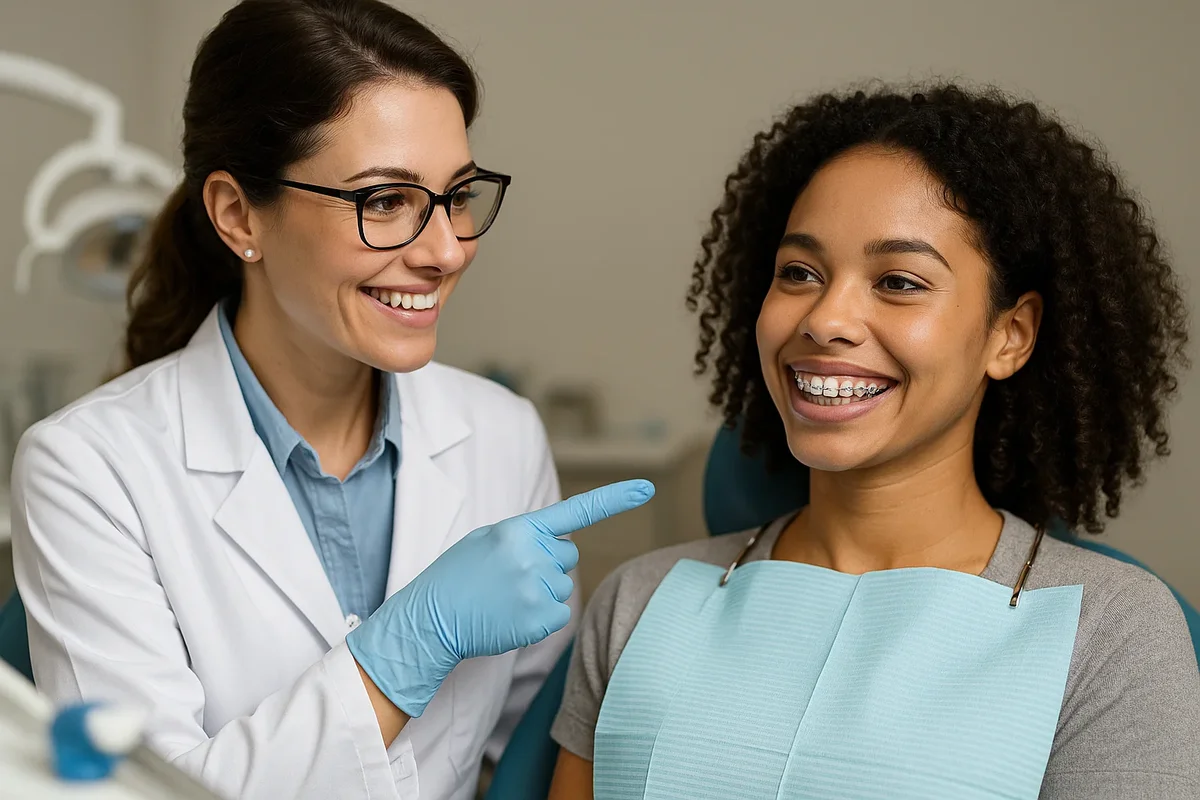
Aftercare and Long-Term Maintenance Recommended by a Dentist for Teeth Straightening
Completing your orthodontic treatment is a major milestone, but maintaining the results requires consistent aftercare. A skilled dentist for teeth straightening provides detailed guidance to ensure your newly aligned smile remains stable, functional, and healthy for many years to come. Teeth naturally attempt to shift back into their original positions due to muscle memory, bite pressure, and daily habits. Therefore, proper post-treatment care is essential to protect the investment you have made in your smile.
In this extensive section, you will learn about retention methods, oral hygiene practices, lifestyle adjustments, long-term dental habits, and follow-up protocols recommended by orthodontic professionals. By following these guidelines closely, you can enjoy a beautifully straight smile that lasts a lifetime.
The Importance of Retainers After Treatment
Retainers are the most crucial component of aftercare. Once braces or aligners are removed, the teeth remain vulnerable to shifting. A trained dentist for teeth straightening will recommend the appropriate retainer type based on your unique dental structure.
Types of Retainers
- Clear removable retainers: Transparent trays worn at night; comfortable and inconspicuous.
- Fixed retainers: Thin wires bonded behind the front teeth to provide continuous support.
- Hawley retainers: Durable acrylic-and-wire appliances commonly used for long-term retention.
Most patients wear retainers nightly for the first year, then transition to a maintenance schedule. Some may need lifelong retainer use to maintain perfect alignment, depending on the complexity of their case.
Oral Hygiene Practices After Straightening
Post-treatment hygiene is essential for preserving the health and appearance of your newly straightened teeth. Proper cleaning prevents plaque accumulation, gum inflammation, and enamel wear.
Daily Oral Care Recommendations
- Brush at least twice daily with a soft-bristled toothbrush
- Floss using threaders or water flossers for improved access
- Use fluoride mouthwash to strengthen enamel
- Clean retainers daily with mild soap or retainer-specific solutions
A consistent hygiene routine helps prevent the staining or tartar buildup that sometimes appears after orthodontic treatment.
Protecting Your Teeth from Grinding and Pressure Habits
Some patients grind their teeth (bruxism) or clench their jaws, especially at night. These habits can cause shifting, enamel wear, and long-term bite imbalance.
How Dentists Manage Grinding Issues
- Custom night guards
- Monitoring bite pressure during check-ups
- Behavioral therapy for severe stress-related clenching
- Jaw relaxation exercises
A knowledgeable dentist for teeth straightening identifies signs of grinding early and recommends appropriate preventive measures.
Maintaining a Healthy Diet to Support Alignment
Your eating habits significantly influence tooth stability after orthodontic treatment. Certain foods apply unnecessary force on teeth or retainers.
Foods to Avoid
- Hard foods like nuts and ice
- Sticky sweets such as caramel or chewing gum
- Chewy foods that strain jaw muscles
- Overly crunchy foods that pressure the front teeth
Foods Encouraged for Oral Health
- Dairy products for calcium and enamel strength
- Leafy greens to support gum health
- High-fiber fruits and vegetables to stimulate saliva flow
- Lean proteins for tissue repair
A well-balanced diet complements the work done by your dentist for teeth straightening, reducing inflammation and protecting your teeth.
Regular Check-Ups and Monitoring
Even after treatment is complete, periodic check-ups are essential. These visits allow your dentist to evaluate retainer fit, gum health, and any early signs of relapse.
What Happens During Maintenance Appointments?
- Assessment of alignment stability
- Evaluation of bite functionality
- Professional cleaning and tartar removal
- Adjustments to retainers if necessary
Most patients schedule follow-up visits every six months, but some cases require more frequent monitoring.
Managing Lifestyle Habits That Affect Alignment
Some daily habits can cause gradual tooth movement, especially during the first few years after treatment.
Habits to Modify
- Using teeth to open bottles or packages
- Nail biting
- Lip or cheek biting
- Chewing on pens or hard objects
By eliminating these behaviors, you support long-term stability and protect your smile.
Addressing Relapse Early
Relapse refers to the shifting of teeth back into misaligned positions. This can happen if retainers are not worn consistently or if underlying bite issues resurface.
How Dentists Handle Relapse
- Refinement aligners for minor shifts
- Retainer adjustments
- Short-term braces for severe cases
- Bite correction appliances if needed
The sooner the issue is addressed, the easier it is to correct. An experienced dentist for teeth straightening provides guidance to prevent relapse from escalating.
Cleaning and Maintaining Your Retainers
Retainers accumulate plaque, bacteria, and debris if not cleaned regularly. Neglecting retainer hygiene can lead to discoloration, odor, and even gum irritation.
Retainer Care Tips
- Clean daily with gentle soap and lukewarm water
- Avoid boiling water that can deform plastic retainers
- Store retainers in a ventilated case
- Replace worn or cracked retainers promptly
Proper retainer care ensures both hygiene and alignment stability.
When to Contact Your Dental Clinic
Patients should reach out to their dental provider if they notice discomfort, shifting teeth, retainer damage, gum bleeding, or bite imbalance. Early intervention is key to protecting your long-term results.
For personalized aftercare assistance, you may schedule an appointment through the Redent Klinik Contact Page.
In conclusion, following the aftercare recommendations of an expert dentist for teeth straightening ensures that your beautifully aligned smile stays healthy, stable, and attractive for life. Through proper retention, hygiene routines, mindful lifestyle choices, and regular check-ups, you can maintain your results confidently and enjoy a radiant smile every day ✨.