
Finding the best dentist for teeth is one of the most important decisions you can make for your oral and overall health. A healthy smile is not just about aesthetics — it reflects your confidence, hygiene, and even your body’s well-being. Choosing the right dental professional means gaining access to personalized care, modern treatment options, and a long-term partner in maintaining your oral health. Whether you need routine check-ups, whitening, fillings, or advanced cosmetic procedures, understanding what makes a great dentist for teeth will help you make the right choice for your needs.
Visiting a dentist for teeth regularly can prevent a range of serious health issues. Oral problems like cavities, gum disease, and tooth decay often develop silently and can affect not only your mouth but also your heart, digestion, and respiratory system. Many people underestimate how connected oral health is to systemic health. Research shows that untreated dental infections can increase inflammation in the body, contributing to cardiovascular disease, diabetes complications, and other chronic conditions. Therefore, the best dentist for teeth is not just fixing teeth — they are improving your quality of life.
When selecting a dentist for teeth, one of the main factors to consider is experience and specialization. A highly trained dental professional should be skilled in preventive, restorative, and cosmetic dentistry. Preventive care includes cleaning, fluoride treatments, and education on proper brushing techniques. Restorative procedures focus on fixing damaged teeth, using fillings, crowns, or implants. Cosmetic dentistry, on the other hand, enhances your smile through whitening, veneers, and orthodontic treatments. The combination of these areas ensures comprehensive oral health care that addresses both appearance and function.
Another crucial aspect of finding a trusted dentist for teeth is technology. Modern dental clinics use digital X-rays, 3D imaging, and computer-assisted design to diagnose problems with precision. This advanced technology helps detect cavities or jaw issues early and allows for more accurate treatment planning. For instance, digital impressions replace messy molds and provide a more comfortable experience for patients. Laser dentistry is also becoming popular because it allows for less invasive procedures, faster healing, and reduced discomfort. If your dentist is keeping up with the latest advancements, it’s a strong sign that they prioritize both safety and results.
Patient communication and comfort are equally vital when evaluating a dentist for teeth. A good dentist takes time to explain treatment options, answer questions, and build trust with patients. Fear and anxiety about dental visits are common, but a caring approach makes a significant difference. From soothing environments to gentle procedures, modern dental practices now emphasize creating a relaxing experience. Clinics such as Redent Klinik Contact Page are known for combining high-quality care with patient-centered comfort, making them a top choice for those looking for compassionate dental services abroad.
When it comes to oral hygiene advice, a professional dentist for teeth offers guidance that goes beyond brushing and flossing. They teach you about diet, habits, and lifestyle choices that directly affect your teeth and gums. For example, reducing sugar intake and quitting smoking can drastically improve oral health. Regular cleanings help remove plaque and tartar that daily brushing cannot reach. Your dentist also checks for early signs of oral cancer, infections, and gum inflammation. This preventive approach ensures that small issues don’t turn into expensive or painful treatments later.
The credibility of your dentist for teeth is also reflected in their certifications and memberships. A reputable professional should ideally be affiliated with recognized organizations like the American Dental Association. Such associations require their members to follow strict ethical and professional standards. Being part of these groups shows commitment to continuous education and quality patient care. Always check for credentials, clinic reviews, and before-and-after photos of treatments before scheduling an appointment. This research guarantees that you are placing your trust in capable hands.
Beyond skill and technology, affordability is a factor many patients consider when choosing a dentist for teeth. Dental costs can vary based on country, clinic, and procedure type. However, investing in preventive care saves money in the long run by avoiding major surgeries or replacements. Some clinics offer dental tourism packages combining affordable treatment with travel options — especially in places like Turkey, which has become a top destination for international dental patients. These clinics maintain world-class standards while offering prices far below those in the U.S. or Western Europe.
In conclusion, selecting the best dentist for teeth involves balancing expertise, technology, trust, and affordability. Your dentist should not just repair teeth but guide you toward lifelong oral wellness. By choosing a qualified and caring dental professional, you ensure that your smile remains bright, healthy, and confident for years to come. So don’t wait for pain or discomfort to arise — make regular dental visits a priority and start building a partnership that benefits your health, appearance, and happiness. 🦷✨
Why Choosing the Right Dentist for Teeth Matters 🦷
Selecting the right dentist for teeth is not just a matter of convenience — it’s a crucial decision that impacts your oral health, confidence, and even overall well-being. A skilled dental professional ensures early detection of potential issues, personalized care, and access to advanced treatments that preserve your natural smile. Whether you need preventive cleanings, cosmetic enhancements, or restorative work, the right dentist for teeth provides a foundation for long-term oral success.
The Connection Between Oral Health and Overall Health
Your mouth is the gateway to your body, and what happens there affects your entire system. A qualified dentist for teeth understands that oral health isn’t isolated — it’s deeply connected to cardiovascular health, digestion, immunity, and even mental wellness. Studies have revealed that gum disease (periodontitis) can increase the risk of heart disease, stroke, and diabetes. Inflammation caused by untreated dental infections may circulate harmful bacteria through the bloodstream, affecting vital organs. This is why seeing a dentist for teeth regularly is essential for maintaining total body balance.
Preventing Serious Health Complications
Regular visits to your dentist for teeth can prevent complications before they escalate. Conditions like cavities and gingivitis can often go unnoticed until they cause pain or damage. However, an experienced dental professional identifies these problems early and intervenes with minimal treatment. Preventive measures such as fluoride application, dental sealants, and professional cleanings reduce the risk of decay and infection. This proactive approach is far less invasive and costly compared to emergency treatments that may require root canals, crowns, or implants later on.
The Psychological and Social Benefits of a Healthy Smile 😁
Beyond physical health, choosing the right dentist for teeth also enhances your self-esteem and emotional well-being. A bright, confident smile plays a huge role in social interactions, first impressions, and professional success. People who feel self-conscious about their teeth often hide their smiles, which can impact relationships and mental health. By working with a caring dental professional, you gain access to whitening, alignment, and cosmetic procedures that restore not only your teeth but your confidence. A smile makeover can be life-changing — improving your appearance, communication, and even mood.
Customized Care for Every Patient
A great dentist for teeth doesn’t offer a one-size-fits-all approach. Each patient’s needs are unique based on age, oral structure, and health history. Personalized treatment plans are built after thorough evaluations, X-rays, and discussions about lifestyle and goals. For instance, a child might need orthodontic guidance, while an adult may benefit from gum therapy or dental implants. Senior patients often require specialized care for bone density and prosthetics. This level of customization ensures the most effective and comfortable dental experience possible.
Technology: A Key Factor in Modern Dentistry
The best dentist for teeth embraces technology to provide accurate diagnoses and efficient treatments. Modern clinics use digital imaging, 3D scanners, and laser tools to detect and treat issues with precision. These technologies eliminate guesswork, minimize pain, and speed up recovery times. For example, digital X-rays expose patients to significantly less radiation, while laser therapy helps treat gum disease without the need for invasive surgery. Advanced equipment also enables same-day restorations, allowing patients to receive crowns or veneers in a single visit. This innovation makes oral care not only effective but also convenient.
Building Trust and Comfort Through Communication
Trust is fundamental when choosing a dentist for teeth. Dental anxiety is one of the most common reasons people delay care. A professional who listens, explains each procedure clearly, and ensures patient comfort can transform that fear into confidence. Clinics such as Redent Klinik Contact Page emphasize communication, empathy, and transparency. They take time to discuss treatment options, expected outcomes, and payment plans so patients feel fully informed. This openness fosters long-term relationships built on respect and understanding.
Credentials and Ethical Standards
Another key reason why choosing the right dentist for teeth matters lies in professional credibility. Reputable dentists are licensed, certified, and often members of respected organizations such as the American Dental Association. These affiliations hold practitioners to strict ethical and quality standards, ensuring safe and effective treatment. Additionally, continuing education requirements keep dentists updated on new research, tools, and best practices. Patients can feel confident knowing their oral health is in the hands of a professional committed to excellence.
Affordability Without Compromising Quality
Cost is an understandable concern when choosing a dentist for teeth, but affordability doesn’t have to mean sacrificing quality. Many clinics provide transparent pricing, flexible payment options, and treatment packages that make top-tier dental care accessible. Dental tourism has also gained popularity, with countries like Turkey offering world-class care at significantly lower prices. Patients traveling for procedures can save up to 70% on treatments like implants, veneers, and crowns without compromising on safety or standards. Investing in preventive care, rather than waiting for problems to worsen, also reduces long-term expenses.
Long-Term Impact on Oral and General Well-Being
The benefits of selecting the right dentist for teeth extend far beyond immediate treatment. Consistent professional care prevents chronic pain, tooth loss, and infections that could otherwise affect eating, speech, and appearance. Moreover, maintaining healthy teeth supports proper digestion and nutrient absorption. Regular checkups also help detect systemic conditions — such as diabetes or vitamin deficiencies — that may first appear as oral symptoms. In essence, your dentist acts as a partner in preserving not only your smile but your entire health ecosystem.
In summary, choosing the right dentist for teeth is about finding someone who combines skill, technology, empathy, and ethics. It’s about ensuring your mouth — and by extension, your body — receives the best possible care. Don’t settle for less when it comes to your smile. Invest in a trusted dental professional who prioritizes prevention, precision, and your peace of mind. Because a healthy smile isn’t just beautiful — it’s a reflection of a healthy life. 🌟
Common Dental Problems That Need a Professional Dentist
Many people underestimate the importance of regular visits to a dentist for teeth until pain or visible damage occurs. However, most oral issues begin silently and gradually worsen over time. Cavities, gum disease, bad breath, sensitivity, and misalignment are just a few of the common dental problems that require professional attention. Ignoring these issues can lead to chronic pain, tooth loss, and even systemic health conditions. This section will help you understand the most common dental problems and why timely treatment from a qualified dentist for teeth is essential for lasting oral health.
Tooth Decay: The Silent Destroyer
Tooth decay is one of the most widespread dental issues across the globe. It occurs when bacteria in your mouth produce acids that erode the enamel — the hard outer layer of your teeth. Without proper treatment from a dentist for teeth, decay can progress deeper, reaching the dentin and pulp, causing pain and infection. Brushing and flossing help reduce risk, but professional cleaning is crucial to remove tartar buildup that cannot be eliminated at home. Your dentist may also apply fluoride or sealants to strengthen your enamel and protect against future decay. Untreated cavities can eventually lead to root canals or extractions, making early intervention vital.
How a Dentist Diagnoses and Treats Decay
During a dental checkup, a dentist for teeth uses X-rays and special tools to detect cavities before they become severe. Small cavities are typically treated with fillings, while deeper decay may require crowns or root canal therapy. In advanced cases, when a tooth cannot be saved, extraction followed by an implant or bridge may be necessary. Modern dental techniques ensure that these procedures are comfortable and pain-free, allowing patients to restore both function and aesthetics effectively.
Gum Disease (Periodontal Problems)
Gum disease starts as gingivitis — inflammation caused by plaque buildup around the gumline. If untreated, it progresses to periodontitis, a more serious condition that can destroy bone and connective tissue supporting the teeth. A professional dentist for teeth can identify early signs such as bleeding gums, bad breath, or receding gum lines. Treatment typically involves deep cleaning, scaling, and root planing to remove bacteria and promote healing. In severe cases, laser or surgical therapy might be needed to restore gum health. Regular cleanings every six months are one of the best defenses against gum disease and its long-term complications.
The Link Between Gum Disease and Overall Health
What many people don’t realize is that gum disease affects more than your mouth. A qualified dentist for teeth understands its connection to systemic health. Studies have linked periodontal infections to heart disease, stroke, and diabetes due to increased inflammation throughout the body. Maintaining gum health through professional care, flossing, and regular checkups not only preserves your smile but also protects your cardiovascular and metabolic systems.
Tooth Sensitivity: Causes and Treatments
Tooth sensitivity can make eating or drinking hot and cold items uncomfortable. It usually occurs when the enamel wears down or gums recede, exposing dentin beneath the surface. Only a dentist for teeth can accurately diagnose the underlying cause. Treatments may include desensitizing toothpaste, fluoride varnishes, bonding agents, or gum grafting for exposed roots. Avoiding acidic foods and using a soft-bristled toothbrush can also help prevent further erosion. Professional dental care not only relieves discomfort but also addresses the root cause to prevent recurrence.
Bad Breath (Halitosis) and Its Hidden Causes 😷
Chronic bad breath is often a sign of deeper issues that need a professional dentist for teeth to identify. It may stem from bacteria on the tongue, gum disease, cavities, or even digestive problems. While mouthwash and mints can temporarily mask odor, they don’t solve the source of the problem. A thorough cleaning and assessment by your dentist can eliminate bacteria and plaque buildup responsible for persistent halitosis. In some cases, the issue may relate to dry mouth, poor diet, or sinus infections — all of which your dentist can help diagnose and manage effectively.
Oral Hygiene and Lifestyle Adjustments
To combat bad breath, a dentist for teeth will recommend brushing your tongue, using antibacterial rinses, and drinking plenty of water. They may also suggest quitting smoking and reducing alcohol intake, as both contribute to dry mouth and odor. By addressing both medical and lifestyle factors, dental professionals help patients maintain fresh breath and healthier gums long-term.
Misaligned Teeth and Bite Problems
Another common issue that requires a dentist for teeth is misalignment. Crooked or crowded teeth can cause speech difficulties, chewing inefficiencies, and jaw pain. They are also harder to clean, increasing the risk of decay and gum disease. Orthodontic treatments such as braces or clear aligners are the most effective solutions. Dentists evaluate bite structure through digital imaging and design a custom alignment plan that gradually shifts teeth into position. Early intervention, especially in children and teenagers, can prevent more serious complications later in life.
Tooth Erosion and Cracked Teeth
Tooth erosion occurs when acid wears away enamel, leading to sensitivity and discoloration. Cracked or chipped teeth, often caused by accidents or teeth grinding, also require immediate attention. A skilled dentist for teeth can restore damaged enamel using bonding, veneers, or crowns, depending on severity. Regular checkups allow dentists to identify micro-cracks before they worsen, preserving your teeth’s strength and appearance.
When to Visit Your Dentist Immediately
Some symptoms indicate an urgent need for professional dental care. Severe pain, swelling, bleeding gums, loose teeth, or facial numbness are all warning signs. Ignoring them can lead to abscesses or systemic infections. If you experience sudden or persistent oral discomfort, contact your local dentist for teeth right away. Clinics such as Redent Klinik Contact Page offer emergency services and comprehensive examinations to provide fast relief and accurate diagnosis.
In conclusion, understanding and addressing common dental problems early ensures lifelong oral health. By visiting a qualified dentist for teeth regularly, you can prevent minor issues from turning into major complications. From cavities to gum disease, your dentist provides expert care, advanced technology, and preventive solutions to keep your smile strong and radiant. Remember, healthy teeth are an investment in your confidence, appearance, and overall wellness — one that’s always worth making. 🌟
How to Find the Best Dentist for Teeth Cleaning and Whitening
Finding the right dentist for teeth cleaning and whitening is essential if you want to maintain a bright, healthy, and confident smile. While brushing and flossing at home are vital, professional dental cleanings and whitening treatments go beyond surface care — they help remove stubborn plaque, prevent gum disease, and eliminate deep stains that regular toothpaste cannot. Choosing a skilled dentist for teeth ensures that your oral hygiene routine is complemented by professional-grade expertise and technology designed to keep your teeth both beautiful and strong.
The Importance of Professional Teeth Cleaning
Even with daily brushing, bacteria and plaque can accumulate in hard-to-reach areas of your mouth. Over time, this buildup hardens into tartar, which cannot be removed without a dental professional’s intervention. A trusted dentist for teeth uses specialized tools such as ultrasonic scalers and polishers to thoroughly clean the enamel surface and gumline. This process prevents tooth decay, gingivitis, and bad breath, all while restoring the natural shine of your teeth. Most dental experts recommend professional cleaning at least twice a year for optimal results.
What Happens During a Dental Cleaning Session
A comprehensive cleaning appointment with a dentist for teeth typically includes an oral examination, scaling, polishing, and flossing. First, the dentist checks for cavities, inflammation, or gum disease. Then, plaque and tartar are removed using precise ultrasonic instruments. After that, the teeth are polished with a gritty paste to remove stains and smooth the surface, followed by expert flossing to clean between teeth. Finally, fluoride treatment may be applied to strengthen enamel and protect against future decay. The entire session is painless, relaxing, and leaves your mouth feeling exceptionally fresh.
Understanding Teeth Whitening Treatments
Teeth whitening is one of the most popular cosmetic procedures offered by a dentist for teeth. Over time, enamel becomes discolored due to coffee, tea, wine, smoking, and certain foods. Whitening treatments remove these stains and lighten the shade of your teeth, giving you a brighter smile. While over-the-counter products exist, professional whitening provides more consistent, longer-lasting, and safer results. A dental expert tailors the procedure to your tooth sensitivity and enamel condition, ensuring the balance between aesthetics and protection.
Types of Whitening Procedures Offered by Dentists
There are several types of whitening options your dentist for teeth may recommend based on your needs:
- In-office whitening: This method uses a high-concentration hydrogen peroxide or carbamide peroxide gel activated by laser or LED light. The results are immediate, often brightening your smile by several shades in just one visit.
- Take-home whitening kits: Custom-fitted trays with dentist-approved gels allow you to whiten your teeth safely at home over one to two weeks. These are more effective and safer than store-bought strips.
- Combination treatments: Some patients benefit from both in-office whitening and at-home maintenance to achieve long-term brightness.
Regardless of the method, your dentist for teeth monitors progress to ensure your gums and enamel remain healthy throughout the process.
How to Choose the Right Dentist for Cleaning and Whitening
Choosing the best dentist for teeth requires careful evaluation. Start by checking credentials, years of experience, and clinic reputation. Look for professionals who are certified by reputable organizations such as the American Dental Association. Reading online reviews, viewing before-and-after photos, and asking about whitening technology can also help you make an informed decision. A trustworthy dental clinic will offer a consultation before treatment to discuss your expectations, tooth shade goals, and any potential risks or sensitivities.
Questions to Ask Before Your Appointment
Before committing to a whitening or cleaning session, it’s smart to ask your dentist for teeth a few key questions:
- What whitening products and equipment do you use, and are they safe for sensitive teeth?
- How long will results last, and how can I maintain them at home?
- What are the total costs involved, and do you offer financing options?
- Will whitening damage my enamel or affect my dental restorations?
These questions help you ensure transparency, safety, and satisfaction throughout your dental journey.
Maintaining Results After Whitening
After your procedure, maintaining your new smile requires consistent care. A qualified dentist for teeth will provide aftercare instructions tailored to your enamel’s needs. Typically, patients should avoid staining foods such as coffee, red wine, and berries for 48 hours after treatment. Using whitening toothpaste and scheduling touch-up appointments every six months helps prolong brightness. Regular cleanings also prevent plaque buildup that can dull the effect of whitening. Hydration, balanced nutrition, and avoiding smoking all contribute to keeping your smile radiant longer.
Cost of Professional Cleaning and Whitening
The cost of visiting a dentist for teeth varies by region and service type. On average:
- Basic cleaning: $80 – $150
- Deep cleaning (scaling and root planing): $200 – $400
- In-office laser whitening: $300 – $600 per session
- Take-home professional kits: $150 – $300
While these treatments may seem costly, they are long-term investments in your dental health and self-confidence. For more affordable options, clinics such as Redent Klinik Contact Page in Turkey offer world-class dental cleaning and whitening services at highly competitive prices — combining international standards with accessible care.
Benefits of Choosing a Professional Dentist for Whitening
Unlike DIY whitening kits, a professional dentist for teeth ensures safety, precision, and uniform results. Whitening products purchased online can cause gum irritation or enamel damage if misused. Dental professionals customize the gel concentration and application time, ensuring your teeth brighten evenly without sensitivity. They also check for underlying dental issues, such as cracks or gum recession, before beginning treatment — preventing complications that could arise from unsupervised whitening.
In summary, selecting the right dentist for teeth for cleaning and whitening is one of the smartest decisions you can make for your oral health and self-image. A professional cleaning keeps your mouth disease-free, while expert whitening boosts confidence and attractiveness. With the guidance of an experienced dentist, you can enjoy a dazzling smile that reflects health, hygiene, and happiness. Take the next step by scheduling a consultation with a trusted dental clinic — your perfect smile awaits! 😁✨
Advanced Dental Treatments: Implants, Veneers, and More
Modern dentistry has evolved far beyond fillings and cleanings — today, a skilled dentist for teeth can completely transform your smile through advanced treatments such as dental implants, veneers, crowns, and orthodontic procedures. These innovations not only restore function but also enhance aesthetics, giving patients the confidence to smile without hesitation. Choosing the right dentist for teeth ensures that you receive customized, high-quality care using state-of-the-art technology and materials that last for years. In this section, we’ll explore the most popular advanced dental treatments, their benefits, and what to expect during each procedure.
Dental Implants: The Gold Standard for Tooth Replacement
Dental implants are one of the most effective and long-lasting solutions for replacing missing teeth. A professional dentist for teeth surgically places a titanium post into the jawbone, which serves as an artificial root. Once healed, a crown is attached to the implant, creating a natural-looking and fully functional tooth replacement. Unlike dentures, implants don’t slip or cause discomfort, and they prevent bone loss by stimulating the jaw. They’re ideal for individuals missing one or several teeth and can last decades with proper care.
The Implant Procedure Explained
The process of getting dental implants typically involves three stages. First, your dentist for teeth performs a comprehensive evaluation using X-rays and 3D imaging to determine bone density and oral health. If the jawbone is strong enough, the titanium post is surgically implanted. After a healing period (osseointegration) of three to six months, a custom crown or bridge is attached. The result is a permanent, natural-feeling restoration that looks identical to real teeth. For patients with insufficient bone, grafting procedures may be recommended before implant placement to ensure stability and success.
Veneers: The Secret to a Perfect Hollywood Smile 😁
Veneers are thin porcelain or composite shells bonded to the front of your teeth to improve their shape, color, and alignment. A dentist for teeth may recommend veneers if you have discolored, chipped, or slightly misaligned teeth. They are one of the most sought-after cosmetic treatments due to their ability to create an instant smile makeover with minimal invasiveness. Porcelain veneers, in particular, are stain-resistant and reflect light similarly to natural enamel, offering a flawless and realistic result.
The Veneer Application Process
During your initial consultation, your dentist for teeth will assess your smile goals and design a treatment plan. A small amount of enamel is gently removed from the surface of each tooth to make room for the veneer. Next, impressions are taken to fabricate custom veneers in a dental laboratory. Once ready, they are bonded with a special adhesive and light-cured for durability. The entire process usually takes two to three visits, and the results can last 10–15 years with proper maintenance.
Crowns and Bridges: Restoring Strength and Function
Crowns and bridges are essential for restoring damaged or missing teeth. A dentist for teeth uses crowns to cover weakened or fractured teeth, while bridges replace one or more missing teeth by anchoring to adjacent teeth or implants. Modern crowns are made from materials like zirconia, ceramic, or porcelain fused to metal, ensuring both strength and aesthetics. These restorations not only improve appearance but also restore chewing ability and prevent shifting of nearby teeth.
When to Choose Crowns or Bridges
Your dentist for teeth may recommend a crown if your tooth is broken, has undergone a root canal, or is too damaged for a filling. Bridges are ideal when one or more teeth are missing but implants are not an option. Both options are long-lasting and designed to match the natural color of your teeth for a seamless finish. Regular checkups and proper hygiene help ensure their longevity and performance.
Orthodontics: Straightening Teeth for Health and Beauty
Orthodontic treatments go beyond aesthetics — they are crucial for proper bite alignment, speech, and oral hygiene. A dentist for teeth specializing in orthodontics can recommend braces or clear aligners like Invisalign to gradually shift your teeth into their ideal positions. Crooked teeth can trap food particles, increase plaque buildup, and cause jaw strain. Modern orthodontic options are now more comfortable, discreet, and efficient than ever before, allowing patients to achieve perfect alignment without the inconvenience of traditional metal braces.
Benefits of Orthodontic Treatments
Aligning your teeth not only enhances your appearance but also reduces the risk of cavities, gum disease, and jaw pain. Clear aligners, in particular, are popular for their transparency and removability, making oral hygiene easier. A dedicated dentist for teeth will customize your treatment plan to ensure effective, comfortable progress with regular checkups and digital monitoring.
Root Canal Therapy: Saving Natural Teeth
When decay or infection reaches the pulp of a tooth, root canal therapy becomes necessary. Contrary to popular belief, the procedure is painless and highly effective when performed by an experienced dentist for teeth. The infected tissue inside the tooth is removed, the canals are disinfected, and the space is sealed with a biocompatible material. Finally, a crown is placed to protect the tooth and restore its strength. This treatment helps preserve your natural tooth structure and prevents the need for extraction or implants.
Laser Dentistry and Modern Techniques
Laser technology has revolutionized dental treatments by making procedures faster, gentler, and more precise. A technologically advanced dentist for teeth can use lasers for gum contouring, whitening, and decay removal with minimal bleeding and recovery time. Patients experience less discomfort, reduced swelling, and fewer anesthesia requirements. This modern approach demonstrates how innovation continues to enhance both the efficiency and comfort of dental care.
Full-Mouth Restoration and Smile Design
For patients with extensive damage, wear, or multiple missing teeth, a dentist for teeth may recommend a full-mouth restoration. This comprehensive plan combines several treatments — such as implants, veneers, and crowns — to restore function and aesthetics. Using digital imaging, dentists can create 3D smile simulations, allowing patients to preview results before treatment begins. This approach ensures that the final outcome harmonizes with facial features, bite balance, and natural proportions for a radiant, healthy smile.
In summary, advanced dental treatments have made it possible for anyone to achieve a strong, attractive smile regardless of age or dental history. With the guidance of an expert dentist for teeth, patients can choose from a wide range of restorative and cosmetic procedures tailored to their goals. Whether you’re replacing missing teeth, correcting alignment, or enhancing your appearance, modern dentistry offers safe, effective, and long-lasting results. For high-quality care at affordable prices, clinics like Redent Klinik Contact Page provide comprehensive solutions in a comfortable and professional environment. 🌟
What to Expect During Your First Visit to a Dentist for Teeth
Visiting a dentist for teeth for the first time can feel intimidating for many people. However, understanding what happens during your appointment helps you feel relaxed, informed, and confident about your dental care. A first dental visit is not just about cleaning your teeth — it’s about evaluating your overall oral health, identifying potential issues early, and creating a personalized plan for long-term wellness. The goal of your dentist for teeth is to build a trusting relationship and provide you with the knowledge and tools to maintain a healthy, radiant smile.
The Initial Consultation and Medical History
When you arrive for your first appointment, your dentist for teeth will start by gathering essential information about your health. This includes reviewing your medical history, lifestyle habits, medications, and any previous dental treatments. Conditions such as diabetes, hypertension, or pregnancy can affect your oral health, so sharing this information helps the dentist tailor your care. You’ll also have the opportunity to discuss any concerns, pain, or aesthetic goals — whether it’s whitening, alignment, or tooth replacement. This open dialogue ensures a customized experience from the start.
Understanding Your Dental Goals
A professional dentist for teeth takes time to understand what you expect from dental care. Some patients want preventive maintenance, while others seek cosmetic improvements or full restorations. This conversation helps the dentist determine priorities — whether that’s treating sensitivity, addressing gum health, or planning for orthodontic adjustments. Clear communication ensures that both you and your dentist work toward the same goal: a comfortable, functional, and beautiful smile.
Comprehensive Oral Examination
After your consultation, the dentist for teeth conducts a thorough examination of your mouth, gums, and jaw. This step involves checking for cavities, gum disease, loose fillings, bite alignment issues, and early signs of oral cancer. Using mirrors and specialized tools, the dentist carefully inspects every surface of your teeth. They may also measure gum pocket depths to evaluate periodontal health. Early detection of issues like gingivitis or enamel erosion allows for faster, less invasive treatment and prevents more serious problems from developing later on.
Digital Imaging and X-Rays
Modern dental clinics use cutting-edge technology to get a complete view of your oral health. Your dentist for teeth may take digital X-rays or 3D scans to assess bone density, tooth roots, and hidden decay. These images reveal issues that cannot be seen during a regular examination, such as impacted teeth or infections under fillings. The process is quick and safe, exposing patients to minimal radiation. Digital tools also allow your dentist to explain findings visually, helping you understand the condition of your teeth and gums more clearly.
Professional Cleaning and Polishing
Once the examination is complete, your dentist for teeth or hygienist performs a professional cleaning to remove plaque, tartar, and surface stains. This process involves scaling (scraping off hardened buildup), polishing (using a gritty paste to smooth enamel), and flossing to clear any remaining debris. Fluoride treatment may be applied to strengthen enamel and prevent cavities. This deep cleaning helps prevent gum disease and leaves your mouth feeling noticeably fresher and smoother. Many patients find it more comfortable and effective than any home care routine.
Preventive Guidance and Oral Care Tips
After cleaning, your dentist for teeth provides personalized advice on maintaining oral hygiene at home. They may recommend specific toothbrushes, fluoride toothpaste, or flossing techniques tailored to your needs. Nutrition is also discussed — reducing sugar intake, increasing calcium-rich foods, and staying hydrated all play vital roles in dental health. Patients who grind their teeth or have sensitivity may receive tips on mouthguards or desensitizing treatments. This education helps build lifelong habits for a healthy smile.
Discussing Treatment Plans and Costs
Following the examination, your dentist for teeth reviews the findings and outlines any necessary treatments. If cavities, gum problems, or misalignments are detected, the dentist will explain available solutions, timelines, and expected outcomes. A detailed cost estimate is also provided to ensure transparency. Clinics such as Redent Klinik Contact Page are known for offering world-class treatments at affordable prices with clear communication at every step. Whether you need fillings, whitening, or orthodontic care, the goal is to create a practical plan that fits your budget and lifestyle.
Insurance and Payment Options
Your first visit is also the best time to discuss insurance coverage or payment flexibility. A reliable dentist for teeth will help you understand what services are covered under your plan and what out-of-pocket costs to expect. Many clinics offer flexible payment plans, loyalty programs, or discounts for preventive treatments. This level of transparency makes it easier for patients to access care without financial stress.
Overcoming Dental Anxiety and Building Trust 😌
Many people avoid the dentist due to fear or bad past experiences. However, a compassionate dentist for teeth is trained to make your visit stress-free. From the moment you walk in, staff members aim to create a welcoming and calm environment. Some clinics offer sedation options or relaxation techniques to help anxious patients feel comfortable. Establishing trust is key — your dentist will explain each procedure, use gentle techniques, and check on your comfort frequently. This reassurance helps you view dental visits as a positive, health-boosting experience rather than a stressful one.
Follow-Up Appointments and Long-Term Care
Your relationship with your dentist for teeth doesn’t end after the first visit. Regular checkups — typically every six months — ensure that your mouth remains in top condition. Follow-up visits allow the dentist to monitor progress, reinforce hygiene practices, and catch small changes early. Consistency is crucial because oral health maintenance prevents future complications and reduces treatment costs over time. By committing to regular visits, you ensure a healthy, confident smile for life.
In conclusion, your first visit to a dentist for teeth is more than a simple checkup — it’s the beginning of a partnership for lifelong oral health. You’ll gain valuable insights into your dental condition, receive personalized care, and experience professional cleaning that revitalizes your smile. With modern tools, patient-focused communication, and advanced techniques, today’s dental visits are comfortable, efficient, and rewarding. Don’t wait for pain or problems to appear — schedule your appointment today and take the first step toward a brighter, healthier future. 🌟
Tips to Maintain Healthy Teeth Between Dental Visits
Maintaining your oral health doesn’t stop when you leave the dental clinic — it continues with your daily habits and hygiene routines. Even the best dentist for teeth can only do so much if you don’t take care of your mouth at home. By following a consistent, well-structured oral care routine, you can prevent cavities, gum disease, bad breath, and costly dental procedures in the future. This section explores science-backed strategies to keep your smile strong, fresh, and radiant between your visits to a dentist for teeth.
Brush Properly and Consistently
Brushing your teeth twice a day is a fundamental step, but the technique and timing matter just as much as frequency. A professional dentist for teeth recommends brushing for at least two minutes using a soft-bristled toothbrush and fluoride toothpaste. The brush should be held at a 45-degree angle to the gums, moving gently in small circular motions to remove plaque without damaging enamel. Brushing too hard can lead to gum recession and tooth sensitivity, while brushing too quickly leaves bacteria behind. Replacing your toothbrush every three months — or sooner if bristles fray — ensures maximum effectiveness.
Choosing the Right Toothbrush and Toothpaste
Your dentist for teeth can guide you in selecting the most suitable toothbrush and toothpaste for your needs. Electric toothbrushes are often more effective than manual ones because they offer consistent motion and pressure. For toothpaste, fluoride remains essential since it strengthens enamel and protects against decay. People with sensitive teeth may benefit from toothpaste containing potassium nitrate, while those seeking whitening results can choose formulas with mild abrasives. Avoid charcoal or overly gritty products, as they can erode enamel over time.
Don’t Skip Flossing — It’s Just as Important as Brushing
Brushing cleans the surfaces of your teeth, but flossing reaches the spaces between them where plaque and food particles accumulate. A dentist for teeth will emphasize that daily flossing reduces the risk of cavities and gum disease by disrupting bacteria colonies. The correct technique involves using about 18 inches of floss, wrapping it around your fingers, and gently sliding it between teeth with a C-shaped motion. If traditional floss feels difficult, interdental brushes or water flossers can be effective alternatives. The key is consistency — even one missed day allows bacteria to multiply rapidly.
Flossing for Different Dental Conditions
Your dentist for teeth may suggest specific flossing tools depending on your dental condition. Patients with braces can use orthodontic floss threaders, while those with dental implants benefit from wider floss or water flossing systems. For sensitive gums, soft floss or silicone-tipped interdental cleaners can prevent irritation while keeping the spaces clean. These personalized recommendations ensure both comfort and effectiveness in your daily routine.
Watch Your Diet: Eat for Stronger Teeth 🥦
Diet plays a critical role in oral health. A balanced diet supports both your teeth and gums, while excessive sugar and acids promote decay. A qualified dentist for teeth often advises reducing sugary snacks, soft drinks, and sticky candies, which feed harmful bacteria. Instead, focus on nutrient-rich foods like leafy greens, yogurt, cheese, nuts, and lean proteins that promote saliva production and enamel remineralization. Crunchy fruits and vegetables such as apples and carrots naturally clean tooth surfaces and stimulate gums, enhancing circulation and protection.
The Role of Vitamins and Minerals
Strong teeth require essential vitamins and minerals, particularly calcium, phosphorus, and vitamin D. A dentist for teeth may recommend incorporating dairy products, tofu, almonds, and fish into your diet. Vitamin D helps the body absorb calcium efficiently, while vitamin C strengthens gums and connective tissues. Deficiencies in these nutrients can lead to weak enamel, gum bleeding, and slow healing after dental procedures. Staying hydrated also plays a major role — water flushes away bacteria and neutralizes acids in your mouth.
Avoid Harmful Habits
Even if you brush and floss regularly, certain habits can undermine your dental health. Smoking, excessive alcohol consumption, and nail-biting are some of the worst offenders. According to every experienced dentist for teeth, smoking not only stains teeth but also increases the risk of oral cancer and gum disease by reducing blood flow to the gums. Similarly, chewing ice or using teeth as tools can chip enamel and cause fractures. By eliminating these habits, you safeguard both your teeth’s appearance and structural integrity.
Protecting Teeth from Grinding and Sports Injuries
Many people grind their teeth during sleep or physical activity without realizing it. This can lead to enamel wear, jaw pain, and even cracked teeth. A dentist for teeth can design a custom night guard or sports mouthguard to protect your teeth. These protective devices act as barriers, absorbing shock and preventing long-term damage. Custom-fit options are far more comfortable and effective than store-bought ones, ensuring consistent use and better sleep quality for those affected by bruxism (teeth grinding).
Regular Checkups and Professional Cleanings
Even if you maintain excellent home care, seeing your dentist for teeth at least twice a year is vital. Routine checkups allow early detection of decay, misalignment, or gum issues. Professional cleanings remove tartar that brushing cannot, ensuring your oral health stays at its peak. Skipping appointments can allow small issues to develop into serious ones — leading to higher costs and more complex treatments later. Clinics like Redent Klinik Contact Page offer preventive packages designed to keep your smile bright and your mouth healthy year-round.
Hydration, Saliva, and Oral pH Balance
Saliva is your mouth’s natural defense system. It neutralizes acids, delivers minerals to enamel, and helps wash away food particles. A dentist for teeth will emphasize drinking plenty of water throughout the day to maintain saliva production. Avoiding excessive caffeine or alcohol helps too, as both cause dehydration and dry mouth. Chewing sugar-free gum after meals can stimulate saliva flow, maintaining a balanced oral environment that discourages bacterial growth and cavities.
In conclusion, maintaining healthy teeth between dental visits is about consistency, awareness, and smart lifestyle choices. By brushing and flossing correctly, eating a balanced diet, and avoiding harmful habits, you can dramatically reduce your risk of dental issues. Partnering with a reliable dentist for teeth ensures that your efforts are reinforced by professional expertise, advanced cleaning, and preventive care. A strong, gleaming smile is built daily — with every brushstroke, healthy meal, and mindful decision you make. 🌿🦷
Understanding the Cost: How Much Does a Dentist for Teeth Charge?
When it comes to oral health, one of the most common questions people ask is, “How much does a dentist for teeth charge?” The answer varies depending on several factors such as location, treatment complexity, technology used, and the dentist’s expertise. Understanding the cost of dental care helps you plan ahead, avoid surprises, and make informed decisions about your oral health. A qualified dentist for teeth should always be transparent about pricing, explaining what each procedure involves and why it’s necessary. This section provides a detailed breakdown of common dental costs, factors that influence pricing, and tips for managing expenses without compromising quality.
Factors That Affect Dental Treatment Costs
Every dentist for teeth bases treatment prices on a combination of clinical, geographical, and material factors. For instance, urban clinics with advanced technology and highly experienced professionals may charge more than smaller rural practices. Other cost determinants include the type of procedure, duration, and whether special anesthesia or lab work is required. Insurance coverage and preventive habits also play a significant role in the final bill. Understanding these elements helps patients evaluate whether they are receiving fair and reasonable pricing for their care.
1. Location and Clinic Overheads
The location of your dentist for teeth heavily impacts costs. Dental clinics in major cities or upscale areas typically have higher rent and equipment expenses, which are reflected in their pricing. On the other hand, dental tourism destinations — such as Turkey or Thailand — offer comparable quality at significantly reduced rates. Many international patients now travel to clinics like Redent Klinik Contact Page for affordable treatments performed by certified specialists using advanced European technology.
2. Type and Complexity of Treatment
Different treatments have widely varying costs. For example, cleaning and checkups are inexpensive preventive services, while restorative and cosmetic procedures require more time, materials, and expertise. A dentist for teeth performing simple fillings may charge a fraction of what is needed for implants or veneers. The number of teeth treated, the severity of decay, and the need for anesthesia all affect the total cost.
Average Costs of Common Dental Treatments
While exact pricing depends on your location and provider, the following are typical cost ranges offered by a professional dentist for teeth:
- Dental cleaning and checkup: $80 – $150 per session
- Tooth filling (composite): $100 – $250 per tooth
- Root canal treatment: $300 – $800 depending on the tooth
- Tooth extraction: $120 – $300 for simple extractions, up to $600 for surgical
- Dental crown: $800 – $1,500 (ceramic or zirconia options cost more)
- Dental implant: $1,500 – $3,000 per tooth
- Teeth whitening: $250 – $600 per session
- Veneers: $900 – $2,000 per tooth
- Orthodontic treatment (braces or aligners): $3,000 – $8,000 depending on duration
Patients who travel abroad for dental tourism may pay 50–70% less for the same treatments, thanks to lower operational costs. That’s why many people seeking affordable yet reliable care prefer internationally accredited clinics in countries with strong medical reputations.
How Dental Insurance Impacts Costs
A major factor that affects how much you pay is whether your dentist for teeth accepts dental insurance. Insurance typically covers preventive services like cleanings, exams, and X-rays, while restorative or cosmetic treatments may only be partially covered or excluded. For instance, a root canal may be reimbursed up to 80%, but whitening and veneers are usually classified as elective. Understanding your plan’s deductible, co-payments, and annual maximums prevents financial surprises and helps you plan treatments strategically across calendar years to maximize benefits.
Tips for Using Dental Insurance Wisely
To make the most of your coverage, ask your dentist for teeth to submit pre-authorization forms for major procedures. This ensures your insurer approves costs before treatment begins. You should also verify whether your policy covers digital diagnostics, fluoride treatments, or orthodontic retainers, as these may vary by provider. If you’re uninsured, ask about cash discounts or payment plans that allow you to spread costs over time.
Financing and Payment Options
Not everyone has insurance, but most clinics work to make dental care accessible. A trustworthy dentist for teeth will offer several payment options such as credit card payments, in-house financing, or partnerships with healthcare credit services. Some even provide loyalty programs or discounts for preventive visits. Clinics catering to international patients may offer package deals combining multiple treatments at reduced rates. Transparent communication about these options ensures patients receive necessary care without financial strain.
Dental Tourism: Affordable Quality Abroad 🌍
Dental tourism has become a major trend for patients seeking premium results at budget-friendly prices. A reputable dentist for teeth in Turkey, for example, can perform high-quality procedures like implants and veneers using European-certified materials at a fraction of Western prices. Clinics such as Redent Klinik Contact Page provide comprehensive travel assistance, multilingual staff, and internationally accredited standards, making them a preferred choice for global patients. Many patients combine treatment with a vacation, further enhancing the experience and value.
Why Cheap Isn’t Always Better
While affordability is important, choosing the lowest-priced option without verifying credentials can lead to long-term problems. A reliable dentist for teeth should use biocompatible materials, maintain strict hygiene protocols, and provide clear aftercare instructions. Poor-quality treatments can result in complications like infection, crown failure, or gum damage — costing more to fix later. Always research the dentist’s qualifications, clinic reviews, and material sources before committing to any dental procedure.
Getting the Best Value for Your Money
The best way to ensure you get fair pricing is to combine preventive care with smart financial planning. Regular visits to a dentist for teeth for checkups and cleanings can save thousands in the long term by preventing serious issues that require surgery or prosthetics. Many dentists also offer free consultations or discounted first visits to encourage patients to prioritize oral health. Choosing a clinic that values transparency, quality, and patient satisfaction guarantees the highest return on your investment — a healthy, confident smile that lasts a lifetime.
In conclusion, understanding how much a dentist for teeth charges helps you make wise, budget-conscious decisions about your oral care. Costs depend on the procedure, technology, and clinic reputation, but prioritizing experience and safety is essential. Whether you choose a local professional or explore affordable international options, remember that your smile is a long-term investment — one that reflects your confidence, health, and self-esteem. 🌟
Choosing the Right Dentist for Teeth: Step-by-Step Guide
Finding the perfect dentist for teeth can feel overwhelming, especially with so many options available both locally and abroad. Your oral health deserves a trusted professional who combines experience, empathy, and advanced technology. Whether you’re seeking preventive care, cosmetic enhancement, or restorative solutions, choosing wisely can make a world of difference. This section offers a step-by-step guide on how to evaluate and select the ideal dentist for teeth for your long-term oral health and overall well-being.
Step 1: Research and Credentials
Before making an appointment, take time to research potential dental professionals. A qualified dentist for teeth should hold valid licenses, degrees, and certifications recognized by national or international dental boards. Look for affiliations with respected organizations such as the American Dental Association or equivalent bodies in your country. These associations ensure that dentists maintain high standards of ethics, safety, and continuous education. Many clinics also display certifications, awards, or accreditation seals — all of which signify professionalism and credibility.
Checking Educational Background and Specialization
Each dentist for teeth may specialize in different areas such as orthodontics, periodontics, implantology, or cosmetic dentistry. If you need advanced treatments like veneers, implants, or full-mouth restorations, ensure your dentist has the proper specialization and experience. Reviewing the educational background — including universities attended and additional training — gives insight into their expertise level. Clinics that invest in ongoing education and cutting-edge technologies tend to provide safer and more effective results.
Step 2: Read Reviews and Patient Testimonials
Patient feedback provides real-world insight into a dentist for teeth’s reliability and service quality. Browse independent review platforms, clinic websites, or Google Business listings to understand others’ experiences. Look for consistent comments on professionalism, cleanliness, communication, and treatment results. Video testimonials or before-and-after photos can also help assess the clinic’s capabilities. Be cautious if you encounter overwhelmingly positive reviews without substance or repeated negative feedback about the same issues — both can signal red flags.
Ask for Personal Recommendations
Sometimes, the best way to find a trustworthy dentist for teeth is through word of mouth. Ask family, friends, or coworkers for recommendations. If someone has a smile you admire, don’t hesitate to ask where they got their dental work done. Personal referrals often lead to discovering hidden gems — dentists who combine expertise with personalized care and patient comfort.
Step 3: Evaluate Technology and Clinic Facilities
A modern, well-equipped clinic reflects the quality of care you can expect. A top-tier dentist for teeth invests in advanced technologies such as digital X-rays, 3D imaging, laser tools, and CAD/CAM systems. These innovations allow for more accurate diagnostics, faster procedures, and minimally invasive treatments. When you visit a clinic, observe hygiene practices, staff professionalism, and overall environment. The best dental centers maintain strict sterilization protocols, calming atmospheres, and friendly support staff who prioritize your comfort.
Comfort and Environment Matter
Dental anxiety is common, and a patient-centered dentist for teeth understands this well. Clinics that offer sedation options, ergonomic chairs, soothing music, or even aromatherapy create a more relaxing experience. Feeling at ease during treatment reduces stress and improves results. High-quality clinics go beyond technical excellence — they care about your emotional comfort too. 🦷✨
Step 4: Communication and Transparency
Effective communication is essential to building trust with your dentist for teeth. During your first consultation, note whether the dentist listens attentively, answers questions clearly, and explains treatment options in detail. Transparency about procedures, expected outcomes, and costs is a hallmark of ethical practice. Beware of clinics that push unnecessary treatments or use confusing medical jargon. A professional dentist will outline a clear plan, complete with benefits, potential risks, and post-treatment expectations.
Language and Accessibility for International Patients
For those considering dental tourism, communication becomes even more important. A good dentist for teeth who caters to international patients should offer multilingual support and translation assistance. Clinics like Redent Klinik Contact Page provide English-speaking staff and detailed treatment plans so patients can feel confident and informed throughout the process. This accessibility is vital for ensuring a smooth, stress-free experience abroad.
Step 5: Compare Pricing and Value
Price should never be the only deciding factor, but understanding the cost structure helps avoid overpaying. A trustworthy dentist for teeth provides detailed quotations upfront, breaking down each component — consultation, lab work, anesthesia, and follow-up care. Compare these estimates with other clinics to gauge industry standards. Remember, high prices don’t always equal superior quality, and low prices shouldn’t come at the expense of safety or materials. Focus on finding balance: fair pricing paired with proven expertise.
Insurance and Financing Options
In addition to affordability, ask whether the dentist for teeth accepts insurance or offers flexible payment options. Many clinics partner with insurance providers or offer monthly installment plans, making high-quality dental care more accessible. For cosmetic procedures not covered by insurance, such as whitening or veneers, financing programs can spread costs over manageable periods. Financial flexibility allows patients to prioritize health without unnecessary stress.
Step 6: Assess Aftercare and Support Services
Reliable aftercare is one of the most overlooked but essential aspects of selecting a dentist for teeth. Post-treatment follow-ups, cleaning schedules, and personalized maintenance advice ensure your results last longer. For surgical or cosmetic procedures, your dentist should provide written aftercare instructions, check-in calls, or follow-up appointments. Clinics offering warranties on dental work — such as implants or crowns — demonstrate confidence in their craftsmanship and commitment to long-term patient satisfaction.
Emergency and Remote Support
Emergencies can happen unexpectedly, whether it’s a cracked filling or post-surgery pain. A reputable dentist for teeth offers accessible emergency contact lines or same-day appointments. For international patients, remote video consultations or digital follow-ups can ensure quick support even after returning home. This proactive care builds trust and strengthens the patient-dentist relationship.
Step 7: Visit the Clinic for an In-Person Evaluation
Finally, schedule a consultation to experience the clinic firsthand. Meeting your dentist for teeth in person gives you a sense of their demeanor, communication style, and professionalism. Use this opportunity to ask questions, tour the facility, and review treatment plans. Trust your instincts — if you feel comfortable, understood, and respected, you’ve likely found the right fit. On the other hand, if you sense hesitation or unclear responses, keep exploring other options.
In conclusion, selecting the right dentist for teeth is a blend of research, observation, and intuition. Focus on credentials, transparency, patient care, and technology when making your decision. A great dentist doesn’t just fix teeth — they become a lifelong partner in maintaining your health, confidence, and smile. By following these steps, you ensure that your dental experience is safe, comfortable, and truly rewarding. 🌟
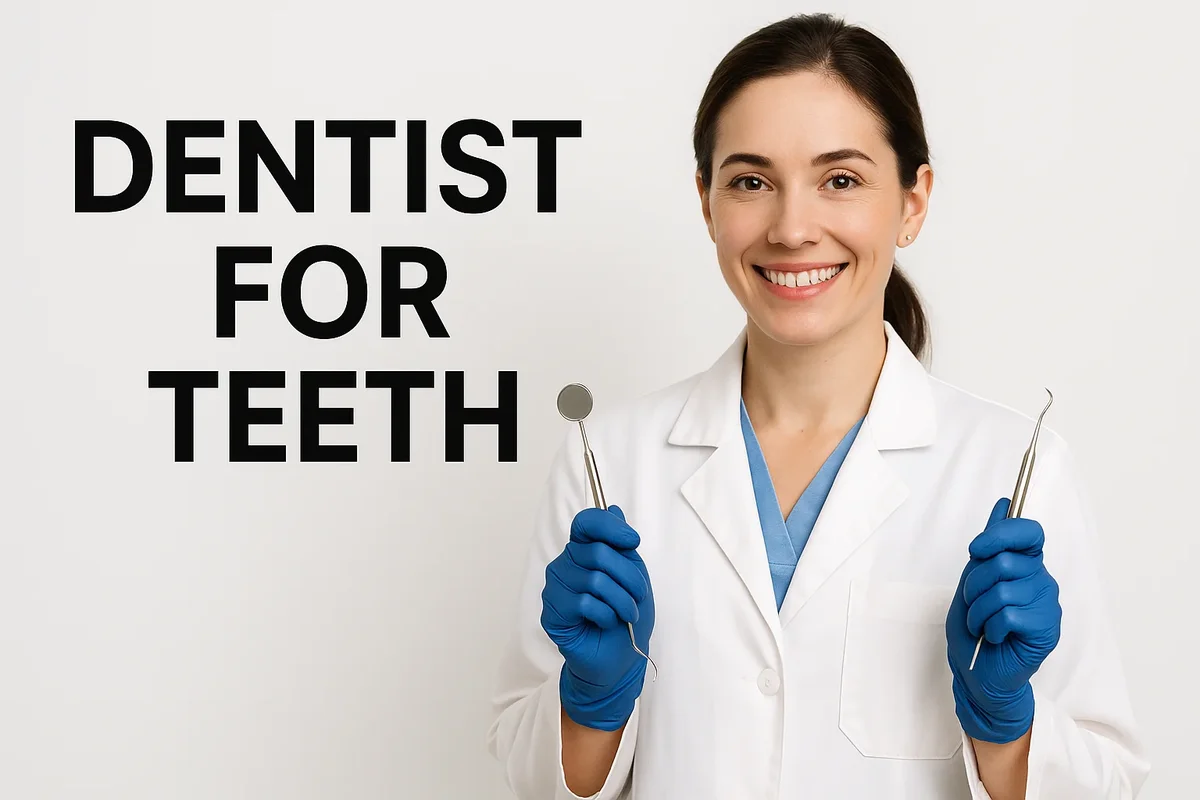
Modern Innovations in Dentistry: How Technology Is Transforming the Dentist for Teeth Experience
Over the last decade, dental technology has undergone a remarkable evolution, changing the way patients experience treatment and recovery. Today’s dentist for teeth combines medical expertise with cutting-edge digital tools to provide more accurate diagnoses, less invasive procedures, and faster healing times. From 3D imaging to laser dentistry and artificial intelligence (AI), these innovations are revolutionizing oral health care and setting new standards of comfort and precision. Understanding how technology impacts dental care helps patients make informed choices and appreciate the value behind modern dental services.
Digital Dentistry: Precision at Every Step
The foundation of modern dental innovation lies in digital dentistry — the integration of advanced imaging, scanning, and modeling systems. A professional dentist for teeth now uses 3D scanners and CAD/CAM (Computer-Aided Design and Manufacturing) systems to design crowns, bridges, and veneers with near-perfect accuracy. This technology replaces messy physical impressions, reducing patient discomfort while ensuring superior fit and aesthetics. Digital models also allow dentists to simulate treatment outcomes before beginning, giving patients a visual preview of their new smile.
Advantages of Digital Impressions
With the help of digital scanners, a dentist for teeth can capture thousands of images per second to create a detailed 3D representation of your mouth. These impressions are faster, cleaner, and more comfortable than traditional molds. Furthermore, digital data can be securely shared with dental labs instantly, cutting down on waiting time and minimizing the risk of human error. Patients experience smoother treatment processes, and results tend to be more predictable and durable.
Laser Dentistry: Painless and Efficient Treatments 🔦
Laser technology has transformed how a dentist for teeth performs both cosmetic and restorative procedures. Dental lasers emit concentrated light energy that can precisely remove or reshape tissue without the need for drills or scalpels. They are commonly used for cavity detection, gum reshaping, whitening, and even root canal sterilization. The biggest advantage of laser dentistry is its minimally invasive nature — treatments often require little to no anesthesia, cause less bleeding, and promote faster recovery.
Applications of Laser Technology
A qualified dentist for teeth may use lasers in several areas of oral care:
- Soft tissue lasers for gum contouring and periodontal therapy
- Hard tissue lasers for removing decay and preparing teeth for fillings
- Whitening lasers to activate bleaching agents more effectively
- Diagnostic lasers for early cavity detection before visible decay appears
These advancements allow for quicker, more precise, and comfortable treatment experiences. Patients who once feared dental drills now find laser dentistry a calm and nearly pain-free alternative.
AI and Machine Learning in Dental Diagnosis
Artificial intelligence is rapidly becoming a game-changer for the modern dentist for teeth. AI-powered software analyzes dental X-rays and scans, detecting potential problems like cavities, bone loss, or oral cancer signs earlier than the human eye might catch. Machine learning continuously improves diagnostic accuracy as it processes thousands of clinical cases. This means more reliable results and fewer overlooked issues. For patients, this translates to earlier intervention, reduced costs, and better long-term outcomes.
AI-Assisted Treatment Planning
A technologically advanced dentist for teeth can use AI to create personalized treatment plans that optimize both function and aesthetics. Algorithms simulate various outcomes for orthodontic aligners, implant placements, or veneer designs before procedures even begin. This predictive modeling helps minimize complications and ensures that patients receive results perfectly tailored to their facial symmetry and bite structure. AI also supports digital communication between clinics and labs, streamlining coordination and ensuring faster delivery of results.
Teledentistry: Accessible Care from Anywhere 🌍
Telemedicine has extended to dental care through teledentistry — an innovation allowing patients to consult with their dentist for teeth remotely. Using secure video platforms, patients can discuss symptoms, receive preliminary assessments, and even follow up after treatments without visiting the clinic. This has been especially beneficial for individuals living in rural areas or those with mobility issues. Teledentistry enhances accessibility and continuity of care, reducing the need for unnecessary in-person visits while maintaining professional oversight.
Remote Monitoring and Virtual Consultations
Modern dentist for teeth clinics now offer remote monitoring tools, allowing patients to send oral photos or 3D scans through mobile apps. Dentists review progress in real-time and adjust treatments as needed — particularly useful for orthodontic aligner patients. Virtual consultations also save time and travel costs, giving patients expert advice quickly and conveniently. Clinics like Redent Klinik Contact Page have integrated such technology to provide seamless care to international clients, blending precision with global accessibility.
Biocompatible and Eco-Friendly Materials
The demand for safer, more sustainable dental materials has driven innovation in how a dentist for teeth restores and protects smiles. Traditional metals and amalgams are being replaced by biocompatible ceramics, composite resins, and zirconia, which are not only more natural-looking but also environmentally responsible. These materials mimic the translucency of real enamel while being strong enough to withstand years of use. Eco-conscious clinics also adopt recyclable packaging, digital records, and reduced water waste systems to minimize their ecological footprint.
Nanotechnology in Dental Treatments
Nanotechnology is another cutting-edge advancement transforming the work of a dentist for teeth. Nano-sized particles are being used in restorative materials to enhance bonding strength, resist bacteria, and promote enamel regeneration. Nanocomposites and nano-hydroxyapatite toothpaste, for example, help repair microscopic enamel damage, reduce sensitivity, and restore natural gloss to teeth. These innovations promise not just repair but proactive reinforcement for long-lasting oral health.
3D Printing in Modern Dentistry
3D printing is rapidly reshaping how dental prosthetics are produced. A skilled dentist for teeth can design and print custom crowns, surgical guides, dentures, and aligners within hours. This reduces turnaround time dramatically while ensuring exceptional accuracy. The process involves using digital scans to design the prosthetic, then printing it with high-strength resin or ceramic materials. The result: perfectly fitting restorations that blend seamlessly with natural teeth. Patients benefit from shorter waiting times and more personalized care.
Future of Smart Dentistry 🤖
Looking ahead, smart technologies will continue enhancing the dentist for teeth experience. Smart toothbrushes connected to mobile apps already track brushing habits and offer real-time feedback. In the near future, AI-driven dental robots may assist with precision surgeries, while biosensors embedded in restorations could monitor oral pH, detect infections, or alert patients to potential issues before symptoms appear. These intelligent tools represent the next frontier of preventive dentistry, focusing on prediction rather than correction.
In conclusion, technological innovations have transformed the modern dentist for teeth into a precision-driven professional combining science, art, and compassion. Patients today enjoy pain-free, faster, and more effective dental care than ever before. From digital diagnostics to AI-guided treatments and 3D-printed restorations, dentistry is entering an era where personalized, comfortable, and eco-friendly solutions are the new norm. Embracing these advancements ensures brighter smiles, healthier lives, and a future where dental visits are no longer a source of fear but a symbol of innovation and confidence. 🦷✨