
Finding a dentist for the poor can be life-changing for individuals and families struggling with limited financial resources. Dental care is an essential part of overall health, yet millions of people postpone or completely avoid treatment because of cost concerns. Tooth pain, cavities, gum disease, broken teeth, and oral infections can quickly become serious health problems when left untreated. Fortunately, a dentist for the poor can help provide affordable, reduced-cost, or even free dental services to those who need them most.
Many people mistakenly believe that quality dental care is only available to those with comprehensive insurance or a high income. In reality, numerous programs, clinics, dental schools, charitable organizations, and community health centers work hard to ensure that everyone has access to oral healthcare. A dentist for the poor focuses on making dental services accessible to low-income individuals, uninsured patients, seniors, students, and families facing financial hardship.
🦷 Oral health affects much more than your smile. Poor dental health can impact your ability to eat, speak, work, and socialize comfortably. Studies have shown that untreated oral diseases may contribute to other health issues, including heart disease, diabetes complications, and respiratory infections. This is why finding a reliable dentist for the poor is not simply about saving money—it is about protecting your long-term health and quality of life.
One of the biggest advantages of choosing a dentist for the poor is affordability. These dental professionals often participate in public health initiatives, nonprofit programs, sliding-scale payment systems, and government-supported healthcare services. Instead of paying the full market rate for treatment, patients may qualify for significantly reduced fees based on income levels or specific eligibility requirements.
Affordable dental care may include services such as:
- Dental examinations and oral health assessments
- Professional teeth cleanings
- X-rays and diagnostic imaging
- Fillings for cavities
- Tooth extractions
- Root canal treatment
- Dentures and partial dentures
- Emergency dental care
- Preventive oral health education
Many community clinics that offer access to a dentist for the poor focus heavily on preventive care. Preventive dentistry helps patients avoid costly procedures later by identifying oral health problems early. Regular checkups, cleanings, and patient education can reduce the risk of severe decay, advanced gum disease, and tooth loss.
💡 Another important factor is accessibility. A dentist for the poor may work within community health centers that are specifically designed to serve underserved populations. These clinics often provide flexible payment options, multilingual staff, transportation assistance programs, and patient support services to help remove barriers to care.
For individuals without dental insurance, treatment costs can be intimidating. As an example, common dental procedures in many countries may range approximately as follows:
| Dental Service | Average Private Cost | Potential Reduced-Cost Option |
|---|---|---|
| Dental Examination | $50–$200 | $0–$50 |
| Professional Cleaning | $75–$300 | $20–$100 |
| Dental Filling | $100–$500 | $30–$200 |
| Tooth Extraction | $150–$600 | $50–$250 |
| Dentures | $600–$3,000+ | Significantly Reduced Through Programs |
These figures can vary depending on location, provider, and treatment complexity, but they illustrate how a dentist for the poor can make oral healthcare more affordable for patients who might otherwise delay treatment.
Another valuable resource for finding a dentist for the poor is professional and nonprofit organizations dedicated to improving public oral health. Patients can learn more about dental health standards and available resources through the American Dental Association. Educational resources from trusted organizations can help individuals make informed decisions about their oral healthcare needs.
In addition to local community programs, some international dental clinics provide cost-effective treatment options while maintaining high standards of care. If you are seeking professional guidance or wish to discuss affordable treatment options, you can contact experienced dental professionals through the Redent Klinik Contact Page.
😊 Ultimately, a dentist for the poor serves an essential role in promoting equal access to healthcare. Whether you are facing financial difficulties, lack dental insurance, or simply need a more affordable treatment solution, there are options available. Affordable dental care should never mean lower quality care. By researching local resources, community clinics, nonprofit organizations, and dental schools, patients can find a trustworthy dentist for the poor who provides professional treatment while respecting their financial circumstances.
The goal of every dentist for the poor is simple: ensuring that everyone has the opportunity to maintain a healthy smile, prevent serious oral health problems, and enjoy a better quality of life regardless of income level. Access to affordable dental care is not a luxury—it is a necessity that supports both oral and overall health for people of all ages.
What Is a Dentist for the Poor and Who Can Benefit?
A dentist for the poor is a dental professional or healthcare provider who helps make oral healthcare accessible and affordable for people with limited financial resources. While many private dental practices charge fees that can be difficult for low-income individuals to afford, a dentist for the poor often works through community health centers, nonprofit organizations, charitable programs, public health initiatives, dental schools, or clinics that offer reduced-cost services.
Access to quality oral healthcare should not depend entirely on income. Unfortunately, millions of people delay dental treatment because they cannot afford routine checkups, cleanings, fillings, or emergency procedures. A dentist for the poor helps bridge this gap by providing affordable solutions that allow patients to maintain healthy teeth and gums without experiencing overwhelming financial stress.
🦷 Dental problems rarely resolve on their own. Minor cavities can develop into severe infections, gum inflammation can progress into periodontal disease, and untreated oral health issues can affect overall well-being. This is why finding a reliable dentist for the poor is so important for vulnerable populations.
Understanding the Role of a Dentist for the Poor
The primary goal of a dentist for the poor is to ensure that individuals receive essential dental care regardless of their economic situation. These dental professionals focus on improving public health by reducing barriers to treatment and encouraging preventive care.
Services provided by a dentist for the poor may include:
- Comprehensive dental examinations
- Routine cleanings and preventive care
- Dental X-rays and diagnostics
- Cavity treatment and fillings
- Emergency dental services
- Tooth extractions
- Periodontal care
- Denture services
- Oral health education
Many affordable dental clinics emphasize prevention because preventive treatment is often far less expensive than restorative procedures. A dentist for the poor may spend significant time educating patients about proper brushing techniques, flossing habits, nutrition, and regular dental visits.
Who Usually Needs a Dentist for the Poor?
While anyone seeking affordable dental care may benefit from these services, certain groups often depend heavily on a dentist for the poor for access to treatment.
Low-Income Families
Families living on tight budgets frequently prioritize housing, food, transportation, and utilities over dental care. As a result, oral health issues may go untreated for years. A dentist for the poor helps these families access affordable care before minor issues become serious problems.
Parents who receive affordable treatment are also more likely to bring their children for regular dental visits, reducing the risk of childhood cavities and long-term oral health complications.
Uninsured Individuals
Dental insurance is not available to everyone. Many adults work in jobs that do not provide dental benefits, while others may be self-employed or unemployed. Without insurance, even basic procedures can become financially challenging.
A dentist for the poor often offers payment plans, sliding-scale fees, or participation in assistance programs that make treatment more accessible for uninsured patients.
Seniors on Fixed Incomes
Older adults frequently face unique dental challenges, including tooth loss, gum disease, dry mouth, and the need for dentures. Unfortunately, retirement income may limit their ability to afford ongoing care.
Many seniors benefit from programs connected to a dentist for the poor, allowing them to maintain oral function, nutrition, and overall quality of life.
Students and Young Adults
College students and young adults often face financial constraints while pursuing education or beginning their careers. Affordable dental services can help prevent neglected oral health issues during these important years.
A dentist for the poor may provide budget-friendly options that help young adults maintain healthy smiles without accumulating significant debt.
Why Affordable Dental Care Matters
😊 Oral health affects far more than appearance. Healthy teeth and gums contribute to confidence, communication, nutrition, and overall health. When dental care becomes inaccessible, patients may experience:
- Chronic tooth pain
- Difficulty chewing food
- Speech problems
- Loss of self-confidence
- Missed work or school days
- Increased risk of infections
- Higher future treatment costs
A dentist for the poor plays a crucial role in preventing these outcomes by ensuring that patients receive timely care before conditions worsen.
Common Places to Find a Dentist for the Poor
People searching for affordable dental treatment may find a dentist for the poor through several different resources:
- Community health centers
- Federally funded clinics
- Nonprofit dental organizations
- Dental school clinics
- Faith-based healthcare programs
- Mobile dental units
- Government assistance programs
- Charitable dental events
Many of these facilities provide care that meets professional standards while offering significantly reduced costs compared to traditional private practices.
Affordable Care Does Not Mean Lower Quality
One common misconception is that affordable dentistry provides lower-quality treatment. In reality, a dentist for the poor is typically licensed, trained, and qualified to deliver professional care. The difference is often related to funding structures, nonprofit support, educational programs, or public healthcare partnerships that reduce patient expenses.
Patients should still expect proper sterilization protocols, modern treatment techniques, diagnostic evaluations, and personalized care plans. Affordable dentistry focuses on accessibility—not reduced standards.
Related Terms You May Encounter
When researching a dentist for the poor, you may also encounter similar phrases such as:
- Affordable dentist
- Low-cost dental clinic
- Community dental provider
- Reduced-fee dental services
- Dental assistance program
- Public health dentist
These related terms often describe services designed to help patients access quality oral healthcare at manageable costs.
Final Thoughts
A dentist for the poor provides an essential service that helps individuals and families overcome financial barriers to dental treatment. Whether you are uninsured, living on a limited income, supporting a family, or simply searching for affordable care, these dental professionals and programs can help you receive the treatment you need.
🌟 Everyone deserves access to a healthy smile. By understanding what a dentist for the poor does and who can benefit from these services, patients can take the first step toward improving both their oral health and overall well-being without placing unnecessary strain on their finances.
Affordable Dental Care Programs for Low-Income Families
For many households, the cost of dental treatment can be a significant burden. Routine checkups, fillings, extractions, and emergency procedures may become financially overwhelming, especially for families already struggling to cover essential living expenses. This is where a dentist for the poor can make a meaningful difference. Through affordable dental care programs, low-income families can gain access to quality oral healthcare without sacrificing their financial stability.
A dentist for the poor often works alongside public health organizations, community clinics, nonprofit programs, and government-supported initiatives to ensure that dental services remain accessible to those who need them most. These programs help reduce healthcare inequalities and provide opportunities for individuals to maintain healthy teeth and gums regardless of income level.
🦷 Access to preventive and restorative dental care is essential because untreated oral health problems can worsen over time. Small cavities can develop into painful infections, while gum disease may lead to tooth loss and additional health complications. Affordable dental care programs are designed to prevent these outcomes by connecting patients with a trusted dentist for the poor.
Why Low-Income Families Often Struggle With Dental Costs
Many families face difficult financial decisions every month. Housing, food, transportation, childcare, and utility bills often take priority over dental appointments. Even when dental issues arise, treatment may be postponed because of limited resources.
Common financial barriers include:
- Lack of dental insurance coverage
- High out-of-pocket treatment costs
- Limited access to nearby providers
- Unexpected emergency dental expenses
- Multiple family members needing treatment
- Loss of income due to unemployment or illness
A dentist for the poor helps overcome these challenges by offering affordable alternatives that make treatment more realistic for families with restricted budgets.
Types of Affordable Dental Care Programs
Several types of programs can help connect patients with a dentist for the poor. Understanding these options allows families to choose the solution that best fits their needs.
Community Health Centers
Community health centers are among the most valuable resources for affordable dental care. These facilities often receive government funding to serve underserved populations and may offer reduced fees based on household income.
A dentist for the poor working in a community clinic typically provides:
- Dental examinations
- Preventive cleanings
- Basic restorative procedures
- Emergency treatment
- Oral health education
Many community clinics use sliding-scale pricing, ensuring that patients pay according to their financial situation.
Dental School Clinics
Dental schools often operate teaching clinics where supervised students provide treatment at significantly reduced rates. These programs allow patients to receive care from future dental professionals under the guidance of experienced faculty members.
For families seeking a dentist for the poor, dental schools can provide substantial savings while maintaining professional treatment standards.
Nonprofit and Charitable Programs
Many nonprofit organizations are dedicated to improving access to oral healthcare. These groups may organize free treatment days, mobile dental clinics, or partnerships with a local dentist for the poor to assist underserved populations.
Such programs frequently prioritize:
- Children from low-income households
- Seniors
- Veterans
- Individuals with disabilities
- Uninsured adults
Sliding-Scale Fee Programs Explained
One of the most effective ways a dentist for the poor helps patients is through sliding-scale fee structures. Under this system, treatment costs are adjusted based on household income and family size.
For example:
| Annual Household Income | Possible Patient Contribution |
|---|---|
| Very Low Income | Minimal Fee |
| Low Income | Reduced Fee |
| Moderate Income | Partial Standard Fee |
This approach allows a dentist for the poor to serve a wider range of patients while ensuring that treatment remains affordable.
Services Commonly Covered by Affordable Programs
Affordable dental programs often include many essential treatments that help patients maintain good oral health.
Preventive Services
- Routine examinations
- Professional cleanings
- Fluoride applications
- Dental sealants for children
- Oral cancer screenings
Preventive care is a major focus because it reduces the likelihood of costly future procedures.
Restorative Treatments
- Fillings
- Crowns in selected cases
- Root canal treatment
- Denture services
- Tooth replacements
A qualified dentist for the poor evaluates each patient’s needs and recommends the most cost-effective treatment plan.
Emergency Dental Care
Dental emergencies can occur unexpectedly and often require immediate attention. Many affordable programs provide access to a dentist for the poor for urgent situations involving:
- Severe tooth pain
- Dental infections
- Broken teeth
- Abscesses
- Traumatic dental injuries
The Long-Term Benefits of Affordable Dental Care
😊 Investing in affordable dental treatment today can prevent much larger expenses tomorrow. Families who regularly visit a dentist for the poor often experience:
- Fewer emergency dental visits
- Reduced risk of tooth loss
- Improved oral hygiene habits
- Lower overall healthcare costs
- Better nutrition and eating habits
- Greater confidence and self-esteem
Children particularly benefit from early access to dental care. Routine visits help establish healthy habits that can last a lifetime.
How to Apply for Affordable Dental Programs
Many programs require simple eligibility verification before treatment begins. Applicants may need to provide:
- Proof of income
- Identification documents
- Proof of residence
- Insurance status information
- Family size documentation
Once approved, patients are often connected with a dentist for the poor who can assess their oral health needs and create a personalized treatment plan.
Choosing the Best Program for Your Family
Not all affordable dental programs offer identical services. When evaluating options, families should consider:
- Types of treatments available
- Waiting periods
- Location and transportation access
- Emergency care availability
- Payment flexibility
- Provider qualifications
A reputable dentist for the poor will clearly explain costs, treatment options, and expected outcomes before beginning any procedure.
Conclusion
Affordable dental care programs play a critical role in helping low-income families access essential oral healthcare. Whether through community clinics, charitable organizations, dental schools, or sliding-scale fee programs, a dentist for the poor can provide valuable support for individuals who might otherwise delay treatment due to financial concerns.
🌟 Every family deserves access to quality dental care. By exploring affordable dental programs and working with a trusted dentist for the poor, patients can protect their oral health, prevent future complications, and enjoy healthier smiles without overwhelming financial stress.
How to Find a Dentist for the Poor in Your Area
Finding a reliable dentist for the poor can feel overwhelming, especially when you are already dealing with financial challenges or urgent dental problems. Fortunately, many resources exist to help individuals and families locate affordable dental care in their communities. Whether you need preventive treatment, emergency services, dentures, or restorative procedures, there are several effective ways to connect with a qualified dentist for the poor who can meet your needs while respecting your budget.
🦷 Access to affordable dental care is essential because untreated oral health problems often worsen over time. What begins as a small cavity can eventually become a painful infection requiring more extensive and expensive treatment. By locating a trusted dentist for the poor early, patients can receive preventive care that protects both their oral health and finances.
Start With Community Health Centers
One of the best places to begin your search for a dentist for the poor is a local community health center. These facilities are specifically designed to serve individuals and families who may have limited financial resources.
Community health centers often provide:
- Routine dental examinations
- Professional cleanings
- X-rays and diagnostics
- Fillings and cavity treatment
- Tooth extractions
- Emergency dental care
- Preventive oral health education
Many community clinics use income-based payment systems that make treatment significantly more affordable. A dentist for the poor working in these facilities typically focuses on providing essential care at reduced rates.
Look for Government-Supported Dental Programs
Government-funded healthcare initiatives often help connect patients with a dentist for the poor. Depending on your location, these programs may provide free or low-cost dental services for eligible individuals.
Programs for Children
Children from low-income families frequently qualify for public healthcare programs that include dental benefits. These services may cover:
- Routine checkups
- Fluoride treatments
- Dental sealants
- Fillings
- Emergency dental procedures
Parents should investigate local healthcare assistance programs to determine whether their children qualify for dental coverage through a participating dentist for the poor.
Programs for Adults and Seniors
Many regions offer limited dental assistance programs for adults, seniors, veterans, and individuals with disabilities. These programs may provide access to a dentist for the poor through approved clinics and healthcare providers.
Eligibility requirements often depend on factors such as income level, age, disability status, or healthcare enrollment.
Consider Dental School Clinics
Dental schools are another excellent resource for finding a dentist for the poor. Teaching clinics allow dental students to gain practical experience while treating patients under the supervision of licensed professionals.
Benefits of dental school clinics include:
- Significantly reduced treatment costs
- Professional supervision
- Access to modern equipment
- Comprehensive dental services
- Preventive and restorative care
Although appointments may take longer than in private practices due to the educational setting, many patients find that a dentist for the poor at a dental school provides excellent value and quality care.
Explore Nonprofit and Charitable Organizations
Many nonprofit organizations focus on improving access to oral healthcare. These groups often partner with a dentist for the poor to provide treatment through community outreach programs and charitable initiatives.
Examples of services offered through nonprofit programs may include:
- Free dental clinics
- Reduced-cost treatment events
- Mobile dental units
- Emergency dental care programs
- Volunteer-based dental services
These programs are especially valuable for uninsured individuals who cannot afford traditional dental fees.
Search Online Directories for Affordable Providers
🌐 Online resources can simplify the process of locating a dentist for the poor. Many healthcare directories allow users to search for affordable dental clinics based on location, income requirements, and available services.
When evaluating online listings, look for:
- Verified patient reviews
- Professional credentials
- Clear pricing information
- Accepted insurance plans
- Emergency service availability
Always verify clinic information directly before scheduling an appointment with a dentist for the poor.
Ask About Sliding-Scale Fees
Even if a dental office does not specifically advertise itself as a dentist for the poor, it may still offer flexible payment options.
Sliding-scale fee programs adjust treatment costs according to:
- Household income
- Family size
- Employment status
- Financial hardship circumstances
Many dental providers are willing to work with patients experiencing financial difficulties. Asking about available assistance programs can often reduce treatment expenses significantly.
Contact Local Social Service Agencies
Social service organizations frequently maintain lists of affordable healthcare providers, including a dentist for the poor. These agencies may help patients identify programs that match their financial situation.
Potential sources of information include:
- Local health departments
- Family support centers
- Community resource organizations
- Religious charities
- Senior assistance programs
These organizations can often guide patients toward trusted providers offering affordable care.
Questions to Ask Before Scheduling an Appointment
Before choosing a dentist for the poor, it is important to gather information about the clinic and its services.
Important Questions to Ask
- What services are available?
- Do you offer payment plans?
- Is income verification required?
- Are emergency appointments available?
- What are the estimated treatment costs?
- Do you accept uninsured patients?
Obtaining these details in advance can help patients avoid unexpected expenses and choose the best provider for their needs.
Signs of a Quality Affordable Dental Clinic
Affordable treatment should never mean sacrificing quality. A reputable dentist for the poor should provide:
- Licensed dental professionals
- Clean and modern facilities
- Transparent pricing
- Patient-focused communication
- Comprehensive treatment planning
- Preventive care education
Patients deserve safe, professional, and effective dental care regardless of their financial situation.
Benefits of Finding Affordable Care Early
😊 Locating a dentist for the poor before a dental emergency occurs can save both money and discomfort. Regular dental visits help detect problems early, allowing for simpler and less expensive treatment.
Benefits include:
- Reduced risk of severe dental disease
- Lower treatment costs over time
- Improved oral hygiene habits
- Better overall health
- Greater confidence and quality of life
Preventive care remains one of the most cost-effective investments anyone can make in their health.
Conclusion
Finding a dentist for the poor in your area is entirely possible with the right approach. Community health centers, government programs, dental schools, nonprofit organizations, and sliding-scale clinics all provide valuable opportunities for affordable dental care. By researching available resources and asking the right questions, patients can locate a trustworthy dentist for the poor who delivers quality treatment at a manageable cost.
🌟 No one should have to suffer from dental pain or avoid treatment because of financial limitations. Taking the time to find a qualified dentist for the poor can lead to healthier teeth, improved overall well-being, and long-term savings through preventive care.
Free and Low-Cost Dental Clinics: What to Expect
For individuals and families facing financial hardship, free and low-cost dental clinics can be an essential source of care. Many people who search for a dentist for the poor are often concerned about treatment quality, eligibility requirements, available services, and what happens during their first appointment. Understanding how these clinics operate can help patients feel more confident and prepared when seeking affordable oral healthcare.
A dentist for the poor working in a free or reduced-cost clinic has the same goal as any other dental professional: helping patients maintain healthy teeth and gums. The primary difference is that these clinics are specifically designed to serve individuals who may not have dental insurance or who cannot afford standard private dental fees.
🦷 Free and low-cost clinics play a vital role in public health by providing preventive, restorative, and emergency dental care to underserved populations. They help reduce untreated dental disease and improve overall health outcomes for people who might otherwise go without treatment.
What Is a Free or Low-Cost Dental Clinic?
A free or low-cost dental clinic is a healthcare facility that provides dental services at reduced rates or, in some cases, completely free of charge. Many clinics partner with a dentist for the poor to ensure that patients receive quality care regardless of their financial situation.
These clinics may be operated by:
- Community health centers
- Nonprofit organizations
- Universities and dental schools
- Religious charities
- Government-funded healthcare programs
- Volunteer dental networks
Because funding often comes from grants, donations, educational institutions, or public health initiatives, a dentist for the poor can offer treatment at significantly reduced costs.
Who Can Use These Clinics?
Many people assume that only those living in extreme poverty qualify for affordable dental programs. However, eligibility requirements vary widely depending on the clinic.
Common Eligible Groups
- Low-income families
- Uninsured individuals
- Children from qualifying households
- Senior citizens
- Veterans
- Students
- People with disabilities
- Individuals experiencing temporary financial hardship
In many cases, a dentist for the poor will simply require proof of income or documentation showing financial need before treatment begins.
Services Typically Available
Although service availability varies by location, most clinics that employ a dentist for the poor provide a wide range of essential treatments.
Preventive Services
Preventive care is often the foundation of affordable dentistry because it helps patients avoid expensive future procedures.
- Dental examinations
- Professional cleanings
- Fluoride treatments
- Oral cancer screenings
- Dental sealants for children
- Oral hygiene education
A dentist for the poor focuses heavily on prevention because early treatment can save patients significant costs over time.
Restorative Treatments
Many affordable clinics also provide restorative care to repair damaged teeth and restore oral function.
- Tooth-colored fillings
- Simple crowns
- Root canal treatment
- Denture services
- Periodontal treatment
- Tooth extractions
Patients should ask their dentist for the poor which restorative procedures are available at their specific clinic.
Emergency Dental Care
Dental emergencies can be painful and potentially dangerous if left untreated. Many low-cost clinics reserve appointment slots for urgent cases.
Emergency care may include:
- Severe toothaches
- Dental abscesses
- Broken teeth
- Lost fillings or crowns
- Dental trauma
- Swelling or infection
A dentist for the poor can often provide immediate treatment or referrals when emergency intervention is required.
What Happens During Your First Visit?
😊 Many patients feel nervous before their first appointment with a dentist for the poor, especially if they have not seen a dentist for several years. Understanding the process can help reduce anxiety.
A typical first visit may include:
- Patient registration and eligibility verification
- Medical and dental history review
- Oral examination
- X-rays if necessary
- Discussion of treatment needs
- Development of a treatment plan
- Cost estimate and payment discussion
The dental team will prioritize urgent concerns and help patients understand available treatment options.
How Much Do Low-Cost Clinics Charge?
One reason many patients seek a dentist for the poor is affordability. Costs vary depending on location, funding, and services provided.
Examples of possible reduced-cost fees include:
| Service | Typical Private Cost | Reduced-Cost Clinic Range |
|---|---|---|
| Dental Exam | $50–$200 | $0–$50 |
| Cleaning | $75–$300 | $20–$100 |
| Filling | $100–$500 | $30–$200 |
| Extraction | $150–$600 | $50–$250 |
Actual costs depend on clinic policies and regional pricing, but a dentist for the poor can often provide substantial savings compared to standard private care.
Potential Limitations to Consider
While affordable clinics offer tremendous value, patients should understand that some limitations may exist.
Longer Waiting Times
Because demand is often high, appointments with a dentist for the poor may require advance scheduling.
Limited Specialized Services
Certain advanced procedures, such as cosmetic dentistry, dental implants, or orthodontics, may not be available through all affordable care programs.
Eligibility Requirements
Some clinics restrict services to patients who meet specific income guidelines or residency requirements.
How to Prepare for Your Appointment
To ensure a smooth experience, patients should bring:
- Government-issued identification
- Proof of income if required
- Insurance information if available
- List of medications
- Medical history records
- Questions about treatment options
Being prepared helps the dentist for the poor provide the most efficient and effective care possible.
Benefits of Using a Free or Low-Cost Clinic
Choosing a dentist for the poor through a community clinic offers many advantages:
- Affordable access to essential care
- Preventive treatment that reduces future costs
- Professional dental evaluations
- Improved oral health outcomes
- Access to emergency services
- Support for uninsured individuals
Most importantly, these clinics allow patients to address oral health concerns before they become severe and expensive to treat.
Conclusion
Free and low-cost dental clinics provide an invaluable service for individuals and families who might otherwise struggle to obtain dental care. Whether you need a routine cleaning, emergency treatment, or restorative procedures, a qualified dentist for the poor can help you receive professional care at a manageable cost.
🌟 Understanding what to expect from these clinics can make the process less intimidating and more successful. By taking advantage of available resources and working with a trusted dentist for the poor, patients can protect their oral health, avoid serious complications, and enjoy healthier smiles regardless of financial circumstances.
Government Assistance for Affordable Dental Treatment
For many individuals and families, the cost of dental care can be a major obstacle to maintaining good oral health. Fortunately, government assistance programs can help bridge this gap by making essential dental services more affordable. If you are searching for a dentist for the poor, understanding the various government-supported dental programs available can significantly increase your chances of receiving the treatment you need at a manageable cost.
A dentist for the poor often works within public healthcare systems, community health centers, or government-funded programs designed to serve low-income populations. These programs aim to ensure that financial hardship does not prevent people from accessing necessary dental care. Whether you need preventive services, restorative treatment, emergency care, or dentures, government assistance may help reduce or even eliminate treatment costs.
🦷 Oral health is closely connected to overall health. Untreated dental issues can lead to pain, infection, difficulty eating, speech problems, and even complications involving other parts of the body. Access to a qualified dentist for the poor through government programs helps reduce these risks while improving long-term health outcomes.
Why Government Dental Assistance Matters
Millions of people postpone dental treatment because they simply cannot afford it. Unlike many medical services, dental care is not always fully covered by standard health insurance plans. This leaves low-income individuals vulnerable to untreated oral diseases.
A dentist for the poor supported by government initiatives can help patients access:
- Routine dental examinations
- Preventive cleanings
- Dental X-rays
- Fillings and cavity treatment
- Extractions
- Emergency dental services
- Denture care
- Periodontal treatment
Government assistance programs are designed to reduce financial barriers and encourage preventive care before small problems become major health concerns.
Government Programs for Children
Children are often among the primary beneficiaries of publicly funded dental programs. Early dental care is critical because childhood oral health affects long-term dental development and overall well-being.
Preventive Dental Coverage
Many government-sponsored programs provide comprehensive preventive care for children, including access to a dentist for the poor. Services commonly covered include:
- Routine checkups
- Professional cleanings
- Fluoride treatments
- Dental sealants
- Oral health education
These preventive services help reduce cavity rates and support healthy dental habits from an early age.
Restorative and Emergency Care
When dental problems occur, eligible children may also receive treatment through a participating dentist for the poor. Covered services may include fillings, extractions, and emergency care for pain or infection.
Government Assistance for Adults
While children’s dental programs are often more comprehensive, many regions also provide assistance for adults who qualify based on income, disability, age, or other factors.
A dentist for the poor participating in these programs may provide essential services that help adults maintain oral function and prevent serious complications.
Income-Based Eligibility
Eligibility often depends on household income levels. Applicants may need to provide documentation such as:
- Proof of income
- Identification documents
- Proof of residency
- Healthcare enrollment records
Once approved, patients can access treatment through an approved dentist for the poor or community dental provider.
Special Assistance for Vulnerable Populations
Certain groups may receive priority access to affordable dental services, including:
- Seniors
- Veterans
- Individuals with disabilities
- Pregnant women
- People with chronic health conditions
These programs help ensure that vulnerable populations can receive care from a trusted dentist for the poor when needed.
Community Health Centers and Public Clinics
Many government-funded dental services are delivered through community health centers. These facilities frequently employ a dentist for the poor who specializes in serving patients with limited financial resources.
Benefits of community health centers include:
- Affordable treatment costs
- Sliding-scale payment options
- Comprehensive dental services
- Convenient community locations
- Preventive care programs
Patients who do not qualify for full government coverage may still receive reduced-cost treatment through these clinics.
What Treatments Are Commonly Covered?
The exact services available vary by program and location, but many patients receiving care from a dentist for the poor can access a range of essential treatments.
Commonly Covered Services
| Service | Often Covered |
|---|---|
| Dental Examinations | Yes |
| Professional Cleanings | Yes |
| X-Rays | Often |
| Fillings | Often |
| Extractions | Yes |
| Emergency Care | Usually |
| Dentures | Varies |
| Cosmetic Procedures | Rarely |
A dentist for the poor can explain which treatments are covered under a specific program and what out-of-pocket expenses may apply.
How to Apply for Government Dental Assistance
😊 The application process is often simpler than many people expect. Individuals seeking a dentist for the poor through government assistance programs should:
- Research available programs in their region.
- Verify eligibility requirements.
- Gather required documentation.
- Complete the application process.
- Select an approved dental provider.
- Schedule an initial consultation.
Many community health centers also provide assistance with enrollment and eligibility verification.
Benefits of Using Government-Supported Dental Services
Government programs provide numerous advantages for patients who need affordable care from a dentist for the poor.
- Reduced treatment costs
- Access to preventive care
- Improved oral health outcomes
- Lower risk of dental emergencies
- Greater access to qualified professionals
- Support for underserved communities
These benefits contribute to healthier smiles and improved overall quality of life.
Challenges Patients May Encounter
Although government programs are extremely valuable, some limitations may exist.
- Waiting lists for appointments
- Limited provider availability
- Restricted coverage for advanced procedures
- Eligibility requirements
- Geographic limitations in rural areas
Even with these challenges, a dentist for the poor participating in government-supported programs remains one of the most accessible options for affordable dental treatment.
Conclusion
Government assistance programs play a critical role in helping individuals and families access affordable dental care. Through community clinics, public health initiatives, and income-based support systems, a dentist for the poor can provide essential services that improve oral health and prevent serious complications.
🌟 If cost has prevented you from seeking dental treatment, exploring government assistance options may be the first step toward restoring your oral health. A qualified dentist for the poor working within these programs can help you receive professional, affordable care while protecting both your smile and your overall well-being.
Dental Schools That Offer Reduced-Cost Dental Services
One of the most overlooked resources for affordable oral healthcare is a dental school clinic. For individuals searching for a dentist for the poor, dental schools often provide an excellent balance between affordability and quality. These institutions offer a wide range of dental treatments at significantly reduced prices while giving dental students valuable clinical experience under the supervision of licensed professionals.
Many patients are surprised to learn that a dentist for the poor can often be found within university dental programs. These clinics are specifically designed to make dental care more accessible while maintaining high professional standards. For low-income families, uninsured individuals, students, and retirees, dental schools can provide an affordable alternative to traditional private practices.
🦷 Access to regular dental care is essential for preventing tooth decay, gum disease, and oral infections. When financial barriers make treatment difficult, dental schools can help patients receive necessary care without facing overwhelming expenses.
How Dental School Clinics Work
Dental school clinics operate as educational facilities where dental students provide treatment under close supervision. Every procedure is monitored by experienced faculty members, licensed dentists, and specialists who ensure that patients receive safe and effective care.
When visiting a dental school clinic, patients seeking a dentist for the poor typically receive treatment from:
- Senior dental students
- Dental hygiene students
- Postgraduate residents
- Licensed faculty dentists
- Dental specialists overseeing care
Because these clinics serve both educational and public healthcare purposes, treatment fees are often significantly lower than those charged by private practices.
Why Dental Schools Can Offer Lower Prices
The primary reason a dentist for the poor can provide reduced-cost services through dental schools is that these institutions are not solely profit-driven. Their mission includes education, research, and community service.
Several factors contribute to lower costs:
- Educational funding supports clinic operations.
- Students perform procedures as part of their training.
- Universities often subsidize equipment and facilities.
- Community outreach programs may provide additional funding.
- Public health initiatives frequently support patient care.
As a result, patients often receive high-quality treatment at a fraction of the typical market price.
Common Services Available at Dental Schools
Many people assume dental schools only provide basic care, but a dentist for the poor working within these institutions may offer a surprisingly comprehensive range of services.
Preventive Dental Care
Preventive services are among the most frequently requested treatments at dental school clinics.
- Dental examinations
- Professional cleanings
- Fluoride applications
- Oral cancer screenings
- Dental sealants
- Oral hygiene education
Preventive care helps patients avoid costly future procedures while maintaining healthy teeth and gums.
Restorative Dentistry
A dentist for the poor at a dental school may also provide restorative treatments designed to repair damaged teeth and restore oral function.
- Tooth-colored fillings
- Crowns
- Bridges
- Root canal treatment
- Dentures
- Periodontal therapy
These services often cost considerably less than similar procedures performed in private dental offices.
Specialized Treatments
Many university clinics offer access to advanced specialty departments.
- Orthodontics
- Oral surgery
- Pediatric dentistry
- Periodontics
- Endodontics
- Prosthodontics
For patients seeking a dentist for the poor, this can be especially valuable because specialty treatments are often among the most expensive services in traditional practices.
Typical Cost Savings
💰 One of the biggest advantages of choosing a dentist for the poor through a dental school is the potential for significant cost savings.
| Dental Procedure | Average Private Practice Cost | Dental School Cost Range |
|---|---|---|
| Dental Exam | $50–$200 | $20–$75 |
| Cleaning | $75–$300 | $20–$100 |
| Filling | $100–$500 | $40–$250 |
| Extraction | $150–$600 | $50–$300 |
| Denture Services | $600–$3,000+ | Often Reduced by 30–60% |
Actual costs vary by institution and region, but patients frequently save hundreds or even thousands of dollars.
Advantages of Choosing a Dental School Clinic
Patients looking for a dentist for the poor often discover several benefits beyond lower treatment costs.
Comprehensive Evaluations
Dental students are trained to perform detailed examinations and thorough treatment planning. Faculty members carefully review every diagnosis and procedure.
Access to Modern Technology
Many dental schools invest heavily in advanced equipment and modern treatment techniques, ensuring that patients receive up-to-date care.
Quality Supervision
Every treatment plan developed by a dentist for the poor within a teaching clinic is closely monitored by experienced instructors and specialists.
Potential Drawbacks to Consider
Although dental schools offer excellent value, patients should understand some potential limitations.
Longer Appointment Times
Because procedures serve educational purposes, appointments may take longer than those in private practices.
Waiting Lists
Many people seek care from a dentist for the poor at university clinics, which can create scheduling delays.
Multiple Visits
Complex treatments may require several appointments due to educational protocols and faculty review processes.
Despite these factors, many patients feel that the reduced costs outweigh the additional time commitment.
Who Benefits Most From Dental School Clinics?
A dentist for the poor at a dental school may be particularly beneficial for:
- Uninsured adults
- Low-income families
- College students
- Retirees on fixed incomes
- Individuals needing extensive treatment
- Patients requiring specialty services
These clinics help ensure that financial limitations do not prevent patients from receiving necessary oral healthcare.
How to Find a Dental School Clinic
Finding a dentist for the poor through a dental school is often straightforward. Patients can:
- Search university dental programs online.
- Contact local dental schools directly.
- Ask community health centers for referrals.
- Consult public health departments.
- Check professional dental association directories.
Many dental schools provide dedicated patient service departments that assist with scheduling and eligibility questions.
Tips for Your First Appointment
😊 Before visiting a dental school clinic, patients should prepare:
- Government-issued identification
- Medical history information
- Current medication list
- Insurance details if applicable
- Previous dental records when available
Being prepared helps the dentist for the poor and supervising faculty create the most effective treatment plan possible.
Conclusion
Dental school clinics are one of the best resources available for individuals seeking affordable oral healthcare. By combining professional supervision, modern facilities, and significantly reduced fees, a dentist for the poor working within a university setting can provide excellent value while maintaining high treatment standards.
🌟 For patients facing financial challenges, dental schools offer a practical path toward healthier teeth and gums. Choosing a qualified dentist for the poor through a teaching clinic can make essential dental care more accessible, helping individuals receive the treatment they need without excessive financial strain.
Emergency Dental Care Options for People With Limited Income
Dental emergencies can happen without warning and often require immediate attention. Severe tooth pain, dental infections, broken teeth, swollen gums, and oral injuries can quickly become serious health concerns if left untreated. Unfortunately, many people delay seeking emergency treatment because they worry about the cost. For individuals facing financial challenges, finding a dentist for the poor who offers emergency services can be a critical step toward protecting both oral and overall health.
A dentist for the poor can help patients access urgent dental care at reduced costs through community clinics, government-supported programs, nonprofit organizations, dental schools, and charitable healthcare initiatives. Understanding the available options allows patients to receive timely treatment before a dental emergency becomes more severe and expensive.
🦷 Dental emergencies should never be ignored. Even minor symptoms can indicate serious underlying problems that require professional evaluation. Seeking prompt care from a qualified dentist for the poor can help relieve pain, prevent complications, and preserve natural teeth whenever possible.
What Qualifies as a Dental Emergency?
Many people are unsure whether their situation requires immediate dental attention. In general, any condition causing severe pain, swelling, bleeding, or risk of permanent damage should be treated as a dental emergency.
A dentist for the poor commonly treats emergencies such as:
- Severe toothaches
- Dental abscesses
- Broken or cracked teeth
- Knocked-out teeth
- Lost crowns or fillings
- Uncontrolled oral bleeding
- Facial swelling
- Gum infections
- Traumatic dental injuries
Early intervention often leads to simpler and more affordable treatment outcomes.
Why Immediate Treatment Is Important
Ignoring a dental emergency can have serious consequences. What starts as mild discomfort may progress into a more complex condition requiring extensive treatment.
For example:
- A cavity can develop into a painful infection.
- A cracked tooth may become irreparable.
- A dental abscess can spread to surrounding tissues.
- Untreated swelling may affect breathing or swallowing.
A dentist for the poor can help address these issues before they escalate, reducing both health risks and long-term costs.
Community Health Centers for Emergency Dental Care
Community health centers are often among the first places patients should contact when searching for a dentist for the poor during a dental emergency.
Benefits of Community Clinics
- Reduced treatment costs
- Sliding-scale fee systems
- Emergency appointment availability
- Access to licensed dental professionals
- Support for uninsured patients
Many community clinics prioritize urgent cases and work to accommodate patients experiencing severe pain or infection.
Dental Schools and Emergency Treatment
Dental schools can also be an excellent resource for emergency care. Many teaching clinics maintain urgent care departments staffed by supervised students, residents, and faculty dentists.
A dentist for the poor working within a university clinic may provide emergency services at significantly reduced costs compared to private practices.
Common emergency treatments available at dental schools include:
- Pain management
- Emergency examinations
- Tooth extractions
- Temporary restorations
- Infection treatment
- Emergency root canal therapy
Nonprofit and Charitable Emergency Dental Programs
😊 Various nonprofit organizations operate programs designed to help individuals receive urgent dental treatment when financial barriers exist.
These programs may connect patients with a dentist for the poor who volunteers services or participates in charitable healthcare initiatives.
Examples of Charitable Support
- Free dental care events
- Volunteer treatment programs
- Faith-based healthcare services
- Mobile dental clinics
- Emergency assistance funds
While availability varies by location, these resources can provide valuable support for individuals experiencing dental emergencies.
Government Assistance for Dental Emergencies
Some government-funded healthcare programs provide access to a dentist for the poor for emergency dental treatment. Coverage depends on local regulations, eligibility requirements, and program funding.
Emergency services may include:
- Treatment of infections
- Tooth extractions
- Pain relief procedures
- Management of dental trauma
- Urgent oral surgery referrals
Patients should contact local healthcare agencies or community clinics to determine available emergency benefits.
Typical Costs of Emergency Dental Procedures
One reason people seek a dentist for the poor is concern about emergency treatment expenses. Costs vary depending on the procedure, provider, and geographic location.
| Emergency Service | Typical Private Cost | Possible Reduced-Cost Option |
|---|---|---|
| Emergency Exam | $75–$300 | $0–$100 |
| Dental X-Ray | $25–$250 | $10–$75 |
| Tooth Extraction | $150–$600 | $50–$250 |
| Emergency Root Canal | $700–$2,000+ | Reduced Through Assistance Programs |
| Abscess Treatment | Varies | Reduced Fees Often Available |
A dentist for the poor can often provide flexible payment options or connect patients with financial assistance programs.
What to Do Before Seeing an Emergency Dentist
While waiting to see a dentist for the poor, patients can take temporary measures to manage discomfort safely.
For Tooth Pain
- Rinse with warm salt water.
- Maintain gentle oral hygiene.
- Use over-the-counter pain medication as directed.
- Avoid extremely hot or cold foods.
For Swelling
- Apply a cold compress externally.
- Seek urgent dental evaluation.
- Do not ignore facial swelling.
For Knocked-Out Teeth
- Handle the tooth by the crown only.
- Rinse gently if dirty.
- Store it in milk or saline solution.
- Seek immediate care from a dentist for the poor.
These steps may improve the chances of successful treatment.
How to Prepare for an Emergency Appointment
Patients visiting a dentist for the poor for urgent care should bring:
- Identification documents
- Proof of income if required
- Insurance information
- Current medication list
- Medical history information
- Details about the emergency
Providing accurate information helps the dental team deliver faster and more effective treatment.
Preventing Future Dental Emergencies
Although not all emergencies are avoidable, regular dental care greatly reduces risk. A dentist for the poor can help patients establish preventive habits such as:
- Routine dental checkups
- Professional cleanings
- Early cavity treatment
- Protective mouthguards for sports
- Proper oral hygiene practices
- Healthy dietary habits
Preventive care remains one of the most effective ways to avoid painful and costly dental emergencies.
Conclusion
Dental emergencies can be stressful, painful, and financially challenging. Fortunately, numerous resources are available for individuals seeking a dentist for the poor who provides urgent care. Community health centers, dental schools, nonprofit organizations, and government-supported programs all help make emergency treatment more accessible.
🌟 No one should suffer from severe dental pain simply because of financial limitations. By locating a qualified dentist for the poor and seeking prompt treatment, patients can protect their oral health, prevent complications, and receive the care they need when it matters most.
How to Save Money on Dental Treatments Without Sacrificing Quality
Many people assume that quality dental care must be expensive. While some advanced treatments can carry significant costs, there are numerous ways to reduce expenses without compromising treatment standards. For individuals searching for a dentist for the poor, understanding cost-saving strategies can make professional dental care far more accessible. The key is not simply finding the lowest price but identifying affordable options that still provide safe, effective, and long-lasting results.
A dentist for the poor focuses on helping patients receive necessary treatment while minimizing financial strain. Whether you need preventive care, restorative procedures, dentures, or emergency treatment, there are practical ways to lower costs while maintaining high-quality oral healthcare.
🦷 The most important principle to remember is that delaying treatment often increases expenses. Small dental problems are usually less costly to treat than advanced conditions. Investing in preventive care today can help avoid major procedures tomorrow.
Prioritize Preventive Dental Care
One of the most effective ways to save money is by preventing dental problems before they become serious. A dentist for the poor often emphasizes preventive care because it reduces the likelihood of expensive restorative procedures.
Benefits of Preventive Dentistry
- Early detection of cavities
- Reduced risk of gum disease
- Lower emergency treatment costs
- Better long-term oral health
- Fewer complex procedures
Regular examinations and professional cleanings may seem like an added expense, but they often save patients hundreds or even thousands of dollars in future treatment costs.
Choose Community Clinics and Health Centers
Community dental clinics are often an excellent source of affordable care. Many facilities employ a dentist for the poor who provides treatment through government-supported or nonprofit healthcare programs.
Advantages of community clinics include:
- Reduced treatment fees
- Sliding-scale payment options
- Access to preventive services
- Emergency care availability
- Support for uninsured patients
These clinics can provide quality care at significantly lower prices than many private practices.
Consider Dental School Clinics
Dental schools remain one of the most valuable resources for anyone seeking a dentist for the poor. Students perform procedures under the supervision of experienced faculty members, allowing patients to receive professional care at reduced rates.
Common Savings at Dental Schools
| Procedure | Average Private Cost | Dental School Cost Range |
|---|---|---|
| Exam | $50–$200 | $20–$75 |
| Cleaning | $75–$300 | $20–$100 |
| Filling | $100–$500 | $40–$250 |
| Extraction | $150–$600 | $50–$300 |
These savings can make a substantial difference for patients with limited financial resources.
Ask About Payment Plans
Many dental offices, including those that serve as a dentist for the poor, offer payment plans that allow patients to spread treatment costs over time.
Payment plans may help patients:
- Avoid delaying necessary treatment
- Manage larger treatment expenses
- Reduce financial stress
- Budget more effectively
Before beginning treatment, patients should discuss available financing options with their dental provider.
Compare Treatment Options Carefully
Not every dental problem has only one solution. A qualified dentist for the poor can often explain multiple treatment options that vary in cost, complexity, and longevity.
Example: Missing Tooth Solutions
- Partial dentures
- Dental bridges
- Dental implants
Each option offers different benefits and price ranges. Understanding these differences allows patients to choose the solution that best fits both their oral health needs and financial situation.
Take Advantage of Discount Programs
😊 Some organizations offer dental discount plans that provide reduced fees through participating providers. While these programs are not insurance, they may help patients access a dentist for the poor at lower rates.
Discount programs often provide savings on:
- Routine examinations
- Cleanings
- Fillings
- Crowns
- Dentures
- Orthodontic services
Patients should review membership fees and provider networks before enrolling.
Maintain Excellent Oral Hygiene at Home
One of the easiest ways to reduce dental expenses is by practicing proper oral hygiene. A dentist for the poor frequently educates patients about preventive habits that help avoid costly procedures.
Essential Daily Habits
- Brush twice daily with fluoride toothpaste
- Floss every day
- Limit sugary foods and beverages
- Drink plenty of water
- Replace toothbrushes regularly
- Attend routine dental checkups
These simple habits can dramatically reduce the risk of cavities and gum disease.
Address Problems Early
Many patients avoid treatment because they hope symptoms will disappear. Unfortunately, most dental problems worsen over time.
A dentist for the poor can often treat early-stage issues at a fraction of the cost required for advanced conditions.
Examples include:
- Small cavity vs. root canal treatment
- Early gum inflammation vs. periodontal surgery
- Minor crack vs. tooth extraction
Prompt treatment nearly always results in lower overall expenses.
Ask About Preventive Programs
Some clinics provide preventive care packages through a dentist for the poor. These programs may include:
- Annual examinations
- Routine cleanings
- X-rays
- Preventive fluoride treatments
Bundled preventive services often cost less than paying for individual procedures separately.
Use Public and Charitable Resources
Community organizations frequently partner with a dentist for the poor to offer affordable treatment opportunities.
Potential resources include:
- Community health centers
- Mobile dental clinics
- Faith-based organizations
- Nonprofit dental programs
- Volunteer treatment events
These programs help make quality dental care available to underserved populations.
Quality Should Always Remain a Priority
Although saving money is important, patients should avoid choosing treatment solely based on price. A trustworthy dentist for the poor should provide:
- Professional qualifications
- Proper infection control procedures
- Transparent pricing
- Clear treatment explanations
- Comprehensive examinations
- Patient-centered care
Affordable dentistry should never mean compromising safety or treatment effectiveness.
Long-Term Financial Benefits of Good Oral Health
🌟 Investing in preventive and affordable dental care today can generate substantial savings in the future. Regular visits to a dentist for the poor help patients avoid costly emergencies, preserve natural teeth, and maintain better overall health.
Healthy teeth and gums support proper nutrition, confidence, speech, and quality of life. They also reduce the risk of serious dental complications that can become financially overwhelming.
Conclusion
Saving money on dental treatment does not require sacrificing quality. By utilizing preventive care, community clinics, dental schools, payment plans, discount programs, and other affordable resources, patients can receive professional treatment from a qualified dentist for the poor while staying within budget.
😊 The smartest approach is to combine cost-saving strategies with proactive oral healthcare habits. Working with a trusted dentist for the poor allows individuals and families to protect their smiles, reduce future expenses, and enjoy lasting oral health without unnecessary financial burden.
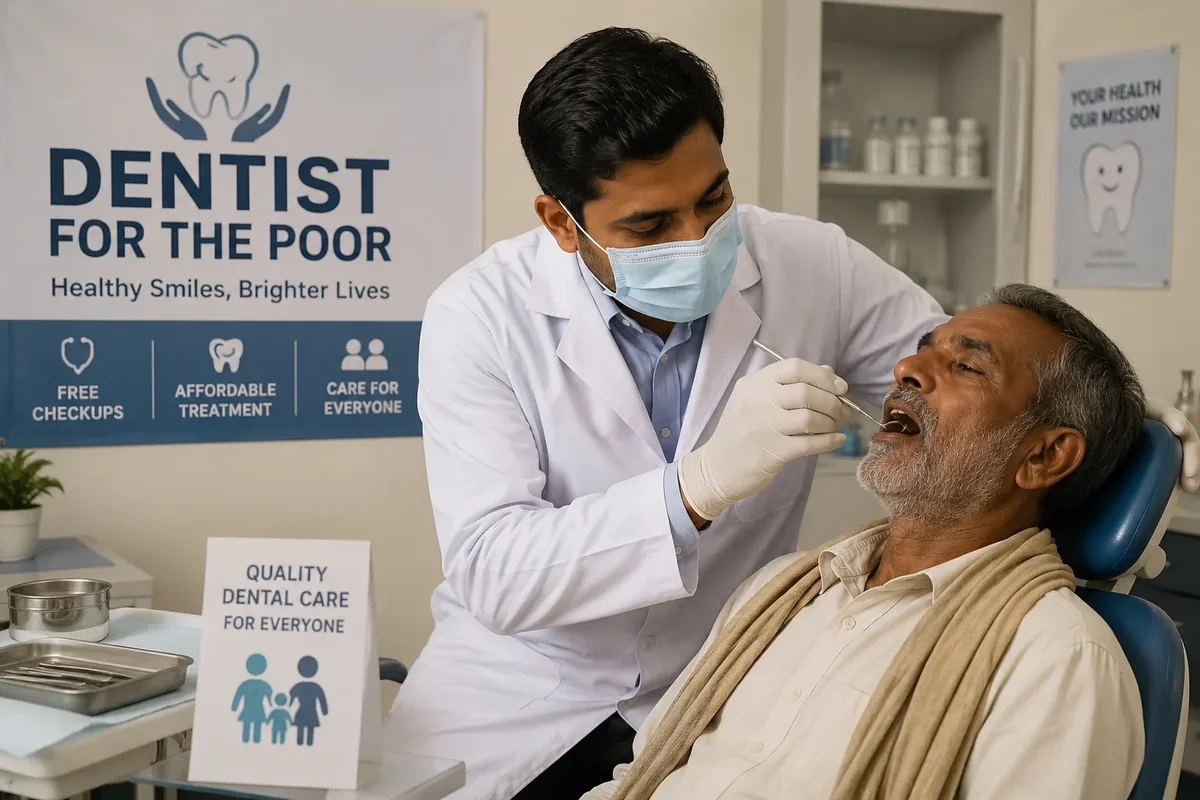
Choosing the Right Dentist for the Poor: Key Factors to Consider
Finding the right dentist for the poor is about much more than locating the lowest-cost provider. While affordability is certainly important, patients should also consider quality of care, professional qualifications, available services, convenience, and long-term treatment outcomes. Choosing the right dentist for the poor can make a significant difference in both oral health and overall well-being.
Many people searching for affordable dental care are dealing with financial limitations, lack of insurance, or urgent treatment needs. In these situations, it can be tempting to select the first low-cost option available. However, taking the time to carefully evaluate a dentist for the poor helps ensure that you receive safe, effective, and professional treatment that meets your individual needs.
🦷 Oral health is a lifelong investment. The dental provider you choose today may become your partner in maintaining healthy teeth and gums for many years to come. Therefore, affordability should be balanced with trust, expertise, and quality care.
Verify Professional Qualifications
The first step in selecting a dentist for the poor is confirming that the provider is properly licensed and qualified to practice dentistry.
What to Look For
- Valid professional licensing
- Accredited dental education
- Continuing professional training
- Membership in recognized dental organizations
- Experience with diverse patient populations
A qualified dentist for the poor should be willing to discuss credentials and explain treatment recommendations clearly.
Patients can also learn about professional standards through trusted organizations such as the American Dental Association, which provides educational resources regarding oral healthcare and professional dental practices.
Evaluate Available Services
Not every affordable clinic provides the same range of treatments. Before choosing a dentist for the poor, it is important to understand which services are available.
Common services may include:
- Routine examinations
- Professional cleanings
- X-rays
- Fillings
- Root canal treatment
- Extractions
- Dentures
- Emergency dental care
- Periodontal treatment
If you anticipate needing specialized treatment in the future, selecting a dentist for the poor who offers comprehensive services can reduce the need for referrals and additional expenses.
Consider Accessibility and Location
Convenience plays an important role in maintaining regular dental visits. Even the most affordable provider may not be practical if the clinic is difficult to reach.
Important Accessibility Factors
- Distance from home or work
- Public transportation access
- Parking availability
- Wheelchair accessibility
- Flexible office hours
- Emergency appointment availability
A reliable dentist for the poor should make it as easy as possible for patients to receive ongoing care.
Review Clinic Reputation and Patient Feedback
😊 Patient reviews and testimonials can provide valuable insight into the quality of care offered by a dentist for the poor.
When reviewing feedback, pay attention to comments regarding:
- Professionalism of staff
- Cleanliness of facilities
- Communication skills
- Transparency about costs
- Appointment scheduling
- Treatment outcomes
While no clinic will have perfect reviews, consistent positive feedback is often a good indicator of patient satisfaction.
Understand Pricing and Payment Options
One of the primary reasons people seek a dentist for the poor is affordability. However, it is important to fully understand the clinic’s pricing structure before beginning treatment.
Questions to Ask About Costs
- Do you offer sliding-scale fees?
- Are payment plans available?
- What services are included in quoted fees?
- Are there additional charges for X-rays or follow-up visits?
- Do you accept uninsured patients?
A trustworthy dentist for the poor will provide transparent information about treatment costs and payment options.
Look for Preventive Care Focus
Preventive dentistry is one of the most effective ways to reduce long-term treatment costs. A quality dentist for the poor should prioritize prevention rather than focusing solely on treating existing problems.
Preventive services may include:
- Routine examinations
- Professional cleanings
- Fluoride treatments
- Oral hygiene education
- Nutritional counseling
- Early cavity detection
Patients who receive regular preventive care generally experience fewer dental emergencies and lower overall treatment expenses.
Assess Communication and Patient Education
Good communication is essential when choosing a dentist for the poor. Patients should feel comfortable asking questions and discussing concerns.
Signs of Strong Patient Communication
- Clear explanations of diagnoses
- Detailed treatment options
- Transparent discussion of costs
- Respect for patient preferences
- Willingness to answer questions
Effective communication helps patients make informed decisions and feel more confident about their care.
Evaluate Emergency Care Availability
Dental emergencies can occur unexpectedly. Selecting a dentist for the poor who offers emergency services can save time, money, and discomfort when urgent situations arise.
Ask whether the clinic provides:
- Same-day appointments
- Emergency evaluations
- After-hours guidance
- Referral networks for urgent care
Having access to emergency services adds significant value to any dental provider relationship.
Consider Long-Term Treatment Planning
A high-quality dentist for the poor should focus not only on immediate concerns but also on long-term oral health goals.
Comprehensive treatment planning may involve:
- Addressing current dental problems
- Preventing future complications
- Improving oral hygiene habits
- Scheduling regular follow-up visits
- Monitoring ongoing conditions
Long-term planning helps patients achieve sustainable oral health while minimizing future expenses.
Importance of a Comfortable Environment
Many individuals experience anxiety about dental visits. A welcoming environment can make a significant difference when choosing a dentist for the poor.
Positive clinic characteristics include:
- Friendly staff
- Clean facilities
- Respectful treatment
- Comfortable waiting areas
- Patient-focused care
Feeling comfortable encourages patients to maintain regular appointments and prioritize preventive care.
Questions to Ask During Your First Visit
During your initial consultation with a dentist for the poor, consider asking:
- What treatments do I currently need?
- Which procedures are most urgent?
- What are my payment options?
- How can I improve my oral health at home?
- What preventive services do you recommend?
The answers can help determine whether the provider is the right fit for your needs.
Finding Additional Support and Information
If you need help exploring affordable treatment options, consulting with experienced dental professionals can be valuable. Patients seeking information about treatment plans, pricing, or available services may visit the Redent Klinik Contact Page to discuss their dental needs with a qualified team.
Conclusion
Choosing the right dentist for the poor requires careful consideration of several factors, including qualifications, affordability, available services, communication, accessibility, and long-term treatment planning. While cost is important, quality care should never be overlooked.
🌟 The ideal dentist for the poor provides professional treatment, transparent pricing, compassionate care, and a strong commitment to preventive dentistry. By evaluating providers thoughtfully, patients can find affordable dental care that protects their oral health, supports their overall well-being, and helps them maintain a healthy smile for years to come.