
Access to quality dental care is essential for maintaining a healthy smile, preventing oral diseases, and supporting overall well-being. However, the cost of dental treatment can sometimes discourage individuals and families from seeking the care they need. This is where a dentist health care card becomes an important resource. A dentist health care card can help eligible individuals access affordable dental services, reduce out-of-pocket expenses, and receive essential oral health treatments that might otherwise be financially challenging.
Many people are unfamiliar with what a dentist health care card actually is, how it works, and what benefits it provides. In simple terms, a dentist health care card is a healthcare assistance card that may provide access to discounted dental services, government-supported treatment programs, or reduced healthcare costs depending on local regulations and eligibility requirements. For individuals and families on limited incomes, this card can play a significant role in maintaining regular dental visits and preventing serious oral health complications.
Dental health is closely connected to general health. Conditions such as gum disease, tooth decay, and oral infections can affect overall wellness and may contribute to more serious health concerns if left untreated. A dentist health care card helps bridge the gap between affordability and necessary treatment by making preventive and restorative dental care more accessible. 😊
One of the primary advantages of a dentist health care card is that it encourages patients to seek preventive care before small issues become major problems. Routine dental examinations, professional cleanings, fluoride applications, and oral health assessments are often more affordable when patients have access to a dentist health care card. Regular check-ups can help identify cavities, gum disease, and other dental conditions in their earliest stages, reducing the need for complex and costly procedures later.
In addition to preventive services, a dentist health care card may assist with access to restorative treatments. Depending on local healthcare programs and provider participation, eligible cardholders may receive support for fillings, tooth extractions, dentures, emergency dental treatment, and other necessary procedures. This can significantly reduce financial stress while ensuring patients receive appropriate dental care when they need it most.
Another important aspect of a dentist health care card is its role in promoting oral health equity. Many communities face barriers to accessing dental services due to financial limitations, geographic challenges, or lack of insurance coverage. A dentist health care card helps address these issues by improving access to essential dental treatment for vulnerable populations. This contributes to healthier communities and better long-term health outcomes.
Patients who hold a dentist health care card should always verify which dental clinics participate in applicable healthcare programs. Some clinics may offer reduced fees, while others may provide access to specific public dental services. Before scheduling treatment, it is advisable to contact the clinic directly and discuss eligibility requirements, covered procedures, appointment availability, and any potential costs.
For individuals considering treatment abroad or searching for a trusted dental provider, consulting experienced clinics can help clarify available options. Patients looking for personalized guidance may visit the Redent Klinik Contact Page to learn more about treatment possibilities and consultation services.
Understanding oral healthcare options is essential when making informed decisions about treatment. Educational resources provided by organizations such as the American Dental Association can help patients stay informed about oral hygiene practices, preventive care recommendations, and modern dental treatment standards.
The value of a dentist health care card extends beyond immediate financial assistance. By encouraging regular dental attendance, improving access to preventive services, and reducing barriers to treatment, the card supports long-term oral health. Patients who consistently utilize their dentist health care card are often better positioned to maintain healthy teeth and gums, avoid preventable complications, and enjoy greater confidence in their smiles.
It is also important to recognize that a dentist health care card should not replace good oral hygiene habits. Brushing twice daily, flossing regularly, maintaining a balanced diet, and attending scheduled dental appointments remain essential components of oral health care. When combined with these habits, a dentist health care card becomes a valuable tool for supporting lifelong dental wellness.
As dental healthcare costs continue to rise in many regions, the importance of programs that improve affordability becomes increasingly significant. A dentist health care card can provide peace of mind for individuals who may otherwise postpone treatment due to financial concerns. Whether the goal is preventive care, emergency treatment, or ongoing dental maintenance, a dentist health care card can make professional oral healthcare more accessible and manageable.
Ultimately, understanding how a dentist health care card works empowers patients to make better healthcare decisions. By exploring eligibility requirements, available benefits, participating providers, and covered treatments, individuals can maximize the advantages offered by their dentist health care card. Investing in oral health today can lead to healthier teeth, stronger gums, improved overall health, and a brighter smile for years to come. 🦷✨
Benefits of Using a Dentist Health Care Card
A dentist health care card can make a significant difference in how individuals and families access dental treatment. For many people, the cost of oral healthcare is one of the biggest barriers to maintaining healthy teeth and gums. A dentist health care card helps reduce financial pressure while encouraging regular dental visits, preventive care, and timely treatment. Whether someone requires routine check-ups, emergency care, or restorative procedures, a dentist health care card can provide valuable support and improve access to essential services.
Dental health is a critical component of overall wellness. Untreated oral problems can lead to pain, infection, tooth loss, and even affect other aspects of physical health. By making dental services more affordable, a dentist health care card allows patients to prioritize their oral health without excessive financial concern. 🦷
Reduced Out-of-Pocket Dental Costs
One of the most important advantages of a dentist health care card is the reduction of out-of-pocket expenses. Dental procedures can be costly, especially when multiple treatments are required. Patients who have a dentist health care card may qualify for reduced fees, subsidized treatments, or access to public dental programs depending on local healthcare policies.
Instead of delaying treatment due to financial limitations, individuals can seek professional care earlier. This often prevents minor dental issues from developing into more complex and expensive conditions. For example, a small cavity treated promptly with a filling is usually far less expensive than waiting until root canal treatment or tooth extraction becomes necessary.
Examples of Potential Savings
Although benefits vary by region and provider participation, a dentist health care card may help reduce costs associated with:
- Routine dental examinations
- Professional dental cleanings
- Dental X-rays
- Tooth fillings
- Emergency dental care
- Extractions
- Dentures and prosthetic services
- Preventive oral health programs
These savings can accumulate significantly over time, making a dentist health care card a valuable healthcare resource.
Improved Access to Preventive Dental Care
Preventive care is one of the most effective ways to maintain oral health. Unfortunately, many individuals avoid preventive visits because they worry about costs. A dentist health care card encourages regular dental appointments by making these services more affordable and accessible.
Routine preventive care often includes:
- Comprehensive oral examinations
- Professional plaque and tartar removal
- Fluoride treatments
- Oral cancer screenings
- Periodontal health assessments
- Patient education on oral hygiene
Regular preventive visits supported by a dentist health care card can help identify dental problems early, minimizing future complications and treatment expenses.
Better Long-Term Oral Health Outcomes
Patients who consistently receive dental care generally experience better long-term oral health outcomes. A dentist health care card can play a major role in achieving these results by removing financial barriers that often discourage treatment.
When patients regularly attend dental appointments, dentists can monitor oral health changes, detect disease early, and provide timely interventions. This helps preserve natural teeth, reduce the risk of gum disease, and maintain proper oral function.
Long-term benefits associated with using a dentist health care card may include:
- Lower rates of tooth decay
- Reduced incidence of periodontal disease
- Improved oral hygiene habits
- Fewer dental emergencies
- Enhanced chewing function
- Greater confidence in appearance
These benefits contribute not only to oral wellness but also to improved quality of life.
Support During Dental Emergencies
Dental emergencies can happen unexpectedly and often require immediate attention. Severe toothaches, broken teeth, abscesses, and oral injuries may require urgent treatment. For individuals facing financial challenges, emergency care costs can create additional stress.
A dentist health care card may help reduce the financial burden associated with emergency treatment. This allows patients to seek prompt care rather than delaying treatment and risking further complications. Quick intervention can often prevent infections, preserve teeth, and reduce discomfort.
Common Dental Emergencies
- Severe tooth pain
- Broken or fractured teeth
- Dental abscesses
- Lost fillings or crowns
- Oral trauma injuries
- Swelling and infections
Having a dentist health care card can provide peace of mind knowing that support may be available when urgent dental treatment becomes necessary.
Increased Access for Vulnerable Populations
A dentist health care card is especially beneficial for vulnerable groups within the community. These may include seniors, low-income families, individuals with disabilities, unemployed individuals, and people receiving government assistance.
Access to affordable dental care helps reduce healthcare inequalities and ensures more people can receive necessary treatment regardless of financial circumstances. Improved access supports healthier communities and contributes to better public health outcomes overall.
For many individuals, a dentist health care card serves as an important gateway to essential oral healthcare services that might otherwise be inaccessible.
Encouragement of Regular Dental Visits
Many dental conditions develop gradually and may not cause symptoms during their early stages. Regular dental appointments allow dentists to identify issues before they become severe. A dentist health care card encourages patients to schedule these important visits more consistently.
Patients who attend regular appointments often experience:
- Earlier diagnosis of dental disease
- Reduced treatment complexity
- Lower overall dental expenses
- Improved treatment outcomes
- Better patient education and awareness
This proactive approach benefits both patients and healthcare systems by reducing the need for extensive corrective treatment.
Psychological and Social Benefits
Oral health affects more than just physical well-being. Dental problems can influence self-confidence, social interactions, and emotional health. Missing teeth, visible decay, or chronic dental pain may negatively affect a person’s quality of life.
By making treatment more accessible, a dentist health care card can help individuals improve their smile, restore oral function, and regain confidence. Many patients report feeling more comfortable speaking, eating, and interacting socially after receiving appropriate dental treatment.
These emotional and psychological improvements can have lasting positive effects on overall well-being. 😊
Why a Dentist Health Care Card Matters
The value of a dentist health care card extends far beyond financial assistance. It supports preventive care, improves treatment accessibility, encourages early intervention, and contributes to healthier communities. Whether an individual requires routine maintenance, emergency treatment, or restorative procedures, a dentist health care card can make quality dental care more attainable.
Ultimately, investing in oral health through consistent dental visits and utilizing available resources such as a dentist health care card can lead to healthier teeth, stronger gums, lower long-term healthcare costs, and a significantly improved quality of life. Patients who understand and utilize the benefits of a dentist health care card are often better equipped to maintain lifelong oral wellness and enjoy the confidence that comes with a healthy smile.
Who Qualifies for a Dentist Health Care Card?
Understanding who qualifies for a dentist health care card is essential for individuals seeking affordable access to dental treatment. While eligibility requirements can vary depending on the country, region, and healthcare system, a dentist health care card is generally designed to support people who may face financial barriers when accessing oral healthcare services. These programs help ensure that essential dental care remains available to vulnerable populations, allowing them to maintain better oral health and overall well-being.
A dentist health care card is often associated with government assistance programs, healthcare benefits, or subsidized dental services. The purpose is to reduce healthcare inequalities and provide support for individuals who may otherwise postpone or avoid dental treatment due to cost concerns. By understanding the qualification criteria, eligible patients can take advantage of valuable dental benefits and improve their long-term oral health. 🦷
General Eligibility Requirements
Most dentist health care card programs are intended for individuals with limited financial resources or those receiving government support. Eligibility is usually determined based on factors such as income level, employment status, age, disability, or participation in social assistance programs.
Common qualification criteria for a dentist health care card may include:
- Low household income
- Receipt of government benefits
- Retirement or pension status
- Disability support eligibility
- Unemployment benefits
- Specific healthcare assistance programs
- Family support programs
- Senior citizen healthcare assistance
Individuals meeting one or more of these conditions may be eligible to receive a dentist health care card and gain access to reduced-cost dental treatment.
Low-Income Individuals and Families
One of the primary groups that may qualify for a dentist health care card includes low-income individuals and families. Dental care can become a significant financial burden, particularly when multiple family members require treatment. Government-supported healthcare programs often prioritize assistance for households with limited income to ensure access to basic healthcare services, including dental care.
Income thresholds vary by location and are typically reviewed periodically. Applicants may be required to provide proof of income, tax documentation, or evidence of financial hardship when applying for a dentist health care card.
Why Income-Based Eligibility Matters
Income-based eligibility helps ensure that resources are directed toward individuals who need financial support the most. A dentist health care card can help these patients receive preventive services, emergency care, and restorative treatments without facing overwhelming costs.
Senior Citizens and Pension Recipients
Many healthcare systems recognize that older adults often require increased healthcare support. Seniors may experience age-related dental challenges such as tooth loss, gum disease, dry mouth, and the need for dentures or restorative treatment. As a result, pension recipients and retirees may qualify for a dentist health care card under specific healthcare assistance programs.
For older adults living on fixed incomes, a dentist health care card can significantly improve access to necessary dental care. Regular check-ups and preventive services become more affordable, helping seniors maintain oral health and overall quality of life.
People Living with Disabilities
Individuals living with physical, intellectual, or developmental disabilities may also qualify for a dentist health care card. Dental care can present unique challenges for people with disabilities, including transportation difficulties, specialized treatment requirements, and increased healthcare expenses.
Healthcare programs often provide additional support to ensure that individuals with disabilities receive appropriate dental services. A dentist health care card may help cover routine care, specialized treatment, and preventive services that contribute to long-term oral health.
Accessible dental care is an important component of comprehensive healthcare support for people with disabilities.
Recipients of Government Assistance Programs
Many recipients of government assistance programs may automatically qualify for a dentist health care card. These programs are designed to support individuals and families experiencing financial hardship and may include various forms of social welfare assistance.
Examples of qualifying assistance programs can include:
- Income support programs
- Disability assistance benefits
- Family tax benefits
- Housing support programs
- Employment assistance programs
- Public healthcare subsidies
Individuals enrolled in qualifying programs should review local healthcare guidelines to determine whether they are eligible for a dentist health care card.
Children and Dependents
In some healthcare systems, children and dependents of eligible cardholders may also receive dental benefits through a dentist health care card. Early access to dental care is extremely important because childhood oral health establishes the foundation for lifelong dental wellness.
Eligible children may receive assistance for:
- Routine dental examinations
- Preventive fluoride treatments
- Dental sealants
- Fillings and restorative care
- Emergency dental treatment
- Oral health education
A dentist health care card can help parents prioritize their children’s oral health without excessive financial stress.
Temporary Financial Hardship Situations
Some individuals may qualify for a dentist health care card due to temporary financial hardship. Sudden unemployment, medical emergencies, family crises, or unexpected financial challenges can create significant difficulties in accessing healthcare services.
Certain programs may offer temporary eligibility or special assistance provisions that allow individuals to obtain a dentist health care card during periods of hardship. This support helps ensure continuity of essential healthcare, including dental treatment.
Supporting Oral Health During Difficult Times
When financial circumstances become challenging, dental care is often one of the first healthcare services people postpone. A dentist health care card helps reduce this risk by providing access to affordable treatment during difficult periods.
Required Documentation for Application
Applying for a dentist health care card typically requires supporting documentation to verify eligibility. The exact requirements vary by jurisdiction but often include:
- Proof of identity
- Proof of residency
- Income verification documents
- Government benefit statements
- Disability support documentation
- Pension or retirement records
- Family composition information
Submitting complete and accurate documentation helps streamline the application process and improves the likelihood of approval.
How to Confirm Eligibility
If you believe you may qualify for a dentist health care card, it is important to consult your local healthcare authority, government services office, or participating dental clinic. Eligibility guidelines may change over time, and healthcare programs are often updated to reflect current economic conditions.
Many healthcare agencies provide online eligibility assessment tools that can help individuals determine whether they qualify for a dentist health care card. Taking the time to review these resources can help patients access benefits more quickly and efficiently.
Why Understanding Qualification Matters
Knowing who qualifies for a dentist health care card is an important step toward accessing affordable dental care. Whether eligibility is based on income, age, disability status, family circumstances, or government assistance participation, the goal remains the same: helping individuals receive the dental treatment they need to maintain healthy teeth and gums.
A dentist health care card can open the door to preventive services, restorative treatment, emergency care, and long-term oral health support. By understanding qualification requirements and completing the application process correctly, eligible individuals can take full advantage of the benefits available through a dentist health care card and enjoy improved oral health outcomes for years to come. 😊
Dental Treatments Covered by a Dentist Health Care Card
A dentist health care card can significantly improve access to essential oral healthcare services by helping eligible individuals receive treatment at a reduced cost. One of the most common questions patients ask is which dental procedures are actually covered by a dentist health care card. While coverage varies depending on healthcare systems, government programs, and participating dental providers, many important preventive and restorative treatments may be available through a dentist health care card.
Understanding what services are covered can help patients make informed decisions about their oral health and maximize the benefits available to them. A dentist health care card is often intended to support necessary dental treatment rather than purely cosmetic procedures. Its primary purpose is to improve oral health outcomes, prevent disease progression, and ensure that patients have access to basic dental care regardless of financial circumstances. 🦷
Preventive Dental Services
Preventive care forms the foundation of good oral health. Many programs associated with a dentist health care card prioritize preventive treatments because they help identify and address problems before they become serious and expensive.
Preventive services commonly covered through a dentist health care card may include:
- Routine dental examinations
- Comprehensive oral assessments
- Professional teeth cleaning
- Dental X-rays
- Fluoride applications
- Oral cancer screenings
- Preventive oral health education
These services help dentists monitor oral health, detect early signs of disease, and provide guidance that supports long-term dental wellness. Regular preventive visits can often reduce the need for more invasive treatments later.
Why Preventive Care Matters
Patients who regularly use their dentist health care card for preventive appointments are often able to maintain healthier teeth and gums. Early detection of cavities, gum disease, and other oral conditions allows for simpler and less costly treatment.
Dental Fillings and Cavity Treatment
Tooth decay remains one of the most common oral health problems worldwide. Fortunately, many healthcare programs recognize the importance of treating cavities before they worsen. A dentist health care card may help cover basic restorative procedures such as dental fillings.
When a cavity is identified during a dental examination, the decayed portion of the tooth is removed and replaced with a filling material. This treatment restores tooth structure, prevents further decay, and helps preserve natural teeth.
Coverage through a dentist health care card often focuses on medically necessary restorative care rather than premium cosmetic filling materials.
Tooth Extractions
In situations where a tooth cannot be restored due to extensive decay, severe infection, trauma, or advanced periodontal disease, extraction may be necessary. A dentist health care card frequently includes support for essential tooth extractions when they are deemed medically necessary.
Removing a severely damaged or infected tooth can relieve pain, eliminate infection, and protect surrounding oral structures. Patients should discuss available coverage with their dental provider to understand any limitations associated with extraction procedures.
Common Reasons for Tooth Extraction
- Advanced tooth decay
- Severe infection
- Extensive dental trauma
- Advanced gum disease
- Non-restorable teeth
- Certain orthodontic treatment requirements
A dentist health care card can help reduce the financial burden associated with these necessary procedures.
Emergency Dental Treatment
Dental emergencies often require immediate attention to relieve pain and prevent complications. Many healthcare assistance programs recognize the importance of urgent dental care and include emergency treatment within the benefits available through a dentist health care card.
Emergency services that may be covered include:
- Treatment of severe toothaches
- Management of dental infections
- Emergency extractions
- Treatment of oral swelling
- Care for dental injuries
- Temporary restorations
Prompt treatment helps prevent worsening conditions and supports better health outcomes. A dentist health care card can provide valuable assistance during unexpected dental emergencies.
Periodontal (Gum Disease) Treatment
Healthy gums are essential for maintaining strong teeth and overall oral health. Gum disease can lead to tooth loss, bone deterioration, and systemic health complications if left untreated. Depending on the healthcare program, a dentist health care card may cover basic periodontal treatment aimed at controlling gum disease.
Covered services may include:
- Periodontal assessments
- Deep cleaning procedures
- Scaling and root planing
- Monitoring periodontal health
- Supportive maintenance visits
Early intervention through services covered by a dentist health care card can help preserve natural teeth and reduce future treatment needs.
Dentures and Tooth Replacement Options
Tooth loss can affect chewing ability, speech, confidence, and quality of life. Some programs associated with a dentist health care card may offer partial coverage for dentures or other basic tooth replacement solutions.
Coverage varies considerably depending on local healthcare regulations and available funding. In some cases, patients may receive assistance for:
- Full dentures
- Partial dentures
- Denture repairs
- Denture relines
- Adjustments and maintenance
Patients should consult their provider to understand the specific denture-related benefits available through their dentist health care card.
Importance of Replacing Missing Teeth
Replacing missing teeth helps maintain oral function, prevents shifting of remaining teeth, and improves facial appearance. A dentist health care card may help eligible patients access these important restorative services.
Children’s Dental Services
Many healthcare systems place a strong emphasis on pediatric dental care. Children who qualify through family healthcare programs may receive various services through a dentist health care card.
Common pediatric services may include:
- Routine dental examinations
- Preventive fluoride treatments
- Dental sealants
- Fillings for cavities
- Oral hygiene education
- Monitoring of dental development
Early dental care helps establish healthy habits and supports proper oral development throughout childhood.
Treatments Typically Not Covered
Although a dentist health care card provides access to many essential dental services, some treatments may not be included. Coverage limitations often apply to procedures considered elective or cosmetic.
Examples of services that may have limited coverage include:
- Teeth whitening
- Cosmetic veneers
- Smile makeover treatments
- Luxury restorative materials
- Certain orthodontic procedures
- Elective cosmetic enhancements
Patients interested in these services should discuss alternative financing options with their dental clinic.
Maximizing Coverage Benefits
To make the most of a dentist health care card, patients should attend regular check-ups, understand eligibility requirements, and verify participating providers before scheduling treatment. Being proactive can help maximize available benefits while minimizing future oral health problems.
Maintaining open communication with your dentist is also important. Dental professionals can explain which procedures are covered under a dentist health care card and help patients develop an appropriate treatment plan based on both clinical needs and available benefits.
Understanding Your Available Dental Care
A dentist health care card serves as an important tool for improving access to essential oral healthcare services. Coverage often includes preventive care, fillings, extractions, emergency treatment, periodontal services, and certain denture-related procedures. By understanding which treatments are covered, patients can better utilize their dentist health care card and take proactive steps toward maintaining lifelong oral health.
Ultimately, the goal of a dentist health care card is to ensure that financial barriers do not prevent individuals from receiving necessary dental treatment. Regular use of covered services can help preserve oral health, reduce future treatment costs, and contribute to improved overall well-being for patients of all ages. 😊
How to Apply for a Dentist Health Care Card
Applying for a dentist health care card is often the first step toward accessing affordable dental care and reducing the financial burden associated with oral health treatment. While the exact application process varies between countries, healthcare systems, and government programs, the overall goal remains the same: helping eligible individuals receive essential dental services at a lower cost. Understanding how to apply for a dentist health care card can make the process smoother and increase the chances of a successful application.
Many people delay applying for a dentist health care card because they assume the process is complicated. In reality, most healthcare authorities have established clear procedures designed to help eligible applicants access benefits efficiently. By preparing the necessary documents and understanding the requirements, applicants can complete the process with confidence. 😊
Understand the Purpose of a Dentist Health Care Card
Before beginning an application, it is important to understand what a dentist health care card is intended to provide. Generally, a dentist health care card helps eligible individuals obtain reduced-cost dental treatment, preventive care, emergency services, and other essential oral healthcare benefits.
The card is usually aimed at supporting individuals who may struggle to afford dental care due to limited income, disability, retirement, unemployment, or participation in government assistance programs. Understanding the purpose of a dentist health care card can help applicants determine whether they are likely to qualify before starting the process.
Check Eligibility Requirements
The first practical step when applying for a dentist health care card is verifying eligibility. Healthcare authorities typically publish detailed qualification criteria that explain who may apply and what supporting evidence is required.
Common eligibility factors include:
- Household income level
- Government benefit status
- Age requirements
- Disability support eligibility
- Residency status
- Employment circumstances
- Family composition
Reviewing eligibility guidelines carefully helps applicants avoid unnecessary delays and ensures they meet the requirements for a dentist health care card.
Where to Find Eligibility Information
Information about a dentist health care card is typically available through:
- Government healthcare websites
- Public health departments
- Social services agencies
- Community health centers
- Participating dental clinics
These sources can provide the most current information regarding qualification criteria and application procedures.
Gather Required Documentation
One of the most important parts of applying for a dentist health care card is preparing the necessary documentation. Incomplete applications are one of the most common reasons for processing delays.
Documents commonly required for a dentist health care card application may include:
- Government-issued identification
- Proof of residency
- Income verification
- Tax records
- Employment documentation
- Government benefit statements
- Pension records
- Disability support documentation
- Family status information
Applicants should ensure all documents are current, accurate, and clearly legible before submission.
Complete the Application Form
Once eligibility has been confirmed and documentation gathered, the next step is completing the official dentist health care card application form. Many healthcare agencies now offer both online and paper-based application options.
Applicants should carefully review every section of the form and provide accurate information. Errors, omissions, or inconsistencies may delay approval or require additional verification.
Information commonly requested includes:
- Personal details
- Contact information
- Residential address
- Income information
- Household composition
- Healthcare benefit status
- Supporting documentation references
Taking time to complete the dentist health care card application correctly can significantly improve processing efficiency.
Tips for Completing the Form
- Read all instructions carefully.
- Double-check personal information.
- Submit all required attachments.
- Keep copies of submitted documents.
- Review the application before submission.
These simple steps can reduce the likelihood of delays during the review process.
Submit Your Application
After completing the application, applicants must submit it through the designated healthcare authority. Depending on local systems, submission methods may include:
- Online government portals
- Healthcare service centers
- Mail-in applications
- Community assistance offices
- Public health agencies
Some applicants may receive immediate confirmation that their dentist health care card application has been received, while others may need to wait for processing notifications.
Application Review and Verification
Once submitted, the healthcare authority will review the application and verify eligibility. This stage may involve checking income records, confirming benefit status, validating identity documents, and reviewing supporting evidence.
Applicants may occasionally be contacted to provide additional information. Responding promptly to these requests can help prevent delays in receiving a dentist health care card.
The review process can vary in length depending on application volume and local administrative procedures.
Receiving Your Dentist Health Care Card
If the application is approved, the applicant will receive a dentist health care card or an official confirmation of eligibility. The card may be issued in physical form, digital format, or both depending on the healthcare system.
Once approved, patients should familiarize themselves with the benefits associated with their dentist health care card. Understanding covered services, participating providers, and renewal requirements is essential for maximizing available benefits.
Important Information to Review
- Card validity period
- Participating dental providers
- Covered treatments
- Service limitations
- Renewal requirements
- Emergency care provisions
Knowing these details helps cardholders use their dentist health care card effectively.
Renewing a Dentist Health Care Card
Many programs require periodic renewal of a dentist health care card. Renewal ensures that eligibility remains current and allows healthcare agencies to verify that applicants continue to meet qualification requirements.
Renewal may require updated documentation such as:
- Current income statements
- Updated benefit records
- Proof of residency
- Identity verification
Cardholders should pay close attention to expiration dates and renewal notices to avoid interruptions in coverage.
Common Application Mistakes to Avoid
Several common mistakes can delay approval of a dentist health care card. Applicants should take care to avoid:
- Submitting incomplete forms
- Providing outdated documents
- Missing application deadlines
- Incorrect personal information
- Failure to respond to verification requests
- Not reviewing eligibility requirements beforehand
Careful preparation can greatly improve the success of a dentist health care card application.
Benefits of Applying Early
Applying for a dentist health care card before urgent dental needs arise is often the best approach. Having approved coverage in place can make it easier to access preventive care, schedule routine examinations, and obtain treatment quickly if an emergency occurs.
Patients who apply early are often better positioned to maintain consistent oral healthcare and avoid treatment delays caused by financial concerns.
Final Thoughts on the Application Process
The process of obtaining a dentist health care card is generally straightforward when applicants understand the requirements and prepare properly. By checking eligibility, gathering documentation, completing forms accurately, and responding promptly to any requests for additional information, individuals can successfully obtain a dentist health care card and gain access to valuable dental healthcare benefits.
Ultimately, a dentist health care card serves as an important tool for improving access to preventive, restorative, and emergency dental care. Taking the time to apply correctly can help individuals and families enjoy better oral health, lower treatment costs, and greater peace of mind for years to come. 🦷✨
Dentist Health Care Card vs Private Dental Insurance
When looking for affordable ways to manage dental expenses, many patients compare a dentist health care card with private dental insurance. While both options can help reduce the cost of dental treatment, they operate in very different ways and are designed for different groups of people. Understanding the differences between a dentist health care card and private dental insurance can help patients choose the most suitable option for their healthcare needs and financial situation.
Both systems aim to improve access to oral healthcare, but they differ significantly in eligibility requirements, coverage levels, costs, provider networks, and long-term financial commitments. Before deciding which option best suits your circumstances, it is important to understand the advantages and limitations of each approach. 🦷
What Is a Dentist Health Care Card?
A dentist health care card is generally a government-supported or healthcare assistance benefit designed to help eligible individuals access affordable dental care. The primary purpose of a dentist health care card is to support people who may face financial barriers to receiving necessary dental treatment.
Eligibility for a dentist health care card is often based on factors such as:
- Income level
- Government assistance status
- Disability support eligibility
- Retirement or pension benefits
- Family financial circumstances
- Specific healthcare program participation
Rather than requiring monthly premiums, a dentist health care card typically provides access to reduced-cost dental services through approved healthcare programs or participating providers.
What Is Private Dental Insurance?
Private dental insurance is a commercial insurance product purchased by individuals, families, or employers. Policyholders pay regular premiums in exchange for access to specific dental benefits outlined in their insurance plan.
Private dental insurance may cover:
- Routine examinations
- Professional cleanings
- Dental fillings
- Root canal treatment
- Crowns and bridges
- Orthodontics
- Major restorative procedures
- Certain cosmetic treatments
Coverage levels vary significantly depending on the insurer, policy type, waiting periods, annual limits, and premium costs.
Eligibility Requirements: Key Differences
One of the most important distinctions between a dentist health care card and private dental insurance is eligibility.
Dentist Health Care Card Eligibility
A dentist health care card generally requires applicants to meet specific qualification criteria established by healthcare authorities. Eligibility may depend on income, government support status, disability benefits, or pension eligibility.
Private Dental Insurance Eligibility
Private dental insurance is generally available to anyone willing to purchase a policy and pay the required premiums. Qualification is typically not based on income or financial circumstances.
This difference makes a dentist health care card particularly valuable for individuals who may struggle to afford private insurance coverage.
Cost Comparison
Cost is often a major consideration when comparing a dentist health care card with private dental insurance.
Costs Associated With a Dentist Health Care Card
Most dentist health care card programs do not require monthly insurance premiums. Instead, eligible individuals may receive subsidized treatment, reduced fees, or access to publicly funded dental services.
This makes a dentist health care card an affordable solution for people with limited financial resources.
Costs Associated With Private Dental Insurance
Private dental insurance typically involves:
- Monthly premiums
- Annual deductibles
- Copayments
- Coinsurance payments
- Coverage limits
- Waiting periods
Although insurance may provide broader treatment options, the ongoing costs can be substantial for some households.
Coverage Differences
The scope of coverage is another significant factor when comparing a dentist health care card and private dental insurance.
Typical Dentist Health Care Card Coverage
A dentist health care card often focuses on medically necessary dental services, including:
- Dental examinations
- Professional cleanings
- Preventive care
- Fillings
- Extractions
- Emergency treatment
- Basic periodontal care
- Some denture services
Coverage usually prioritizes essential oral healthcare rather than elective procedures.
Typical Private Insurance Coverage
Private insurance may provide broader benefits, including:
- Major restorative procedures
- Crowns and bridges
- Orthodontic treatment
- Advanced periodontal care
- Dental implants in certain plans
- Expanded specialist services
However, these services may be subject to annual maximums, exclusions, or waiting periods.
Provider Flexibility
Provider choice can also influence whether a dentist health care card or private insurance is more suitable.
Dentist Health Care Card Provider Networks
A dentist health care card may only be accepted by participating clinics or public dental facilities. Patients should verify acceptance before scheduling treatment.
Private Insurance Networks
Many insurance plans maintain extensive provider networks, although some policies offer greater benefits when patients visit preferred providers.
The flexibility of private insurance can be advantageous, but network restrictions still apply in many cases.
Waiting Periods and Immediate Access
Another major difference involves waiting periods.
Many private dental insurance policies impose waiting periods before certain services become available. For example, major restorative treatment may require several months of continuous coverage before benefits can be used.
By contrast, a dentist health care card often provides access to benefits shortly after eligibility is approved, subject to local program rules. This can be particularly valuable for patients who require urgent dental treatment.
Which Option Offers Better Value?
The answer depends on individual circumstances.
A Dentist Health Care Card May Be Ideal For:
- Low-income individuals
- Pension recipients
- People receiving government assistance
- Individuals with disabilities
- Families seeking affordable essential dental care
Private Dental Insurance May Be Ideal For:
- Individuals wanting broader coverage
- People anticipating major dental treatment
- Patients interested in orthodontics
- Families seeking extensive provider choice
- Those able to afford monthly premiums
For many patients, a dentist health care card provides excellent value because it delivers access to necessary dental services without the financial commitment associated with insurance premiums.
Can You Have Both?
In some situations, individuals may be eligible for a dentist health care card while also maintaining private dental insurance. Combining both forms of support may help reduce treatment expenses even further.
However, patients should review program rules and insurance policy details carefully to understand how benefits interact. Not all healthcare systems allow overlapping benefits, and coverage coordination may vary.
Long-Term Oral Health Considerations
Regardless of whether someone uses a dentist health care card, private dental insurance, or both, maintaining regular dental visits remains essential. Preventive care, early diagnosis, and timely treatment play a crucial role in preserving oral health and reducing future expenses.
Both options can support better dental outcomes when used appropriately. The most important factor is ensuring that cost does not become a barrier to receiving necessary oral healthcare.
Final Thoughts on Dentist Health Care Card vs Private Dental Insurance
A dentist health care card and private dental insurance both offer valuable pathways to affordable dental treatment, but they serve different purposes. A dentist health care card is typically designed to support eligible individuals through subsidized essential care, while private dental insurance provides broader treatment coverage in exchange for ongoing premiums.
When deciding between the two, patients should consider eligibility requirements, treatment needs, budget limitations, provider availability, and long-term oral health goals. For many individuals, a dentist health care card provides an effective and accessible solution for maintaining healthy teeth and gums without significant financial strain. Understanding the differences allows patients to make informed decisions and choose the option that best supports their oral healthcare journey. 😊
Cost Savings With a Dentist Health Care Card
One of the biggest reasons people seek information about a dentist health care card is the potential for significant cost savings. Dental treatment can be expensive, especially when preventive care is neglected and oral health problems progress into more serious conditions. A dentist health care card helps eligible individuals access necessary dental services at reduced costs, making oral healthcare more affordable and accessible.
Whether someone needs routine examinations, emergency treatment, fillings, extractions, or ongoing dental maintenance, a dentist health care card can help lower out-of-pocket expenses. For many families, retirees, individuals receiving government assistance, and people facing financial challenges, these savings can make a substantial difference in their ability to maintain good oral health. 🦷
Why Dental Costs Can Be Expensive
Dental treatment often involves specialized equipment, highly trained professionals, diagnostic technology, sterilization protocols, and advanced materials. As a result, the cost of treatment can quickly increase, particularly when multiple procedures are required.
Without access to a dentist health care card or other financial support programs, patients may face significant expenses for services such as:
- Routine dental examinations
- Professional cleanings
- Dental X-rays
- Tooth-colored fillings
- Root canal treatment
- Crowns and bridges
- Dentures
- Emergency dental procedures
- Periodontal treatment
A dentist health care card helps reduce the financial burden associated with many essential dental services and encourages patients to seek care before problems worsen.
Direct Savings on Preventive Care
One of the most valuable benefits of a dentist health care card is access to affordable preventive care. Preventive treatment is generally less expensive than restorative or emergency procedures, making early intervention an effective strategy for reducing long-term healthcare costs.
Preventive services commonly associated with a dentist health care card may include:
- Regular dental check-ups
- Professional cleaning appointments
- Routine oral examinations
- Diagnostic X-rays
- Fluoride applications
- Preventive oral health education
These services help identify oral health issues before they become severe, saving patients money over time while improving overall dental health.
The Financial Value of Prevention
For example, treating a small cavity with a simple filling is usually much less expensive than waiting until the tooth requires root canal treatment, a crown, or extraction. A dentist health care card encourages patients to attend preventive appointments regularly, helping them avoid larger future expenses.
Reducing Emergency Dental Expenses
Dental emergencies often occur unexpectedly and can be financially stressful. Severe toothaches, infections, broken teeth, and oral injuries frequently require urgent treatment. Patients who delay care due to financial concerns often experience worsening symptoms and higher treatment costs.
A dentist health care card may provide support for emergency dental services, helping eligible patients receive prompt treatment without facing overwhelming expenses.
Emergency services that may benefit from a dentist health care card include:
- Emergency examinations
- Pain management treatment
- Emergency extractions
- Treatment of infections
- Temporary restorations
- Urgent dental repairs
Accessing care quickly through a dentist health care card can prevent complications and reduce overall treatment costs.
Lower Costs for Restorative Treatment
Many dental conditions require restorative procedures to repair damage and restore oral function. A dentist health care card may help reduce the cost of necessary restorative treatment, making these services more accessible for eligible individuals.
Examples of restorative procedures that may receive assistance include:
- Dental fillings
- Basic tooth restorations
- Certain denture services
- Tooth extractions
- Periodontal treatments
- Follow-up maintenance care
While coverage varies by healthcare program, a dentist health care card often focuses on treatments that preserve oral health and prevent further deterioration.
Protecting Natural Teeth Saves Money
Maintaining healthy natural teeth is generally less expensive than replacing missing teeth. A dentist health care card supports timely intervention, helping patients preserve their natural dentition whenever possible.
Long-Term Financial Benefits
The value of a dentist health care card extends beyond immediate treatment savings. Regular access to affordable dental care can produce substantial long-term financial benefits.
Patients who consistently utilize a dentist health care card often experience:
- Fewer emergency dental visits
- Reduced need for major restorative procedures
- Earlier diagnosis of oral health conditions
- Improved oral hygiene habits
- Lower overall treatment costs over time
Preventive care and early intervention frequently result in lower healthcare expenditures throughout a person’s lifetime.
Financial Relief for Families
Dental expenses can place significant pressure on family budgets, especially when multiple household members require treatment. A dentist health care card can help families access affordable care for children and adults alike.
Parents often find that a dentist health care card makes it easier to prioritize regular dental visits for their children. Early preventive care can reduce the likelihood of expensive dental problems later in life.
For families with limited financial resources, the cost savings associated with a dentist health care card can free up funds for other essential household needs.
Supporting Seniors and Pension Recipients
Older adults frequently face unique dental challenges, including tooth loss, gum disease, and the need for dentures or restorative treatment. Many seniors live on fixed incomes, making affordability a major concern.
A dentist health care card can help retirees and pension recipients access dental services without excessive financial strain. By reducing treatment costs, the card helps support oral health and quality of life during retirement years.
Avoiding the Hidden Costs of Delayed Treatment
One of the most overlooked financial benefits of a dentist health care card is its ability to encourage early treatment. Delaying dental care often leads to more complex procedures, greater discomfort, and higher costs.
For example:
- A small cavity may become a large cavity.
- Minor gum inflammation may develop into advanced periodontal disease.
- A damaged tooth may eventually require extraction.
- An untreated infection may spread and require emergency intervention.
By making care more affordable, a dentist health care card helps patients avoid these costly outcomes.
The Cost of Waiting
Many individuals postpone treatment because they worry about expenses. Unfortunately, dental problems rarely resolve on their own. Seeking timely care through a dentist health care card is often the most cost-effective approach.
Indirect Health and Economic Benefits
Poor oral health can affect more than just the mouth. Dental pain and untreated oral disease may contribute to missed workdays, reduced productivity, difficulty eating, and lower quality of life.
Access to affordable treatment through a dentist health care card helps individuals maintain better oral health, reducing the likelihood of disruptions caused by dental problems. This can provide indirect economic benefits by supporting overall well-being and daily functioning.
Making the Most of Your Dentist Health Care Card
To maximize savings, cardholders should use their dentist health care card proactively rather than waiting for serious dental issues to develop. Scheduling regular check-ups, following professional oral hygiene advice, and addressing concerns early can help patients receive the greatest value from their benefits.
Patients should also verify participating providers and understand the services available under their dentist health care card to ensure they make full use of available support.
Final Thoughts on Cost Savings
A dentist health care card can provide meaningful financial relief by reducing the cost of preventive, restorative, and emergency dental care. Beyond immediate savings, a dentist health care card encourages regular dental visits, supports early treatment, and helps patients avoid costly complications in the future.
For eligible individuals and families, the long-term value of a dentist health care card extends far beyond simple cost reduction. It promotes healthier smiles, better overall health, and greater financial stability by making quality dental care more affordable and accessible. With consistent use, a dentist health care card becomes an important tool for protecting both oral health and household budgets. 😊✨
Choosing a Dental Clinic That Accepts a Dentist Health Care Card
Selecting the right dental clinic is one of the most important decisions for anyone using a dentist health care card. While having a dentist health care card can significantly reduce the cost of dental treatment, patients must also ensure that they choose a clinic capable of delivering high-quality care while accepting their healthcare benefits. Not every dental practice participates in the same programs, so understanding how to identify suitable providers is essential.
A dental clinic that accepts a dentist health care card should not only provide eligible services but also offer professional expertise, transparent communication, patient-focused care, and a comfortable treatment environment. Taking the time to evaluate your options can help maximize the benefits of a dentist health care card while ensuring excellent oral healthcare outcomes. 🦷
Why Choosing the Right Clinic Matters
Having access to a dentist health care card is only part of the equation. The quality of care received plays a crucial role in maintaining oral health. A reputable dental clinic can help patients prevent disease, manage existing conditions, and develop long-term treatment plans that support overall wellness.
When selecting a provider that accepts a dentist health care card, patients should consider factors beyond cost alone. Clinical experience, treatment options, technology, patient reviews, and accessibility all contribute to the overall quality of care.
Benefits of Selecting a Qualified Provider
- Accurate diagnosis of dental conditions
- Comprehensive treatment planning
- Access to preventive care
- Higher treatment success rates
- Improved patient comfort
- Long-term oral health support
A dentist health care card is most valuable when used with a trusted and experienced dental provider.
Confirm Acceptance of a Dentist Health Care Card
The first step when choosing a clinic is confirming that the practice accepts a dentist health care card. Participation requirements vary depending on healthcare systems and local regulations. Some clinics may fully participate in government-supported programs, while others may only offer limited services under a dentist health care card.
Before scheduling an appointment, contact the clinic directly and ask:
- Do you accept a dentist health care card?
- Which services are covered?
- Are there any additional fees?
- Are there waiting lists for cardholders?
- Do I need a referral?
Obtaining clear answers beforehand can help avoid misunderstandings and unexpected costs.
Evaluate the Range of Services Offered
Not all dental clinics provide the same range of treatments. Patients using a dentist health care card should look for providers that offer comprehensive services to meet both current and future dental needs.
A well-equipped clinic may provide:
- Routine examinations
- Professional cleanings
- Dental fillings
- Emergency dental care
- Tooth extractions
- Periodontal treatment
- Denture services
- Preventive oral health programs
Access to multiple services in one location makes it easier to use a dentist health care card effectively and maintain continuity of care.
Comprehensive Care Is Important
Choosing a clinic with a broad range of services can reduce the need for referrals and help ensure that all aspects of oral health are managed efficiently under your dentist health care card benefits.
Review the Qualifications of Dental Professionals
The expertise of the dental team is one of the most important factors to consider. Patients should feel confident that their oral health is being managed by qualified and experienced professionals.
When evaluating clinics that accept a dentist health care card, consider:
- Dentist qualifications and certifications
- Years of clinical experience
- Specialized training
- Continuing education participation
- Professional memberships
- Patient satisfaction ratings
A highly qualified dental team can maximize the value of a dentist health care card by providing effective and evidence-based treatment.
Consider Clinic Accessibility
Accessibility is another important factor when selecting a provider that accepts a dentist health care card. Convenient access encourages regular attendance and makes it easier to maintain preventive care appointments.
Accessibility considerations may include:
- Location proximity
- Public transportation access
- Parking availability
- Wheelchair accessibility
- Extended operating hours
- Emergency appointment availability
Patients should choose a clinic that makes it easy to utilize their dentist health care card benefits consistently throughout the year.
Evaluate Technology and Modern Equipment
Modern dental technology can improve diagnostic accuracy, treatment efficiency, and patient comfort. Clinics that invest in advanced equipment often provide a better overall treatment experience.
Features to look for include:
- Digital X-rays
- Intraoral cameras
- Electronic patient records
- Advanced sterilization systems
- Modern treatment facilities
- Digital treatment planning tools
While a dentist health care card focuses on affordability, receiving care in a technologically advanced environment can further enhance treatment outcomes.
Read Patient Reviews and Testimonials
Patient reviews provide valuable insight into the quality of care offered by a clinic. Individuals using a dentist health care card should research feedback from previous patients whenever possible.
Positive reviews often indicate:
- Professional staff
- Clear communication
- Fair billing practices
- Comfortable treatment experiences
- Effective treatment outcomes
- Good patient support
Although reviews should not be the sole factor in decision-making, they can help identify clinics that consistently provide high-quality care to patients using a dentist health care card.
Questions to Ask During Your First Visit
When visiting a clinic for the first time, consider asking:
- What treatments are covered under my dentist health care card?
- How often should I schedule preventive visits?
- What payment options are available for uncovered services?
- Do you provide emergency dental care?
- What treatment plans do you recommend?
These questions help establish clear expectations and improve communication with your dental provider.
Importance of Preventive Care Programs
Many clinics that accept a dentist health care card place strong emphasis on preventive dentistry. Preventive care helps patients avoid serious oral health issues and reduce long-term treatment expenses.
Look for providers that actively encourage:
- Routine examinations
- Professional cleanings
- Fluoride applications
- Oral health education
- Periodontal monitoring
- Early intervention strategies
Preventive-focused clinics help patients maximize the long-term value of their dentist health care card.
Transparency in Costs and Coverage
Even when using a dentist health care card, some treatments may involve additional fees depending on program rules and service limitations. A trustworthy clinic should provide clear explanations regarding covered services, potential costs, and treatment alternatives.
Patients should feel comfortable discussing financial concerns and asking for detailed treatment estimates when necessary.
Building a Long-Term Relationship With Your Dental Clinic
Choosing a dental clinic should not be viewed as a one-time decision. Establishing a long-term relationship with a provider that accepts a dentist health care card allows dentists to monitor oral health changes over time and provide personalized care.
Regular visits enable dental professionals to track treatment progress, identify developing issues early, and create individualized preventive strategies that support lifelong oral health.
Final Thoughts on Choosing the Right Clinic
Selecting the right provider is essential for maximizing the benefits of a dentist health care card. Patients should prioritize clinics that offer professional expertise, comprehensive services, modern technology, strong patient reviews, and transparent communication regarding coverage and costs.
A dentist health care card can significantly improve access to affordable dental treatment, but the quality of care received remains equally important. By carefully evaluating available options and choosing a trusted provider, patients can enjoy healthier teeth, stronger gums, and better overall oral health while making the most of their dentist health care card benefits. 😊✨
Common Questions About a Dentist Health Care Card
A dentist health care card can provide valuable assistance for individuals seeking affordable dental treatment, but many patients still have questions about how it works, who can use it, what services it covers, and how to maximize its benefits. Understanding the answers to these frequently asked questions can help patients make informed decisions about their oral healthcare and use their dentist health care card more effectively.
Because healthcare systems and dental assistance programs vary by region, some details may differ depending on local regulations. However, the following questions address many of the most common concerns people have when considering a dentist health care card. 🦷
What Is a Dentist Health Care Card?
A dentist health care card is generally a healthcare assistance benefit designed to improve access to dental services for eligible individuals. It may provide reduced-cost treatment, subsidized dental care, or access to public dental programs depending on the healthcare system where it is issued.
The primary purpose of a dentist health care card is to reduce financial barriers that might otherwise prevent individuals from receiving essential oral healthcare services.
Who Can Apply for a Dentist Health Care Card?
Eligibility requirements vary between programs, but a dentist health care card is commonly available to:
- Low-income individuals
- Families receiving government assistance
- Pension recipients
- People living with disabilities
- Unemployed individuals meeting eligibility criteria
- Certain healthcare benefit recipients
Applicants should review local healthcare guidelines to determine whether they qualify for a dentist health care card.
How Is Eligibility Determined?
Eligibility for a dentist health care card is often based on factors such as income level, government benefit status, household size, residency requirements, and healthcare assistance participation.
Supporting documents are usually required during the application process.
Does a Dentist Health Care Card Cover All Dental Treatments?
No. A dentist health care card typically focuses on medically necessary and preventive dental care rather than elective cosmetic procedures.
Commonly covered services may include:
- Routine dental examinations
- Professional cleanings
- Dental X-rays
- Fillings
- Extractions
- Emergency treatment
- Basic periodontal care
- Certain denture services
Coverage details vary by program, so patients should confirm specific benefits associated with their dentist health care card.
Are Cosmetic Procedures Covered?
In most cases, cosmetic treatments are not covered by a dentist health care card. Procedures such as teeth whitening, cosmetic veneers, and elective smile makeover treatments are generally considered non-essential services.
Patients interested in cosmetic dentistry should discuss alternative financing options directly with their dental provider.
Why Are Cosmetic Treatments Usually Excluded?
The goal of a dentist health care card is to improve access to essential oral healthcare services. Healthcare resources are typically directed toward treatments that address disease, pain, infection, and functional oral health concerns.
Can I Choose Any Dentist?
Not necessarily. A dentist health care card is often accepted only by participating clinics or approved providers. Before scheduling treatment, patients should verify that the dental practice accepts their dentist health care card.
Choosing a participating provider ensures that available benefits can be applied appropriately and helps avoid unexpected treatment costs.
What Should I Bring to My Appointment?
Patients using a dentist health care card should bring:
- Their health care card
- Government-issued identification
- Relevant healthcare documents
- Previous dental records if available
- Information regarding current medications
Providing accurate information helps the dental team verify eligibility and coordinate treatment efficiently.
Can a Dentist Health Care Card Be Used for Emergency Dental Treatment?
Many healthcare programs allow a dentist health care card to be used for emergency dental care. Emergency treatment may include management of severe pain, infections, broken teeth, oral trauma, or other urgent conditions.
However, emergency coverage policies vary by program and provider participation. Patients should confirm availability with their dental clinic whenever possible.
Common Emergency Situations
- Severe toothache
- Dental abscess
- Broken tooth
- Lost filling or crown
- Oral injury
- Significant swelling
A dentist health care card can help reduce the financial burden associated with urgent treatment in many cases.
Do Children Qualify for Benefits?
In many healthcare systems, children may receive dental benefits through family-based healthcare programs linked to a dentist health care card. Pediatric dental services often focus on preventive care and early intervention.
Benefits for eligible children may include:
- Routine examinations
- Fluoride treatments
- Dental sealants
- Fillings
- Oral hygiene education
- Monitoring of dental development
Early access to care helps establish healthy oral hygiene habits and supports long-term dental wellness.
How Long Does Approval Take?
The approval timeline for a dentist health care card varies depending on local healthcare authorities and application volume. Some applications may be processed within days, while others require several weeks.
Submitting complete and accurate documentation can help speed up approval.
Applicants should monitor communications from healthcare agencies and respond promptly to requests for additional information.
Can a Dentist Health Care Card Expire?
Yes. Many programs issue a dentist health care card for a specific period and require periodic renewal. Renewal helps healthcare authorities confirm that cardholders continue to meet eligibility requirements.
Patients should pay attention to expiration dates and renewal notices to avoid interruptions in dental benefits.
Renewal May Require:
- Updated income information
- Proof of residency
- Government benefit verification
- Identity documentation
Keeping documentation current can simplify the renewal process.
Can I Have Both a Dentist Health Care Card and Dental Insurance?
In some situations, individuals may be eligible for both a dentist health care card and private dental insurance. The rules governing how these benefits interact vary depending on healthcare regulations and insurance policy terms.
Patients should consult both their healthcare provider and insurance company to understand how coverage may be coordinated.
What Happens If a Service Is Not Covered?
If a procedure is not covered by a dentist health care card, patients may still choose to proceed with treatment by paying privately. Many dental clinics offer payment plans or financing options for services that fall outside program coverage.
Before starting treatment, patients should request a detailed cost estimate and discuss available payment arrangements with their provider.
How Can I Maximize the Benefits of a Dentist Health Care Card?
Patients can obtain the greatest value from a dentist health care card by:
- Attending regular dental examinations
- Scheduling preventive cleanings
- Addressing problems early
- Following professional oral hygiene advice
- Understanding covered services
- Choosing participating providers
Proactive use of a dentist health care card often leads to better oral health outcomes and lower long-term treatment costs.
Final Answers to Common Questions
A dentist health care card is an important resource that helps eligible individuals access affordable dental care, preventive services, and essential treatment. While specific benefits vary between programs, understanding how a dentist health care card works can help patients navigate the healthcare system more confidently and make informed decisions about their oral health.
By learning about eligibility requirements, covered treatments, participating providers, emergency services, and renewal procedures, patients can maximize the advantages offered by a dentist health care card. Ultimately, informed use of a dentist health care card supports healthier smiles, improved oral health, and greater peace of mind for individuals and families alike. 😊✨
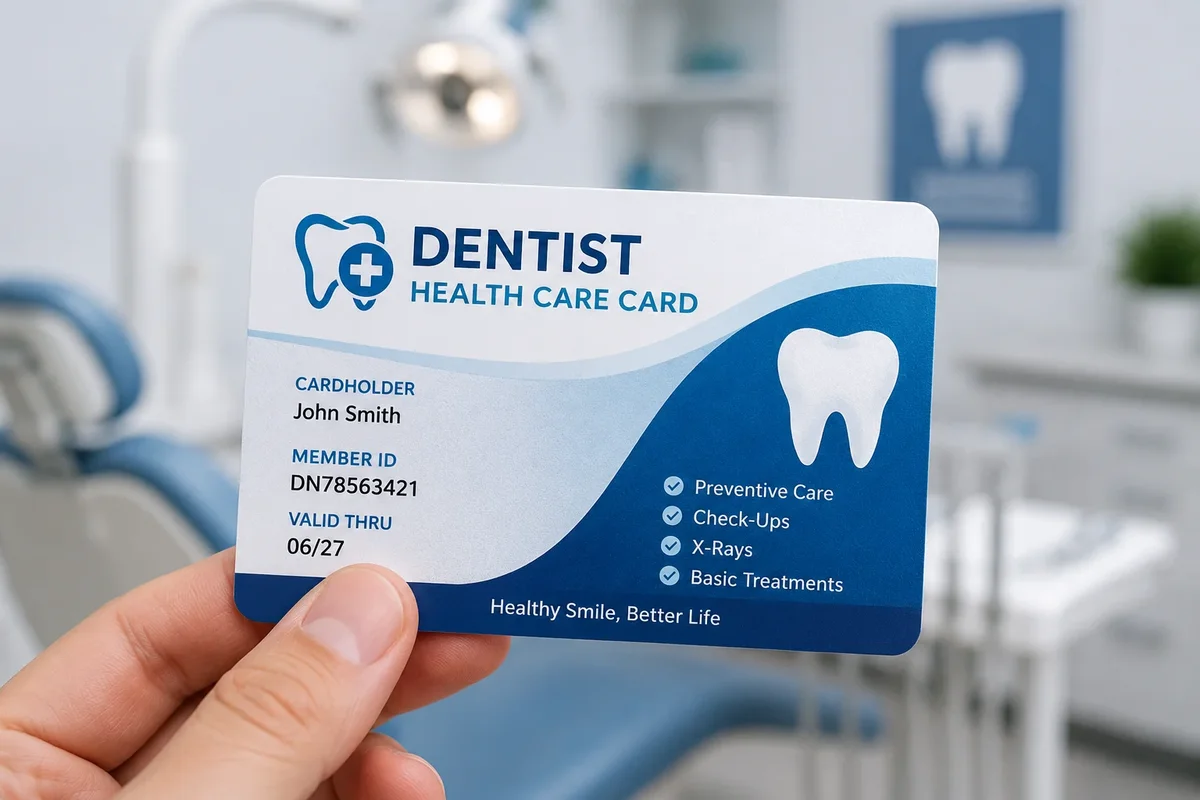
Tips to Maximize Your Dentist Health Care Card Benefits
A dentist health care card can be an incredibly valuable resource for individuals and families seeking affordable access to quality dental care. However, simply having a dentist health care card does not automatically guarantee that you are receiving the maximum value from the program. To fully benefit from available services, it is important to understand how to use your card strategically, stay informed about coverage, and take a proactive approach to oral health.
Many cardholders only use their dentist health care card when they experience pain or require urgent treatment. While emergency care is important, the greatest long-term value often comes from preventive services, regular check-ups, and early intervention. By following a few practical strategies, patients can improve their oral health outcomes while maximizing the financial advantages associated with a dentist health care card. 🦷✨
Schedule Regular Preventive Dental Visits
One of the most effective ways to maximize the benefits of a dentist health care card is to attend routine preventive appointments. Preventive care allows dentists to identify potential problems before they become serious and expensive to treat.
Regular preventive visits may include:
- Comprehensive oral examinations
- Professional dental cleanings
- Dental X-rays when necessary
- Oral cancer screenings
- Periodontal evaluations
- Personalized oral hygiene guidance
Using a dentist health care card for preventive services helps reduce the risk of major dental complications and supports long-term oral health.
Why Prevention Saves Money
A small cavity identified during a routine examination can often be treated quickly and affordably. If left untreated, the same cavity may eventually require root canal treatment, a crown, or extraction. A dentist health care card is most valuable when used to prevent problems rather than simply reacting to them.
Understand Exactly What Your Card Covers
Coverage varies between healthcare systems and assistance programs. To maximize the value of a dentist health care card, patients should familiarize themselves with the services included under their specific plan.
Important questions to ask include:
- Which treatments are covered?
- Are preventive services included?
- Are there annual limits?
- Do emergency services qualify?
- Which dental clinics participate?
- Are there waiting periods?
Understanding coverage details helps cardholders avoid surprises and ensures they make full use of available benefits under their dentist health care card.
Choose a Participating Dental Clinic
Not every dental provider accepts every healthcare assistance program. To maximize the effectiveness of a dentist health care card, patients should verify that their chosen clinic participates in the applicable program.
Working with a participating provider offers several advantages:
- Simplified billing processes
- Access to covered services
- Reduced out-of-pocket costs
- Better understanding of program requirements
- More efficient treatment planning
A clinic experienced in working with a dentist health care card can often provide valuable guidance regarding covered services and treatment options.
Build a Long-Term Relationship With Your Dentist
Consistently visiting the same provider allows your dental team to monitor oral health changes over time and create personalized treatment plans that maximize the benefits available through your dentist health care card.
Address Dental Problems Early
Many patients postpone treatment because symptoms seem minor or manageable. Unfortunately, dental conditions often worsen over time. One of the smartest ways to maximize a dentist health care card is to seek treatment as soon as a problem is detected.
Early treatment may help prevent:
- Progressive tooth decay
- Advanced gum disease
- Tooth loss
- Painful infections
- Complex restorative procedures
- Emergency dental visits
By addressing issues early, patients can often resolve problems using services already covered through a dentist health care card.
Maintain Excellent Oral Hygiene at Home
A dentist health care card works best when combined with strong daily oral hygiene habits. Good home care reduces the likelihood of developing preventable dental conditions and supports the effectiveness of professional treatment.
Essential oral hygiene practices include:
- Brushing twice daily with fluoride toothpaste
- Flossing every day
- Using antimicrobial mouthwash when recommended
- Limiting sugary foods and beverages
- Staying hydrated
- Replacing toothbrushes regularly
Healthy habits help patients gain greater long-term value from their dentist health care card by minimizing the need for extensive treatment.
Take Advantage of Educational Resources
Many healthcare programs associated with a dentist health care card provide educational materials and preventive health resources. These tools help patients better understand oral health risks, treatment options, and effective self-care strategies.
Educational resources may include:
- Oral hygiene instructions
- Nutritional guidance
- Preventive care recommendations
- Children’s dental health information
- Smoking cessation support
- Gum disease prevention education
Informed patients are often better equipped to protect their oral health and maximize the benefits of a dentist health care card.
Knowledge Supports Better Decisions
Understanding how oral health affects overall well-being empowers patients to seek care proactively and use their dentist health care card more effectively.
Keep Your Eligibility Information Updated
Many programs require periodic verification of eligibility. To avoid interruptions in benefits, cardholders should ensure that their personal information remains current.
Important updates may include:
- Changes in address
- Income adjustments
- Employment status updates
- Family composition changes
- Government assistance eligibility changes
Keeping records updated helps ensure uninterrupted access to services available through a dentist health care card.
Use Benefits Before Expiration or Renewal Deadlines
Some healthcare programs require regular renewal of a dentist health care card. Patients should monitor expiration dates carefully and submit renewal documentation on time.
Waiting until the last minute can result in temporary gaps in coverage, which may delay necessary dental treatment.
Scheduling preventive appointments before renewal deadlines helps maximize the value of a dentist health care card while ensuring continuity of care.
Discuss Treatment Options With Your Dentist
Open communication with your dentist is essential. Dental professionals can help identify which procedures are covered by a dentist health care card and recommend cost-effective treatment strategies.
Patients should feel comfortable asking:
- Which services are covered?
- What treatments are medically necessary?
- Are there alternative treatment options?
- What costs might not be covered?
- How can future problems be prevented?
These discussions help patients maximize both clinical outcomes and financial benefits.
Plan Ahead for Future Dental Needs
Many dental conditions develop gradually. By planning ahead and attending regular evaluations, patients can identify future treatment needs before they become urgent.
A proactive approach allows cardholders to use their dentist health care card strategically and avoid unnecessary financial stress associated with emergency treatment.
Think Beyond Immediate Savings
While the financial advantages of a dentist health care card are important, the long-term health benefits may be even more valuable. Consistent access to preventive care, early diagnosis, and professional treatment supports healthier teeth, stronger gums, and improved overall wellness.
Patients who actively utilize their dentist health care card often experience fewer dental emergencies, lower treatment costs over time, and greater confidence in their oral health.
Final Thoughts on Maximizing Your Benefits
A dentist health care card is more than a financial assistance tool—it is an opportunity to maintain lifelong oral health. By attending regular check-ups, understanding coverage details, practicing excellent oral hygiene, choosing participating providers, and addressing problems early, patients can maximize every benefit available through their dentist health care card.
Ultimately, the most successful cardholders are those who take a proactive approach to their dental care. With proper planning and consistent use, a dentist health care card can support healthier smiles, lower healthcare expenses, and a better quality of life for years to come. 😊🦷