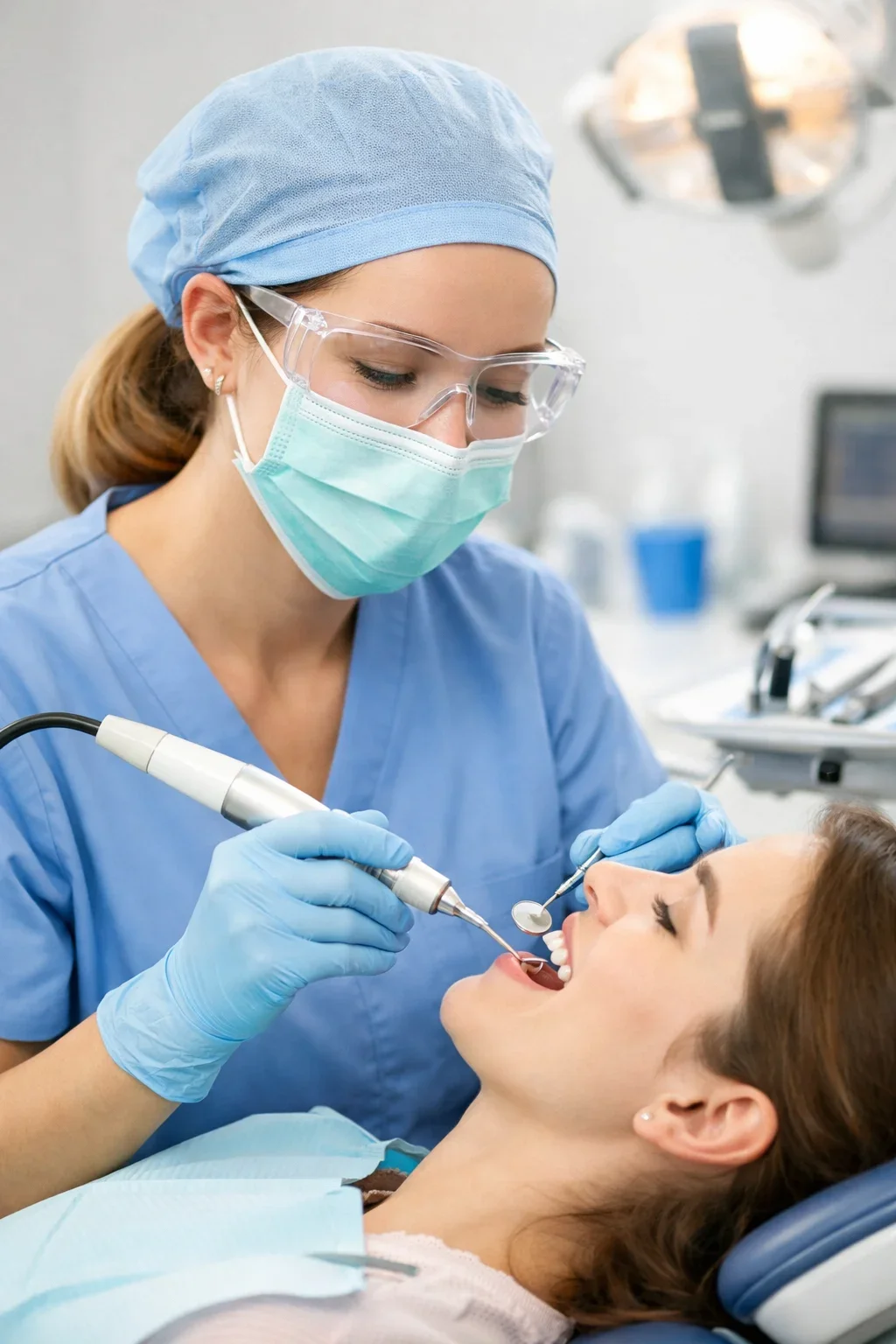
When people think about maintaining a healthy smile, they often picture a dentist performing complex procedures. However, one of the most important professionals in preventive oral care is the dentist hygienist. A dentist hygienist plays a central role in protecting your teeth and gums from disease, helping you avoid costly treatments, and guiding you toward lifelong oral health habits. Understanding what a dentist hygienist does, how they work with dentists, and why their role matters can completely change how you view routine dental visits. 🦷
A dentist hygienist is a licensed oral health professional who focuses primarily on preventive dental care. While the dentist diagnoses conditions and performs restorative or surgical procedures, the dentist hygienist concentrates on preventing those issues from developing in the first place. This includes professional cleanings, removing plaque and tartar, assessing gum health, educating patients about brushing and flossing techniques, and identifying early signs of oral disease. By working closely with a dentist, the dentist hygienist becomes a key figure in your overall dental care team.
One of the most common responsibilities of a dentist hygienist is performing dental cleanings, also known as prophylaxis. During this procedure, the dentist hygienist carefully removes plaque, calculus (tartar), and stains from the teeth. These substances, if left untreated, can lead to cavities, gingivitis, and periodontal disease. Regular visits to a dentist hygienist can significantly reduce your risk of developing these problems. In fact, preventive care is widely recommended by professional organizations such as the American Dental Association, which emphasizes the importance of routine dental hygiene appointments for maintaining oral health.
Beyond cleaning teeth, a dentist hygienist performs detailed oral examinations. They measure gum pockets, check for bleeding, evaluate inflammation, and look for early warning signs of gum disease. These periodontal assessments help detect issues before they become severe. A dentist hygienist also screens for oral cancer, monitors changes in soft tissues, and reports findings directly to the supervising dentist. This collaborative approach ensures that patients receive comprehensive and accurate diagnoses.
Education is another essential part of a dentist hygienist’s role. Many patients struggle with proper brushing techniques or do not understand the importance of flossing. A dentist hygienist provides personalized instruction based on each patient’s oral condition. For example, someone with braces may require special cleaning tools, while a patient with gum recession may need a softer brushing technique. The dentist hygienist empowers patients to take control of their oral hygiene at home, which is critical for long-term success. ✨
The impact of a dentist hygienist extends beyond the mouth. Research has shown strong connections between oral health and systemic conditions such as heart disease, diabetes, and respiratory infections. By reducing bacterial buildup and inflammation, a dentist hygienist helps lower the risk of these complications. Preventive dental care can therefore contribute to better overall health, not just a brighter smile.
In modern dental clinics, the dentist hygienist also utilizes advanced technology. Ultrasonic scalers, digital X-rays, intraoral cameras, and laser-assisted tools allow the dentist hygienist to provide more precise and comfortable care. These innovations improve both diagnostic accuracy and patient experience. A dentist hygienist trained in the latest techniques can make appointments faster, safer, and more efficient.
Another critical aspect of the dentist hygienist’s work is patient communication. Many individuals feel anxious about dental visits. A compassionate dentist hygienist helps reduce fear by explaining each step of the procedure, answering questions, and ensuring patient comfort. This supportive interaction builds trust and encourages patients to return regularly for preventive care. 😊
If you are unsure about when to schedule your next appointment, consider reaching out to a professional dental team. You can easily contact a trusted clinic through the Redent Klinik Contact Page to receive personalized guidance. Regular check-ups with a dentist hygienist can make a significant difference in preventing complex dental treatments in the future.
In summary, a dentist hygienist is far more than someone who simply cleans teeth. They are preventive care specialists, educators, early disease detectors, and essential members of the dental healthcare team. Through professional cleanings, detailed assessments, and patient education, the dentist hygienist helps maintain strong teeth, healthy gums, and overall well-being. Prioritizing visits to a dentist hygienist is one of the smartest decisions you can make for your long-term oral health. 🦷🌟
1. What Does a Dentist Hygienist Really Do?
Many patients schedule dental appointments without fully understanding the critical role of a dentist hygienist. While it may seem that a dentist hygienist simply “cleans teeth,” the reality is far more comprehensive and clinically significant. A dentist hygienist is a licensed oral health professional who focuses on prevention, early detection, and patient education. Their work forms the foundation of modern preventive dentistry and significantly reduces the need for complex restorative treatments.
The Core Responsibilities of a Dentist Hygienist
The primary duty of a dentist hygienist is preventive care. This begins with a thorough review of the patient’s medical and dental history. A dentist hygienist evaluates risk factors such as diabetes, smoking, pregnancy, medications, and systemic conditions that may influence oral health. Understanding the full health picture allows the dentist hygienist to tailor care appropriately.
Next comes the clinical examination. A dentist hygienist carefully inspects the teeth, gums, tongue, and oral tissues for abnormalities. Gum pocket measurements are taken using a periodontal probe to assess for signs of gingivitis or periodontitis. Bleeding, swelling, and recession are recorded in detail. These findings are shared with the supervising dentist to ensure coordinated treatment planning.
Professional Teeth Cleaning (Prophylaxis)
One of the most recognized procedures performed by a dentist hygienist is professional cleaning. During this process, plaque and tartar are removed using manual instruments and ultrasonic scalers. A dentist hygienist targets areas that are difficult for patients to reach at home, such as below the gumline and between teeth. This removal of hardened deposits is essential because tartar cannot be eliminated through brushing alone.
After scaling, the dentist hygienist polishes the teeth to remove surface stains and smooth the enamel. Polishing helps reduce plaque accumulation between visits. Finally, fluoride treatment may be applied to strengthen enamel and protect against decay. Each step is performed with precision and patient comfort in mind. 🦷
Early Detection and Preventive Screenings
A dentist hygienist is often the first professional to detect early warning signs of oral disease. Through regular visits, the dentist hygienist monitors subtle changes that patients may not notice. These include small cavities, enamel erosion, early gum inflammation, and suspicious lesions in soft tissues.
Oral cancer screenings are another critical responsibility. A dentist hygienist examines the lips, cheeks, tongue, throat, and floor of the mouth for abnormal growths or discoloration. Early detection dramatically improves treatment outcomes. Organizations such as the American Dental Association emphasize preventive screenings as a key component of routine dental visits.
Periodontal Maintenance Therapy
For patients with a history of gum disease, a dentist hygienist may perform periodontal maintenance instead of a standard cleaning. This deeper cleaning focuses on removing bacteria from periodontal pockets and preventing disease progression. A dentist hygienist carefully monitors pocket depths over time to evaluate improvement or deterioration.
Patient Education and Personalized Guidance
Education is one of the most powerful tools a dentist hygienist provides. Every patient has unique oral hygiene needs. A dentist hygienist demonstrates proper brushing angles, flossing techniques, and the correct use of interdental brushes or water flossers. For orthodontic patients, a dentist hygienist explains how to clean around brackets and wires effectively.
Dietary counseling may also be offered. A dentist hygienist can explain how frequent sugar intake contributes to cavity formation and how acidic beverages weaken enamel. By addressing lifestyle habits, the dentist hygienist supports long-term prevention beyond the dental chair. 😊
Collaboration with the Dentist and Dental Team
A dentist hygienist works closely with the dentist to ensure comprehensive care. After completing assessments and cleanings, the dentist hygienist discusses findings with the dentist. If restorative treatment, fillings, crowns, or other procedures are necessary, the dentist creates the treatment plan based on the hygienist’s detailed documentation.
This teamwork ensures efficiency and high-quality outcomes. In many practices, the dentist hygienist spends more one-on-one time with patients than the dentist, strengthening trust and communication. This collaborative model enhances patient satisfaction and preventive success.
Comfort, Anxiety Reduction, and Patient Experience
Dental anxiety is common. A skilled dentist hygienist understands how to create a calm and supportive environment. By explaining each step before performing it, the dentist hygienist reduces uncertainty and fear. Modern tools such as ultrasonic scalers and gentle air polishing systems make procedures more comfortable than ever before.
Patients who feel respected and informed are more likely to attend regular appointments. A compassionate dentist hygienist builds long-term relationships that promote consistent preventive care.
When Should You See a Dentist Hygienist?
Most patients benefit from visiting a dentist hygienist every six months. However, individuals with periodontal disease, implants, or systemic health conditions may require more frequent visits. If you are unsure about your schedule, professional guidance is essential. You can contact a qualified team through the Redent Klinik Contact Page for personalized recommendations.
Ultimately, a dentist hygienist does far more than polish teeth. From preventive cleanings and disease detection to patient education and emotional support, the dentist hygienist plays a central role in protecting both oral and overall health. Regular appointments with a dentist hygienist are one of the most effective investments you can make in maintaining a confident, healthy smile. 🌟
2. Dentist Hygienist vs Dentist: Key Differences Explained
Many patients use the terms dentist and dentist hygienist interchangeably, but these two professionals have distinct roles within a dental clinic. Understanding the difference between a dentist and a dentist hygienist helps patients make informed decisions about their oral health care and better appreciate how both professionals work together to maintain a healthy smile. 🦷
A dentist hygienist is primarily focused on preventive oral care, while a dentist is responsible for diagnosing and treating dental diseases and performing restorative or surgical procedures. Although their responsibilities differ, both are essential members of the dental team. The dentist hygienist often spends more time with patients during routine visits, providing preventive services and education that reduce the need for invasive treatments.
Educational Path and Licensing Requirements
The educational pathways of a dentist and a dentist hygienist are different, reflecting their distinct scopes of practice. A dentist completes a bachelor’s degree followed by four years of dental school to earn a Doctor of Dental Surgery (DDS) or Doctor of Dental Medicine (DMD) degree. After graduation, dentists must pass national and regional board examinations to become licensed.
A dentist hygienist typically completes an accredited dental hygiene program, which may result in an associate’s or bachelor’s degree. After completing formal education, a dentist hygienist must also pass national board exams and obtain state licensure. While the duration of training differs, the education of a dentist hygienist is highly specialized and focused specifically on preventive care, periodontal health, and patient education.
Scope of Clinical Practice
The scope of practice is one of the clearest distinctions between a dentist and a dentist hygienist. A dentist hygienist performs professional teeth cleanings, removes plaque and tartar, conducts periodontal assessments, takes dental X-rays, applies fluoride treatments, and provides sealants. In many regions, a dentist hygienist can also administer local anesthesia, depending on regulations.
In contrast, a dentist performs procedures such as fillings, crowns, root canal therapy, extractions, dental implant placement, and complex restorative treatments. While a dentist diagnoses conditions and develops treatment plans, the dentist hygienist focuses on prevention and early detection.
Preventive Care vs Restorative Treatment
The dentist hygienist plays a proactive role in preventing oral diseases before they require restorative intervention. For example, regular cleanings performed by a dentist hygienist remove calculus buildup that could otherwise lead to gum disease. By identifying early signs of inflammation, the dentist hygienist helps stop disease progression at an early stage.
When problems are detected, the dentist steps in to perform necessary restorative or surgical treatments. This collaborative relationship ensures that preventive and corrective care are seamlessly integrated. The dentist hygienist acts as the first line of defense in protecting oral health, while the dentist manages more advanced clinical needs.
Patient Interaction and Communication
Because routine cleanings typically last 30 to 60 minutes, patients often spend more direct time with a dentist hygienist than with a dentist. During this time, the dentist hygienist reviews oral hygiene habits, discusses dietary choices, and demonstrates proper brushing and flossing techniques. This extended interaction builds trust and encourages patients to maintain consistent preventive care. 😊
The dentist then reviews findings, confirms diagnoses, and outlines any necessary treatment plans. Both professionals collaborate closely to ensure accuracy and continuity of care.
Technology and Diagnostic Support
Modern dental clinics rely heavily on technology. A dentist hygienist frequently operates digital radiography systems, intraoral cameras, and ultrasonic scalers. These tools allow the dentist hygienist to capture detailed images and provide precise cleanings. Findings are shared with the dentist to assist in accurate diagnosis.
Professional organizations such as the American Dental Association emphasize the importance of teamwork between dentists and hygienists in delivering evidence-based care. This collaboration ensures patients receive comprehensive evaluations and personalized treatment strategies.
Cost Differences Between Services
Another distinction lies in service costs. Preventive visits with a dentist hygienist are generally more affordable than restorative procedures performed by a dentist. In the United States, a routine cleaning by a dentist hygienist typically ranges from $75 to $200, depending on location and complexity. Periodontal maintenance visits may range from $150 to $350. In comparison, restorative procedures such as crowns or root canals performed by a dentist can cost several hundred to several thousand dollars.
Investing in preventive care with a dentist hygienist can significantly reduce long-term expenses by minimizing the likelihood of advanced treatments.
Why Both Roles Are Essential
It is not a matter of choosing between a dentist and a dentist hygienist; both are equally important. The dentist hygienist helps maintain healthy gums and teeth through preventive strategies, while the dentist addresses structural and functional issues when necessary. Together, they form a comprehensive oral health team.
If you have questions about scheduling preventive or restorative care, you can consult a professional clinic through the Redent Klinik Contact Page to determine the right approach for your needs.
In summary, the dentist hygienist focuses on prevention, patient education, and early detection, while the dentist manages diagnosis and advanced treatment. Understanding these differences allows patients to fully appreciate the essential role of a dentist hygienist in maintaining long-term oral health and preventing complex dental problems. 🌟
3. Education and Training Required for a Dentist Hygienist
Becoming a dentist hygienist requires specialized education, clinical training, and a strong commitment to preventive oral healthcare. Many patients are surprised to learn how rigorous and science-based the training of a dentist hygienist truly is. While the dentist focuses on diagnosis and complex treatment procedures, the dentist hygienist undergoes focused education centered on prevention, periodontal health, patient communication, and clinical precision. This advanced preparation ensures that every dentist hygienist is fully equipped to provide safe, effective, and evidence-based care. 🦷
Academic Pathway to Becoming a Dentist Hygienist
The journey to becoming a dentist hygienist typically begins with enrollment in an accredited dental hygiene program. Most programs offer an Associate Degree in Dental Hygiene, which generally takes two to three years to complete. However, many institutions now offer Bachelor’s degrees, which can provide expanded career opportunities and leadership roles within dental settings.
During formal education, a dentist hygienist studies subjects such as anatomy, physiology, microbiology, pathology, radiology, pharmacology, and periodontology. These courses build the scientific foundation necessary for understanding how oral diseases develop and how they can be prevented. The dentist hygienist must master both theoretical knowledge and hands-on clinical skills to successfully complete the program.
Clinical Training and Hands-On Experience
Clinical training is a critical component of becoming a dentist hygienist. Students practice scaling, root planing, radiographic imaging, and periodontal assessments under supervision. A dentist hygienist must demonstrate competence in removing plaque and calculus effectively while maintaining patient comfort. Precision and manual dexterity are essential qualities that are developed through repeated clinical practice.
In addition to technical procedures, a dentist hygienist is trained in patient management and communication. Students learn how to explain oral health conditions clearly, guide patients in proper brushing and flossing techniques, and reduce dental anxiety. These soft skills are just as important as technical abilities in delivering high-quality care.
Licensing and Certification Requirements
After completing an accredited program, a dentist hygienist must pass national and regional licensing examinations. In the United States, this includes the National Board Dental Hygiene Examination (NBDHE) along with a clinical board exam. Licensing requirements may vary by country or state, but the process ensures that every dentist hygienist meets strict competency standards.
Professional organizations such as the American Dental Association establish guidelines that help maintain consistent education and ethical standards across the profession. These regulatory frameworks protect patients and reinforce the credibility of every dentist hygienist practicing in a clinical setting.
Continuing Education and Skill Advancement
Education does not stop after initial licensure. A dentist hygienist is required to complete continuing education courses regularly to maintain certification. These courses cover advancements in periodontal therapy, laser dentistry, infection control protocols, and emerging technologies. By staying updated, a dentist hygienist ensures that patients benefit from modern, evidence-based techniques.
Some dentist hygienists pursue additional certifications in local anesthesia administration, laser therapy, or public health dentistry. These advanced skills allow the dentist hygienist to expand their scope of practice and enhance patient care within the dental team.
Core Competencies Developed During Training
The education of a dentist hygienist focuses heavily on preventive care strategies. Students learn how to identify early signs of gingivitis, periodontitis, enamel erosion, and oral lesions. Accurate periodontal charting and radiographic interpretation are essential components of training. A dentist hygienist must be able to detect subtle changes in gum health and document findings clearly for the supervising dentist.
Infection control is another major focus. A dentist hygienist is trained extensively in sterilization procedures, cross-contamination prevention, and patient safety protocols. Strict adherence to these guidelines ensures that every treatment environment remains hygienic and secure.
The Importance of Interdisciplinary Collaboration
Throughout their education, a dentist hygienist is taught to work collaboratively with dentists and other healthcare professionals. Effective teamwork ensures comprehensive patient care. For example, if a dentist hygienist identifies advanced periodontal disease during an assessment, the dentist can immediately develop a targeted treatment plan.
This collaborative dynamic strengthens diagnostic accuracy and improves long-term outcomes. If you are interested in professional dental guidance or preventive services, you can connect with an experienced team through the Redent Klinik Contact Page.
Why Training Matters for Patients
The extensive training required to become a dentist hygienist directly benefits patients. Every scaling procedure, periodontal evaluation, and oral cancer screening is grounded in scientific education and supervised clinical practice. When you sit in the dental chair, you can feel confident knowing that your dentist hygienist has undergone rigorous preparation to protect your oral health. 😊
Ultimately, the education and training of a dentist hygienist ensure high standards of preventive care, patient safety, and professional excellence. Through academic rigor, clinical expertise, and ongoing education, the dentist hygienist remains a vital force in promoting long-term oral and overall health. 🌟
4. Why Regular Visits to a Dentist Hygienist Matter
Scheduling consistent appointments with a dentist hygienist is one of the most effective ways to protect your long-term oral health. While many people only think about visiting a dental clinic when they experience pain or discomfort, preventive care delivered by a dentist hygienist can stop problems before they even begin. Regular check-ups are not just about maintaining a bright smile; they are about safeguarding your gums, preventing tooth loss, and supporting your overall health. 🦷
A dentist hygienist focuses on early detection and preventive intervention. By visiting a dentist hygienist every six months—or more frequently if recommended—you significantly reduce the risk of cavities, gum disease, enamel erosion, and other oral complications. Prevention is always more affordable, less invasive, and more comfortable than restorative treatment.
Prevention of Plaque and Tartar Buildup
Even with excellent brushing and flossing habits, plaque can accumulate in hard-to-reach areas of the mouth. Over time, plaque hardens into tartar (calculus), which cannot be removed with home care alone. A dentist hygienist uses specialized instruments to eliminate this buildup safely and effectively.
Without professional cleaning by a dentist hygienist, tartar continues to irritate the gums, leading to inflammation and bleeding. Regular appointments ensure that harmful bacteria are controlled before they cause significant damage. Consistent scaling and polishing performed by a dentist hygienist help maintain smooth tooth surfaces that resist plaque accumulation.
Reducing the Risk of Gum Disease
Gum disease often begins silently. In its earliest stage, gingivitis may present only mild redness or slight bleeding. A dentist hygienist carefully monitors these early signs during routine visits. By measuring gum pockets and evaluating tissue health, the dentist hygienist can detect subtle changes long before the patient notices symptoms.
Early intervention is crucial. If untreated, gingivitis can progress into periodontitis, a serious condition that can result in tooth loss. Regular periodontal evaluations by a dentist hygienist prevent this progression and support long-term stability of the teeth.
Early Detection of Dental Problems
Another key reason regular visits to a dentist hygienist matter is early detection. During routine appointments, a dentist hygienist examines teeth for small cavities, enamel wear, cracks, and signs of bruxism (teeth grinding). Catching these issues early allows the dentist to provide conservative treatment before extensive procedures become necessary.
A dentist hygienist also performs oral cancer screenings, checking for unusual lumps, discoloration, or tissue changes. Early diagnosis significantly improves treatment outcomes. Organizations like the American Dental Association strongly recommend preventive dental evaluations as part of comprehensive healthcare.
Monitoring Overall Health Connections
Scientific research has established strong links between oral health and systemic conditions such as heart disease, diabetes, and respiratory infections. A dentist hygienist plays a vital role in controlling oral inflammation, which may reduce systemic risks. For patients with chronic conditions, routine cleanings by a dentist hygienist become even more essential.
For example, individuals with diabetes are more prone to gum disease. A dentist hygienist provides targeted care and monitoring to help manage this increased risk. Maintaining healthy gums can positively influence blood sugar control and overall wellness.
Financial Benefits of Preventive Care
Regular visits to a dentist hygienist are also financially beneficial. The cost of a preventive cleaning typically ranges between $75 and $200 in the United States, depending on location and clinical complexity. In contrast, advanced treatments such as root canal therapy, crowns, or periodontal surgery can cost several hundred to several thousand dollars.
By investing in preventive care with a dentist hygienist, patients often avoid these larger expenses. Prevention reduces the likelihood of emergency appointments and complex restorative procedures, making routine visits a smart long-term financial decision.
Building Long-Term Patient Relationships
Another often overlooked benefit of seeing a dentist hygienist regularly is continuity of care. Over time, a dentist hygienist becomes familiar with your oral health patterns, risk factors, and personal habits. This familiarity allows for more personalized and proactive care.
A trusted dentist hygienist can provide tailored recommendations for oral hygiene products, dietary changes, and preventive strategies. If you are unsure about your cleaning schedule or want personalized advice, you can connect with a professional dental team through the Redent Klinik Contact Page for guidance.
Improved Confidence and Quality of Life
Beyond clinical health benefits, regular visits to a dentist hygienist contribute to improved confidence. Professional cleaning removes surface stains and enhances the natural brightness of your teeth. Fresh breath and healthy gums improve social interactions and self-esteem. 😊
Ultimately, consistent appointments with a dentist hygienist are not optional—they are foundational to lifelong oral health. From preventing plaque buildup and gum disease to detecting early problems and supporting overall wellness, the dentist hygienist plays a central role in maintaining a strong, healthy smile. By prioritizing routine visits, you protect not only your teeth but also your overall health and long-term quality of life. 🌟
5. Professional Teeth Cleaning: Step-by-Step Process
A professional cleaning performed by a dentist hygienist is one of the most important preventive procedures in modern dentistry. While daily brushing and flossing are essential, they cannot completely eliminate hardened plaque deposits or detect subtle gum changes. That is why routine appointments with a dentist hygienist are critical. Understanding the step-by-step process helps patients feel more comfortable and confident during their visit. 🦷
Initial Medical and Oral Health Review
Every appointment with a dentist hygienist begins with a comprehensive review of your medical and dental history. The dentist hygienist asks about medications, systemic conditions, allergies, and recent health changes. This step ensures safe treatment and allows the dentist hygienist to adapt the cleaning approach based on individual needs.
For example, patients with heart conditions, diabetes, or pregnancy-related gum sensitivity may require special considerations. The dentist hygienist carefully documents all relevant details before beginning the clinical assessment.
Preliminary Oral Examination
Before starting the cleaning, the dentist hygienist performs a visual and clinical examination of the teeth and gums. Using a small mirror and periodontal probe, the dentist hygienist checks for redness, swelling, bleeding, gum recession, and pocket depth. Measuring gum pockets helps detect early signs of periodontal disease.
If necessary, digital X-rays may be taken to evaluate bone levels and identify hidden decay. The dentist hygienist communicates findings clearly and prepares the dentist for further evaluation if needed.
Scaling: Removing Plaque and Tartar
The core of the appointment with a dentist hygienist is scaling. During this step, the dentist hygienist removes plaque and hardened tartar (calculus) from the tooth surfaces and beneath the gumline. Specialized hand instruments and ultrasonic scalers are used to break apart and eliminate deposits safely.
Ultrasonic devices use high-frequency vibrations combined with water spray to loosen tartar efficiently. A dentist hygienist carefully adjusts pressure and technique to maximize comfort while ensuring thorough cleaning. This step is essential because tartar cannot be removed through home brushing alone.
Deep Cleaning for Periodontal Patients
If gum pockets are deeper than normal, the dentist hygienist may perform scaling and root planing, often referred to as deep cleaning. This advanced procedure smooths the root surfaces to remove bacteria and encourage gum reattachment. A dentist hygienist may administer local anesthesia if required to ensure patient comfort.
Deep cleaning is particularly important for patients with a history of periodontal disease. Regular maintenance visits with a dentist hygienist help prevent disease progression and tooth loss.
Polishing and Stain Removal
After scaling, the dentist hygienist polishes the teeth using a rotating rubber cup and mildly abrasive polishing paste. This step removes surface stains caused by coffee, tea, tobacco, or certain foods. Polishing also smooths enamel surfaces, making it harder for plaque to accumulate between visits.
Some dentist hygienist professionals may use air polishing technology, which gently sprays a fine powder mixture to remove stains effectively. This method is often more comfortable and efficient for patients with sensitive teeth.
Fluoride Treatment and Protective Measures
In many cases, the dentist hygienist applies a fluoride treatment at the end of the cleaning. Fluoride strengthens enamel and helps prevent cavities. The dentist hygienist selects the appropriate fluoride type based on patient age, cavity risk, and overall oral health status.
Sealants may also be recommended, especially for children and teenagers. A dentist hygienist applies sealants to protect deep grooves in molars from decay.
Patient Education and Personalized Recommendations
One of the most valuable parts of the visit is patient education. A dentist hygienist provides individualized guidance on brushing techniques, flossing methods, and product recommendations. For example, a dentist hygienist may suggest an electric toothbrush, interdental brushes, or antimicrobial mouthwash based on the patient’s needs. 😊
Dietary advice is often included. A dentist hygienist explains how sugar frequency and acidic drinks contribute to enamel erosion and gum inflammation. This proactive counseling empowers patients to maintain results at home.
Cost of Professional Cleaning
The cost of a professional cleaning performed by a dentist hygienist typically ranges from $75 to $200 in the United States. Deep cleaning procedures may range between $150 and $350 per quadrant, depending on the severity of gum disease and geographic location. Investing in preventive care with a dentist hygienist often reduces the likelihood of expensive restorative treatments later.
For personalized consultation or to schedule a preventive cleaning, patients can reach out through the Redent Klinik Contact Page to receive professional guidance.
Why This Process Matters
Each step performed by a dentist hygienist is carefully designed to maintain oral health, prevent disease, and enhance patient comfort. Professional cleaning removes harmful bacteria, improves gum health, and supports overall wellness. According to the American Dental Association, regular preventive visits are essential for maintaining optimal oral hygiene.
Ultimately, a cleaning appointment with a dentist hygienist is not just about polishing teeth—it is a comprehensive preventive procedure that protects your smile for years to come. 🌟
6. How a Dentist Hygienist Helps Prevent Gum Disease
Gum disease is one of the most common oral health problems worldwide, yet it is also one of the most preventable. A dentist hygienist plays a central role in protecting patients from gingivitis and periodontitis through early detection, professional cleaning, and continuous education. Without regular visits to a dentist hygienist, plaque and bacteria can silently damage the gums and supporting bone structure, eventually leading to tooth loss. Understanding how a dentist hygienist prevents gum disease helps patients appreciate the true value of preventive dental care. 🦷
Understanding Gum Disease: The Early Warning Signs
Gum disease begins with gingivitis, a mild but reversible inflammation of the gums. Common symptoms include redness, swelling, tenderness, and bleeding during brushing or flossing. Many patients ignore these signs because they are painless. However, a dentist hygienist is trained to recognize even subtle indicators of gum inflammation during routine exams.
If gingivitis is left untreated, it can progress to periodontitis. In this advanced stage, bacteria spread below the gumline, forming deep pockets around the teeth. Over time, this infection destroys the supporting bone structure. A dentist hygienist carefully measures gum pocket depth at each visit to monitor for early progression. This proactive evaluation is one of the most powerful tools in preventing long-term damage.
Periodontal Charting and Assessment
During routine appointments, a dentist hygienist performs periodontal charting using a small probe to measure the space between the gum and tooth. Healthy pockets typically measure 1–3 millimeters. A dentist hygienist records any deeper pockets, which may signal the onset of periodontal disease. Consistent documentation allows the dentist hygienist to track changes over time and intervene early.
Professional Plaque and Tartar Removal
The primary cause of gum disease is bacterial plaque. Even with proper brushing, some plaque remains in hard-to-reach areas. When plaque hardens into tartar, it can only be removed by a dentist hygienist using specialized instruments. Professional scaling eliminates these harmful deposits before they irritate the gum tissue further.
A dentist hygienist uses ultrasonic scalers and hand instruments to carefully clean both above and below the gumline. Removing bacteria reduces inflammation and allows gum tissues to heal. Regular cleanings performed by a dentist hygienist significantly lower the risk of gingivitis progressing into periodontitis.
Scaling and Root Planing for Advanced Cases
If early gum disease is detected, a dentist hygienist may recommend scaling and root planing, often referred to as deep cleaning. This procedure involves cleaning below the gumline and smoothing root surfaces to discourage bacterial reattachment. A dentist hygienist ensures the procedure is performed comfortably and effectively, often using local anesthesia when necessary.
Deep cleaning helps shrink periodontal pockets and stabilize gum health. Ongoing maintenance visits with a dentist hygienist are then scheduled to prevent recurrence.
Education and Behavioral Guidance
Prevention does not stop in the dental chair. A dentist hygienist provides personalized education to improve at-home oral hygiene habits. Patients learn correct brushing techniques, proper flossing methods, and how to use interdental brushes or water flossers. These tools help maintain the results achieved during professional cleaning. 😊
A dentist hygienist may also discuss lifestyle factors such as smoking, diet, and stress, all of which influence gum health. Smoking, for example, significantly increases the risk of periodontal disease. By offering guidance and motivation, a dentist hygienist empowers patients to take active control of their oral health.
Connection Between Gum Disease and Overall Health
Scientific research continues to demonstrate the link between gum disease and systemic conditions like heart disease, diabetes, and respiratory illness. Chronic inflammation in the gums may contribute to inflammation throughout the body. A dentist hygienist plays a preventive role not only for oral health but also for overall wellness.
Organizations such as the American Dental Association emphasize preventive periodontal care as an essential component of total health management. By maintaining healthy gums through regular appointments with a dentist hygienist, patients may reduce systemic health risks.
Frequency of Preventive Visits
Most patients benefit from visiting a dentist hygienist every six months. However, individuals with a history of periodontal disease may require visits every three to four months. A dentist hygienist determines the ideal interval based on pocket depth, bleeding levels, and individual risk factors.
If you are unsure about your gum health or need personalized advice, professional guidance is essential. You can connect with a dental team through the Redent Klinik Contact Page for further consultation.
Long-Term Impact of Preventive Care
Consistent care from a dentist hygienist significantly reduces the likelihood of tooth loss, bone deterioration, and expensive surgical procedures. The cost of preventive cleanings typically ranges from $75 to $200, while advanced periodontal surgery can cost thousands of dollars. Investing in preventive care with a dentist hygienist is both medically and financially wise.
Ultimately, a dentist hygienist serves as the first line of defense against gum disease. Through detailed assessments, professional cleaning, patient education, and continuous monitoring, the dentist hygienist protects the foundation of your smile. Healthy gums are essential for long-term oral stability, and regular preventive care ensures that your smile remains strong, comfortable, and confident for years to come. 🌟
7. Advanced Technologies Used by a Dentist Hygienist
Modern preventive dentistry has evolved significantly over the past decade, and today’s dentist hygienist works with highly advanced technologies that improve accuracy, comfort, and treatment outcomes. Far beyond traditional hand instruments alone, a dentist hygienist now utilizes digital systems, precision-powered devices, and minimally invasive tools to deliver superior preventive care. These innovations not only enhance the patient experience but also allow the dentist hygienist to detect oral health problems earlier and treat them more efficiently. 🦷
Digital Radiography and Imaging Systems
One of the most transformative tools used by a dentist hygienist is digital radiography. Unlike traditional X-rays, digital imaging provides instant results with significantly lower radiation exposure. A dentist hygienist captures detailed images of teeth, bone levels, and hidden decay, which are then analyzed alongside the dentist.
Digital X-rays allow the dentist hygienist to detect early cavities between teeth, monitor bone loss associated with periodontal disease, and assess the health of existing restorations. Because images appear immediately on a computer screen, the dentist hygienist can review findings with the patient in real time, improving understanding and transparency.
Intraoral Cameras for Patient Education
Intraoral cameras are another valuable tool in the hands of a dentist hygienist. These small, high-resolution cameras capture close-up images inside the mouth. A dentist hygienist can display these images on a monitor, helping patients clearly see plaque buildup, gum inflammation, or cracks in enamel.
This visual communication strengthens trust and motivates patients to improve their oral hygiene habits. When patients can see what the dentist hygienist sees, they are more likely to follow preventive recommendations. 😊
Ultrasonic Scalers for Efficient Cleaning
Ultrasonic scaling technology has revolutionized professional cleanings. Instead of relying solely on manual instruments, a dentist hygienist often uses ultrasonic scalers that emit high-frequency vibrations combined with water spray. These vibrations effectively break apart hardened tartar deposits while flushing away bacteria.
For many patients, ultrasonic cleaning performed by a dentist hygienist is faster and more comfortable than traditional methods alone. The water spray also helps cool the instrument and reduce friction, making the procedure gentler on sensitive teeth.
Air Polishing Systems
Air polishing devices are increasingly used by a dentist hygienist to remove stains and biofilm. This technology sprays a fine mixture of air, water, and polishing powder onto the tooth surface. Compared to traditional polishing cups, air polishing can be less abrasive and more effective at reaching tight spaces.
A dentist hygienist may recommend air polishing for patients with braces, dental implants, or heavy surface staining. This modern approach enhances cleaning efficiency while preserving enamel integrity.
Laser-Assisted Periodontal Therapy
In some advanced clinics, a dentist hygienist may assist with or perform laser-assisted periodontal therapy where regulations permit. Dental lasers help reduce bacterial load within periodontal pockets and promote healing. A dentist hygienist trained in laser technology can provide minimally invasive treatment for early gum disease.
Laser therapy reduces bleeding and post-treatment discomfort, making periodontal maintenance more comfortable for patients. The integration of laser technology demonstrates how the role of a dentist hygienist continues to evolve with scientific advancements.
Digital Charting and Record Management
Electronic health record systems allow a dentist hygienist to document periodontal measurements, treatment history, and patient progress digitally. Digital charting ensures accurate tracking of gum pocket depths and bleeding scores over time.
This data-driven approach enables the dentist hygienist to identify trends and intervene promptly if gum health begins to decline. Consistent monitoring supports long-term preventive success.
Infection Control and Sterilization Innovations
Advanced sterilization systems are also essential tools used by a dentist hygienist. Modern autoclaves, instrument tracking systems, and strict infection control protocols protect patients from cross-contamination. A dentist hygienist is trained to follow guidelines established by professional organizations such as the American Dental Association.
Adhering to these standards ensures a safe and hygienic clinical environment during every appointment.
Cost Considerations for Technology-Enhanced Care
While advanced technology enhances care quality, it may slightly influence service pricing. A professional cleaning by a dentist hygienist typically ranges from $75 to $200, while advanced periodontal treatments involving specialized tools may range between $150 and $350 per session. However, investing in preventive care with a dentist hygienist reduces the risk of costly restorative procedures later.
Patients seeking personalized preventive care can reach out through the Redent Klinik Contact Page to schedule an appointment.
The Future of Preventive Dentistry
The role of a dentist hygienist continues to expand as technology advances. Artificial intelligence-assisted diagnostics, improved imaging systems, and minimally invasive tools are shaping the future of preventive dentistry. A dentist hygienist remains at the forefront of these innovations, ensuring patients receive accurate, comfortable, and efficient care.
Ultimately, the integration of advanced technologies empowers the dentist hygienist to provide higher precision, earlier detection, and enhanced patient education. By combining professional expertise with modern tools, the dentist hygienist strengthens preventive strategies and protects long-term oral health for every patient. 🌟
8. Costs of Visiting a Dentist Hygienist: What to Expect
Understanding the financial aspect of preventive dental care helps patients plan responsibly and avoid unexpected expenses. Visiting a dentist hygienist is generally one of the most cost-effective ways to maintain oral health and prevent complex treatments. While fees may vary depending on location, clinic standards, and the type of service required, routine preventive visits with a dentist hygienist are significantly more affordable than restorative or surgical procedures. 🦷
A dentist hygienist focuses on preventive services such as professional cleaning, periodontal assessments, fluoride applications, and patient education. These services are designed to reduce the likelihood of advanced dental issues. When patients skip regular visits to a dentist hygienist, they may face higher costs later due to untreated cavities, gum disease, or tooth loss.
Average Cost of Routine Cleaning
In the United States, a standard professional cleaning performed by a dentist hygienist typically ranges between $75 and $200. The exact amount depends on geographic location, clinic facilities, and whether the patient has dental insurance. Urban areas with higher operational costs may charge slightly more, while smaller communities may offer lower fees.
This routine cleaning usually includes scaling to remove plaque and tartar, polishing to eliminate surface stains, and sometimes fluoride application. The dentist hygienist also conducts a periodontal evaluation during the appointment. Considering the preventive benefits, this investment is relatively modest compared to restorative procedures.
Cost of Periodontal Maintenance and Deep Cleaning
If gum disease is present, a dentist hygienist may recommend scaling and root planing, also known as deep cleaning. The cost for this procedure generally ranges from $150 to $350 per quadrant. Because the mouth is divided into four quadrants, total treatment may range between $600 and $1,400 depending on severity.
Although this cost is higher than routine cleaning, it is still far less expensive than advanced periodontal surgery or dental implants. Regular follow-up visits with a dentist hygienist after deep cleaning help prevent recurrence and protect long-term gum health.
Insurance Coverage and Preventive Benefits
Most dental insurance plans fully or partially cover preventive visits with a dentist hygienist. Routine cleanings are often covered twice per year with little or no out-of-pocket expense. Periodontal maintenance may also receive partial coverage if medically necessary.
Insurance providers recognize the preventive value of services delivered by a dentist hygienist. By covering cleanings and exams, insurers reduce the likelihood of costly restorative claims. Patients are encouraged to review their individual coverage details before scheduling appointments.
Comparing Preventive vs Restorative Costs
To understand the true value of seeing a dentist hygienist, it helps to compare costs. A single dental crown may cost between $800 and $2,000. Root canal therapy can range from $700 to $1,500 per tooth. Dental implants often exceed $3,000 per implant.
By contrast, visiting a dentist hygienist twice a year for preventive care might cost under $400 annually without insurance. Investing in preventive services significantly lowers the probability of requiring these expensive restorative treatments.
Factors That Influence Pricing
Several factors influence the cost of visiting a dentist hygienist. These include geographic region, clinic technology, level of periodontal involvement, and the patient’s overall oral health condition. Clinics equipped with advanced technologies such as digital imaging and ultrasonic scalers may have slightly higher service fees, but these innovations enhance precision and comfort.
Additionally, patients with heavy tartar buildup or advanced gum disease may require longer appointments with a dentist hygienist, which can influence overall cost. Regular maintenance helps minimize these additional expenses.
Long-Term Financial Benefits of Prevention
Preventive care delivered by a dentist hygienist is not merely an expense—it is a long-term investment. Regular cleanings reduce the risk of emergency visits, pain management treatments, and surgical interventions. According to preventive care guidelines supported by the American Dental Association, routine dental visits are essential for maintaining both oral and systemic health.
Patients who prioritize consistent visits to a dentist hygienist often experience fewer unexpected dental emergencies. This predictability allows for better budgeting and financial planning.
Flexible Payment and Consultation Options
Many clinics offer flexible payment plans or preventive care packages to make services from a dentist hygienist more accessible. Some practices provide membership plans for uninsured patients, covering routine cleanings and exams at a discounted annual rate.
If you are considering scheduling a preventive visit or would like a personalized cost estimate, you can contact a professional dental team through the Redent Klinik Contact Page. A consultation will help determine the most appropriate care plan based on your oral health status.
Why Cost Should Not Delay Prevention
While cost is an important consideration, delaying preventive visits to a dentist hygienist often leads to higher expenses later. Gum disease and cavities progress silently, and early-stage treatment is always simpler and more affordable than advanced correction.
Ultimately, visiting a dentist hygienist regularly is both a health decision and a financial strategy. By investing in preventive care, patients protect their smile, reduce long-term costs, and maintain greater overall well-being. 🌟
9. Choosing the Right Dentist Hygienist for Your Needs
Selecting the right dentist hygienist is an important decision that directly influences your oral health, comfort, and long-term treatment outcomes. While technical skills and education are essential, the ideal dentist hygienist also provides clear communication, empathy, and personalized preventive strategies. Because routine preventive visits form the foundation of dental care, choosing a qualified and experienced dentist hygienist ensures that your smile remains healthy, stable, and confident for years to come. 🦷
Qualifications and Professional Credentials
The first factor to consider when choosing a dentist hygienist is professional qualification. A licensed dentist hygienist must graduate from an accredited dental hygiene program and pass national and regional licensing examinations. These credentials confirm that the dentist hygienist has completed rigorous academic and clinical training.
Patients may also look for continuing education certifications. A dentist hygienist who regularly participates in advanced courses demonstrates commitment to staying updated with evolving preventive techniques, infection control protocols, and emerging technologies. Professional standards supported by organizations such as the American Dental Association reinforce the importance of evidence-based practice.
Experience in Preventive and Periodontal Care
Experience matters, especially for patients with a history of gum disease or complex dental conditions. An experienced dentist hygienist is skilled at recognizing early signs of periodontal issues, enamel wear, and oral lesions. Through consistent monitoring and accurate documentation, the dentist hygienist can detect changes that may otherwise go unnoticed.
If you have dental implants, orthodontic appliances, or chronic health conditions such as diabetes, selecting a dentist hygienist with experience in specialized preventive care can improve treatment outcomes significantly.
Communication and Patient Comfort
Technical expertise alone is not enough. A compassionate dentist hygienist builds trust through clear explanations and attentive listening. During appointments, the dentist hygienist should explain procedures step by step, answer questions thoroughly, and address concerns openly.
Patients with dental anxiety particularly benefit from a gentle and patient-centered dentist hygienist. Feeling comfortable during preventive visits increases the likelihood of maintaining consistent appointments. 😊
Personalized Oral Hygiene Guidance
Every patient has unique oral hygiene needs. A skilled dentist hygienist provides individualized recommendations tailored to your specific condition. This may include demonstrating proper brushing techniques, recommending interdental cleaning tools, or advising on dietary habits that influence enamel health.
A proactive dentist hygienist evaluates your risk factors and creates a preventive strategy customized to your lifestyle. This personalized approach strengthens long-term oral stability.
Use of Modern Technology
Advanced dental clinics equip their dentist hygienist with modern tools such as digital X-rays, ultrasonic scalers, and intraoral cameras. These technologies improve diagnostic accuracy and enhance patient education. When a dentist hygienist uses up-to-date equipment, preventive care becomes more precise and efficient.
For example, digital imaging allows the dentist hygienist to detect early bone loss or hidden cavities. Ultrasonic scaling improves comfort while ensuring thorough plaque removal. Patients should feel confident that their dentist hygienist works in a technologically advanced and hygienic environment.
Accessibility and Appointment Flexibility
Practical considerations also influence your choice of dentist hygienist. Flexible scheduling options, convenient location, and clear communication channels contribute to a positive experience. Preventive care requires consistency, so choosing a dentist hygienist whose availability aligns with your routine is important.
If you are searching for professional preventive services, you can reach out through the Redent Klinik Contact Page to receive personalized guidance and appointment information.
Long-Term Relationship and Continuity of Care
Building a long-term relationship with a dentist hygienist enhances preventive success. Over time, the dentist hygienist becomes familiar with your oral health patterns, sensitivity levels, and risk factors. This continuity allows for more proactive and efficient care.
A trusted dentist hygienist tracks periodontal measurements, monitors restorative work, and adjusts preventive strategies as needed. This consistent oversight reduces the likelihood of unexpected dental emergencies.
Evaluating Patient Reviews and Recommendations
Online reviews and patient testimonials provide valuable insight into the professionalism and approach of a dentist hygienist. Positive feedback regarding comfort, thoroughness, and communication often reflects a strong preventive care philosophy.
While reviews should not be the sole factor, they can help confirm that a dentist hygienist delivers both technical excellence and compassionate care.
Why the Right Choice Matters
Ultimately, choosing the right dentist hygienist influences not only your oral health but also your overall well-being. Regular preventive visits reduce the need for costly restorative treatments, improve gum stability, and enhance self-confidence. Investing time in selecting a qualified dentist hygienist ensures that preventive care becomes a consistent and positive part of your healthcare routine. 🌟
By considering credentials, experience, communication style, technology use, and patient feedback, you can confidently choose a dentist hygienist who meets your individual needs and supports your long-term oral health goals.