
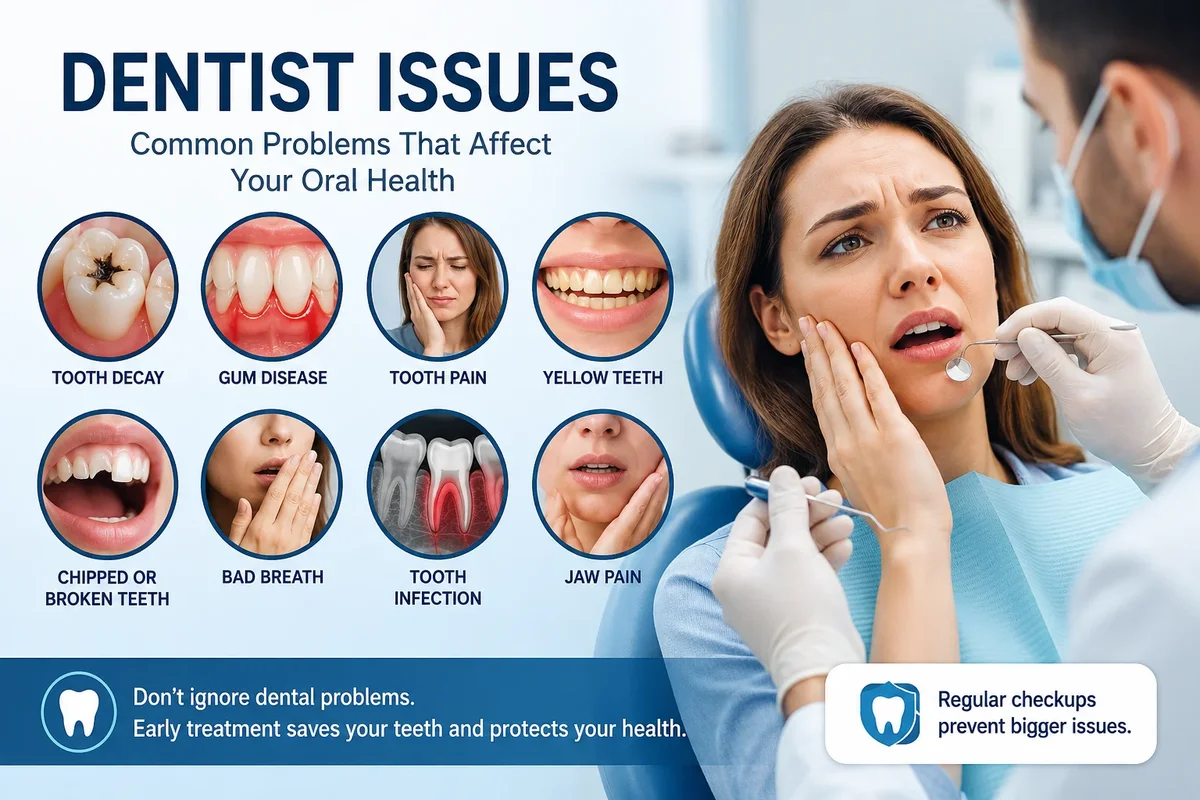
Many people experience different types of dentist issues throughout their lives, ranging from mild tooth sensitivity to severe dental infections that require urgent treatment. Understanding these dentist issues is extremely important because oral health problems can affect not only the teeth and gums but also overall physical health, confidence, sleep quality, and daily comfort. Patients often ignore early warning signs, which allows small concerns to develop into more serious dentist issues over time. Learning how these problems begin, why they happen, and what treatments are available can help patients protect their smiles and avoid long-term complications. 😁
One of the most common dentist issues involves tooth decay. Cavities occur when bacteria inside the mouth produce acids that slowly damage tooth enamel. This process may begin silently, which is why many people do not realize they have dental problems until pain appears. Frequent sugar consumption, poor brushing habits, smoking, dry mouth, and inconsistent dental visits are major causes of tooth decay. If untreated, cavities may eventually reach the inner tooth structure and lead to infection or tooth loss. Regular cleanings and professional examinations are essential for preventing these dentist issues before they become severe.
Another major category of dentist issues includes gum disease, also known as periodontal disease. Gum inflammation usually starts with gingivitis, causing redness, swelling, bleeding, and bad breath. Without treatment, the condition can progress into periodontitis, which damages the tissues and bones supporting the teeth. Advanced gum disease may even result in loose teeth or permanent tooth loss. Many patients underestimate the seriousness of gum-related dentist issues, but research has linked poor gum health with heart disease, diabetes complications, and other systemic conditions. 🦷
Dental pain is among the most stressful dentist issues patients experience. Toothaches can range from mild discomfort to unbearable pain that disrupts eating, speaking, and sleeping. Pain may be caused by cavities, infections, cracked teeth, exposed nerves, wisdom tooth complications, or sinus pressure. Because dental pain can rapidly worsen, patients should never ignore persistent discomfort. Seeking professional treatment early often reduces both treatment complexity and long-term expenses.
Cosmetic concerns are also common dentist issues for many individuals. Stained teeth, chipped enamel, gaps, uneven alignment, and missing teeth can negatively affect self-esteem and social confidence. Modern dentistry offers many advanced solutions such as teeth whitening, veneers, bonding, clear aligners, and dental implants. These procedures not only improve appearance but can also restore oral function and comfort. Patients searching for solutions to aesthetic dentist issues should choose experienced dental professionals who create customized treatment plans based on individual needs.
Dental anxiety is another significant factor contributing to dentist issues. Many people postpone appointments because of fear, previous bad experiences, embarrassment, or anxiety about pain. Unfortunately, avoiding professional care often allows oral health conditions to become more serious. Modern clinics now offer sedation dentistry, gentle treatment techniques, and patient-centered care designed to reduce stress and improve comfort. Addressing emotional barriers is just as important as treating physical symptoms when managing dentist issues.
Financial concerns also contribute to common dentist issues. Some patients avoid treatment because they worry about costs or lack dental insurance coverage. However, delaying care frequently results in more complicated and expensive procedures later. Preventive visits are generally far more affordable than emergency treatments. Typical routine cleaning costs in many countries may range between $75 and $250, while fillings often cost between $100 and $400 depending on the material used. Root canal procedures may range from $700 to $1,500, and dental implants can cost several thousand dollars per tooth. Patients should discuss payment plans, financing options, and preventive strategies with their dental providers to reduce future dentist issues. 💰
Wisdom tooth complications are another source of frequent dentist issues. Impacted wisdom teeth can cause swelling, pain, infections, jaw stiffness, and crowding. Dentists often recommend monitoring or removing wisdom teeth before serious complications develop. Early evaluation using digital imaging helps prevent surgical emergencies and protects surrounding teeth.
Preventive care remains the best defense against most dentist issues. Brushing at least twice daily, flossing consistently, limiting sugary foods, avoiding tobacco products, and attending routine checkups significantly reduce oral health risks. Dentists also recommend professional cleanings every six months for most patients. Fluoride treatments, sealants, and customized hygiene advice can further protect teeth and gums from damage.
Patients dealing with persistent dentist issues should always seek guidance from trusted dental professionals. Reliable clinics focus on accurate diagnosis, personalized treatment planning, and patient education. If you need professional support regarding oral health concerns, you can visit the Redent Klinik Contact Page for more information about treatment options and appointments.
It is also important to stay informed through trusted dental organizations. The American Dental Association provides valuable educational resources about oral hygiene, preventive dentistry, treatment safety, and patient care standards. Access to trustworthy information helps patients better understand common dentist issues and make informed decisions about their oral health.
In conclusion, dentist issues can affect people of all ages and may range from minor discomfort to severe oral disease. Tooth decay, gum disease, dental anxiety, infections, cosmetic concerns, and financial barriers are all common challenges patients face. Fortunately, modern dentistry offers advanced preventive and restorative solutions that help patients maintain healthy, functional, and confident smiles. Early diagnosis, consistent oral hygiene, and regular professional care remain the most effective ways to minimize dentist issues and preserve long-term dental health. 🌟
What Are the Most Common Dentist Issues Patients Experience?
Understanding the most common dentist issues can help patients recognize early warning signs and seek treatment before complications become severe. Millions of people worldwide experience oral health problems every year, and many of these conditions can negatively affect eating, speaking, confidence, sleep quality, and overall health. While some dentist issues are minor and temporary, others may become serious medical concerns if ignored for too long. Modern dentistry provides effective solutions for nearly all oral health problems, but prevention and early diagnosis remain the most important factors for maintaining a healthy smile. 🦷
Tooth Decay and Cavities
One of the most widespread dentist issues is tooth decay. Cavities form when bacteria inside the mouth feed on sugars and release acids that weaken tooth enamel. Over time, these acids create small holes in the teeth that can gradually become larger and more painful. Tooth decay often develops silently during the early stages, which is why many patients do not realize they have dental problems until discomfort appears.
Common symptoms associated with cavity-related dentist issues include tooth sensitivity, visible dark spots, pain while chewing, and sudden sharp discomfort when eating hot or cold foods. Patients who consume sugary drinks frequently, smoke, neglect oral hygiene, or skip regular dental checkups have a higher risk of developing cavities.
How Dentists Treat Cavities
Dentists usually treat mild decay with fillings made from composite resin, porcelain, or amalgam materials. More advanced dentist issues involving deep infection may require root canal treatment or dental crowns. In severe cases where the tooth cannot be saved, extraction may become necessary. Routine dental examinations help detect decay early and reduce treatment complexity.
Gum Disease and Bleeding Gums
Gum disease is another extremely common category of dentist issues. Gingivitis, the earliest stage of gum disease, causes inflammation, swelling, redness, and bleeding around the gums. If untreated, gingivitis may progress into periodontitis, a more advanced condition that damages the supporting bone structures around the teeth.
Many people underestimate gum-related dentist issues because symptoms often begin gradually. Persistent bad breath, gum recession, loose teeth, and discomfort while brushing are signs that should never be ignored. Research also shows strong connections between gum disease and overall health conditions such as diabetes and cardiovascular disease.
Preventing Gum Problems
Daily brushing, flossing, professional cleanings, and avoiding tobacco products are essential for preventing gum-related dentist issues. Dentists may also recommend deep cleaning procedures called scaling and root planing when plaque and tartar accumulate below the gumline.
Tooth Sensitivity and Enamel Damage
Tooth sensitivity is one of the most frustrating dentist issues for many patients. Sensitivity occurs when the protective enamel layer becomes thin or when gum recession exposes tooth roots. Patients may experience sudden discomfort when consuming cold drinks, hot coffee, sweets, or acidic foods.
Common causes of sensitivity-related dentist issues include aggressive brushing, teeth grinding, acid erosion, gum disease, and untreated cavities. Although sensitivity may appear minor at first, it can indicate deeper structural problems requiring professional care.
Solutions for Sensitive Teeth
Modern dentistry offers several treatment options for sensitivity-related dentist issues. Dentists may recommend fluoride treatments, desensitizing toothpaste, bonding materials, or protective dental restorations. Patients should also avoid highly acidic beverages and brush gently using soft-bristled toothbrushes. 😁
Dental Anxiety and Fear
Emotional concerns are often overlooked causes of serious dentist issues. Many patients avoid dental visits because of fear, embarrassment, or previous negative experiences. Unfortunately, delaying treatment often allows small oral health problems to develop into painful infections or advanced disease.
Dental anxiety can affect patients of all ages. Some individuals fear needles or drilling sounds, while others worry about discomfort or treatment costs. Avoiding professional care due to fear is one of the biggest contributors to worsening dentist issues.
How Modern Clinics Reduce Anxiety
Today’s dental clinics use advanced technologies and patient-centered approaches to minimize stress. Sedation dentistry, digital imaging, painless injections, and calm clinical environments help patients feel more comfortable. Open communication between patients and dentists also plays an important role in reducing anxiety-related dentist issues.
Missing Teeth and Bite Problems
Missing teeth are among the most visible and functionally serious dentist issues. Tooth loss can occur because of trauma, decay, gum disease, or aging. Missing teeth affect chewing ability, facial appearance, speech clarity, and jaw alignment. When left untreated, neighboring teeth may shift into empty spaces, creating additional oral complications.
Patients with bite alignment problems may also experience jaw pain, headaches, uneven tooth wear, and temporomandibular joint discomfort. Orthodontic treatment is often recommended to correct these structural dentist issues.
Modern Tooth Replacement Options
Dental implants, bridges, dentures, and clear aligners are commonly used to address missing teeth and bite-related dentist issues. Dental implants are especially popular because they provide long-term stability and closely resemble natural teeth. Implant procedures may cost between $2,000 and $5,000 per tooth depending on the case complexity and location. 💰
Why Regular Checkups Matter
Routine dental visits are essential for identifying dentist issues before they become severe. Preventive examinations allow dentists to detect cavities, gum disease, infections, oral cancer signs, and structural abnormalities during early stages. Professional cleanings also remove hardened plaque that cannot be eliminated through regular brushing alone.
Patients seeking reliable oral health support can visit the Redent Klinik Contact Page to learn more about available dental services and personalized treatment options.
For additional educational resources about oral care and prevention, patients can also review trusted information from the American Dental Association. Access to accurate information helps individuals better understand common dentist issues and make informed decisions regarding their oral health.
In summary, the most common dentist issues include cavities, gum disease, tooth sensitivity, anxiety, missing teeth, and bite alignment problems. While these conditions can significantly affect quality of life, modern dentistry offers highly effective preventive and restorative solutions. Early diagnosis, consistent oral hygiene, healthy lifestyle habits, and routine professional care remain the best strategies for minimizing long-term dentist issues and maintaining a healthy, confident smile. 🌟
How Dentist Issues Affect Oral Health and Daily Life
Dentist issues can affect far more than just teeth and gums. Many people initially believe oral health problems are minor inconveniences, but untreated dental conditions often influence physical health, emotional well-being, social confidence, eating habits, sleep quality, and even professional interactions. From persistent tooth pain to severe infections, modern patients face many types of dentist issues that directly impact their everyday lives. Understanding these effects is important because early intervention can prevent serious complications and improve overall quality of life. 🦷
The Physical Effects of Dentist Issues
The physical consequences of untreated dentist issues can become severe over time. Oral pain is one of the most immediate and noticeable symptoms patients experience. Toothaches may begin as mild sensitivity but can rapidly progress into intense discomfort that interferes with speaking, chewing, concentration, and sleep.
Many patients with serious dentist issues avoid certain foods because chewing becomes painful. As a result, nutritional habits may change negatively. Some individuals stop eating healthy crunchy foods such as apples, nuts, or vegetables because of discomfort, increasing their reliance on softer processed foods. Over time, this may contribute to poor nutrition and digestive problems.
Chronic Pain and Jaw Problems
Jaw tension and temporomandibular joint disorders are also common dentist issues. Patients who grind their teeth during sleep or experience bite misalignment may develop headaches, facial soreness, ear pain, and chronic jaw discomfort. These symptoms can become particularly stressful because they often affect work productivity and daily comfort.
Advanced gum disease is another physical complication linked to serious dentist issues. When bacteria spread below the gums, inflammation can damage the bone structures supporting the teeth. In severe cases, teeth become loose or fall out completely. Missing teeth may then create additional oral complications such as bite imbalance and accelerated wear on remaining teeth.
The Emotional and Psychological Impact
Many people underestimate the emotional burden caused by ongoing dentist issues. Dental appearance plays a major role in confidence and self-image. Patients with visible tooth decay, discoloration, bad breath, or missing teeth may feel embarrassed when speaking, smiling, or socializing. 😔
These emotional effects can influence personal relationships, workplace confidence, and social participation. Some individuals avoid photographs, public speaking, or close conversations because they feel insecure about their oral health. Cosmetic dentist issues often create anxiety that extends far beyond physical symptoms.
Dental Anxiety and Avoidance
Fear of treatment is one of the most common psychological dentist issues. Patients who have experienced painful procedures in the past may delay future appointments, allowing oral problems to worsen over time. This cycle creates even greater anxiety because untreated conditions usually require more complex treatment later.
Modern clinics now focus heavily on patient comfort to reduce fear-related dentist issues. Sedation dentistry, digital imaging, quieter equipment, and personalized communication help many anxious patients receive necessary care more comfortably.
How Dentist Issues Affect Overall Health
Scientific research increasingly shows that oral health and general health are closely connected. Serious dentist issues may contribute to systemic inflammation throughout the body. Gum disease, for example, has been associated with cardiovascular disease, diabetes complications, respiratory infections, and adverse pregnancy outcomes.
Oral infections can sometimes spread into surrounding tissues or bloodstream if left untreated. Dental abscesses are particularly dangerous because bacterial infections may cause swelling, fever, difficulty swallowing, or life-threatening complications in severe cases. This is why persistent pain and swelling should never be ignored.
Sleep and Energy Problems
Sleep disturbances are another overlooked consequence of severe dentist issues. Tooth pain, jaw discomfort, and untreated infections often worsen at night, preventing patients from getting proper rest. Poor sleep can then contribute to fatigue, irritability, concentration problems, and reduced productivity during the day.
Patients with untreated sleep apnea may also experience related dentist issues. Dentists are often among the first healthcare professionals to notice signs of teeth grinding and airway problems associated with sleep disorders.
Financial and Lifestyle Consequences
Financial stress is another major factor connected to ongoing dentist issues. Preventive dental care is generally much less expensive than emergency treatment, but many patients delay appointments due to cost concerns. Unfortunately, postponing treatment usually allows conditions to worsen and become more expensive later.
For example, a routine dental cleaning may cost between $75 and $250, while untreated cavities may eventually require root canals or crowns costing hundreds or even thousands of dollars. Dental implants used to replace missing teeth may range from $2,000 to $5,000 per tooth depending on complexity and location. 💰
Work and Social Limitations
Some dentist issues can directly affect professional life. Persistent bad breath, visible dental damage, and speech difficulties may reduce confidence during job interviews, presentations, or client interactions. Severe dental pain can also reduce focus and productivity at work.
Patients dealing with recurring dentist issues may need frequent emergency visits, which can interrupt schedules and create additional stress. Preventive care helps minimize these disruptions and supports long-term stability.
The Importance of Early Dental Care
Early diagnosis is one of the best ways to reduce the long-term effects of dentist issues. Routine examinations allow dentists to identify small problems before they become severe. Preventive cleanings remove plaque buildup, while digital imaging helps detect hidden concerns that may not yet cause visible symptoms.
Patients seeking professional guidance for oral health concerns can visit the Redent Klinik Contact Page to explore available dental services and personalized treatment options.
Reliable educational resources are also important when learning about oral health. The American Dental Association provides trusted information regarding preventive care, oral hygiene, treatment safety, and common dentist issues.
In conclusion, dentist issues can affect nearly every part of daily life, including physical comfort, emotional well-being, nutrition, sleep, confidence, financial stability, and overall health. Conditions such as tooth decay, gum disease, infections, jaw disorders, and cosmetic concerns should never be ignored. Modern dentistry offers advanced solutions that help patients restore oral function and improve quality of life. Through preventive care, healthy habits, and early professional treatment, patients can significantly reduce long-term dentist issues and maintain healthier, more confident smiles for years to come. 🌟
Warning Signs That Dentist Issues Should Never Be Ignored
Many serious oral health conditions begin with small symptoms that patients often overlook. Ignoring early warning signs is one of the biggest reasons why minor oral problems develop into severe dentist issues. Some symptoms may seem harmless at first, but they can indicate infections, gum disease, nerve damage, or structural dental problems that require immediate professional attention. Understanding these warning signs allows patients to seek early treatment, reduce complications, and protect long-term oral health. 🦷
Modern dentistry has advanced significantly, making many dentist issues easier to diagnose and treat when identified early. However, delaying care can increase pain, treatment complexity, recovery time, and financial costs. Patients should pay close attention to persistent symptoms because the mouth often provides early clues about overall health problems.
Persistent Tooth Pain
One of the most obvious warning signs of serious dentist issues is ongoing tooth pain. While temporary sensitivity after eating hot or cold foods may occasionally occur, persistent discomfort should never be ignored. Tooth pain often indicates decay, infection, cracked teeth, exposed nerves, or gum inflammation.
The intensity of dental pain can vary significantly. Some patients experience dull throbbing discomfort, while others develop sharp pain that interferes with sleeping, eating, or concentrating. Pain that worsens when biting down or chewing may signal deeper structural dentist issues involving tooth roots or surrounding bone tissue.
When Tooth Pain Becomes an Emergency
Patients should seek immediate dental care if pain becomes severe, spreads into the jaw or ear, or is accompanied by swelling and fever. These symptoms may indicate an abscess, which is one of the most dangerous dentist issues because infection can spread to surrounding tissues or bloodstream if untreated.
Bleeding or Swollen Gums
Bleeding gums are another common sign of developing dentist issues. Many people assume occasional bleeding during brushing is normal, but healthy gums should not bleed regularly. Gum inflammation is often caused by plaque buildup and early periodontal disease.
Patients with gum-related dentist issues may also notice redness, tenderness, swelling, gum recession, or persistent bad breath. As gum disease progresses, the supporting structures around the teeth weaken, potentially leading to tooth mobility or tooth loss.
The Dangers of Untreated Gum Disease
Advanced periodontal disease is associated with several systemic health conditions, including diabetes complications and cardiovascular disease. Early professional cleaning and improved oral hygiene can often reverse mild gum-related dentist issues before permanent damage occurs.
Tooth Sensitivity That Continues to Worsen
Occasional sensitivity is common, but worsening sensitivity may indicate deeper dentist issues. Patients often experience discomfort when consuming hot drinks, cold foods, sugary snacks, or acidic beverages. This symptom may occur because enamel becomes thin or gum recession exposes sensitive tooth roots.
Tooth sensitivity may also signal cracked teeth, cavities, worn fillings, or teeth grinding. Ignoring sensitivity-related dentist issues can eventually result in severe pain or infection.
How Dentists Diagnose Sensitivity Problems
Dentists use digital imaging, visual examinations, and patient symptom analysis to identify the exact cause of sensitivity-related dentist issues. Treatments may include fluoride applications, bonding procedures, crowns, gum therapy, or bite adjustments depending on the underlying condition. 😁
Loose Teeth or Changes in Bite Alignment
Adult teeth should never feel loose under normal conditions. Loose teeth are often signs of advanced gum disease, trauma, bone loss, or serious structural dentist issues. Patients may also notice shifting teeth, uneven bite pressure, or discomfort while chewing.
Bite changes sometimes develop gradually, making them difficult to notice initially. However, untreated alignment-related dentist issues can contribute to jaw strain, headaches, tooth wear, and temporomandibular joint disorders.
Jaw Clicking and Jaw Pain
Clicking sounds, jaw stiffness, and facial tension are additional warning signs that should not be ignored. These symptoms are commonly associated with TMJ-related dentist issues, teeth grinding, or bite imbalance. Early treatment can help prevent chronic pain and long-term joint damage.
Persistent Bad Breath
Chronic bad breath, also known as halitosis, may indicate underlying dentist issues rather than simple dietary causes. Persistent odor often results from gum disease, bacterial buildup, dry mouth, cavities, or oral infections.
Patients with ongoing bad breath frequently experience embarrassment and reduced confidence in social situations. Addressing the root cause of these dentist issues can significantly improve both oral health and emotional well-being.
Dry Mouth and Bacterial Growth
Saliva plays an essential role in controlling bacteria and protecting enamel. Reduced saliva production increases the risk of cavities and gum-related dentist issues. Certain medications, dehydration, smoking, and medical conditions may contribute to dry mouth symptoms.
Swelling, Pus, or Facial Inflammation
Swelling inside the mouth or around the face should always be treated seriously. These symptoms are often associated with infection-related dentist issues. Dental abscesses may produce pus, fever, bad taste in the mouth, and severe pressure around affected teeth.
Ignoring infection-related dentist issues can become dangerous because oral bacteria may spread beyond the mouth into surrounding tissues. Immediate professional treatment is necessary to control infection and prevent complications.
Emergency Dental Treatment Costs
Emergency procedures for severe dentist issues can vary widely in cost. Basic emergency evaluations may range from $100 to $300, while root canals, extractions, and surgical procedures can cost significantly more depending on severity and location. 💰
Why Early Diagnosis Matters
Routine checkups remain one of the best ways to detect dentist issues before they become severe. Preventive care allows dentists to identify small cavities, gum inflammation, bite abnormalities, and oral infections during their earliest stages.
Patients seeking professional guidance for oral health concerns can visit the Redent Klinik Contact Page to explore available dental services and personalized treatment plans.
Patients can also access trusted oral health information through the American Dental Association, which provides educational resources about preventive care, oral hygiene, and common dentist issues.
In conclusion, warning signs such as persistent pain, bleeding gums, swelling, loose teeth, sensitivity, jaw discomfort, and chronic bad breath should never be ignored. These symptoms may indicate serious dentist issues that require prompt professional care. Early diagnosis, preventive treatment, and consistent oral hygiene habits greatly reduce the risk of long-term complications. By recognizing symptoms early and seeking timely treatment, patients can protect both their oral health and overall well-being while minimizing future dentist issues. 🌟
Why Fear and Anxiety Cause Serious Dentist Issues
Fear and anxiety are among the most overlooked causes of serious dentist issues. Millions of patients around the world avoid dental appointments because they feel nervous about pain, needles, sounds, embarrassment, or previous negative experiences. While dental anxiety may seem like an emotional concern only, it often leads directly to worsening oral health conditions. Delaying professional treatment allows small problems to develop into larger and more expensive dentist issues over time. Understanding how fear affects oral health is essential for breaking this cycle and maintaining a healthy smile. 😟
Modern dentistry has evolved significantly, and many procedures are now faster, safer, and more comfortable than ever before. However, emotional stress still prevents many patients from receiving preventive care. Individuals struggling with anxiety-related dentist issues often wait until pain becomes unbearable before seeking professional help. By that stage, treatment may require more invasive procedures that could have been avoided with earlier intervention.
Common Causes of Dental Anxiety
Dental anxiety can develop for many different reasons. Some patients fear discomfort during procedures, while others become nervous because of unpleasant childhood experiences. Certain people feel anxious simply because they dislike losing control during treatment or hearing dental equipment sounds.
Embarrassment also contributes to emotional dentist issues. Patients with visible decay, missing teeth, gum disease, or bad breath may avoid appointments because they feel ashamed of their oral condition. Unfortunately, postponing treatment only allows these dentist issues to become more severe.
Fear of Pain
One of the biggest triggers for anxiety-related dentist issues is fear of pain. Many individuals still associate dental treatment with discomfort, even though modern anesthesia and sedation techniques have greatly improved patient comfort. Today’s dental clinics use advanced technologies that make procedures significantly gentler and less stressful.
Fear of Costs
Financial concerns are another major reason patients delay treatment. Some individuals worry they cannot afford procedures, especially if they lack insurance coverage. However, ignoring preventive care often results in more expensive dentist issues later. Routine cleanings and examinations are usually much more affordable than emergency procedures or restorative treatments. 💰
How Anxiety Leads to Worsening Oral Health
When patients avoid regular dental visits, plaque buildup, cavities, and gum inflammation continue progressing unnoticed. Anxiety-related avoidance is one of the biggest contributors to severe dentist issues such as advanced decay, periodontal disease, abscesses, and tooth loss.
Many anxious patients also neglect daily oral hygiene because they become emotionally disconnected from their dental health. This can lead to increased bacterial growth, enamel damage, and persistent bad breath. Over time, untreated dentist issues may affect nutrition, confidence, sleep quality, and general health.
The Emergency Treatment Cycle
Fear-driven avoidance often creates a harmful cycle. Patients skip preventive visits until pain forces them into emergency treatment. Emergency procedures for advanced dentist issues are typically more invasive, more expensive, and more emotionally stressful than routine care. This experience may then increase anxiety even further, making future avoidance more likely.
Physical Symptoms of Dental Anxiety
Patients experiencing severe anxiety-related dentist issues may develop physical symptoms before appointments. These symptoms can include sweating, rapid heartbeat, shaking, dizziness, nausea, difficulty sleeping, or panic attacks.
Some individuals experience intense stress days before treatment. Others may cancel appointments repeatedly because of overwhelming fear. Recognizing these emotional patterns is important because untreated anxiety can seriously interfere with long-term oral health management.
Teeth Grinding and Stress
Stress-related teeth grinding, also known as bruxism, is another common consequence of anxiety-related dentist issues. Grinding places excessive pressure on teeth and jaw joints, causing enamel wear, fractures, headaches, jaw pain, and temporomandibular joint problems.
Dentists often recommend custom night guards to protect teeth from grinding-related dentist issues. Stress management techniques may also help reduce jaw tension and muscle discomfort.
Modern Solutions for Anxiety-Related Dentist Issues
Fortunately, modern dentistry offers many solutions designed to reduce fear and improve patient comfort. Dental clinics now focus heavily on creating calm, supportive environments that help anxious individuals feel more relaxed during appointments.
Sedation Dentistry
Sedation dentistry is one of the most effective solutions for severe anxiety-related dentist issues. Depending on the patient’s needs, dentists may use nitrous oxide (laughing gas), oral sedation, or intravenous sedation to reduce stress during treatment.
These methods allow patients to remain comfortable while receiving necessary care. Sedation costs vary depending on the procedure and sedation type, but nitrous oxide treatments often range between $50 and $150, while deeper sedation methods may cost several hundred dollars. 😁
Communication and Patient Education
Open communication is another essential tool for reducing dentist issues linked to fear. Dentists who explain procedures carefully and answer patient questions help reduce uncertainty and improve trust. Knowing what to expect during treatment often makes patients feel significantly calmer.
Building Positive Dental Experiences
Creating positive experiences is critical for overcoming anxiety-related dentist issues. Patients should start with routine examinations or simple cleanings to rebuild confidence gradually. Choosing a compassionate dental team also makes a major difference in long-term comfort.
Listening to music, practicing deep breathing exercises, scheduling morning appointments, and discussing fears openly with the dental team may help reduce stress levels during visits.
Preventive Care Reduces Stress
Routine preventive care is one of the best ways to minimize fear-based dentist issues. Small problems identified early usually require simpler and faster treatment compared to advanced infections or severe decay. Preventive visits help patients avoid emergency situations that often create additional anxiety.
Patients seeking supportive dental care can visit the Redent Klinik Contact Page to learn more about comfortable treatment options and personalized patient care.
Additional oral health guidance is also available through the American Dental Association, which provides educational information regarding preventive care, patient safety, and common dentist issues.
In conclusion, fear and anxiety are major contributors to worsening dentist issues. Emotional stress often causes patients to delay preventive care, allowing small oral health problems to become serious complications. However, modern dentistry now offers advanced comfort techniques, sedation options, and patient-centered approaches that make treatment safer and less stressful than ever before. By addressing anxiety early and building positive dental experiences, patients can protect their oral health, reduce long-term dentist issues, and maintain healthier smiles with greater confidence. 🌟
Insurance, Costs, and Financial Dentist Issues Explained
Financial concerns are among the most common reasons patients delay dental treatment. Many individuals avoid scheduling appointments because they worry about costs, insurance limitations, or unexpected expenses. Unfortunately, postponing care due to financial stress often causes small oral health problems to develop into severe dentist issues that require more expensive procedures later. Understanding how dental insurance works, what treatments typically cost, and how preventive care reduces long-term expenses can help patients make better decisions about their oral health. 💰
Modern dentistry offers advanced solutions for many dentist issues, but treatment prices can vary significantly depending on location, procedure complexity, clinic experience, and patient needs. Preventive care remains the most cost-effective strategy because identifying problems early usually reduces treatment difficulty and long-term financial burden.
Why Patients Delay Dental Care
Many people delay treatment because they fear large dental bills. Financial stress related to dentist issues affects patients of all income levels, especially those without insurance coverage. Some individuals believe skipping routine checkups saves money, but untreated oral conditions often become much more expensive over time.
For example, a small cavity that could be treated with a simple filling may eventually require a root canal and crown if ignored. Advanced gum disease, infections, and tooth loss also create more serious and costly dentist issues that could have been prevented through routine maintenance.
The Cost of Ignoring Small Problems
Preventive dental visits are generally affordable compared to emergency treatment. Routine cleanings often range between $75 and $250 depending on the clinic and location. However, untreated decay-related dentist issues may lead to procedures costing thousands of dollars later.
Patients who avoid preventive care frequently experience sudden dental emergencies involving severe pain, swelling, infections, or broken teeth. Emergency treatment usually requires immediate intervention and may significantly increase overall expenses.
Understanding Dental Insurance Coverage
Dental insurance can help reduce costs associated with common dentist issues, but many patients misunderstand how their plans work. Most dental insurance policies focus heavily on preventive services such as examinations, X-rays, and cleanings because these treatments help prevent severe oral health complications.
Basic restorative procedures like fillings are usually partially covered, while major treatments such as crowns, bridges, root canals, orthodontics, and implants may require higher out-of-pocket payments. Patients should carefully review policy details before beginning treatment for significant dentist issues.
Annual Maximum Limits
Many dental insurance plans include annual maximum limits ranging between $1,000 and $2,500. Once patients exceed this limit, they become responsible for additional treatment costs. Complex dentist issues involving multiple procedures may therefore create unexpected expenses if patients are unaware of coverage limitations.
Waiting Periods and Exclusions
Some insurance providers impose waiting periods before covering major procedures. Cosmetic treatments are also frequently excluded from standard coverage plans. Patients experiencing aesthetic dentist issues such as discoloration or minor alignment concerns may need alternative financing solutions.
Common Dental Procedure Costs
The cost of treating dentist issues varies widely depending on severity and treatment method. Understanding typical price ranges helps patients plan financially and avoid surprises during treatment.
Routine Preventive Care
- Dental exam: $50–$150
- Professional cleaning: $75–$250
- Dental X-rays: $25–$250
- Fluoride treatment: $20–$50
These preventive services help detect early dentist issues before complications become severe.
Restorative Treatments
- Composite filling: $100–$400
- Dental crown: $800–$2,500
- Root canal treatment: $700–$1,500
- Tooth extraction: $150–$600
Restorative procedures are commonly required when patients delay treatment for decay-related dentist issues.
Advanced and Cosmetic Procedures
- Dental implants: $2,000–$5,000 per tooth
- Clear aligners: $3,000–$8,000
- Teeth whitening: $300–$1,000
- Veneers: $800–$2,500 per tooth
Advanced treatments often improve both oral function and appearance while addressing long-term dentist issues. 😁
How Preventive Care Saves Money
One of the best ways to reduce financial stress caused by dentist issues is through consistent preventive care. Routine examinations allow dentists to identify cavities, gum inflammation, infections, and structural abnormalities before they require expensive treatment.
Daily oral hygiene habits also play a major role in minimizing costs. Brushing twice daily, flossing regularly, avoiding tobacco products, and limiting sugary foods help reduce the risk of serious dentist issues. Patients who maintain strong preventive routines often avoid many costly restorative procedures later in life.
The Value of Early Diagnosis
Early diagnosis dramatically reduces both discomfort and treatment costs. Small cavities are much easier and less expensive to repair than advanced infections. Preventing severe gum disease also helps patients avoid surgical procedures and tooth replacement costs associated with advanced dentist issues.
Financing Options for Dental Treatment
Many modern clinics now offer flexible financing options to help patients manage treatment costs. Payment plans allow individuals to divide larger expenses into manageable monthly installments. This approach makes it easier for patients to address important dentist issues without delaying necessary care.
Dental Membership Plans
Some clinics provide in-house membership programs for uninsured patients. These plans often include discounted preventive services and reduced pricing on restorative procedures. Membership plans can significantly reduce financial stress associated with routine dentist issues.
Finding Reliable Dental Support
Choosing a trustworthy dental clinic is essential when managing financial concerns related to dentist issues. Patients should seek transparent pricing, clear treatment explanations, and personalized care plans that prioritize long-term oral health.
Patients interested in professional guidance and customized treatment options can visit the Redent Klinik Contact Page to learn more about available services and patient support.
Additional educational resources about preventive dentistry and oral health costs are available through the American Dental Association, which provides trusted information regarding dental care and common dentist issues.
In conclusion, financial concerns are a major factor influencing how patients manage dentist issues. While treatment costs and insurance limitations can feel overwhelming, delaying care usually results in more severe complications and higher expenses later. Preventive care, early diagnosis, flexible financing options, and strong oral hygiene habits all help reduce long-term dental costs. By addressing dentist issues early and understanding available financial solutions, patients can protect both their oral health and financial stability while maintaining healthier smiles for the future. 🌟
Emergency Dentist Issues That Require Immediate Attention
Some oral health problems can quickly become serious medical emergencies if they are not treated immediately. While certain dentist issues develop slowly over time, others appear suddenly and may involve severe pain, bleeding, swelling, infection, or trauma. Recognizing which symptoms require urgent dental care is extremely important because delaying treatment can increase complications, treatment costs, and long-term oral damage. Emergency dental care not only protects teeth and gums but may also prevent dangerous infections from spreading throughout the body. 🚨
Many patients ignore early warning signs or hope symptoms will disappear naturally. Unfortunately, untreated emergency dentist issues often worsen rapidly. Infections can spread into surrounding tissues, damaged teeth may become impossible to save, and uncontrolled bleeding can create serious health risks. Understanding the most common dental emergencies helps patients respond quickly and seek appropriate care before complications become severe.
Severe Tooth Pain and Dental Abscesses
One of the most common emergency dentist issues is severe tooth pain. Persistent throbbing pain may indicate deep decay, nerve damage, infection, or an abscess. Dental abscesses occur when bacteria infect the inner tooth structure or surrounding gum tissue, creating pockets of pus that can become dangerous if untreated.
Symptoms associated with abscess-related dentist issues may include swelling, fever, bad taste in the mouth, facial pain, sensitivity to pressure, and difficulty chewing. In some cases, infection can spread beyond the mouth into the jaw, neck, or bloodstream.
When an Infection Becomes Dangerous
Patients should seek emergency treatment immediately if swelling spreads into the face or neck, or if they experience fever and difficulty swallowing. These severe dentist issues may require urgent drainage, antibiotics, or root canal therapy to control infection and protect overall health.
Broken, Cracked, or Knocked-Out Teeth
Dental trauma is another major category of emergency dentist issues. Teeth can break or crack because of accidents, sports injuries, falls, hard foods, or nighttime grinding. A damaged tooth may expose nerves and cause intense pain, especially when chewing or consuming hot or cold foods.
Knocked-out teeth require especially fast action. If treated quickly, dentists may be able to reinsert and save the natural tooth. Patients should handle the tooth carefully by the crown rather than the root and attempt to keep it moist while seeking immediate professional care.
What to Do Before Reaching the Dentist
For trauma-related dentist issues, patients should rinse the mouth gently with warm water and apply cold compresses to reduce swelling. If possible, the knocked-out tooth should be placed in milk or saline solution while traveling to the dental clinic. Timing is extremely important because successful reimplantation becomes less likely after prolonged delays.
Uncontrolled Bleeding in the Mouth
Persistent bleeding is another sign of serious dentist issues that should never be ignored. Bleeding may occur after trauma, surgery complications, advanced gum disease, or tooth extractions. While mild bleeding after certain procedures can be normal temporarily, excessive or continuous bleeding requires immediate evaluation.
Patients experiencing uncontrolled bleeding-related dentist issues should apply clean gauze with firm pressure and seek urgent professional assistance if bleeding does not stop within a reasonable timeframe.
Bleeding Linked to Gum Disease
Advanced periodontal disease is a common cause of chronic bleeding-related dentist issues. Inflamed gum tissues become fragile and may bleed easily during brushing, flossing, or eating. Early treatment helps prevent permanent bone loss and tooth mobility.
Swelling and Facial Inflammation
Swelling around the gums, jaw, or face often signals infection-related dentist issues. Swelling may develop gradually or appear suddenly depending on the severity of the infection. Facial inflammation should never be ignored because oral infections can spread rapidly into surrounding tissues.
Patients with severe swelling may also experience jaw stiffness, fever, swollen lymph nodes, or difficulty opening the mouth. These symptoms indicate advanced dentist issues that require urgent treatment.
Emergency Drainage Procedures
In some cases, dentists may need to drain abscesses or prescribe antibiotics before performing restorative treatment. Managing infection quickly helps reduce pain and prevents dangerous complications associated with severe dentist issues. 😷
Lost Fillings, Crowns, or Dental Restorations
Losing a filling or crown may not always seem like a true emergency, but it can quickly lead to painful dentist issues. Exposed tooth structures become highly sensitive and vulnerable to further damage or bacterial infection.
Patients should avoid chewing on the affected side and schedule treatment as soon as possible. Temporary dental repair kits may provide short-term relief, but professional restoration remains necessary to prevent worsening dentist issues.
How Restorations Protect Teeth
Dental crowns and fillings protect weakened tooth structures from fractures and bacterial damage. Replacing damaged restorations quickly reduces the risk of more complex restorative dentist issues later.
Emergency Treatment Costs
Emergency dental care costs vary depending on the severity of the condition and required treatment. Basic emergency evaluations often range between $100 and $300, while advanced procedures for severe dentist issues may cost significantly more.
- Emergency exam: $100–$300
- Root canal treatment: $700–$1,500
- Tooth extraction: $150–$600
- Dental crown: $800–$2,500
- Abscess treatment: varies depending on infection severity
Preventive care remains one of the best ways to avoid expensive emergency dentist issues and sudden dental pain. 💰
How to Reduce Emergency Risks
Many emergency dentist issues can be prevented through proper oral hygiene, regular dental visits, and protective habits. Wearing mouthguards during sports, avoiding chewing hard objects, and treating cavities early significantly reduce emergency risks.
Routine examinations also help dentists detect hidden infections, cracks, and gum problems before they become urgent. Patients who maintain consistent preventive care usually experience fewer severe dentist issues over time.
When to Contact a Dental Professional
Patients experiencing persistent pain, swelling, bleeding, broken teeth, or signs of infection should seek professional care immediately. Fast intervention often improves treatment success and reduces long-term complications.
Patients looking for emergency dental support and personalized treatment options can visit the Redent Klinik Contact Page for additional information and assistance.
Trusted educational resources regarding urgent oral health conditions are also available through the American Dental Association, which provides guidance about preventive care and serious dentist issues.
In conclusion, emergency dentist issues such as severe pain, abscesses, swelling, trauma, uncontrolled bleeding, and damaged restorations require immediate professional attention. Delaying treatment may increase complications, infection risks, and financial costs. Early intervention, preventive care, and proper oral hygiene habits remain the best ways to minimize emergency dentist issues and maintain long-term oral health. By recognizing urgent symptoms quickly and seeking timely treatment, patients can protect both their smiles and overall well-being. 🌟
How Poor Oral Hygiene Leads to Long-Term Dentist Issues
Poor oral hygiene is one of the leading causes of long-term dentist issues. Many serious dental conditions begin with simple daily habits that patients often ignore, such as inconsistent brushing, skipping flossing, consuming excessive sugar, or avoiding routine dental checkups. While oral health problems may develop slowly at first, neglected hygiene eventually creates severe complications affecting teeth, gums, jaw structures, and even overall health. Understanding how poor hygiene contributes to worsening dentist issues is essential for preventing expensive and painful treatments later in life. 🪥
The mouth naturally contains bacteria, and without proper cleaning, these bacteria combine with food particles to create plaque. Plaque buildup is one of the main triggers behind many common dentist issues, including cavities, gum disease, infections, enamel erosion, and bad breath. If plaque is not removed regularly, it hardens into tartar, which can only be removed professionally during dental cleanings.
The Connection Between Plaque and Dentist Issues
Plaque accumulation is often the starting point for serious dentist issues. Bacteria inside plaque produce acids that attack enamel and weaken tooth surfaces over time. This process gradually leads to cavities, tooth sensitivity, and deeper decay.
Many patients do not notice the early stages of decay because symptoms may remain mild initially. However, untreated plaque-related dentist issues can eventually progress into severe infections requiring root canals, crowns, or extractions.
How Fast Plaque Can Develop
Plaque begins forming only hours after brushing. Without daily oral hygiene, bacterial growth accelerates rapidly. Patients who frequently consume sugary drinks, smoke, or snack throughout the day face an even higher risk of developing plaque-related dentist issues.
Gum Disease Caused by Poor Hygiene
Gum disease is another major consequence of inadequate oral care. Gingivitis, the earliest stage of periodontal disease, develops when bacteria irritate gum tissues and cause inflammation. Symptoms include redness, swelling, tenderness, and bleeding during brushing.
If ignored, gum-related dentist issues may progress into periodontitis, which damages the bone structures supporting the teeth. Advanced periodontal disease often results in gum recession, loose teeth, chronic infection, and tooth loss.
Why Gum Disease Is Dangerous
Many people underestimate the seriousness of gum-related dentist issues. Research increasingly shows strong links between periodontal disease and broader health conditions such as heart disease, diabetes complications, respiratory infections, and systemic inflammation.
Professional deep cleaning procedures such as scaling and root planing are commonly used to manage advanced gum-related dentist issues. However, prevention remains far easier and less expensive than treating severe periodontal disease later. 😷
Bad Breath and Bacterial Growth
Persistent bad breath is one of the most common hygiene-related dentist issues. Bacteria trapped between teeth, under the gums, and on the tongue release unpleasant odors over time. While mouthwash may temporarily hide symptoms, it does not eliminate the underlying problem.
Chronic halitosis often indicates deeper oral health concerns such as gum disease, cavities, dry mouth, or infection-related dentist issues. Proper brushing, flossing, tongue cleaning, and professional care are necessary to control bacterial growth effectively.
The Importance of Tongue Cleaning
Many patients focus only on brushing teeth and ignore the tongue, where bacteria can accumulate heavily. Tongue cleaning helps reduce odor-causing bacteria and lowers the risk of hygiene-related dentist issues.
Tooth Sensitivity and Enamel Erosion
Poor hygiene habits may also contribute to enamel erosion and tooth sensitivity. Acidic bacterial activity weakens enamel protection, exposing sensitive inner tooth structures. Patients with sensitivity-related dentist issues often experience pain while consuming hot, cold, sweet, or acidic foods.
Excessive consumption of soda, energy drinks, citrus products, and sugary snacks accelerates enamel erosion significantly. Aggressive brushing techniques may also damage enamel and gum tissue over time.
Protecting Tooth Enamel
Using fluoride toothpaste, limiting acidic beverages, and brushing gently with soft-bristled toothbrushes help reduce erosion-related dentist issues. Dentists may also recommend fluoride treatments or protective restorations when enamel damage becomes severe.
The Financial Impact of Poor Oral Hygiene
Neglecting oral hygiene often creates serious financial consequences. Preventive care is generally inexpensive compared to advanced restorative treatment required for severe dentist issues. Routine cleanings may cost between $75 and $250, while fillings typically range from $100 to $400.
However, untreated decay and gum disease frequently lead to more expensive procedures such as root canals, crowns, periodontal therapy, or implants. Dental implants may cost between $2,000 and $5,000 per tooth depending on complexity and location. 💰
How Prevention Saves Money
Patients who maintain strong oral hygiene habits often avoid many costly dentist issues entirely. Daily care and regular examinations help detect problems early before extensive treatment becomes necessary.
Daily Habits That Prevent Dentist Issues
Good oral hygiene is one of the most effective ways to prevent long-term dentist issues. Dentists recommend brushing at least twice daily using fluoride toothpaste and flossing every day to remove bacteria between teeth.
Patients should also limit sugary foods, avoid tobacco products, drink plenty of water, and schedule professional cleanings every six months. These habits dramatically reduce bacterial growth and improve overall oral health.
The Role of Professional Cleanings
Even patients with strong home routines benefit from professional cleanings because hardened tartar cannot be removed through regular brushing alone. Routine examinations also help dentists identify hidden dentist issues before they become severe.
Children and Oral Hygiene Education
Teaching children proper oral hygiene habits early is essential for preventing lifelong dentist issues. Parents should supervise brushing routines, encourage healthy nutrition, and schedule pediatric dental visits regularly.
Children who develop strong preventive habits are less likely to experience severe cavities, gum disease, and anxiety-related dentist issues later in life.
Creating Consistent Hygiene Routines
Consistency is one of the most important factors in preventing oral health problems. Simple daily routines often provide better long-term protection against dentist issues than occasional intensive care.
Patients interested in preventive dental care and personalized treatment guidance can visit the Redent Klinik Contact Page for more information about available services and oral health support.
Additional educational resources regarding preventive dentistry and hygiene are available through the American Dental Association, which provides trusted guidance about oral care and common dentist issues.
In conclusion, poor oral hygiene is one of the primary causes of long-term dentist issues. Plaque buildup, gum disease, enamel erosion, infections, bad breath, and tooth loss often develop gradually when daily oral care is neglected. Fortunately, consistent brushing, flossing, healthy dietary habits, and regular professional cleanings can prevent most serious complications. By maintaining strong hygiene routines and seeking preventive care early, patients can significantly reduce future dentist issues while protecting their oral health, confidence, and overall well-being for years to come. 🌟
Modern Treatments That Help Solve Dentist Issues Quickly
Modern dentistry has transformed the way patients experience oral healthcare. Advanced technologies, minimally invasive procedures, digital imaging systems, and improved treatment techniques now allow dentists to diagnose and solve many dentist issues faster and more comfortably than ever before. Patients who once feared painful or lengthy procedures can now benefit from highly efficient solutions designed to restore oral health while reducing discomfort and recovery time. Understanding these modern treatments helps patients feel more confident when addressing common dentist issues. 😁
Today’s dental clinics focus not only on treating symptoms but also on identifying the root causes of oral health problems. Whether patients are dealing with cavities, gum disease, missing teeth, jaw discomfort, or cosmetic concerns, modern dental care offers highly personalized treatment options that improve both function and appearance.
Digital Imaging and Advanced Diagnosis
One of the biggest improvements in modern dentistry is the use of advanced digital imaging technologies. Accurate diagnosis is essential for treating dentist issues effectively because hidden infections, bone loss, and structural damage are not always visible during basic examinations.
Digital X-rays provide highly detailed images while exposing patients to significantly lower radiation levels compared to traditional systems. Dentists can quickly detect cavities, impacted teeth, abscesses, bone deterioration, and root problems using these advanced diagnostic tools.
3D Scanning and CBCT Technology
Cone Beam Computed Tomography (CBCT) creates three-dimensional images of the teeth, jaw, nerves, and surrounding structures. This technology is especially valuable for complex dentist issues involving implants, oral surgery, root canals, and temporomandibular joint disorders.
Digital scanning systems also eliminate the need for uncomfortable traditional impressions in many cases. Patients benefit from greater comfort and more precise treatment planning.
Modern Cavity and Tooth Decay Treatments
Tooth decay remains one of the most common dentist issues, but treatment methods have improved dramatically in recent years. Composite resin fillings now allow dentists to repair cavities using tooth-colored materials that blend naturally with surrounding enamel.
Unlike older metal restorations, modern fillings preserve more healthy tooth structure and improve cosmetic appearance. Early detection allows dentists to treat decay-related dentist issues quickly before infections reach deeper tooth layers.
Laser Dentistry for Cavities
Laser technology is increasingly used to treat certain cavity-related dentist issues. Dental lasers can remove decayed tissue with minimal vibration and reduced discomfort compared to traditional drills. Some procedures may even require less anesthesia, making treatment more comfortable for anxious patients.
Advanced Gum Disease Solutions
Gum disease is another major category of dentist issues that benefits from modern treatment innovations. Traditional deep cleaning procedures remain effective, but laser-assisted periodontal therapy now offers less invasive alternatives for managing infected gum tissue.
Modern periodontal treatments focus on reducing bacterial growth while preserving healthy tissue. Dentists may combine deep cleaning, antimicrobial therapy, and laser treatment to control gum-related dentist issues more efficiently.
Regenerative Gum Procedures
Advanced regenerative techniques can sometimes restore bone and tissue damaged by severe periodontal disease. Bone grafting and tissue regeneration procedures help stabilize teeth and improve long-term outcomes for patients with advanced dentist issues.
Dental Implants and Tooth Replacement
Dental implants are among the most important innovations in modern dentistry. Missing teeth are serious dentist issues because they affect chewing ability, jaw stability, speech, and confidence. Dental implants provide a long-lasting replacement option that closely resembles natural teeth.
Unlike removable dentures, implants integrate directly with the jawbone, creating stable support for crowns or bridges. Modern implant planning uses digital imaging and guided surgical techniques to improve precision and shorten recovery times.
Same-Day Implant Technology
In some cases, patients may receive temporary restorations on the same day as implant placement. Same-day treatment options help reduce emotional stress associated with visible tooth loss and improve convenience for patients managing cosmetic dentist issues. 🦷
Dental implant costs typically range between $2,000 and $5,000 per tooth depending on complexity and location. While implants represent a significant investment, they often provide excellent long-term durability and function. 💰
Clear Aligners and Orthodontic Innovations
Modern orthodontics has changed dramatically with the introduction of clear aligners. Many patients dealing with bite alignment and cosmetic dentist issues now prefer nearly invisible orthodontic systems instead of traditional metal braces.
Clear aligners gradually shift teeth into proper position while offering greater comfort and convenience. Patients can remove aligners during meals and oral hygiene routines, improving flexibility during treatment.
Digital Smile Planning
Digital smile simulation software allows patients to preview expected orthodontic results before treatment begins. This technology improves communication between dentists and patients while helping individuals feel more confident about addressing cosmetic dentist issues.
Sedation Dentistry and Comfort-Focused Care
Fear and anxiety remain major barriers preventing patients from treating dentist issues. Modern sedation techniques now help anxious individuals receive necessary care more comfortably and safely.
Options such as nitrous oxide, oral sedation, and intravenous sedation reduce stress and improve patient comfort during procedures. Sedation dentistry is especially beneficial for patients with severe dental anxiety or complex treatment needs.
Painless Injection Techniques
Modern anesthetic systems use smaller needles, buffering technology, and gentle delivery methods to reduce discomfort during injections. Comfort-focused care helps patients overcome fear-related dentist issues and maintain regular dental visits.
Preventive Dentistry and Early Intervention
Modern preventive care is one of the most effective ways to minimize future dentist issues. Fluoride treatments, dental sealants, professional cleanings, and routine screenings help protect teeth before major complications develop.
Digital monitoring tools also allow dentists to track small changes over time and intervene earlier. Early diagnosis significantly reduces treatment costs, discomfort, and long-term oral damage.
The Importance of Regular Checkups
Routine examinations remain essential even with advanced technology. Preventive appointments allow dentists to identify developing dentist issues before symptoms become severe. Patients who maintain regular visits often avoid emergency procedures and complex restorative treatments later.
Patients seeking advanced dental care and personalized treatment solutions can visit the Redent Klinik Contact Page to explore available services and modern treatment options.
Additional educational information about modern oral healthcare is available through the American Dental Association, which provides trusted resources regarding treatment safety, prevention, and common dentist issues.
In conclusion, modern dentistry offers highly advanced solutions for treating a wide range of dentist issues. Digital imaging, laser therapy, dental implants, clear aligners, sedation dentistry, and preventive technologies have significantly improved patient comfort and treatment success. These innovations allow dentists to diagnose problems earlier, perform procedures more accurately, and reduce recovery times. By combining modern technology with preventive care and personalized treatment planning, patients can solve many dentist issues quickly while maintaining healthier, stronger, and more confident smiles for the future. 🌟
How to Prevent Future Dentist Issues and Protect Your Smile
Preventing oral health problems is always easier, safer, and more affordable than treating advanced dental conditions later. Many serious dentist issues develop gradually over time due to poor hygiene habits, skipped dental visits, unhealthy diets, smoking, or untreated minor problems. Fortunately, modern preventive dentistry provides highly effective strategies that help patients maintain healthy teeth and gums for many years. By understanding how prevention works and following consistent daily habits, individuals can significantly reduce future dentist issues while protecting both their oral health and overall well-being. 😁
Preventive care focuses on identifying risks before they become severe complications. Rather than waiting for pain or visible damage to appear, dentists encourage patients to maintain strong oral hygiene routines, schedule regular checkups, and adopt healthy lifestyle habits. Consistency is one of the most important factors in reducing long-term dentist issues.
Daily Brushing Habits
Brushing teeth properly is one of the most important ways to prevent dentist issues. Dentists recommend brushing at least twice daily using fluoride toothpaste and a soft-bristled toothbrush. Effective brushing removes plaque, food particles, and bacteria that contribute to cavities and gum disease.
Many patients brush too quickly or apply excessive pressure, which may damage enamel and irritate gums. Gentle circular movements are generally more effective than aggressive scrubbing. Poor brushing habits often contribute to plaque-related dentist issues such as decay, gum inflammation, and bad breath.
Choosing the Right Toothbrush
Soft-bristled toothbrushes are usually recommended because they clean effectively without damaging enamel or gum tissue. Electric toothbrushes may also improve cleaning efficiency and reduce the risk of hygiene-related dentist issues.
The Importance of Flossing
Flossing is another essential step in preventing dentist issues. Toothbrushes cannot fully clean the tight spaces between teeth where plaque and bacteria accumulate. Daily flossing removes debris that contributes to cavities, gum disease, and unpleasant odor.
Patients who skip flossing often develop gum-related dentist issues despite brushing regularly. Bleeding during flossing is commonly a sign of inflammation rather than a reason to stop cleaning between teeth.
Alternative Cleaning Tools
Water flossers, interdental brushes, and floss picks may help patients who struggle with traditional flossing techniques. These tools can significantly reduce plaque buildup and improve gum health while lowering long-term dentist issues. 🦷
Healthy Nutrition and Oral Health
Diet plays a major role in preventing future dentist issues. Sugary foods and acidic beverages feed oral bacteria that produce enamel-damaging acids. Frequent snacking throughout the day also increases bacterial activity and raises cavity risk.
Patients should limit soda, energy drinks, candy, and highly processed foods while focusing on balanced nutrition rich in calcium, vitamins, and fiber. Drinking water regularly also helps wash away bacteria and food particles.
Foods That Strengthen Teeth
Dairy products, leafy greens, nuts, crunchy vegetables, and high-fiber fruits support strong teeth and gums. Healthy dietary choices significantly reduce decay-related dentist issues over time.
Regular Dental Checkups
Routine dental examinations remain one of the best defenses against serious dentist issues. Many oral health conditions develop silently during early stages, meaning patients may not notice symptoms immediately. Professional examinations allow dentists to identify cavities, gum disease, infections, and structural problems before complications become severe.
Most dentists recommend professional cleanings every six months, although some patients with higher risk factors may require more frequent visits. Preventive appointments often reduce both discomfort and treatment costs associated with advanced dentist issues.
Professional Cleaning Benefits
Professional cleanings remove hardened tartar that cannot be eliminated through regular brushing alone. Removing tartar buildup helps reduce gum inflammation and lowers the risk of periodontal dentist issues.
Avoiding Tobacco and Harmful Habits
Smoking and tobacco use are major contributors to severe dentist issues. Tobacco products increase the risk of gum disease, oral cancer, staining, tooth loss, dry mouth, and delayed healing after dental procedures.
Teeth grinding is another harmful habit linked to long-term dentist issues. Grinding places excessive pressure on enamel and jaw joints, leading to fractures, headaches, sensitivity, and temporomandibular joint disorders.
Using Night Guards
Custom night guards help protect teeth from grinding-related damage during sleep. Dentists often recommend these devices for patients experiencing stress-related dentist issues.
Preventive Treatments in Modern Dentistry
Modern preventive dentistry includes several treatments specifically designed to reduce future dentist issues. Fluoride treatments strengthen enamel and improve resistance against decay, especially in children and high-risk adults.
Dental sealants are another preventive solution commonly used on molars to block bacteria and food particles from deep grooves. Sealants are highly effective for preventing cavity-related dentist issues in younger patients.
Oral Cancer Screenings
Routine dental visits often include oral cancer screenings. Early detection is extremely important because many serious oral conditions can be treated more successfully during initial stages.
Financial Benefits of Prevention
Preventive care is generally much more affordable than treating severe dentist issues. Routine cleanings may cost between $75 and $250, while fillings typically range between $100 and $400.
In contrast, advanced restorative procedures such as implants, crowns, and root canals often cost thousands of dollars. Dental implants alone may range from $2,000 to $5,000 per tooth depending on complexity and location. 💰
Long-Term Savings
Patients who invest in preventive care usually avoid many expensive emergency dentist issues. Consistent maintenance protects both oral health and financial stability over time.
Teaching Children Preventive Habits
Preventing lifelong dentist issues often begins during childhood. Parents should encourage regular brushing, flossing, healthy eating, and positive dental experiences from an early age.
Children who learn proper oral hygiene habits early are less likely to develop severe cavities, gum disease, or anxiety-related dentist issues later in life.
Building Positive Dental Experiences
Friendly pediatric care and positive reinforcement help children feel more comfortable during dental visits. Comfortable experiences encourage long-term preventive habits and reduce fear-based dentist issues.
Patients seeking preventive dental support and personalized oral health guidance can visit the Redent Klinik Contact Page for additional information and treatment options.
Trusted educational resources regarding preventive dentistry and oral health are also available through the American Dental Association, which provides valuable information about common dentist issues and preventive care strategies.
In conclusion, preventing future dentist issues requires consistent daily care, healthy lifestyle habits, and regular professional support. Brushing, flossing, balanced nutrition, routine examinations, preventive treatments, and avoiding harmful habits all play essential roles in maintaining oral health. Modern preventive dentistry allows patients to reduce risks before complications become severe, saving both discomfort and financial expense. By staying proactive and prioritizing oral hygiene, individuals can minimize long-term dentist issues while protecting healthy, confident smiles for many years to come. 🌟
Disclosure: this page may contain affiliate links. We may earn a commission if you use them, at no extra cost to you.