
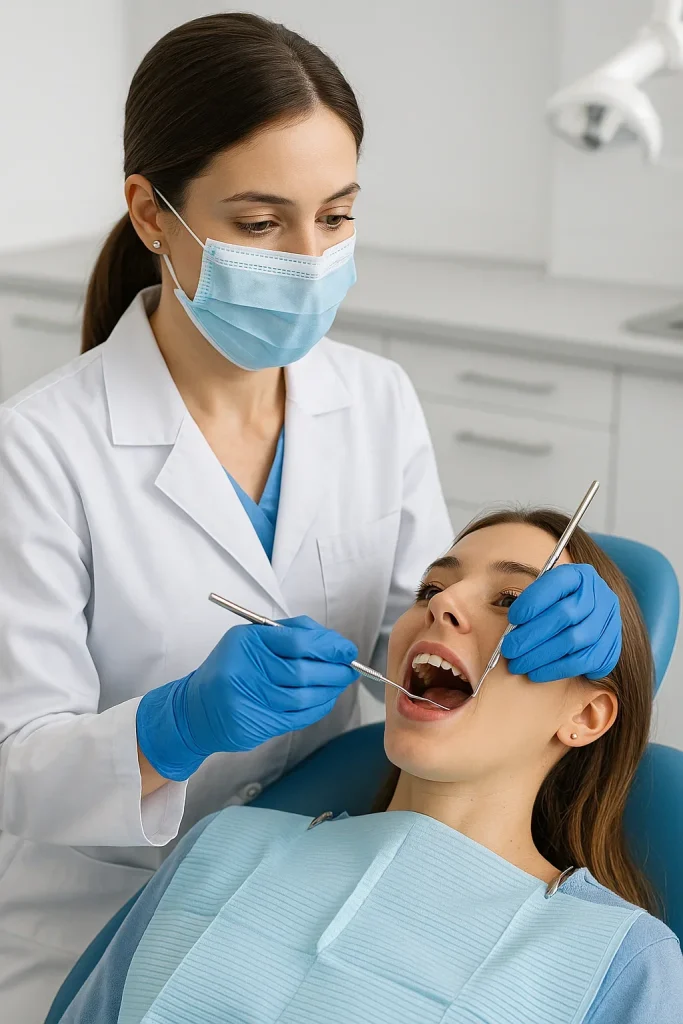
When it comes to maintaining a healthy and confident smile, the importance of dentist medical services cannot be overstated. From preventive care to complex oral surgeries, dentist medical professionals play a vital role in our overall well-being. In today’s world, oral health is not just about aesthetics — it’s about maintaining the harmony of your entire body. Poor dental hygiene has been linked to heart disease, diabetes, and even respiratory problems, which is why finding a trusted dentist medical expert should be a top priority for anyone who values their health. 🩺
The term dentist medical refers to a specialized branch of medicine dedicated to diagnosing, preventing, and treating diseases and conditions affecting the teeth, gums, and mouth. Unlike cosmetic dentistry, which focuses mainly on appearance, medical dentistry is concerned with the biological and structural health of your oral system. This includes everything from regular cleanings and X-rays to root canal therapy, gum disease management, and oral cancer screening.
Every dentist medical professional undergoes extensive education and clinical training before becoming certified. Their expertise extends beyond simple procedures — they understand the connections between oral health and the body’s systemic functions. For instance, inflammation in the gums can trigger chronic conditions like diabetes or cardiovascular disease. Therefore, maintaining regular checkups and following a dentist’s preventive advice can significantly improve your long-term health outcomes.
Modern medical dentistry integrates advanced diagnostic tools such as 3D imaging, digital X-rays, and AI-driven oral scanning systems to provide early and accurate detection of potential issues. These technologies allow dentists to visualize structures beneath the gum line, identify hidden decay, and craft personalized treatment plans that minimize pain and maximize results. For patients, this means less discomfort, faster recovery times, and fewer complications.
In addition to advanced diagnostics, the field of dentist medical care also emphasizes patient education. Dentists often spend time explaining the importance of oral hygiene routines, the effects of diet on teeth, and how stress and medications can impact oral health. For example, certain medications may reduce saliva flow, leading to an increased risk of cavities. Recognizing and addressing these issues early can prevent long-term damage and preserve natural teeth for life.
Visiting a dentist medical expert at least twice a year ensures that problems such as tooth decay, gum disease, or oral infections are identified in their earliest stages. Neglecting dental visits may allow plaque buildup, which hardens into tartar and causes inflammation or bone loss. In severe cases, untreated oral diseases can spread infections through the bloodstream, affecting other organs. This is why dental health is increasingly viewed as a critical component of general medicine rather than a standalone specialty.
Globally, countries with developed dentist medical systems such as the United States, Germany, and Turkey have invested heavily in preventive care awareness. For instance, Turkey has become a hub for international dental tourism due to its affordable yet high-quality medical dentistry services. Many clinics, including Redent Klinik Contact Page, provide comprehensive dental care with world-class equipment and internationally trained specialists. This combination of quality and cost-effectiveness attracts thousands of patients annually seeking smile restoration and medical oral treatment abroad.
One of the most remarkable aspects of dentist medical science today is the focus on holistic well-being. Rather than treating symptoms alone, modern dental professionals examine the underlying causes of oral problems. For example, chronic gum bleeding could be linked to hormonal imbalance, nutritional deficiency, or immune disorders. Similarly, grinding teeth at night may indicate stress or sleep apnea. By addressing these interconnected issues, dentist medical practitioners help improve both dental and systemic health.
Furthermore, collaboration between American Dental Association experts and international medical bodies continues to enhance patient safety and innovation in dentistry. This partnership has led to the creation of new biocompatible materials for dental implants, advanced sterilization methods, and minimally invasive surgical techniques — all of which elevate the standard of care worldwide. 🌍
In conclusion, the dentist medical field represents the intersection of science, technology, and compassionate care. Whether you are looking to prevent cavities, restore damaged teeth, or simply maintain a bright smile, consulting a professional dentist medical expert is the smartest investment in your health. A healthy mouth leads to a healthier body — and that’s something worth smiling about. 😁
What Is Dentist Medical and Why It Matters for Oral Health?
Understanding the concept of dentist medical care is essential for anyone aiming to maintain lifelong oral and general health. While many people associate dentistry only with teeth cleaning or fillings, dentist medical practice encompasses much more. It is the scientific and clinical discipline that bridges oral healthcare with systemic wellness. By focusing on disease prevention, diagnosis, and treatment, dentist medical professionals ensure that your mouth — one of the most vital gateways to your body — remains healthy, functional, and free from infection. 🦷
Defining Dentist Medical Practice
The term dentist medical refers to the branch of medicine that specializes in oral and maxillofacial conditions. This field covers the teeth, gums, jawbones, and all the soft tissues of the mouth. A dentist medical expert is trained to recognize not only dental decay but also signs of diseases that can manifest in the mouth, such as diabetes, immune disorders, and even early cancer lesions. In essence, dentist medical science focuses on detecting, treating, and preventing oral diseases before they can progress into more serious health problems.
The Role of Dentist Medical Professionals in Preventive Care
The foundation of strong oral health lies in prevention — and that’s where dentist medical professionals play a crucial role. Their expertise goes far beyond treating cavities or performing extractions. They act as healthcare partners, helping patients maintain long-term dental wellness through early detection, education, and lifestyle guidance. Preventive care is the core of medical dentistry, aiming to stop diseases before they require complex or costly interventions.
Why Preventive Dentistry Is Essential
Preventive care focuses on identifying risks and addressing them before they become major oral problems. A skilled dentist medical expert not only treats visible symptoms but also looks for subtle signs of potential disease. For example, slight gum bleeding might indicate the beginning of gingivitis, and enamel discoloration could signal early decay or acid erosion. By diagnosing these early indicators, dentists can apply treatments like fluoride application, scaling, or sealants to prevent further damage.
Another vital aspect of preventive care is patient awareness. Many people don’t realize that oral diseases are largely avoidable. With proper brushing, flossing, and routine visits to a dentist medical clinic, individuals can prevent up to 80% of dental problems. The key is consistency. A professional cleaning every six months eliminates plaque buildup that regular brushing can’t remove, reducing the risk of cavities and gum infections.
The Dentist’s Medical Examination Process 🩺
During a routine checkup, dentist medical professionals conduct a series of evaluations designed to assess the full health of your mouth. These include:
- Visual inspection: Checking teeth, gums, tongue, and soft tissues for any visible signs of disease or irritation.
- Probing and charting: Measuring gum pockets to detect early-stage periodontal disease.
- Digital X-rays: Identifying cavities or bone loss that aren’t visible to the naked eye.
- Oral cancer screening: Detecting precancerous lesions or abnormalities in the mouth and throat.
This comprehensive approach allows the dentist medical team to intervene before conditions progress. For example, early detection of bone density loss might prevent tooth loss and preserve jaw structure. Similarly, identifying dry mouth due to medications helps prevent decay, since saliva is crucial for neutralizing acids.
Preventive Treatments Offered by Dentist Medical Clinics
Professional cleaning (scaling and polishing) remains the cornerstone of preventive care. It removes hardened tartar and stains that brushing alone cannot eliminate. Beyond that, many dentist medical practices also offer specialized preventive treatments, including:
1. Fluoride Treatments
Fluoride strengthens enamel and makes it more resistant to bacterial acid attacks. Dentist medical experts often recommend topical fluoride varnish, especially for children and patients prone to cavities.
2. Dental Sealants
Sealants act as a physical barrier against bacteria, typically applied to molars and premolars. They are highly effective in reducing decay risk among children and teenagers.
3. Periodontal Maintenance
For patients with early gum disease, a dentist medical hygienist may recommend deep cleaning procedures such as root planing and scaling. These techniques remove bacteria from below the gum line, helping tissues heal naturally.
Education and Lifestyle Guidance 🪥
One of the most underrated aspects of dentist medical preventive care is patient education. Dentists often serve as educators, teaching individuals proper brushing techniques, the importance of flossing, and how diet affects oral health. For example, reducing sugary drinks, quitting smoking, and maintaining hydration levels can all have a profound impact on dental health. They also guide parents on how to instill good oral hygiene habits in children from a young age.
In addition to hygiene tips, dentist medical professionals advise patients on how systemic diseases such as diabetes or autoimmune conditions affect the mouth. For instance, diabetic patients are more prone to gum infections, and managing blood sugar is crucial for dental stability. Through close collaboration between general physicians and dental experts, a holistic care plan can be created.
The Link Between Preventive Dentistry and Overall Health
Scientific studies consistently show a strong connection between oral and systemic health. Chronic gum inflammation can lead to the release of harmful bacteria into the bloodstream, increasing the risk of heart disease and stroke. Therefore, preventive dentist medical interventions indirectly safeguard cardiovascular and metabolic health. Regular dental care reduces harmful bacterial load, lowers inflammatory markers, and supports immune function.
Cost-Effectiveness of Preventive Care
From an economic perspective, preventive dentistry saves money in the long run. Treating a cavity early is far less expensive than undergoing root canal therapy or dental implant surgery later. According to the American Dental Association, every dollar spent on preventive care can save up to $50 in future restorative procedures. In countries like Turkey, clinics such as Redent Klinik Contact Page offer comprehensive checkups and professional cleanings at affordable prices, attracting international patients seeking quality care.
Technological Advancements in Preventive Dentistry
Modern dentist medical technology has transformed the way preventive care is delivered. AI-powered diagnostic software, laser-assisted plaque removal, and digital oral scanners allow dentists to predict risks accurately and treat problems with minimal invasiveness. This integration of innovation ensures that preventive dentistry remains not only effective but also comfortable and safe for all age groups.
Conclusion: Prevention Is the Key to a Lifetime Smile 😁
Ultimately, the role of dentist medical professionals in preventive care extends far beyond the dental chair. Their guidance, combined with consistent at-home hygiene, can protect you from oral diseases and even systemic illnesses. Prevention isn’t just a dental philosophy — it’s a medical necessity. By visiting your dentist regularly and following professional advice, you’re making a long-term investment in your health, confidence, and happiness. 🌿
How to Choose the Best Dentist Medical Specialist Near You
Finding the right dentist medical specialist is one of the most important health decisions you can make. Whether you need a simple cleaning or a complex implant procedure, the quality of your dental care directly impacts not only your oral health but your overall well-being. A skilled dentist medical expert can prevent disease, relieve pain, restore your smile, and improve your confidence. In contrast, choosing an unqualified or inexperienced practitioner can lead to complications, repeated procedures, and long-term issues. 🦷
Step 1: Understand Your Dental Needs
Before searching for a dentist medical professional, it’s crucial to identify your needs. Are you looking for preventive care, orthodontic treatment, oral surgery, or cosmetic enhancement? Each branch of dental medicine requires different training and specialization. For instance, periodontists focus on gum health, prosthodontists handle dental implants and bridges, while endodontists specialize in root canal therapy. Knowing your condition helps you find a dentist medical specialist whose expertise aligns with your requirements.
If you’re unsure about what type of treatment you need, start with a general dentist medical clinic. They can perform a full oral evaluation, take X-rays, and refer you to the appropriate specialist. This approach ensures that your condition is handled by someone with the right knowledge and tools.
Step 2: Check Qualifications and Certifications 🎓
One of the most reliable indicators of a dentist’s competence is their education and credentials. Always verify that the dentist medical professional has completed an accredited dental program and holds a valid license in your region. In the United States, practitioners are typically certified by the American Dental Association (ADA) or equivalent local authorities. These credentials signify that the dentist adheres to strict professional standards and ethics.
Additionally, check if the dentist participates in continuing education. The field of medical dentistry evolves rapidly, with new materials, tools, and digital technologies emerging every year. A professional who invests in learning stays up-to-date with the latest advancements, offering you safer and more effective treatment options.
Step 3: Evaluate Experience and Specialization
Experience matters. A dentist medical expert who has handled numerous cases similar to yours is more likely to achieve successful outcomes. Ask how many years they have practiced, whether they specialize in a particular area, and if they use modern diagnostic tools such as 3D imaging or laser equipment. You can also request before-and-after photos of previous patients (if available) to evaluate the quality of their work.
For example, if you’re considering dental implants, choose a dentist medical specialist with surgical expertise rather than a general dentist. Specialized experience ensures precision, minimizes pain, and reduces recovery time.
Step 4: Research Reputation and Patient Reviews 🌟
In the digital age, patient feedback is a powerful tool. Read reviews on Google, Yelp, or dental association websites to understand others’ experiences. Look for comments on professionalism, cleanliness, communication, and post-treatment care. A highly rated dentist medical clinic often maintains transparency and provides clear information about pricing and procedures.
You can also ask for personal recommendations from family, friends, or colleagues. Word-of-mouth remains one of the most trustworthy ways to find reliable healthcare providers. However, balance opinions with your own impressions during consultations.
Step 5: Assess Technology and Hygiene Standards
Modern dental technology plays a huge role in accuracy and patient comfort. The best dentist medical facilities utilize digital X-rays, intraoral cameras, computer-guided surgery, and sterilization systems that ensure complete infection control. A technologically advanced clinic not only enhances precision but also minimizes discomfort during treatments.
Checklist for a Modern Dentist Medical Clinic:
- Digital or 3D imaging equipment
- Laser or ultrasonic cleaning devices
- Autoclave sterilization for instruments
- Comfortable and hygienic patient areas
- Clear communication about treatment options and costs
When visiting in person, observe whether the clinic is clean and organized. Every tool should be either sealed or freshly sanitized. Professional dentist medical experts prioritize hygiene because infection control is fundamental to patient safety.
Step 6: Transparency in Pricing and Communication
Reputable dental professionals offer clear, upfront pricing and discuss alternative treatments when possible. Avoid clinics that push unnecessary procedures or fail to provide detailed cost breakdowns. A trustworthy dentist medical provider will explain treatment plans in simple language, ensuring you fully understand each step.
- Dental Cleaning: $70 – $150
- Tooth Filling: $100 – $250 per tooth
- Root Canal Treatment: $300 – $900
- Dental Implant (Single Tooth): $1,000 – $3,000
- Teeth Whitening: $150 – $400
For international patients seeking affordable care, clinics such as Redent Klinik Contact Page in Turkey provide world-class treatment at significantly lower costs compared to Western countries, without compromising on quality or safety.
Step 7: Consider Communication and Comfort 🗣️
Dental anxiety is common, so finding a dentist medical professional who communicates with empathy is essential. During your initial consultation, notice how they address your concerns, explain procedures, and answer questions. A caring, patient-focused approach creates trust and ensures smoother treatment experiences.
Additionally, check if the clinic provides sedation options or pain management techniques. Many modern dentist medical centers offer conscious sedation, nitrous oxide, or gentle laser alternatives to make procedures virtually painless.
Step 8: Accessibility and Location
Convenience also matters. Choose a dentist medical clinic that is easily accessible by public transportation or close to your home or workplace. Accessibility becomes even more critical during post-operative visits or emergencies.
Conclusion: Making an Informed Choice
Choosing the best dentist medical specialist involves a balance of professional qualifications, patient comfort, and modern facilities. Don’t rush the process — take time to research, visit clinics, and evaluate options. A well-informed decision ensures your treatments are safe, effective, and long-lasting. Remember, the right dentist medical professional doesn’t just fix teeth — they protect your entire body’s health. 🌿
Dentist Medical Treatments Explained: From Cleaning to Implants
The field of dentist medical treatments covers an extensive range of services designed to maintain, restore, and enhance oral health. From basic preventive care like cleanings to complex procedures such as dental implants, every treatment plays a specific role in keeping your teeth and gums healthy. Understanding each dentist medical service helps patients make informed decisions, reduce anxiety, and prepare for the best outcomes. 🦷
Preventive Dentist Medical Treatments
Preventive treatments are the cornerstone of oral health. Their goal is to stop dental problems before they start. A dentist medical professional will usually begin with a comprehensive examination, followed by cleaning, fluoride application, and patient education.
1. Dental Cleaning (Prophylaxis)
This is the most common preventive procedure. During a cleaning session, a dentist medical hygienist removes plaque, tartar, and surface stains from the teeth. Ultrasonic scalers and polishing tools are used to ensure that all bacterial deposits are eliminated. Regular cleanings — typically every six months — prevent gum inflammation, bad breath, and cavities.
2. Fluoride Treatments
Fluoride strengthens the enamel and reduces the risk of decay. Dentist medical clinics apply a concentrated fluoride gel or varnish to the teeth, especially for children or adults with a high cavity risk. It’s painless, fast, and highly effective in preventing early-stage decay.
3. Sealants
Dental sealants are thin plastic coatings applied to the grooves of molars and premolars. These act as barriers, preventing bacteria from settling in deep pits where toothbrushes can’t reach. A dentist medical specialist usually recommends sealants for children but adults can benefit too.
Restorative Dentist Medical Treatments 🩺
When preventive care isn’t enough, restorative procedures step in to repair or replace damaged structures. Medical dentistry focuses on restoring function while preserving natural appearance. The most common restorative treatments include fillings, crowns, bridges, and root canal therapy.
1. Dental Fillings
Cavities are treated using dental fillings, where decayed tooth material is removed and replaced with composite resin, ceramic, or amalgam. A dentist medical expert ensures the restoration blends seamlessly with your natural teeth. Composite fillings are popular for their aesthetic appeal and durability.
2. Dental Crowns
Crowns are caps placed over damaged or weakened teeth to restore strength and shape. They are typically made of porcelain, zirconia, or metal alloys. Modern dentist medical labs use 3D CAD/CAM technology to design and fabricate custom crowns in a single visit.
3. Root Canal Therapy
When decay reaches the tooth pulp, it causes pain and infection. Root canal therapy removes the infected tissue and seals the canal to prevent reinfection. Thanks to advanced anesthesia and rotary instruments, today’s dentist medical procedures are virtually painless and highly successful.
Cosmetic Dentist Medical Treatments 😁
While preventive and restorative care focuses on function and health, cosmetic dentistry enhances aesthetics. A bright, balanced smile can significantly boost confidence and overall well-being. Dentist medical professionals now offer a variety of minimally invasive treatments to improve the look of teeth.
1. Teeth Whitening
Professional whitening treatments use peroxide-based gels activated by light or laser to remove stains and discoloration. A dentist medical specialist can brighten your teeth up to eight shades lighter in one session, compared to slower over-the-counter products.
2. Veneers
Veneers are thin shells of porcelain or composite material bonded to the front of teeth to correct imperfections like chips, gaps, or uneven color. Modern dentist medical technology ensures these restorations look completely natural and last over a decade.
3. Invisalign and Orthodontics
Clear aligners such as Invisalign offer discreet correction for misaligned teeth. Unlike traditional braces, they are removable and more comfortable. Many dentist medical clinics now use 3D scanning to design aligners with precision and faster treatment times.
Surgical Dentist Medical Treatments
When structural or severe oral issues arise, surgical intervention becomes necessary. Oral surgery is performed by trained dentist medical surgeons under local or general anesthesia, depending on the complexity of the case.
1. Tooth Extraction
Extractions are performed when a tooth is too damaged to be restored. Wisdom teeth removal is also common to prevent overcrowding or infections. Advanced dentist medical clinics use laser-assisted or ultrasonic extraction methods to minimize pain and healing time.
2. Dental Implants
Implants are titanium posts placed into the jawbone to replace missing teeth. Over time, the implant fuses with the bone, forming a stable base for a crown. The success rate of this dentist medical procedure exceeds 95% when performed by a skilled implantologist. Implants not only restore aesthetics but also prevent bone loss and maintain facial structure.
3. Bone Grafting and Sinus Lift
These procedures are often required before implant placement, especially if bone density is insufficient. A dentist medical surgeon uses graft material from the patient or a biocompatible source to rebuild jawbone integrity. This ensures long-lasting implant stability and natural function.
Periodontal (Gum) Treatments 🌿
Healthy gums are vital for strong teeth. Periodontal therapy treats gum inflammation, recession, and infection. A dentist medical periodontist may perform scaling, root planing, or laser-assisted therapy to eliminate bacteria and promote tissue regeneration. Early gum disease is reversible with professional care, but advanced stages require surgical intervention to prevent tooth loss.
Advanced and Regenerative Dentist Medical Therapies
The latest innovations in medical dentistry include regenerative procedures like stem cell therapy and PRF (Platelet-Rich Fibrin) treatments. These stimulate natural healing and bone regeneration. Laser-assisted surgery, AI-based diagnostics, and 3D printing have also revolutionized how dentist medical professionals deliver care — making it faster, safer, and more predictable than ever before.
Cost and Accessibility of Dentist Medical Treatments
While costs vary depending on the procedure and location, international destinations such as Turkey, Thailand, and Hungary have become leaders in affordable dentist medical services. For example, at Redent Klinik Contact Page, patients can receive premium treatments like implants, crowns, or smile makeovers at a fraction of the price charged in Western Europe or the U.S.
- Cleaning & Checkup: $70 – $120
- Tooth Filling: $100 – $250
- Root Canal: $350 – $800
- Dental Crown: $500 – $1,200
- Implant (Single Tooth): $1,200 – $3,000
- Teeth Whitening: $150 – $400
Conclusion: Comprehensive Care for Every Smile 😊
From basic cleanings to advanced implant surgery, dentist medical treatments provide comprehensive solutions for every oral health need. The goal of modern dentistry is not just to fix problems but to prevent them, enhance aesthetics, and ensure lifelong wellness. By consulting a trusted dentist medical expert and committing to regular care, you can enjoy a healthy, confident smile for years to come — one that reflects true well-being inside and out. 🌟
Modern Dentist Medical Technologies That Transform Your Smile
In recent years, the field of dentist medical technology has advanced at an astonishing pace, transforming how dental care is delivered. From 3D imaging and digital scanning to AI-assisted diagnostics and laser treatments, these innovations are redefining patient experiences. Today, going to the dentist no longer means fear or discomfort — it means precision, speed, and remarkable results. These cutting-edge dentist medical innovations are helping millions achieve healthier, more radiant smiles faster than ever before. 😁
Digital Dentistry: The New Standard of Care
Digital tools have revolutionized the way dentist medical professionals plan, diagnose, and perform treatments. Traditional molds and X-rays are being replaced by more accurate, faster, and safer alternatives. Digital workflows enhance not only accuracy but also patient comfort and communication.
1. 3D Imaging and Cone Beam CT (CBCT)
One of the most significant breakthroughs in medical dentistry is the introduction of 3D imaging. Cone Beam Computed Tomography (CBCT) provides a detailed three-dimensional view of teeth, bone, and soft tissues. This allows a dentist medical expert to analyze structures with millimeter precision — a crucial factor in implant placement, root canal treatments, and orthodontic planning. Patients benefit from faster procedures and lower risks of surgical errors.
2. Intraoral Scanners
Gone are the days of messy dental impressions. Intraoral scanners capture thousands of images per second to create a digital 3D model of your mouth. These scanners are now standard equipment in most dentist medical clinics, enabling instant analysis and same-day restorations. They also allow dentists to track changes over time, improving preventive care accuracy.
3. CAD/CAM Technology (Computer-Aided Design & Manufacturing)
With CAD/CAM systems, dentist medical professionals can design and fabricate dental crowns, veneers, and bridges directly in the office — often within a single visit. This eliminates the need for temporary crowns or long waiting times for lab results. The precision and fit are unmatched, giving patients long-lasting and natural-looking restorations.
Laser Technology in Dentist Medical Procedures 🦷
Laser dentistry has become one of the most patient-friendly innovations in medical dental care. Lasers use focused light energy to perform precise tissue operations with minimal bleeding and pain. This technology is particularly valuable in soft-tissue treatments, such as gum contouring, periodontal therapy, and even cavity removal.
Benefits of Laser Dentist Medical Treatments:
- Reduced need for anesthesia and faster healing times.
- Minimal bleeding and swelling during surgical procedures.
- Enhanced sterilization — the laser beam kills bacteria instantly.
- Less postoperative discomfort and anxiety for patients.
Many dentist medical professionals also use laser technology for teeth whitening. The heat generated by the laser activates whitening gel molecules, achieving dramatic results in under an hour. It’s a safe, quick, and effective solution for those seeking an immediate smile transformation.
Artificial Intelligence (AI) in Dentist Medical Diagnosis 🤖
AI-driven systems are now assisting dentist medical specialists in diagnosis and treatment planning. These intelligent platforms analyze digital X-rays, intraoral scans, and patient data to identify potential issues such as cavities, bone loss, or misalignment — even before symptoms appear. AI eliminates human error and helps dentists detect patterns that might go unnoticed during manual evaluation.
For instance, AI can predict the likelihood of gum disease progression or estimate bone density changes for implant candidates. This predictive capability ensures more personalized and preventive dentist medical care, resulting in improved outcomes and higher patient satisfaction.
Regenerative and Biocompatible Materials
Advancements in material science have made modern dentist medical restorations stronger, safer, and more natural-looking. Traditional metal-based fillings and crowns are being replaced by biocompatible ceramics and composite resins. These materials not only mimic the translucency of natural teeth but also integrate seamlessly with gum tissue, reducing allergic reactions or corrosion.
1. Zirconia and Ceramic Restorations
Zirconia crowns and bridges have become the gold standard for modern dentistry. They are lightweight, durable, and aesthetically superior. A dentist medical professional uses CAD/CAM to design these restorations for perfect symmetry and bite alignment.
2. Bioactive Glass and Regenerative Gels
These materials stimulate tissue regeneration and help remineralize enamel. They are particularly useful in treating sensitivity, early-stage decay, and bone grafts. Medical dentist researchers are now experimenting with nanomaterials that accelerate healing at the cellular level, reducing recovery time and improving structural stability.
Robotics and Automation in Dentist Medical Surgery
Robotic systems are gradually being integrated into dentist medical procedures, especially in implant placement and complex surgeries. Robots can execute tasks with extreme accuracy, guided by pre-programmed digital blueprints. For example, robotic arms can drill precise implant holes without human tremor, ensuring perfect angulation and minimizing nerve damage risks.
While human expertise remains essential, robotics enhance consistency and efficiency. In combination with AI and digital imaging, they represent the future of surgical precision in medical dentistry.
Tele-Dentistry: Remote Dentist Medical Care 🖥️
Tele-dentistry allows patients to connect with dentist medical professionals through secure online platforms. This is particularly beneficial for those living in remote areas or with limited mobility. Using video consultations and image uploads, dentists can assess oral conditions, provide guidance, and schedule in-person treatments only when necessary. It’s a convenient, cost-effective advancement that broadens access to dental care worldwide.
Smart Devices and Digital Patient Monitoring
Wearable technology and smart toothbrushes are also contributing to preventive dentist medical care. Devices now monitor brushing pressure, duration, and areas missed, sending real-time feedback via mobile apps. Some advanced systems even track pH levels in saliva to detect early signs of decay or acid erosion. This integration of everyday technology empowers patients to take control of their oral hygiene like never before.
Global Adoption and Accessibility 🌍
Countries like Turkey, Germany, and South Korea are at the forefront of implementing advanced dentist medical technologies. Clinics such as Redent Klinik Contact Page offer digital implant planning, laser procedures, and AI-based diagnostics — all under one roof. These innovations are making top-tier dental care accessible to patients from around the world at affordable prices.
Conclusion: A New Era of Precision and Comfort
The integration of cutting-edge tools and science into dentist medical care has ushered in a new era of precision, comfort, and aesthetic excellence. From AI-assisted diagnosis to digital prosthetics and laser therapy, technology is no longer an accessory — it is the foundation of modern dental medicine. By embracing these innovations, patients experience faster treatments, reduced anxiety, and stunning, lasting results. Truly, the future of dentist medical treatment is here — smart, painless, and transformative. 🌟
Understanding the Costs of Dentist Medical Services Worldwide
The cost of dentist medical services can vary dramatically across the globe, depending on factors such as geographic location, clinic reputation, available technology, and the complexity of the procedure. Understanding these costs is essential for anyone planning dental care, whether locally or abroad. With the rise of dental tourism and advanced digital technologies, patients today have access to world-class treatments at more affordable rates — often without compromising quality. 🌍
Factors That Influence Dentist Medical Costs
Every dentist medical treatment has unique pricing variables. The final cost of a procedure is influenced by the dentist’s expertise, materials used, diagnostic tools, and aftercare services. Below are the main factors shaping the overall expense:
- Location: Treatments in Western countries like the U.S., Canada, and the U.K. tend to be more expensive due to higher operational costs, labor, and insurance.
- Complexity: Advanced surgeries like dental implants or full-mouth reconstructions require specialized training and technology, increasing overall expenses.
- Technology: Clinics that use 3D imaging, CAD/CAM, or laser technology usually charge more — but also offer faster, more accurate results.
- Materials: Biocompatible ceramics, zirconia, and premium composite resins can raise the price, though they provide better aesthetics and durability.
- Reputation: Highly rated dentist medical clinics with international accreditation may charge premium fees due to their recognized standards and reliability.
Average Global Prices for Common Dentist Medical Procedures
While costs differ by region, the following chart provides an overview of the average 2025 prices for essential dentist medical services around the world:
| Procedure | United States | United Kingdom | Turkey | Thailand |
|---|---|---|---|---|
| Dental Cleaning | $120 – $200 | £80 – £150 | $50 – $90 | $60 – $100 |
| Root Canal Treatment | $600 – $1,200 | £400 – £800 | $150 – $300 | $200 – $400 |
| Dental Crown | $1,000 – $1,800 | £600 – £1,000 | $300 – $600 | $400 – $700 |
| Dental Implant | $3,000 – $5,000 | £2,000 – £3,000 | $800 – $1,200 | $900 – $1,500 |
| Teeth Whitening | $400 – $800 | £250 – £400 | $100 – $250 | $120 – $280 |
As seen above, countries like Turkey and Thailand offer significant savings for high-quality dentist medical procedures. This price difference is what fuels the rapid growth of dental tourism — especially among patients from Europe and North America.
Dentist Medical Tourism: Affordable Excellence 🌍
Dental tourism refers to traveling abroad to receive affordable dental care, often paired with vacation opportunities. Clinics in countries such as Turkey, Mexico, and Hungary have become global leaders in this sector, offering top-tier facilities, internationally trained professionals, and advanced technologies at 60–80% lower prices than in the West.
For instance, Redent Klinik Contact Page in Istanbul is known for its world-class facilities, English-speaking staff, and affordable packages that include airport transfer and hotel accommodation. This makes it a popular choice among international patients seeking dentist medical treatments such as implants, veneers, and full-mouth reconstructions.
Advantages of Dental Tourism:
- High-quality treatment at significantly lower costs.
- Access to advanced dentist medical technology and modern clinics.
- Opportunity to combine healthcare with travel experiences.
- Shorter waiting times compared to public systems in some countries.
Insurance and Financing Options for Dentist Medical Care
In many countries, dental care is not fully covered by health insurance. However, private insurance or supplemental dental plans can help manage costs. In the U.S., dental insurance may cover preventive care like cleanings and X-rays but often excludes cosmetic procedures such as whitening or veneers.
Globally, many dentist medical centers now offer financing plans and installment options, allowing patients to pay over several months. For example, implant packages can be split into multiple payments, making advanced treatments more accessible.
Why Dentist Medical Costs Are Worth the Investment 🦷
While dental care can seem expensive, it’s a vital investment in overall health. Untreated oral problems can lead to infections, systemic inflammation, and even heart disease. By investing in preventive and restorative dentist medical treatments, patients save money long term by avoiding emergency interventions or complex surgeries later.
According to the American Dental Association, every dollar spent on preventive dental care can save up to $50 in future treatments. This proves that proactive dental care is not only medically beneficial but also economically smart.
Hidden Costs to Watch Out For
When comparing dentist medical services worldwide, it’s important to consider potential hidden fees. These may include consultation costs, X-rays, anesthesia, or follow-up visits. Reputable clinics always provide a detailed treatment plan with transparent pricing. Patients are encouraged to ask for written estimates before beginning treatment to avoid unexpected charges.
Conclusion: Investing Wisely in Your Oral Health
Understanding the true cost of dentist medical care goes beyond comparing prices — it’s about evaluating value, expertise, and safety. While affordable options exist worldwide, quality should never be compromised. Choosing a trusted clinic with certified professionals, modern facilities, and excellent patient care ensures the best long-term results. Whether you’re visiting your local practitioner or traveling abroad, view your dental health as a lifelong investment — one that pays back through confidence, comfort, and a radiant smile. 😄
Dentist Medical vs. Cosmetic Dentistry: Key Differences
When exploring dental care options, many patients wonder about the distinction between dentist medical treatments and cosmetic dentistry. While both branches focus on improving oral health and appearance, their objectives, procedures, and outcomes differ significantly. Understanding these differences helps patients choose the right type of care — whether for treating disease, restoring function, or enhancing aesthetics. A well-informed decision leads to healthier teeth, a brighter smile, and improved overall well-being. 🦷
The Core Purpose of Dentist Medical Care
Dentist medical care is primarily concerned with diagnosing, treating, and preventing oral diseases. It is a health-centered discipline that focuses on the biological and functional integrity of the teeth, gums, and jawbone. A dentist medical professional’s primary goal is to ensure that your mouth remains healthy, infection-free, and fully functional.
Common dentist medical procedures include tooth extractions, root canals, gum disease therapy, and oral cancer screenings. These treatments are often necessary for maintaining long-term dental and systemic health. For example, gum disease has been linked to cardiovascular issues and diabetes — highlighting the medical importance of routine dental care.
Typical Dentist Medical Treatments:
- Comprehensive oral exams and digital X-rays
- Scaling and root planing for gum disease
- Root canal therapy for infected pulp tissue
- Dental fillings for cavities
- Oral surgery and tooth extractions
- Dental implants and bone grafts
Each of these dentist medical services aims to preserve or restore oral function while preventing further deterioration. The focus is on healing, prevention, and long-term health stability — not purely on appearance.
The Purpose of Cosmetic Dentistry ✨
Cosmetic dentistry, by contrast, focuses on improving the visual appearance of the teeth and smile. A cosmetic dentist works to enhance aesthetics through color correction, shape modification, and alignment improvement. While many cosmetic procedures also offer functional benefits, their primary motivation is beautification rather than medical necessity.
Common Cosmetic Dental Procedures:
- Teeth whitening to remove stains and discoloration
- Porcelain veneers to correct shape, size, and alignment
- Composite bonding to repair chips and minor gaps
- Clear aligners (Invisalign) for discreet orthodontic correction
- Smile design and digital mock-ups for planning transformations
These treatments can dramatically improve self-confidence and appearance, but they are elective rather than required for oral health. However, combining cosmetic enhancements with dentist medical procedures can deliver both functional and aesthetic excellence.
Medical Necessity vs. Aesthetic Choice
The fundamental difference between the two disciplines lies in intent. Dentist medical professionals address issues that impact health — such as decay, infection, or bone loss — while cosmetic dentists focus on how your smile looks. For example, a dental crown placed for a fractured tooth is a medical necessity, but a veneer placed over an intact tooth for whiter color is cosmetic.
That said, the line between both fields is often blurred. Many modern procedures serve dual purposes. For instance, dental implants restore chewing ability (medical) and improve facial aesthetics (cosmetic). Similarly, orthodontic aligners correct bite function (medical) while straightening teeth (cosmetic).
Training and Expertise: Who Performs Each?
Every licensed dentist medical professional receives training in basic cosmetic principles during dental school. However, cosmetic dentists often pursue additional education focusing on smile design, dental materials, and facial harmony. They master the artistic aspects of dentistry — balancing tooth proportion, color, and symmetry to achieve a naturally beautiful appearance.
On the other hand, dentist medical practitioners specialize in clinical procedures that target disease management and oral health restoration. Many pursue postgraduate education in oral surgery, endodontics, or periodontics to handle complex medical cases.
Technology and Materials Used
In the past decade, both dentist medical and cosmetic dentistry have benefited from technological advancements such as digital scanners, CAD/CAM design systems, and laser tools. However, their use differs slightly:
In Dentist Medical Treatments:
- Digital X-rays for accurate diagnosis
- Laser-assisted gum therapy for infection control
- 3D imaging for implant and surgical planning
In Cosmetic Dentistry:
- Digital smile design (DSD) software for aesthetic planning
- Shade-matching technology for natural restorations
- 3D printing for veneers and crowns
Both approaches overlap in technology but differ in purpose — one treats disease, the other refines beauty.
Cost Comparison: Functional vs. Aesthetic Investment 💰
Because dentist medical treatments are often medically necessary, they may be partially covered by insurance or public healthcare systems. In contrast, cosmetic procedures are typically elective and paid out of pocket. The following comparison provides a general overview:
- Tooth Filling (Medical): $100 – $250
- Root Canal (Medical): $400 – $900
- Dental Implant (Medical & Cosmetic): $1,000 – $3,000
- Teeth Whitening (Cosmetic): $150 – $400
- Porcelain Veneers (Cosmetic): $800 – $1,500 per tooth
Globally, clinics like Redent Klinik Contact Page offer both dentist medical and cosmetic dentistry packages that combine health restoration with aesthetic improvement — providing world-class results at competitive prices.
Long-Term Impact on Oral Health
While cosmetic procedures can improve appearance, their benefits are best sustained through ongoing dentist medical maintenance. For example, veneers and crowns require regular cleaning and checkups to prevent decay beneath the surface. Similarly, whitening results last longer when supported by proper hygiene and diet control.
In essence, cosmetic dentistry delivers the “finishing touch,” but dentist medical care builds the foundation. Without a healthy mouth, cosmetic results won’t endure. That’s why professionals often recommend resolving all medical issues before cosmetic enhancements begin.
Ethics and Patient Care
One of the ethical principles in dentistry is prioritizing patient health. Responsible dentist medical professionals never perform aesthetic procedures that could harm oral structures or compromise long-term health. Instead, they integrate artistry with science, ensuring that every enhancement supports structural integrity and natural function.
Conclusion: Harmony Between Health and Beauty 🌿
The distinction between dentist medical care and cosmetic dentistry lies in purpose — one heals, the other enhances. Yet, modern dentistry increasingly merges both disciplines to deliver holistic results. A healthy smile should look beautiful, and a beautiful smile should be healthy. Whether you need a medical restoration or a cosmetic makeover, the key is to consult certified professionals who balance science, precision, and aesthetics. By doing so, you’ll achieve a radiant, functional smile that reflects both wellness and confidence. 😁
How Dentist Medical Clinics Maintain Sterilization and Safety
In the world of modern healthcare, maintaining strict hygiene and sterilization standards is non-negotiable — and dentist medical clinics are no exception. These facilities handle instruments and procedures that directly contact oral tissues, making infection control a top priority. To protect both patients and staff, dental practices must adhere to rigorous protocols established by global health authorities such as the American Dental Association (ADA) and the World Health Organization (WHO). This commitment to safety ensures that every visit to a dentist medical professional is both effective and risk-free. 🦷
The Importance of Sterilization in Dentist Medical Practice
Sterilization refers to the complete elimination of all microorganisms — including bacteria, viruses, and fungi — from dental instruments and surfaces. In a dentist medical environment, even a minor lapse in sterilization can lead to cross-contamination and the transmission of infectious diseases such as hepatitis, HIV, or COVID-19. Therefore, dental clinics follow meticulous decontamination processes after every patient visit to maintain a safe clinical environment.
Proper sterilization not only protects patients but also safeguards the dental team. Dental professionals are constantly exposed to saliva, blood, and aerosol particles during treatment. Effective infection control protocols help minimize occupational hazards and promote overall clinic hygiene.
Step-by-Step Sterilization Process in Dentist Medical Clinics
Every dentist medical clinic follows a multi-stage sterilization procedure to ensure full disinfection of instruments and surfaces. Below is a detailed breakdown of this standardized workflow:
1. Pre-Cleaning and Debris Removal
Before instruments are sterilized, they are cleaned to remove visible organic matter such as blood or tissue fragments. This is done using enzymatic detergents or ultrasonic cleaners that vibrate at high frequencies to dislodge microscopic debris. Proper pre-cleaning enhances sterilization efficiency.
2. Disinfection
After cleaning, tools are immersed in medical-grade disinfectant solutions to eliminate residual microorganisms. This intermediate step is crucial for preventing biofilm formation, which could otherwise resist sterilization. Dentist medical professionals ensure that all instruments are fully submerged for the recommended time and temperature.
3. Sterilization Using Autoclaves
The autoclave is the backbone of dentist medical sterilization. It uses high-pressure saturated steam at 121–134°C to kill all microbes, including spores. Instruments are placed in sterilization pouches that display color-changing indicators to confirm successful sterilization. Clinics must test autoclave performance regularly with biological spore tests to ensure compliance with safety standards.
4. Storage and Handling
Once sterilized, instruments are carefully stored in clean, dry cabinets. Each pouch remains sealed until opened in front of the patient. Staff wear sterile gloves during handling to prevent contamination. This step underscores the precision and care expected in a professional dentist medical facility.
Surface and Air Disinfection in Dentist Medical Clinics 🧼
In addition to instrument sterilization, environmental cleanliness plays a major role in infection control. Medical dentistry clinics follow strict surface disinfection routines after each appointment. Work surfaces, dental chairs, and equipment handles are wiped with EPA-approved disinfectants. Many clinics also employ UV-C light sterilizers or fogging systems to ensure the elimination of airborne pathogens.
Airborne contaminants are a growing concern due to the aerosol-generating nature of dental procedures. High-efficiency particulate air (HEPA) filtration systems and extraoral suction devices are now standard in modern dentist medical environments. These systems continuously purify the air, maintaining a clean and safe atmosphere for both patients and healthcare providers.
Personal Protective Equipment (PPE) and Staff Safety
To minimize direct exposure, dentist medical professionals wear comprehensive personal protective equipment during all procedures. This includes surgical masks, N95 respirators, face shields, gowns, gloves, and protective eyewear. The use of PPE was greatly reinforced during the COVID-19 pandemic and remains a permanent feature of dental practice safety protocols.
Proper PPE usage also involves correct donning and doffing techniques to prevent self-contamination. Staff undergo regular training and follow infection control checklists to maintain consistency and accountability.
Waterline Maintenance and Biofilm Prevention 💧
Dental unit waterlines can become a source of microbial contamination if not properly maintained. To combat this, dentist medical clinics flush waterlines daily and use chemical disinfectants specifically designed to prevent biofilm buildup. Some clinics also install advanced filtration systems that purify the water supply used in procedures, ensuring patients receive the cleanest possible treatment environment.
Waste Disposal and Environmental Safety
Proper biomedical waste management is another critical element of dentist medical safety. Used gloves, gauze, and disposable instruments are placed in color-coded containers and disposed of following local medical waste regulations. Sharp items such as needles and scalpel blades go into puncture-proof containers to prevent accidental injuries. Authorized waste handlers then collect and incinerate this material under controlled conditions.
Eco-Friendly Initiatives in Modern Dentist Medical Clinics
As sustainability becomes a global focus, many clinics are adopting eco-conscious practices such as using biodegradable disinfectants and digital record systems to reduce paper waste. Energy-efficient autoclaves and water-saving equipment help lower the environmental footprint of medical dentistry operations without compromising hygiene standards.
Patient Involvement and Transparency
Today’s patients are more health-conscious and value transparency in healthcare environments. Reputable dentist medical professionals explain their sterilization and safety processes to patients, often displaying certificates of compliance and sterilization logs in waiting areas. This openness builds trust and reassures patients about the clinic’s dedication to their well-being.
At internationally accredited clinics like Redent Klinik Contact Page, patients can visibly observe staff opening sealed sterile packages before procedures, reflecting world-class safety and ethical standards.
Global Standards and Regulatory Compliance
All reputable dentist medical facilities adhere to local and international infection control regulations. The ADA, CDC, and ISO provide guidelines that define sterilization cycles, monitoring methods, and documentation procedures. Regular audits ensure compliance and encourage continuous improvement in hygiene protocols.
In Europe, the EN 13060 and EN 285 standards govern autoclave sterilization performance, while OSHA standards regulate workplace safety for dental professionals. Compliance with these standards is mandatory for clinics aiming to maintain international credibility.
Conclusion: Trust Built on Cleanliness and Precision 🌿
Infection control is the backbone of every dentist medical practice. From sterilizing instruments and disinfecting surfaces to ensuring clean air and safe waste disposal, each step reflects a commitment to patient safety. Clinics that prioritize hygiene not only protect health but also build lasting trust with their patients. The next time you visit a dental clinic, remember that behind every polished instrument lies a meticulous process dedicated to your safety — because true excellence in dentist medical care begins with sterilization. 🛡️
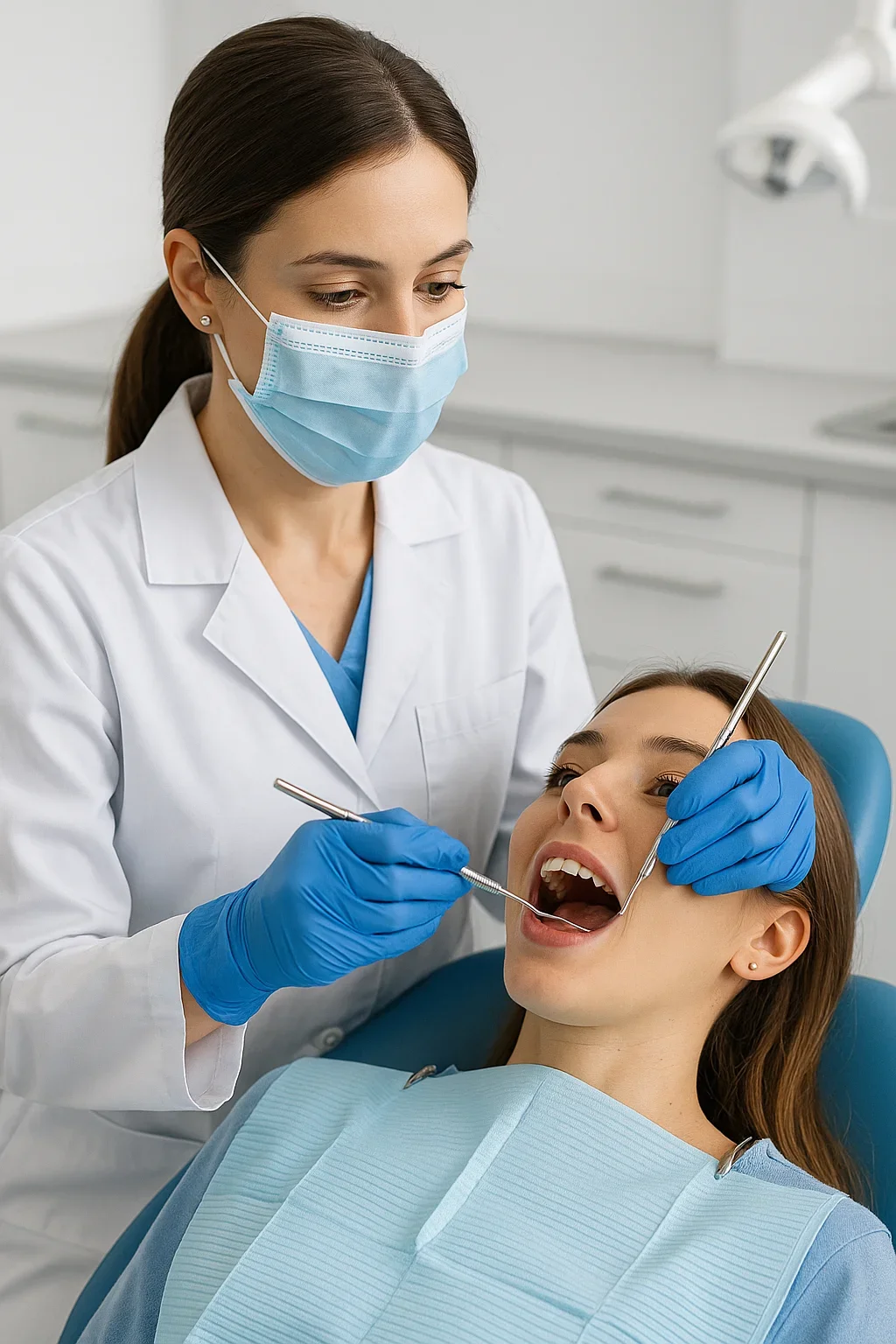
The Future of Dentist Medical Technology and Innovations
The world of dentist medical science is evolving faster than ever, transforming how dental professionals diagnose, treat, and prevent oral diseases. As technology advances, traditional tools and manual techniques are being replaced by digital precision, AI-driven diagnostics, and minimally invasive methods. These innovations are not only improving treatment outcomes but also enhancing the patient experience — making dentistry more comfortable, efficient, and personalized than ever before. 🦷✨
Digital Transformation in Dentist Medical Practice
One of the most profound shifts in dentist medical care is the integration of digital technologies across every aspect of diagnosis and treatment. From intraoral scanners to 3D imaging, digital systems now allow for real-time visualization of a patient’s mouth with stunning accuracy. Traditional impressions — once messy and uncomfortable — are now replaced by quick, precise, and contactless scanning devices.
Digital dentistry also supports advanced treatment planning. For example, software programs can simulate bite alignment, tooth movement, and implant placement before any physical procedure takes place. This digital precision ensures predictable results and shortens overall treatment times.
Key Benefits of Digital Dentist Medical Tools:
- Improved accuracy and patient comfort
- Reduced need for manual adjustments
- Enhanced communication between dentist and patient
- Streamlined workflow for faster treatment completion
Clinics like Redent Klinik Contact Page already utilize digital tools such as CAD/CAM systems to design and produce dental restorations with unmatched precision. This technology allows dentist medical professionals to create crowns, bridges, and veneers on the same day, eliminating the need for multiple appointments.
Artificial Intelligence in Dentist Medical Diagnostics 🤖
Artificial intelligence (AI) is revolutionizing the diagnostic process in dentistry. Machine learning algorithms can now analyze X-rays, intraoral scans, and 3D images to detect caries, bone loss, and other anomalies faster than the human eye. This AI support empowers dentist medical experts to identify potential issues earlier, reducing the risk of complications and enabling preventive treatment.
AI-driven platforms also assist in treatment planning by predicting the success rate of certain procedures based on patient history, oral anatomy, and material data. As a result, dentist medical clinics can deliver more personalized care, tailor-made to each individual’s unique dental structure and health profile.
Examples of AI Applications in Dentistry:
- Automated cavity and bone density detection
- Predictive modeling for implant success
- AI-powered orthodontic planning
- Smart patient scheduling and digital record management
These AI applications don’t replace the human element — they enhance it. Dentists still provide the final judgment, but with data-backed precision and reduced diagnostic error. This synergy between human expertise and technology defines the next era of dentist medical innovation.
3D Printing and Custom Dental Solutions 🖨️
3D printing has become a game-changer in the field of dentist medical manufacturing. With high-resolution printers and biocompatible materials, dental labs can now produce crowns, bridges, aligners, and surgical guides within hours. The technology enables extreme customization, ensuring each prosthetic fits perfectly and looks natural.
Beyond restorations, 3D printing is also used for surgical simulations and patient education. Dentists can print replicas of a patient’s jaw to plan procedures in advance, minimizing risks during surgery. This innovation not only saves time but also enhances precision and patient confidence.
Advantages of 3D Printing in Dentist Medical Practice:
- Faster turnaround for prosthetics
- Improved accuracy in implant placement
- Reduced waste through material efficiency
- Lower overall production costs
Laser Dentistry: Precision with Comfort
Laser systems are another remarkable innovation in modern dentist medical technology. These tools allow for minimally invasive treatments that reduce pain, bleeding, and healing time. Lasers are used for procedures such as gum reshaping, cavity removal, teeth whitening, and even soft-tissue surgeries.
For example, laser-assisted gum treatment eliminates the need for scalpels and sutures. The laser sterilizes the area as it works, lowering the risk of infection and accelerating recovery. This patient-friendly approach has made laser dentistry a core part of many advanced dental clinics.
Common Laser Applications:
- Soft tissue surgery and gum contouring
- Removal of decayed tissue without anesthesia
- Teeth whitening with laser-activated gels
- Minimally invasive root canal sterilization
By integrating lasers, dentist medical professionals can now provide faster, more comfortable procedures that align with modern patient expectations for pain-free dentistry.
Robotics and Automation in Dentist Medical Surgery
Robotic systems are making their way into dental operating rooms, providing ultra-precise assistance during complex surgeries such as implant placement and maxillofacial reconstruction. Robots equipped with 3D mapping and motion sensors can guide instruments with sub-millimeter precision — a feat difficult to achieve manually.
These systems don’t replace the dentist but serve as intelligent extensions of their skills, reducing fatigue and error rates. In the future, robot-assisted dentist medical surgery will likely become the standard for high-stakes procedures, especially in implantology and reconstructive dentistry.
Augmented and Virtual Reality for Training and Patient Education 🕶️
Augmented reality (AR) and virtual reality (VR) are redefining how dentists and students learn and practice. Dental schools and advanced clinics now use VR simulations to replicate real-life scenarios, allowing practitioners to practice complex procedures without risk. AR overlays in the operatory provide real-time visual guides during surgery or orthodontic adjustments.
For patients, AR applications can visualize potential treatment results before starting. For instance, you can see a digital preview of your smile after veneers or orthodontic adjustments — making dentist medical consultations more engaging and transparent.
Nanotechnology and Regenerative Dentistry 🧬
Another groundbreaking development is the rise of nanotechnology in dentist medical research. Scientists are experimenting with nanomaterials to strengthen enamel, deliver targeted medication, and even regenerate damaged tissues. Nanoparticles with antibacterial properties are being used in fillings, preventing secondary decay.
Meanwhile, regenerative dentistry — inspired by stem cell research — aims to grow natural tooth structures, such as dentin and pulp. Although still in experimental phases, this innovation could one day eliminate the need for artificial fillings and implants entirely.
Eco-Friendly Innovations and Sustainable Practices 🌿
Modern dentist medical clinics are also embracing sustainability. Digital records reduce paper waste, energy-efficient autoclaves save electricity, and water filtration systems minimize consumption. Biodegradable impression materials and reusable instrument packaging are emerging trends in green dentistry. These practices not only protect the environment but also appeal to eco-conscious patients seeking responsible healthcare providers.
Conclusion: The Intelligent Evolution of Dentist Medical Care
The future of dentist medical practice is smart, digital, and patient-centered. As AI, robotics, and biotechnologies continue to advance, dental care will become more preventive, personalized, and precise. Patients can expect shorter treatments, faster recovery, and improved comfort — all driven by science and innovation. The next decade promises a transformation where human expertise and intelligent machines work side by side, shaping a new era of oral healthcare built on trust, technology, and compassion. 💡
Disclosure: this page may contain affiliate links. We may earn a commission if you use them, at no extra cost to you.