
Understanding dentist medicare cover is extremely important for seniors, retirees, and individuals living with disabilities who want to maintain healthy teeth and gums without facing overwhelming dental expenses. Many people assume that Medicare automatically pays for every type of dental care, but the reality is more complex. Knowing how dentist medicare cover works can help patients avoid unexpected bills, choose the right treatment options, and protect their oral health for the long term. 🦷
In general, Original Medicare, which includes Part A and Part B, does not fully cover routine dental services such as dental cleanings, fillings, crowns, dentures, dental implants, or cosmetic procedures. However, there are important exceptions where dentist medicare cover may apply. For example, Medicare can sometimes help pay for dental procedures that are medically necessary and directly connected to a hospital treatment or serious medical condition.
Patients often search for dentist medicare cover because they want to know whether common procedures like tooth extractions, oral surgery, gum disease treatment, emergency dental care, or dentures are included in their plan. Unfortunately, many dental treatments are either partially covered or not covered at all under standard Medicare. This is why understanding the differences between Original Medicare and Medicare Advantage plans is essential.
Medicare Part A may provide limited dentist medicare cover when dental care is required during a hospital stay. For instance, if a patient needs jaw reconstruction after an accident or requires oral surgery before a major medical procedure, Medicare Part A could help cover hospitalization expenses. However, routine dental visits at a dental clinic are generally excluded.
Medicare Part B also offers restricted dentist medicare cover. In certain situations, Part B may pay for medically necessary dental examinations before procedures such as organ transplants, heart valve replacements, or cancer treatments. Yet standard preventive services like dental X-rays, teeth whitening, cavity treatment, and orthodontic procedures are usually not included.
Because of these limitations, many patients choose Medicare Advantage plans, also known as Medicare Part C. These private insurance plans often provide expanded dentist medicare cover, including preventive dental care, annual cleanings, exams, dentures, root canals, and even periodontal therapy. Coverage levels depend on the insurance provider and the selected plan. Some plans also include yearly spending limits and co-payments that patients should carefully review before making a decision.
One major advantage of improved dentist medicare cover is preventive care. Regular dental checkups can help identify gum disease, tooth decay, infections, and oral cancer at an early stage. Preventive dentistry reduces the need for expensive emergency treatments later in life. Seniors especially benefit from routine examinations because aging can increase the risk of dry mouth, tooth sensitivity, bone loss, and gum recession.
Dental costs in the United States can be extremely high without proper insurance. The average price of a routine dental cleaning may range from $100 to $250, while fillings often cost between $150 and $400 per tooth. Crowns can exceed $1,200, and dental implants may cost between $3,000 and $6,000 per tooth depending on complexity. This is why many individuals actively search for reliable dentist medicare cover options before beginning treatment.
Estimated Dental Treatment Costs in the United States 💰
- Dental Cleaning: $100 – $250
- Dental Filling: $150 – $400
- Root Canal Treatment: $700 – $1,500
- Dental Crown: $800 – $1,500
- Dentures: $1,000 – $3,000
- Dental Implant: $3,000 – $6,000
Patients who are exploring international treatment options may also compare local dental prices with overseas clinics that provide affordable care and advanced technology. Clinics that specialize in comprehensive dental treatments often help international patients better understand their insurance possibilities and payment solutions. You can learn more through the Redent Klinik Contact Page.
Another important aspect of dentist medicare cover is understanding annual limits. Many Medicare Advantage plans include yearly maximums ranging from $1,000 to $3,000. Once patients exceed these limits, they become responsible for additional treatment costs. This is especially important for patients considering extensive restorative dentistry such as implants, bridges, or full-mouth rehabilitation.
People should also understand that not every dentist accepts Medicare-related plans. Before scheduling treatment, patients should verify whether the clinic participates in their network. Finding a dentist who understands dentist medicare cover policies can simplify billing, reduce confusion, and improve treatment planning.
Trusted organizations such as the American Dental Association provide valuable information about oral healthcare standards, preventive dentistry, and patient education. Reviewing reliable resources can help patients make informed decisions regarding dental insurance and treatment choices.
Today, oral healthcare is closely connected to overall wellness. Poor dental health may contribute to heart disease, diabetes complications, respiratory infections, and nutritional deficiencies. Because of this connection, many healthcare professionals believe expanded dentist medicare cover will become increasingly important in the future. Access to affordable dental care improves quality of life, supports healthy aging, and reduces medical complications for millions of people.
Whether patients need preventive cleanings, restorative dentistry, oral surgery, or periodontal treatment, understanding dentist medicare cover helps them make smarter financial and healthcare decisions. By comparing Medicare options, checking annual coverage limits, reviewing dental networks, and prioritizing preventive care, individuals can better protect both their smiles and their overall health for years to come. 😊
What Is Dentist Medicare Cover and How Does It Work?
Many patients feel confused when trying to understand dentist medicare cover, especially because Medicare rules can vary depending on the type of treatment, insurance plan, and medical condition involved. Dental care is one of the most important parts of overall health, yet millions of seniors are unsure whether Medicare will help pay for dental services. Understanding how dentist medicare cover works can help patients avoid financial surprises and make better decisions about their oral healthcare needs. 🦷
In simple terms, dentist medicare cover refers to the dental benefits that may be available through Medicare-related programs. Original Medicare, which includes Part A and Part B, usually provides very limited dental coverage. Most routine dental procedures such as cleanings, fillings, dentures, bridges, crowns, implants, and cosmetic dentistry are not covered. However, there are specific medical situations where Medicare may contribute toward dental-related expenses.
Understanding Original Medicare Dental Benefits
Original Medicare is divided into two main sections. Medicare Part A mainly covers hospital-related services, while Medicare Part B focuses on outpatient medical services. Standard preventive dental care is generally excluded from both parts. This limitation is one of the main reasons why patients frequently search for accurate information about dentist medicare cover.
Medicare Part A may assist with dental expenses only if the treatment is directly connected to hospitalization or emergency medical care. For example, if a patient suffers facial trauma after an accident and requires oral surgery in a hospital setting, Medicare Part A could help cover hospital costs. However, the actual dentist fees may still not be fully covered.
Similarly, Medicare Part B can sometimes provide partial dentist medicare cover for medically necessary dental evaluations before major surgeries. Patients preparing for organ transplants, cancer treatment, or heart valve surgery may require dental examinations to reduce infection risks. In these special circumstances, Medicare may pay for part of the evaluation process.
Why Medicare Advantage Plans Are Popular
Because Original Medicare has limited dental benefits, many seniors enroll in Medicare Advantage plans, also called Medicare Part C. These plans are provided by private insurance companies and often include expanded dentist medicare cover. Depending on the provider, Medicare Advantage plans may include preventive care, diagnostic imaging, fillings, tooth extractions, root canals, dentures, and periodontal therapy.
One important benefit of Medicare Advantage is that patients can access regular preventive dental services. Preventive care includes dental cleanings, oral exams, fluoride treatments, and X-rays. These services help detect oral health problems early before they become severe or expensive. Better preventive care also improves overall health outcomes for older adults.
Common Dental Services Covered by Medicare Advantage
- Routine dental exams
- Professional teeth cleaning
- Dental X-rays
- Simple tooth extractions
- Fillings and cavity treatment
- Dentures and partial dentures
- Emergency dental care
- Root canal treatment
- Periodontal maintenance
Even though Medicare Advantage plans offer broader dentist medicare cover, patients should remember that every plan has different annual limits, co-payments, waiting periods, and provider networks. Carefully comparing plans before enrollment is extremely important.
Dental Costs Without Proper Coverage
Without reliable dentist medicare cover, dental treatment expenses can become financially challenging for retirees living on fixed incomes. Oral healthcare costs in the United States continue to increase each year, particularly for restorative and surgical procedures.
Average Dental Treatment Prices in the United States 💰
- Dental Exam: $75 – $200
- Dental Cleaning: $100 – $250
- Tooth Filling: $150 – $400
- Root Canal: $700 – $1,500
- Dental Crown: $900 – $1,600
- Full Dentures: $1,500 – $4,000
- Dental Implant: $3,000 – $6,000 per tooth
These high costs explain why more patients actively research dentist medicare cover before beginning treatment. Some individuals also consider international dental clinics that provide affordable treatment alternatives with modern technology and experienced dental professionals.
Patients interested in exploring advanced treatment options can contact clinics directly through the Redent Klinik Contact Page to learn about personalized treatment planning and consultation opportunities.
How Oral Health Impacts Overall Wellness
Another reason why dentist medicare cover is important involves the strong connection between oral health and general medical health. Gum disease, oral infections, and untreated tooth decay may contribute to serious health conditions including heart disease, diabetes complications, respiratory infections, and nutritional deficiencies.
Seniors who avoid dental visits because of financial concerns may face worsening oral problems over time. Missing teeth can affect chewing ability, speech, confidence, and nutritional intake. Chronic gum disease may also increase inflammation throughout the body. Access to preventive dentistry through improved dentist medicare cover can significantly improve quality of life for aging adults.
Benefits of Preventive Dental Care 😊
- Early detection of oral disease
- Reduced emergency dental costs
- Better chewing and digestion
- Improved speech and confidence
- Lower risk of severe infections
- Healthier gums and stronger teeth
How to Verify Your Dental Coverage
Before scheduling treatment, patients should always verify the details of their dentist medicare cover. Contacting the insurance provider directly helps confirm annual limits, co-payments, covered procedures, and participating dental clinics. Some treatments may require pre-authorization before approval is granted.
It is also important to ask whether the dentist accepts Medicare Advantage plans or supplemental dental insurance. Not all clinics participate in the same provider networks. Choosing an in-network dentist can significantly reduce out-of-pocket costs.
Trusted organizations such as the American Dental Association provide educational resources about oral healthcare, dental insurance, and preventive treatment recommendations for patients of all ages.
Ultimately, understanding dentist medicare cover allows patients to make informed healthcare decisions while protecting both their finances and oral health. Whether someone needs routine preventive care, restorative treatment, dentures, or emergency dental procedures, knowing the limitations and advantages of Medicare-related dental benefits is essential for long-term wellness and peace of mind. 👍
Who Qualifies for Dentist Medicare Cover Benefits?
Understanding who qualifies for dentist medicare cover is essential for patients who want affordable access to dental care while managing healthcare expenses during retirement or disability. Many people assume every Medicare beneficiary automatically receives full dental benefits, but eligibility for dentist medicare cover depends on several important factors, including the type of Medicare plan selected, medical conditions, age requirements, and whether additional dental coverage has been purchased. 🦷
In the United States, Medicare primarily serves people aged 65 and older, although younger individuals with qualifying disabilities or severe medical conditions may also become eligible. Standard Original Medicare offers only limited dental benefits, which is why understanding eligibility rules for dentist medicare cover is extremely important before beginning any dental treatment plan.
People Eligible for Original Medicare
The first group that may qualify for certain forms of dentist medicare cover includes adults aged 65 and older who qualify for Medicare Part A and Part B. Eligibility generally begins when a person or their spouse has paid Medicare taxes for at least ten years during employment.
However, even though these individuals qualify for Medicare itself, this does not automatically mean they receive comprehensive dentist medicare cover. Original Medicare mainly focuses on medical and hospital services rather than routine oral healthcare.
Patients enrolled in Original Medicare may still receive limited dental-related benefits under special medical circumstances. For example, Medicare may help pay for oral examinations or dental procedures if they are directly connected to a medically necessary surgery or hospitalization.
Examples of Medical Situations That May Qualify
- Jaw reconstruction after facial trauma
- Dental examinations before organ transplants
- Oral evaluations before heart valve surgery
- Dental treatment linked to cancer therapy
- Hospital-based emergency oral surgery
These examples demonstrate that dentist medicare cover is often limited to medically necessary situations rather than preventive or cosmetic dental care.
Individuals With Disabilities and Medicare Eligibility
Younger adults with long-term disabilities may also qualify for dentist medicare cover if they receive Social Security Disability Insurance (SSDI). After receiving SSDI benefits for 24 months, individuals usually become eligible for Medicare coverage.
Certain medical conditions may accelerate Medicare eligibility even before the 24-month waiting period. Patients with End-Stage Renal Disease (ESRD) or Amyotrophic Lateral Sclerosis (ALS) often qualify more quickly.
Although these patients gain access to Medicare, they still face similar restrictions regarding routine dental care. Many individuals with disabilities therefore seek Medicare Advantage plans that include broader dentist medicare cover benefits such as preventive exams, fillings, dentures, and periodontal treatment.
Medicare Advantage Plans and Expanded Eligibility
Many seniors choose Medicare Advantage plans because they often provide expanded dentist medicare cover. These plans are offered by private insurance companies approved by Medicare and may include additional benefits beyond Original Medicare.
Eligibility for Medicare Advantage generally requires:
- Enrollment in Medicare Part A
- Enrollment in Medicare Part B
- Residence within the plan’s service area
- Payment of any required monthly premiums
Once enrolled, patients may gain access to broader preventive and restorative dental services. Depending on the specific plan, dentist medicare cover may include:
- Dental cleanings
- Oral exams
- X-rays
- Simple extractions
- Root canal treatment
- Dentures and partial dentures
- Emergency dental procedures
- Gum disease treatment
Each plan differs significantly, so patients should compare benefits carefully before selecting coverage.
Important Limitations Patients Should Understand ⚠️
Even when patients qualify for enhanced dentist medicare cover, there are still important limitations that may affect treatment costs and access to care.
- Annual coverage maximums may apply
- Some procedures require waiting periods
- Specialist referrals may be necessary
- Implants and cosmetic procedures are often excluded
- Patients may need to use in-network dentists
These restrictions make it important for patients to carefully review plan details before committing to extensive dental procedures.
Income and Medicaid Coordination
Low-income seniors may also qualify for additional dental assistance through Medicaid programs that work alongside Medicare. In some states, dual-eligible individuals receive broader dentist medicare cover through combined Medicare and Medicaid benefits.
Coverage varies significantly depending on the state. Some Medicaid programs provide preventive dental care, extractions, dentures, and emergency treatment, while others offer very limited services.
Patients with financial limitations should contact local healthcare offices to determine whether they qualify for additional assistance programs that improve dentist medicare cover.
Estimated Out-of-Pocket Dental Costs Without Coverage 💰
- Dental Cleaning: $100 – $250
- Tooth Extraction: $150 – $600
- Dental Crown: $900 – $1,600
- Partial Dentures: $700 – $2,500
- Dental Implant: $3,000 – $6,000
Because these expenses can quickly become overwhelming, many patients actively search for affordable clinics and better dentist medicare cover options before starting treatment.
How to Verify Eligibility for Dentist Medicare Cover
Patients should never assume they automatically qualify for comprehensive dental benefits. The safest approach is to contact Medicare directly or speak with the insurance provider managing the Medicare Advantage plan.
Questions patients should ask include:
- Which dental procedures are covered?
- What annual maximum applies?
- Are dental implants included?
- Which dentists are in-network?
- Are specialist referrals required?
- What co-payments or deductibles apply?
Understanding these details prevents unexpected expenses and helps patients fully utilize their available dentist medicare cover.
Patients who are exploring treatment alternatives or seeking personalized dental consultations can learn more through the Redent Klinik Contact Page.
Educational organizations such as the American Dental Association also provide valuable guidance regarding oral healthcare standards, dental insurance information, and preventive care recommendations.
Ultimately, eligibility for dentist medicare cover depends on several important factors including age, disability status, insurance plan type, financial situation, and medical necessity. By carefully reviewing available options and understanding plan limitations, patients can make informed decisions that protect both their oral health and financial stability for the future. 😊
Dental Treatments Commonly Included in Dentist Medicare Cover
Understanding which procedures are included in dentist medicare cover is extremely important for seniors, retirees, and eligible patients who want to maintain good oral health while managing treatment costs effectively. Many people assume Medicare automatically covers every dental procedure, but the truth is more complicated. The type of treatment covered often depends on whether the patient has Original Medicare or a Medicare Advantage plan. Knowing exactly which services may qualify under dentist medicare cover helps patients avoid unexpected expenses and choose the right dental treatment plan. 🦷
In general, Original Medicare offers very limited dental benefits. Most routine and preventive dental procedures are excluded unless they are medically necessary and directly connected to hospital care or a major medical procedure. However, Medicare Advantage plans often provide broader dentist medicare cover, including preventive services and certain restorative treatments.
Preventive Dental Services Often Included
Preventive dentistry is one of the most valuable components of expanded dentist medicare cover. Preventive care focuses on identifying oral health problems early before they become severe, painful, or expensive to treat.
Many Medicare Advantage plans include coverage for:
- Routine dental examinations
- Professional teeth cleanings
- Dental X-rays
- Fluoride treatments
- Oral cancer screenings
These preventive services help reduce the risk of gum disease, tooth decay, infections, and tooth loss. Seniors especially benefit from regular preventive care because aging increases vulnerability to dry mouth, weakened enamel, gum recession, and bone loss.
Patients who fully utilize their dentist medicare cover for preventive services may avoid costly restorative treatments later in life. Regular dental checkups also help dentists monitor chronic conditions that can impact oral health, including diabetes and osteoporosis.
Why Preventive Dentistry Matters 😊
- Detects cavities early
- Helps prevent gum disease
- Protects natural teeth longer
- Reduces emergency dental visits
- Supports overall health and nutrition
- Improves confidence and quality of life
Restorative Dental Procedures
Many Medicare Advantage plans also provide partial dentist medicare cover for restorative dental care. Restorative procedures repair damaged teeth and improve oral function.
Common restorative services may include:
- Dental fillings
- Simple tooth extractions
- Root canal treatment
- Dental crowns
- Bridgework
- Partial dentures
- Full dentures
Coverage limits vary significantly between insurance providers. Some plans only cover basic procedures, while others include major restorative treatment with higher annual maximums.
For example, fillings are frequently included under dentist medicare cover because untreated cavities can lead to infections and tooth loss. Root canal therapy may also receive partial coverage when medically necessary to save a severely infected tooth.
Dentures and Tooth Replacement Options
Tooth loss is extremely common among older adults, making dentures one of the most frequently requested services related to dentist medicare cover. Missing teeth can affect speech, chewing ability, confidence, and nutritional health.
Many Medicare Advantage plans provide partial coverage for:
- Traditional full dentures
- Partial removable dentures
- Denture adjustments
- Denture relining services
However, patients should understand that premium dentures, implant-supported dentures, and advanced cosmetic materials may not be fully covered. Out-of-pocket expenses can still apply depending on the treatment complexity and insurance limitations.
Average Denture Costs Without Coverage 💰
- Basic Full Dentures: $1,000 – $2,500
- Premium Dentures: $3,000 – $8,000
- Partial Dentures: $700 – $2,500
- Implant-Supported Dentures: $6,000 – $20,000
Because these costs can become overwhelming, many seniors actively search for better dentist medicare cover options before beginning tooth replacement treatment.
Emergency Dental Treatment Coverage
Emergency dental care is another area where certain forms of dentist medicare cover may apply. Dental emergencies can include severe infections, broken teeth, traumatic injuries, facial swelling, or sudden oral pain.
Original Medicare may provide limited coverage if emergency dental treatment occurs during hospitalization or is medically necessary to treat a life-threatening condition. Medicare Advantage plans may provide broader emergency dental benefits depending on the insurer.
Common emergency procedures that may receive partial coverage include:
- Emergency tooth extraction
- Treatment of oral infections
- Emergency dental examinations
- Pain management procedures
- Temporary restorations
Patients should contact their insurance provider immediately after a dental emergency to verify how their dentist medicare cover applies.
Procedures Commonly Excluded
Although many dental services may receive partial assistance, patients must also understand which procedures are frequently excluded from dentist medicare cover.
Services commonly not covered include:
- Cosmetic dentistry
- Teeth whitening
- Porcelain veneers
- Luxury cosmetic crowns
- Orthodontic braces
- Clear aligner therapy
- Certain dental implants
Dental implants are especially important to discuss because coverage varies widely between Medicare Advantage plans. Many insurers either exclude implants entirely or provide only limited support for implant-related procedures.
Dental Implant Cost Estimates
- Single Dental Implant: $3,000 – $6,000
- Implant Crown: $1,000 – $3,000
- Bone Grafting: $300 – $3,000
- Full Mouth Implant Restoration: $20,000 – $50,000
Because implant procedures can become expensive, many patients compare local pricing with international treatment centers offering advanced dental technology and more affordable treatment plans.
Patients seeking personalized consultations and treatment planning may learn more through the Redent Klinik Contact Page.
How Patients Can Maximize Coverage
To maximize the benefits of dentist medicare cover, patients should review their plan carefully every year. Insurance providers frequently update covered procedures, annual maximums, deductibles, and provider networks.
Helpful strategies include:
- Using preventive benefits annually
- Choosing in-network dentists
- Requesting pre-treatment estimates
- Verifying annual spending limits
- Scheduling major procedures strategically
Trusted organizations such as the American Dental Association also provide educational information about oral healthcare, dental insurance, and preventive dentistry.
Ultimately, understanding which treatments are included under dentist medicare cover allows patients to make informed healthcare decisions while protecting both their oral health and financial well-being. Whether patients need preventive cleanings, dentures, emergency treatment, or restorative care, knowing how dental coverage works can significantly reduce stress and improve long-term quality of life. 👍
What Dental Procedures Are Not Covered by Medicare?
One of the biggest misunderstandings surrounding dentist medicare cover is the assumption that Medicare automatically pays for all dental procedures. In reality, many common dental treatments are excluded from standard Medicare coverage. Understanding these exclusions is extremely important because patients who do not fully understand their dentist medicare cover may face large unexpected bills after treatment. 🦷
Original Medicare, which includes Medicare Part A and Part B, mainly focuses on hospital and medical care rather than routine oral healthcare. While there are limited situations where Medicare may assist with medically necessary dental procedures, most standard dental services remain uncovered. Even Medicare Advantage plans that provide expanded dentist medicare cover may still exclude certain advanced, cosmetic, or elective procedures.
Routine Dental Care Usually Excluded
The most common exclusion under dentist medicare cover involves routine preventive dental care. These services are considered essential for maintaining oral health, but Original Medicare generally does not pay for them.
Procedures commonly excluded include:
- Routine dental cleanings
- Comprehensive oral exams
- Dental X-rays
- Fluoride treatments
- Sealants
- Preventive maintenance visits
Without preventive care, many seniors may develop cavities, gum disease, infections, or tooth loss over time. Unfortunately, patients often discover these limitations only after scheduling appointments, which is why understanding dentist medicare cover before treatment is so important.
Why Preventive Care Matters Despite Limited Coverage
Although preventive dentistry is often excluded, it remains one of the best investments for long-term oral health. Regular cleanings and examinations help identify problems early before expensive restorative procedures become necessary.
- Early cavity detection
- Reduced risk of gum disease
- Lower emergency treatment costs
- Improved chewing ability
- Better overall health outcomes
Cosmetic Dental Procedures
Cosmetic dentistry is another major category usually excluded from dentist medicare cover. Cosmetic procedures focus primarily on improving appearance rather than restoring essential oral function.
Most Medicare plans do not cover:
- Teeth whitening
- Porcelain veneers
- Cosmetic bonding
- Smile makeover procedures
- Luxury esthetic restorations
These treatments are considered elective, meaning they are not medically necessary. As a result, patients seeking cosmetic improvements usually pay out-of-pocket.
Average Cosmetic Dentistry Costs 💰
- Teeth Whitening: $300 – $1,000
- Porcelain Veneers: $900 – $2,500 per tooth
- Cosmetic Bonding: $300 – $800 per tooth
- Smile Makeover: $5,000 – $30,000+
Because cosmetic treatments can become very expensive, many patients compare local prices with international clinics that provide affordable aesthetic dentistry solutions.
Orthodontic Treatments and Clear Aligners
Orthodontic procedures are also commonly excluded from standard dentist medicare cover. Braces and clear aligners are often classified as cosmetic or elective services, even when they improve bite alignment and oral function.
Typically excluded orthodontic procedures include:
- Traditional braces
- Clear aligner systems
- Retainers
- Cosmetic bite correction
- Adult orthodontics
Some Medicare Advantage plans may provide limited orthodontic benefits, but this is relatively uncommon. Patients considering orthodontic treatment should verify all coverage details carefully before beginning care.
Orthodontic Treatment Costs
- Metal Braces: $3,000 – $7,000
- Clear Aligners: $3,500 – $8,000
- Retainers: $200 – $800
These expenses explain why many seniors and adults actively search for better dentist medicare cover options that may provide partial assistance for orthodontic care.
Dental Implants and Advanced Restorations
Dental implants are one of the most requested yet frequently excluded procedures under dentist medicare cover. Implants are considered advanced restorative treatments and are often classified as non-essential by insurance providers.
Original Medicare almost never covers:
- Single dental implants
- Implant-supported dentures
- Bone grafting procedures
- Sinus lift surgeries
- Full-mouth implant rehabilitation
Some Medicare Advantage plans may provide limited implant assistance, but annual maximums are often too low to fully offset treatment costs.
Despite limited dentist medicare cover, implants remain popular because they provide excellent durability, stability, and natural appearance. Implants can significantly improve chewing function, confidence, and quality of life for patients with missing teeth.
Typical Dental Implant Costs 🦷
- Single Implant: $3,000 – $6,000
- Implant Crown: $1,000 – $3,000
- Bone Grafting: $300 – $3,000
- All-on-4 Implants: $15,000 – $35,000
- Full Mouth Implants: $20,000 – $50,000
Luxury and Premium Dental Materials
Even when certain restorative procedures are partially included under dentist medicare cover, premium materials may still not be covered. Patients who select upgraded esthetic options often pay the difference themselves.
Examples include:
- Premium zirconia crowns
- High-end cosmetic dentures
- Luxury porcelain restorations
- Advanced esthetic implant crowns
Insurance providers may only reimburse the standard version of a procedure while leaving patients responsible for upgraded materials.
How Patients Can Reduce Dental Expenses
Although many procedures are excluded from dentist medicare cover, patients still have several ways to reduce treatment costs.
- Use preventive care regularly
- Compare Medicare Advantage plans annually
- Choose in-network dentists
- Request treatment estimates beforehand
- Explore dental savings plans
- Consider phased treatment approaches
Some patients also explore international treatment centers for advanced procedures such as implants, crowns, or cosmetic dentistry. Clinics specializing in comprehensive care may provide modern treatment technology at more affordable prices.
Patients seeking personalized treatment guidance may contact dental professionals directly through the Redent Klinik Contact Page.
Educational organizations such as the American Dental Association also offer valuable information about preventive dentistry, treatment planning, and oral healthcare standards.
Ultimately, understanding which procedures are excluded from dentist medicare cover allows patients to prepare financially and make informed treatment decisions. Whether considering preventive care, cosmetic dentistry, implants, or orthodontics, patients who understand Medicare limitations are better equipped to protect both their oral health and long-term financial stability. 😊
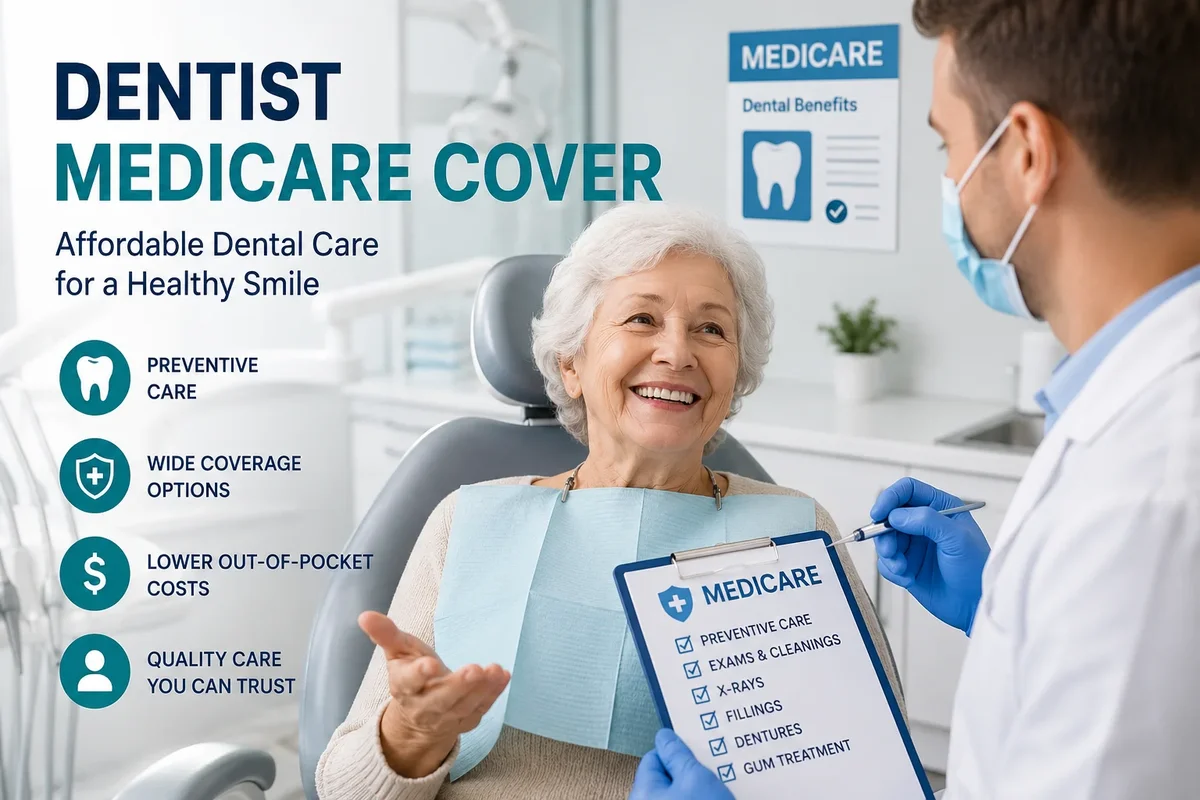
How Much Can Patients Save With Dentist Medicare Cover?
One of the most important reasons people research dentist medicare cover is to understand how much money they can actually save on dental treatment. Dental care in the United States can be extremely expensive, especially for retirees and seniors living on fixed incomes. Even routine procedures such as cleanings, fillings, and dentures may create financial pressure when insurance benefits are limited. Understanding the potential savings available through dentist medicare cover helps patients plan treatment more confidently while protecting both their oral health and their finances. 🦷
The amount patients save depends on several factors, including the type of Medicare plan selected, annual coverage limits, deductibles, co-payments, provider networks, and the complexity of the dental treatment required. While Original Medicare usually provides very limited dental benefits, many Medicare Advantage plans offer expanded dentist medicare cover that can significantly reduce out-of-pocket costs.
Average Savings on Preventive Dental Care
Preventive dentistry is one of the biggest financial advantages associated with enhanced dentist medicare cover. Preventive care includes regular cleanings, oral examinations, dental X-rays, and screenings designed to identify oral health problems early.
Without insurance, preventive dental care can become costly over time. However, many Medicare Advantage plans include preventive benefits at low or even zero additional cost.
Estimated Preventive Care Costs Without Coverage 💰
- Routine Dental Exam: $75 – $200
- Professional Cleaning: $100 – $250
- Dental X-Rays: $100 – $300
- Fluoride Treatment: $25 – $50
- Periodontal Maintenance: $150 – $350
Patients with strong dentist medicare cover may save hundreds of dollars every year simply by attending regular preventive visits. These savings become even more important because preventive care often reduces the need for expensive restorative treatment later.
How Dentist Medicare Cover Reduces Major Treatment Costs
Restorative dentistry can become extremely expensive when insurance coverage is limited. Procedures such as root canals, crowns, dentures, and periodontal therapy may cost thousands of dollars. Expanded dentist medicare cover can help lower these expenses significantly.
Depending on the Medicare Advantage plan, patients may receive partial coverage for:
- Dental fillings
- Simple tooth extractions
- Root canal therapy
- Dental crowns
- Partial dentures
- Full dentures
- Emergency dental care
For example, a dental crown costing $1,400 may only require a patient co-payment of several hundred dollars under certain plans. Similarly, denture coverage may reduce patient costs by thousands of dollars depending on annual plan limits.
Estimated Savings With Expanded Coverage
| Procedure | Average Cost | Possible Savings |
|---|---|---|
| Dental Filling | $150 – $400 | Up to 50% |
| Root Canal | $700 – $1,500 | $300 – $800 |
| Dental Crown | $900 – $1,600 | $400 – $900 |
| Full Dentures | $1,500 – $4,000 | $500 – $2,000 |
These savings explain why many seniors carefully compare different dentist medicare cover options before enrolling in a Medicare Advantage plan.
Annual Coverage Limits and Hidden Expenses
Although enhanced dentist medicare cover can reduce treatment costs, patients must also understand the limitations associated with many insurance plans. Most Medicare Advantage plans include annual maximum benefit limits.
Typical annual limits range from:
- $1,000 per year
- $1,500 per year
- $2,000 per year
- $3,000 per year
Once patients exceed the yearly maximum, they become responsible for remaining treatment costs. This is especially important for complex restorative procedures such as implants or full-mouth rehabilitation.
Dental Implant Costs and Coverage Limitations
Dental implants are among the most expensive treatments that patients investigate when reviewing dentist medicare cover. Unfortunately, implant coverage is often limited or completely excluded.
- Single Implant: $3,000 – $6,000
- Implant Crown: $1,000 – $3,000
- Bone Grafting: $300 – $3,000
- Full Mouth Implants: $20,000 – $50,000
Even when plans offer partial implant benefits, annual coverage limits may still leave patients responsible for large out-of-pocket expenses.
Additional Ways Patients Can Save
Patients looking to maximize the value of their dentist medicare cover should use several practical cost-saving strategies.
Helpful Cost Reduction Tips 😊
- Use preventive benefits every year
- Select in-network dental providers
- Review coverage details annually
- Request written treatment estimates
- Schedule treatment across benefit years
- Compare multiple Medicare Advantage plans
- Ask about payment plans and financing
Some patients also explore international dental clinics for advanced procedures because treatment costs can be significantly lower while still maintaining high-quality care standards.
Patients interested in personalized consultations and modern treatment planning may learn more through the Redent Klinik Contact Page.
The Long-Term Financial Benefits of Oral Health
One major advantage of using dentist medicare cover effectively is that preventive dental care often reduces future healthcare costs. Untreated oral infections and gum disease may contribute to serious medical conditions including heart disease, diabetes complications, and respiratory infections.
Maintaining strong oral health through preventive dentistry can:
- Reduce emergency dental treatment
- Prevent tooth loss
- Improve nutrition and digestion
- Protect overall medical health
- Lower long-term healthcare expenses
Trusted organizations such as the American Dental Association provide valuable educational resources regarding preventive care, oral health maintenance, and dental treatment planning.
Ultimately, understanding how much patients can save through dentist medicare cover allows individuals to make informed healthcare decisions while avoiding unnecessary financial stress. Whether someone needs preventive care, dentures, restorative dentistry, or emergency treatment, maximizing available coverage can lead to substantial savings and significantly improve long-term quality of life. 👍
Best Ways to Maximize Your Dentist Medicare Cover Benefits
Many seniors and Medicare beneficiaries focus only on obtaining dentist medicare cover, but understanding how to maximize those benefits is equally important. Even the best dental insurance plan may not provide full coverage for every procedure, which means patients need smart strategies to reduce expenses and fully utilize available benefits. Learning how to maximize dentist medicare cover can help patients save thousands of dollars while maintaining excellent oral health and avoiding unnecessary financial stress. 🦷
Because dental costs continue to rise across the United States, patients who actively manage their coverage often experience better treatment outcomes and lower out-of-pocket expenses. From preventive care to advanced restorative procedures, there are several practical ways to make the most of dentist medicare cover.
Use Preventive Dental Benefits Every Year
One of the most effective ways to maximize dentist medicare cover is by fully using preventive dental benefits each year. Many Medicare Advantage plans include preventive services with little or no additional cost.
Preventive services may include:
- Routine dental exams
- Professional teeth cleaning
- Dental X-rays
- Oral cancer screenings
- Fluoride treatments
Skipping preventive appointments may seem like a way to save money in the short term, but untreated dental issues often become much more expensive over time. A small cavity that could have been treated with a simple filling may eventually require a root canal or extraction if left untreated.
Benefits of Preventive Dentistry 😊
- Early detection of oral disease
- Reduced emergency dental visits
- Lower restorative treatment costs
- Healthier gums and stronger teeth
- Better overall medical health
By using preventive services consistently, patients maximize the long-term value of their dentist medicare cover.
Choose In-Network Dental Providers
Another important strategy involves selecting dentists who participate in the insurance network connected to the patient’s dentist medicare cover. In-network providers usually agree to negotiated pricing with insurance companies, reducing patient expenses significantly.
Out-of-network treatment may lead to:
- Higher co-payments
- Reduced reimbursement
- Additional billing charges
- Denied coverage claims
Before scheduling treatment, patients should always confirm whether the dental clinic accepts their Medicare Advantage plan or supplemental insurance provider.
Questions to Ask Before Scheduling Treatment
- Does the clinic accept my insurance plan?
- Are all procedures covered?
- What are my estimated out-of-pocket costs?
- Do annual maximums apply?
- Will specialist referrals be necessary?
Understanding these details helps patients avoid confusion and maximize the financial value of their dentist medicare cover.
Understand Annual Maximum Limits
Many Medicare Advantage plans include annual spending limits for dental care. Once patients exceed the yearly maximum, they become responsible for all additional costs.
Typical annual maximums range between:
- $1,000 per year
- $1,500 per year
- $2,000 per year
- $3,000 per year
Patients planning extensive restorative procedures should review these limits carefully before starting treatment. Understanding annual caps is one of the most important aspects of managing dentist medicare cover effectively.
Examples of Expensive Procedures 💰
- Dental Crown: $900 – $1,600
- Root Canal: $700 – $1,500
- Partial Dentures: $700 – $2,500
- Dental Implant: $3,000 – $6,000
- Full Mouth Implants: $20,000 – $50,000
For patients requiring multiple procedures, spreading treatment across two benefit years may help maximize dentist medicare cover and reduce out-of-pocket expenses.
Request Pre-Treatment Cost Estimates
Patients should always ask for detailed treatment estimates before beginning major dental procedures. A written estimate allows patients to understand what portion of the procedure is covered under their dentist medicare cover and what amount they must pay personally.
Pre-treatment estimates are especially important for:
- Dental crowns
- Root canal therapy
- Dentures
- Periodontal treatment
- Oral surgery
- Implant procedures
Reviewing costs in advance prevents financial surprises and allows patients to compare treatment options more carefully.
Compare Medicare Plans Annually
Insurance companies regularly change their dental benefits, provider networks, and reimbursement structures. Patients should compare available plans every year to ensure they continue receiving the best possible dentist medicare cover.
Some plans may increase annual maximums, expand provider networks, or add additional restorative services. Others may reduce benefits or raise premiums.
Important Plan Comparison Factors
- Monthly premiums
- Annual maximum limits
- Deductibles and co-payments
- Coverage for dentures and implants
- Preventive care benefits
- Emergency dental treatment
Patients who review their options carefully each year often save significant amounts on dental treatment costs.
Maintain Excellent Oral Hygiene at Home
The simplest way to maximize dentist medicare cover is by preventing serious dental problems before they develop. Good oral hygiene habits reduce the need for expensive restorative procedures.
Daily oral care should include:
- Brushing teeth twice daily
- Flossing every day
- Using antibacterial mouthwash
- Limiting sugary foods and drinks
- Staying hydrated
- Avoiding tobacco products
Strong home care routines help patients maintain healthy gums and natural teeth longer while reducing long-term treatment expenses.
Explore Alternative Treatment Locations
Some patients explore international dental clinics for advanced restorative and cosmetic procedures not fully included under dentist medicare cover. In many cases, high-quality treatment abroad may cost significantly less than similar procedures in the United States.
Clinics offering modern dental technology and comprehensive care may provide more affordable solutions for implants, crowns, dentures, and smile rehabilitation.
Patients seeking personalized consultations and advanced treatment planning can learn more through the Redent Klinik Contact Page.
Trusted organizations such as the American Dental Association also provide educational information about oral health, preventive dentistry, and treatment planning recommendations.
Ultimately, maximizing dentist medicare cover requires careful planning, preventive care, smart financial decisions, and regular communication with dental professionals and insurance providers. Patients who actively manage their dental benefits often experience lower treatment costs, healthier smiles, and greater peace of mind throughout retirement. 👍
Comparing Original Medicare and Medicare Advantage Dental Plans
One of the most important topics patients should understand when researching dentist medicare cover is the difference between Original Medicare and Medicare Advantage dental plans. Many seniors mistakenly believe all Medicare options provide the same level of dental coverage, but the reality is very different. Understanding how these plans compare helps patients make smarter healthcare decisions, reduce out-of-pocket costs, and access better long-term oral care. 🦷
Dental treatment expenses in the United States can become extremely expensive, especially for retirees living on fixed incomes. Because of this, selecting the right form of dentist medicare cover is critical for maintaining both oral health and financial stability.
What Is Original Medicare?
Original Medicare consists of Medicare Part A and Medicare Part B. Part A primarily focuses on hospital-related services, while Part B covers outpatient medical care. Unfortunately, routine dental treatment is usually not included under standard Original Medicare.
Patients with Original Medicare often discover that dentist medicare cover is extremely limited unless the dental procedure is directly connected to a medically necessary treatment or hospitalization.
Dental Situations Sometimes Covered by Original Medicare
- Jaw surgery after facial trauma
- Oral examinations before organ transplants
- Dental care linked to cancer treatment
- Hospital-based emergency oral surgery
- Medically necessary dental evaluations
Even in these situations, Original Medicare may only cover hospital-related expenses rather than the complete dental procedure itself.
Routine dental care such as cleanings, fillings, dentures, crowns, bridges, implants, and gum disease treatment are generally excluded from standard dentist medicare cover under Original Medicare.
What Is Medicare Advantage?
Medicare Advantage, also known as Medicare Part C, is offered by private insurance companies approved by Medicare. These plans combine Medicare hospital and medical benefits while often adding additional services such as vision, hearing, prescription drug coverage, and expanded dentist medicare cover.
Many seniors choose Medicare Advantage because these plans frequently provide preventive and restorative dental benefits not available through Original Medicare.
Common Dental Benefits in Medicare Advantage Plans 😊
- Routine dental cleanings
- Comprehensive oral exams
- Dental X-rays
- Fillings and cavity treatment
- Root canal therapy
- Simple extractions
- Dentures and partial dentures
- Emergency dental care
- Periodontal maintenance
The exact benefits vary between providers, which is why patients should carefully compare plans before enrolling.
Main Differences Between the Two Options
The largest difference between Original Medicare and Medicare Advantage involves the scope of dentist medicare cover. Original Medicare mainly focuses on medically necessary healthcare, while Medicare Advantage plans often include broader preventive and restorative dental benefits.
Original Medicare vs Medicare Advantage Comparison
| Feature | Original Medicare | Medicare Advantage |
|---|---|---|
| Routine Cleanings | Usually Not Covered | Often Covered |
| Fillings | Not Covered | Partially Covered |
| Dentures | Rarely Covered | Sometimes Covered |
| Dental Implants | Usually Excluded | Limited Coverage Possible |
This comparison clearly demonstrates why many patients prefer Medicare Advantage plans when searching for stronger dentist medicare cover.
Costs and Premium Differences
Although Medicare Advantage plans often provide broader dental benefits, patients should understand that these plans may include monthly premiums, deductibles, co-payments, and annual spending limits.
Typical annual dental maximums include:
- $1,000 annual maximum
- $1,500 annual maximum
- $2,000 annual maximum
- $3,000 annual maximum
Once the yearly maximum is reached, patients become responsible for all additional dental costs. Understanding these financial details is essential when evaluating dentist medicare cover.
Average Dental Costs Without Coverage 💰
- Dental Cleaning: $100 – $250
- Dental Crown: $900 – $1,600
- Root Canal: $700 – $1,500
- Dentures: $1,500 – $4,000
- Dental Implant: $3,000 – $6,000
Because these costs can become overwhelming, many patients compare Medicare Advantage plans carefully to maximize their dentist medicare cover benefits.
Provider Networks and Restrictions
Another important difference involves provider networks. Original Medicare generally allows broader access to healthcare providers nationwide, while Medicare Advantage plans may require patients to use specific in-network dentists.
Patients should always verify:
- Whether the dentist accepts the plan
- If specialist referrals are required
- Whether out-of-network treatment is allowed
- What co-payments apply
Failing to verify provider participation may reduce the value of dentist medicare cover and increase out-of-pocket expenses.
Which Option Is Better for Dental Care?
For patients primarily concerned about dental benefits, Medicare Advantage usually offers stronger dentist medicare cover than Original Medicare. Preventive care, routine exams, fillings, dentures, and emergency services are more commonly included.
However, the best option depends on:
- Overall medical needs
- Budget and premiums
- Preferred dental providers
- Expected treatment needs
- Annual dental spending
Patients expecting extensive restorative dentistry should carefully review annual maximums and implant limitations before selecting a plan.
Individuals interested in advanced treatment planning and personalized dental consultations may learn more through the Redent Klinik Contact Page.
Educational resources from the American Dental Association also help patients better understand preventive dentistry, oral healthcare standards, and dental insurance topics.
Ultimately, comparing Original Medicare and Medicare Advantage plans carefully is one of the smartest ways to improve access to affordable dental care. Understanding how each option handles dentist medicare cover allows patients to make informed decisions that support healthier smiles, lower treatment costs, and better long-term quality of life. 👍
How to Find a Dental Clinic That Accepts Medicare Patients
Finding the right dental clinic is one of the most important steps for patients who want to maximize their dentist medicare cover benefits. Many seniors and retirees mistakenly assume every dental office accepts Medicare-related plans, but this is not always true. Some clinics accept certain Medicare Advantage plans while others may only work with private insurance providers. Understanding how to locate a qualified dental clinic that works with dentist medicare cover can help patients reduce treatment costs, avoid insurance problems, and receive better long-term oral healthcare. 🦷
Because dental expenses in the United States can be extremely high, choosing a clinic that properly accepts and processes insurance claims is essential. A good dental office not only provides quality treatment but also helps patients understand their dentist medicare cover, estimate costs, and coordinate insurance paperwork efficiently.
Understand Which Medicare Plan You Have
Before searching for a clinic, patients must first understand the type of dentist medicare cover they currently possess. Different Medicare plans offer different dental benefits, and this directly affects which clinics patients can use.
There are generally two major categories:
- Original Medicare (Part A and Part B)
- Medicare Advantage Plans (Part C)
Original Medicare usually provides very limited dental benefits and may only cover medically necessary procedures linked to hospitalization or serious health conditions. Medicare Advantage plans often include expanded dental benefits such as preventive care, fillings, dentures, and emergency treatment.
Patients with Medicare Advantage plans usually need to choose dentists within the insurance network to maximize their dentist medicare cover benefits.
Important Insurance Information to Verify
- Name of the insurance provider
- Type of Medicare Advantage plan
- Annual dental maximum
- Deductibles and co-payments
- In-network clinic requirements
Having this information ready makes it easier to identify clinics that properly accept the patient’s dentist medicare cover.
Search for In-Network Dental Providers
One of the best ways to reduce out-of-pocket costs is by selecting an in-network dentist. Insurance companies negotiate reduced fees with participating providers, allowing patients to maximize the financial value of their dentist medicare cover.
Patients can usually find participating dentists by:
- Visiting the insurance provider’s website
- Calling the insurance customer service line
- Using provider search directories
- Asking the dental clinic directly
Choosing an out-of-network clinic may lead to higher co-payments, reduced reimbursements, or denied claims.
Questions to Ask the Dental Office 📞
- Do you accept my Medicare Advantage plan?
- Are you currently accepting new Medicare patients?
- Which dental services are covered?
- Will you submit insurance claims directly?
- Do you provide treatment estimates before procedures?
These questions help patients fully understand how the clinic works with their dentist medicare cover before scheduling treatment.
Look for Clinics Experienced With Seniors
Dental clinics that frequently treat seniors often have more experience handling dentist medicare cover claims and age-related oral health concerns. Senior patients may face unique challenges such as dry mouth, gum recession, missing teeth, medication-related oral problems, and bone loss.
An experienced dental clinic can provide:
- Comprehensive oral evaluations
- Preventive maintenance programs
- Denture adjustments
- Periodontal care
- Restorative treatment planning
- Insurance coordination assistance
Clinics familiar with Medicare-related dental insurance often simplify the treatment process and help patients better utilize their available benefits.
Review Online Reputation and Credentials
Patients searching for clinics that accept dentist medicare cover should also evaluate the provider’s reputation and qualifications carefully.
Important Factors to Review ⭐
- Online patient reviews
- Dentist credentials and certifications
- Years of clinical experience
- Technology and equipment used
- Emergency dental care availability
- Patient communication quality
Choosing a qualified and experienced dentist improves treatment quality and reduces the risk of complications or unnecessary procedures.
Understand Treatment Costs Before Starting
Even with strong dentist medicare cover, patients may still face deductibles, co-payments, annual maximum limitations, or uncovered procedures. Before beginning treatment, patients should request a written estimate explaining expected costs.
Important financial topics include:
- Insurance-covered amounts
- Estimated patient responsibility
- Annual benefit limitations
- Payment plan options
- Financing availability
Transparent cost discussions prevent financial surprises and allow patients to plan treatment more confidently.
Average Dental Procedure Costs Without Coverage 💰
- Dental Cleaning: $100 – $250
- Dental Crown: $900 – $1,600
- Root Canal Treatment: $700 – $1,500
- Dentures: $1,500 – $4,000
- Dental Implant: $3,000 – $6,000
These prices explain why maximizing dentist medicare cover and selecting the right clinic are so important for long-term financial health.
Consider Advanced and International Treatment Options
Some patients seeking extensive restorative or cosmetic dentistry may explore international dental clinics for more affordable treatment options. Procedures such as implants, crowns, veneers, and full-mouth rehabilitation may cost significantly less in specialized international clinics while still maintaining modern treatment standards.
Patients interested in personalized consultations and advanced treatment planning may learn more through the Redent Klinik Contact Page.
Use Trusted Dental Health Resources
Educational organizations such as the American Dental Association provide valuable information regarding oral healthcare standards, preventive dentistry, insurance guidance, and patient education resources.
Reviewing trusted information sources helps patients make informed decisions when choosing a clinic that accepts dentist medicare cover.
Why the Right Dental Clinic Matters
The dental clinic a patient chooses directly impacts treatment quality, insurance efficiency, long-term oral health, and overall financial stability. Clinics experienced with dentist medicare cover can often help patients navigate insurance rules more effectively while providing comprehensive preventive and restorative care.
Ultimately, finding the right dental clinic requires careful research, insurance verification, cost comparison, and communication with dental professionals. Patients who choose experienced providers and fully understand their dentist medicare cover are more likely to receive affordable, high-quality dental care that protects both their smile and overall health for many years to come. 😊
Why Regular Dental Checkups Matter for Medicare Beneficiaries
Regular dental checkups are one of the most important parts of maintaining long-term oral health, especially for seniors and Medicare beneficiaries. Many older adults underestimate the importance of preventive dentistry until they begin experiencing pain, infections, gum disease, or tooth loss. Understanding how routine dental visits support overall wellness is essential for patients using dentist medicare cover to protect both their health and financial stability. 🦷
As people age, the risk of dental complications naturally increases. Seniors often experience dry mouth caused by medications, weakened tooth enamel, gum recession, bone loss, and higher rates of oral infections. Without regular dental monitoring, these conditions may progress silently until expensive treatment becomes necessary. This is why preventive care remains one of the most valuable uses of dentist medicare cover.
Early Detection Prevents Serious Problems
One major advantage of regular dental checkups is the ability to detect oral health issues at an early stage. Preventive examinations allow dentists to identify problems before they become severe or painful.
Routine visits may help detect:
- Tooth decay
- Gum disease
- Loose restorations
- Oral infections
- Bone loss
- Oral cancer
- Denture-related complications
Patients who fully utilize their dentist medicare cover for preventive visits often avoid emergency procedures and expensive restorative treatment later.
Benefits of Early Dental Diagnosis 😊
- Reduced treatment costs
- Lower risk of tooth loss
- Less invasive procedures
- Improved long-term oral health
- Reduced emergency dental visits
For seniors living on fixed incomes, avoiding major dental procedures through early intervention can create substantial financial savings.
The Connection Between Oral Health and Overall Health
Many people do not realize that oral health is closely connected to overall physical health. Poor oral hygiene and untreated gum disease may contribute to serious medical conditions, especially among older adults.
Research has linked oral infections and periodontal disease to:
- Heart disease
- Stroke risk
- Diabetes complications
- Respiratory infections
- Nutritional deficiencies
- Chronic inflammation
Because of these connections, preventive dentistry supported through dentist medicare cover can improve more than just oral health. It may also contribute to better long-term medical wellness and quality of life.
How Aging Affects Dental Health
Seniors face unique dental challenges that make regular examinations even more important. Aging naturally changes the condition of teeth, gums, jawbone structure, and saliva production.
Common Dental Problems in Older Adults
- Dry mouth caused by medications
- Root cavities
- Tooth sensitivity
- Gum recession
- Bone loss in the jaw
- Denture irritation
- Difficulty chewing food
Routine preventive visits allow dentists to monitor these conditions carefully while helping patients maximize the value of their dentist medicare cover.
Without proper preventive care, minor oral problems can quickly develop into severe infections or tooth loss that require extensive restorative treatment.
Preventive Dentistry Saves Money
One of the most practical reasons to attend regular checkups is financial protection. Preventive dentistry is significantly less expensive than major restorative procedures.
For example, a simple dental cleaning may cost far less than root canal therapy, crowns, dentures, or implants. Patients who consistently use preventive services through their dentist medicare cover often avoid thousands of dollars in future dental expenses.
Average Dental Costs Without Preventive Care 💰
- Routine Cleaning: $100 – $250
- Dental Filling: $150 – $400
- Root Canal Treatment: $700 – $1,500
- Dental Crown: $900 – $1,600
- Partial Dentures: $700 – $2,500
- Dental Implant: $3,000 – $6,000
These costs highlight why preventive care remains one of the smartest uses of dentist medicare cover.
Importance of Gum Disease Prevention
Gum disease is one of the most common oral health conditions affecting seniors. Unfortunately, many patients do not notice symptoms until the disease becomes advanced.
Signs of gum disease may include:
- Bleeding gums
- Persistent bad breath
- Swollen gum tissue
- Loose teeth
- Gum recession
- Pain while chewing
Routine periodontal evaluations help dentists detect these warning signs early. Preventive cleanings and periodontal maintenance supported through dentist medicare cover may help slow or prevent disease progression.
Denture Maintenance and Oral Function
Many Medicare beneficiaries wear full or partial dentures. Regular dental visits remain important even for patients without natural teeth because dentists still need to monitor gum health, jawbone stability, and denture fit.
Reasons Denture Patients Need Checkups
- Prevent denture irritation
- Monitor oral tissue health
- Adjust loose dentures
- Check for oral infections
- Screen for oral cancer
Proper denture maintenance improves comfort, chewing ability, speech, and confidence while helping patients maximize their dentist medicare cover benefits.
How Often Should Seniors Visit the Dentist?
Most dental professionals recommend that seniors schedule preventive checkups every six months. However, patients with gum disease, diabetes, dry mouth, or extensive restorations may require more frequent visits.
Patients should speak directly with their dental provider to create a personalized preventive care schedule that matches their oral health needs and available dentist medicare cover.
Patients seeking advanced preventive care, restorative treatment planning, or personalized consultations may learn more through the Redent Klinik Contact Page.
Educational resources from the American Dental Association also provide valuable guidance regarding preventive dentistry, oral hygiene practices, and senior dental care recommendations.
Ultimately, regular dental checkups are one of the most effective ways for Medicare beneficiaries to maintain healthy teeth, protect their overall wellness, and reduce future treatment expenses. Patients who consistently use preventive services through dentist medicare cover often experience healthier smiles, fewer emergencies, improved confidence, and better quality of life throughout retirement. 👍