
Understanding the term dentist mouth goes far beyond a routine dental check. It represents a complete, structured examination of your teeth, gums, tongue, jaw joints, bite quality, salivary health, and the deeper oral tissues that reveal essential clues about your overall well-being. Many people think a dentist visit is only about cavities, but the dentist mouth assessment is actually one of the most detailed health evaluations you undergo regularly. It detects early issues long before they become painful or expensive, keeps your oral environment balanced, and offers personalized prevention strategies tailored to your lifestyle. 🦷✨
A full dentist mouth examination typically starts with a visual inspection. Your dentist looks for early warning signs—faint discolorations, subtle gum swelling, changes in tooth structure, enamel thinning, and even irregularities in the way light reflects off your enamel. These tiny signs can indicate mineral loss, early gum disease, or bacteria concentration increases. Even issues like sleep apnea or sinus infections can show visible symptoms inside your mouth. Since the oral cavity is closely connected to the respiratory and digestive systems, the mouth often becomes the first area to display health irregularities that patients themselves cannot recognize.
During a thorough dentist mouth exam, the dentist also checks the gums carefully. Gum tissues act like the foundation of a building. When they weaken, the stability of the teeth is affected. Bleeding gums, recession, or deep periodontal pockets may show up even in people who believe they brush well. A professional evaluation helps prevent bone loss around the teeth, which is extremely difficult to reverse once it begins. For this reason, dentists also measure gum pocket depth using specialized tools. Although this part takes only a few minutes, it offers crucial data about your long-term oral health.
Dentists then examine the tongue, palate, and inner cheeks. From moisture levels to texture changes, every detail tells a story. A dry tongue may indicate dehydration or certain medications. Red spots or thick coatings might suggest bacterial imbalance or vitamin deficiencies. Because the mouth regenerates tissue rapidly, abnormalities in this area—like white patches or ulcerations—can help diagnose systemic conditions early. Many patients are surprised to learn that autoimmune diseases, diabetes, and even early signs of oral cancer often first appear during a dentist mouth screening.
Another important component of the dentist mouth review is assessing your bite and jaw function. Even slight misalignments can cause tooth wear, headaches, neck tension, and long-term joint issues. A misaligned bite also creates specific friction points, leading to enamel grinding, micro-fractures, or chipping. Dentists use their hands, mirrors, and sometimes digital bite scanners to analyze how your upper and lower teeth come together. This step ensures that the chewing system works efficiently and comfortably.
Modern dentistry combines this clinical expertise with advanced technology. Many clinics now use digital X-rays, 3D imaging, or intraoral cameras that allow you to see the same details the dentist observes. These tools make a dentist mouth exam more precise, helping identify issues hidden beneath the surface. For patients, visualizing the inside of their mouth is empowering—it creates awareness and encourages healthier daily habits.
As part of a comprehensive oral-health journey, your dentist may also guide you to preventive resources. Trusted institutions like the
American Dental Association offer expert-verified information on brushing methods, fluoride use, nutrition tips, and best practices for maintaining long-term oral hygiene. If you ever need professional support, appointments can be arranged through clinics like the
Redent Klinik Contact Page, which ensures personalized guidance.
The dentist mouth evaluation is more than a checkup—it is a wellness roadmap. When done regularly, it prevents disease, improves confidence, enhances daily comfort, and keeps your oral environment functioning smoothly. With professional care, strengthened habits, and ongoing education, your mouth becomes a powerful indicator of your total health. This is why booking routine examinations is not optional but essential for lifelong wellness. 🪥💙
To reinforce this understanding, remember that a professional oral exam (a semantic cousin of the phrase dentist mouth) offers far deeper insight than anything home care can achieve. Your mouth is a gateway to your body, and keeping it healthy protects far more than your smile.
What Really Happens During a Dentist Mouth Examination?
A full dentist mouth examination is one of the most detailed health procedures a person undergoes, even though most patients don’t realize how thorough it actually is. This examination is designed to uncover early warning signs of disease, evaluate the condition of your teeth and gums, monitor the health of deeper oral tissues, and prevent long-term complications. Understanding each phase of a comprehensive dentist mouth evaluation helps you appreciate the level of precision and care your dentist applies while protecting both your oral and overall health. 🦷✨
The Initial Visual Scan: Your Dentist’s First Impressions
A dentist mouth examination always begins with a systematic visual assessment. Using a dental mirror and overhead lighting, the dentist scans the surfaces of your teeth for discoloration, plaque buildup, micro-cracks, early-stage cavities, enamel thinning, and signs of grinding. Even tiny color variations can indicate changing mineral density within the enamel. Dentists can identify surface lesions long before patients feel discomfort, which is why this initial scan is such a powerful preventive tool.
During this phase, the dentist also examines the gums for swelling, recession, inflammation, or unusual bleeding points. These subtle issues often go unnoticed at home but reveal early stages of gum disease. A healthy gumline is tightly attached and only minimally reactive. Any irregularity signals that bacteria are accumulating in hidden pockets—an issue the dentist mouth exam catches early to prevent future damage.
Soft Tissue Assessment: Tongue, Palate, and Cheeks
Soft tissues are extremely telling during a professional dentist mouth evaluation. The dentist examines the tongue, the floor of the mouth, the inner cheeks, and the palate to detect abnormalities such as lesions, persistent dryness, fungal infections, or unusual patches. These soft tissues regenerate quickly, so any long-lasting mark or irritation becomes an important diagnostic clue.
This part of the exam is crucial for detecting systemic issues. Diseases like anemia, vitamin deficiencies, autoimmune disorders, and even early stages of certain cancers reflect early symptoms in the oral tissues. A seasoned dentist can observe changes in texture, color, or moisture levels that most people overlook. This is why soft tissue evaluation is considered a foundational part of the entire dentist mouth process.
Why Soft Tissue Clues Are So Important
Soft tissues act as an internal health dashboard. Persistent redness or white patches, for example, may indicate bacterial imbalance, diabetes-related complications, or chronic irritation. Even the amount and quality of saliva, assessed during the dentist mouth screening, provides insight into hydration levels, glandular function, and medication side effects.
Gum Health and Periodontal Measurements
One of the most essential steps in the dentist mouth examination is periodontal probing. The dentist uses a thin measuring tool to evaluate the depth of the gum pockets surrounding each tooth. Deeper pockets may signal early or advanced gum disease, which is often silent and painless until significant damage has already occurred.
The dentist evaluates firmness, color, and the presence of bleeding points. Healthy gums are pink, tight, and responsive without bleeding. When pockets deepen or gums recede, it indicates underlying inflammation that can progress toward bone loss if not treated proactively.
Occlusion and Bite Analysis
Bite evaluation is a major component of the dentist mouth assessment. The dentist checks how your upper and lower teeth come together, identifies friction points, and inspects for signs of grinding or clenching. These bite patterns significantly influence tooth wear, joint comfort, and muscle tension.
If your bite is misaligned, even minimally, it can cause headaches, jaw discomfort, uneven enamel loss, and daytime fatigue due to nighttime grinding. This is why dentists often conduct a manual and visual bite inspection, and in many modern clinics, digital scanners are also used.
Diagnostic Technology: Modern Tools That Improve Accuracy
Most dental clinics today enhance the dentist mouth exam with advanced technology. Digital X-rays offer low-radiation imaging that reveals hidden cavities, deep infections, cysts, bone density levels, and impacted teeth. Intraoral cameras allow patients to see real-time close-up images of their teeth, helping them better understand the dentist’s findings.
3D cone-beam scanning is used when dentists need a comprehensive view of bone structure, sinus anatomy, and nerve pathways. These technologies strengthen diagnostic accuracy and provide a more complete understanding of oral health conditions.
Patient Education Through Imaging
Seeing your own dental images helps you understand the importance of treatment. When dentists show you what’s happening inside your mouth, it builds accountability, improves cooperation, and motivates healthier daily habits. Visual evidence reinforces the need for consistent care and makes the dentist mouth process more transparent and engaging.
Professional Recommendations and Action Plans
At the end of a complete dentist mouth evaluation, your dentist will offer personalized guidance—ranging from brushing techniques to dietary adjustments or follow-up treatment options. They may direct you to reliable professional resources like the
American Dental Association for trustworthy oral-care advice. For scheduling or questions, clinics such as
Redent Klinik Contact Page provide easy access to expert support.
A thorough dentist mouth examination is a protective shield for your long-term health. It identifies risks early, enhances comfort, improves appearance, and prevents complications. Understanding each step empowers you to approach dental visits confidently, knowing exactly how essential these evaluations are for your overall wellness.
How to Prepare for a Dentist Mouth Visit for Best Results
Preparing for a dentist mouth appointment is one of the most effective ways to ensure an accurate evaluation, smoother treatment, and a more comfortable experience overall. Many patients underestimate how much proper preparation can influence the outcome of their visit. A well-prepared patient helps the dentist gather more precise data, identify hidden issues early, and create a personalized care plan that fits your unique oral-health profile. This section provides a complete, step-by-step guide to getting ready for your dentist mouth exam, with insights that even regular dental visitors often overlook. 🦷✨
Start With Proper Oral Hygiene Before the Appointment
While dentists clean your mouth professionally, arriving with a reasonably clean oral environment helps them assess your natural gum response, smell, moisture levels, and plaque accumulation patterns. Brush gently, floss thoroughly, and avoid foods that stain or cause strong odors before your dentist mouth check. This preparation doesn’t replace professional cleaning, but it allows the dentist to focus on deeper, structural issues instead of superficial debris.
Why Pre-Visit Cleaning Matters
During a dentist mouth screening, the dentist needs to clearly see enamel surfaces, gum edges, and potential micro-irregularities. Excess food particles or heavy plaque layers can obscure early signs of decay or inflammation. A clean base allows for more accurate diagnoses, especially when assessing subtle enamel texture changes or gum pocket depths.
Bring Your Medical and Dental History
A complete history is essential for an accurate dentist mouth evaluation. Whether it’s your first visit or a follow-up, your dentist must know about medications, surgeries, allergies, and chronic conditions. Many systemic illnesses show early symptoms in the oral cavity. For example, diabetes can influence gum inflammation, and autoimmune conditions may alter saliva quality or tissue healing. Providing this information allows the dentist to interpret mouth signs correctly and avoid unnecessary confusion.
If you have had previous dental treatments—such as implants, crowns, root canals, or orthodontics—bring documentation or digital X-rays if available. These records help the dentist understand your structural baseline and long-term health patterns.
Avoid Eating Right Before the Visit
One key preparation tip for a dentist mouth exam is avoiding food at least 1–2 hours before the appointment. Eating immediately before the visit increases plaque activity, produces odors, and triggers gum sensitivity, which can interfere with periodontal measurements. Sticky foods, sugary snacks, and colored drinks are especially problematic as they cling to enamel and distort plaque distribution.
Hydration Helps More Than You Think
Drinking water before your appointment increases saliva production, which helps lubricate tissues and provides a natural defense against bacteria. A hydrated mouth makes it easier for the dentist to examine soft tissues and detect abnormal textures or dryness—a common signal of underlying health concerns.
Prepare Questions and Concerns in Advance
A dentist mouth visit is not just an evaluation—it is an opportunity to address discomforts, habits, and long-term oral-health goals. Patients who prepare questions beforehand get more personalized and effective care. Consider topics like tooth sensitivity, grinding habits, gum bleeding, bad breath patterns, or cosmetic improvements. Writing down your concerns ensures that nothing is forgotten during the appointment.
Dentists appreciate when patients are proactive because it allows them to tailor their guidance. For instance, if you mention recurring jaw tension, the dentist may check bite alignment more closely or evaluate signs of nighttime bruxism. These insights create a deeper understanding of your overall oral health beyond what visual examination alone can reveal.
Remove Lipstick, Heavy Makeup, or Oral Sprays
Cosmetic products can interfere with many parts of a dentist mouth exam. Lipstick transfers onto instruments, masks gum coloration, and obscures signs of dryness or mild inflammation. Strong mouth sprays, mints, or perfumes can mask natural oral odors that help indicate acidity imbalance, infection, or dehydration. By arriving without these products, you provide a natural environment for more accurate observations.
Follow Instructions Regarding Medication, Anxiety, or Sensitivity
Some patients experience dental anxiety or sensitivity during procedures. If you are one of them, communicate this ahead of time. Dentists often adjust their approach, use numbing gels for examinations, or extend appointment time to ensure comfort.
If your dentist has recommended taking medication before the visit—such as antibiotics for certain cardiac conditions—follow those instructions exactly. These guidelines protect your overall health and support a safe examination process.
Bring Your Oral Appliances or Dental Devices
If you use night guards, retainers, dentures, aligners, or sports mouthguards, bring them to your dentist mouth evaluation. These devices often accumulate bacteria, warp over time, or fail to fit properly. The dentist checks whether they need adjustment or replacement and assesses how well they interact with your bite alignment.
Why Appliance Assessment Is Essential
Poorly fitting appliances can cause gum irritation, tooth movement, or enamel wear. During a dentist mouth visit, the dentist examines these devices under clinical lighting, identifying issues that are invisible at home. This ensures optimal function and long-term comfort.
Know How to Access Reliable Dental Resources
To enhance your preparation, consider reviewing official dental guidelines from sources like the
American Dental Association. These trusted insights help you understand what to expect and how to maintain oral health between visits.
If you need appointment assistance, the
Redent Klinik Contact Page
provides professional support and booking options for comprehensive care.
Preparing thoroughly for a dentist mouth appointment ensures a smoother, faster, and more accurate evaluation. When you arrive informed, hydrated, relaxed, and ready to participate, the dentist can perform a precisely targeted examination that supports long-term oral wellness and overall systemic health. This preparation transforms a simple dental visit into a strategic part of your health routine, offering clarity, prevention, and confidence for years to come. 🪥💙
The Connection Between Dentist Mouth Care and Overall Wellness
The relationship between a dentist mouth evaluation and your overall wellness is far deeper than most people realize. Oral health is directly connected to the cardiovascular system, immune response, digestion, metabolic functions, and even mental well-being. When dentists examine your mouth, they are not only checking teeth and gums—they are assessing warning signs that may reveal broader health issues throughout the body. Understanding this connection empowers you to take your dental checkups seriously and recognize that regular dentist mouth care is one of the most powerful preventive health steps you can take. 🦷💙
How Oral Bacteria Influence Systemic Health
Your mouth hosts millions of bacteria—some harmless, some beneficial, and some potentially dangerous. Without proper hygiene and regular dentist mouth evaluations, harmful bacteria can multiply rapidly and enter the bloodstream. This infiltration triggers inflammatory responses that affect major organs. Researchers have linked poor oral health to heart disease, stroke risk, respiratory infections, and complications in diabetic patients. People with untreated gum disease have up to a twofold increase in cardiovascular-related complications due to chronic inflammation.
When plaque hardens into tartar, it becomes a reservoir of bacteria. These bacteria release toxins that weaken gum tissue, making it easier for them to penetrate the body. A thorough dentist mouth evaluation helps detect these risks early, long before symptoms become noticeable. By managing oral bacteria, the body experiences less systemic inflammation overall, allowing organs to function more efficiently.
The Inflammation Chain Reaction
Inflammation in the mouth spreads through the bloodstream and can affect key systems like the heart and digestive organs. Even mild gum inflammation consistently elevates inflammatory biomarkers, which can stress the immune system. This is one of the reasons routine dentist mouth cleanings and periodontal checks are essential—they reduce inflammation at its source.
The Mouth as a Window Into Digestive and Metabolic Health
The mouth is the first step in the digestive tract, making it a powerful indicator of metabolic issues. Dentists can identify early signs of acid reflux, nutrient deficiencies, dehydration, and digestive disorders simply by examining enamel patterns, tongue texture, and saliva quality. For example, frequent acid attacks weaken enamel and create visible erosion, often spotted during a dentist mouth review even before patients report symptoms.
Metabolic diseases such as diabetes are also closely tied to oral health. High blood sugar affects saliva production, increases bacterial activity, and slows healing. Many diabetics first discover their condition through unusual symptoms detected during a dentist mouth exam, such as persistent dryness, gum swelling, or delayed healing of small mouth sores.
The Mental Health Benefits of Strong Oral Wellness
A healthy mouth significantly influences confidence, mood, and social comfort. People who maintain consistent dentist mouth care experience better alignment, fresher breath, and healthier gums—all of which support self-esteem. Poor oral health, on the other hand, often leads to embarrassment, social withdrawal, or fear of public speaking. Chronic dental pain can also contribute to anxiety and sleep disturbances.
Many patients report an improved sense of well-being after professional cleanings. This is partly due to the physical health benefits, but also because oral health impacts how we communicate, smile, and present ourselves daily. When the mouth feels fresh and healthy, emotional comfort naturally increases.
The Sleep Connection
During a dentist mouth assessment, dentists can identify signs of nighttime breathing issues, such as mouth breathing, grinding, or jaw tension—all of which relate to sleep quality. Poor sleep affects memory, metabolism, mood, and hormone balance, demonstrating how tightly interconnected oral and systemic health truly are.
Oral Health and Immune System Strength
Your immune system constantly battles bacteria in the mouth. A neglected oral environment forces the immune system to work harder, reducing its capacity to fight infections throughout the body. Regular dentist mouth checkups reduce bacterial load, giving the immune system more bandwidth to manage other health threats.
Saliva also plays a crucial role in immunity. It contains enzymes and proteins that protect against infections, but dehydration, medication side effects, and poor diet can weaken saliva production. A dentist evaluates saliva quality during the exam, offering strategies to restore balance and strengthen immunity.
How Nutrition and Lifestyle Affect the Dentist Mouth Relationship
Diet has a massive influence on oral and systemic health. Sugary foods, acidic drinks, and processed snacks feed harmful bacteria and disrupt pH levels. Over time, this leads to enamel loss, cavity formation, and gum irritation. A professional dentist mouth evaluation often reveals dietary patterns through enamel mapping and gum behavior.
Dentists may recommend healthier nutrition strategies, hydration habits, or vitamin supplementation. These lifestyle changes not only improve oral health but also boost energy, digestion, and immune function.
Smoking and Alcohol: Major Risk Factors
Both smoking and heavy alcohol use weaken oral tissues, reduce immune responsiveness, and increase the risk of oral cancer. During a dentist mouth screening, dentists check for early lesions, discoloration, and tissue texture changes that may indicate long-term exposure to these substances. Detecting such signs early significantly improves treatment outcomes.
Reliable Resources and Where to Get Help
For additional information on maintaining a healthy mouth and protecting your overall wellness, the
American Dental Association
provides comprehensive, research-backed guidance.
If you need professional dental care, consultations, or follow-up support, you can reach out through the
Redent Klinik Contact Page,
which offers expert assistance tailored to your oral-health needs.
Understanding the link between a dentist mouth evaluation and whole-body health empowers you to treat dental care as essential preventive medicine. By caring for your oral environment, you protect your heart, immune system, metabolism, sleep quality, and emotional well-being. Proper oral hygiene, informed lifestyle choices, and consistent checkups all work together to support a healthier, longer, and more vibrant life. 🌿💙
Dentist Mouth Cleaning Techniques for Healthier Gums
A complete dentist mouth cleaning is one of the most important procedures for maintaining gum health, preventing infections, and supporting long-term oral wellness. Even people who brush and floss regularly cannot remove all plaque or reach every deep area between the teeth and gums. That is why professional cleaning plays a vital role in maintaining a healthy oral environment. Understanding how each cleaning technique works helps patients appreciate the value of regular appointments and empowers them to care for their gums more effectively at home. This section explores every stage of the cleaning process, revealing how a carefully performed dentist mouth treatment revitalizes gum tissues, restores balance, and prevents future complications. 🦷✨
The Importance of Removing Plaque and Tartar
Plaque is a soft, sticky film of bacteria that forms on the teeth throughout the day. If not removed, it hardens into tartar, which is extremely difficult to clean at home. This hardened layer irritates the gums and creates an environment where harmful bacteria thrive. A dentist mouth professional cleaning removes these deposits safely and thoroughly, protecting gums from inflammation, bleeding, and infection.
Leaving plaque and tartar untreated leads to gum disease, which is the most common cause of tooth loss in adults. When the dentist targets these deposits, they prevent bacteria from spreading deeper into the gumline. This early intervention protects both tissue and bone, ensuring long-term stability and comfort.
Why Plaque Turns Into Tartar So Quickly
The minerals in your saliva interact with plaque, causing it to harden in a matter of days. Once calcified, only a professional dentist mouth cleaning can remove it. This is why dentists emphasize regular checkups—tartar buildup accelerates gum irritation and must be stopped as early as possible.
Scaling: Deep Cleaning for Gumline Protection
One of the primary techniques used in a dentist mouth cleaning is scaling. During this process, the dental hygienist or dentist uses a manual scaler or an ultrasonic device to remove plaque and tartar deposits from the surface of the teeth and along the gumline. The ultrasonic scaler vibrates at high speed, breaking hardened tartar apart while simultaneously washing the area with water.
Scaling is especially important for patients with deeper gum pockets, early-stage gum disease, or visible tartar deposits. By smoothing the tooth surface and removing irritants, the gums are able to attach more firmly and heal naturally. This reduces swelling, bleeding, and tenderness during brushing or flossing.
Manual vs. Ultrasonic Scaling: Which Is Better?
Both methods are effective, and most dentist mouth cleanings use a combination of the two. Manual tools allow precision in tight areas, while ultrasonic devices efficiently break large tartar deposits. Choosing one over the other depends on the patient’s sensitivity, the extent of tartar buildup, and the dentist’s preference.
Root Planing: Smoothing the Surfaces Beneath the Gums
For patients with moderate to advanced gum inflammation, root planing may be necessary. This technique goes beyond the gumline to smooth the tooth root surfaces. Rough roots trap bacteria easily, which worsens gum disease. Root planing eliminates these irregularities, allowing the gums to reattach and form a strong seal against infection.
A dentist mouth deep cleaning that includes root planing significantly reduces the risk of chronic inflammation. Many patients notice improved gum comfort, less bleeding, and better breath soon after treatment.
Healing After Root Planing
The gums generally begin healing within a few days, tightening around the tooth and becoming less sensitive. Dentists often recommend warm saltwater rinses and gentle brushing to maintain comfort during the healing phase.
Polishing: Restoring Shine and Smoothness
After scaling and root planing, polishing helps smooth the tooth surface and remove residual stains. Polishing uses a rotating rubber cup with a gritty paste that buffs the enamel, making it more difficult for plaque to attach in the future. This essential part of the dentist mouth cleaning leaves the teeth feeling smooth and looking brighter.
Polishing also provides short-term aesthetic benefits, removing surface stains caused by coffee, tea, red wine, or tobacco. Many patients enjoy the clean, refreshed feeling it provides.
Fluoride Treatments: Strengthening Enamel
Fluoride helps rebuild weakened enamel and provides long-term protection against decay. After a thorough dentist mouth cleaning, dentists often apply fluoride gel or varnish to help replenish minerals lost through acidic foods or plaque activity. This treatment reinforces enamel’s resistance to daily wear and tear.
Fluoride is especially beneficial for individuals with dry mouth, braces, high sugar diets, or early signs of enamel sensitivity. By strengthening enamel, fluoride supports long-term dental health and significantly reduces cavity risk.
Gum Massage and Irrigation Techniques
Some dental professionals include gum massage or antimicrobial irrigation during a dentist mouth cleaning. Massaging stimulates blood flow, improving tissue health and reducing inflammation. Antimicrobial rinses help eliminate bacteria in hard-to-reach areas, offering additional protection against gum disease.
The Role of Antibacterial Rinses
These solutions help reduce bacterial load and support healing. They are especially useful for patients with gum pockets or recent periodontal treatment. Dentists may also recommend at-home rinses to extend the benefits of the cleaning.
Trusted Resources and Dental Support
For authoritative educational materials on maintaining healthy gums, the
American Dental Association
offers valuable guidance on preventive care and oral hygiene techniques.
If you require professional consultation or want to schedule a cleaning, you can reach experts through the
Redent Klinik Contact Page,
where personalized dental support is available.
A detailed dentist mouth cleaning is more than a cosmetic procedure—it is a fundamental part of maintaining gum strength, preventing infection, and supporting overall health. Regular professional cleanings keep your gums firm, your breath fresh, and your entire oral environment balanced. Combined with strong daily habits, these techniques create a powerful foundation for lifelong dental wellness. 🌿🦷
Modern Technologies Used in Dentist Mouth Diagnostics
Modern dental care has evolved far beyond traditional checkups. Today, a dentist mouth examination uses advanced diagnostic technologies that significantly improve accuracy, comfort, and early detection. These innovations help dentists see what the naked eye cannot, analyze deeper structures, and diagnose issues long before symptoms begin. As a result, patients receive more precise treatment plans, reduced discomfort, and improved long-term oral health. This section explores the most important technological tools used during a modern dentist mouth evaluation and explains how each one strengthens your overall dental experience. 🦷💡
Digital X-Rays: Low Radiation, High Accuracy
Digital X-rays have replaced traditional film-based systems in most clinics. They use significantly less radiation while producing clearer, instant images. During a dentist mouth diagnostic session, digital X-rays help detect cavities between teeth, assess bone levels, reveal infections, and identify impacted teeth. This type of imaging provides a detailed internal look at structures that cannot be seen in a mirror exam.
Because digital X-rays appear instantly on a screen, dentists can enlarge, enhance, and analyze specific areas. This improves accuracy and helps patients understand their oral condition visually. It also speeds up treatment planning and reduces time spent in appointments.
Why Low-Radiation Imaging Matters
Lower radiation exposure makes digital X-rays safer for both adults and children. Combined with fast processing times, they create a smoother and more informed dentist mouth evaluation process.
Intraoral Cameras: Real-Time Visualization for Patients
Intraoral cameras are small, pen-shaped devices equipped with high-resolution lenses. They capture detailed images inside the mouth—showing cracks, plaque accumulation, gum inflammation, or early-stage cavities that might be missed by the naked eye. These images appear on a screen in real time during the dentist mouth exam.
This visualization is not only helpful for dentists but also for patients. Being able to see inside your own mouth builds trust and understanding. It transforms dental visits from passive experiences into interactive, educational sessions.
Benefits of Intraoral Cameras
– They highlight issues too small for traditional examination tools.
– They help document progress over time.
– They allow dentists to show before-and-after images of treatments.
– They create transparency, empowering patients to participate in their care.
3D Cone Beam CT Scans: The Deepest Level of Insight
Cone Beam Computed Tomography (CBCT) is one of the most advanced technologies used in a modern dentist mouth evaluation. Unlike traditional X-rays, CBCT captures three-dimensional images of teeth, bone, nerves, airways, and sinus cavities. This provides dentists with a complete structural map of your mouth and jaw.
CBCT is essential for advanced treatment planning, including dental implants, root canal evaluations, orthodontics, wisdom tooth extractions, and jaw alignment assessments. It helps detect hidden infections, nerve pathways, and bone density levels—details crucial for safe and precise procedures.
Why 3D Imaging Sets a New Standard
3D technology eliminates guesswork, allowing dentists to diagnose and treat with unmatched certainty. For patients, this leads to faster recovery times, more predictable treatments, and fewer complications.
Laser Diagnostics: Non-Invasive and Highly Sensitive
Dental lasers are increasingly used in dentist mouth checks to detect early cavities or measure bacterial levels. Using light-based technology, lasers identify weakened enamel and subsurface decay long before a cavity becomes visible. This allows for minimally invasive treatment and helps preserve more natural tooth structure.
Lasers can also assist in gum treatment, decontamination, and bleaching procedures. They offer precision and comfort, often reducing or eliminating the need for anesthesia.
The Advantages of Laser Diagnostics
– Extremely accurate early cavity detection
– Comfortable and non-invasive
– Useful for patients with dental anxiety
– Helps prevent extensive restorative work
Digital Impression Scanners: No More Messy Molds
Traditional impression materials can be uncomfortable and messy. Digital impression scanners solve this problem by creating a 3D model of the teeth using optical technology. During a dentist mouth diagnostic session, scanners capture thousands of images per second and assemble them into a precise virtual model.
This technology is particularly useful for crowns, bridges, aligners, retainers, and implant restorations. Patients enjoy a smoother experience, while dentists benefit from improved accuracy and better-fitting prosthetics.
Bite Analysis Technology: Understanding Functional Health
A healthy bite ensures stable chewing, comfortable jaw movement, and long-term protection of the teeth. Digital bite analysis systems measure pressure distribution, contact timing, and jaw forces. These devices provide important data during a dentist mouth exam, revealing issues such as grinding, clenching, or misalignment.
This information helps dentists design personalized treatment plans, such as bite guards or orthodontic recommendations, to prevent future damage.
Why Bite Analysis Matters
An imbalanced bite can cause headaches, muscle tension, worn enamel, and jaw pain. Digital tools pinpoint these issues with scientific precision—something traditional exams cannot achieve alone.
Saliva Testing and Oral Microbiome Analysis
A newer diagnostic approach in dentist mouth care involves testing saliva for pH levels, bacterial composition, hydration, and enzyme activity. These tests uncover risk factors for cavities, gum disease, or chronic dry mouth. Understanding the oral microbiome allows dentists to customize treatment based on bacterial behavior rather than symptoms alone.
This proactive approach helps prevent disease rather than merely treating it after it appears.
Professional Resources and Where to Learn More
To explore authoritative insights on dental technologies, the
American Dental Association
provides detailed research and guidelines.
For personalized support or advanced diagnostics, the
Redent Klinik Contact Page
offers direct access to expert care.
With modern technologies transforming the dentist mouth diagnostic process, dental care has never been more precise, comfortable, or effective. These tools empower dentists to detect problems early, plan treatments accurately, and protect oral health with scientific precision. Embracing this new era of digital dentistry ensures that patients receive the safest and highest-quality care available today. 🦷🚀
Common Treatments Found in a Dentist Mouth Assessment
A comprehensive dentist mouth assessment is not just an examination—it often leads to treatments that protect oral health, restore comfort, and prevent long-term complications. These treatments range from simple preventive measures to advanced restorative procedures, all designed to maintain a healthy, functional, and aesthetically pleasing mouth. Understanding the most common treatments found during a dentist mouth evaluation empowers patients to make informed decisions and reduces anxiety by clarifying what to expect. This section explains each major treatment category in detail, highlighting how dentists solve issues before they become more serious. 🦷✨
Professional Cleaning and Periodontal Therapy
One of the most frequently performed treatments during a dentist mouth assessment is a professional cleaning. This removes plaque and tartar buildup that home brushing cannot reach. Hygienists use scaling tools and ultrasonic devices to clean above and below the gumline. Patients with signs of gum disease may require deeper cleaning procedures such as scaling and root planing. This treatment targets advanced tartar deposits and smooths tooth roots to help gums reattach securely.
Periodontal therapy is essential when early gum inflammation transitions into more advanced stages. If left untreated, it can lead to bone loss and increased tooth mobility. The dentist evaluates gum pocket depth, bleeding patterns, and tissue color to determine the appropriate level of care.
When Is Deep Cleaning Necessary?
If gum pockets exceed 4 mm or persistent bleeding occurs, deep cleaning becomes an important part of protecting long-term oral health. A thorough dentist mouth exam helps detect these issues early, preventing more invasive procedures in the future.
Dental Fillings for Cavities
Detecting cavities is a core function of every dentist mouth evaluation. If decay is found, the dentist removes the damaged portion of the tooth and restores it with a filling. Modern fillings are typically made from tooth-colored composite resin, creating a natural appearance while maintaining structural integrity.
Fillings vary in size depending on the extent of decay. The goal is always to preserve as much natural tooth structure as possible. Early identification during a dentist mouth exam is the best defense; smaller cavities lead to minimally invasive treatments.
Advantages of Composite Fillings
Composite fillings bond directly to tooth enamel, strengthening the structure and creating a seamless finish. They also require less removal of healthy tooth tissue compared to metal fillings.
Root Canal Treatment for Deep Infections
If decay or trauma reaches the tooth’s nerve chamber, root canal therapy becomes necessary. During a dentist mouth diagnostic session, X-rays reveal infections at the root tip or within the pulp. Root canal treatment removes the infected tissue, disinfects the canal, and seals it to prevent future reinfection.
This procedure preserves the natural tooth, preventing extraction and restoring comfort. After treatment, a crown is usually placed to protect the tooth structure.
Signs You May Need a Root Canal
– Persistent toothache
– Sensitivity to hot or cold
– Swelling near the tooth
– A darkened or discolored tooth
A detailed dentist mouth exam helps confirm the diagnosis accurately.
Dental Crowns for Damaged or Weak Teeth
Crowns are custom-made restorations used when a tooth is cracked, broken, heavily decayed, or weakened after root canal therapy. During a dentist mouth evaluation, dentists assess structural integrity and determine whether a crown is necessary for long-term protection.
Modern crowns are made from ceramic, zirconia, metal, or porcelain-fused-to-metal. They restore both function and aesthetics, ensuring stable chewing and a natural appearance.
How Crowns Are Prepared
The tooth is shaped, an impression (digital or manual) is taken, and a temporary crown is placed until the final restoration is ready. This process is guided entirely by diagnostic findings during your dentist mouth check.
Extractions and Wisdom Tooth Management
Sometimes a tooth cannot be saved. Severe decay, fractures, advanced gum disease, or impacted wisdom teeth may require extraction. A dentist mouth assessment includes reviewing X-rays, evaluating root shape, and analyzing bone levels to plan safe removal.
Wisdom teeth, in particular, often cause problems due to lack of space. Their removal prevents crowding, infections, and cyst formation. Using modern techniques and imaging tools, dentists ensure safer, faster extractions.
Post-Extraction Care
After a tooth is removed, proper healing is essential. Dentists provide instructions regarding pain control, oral hygiene, and diet to support smooth recovery.
Teeth Whitening for Aesthetic Enhancement
Many patients choose whitening treatments after their dentist mouth evaluation. Whitening helps remove stains and brighten teeth by several shades. Professional whitening is more effective and safer than over-the-counter options, thanks to controlled application and protective measures.
Dentists tailor whitening strength based on enamel thickness, sensitivity levels, and stain patterns identified during the assessment.
Types of Professional Whitening
– In-office whitening using LED or laser activation
– Take-home dentist-supervised whitening trays
Both methods produce noticeable, long-lasting results.
Fluoride and Desensitizing Treatments
If a dentist mouth exam reveals sensitivity, enamel erosion, or early-stage decay, fluoride applications can help. These treatments strengthen enamel, reduce discomfort, and prevent further deterioration. Desensitizing agents seal microscopic tubules that lead to nerve irritation, offering immediate relief.
Orthodontic Evaluations and Clear Aligner Planning
Dentists may also analyze tooth alignment during the dentist mouth screening. If crowding, gaps, or bite issues are detected, orthodontic options such as metal braces or clear aligners may be recommended. Digital scans help create precise treatment plans that improve both function and aesthetics.
When Orthodontics Becomes Necessary
Misalignment doesn’t just affect appearance—it influences gum health, jaw comfort, and long-term tooth stability. Early detection improves treatment outcomes.
Where to Learn More and Get Professional Support
For detailed guidelines on dental treatments, the
American Dental Association
offers authoritative resources.
If you need professional consultation or treatment, the
Redent Klinik Contact Page
connects you with experts who provide personalized care.
A dentist mouth assessment ensures that the right treatments are applied at the right time. From routine cleaning to advanced restorative work, these procedures protect your long-term oral health, enhance comfort, and preserve your natural smile. By understanding the purpose of each treatment, patients can approach dental visits with confidence, clarity, and a proactive mindset. 🌿🦷
Daily Habits That Improve Your Dentist Mouth Health
Maintaining a healthy dentist mouth environment is not limited to professional examinations—it is deeply influenced by your daily habits. What you do at home every single day plays a major role in preventing plaque buildup, gum disease, enamel erosion, and bad breath. Establishing the right routines keeps your oral environment clean, balanced, and resistant to infection. This comprehensive guide explores the essential daily habits that strengthen your dentist mouth health and help you maintain long-term wellness. 🦷🌿
Brush Twice Daily With Proper Technique
Brushing your teeth is the foundation of oral hygiene, but many people rush through it or use improper techniques. To protect your dentist mouth health, brushing should last at least two minutes each session and include all tooth surfaces—inner, outer, and chewing sides. A soft-bristle toothbrush is ideal, as it prevents enamel wear and gingival damage while still effectively removing plaque.
Angle the brush at 45 degrees toward the gumline and use gentle circular motions. Too much pressure irritates the gums and gradually leads to recession. The goal is to massage and clean, not scrub aggressively.
Electric vs. Manual Toothbrush: Which Is Better?
Electric toothbrushes have been shown to remove plaque more efficiently because of their automated oscillating or sonic motions. Many dentists recommend them as part of a strong dentist mouth self-care routine, especially for people with limited dexterity or irregular brushing habits.
Floss Daily to Remove Hidden Plaque
Flossing is essential for areas between the teeth where toothbrushes cannot reach. Plaque trapped between teeth hardens quickly into tartar, causing gum inflammation and bad breath. Including flossing in your daily routine supports cleaner gum pockets and prevents cavities in tight spaces commonly missed during brushing.
Use a gentle gliding motion and curve the floss around each tooth in a C-shape, guiding it beneath the gumline. This technique removes plaque without injuring sensitive tissues.
Alternatives to Traditional Floss
For patients who struggle with traditional floss, water flossers or interdental brushes are excellent alternatives. They enhance dentist mouth health by flushing out debris and reducing bacterial buildup in deep spaces.
Rinse With an Antibacterial Mouthwash
An antibacterial mouthwash helps reduce bacterial growth, freshen breath, and prevent gum disease. This additional layer of protection supports the overall dentist mouth environment, lowering the risk of inflammation and infections.
Mouthwash should complement—not replace—brushing and flossing. Choose alcohol-free formulas if you experience dryness or sensitivity.
When to Use Mouthwash
Using mouthwash after brushing or between meals helps maintain a balanced oral environment. Individuals with braces, dry mouth, or gum irritation benefit the most from consistent rinsing.
Stay Hydrated Throughout the Day
Hydration plays a surprisingly important role in your dentist mouth health. Saliva neutralizes acids, washes away food particles, and protects enamel from erosion. When you become dehydrated, saliva production decreases, increasing your risk of cavities and bad breath.
Drink water regularly and avoid excessive caffeinated or sugary beverages, as they disrupt oral pH balance.
Benefits of Proper Saliva Flow
– Reduces cavity risk
– Supports remineralization of enamel
– Helps maintain fresh breath
– Protects soft tissues from dryness
Limit Sugar and Acidic Foods
Your diet has a major influence on dentist mouth hygiene. Sugary foods feed harmful bacteria, while acidic beverages weaken enamel. Combining these two leads to faster decay and increased sensitivity.
To support oral health, limit sugary snacks, sticky candies, carbonated drinks, and citrus-heavy products. Rinse with water after consuming anything acidic to neutralize the environment.
Smart Food Choices
Incorporate foods that encourage strong teeth and gums, such as leafy greens, dairy products, nuts, apples, and crunchy vegetables. These items help clean teeth naturally and stimulate saliva production.
Avoid Tobacco and Reduce Alcohol Intake
Tobacco severely affects your dentist mouth condition by staining teeth, weakening gums, and increasing cancer risk. Alcohol, especially when consumed frequently, lowers saliva production and irritates oral tissues. Reducing or eliminating these habits drastically improves oral health.
If you currently use tobacco, speak with your dentist for cessation guidance. Many dental clinics offer support programs designed to reduce dependency.
Maintain a Consistent Sleep Schedule
Quality sleep influences oral health more than most people realize. When you sleep poorly, your immune system weakens, making it harder to combat bacteria in the mouth. A consistent sleep routine enhances your body’s ability to maintain a balanced dentist mouth ecosystem.
Snoring or nighttime breathing issues can also dry out the mouth, causing morning breath and increasing cavity risk. Your dentist can identify these patterns during visits and recommend solutions such as nightguards or breathing assessments.
Check for Signs of Night Grinding
Grinding and clenching wear down enamel and strain the jaw. If you wake up with headaches or a sore jaw, consider consulting a dentist for a bite evaluation.
Replace Your Toothbrush Regularly
Toothbrushes become less effective over time as bristles fray. Replacing your brush or electric head every three months ensures optimal cleaning performance and protects your dentist mouth from bacteria accumulation.
Always replace your brush sooner if you’ve been sick or if the bristles flatten prematurely.
Schedule Regular Dental Checkups
Even with perfect home care, professional evaluations remain essential. Dentists detect early problems before symptoms arise and provide cleanings that reach deeper areas. Regular dentist mouth appointments reinforce your daily habits and provide personalized feedback.
How Often Should You Visit?
Most adults should schedule checkups every six months. Those with gum disease, dry mouth, or frequent decay may need more frequent appointments.
Additional Resources for Better Oral Care
For trusted information on daily hygiene and oral wellness, visit the
American Dental Association.
To book a professional cleaning or consultation, use the
Redent Klinik Contact Page
for expert guidance and support.
By adopting these daily habits, you strengthen your dentist mouth health from the inside out. Consistency is the key—small routines practiced daily deliver powerful long-term benefits. With proper brushing, hydration, diet, and regular checkups, your mouth remains clean, resilient, and ready to support your overall well-being. 🌟🪥
When to See a Professional for Dentist Mouth Pain or Sensitivity
Experiencing discomfort in your dentist mouth area is one of the most common reasons people seek dental care. Pain and sensitivity can range from mild irritation to intense throbbing, and the underlying causes vary widely—from simple enamel wear to serious infections. Understanding when to seek professional help prevents complications, protects oral structures, and ensures long-term comfort. This detailed guide explains the most important warning signs, potential causes, and essential treatments linked to dentist mouth discomfort. 🦷⚠️
Recognizing Early Warning Signs
Many dental issues begin with subtle symptoms that gradually worsen. Paying attention to early signs helps identify problems before they escalate. One of the main goals of a dentist mouth examination is to diagnose these issues at the earliest stage possible. However, knowing what to look for at home is just as important.
Common Symptoms That Need Attention
– Sudden or lingering sensitivity to hot or cold
– Sharp pain when biting or chewing
– A persistent toothache lasting longer than 24 hours
– Swelling around the gums or jaw
– Bleeding during brushing or flossing
– A bad taste or smell indicating possible infection
These symptoms are clear indicators that a professional evaluation is needed.
Temperature Sensitivity: When It’s Serious
Mild sensitivity occurs when enamel thins or gums recede, exposing the inner dentin layer. However, intense sensitivity may signal more serious conditions. During a dentist mouth diagnostic visit, dentists perform tests to determine whether the sensitivity is due to enamel erosion, gum disease, cracked teeth, or nerve involvement.
If your sensitivity worsens over time, occurs suddenly, or persists for more than a week, professional care becomes essential.
Common Causes of Severe Sensitivity
– Cracked or fractured teeth
– Aggressive brushing that wears enamel
– Advanced gum recession
– Tooth grinding (bruxism)
– Early nerve inflammation
A detailed dentist mouth examination identifies the root cause and prevents further damage.
Understanding Different Types of Pain
Not all pain indicates the same issue. Dentists evaluate pain type, duration, and triggers to determine the correct diagnosis. This is one reason why a thorough dentist mouth assessment is crucial—only a professional can distinguish between reversible and irreversible conditions.
Sharp, Shooting Pain
Often caused by cracks, cavities, or nerve irritation. This type of pain may worsen when biting down or exposed to cold air.
Aching, Throbbing Pain
This may indicate deep infection or inflammation in the pulp chamber. In many cases, this pain becomes more severe at night or when lying down. A prompt dentist mouth evaluation is required to prevent abscess formation.
Pain When Chewing
This commonly signals a cracked tooth, misaligned bite, or deep cavity. Bite tests during a professional exam help determine the exact cause.
When Pain Signals Infection
Infections in the tooth or gums do not heal on their own. They require professional treatment, often involving antibiotics, root canal therapy, or deep cleaning. A dentist mouth exam reveals whether an infection is localized or spreading to surrounding tissues.
Symptoms of infection include swelling, fever, red gums, and pus discharge. These signs demand immediate dental attention to prevent serious complications.
Types of Dental Infections
– Gum infections (gingivitis, periodontitis)
– Root infections (pulpitis, abscess)
– Periapical infections spreading to the jawbone
– Post-operative infections from recent procedures
Untreated infections carry significant health risks.
When Jaw or Facial Pain Is a Concern
Pain in the jaw area can originate from dental problems such as impacted teeth, bite issues, or temporomandibular joint (TMJ) disorders. During a dentist mouth assessment, dentists analyze joint movement, muscle tension, and bite alignment to determine the cause.
If you experience clicking, popping, limited jaw movement, or pain while chewing, a professional evaluation is necessary to avoid chronic complications.
Possible TMJ-Related Symptoms
– Morning headaches
– Earaches or ringing in the ears
– Pain radiating to the neck or shoulders
– Jaw locking or stiffness
These signs often indicate a functional imbalance requiring expert care.
Why Pain After Dental Work Should Be Monitored
Some discomfort after fillings, crowns, or extractions is normal. However, pain that worsens after a procedure may indicate complications. A dentist mouth follow-up helps identify whether the issue is temporary sensitivity or an emerging problem.
Post-treatment pain can stem from high bite points, lingering infection, or material irritation. Prompt attention prevents long-term discomfort.
When Gum Sensitivity Requires Treatment
Gum sensitivity, bleeding, or swelling should never be ignored. These symptoms are early markers of gum disease, which is one of the leading causes of tooth loss. A dentist mouth inspection measures pocket depth, assesses plaque levels, and determines whether deep cleaning or further periodontal therapy is needed.
Early gum treatment reduces damage and restores tissue health.
Common Gum-Related Issues
– Plaque and tartar buildup
– Hormonal sensitivity
– Vitamin deficiencies
– Aggressive brushing
Professional assessment ensures accurate diagnosis.
When to Seek Immediate Emergency Care
Certain symptoms require urgent dental intervention. Delaying treatment can lead to severe pain, infection spread, or tooth loss. If any of the following symptoms occur, schedule an emergency dentist mouth appointment immediately:
– Uncontrolled bleeding
– Severe swelling affecting breathing or swallowing
– High fever with dental pain
– A tooth that is knocked out
– Facial trauma
These conditions require same-day care.
Professional Support and Trusted Resources
For scientifically supported information about dental health and symptoms, the
American Dental Association
offers comprehensive resources.
For personalized assessment and treatment, the
Redent Klinik Contact Page
provides direct access to expert evaluation and care.
Knowing when to see a professional for dentist mouth pain or sensitivity ensures your oral health remains stable and strong. Ignoring symptoms leads to preventable complications, while early intervention preserves teeth, protects gums, and restores comfort. With the right knowledge and timely action, you can maintain a healthy smile and enjoy the confidence that comes with optimal dental wellness. 😊🦷
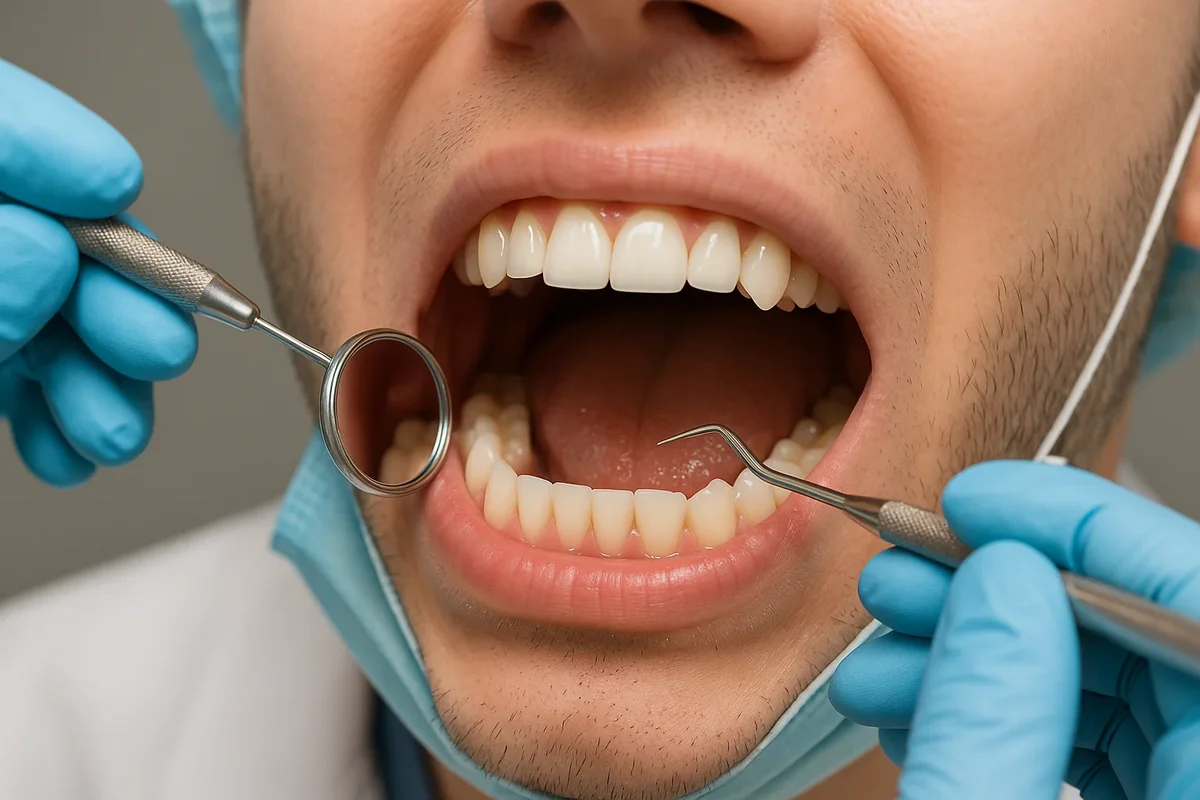
The Connection Between Dentist Mouth Care and Overall Wellness
Many people view oral health as something separate from the rest of the body, but scientific research shows that your dentist mouth condition has a powerful impact on whole-body wellness. The mouth is a gateway to internal systems—digestive, cardiovascular, immune, and even neurological. This means that neglecting oral health can trigger or worsen systemic conditions, while maintaining a clean and balanced dentist mouth environment strengthens overall vitality. In this detailed section, you will learn how oral hygiene influences systemic health, which conditions are linked to poor oral habits, and how managing your mouth can significantly improve your long-term wellness. 🌿🦷
How Oral Health Reflects General Health
The body is interconnected, and the mouth often shows the earliest signs of systemic problems. During a routine dentist mouth evaluation, professionals can identify unusual lesions, gum inflammation, discoloration, and infections that may signal underlying medical issues. For example, vitamin deficiencies, autoimmune disorders, diabetes, and hormonal changes all influence oral tissues.
Because the mouth houses hundreds of bacterial species, maintaining harmony in this microbiome supports both oral and systemic stability. When harmful bacteria overgrow, they can travel through the bloodstream to distant organs, contributing to inflammation and disease. Healthy oral care therefore becomes a critical component of general medical health.
Signs in the Mouth That Reflect Other Conditions
– Unexpected gum bleeding may indicate poor blood sugar control
– Persistent dryness could signal autoimmune disorders
– Metallic taste or burning sensations may link to hormonal shifts
– Mouth ulcers can be early signs of digestive or immune-related conditions
A careful dentist mouth assessment can identify these patterns early.
The Role of Oral Bacteria in Systemic Inflammation
When oral bacteria enter the bloodstream—usually due to gum disease—your immune system responds by triggering inflammation. This inflammation does not stay limited to the oral cavity; it spreads through the body. Research shows that chronic gum disease (periodontitis) significantly raises inflammatory markers throughout the bloodstream, which increases the risk of many chronic conditions.
How Gum Disease Impacts the Body
– Bacteria from infected gums can attach to arterial walls
– Inflammation increases blood pressure and blood vessel stress
– Toxins travel from the dentist mouth environment directly to major organs
– The immune system remains in a constant activated state
Over time, this can seriously affect long-term health.
Connection to Heart Health and Cardiovascular Disease
One of the strongest links exists between oral health and cardiovascular disease. Poor dentist mouth hygiene increases the risk of clogged arteries, heart attacks, and strokes. This happens because harmful oral bacteria contribute to plaque formation in the arteries and intensify systemic inflammation.
Studies show that patients with severe gum disease are up to twice as likely to develop heart conditions compared to those with healthier gums.
Why Gum Infection Affects the Heart
– Bacteria travel through the bloodstream
– They attach to damaged vessel walls
– They trigger immune responses that thicken and harden arteries
By controlling oral infections, you lower cardiovascular risk.
Diabetes and Oral Health: A Two-Way Relationship
Diabetes and dentist mouth health are deeply interconnected. High blood sugar levels weaken the immune response and make the gums more vulnerable to infection. At the same time, untreated gum disease increases insulin resistance and makes diabetes harder to manage.
This creates a dangerous cycle: poor oral health worsens diabetes, and uncontrolled diabetes worsens oral conditions.
Key Warning Signs for Diabetic Patients
– Frequent gum bleeding
– Slow wound healing
– Dry mouth
– Recurrent infections
Regular dentist mouth checkups are essential for diabetic stability.
Oral Health and the Immune System
A healthy immune system depends heavily on the state of your mouth. When harmful bacteria thrive in a neglected dentist mouth environment, the immune system is forced into constant defense mode. Over time, this weakens the body’s ability to respond to other infections.
Balanced oral hygiene reduces the immune burden and supports stronger disease defense.
How a Clean Mouth Supports Immunity
– Reduces chronic inflammation
– Lowers bacterial load entering the bloodstream
– Helps regulate systemic immune responses
– Decreases the risk of opportunistic infections
The Brain-Oral Health Connection
Neurological health also connects directly to oral wellness. Harmful oral bacteria have been found in the brain tissues of patients with Alzheimer’s disease. Chronic infections, especially from gum disease, may accelerate cognitive decline by increasing inflammation that affects brain cells.
During a dentist mouth assessment, detecting deep gum pockets or persistent infection becomes not just a dental concern but a neurological one.
Potential Cognitive Risks of Poor Oral Care
– Increased inflammation near brain membranes
– Elevated risk of memory decline
– Greater vulnerability to neurodegenerative disease
Maintaining healthy gums may support long-term cognitive wellness.
Digestive Health and Mouth Function
Digestion begins in the mouth. The way you chew, salivate, and break down food depends heavily on the health of your teeth, gums, and jaw. A compromised dentist mouth environment creates problems such as poor chewing efficiency, altered taste, and difficulty swallowing.
Saliva plays a major role in mouth lubrication and digestion, and hydration combined with proper oral care supports this essential process.
Common Digestive Issues Linked to Oral Problems
– Indigestion due to inadequate chewing
– Acid reflux worsened by oral bacteria
– Reduced nutrient absorption
Improving oral health supports smoother digestive function.
Mental Health and Self-Confidence
Your dentist mouth health also affects emotional well-being. Healthy teeth and gums improve confidence, support better social interactions, and reduce anxiety around speaking or smiling. Chronic oral problems, on the other hand, often lead to embarrassment, stress, and lower quality of life.
Psychological wellness is a major—but often overlooked—benefit of a strong oral health routine.
Get Support From Reliable Resources
For authoritative medical and dental information, you can explore the
American Dental Association.
If you need personalized guidance, consultations, or treatment options, contact the specialists through the
Redent Klinik Contact Page.
Your dentist mouth condition is one of the strongest indicators of total-body health. By maintaining excellent oral hygiene and seeking routine care, you support your heart, immune system, digestion, mental health, and long-term disease prevention. Daily habits and regular checkups form the foundation of a healthier life—both inside your mouth and throughout your entire body. 🌟🦷