
In today’s fast-paced world, the rise of dentist online consultation services has transformed how patients receive dental advice, preventive guidance, and preliminary diagnoses. As more people seek convenient, safe, and fast ways to connect with dental professionals, virtual dentistry has quickly become a trusted option. Whether someone is dealing with tooth pain, gum irritation, cosmetic concerns, or simply wants expert reassurance before visiting a clinic, online dental guidance offers an accessible alternative. This detailed guide explains everything users need to know — how it works, what to expect, how to prepare, and why millions are choosing this digital approach to oral health care. 😊
Unlike traditional visits, a dentist online consultation allows patients to connect with licensed professionals through video calls, messaging platforms, and telehealth apps. By using their phone or computer, patients can describe symptoms, show photos of dental issues, receive tailored advice, and get recommendations for next steps. This approach is especially valuable for individuals with busy schedules, mobility limitations, or those who want quick clarification before committing to an in-person appointment. Many patients also use these virtual services as a first step to understanding whether their situation is urgent or manageable at home.
One of the most attractive aspects of dentist online consultation systems is the convenience they provide. No travel time, no waiting rooms, and no scheduling challenges. 🌐 Patients often report that accessing dental expertise from home helps reduce stress and encourages them to seek help sooner. This is critical because early guidance can prevent minor issues from turning into serious problems. Virtual dentistry also supports preventive care by giving users the right strategies for brushing, flossing, and maintaining strong oral hygiene habits.
The technology behind online dental services has advanced rapidly. High-resolution mobile cameras, secure telehealth platforms, and improved communication tools allow dentists to visually assess symptoms with surprising accuracy. In many cases, a professional can identify gum inflammation, early cavities, infection signs, or alignment issues through video and photo submissions. While a digital session cannot replace all physical examinations, it serves as an effective first point of evaluation, particularly when patients want immediate answers or reassurance.
Another essential element of modern dentist online consultation sessions is their role in dental education. Patients can learn about risk factors, habits to avoid, proper brushing techniques, and long-term care strategies. Dentists can also explain treatment plans, discuss X-ray findings obtained elsewhere, or provide second opinions. This remote educational support empowers patients to make informed decisions. If the issue requires clinical intervention, the dentist can guide the user to the right steps, including scheduling an appointment or seeking emergency care.
Many users today search for reliable platforms to connect with certified professionals. Trusted resources such as the
American Dental Association help ensure patients receive accurate and safe oral health information. For those considering a visit or needing additional support, our clinic offers direct communication options through the
Redent Klinik Contact Page.
Even though a dentist online consultation cannot replace hands-on procedures like fillings or cleanings, it is invaluable for preliminary assessments and dental guidance. It allows dentists to evaluate symptoms, identify red flags, and provide recommendations for pain management or next steps. For patients experiencing anxiety about dental visits, online consultations also help reduce fear by offering a calm, pressure-free introduction to professional care. 🦷
Virtual dentistry continues to grow, supported by increased awareness and better digital tools. As more patients adopt these convenient services, the industry expands its capabilities. From cosmetic advice to periodontal guidance, orthodontic follow-ups, and general oral hygiene support, dentist online consultation platforms offer wide-ranging benefits. They promote accessibility, reduce delays in care, and encourage people to take control of their oral health from the comfort of their home.
As you explore the world of teledentistry, remember that online consultations are part of a broader movement toward digital healthcare. They blend professional reliability with modern convenience, making quality dental advice accessible to everyone. By understanding how these services work and what to expect, you can make smart, proactive choices for your smile. 😄
How Dentist Online Consultation Works Step-by-Step
Understanding exactly how a dentist online consultation works helps patients feel more confident, prepared, and informed before beginning their virtual dental journey. As digital healthcare expands, these remote dental sessions have become structured, secure, and highly effective. Below is a complete, detailed breakdown of how the process functions from start to finish — helping users know what to expect, how to prepare, and how the dentist evaluates oral conditions through modern telehealth tools. 😄
1. Booking Your Online Consultation Appointment
The first step in the dentist online consultation experience is scheduling the session through a telehealth platform, a clinic website, or a mobile app. Most systems allow patients to choose the date, time, and preferred communication method — such as video call, voice call, or secure messaging. Some clinics even offer instant consultations for urgent concerns. Patients usually receive a confirmation email or SMS with instructions and a secure link to join the session.
Many patients appreciate the simplicity of this step, especially those with busy schedules, childcare responsibilities, or limited mobility. Because the entire process takes place online, you can book your consultation in seconds without calling the clinic or waiting on hold. If you need additional assistance, the
Redent Klinik Contact Page
provides direct support options.
2. Preparing Photos, Medical History, and Symptoms
Before the session begins, most platforms prompt users to upload photos of the affected tooth, gums, or general oral area. Clear images help the dentist make a more accurate visual assessment. Many patients also describe their symptoms in detail — such as sensitivity, swelling, bleeding, or pain level — to give the dentist a full picture of what is happening.
Users are often asked to share their dental history, allergies, recent treatments, medications, or ongoing conditions. This information helps the dentist provide safe and effective recommendations. Preparing these details in advance makes the dentist online consultation smoother and more productive.
3. Joining the Secure Virtual Session
When the time comes, patients enter the virtual consultation room by clicking the secure link provided. Most platforms use encrypted connections to ensure privacy and compliance with health data regulations. The dentist begins by asking open-ended questions, reviewing your uploaded photos, and assessing your visual symptoms in real-time through your device’s camera.
Real-Time Visual Assessment
With today’s high-resolution smartphone cameras and advanced telehealth technology, dentists can identify a surprising number of issues remotely. They look for:
- Tooth discoloration, cracks, or fractures
- Swollen, irritated, or bleeding gums
- Signs of infection or abscess
- Possible cavities or enamel breakdown
- Orthodontic concerns such as shifting or misalignment
While not every condition can be fully diagnosed remotely, the dentist’s trained eye combined with your device’s camera provides a strong foundation for early evaluation.
4. Receiving a Professional Assessment and Guidance
During the dentist online consultation, the dentist provides insights based on what they observe and what you report. This may include:
- Identifying likely causes of your symptoms
- Explaining whether the concern is mild, moderate, or urgent
- Offering temporary pain-relief advice
- Suggesting home-care steps to prevent worsening
- Recommending the next best clinical action
For patients seeking second opinions — especially before major procedures — online consultations are especially valuable. Dentists can analyze previous reports, X-ray images you upload, or treatment plans from other clinics. They can help patients understand risks, benefits, and alternatives before making decisions.
5. When In-Person Treatment Is Required
Online care is powerful, but it cannot replace all hands-on procedures. If a physical examination or treatment is necessary, the dentist will clearly explain why. Common cases that require in-person care include:
- Severe tooth decay needing a filling or root canal
- Impacted wisdom teeth requiring extraction
- Persistent bleeding or deep gum infections
- Dental trauma such as chipped or dislodged teeth
- Complex orthodontic adjustments
However, even in these situations, the dentist online consultation still provides tremendous value because the user receives clarity, early intervention advice, and guidance on how urgent the situation is.
6. Getting Follow-Up Instructions and Preventive Tips
After the session, the dentist typically gives a personalized action plan. This may include rinsing routines, dietary adjustments, brushing techniques, or monitoring instructions. Some platforms allow patients to message the dentist afterward with additional questions or symptom updates.
Patients may also receive recommendations from trusted professional sources like the
American Dental Association,
ensuring they follow safe and evidence-based dental practices.
7. How Online Consultations Support Long-Term Dental Health
Virtual care does more than provide quick answers — it helps users improve long-term oral habits. Because online sessions are comfortable and convenient, many patients are more likely to seek early advice, which leads to better outcomes. The process empowers users with education, practical steps, and personalized strategies that support lifelong dental wellness.
Whether someone is monitoring gum health, evaluating tooth sensitivity, or seeking cosmetic guidance, a dentist online consultation offers a safe, efficient, and user-friendly path to expert care. 🌟
Common Dental Problems You Can Solve Through Online Consultation
A dentist online consultation is an efficient, time-saving, and highly accessible way to address many common dental concerns without immediately visiting a clinic. While virtual care cannot replace hands-on treatments such as fillings or cleanings, it can provide expert guidance, early detection, and problem-solving strategies for a wide range of oral health issues. Many patients use online consultations to clarify whether a situation is urgent, to understand symptoms, or to get professional reassurance. Below is a detailed, structured explanation of dental problems frequently resolved through virtual care — delivered in a clear, user-friendly format. 🦷✨
1. Tooth Sensitivity and Early Discomfort
Tooth sensitivity is one of the most common reasons people seek a dentist online consultation. Whether triggered by cold drinks, sugary foods, or brushing pressure, sensitivity often signals enamel wear or gum recession. During the virtual session, the dentist asks specific questions: When did the sensitivity start? Which foods trigger it? Does it occur spontaneously or only upon stimulation? With this information, the dentist can identify the likely cause, such as mild enamel erosion, exposed dentin, recent whitening treatment, or gum inflammation.
For many patients, the dentist also provides actionable guidance, such as using desensitizing toothpaste, adjusting brushing techniques, or temporarily avoiding acidic foods. If the situation suggests a deeper cavity or nerve exposure, the dentist will recommend in-person treatment but still helps the patient understand the urgency level.
2. Gum Irritation, Bleeding, and Early Gingivitis
A significant percentage of virtual dental sessions focus on gum-related problems. Bleeding gums may indicate early gingivitis, plaque buildup, or improper brushing habits. Through a dentist online consultation, users receive personalized instructions for improving gum health — including saltwater rinses, gentle technique adjustments, and recommendations for suitable oral hygiene tools.
Signs the Dentist Checks
- Redness or swelling around the gumline
- Bleeding during brushing or flossing
- Sensitivity when eating hard or crunchy foods
- Bad breath associated with gum inflammation
The dentist may ask the patient to show close-up photos of their gums or smile. These visual cues help determine whether the issue is mild or potentially part of a more advanced condition. For everyday cases, online care offers quick relief and preventive strategies.
3. Tooth Pain, Minor Dental Emergencies, and Temporary Relief
While severe pain requires in-clinic evaluation, many mild to moderate toothaches can be initially assessed through a dentist online consultation. Patients can describe the pain pattern — sharp, dull, throbbing, or intermittent — and explain possible triggers like biting pressure or temperature changes. The dentist interprets these details to determine whether the pain is likely caused by:
- Food debris trapped between teeth
- Early-stage cavities
- Inflamed gums
- A cracked filling or enamel fracture
- Sensitivity from grinding or clenching
Dentists may also show patients how to perform gentle at-home tests to narrow down the source of discomfort. Based on findings, they provide temporary relief strategies and clarify whether urgent in-person care is necessary.
4. Mouth Sores, Ulcers, and Irritation
Many patients use virtual sessions to understand mouth sores, including canker sores, viral lesions, irritation from dental appliances, or trauma from biting the cheek. A dentist online consultation allows the professional to visually inspect the sore and determine whether it is benign or potentially concerning.
Common At-Home Relief Recommendations
- Topical gels or soothing ointments
- Saltwater rinses
- Avoiding acidic or spicy foods
- Adjusting ill-fitting retainers or aligners
Most minor lesions resolve within 7–14 days, and the dentist helps the patient monitor healing and identify warning signs that require in-person evaluation.
5. Bad Breath and Oral Hygiene Issues
Halitosis (persistent bad breath) is a frequent topic during online dentistry sessions. Patients worry about social discomfort but often don’t know the underlying cause. Through a dentist online consultation, the dentist identifies whether bad breath is due to poor brushing habits, gum disease, dry mouth, dietary choices, or bacterial buildup on the tongue.
The dentist provides a customized hygiene routine, suggesting clinical-grade mouthwashes, tongue scrapers, hydration habits, and dietary adjustments. If medical conditions such as sinus infections or acid reflux are suspected, the dentist may advise seeing a physician.
6. Orthodontic Concerns and Aligner Problems
Patients using braces or clear aligners often need quick professional guidance. With virtual dentistry, the dentist can analyze photos to evaluate issues such as:
- Loose brackets
- Tightness or discomfort from new trays
- Small gaps or spacing concerns
- Oral irritation caused by aligner edges
A dentist online consultation is ideal for aligner users who want reassurance before switching trays or adjusting habits. The dentist can also suggest safe temporary solutions until the next in-person appointment.
7. Cosmetic Dentistry Questions
Many patients hesitate to schedule a full cosmetic visit before speaking to a professional. Online sessions allow users to receive expert feedback on:
- Teeth whitening options
- Candidates for veneers or bonding
- Smile symmetry concerns
- Visible staining or discoloration
These initial discussions help users understand what to expect from cosmetic treatments before investing time or money in a clinic visit. It is also a great opportunity to learn about safe products recommended by authorities such as the
American Dental Association.
Whether the issue involves tooth sensitivity, gum irritation, alignment concerns, cosmetic questions, or early-stage dental discomfort, a dentist online consultation provides valuable professional guidance. Patients gain clarity, reassurance, and actionable steps — all from the comfort of their home. For users who need further support or want to schedule additional services, the
Redent Klinik Contact Page
offers easy access to personalized care.
In short, online consultations empower patients to understand their symptoms, make informed decisions, and take early action to protect their oral health. 🌟
How to Prepare for a Successful Online Dentist Appointment
Preparing properly for a dentist online consultation ensures that your virtual appointment is smooth, productive, and clinically valuable. Many patients underestimate how much information a dentist can gather during a digital session. With the right preparation, you can receive clear guidance, precise evaluation, and actionable next steps — all without stepping into a clinic. This section explains every detail you need to know to get ready, including technical setup, oral photo preparation, symptom documentation, and follow-up planning. 😊
1. Set Up Your Device and Environment
Before starting your dentist online consultation, choosing the right device matters. High-quality cameras make it easier for the dentist to evaluate gum color, enamel condition, plaque accumulation, and potential lesions. Most patients prefer using smartphones because their cameras offer superior clarity. Tablets and laptops also work well, but make sure their webcams provide adequate resolution.
Technical Setup Checklist
- Ensure your device is fully charged or plugged in.
- Use a strong, stable internet connection to avoid call interruptions.
- Clean your camera lens for sharper images and video.
- Update your telehealth app or browser if required.
- Test your microphone and speaker beforehand.
A quiet, well-lit environment helps your dentist observe your mouth accurately. Natural light or a soft white lamp works best. Position yourself near a window or in a room with strong lighting to avoid shadows that distort color or detail.
2. Gather Your Dental and Medical History
One of the most important aspects of preparing for a dentist online consultation is organizing essential health information. Virtual dentists rely on your medical history to recommend safe and appropriate solutions. The more accurate your information, the better the dentist can understand your situation.
Useful Information to Prepare
- Any current medications you are taking
- Past dental treatments (fillings, crowns, root canals, implants)
- Allergies, especially to anesthetics or antibiotics
- Chronic health conditions like diabetes or hypertension
- Recent injuries or dental trauma
If you have previous X-rays, dental reports, or treatment plans, upload them to the platform before your session. This allows the dentist to provide accurate and evidence-based recommendations. If you need help before the appointment, you can reach out via the
Redent Klinik Contact Page.
3. Take Clear Intraoral Photos for Accurate Evaluation
Because visual assessment is central to a dentist online consultation, providing clear and detailed photos significantly improves the accuracy of your virtual evaluation. Dentists typically request images of your full smile, gums, bite alignment, and any specific problem areas.
How to Take Effective Oral Photos
- Use natural daylight or bright LED lighting.
- Hold the camera close but avoid blurring — 10–15 cm distance works well.
- Use the front camera for stability, or ask someone to assist you.
- Capture upper and lower arches separately.
- Open wide and gently stretch cheeks with clean fingers or a spoon handle.
High-resolution images allow the dentist to detect issues such as early cavities, gum recession, plaque buildup, enamel cracks, and soft tissue irritation. These photos often replace the need for immediate in-clinic inspection.
4. Document Your Symptoms Clearly
To maximize the value of your dentist online consultation, take time to document your symptoms. Many patients forget important details during the session, making it harder for the dentist to identify the root cause.
Important Symptom Details to Note
- When your symptom started
- Whether the pain is sharp, dull, constant, or intermittent
- Triggers (hot foods, cold drinks, biting pressure, sweetness)
- Whether swelling is present
- Any unusual taste or odor
- Changes in chewing ability
This documentation helps the dentist differentiate between conditions like pulp inflammation, gum infection, enamel wear, or food impaction.
5. Have Oral Hygiene Tools Ready
Sometimes, during a dentist online consultation, the dentist may ask you to perform simple movements or reposition your mouth so they can view specific areas. You may be asked to gently press your cheek, use a dental mirror, or expose a gum area. Having basic hygiene tools ready makes this process smoother.
Recommended Tools
- A small flashlight or phone flashlight
- A clean spoon (to retract cheeks)
- A compact dental mirror, if available
- Your toothbrush, whitening trays, or aligners (if relevant)
These tools allow the dentist to better visualize your oral cavity and provide a precise assessment.
6. Prepare Questions You Want to Ask
A well-planned dentist online consultation includes YOU asking the right questions. Patients who prepare questions in advance get significantly more value from virtual care.
Smart Questions to Consider
- “Is my condition urgent?”
- “Can this be treated at home?”
- “What are the safest temporary solutions?”
- “Do I need X-rays?”
- “How soon should I book an in-person appointment?”
If cosmetic concerns are part of your consultation, you can also ask about whitening, veneers, bonding, or aligners. For evidence-based recommendations, dentists often refer patients to trusted resources such as the
American Dental Association.
7. After the Appointment: Follow-Up Steps
At the end of your dentist online consultation, the dentist typically provides a personalized dental care plan. This may include home remedies, hygiene instructions, dietary guidelines, or clinical recommendations. Save all notes, screenshots, and follow-up instructions in one place so you can refer to them later.
Online consultations empower patients to manage their dental health efficiently, reduce anxiety, and take informed steps before visiting a clinic. With the right preparation, you can turn a simple virtual meeting into a powerful tool for long-term oral wellness. 🌟
Best Tools and Apps for High-Quality Dentist Online Consultation
A seamless, effective, and clinically valuable dentist online consultation depends heavily on the quality of the tools and apps used during the appointment. Modern teledentistry platforms now offer secure video communication, high-quality image sharing, encrypted messaging, and AI-assisted assessment tools — all designed to improve the accuracy of remote dental care. This detailed guide explores the very best tools, apps, and digital systems that enhance your online consultation experience and help dentists evaluate oral issues with precision. 🦷✨
1. Dedicated Teledentistry Platforms
Specialized teledentistry platforms are built exclusively for dental professionals and their patients. These systems provide secure communication, symptom documentation, clinical image sharing, and structured patient charts. When using one of these platforms for a dentist online consultation, you benefit from an interface designed to support dental diagnosis and monitoring.
Key Features of Teledentistry Apps
- HD video calling for real-time oral assessments
- Encrypted chat for private communication
- Photo upload tools for intraoral images
- Appointment scheduling with automated reminders
- Integration with dental records to store patient history
Some platforms even include AI-driven lesion detection or cavity-mapping tools that help the dentist assess images more effectively. While not a replacement for a clinical exam, they enhance the accuracy of remote evaluations.
2. Telehealth Super Apps Used for Multi-Specialty Care
Many patients prefer large telehealth applications that connect them to multiple health professionals, including dentists. These apps offer broad usability, meaning patients can manage general health, prescriptions, and dental care from a single platform. When used for a dentist online consultation, these super apps provide powerful convenience and accessibility.
What Makes Telehealth Apps Effective?
- User-friendly interface suitable for all ages
- Fast access to licensed professionals
- Secure documentation of medical and dental history
- Multiple communication formats: video, chat, and voice calls
Patients who use such platforms often appreciate the all-in-one approach, especially if they manage chronic health conditions alongside dental issues.
3. High-Resolution Smartphone Cameras
Smartphones are the single most important tool for an accurate dentist online consultation. Modern phones feature advanced image-processing technology, macro-style lenses, and AI image enhancement. These capabilities help capture clear, detailed photos of your teeth, gums, and mouth — essential for remote diagnosis.
Tips for Using Your Smartphone Camera Effectively
- Enable HDR mode for capturing both shadows and highlights clearly.
- Use the front-facing camera for steady positioning.
- Clean your lens before capturing oral photos.
- Use natural daylight or a bright white lamp.
Clear images allow dentists to observe gum color, plaque buildup, enamel texture, swelling, and early-stage decay more accurately.
4. Intraoral Cameras and Dental Mirrors for Home Use
For patients who want an extra layer of precision, inexpensive home intraoral cameras are available. These devices connect to your smartphone and provide illuminated, magnified views of your oral cavity. They are especially useful for people with ongoing dental concerns, chronic gum problems, or orthodontic appliances.
Who Benefits Most from Intraoral Cameras?
- Patients undergoing orthodontic treatment
- Individuals monitoring gum disease
- Parents checking their children’s oral development
- Patients who routinely use dentist online consultation services
Even if you don’t purchase an intraoral camera, having a simple dental mirror at home enhances visibility and allows you to assist the dentist during the session.
5. Secure Messaging and File Transfer Tools
Some dental issues don’t require a video session; instead, patients prefer messaging-based guidance. Secure messaging platforms designed for healthcare allow you to send photos, describe symptoms, and ask follow-up questions without scheduling a live call. This is especially helpful for minor issues, cosmetic questions, or check-ins during treatment.
Dentists may also share links to verified sources for oral health education, such as the
American Dental Association, ensuring that patients follow evidence-based recommendations.
6. Oral Health Tracking Apps
New technology allows patients to monitor their brushing patterns, gum health, and hygiene habits daily. These apps often sync with smart toothbrushes or manual brushing timers, creating visual charts that monitor your oral care trends. When combined with a dentist online consultation, these tools help dentists evaluate your hygiene habits over time.
Common Features of Oral Health Tracking Apps
- Brushing pressure monitoring
- Coverage maps of missed areas
- Real-time coaching through voice or vibration feedback
- Weekly hygiene reports
Patients who use these tools often experience fewer issues because they maintain more consistent and effective brushing routines.
7. Emergency Teledentistry Apps
Some platforms provide 24/7 access to licensed dental professionals for urgent problems like sudden pain, swelling, chipped teeth, or broken crowns. These apps allow users to receive immediate professional advice before visiting a clinic. During these urgent situations, a dentist online consultation helps patients understand whether the issue is serious and whether they need to seek care right away.
8. Clinic-Specific Virtual Systems
Certain dental clinics operate their own internal virtual communication systems. These platforms often offer the highest level of personalized service. They connect you directly to the clinic’s dentists, allowing long-term patients to receive tailored advice quickly and conveniently.
For example, patients needing in-person follow-up can easily reach out through the
Redent Klinik Contact Page
to coordinate additional care steps.
In conclusion, the success of a dentist online consultation depends not only on the dentist’s expertise but also on the digital tools used. High-resolution cameras, secure telehealth platforms, oral health apps, and communication systems work together to create a complete, high-quality virtual dental experience. With the right tools, remote dental care becomes more accurate, more convenient, and more empowering than ever before. 🌟
When You Need In-Person Care Instead of Online Advice
A dentist online consultation is an excellent first step for diagnosing symptoms, receiving professional guidance, and determining whether a dental issue requires urgent intervention. However, there are specific situations where virtual care is not enough, and an in-person evaluation becomes essential for your oral health and overall well-being. This detailed guide explains exactly when online advice is sufficient and when immediate clinical treatment is necessary. Understanding these boundaries helps patients make safe, informed decisions and avoid complications. 🦷⚠️
1. When Pain Becomes Severe, Persistent, or Throbbing
Mild to moderate pain can often be discussed through a dentist online consultation. But if the discomfort becomes severe, wakes you at night, throbs continuously, or intensifies when lying down, this is a sign of an underlying infection or nerve problem. Dentists can recognize the urgency through your symptoms, but only an in-person visit can provide definitive treatment.
Common Causes of Severe Pain
- Advanced cavities affecting the dental pulp
- Dental abscess (infection at the root)
- Cracked tooth extending into the nerve
- Severe gum infection or deep periodontal pockets
In these cases, virtual care offers temporary guidance, but the final solution may require procedures such as a root canal, incision and drainage, or antibiotic therapy under clinical supervision.
2. Visible Swelling or Signs of Infection
Swelling of the gums, cheek, or jaw is one of the clearest signs you need immediate clinical care. While a dentist online consultation can help identify the severity and recommend initial steps, only an in-person dentist can determine whether emergency treatment is necessary.
Warning Signs of Urgent Infection
- Increasing swelling around the face or neck
- Fever or general malaise
- Difficulty swallowing or breathing
- Pus discharge or foul taste in the mouth
These symptoms may indicate a spreading infection, which can become life-threatening if untreated. Patients should not rely solely on virtual care when infection signs escalate.
3. Trauma, Accidents, or Sudden Dental Injuries
Injuries from falls, sports accidents, or sudden impacts require physical evaluation. While a dentist online consultation can quickly determine how urgent the situation is, a clinic visit is necessary to examine fractures, reposition dislodged teeth, and manage bleeding.
Injuries Requiring Immediate Dental Care
- Knocked-out tooth (avulsion)
- Chipped or fractured tooth with exposed nerves
- Heavy bleeding that does not stop after 10 minutes
- Broken crowns, fillings, or dentures causing pain
The dentist may guide you virtually on how to store or protect the damaged tooth, but treatment must happen in person to prevent permanent damage.
4. Issues That Require X-Rays or Diagnostic Imaging
Some dental problems cannot be evaluated fully without digital imaging. Although a dentist online consultation can detect early signs or offer preliminary insights, deeper issues require clinical diagnostics.
Conditions That Typically Require X-Rays
- Suspected bone loss or periodontal disease
- Hidden cavities between teeth
- Wisdom tooth impaction
- Jaw pain or suspected TMJ disorder
Virtual care remains extremely valuable for helping patients understand whether imaging is necessary and what type of X-ray is recommended.
5. Advanced Gum Disease or Periodontal Conditions
While online sessions can identify symptoms of early gingivitis, advanced gum disease requires hands-on clinical care. A dentist online consultation helps assess severity, but scaling, root planing, or surgical interventions are only possible in a dental office.
Signs of Advanced Periodontal Problems
- Gum recession exposing tooth roots
- Mobility or looseness of teeth
- Persistent bad breath despite good hygiene
- Deep periodontal pockets
Your virtual dentist will guide you toward the right specialist and instruct you on immediate interim care.
6. Orthodontic Emergencies or Appliance Failures
Patients with braces or aligners frequently use virtual care to clarify routine concerns. However, some issues require immediate clinical attention. A dentist online consultation can help identify the severity, but orthodontic tools must often be adjusted physically.
Orthodontic Issues Requiring In-Person Treatment
- Bent archwires causing pain or injury
- Detached brackets
- Broken retainers
- Severe discomfort from misaligned aligner trays
The dentist may advise temporary solutions, but proper repair requires precise clinical handling.
7. When Online Advice Confirms the Need for Clinical Care
One of the biggest strengths of a dentist online consultation is its role as a professional triage tool. Even if a condition begins with virtual assessment, the dentist may determine that an in-person visit is the safest choice.
For authoritative guidance on oral health and clinical standards, dentists frequently refer patients to trusted sources such as the
American Dental Association.
Patients needing follow-up or appointment coordination can reach out directly through the
Redent Klinik Contact Page.
In summary, while virtual care is highly effective for early evaluation, symptom assessment, and preventive guidance, some dental issues require physical treatment to avoid complications. Knowing when to shift from a dentist online consultation to an in-person appointment ensures your oral health stays protected and your care remains safe, professional, and timely. 🌟
How Online Dental Consultations Help with Emergency Situations
A dentist online consultation is one of the most valuable tools available during dental emergencies. When unexpected pain, swelling, trauma, or sudden discomfort appears, patients often panic — unsure whether the situation is serious or manageable at home. Virtual dental care bridges this gap by offering immediate professional evaluation that reduces anxiety, prevents complications, and guides patients toward the right next steps. In this comprehensive section, we break down exactly how online consultations support emergency care, what symptoms require urgent attention, and how you can use virtual guidance to stay safe and informed. 🦷🚑
1. Rapid Initial Assessment During Dental Emergencies
One of the greatest strengths of a dentist online consultation is its ability to provide fast, expert evaluation. Emergency clinic appointments can be fully booked, or the issue may occur late at night, during weekends, or while traveling. In these stressful situations, a virtual consultation gives patients access to a licensed professional without delay.
What Dentists Look for in the First Minutes
- Severity of pain and its pattern
- Presence of swelling or facial asymmetry
- Bleeding intensity and duration
- Whether trauma affects teeth, gums, or soft tissue
- Signs of infection such as fever or pus
Within minutes, the dentist can determine whether the situation is mild, moderate, or potentially dangerous — helping patients avoid unnecessary emergency room visits while ensuring urgent risks are addressed.
2. Guidance for Managing Pain and Discomfort at Home
Not every emergency requires immediate in-person treatment. Many conditions can be stabilized safely at home until the dental clinic opens. During a dentist online consultation, patients receive tailored advice based on their symptoms, medical history, and available tools.
Examples of At-Home Recommendations
- Cold compresses for swelling or trauma
- Warm saltwater rinses for inflammation
- Over-the-counter pain relief options (non-prescription)
- Temporary protection methods for chipped teeth
- Instructions for safely removing food debris
These steps help reduce discomfort and prevent the situation from worsening before an in-person appointment is arranged.
3. Handling Toothaches and Sudden Sensitivity
Toothaches can feel alarming, especially when pain strikes suddenly. Through a dentist online consultation, the dentist asks targeted questions to identify whether the pain is caused by decay, a small cavity, gum irritation, food impaction, sinus pressure, or nerve inflammation.
Signs Dentists Analyze Virtually
- Type of pain (sharp, throbbing, radiating)
- Triggers (cold, heat, pressure)
- Duration (intermittent or constant)
- Presence of swelling
- Any history of trauma
Virtual consultations help patients understand if the issue is urgent or manageable with temporary relief measures.
4. Emergency Support for Swelling and Infection
Swelling is one of the most concerning dental symptoms because it often indicates an underlying infection. A dentist online consultation helps determine the severity of the swelling, identify red flags, and establish whether immediate clinical care is required.
Critical Warning Signs the Dentist Looks For
- Swelling spreading toward the neck or eyes
- Difficulty breathing or swallowing
- Fever or chills
- Pain worsening rapidly
- Pus discharge or foul taste
If any severe symptoms are present, the dentist advises immediate emergency treatment. If symptoms are mild, the dentist offers safe interim steps until a clinic visit can be arranged.
5. Managing Chipped, Cracked, or Fractured Teeth
Accidents during sports, eating, or daily activities can cause fractures. Through a dentist online consultation, the dentist evaluates the extent of the damage via photos or video.
Common Guidance for Tooth Injuries
- How to store a broken fragment safely
- Temporary methods to protect sharp tooth edges
- Whether immediate bonding or repair is needed
- How to reduce inflammation around the injury
This timely advice stops further damage and helps patients prepare for the next steps in-person.
6. Support During Orthodontic Emergencies
Patients using braces or aligners often face sudden discomfort, such as loose brackets, poking wires, or misaligned trays. A dentist online consultation allows orthodontists to immediately review the situation and prevent injury to the cheeks, lips, or gums.
Virtual Solutions Often Recommended
- Applying orthodontic wax to sharp edges
- Safely trimming wires at home (if instructed)
- Guidance on switching aligner trays
- Evaluating whether the issue can wait for the next appointment
This quick guidance saves patients from unnecessary pain and potential tissue irritation.
7. When a Knocked-Out Tooth Requires Urgent Action
Time is critical when a tooth is knocked out. A dentist online consultation provides life-saving instructions in the first moments after the injury.
Essential Steps Dentists May Instruct
- Find the tooth and handle only the crown
- Gently rinse without scrubbing
- Place the tooth back into its socket if possible
- Store in milk or saline if reimplantation is impossible
- Go to a dental clinic within 30–60 minutes
These steps significantly increase the chance of saving the tooth.
8. Clear Direction for Next Steps and Emergency Contacts
A dentist online consultation is not just about diagnosis; it also provides clear guidance for the next phase of treatment. Dentists tell you whether the issue is urgent, how to manage symptoms temporarily, and when to schedule an appointment. Patients can also reach clinics directly through tools such as the
Redent Klinik Contact Page.
For credible information on dental emergencies, dentists often reference authoritative resources like the
American Dental Association.
In summary, online consultations provide a fast, safe, and effective way to triage dental emergencies, reduce anxiety, and prevent complications — all while guiding patients toward the right next steps. With the power of a dentist online consultation, emergency care becomes more accessible and more manageable than ever before. 🌟
Comparing Virtual Dentistry Services: What to Look For
As the demand for dentist online consultation services continues to grow, patients are faced with a wide range of virtual dental platforms, apps, and telehealth providers. Each service offers different features, levels of convenience, and standards of care. Understanding how to compare these virtual dentistry options is essential for selecting a safe, effective, and high-quality provider. In this section, we break down the most important criteria, explore the strengths and weaknesses of different platforms, and explain how to choose the right online dental service for your needs. 🦷🌐
1. Licensing, Qualifications, and Professional Expertise
The foundation of any reliable dentist online consultation is the expertise of the professional delivering it. Before selecting a virtual dentistry platform, you should verify that the dentists are fully licensed in your region and have experience in the type of care you need. Many telehealth services clearly display the dentist’s credentials, board certifications, specializations, and years of experience.
Key Qualifications to Look For
- Licensed general dentists or specialists (e.g. orthodontists, periodontists)
- Accreditation from reputable dental boards
- Experience handling online cases and virtual diagnosis
- Training in remote patient assessments and digital dentistry tools
Patients seeking trustworthy sources can also review guidelines from the
American Dental Association,
which sets standards for ethical and safe dental practice.
2. Clarity, Accuracy, and Speed of Diagnosis
Different platforms vary significantly in how quickly patients can access care. A good dentist online consultation service should allow you to schedule an appointment easily or even offer near-instant access for urgent matters.
Factors Affecting Diagnosis Quality
- Whether the platform allows high-resolution image uploads
- Quality of video streaming during live sessions
- Ability to store and view previous dental history
- Tools used by dentists to interpret symptoms
A fast diagnosis is helpful, but accuracy is even more important — especially for issues such as tooth sensitivity, suspected infection, gum disease, or orthodontic concerns.
3. Technology Features and User Experience
User-friendly technology is essential for a smooth dentist online consultation. When comparing platforms, consider how easy it is to navigate the app, upload photos, schedule appointments, and communicate with the dentist.
Important Platform Features
- High-quality video and audio during sessions
- Simple and secure photo upload tools
- Clear appointment reminders and notifications
- In-app messaging for follow-ups
- Compatibility with smartphones, tablets, and computers
Ease of use matters especially for older adults, busy parents, and patients who rely heavily on virtual care for chronic dental issues.
4. Security, Privacy, and Data Protection
Dental information is sensitive, and a trustworthy dentist online consultation platform must follow strict privacy standards. Before booking, make sure the service uses encrypted communication according to healthcare privacy laws.
Security Measures to Check
- End-to-end encrypted video and messaging
- Secure storage of photos and medical history
- Two-factor authentication for patient login
- Compliance with healthcare data protection regulations
If a platform cannot guarantee security, it’s best to avoid sharing sensitive oral health information.
5. Specialization and Range of Services Offered
Not all dentist online consultation services offer the same types of care. Some focus on general dentistry, while others specialize in cosmetic, orthodontic, pediatric, or emergency consultations.
Examples of Service Types
- General symptom evaluation (pain, sensitivity, swelling)
- Cosmetic consultations (whitening, veneers, bonding)
- Orthodontic monitoring for braces or aligners
- Pediatric dental guidance for parents
- Emergency pain assessment and triage
Choosing a platform that matches your needs ensures a more helpful and accurate virtual visit.
6. Cost Transparency and Value
One of the appealing aspects of virtual dentistry is affordability. However, prices vary widely depending on the provider. When comparing dentist online consultation options, make sure the service lists transparent pricing with no hidden fees.
Pricing Factors to Consider
- Whether consultation fees include follow-up messages
- Additional costs for uploading extra photos
- Charges for weekend or late-night appointments
- Specialist consultations fees (e.g., orthodontists)
Many clinics also offer bundled plans or family packages that lower long-term costs for patients who frequently need dental guidance.
7. Availability and Response Time
Some platforms offer real-time consultations, while others allow patients to submit photos and receive a response within hours. When evaluating a dentist online consultation provider, response time makes a significant difference — especially during emergencies.
Typical Service Models
- Live video sessions: Best for urgent or complex issues
- Asynchronous messaging consultations: Ideal for minor concerns
- Hybrid services: A mix of live and message-based care
Choose a provider that fits your preferred communication style and urgency level.
8. Integration with In-Person Dental Clinics
A high-quality dentist online consultation platform should guide patients toward in-person care when necessary. Some virtual providers collaborate directly with physical clinics, offering seamless referrals and coordinated treatment plans.
For patients needing further evaluation or treatment, it’s easy to connect through tools like the
Redent Klinik Contact Page,
ensuring continuity of care from online guidance to clinical treatment.
When comparing virtual dentistry services, the best choice is the one that balances technology, professionalism, accuracy, security, affordability, and convenience. A well-chosen dentist online consultation service empowers patients with fast answers, expert care, and a stress-free pathway to improved oral health. 🌟
Future of Teledentistry and Digital Dental Care
The future of oral healthcare is increasingly shaped by digital transformation, and the rise of dentist online consultation services is only the beginning. Teledentistry has already expanded access to professional care, reduced treatment delays, and increased convenience for millions of patients around the world. However, upcoming innovations—including artificial intelligence, digital diagnostics, personalized treatment planning, and advanced imaging tools—promise to elevate virtual dentistry even further. This section explores the emerging trends that will define the future of digital dental care and how patients can benefit from these advancements. 🦷🌐✨
1. Artificial Intelligence and Predictive Dental Diagnostics
One of the most promising advancements in the evolution of dentist online consultation services is the integration of artificial intelligence (AI). AI-powered software can analyze uploaded photos, X-rays, and videos with remarkable accuracy. These systems help dentists detect early signs of decay, gum disease, fractures, and bite misalignments—even before symptoms appear.
How AI Will Transform Virtual Dentistry
- Automated image analysis to detect early-stage cavities or gum inflammation
- Predictive algorithms estimating future dental risks
- Personalized treatment plans based on patient history and imaging
- Real-time decision support during virtual consultations
AI will not replace dentists, but it will provide them with sharper insights, enabling faster, more precise digital evaluations.
2. Enhanced Remote Monitoring for Orthodontic and Cosmetic Treatments
Remote monitoring is reshaping orthodontics and cosmetic dentistry. Through a dentist online consultation, orthodontists already review photos or scans to adjust aligner trays or monitor treatment progress. In the near future, wearable dental sensors and smart aligners may allow automatic tracking of tooth movement, reducing the need for frequent in-clinic visits.
Innovations for Long-Term Monitoring
- Smart aligner trays measuring intraoral pressure
- Apps using 3D scanning to track weekly tooth movement
- Automated treatment reminders customized to each patient
- Remote progress reports powered by AI analysis
These advances will make orthodontic care more efficient, personalized, and flexible—ideal for busy professionals and families.
3. Integration of High-Resolution Intraoral Scanning Devices
Modern dentist online consultation platforms are beginning to adopt home-friendly scanning tools. While professional intraoral scanners remain clinic-based, consumer-grade versions may soon enter the market, allowing patients to capture precise dental images at home.
Potential Benefits of At-Home Dental Scanners
- Accurate imaging for virtual diagnosis
- Better early detection of structural issues
- More reliable treatment planning for restorations
- Improved monitoring of gum health and tissue recession
As these devices become more affordable, virtual care will become even more comprehensive and clinically effective.
4. Expansion of Digital Preventive Care Programs
Prevention will remain a core focus of future digital dentistry. With a dentist online consultation, patients already receive personalized recommendations on brushing techniques, flossing patterns, diet choices, and risk factors. However, new technologies will allow dentists to monitor daily habits and provide tailored interventions.
Examples of Preventive Innovations
- Smart toothbrushes with real-time tracking and feedback
- Apps analyzing saliva pH levels to predict cavity risks
- Digital oral health coaching programs
- AI-based tools for monitoring gum inflammation patterns
These innovations will help prevent dental problems before they begin, reducing the need for invasive treatments later on.
5. Virtual Reality and Augmented Reality in Dental Education
Teledentistry is not just for patients—it is transforming professional training as well. VR and AR tools create immersive environments where dentists can practice procedures, improve diagnostic skills, and visualize complex treatment plans. A dentist online consultation in the future may even include AR tools that guide patients step-by-step through at-home care instructions.
How VR/AR Will Transform Dental Care
- Realistic simulations for training dental students
- Augmented overlays guiding patients during oral hygiene routines
- Enhanced explanation of treatment options during virtual visits
- Visual learning tools for children and anxious patients
These technologies will make dental care more interactive, educational, and patient-centered.
6. Global Expansion of Accessible Virtual Dental Care
Millions of people worldwide struggle to access dental care due to cost, mobility issues, or remote living conditions. The growth of dentist online consultation services is closing this gap. As digital care expands, more underserved communities will gain access to preventive assessments, emergency evaluations, and professional dental advice.
Ways Teledentistry Supports Global Health
- Reducing barriers for rural communities
- Bringing specialized dental care to patients without local specialists
- Improving oral health education globally
- Enabling low-cost remote screening for large populations
The future may include large-scale digital programs funded by global health organizations to reduce rates of untreated dental disease.
7. Stronger Integration Between Virtual and In-Person Dental Clinics
As teledentistry matures, the transition from a virtual appointment to an in-person clinic visit will become more seamless. A dentist online consultation may soon generate instant referral documents, digital prescriptions, and coordinated treatment plans.
Patients can easily connect with real clinics for follow-up care through pages such as the
Redent Klinik Contact Page,
allowing continuity between online diagnosis and clinical treatment.
8. Reliable Standards and Guidelines for Virtual Dental Care
To ensure safety, regulations for virtual dentistry will continue to evolve. Organizations like the
American Dental Association
are already shaping standards regarding data security, diagnostic accuracy, and remote treatment protocols.
In the next decade, patients can expect clearer guidelines, more transparent credentials, and higher accountability across all digital dental platforms.
The future of teledentistry is bright, innovative, and transformative. As technology evolves, the capabilities of dentist online consultation services will expand dramatically—providing faster diagnoses, smarter tools, and more personalized care. Digital dental care will not replace traditional dentistry, but it will strengthen it, creating a flexible, accessible, and patient-centered system for the modern world. 🌟
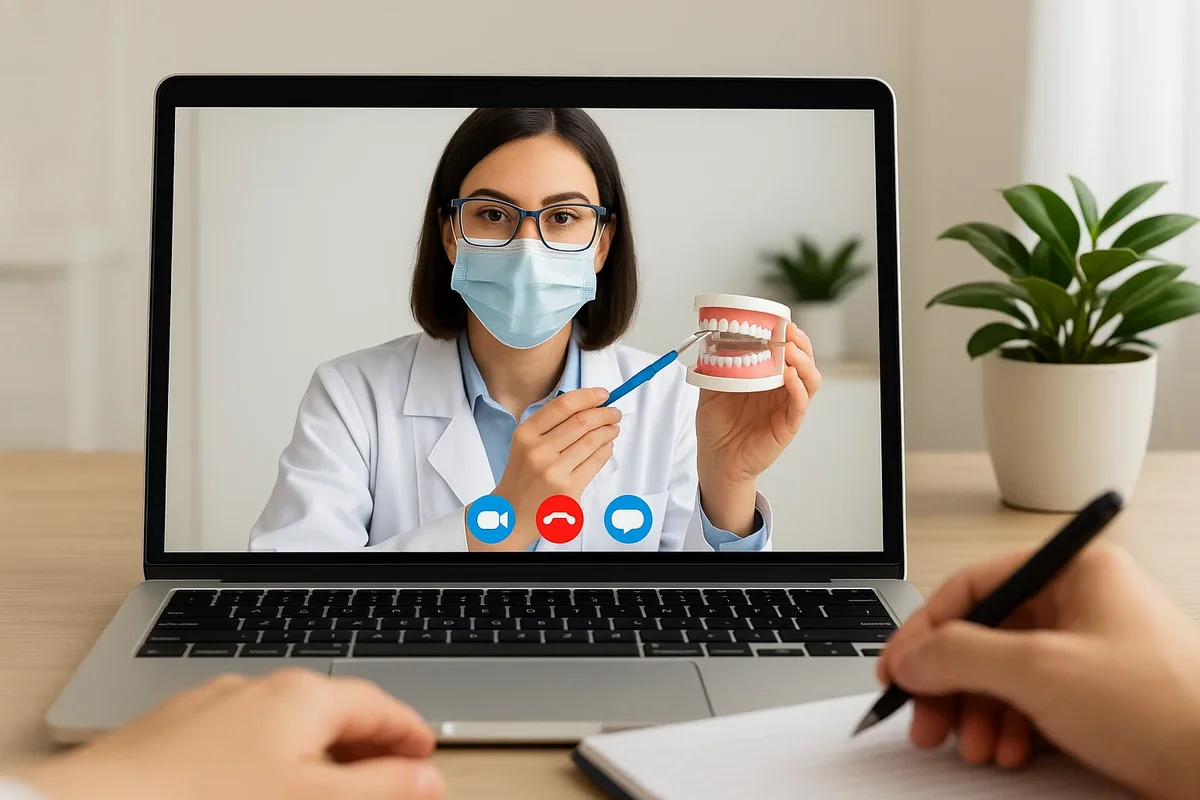
Benefits of Virtual Dental Care for Busy Patients
In today’s fast-paced world, convenience and efficiency play a major role in how people manage their health. This is especially true for dental care, where many individuals struggle to find time for in-person appointments. That’s where a dentist online consultation becomes a transformative solution. Virtual dental care allows patients to connect with licensed professionals from home, work, or even while traveling. Whether you’re a parent balancing a full schedule, a remote worker, a frequent traveler, or someone simply looking for faster access to professional advice, virtual dentistry offers a highly practical alternative. 🌟🦷
1. Convenience for Patients with Full Schedules
One of the most valuable advantages of a dentist online consultation is the convenience it provides. Traditional clinic visits require taking time off work, commuting, sitting in waiting rooms, and scheduling far in advance. Virtual appointments eliminate these barriers entirely, allowing patients to receive care at a time that suits them best.
Key Convenience Benefits
- Appointments available before or after work hours
- No commuting or transportation required
- Faster access during busy seasons or holidays
- Perfect for parents managing school and childcare schedules
By saving valuable time, virtual dental care fits naturally into even the busiest lifestyles.
2. Faster Access to Professional Dental Guidance
Many patients have experienced long waiting times for in-person appointments. However, a dentist online consultation offers near-instant access to professional guidance. Whether you’re dealing with sudden pain, gum irritation, or uncertainty about a chipped tooth, you can speak with a dentist sooner rather than later.
Common Situations Where Speed Matters
- Unexplained tooth sensitivity
- Possible signs of infection
- Concerns after biting something hard
- Questions about orthodontic discomfort
Quick advice can help prevent complications, ease anxiety, and determine whether emergency care is necessary.
3. Cost-Effective Alternative to Non-Urgent Clinic Visits
A dentist online consultation is often more affordable than an in-person visit. Many clinics charge lower fees for virtual assessments, making them a cost-effective option for non-emergency concerns. Additionally, early virtual evaluations can help patients avoid unnecessary bills by identifying whether a full dental visit is actually required.
Ways Virtual Care Saves Money
- Lower consultation fees
- Fewer missed work hours or childcare costs
- Reduced need for unnecessary in-person appointments
- More accurate triage, reducing emergency room visits
For patients seeking trusted dental care without high costs, virtual consultations offer excellent value.
4. Ideal for Remote Workers and Frequent Travelers
People who travel often—or who work remotely across different time zones—can particularly benefit from a dentist online consultation. Whether traveling for business or leisure, dental issues can arise unexpectedly. Having access to your dentist from anywhere in the world provides peace of mind and professional support.
Situations Where Virtual Care Is Essential
- Tooth pain while traveling internationally
- Emergencies during work trips
- Dental concerns in areas with limited clinic access
- Monitoring orthodontic progress while away from home
This flexibility makes virtual dentistry a powerful tool for mobile lifestyles.
5. Reduced Anxiety for Nervous or Dental-Phobic Patients
Dental anxiety is a real issue affecting millions of people. A dentist online consultation helps reduce the fear associated with traditional clinic visits by offering a calm, stress-free environment. Patients can speak with a dentist from the comfort of their home, ask questions freely, and prepare mentally for an in-person visit if necessary.
Benefits for Anxious Patients
- Comfortable environment reduces stress
- Chance to ask detailed questions before a procedure
- Clear explanations that build confidence
- Opportunity to discuss sedation options or treatment plans
Over time, virtual consultations can help nervous patients overcome fear and develop a healthier relationship with dental care.
6. Enhanced Preventive Care and Early Detection
Preventive care is one of the strongest advantages of a dentist online consultation. Instead of waiting months for a routine check-up, patients can receive quick assessments without delay. Preventive guidance helps reduce long-term dental problems and encourages better oral hygiene habits.
Examples of Preventive Virtual Care
- Evaluating brushing and flossing techniques
- Identifying early signs of gum inflammation
- Discussing diet habits affecting enamel
- Monitoring sensitive areas between appointments
When small problems are caught early, they often require simpler and less expensive treatments.
7. Private and Personalized Dental Conversations
Many patients prefer the privacy and quiet environment that a dentist online consultation provides. Without the distractions of a busy waiting room, the virtual setting allows more focused and personalized discussions with your dentist.
Areas Where Personalization Matters
- Cosmetic dentistry goals
- Long-term treatment plans
- Orthodontic progress and adjustments
- Concerns about oral hygiene habits
Patients can share photos, describe symptoms, and ask detailed questions without feeling rushed.
8. Better Access for Patients in Remote or Underserved Areas
Many communities around the world do not have easy access to dental clinics. A dentist online consultation bridges this gap by bringing care directly to patients in rural or underserved regions.
Benefits for Remote Populations
- Access to specialists not available locally
- Immediate evaluation during emergencies
- Education on oral hygiene for families
- Clear guidance on when to seek in-person treatment
This increased accessibility empowers communities and improves overall public health.
9. Seamless Follow-Up and Coordination With In-Person Clinics
A high-quality dentist online consultation integrates smoothly with in-person care when needed. Dentists provide follow-up instructions, share treatment options, and help patients prepare for clinical procedures. For direct communication and scheduling, patients can easily reach out using the
Redent Klinik Contact Page.
For clinical guidance, regulations, and best practices, many dentists refer to professional organizations such as the
American Dental Association.
In summary, virtual dental care empowers busy individuals with flexibility, affordability, and fast access to professional expertise. Whether you’re navigating travel, balancing work, managing family responsibilities, or simply seeking preventive guidance, a dentist online consultation offers a modern and highly effective way to stay on top of your oral health. 🌟