
Finding the right dental professional can significantly impact your oral health, confidence, and overall well-being. With so many dentist options available today, patients often feel overwhelmed when trying to determine which provider best suits their needs. Whether you require routine preventive care, cosmetic improvements, restorative treatments, or emergency services, understanding your available dentist options can help you make an informed decision that supports long-term dental health.
Modern dentistry has evolved dramatically over the past few decades. Patients now have access to a wide variety of dentist options designed to address specific concerns, budgets, and treatment goals. Instead of relying solely on traditional dental clinics, individuals can choose from general dentists, specialists, cosmetic dentists, family practices, dental implant centers, orthodontic providers, and even digital dentistry clinics that utilize advanced technologies.
One of the most important reasons to explore different dentist options is that every patient has unique oral health needs. A young adult seeking teeth whitening may benefit from different dental services than an older patient requiring dental implants or full-mouth restoration. By evaluating various dentist options, patients can receive more personalized treatment plans that align with their goals and expectations.
🦷 General dentists are often the first choice for many patients. They provide routine examinations, professional cleanings, fillings, preventive care, and basic restorative procedures. For individuals seeking comprehensive oral health maintenance, general dental practices remain among the most popular dentist options. These providers focus on preventing oral diseases while identifying potential issues before they become serious problems.
Patients looking for advanced treatments may explore specialized dentist options. Orthodontists focus on correcting alignment issues, periodontists treat gum disease, endodontists specialize in root canal therapy, and oral surgeons perform complex surgical procedures. Selecting the appropriate specialist can improve treatment outcomes while ensuring a higher level of expertise for specific conditions.
Another growing category of dentist options includes cosmetic dentistry providers. Cosmetic procedures such as veneers, teeth whitening, smile makeovers, and dental bonding have become increasingly popular among patients seeking aesthetic improvements. These dental professionals combine functional treatment with artistic design to enhance both appearance and confidence.
Technology also plays a major role when comparing dentist options. Many modern clinics now offer digital scanners, 3D imaging, computer-guided implant placement, and same-day restoration systems. These innovations often improve diagnostic accuracy, reduce treatment times, and create a more comfortable patient experience. When evaluating various dentist options, it is beneficial to inquire about the technologies used within the practice.
💡 Cost is another factor that influences decision-making. Different dentist options may vary significantly in pricing based on location, expertise, treatment complexity, and technology investments. Patients should request detailed treatment plans and cost estimates before beginning any procedure. Comparing multiple providers can help identify quality care that fits within an individual’s budget.
Communication and patient comfort are equally important considerations. Some people experience dental anxiety and may prefer dentist options that offer sedation dentistry, calming environments, or specialized care for nervous patients. A supportive dental team can make a substantial difference in treatment experiences and encourage consistent oral healthcare visits.
For international patients, dental tourism has introduced even more dentist options. Countries known for high-quality dental care at competitive prices attract thousands of patients annually. Clinics that cater to international visitors often provide comprehensive treatment packages, multilingual staff, transportation assistance, and personalized care coordination.
Researching credentials is essential when evaluating dentist options. Patients should verify professional qualifications, certifications, years of experience, and patient reviews. Trusted organizations such as the American Dental Association offer valuable educational resources that help patients understand treatment standards and oral health recommendations.
Additionally, accessibility should not be overlooked when comparing dentist options. Factors such as clinic location, appointment availability, emergency services, and follow-up support can significantly influence patient satisfaction. Choosing a provider that offers convenient scheduling and responsive communication can make ongoing dental care easier to maintain.
🌟 Patients seeking personalized guidance can also contact experienced dental clinics directly to discuss treatment possibilities and receive professional recommendations. The Redent Klinik Contact Page provides an opportunity to learn more about available treatments, consultation options, and customized dental care plans.
Ultimately, understanding the wide range of dentist options available today empowers patients to take control of their oral health journey. From preventive care and restorative procedures to advanced cosmetic enhancements and specialized treatments, the right dental provider can help achieve healthier teeth, improved function, and a more confident smile. By carefully evaluating qualifications, technology, patient reviews, treatment approaches, and overall comfort, individuals can confidently select among the many dentist options available and enjoy lasting oral health benefits for years to come.
What Are Dentist Options and Why Do They Matter?
When people begin searching for dental care, they quickly discover that there are many different dentist options available. Understanding these choices is essential because the right dental provider can significantly affect oral health, treatment outcomes, comfort, and long-term satisfaction. The term dentist options refers to the various types of dental professionals, clinics, specialties, treatment approaches, and care models that patients can choose from depending on their unique needs.
Many individuals assume that all dentists provide the same services. However, modern dentistry has become highly specialized, creating a wide range of dentist options for patients of all ages. Whether someone needs preventive care, cosmetic improvements, orthodontic treatment, dental implants, or emergency services, selecting the right provider can make a substantial difference in both treatment quality and patient experience.
Why Understanding Dentist Options Is Important
Choosing among available dentist options is not simply about finding the nearest clinic. It involves evaluating expertise, treatment capabilities, technology, patient reviews, costs, and overall comfort. Patients who invest time in researching their dentist options are often more satisfied with their dental care and experience fewer complications during treatment.
🦷 Oral health affects much more than just teeth. Research continues to demonstrate connections between dental health and overall wellness, including cardiovascular health, diabetes management, and quality of life. Because of this relationship, selecting the best dentist options becomes an important healthcare decision rather than merely a cosmetic choice.
Different dental needs require different expertise. A patient seeking routine cleanings may be perfectly served by a general dentist, while someone requiring complex implant surgery may need a specialist. Understanding available dentist options helps patients avoid unnecessary delays and ensures they receive treatment from professionals with appropriate experience.
The Main Categories of Dentist Options
The growing diversity of dental services has created numerous dentist options that serve different purposes. Each category focuses on specific aspects of oral healthcare.
General Dentists
General dentists are often the first choice among available dentist options. They provide preventive care, examinations, professional cleanings, fillings, crowns, and routine treatments. Most patients visit a general dentist regularly for ongoing oral health maintenance.
Cosmetic Dentists
Patients seeking smile improvements often explore cosmetic dentist options. These professionals focus on enhancing aesthetics through treatments such as veneers, whitening, bonding, and smile makeovers. Cosmetic dentistry has become increasingly popular among individuals looking to improve confidence and appearance.
Orthodontic Specialists
Orthodontic dentist options specialize in correcting bite issues and misaligned teeth. Treatments may include traditional braces, ceramic braces, and clear aligners. Proper alignment can improve both appearance and oral function.
Dental Implant Providers
For patients missing one or more teeth, implant-focused dentist options provide advanced restorative solutions. Dental implants are considered one of the most reliable methods for replacing missing teeth because they mimic natural tooth roots and support long-term oral health.
Emergency Dental Clinics
Emergency dentist options are designed to address urgent situations such as severe toothaches, dental trauma, infections, broken teeth, and swelling. Access to emergency care can prevent complications and provide immediate relief.
How Technology Has Expanded Dentist Options
Modern technology has dramatically increased the number and quality of available dentist options. Digital innovations allow clinics to offer more precise diagnoses, improved treatment planning, and greater patient comfort.
Many advanced clinics now utilize:
- Digital X-rays with lower radiation exposure
- 3D cone beam imaging
- Intraoral scanners
- Computer-guided implant placement
- CAD/CAM same-day restorations
- Digital smile design systems
These advancements have created new dentist options that prioritize efficiency, accuracy, and patient satisfaction. Clinics investing in modern technologies often provide shorter treatment times and more predictable results.
Factors That Influence Dentist Options
Several important factors determine which dentist options may be most appropriate for a patient.
Oral Health Condition
The complexity of a patient’s dental condition often determines which dentist options should be considered. Routine maintenance may require only general dental care, while advanced restorative needs may involve multiple specialists.
Budget Considerations
Cost plays a significant role when comparing dentist options. Treatment fees can vary considerably depending on location, provider expertise, technology, and treatment complexity. Patients should always request detailed treatment plans before proceeding.
Location and Accessibility
Convenient access is another important factor when evaluating dentist options. Regular appointments are easier to maintain when clinics are located near home, work, or transportation routes.
Patient Comfort
Some individuals experience dental anxiety. In these situations, certain dentist options may offer sedation dentistry, calming environments, and patient-centered approaches that help reduce stress during treatment.
The Long-Term Value of Choosing the Right Dentist
🌟 The benefits of carefully evaluating dentist options extend far beyond a single appointment. Building a long-term relationship with a trusted provider can improve preventive care, support early detection of problems, and create a personalized treatment strategy that evolves over time.
Patients who understand their available dentist options are better equipped to make informed healthcare decisions. They can compare qualifications, technologies, treatment philosophies, and patient experiences before committing to care.
Ultimately, the importance of understanding dentist options lies in the ability to find care that matches individual needs, preferences, and health goals. Whether seeking routine maintenance, cosmetic enhancements, orthodontic treatment, restorative procedures, or specialized care, today’s dental industry offers more dentist options than ever before. By researching providers carefully and prioritizing quality, patients can achieve healthier smiles, improved confidence, and lasting oral health for years to come.
Different Types of Dentist Options Available Today
The dental industry has evolved significantly over the years, providing patients with more dentist options than ever before. Modern dentistry is no longer limited to routine cleanings and cavity treatments. Today, patients can choose from a wide variety of specialists, treatment-focused clinics, family practices, cosmetic providers, and advanced digital dental centers. Understanding the different dentist options available today helps individuals make informed decisions about their oral health while ensuring they receive care that aligns with their specific needs and goals.
Whether someone needs preventive care, orthodontic treatment, dental implants, cosmetic enhancements, or emergency services, there are specialized dentist options designed to provide targeted solutions. Knowing how these dental professionals differ can help patients choose the most appropriate provider and avoid unnecessary referrals or delays in treatment.
General Dentistry: The Foundation of Most Dentist Options
General dentists remain among the most commonly selected dentist options. These professionals serve as primary oral healthcare providers for patients of all ages. They focus on maintaining oral health through preventive care, diagnosis, and treatment of common dental conditions.
Services typically offered by general dentists include:
- Routine dental examinations
- Professional cleanings
- Digital X-rays
- Dental fillings
- Crowns and bridges
- Preventive education
- Basic gum disease treatment
For many individuals and families, general dental practices provide the most practical and accessible dentist options for maintaining healthy teeth and gums throughout life.
Family Dentistry: Comprehensive Care for All Ages
Family dental practices are among the most convenient dentist options for households with multiple family members. Rather than visiting separate providers for children, adults, and seniors, families can often receive treatment under one roof.
Family dentists are trained to address the changing dental needs that occur throughout different stages of life. They monitor oral development in children, provide preventive care for adults, and help older patients manage age-related dental concerns.
👨👩👧👦 Many families prefer these dentist options because they simplify scheduling and create continuity of care over many years.
Cosmetic Dentistry: Enhancing Smile Appearance
Cosmetic-focused dentist options have become increasingly popular as patients seek brighter, more attractive smiles. Cosmetic dentists concentrate on improving the visual appearance of teeth while often enhancing function as well.
Common Cosmetic Procedures
- Professional teeth whitening
- Porcelain veneers
- Dental bonding
- Smile makeovers
- Gum contouring
- Tooth reshaping
Patients interested in improving confidence, appearance, and smile aesthetics often explore these specialized dentist options. Cosmetic treatments can dramatically transform a smile while maintaining a natural appearance.
Orthodontic Dentist Options for Alignment Issues
Orthodontic dentist options focus on correcting misaligned teeth and bite irregularities. Proper alignment improves not only appearance but also chewing function, speech, and oral hygiene maintenance.
Treatment Methods
- Traditional metal braces
- Ceramic braces
- Clear aligners
- Retainers
- Early orthodontic intervention
Patients dealing with crowding, spacing issues, overbites, underbites, or crossbites frequently benefit from orthodontic dentist options. These treatments can improve both oral health and facial aesthetics.
Dental Implant Specialists
For individuals missing teeth, implant-focused dentist options provide one of the most advanced restorative solutions available today. Dental implants replace missing tooth roots and support crowns, bridges, or full-arch restorations.
Many patients prefer implant-related dentist options because implants offer excellent durability, functionality, and appearance. Unlike removable dentures, implants provide a stable and long-lasting solution that closely resembles natural teeth.
Benefits of Implant Dentistry
- Preserves jawbone structure
- Improves chewing efficiency
- Enhances smile aesthetics
- Provides long-term stability
- Supports overall oral health
Periodontal Specialists for Gum Health
Periodontists represent important dentist options for patients experiencing gum disease or advanced periodontal conditions. These specialists focus on preventing, diagnosing, and treating diseases affecting the gums and supporting structures of the teeth.
Healthy gums are essential for maintaining long-term oral health. Patients with bleeding gums, gum recession, chronic inflammation, or bone loss may require periodontal dentist options to prevent tooth loss and further complications.
Endodontic Dentist Options for Root Canal Treatment
Endodontists are highly specialized dental professionals who treat issues involving the inner tissues of the teeth. These dentist options are often recommended when infection or damage affects the dental pulp.
Root canal therapy performed by experienced endodontists can often save natural teeth that might otherwise require extraction. Their advanced training allows them to manage complex cases with greater precision and efficiency.
Emergency Dental Clinics
🚨 Emergency dentist options provide immediate treatment for urgent dental situations. These clinics are designed to handle severe pain, trauma, infections, swelling, broken restorations, and other conditions requiring prompt attention.
Access to emergency dentist options can help prevent minor issues from becoming major complications. Many clinics offer same-day appointments and extended hours to accommodate urgent needs.
Digital and Modern Dental Centers
One of the fastest-growing categories of dentist options includes digitally advanced dental practices. These clinics utilize cutting-edge technology to improve diagnostic accuracy, treatment planning, and patient comfort.
Advanced Technologies Often Available
- 3D cone beam CT imaging
- Digital impressions
- CAD/CAM restorations
- Computer-guided implant surgery
- Digital smile design
- Artificial intelligence-assisted diagnostics
Patients increasingly choose these modern dentist options because technology often leads to shorter treatment times, improved precision, and a more comfortable experience.
Choosing Among Today’s Dentist Options
🌟 The growing variety of dentist options gives patients unprecedented control over their oral healthcare. Each type of dental provider serves a specific purpose, and selecting the right option depends on individual needs, treatment goals, budget, and personal preferences.
From preventive care and cosmetic improvements to orthodontics, implants, periodontal treatment, and emergency services, today’s healthcare landscape offers numerous dentist options capable of addressing virtually every dental concern. By understanding these different categories and evaluating providers carefully, patients can find dental professionals who deliver high-quality care, support long-term oral health, and help create confident, healthy smiles for years to come.
How to Compare Dentist Options for Your Dental Needs
Choosing the right dental provider is one of the most important decisions you can make for your oral health. With so many dentist options available today, comparing providers carefully can help ensure that you receive high-quality care tailored to your specific needs. While many people select a dental clinic based solely on location or convenience, a more strategic approach can lead to better treatment outcomes, greater comfort, and long-term oral health benefits.
The best dentist options are not necessarily the most expensive or the closest to your home. Instead, they are the providers whose expertise, services, technology, and patient care philosophy align most closely with your dental goals. Whether you need preventive care, cosmetic improvements, orthodontics, implants, or restorative treatments, understanding how to evaluate different dentist options can help you make an informed decision.
Start by Identifying Your Dental Needs
Before comparing available dentist options, it is essential to understand what type of dental care you require. Different providers specialize in different areas of dentistry, and identifying your needs first will narrow your search considerably.
Preventive and Routine Care
If your primary goal is maintaining oral health through regular checkups and cleanings, general dental practices are often among the most suitable dentist options. These providers focus on preventive care and early detection of dental problems.
Cosmetic Improvements
Patients interested in smile enhancement may prioritize cosmetic dentist options that offer treatments such as veneers, professional whitening, dental bonding, and complete smile makeovers.
Tooth Replacement Solutions
Individuals with missing teeth should explore implant-focused dentist options or restorative dental centers that specialize in advanced tooth replacement procedures.
Orthodontic Treatment
Patients seeking straighter teeth or bite correction should evaluate orthodontic dentist options that provide braces, aligners, and long-term treatment planning.
Evaluate Professional Qualifications
One of the most important steps when comparing dentist options is reviewing professional credentials and clinical experience. A provider’s qualifications offer valuable insight into their expertise and commitment to patient care.
Key factors to evaluate include:
- Dental school education
- Advanced certifications
- Professional memberships
- Years of clinical experience
- Continuing education participation
- Specialized training programs
Patients researching dentist options should look for providers who actively pursue ongoing education and remain current with modern treatment methods and technologies.
Compare Available Services
Not all dental clinics offer the same treatments. Some providers focus primarily on preventive care, while others offer comprehensive services under one roof. Comparing treatment availability helps patients identify the most suitable dentist options for both current and future needs.
Comprehensive Dental Centers
Comprehensive clinics often provide a broad range of services, including preventive, cosmetic, restorative, implant, and emergency care. These dentist options can simplify treatment coordination and reduce the need for referrals.
Specialized Practices
Specialized dentist options may focus exclusively on orthodontics, periodontics, oral surgery, or cosmetic procedures. These practices often possess deeper expertise in specific treatment areas.
Assess Technology and Modern Equipment
Technology plays an increasingly important role when evaluating modern dentist options. Advanced dental equipment can improve diagnosis, treatment accuracy, patient comfort, and overall efficiency.
Some technologies worth considering include:
- Digital X-rays
- 3D cone beam CT imaging
- Intraoral scanners
- Digital smile design systems
- CAD/CAM restorations
- Computer-guided implant surgery
🦷 Clinics that invest in advanced technologies often provide more predictable outcomes and streamlined treatment experiences. Therefore, technology should be an important consideration when comparing various dentist options.
Review Patient Feedback and Reputation
Patient reviews provide valuable insight into the quality of care offered by different dentist options. While no provider can satisfy every patient perfectly, consistent positive feedback often reflects professionalism, communication skills, and treatment quality.
When reviewing feedback, pay attention to comments regarding:
- Staff friendliness
- Appointment scheduling
- Treatment outcomes
- Office cleanliness
- Communication quality
- Pain management
- Follow-up care
Patient experiences can reveal strengths and weaknesses that may not be obvious when evaluating dentist options solely through websites or advertisements.
Compare Treatment Costs and Transparency
Financial considerations influence many healthcare decisions. Comparing costs among different dentist options helps patients understand pricing structures and avoid unexpected expenses.
Questions to Ask About Costs
- Are treatment estimates provided in writing?
- Are consultation fees separate?
- What financing options are available?
- Are payment plans offered?
- What services are included in quoted fees?
Transparent pricing is often a positive indicator when evaluating dentist options. Providers who clearly explain treatment costs help patients make informed decisions with greater confidence.
Consider Accessibility and Convenience
Location, office hours, and appointment availability are practical factors that can influence satisfaction with various dentist options. Convenient access encourages regular visits and supports long-term oral health maintenance.
Factors worth considering include:
- Clinic location
- Parking availability
- Public transportation access
- Evening appointments
- Weekend availability
- Emergency services
Patients often underestimate how significantly convenience affects their ability to maintain regular dental care.
Evaluate Communication and Patient Experience
Excellent communication is one of the defining characteristics of the best dentist options. Patients should feel comfortable asking questions and discussing concerns without feeling rushed or pressured.
😊 High-quality providers typically take time to explain diagnoses, treatment recommendations, risks, benefits, and alternatives. This patient-centered approach helps individuals understand their options and participate actively in treatment decisions.
Making the Final Decision
Ultimately, comparing dentist options involves balancing expertise, services, technology, costs, accessibility, and patient comfort. No single provider is perfect for every patient, which is why personal priorities should guide the decision-making process.
By carefully evaluating qualifications, treatment offerings, technology, patient reviews, financial transparency, and overall experience, individuals can confidently choose among available dentist options. Taking the time to compare providers thoroughly often leads to better oral health outcomes, improved treatment experiences, and a trusted long-term partnership that supports dental wellness for years to come.
Affordable Dentist Options for Individuals and Families
Finding quality dental care that fits within a reasonable budget is a priority for many patients. Fortunately, modern dentistry offers numerous dentist options designed to meet the needs of individuals and families with different financial situations. Affordable dental care does not necessarily mean sacrificing quality. Instead, it involves understanding the available dentist options, comparing services carefully, and choosing providers that deliver excellent treatment while maintaining transparent and manageable costs.
Many people delay dental visits because they worry about expenses. Unfortunately, postponing care often leads to more serious oral health problems that require extensive treatment later. By exploring affordable dentist options, patients can receive preventive care, early diagnosis, and timely treatment that helps avoid costly complications in the future.
Why Affordable Dental Care Matters
Oral health plays a critical role in overall well-being. Healthy teeth and gums contribute to proper nutrition, clear speech, self-confidence, and quality of life. Access to affordable dentist options ensures that more people can maintain their oral health without facing significant financial barriers.
🦷 Regular dental visits help identify issues such as cavities, gum disease, cracked teeth, and oral infections before they become severe. Patients who take advantage of affordable dentist options often save money in the long term by reducing the need for complex restorative procedures.
General Dental Practices as Affordable Dentist Options
General dental clinics are often among the most cost-effective dentist options available. These practices focus on preventive and routine care, helping patients maintain healthy smiles through regular examinations and professional cleanings.
Services Commonly Offered
- Dental checkups
- Professional cleanings
- Digital X-rays
- Dental fillings
- Preventive treatments
- Basic restorative procedures
Because general dentists address a wide range of oral health needs, they remain one of the most practical dentist options for individuals and families seeking affordable care.
Family Dental Clinics Provide Cost Efficiency
Family practices represent some of the most convenient and economical dentist options for households with children, parents, and grandparents. Receiving treatment from a single provider often simplifies scheduling and reduces travel expenses.
Family-oriented dentist options frequently offer preventive programs, loyalty benefits, and long-term treatment planning that can help families manage dental expenses more effectively.
Benefits for Families
- One location for all family members
- Simplified appointment scheduling
- Consistent dental records
- Long-term oral health monitoring
- Potential family treatment packages
Dental Tourism as an Affordable Solution
In recent years, dental tourism has become one of the fastest-growing dentist options for patients seeking high-quality treatment at competitive prices. Many international clinics provide advanced procedures while maintaining significantly lower operating costs compared to some domestic markets.
Patients often travel abroad for treatments such as:
- Dental implants
- Porcelain veneers
- Smile makeovers
- Full-mouth rehabilitation
- Crowns and bridges
Many international dentist options combine modern technology, experienced professionals, and comprehensive patient support to create an attractive solution for those seeking affordable dental care.
Preventive Care Is the Most Affordable Option
Perhaps the most important strategy for reducing dental costs is prevention. Preventive-focused dentist options help patients avoid serious oral health problems before they develop.
Preventive Measures Include
- Routine examinations
- Professional cleanings
- Fluoride treatments
- Dental sealants
- Oral hygiene education
- Early diagnosis of problems
😊 Patients who consistently utilize preventive dentist options often require fewer restorative procedures, resulting in lower overall dental expenses throughout their lifetime.
Comparing Costs Among Dentist Options
Cost comparison is an essential part of choosing the right provider. Different dentist options may vary considerably based on location, expertise, technology, materials, and treatment complexity.
When evaluating providers, patients should request detailed treatment plans and written estimates. Comparing multiple dentist options allows individuals to understand pricing structures and identify the best overall value.
Questions to Ask About Pricing
- What services are included in the quoted fee?
- Are follow-up visits included?
- Are financing options available?
- What materials will be used?
- Are consultation fees separate?
Technology Can Improve Value
While advanced technology may seem expensive initially, technologically advanced dentist options can often provide better value over time. Digital diagnostics, computer-guided treatments, and modern restorative systems may improve accuracy and reduce the likelihood of complications.
Examples of technologies that may increase treatment efficiency include:
- Digital X-rays
- 3D imaging systems
- Intraoral scanners
- CAD/CAM restorations
- Digital treatment planning
Many patients find that modern dentist options deliver improved outcomes that justify the investment.
Balancing Cost and Quality
When evaluating affordable dentist options, cost should never be the only factor considered. Choosing the least expensive provider without evaluating qualifications, experience, or patient reviews may lead to unsatisfactory results.
High-value dentist options typically combine:
- Experienced professionals
- Modern technology
- Transparent pricing
- Strong patient reviews
- Comprehensive treatment planning
- Long-term support
The goal is not simply to find the lowest price but to identify dentist options that provide excellent care and lasting results at a reasonable cost.
Long-Term Financial Benefits of Good Dental Care
🌟 Investing in quality dental care today can significantly reduce future healthcare expenses. Patients who choose reliable dentist options and maintain regular appointments often experience fewer dental emergencies, fewer restorative procedures, and better overall oral health outcomes.
Affordable dentist options are available for virtually every budget when patients take the time to research providers carefully. By focusing on preventive care, comparing treatment plans, evaluating qualifications, and considering long-term value rather than short-term costs alone, individuals and families can find dental solutions that protect both their smiles and their finances. Ultimately, the best dentist options are those that combine affordability, quality, convenience, and personalized care to support lifelong oral health.
Emergency Dentist Options: What to Do When You Need Immediate Care
Dental emergencies can occur unexpectedly and often require immediate attention to prevent serious complications. Severe tooth pain, broken teeth, oral infections, swelling, bleeding, or dental trauma can quickly become overwhelming and may impact both oral health and overall well-being. Understanding available dentist options during an emergency allows patients to act quickly, reduce discomfort, and improve treatment outcomes. Knowing where to seek urgent care before a problem occurs can make a significant difference when every minute matters.
Many people are unsure which dentist options are appropriate during an emergency. While routine dental concerns can often wait for a scheduled appointment, certain situations require prompt professional intervention. Identifying the right provider and taking appropriate action can help preserve teeth, prevent infections from spreading, and reduce the risk of long-term damage.
What Qualifies as a Dental Emergency?
Not every dental problem requires same-day treatment, but several conditions should be considered urgent. Recognizing these situations helps patients determine when emergency dentist options should be used.
Severe Tooth Pain
Persistent or intense tooth pain often indicates an underlying issue such as infection, advanced decay, or nerve inflammation. Patients experiencing severe discomfort should contact emergency dentist options as soon as possible to identify and treat the source of the pain.
Knocked-Out Teeth
A completely dislodged tooth requires immediate attention. Fast action significantly increases the likelihood of successful reimplantation. Emergency dentist options are often equipped to manage these situations quickly and effectively.
Broken or Fractured Teeth
Cracked or broken teeth can expose sensitive internal structures and increase the risk of infection. Prompt evaluation through emergency dentist options helps minimize complications and preserve tooth structure whenever possible.
Swelling and Infection
Facial swelling, gum abscesses, or oral infections should never be ignored. These conditions may spread to surrounding tissues and become serious medical concerns. Immediate assessment by emergency dentist options is strongly recommended.
Uncontrolled Bleeding
Bleeding that continues after injury, extraction, or trauma may require urgent professional care. Emergency dentist options can identify the cause and provide appropriate treatment.
Types of Emergency Dentist Options Available
Today’s dental healthcare system provides several emergency dentist options designed to address urgent situations efficiently.
General Dental Practices with Emergency Services
Many general dentists reserve appointment slots for urgent cases. These dentist options often provide same-day evaluations for patients experiencing pain, trauma, or infection.
Dedicated Emergency Dental Clinics
Some facilities specialize exclusively in emergency dental care. These emergency-focused dentist options typically offer extended hours, weekend availability, and rapid access to treatment.
Hospital-Based Dental Services
In severe cases involving facial trauma, serious infections, or significant bleeding, hospital-affiliated dentist options may be necessary. These settings provide access to multidisciplinary healthcare teams and advanced emergency resources.
What to Do Before Reaching an Emergency Dentist
While professional treatment remains essential, taking appropriate steps before arriving at emergency dentist options can help improve outcomes and reduce discomfort.
For a Knocked-Out Tooth
- Handle the tooth by the crown, not the root.
- Gently rinse with clean water if dirty.
- Do not scrub or remove attached tissue.
- Place the tooth in milk or saline solution.
- Seek emergency dentist options immediately.
For Tooth Pain
- Rinse with warm salt water.
- Remove any trapped food particles.
- Use cold compresses if swelling is present.
- Avoid placing aspirin directly on gums.
- Contact emergency dentist options promptly.
For Broken Teeth
- Save any tooth fragments.
- Rinse the mouth gently.
- Apply a cold compress if swelling occurs.
- Arrange evaluation through emergency dentist options.
Technology Used by Modern Emergency Dentist Options
Advances in dental technology have significantly improved emergency care. Many modern dentist options utilize sophisticated diagnostic tools that allow rapid identification of problems and faster treatment planning.
Common Technologies Include
- Digital X-rays
- 3D cone beam imaging
- Intraoral cameras
- Computer-assisted diagnostics
- Digital treatment planning systems
🦷 These technologies enable emergency dentist options to provide more accurate diagnoses while reducing treatment delays and improving patient comfort.
Common Emergency Treatments
Depending on the nature of the dental emergency, providers may recommend a variety of treatment approaches. Different emergency dentist options offer services designed to relieve pain, eliminate infection, and restore oral function.
Frequently Performed Emergency Procedures
- Root canal therapy
- Temporary or permanent restorations
- Dental extractions
- Abscess drainage
- Trauma management
- Crown repair or replacement
- Emergency implant stabilization
The specific treatment recommended will depend on the diagnosis and severity of the condition.
How to Choose the Best Emergency Dentist Options
Not all emergency dentist options provide the same level of service. Patients should evaluate providers based on availability, qualifications, technology, and reputation.
Key Factors to Consider
- Same-day appointment availability
- Weekend and evening hours
- Emergency response procedures
- Advanced diagnostic technology
- Patient reviews and testimonials
- Comprehensive treatment capabilities
Choosing reliable emergency dentist options before an urgent situation occurs can save valuable time when immediate care becomes necessary.
Preventing Future Dental Emergencies
Although some emergencies are unavoidable, many can be prevented through consistent oral healthcare and regular dental visits. Preventive-focused dentist options help identify developing problems before they escalate into urgent situations.
Recommended preventive measures include:
- Routine dental examinations
- Professional cleanings
- Protective mouthguards during sports
- Prompt treatment of cavities
- Good oral hygiene habits
- Management of gum disease
😊 Patients who maintain regular care through trusted dentist options often experience fewer dental emergencies and better long-term oral health outcomes.
The Importance of Acting Quickly
Dental emergencies rarely improve without professional intervention. Delaying treatment can lead to worsening pain, increased infection risk, tooth loss, and more complex procedures. Understanding available emergency dentist options allows patients to respond confidently when urgent situations arise.
Ultimately, emergency dentist options play a critical role in protecting oral health during unexpected situations. By recognizing warning signs, seeking prompt care, and choosing qualified providers, patients can minimize complications and improve recovery outcomes. Whether facing severe pain, trauma, infection, or a damaged tooth, rapid access to experienced emergency dentist options can make a substantial difference in preserving both oral health and overall well-being.
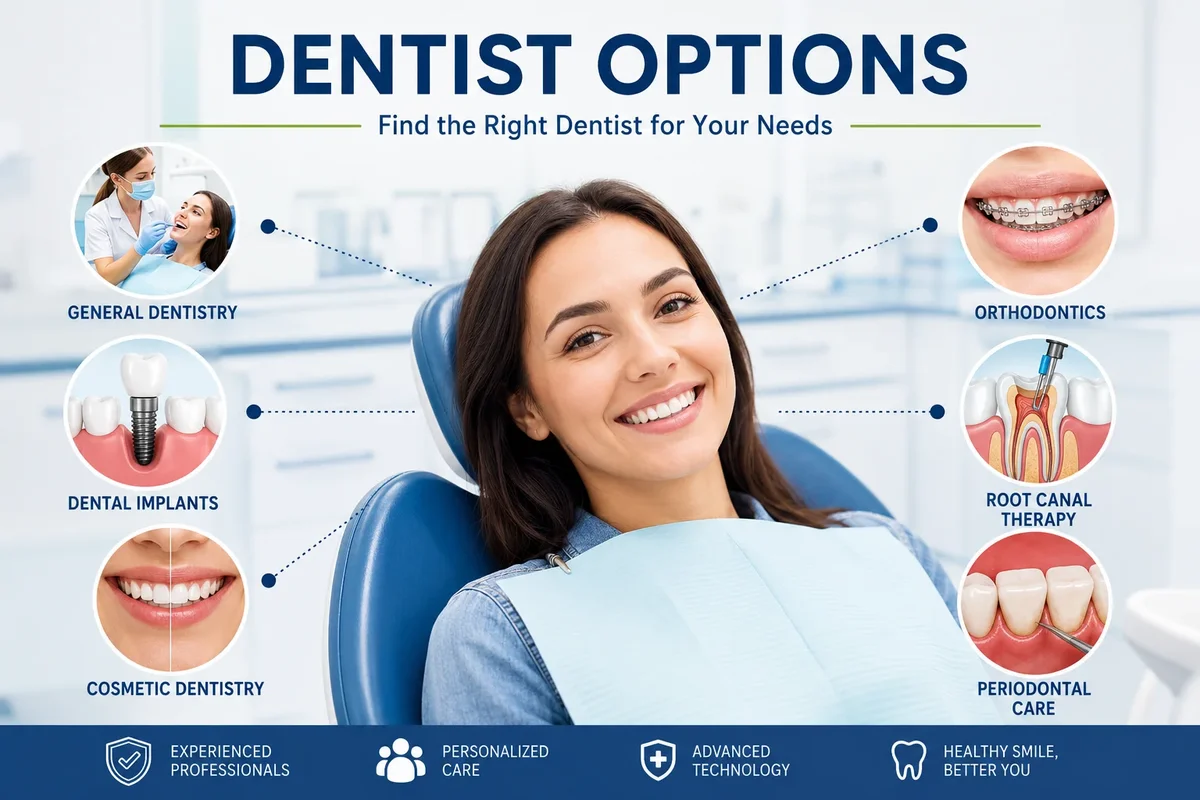
How to Choose the Best Dentist Options for Long-Term Oral Health
Selecting the right dental provider is not just about solving today’s dental problems. It is a decision that can influence oral health, comfort, confidence, and quality of life for many years. With so many dentist options available in modern dentistry, patients must evaluate providers carefully to find professionals who can support their long-term oral health goals. The best dental relationships often last for years, allowing dentists to monitor changes, prevent problems, and create personalized treatment plans that evolve with a patient’s needs.
Many individuals focus solely on immediate concerns such as a toothache or cosmetic improvement. However, long-term oral health requires a broader perspective. The right dentist options help patients maintain healthy teeth and gums through preventive care, early diagnosis, advanced treatment planning, and ongoing education. Choosing wisely today can reduce future dental complications and contribute to lifelong oral wellness.
Why Long-Term Dental Care Matters
Oral health is a lifelong commitment. Teeth, gums, jaw structures, and oral tissues change over time due to aging, lifestyle habits, genetics, and medical conditions. Reliable dentist options provide continuity of care that helps identify developing problems before they become serious.
🦷 Regular monitoring allows dental professionals to detect cavities, gum disease, bite changes, enamel wear, and other concerns during their earliest stages. Patients who consistently work with trusted dentist options often benefit from less invasive treatments and lower long-term healthcare costs.
In addition, long-term dental relationships allow providers to maintain comprehensive records and understand a patient’s unique oral health history. This information often improves treatment planning and decision-making throughout the years.
Look for a Preventive Care Philosophy
One of the most important characteristics of excellent dentist options is a strong focus on prevention. Preventive dentistry helps reduce the risk of serious oral health problems by identifying and addressing issues early.
Preventive Services to Prioritize
- Routine dental examinations
- Professional cleanings
- Oral cancer screenings
- Digital diagnostic imaging
- Periodontal evaluations
- Preventive education
Patients seeking long-term oral health should prioritize dentist options that emphasize prevention rather than simply treating problems after they occur.
Evaluate Clinical Experience and Qualifications
Professional expertise plays a major role when comparing dentist options. Dental professionals who invest in ongoing education and advanced training are often better equipped to provide modern treatment solutions.
Important Credentials to Review
- Accredited dental education
- Professional memberships
- Specialized certifications
- Continuing education participation
- Clinical experience in relevant treatments
Long-term success often depends on choosing dentist options that remain current with evolving dental technologies and treatment protocols.
Technology and Innovation Matter
Modern dental technology has transformed patient care. Advanced diagnostic tools improve accuracy, while innovative treatment methods enhance comfort and efficiency. Patients evaluating dentist options should consider whether providers invest in technologies that support high-quality care.
Examples of Valuable Dental Technology
- Digital X-rays
- 3D cone beam CT imaging
- Intraoral scanners
- Digital smile design systems
- Computer-guided implant planning
- CAD/CAM restorations
Many technologically advanced dentist options provide more precise diagnoses and predictable treatment outcomes, contributing to improved long-term oral health.
Assess Communication and Patient Education
Excellent communication is a defining characteristic of high-quality dentist options. Patients should feel comfortable asking questions, discussing concerns, and understanding their treatment plans.
Good providers take time to explain:
- Diagnosis findings
- Treatment alternatives
- Benefits and risks
- Expected outcomes
- Preventive recommendations
- Long-term maintenance strategies
😊 Patient education empowers individuals to make informed decisions and actively participate in protecting their oral health.
Consider Comprehensive Service Availability
As oral health needs change over time, patients may require a wider range of services. Comprehensive dentist options can simplify care by offering multiple treatments within one practice or coordinated network.
Valuable Services for Long-Term Care
- Preventive dentistry
- Restorative procedures
- Cosmetic treatments
- Periodontal care
- Dental implants
- Emergency services
- Orthodontic solutions
Providers offering comprehensive dentist options often reduce the need for external referrals and create a more seamless treatment experience.
Review Reputation and Patient Satisfaction
Patient reviews provide important insights into the quality of different dentist options. Consistent positive feedback often reflects strong clinical skills, professionalism, and patient-centered care.
Areas to Evaluate in Reviews
- Treatment quality
- Communication effectiveness
- Office environment
- Appointment management
- Staff professionalism
- Long-term patient satisfaction
While no provider will have perfect reviews, reputable dentist options generally demonstrate a strong commitment to patient care and continuous improvement.
Accessibility Supports Consistent Care
Convenience may seem secondary, but it significantly affects long-term oral health. Accessible dentist options make it easier for patients to maintain regular appointments and follow treatment recommendations.
Accessibility Factors to Consider
- Location
- Office hours
- Online scheduling
- Emergency availability
- Transportation access
- Appointment flexibility
Patients are more likely to remain consistent with care when their chosen dentist options fit comfortably into their lifestyles.
Financial Transparency Builds Trust
Long-term dental relationships depend on trust and transparency. Reliable dentist options clearly explain treatment costs, payment expectations, and available financial arrangements.
Questions to Ask
- Are written treatment plans provided?
- Are payment plans available?
- What services are included in quoted fees?
- How are unexpected costs handled?
Transparent communication regarding finances allows patients to plan effectively and maintain ongoing care without unnecessary stress.
Building a Lifelong Partnership
🌟 The best dentist options do more than provide treatments. They become trusted healthcare partners who support patients throughout every stage of life. From childhood preventive care to adult restorative treatments and senior oral health management, a strong provider relationship creates continuity that benefits long-term wellness.
Patients who carefully evaluate dentist options based on prevention, expertise, technology, communication, service availability, accessibility, and patient satisfaction are more likely to achieve lasting oral health success. By prioritizing quality care and establishing a long-term partnership with a trusted provider, individuals can enjoy healthier teeth, stronger gums, improved confidence, and a better quality of life for decades to come. Ultimately, selecting the right dentist options today is an investment in lifelong oral health and overall well-being.
General Dentistry vs Specialized Dentist Options
When evaluating available dentist options, one of the most important decisions patients face is whether they should visit a general dentist or seek treatment from a dental specialist. Both types of providers play essential roles in modern oral healthcare, but they serve different purposes and possess different areas of expertise. Understanding the distinctions between general dentistry and specialized dentist options helps patients make informed decisions and receive the most appropriate care for their unique dental needs.
Many patients begin their dental journey with a general dentist, who serves as the primary provider for preventive care and routine treatments. However, certain oral health conditions may require referral to specialized dentist options that focus on specific areas of dentistry. Knowing when general care is sufficient and when specialized treatment is beneficial can improve outcomes while helping patients navigate the increasingly diverse world of dental services.
What Is General Dentistry?
General dentistry focuses on the prevention, diagnosis, and treatment of common oral health conditions. General dentists are often the first professionals patients visit when seeking dentist options because they provide comprehensive routine care for individuals and families.
General dentists receive extensive training that enables them to manage a wide variety of dental concerns. They are responsible for maintaining oral health through regular examinations, preventive services, and basic restorative treatments.
Services Commonly Provided by General Dentists
- Routine dental checkups
- Professional teeth cleaning
- Dental fillings
- Preventive care
- Digital X-rays
- Basic crown and bridge work
- Oral health education
- Early diagnosis of dental problems
For many patients, general dental practices represent the most practical dentist options because they provide ongoing care and help prevent serious dental issues before they develop.
What Are Specialized Dentist Options?
Specialized dentist options involve dental professionals who complete additional years of advanced training in specific fields of dentistry. These providers focus on particular oral health conditions and often treat more complex cases than general dentists.
Specialists receive education beyond dental school that allows them to develop advanced expertise in highly focused areas. When a condition exceeds the scope of routine dental care, patients may benefit from these specialized dentist options.
Common Dental Specialties
- Orthodontics
- Periodontics
- Endodontics
- Oral and maxillofacial surgery
- Prosthodontics
- Pediatric dentistry
Each specialty addresses unique dental challenges and provides targeted treatment solutions that may not be available through general dental practices.
Orthodontic Dentist Options
Orthodontists focus on correcting alignment problems involving teeth and jaws. These specialized dentist options are often recommended for patients with crowding, spacing issues, bite irregularities, or jaw alignment concerns.
Orthodontic Treatments Include
- Traditional braces
- Ceramic braces
- Clear aligners
- Retainers
- Early orthodontic intervention
Patients exploring alignment-focused dentist options often benefit from improved oral function, aesthetics, and long-term dental health.
Periodontal Dentist Options
Periodontists specialize in the prevention and treatment of gum disease. These dentist options are particularly important for patients experiencing gum inflammation, recession, bone loss, or advanced periodontal conditions.
Healthy gums provide the foundation for strong teeth. Specialized periodontal dentist options help preserve this foundation through advanced treatment techniques that support long-term oral health.
Common Periodontal Services
- Deep cleaning procedures
- Gum grafting
- Bone regeneration procedures
- Periodontal maintenance
- Dental implant support
Endodontic Dentist Options
Endodontists are specialists who focus on conditions affecting the inner structures of teeth. These dentist options are often associated with root canal treatment and management of dental pulp infections.
Patients experiencing severe tooth pain, deep decay, or traumatic dental injuries may require endodontic dentist options to preserve natural teeth and eliminate infection.
Oral Surgery Dentist Options
Oral surgeons represent another important category of specialized dentist options. They perform complex procedures involving teeth, jaws, facial structures, and oral tissues.
Common Surgical Procedures
- Wisdom tooth removal
- Dental implant placement
- Bone grafting
- Jaw surgery
- Treatment of facial trauma
These advanced dentist options are often necessary when patients require procedures beyond the scope of routine dental care.
When General Dentist Options Are Enough
🦷 Many oral health needs can be managed successfully through general dentist options. Routine examinations, preventive care, fillings, basic restorations, and oral health monitoring typically fall within the expertise of general dentists.
Patients who maintain regular visits with a trusted general dentist often receive early diagnosis and timely referrals when specialized care becomes necessary. In this way, general dentist options serve as the foundation of long-term oral healthcare.
When Specialized Dentist Options Are Recommended
Certain situations may require more advanced expertise. Specialized dentist options are commonly recommended when:
- Treatment complexity increases
- Advanced gum disease develops
- Significant tooth alignment issues exist
- Dental implants are needed
- Complex root canal treatment is required
- Oral surgery becomes necessary
Choosing appropriate specialized dentist options can improve treatment outcomes while reducing risks associated with complex procedures.
How General and Specialized Providers Work Together
One of the strengths of modern dentistry is the collaboration between general and specialized dentist options. General dentists often coordinate patient care and refer individuals to specialists when advanced expertise is required.
😊 This collaborative approach allows patients to benefit from comprehensive treatment planning while receiving care from professionals with the most appropriate training for each specific condition.
Choosing Between Different Dentist Options
Ultimately, the choice between general and specialized dentist options depends on individual oral health needs. General dentists provide excellent preventive care and routine treatment, while specialists offer advanced expertise for complex conditions.
Patients who understand the differences between these dentist options can make more informed healthcare decisions and access the right level of care at the right time. Whether maintaining routine oral health or addressing advanced dental concerns, both general and specialized providers contribute significantly to achieving healthy teeth, strong gums, improved function, and long-term confidence in one’s smile.
Cosmetic Dentist Options for a More Confident Smile
A healthy smile contributes to overall well-being, but many people also desire a smile that looks attractive and boosts self-confidence. Advances in modern dentistry have created numerous cosmetic dentist options designed to improve the appearance of teeth while often enhancing oral function as well. Whether addressing discoloration, gaps, chipped teeth, uneven spacing, or other aesthetic concerns, today’s cosmetic treatments offer highly personalized solutions that can dramatically transform a smile.
The growing popularity of cosmetic dentistry has expanded the number of available dentist options, giving patients more opportunities than ever to achieve their desired results. From simple whitening procedures to complete smile makeovers, cosmetic dentistry combines science, artistry, and advanced technology to create natural-looking outcomes that complement each individual’s facial features.
Why Cosmetic Dentistry Has Become So Popular
People often associate cosmetic dental treatments with aesthetics alone, but the benefits extend far beyond appearance. Many cosmetic dentist options also improve dental function, oral hygiene, and long-term oral health.
😊 A confident smile can positively influence personal relationships, professional interactions, and self-esteem. Patients who feel comfortable with their smiles often smile more frequently, communicate more confidently, and enjoy improved quality of life.
As modern techniques become more accessible and predictable, cosmetic dentist options continue to attract patients seeking both aesthetic and functional improvements.
Professional Teeth Whitening Dentist Options
Professional whitening remains one of the most popular cosmetic dentist options available today. Over time, teeth may become stained due to aging, dietary habits, smoking, certain medications, or natural wear.
Benefits of Professional Whitening
- Noticeably brighter teeth
- Fast treatment times
- Professional supervision
- More predictable results
- Customized treatment plans
Compared with over-the-counter products, professional whitening dentist options often deliver more effective and longer-lasting results while minimizing sensitivity concerns.
Porcelain Veneer Dentist Options
Porcelain veneers are among the most transformative cosmetic dentist options. Veneers are thin custom-made shells that cover the front surfaces of teeth, improving shape, color, size, and overall appearance.
Common Reasons Patients Choose Veneers
- Severe discoloration
- Minor misalignment
- Gaps between teeth
- Worn enamel
- Chipped or cracked teeth
- Irregular tooth shapes
Many patients choose veneer-based dentist options because they provide dramatic smile improvements while maintaining a highly natural appearance.
Dental Bonding for Conservative Improvements
Dental bonding represents one of the more conservative cosmetic dentist options. This procedure involves applying tooth-colored composite resin to improve the appearance of teeth.
Bonding Can Correct
- Small chips
- Minor gaps
- Surface imperfections
- Discoloration
- Slight shape irregularities
Because bonding generally requires minimal alteration of natural tooth structure, these dentist options are often attractive to patients seeking conservative aesthetic improvements.
Smile Makeover Dentist Options
Some patients have multiple cosmetic concerns that cannot be addressed with a single procedure. In these situations, comprehensive smile makeover dentist options may provide the most effective solution.
A smile makeover typically combines several treatments into a customized plan designed to achieve specific aesthetic goals. Providers evaluate facial features, dental proportions, gum contours, and patient preferences to create harmonious results.
Treatments Commonly Included
- Teeth whitening
- Porcelain veneers
- Dental crowns
- Orthodontic treatment
- Gum contouring
- Implant restorations
These comprehensive dentist options allow patients to address multiple concerns simultaneously and achieve a fully integrated smile transformation.
Orthodontic Cosmetic Dentist Options
Modern orthodontics has become an important component of cosmetic dentistry. Many cosmetic dentist options now incorporate clear aligners and advanced orthodontic solutions to improve both function and appearance.
Benefits of Orthodontic Cosmetic Treatment
- Straighter teeth
- Improved bite function
- Enhanced oral hygiene
- Better smile symmetry
- Long-term stability
Patients seeking alignment improvements often consider these dentist options because they address underlying structural issues while enhancing smile aesthetics.
Digital Technology in Cosmetic Dentistry
Technology has revolutionized cosmetic dentist options, allowing providers to achieve greater precision and predictability than ever before.
Modern Cosmetic Technologies
- Digital smile design
- 3D facial analysis
- Intraoral scanning
- CAD/CAM restorations
- Digital treatment simulations
🦷 These innovations help patients visualize potential outcomes before treatment begins, making cosmetic dentist options more personalized and predictable.
Factors to Consider When Choosing Cosmetic Dentist Options
Not all cosmetic providers offer the same level of expertise. Selecting the right cosmetic dentist options requires careful evaluation of qualifications, experience, technology, and previous treatment results.
Important Evaluation Criteria
- Before-and-after case examples
- Advanced cosmetic training
- Digital technology availability
- Patient reviews
- Comprehensive consultations
- Personalized treatment planning
Patients should take time to compare cosmetic dentist options and discuss expectations thoroughly before beginning treatment.
Long-Term Maintenance After Cosmetic Treatment
Successful cosmetic outcomes require proper maintenance. High-quality cosmetic dentist options typically provide detailed aftercare guidance to help patients protect their investment.
Recommended maintenance practices include:
- Regular dental checkups
- Professional cleanings
- Daily brushing and flossing
- Protective nightguards when necessary
- Healthy dietary habits
Following these recommendations helps preserve the results achieved through cosmetic dentist options and supports long-term oral health.
Achieving a More Confident Smile
🌟 Modern cosmetic dentist options offer solutions for nearly every aesthetic concern. Whether a patient desires subtle improvements or a complete smile transformation, advances in materials, techniques, and technology make it possible to achieve natural-looking, highly personalized results.
By carefully researching cosmetic dentist options, consulting experienced providers, and selecting treatments that align with individual goals, patients can improve both appearance and confidence. A beautiful smile often becomes more than a cosmetic enhancement—it becomes a valuable asset that positively influences daily interactions, self-esteem, and overall quality of life for years to come.
Questions to Ask Before Selecting Among Dentist Options
Choosing a dental provider is an important healthcare decision that can affect oral health, comfort, treatment outcomes, and long-term satisfaction. With numerous dentist options available today, patients should take the time to ask thoughtful questions before committing to a specific provider. A dental clinic may have an attractive website or convenient location, but deeper evaluation is often necessary to determine whether the practice truly meets individual needs and expectations.
By asking the right questions, patients can compare different dentist options more effectively, understand treatment philosophies, evaluate expertise, and identify providers who prioritize patient-centered care. These conversations help build trust, reduce uncertainty, and support informed decision-making.
Why Asking Questions Is Important
Many people select dental providers based solely on convenience or recommendations from friends and family. While these factors can be helpful, they do not provide a complete picture of available dentist options. Asking detailed questions allows patients to gather information that may not be immediately visible through marketing materials or online reviews.
🦷 A qualified dental professional should welcome patient questions and provide clear, honest answers. Open communication is often a strong indicator of quality care and professionalism. Patients who actively evaluate dentist options tend to feel more confident in their treatment decisions and long-term dental relationships.
Questions About Qualifications and Experience
Professional credentials are among the most important factors when comparing dentist options. Understanding a provider’s education, training, and experience can help patients assess their expertise.
Questions to Ask
- How long have you been practicing dentistry?
- What specialized training have you completed?
- Do you participate in continuing education programs?
- What professional organizations do you belong to?
- How frequently do you perform the procedure I need?
These questions help patients determine whether certain dentist options possess the knowledge and experience necessary to manage specific treatments successfully.
Questions About Available Services
Different dental practices offer different treatment capabilities. Evaluating service availability helps patients identify which dentist options are best suited for both current and future oral health needs.
Important Service-Related Questions
- What treatments do you provide in-house?
- Do you offer cosmetic dentistry?
- Are dental implants available?
- Do you provide orthodontic services?
- How are complex cases managed?
- Do you coordinate specialist referrals?
Comprehensive dentist options may reduce the need to visit multiple providers while creating a more streamlined treatment experience.
Questions About Technology and Equipment
Modern dental technology can significantly influence treatment quality, efficiency, and patient comfort. When comparing dentist options, patients should inquire about the tools and technologies used within the practice.
Technology Questions to Consider
- Do you use digital X-rays?
- Is 3D imaging available?
- Do you utilize intraoral scanners?
- Are digital treatment planning systems used?
- What technologies improve patient comfort?
Advanced dentist options often invest in modern equipment that improves diagnostic accuracy and supports more predictable treatment outcomes.
Questions About Treatment Planning
Every patient has unique goals and concerns. Understanding how providers approach treatment planning can reveal important differences among available dentist options.
Helpful Questions
- What treatment alternatives are available?
- What are the risks and benefits of each option?
- How long will treatment take?
- What results can realistically be expected?
- How will treatment affect long-term oral health?
High-quality dentist options typically provide personalized treatment recommendations rather than offering identical solutions to every patient.
Questions About Costs and Financial Transparency
Financial clarity is essential when evaluating dentist options. Patients should fully understand treatment costs before beginning any procedure.
Cost-Related Questions
- Can I receive a written treatment estimate?
- What services are included in the quoted fee?
- Are payment plans available?
- Will additional appointments create extra costs?
- How are unexpected treatment changes handled?
Transparent dentist options explain pricing clearly and help patients make informed financial decisions regarding their oral healthcare.
Questions About Emergency Care
Dental emergencies can happen unexpectedly. Understanding how different dentist options manage urgent situations can provide valuable peace of mind.
Emergency Care Questions
- Do you offer same-day emergency appointments?
- What happens after office hours?
- How are urgent dental problems handled?
- Are weekend appointments available?
Reliable emergency support is an important feature that distinguishes many high-quality dentist options.
Questions About Patient Comfort
Dental anxiety affects millions of people. Patients concerned about comfort should discuss available accommodations when comparing dentist options.
Comfort-Related Questions
- How do you help anxious patients?
- Are sedation options available?
- How is discomfort managed during treatment?
- Can treatment plans be adjusted for nervous patients?
😊 Patient-focused dentist options often implement strategies that reduce anxiety and create more positive treatment experiences.
Questions About Long-Term Care
Because oral health needs evolve over time, patients should evaluate how providers support ongoing care and preventive maintenance.
Long-Term Care Questions
- How frequently should I schedule examinations?
- How do you monitor changes over time?
- What preventive services do you recommend?
- How are future treatment needs planned?
Strong preventive programs are often a hallmark of exceptional dentist options and contribute significantly to long-term oral health success.
Questions About Reputation and Results
Patient satisfaction and clinical outcomes provide valuable insight into the quality of available dentist options. While online reviews are useful, direct discussion can often provide additional clarity.
Questions Worth Asking
- Can I see before-and-after examples?
- Do you have patient testimonials available?
- What outcomes are typical for my treatment?
- How do you measure treatment success?
Reviewing results helps patients evaluate whether certain dentist options align with their goals and expectations.
Making a Confident Decision
🌟 Asking thoughtful questions transforms the process of selecting among various dentist options from a guesswork exercise into an informed healthcare decision. Patients who understand qualifications, treatment approaches, technology, financial policies, emergency support, and long-term care philosophies are better positioned to choose providers who match their needs.
Ultimately, the best dentist options are those that combine expertise, transparency, modern technology, excellent communication, and patient-centered care. By taking the time to ask meaningful questions and evaluate answers carefully, individuals can build trusting relationships with dental professionals who support healthy smiles, positive treatment experiences, and lasting oral health for years to come. Choosing among today’s many dentist options becomes much easier when patients know exactly what information to seek and how to evaluate it effectively.