
The connection between a dentist patient is one of the most important relationships in the field of oral healthcare 🦷. It goes beyond simple checkups and treatments—it’s about trust, communication, empathy, and long-term commitment to dental wellness. Whether you’re visiting for a routine cleaning, a cosmetic procedure, or a complex dental surgery, the way you and your dentist interact directly impacts the quality of care and overall satisfaction. In this guide, we’ll explore the essentials of a strong dentist-patient relationship, why it matters, and how both sides can contribute to better oral health outcomes.
At its core, a successful dentist patient relationship is built on mutual respect and understanding. The dentist must provide not only technical expertise but also compassion and clear communication. Meanwhile, the patient should feel comfortable expressing concerns, asking questions, and following recommended care plans. This partnership ensures that dental treatments are effective and that anxiety or fear is minimized—a common issue among patients who hesitate to seek professional care.
Trust plays a fundamental role in this dynamic. When a patient feels confident that their dentist prioritizes their well-being, they are more likely to attend regular appointments and maintain good oral hygiene. This trust can be cultivated through transparent discussions about treatment options, honest feedback about dental habits, and a nonjudgmental environment. For instance, a patient who feels supported rather than criticized about poor flossing habits will be more motivated to improve. Similarly, a dentist who listens carefully and explains procedures in simple terms helps patients feel valued and understood 😊.
Another key element of the dentist patient connection is communication. Effective communication is a two-way street. Dentists must clearly explain diagnoses, available treatments, and preventive measures using accessible language. Patients, on the other hand, should share relevant information about their medical history, allergies, and lifestyle habits that may affect oral health. Open dialogue reduces misunderstandings and ensures that both sides are working toward the same goal—a healthy, confident smile.
Empathy also defines a positive dentist patient experience. Many people experience dental anxiety, often due to negative childhood experiences or fear of pain. A caring dentist acknowledges these emotions and adjusts their approach accordingly. Gentle tone, reassurance, and even small comforts like soothing background music or short breaks during long procedures can make a world of difference 🎶. For anxious patients, knowing that their feelings are validated creates a more relaxed and cooperative atmosphere.
From a practical standpoint, consistency strengthens the dentist-patient bond. Visiting the same dental professional regularly allows for better tracking of changes in oral health over time. It also helps the dentist understand your unique needs, preferences, and concerns. For example, some patients may prioritize cosmetic improvements such as whitening or veneers, while others focus on long-term periodontal care. Regular visits help align these goals with the right treatment strategy, ensuring that both parties work collaboratively toward sustained dental health.
Education is another cornerstone of the relationship. A responsible dentist doesn’t just fix problems—they teach preventive care. Providing guidance on proper brushing, diet, and lifestyle choices empowers the dentist patient to take an active role in their oral hygiene. This educational approach promotes autonomy and helps reduce the risk of recurring issues like cavities or gum disease. As the saying goes, prevention is better than cure!
In modern dentistry, technology has also transformed how dentists and patients interact. Digital X-rays, 3D scanners, and AI-assisted diagnostics have made communication more precise and efficient. Patients can now visualize their dental issues on-screen, understand the treatment plan, and feel more involved in decision-making. This transparency enhances satisfaction and builds long-term loyalty to the dental practice. You can always reach out for more information or book an appointment directly through the Redent Klinik Contact Page to discuss personalized care options.
Professional ethics and confidentiality are equally essential to maintaining a respectful dentist patient relationship. Dentists are bound by strict ethical standards to protect patients’ privacy and provide care based solely on medical necessity. This trust forms the foundation of the profession and reassures patients that their health and data are safeguarded at all times. Ethical practice reinforces patient confidence and strengthens the reputation of the clinic.
Lastly, ongoing feedback ensures the continuous improvement of dental services. Patients who share their experiences help dentists enhance quality and adapt to evolving needs. Many clinics now use digital surveys or follow-up calls to ensure patients are satisfied with their treatments and feel comfortable returning for future visits. These small gestures build a sense of belonging and loyalty, transforming a standard checkup into a meaningful healthcare experience 💬.
In summary, the dentist patient relationship is more than a clinical interaction—it’s a partnership focused on health, trust, and communication. A strong connection between dentist and patient not only improves oral health outcomes but also enhances overall well-being and confidence. To learn more about patient-centered dental care, you can explore trusted resources like the American Dental Association, which provides valuable insights on oral health standards and best practices. Remember: a healthy relationship with your dentist is the first step toward a lifetime of smiles 😄.
What Defines a Good Dentist Patient Relationship?
The foundation of every successful dental experience lies in a strong and trusting dentist patient relationship 🦷. This relationship goes far beyond the walls of the clinic—it’s about mutual understanding, respect, clear communication, and shared responsibility for oral health. A good connection between dentist and patient ensures not only better treatment outcomes but also comfort, emotional security, and long-term satisfaction. In this section, we’ll explore the defining qualities of a strong relationship, what makes it successful, and how both sides can contribute to it effectively.
Trust: The Core of Every Dentist Patient Connection
Trust is the heart of the dentist patient relationship. Without trust, even the most advanced treatments can feel stressful or uncertain. Patients must feel confident that their dentist genuinely cares about their well-being, is transparent about procedures, and recommends treatments based solely on need—not profit. Meanwhile, the dentist must trust that the patient will follow instructions, attend checkups regularly, and communicate honestly about their dental habits. This trust builds the foundation for collaboration and makes every visit more productive and less anxiety-inducing 😊.
Building trust takes time. It develops through consistency, empathy, and professionalism. For instance, when a dentist takes the time to explain each step of a root canal or implant procedure in simple, non-technical terms, the patient feels valued and included. Over time, this transparency encourages loyalty—patients are more likely to return and refer others when they know they are in safe hands.
Empathy and Compassion in Dental Care
Every dentist patient interaction involves emotion as much as science. Many people associate dental visits with fear or discomfort. An empathetic dentist understands these emotions and works to alleviate them. A simple smile, a reassuring tone, or taking a few minutes to discuss the patient’s concerns can transform the experience entirely. Compassion makes patients feel safe, and safety builds long-term trust.
On the patient’s part, understanding that the dentist’s goal is to help—not judge—is equally important. Cooperation and patience during procedures create a smoother, more pleasant environment for both sides. Empathy, therefore, must flow both ways: from the dentist’s chair and from the patient’s perspective as well ❤️.
Communication: The Bridge Between Anxiety and Understanding
Communication is one of the strongest indicators of a healthy dentist patient relationship. From diagnosis to treatment and follow-up care, clear communication ensures that expectations align with results. A good dentist uses easy-to-understand language, visual aids, and digital imaging to explain conditions and treatment options. This helps patients make informed decisions about their care.
Equally, patients should feel encouraged to ask questions—no matter how small or repetitive they may seem. When both parties communicate openly, misunderstandings decrease, and satisfaction increases. For example, if a patient expresses fear about anesthesia, the dentist can provide detailed explanations about how pain management works and what sensations to expect during the process. This proactive communication reduces anxiety and promotes confidence.
Active Listening and Feedback Loops
Active listening is a powerful yet often overlooked skill in dentistry. A dentist who listens attentively can pick up subtle clues about a patient’s discomfort or hesitation. Similarly, when patients give feedback—positive or negative—it helps the dentist improve their services. Many modern clinics use surveys, digital forms, or personal follow-up calls to maintain these feedback loops 📋. This approach not only enhances care quality but also strengthens the emotional bond between the dentist and patient.
Professionalism and Ethics in Patient Care
A high-quality dentist patient relationship also depends on ethical practice and professionalism. Dentists are expected to maintain confidentiality, prioritize patient welfare, and follow evidence-based treatment protocols. Patients should never feel pressured into unnecessary procedures. Instead, every decision should be transparent, with clear explanations about benefits, risks, and alternatives.
Professionalism also includes punctuality, a clean and organized workspace, and courteous staff interactions. Even small details—like being greeted warmly at the reception—shape how the patient perceives the clinic’s integrity. These moments reinforce confidence and comfort, both of which are essential for patient retention and long-term satisfaction.
Consistency and Follow-Up: The Keys to Long-Term Success
Consistency is another hallmark of a great dentist patient connection. Regular checkups, follow-up appointments, and personalized care plans show commitment to a patient’s ongoing well-being. Dentists who remember patient details—such as previous treatments or upcoming birthdays—create a sense of belonging. Patients, in return, are more likely to maintain appointments and adhere to care routines. This mutual reliability transforms dental care from a transactional event into a supportive partnership 💬.
Follow-ups are equally crucial. After major procedures such as implants or root canals, proactive follow-up calls or emails show that the dentist genuinely cares. It also provides an opportunity for early detection of complications, ensuring optimal recovery and satisfaction. Clinics that combine digital technology with personalized attention often achieve the best results in patient retention and trust-building.
Education and Empowerment in Dental Health
Empowering patients through education is a vital component of this relationship. A dentist’s responsibility doesn’t end with treatment—it extends to prevention. Educating the dentist patient on oral hygiene, diet choices, and daily care routines encourages autonomy and reduces future dental issues. For instance, explaining how acidic foods weaken enamel or demonstrating correct flossing techniques adds tremendous value to patient care. The more informed the patient, the more effective the treatment outcomes.
Patients who understand the “why” behind dental advice are more likely to follow it. This shared knowledge enhances cooperation, trust, and results. For more guidance on maintaining good oral hygiene and building positive dental habits, you can always reach out via the Redent Klinik Contact Page or explore resources from the American Dental Association—both excellent sources of reliable, evidence-based information.
Technology as a Communication Enhancer
In the modern dental environment, technology bridges the communication gap between dentist and patient. Digital X-rays, 3D imaging, and AI-based diagnostic tools make it easier to visualize dental conditions. When patients see their dental images and understand their treatment options visually, their engagement and satisfaction increase. This not only deepens trust but also fosters collaboration between dentist and patient 🤝.
Conclusion: Building Mutual Respect and Understanding
Ultimately, what defines a good dentist patient relationship is mutual respect, open communication, empathy, and professionalism. It’s not just about fixing teeth—it’s about improving lives through compassionate, transparent, and consistent care. When both dentist and patient work together with trust and dedication, the results go beyond oral health—they contribute to emotional well-being, self-confidence, and a lifelong smile 😄.
How Communication Shapes a Successful Dental Experience
Communication is the lifeline of every successful dentist patient relationship. From the moment a patient steps into a dental clinic to the post-treatment follow-up, the quality of communication determines comfort, trust, and satisfaction. Misunderstandings, anxiety, and fear often arise when communication fails, while clarity and empathy create confidence and cooperation. Effective communication is therefore not an optional skill—it’s the backbone of quality dental care 🦷.
The Importance of Clear Communication in Dentistry
In every dentist patient interaction, clarity prevents confusion. When a dentist explains the diagnosis, treatment plan, and aftercare in simple, understandable terms, the patient feels included in the process. Too often, patients feel overwhelmed by medical jargon, leading to hesitation or poor compliance. Breaking down complex procedures—like root canal therapy or dental implant surgery—into everyday language bridges that gap and strengthens trust.
For example, instead of saying “endodontic therapy,” explaining it as “a procedure to save your tooth from infection” helps the patient understand the purpose and value of the treatment. This clarity not only reduces fear but also motivates the patient to take proactive steps in their oral health journey. The goal is always to ensure that the dentist patient partnership thrives on transparency and mutual understanding.
Nonverbal Communication: The Silent Language of Care
Communication in dental care is not just verbal—it’s also deeply nonverbal. The body language, facial expressions, and tone of voice of the dentist play a vital role in patient comfort. A gentle smile, a nod of reassurance, or a calm tone can immediately put an anxious patient at ease 😊. Patients often interpret these subtle cues as signs of empathy and professionalism.
Creating a Calming Atmosphere
A dental clinic’s environment also communicates volumes. Soft lighting, pleasant music, and a welcoming waiting area can lower anxiety levels before treatment even begins. Background details like these send a subconscious message of care and attention to detail. A calm setting helps the dentist patient interaction start positively, setting the tone for cooperation and relaxation. A comfortable patient is easier to treat, and the treatment outcome tends to be better because stress and tension are minimized 🎵.
Listening: The Forgotten Half of Communication
Many dental professionals focus on speaking clearly—but listening is equally, if not more, important. Active listening involves understanding the patient’s fears, questions, and expectations before providing solutions. When patients feel heard, they are more likely to trust their dentist and follow treatment recommendations. This two-way communication model transforms the dental experience from a transactional visit into a collaborative partnership 🤝.
For instance, when a patient expresses concern about the pain level of a certain procedure, a listening dentist can adapt by using more effective numbing techniques or scheduling additional breaks. This adaptability strengthens the dentist patient bond and enhances the overall experience.
Feedback as a Communication Tool
Constructive feedback—both ways—is crucial. Dentists can ask patients about their comfort level during procedures, while patients can share their thoughts about clinic service quality or waiting times. Implementing regular feedback mechanisms like digital surveys or follow-up calls ensures continuous improvement. Feedback empowers the patient, making them an active participant rather than a passive recipient of care.
Overcoming Dental Anxiety Through Communication
Dental fear is common. Millions of people avoid dental care because of anxiety, often caused by past traumatic experiences or misinformation. Communication is the strongest weapon against this fear. When the dentist explains each step of a procedure calmly and in advance, it removes uncertainty and builds confidence. Telling a nervous patient what sounds or sensations to expect—like “you’ll hear a humming noise, but it won’t hurt”—creates predictability and reduces stress 😌.
Patients should also feel free to communicate their fears openly. A good dentist never dismisses these emotions but instead acknowledges them and adjusts the approach. This emotional connection enhances comfort and strengthens the dentist patient relationship over time.
Technology as a Communication Bridge
Modern dentistry benefits enormously from digital tools that enhance the communication process. Digital X-rays, intraoral cameras, and 3D imaging allow patients to visualize their dental problems in real-time. Seeing is believing—when a patient can see a cracked tooth or gum recession on-screen, they understand the need for treatment more clearly. This visual explanation not only builds trust but also helps eliminate doubts or skepticism.
Moreover, digital reminders, online appointment systems, and teleconsultations improve ongoing communication between visits. These systems help maintain consistency, ensuring the dentist patient collaboration extends beyond the clinic. Patients can receive quick responses to concerns, post-treatment advice, or hygiene reminders—all contributing to a smoother and more transparent dental experience 💻.
Integrating AI and Smart Communication Systems
AI-powered chat systems and smart CRM tools have transformed patient communication. They allow clinics to provide instant responses, appointment confirmations, and even post-treatment check-ins. These tools not only streamline clinic operations but also show patients that their care is continuous and reliable. The more seamless the digital interaction, the stronger the bond between the dentist and patient becomes.
Empowering Patients Through Education
Education is communication’s most powerful form. A knowledgeable patient is an empowered one. Dentists who invest time in educating patients about preventive care, proper brushing, and dietary habits build trust and credibility. Sharing short visuals or brochures about oral hygiene or demonstrating brushing techniques during visits enhances patient engagement.
Educational communication also extends online. Patients can visit the Redent Klinik Contact Page to ask personalized questions or book consultations for preventive dental programs. Additionally, resources like the American Dental Association provide reliable, evidence-based content that reinforces the importance of dentist-patient collaboration in maintaining lifelong oral health.
Conclusion: The Language of Care and Trust
In summary, effective communication is what transforms a simple dental visit into a positive, confidence-building experience. A successful dentist patient relationship thrives when both sides listen, express, and understand each other clearly. By embracing open dialogue, nonverbal empathy, and modern communication tools, dental care becomes less about fear and more about empowerment. When communication flows freely, every smile that leaves the clinic is not just brighter—it’s the result of trust, teamwork, and true understanding 🌟.
Common Fears Every Dentist Patient Faces and How to Overcome Them
Fear of the dentist is one of the most widespread anxieties in healthcare, affecting millions of people worldwide. Whether mild unease or full-blown dental phobia, these fears can significantly affect oral health outcomes. The dentist patient relationship is deeply influenced by how both parties address these fears—through empathy, communication, and modern care practices. In this section, we’ll explore the most common dental fears, their psychological origins, and proven methods to overcome them for a calmer, more confident dental experience 🦷.
Understanding Dental Anxiety: Where Does It Come From?
Dental anxiety often stems from negative past experiences, fear of pain, loss of control, or even the sound of dental instruments. Some patients associate the dental chair with helplessness or embarrassment about their oral condition. These emotions are entirely natural. The key lies in recognizing that a dentist patient partnership should be built on empathy, not judgment. Modern dentistry focuses on comfort and patient-centered care—far from the painful procedures of the past.
For many individuals, dental fear begins in childhood. Early unpleasant experiences, such as an uncomfortable extraction or a rushed dentist visit, can create long-lasting impressions. Addressing these fears requires understanding and patience from the dental team. Creating a gentle environment helps reframe the patient’s perception of dental care, replacing fear with trust and relief 😊.
The Most Common Fears Among Dentist Patients
Fear of Pain
This is the most common concern among dental patients. Even though modern anesthetics have made most treatments virtually painless, many people still expect discomfort. Dentists today use local anesthesia, numbing gels, and sedation techniques to ensure that every dentist patient feels at ease during procedures. It’s essential to communicate any sensitivity or fear before treatment begins so that the dentist can tailor their approach appropriately.
Fear of Needles and Injections
For patients with needle anxiety, even the thought of an injection can cause tension. Skilled dentists use distraction techniques, topical numbing sprays, and slow, gentle application methods to minimize discomfort. Some clinics even use vibration-based devices that make the injection nearly unnoticeable. Open communication allows the dentist to adjust their technique to ensure maximum comfort 💉.
Fear of Loss of Control
Another frequent concern is the feeling of vulnerability while lying in the dental chair. Many patients fear they cannot communicate or stop a procedure once it starts. A good dentist patient dynamic eliminates this worry through pre-agreed signals, such as raising a hand if discomfort occurs. This simple act gives the patient a sense of control, greatly reducing anxiety levels.
Embarrassment About Oral Condition
Some individuals delay dental care because they feel ashamed about the state of their teeth or gums. However, professional dentists are trained to treat—not judge. Every patient’s situation is unique, and dentists appreciate honesty far more than perfection. Building a compassionate and understanding environment encourages patients to seek help earlier, preventing small issues from turning into serious problems.
Modern Solutions to Dental Anxiety
1. Sedation Dentistry
One of the most effective methods for reducing fear is sedation dentistry. This includes options like nitrous oxide (“laughing gas”), oral sedatives, or intravenous sedation for complex procedures. Sedation keeps the dentist patient calm and relaxed throughout the treatment without complete unconsciousness. Patients often report feeling comfortable and unaware of time passing during the procedure.
2. Gentle Dental Techniques
Modern dental technology has revolutionized how care is delivered. Tools such as laser dentistry, ultrasonic cleaning devices, and digital scanners eliminate much of the discomfort once associated with dental work. These advances ensure minimal invasion and faster recovery, making every dentist patient visit less stressful and more efficient.
3. Relaxation and Distraction Methods
Many clinics integrate calming elements such as soft lighting, soothing scents, and gentle background music. Some offer virtual reality headsets or TV screens above the dental chair for distraction. Breathing exercises and guided relaxation before the appointment can also help patients prepare mentally. A relaxed body naturally tolerates discomfort better and promotes a smoother experience 🎶.
The Role of the Dentist in Reducing Fear
A compassionate dentist recognizes fear as a natural response, not as resistance. Building trust starts with reassurance and understanding. Explaining procedures step-by-step, maintaining eye contact, and checking in frequently are all ways dentists can help patients feel secure. The best dentist patient relationships thrive when the patient knows that their comfort is the top priority.
Creating a Safe and Supportive Space
Clinics that value psychological safety often display friendliness from the reception to the treatment room. When the staff greets patients warmly and explains each stage of care, anxiety naturally decreases. The more comfortable the environment, the better the patient responds to treatment. A smile from the staff can be as therapeutic as anesthesia itself 😊.
Patient Strategies for Managing Dental Fear
Overcoming fear requires active participation from the patient as well. Preparation, mindfulness, and self-awareness can transform the dental experience. Here are a few steps patients can take:
- Be honest with your dentist about your fears so they can adapt accordingly.
- Schedule morning appointments to avoid prolonged anticipation throughout the day.
- Practice relaxation techniques like deep breathing or meditation before your visit.
- Bring a trusted friend for emotional support if your dentist allows it.
- Start with smaller procedures before tackling complex treatments to build confidence gradually.
Taking small, steady steps helps build confidence in the dentist patient relationship over time. Each positive visit replaces past fear with comfort, reinforcing that modern dental care is designed for safety and compassion.
Resources and Support for Anxious Patients
If you’re struggling with severe dental fear, know that help is available. Many professional associations provide educational materials and patient support programs to ease anxiety. You can contact the Redent Klinik Contact Page for personalized guidance or explore scientifically backed insights at the American Dental Association. These resources help every dentist patient understand that anxiety is common—and fully manageable with the right support network.
Conclusion: Turning Fear into Confidence
In the end, overcoming dental fear is a journey of trust, communication, and compassion. Modern dentistry has evolved into a patient-centered practice where comfort is prioritized just as much as results. When the dentist patient relationship is nurtured with empathy and understanding, fear gives way to confidence—and that’s when true healing begins. Every appointment becomes not something to dread, but an opportunity to take charge of one’s health and smile brighter with pride 🌟.
The Importance of Regular Dental Checkups for Every Patient
Routine dental visits are the cornerstone of preventive care and long-term oral health. A strong dentist patient relationship built on regular checkups ensures early detection of dental issues, proper hygiene maintenance, and personalized guidance for better habits. Unfortunately, many people postpone visits until pain or visible problems occur—often leading to more complex and costly treatments. In this section, we’ll explore why consistent dental checkups matter, what they include, and how they benefit both oral and overall health 🦷.
Why Regular Checkups Are Crucial for Every Dentist Patient
Preventive dentistry revolves around one principle: early detection saves smiles. When a dentist patient attends regular appointments, the dentist can identify minor issues—like cavities, plaque buildup, or early gum disease—before they become serious. These early interventions not only preserve teeth but also reduce treatment time, cost, and discomfort. Regular exams also help monitor changes in oral tissue, ensuring that even subtle warning signs, such as lesions or inflammation, are addressed promptly.
Many patients underestimate the connection between oral and general health. Conditions like diabetes, heart disease, and even certain infections can manifest symptoms in the mouth. Through routine checkups, dentists often detect these signs first, allowing patients to seek timely medical attention. Thus, regular visits are not just about clean teeth—they are an investment in overall well-being ❤️.
What Happens During a Routine Dental Checkup?
A typical checkup involves several stages, each designed to assess, clean, and protect your oral health. Here’s what the process usually includes:
- Visual examination: The dentist examines your teeth, gums, and tongue to identify visible issues such as decay, swelling, or misalignment.
- X-rays: Digital radiographs provide detailed insights into hidden areas like bone structure and tooth roots, helping detect cavities or infections not visible to the naked eye.
- Professional cleaning: A hygienist removes plaque and tartar that regular brushing can’t eliminate, followed by polishing to give your teeth a smooth, clean finish.
- Gum health assessment: The dentist measures the depth of gum pockets to detect early signs of periodontal disease.
- Preventive advice: Personalized guidance is given to help the dentist patient improve daily oral care routines based on their specific needs.
Each step in this process contributes to long-term protection and helps prevent recurring issues. Even for patients who brush and floss diligently, professional evaluation remains essential because at-home care alone cannot detect hidden dental concerns.
Benefits of Consistent Dental Visits
1. Early Detection of Cavities and Decay
One of the most significant advantages of regular checkups is identifying decay before it worsens. Cavities often develop silently, without pain in the early stages. A dentist can detect and treat these early, saving the dentist patient from future discomfort and costly procedures like root canals or crowns.
2. Gum Disease Prevention
Gum disease remains one of the most common oral health problems worldwide. Regular cleaning and evaluation help prevent gingivitis from progressing into periodontitis, which can lead to tooth loss. The dentist can spot warning signs such as bleeding gums or bad breath early, allowing the dentist patient to take preventive measures immediately.
3. Oral Cancer Screening
During routine exams, dentists conduct screenings for oral cancer—a potentially life-threatening condition if undetected. These screenings can reveal abnormal tissue changes, ulcers, or discoloration long before symptoms appear. Early detection significantly increases recovery success rates, making regular visits potentially lifesaving.
4. Enhanced Aesthetic and Confidence
Clean, bright teeth boost confidence and contribute to positive social interactions. Regular polishing removes surface stains from coffee, tea, or tobacco, giving patients a naturally whiter smile. This aesthetic improvement enhances the dentist patient experience and motivates ongoing care 😁.
The Connection Between Dental and Overall Health
Recent studies highlight the link between oral health and systemic diseases. Poor oral hygiene has been associated with cardiovascular disease, stroke, and respiratory infections. Bacteria from gum inflammation can enter the bloodstream, affecting other parts of the body. Thus, maintaining regular visits ensures not only a healthy mouth but also a healthier body overall. A dedicated dentist patient routine supports both preventive and holistic wellness.
How Oral Health Reflects General Health
Conditions like dry mouth or swollen gums can indicate underlying systemic problems. For instance, persistent gum inflammation might suggest diabetes or immune system issues. By addressing these oral symptoms early, dentists can guide patients toward further medical evaluations when necessary. This integrated care model strengthens the link between dental and general practitioners, improving total health outcomes.
Frequency of Checkups: How Often Should You Visit?
Most dental professionals recommend visiting the dentist every six months. However, some patients—especially those with ongoing dental issues or chronic conditions—may require more frequent visits. Consistency is key. A steady schedule helps maintain momentum in the dentist patient relationship and allows for proactive, not reactive, treatment.
For instance, individuals with gum disease or those undergoing orthodontic treatment may benefit from quarterly cleanings. Conversely, patients with excellent oral hygiene may safely maintain biannual visits. Your dentist can personalize this timeline based on your oral health history and risk factors.
Building Trust Through Consistency
Repeated visits nurture familiarity and trust. Over time, the dentist patient bond strengthens as the dentist learns each patient’s dental history, comfort preferences, and unique needs. This continuity allows for more precise diagnoses and tailored care plans. Patients who know their dentist personally are also more likely to report minor concerns early, preventing emergencies later on.
Additionally, consistent checkups ensure smoother communication. When the same dental team tracks progress, they can spot subtle changes that might otherwise go unnoticed. This continuity of care is one of the greatest benefits of maintaining a single trusted dental provider over the years 🤝.
Practical Steps for Patients Between Visits
To maximize the benefits of regular checkups, patients should maintain daily oral hygiene. Brushing twice a day with fluoride toothpaste, flossing, and using mouthwash form the foundation of prevention. Avoiding excessive sugar, smoking, and alcohol also reduces risks of decay and gum disease. A dentist patient who commits to these habits between visits will enjoy cleaner teeth, fresher breath, and stronger gums year-round.
For personalized preventive plans or to schedule your next appointment, visit the Redent Klinik Contact Page. You can also explore expert dental resources through the American Dental Association for evidence-based tips on maintaining oral health.
Conclusion: Prevention Is the Best Treatment
Regular checkups are not just a recommendation—they are a necessity for lifelong dental and systemic health. Through consistent visits, patients benefit from early diagnosis, professional cleaning, and ongoing education. A proactive dentist patient approach leads to fewer emergencies, lower costs, and brighter smiles. The next time you consider postponing a dental visit, remember: prevention today prevents pain tomorrow. Healthy habits and steady checkups are the ultimate formula for a confident, lasting smile 🌟.
Modern Dental Technology and Its Benefits for Patients
In today’s world, dentistry has transformed from a mechanical science into a sophisticated, technology-driven field that prioritizes precision, comfort, and prevention. The dentist patient relationship has greatly evolved with the introduction of modern digital tools that make diagnosis faster, treatments safer, and results more predictable. From 3D imaging to artificial intelligence and laser-assisted procedures, these innovations have revolutionized how both dentists and patients experience oral healthcare 🦷.
The Evolution of Dental Technology
Not long ago, dental visits relied heavily on manual tools, traditional impressions, and X-ray films. These methods, while effective for their time, often involved discomfort and longer waiting periods. Today, a technologically empowered dentist patient experience is faster, more accurate, and far less invasive. Dentists can now detect issues in early stages, plan treatments digitally, and deliver outcomes with minimal pain or downtime. Technology bridges the gap between clinical efficiency and patient comfort—two pillars of modern dentistry.
Key Innovations Enhancing Dentist Patient Experience
1. Digital X-Rays and 3D Imaging
Digital X-rays have replaced traditional film-based radiography, reducing radiation exposure by up to 90%. These images are instantly viewable on a screen, allowing the dentist patient to see and understand the problem firsthand. Similarly, 3D cone-beam computed tomography (CBCT) offers highly detailed, three-dimensional scans of teeth, jaw, and bone structure. This allows for precise diagnosis and treatment planning—especially for implants, orthodontics, and root canal therapy.
By visualizing dental structures in 3D, patients can better comprehend the necessity of specific treatments. This visual transparency builds trust and involvement, making the dental experience more collaborative and reassuring 💡.
2. Intraoral Cameras
One of the greatest communication tools in modern dentistry, intraoral cameras allow patients to see exactly what the dentist sees. These small, pen-sized devices capture high-resolution images of each tooth and gum area. The dentist patient can then review these visuals together in real-time. This visual engagement transforms dental explanations into clear, educational experiences, eliminating confusion or fear of the unknown.
3. Laser Dentistry
Laser technology has significantly improved precision in dental care. Lasers can treat cavities, reshape gums, and remove bacteria during root canal procedures—all with minimal discomfort, no stitches, and quicker healing. For a dentist patient, this means reduced chair time, fewer injections, and less postoperative pain. Soft-tissue lasers also enhance cosmetic treatments by sculpting perfect gum lines for brighter smiles.
Digital Dentistry: From Diagnosis to Restoration
CAD/CAM and 3D Printing
Computer-Aided Design and Computer-Aided Manufacturing (CAD/CAM) systems have revolutionized restorative dentistry. Crowns, veneers, and bridges that once required multiple appointments can now be designed, milled, and placed on the same day. The dentist patient benefits from precise fittings, shorter visits, and aesthetically superior results. Combined with 3D printing technology, these systems create durable restorations that match the natural shape and shade of teeth perfectly 🖥️.
3D printing has also simplified orthodontic and prosthetic treatments. Custom aligners, dentures, and surgical guides can be fabricated quickly and cost-effectively. This not only enhances convenience but also ensures that each product is uniquely tailored to the patient’s dental anatomy.
Artificial Intelligence and Predictive Analysis
AI is redefining dental diagnostics. Machine learning algorithms can now analyze radiographs, detect cavities, and predict gum disease progression with incredible accuracy. This technology supports dentists in making data-driven decisions that improve outcomes. For the dentist patient, AI ensures early detection of potential issues and reduces the likelihood of human error, leading to more confident and consistent care.
AI-powered scheduling and communication tools also enhance clinic efficiency—automating appointment reminders, follow-ups, and feedback collection. Patients experience smoother interactions, while dentists gain more time to focus on personalized treatment.
Comfort-Oriented Technologies for Patients
1. Pain Management Innovations
Modern anesthetic delivery systems, such as computer-controlled injections, ensure minimal discomfort. These systems regulate flow rate and pressure, reducing the sting traditionally associated with needles. For anxious patients, this breakthrough enhances relaxation and improves the overall dentist patient experience.
2. Noise and Vibration Reduction Tools
Dental drills are often associated with fear. Today’s electric handpieces produce less noise and vibration, creating a calmer environment. This simple yet profound advancement helps patients overcome dental anxiety and feel more comfortable during treatments.
3. Teledentistry and Remote Consultations
Technology has also made it possible for patients to connect with dentists remotely. Through teledentistry, individuals can receive consultations, post-operative care, and preventive advice without visiting the clinic. This is particularly beneficial for elderly or rural patients, strengthening accessibility within the dentist patient network 🌐.
Data Management and Digital Records
Digital record-keeping allows for accurate tracking of treatment history, X-rays, and progress notes. These systems improve coordination among dental professionals and specialists. Patients no longer have to carry physical documents or repeat medical histories. For the dentist patient, this efficiency ensures consistent and personalized care at every visit.
Environmental and Safety Benefits
Modern dental technology also contributes to eco-friendly practices. Digital X-rays eliminate harmful film chemicals, while 3D printing minimizes material waste. Clinics that adopt green dentistry principles promote health not just for their patients but for the planet as well 🌱. Additionally, advanced sterilization and air filtration systems maintain a clean and safe clinical environment, enhancing confidence and well-being for every dentist patient.
Education Through Visualization
Digital displays, patient simulators, and augmented reality tools are now used to educate patients about oral hygiene and treatment options. When patients can visually see the progression of plaque buildup or the effects of tooth grinding, they gain motivation to follow preventive routines. This visual education deepens the trust and engagement that define a successful dentist patient relationship.
Clinics like Redent Klinik Contact Page integrate these innovations into every stage of care, ensuring precision, comfort, and transparency. Likewise, global organizations such as the American Dental Association provide ongoing research and guidance to ensure that these technologies meet international safety and quality standards.
Conclusion: A Smarter, Safer, and More Comfortable Future
Modern technology has turned dental care into an experience that is efficient, pain-free, and empowering. From AI-powered diagnostics to laser precision and 3D restorations, today’s innovations redefine what it means to visit the dentist. The dentist patient partnership is now built on shared knowledge, digital transparency, and mutual trust. As technology continues to advance, patients can expect faster recoveries, more aesthetic results, and a truly personalized path to oral health. The future of dentistry is not just brighter—it’s smarter, safer, and more human than ever before 🌟.
How to Choose the Right Dentist for Your Needs
Finding the right dental professional is one of the most important decisions in maintaining lifelong oral health. A successful dentist patient relationship depends not only on clinical expertise but also on trust, comfort, and communication. With so many dental clinics available today, patients must carefully evaluate their options based on qualifications, technology, ethics, and personal connection. Choosing wisely ensures a positive experience, long-term care continuity, and healthier, more confident smiles 🦷.
Understanding What Makes a Good Dentist
A great dentist is not just someone who fills cavities or performs treatments efficiently. They are educators, listeners, and partners in your wellness journey. A strong dentist patient partnership begins with professionalism, empathy, and an ongoing commitment to education. Dentists who invest time in learning about new materials, techniques, and technologies can provide care that is both modern and personalized.
Look for signs of excellence such as ongoing certifications, positive patient reviews, and memberships in reputable organizations like the American Dental Association. These details show that a dentist adheres to ethical standards and remains updated on best practices. A well-informed dentist can identify problems early and recommend preventive strategies tailored to each patient’s lifestyle and health profile.
Factors to Consider Before Choosing Your Dentist
1. Credentials and Professional Training
When evaluating dentists, begin by verifying their educational background, licensing, and certifications. Reputable dentists often list their qualifications on their clinic’s website or display them in-office. This transparency builds confidence and reinforces the dentist patient relationship. Beyond basic education, consider whether the dentist participates in advanced training programs, especially in areas like implantology, orthodontics, or cosmetic dentistry.
2. Experience and Specialization
Experience matters—particularly for complex treatments. An experienced dentist has likely encountered a wide range of oral conditions and developed refined techniques to handle them effectively. If you require specialized procedures such as root canal therapy or smile design, ensure your chosen dentist has proven expertise in that field. A specialized dentist patient dynamic ensures precision, safety, and optimal results.
3. Technology and Modern Equipment
Advanced clinics integrate the latest dental technologies for more comfortable and accurate care. Look for features such as digital X-rays, 3D scanners, and laser systems. These innovations minimize pain and maximize precision. A dentist who invests in technology demonstrates a commitment to continuous improvement—enhancing the overall dentist patient experience through comfort, efficiency, and transparency 💡.
4. Communication and Comfort Level
The ability to communicate openly with your dentist is essential. During consultations, notice whether the dentist listens carefully, explains procedures clearly, and addresses your concerns without rushing. A comfortable conversation builds trust and alleviates anxiety. The strongest dentist patient bonds form when both parties respect each other’s perspectives and share the goal of maintaining oral health together 🤝.
Evaluating the Clinic Environment
Cleanliness and Organization
A professional dental environment should be spotless, organized, and hygienic. The waiting area, treatment rooms, and sterilization zones must meet health and safety regulations. Cleanliness reflects not just professionalism but also care for patients’ well-being. When a dentist patient steps into a well-maintained clinic, they instantly feel reassured about the quality of care they’ll receive.
Friendly and Supportive Staff
The receptionist, dental assistants, and hygienists are part of your care journey. Their friendliness, patience, and efficiency greatly affect how patients perceive the clinic. Supportive staff help reduce anxiety and make administrative processes—like scheduling or billing—smooth and stress-free. A warm, professional team signals that the clinic values every aspect of the dentist patient experience, not just clinical outcomes 😊.
Considering Accessibility and Convenience
Location, office hours, and appointment flexibility play practical roles in maintaining consistent care. Choose a clinic that is conveniently located near home or work and offers flexible scheduling for emergencies or late visits. Consistent accessibility ensures the dentist patient relationship remains active and uninterrupted. Some clinics also offer online booking systems or virtual consultations through teledentistry for added convenience 🌐.
Financial Transparency and Insurance Options
Cost is another vital consideration. Reputable clinics provide clear estimates and transparent billing. Before committing to treatment, ask for detailed cost breakdowns and available payment plans. If you have dental insurance, confirm that the clinic accepts it. Transparency builds trust and prevents future misunderstandings, strengthening the long-term dentist patient bond built on honesty and respect.
Building Trust Through First Impressions
Your first visit reveals a lot about whether the dentist is right for you. Observe how the dentist interacts—are they patient, informative, and gentle? Do they take time to understand your dental history and preferences? Trust your intuition. A compassionate approach signals dedication to patient comfort and genuine care. The most successful dentist patient relationships begin with empathy and respect, not just skill.
Ask Questions During Your Consultation
Never hesitate to ask questions such as:
- “What treatment options are available for my condition?”
- “What are the pros and cons of each procedure?”
- “How can I improve my daily oral hygiene routine?”
- “How long will the recovery process take?”
Open dialogue helps clarify expectations and allows you to feel empowered in decision-making. When communication flows freely, both dentist and patient can work as a cohesive team toward better oral health outcomes.
Reading Reviews and Seeking Recommendations
Online reviews, testimonials, and personal recommendations provide insight into a dentist’s reputation and patient satisfaction level. Reading real experiences helps gauge whether the clinic’s values align with your expectations. Look for patterns—consistent praise for kindness, punctuality, or pain-free treatments indicates reliability. A transparent reputation reflects how seriously the dentist takes their dentist patient commitment.
Long-Term Benefits of Choosing the Right Dentist
Once you find the right dental professional, staying loyal yields multiple advantages. Over time, the dentist learns your full oral history, tracks progress, and adjusts care plans as needed. This consistency fosters deeper trust and ensures precision in diagnosis and treatment. Long-term dentist patient relationships often result in improved oral hygiene, faster treatment response, and higher satisfaction overall.
For example, clinics like Redent Klinik Contact Page offer personalized care, advanced technologies, and multilingual support to ensure that every patient feels at home. Such qualities transform dentistry from a necessity into a rewarding, lifelong partnership.
Conclusion: Making the Right Choice for a Healthier Smile
Choosing the right dentist isn’t just about convenience—it’s about investing in your health and peace of mind. The ideal professional combines skill, compassion, and transparency to build a meaningful dentist patient connection. When you feel comfortable, informed, and cared for, dental visits become positive, empowering experiences rather than obligations. By considering qualifications, communication, and environment, you’ll find a dentist who doesn’t just treat teeth but cares for the person behind the smile 😄.
Dentist Patient Rights and Responsibilities You Should Know
The relationship between a dentist and a patient goes beyond treatment—it is a partnership governed by trust, mutual respect, and ethical standards. Every dentist patient interaction is guided by rights that protect the patient’s safety and responsibilities that promote collaboration and successful care. Understanding these principles ensures transparency, enhances communication, and leads to the best oral health outcomes 🦷. Let’s explore what patients are entitled to, what they should contribute, and how these mutual expectations create a balanced, professional dental experience.
Understanding Dentist Patient Rights
Every individual who seeks dental care has fundamental rights that must be respected by healthcare professionals. These rights safeguard patients’ dignity, privacy, and autonomy, forming the cornerstone of ethical dentistry. A strong dentist patient relationship is impossible without awareness of these principles, as they guarantee fairness and accountability on both sides.
1. The Right to Respect and Non-Discrimination
Every patient deserves to be treated with respect, compassion, and equality. Dentists must provide care without discrimination based on age, gender, race, nationality, or socioeconomic background. Professionalism demands impartiality. When the dentist patient feels respected, anxiety decreases, and trust flourishes. This environment empowers patients to communicate openly and take an active role in their treatment.
2. The Right to Informed Consent
Before beginning any treatment, patients must be informed about the procedure, its benefits, risks, alternatives, and expected outcomes. Informed consent ensures transparency and prevents misunderstandings. A dentist must explain complex medical information in clear, simple language. This process allows the dentist patient to make educated choices rather than feeling pressured or uncertain. Consent isn’t just a legal formality—it’s a moral responsibility and a foundation for trust 💬.
3. The Right to Privacy and Confidentiality
Patient data and dental records are strictly confidential. Clinics must comply with privacy laws and ethical codes to ensure that no personal or medical information is shared without consent. This respect for confidentiality strengthens confidence between dentist and patient. Secure data handling, private consultation areas, and respectful communication help preserve this vital trust element.
4. The Right to Quality and Safe Treatment
Every dentist patient has the right to receive high-quality, evidence-based dental care. Dentists are obligated to use sterilized instruments, maintain safe environments, and follow current clinical guidelines. Patients should expect professionalism, modern equipment, and up-to-date techniques. This right ensures that dental care is not only effective but also safe from infection or harm.
5. The Right to Seek a Second Opinion
In modern dentistry, patients have the right to consult another qualified dentist for a second opinion. Whether it’s to confirm a diagnosis or compare treatment plans, this right encourages transparency and informed decision-making. Ethical dentists welcome this choice, understanding that a well-informed dentist patient ultimately benefits from the reassurance and clarity that second opinions provide.
Recognizing Dentist Patient Responsibilities
Just as patients have rights, they also have important responsibilities. The success of any dental treatment depends on cooperation, honesty, and commitment. A responsible dentist patient contributes to the overall success of care by respecting the dentist’s expertise, following instructions, and maintaining oral hygiene between visits.
1. Providing Accurate Health Information
Patients should always share complete and accurate medical histories, including allergies, medications, and pre-existing conditions. This information helps the dentist create safe, personalized treatment plans. Failure to disclose details—such as smoking habits, chronic diseases, or recent surgeries—can lead to complications. A transparent exchange of information allows for a truly collaborative dentist patient partnership based on mutual honesty and safety.
2. Following Treatment and Aftercare Instructions
Successful recovery and long-term dental health rely heavily on following the dentist’s guidance. Whether it’s taking prescribed medication, avoiding certain foods after surgery, or maintaining daily hygiene routines, the dentist patient must actively participate. Ignoring professional advice may delay healing or cause complications, undermining the entire treatment process.
3. Respecting Appointment Schedules
Punctuality and consistency reflect respect for both the dentist’s time and other patients. Missed or late appointments disrupt workflow and may delay necessary care. A conscientious dentist patient communicates promptly if rescheduling is needed. Many clinics, including Redent Klinik Contact Page, encourage patients to use digital scheduling systems for convenience and better time management 📅.
4. Practicing Oral Hygiene and Preventive Care
Good oral care doesn’t end in the dental chair—it continues at home. Brushing, flossing, and maintaining a balanced diet are essential responsibilities for every dentist patient. These habits support treatment effectiveness and minimize the risk of future problems. Prevention is always more effective than correction, and diligent self-care ensures lasting results between visits.
Ethical Foundations of the Dentist Patient Relationship
Ethics play a central role in defining professional behavior in dentistry. Dentists pledge to “do no harm,” maintain integrity, and prioritize patient welfare. Patients, in turn, should treat dental staff courteously and communicate respectfully. This shared ethical commitment builds mutual trust—a quality that defines the most successful dentist patient relationships.
Open Communication and Mutual Trust
Trust is built through transparency. Dentists should clearly explain treatment plans, while patients must feel comfortable voicing concerns or doubts. If confusion arises, asking questions is not only acceptable but encouraged. When both sides practice open communication, misunderstandings disappear and satisfaction grows. This mutual respect fosters a professional bond that lasts for years.
Accountability and Professional Conduct
Dentists are held to high standards of accountability by professional boards and ethical codes. Patients can report misconduct or unsafe practices to relevant authorities if necessary. On the other hand, patients must also honor their commitments—such as payments, adherence to care, and honest dialogue. Balanced accountability ensures fairness, safety, and continuity in the dentist patient collaboration.
Legal Protections and Advocacy
Modern healthcare laws protect dental patients’ rights globally. Patients can seek legal recourse if their rights are violated, though most issues are resolved through direct communication. Many organizations, such as the American Dental Association, provide guidelines to prevent such conflicts by promoting ethical behavior and communication standards. Knowing one’s legal protections empowers the dentist patient to make confident decisions about their health and care.
Conclusion: Building Harmony Through Knowledge and Respect
Awareness of rights and responsibilities transforms dental visits into meaningful partnerships. When both dentist and patient act with honesty, empathy, and professionalism, the result is mutual trust, satisfaction, and lasting health. The dentist patient relationship thrives when communication is clear, ethics are respected, and both sides commit to shared goals. A healthy smile, after all, is not just the result of good dentistry—it’s the outcome of collaboration, respect, and understanding 🌟.
Maintaining Oral Hygiene Between Dental Visits
Proper oral hygiene is the bridge between dental appointments and lifelong oral health. While dentists play a crucial role in diagnosing and treating oral conditions, daily care rests largely in the hands of the patient. A well-informed dentist patient understands that prevention doesn’t happen only in the clinic—it begins at home. By maintaining consistent oral hygiene habits, patients can prevent cavities, gum disease, and even systemic health issues. This section explores how to care for your mouth effectively between visits, what mistakes to avoid, and how to strengthen your partnership with your dentist for a healthier smile 🦷.
The Role of Daily Habits in the Dentist Patient Relationship
A healthy mouth starts with disciplined daily care. Brushing, flossing, and a balanced diet form the foundation of good oral hygiene. When a dentist patient commits to these routines, dental checkups become smoother, shorter, and more pleasant. Instead of focusing on repairs, the dentist can dedicate time to preventive care and cosmetic enhancements. This proactive attitude strengthens trust, showing that the patient values their oral health and the dentist’s efforts equally 🤝.
Furthermore, proper home care reduces inflammation, lowers bacterial load, and prevents plaque buildup—all of which contribute to better long-term outcomes. It’s a symbiotic partnership: the dentist provides expert care, and the patient maintains consistency between appointments. Together, this teamwork ensures a lifetime of confident smiles.
Essential Steps for Daily Oral Care
1. Brushing Techniques and Timing
Brushing twice daily with fluoride toothpaste is the first line of defense against cavities and plaque. However, technique matters as much as frequency. The dentist patient should use a soft-bristled brush, tilting it at a 45-degree angle toward the gum line and using gentle circular motions. Aggressive brushing can damage enamel and irritate gums, while neglecting certain areas leads to bacterial buildup.
Each brushing session should last at least two minutes, ensuring that all surfaces—front, back, and chewing—are thoroughly cleaned. Electric toothbrushes are often recommended by dental professionals because they provide consistent pressure and motion. Replacing toothbrush heads every three months or after illness prevents reinfection and ensures maximum cleaning efficiency.
2. The Importance of Flossing
Brushing alone cleans only about 60% of tooth surfaces. The remaining 40%—the spaces between teeth—requires flossing. A diligent dentist patient flosses once daily to remove trapped food particles and prevent gum disease. Gently sliding the floss under the gum line helps eliminate bacteria where toothbrush bristles cannot reach. For those with braces or limited dexterity, water flossers or interdental brushes provide excellent alternatives for effective cleaning.
3. Mouthwash and Antibacterial Rinses
Mouthwash complements brushing and flossing by reducing bacteria and freshening breath. Alcohol-free mouthwashes with fluoride or antibacterial properties are ideal for maintaining balance in the oral microbiome. Regular rinsing strengthens enamel, prevents decay, and soothes gum tissues. For a dentist patient with a history of gum disease, chlorhexidine or prescription-strength rinses may be recommended for additional protection.
Dietary Habits That Support Oral Health
Nutrition plays an often-overlooked role in oral hygiene. Sugar and acidic foods feed harmful bacteria, increasing the risk of cavities and erosion. The smart dentist patient opts for a diet rich in calcium, vitamin D, and fiber to strengthen teeth and gums. Foods like yogurt, cheese, almonds, leafy greens, and crunchy fruits help clean teeth naturally while supporting saliva production.
Hydration and Saliva Production
Water is nature’s best cleanser. Staying hydrated washes away food debris, dilutes acids, and maintains saliva flow. Saliva neutralizes bacteria and delivers essential minerals to tooth enamel. Dry mouth—often caused by dehydration, smoking, or certain medications—creates an environment where bacteria thrive. A well-hydrated dentist patient experiences fresher breath, fewer cavities, and healthier gums.
Common Mistakes That Harm Oral Health
1. Overbrushing or Using Hard Bristles
Many people assume brushing harder leads to cleaner teeth, but excessive force can cause gum recession and enamel wear. A gentle approach preserves enamel while effectively removing plaque. A responsible dentist patient focuses on precision and consistency, not pressure.
2. Skipping Nighttime Brushing
During sleep, saliva production decreases, allowing bacteria to multiply. Brushing before bed removes food particles and plaque, preventing decay. Skipping this step gives bacteria eight uninterrupted hours to produce acids that erode enamel and inflame gums—a risk no dentist patient should take.
3. Neglecting Tongue Cleaning
The tongue harbors millions of bacteria that cause bad breath and contribute to plaque formation. Using a tongue scraper or toothbrush to clean the surface daily removes these microorganisms. A clean tongue not only improves breath but enhances the taste of food, contributing to overall well-being.
Special Care for Dentist Patients with Unique Needs
Some individuals require tailored hygiene routines. For example, patients with braces need interdental brushes to clean around brackets and wires. Those with dental implants should use soft picks and avoid metal instruments that can scratch titanium surfaces. Elderly patients or those with dexterity issues may benefit from electric toothbrushes or adaptive handles for easier grip. Personalized guidance from a trusted dentist patient relationship ensures that these adjustments are implemented correctly and safely.
Children and Early Oral Education
Teaching children about proper oral hygiene from a young age lays the groundwork for a lifetime of healthy habits. Parents should supervise brushing until age seven and schedule regular dental visits to monitor development. Positive reinforcement, such as reward charts or playful brushing songs, keeps children motivated and engaged 🎵.
The Role of Routine Dental Checkups in Maintaining Results
Even with impeccable hygiene, professional cleanings and checkups remain essential. Dentists use specialized tools to remove hardened tartar that at-home care can’t eliminate. They also examine for early signs of decay, gum disease, or oral cancer. The proactive dentist patient understands that these visits complement daily care rather than replace it. Preventive maintenance is always easier and more affordable than restorative treatment later on.
How Often Should You Visit?
Most experts recommend visiting the dentist every six months, though patients with higher risks—such as smokers, diabetics, or those with gum disease—may need quarterly appointments. This frequency ensures consistent monitoring and timely intervention when needed.
Resources and Support for Better Oral Hygiene
Modern clinics provide educational materials, personalized hygiene kits, and online consultations to guide patients. For example, you can contact Redent Klinik Contact Page for customized care recommendations or explore trusted resources at the American Dental Association to learn best practices for preventive dentistry.
Conclusion: Empowering Patients Through Consistent Care
Oral hygiene is a shared responsibility between dentist and patient. Daily discipline, combined with professional guidance, ensures strong teeth, fresh breath, and overall health. The proactive dentist patient views dental care not as an obligation but as a lifelong partnership toward wellness and confidence. By maintaining effective home care, embracing preventive habits, and keeping regular checkups, every patient can enjoy a bright, healthy smile that truly lasts 🌟.
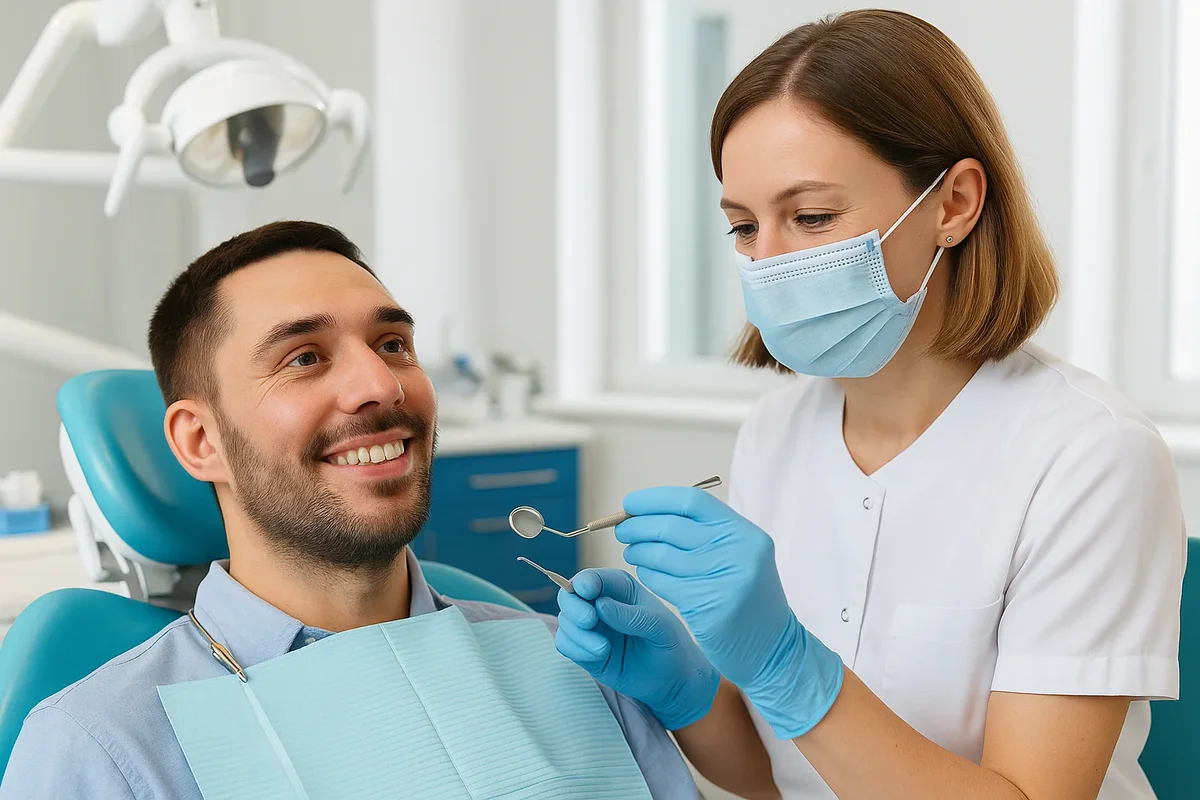
The Future of Dentistry: Innovations Shaping the Dentist Patient Experience
The world of dentistry is entering a transformative era defined by innovation, precision, and personalization. Emerging technologies like artificial intelligence (AI), robotics, 3D printing, genetic research, and virtual reality are not only improving treatments but also redefining the entire dentist patient experience. From diagnosis to preventive care, these advancements promise faster, safer, and more comfortable outcomes. The future of dental care is not just about fixing teeth—it’s about creating intelligent systems that anticipate problems before they arise 🦷.
Artificial Intelligence in Predictive Dental Care
AI has already begun revolutionizing medical diagnostics, and dentistry is no exception. Machine learning models can now analyze digital X-rays, CT scans, and patient histories to detect early signs of decay, bone loss, or oral cancer long before symptoms appear. This predictive capability empowers the dentist patient relationship by shifting focus from reaction to prevention.
Early Diagnosis and Risk Prediction
AI-powered software can evaluate thousands of radiographs in seconds, identifying patterns invisible to the human eye. For example, algorithms can predict gum disease progression or spot micro-fractures before they become painful problems. A proactive dentist patient approach reduces future treatment costs and discomfort. By catching issues early, patients can maintain oral health with minimal intervention.
Virtual Consultations and AI Chat Assistants
AI chatbots and diagnostic assistants help patients schedule appointments, describe symptoms, and receive initial advice before seeing a dentist. These tools make care more accessible, particularly for remote or anxious patients. Clinics integrating AI communication channels offer a seamless experience, allowing the dentist patient to stay informed and supported at all times 💬.
3D Printing and Digital Dentistry
3D printing is revolutionizing restorative and cosmetic dentistry. It allows for the rapid creation of crowns, bridges, aligners, and surgical guides with unmatched accuracy. In the past, patients waited weeks for dental restorations; now, digital design and printing can complete the process in a single visit.
Precision and Speed Combined
CAD/CAM and 3D printing technologies ensure perfect fit and durability. The dentist patient benefits from faster turnaround times, fewer adjustments, and higher comfort. Custom prosthetics are now modeled to each individual’s anatomy, minimizing discomfort and maximizing aesthetics. Whether it’s a dental implant or a transparent aligner, precision and personalization define the modern era of dental care ⚙️.
Biocompatible and Sustainable Materials
Advances in dental materials are equally groundbreaking. 3D printing now utilizes eco-friendly, biocompatible resins that are safe, strong, and sustainable. This reduces environmental impact while providing durable results. As patients become more conscious of sustainability, the dentist patient partnership evolves to embrace eco-responsibility as part of oral health.
Robotics and Automation in Dental Procedures
Robotics are enhancing precision in complex dental surgeries. Automated arms, guided by digital imaging, can assist in implant placements, root canal preparations, and orthodontic adjustments. These systems minimize human error and ensure repeatable, high-accuracy results. The result is a smoother, faster, and safer experience for the dentist patient.
Robot-Assisted Implant Surgery
Using digital scans and 3D mapping, robotic tools can place dental implants with submillimeter precision. This significantly reduces recovery time and discomfort. For patients with complex bone structures or multiple missing teeth, robotic assistance improves outcomes dramatically. Such precision gives the dentist patient more confidence in both the process and long-term success of the procedure 🤖.
Automation in Diagnostics and Record-Keeping
Automated data systems streamline administrative and diagnostic tasks. They store patient records, analyze treatment progress, and even send personalized reminders for checkups. This automation not only enhances efficiency but strengthens the dentist patient connection by ensuring continuous engagement and follow-up.
Virtual Reality and Augmented Reality in Dentistry
Virtual reality (VR) and augmented reality (AR) are emerging as powerful tools for both patient education and anxiety reduction. Many patients fear dental visits due to past experiences or sensory sensitivity. VR headsets offering immersive relaxation environments—such as beaches, forests, or calming music—can dramatically ease tension.
Patient Comfort and Distraction Therapy
VR-based distraction therapy allows patients to escape into virtual worlds during procedures. This reduces anxiety and pain perception, turning dental appointments into more positive experiences. For the dentist patient relationship, it means higher satisfaction, better cooperation, and reduced need for sedation 🎧.
Augmented Reality in Training and Treatment Planning
Dentists use AR to overlay real-time visuals on patients’ mouths during procedures, allowing for better precision and visualization. Dental students also use AR simulations to practice complex techniques before performing them on real patients. This new generation of AR-trained professionals provides a more confident and capable experience for every dentist patient.
Genetic and Personalized Dentistry
The future of dentistry is deeply intertwined with genetics and biomolecular science. Personalized dental care will soon involve genetic screenings that predict individual susceptibility to conditions like periodontitis, enamel defects, or oral cancer. These insights allow dentists to design preventive programs tailored to each patient’s DNA profile.
Saliva-Based Genetic Testing
Non-invasive saliva tests can reveal valuable data about bacterial composition, immune responses, and genetic risk factors. A proactive dentist patient relationship leverages this data to create custom treatment plans—targeting problems before they develop. Personalized prevention will become the gold standard in future dental care 🧬.
Tele-Dentistry and Remote Monitoring
Tele-dentistry extends access to professional care beyond the physical clinic. Using smartphone cameras and smart sensors, patients can now send images, track healing progress, and receive follow-up consultations remotely. This innovation is especially valuable for rural communities or those with mobility challenges. For the modern dentist patient, convenience and connectivity redefine accessibility.
Cloud-based dental records and secure video consultations ensure data integrity while allowing for fast professional feedback. Combined with wearable oral sensors—capable of monitoring saliva pH, bacterial load, and temperature—dentistry is evolving into a continuous, data-driven process that puts the patient in control 📱.
The Ethical and Human Side of Innovation
While technology brings efficiency, the human touch remains irreplaceable. A great dentist patient relationship still relies on empathy, understanding, and personal connection. Innovations must enhance—not replace—this bond. Dentists who combine digital excellence with emotional intelligence create care experiences that are both futuristic and deeply human 💖.
Global Collaboration and Continuous Education
The dental industry’s global collaboration ensures that innovations are shared quickly across borders. Institutions like the American Dental Association and international research centers regularly publish findings that shape modern practices. Clinics such as Redent Klinik Contact Page integrate these innovations into daily care, ensuring that every patient benefits from cutting-edge solutions and personalized attention.
Conclusion: The Next Chapter in Oral Healthcare
The future of dentistry is a harmonious blend of technology and compassion. Artificial intelligence, robotics, genetics, and tele-dentistry are converging to create a smarter, safer, and more inclusive system. The empowered dentist patient of tomorrow will experience seamless care, personalized prevention, and unmatched comfort. As innovation continues to accelerate, one thing remains constant: the goal of every dental professional—to build trust, preserve health, and create smiles that last a lifetime 🌟.