
Dentist pediatric dentistry is a specialized branch of dental care that focuses on the oral health of children from infancy through their teenage years. This field combines expert dental treatment with a gentle, understanding approach that helps young patients build trust and positive habits for life. Whether it’s your child’s first tooth, their first visit to the dentist, or preventive care as they grow, pediatric dentistry ensures every stage of dental development is healthy and worry-free. 🦷✨
Parents often wonder why dentist pediatric dentistry is important when baby teeth eventually fall out. The answer lies in the crucial role those primary teeth play in guiding permanent teeth into their correct positions. Cavities, infections, or premature tooth loss can disrupt this process and cause speech, nutrition, and alignment issues later on. A pediatric dentist is specially trained to identify these risks early and take preventive action before they become serious problems.
At its core, pediatric dentistry is about much more than fixing cavities — it’s about building a foundation of trust and education. A dentist for children uses kid-friendly techniques, colors, and explanations to make every visit a positive experience. This helps reduce fear and anxiety, encouraging lifelong comfort in the dental chair. Many parents have noticed that children who start seeing a pediatric dentist early are far less likely to develop dental phobia as adults. 🧸
One of the biggest benefits of early visits to a dentist pediatric dentistry clinic is preventive care. Regular cleanings, fluoride treatments, and sealants protect young teeth against cavities — one of the most common chronic diseases in childhood, according to the American Dental Association. Pediatric dentists also guide parents on proper brushing techniques, diet recommendations, and the best ways to avoid sugar-related tooth decay. For example, replacing sugary juices with water and encouraging children to rinse their mouths after meals can make a significant difference in oral health.
In addition to prevention, pediatric dentistry addresses the emotional and behavioral aspects of a child’s dental experience. Pediatric dentists are trained in child psychology, which helps them handle difficult or anxious patients with empathy and patience. They may use techniques like “tell-show-do,” where they explain what will happen, demonstrate with harmless tools, and then perform the procedure gently. This approach builds familiarity and reduces fear. 🌈
Moreover, dentist pediatric dentistry practices are often designed with children in mind — from colorful walls and cartoon themes to waiting areas filled with books and toys. These small details play a big role in making children feel comfortable and safe. Many clinics even offer reward systems or certificates for good behavior, turning a routine dental visit into something kids can look forward to rather than dread.
Another major focus in pediatric dentistry is education — not only for children but for parents as well. Parents learn how to spot early signs of dental problems such as white spots (which may indicate early decay), teeth grinding, thumb sucking, or issues related to bottle feeding and pacifier use. By addressing these habits early, a dentist specializing in pediatric dentistry can prevent long-term complications and promote healthy growth of teeth and jaw structures.
For children with special healthcare needs, pediatric dentists offer tailored care plans. They work closely with medical professionals to ensure every child receives safe, compassionate, and comprehensive treatment. This includes using sedation dentistry when necessary to provide a pain-free and calm experience during longer or more complex procedures. Parents can always discuss their child’s unique needs and concerns in advance through consultations such as those offered by the Redent Klinik Contact Page.
As your child grows, the dentist pediatric dentistry approach evolves. From toddlerhood to teenage years, the focus shifts from preventive care to orthodontic evaluations and guidance on wisdom teeth or sports mouthguards. Regular checkups every six months help ensure that the development of adult teeth and jaw alignment proceeds smoothly, preventing future orthodontic or bite problems.
In conclusion, choosing a qualified dentist pediatric dentistry professional is one of the best decisions you can make for your child’s long-term oral and overall health. Early and consistent care builds habits that last a lifetime, ensuring not only a beautiful smile but also a confident one. 😁 By fostering a positive relationship with their dentist, children learn to value oral hygiene and carry those lessons well into adulthood. Investing in pediatric dental care today means fewer problems, lower costs, and a lifetime of healthy smiles tomorrow.
What Is Pediatric Dentistry and Why It Matters 👶🦷
Dentist pediatric dentistry is a specialized branch of dental medicine dedicated to the comprehensive oral care of infants, children, and adolescents. It goes far beyond simple checkups or cavity fillings—it encompasses preventive care, education, psychological comfort, and long-term development of healthy oral habits. The main mission of pediatric dentistry is to ensure every child grows up with a strong, confident smile and a healthy relationship with dental care. 🪥
The Core Definition of Pediatric Dentistry
Pediatric dentistry focuses exclusively on the dental needs of children from birth through adolescence. A dentist pediatric dentistry specialist receives additional years of training beyond general dentistry, focusing on child development, psychology, and managing dental growth. This enables them to handle everything from the eruption of a baby’s first tooth to the appearance of permanent molars and alignment issues in teenage years.
The difference between a general dentist and a pediatric dentist lies in their understanding of young patients’ unique needs. Children are not just “small adults.” Their teeth, jaws, and oral structures are developing rapidly, and their behavior and communication require special techniques to ensure cooperation and comfort. A dentist pediatric dentistry practice is, therefore, designed to cater to both the physiological and emotional well-being of every child.
Why Pediatric Dentistry Is Crucial for Children’s Health
Parents often underestimate the importance of early dental care because they believe baby teeth will eventually fall out. However, these primary teeth are critical for speech development, nutrition, and guiding permanent teeth into proper alignment. When neglected, issues like early childhood caries, infections, or tooth loss can lead to complications that persist well into adulthood.
According to research shared by the American Dental Association, dental decay is one of the most common chronic conditions in children—more prevalent than asthma. Regular visits to a dentist pediatric dentistry clinic ensure early detection and management of potential problems before they escalate. These visits also provide valuable education for parents about brushing techniques, fluoride use, and diet choices that impact oral health.
Emotional and Psychological Benefits of Pediatric Dentistry
Another critical reason why dentist pediatric dentistry matters is the psychological impact. Many adults suffer from dental anxiety due to negative childhood experiences. Pediatric dentists use positive reinforcement, playful communication, and gentle behavior management techniques to create a warm, safe environment. Clinics often have bright colors, cartoons, and toys designed to help children feel relaxed and engaged. 🌈
When a child associates the dentist with care and comfort rather than fear, it fosters lifelong cooperation with oral hygiene. This is one of the most overlooked yet essential benefits of pediatric dentistry—it builds lasting trust. Children who grow up visiting a pediatric dentist are more likely to maintain regular checkups and value oral health throughout adulthood.
Preventive Care: The Foundation of Pediatric Dentistry
The primary focus of dentist pediatric dentistry is prevention. Routine cleanings, fluoride treatments, and sealants are key procedures that protect young teeth from decay. Preventive visits every six months help monitor growth, detect misalignment, and assess bite function. Early intervention ensures that dental development stays on track, minimizing the need for costly orthodontic or restorative procedures later.
Parental Guidance and Education
Parents play a crucial role in supporting pediatric dental care. A pediatric dentist provides hands-on education to help parents understand the importance of brushing twice a day, choosing the right toothpaste, and limiting sugary snacks. For instance, many cavities develop not because of poor brushing, but because of constant exposure to sugary drinks throughout the day. Replacing juice with water and ensuring brushing after snacks can drastically reduce decay risk.
Special Care for Different Age Stages
The needs of infants, toddlers, and teenagers differ significantly. For babies, pediatric dentistry focuses on early oral hygiene and habits such as avoiding prolonged bottle feeding. For school-aged children, dentists emphasize proper brushing techniques and the importance of dental sealants. Teenagers may need guidance on orthodontics, sports mouthguards, and nutrition. A dentist pediatric dentistry professional adapts treatment plans according to these changing needs, ensuring every child receives personalized care at each stage of growth.
Advanced Tools and Modern Approaches
Today’s dentist pediatric dentistry clinics use state-of-the-art technology such as digital X-rays, laser cavity detection, and sedation options designed specifically for kids. These innovations make treatments faster, more accurate, and pain-free. In some cases, laser dentistry can even eliminate the need for drilling, which greatly reduces anxiety and discomfort. 💡
Additionally, many pediatric dentists adopt minimally invasive methods such as silver diamine fluoride applications to halt early-stage cavities without drilling. This approach not only saves time but also prevents trauma in nervous or very young patients. Combining science with compassion is what defines modern pediatric dentistry.
Community and Long-Term Impact
Beyond the clinic, dentist pediatric dentistry professionals play a vital role in public health education. They visit schools, organize awareness campaigns, and work with communities to spread knowledge about oral hygiene. Their efforts directly reduce rates of childhood caries and improve health outcomes across populations. These preventive programs also highlight the importance of early checkups — ideally beginning when the first tooth erupts or no later than the child’s first birthday.
In summary, dentist pediatric dentistry is more than a service — it’s a lifelong investment in your child’s health, confidence, and happiness. It combines clinical excellence with emotional support, ensuring that every child grows up smiling without fear. For expert consultation and gentle care, parents can always reach out through the Redent Klinik Contact Page to schedule a visit with a qualified pediatric specialist. 🌟
From the first tooth to the teenage years, pediatric dentistry ensures a healthy start and a bright future—because every beautiful adult smile begins with proper childhood dental care. 🦷💖
The Role of a Dentist in Pediatric Dentistry: Building Trust with Kids
The role of a dentist pediatric dentistry professional goes far beyond treating cavities or cleaning teeth. It is about nurturing trust, creating positive experiences, and guiding children toward lifelong oral health. A pediatric dentist is both a medical specialist and a behavioral coach who understands the psychology, emotions, and developmental stages of children. This unique blend of skill and empathy helps turn what could be a fearful appointment into a fun and educational experience. 🦷💙
Understanding the Pediatric Dentist’s Responsibilities
A dentist pediatric dentistry specialist’s primary mission is preventive care — keeping children’s teeth and gums healthy from infancy through adolescence. They monitor the growth and development of the jaws, ensure proper eruption of teeth, and intervene early if there are alignment, decay, or oral hygiene issues. Beyond the medical role, they act as educators, teaching children and parents how to maintain daily habits that lead to strong and cavity-free smiles.
Children often require different communication styles than adults. Pediatric dentists use a calm tone, gentle explanations, and sometimes storytelling to reduce fear. This approach is supported by child psychology principles that help the dentist gain the young patient’s trust. A typical dentist pediatric dentistry visit includes explanations using models or mirrors to show children what will happen, making the environment predictable and less intimidating.
Building a Foundation of Trust and Comfort
Trust is the cornerstone of pediatric dental care. Children who fear dental visits are less likely to cooperate, which can lead to skipped appointments and worsening dental issues. A pediatric dentist builds this trust through consistent kindness, transparency, and encouragement. They avoid words like “pain,” “needle,” or “drill,” replacing them with child-friendly terms such as “magic air,” “sleepy juice,” or “tooth tickler.” 🌈
Studies show that children who have positive early dental experiences tend to continue regular visits throughout adulthood, significantly lowering their risk of oral diseases. For this reason, a dentist pediatric dentistry practice focuses heavily on environment and communication. From playful décor and cheerful staff to engaging explanations, everything is designed to make children feel safe and valued.
Creating a Child-Friendly Environment
The physical setting of a pediatric dentist’s office plays a major role in reducing anxiety. Bright colors, cartoon themes, and play areas help distract young minds from fear. Many clinics feature ceiling TVs, music, or reward systems that make dental visits enjoyable. These subtle design choices send a clear message — the dental office is a friendly place, not a scary one. 🎈
In addition, dentist pediatric dentistry professionals often wear colorful scrubs or character-themed masks to make interactions more relatable. This visual friendliness fosters connection and helps children open up during their appointment. The more comfortable the child feels, the smoother the treatment process becomes.
Communication Techniques for Pediatric Patients
Effective communication is at the heart of pediatric dentistry. The dentist pediatric dentistry approach is centered around the “Tell-Show-Do” method. This method helps children understand what will happen without overwhelming them:
- Tell: The dentist explains the procedure in simple, friendly terms.
- Show: The dentist demonstrates with instruments or models, helping the child visualize.
- Do: The dentist performs the procedure gently, maintaining reassurance and praise throughout.
This gradual process builds confidence and reduces fear. Many pediatric dentists also use positive reinforcement, such as giving stickers or small rewards after a visit. Over time, this creates a cycle of trust and positive association with dental care. 🌟
Parent Involvement and Emotional Support
Parents play a critical role in shaping their child’s perception of dental visits. A dentist pediatric dentistry expert often encourages parents to use positive language about the dentist at home. Instead of warning their children about pain or behavior, parents are advised to frame the visit as an exciting and helpful experience.
Furthermore, parents are sometimes invited to stay with the child during the appointment, especially during the first few visits. This presence can provide emotional security, helping the child relax and cooperate. In some cases, however, pediatric dentists may suggest that parents stay in the waiting area if their presence increases anxiety. The goal is always to prioritize the child’s comfort and confidence.
The Importance of Behavior Management
One of the defining skills of a dentist pediatric dentistry practitioner is behavior management. Children with different temperaments — shy, fearful, hyperactive, or defiant — require tailored strategies. Dentists use calm verbal guidance, distraction, and desensitization techniques to help each child adjust to treatment. For children with severe anxiety or special healthcare needs, sedation dentistry can be safely used to make procedures stress-free and painless.
Modern pediatric dentistry also integrates advanced pain control methods such as numbing gels and computer-assisted anesthesia systems that minimize discomfort. By combining technology with empathy, the dentist pediatric dentistry approach ensures every visit is smooth and fear-free.
Long-Term Trust and Relationship Building
Consistency is key in pediatric dental care. When children visit the same dentist regularly, they form a trusting bond that carries into adolescence. This relationship helps the dentist monitor long-term oral development and detect early signs of orthodontic issues, gum diseases, or dietary effects. Parents can easily consult professionals through online platforms like the Redent Klinik Contact Page for follow-ups or personalized guidance.
From First Tooth to Teenage Years: Lifelong Guidance
The role of the dentist pediatric dentistry specialist evolves as the child grows. In the early years, the focus is on education and prevention. As children mature, the dentist provides guidance on braces, oral hygiene during orthodontic treatment, and managing wisdom teeth eruption. Each stage of care reinforces the importance of oral hygiene as an integral part of overall health. 🧠
In conclusion, a dentist pediatric dentistry professional is not just a doctor — they are a mentor, a teacher, and a friend to every child who steps into their clinic. Through empathy, patience, and expertise, they lay the groundwork for a lifetime of good dental habits and confident smiles. Their mission is clear: make every child’s first dental experience a happy memory that leads to a healthier, brighter future. 🌟🦷
When Should Your Child Visit the Dentist for the First Time?
One of the most common questions parents ask about dentist pediatric dentistry is: “When should my child first see a dentist?” The answer is sooner than most people think. According to the American Dental Association and pediatric dental experts worldwide, a child should have their first dental visit by their first birthday or within six months of the eruption of their first tooth. 🦷 This early introduction sets the stage for a lifetime of healthy oral habits and helps prevent future dental problems before they start.
The Ideal Age for the First Dental Visit
Many parents delay the first dental visit until their child starts school, but this is often too late to prevent early cavities. The best practice in dentist pediatric dentistry is to begin visits when the first tooth appears, typically around six months of age. This allows the dentist to evaluate tooth growth, check for developmental issues, and educate parents on the proper way to clean emerging teeth. Early visits also familiarize the child with the dental environment, making future appointments less stressful. 🌟
During the first visit, the pediatric dentist performs a gentle examination while the parent holds the child. The goal isn’t just to check for problems, but to create a positive first impression. Children who experience a calm, friendly first appointment often develop a lifelong comfort with dental care — a core objective of every dentist pediatric dentistry specialist.
Why Early Visits Are Essential
The importance of early dental visits cannot be overstated. Baby teeth, although temporary, play a vital role in speech development, nutrition, and guiding the eruption of permanent teeth. If neglected, early childhood caries (also known as baby bottle tooth decay) can lead to pain, infections, and difficulty eating or speaking. Regular visits to a dentist pediatric dentistry professional can prevent these problems and help parents learn preventive strategies, such as limiting sugary drinks and cleaning gums with a soft cloth even before teeth appear.
Preventing Early Childhood Caries
One of the primary goals of pediatric dentistry is to prevent decay from starting in the first place. Cavities in baby teeth can progress quickly because the enamel is thinner than in adult teeth. The dentist pediatric dentistry approach focuses on education and prevention, including proper bottle-feeding habits, fluoride recommendations, and early cavity detection. For example, pediatric dentists often teach parents to avoid letting babies sleep with milk bottles and to clean their gums after feedings. 🍶
What Happens During the First Visit?
A child’s first appointment is often called a “happy visit” because it’s designed to be stress-free and educational. A dentist pediatric dentistry expert will first review the child’s medical history and ask parents about teething, thumb-sucking, pacifier use, and dietary habits. Then, they perform a gentle examination of the mouth, tongue, and gums. In most cases, no X-rays or invasive procedures are done unless there are visible issues or concerns.
The pediatric dentist may also demonstrate how to clean baby teeth and gums properly, using a soft brush or gauze. Parents receive practical advice on oral hygiene, including how to make brushing fun through songs, colorful toothbrushes, or interactive games. By the end of the visit, both the child and parent leave feeling informed, confident, and motivated to maintain oral health at home.
Introducing the Dental Office Environment
Another purpose of the early visit is to help children get used to the dental setting. Dentist pediatric dentistry clinics are typically bright, colorful, and filled with kid-friendly decor. Staff are trained to interact warmly, using gentle tones and encouragement. Some clinics even allow toddlers to explore the dental chair or hold a mirror to see their teeth. These positive interactions reduce fear and build trust — essential components of pediatric dental care. 🎈
Setting a Regular Schedule for Visits
After the first appointment, children should visit the pediatric dentist every six months. These regular checkups allow the dentist to monitor tooth growth, check for cavities, and reinforce good oral habits. In dentist pediatric dentistry, preventive care is the most effective way to maintain healthy teeth and gums. Regular cleanings, fluoride treatments, and dietary guidance all contribute to preventing decay before it starts.
Parents often notice that children who begin dental visits early rarely experience severe dental issues later on. Consistent care also ensures that any small problems are detected and treated promptly, saving time, discomfort, and cost. It’s a proactive approach — one that strengthens the bond between dentist, parent, and child while ensuring a healthy smile for life. 😁
Parental Role and Preparation Tips
Before the first dental appointment, parents can prepare their child by reading storybooks about visiting the dentist or playing pretend dental games at home. These activities help make the visit seem fun and familiar. During the appointment, parents should remain calm and positive; children easily sense anxiety. The dentist pediatric dentistry professional may invite parents to participate in the exam, holding the child’s hand or comforting them during the process.
Parents are also advised to schedule appointments during the child’s happiest time of day — usually in the morning after rest or breakfast. Avoid scheduling during nap times or when the child is hungry or tired. The more comfortable and calm the child feels, the smoother the experience will be.
Long-Term Benefits of Early Visits
Starting dental care early provides benefits that last a lifetime. Children who visit a dentist pediatric dentistry clinic early develop better brushing habits, eat healthier foods, and become more aware of oral hygiene. Early monitoring also helps detect developmental anomalies such as crossbites or tongue ties, allowing for early interventions that save time and money in the future. Parents also benefit from professional guidance on teething discomfort, oral injuries, and the right timing for orthodontic evaluations.
Furthermore, an early relationship with a trusted dental clinic ensures that parents always have a reliable point of contact in case of dental emergencies. Families can easily reach professional support through channels like the Redent Klinik Contact Page for quick assistance or scheduling.
In summary, the best time to introduce your child to dentist pediatric dentistry is the moment their first tooth appears — not when a problem arises. Early visits build comfort, establish trust, and prevent decay, forming the foundation for a lifetime of strong and healthy smiles. With each visit, children learn that dental care isn’t something to fear but something to celebrate. 🌟🪥
Common Dental Problems in Children and How to Prevent Them
Even with regular brushing and healthy habits, many children experience dental issues as their teeth grow and develop. Understanding these problems is a major focus in dentist pediatric dentistry, which aims to identify, treat, and prevent oral diseases before they escalate. From cavities and gum infections to misalignment and enamel defects, pediatric dentists work with parents to ensure every child’s smile remains bright and healthy. 🦷✨
1. Tooth Decay (Cavities) in Children
The most prevalent issue in dentist pediatric dentistry is tooth decay, also known as dental caries. Cavities occur when bacteria in the mouth feed on sugar and produce acids that damage the tooth enamel. Children are especially prone to cavities because they often consume sweets, fruit juices, and sticky snacks while still developing proper brushing skills.
Tooth decay can start as white spots on the enamel, progressing to dark holes or even pain and infection if left untreated. Pediatric dentists use a range of preventive measures like fluoride treatments and dental sealants to strengthen enamel and prevent bacterial damage. 🪥
How to Prevent Tooth Decay
- Encourage children to brush twice a day with fluoride toothpaste.
- Limit sugary foods and drinks; replace juices with water or milk.
- Schedule regular visits to a dentist pediatric dentistry clinic every six months for cleaning and examination.
- Consider fluoride varnish or sealant applications for additional protection.
According to the American Dental Association, sealants reduce cavity risk by up to 80% on molars — the most common place for decay in kids. Early detection and treatment remain the best defense against cavities.
2. Gum Disease (Gingivitis) in Children
While many associate gum disease with adults, gingivitis can affect children too. Poor oral hygiene allows plaque to build up at the gum line, leading to redness, swelling, and bleeding. If not addressed, it may develop into more serious forms of gum disease in the future. A dentist pediatric dentistry expert can identify the early signs and provide proper cleaning, along with guidance for improved brushing and flossing techniques.
Prevention Tips for Gum Health
Teaching kids to brush gently along the gum line and floss daily helps prevent gingivitis. Balanced nutrition with vitamin C and calcium also supports gum strength. Regular professional cleanings at a pediatric dentist’s office can remove plaque and tartar that home care may miss. Parents should monitor for warning signs like bad breath or bleeding gums, which indicate the need for immediate attention. 🌿
3. Tooth Eruption Problems
Another common challenge in dentist pediatric dentistry is improper tooth eruption — when teeth grow in the wrong position, are delayed, or overlap. These issues can cause misalignment, discomfort, and even speech difficulties. Pediatric dentists monitor tooth eruption patterns from infancy to adolescence using X-rays and visual exams to ensure proper development.
Managing Eruption Issues
If a tooth doesn’t erupt on time or grows in the wrong direction, the pediatric dentist may recommend gentle orthodontic evaluation. Early detection allows for corrective measures like space maintainers or minor orthodontic guidance, which are far less invasive than treatments later in life. Parents are encouraged to maintain consistent visits to a dentist pediatric dentistry clinic to track dental growth milestones. 📈
4. Thumb Sucking and Pacifier Habits
Thumb sucking and prolonged pacifier use can affect jaw and tooth alignment. These habits are normal in infancy but can become problematic after age three. Continuous pressure from sucking may cause open bites or protruding front teeth. In dentist pediatric dentistry, specialists help parents manage these habits with gentle behavioral techniques and, when necessary, habit-breaking devices.
Stopping the Habit Safely
Positive reinforcement is the most effective approach. Avoid punishing or shaming the child; instead, reward progress. If the habit persists, consult a pediatric dentist for guidance. In some cases, dentists may use custom mouth appliances that discourage sucking without causing discomfort. Patience and support are key to success. 💛
5. Tooth Injuries and Accidents
Children are naturally active, and dental injuries from falls, sports, or play are common. A chipped, cracked, or knocked-out tooth requires immediate attention from a dentist pediatric dentistry professional. Quick action can often save or repair the tooth, preventing long-term complications. It’s essential to keep the damaged tooth moist — ideally in milk or saline — while heading to the dentist.
Preventing Dental Injuries
- Use mouthguards during sports activities.
- Childproof home environments to avoid falls.
- Teach children to avoid chewing hard objects like ice or pens.
Modern pediatric dentists also use composite fillings and bonding materials that blend perfectly with natural teeth, restoring aesthetics and function after minor injuries. 🏅
6. Malocclusion (Misaligned Bite)
Malocclusion, or an improper bite, can lead to chewing difficulties, speech problems, and jaw discomfort. This condition often results from genetics, prolonged thumb sucking, or early loss of baby teeth. A dentist pediatric dentistry specialist evaluates bite alignment during routine checkups and may recommend early orthodontic assessments to correct the issue.
Early Orthodontic Guidance
Children between ages 6–8 can benefit from early orthodontic evaluations. By guiding the growth of the jaw and spacing of teeth, pediatric dentists help prevent more serious misalignments later. Early treatment is generally less invasive and more affordable than full braces in adolescence. Regular visits to your trusted dentist pediatric dentistry clinic ensure timely intervention and continuous monitoring. 🧩
7. Enamel Hypoplasia and Sensitivity
Enamel hypoplasia — a condition where tooth enamel is thin or weak — can make teeth more prone to decay and sensitivity. Causes include nutritional deficiencies, illness during pregnancy, or early childhood fevers. A pediatric dentist uses fluoride varnish, remineralizing agents, and specialized toothpaste to strengthen enamel and reduce sensitivity.
Parents should ensure a calcium-rich diet and good oral hygiene habits at home. Avoiding acidic drinks like soda is crucial for protecting enamel integrity. Regular professional monitoring at a dentist pediatric dentistry office ensures early detection and treatment of enamel defects.
Building a Lifetime of Prevention
Prevention is the foundation of pediatric dental health. Regular visits every six months, combined with a healthy diet and proper brushing habits, can prevent most common dental problems. Parents are encouraged to stay proactive, educating their children about the importance of oral care from an early age. For professional guidance, families can easily schedule appointments via the Redent Klinik Contact Page to discuss their child’s needs.
In summary, dentist pediatric dentistry not only treats oral diseases but also empowers families with the knowledge to prevent them. By teaching children good habits early and addressing small issues promptly, parents can ensure that their kids enjoy strong, healthy smiles throughout their lives. 🌟🦷
Pediatric Dental Treatments: From Cleanings to Fillings
The world of dentist pediatric dentistry offers a wide variety of treatments designed specifically for children’s oral health needs. These treatments not only address existing problems but also focus on preventing future ones. From routine cleanings to advanced restorative procedures, pediatric dental care ensures that children receive gentle, effective, and age-appropriate treatment for every stage of development. 🦷💫
Comprehensive Pediatric Dental Services
Modern dentist pediatric dentistry clinics provide a complete range of treatments tailored to children’s growing smiles. The most common include preventive cleanings, fluoride applications, sealants, cavity fillings, and orthodontic assessments. Pediatric dentists use smaller tools, gentler techniques, and child-friendly communication to make each procedure comfortable. Their approach prioritizes trust, safety, and education, ensuring that children view dental visits as positive experiences rather than something to fear.
1. Routine Dental Cleanings and Exams
Regular cleanings form the foundation of pediatric dentistry. These professional sessions remove plaque and tartar buildup that daily brushing cannot reach. During the cleaning, the dentist polishes the teeth and checks for early signs of decay or gum irritation. Routine checkups every six months allow a dentist pediatric dentistry specialist to monitor the child’s growth, jaw development, and overall oral hygiene progress. 🌟
Cleanings are usually quick, painless, and often followed by a fluoride treatment to strengthen the enamel. The dentist also takes time to educate children on proper brushing and flossing techniques. Interactive demonstrations, mirrors, and rewards help reinforce healthy habits at home.
2. Fluoride Treatments for Stronger Enamel
Fluoride is one of the most powerful tools in dentist pediatric dentistry for cavity prevention. This natural mineral strengthens enamel, making it more resistant to acid attacks from bacteria and sugar. Pediatric dentists typically apply fluoride as a varnish, foam, or gel after cleaning sessions. It takes only a few minutes, and its effects last for months.
Parents are often advised to use fluoride toothpaste at home but under careful supervision to ensure children don’t swallow excess toothpaste. For communities with low fluoride in water, the pediatric dentist may recommend supplemental fluoride treatments for maximum protection. 🪥
3. Dental Sealants: Shielding Teeth from Cavities
Dental sealants are another essential preventive measure in dentist pediatric dentistry. They consist of a thin, protective coating applied to the chewing surfaces of back teeth (molars and premolars), where cavities are most likely to form. The process is quick, painless, and highly effective — studies show that sealants can reduce cavity risk by up to 80%.
The pediatric dentist first cleans and dries the teeth, applies a bonding solution, and then paints the sealant onto the grooves. Once cured under a light, the sealant forms an invisible barrier against bacteria and food particles. This treatment is particularly beneficial for children aged 6 to 14, the period when permanent molars erupt. 🧒
4. Cavity Fillings and Restorative Treatments
Despite best efforts, cavities sometimes occur — and that’s where dentist pediatric dentistry restorative care comes in. Pediatric dentists use tooth-colored (composite) fillings that blend seamlessly with natural teeth, restoring both function and appearance. The procedure is minimally invasive and performed under gentle local anesthesia to ensure comfort.
For larger cavities or damaged teeth, stainless steel or zirconia crowns may be recommended. These crowns protect baby teeth until they naturally fall out, maintaining proper spacing for permanent teeth. Restorative procedures also include pulpotomy (a child-friendly version of root canal therapy) for saving infected baby teeth and preventing premature extraction. 🌈
Comfort and Anxiety Management
To make restorative treatments stress-free, dentist pediatric dentistry professionals use behavior guidance techniques and, when necessary, sedation dentistry. Options like nitrous oxide (“laughing gas”) help children stay calm without deep sedation. The dentist explains each step gently to reduce anxiety, ensuring the child feels safe and in control. Compassionate care builds confidence and trust, encouraging kids to continue attending dental checkups without fear.
5. Orthodontic Assessments and Early Interventions
Orthodontic evaluation is another integral part of pediatric dentistry. Pediatric dentists monitor jaw growth, tooth spacing, and bite alignment as part of regular checkups. If irregularities are detected early, they may recommend interceptive orthodontic treatment. This can include space maintainers, minor adjustments, or early braces to correct issues before they worsen.
Detecting problems such as crowding, crossbites, or open bites early reduces the need for complex orthodontics later in adolescence. A dentist pediatric dentistry approach ensures that treatment is comfortable, timely, and cost-effective. 🧩
Space Maintainers and Growth Monitoring
When a baby tooth is lost prematurely, neighboring teeth can drift into the gap, leading to misalignment. To prevent this, pediatric dentists use space maintainers — small, custom-made devices that preserve proper spacing for incoming permanent teeth. This preventive intervention helps guide natural alignment and avoid the need for extensive orthodontic correction in the future.
6. Emergency Pediatric Dental Care
Accidents happen — chipped, fractured, or knocked-out teeth are common during childhood. Quick and professional action is crucial. A dentist pediatric dentistry team is trained to handle dental emergencies swiftly and safely. They can reattach broken pieces, manage bleeding, and relieve pain while protecting the developing teeth and gums.
Parents are encouraged to act quickly by contacting their local pediatric clinic or reaching out through the Redent Klinik Contact Page for emergency appointments. Until the dentist is reached, keeping a knocked-out tooth moist (preferably in milk) greatly improves the chance of successful reattachment.
7. Specialized Treatments for Special Needs Children
Dentist pediatric dentistry also caters to children with special healthcare needs. These patients may require additional time, adaptive communication, or sedation for certain procedures. Pediatric dentists receive training in special care dentistry to ensure every child — regardless of condition — receives safe, compassionate, and customized treatment.
Specialized services may include modified brushing techniques, nutritional counseling, and individualized treatment plans. The aim is always to provide equal access to quality dental care in an inclusive, supportive environment. ❤️
Integrating Prevention with Treatment
The philosophy behind dentist pediatric dentistry is proactive, not reactive. Every treatment — from cleaning to crown placement — emphasizes prevention, education, and long-term oral health. Parents are key partners in this process. By maintaining home care routines, limiting sugary snacks, and scheduling routine checkups, families ensure that children grow up with strong, healthy smiles.
In conclusion, dentist pediatric dentistry offers a holistic approach to children’s dental health — blending science, care, and compassion. From basic cleanings to advanced restorative care, every treatment is designed to preserve natural teeth, prevent disease, and make dental care an enjoyable part of life. Early and consistent care not only builds healthy smiles but also fosters confidence, discipline, and happiness that last a lifetime. 🪄🦷
How to Prepare Your Child for a Dentist Pediatric Dentistry Visit
Preparing your child for a dentist pediatric dentistry visit is one of the most important steps you can take to ensure lifelong comfort and confidence in dental care. The first dental visit can shape a child’s perception of oral health for years to come — whether it’s filled with fear or excitement depends largely on preparation. With the right approach, you can help your child view the dentist as a friend, not a source of anxiety. 🦷💖
Understanding the Importance of Preparation
Many parents underestimate how much influence they have on their child’s attitude toward dental care. Children naturally look to their parents for emotional cues. If a parent speaks about the dentist with worry or tension, the child will likely mirror that emotion. In contrast, when parents treat a dentist pediatric dentistry visit as something positive and normal, children feel safe and curious rather than afraid.
Preparation isn’t just about logistics — it’s about emotional readiness. By explaining what will happen, answering questions, and setting expectations, you can create a smooth experience that strengthens trust between your child and their pediatric dentist.
1. Choosing the Right Time and Setting
The first step in preparation is scheduling the appointment wisely. In dentist pediatric dentistry, morning appointments are often preferred because children are well-rested and more cooperative. Avoid nap times or meal times to prevent irritability. Always inform the clinic if it’s your child’s first visit so they can take extra care to create a welcoming atmosphere.
Pediatric dental clinics are designed with children in mind — colorful walls, toys, cartoons, and friendly staff. This comforting environment helps reduce stress and makes the visit feel like an adventure rather than a medical appointment. 🌈
Tip:
Take your child on a “preview visit” before the actual appointment if possible. Many pediatric dentists welcome short tours that allow children to see the dental chair, meet the staff, and learn that there’s nothing to fear.
2. Communicating Effectively with Your Child
How you talk about the dentist matters. Avoid using negative or fearful words such as “hurt,” “pain,” or “needle.” Instead, use positive and simple phrases that your child can understand. For instance, say “The dentist will count your teeth,” or “We’re going to make your smile shiny and strong.”
Dentist pediatric dentistry experts often emphasize using the “Tell-Show-Do” technique even at home. You can role-play the process by pretending to be the dentist — count their teeth, “brush” with a toy brush, and show them pictures of smiling dentists and kids. These small actions build familiarity and reduce fear. 🧸
Storybooks and Videos
There are many educational books and animated videos about visiting the dentist. Reading them together helps children visualize what to expect. Popular examples include “The Berenstain Bears Visit the Dentist” and “Peppa Pig’s Dentist Trip.” These stories present dental visits as fun and friendly experiences, which aligns perfectly with the dentist pediatric dentistry approach.
3. Preparing for the Day of the Visit
On the day of the appointment, keep your tone calm and encouraging. Dress your child comfortably and bring a favorite toy, blanket, or stuffed animal for reassurance. A familiar comfort object can make a huge difference in reducing anxiety during the visit.
Before leaving home, remind your child what will happen in a positive way: “We’re going to visit the tooth doctor today, and they’re going to make your teeth sparkle!” This helps set expectations and prevents surprises. Avoid overexplaining procedures, which can lead to unnecessary worry.
Healthy Snacks and Hydration
Feed your child a light meal before the appointment. An empty stomach can make them irritable, but avoid sugary snacks beforehand. Encourage water instead of juice to keep their mouth clean. Good nutrition before the visit also reflects the preventive philosophy of dentist pediatric dentistry — keeping the mouth in optimal condition even before treatment begins.
4. What to Expect During the Visit
At the clinic, the pediatric dentist will greet your child warmly and may take time to chat before starting the examination. This short conversation helps build rapport. The exam itself is usually simple — checking for tooth decay, counting teeth, and demonstrating brushing techniques. In some cases, the dentist may apply a fluoride treatment or clean the teeth gently.
Parents should stay calm and supportive, using smiles and encouragement rather than criticism or threats. Children respond positively to parental praise, so celebrate their bravery during and after the visit. 🎉
How Pediatric Dentists Build Trust
Professionals in dentist pediatric dentistry use distraction, storytelling, and humor to ease tension. Some dentists let children hold a small mirror or gently “help” by turning on a light or holding a toothbrush. These interactions empower the child and transform fear into curiosity. The more engaging and fun the visit, the stronger the bond of trust becomes.
5. Reinforcing Positive Behavior Afterward
After the visit, reinforce good behavior with positive rewards — a sticker, small toy, or special outing. Compliment your child on their bravery and remind them how proud you are. Avoid linking the experience to pain or fear in future discussions. Consistency is key; maintaining a cheerful tone about dental care encourages long-term cooperation and healthy habits.
You can also use follow-up moments at home to continue the conversation. For example, when brushing together, say: “Remember how well you did at the dentist? Let’s keep those teeth shining for next time!” This kind of praise reinforces good oral hygiene behaviors that align with pediatric dentistry goals. 🌟
6. Parental Preparation and Involvement
Parents themselves should prepare mentally. If you have dental anxiety, try not to show it. Children pick up on parental emotions quickly. Learn about what happens during a typical pediatric appointment so you can explain it confidently. If you have specific concerns, communicate them with the dentist in advance.
Most dentist pediatric dentistry clinics welcome parents to sit in during initial visits, though some procedures may be easier if the parent waits nearby. Follow the dentist’s guidance — they’re trained to know when parental presence helps or hinders the child’s comfort.
Consultation and Ongoing Support
For ongoing support or special circumstances — such as children with special needs or high anxiety — consult with the clinic beforehand via the Redent Klinik Contact Page. This allows the staff to tailor the appointment for maximum comfort and effectiveness.
Conclusion: Making Dental Visits a Positive Tradition
With the right preparation, your child’s dentist pediatric dentistry experience can become a fun and empowering part of growing up. By blending positivity, communication, and trust, parents can turn dental care into a lifelong habit rooted in confidence and health. Early preparation doesn’t just make one appointment easier — it builds a foundation for decades of healthy smiles and fearless visits. 🪥💫
Benefits of Early Oral Care for Lifelong Dental Health
One of the most powerful messages in dentist pediatric dentistry is that prevention is always better than cure. Establishing good oral care habits early in life creates a strong foundation for long-term dental and overall health. When children learn how to brush, floss, and visit the dentist regularly from a young age, they are far less likely to suffer from cavities, gum disease, and orthodontic complications later in life. 🦷💪
The Importance of Early Oral Care
Children’s teeth begin forming long before birth, and once the first tooth erupts, bacteria can start accumulating in the mouth. Early visits to a dentist pediatric dentistry clinic are essential for teaching parents how to clean gums, select the right toothbrush, and build healthy routines. These habits protect not only the child’s teeth but also their confidence, speech development, and nutrition. When dental hygiene becomes part of daily life, it transforms into a lifelong value rather than a chore.
Pediatric dentists emphasize that the first few years are critical for establishing habits that prevent decay, align proper jaw development, and maintain healthy gums. Regular checkups also allow early detection of potential problems before they become painful or expensive to fix.
1. Preventing Cavities Before They Start
Cavities remain one of the most common chronic diseases in children, yet they are almost entirely preventable. Through the guidance of dentist pediatric dentistry professionals, parents can learn the right ways to minimize sugar exposure, encourage brushing after snacks, and use fluoride effectively. Early oral care significantly reduces the chances of developing caries, protecting both baby teeth and the alignment of permanent ones.
Simple practices such as brushing twice daily with a pea-sized amount of fluoride toothpaste, rinsing after meals, and limiting sweets create a powerful shield against decay. 🪥 These small efforts save children from painful experiences and help maintain beautiful smiles throughout adolescence and adulthood.
Diet and Nutrition for Healthy Teeth
A balanced diet plays a crucial role in oral health. Foods rich in calcium, vitamin D, and phosphorus strengthen teeth, while excessive sugar and acids weaken enamel. A pediatric dentist can guide parents on choosing smile-friendly foods like yogurt, cheese, nuts, and crunchy vegetables. Hydration with water instead of sugary drinks also keeps the mouth clean and prevents acid buildup. Proper nutrition supports not only oral health but also bone growth and immune strength.
2. Early Detection of Dental and Orthodontic Problems
Regular visits to a dentist pediatric dentistry clinic help catch developmental issues before they worsen. For example, early detection of tooth crowding, bite misalignment, or speech-related issues allows for gentle intervention rather than complex orthodontic treatments later. Pediatric dentists use X-rays and growth assessments to monitor jaw alignment and spacing of teeth, ensuring smooth transition from baby teeth to permanent ones.
Guided Orthodontic Growth
One of the key benefits of early oral care is orthodontic prevention. When dentists identify irregularities early, they can recommend simple corrective steps such as space maintainers, habit-breaking appliances, or growth guidance devices. These measures help align teeth naturally, reducing the need for braces or surgery in teenage years. This proactive approach highlights why pediatric dentistry is considered the cornerstone of long-term oral wellness. 🌟
3. Building Positive Dental Attitudes
Psychological well-being is another overlooked benefit of early care. Children who start visiting the dentist early associate the experience with positivity and trust. They learn that dental care is not something to fear, but a normal part of staying healthy. Dentist pediatric dentistry specialists use friendly language, humor, and games to help kids relax, building comfort and cooperation for future visits.
This emotional comfort lasts a lifetime. Adults who began dental visits early are statistically less likely to develop dental anxiety. They approach oral care confidently, scheduling regular checkups without hesitation. In this sense, early oral care doesn’t just protect teeth — it shapes attitudes toward health as a whole. 🧠
4. Supporting Overall Health and Development
Good oral hygiene is linked to overall health. Poor dental care can lead to infections, inflammation, and even affect nutrition and sleep. For instance, untreated tooth decay can cause pain that disrupts eating or concentration. Early preventive care from a dentist pediatric dentistry expert ensures that the mouth stays healthy, supporting full-body wellness and growth.
Moreover, healthy teeth contribute to proper speech development and self-esteem. When children can smile confidently and speak clearly, they build stronger social skills and feel more secure in school environments. The impact of a healthy mouth goes far beyond aesthetics — it influences emotional and physical well-being.
Parental Involvement and Education
Parents play a vital role in early oral care. Pediatric dentists educate caregivers on how to assist with brushing, recognize warning signs, and model good behavior. The goal is not just treatment but empowerment — giving families the tools and knowledge to maintain oral health independently. Regular communication with professionals through trusted resources such as the Redent Klinik Contact Page ensures that parents have ongoing support for every stage of their child’s dental journey.
5. Long-Term Cost and Health Benefits
Investing in early dental care saves both time and money. Preventive treatments like cleanings, sealants, and fluoride varnishes are far less expensive than restorative or surgical procedures. By catching problems early, dentist pediatric dentistry reduces the likelihood of root canals, extractions, or orthodontic complications later. This financial efficiency makes pediatric dentistry not only a health decision but a smart economic one.
Consistency Over a Lifetime
Children who start seeing a pediatric dentist early tend to maintain regular checkups into adulthood. Consistency ensures that small issues never grow into major health concerns. The continuity of care — from baby teeth to adult teeth — represents one of the greatest benefits of early oral health intervention. 💎
Conclusion: The Lasting Gift of Early Dental Care
In conclusion, dentist pediatric dentistry provides far-reaching benefits that last a lifetime. Early oral care is not only about clean teeth — it’s about building habits, preventing disease, and fostering positive attitudes toward health. It promotes strong teeth, confident smiles, and emotional well-being that endure into adulthood. Parents who prioritize early dental visits and daily care give their children a priceless gift — the confidence to smile brightly and the health to enjoy it for life. 🌈🦷
Choosing the Right Dentist for Pediatric Dentistry: What Parents Should Know
Finding the right dentist pediatric dentistry specialist is one of the most important decisions parents can make for their child’s long-term oral health. The ideal pediatric dentist not only provides excellent technical care but also creates a nurturing environment where children feel safe, supported, and understood. Choosing wisely ensures that dental visits are not stressful experiences but positive, educational, and enjoyable milestones. 🦷💫
Understanding the Role of a Pediatric Dentist
A pediatric dentist is a specialist who undergoes additional years of training after dental school to focus exclusively on treating children, including those with special healthcare needs. This training covers child psychology, growth and development, behavior management, and advanced preventive and restorative techniques tailored to young patients. In essence, dentist pediatric dentistry combines medical expertise with compassion and communication skills that help children develop lifelong trust in oral care.
While general dentists can treat children, a pediatric dentistry expert has the experience to manage the unique needs of infants, toddlers, and adolescents. From dealing with teething discomfort to monitoring jaw alignment, they ensure every stage of growth is carefully guided toward a healthy smile.
1. Key Qualities to Look for in a Pediatric Dentist
When searching for the best dentist pediatric dentistry provider, parents should look beyond credentials and focus on qualities that make the experience child-centered. The best pediatric dentists combine clinical precision with emotional intelligence — they make kids laugh, explain things simply, and ensure every visit feels friendly and fun.
Essential Qualities Include:
- Patience and empathy: The ability to comfort anxious children and adapt to their pace.
- Communication skills: Explaining procedures in ways that children understand.
- Kid-friendly environment: A warm, colorful, and engaging office design that helps reduce fear.
- Up-to-date knowledge: Familiarity with the latest technologies and minimally invasive pediatric treatments.
- Focus on prevention: A commitment to educating families about oral hygiene, diet, and early dental care.
Choosing a dentist who demonstrates these traits builds a foundation of trust and confidence that will benefit the child for life. 🌟
2. The Importance of a Child-Friendly Environment
In dentist pediatric dentistry, the environment plays a critical role in shaping a child’s emotional response to care. A well-designed pediatric dental clinic often features bright colors, playful murals, interactive waiting rooms, and friendly staff who speak kindly and patiently. These details might seem small, but they create a welcoming atmosphere that encourages children to look forward to their appointments.
Some clinics even include entertainment options such as cartoons, games, or music during procedures. These positive distractions reduce anxiety and help make dental care enjoyable rather than intimidating. A warm, child-friendly environment transforms fear into familiarity — one of the cornerstones of successful pediatric dental care. 🎈
Emotional Comfort and Trust
Trust is built through consistent, positive experiences. When a pediatric dentist explains tools and steps before using them, children feel empowered rather than scared. Over time, this emotional comfort translates into cooperation and confidence during future visits — a goal central to dentist pediatric dentistry philosophy.
3. Checking Credentials and Experience
Before choosing a dentist, parents should confirm qualifications and credentials. A certified pediatric dentistry specialist holds a postgraduate degree in pediatric dentistry and is licensed by relevant dental boards. Membership in professional organizations such as the American Dental Association or the American Academy of Pediatric Dentistry (AAPD) indicates commitment to ongoing education and adherence to the highest standards of care.
Experience also matters. A dentist who has treated hundreds of children understands how to handle various personalities, from shy toddlers to active teenagers. Reading reviews and seeking recommendations from other parents can also help gauge reputation and reliability.
4. Communication Between Dentist, Parent, and Child
Effective communication is essential in dentist pediatric dentistry. The best pediatric dentists involve both the child and the parent in every step of the process. They explain procedures, demonstrate proper brushing techniques, and encourage questions. This open dialogue builds trust and helps children take responsibility for their oral health.
Parents should also feel comfortable discussing concerns about teething, thumb-sucking, pacifier use, or diet. A good dentist listens attentively and provides personalized solutions. The goal is a collaborative relationship that benefits the entire family. 🧩
Educational Guidance for Parents
Besides treating dental issues, pediatric dentists act as educators. They teach parents how to clean a baby’s gums, select toothbrushes, manage fluoride use, and identify warning signs of decay. Consistent guidance ensures that preventive care continues at home — an essential component of successful dentist pediatric dentistry.
5. Considering Technology and Modern Practices
Technology is transforming pediatric dentistry into a faster, safer, and more comfortable experience. Look for a pediatric dentist who uses digital X-rays (which reduce radiation exposure), laser technology for cavity detection, and advanced anesthesia systems that ensure pain-free treatment. Clinics that invest in modern tools demonstrate a commitment to safety and precision.
In dentist pediatric dentistry, innovation goes hand in hand with compassion. Tools like soft-tissue lasers, silver diamine fluoride applications, and air abrasion techniques allow treatment with minimal discomfort — often eliminating the need for drilling. These advancements help children associate dental care with ease and efficiency rather than fear. 💡
6. Accessibility and Convenience
Location, hours, and appointment availability also matter. Families should choose a dentist pediatric dentistry clinic that’s easy to access from home or school and offers flexible scheduling options. Emergencies such as chipped or knocked-out teeth can happen anytime, so having a trusted pediatric dentist nearby provides peace of mind.
Some modern clinics also offer teleconsultations for minor concerns or follow-ups. This added convenience helps parents stay consistent with care, even during busy schedules. The Redent Klinik Contact Page is one example of how families can easily book appointments or ask questions online — a vital feature in today’s digital world.
7. Evaluating the First Visit Experience
The first appointment reveals a lot about whether a pediatric dentist is the right fit. Observe how the staff greets your child, how the dentist communicates, and whether the atmosphere feels calm and positive. A great dentist pediatric dentistry provider ensures that the first visit is primarily educational and comfortable rather than clinical or rushed. The aim is to build trust, not perform intensive procedures right away.
Feedback and Ongoing Relationship
After the visit, consider how your child reacts. Were they relaxed, smiling, or curious afterward? A positive first experience sets the tone for future appointments. Good pediatric dentists follow up with reminders, care instructions, and check-in calls — demonstrating a long-term commitment to your child’s oral health. 🌟
Conclusion: Making the Right Choice for Your Child’s Smile
Choosing the right dentist pediatric dentistry professional means finding someone who treats your child with kindness, skill, and patience. The best pediatric dentists don’t just fix teeth — they build confidence, teach healthy habits, and create lifelong partnerships with families. By considering environment, credentials, technology, and communication, parents can ensure their child receives the highest standard of care. A great pediatric dentist doesn’t just shape smiles; they shape attitudes toward health, happiness, and self-care that last a lifetime. 💖🪥
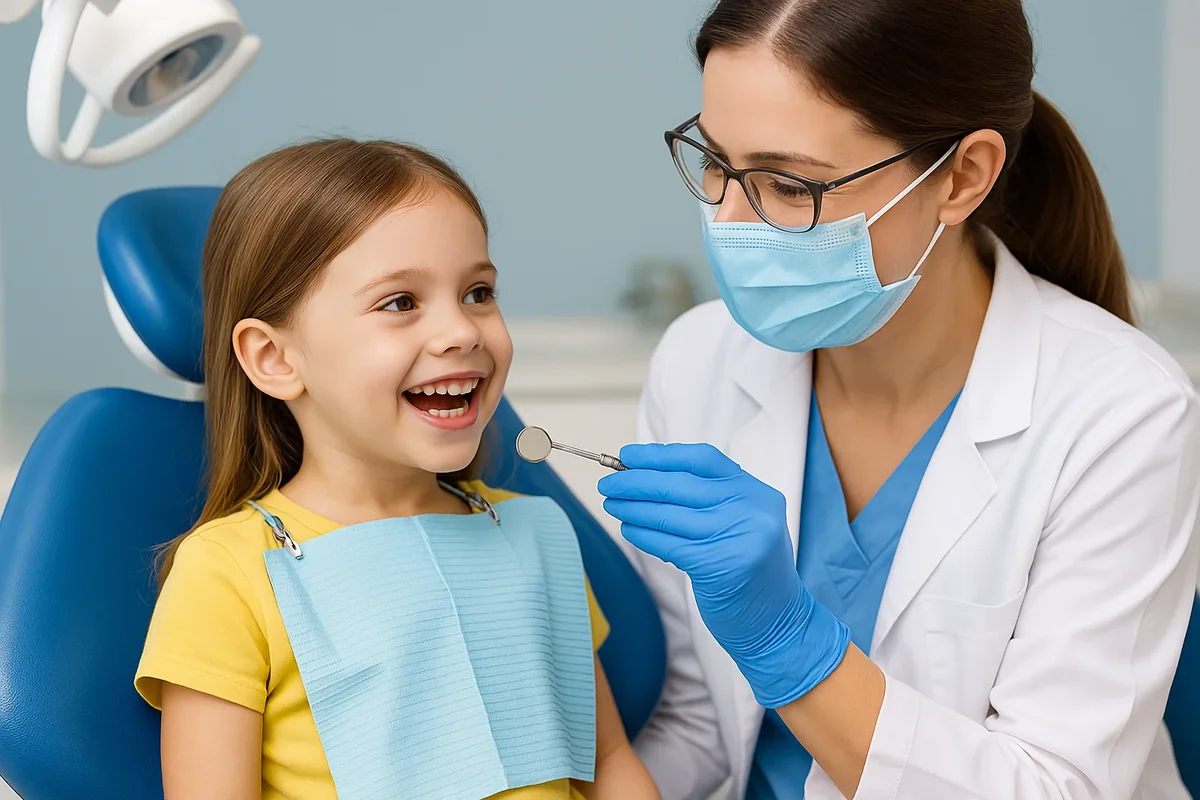
Common Myths and Facts About Dentist Pediatric Dentistry
Many parents still have misconceptions about dentist pediatric dentistry — from believing baby teeth aren’t important to assuming children don’t need professional dental care until they’re older. These myths can unintentionally harm a child’s oral health. Understanding the facts behind pediatric dental care ensures children receive the best possible protection, prevention, and treatment for a lifetime of strong smiles. 🦷✨
Myth 1: “Baby Teeth Don’t Matter Because They Fall Out Anyway”
This is one of the most widespread and damaging myths in dentist pediatric dentistry. Many parents think baby teeth are temporary and therefore don’t need much care. In reality, primary teeth serve vital functions — they guide permanent teeth into place, help children chew and speak properly, and maintain jaw alignment. If a baby tooth decays or is lost too early, it can cause spacing problems, speech delays, and discomfort.
Fact: Healthy baby teeth are essential for proper oral development. Pediatric dentists often use space maintainers to preserve gaps if early tooth loss occurs, ensuring that adult teeth erupt in the correct positions. Neglecting baby teeth can lead to expensive orthodontic and dental complications later on. 🌈
Tip:
Start cleaning your baby’s gums even before the first tooth appears. When teeth erupt, use a small, soft toothbrush and a rice-sized amount of fluoride toothpaste. Early care lays the foundation for a lifetime of dental health and prevents unnecessary complications that dentist pediatric dentistry aims to avoid.
Myth 2: “Children Don’t Need to See a Dentist Until They Start School”
Many parents assume their child doesn’t need professional dental care until they have a full set of teeth or reach kindergarten age. However, dentist pediatric dentistry guidelines recommend the first dental visit within six months after the first tooth emerges — usually by the child’s first birthday. These early visits allow dentists to check for developmental issues, teach proper oral hygiene, and build a foundation of trust before any problems arise.
Fact: Early visits are preventive, not corrective. They help establish good habits and ensure parents know how to care for their child’s growing smile. Regular checkups from infancy reduce the likelihood of cavities and gum disease while fostering a positive relationship with the dentist. 🪥
Myth 3: “Sugar Is the Only Cause of Cavities”
While sugar plays a major role in tooth decay, it’s not the only factor. Cavities result from the interaction between bacteria, food particles, and poor oral hygiene. Even starchy snacks like crackers or bread can stick to teeth and cause decay over time. The real issue is how long these residues stay on the teeth — frequent snacking increases the risk more than the amount of sugar consumed.
Fact: Dentist pediatric dentistry professionals emphasize frequency and timing over quantity. Rinsing with water after meals, brushing twice a day, and maintaining regular cleanings are crucial. Balanced nutrition and limited snacking between meals help prevent acid buildup and protect enamel. 🧃
Healthy Alternatives
Encourage your child to snack on fruits, vegetables, cheese, and nuts instead of candy and soda. These foods stimulate saliva production, which naturally washes away bacteria and neutralizes acid. Consulting a pediatric dentist for nutritional advice can further support cavity prevention.
Myth 4: “Fluoride Is Dangerous for Children”
Some parents fear fluoride exposure, believing it can harm their child’s health. This misunderstanding often stems from confusion about dosage. In reality, fluoride is one of the safest and most effective tools in dentist pediatric dentistry for preventing tooth decay. When used appropriately, it strengthens enamel and makes teeth more resistant to acid attacks.
Fact: Fluoride toothpaste and professional applications are perfectly safe for children when used in recommended amounts. Pediatric dentists carefully adjust fluoride use based on the child’s age and local water fluoridation levels. Overexposure (fluorosis) is extremely rare and usually mild, affecting only cosmetic appearance, not health. The American Dental Association continues to endorse fluoride as essential in children’s oral care.
Myth 5: “Children Naturally Outgrow Dental Anxiety”
Many parents assume kids will simply “grow out” of their fear of the dentist. However, if early visits are stressful or painful, that fear can persist into adulthood. Dentist pediatric dentistry emphasizes emotional comfort as much as physical care. Pediatric dentists use behavior management, gentle explanations, and positive reinforcement to prevent fear before it starts.
Fact: Building comfort early is the best defense against dental anxiety. Friendly, playful environments and kind communication help children form lasting positive associations. Parents should also avoid sharing their own dental fears, as children easily pick up on emotional cues. 🌟
How Pediatric Dentists Reduce Fear
Pediatric clinics often use distraction tools such as music, cartoons, and colorful dental instruments. Dentists may even allow children to “help” by counting tools or turning on lights. These strategies make children feel included and empowered, reinforcing the philosophy behind dentist pediatric dentistry: making care engaging, not intimidating.
Myth 6: “Dental Care Is Too Expensive for Kids”
Another common myth is that pediatric dental care is unaffordable or unnecessary. In reality, preventive care is one of the most cost-effective healthcare investments parents can make. Early checkups, fluoride treatments, and sealants are far less expensive than fillings, crowns, or emergency visits later on. Preventing decay saves both money and time in the long term.
Fact: Many insurance plans and public health programs cover pediatric dental visits, especially preventive ones. Clinics like Redent Klinik Contact Page can help parents find affordable treatment options or payment plans. Consistent care from a pediatric dentist minimizes the risk of major problems, keeping long-term costs low and smiles healthy. 💰
Myth 7: “Thumb Sucking and Pacifiers Always Damage Teeth”
Parents often worry that thumb sucking or pacifier use will cause permanent damage. While prolonged habits can affect tooth alignment, occasional use in early years is usually harmless. Dentist pediatric dentistry professionals monitor these behaviors during routine checkups and offer gentle guidance to help children stop at the right time.
Fact: Most children naturally outgrow these habits by age four. If the habit continues beyond that, the pediatric dentist may recommend habit-correcting devices or behavioral techniques to protect jaw and tooth alignment. The goal is to guide natural development without stress or shame — consistent with the child-friendly philosophy of pediatric dental care. 🧸
Conclusion: Replacing Myths with Confidence
Myths about dentist pediatric dentistry can lead to confusion, neglect, or unnecessary fear — but facts empower parents to make the right decisions for their children. Pediatric dental care is about prevention, education, and compassion. When parents understand the truth about baby teeth, fluoride, diet, and early visits, they set their children up for lifelong oral health and confidence. By staying informed and choosing trusted professionals, every family can replace fear and uncertainty with knowledge, comfort, and healthy smiles that last a lifetime. 🦷💖