
Finding an affordable way to cover dental treatments is one of the most common challenges people face when it comes to oral health care. 🦷 A dentist plan payment offers an effective, flexible solution that allows patients to manage dental expenses without financial stress. Instead of paying the entire bill upfront, patients can spread the cost over several months, making quality dental care more accessible and budget-friendly. This article provides a detailed guide to understanding what a dentist plan payment is, how it works, and why it’s becoming increasingly popular among patients around the world.
Essentially, a dentist plan payment is a structured financial agreement between a dental clinic and a patient. Under this plan, the patient pays for treatments in fixed installments—weekly, monthly, or quarterly—depending on the clinic’s terms. This model enables patients to receive necessary care immediately, even if they don’t have the full amount available at the time of treatment. The payment plan often comes with zero or low interest, ensuring affordability while maintaining access to high-quality dental services. 💳
In modern dentistry, clinics understand that not everyone can afford large one-time payments for procedures like dental implants, orthodontics, or veneers. For example, in the United States, the cost of a single dental implant can range from $3,000 to $5,000, while a full smile makeover might cost upwards of $15,000. For this reason, dentist plan payments are designed to reduce the financial burden and encourage more patients to prioritize their oral health rather than postpone treatment.
When choosing a dentist plan payment, patients usually begin with a consultation. The dental clinic assesses the total cost of treatment, discusses the available financing options, and customizes a plan based on the patient’s budget. Payment plans may include an initial deposit (often 10–20% of the total) followed by equal monthly installments. Some clinics even offer automatic debit systems or online payment platforms for convenience. This transparency and flexibility make dentist payment plans one of the most user-friendly financing options in the healthcare industry.
One key advantage of a dentist plan payment is that it empowers patients to take control of their oral health decisions. Instead of delaying treatments due to financial concerns, they can schedule appointments immediately and pay gradually. This leads to better long-term outcomes, as preventive and restorative treatments can be completed before issues worsen. Patients also gain peace of mind knowing exactly how much they will pay each month, with no hidden fees or surprise costs. 🌟
Additionally, dentist plan payments help bridge the gap between insurance coverage and out-of-pocket expenses. Many insurance plans only cover preventive care or partial treatment costs, leaving patients responsible for the rest. With a dentist payment plan, these remaining costs can be spread out conveniently. Some clinics even combine insurance benefits with payment plans, allowing patients to pay only the uncovered portion in installments—an approach that can cut immediate expenses by more than 50%.
For example, a patient needing a root canal and crown procedure costing $1,500 might pay $300 upfront and the remaining $1,200 over six months at $200 per month. This structure eliminates financial strain while maintaining treatment continuity. It also makes advanced care, such as American Dental Association-approved restorative procedures, available to more people. By integrating these plans, clinics build stronger patient relationships and encourage regular visits, improving overall dental health outcomes.
Transparency is another major benefit of the dentist plan payment model. Before signing up, patients receive a detailed agreement outlining interest rates (if any), installment amounts, and payment deadlines. Most reputable clinics ensure that the terms are easy to understand and free from hidden clauses. This approach creates trust and accountability between patients and their dental providers. For those who want to explore available options or design a personalized plan, you can reach out directly to our Redent Klinik Contact Page for expert guidance and customized payment solutions.
Moreover, dentist payment plans align perfectly with the trend toward patient-centered care. Instead of viewing dental services as luxury procedures, this approach positions oral health as an essential, affordable aspect of well-being. Many clinics now use digital management systems to track patient balances, send reminders, and automate payments. This technology-driven model ensures convenience, timely payments, and improved patient satisfaction. 💼
In summary, a dentist plan payment is not just a financial tool—it’s a pathway to better oral health and long-term financial control. By eliminating large upfront costs and providing transparent, structured payment methods, these plans make dental care accessible to everyone. Whether you need implants, whitening, or orthodontics, a well-chosen dentist payment plan allows you to prioritize your smile without compromising your budget. As we move forward, we’ll explore how these plans compare with traditional insurance and which options suit different patient needs best.
The Benefits of a Dentist Payment Plan vs. Paying Upfront
Choosing between paying upfront and opting for a dentist plan payment can significantly influence both your financial comfort and dental health decisions. 💰 Many patients assume that paying in full saves money, but the reality is that structured dentist payment plans provide several hidden benefits that go beyond affordability. This section explains why dentist plan payments are becoming the preferred choice for patients worldwide, covering the financial, psychological, and health-related advantages they offer.
1. Financial Flexibility and Budget Management
One of the most appealing advantages of a dentist plan payment is financial flexibility. With rising healthcare costs, not everyone can afford a $3,000 implant or a $5,000 orthodontic treatment upfront. A payment plan spreads these costs over time, allowing you to maintain your monthly budget while still accessing high-quality care. For example, instead of paying $2,400 at once for a set of crowns, you could pay $200 per month over 12 months. This predictable payment structure makes oral care financially manageable for both families and individuals.
Budgeting for dental procedures becomes much easier when you know your fixed monthly obligations. Rather than waiting months or years to save up for essential treatments, you can proceed immediately while paying gradually. Many clinics provide interest-free options, meaning the total cost remains the same even when spread over time—making the dentist plan payment a no-risk alternative to full upfront payments.
2. Access to Higher-Quality Treatments
When financial pressure is reduced, patients are more likely to choose premium or longer-lasting treatment options. With a dentist plan payment, you no longer have to settle for temporary fillings, basic dentures, or low-cost procedures. Instead, you can invest in advanced treatments such as dental implants, ceramic crowns, or professional whitening sessions—all of which improve long-term oral health and aesthetics. 🌟
Clinics offering dentist payment plans often collaborate with reputable financial institutions to make advanced dental technologies available to a broader range of patients. These partnerships encourage individuals to prioritize quality over cost, leading to better results and fewer complications in the future. Patients benefit not just from enhanced dental outcomes, but also from increased confidence and improved overall well-being.
3. Reduced Financial Stress and Improved Mental Well-Being
Money-related anxiety can cause many people to delay necessary dental treatments, which can result in more severe health problems later on. The dentist plan payment method eliminates this stress by allowing patients to manage smaller, more predictable payments. This psychological comfort is vital for maintaining consistent dental care. Knowing that you can afford your treatment without compromising other financial responsibilities provides peace of mind and promotes better adherence to regular checkups and preventive care.
Furthermore, spreading payments out means you won’t need to use credit cards or high-interest loans to finance your dental work. Since many dentist payment plans come with low or zero interest, patients avoid accumulating unnecessary debt—a major source of financial anxiety in the healthcare sector.
4. Encouragement for Regular and Preventive Care
Another major benefit of the dentist plan payment approach is that it encourages consistent dental visits. When patients are financially comfortable, they’re more likely to attend routine checkups and cleaning sessions. Preventive care helps identify potential oral health issues early—before they escalate into painful and expensive treatments. For instance, a regular cleaning costing $100 might prevent a $1,000 root canal later on.
Many dental clinics reward patients who stay on top of their dentist plan payments with discounts on preventive services, whitening treatments, or follow-up consultations. This not only saves money in the long term but also reinforces positive oral hygiene habits.
5. Transparent and Predictable Cost Structure
One of the main frustrations patients face in traditional dental billing is hidden fees or unexpected costs. With a dentist plan payment, everything is outlined clearly before treatment begins. Patients receive a written agreement detailing monthly payments, interest rates, and included procedures. There are no surprises—just transparent, predictable financial planning. 🧾
For example, a clinic may offer a 0% interest plan for six months or a low-interest 12-month option. Patients can choose the structure that fits their financial situation best. Having this clarity upfront reduces misunderstandings and creates a more trusting patient-dentist relationship. Clinics that follow ethical standards—such as those guided by the American Dental Association—prioritize financial transparency to ensure patients fully understand their payment obligations.
6. Strengthened Patient-Clinic Relationship
Offering a dentist plan payment builds loyalty between the patient and the dental clinic. Instead of a one-time transaction, it establishes an ongoing relationship based on trust and mutual commitment. This continuity benefits both sides: patients receive ongoing care from familiar professionals who understand their medical history, while clinics gain repeat clients and positive referrals. Some clinics, such as Redent Klinik Contact Page, personalize payment plans to fit each patient’s unique financial profile, creating a supportive and empathetic care environment.
7. Easier Access for Uninsured Patients
Not everyone has dental insurance, and even those who do often find that their plans don’t cover all procedures. A dentist plan payment bridges this gap by providing uninsured patients with an alternative financing solution. Instead of skipping care altogether, they can enroll in an affordable plan that breaks costs into smaller, more manageable payments. This inclusivity ensures that every patient—regardless of insurance status—can maintain proper dental health and prevent severe conditions from developing.
Example Cost Comparison (2025 Average Estimates)
- Dental cleaning: $100–$200 — Payment plan: $20–$40/month for 5 months
- Tooth extraction: $150–$300 — Payment plan: $30–$60/month for 5 months
- Dental crown: $1,000–$1,500 — Payment plan: $100–$150/month for 10–12 months
- Implant: $3,000–$5,000 — Payment plan: $250–$420/month for 12–18 months
These flexible pricing options show how dentist plan payments make advanced dental care accessible to more people, regardless of their immediate financial capacity. Patients gain control over both their oral health and their personal budgets.
8. Conclusion: A Smarter Path to Long-Term Dental Wellness
Ultimately, choosing a dentist plan payment over paying upfront isn’t just a financial choice—it’s a strategic investment in your long-term dental and financial health. It minimizes stress, encourages preventive care, and provides access to advanced treatments that might otherwise be unaffordable. By embracing this modern payment approach, patients can take charge of their oral well-being while maintaining financial balance. Whether you’re planning a single procedure or a full smile makeover, a customized dentist payment plan is the smarter, more sustainable path to a healthy, confident smile. 😁
Common Types of Dentist Payment Plans You Should Know
When it comes to managing dental expenses, understanding the various dentist plan payment options available can make all the difference. Each plan type offers different benefits, eligibility requirements, and payment structures designed to fit a variety of patient budgets. 🦷 Whether you need a simple cleaning or complex restorative work, choosing the right payment plan can help you maintain your oral health without financial stress. This section explores the most common types of dentist payment plans, how they work, and which patients benefit most from each one.
1. In-House Dentist Payment Plans
Many dental clinics now offer their own in-house dentist plan payment systems. These are direct agreements between the patient and the dental office, meaning there’s no third-party financing or bank involvement. The clinic sets the payment terms, such as a small initial deposit followed by equal monthly installments. This option is particularly convenient because it allows flexibility—clinics can adjust payment amounts, interest rates, or timeframes to suit each patient’s needs.
For example, an in-house plan might allow you to pay $100 per month for a $1,000 treatment, with no interest applied. Some clinics also provide loyalty programs, where patients who consistently make payments on time receive discounts on future procedures. This structure strengthens trust between the clinic and the patient while ensuring that necessary treatments aren’t delayed due to cost concerns. 💳
Advantages of In-House Plans
- No credit check or third-party approval required.
- Flexible repayment options and easy negotiation.
- Interest-free or low-interest payments for loyal patients.
- Ideal for patients without insurance coverage.
2. Third-Party Financing Plans
Another widely used dentist plan payment model involves external financing companies that specialize in healthcare credit. These third-party providers, such as CareCredit or LendingClub, partner with dental clinics to help patients pay for their treatments over time. They typically offer structured installment plans ranging from 6 to 24 months, often with promotional zero-interest periods.
Third-party financing can be advantageous for patients seeking higher-cost procedures like implants, braces, or full mouth reconstructions. However, approval usually depends on credit checks, and missing payments may result in added interest. Still, for patients with stable finances and good credit, this method provides fast approval and access to expensive treatments that might otherwise be unaffordable.
Example Financing Structure (Typical 2025 Rates)
- 0% APR for 6 months for treatments over $500.
- 6.99% APR for 12-month payment plans.
- 9.99% APR for 18–24-month extended financing.
These options provide a predictable and transparent repayment schedule, helping patients spread the cost of treatments without large upfront payments. Clinics often collaborate with these partners to streamline application and approval processes, minimizing paperwork and waiting times.
3. Subscription-Based Dental Membership Plans
In recent years, subscription-style dentist plan payment models have gained popularity, especially among clinics that emphasize preventive care. Instead of paying per visit, patients subscribe to an annual or monthly membership that covers cleanings, checkups, and minor procedures. This approach not only ensures consistent oral care but also builds a long-term relationship between the patient and the clinic.
For instance, a subscription plan might cost $30 per month and include two cleanings, one fluoride treatment, and one emergency exam per year. These memberships encourage patients to maintain regular dental visits and reduce the likelihood of severe dental problems down the line. 🪥
Benefits of Subscription Models
- Predictable, affordable monthly payments.
- Encourages regular preventive care and checkups.
- Eliminates surprise bills for basic services.
- Ideal for patients without insurance or with limited coverage.
4. Deferred Interest Payment Plans
A dentist plan payment with deferred interest is another option for patients seeking to manage short-term financial challenges. These plans allow you to receive treatment immediately but defer interest payments for a set period (usually 6–12 months). If you pay the full amount before the promotional period ends, no interest is charged. However, if the balance remains after the term, standard interest rates apply retroactively.
Deferred interest plans are ideal for individuals who expect to have the necessary funds soon, such as after receiving a tax refund or work bonus. They provide immediate access to essential care while granting a grace period for repayment.
5. Government or Non-Profit Assistance Programs
Some regions offer public assistance or non-profit financing designed to make dental care more affordable for low-income individuals. These dentist plan payment programs often provide subsidies, sliding-scale fees, or zero-interest loans. Clinics that collaborate with community organizations or health ministries can help patients qualify for these benefits. Such initiatives are especially valuable for families or elderly patients on fixed incomes.
For example, community health centers in several U.S. states offer dental services at reduced prices, supported by grants and government funding. Patients typically need to demonstrate income eligibility, but once approved, they can enjoy professional dental care without financial strain.
6. Credit Card and Personal Loan-Based Payments
While not an official dentist plan payment, some patients choose to use medical credit cards or personal loans to cover their dental procedures. These options can be convenient, especially for emergencies, but they often come with higher interest rates than in-house or third-party financing. To minimize costs, patients should compare annual percentage rates (APR) and repayment terms before committing.
It’s also worth noting that some dental offices provide incentives or small discounts for patients who pay with specific financing partners. This can help balance out interest charges and make credit-based solutions more attractive.
7. Custom Hybrid Payment Options
Modern clinics increasingly offer hybrid dentist plan payment solutions that combine multiple features—such as partial in-house payments, third-party financing, and subscription benefits. This allows patients to tailor their payment structures according to treatment complexity and budget flexibility. For instance, a patient might finance a dental implant through an external lender while subscribing to a preventive care plan for ongoing checkups and cleanings.
Such flexible arrangements ensure that no patient is excluded from essential dental care. By diversifying payment options, clinics demonstrate a commitment to inclusivity and patient satisfaction.
8. Choosing the Right Payment Plan for You
When selecting the most suitable dentist plan payment, consider factors such as interest rates, repayment timelines, credit requirements, and the scope of included services. It’s crucial to discuss your financial situation with your dentist and explore all available options before committing. Ethical clinics will guide you transparently through this process, helping you make an informed decision that aligns with your health goals and financial comfort.
For expert assistance in exploring customized payment structures, you can reach out to our Redent Klinik Contact Page. Our experienced dental advisors can explain different plan options, interest-free opportunities, and treatment packages tailored to your needs.
9. Final Thoughts: Empowering Patients Through Flexible Financing
Ultimately, the diversity of dentist plan payment options ensures that every patient can find a plan that fits their situation. Whether it’s an in-house installment plan, third-party credit, or a membership-based model, these solutions make dental care more equitable and accessible. By offering flexibility, predictability, and transparency, dentist payment plans remove the financial barriers that once kept patients from achieving optimal oral health. 😁
With the support of modern clinics and organizations like the American Dental Association, these plans continue to evolve—creating a future where every patient can enjoy a healthy smile without financial worry.
How to Choose the Best Dentist Plan Payment for Your Needs
Selecting the right dentist plan payment is one of the most important financial decisions you’ll make regarding your oral health. With so many payment options available today—ranging from in-house installment systems to third-party financing—patients often feel overwhelmed by choices. The key is understanding how each plan fits your personal financial situation, dental goals, and treatment needs. In this section, we’ll guide you step-by-step through the process of choosing the best dentist plan payment for your circumstances, ensuring both affordability and peace of mind. 🦷
1. Assess Your Current Dental Needs and Treatment Goals
The first step in selecting the best dentist plan payment is identifying your dental priorities. Are you looking for preventive care such as cleanings and checkups, or more complex treatments like implants, orthodontics, or cosmetic procedures? Each type of service involves different costs and timeframes. For example, orthodontic braces may require an 18–24 month commitment, while a crown restoration might be completed in one or two visits. Understanding the duration and scale of treatment helps determine which payment structure—short-term or long-term—works best for you.
Patients seeking full-mouth restorations or multiple implants will likely benefit from longer, lower-interest financing options. Conversely, those requiring simple maintenance procedures might prefer a short-term in-house dentist plan payment that can be paid off within six months. Clarifying these goals upfront prevents over- or underestimating your financial commitment later.
2. Evaluate Your Monthly Budget
Before committing to any dentist plan payment, carefully review your income, expenses, and other financial obligations. Determine how much you can comfortably afford to pay each month without straining your budget. A good rule of thumb is to keep dental installment payments under 10% of your monthly disposable income.
Let’s say your monthly income after essentials is $2,000. Ideally, your monthly dental payments shouldn’t exceed $200. This approach helps ensure that your dental care remains sustainable, preventing missed payments or late fees. Many clinics, including Redent Klinik, offer flexible plans that adapt to a patient’s financial capacity, helping you find the perfect balance between cost and comfort.
3. Compare Interest Rates and Payment Terms
Not all dentist plan payments are created equal. Some are completely interest-free, while others include small interest rates that can accumulate over time. Always ask the clinic or financing partner for a full breakdown of the repayment terms, including:
- Interest percentage (APR) and if it changes after a promotional period.
- Length of the repayment term (e.g., 6, 12, 18, or 24 months).
- Any penalties for early repayment or missed installments.
For instance, a 0% interest plan for 12 months might sound ideal, but if you miss the deadline, retroactive interest could be applied. Conversely, a steady 6% plan might be more predictable for long-term treatments. Understanding these details ensures that your dentist plan payment remains transparent and manageable over the entire course of treatment.
4. Check for Hidden Fees and Fine Print
Before signing any financial agreement, read the fine print carefully. Some clinics or third-party financiers may include administrative fees, processing costs, or penalties for delayed payments. A trustworthy dental clinic will always explain these details upfront. Ask questions such as:
- Is there a sign-up or setup fee?
- What happens if I miss a payment?
- Are there cancellation or rescheduling penalties?
Clinics guided by organizations like the American Dental Association often adhere to strict ethical standards regarding transparency and patient protection. This ensures that the dentist plan payment terms you agree to are fair and fully disclosed before treatment begins.
5. Consider Your Credit Score and Approval Requirements
If you’re applying for a third-party or extended financing plan, your credit score will play a significant role in determining eligibility and interest rates. Higher scores generally qualify for better terms and lower rates. However, even patients with lower credit ratings can often find suitable dentist plan payment options through in-house or hybrid systems that don’t require a credit check.
Some clinics even offer “soft credit check” systems that won’t impact your credit report. These are especially helpful for patients rebuilding their financial profiles but still seeking quality dental care.
6. Determine the Scope of Coverage and Limitations
Each dentist plan payment type has different coverage parameters. Some include only basic services like cleaning and x-rays, while others extend to advanced treatments like implants, veneers, or orthodontics. Always clarify which procedures are eligible under the plan. If you anticipate future treatments, consider choosing a more comprehensive plan rather than one limited to preventive care.
Additionally, verify whether the plan covers emergency treatments or dental emergencies. Many patients overlook this until an urgent issue arises, leading to unexpected costs outside the original plan.
7. Look for Clinics Offering Personalized or Hybrid Plans
The best dentist plan payment is often one tailored to your unique needs. Many modern clinics now offer hybrid models that combine different financing methods. For example, you might pay for basic checkups via a monthly subscription while financing a cosmetic treatment through a 12-month interest-free installment plan. This customization ensures maximum convenience while staying aligned with your budget and treatment goals.
Personalized plans also tend to include value-added services like free consultations, routine follow-ups, or discounts on future cosmetic treatments. These perks enhance the long-term value of your investment in dental health.
8. Ask About Early Payment Discounts or Incentives
Some dentist plan payment programs reward early or full repayment. These incentives can reduce total costs or provide credits toward future treatments. For instance, paying off a 12-month plan within six months might earn a 5% discount. Always inquire about these options—they not only save money but also demonstrate your financial reliability to the clinic.
Example: Average Payment Comparison (Estimated 2025 Figures)
| Treatment Type | Upfront Payment | Dentist Plan Payment (12 Months) |
|---|---|---|
| Teeth Whitening | $600 | $50/month (0% interest) |
| Dental Implant | $4,000 | $333/month (low-interest plan) |
| Invisalign Braces | $3,500 | $291/month (no down payment) |
This simple comparison illustrates how dentist plan payments make even advanced treatments affordable without compromising quality.
9. Seek Professional Advice Before Deciding
When in doubt, consult both your dentist and a financial advisor before finalizing any dentist plan payment agreement. Dental professionals can estimate future treatment needs and explain which payment structures align best with those plans. Financial advisors, on the other hand, can help you determine whether a payment plan fits within your broader financial goals, especially if you’re managing multiple debts or medical expenses.
10. Final Thoughts: Aligning Financial Comfort with Dental Health
Choosing the right dentist plan payment isn’t merely about finding the lowest price—it’s about striking the perfect balance between affordability, flexibility, and comprehensive care. By considering your treatment goals, budget, and clinic reputation, you can make an informed decision that benefits your oral and financial health for years to come. 🌟
For expert help creating a customized payment plan tailored to your needs, visit the Redent Klinik Contact Page. Our specialists will walk you through every available option, ensuring you receive the best care without financial strain. With the right dentist plan payment, achieving a healthy, confident smile has never been easier or more accessible.
What Procedures Are Covered Under Most Dental Payment Plans?
Understanding what treatments are included in a dentist plan payment is essential for making informed decisions about your oral care and budgeting. 🦷 Many patients mistakenly assume that only basic procedures are eligible for financing, but in reality, most dentist payment plans cover a wide range of treatments—from preventive care to complex restorative and cosmetic procedures. The goal of these plans is to make high-quality dental care accessible to everyone, regardless of their financial situation. In this section, we’ll break down the categories of treatments typically covered under dentist plan payments and explain how they work in detail.
1. Preventive Dental Procedures
Preventive care forms the foundation of good oral health, and most dentist plan payments prioritize these essential services. Preventive procedures are designed to stop dental problems before they begin and to keep your teeth, gums, and mouth healthy. These treatments are usually inexpensive and often included in even the most basic payment plans.
Common Preventive Procedures Covered
- Comprehensive oral exams and consultations (every 6–12 months)
- Routine cleanings and scaling
- Digital X-rays and diagnostic imaging
- Fluoride applications and sealants
- Oral cancer screenings
Most clinics design their dentist plan payment systems to include these preventive procedures as part of a subscription or fixed installment package. For example, a $25 monthly plan might cover two professional cleanings per year, one exam, and one emergency visit. These preventive measures help detect early signs of decay, gum disease, or structural damage—saving patients from costly future treatments.
2. Basic Restorative Procedures
When damage occurs despite preventive care, basic restorative procedures restore the function and integrity of the tooth. Nearly every dentist plan payment includes these common restorative treatments because they are crucial for maintaining dental health and preventing larger issues.
Typical Restorative Treatments Covered
- Dental fillings (amalgam, composite, or ceramic)
- Tooth extractions (simple and surgical)
- Root canal treatments
- Temporary crowns and bridges
For example, if a cavity filling costs $200, your dentist plan payment might allow you to pay $40 per month for five months, often with no interest. This flexibility ensures that patients receive immediate treatment, preventing complications such as infections or tooth loss.
3. Major Restorative and Surgical Procedures
One of the most significant advantages of a dentist plan payment is that it often covers complex and expensive procedures that would otherwise require substantial upfront costs. These treatments are critical for patients dealing with advanced decay, missing teeth, or structural damage.
Examples of Major Treatments Included
- Dental implants and implant-supported bridges
- Full-mouth reconstruction
- Bone grafting and sinus lift surgeries
- Crowns, veneers, and onlays
Advanced procedures like implants can cost between $3,000 and $5,000 per tooth. With a dentist plan payment, patients might only pay $250–$400 monthly, making these life-changing procedures financially feasible. Many clinics even collaborate with reputable financial partners to offer long-term installment options (12–24 months) for high-cost treatments.
4. Cosmetic Dentistry Procedures
Cosmetic treatments focus on enhancing the appearance of your smile. While these procedures are usually considered elective, many modern dentist plan payments now include financing options for them, reflecting the growing demand for aesthetic dentistry.
Cosmetic Procedures Commonly Covered
- Teeth whitening and polishing
- Porcelain veneers
- Invisalign and other orthodontic aligners
- Composite bonding
- Smile makeover packages
For instance, a full veneer set that costs $4,000 can be financed over 18 months for $222 per month through an extended dentist plan payment. This structure allows patients to achieve a confident smile without the burden of paying the full cost upfront. 😁
5. Orthodontic Treatments
Orthodontic care is another area where dentist plan payments are invaluable. Braces and aligners can significantly improve dental alignment, bite function, and overall aesthetics—but they often represent one of the largest dental investments. Most dentist payment plans are tailored to make orthodontic treatment accessible to families and young adults alike.
Orthodontic Treatments Covered
- Traditional metal braces
- Clear ceramic braces
- Lingual braces (behind-the-teeth systems)
- Clear aligners (e.g., Invisalign)
The average orthodontic treatment costs between $3,000 and $7,000, depending on complexity and duration. However, through structured dentist plan payments, these costs can be divided into predictable monthly installments, making them more manageable for families with multiple children undergoing treatment.
6. Periodontal and Gum Care
Healthy gums are just as important as healthy teeth, and that’s why many dentist plan payments include coverage for periodontal treatments. Gum disease can progress silently, leading to tooth loss and other health issues if not treated promptly.
Typical Gum Treatments Covered
- Deep cleaning (scaling and root planing)
- Laser gum therapy
- Periodontal maintenance visits
- Antibiotic treatment for gum infections
For example, deep cleaning procedures costing $800 per quadrant can be divided into $100 monthly installments under a tailored dentist plan payment. This encourages patients to pursue necessary gum care without financial hesitation.
7. Emergency and Urgent Dental Treatments
Emergencies are unpredictable, and they can happen anytime. Thankfully, many dentist plan payments cover urgent treatments such as extractions, repairs, or temporary crowns. Clinics offering these plans understand that emergencies require immediate care—not delayed action due to financial concerns.
Common Emergency Procedures Included
- Emergency examinations and diagnostics
- Temporary fillings or crowns
- Tooth repair after trauma
- Pain management and medication prescriptions
Even patients not currently enrolled in a payment plan can often qualify for same-day approval and receive immediate treatment under a new dentist plan payment. This accessibility ensures that no one has to endure prolonged pain due to financial limitations.
8. Pediatric Dental Services
For families, a dentist plan payment is especially valuable because it often includes pediatric dental care. Many clinics create family-oriented plans that cover children’s preventive and restorative needs at discounted rates.
Examples of Pediatric Treatments Covered
- Fluoride treatments and cleanings for children
- Dental sealants
- Space maintainers
- Early orthodontic assessments
This makes regular dental visits affordable and encourages lifelong oral health habits in children—an investment that pays off throughout adulthood. 👨👩👧👦
9. Additional Coverage: Sedation and Specialized Services
Some dentist plan payment options also include add-ons for specialized services like sedation dentistry or temporomandibular joint (TMJ) treatments. These plans are ideal for patients requiring anxiety-free or specialized care during dental procedures. Sedation options, including nitrous oxide and oral conscious sedation, are often available under long-term payment structures.
10. Final Thoughts: Comprehensive Care Made Accessible
In summary, a dentist plan payment covers far more than just basic dental work—it provides an inclusive framework for preventive, restorative, cosmetic, and emergency procedures. With modern clinics and ethical standards like those set by the American Dental Association, patients can now receive comprehensive, high-quality dental care through flexible financing systems. By understanding what’s covered, you can select a plan that aligns with your needs, ensuring both your smile and your finances stay healthy. 🌟
For a personalized overview of available treatment coverage and flexible payment options, contact us via the Redent Klinik Contact Page. Our team will help you find the perfect dentist plan payment for your care goals and budget, ensuring you never delay essential treatment again.
Average Costs and Example Price Breakdown by Treatment
Understanding how much dental treatments cost under a dentist plan payment can help you plan your oral care journey more confidently. 💰 Many patients postpone necessary dental procedures because they fear high upfront costs. However, modern payment plans have transformed how people approach dental budgeting—by spreading costs into affordable monthly installments. This section breaks down average dental treatment costs, explains how payment plans work for each, and shows how you can make quality dental care accessible without financial strain.
1. Factors That Influence Dental Treatment Costs
Before examining specific numbers, it’s important to understand what affects pricing. The total cost of a dentist plan payment depends on several factors, including treatment complexity, materials used, geographic location, and the dentist’s level of expertise. For example, dental implants in the United States or Western Europe may cost twice as much as in Turkey, where advanced dental tourism programs offer the same quality at lower prices.
Common Cost Influencers
- Type of procedure: Preventive treatments like cleanings cost less than restorative or cosmetic ones.
- Materials used: Ceramic crowns, titanium implants, or porcelain veneers can raise prices significantly.
- Technology: Clinics using digital X-rays, 3D scanners, or laser systems may charge higher but deliver faster, more precise results.
- Location: Dental services are more expensive in major cities compared to smaller towns or overseas clinics.
- Experience: Reputable dentists or specialists often charge more but ensure better outcomes and longevity.
When you combine these factors, the dentist plan payment model allows flexibility—patients can still access top-quality care by paying gradually rather than sacrificing quality for affordability.
2. Preventive and Diagnostic Treatments
Preventive care is the foundation of a healthy smile, and it’s also the most cost-effective. Most dentist plan payments fully cover or partially finance these procedures because they prevent expensive issues later.
Average Price Range (2025 Estimates)
| Treatment | Average Cost | Example Payment Plan |
|---|---|---|
| Dental Cleaning | $100 – $200 | $25/month for 4–6 months |
| X-rays and Exams | $75 – $150 | $15/month for 5 months |
| Fluoride or Sealants | $40 – $100 | $10/month for 4–5 months |
Under a dentist plan payment, these basic services can often be grouped into a monthly subscription model, ensuring consistent preventive care without financial pressure. 🦷
3. Restorative and Surgical Procedures
Restorative dentistry is where payment plans truly shine. Treatments like fillings, crowns, and implants tend to have higher upfront costs, but spreading them over several months makes them far more accessible.
Restorative Procedures and Payment Examples
| Treatment | Average Cost | Example Monthly Payment |
|---|---|---|
| Tooth Filling (Composite) | $150 – $300 | $30/month for 6–10 months |
| Root Canal (Single Tooth) | $800 – $1,200 | $80–$100/month for 12 months |
| Crown (Porcelain) | $1,000 – $1,500 | $100–$125/month for 12 months |
| Dental Bridge (3 Teeth) | $2,500 – $4,000 | $200–$330/month for 12 months |
By opting for a dentist plan payment, patients can start necessary treatments right away without worrying about large one-time expenses. This is especially crucial for urgent or medically required procedures like root canals or extractions, where delay could cause pain or infection.
4. Cosmetic Dentistry and Aesthetic Enhancements
Cosmetic dentistry is often considered elective, but it plays a vital role in confidence and quality of life. Through flexible dentist plan payments, even aesthetic procedures become attainable for the average patient.
Estimated Cosmetic Treatment Costs (2025 Data)
| Cosmetic Procedure | Average Cost | Sample Payment Plan |
|---|---|---|
| Teeth Whitening (Professional) | $400 – $800 | $50/month for 8–12 months |
| Porcelain Veneers (Per Tooth) | $800 – $2,000 | $70–$180/month for 12–18 months |
| Invisalign or Clear Aligners | $3,000 – $5,000 | $250–$420/month for 12–20 months |
Patients who use dentist plan payments for cosmetic services often report higher satisfaction because they can afford long-lasting, confidence-boosting results without draining their savings. 😁
5. Implant Dentistry and Full Mouth Reconstruction
Dental implants are among the most expensive yet life-changing procedures in modern dentistry. Fortunately, dentist plan payments make them financially achievable. Whether you need one implant or a full arch replacement, clinics often create flexible long-term installment options to suit your financial comfort.
Implant Cost Breakdown
| Treatment | Average Cost | Example Monthly Payment |
|---|---|---|
| Single Dental Implant | $3,000 – $5,000 | $250–$420/month for 12–18 months |
| All-on-4 Dental Implants (Full Arch) | $12,000 – $25,000 | $700–$1,200/month for 24–36 months |
Many clinics also offer hybrid dentist plan payments—a combination of down payment and flexible monthly terms—to make extensive dental restorations more accessible. These plans often include interest-free periods for the first 6–12 months, easing the initial financial load.
6. Orthodontic Treatments (Braces and Aligners)
Orthodontic treatments are long-term investments in dental health and aesthetics. Since they often extend over 1–3 years, dentist plan payments are the preferred way to handle their cost. Instead of paying thousands upfront, patients can align payments with treatment progress.
Average Costs (2025 Estimates)
- Metal braces: $3,000 – $6,000 (Plan: $250/month over 18–24 months)
- Ceramic braces: $4,000 – $7,000 (Plan: $300/month over 24 months)
- Invisalign aligners: $3,500 – $5,500 (Plan: $290–$460/month)
Under an adjustable dentist plan payment, orthodontic care becomes affordable for families with children or adults seeking smile correction. Many clinics also include regular checkups in the monthly cost, eliminating additional fees.
7. Periodontal Treatments and Oral Surgeries
Gum disease and oral surgery treatments can be costly, especially if they involve deep cleaning or grafting. A dentist plan payment ensures that patients can begin treatment immediately without worrying about cash flow interruptions.
Sample Costs
- Scaling and root planing: $200–$400 per quadrant — $50/month for 8 months
- Gum grafting: $600–$1,200 — $100/month for 12 months
- Wisdom tooth extraction: $250–$600 — $60/month for 10 months
Since untreated gum disease can lead to more severe health issues, a dentist plan payment helps patients receive timely care without delay.
8. Emergency Dental Procedures
Emergencies—such as broken teeth, severe pain, or infections—require immediate care. Many dentist plan payments now cover emergency visits, offering quick solutions with later payment flexibility.
Typical emergency procedures cost between $150 and $800, depending on the issue. Clinics often provide same-day approval for payment plans, ensuring patients receive prompt relief without worrying about finances. 🏥
9. International Cost Comparisons
It’s worth noting that dental treatment prices vary widely by country. For example, dental implants in the U.S. can cost up to $5,000, while in Turkey—home to advanced dental tourism facilities—the same treatment may cost only $1,500 to $2,000. By combining affordable care with a dentist plan payment, international patients can achieve world-class results at a fraction of Western costs.
10. Final Thoughts: Realistic, Flexible, and Accessible Dental Care
Ultimately, the true power of a dentist plan payment lies in its ability to make dental treatments of all kinds—preventive, restorative, cosmetic, or surgical—financially accessible. Instead of delaying critical care, patients can begin treatment immediately and pay gradually through predictable monthly installments. This approach not only preserves dental health but also promotes confidence and financial control. 🌟
To explore personalized cost estimates or create a custom financing plan, reach out via the Redent Klinik Contact Page. Our specialists can guide you through transparent pricing and tailored payment solutions. With modern dentist plan payments, achieving a beautiful, healthy smile is now more affordable than ever.
For additional cost references and industry standards, visit the American Dental Association to review national averages and coverage guidelines. Transparency and education are the first steps to making confident dental investment decisions. 💎
Dentist Plan Payment Options for Cosmetic Dentistry
Cosmetic dentistry has evolved far beyond vanity—it’s now an integral part of overall oral wellness and confidence. ✨ Yet, one of the biggest barriers preventing patients from pursuing these treatments is cost. That’s where a dentist plan payment becomes essential. By dividing the total expense into manageable monthly installments, patients can enhance their smiles without enduring financial stress. In this section, we’ll explore how dentist plan payments apply to cosmetic dentistry, the different financing methods available, and how to choose the right one based on your goals and budget.
1. Why Cosmetic Dentistry Requires Financial Planning
Cosmetic procedures are usually considered elective, meaning they aren’t covered by standard insurance. This makes dentist plan payment programs a critical tool for patients who want aesthetic improvements but prefer not to pay the full amount upfront. Since cosmetic dentistry often involves high-end materials and advanced technology, payment flexibility ensures that patients can access premium care without compromise.
Cosmetic dentistry is about more than appearance—it impacts confidence, social interactions, and even career opportunities. Whether it’s correcting discoloration, straightening misaligned teeth, or restoring a full smile with veneers, the investment pays long-term emotional and professional dividends.
2. Common Cosmetic Treatments Eligible for Payment Plans
Almost every modern dental clinic includes cosmetic procedures under its dentist plan payment options. These treatments range from simple whitening sessions to complete smile makeovers. Below are the most popular cosmetic services that can be financed through structured plans.
Common Procedures Covered
- Teeth whitening: Professional in-office whitening can cost $400–$800 but is often available at $50/month for 8–12 months.
- Veneers: Porcelain veneers range from $800 to $2,000 per tooth; plans can divide payments across 12–24 months.
- Dental bonding: Affordable and minimally invasive, bonding costs about $200–$500 per tooth, payable at $40/month.
- Gum contouring: Laser reshaping can be financed at $60/month for six months.
- Smile makeover packages: Comprehensive plans (veneers, whitening, crowns) costing $5,000–$10,000 can be divided into $300–$500 monthly installments.
Flexible dentist plan payments for these procedures allow patients to improve aesthetics gradually without delaying care due to budget limitations.
3. Types of Dentist Plan Payments for Cosmetic Procedures
Cosmetic dentistry payment solutions vary depending on the clinic’s structure and the treatment’s complexity. Below are the main dentist plan payment categories tailored for aesthetic dentistry.
a. In-House Interest-Free Payment Plans
Many dental offices offer their own internal financing without third-party involvement. Patients can pay in monthly installments over 6–18 months, often with zero interest. For example, a $1,200 whitening and veneer combo might be paid off at $100/month. Clinics usually require a small deposit (around 10–20%) to begin treatment.
b. Third-Party Financing Partners
For higher-value cosmetic treatments like veneers or full smile makeovers, clinics may collaborate with financing companies such as CareCredit, LendingClub, or other healthcare-specific lenders. These plans may offer 0% interest for six months or low-interest extended options for up to 36 months. Patients with strong credit profiles can benefit from fast approval and predictable repayment schedules.
c. Hybrid or Custom Financing Options
Some clinics offer hybrid dentist plan payment solutions, combining in-house and third-party methods. This allows patients to use an interest-free period for part of the treatment while extending the rest with low-interest terms. It’s ideal for larger cosmetic investments that require multiple stages of care.
4. Benefits of Using a Dentist Plan Payment for Cosmetic Dentistry
The flexibility of a dentist plan payment doesn’t just make procedures affordable—it also enhances patient experience and satisfaction. Below are the top advantages.
Key Benefits
- Immediate treatment access: Begin cosmetic care right away instead of delaying for savings.
- No compromise on quality: Choose premium materials and expert cosmetic dentists without budget restrictions.
- Transparent costs: Know exactly what you’ll pay monthly, with no hidden fees.
- Improved self-confidence: Achieve your dream smile sooner, enhancing social and professional life.
- Customizable options: Payment plans can adapt to individual budgets and treatment timelines.
Many patients also appreciate the psychological comfort of predictable payments, especially when undergoing multi-phase aesthetic treatments like veneers or full-arch restorations. 🌟
5. Comparing Costs: Pay Upfront vs. Payment Plan
To visualize how a dentist plan payment benefits cosmetic dentistry patients, consider this comparison of typical costs and payment breakdowns.
Example Price Comparison (2025 Estimates)
| Procedure | Full Upfront Cost | Payment Plan Example |
|---|---|---|
| Teeth Whitening | $600 | $50/month for 12 months (0% interest) |
| Porcelain Veneers (4 teeth) | $6,000 | $250/month for 24 months |
| Smile Makeover (Full Package) | $10,000 | $400/month for 30 months (low interest) |
As seen above, dividing costs through a dentist plan payment transforms what could be an overwhelming investment into a manageable, predictable commitment.
6. Insurance and Cosmetic Dentistry: What’s Not Covered
Most insurance plans do not cover purely cosmetic procedures, such as whitening or veneers. However, if a treatment has a restorative purpose (e.g., crowns for damaged teeth), partial insurance coverage may apply. A dentist plan payment fills this gap perfectly, ensuring all patients—insured or not—can access aesthetic care.
For example, if your insurance covers only 30% of a veneer procedure, the remaining 70% can easily be financed through a customized payment plan without affecting treatment scheduling.
7. Choosing the Right Cosmetic Payment Plan
When selecting the ideal dentist plan payment for cosmetic dentistry, consider these essential factors:
- Duration and flexibility of repayment terms
- Interest-free vs. low-interest options
- Credit approval requirements (if applicable)
- Clinic’s reputation and transparency in costs
- Inclusion of maintenance or follow-up visits
Clinics like Redent Klinik specialize in customizing these plans based on patient goals, offering transparent pricing and personalized payment schedules. Their consultants can help patients evaluate whether a short-term or extended plan best matches their cosmetic journey.
8. Global Cost Comparison: Cosmetic Dentistry Abroad
Many patients today travel internationally to access world-class cosmetic treatments at competitive prices. Turkey, in particular, has become a top destination due to advanced clinics and affordable pricing. A $10,000 veneer package in the U.S. may cost as little as $3,000 in Turkey. Combining this with a local dentist plan payment creates even greater financial accessibility for global patients seeking excellence in aesthetic dentistry. 🌍
9. Final Thoughts: Making Your Dream Smile Affordable
Cosmetic dentistry is an investment in confidence and long-term happiness. With a dentist plan payment, that dream smile is no longer reserved for a select few—it’s achievable for anyone willing to plan smartly. Whether through interest-free in-house installments, third-party financing, or custom hybrid options, patients can access cutting-edge cosmetic treatments without financial hardship. 💎
For a personalized consultation or to design your own payment plan, visit the Redent Klinik Contact Page. Our team can explain financing details, calculate exact monthly payments, and guide you toward your ideal aesthetic solution. For trusted professional standards and references, explore the American Dental Association for guidelines on cosmetic procedures and patient care ethics.
With the right dentist plan payment, you can achieve the beautiful, confident smile you deserve—without breaking your budget or delaying your transformation. 😁
Insurance vs. Dentist Payment Plans: Which Is Better?
When it comes to managing dental costs, one of the most common questions patients ask is whether to rely on insurance or a dentist plan payment. Both options help reduce the financial burden of dental care, but they work in completely different ways. 🦷 Understanding the advantages, limitations, and best-use scenarios of each will help you make a smart, long-term decision for your oral health and budget. Let’s explore these systems in depth to find out which one might suit your dental needs best.
1. Understanding the Difference Between Dental Insurance and Dentist Plan Payment
Dental insurance and dentist plan payments both aim to make dental care more affordable, but their mechanisms are very different. Dental insurance functions like a risk-sharing policy—you pay monthly premiums, and in return, the insurer covers a portion of your treatment costs. In contrast, a dentist plan payment is a direct financial arrangement with your clinic, allowing you to spread treatment costs over several months without dealing with an insurance provider.
Key Distinctions
- Insurance: Covers a percentage of treatments, often with annual limits and waiting periods.
- Dentist Plan Payment: Offers installment-based, predictable monthly payments directly with the clinic.
- Insurance Providers: Typically focus on basic and preventive treatments.
- Dentist Plans: Can cover advanced procedures like implants, veneers, and orthodontics.
Essentially, insurance acts as a partial reimbursement system, while dentist plan payments provide transparent, flexible budgeting for the full cost of care.
2. How Dental Insurance Works
Dental insurance is usually structured around preventive and restorative care. Insurers categorize treatments into tiers: preventive, basic, and major. Preventive care (like checkups and cleanings) is often covered up to 100%, while restorative treatments (fillings, crowns) are partially covered, and major treatments (implants, braces) may only receive minimal reimbursement.
Typical Insurance Coverage Breakdown
- Preventive care – 80–100% coverage
- Basic procedures – 50–70% coverage
- Major procedures – 10–50% coverage
However, insurance often comes with limitations—annual maximums (usually around $1,000–$2,000), pre-authorization requirements, and waiting periods that delay treatment eligibility. Cosmetic dentistry, such as veneers or whitening, is rarely covered. That’s where a dentist plan payment becomes a better choice for many patients.
3. How Dentist Plan Payments Work
A dentist plan payment offers a simpler, more transparent alternative. Instead of waiting for insurance approvals or dealing with claims, you agree on a set price and split it into smaller monthly installments. These payments are made directly to the dental clinic, which eliminates third-party bureaucracy. Many clinics also offer 0% interest options or flexible payment schedules ranging from 6 to 36 months.
Advantages of Payment Plans
- No annual limits or waiting periods
- Covers both necessary and cosmetic treatments
- Immediate treatment approval—no claim process
- Predictable, transparent pricing
For example, a $4,000 dental implant package can be paid as $250 per month for 16 months, making high-quality care affordable without insurance hassles. 🌟
4. Pros and Cons of Dental Insurance
Insurance can be a good safety net, but it’s not always ideal for every patient. Here’s a clear breakdown of its benefits and drawbacks compared to dentist plan payments.
Pros
- Excellent for preventive and routine care
- Reduces unexpected emergency costs
- Useful for families or children with frequent dental needs
Cons
- Limited annual coverage caps (often exhausted after one major treatment)
- Long waiting periods for new enrollees
- Excludes cosmetic procedures
- Complex claim procedures and potential denials
Thus, while insurance offers some financial security, it can restrict flexibility and delay access to advanced care—something that a dentist plan payment completely avoids.
5. Pros and Cons of Dentist Plan Payment
Unlike insurance, dentist plan payments are straightforward and patient-focused. You and your clinic agree on a price, set up the payment schedule, and begin treatment immediately—no red tape, no hidden rules.
Pros
- Instant access to all dental services
- No exclusions for cosmetic or implant procedures
- Simple approval process without paperwork
- Flexible durations and interest-free options
- Ideal for patients without traditional insurance
Cons
- Requires personal budgeting discipline
- May not include preventive services for free unless added by the clinic
- Payments are made directly—no reimbursement system
Overall, a dentist plan payment prioritizes patient convenience and freedom, giving you full control over your treatment and finances.
6. When Insurance Makes More Sense
For families with ongoing preventive and pediatric dental care needs, traditional insurance can still be beneficial. For example, annual checkups, fluoride treatments, and children’s sealants are often 100% covered. If your employer provides a subsidized insurance plan, keeping it may save money in the long term—especially when combined with partial dentist plan payments for major treatments.
Some patients even use both systems: they use insurance for minor procedures and dentist plan payments for expensive or cosmetic treatments. This hybrid approach offers the best of both worlds.
7. When Dentist Plan Payments Are the Smarter Option
A dentist plan payment is ideal if you want freedom, transparency, and no waiting times. It’s especially useful for patients pursuing:
- Cosmetic procedures (veneers, whitening, Invisalign)
- Full-mouth restorations and implant dentistry
- Emergency or urgent treatments
- Dental tourism or treatment abroad
These payment systems empower patients to access care immediately and pay on their own terms—without being limited by insurance restrictions or coverage gaps.
8. Global Perspective: How Other Countries Handle Dental Financing
In countries like the UK, Turkey, and Germany, dentist plan payments have become increasingly popular. Private dental clinics offer tiered membership or pay-as-you-go models that make advanced treatments affordable. For example, Turkish clinics offer full implant packages at 60–70% less than U.S. prices, often paired with flexible installment structures. Patients from abroad can even pre-arrange their dentist plan payment before traveling, making the entire experience seamless.
9. Final Comparison Table
| Feature | Dental Insurance | Dentist Plan Payment |
|---|---|---|
| Approval Time | May take weeks | Immediate |
| Cosmetic Coverage | Rarely included | Fully included |
| Flexibility | Restricted to policy terms | Customizable to patient budget |
| Annual Limit | $1,000–$2,000 typical cap | No cap—pay as you go |
| Waiting Periods | Up to 12 months for some treatments | None |
10. Conclusion: Which Should You Choose?
In today’s dental landscape, both options serve unique purposes. If your needs are limited to routine cleanings and preventive care, traditional insurance may suffice. However, for those seeking freedom, transparency, and access to modern aesthetic or restorative procedures, a dentist plan payment is the smarter long-term choice. 🌟
To explore which plan fits your goals, visit the Redent Klinik Contact Page. Their team can help you design a tailored payment system aligned with your treatment plan. For broader industry insight, refer to the American Dental Association, which provides valuable resources on dental financing and patient rights.
Ultimately, whether through insurance or a dentist plan payment, the key is consistent dental care. Prioritizing your oral health today ensures a lifetime of smiles, confidence, and overall well-being. 😁
Tips for Managing Monthly Dentist Plan Payments Effectively
Once you’ve chosen a dentist plan payment that fits your needs, the next crucial step is managing it effectively. 💡 A payment plan only helps if it’s organized and well-tracked—otherwise, late payments, financial strain, or confusion can cause unnecessary stress. In this guide, you’ll learn how to stay on top of your dentist plan payment, maintain good financial health, and even optimize your long-term dental care strategy. Let’s explore proven methods to make your payment experience seamless and worry-free.
1. Understand Your Payment Plan Terms Thoroughly
The foundation of effective payment management is understanding your plan’s details. Before signing any contract, review every clause carefully. Key areas to clarify include interest rates, payment frequency, total cost, and penalties for missed payments. Knowing these terms helps you budget efficiently and avoid unexpected fees.
Key Details to Verify
- Total cost: Confirm the full amount you’ll pay, including interest or fees (if any).
- Monthly installment amount: Ensure it fits your budget comfortably.
- Payment method: Automatic debit, bank transfer, or credit card.
- Duration: Check whether the plan runs for 6, 12, 24, or 36 months.
- Early repayment options: Some plans allow paying off the balance early with no penalty.
A clear understanding of your dentist plan payment protects you from confusion later. You can even request a written amortization schedule from your dental provider for transparency.
2. Set Up Automatic Payments
One of the easiest ways to manage a dentist plan payment is to automate it. Most clinics or financing partners allow direct debit or recurring card payments. This ensures that you never miss a due date and maintain a good payment record—especially if your plan is managed by a third-party credit provider.
Benefits of Auto-Pay
- Prevents late payment fees
- Builds strong credit history
- Reduces stress and manual tracking
- Keeps your dental treatment uninterrupted
Many patients appreciate the peace of mind automation provides—especially those on long-term treatment plans such as orthodontic or implant procedures that span 12 to 24 months. 🦷
3. Budget Strategically for Monthly Payments
A smart budgeting strategy ensures that your dentist plan payment remains manageable throughout the treatment period. Start by reviewing your monthly income and expenses to identify how much you can comfortably allocate toward dental care.
Effective Budgeting Tips
- Designate a fixed dental fund in your monthly budget.
- Track your spending using mobile budgeting apps.
- Reduce non-essential expenses (e.g., entertainment or dining out) to free up funds.
- Schedule larger procedures after bonus or tax refund months for easier payments.
By planning strategically, your dentist plan payment becomes just another predictable expense—like a phone or utility bill—rather than a financial burden.
4. Monitor Payment Progress Monthly
Keep track of your payment progress to stay informed about how much remains on your balance. Clinics or financing platforms usually provide online dashboards or statements showing all past and upcoming payments. Monitoring ensures transparency and prevents overcharges or missed installments.
Tracking Methods
- Use a dedicated spreadsheet or finance app.
- Mark due dates in your digital calendar.
- Request periodic balance updates from your clinic.
- Save all receipts and confirmations.
Regular monitoring of your dentist plan payment not only builds accountability but also makes it easier to spot potential discrepancies early.
5. Avoid Late Payments and Penalties
Missing a payment can lead to penalties or temporary suspension of ongoing treatments. To avoid this, set reminders and always maintain sufficient funds in the account linked to your dentist plan payment. Even one missed payment can impact your credit if the plan is handled by a third-party lender.
Proactive Solutions
- Set up SMS or email alerts for upcoming due dates.
- Keep a small reserve balance in your account as a buffer.
- Notify the clinic immediately if financial hardship arises—they may reschedule or adjust your payments.
Being proactive about payments reflects responsibility and helps maintain your eligibility for future financing options should you need additional treatments later.
6. Plan Ahead for Multiple Treatments
If you anticipate several dental procedures, it’s smart to coordinate them under one consolidated dentist plan payment rather than creating separate plans for each. This simplifies billing and often leads to better overall terms, such as extended interest-free periods or reduced administrative fees.
For example, combining whitening, veneers, and implants into a single structured plan can reduce your monthly payment by 10–20% compared to separate agreements. This approach streamlines your financial management and minimizes confusion over due dates.
7. Communicate with Your Dental Clinic Regularly
Open communication with your dental provider is essential for successful plan management. Clinics like Redent Klinik offer personalized support for patients enrolled in dentist plan payments. Their administrative teams can assist with billing questions, rescheduling payments, or adding new treatments under the same plan.
Best Practices for Communication
- Inform the clinic immediately if your financial situation changes.
- Ask for confirmation before making large early payments.
- Request updated statements quarterly for your records.
Transparent communication prevents misunderstandings and keeps your dental experience positive and stress-free. 💬
8. Use Dental Payment Plans to Build Financial Health
Interestingly, managing your dentist plan payment responsibly can also strengthen your overall financial discipline. Making consistent, on-time payments demonstrates reliability, which can positively influence your credit profile—especially for those using external financing companies.
Additionally, adopting structured payments for dental care can teach valuable budgeting habits that apply to other life expenses. The key is consistency: treat your dentist plan payment as a long-term financial commitment, not a short-term inconvenience.
9. Take Advantage of Early Payment Discounts
Many clinics or financing companies reward patients who pay off their balance early. Discounts typically range from 5% to 10% of the remaining total. If you receive a salary increase, bonus, or tax refund, consider using part of it to reduce or close your balance. Early repayment not only saves money but also gives you peace of mind knowing that your dentist plan payment is fully settled.
10. Stay Informed About Plan Updates and Legal Rights
Financial agreements evolve over time, and regulations differ by region. Always stay informed about your rights and responsibilities under local consumer protection laws. The American Dental Association provides resources about ethical dental financing and patient care standards, ensuring that your dentist plan payment remains fair, transparent, and compliant with national guidelines.
Final Thoughts: A Healthy Smile and a Healthy Budget
Managing your dentist plan payment effectively is about more than paying bills—it’s about creating financial stability while investing in your oral health. With clear organization, timely payments, and open communication with your clinic, you can enjoy world-class dental care without financial stress. 🦷💳
For individualized assistance or to design a flexible payment plan, reach out via the Redent Klinik Contact Page. Their team specializes in customizing dentist plan payments that align with your treatment timeline and financial comfort. Remember: a well-managed payment plan is the key to achieving your dream smile—responsibly, confidently, and sustainably. 😁
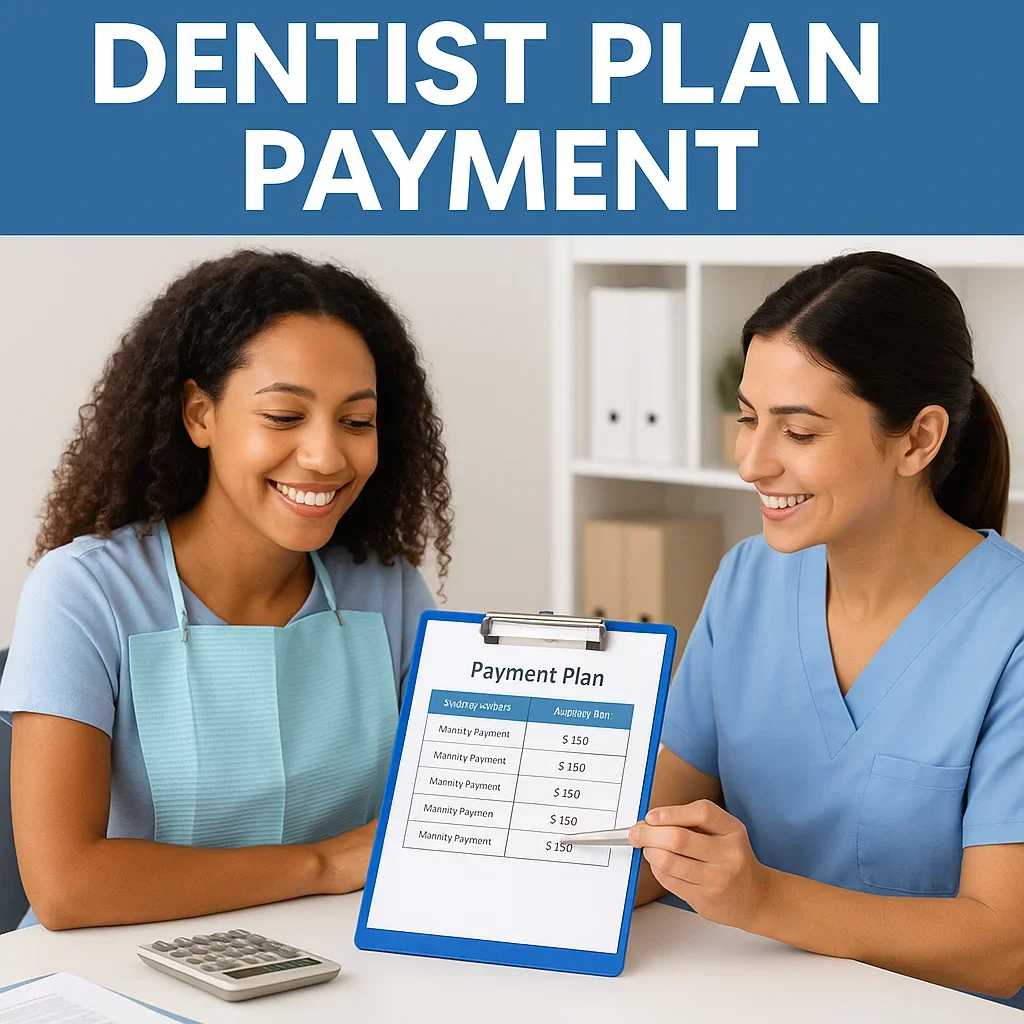
How to Apply and Qualify for a Dentist Payment Plan
Applying for a dentist plan payment is one of the smartest ways to make quality dental care affordable and stress-free. Whether you’re planning for routine treatments, cosmetic improvements, or major restorative procedures, most modern dental clinics now offer flexible financing solutions designed to fit every patient’s budget. 🦷 In this detailed guide, you’ll learn exactly how to apply, what qualifications you need, what documents to prepare, and how to ensure approval for your chosen dentist plan payment option.
1. Why Apply for a Dentist Payment Plan?
Dental treatments can be costly, especially when multiple procedures are required. A dentist plan payment allows you to receive treatment immediately and pay over time, removing the financial barrier that prevents many people from seeking timely dental care. It’s ideal for patients who want flexibility, transparency, and control over their healthcare spending.
Key Advantages of Applying
- Access to immediate dental care without large upfront costs
- Predictable, fixed monthly payments for budgeting convenience
- Interest-free or low-interest options depending on clinic policy
- Eligibility even for patients without traditional insurance coverage
Whether you’re pursuing dental implants, orthodontics, or cosmetic veneers, a dentist plan payment ensures your treatment doesn’t have to wait for your savings to catch up. 🌟
2. Step-by-Step Guide to Applying for a Dentist Plan Payment
The application process for most dentist plan payments is straightforward and can usually be completed online or in the clinic. Here’s a detailed breakdown of the steps you’ll go through:
Step 1: Initial Consultation and Cost Estimate
Your first step is to visit your dentist for a comprehensive examination. The clinic will assess your oral health and recommend the necessary treatments. Based on the diagnosis, you’ll receive a detailed cost estimate outlining all fees, materials, and timelines. This document serves as the foundation for your financing plan.
Step 2: Discuss Available Payment Options
Once the cost estimate is ready, you’ll review the available dentist plan payment options with the clinic’s financial coordinator. Many clinics offer:
- In-house payment plans (managed directly by the clinic)
- Third-party financing (via medical finance companies)
- Hybrid systems (a combination of both)
At this stage, you’ll choose the duration, interest rate (if any), and monthly installment amount that fits your budget. Clinics like Redent Klinik specialize in customizing flexible financing for international and local patients alike.
Step 3: Submit Application Form and Documents
After selecting your preferred plan, you’ll fill out an application form. Required documents typically include:
- Proof of identity (passport or national ID)
- Proof of income (recent payslip, bank statement, or employment letter)
- Contact details and emergency contact information
- Signed treatment and payment agreement
For third-party dentist plan payments, you may also need to provide credit history or financial references, depending on the provider’s policies.
Step 4: Credit Evaluation or Financial Review
Some clinics partner with external finance companies that perform a soft credit check. Don’t worry—this doesn’t affect your credit score in most cases. The review simply confirms that your income supports the planned payment schedule. If you’re applying directly through the clinic, this step is often more flexible and based on trust or prior patient history.
Step 5: Approval and Signing of Agreement
Once your application is approved, you’ll receive an official contract outlining all terms, including the total amount, installment schedule, interest (if applicable), and start date. Read this carefully before signing to ensure all details match your understanding. You’ll usually make the first payment at this stage to activate your plan.
Step 6: Begin Treatment and Automatic Billing
After signing, your treatment can begin immediately. Payments will be collected automatically each month, either via direct debit, card charge, or online transfer. You’ll receive receipts for every transaction, ensuring transparency throughout your dentist plan payment journey.
3. Eligibility Criteria for a Dentist Plan Payment
Most patients qualify for some form of dentist plan payment, but eligibility requirements vary slightly depending on the clinic or financing provider. Generally, you’ll need to meet the following conditions:
Basic Qualification Requirements
- Be at least 18 years old
- Provide valid proof of identity
- Have a stable income source or financial guarantor
- Demonstrate the ability to make consistent monthly payments
Some clinics also allow joint applications—meaning a family member can co-sign your plan to improve approval chances. This is especially useful for students or retired patients.
4. Tips to Improve Approval Chances
Getting approved for a dentist plan payment is generally simple, but following these tips can increase your likelihood of instant acceptance:
- Prepare all documents before applying to speed up the process.
- Maintain a clean credit record (for third-party financing).
- Be honest about your income and financial capacity.
- Choose realistic payment terms that fit your budget.
- Consider offering a small down payment—it shows commitment.
Most importantly, communicate openly with your dental clinic. Financial coordinators are trained to match patients with suitable plans that ensure affordability without causing hardship.
5. Common Mistakes to Avoid When Applying
While the process is simple, there are a few mistakes to watch out for when applying for a dentist plan payment:
Frequent Application Pitfalls
- Failing to read the fine print, especially regarding penalties or interest after late payments.
- Choosing overly short repayment terms that strain your monthly budget.
- Neglecting to confirm total cost transparency before signing.
- Submitting incomplete documents, which delays approval.
- Ignoring optional insurance or warranty offers that protect against unforeseen medical issues.
A bit of caution during the application phase ensures a smooth experience throughout your dentist plan payment.
6. Estimated Approval Time and Process Duration
In-house payment plans are typically approved within 24–48 hours. Third-party financing, depending on the credit check process, might take 3–5 business days. Many clinics now provide instant approval systems where patients receive confirmation during their consultation, allowing treatment to start the same day.
This speed and convenience make dentist plan payments ideal for urgent or high-value procedures, such as implants or full smile restorations, where delaying care could worsen oral health or increase total costs later.
7. After Approval: Maintaining a Good Payment Record
Once approved, maintaining your account responsibly ensures a smooth experience. Always pay installments on time, monitor your payment status, and communicate with your clinic if any issues arise. Doing so keeps your account in good standing and makes it easier to qualify for future dentist plan payments if additional treatments are needed.
Helpful Post-Approval Habits
- Set up reminders or automatic transfers.
- Keep digital copies of payment receipts.
- Review statements monthly to verify accuracy.
- Notify your clinic in advance if you anticipate financial changes.
8. Alternative Financing Options to Consider
If you don’t qualify for traditional dentist plan payments, there are alternative routes to explore:
- Dental savings programs: Membership models that offer discounted prices instead of monthly financing.
- Personal loans: Offered by banks for medical expenses, often with flexible repayment schedules.
- Credit card installment plans: Useful for shorter-term, smaller treatments.
- Employer assistance programs: Some companies subsidize dental treatments for employees.
These options can complement or replace standard plans depending on your financial profile and urgency of treatment.
9. The Role of Trustworthy Clinics in Payment Plan Success
The credibility of the dental clinic plays a huge role in ensuring a positive financing experience. Reputable centers like Redent Klinik guide patients throughout the dentist plan payment process, offering transparent contracts, fair pricing, and personalized financial advice. Such clinics often adhere to international standards and patient-protection guidelines established by the American Dental Association.
Choosing a trusted provider means you can focus on your treatment rather than worrying about unexpected costs or hidden terms. 🤝
10. Final Thoughts: Make Dental Care Accessible and Affordable
Applying for a dentist plan payment isn’t complicated—it’s about taking control of your oral health and financial well-being. By understanding the process, preparing your documents, and communicating openly with your clinic, you can enjoy professional dental care that fits your budget. Whether you’re restoring your smile or enhancing it cosmetically, flexible payment options ensure you never have to compromise on quality. 🌟
For personalized guidance and to apply today, visit the Redent Klinik Contact Page. Their friendly financial team will help you explore available dentist plan payment solutions and guide you step-by-step through the qualification process. With the right approach, achieving your dream smile is not just possible—it’s comfortably affordable. 😁