
When it comes to maintaining a healthy smile, understanding dentist plans is one of the smartest financial decisions you can make 🦷. Whether you’re considering routine cleanings, orthodontic treatments, or dental implants, a well-chosen plan can significantly reduce costs while improving access to high-quality care. In today’s world, dental health is deeply connected to overall wellness — and dentist plans make it possible for everyone to achieve preventive and restorative care without breaking the bank. This guide dives deep into what dentist plans are, what they include, and why every individual and family should have one.
At its core, a dentist plan is a structured agreement or policy that covers a percentage of your dental expenses. These plans can range from basic coverage for preventive care (like cleanings and exams) to comprehensive protection that includes crowns, bridges, orthodontics, and even cosmetic dentistry. Unlike traditional health insurance, dentist plans are specifically tailored for oral health — ensuring that your smile receives focused attention from trained dental professionals. 🌟
What Dentist Plans Typically Cover
Most dentist plans are divided into three levels of care: preventive, basic, and major services. Preventive services usually include regular cleanings, fluoride treatments, and checkups — often covered at 100%. Basic services like fillings and tooth extractions might be covered at 70–80%, while major procedures such as root canals or dentures are typically covered at around 50%. The balance between these categories helps both patients and clinics maintain a healthy long-term relationship built on consistent care and cost efficiency.
Preventive care is particularly important because it helps detect dental issues early before they require complex and expensive treatment. This is where most people truly see the value of their dentist plans: by catching cavities, gum disease, or alignment issues early, you can save thousands of dollars in future treatments. According to studies shared by the American Dental Association, preventive care reduces oral disease incidence by up to 40% annually — proving that having a dental plan is not just about cost, but also long-term health. 🩺
Why You Need a Dentist Plan
The main reason people invest in dentist plans is affordability. Dental care can be expensive when paid out-of-pocket, with even a simple filling costing between $150 and $300, and crowns reaching $1,000 or more. Having a plan ensures that these costs are manageable, spreading them across the year through predictable premiums. Families especially benefit because children and teens require frequent dental visits during growth years, including orthodontic evaluations. 👨👩👧👦
Another reason to have a dentist plan is consistency in care. Many individuals skip dentist appointments simply due to financial concerns. With a plan in place, checkups become routine, allowing your dentist to track changes in your oral health over time. This continuous monitoring not only keeps your smile healthy but also prevents more serious medical conditions that can stem from untreated dental issues, such as cardiovascular disease or diabetes-related complications. Good oral health starts with preventive visits — and preventive visits are made possible through smart dental planning.
How Dentist Plans Work
Most dentist plans operate through a network of approved dental professionals. Depending on whether your plan is a PPO (Preferred Provider Organization) or HMO (Health Maintenance Organization), you might have the flexibility to choose your dentist or be limited to a specific network. PPO plans generally offer more flexibility but come with slightly higher premiums. HMO plans, on the other hand, are cost-effective but restrict you to in-network providers.
Once enrolled, you’ll typically receive a member ID and access to a digital portal where you can view your coverage details, deductibles, and claims. Some plans also include additional perks like tele-dentistry consultations, emergency coverage abroad, or cosmetic procedure discounts. Having access to such comprehensive tools makes it easier to manage oral care proactively. If you’re in Turkey or planning dental tourism, you can reach out to the Redent Klinik Contact Page for information about tailored dentist plans for international patients seeking professional dental treatments in Istanbul and Antalya.
Long-Term Benefits of Dentist Plans
Beyond cost savings, dentist plans build a long-term foundation for healthy living. Regular checkups mean problems are caught early; preventive measures like fluoride and sealants protect enamel; and long-term tracking ensures optimal oral health. Research consistently shows that people with active dentist plans are 70% more likely to schedule biannual checkups compared to those without coverage. 🪥
In the long run, this consistent care leads to fewer emergency visits, less invasive procedures, and overall improved confidence. Dental health isn’t just about aesthetics — it’s about function, comfort, and well-being. When you can chew comfortably, smile confidently, and avoid chronic pain, your quality of life naturally improves. And with dentist plans, achieving this is easier and more affordable than ever.
Conclusion
In summary, dentist plans aren’t just financial tools — they’re gateways to consistent, preventive, and high-quality dental care. From routine cleanings to major restorations, these plans make professional oral health services accessible for everyone. If you’ve been delaying dental visits because of cost concerns, it’s time to explore your options. Choose a plan that fits your needs, compare benefits carefully, and commit to regular care. Your smile deserves it — and your health depends on it. 🌸
With the right dentist plan, your oral health will no longer be an afterthought but a reliable, affordable part of your overall wellness journey. Take the first step today — because a healthy smile begins with a smart plan.
Different Types of Dentist Plans: PPO, HMO, and Discount Programs Explained
When exploring dentist plans, it’s essential to understand that not all plans work the same way. Each type — whether PPO, HMO, or a discount program — offers unique benefits, coverage limits, and flexibility levels. Choosing the right structure determines how much freedom you’ll have in selecting your dentist, how much you’ll pay out of pocket, and how easily you can access specialized treatments. This section explains each type of dentist plan in detail, helping you choose the one that best aligns with your lifestyle and oral health needs. 🦷
Understanding PPO Dentist Plans (Preferred Provider Organization)
PPO dentist plans are among the most popular because of their flexibility. With a PPO, you can choose from a wide network of dental professionals, and in many cases, you can still visit dentists outside the network, albeit at a slightly higher cost. PPO dentist plans work by creating agreements between insurance companies and dentists, allowing members to receive discounted rates for covered services.
For instance, if you need a root canal that normally costs $1,000, your PPO dentist plan may cover up to 70–80% of that amount when performed by an in-network dentist. These plans typically include preventive care at no additional cost, such as biannual cleanings and exams. Preventive services are key, as they reduce the need for major procedures later on. 🌟
However, PPO dentist plans often come with annual maximum limits — commonly between $1,000 and $2,000 — after which you’ll pay 100% of additional costs until the next plan year. They also may require deductibles, which typically range from $50 to $150 per person annually. This setup makes PPOs ideal for individuals and families who want flexibility in choosing their dentist but don’t mind paying slightly more in premiums for that freedom.
Exploring HMO Dentist Plans (Health Maintenance Organization)
HMO dentist plans are structured differently. They focus on affordability and network exclusivity. Members must choose a primary dentist from the plan’s network, and all treatments are coordinated through this provider. If you need specialized care — such as orthodontics or periodontics — your primary dentist issues a referral within the network.
The biggest advantage of HMO dentist plans is their low cost. Premiums are often significantly cheaper than PPO options, and there are typically no annual maximums. Many preventive and basic services are covered at 100%, while major services are available with modest copayments. This model is great for individuals who want predictable costs and are comfortable with staying within a designated network.
One limitation of HMO dentist plans is that out-of-network care is usually not covered, except in emergencies. However, the overall savings and simplicity appeal to many patients who prefer structured coverage. Families and retirees often choose HMO plans for their budget-friendly nature and consistent billing.
Example: HMO vs. PPO Dentist Plans Comparison
| Feature | PPO Dentist Plan | HMO Dentist Plan |
|---|---|---|
| Network Flexibility | High (out-of-network allowed) | Low (in-network only) |
| Monthly Premium | Moderate to High | Low |
| Annual Maximum | $1,000–$2,000 | None |
| Primary Dentist Required | No | Yes |
| Referrals for Specialists | Not required | Required |
| Preventive Coverage | 100% | 100% |
Discount Dentist Plans (Dental Savings Programs)
Not everyone wants or needs traditional insurance. That’s where discount dentist plans — also known as dental savings programs — come in. These plans operate on a membership model rather than insurance coverage. Members pay an annual or monthly fee, and in exchange, they gain access to substantial discounts (typically 20–60%) on most dental services at participating clinics.
For example, if a professional cleaning normally costs $100, a member under a discount plan might pay only $60. There are no claim forms, deductibles, or waiting periods, making this an excellent choice for individuals who want immediate access to care. These plans are particularly beneficial for those who don’t have access to employer-based insurance or who need treatment quickly, such as dental implants or cosmetic procedures. 😁
Benefits of Discount Dentist Plans
- Instant activation — no waiting period for coverage
- Affordable annual fees (as low as $100 per year)
- Applicable to a wide range of procedures, including cosmetic dentistry
- No paperwork or pre-approvals needed
- Available for individuals, couples, or families
One downside, however, is that these plans do not technically “cover” costs; they merely reduce them. Therefore, patients still pay out of pocket, but at reduced rates. Yet for those who want flexibility without committing to a traditional policy, discount dentist plans offer a practical, cost-saving alternative.
Which Dentist Plan Is Right for You?
The best dentist plan depends on your personal situation, budget, and how frequently you visit the dentist. If you value freedom of choice and don’t mind higher premiums, a PPO might be ideal. If you prefer predictable expenses and low monthly costs, an HMO plan fits better. Meanwhile, if you rarely visit the dentist or simply want discounts for occasional treatments, a discount program could be the perfect match.
When comparing options, consider factors such as waiting periods, network size, coverage limits, and exclusions. Always verify whether your preferred clinic participates in your chosen plan. For example, international patients seeking affordable dental tourism can contact Redent Klinik Contact Page to explore premium dentist plans available in Turkey — offering top-tier dental care at globally competitive prices.
Final Thoughts: The Smart Way to Choose Among Dentist Plans
Ultimately, understanding the differences between PPO, HMO, and discount programs allows you to make an informed decision. Each system caters to a specific type of dental patient, whether you’re managing ongoing treatments or just need preventive maintenance. Whichever option you choose, ensure that your dentist plan aligns with both your health goals and your financial situation. 🌿
When properly chosen, dentist plans not only reduce costs but also encourage long-term oral wellness through consistent, affordable care. Remember, your smile is an investment — and like any good investment, it needs a solid plan behind it.
How to Choose the Best Dentist Plan for Your Family’s Needs 👨👩👧👦
Selecting the right dentist plan for your family can feel overwhelming — especially with so many options, networks, and coverage details to compare. But the right decision can save you thousands of dollars while ensuring everyone in your household receives consistent, high-quality oral care. Understanding your family’s dental needs, budget, and treatment priorities will help you narrow down the best dentist plans and avoid unexpected costs in the future. 🦷
Step 1: Evaluate Your Family’s Dental Health Needs
Before exploring different dentist plans, start by assessing your family’s current dental health. For instance, if your children require orthodontic treatment like braces or retainers, or if one of your family members needs implants or crowns, you’ll need a plan that covers both preventive and major services. On the other hand, if everyone has healthy teeth and primarily needs checkups and cleanings, a basic preventive-focused plan may suffice.
It’s also crucial to consider age. Younger children often need fluoride treatments and sealants, while adults might need periodontal care or restorative treatments. Seniors, on the other hand, often require denture support or implant coverage. Understanding these needs helps ensure the dentist plans you choose provide relevant and cost-effective coverage for every stage of life. 👶🧓
Example: Family Dental Needs Breakdown
| Family Member | Common Needs | Recommended Coverage |
|---|---|---|
| Children (Ages 5–12) | Fluoride, sealants, cavity prevention | Preventive coverage (100%) |
| Teenagers (Ages 13–18) | Orthodontics, wisdom teeth extraction | Orthodontic & surgical coverage |
| Adults (Ages 19–50) | Cleanings, fillings, cosmetic work | Comprehensive coverage |
| Seniors (50+) | Dentures, implants, periodontal care | Major service coverage |
Step 2: Compare Network Size and Accessibility
Network accessibility is one of the most important aspects of dentist plans. A plan might look great on paper, but if there aren’t enough qualified dentists nearby, you’ll face inconvenience and higher costs. Check the plan’s network list carefully and confirm whether your preferred clinic or dentist is included.
Many patients choose PPO plans for their flexibility since they allow both in-network and out-of-network care. HMO dentist plans limit access to specific providers but offer significant cost savings. If you live in an urban area with many dental clinics, an HMO may work well. However, rural families might benefit more from a PPO plan’s flexibility. Always confirm emergency care availability — especially if you travel frequently or live in multiple locations throughout the year. ✈️
Step 3: Review the Cost Structure Carefully
When comparing dentist plans, don’t just focus on monthly premiums. Instead, look at the total yearly cost, including deductibles, copayments, and coverage limits. A plan with low premiums may seem attractive, but if it offers limited coverage or high deductibles, you could end up paying more in the long run.
Key financial terms to understand include:
- Premium: The monthly amount you pay for coverage.
- Deductible: The amount you must pay before the plan begins covering costs.
- Copayment: A fixed amount you pay per visit or procedure.
- Annual Maximum: The maximum the plan will pay per year for covered services.
For example, if your plan has a $1,500 annual maximum and you need multiple fillings, crowns, or root canals in one year, you might exceed your limit. Choosing a plan with higher maximums or rollover benefits can provide better protection for families who anticipate more frequent dental work. 💰
Step 4: Look for Preventive and Family-Oriented Benefits
The best dentist plans encourage preventive care — not just emergency treatment. Prioritize plans that offer full coverage for biannual exams, cleanings, and X-rays. Preventive care ensures small issues don’t turn into expensive procedures later. Some plans also offer family-oriented perks like free orthodontic consultations, fluoride discounts for kids, or whitening benefits for adults.
Additionally, check if your plan includes wellness rewards or rollover incentives for unused benefits. Some family-focused dentist plans even offer tele-dentistry access for virtual consultations, making it easier to maintain care consistency for busy households.
Step 5: Analyze Waiting Periods and Exclusions
Many dentist plans include waiting periods before certain treatments become eligible for coverage — often 6 months for basic care and up to 12 months for major procedures. If your family needs immediate dental work, look for plans with minimal or no waiting periods. Some providers also offer “no-wait” options at a slightly higher premium.
Equally important is understanding what’s not covered. Some plans exclude cosmetic treatments (like veneers or whitening) or limit coverage for orthodontics. Always read the fine print to avoid unpleasant surprises when filing claims. 👀
Step 6: Evaluate Provider Reputation and Customer Service
Choosing a reliable provider is just as important as selecting a good plan. Review feedback from existing customers about claim processing speed, approval rates, and network reliability. The American Dental Association recommends selecting plans backed by reputable providers that demonstrate transparency and clear communication.
Good customer service can make a huge difference — especially if you need help understanding coverage or resolving billing issues. Plans that offer online account management, chat support, and easy appointment booking are especially valuable for busy families. 💬
Tip: Ask These Questions Before Signing Up
- Does the plan cover orthodontics for children?
- What happens if we move to another city or state?
- Are emergency treatments covered when traveling abroad?
- Can unused benefits roll over to the next year?
- Is there a family discount for enrolling multiple members?
Step 7: Consider Family-Specific Dental Programs
Some clinics, like Redent Klinik Contact Page, offer customized family dentist plans designed for groups. These programs combine preventive and cosmetic care, ensuring that each family member receives age-appropriate treatment under a single, simplified contract. Family bundles are often discounted, with flexible installment options and add-ons for whitening or implant maintenance.
Final Thoughts: Tailoring Dentist Plans to Your Family
Ultimately, the perfect dentist plan is one that balances affordability, accessibility, and coverage. Families should never feel forced to compromise between cost and quality. By carefully comparing network options, analyzing waiting periods, and prioritizing preventive benefits, you can ensure everyone — from your youngest child to your grandparents — enjoys lifelong oral health. 🌼
Remember: the right dentist plan doesn’t just save you money; it builds habits of regular dental visits, preventive care, and healthy smiles for generations to come.
Comparing Dentist Plans and Dental Insurance: Key Differences
When people start researching ways to save on dental care, one of the most common confusions arises between dentist plans and traditional dental insurance. Although these two concepts might seem similar, they operate differently in terms of cost, coverage, flexibility, and purpose. Understanding these differences helps you make informed decisions, avoid unexpected expenses, and select a system that matches your long-term oral health goals. 🦷
Defining Dentist Plans vs. Dental Insurance
Dentist plans—also known as dental savings or membership plans—are typically direct agreements between patients and participating dental providers. Members pay an annual or monthly fee and receive discounted rates on various services. There are no claim forms, waiting periods, or approval processes. The concept is simple: you pay less when you visit a participating dentist, without involving an insurance company.
Dental insurance, by contrast, functions much like health insurance. You pay a monthly premium, and your insurer covers a portion of your dental expenses according to a structured plan. Dental insurance may require you to meet deductibles, copayments, and coverage limits, and you often need to file claims for reimbursement. It’s a managed-care system that splits costs between you and your insurer.
While both options aim to make dental care more affordable, the mechanisms they use are fundamentally different. Think of dentist plans as discount programs and dental insurance as shared-cost policies.
Coverage Scope and Flexibility
Coverage is one of the main distinctions between dentist plans and insurance. Dentist plans usually apply to a wide range of dental services—from cleanings to crowns and implants—but at a fixed discounted rate. There’s no coverage percentage; you simply pay a reduced price at participating clinics. Dental insurance, however, covers specific categories of care under structured percentages—like 100% preventive care, 80% basic treatments, and 50% major services.
For example, if a crown costs $1,000, your dentist plan might reduce the cost to $700 immediately, while dental insurance might pay 50%, leaving you to cover $500. With insurance, you must often wait for approval and stay within annual maximums. With a dental savings plan, you gain immediate access with no caps, making it particularly attractive for people needing several procedures in one year. 💡
Key Coverage Comparison Table
| Feature | Dentist Plans | Dental Insurance |
|---|---|---|
| Payment Model | Discounted rates at time of service | Shared costs (premiums + copays) |
| Annual Maximum | None | Typically $1,000–$2,000 |
| Waiting Period | None | 6–12 months (for major care) |
| Claim Forms | No | Yes |
| Coverage Type | Discount-based | Percentage-based |
| Ideal For | Uninsured, self-employed, or retirees | Employees and families seeking long-term plans |
Cost Structure and Transparency
When comparing dentist plans to dental insurance, transparency is another significant factor. Dentist plans are straightforward—members know exactly how much they’ll pay for each treatment. There are no hidden fees or complex reimbursement processes. Dental insurance, however, can involve deductibles, coinsurance, or exclusions that aren’t always clear upfront.
For instance, dental insurance may cover routine cleanings twice a year but limit certain services like whitening or orthodontics. Meanwhile, dentist plans typically offer consistent discounts on both preventive and elective procedures. This clear pricing structure is one reason many individuals without employer-sponsored coverage choose dentist plans. They make budgeting for oral health far simpler. 💰
Waiting Periods and Immediate Benefits
Another crucial difference is accessibility. Dentist plans offer immediate activation—once you sign up, you can schedule appointments the same week. Dental insurance policies, in contrast, may include waiting periods ranging from a few weeks for basic care to a full year for major procedures. This makes dentist plans ideal for patients who need urgent treatments like root canals, extractions, or cosmetic fixes.
If you’re planning elective procedures such as veneers or dental implants, a dentist plan ensures you get discounts without delay. Dental insurance may exclude or partially cover such treatments, forcing you to pay more out of pocket. That immediacy makes dentist plans particularly attractive for those who value flexibility and quick access to care.
Provider Networks and Freedom of Choice
When it comes to choosing your dentist, dentist plans often provide greater freedom. Since these plans work directly with dental offices, members can visit any participating provider without referral restrictions. Dental insurance, especially HMOs, typically restricts you to a limited network and requires pre-approvals for specialists.
This difference is vital for people who travel frequently or live in multiple cities. With a dentist plan, you can visit participating clinics nationwide, such as those listed on the Redent Klinik Contact Page if you’re exploring high-quality care abroad. On the other hand, with traditional dental insurance, coverage may vary based on location and network limits, causing inconvenience or higher fees outside your region. 🌍
Real-Life Example: Family Scenario
Imagine a family of four needing routine cleanings and one orthodontic treatment. With an insurance plan, they might pay a $100 monthly premium plus deductibles and copays, adding up to $2,000 annually. With a dentist plan, the same family could pay around $200 per year in membership fees and save 40–60% on all treatments — potentially cutting total dental costs by half. This direct-to-provider model eliminates the administrative costs that inflate traditional insurance premiums.
Long-Term Value and Preventive Care
Over time, dentist plans encourage more consistent visits because they remove financial and administrative barriers. Regular cleanings and exams reduce the likelihood of needing costly procedures later. Dental insurance often deters people from visiting as frequently due to claim limitations or fear of hitting annual maximums. By contrast, discount plans promote preventive care by offering ongoing affordability.
According to the American Dental Association, preventive care significantly decreases dental emergencies and chronic oral diseases. Families enrolled in active dentist plans typically report higher satisfaction, healthier gums, and lower long-term expenses. 🪥
Which Option Should You Choose?
The choice between dentist plans and dental insurance depends on your unique circumstances. If you prefer flexibility, immediate coverage, and predictable pricing, a dentist plan is ideal. If your employer subsidizes dental insurance or you expect major procedures that would exceed a discount plan’s savings, then traditional insurance might suit you better. Many people even combine both — using insurance for high-cost treatments and a dentist plan for additional discounts beyond annual maximums.
Final Thoughts: The Modern Shift Toward Dentist Plans
In today’s health-conscious era, more individuals are choosing dentist plans over conventional dental insurance because of their transparency, affordability, and simplicity. They empower patients to take control of their oral health without dealing with claim rejections or confusing deductibles. For anyone seeking flexible, no-hassle dental savings, dentist plans represent the future of affordable care — bridging the gap between accessibility and quality. 🌸
Ultimately, the best choice is the one that ensures consistent, preventive, and stress-free dental care for you and your loved ones — without hidden costs or unnecessary paperwork.
The Average Cost of Dentist Plans in 2025 and What Affects Pricing 💰
The cost of dentist plans in 2025 varies significantly depending on the type of plan, the level of coverage, and your location. As inflation and healthcare costs evolve, understanding what drives pricing is more important than ever. Whether you’re comparing individual plans, family coverage, or employer-based options, knowing the average rates and the hidden factors influencing them can help you make a smarter and more economical decision. This section provides a complete breakdown of current costs, what affects those prices, and how you can find affordable options that still deliver premium dental care. 🦷
Average Pricing of Dentist Plans in 2025
In 2025, the average cost of dentist plans ranges between $200 and $600 per year for individuals and $500 to $1,200 per year for family coverage. These prices reflect both traditional insurance-based and discount-based dentist plans across different regions. Monthly premiums for comprehensive plans average around $25–$50 per person, depending on benefits and provider networks. In comparison, basic preventive-only plans can be as low as $10 per month.
To put this into context, here’s a simplified overview of what you might expect in 2025:
| Plan Type | Average Monthly Cost (Individual) | Average Monthly Cost (Family) |
|---|---|---|
| Preventive-Only Dentist Plans | $10–$20 | $25–$45 |
| Comprehensive PPO Plans | $30–$50 | $60–$100 |
| HMO Dentist Plans | $15–$30 | $40–$80 |
| Discount Savings Programs | $8–$15 | $20–$40 |
These averages show that even modest monthly investments can lead to substantial annual savings. Considering that a single dental filling can cost $200–$300 and a crown can exceed $1,000, dentist plans clearly pay off after just a few treatments.
Key Factors That Affect Dentist Plan Pricing
Several factors influence the cost of dentist plans. Understanding each will help you anticipate future expenses and select the best value for your budget.
1. Type of Plan (PPO, HMO, or Discount)
The type of plan you choose has the biggest impact on cost. PPO (Preferred Provider Organization) dentist plans tend to be the most expensive due to their flexibility and larger provider networks. They allow you to visit both in-network and out-of-network dentists. HMO plans, on the other hand, are more affordable but limit you to a network of approved providers. Discount dentist plans are usually the cheapest option because they operate on a direct-pay model rather than full insurance coverage. The trade-off is that while you save on costs, you pay reduced rates directly instead of receiving reimbursements.
2. Coverage Level and Annual Maximum
Comprehensive dentist plans that include major restorative procedures, orthodontics, and implants naturally cost more than preventive-only plans. Many insurance-based plans have annual maximums (often $1,500 to $2,500), and higher limits usually mean higher premiums. On the other hand, discount plans rarely have caps, making them a good choice for individuals expecting multiple procedures within the same year.
3. Geographic Location and Regional Costs
Dental costs vary by location due to differences in labor, rent, and local regulations. Urban centers such as New York, London, or Los Angeles typically have higher plan prices compared to suburban or rural areas. For example, a PPO plan in Los Angeles may cost $45 per month, while a similar plan in Texas could be around $30. Regional market competition also influences prices — cities with more dentists tend to offer better rates and broader dentist plans options.
4. Age and Health of the Enrollee
Age is another major factor affecting pricing. Younger individuals often pay less because they require fewer procedures and pose a lower financial risk to the provider. Seniors, however, may pay higher premiums or find limited options due to increased likelihood of needing crowns, implants, or dentures. Some providers also adjust pricing based on pre-existing dental conditions or smoking status.
5. Network Size and Provider Reputation
Plans associated with extensive dental networks and top-rated clinics tend to have higher costs, reflecting the quality and accessibility of care. For instance, globally recognized dental providers, such as Redent Klinik Contact Page, often partner with premium dentist plans that include cutting-edge treatments and advanced technologies. Patients seeking high-end care, such as cosmetic or implant dentistry, often find these plans worthwhile for their convenience and superior results. 🌟
Trends in Dentist Plan Pricing for 2025
According to 2025 healthcare market reports, dental plan prices have increased by roughly 5–8% compared to 2024 due to rising material and labor costs. However, many providers have introduced flexible payment systems, such as “pay-per-visit” or hybrid discount programs, to keep plans affordable. Tele-dentistry features are also being added at no extra cost, making routine consultations more accessible.
Digital membership management has further lowered administrative expenses, allowing providers to maintain reasonable prices. As a result, dentist plans in 2025 remain one of the most cost-effective ways to maintain oral health without unexpected financial burdens. 🪥
How to Get the Best Value for Money
To find affordable dentist plans that still offer great coverage, start by comparing multiple providers online. Focus on the ratio between the annual premium and the plan’s coverage benefits. If your annual premium is $400 but your plan offers $1,500 in covered services, that’s strong value. Also, check for:
- No waiting periods (for immediate care access)
- Free preventive cleanings per year
- Orthodontic or cosmetic procedure discounts
- Rollover benefits for unused coverage
- Multi-family or group discounts
When comparing plans, don’t be afraid to call providers directly. Ask if they offer introductory pricing or additional perks for new members. Many clinics provide private membership dentist plans that are more affordable than national insurance alternatives.
Sample Cost Comparison: PPO vs. Discount Plan
| Feature | PPO Dentist Plan | Discount Dentist Plan |
|---|---|---|
| Monthly Premium | $40 | $12 |
| Annual Maximum | $1,500 | None |
| Cleaning (per visit) | $20 copay | $35 flat fee |
| Crown | 50% covered | 40% discount |
| Waiting Period | 6 months | None |
Final Thoughts: Balancing Quality and Cost
In summary, the cost of dentist plans in 2025 continues to provide exceptional value when compared to paying out of pocket. Even as healthcare costs rise, competition among providers and the growing popularity of hybrid discount models keep these plans affordable. The key is to balance budget and coverage — paying attention not only to monthly premiums but also to long-term savings and benefits.
By choosing wisely, you can ensure that your plan covers both preventive and restorative care while protecting your wallet. In the end, the right dentist plan doesn’t just save you money — it guarantees peace of mind, a healthy smile, and ongoing access to professional dental care without financial stress. 🌸
Top Dentist Plans for Cosmetic and Implant Treatments
When it comes to enhancing your smile or restoring missing teeth, not all dentist plans are created equal. Cosmetic and implant dentistry often fall outside traditional insurance coverage, making it crucial to understand which plans offer meaningful financial support for these advanced procedures. Whether you’re considering teeth whitening, veneers, dental implants, or full-mouth reconstruction, choosing a suitable plan can reduce your expenses and ensure you receive treatment from qualified professionals. In this section, we’ll explore how to identify, compare, and maximize dentist plans that cater specifically to cosmetic and implant dentistry in 2025. ✨
Understanding Cosmetic and Implant Coverage
Most traditional dentist plans focus on preventive and restorative care — such as cleanings, fillings, and root canals. Cosmetic dentistry, on the other hand, is usually elective and not deemed medically necessary, so it’s rarely covered under standard dental insurance. However, a growing number of modern dentist plans have started to include partial or full benefits for procedures that enhance aesthetics while improving oral function.
Implant dentistry is a good example. While a dental implant is technically restorative, it also has aesthetic benefits. Therefore, some hybrid or premium dentist plans cover implants as a functional necessity, offering partial reimbursement or discounted rates. For cosmetic procedures like whitening or veneers, discount-based dentist plans often provide 20–50% off the regular price when performed by participating providers.
Cosmetic Treatments Commonly Supported by Dentist Plans
- Professional teeth whitening and enamel polishing
- Porcelain or composite veneers
- Dental bonding for chipped or discolored teeth
- Orthodontic treatments (Invisalign, braces)
- Gum contouring and smile makeovers
Implant Treatments Commonly Covered
- Single or multiple dental implants
- Bone grafting and sinus lifts (partially covered)
- Implant-supported crowns or bridges
- All-on-4 and full-arch restoration procedures
Cost Considerations for Cosmetic and Implant Dentist Plans
The cost of cosmetic and implant procedures can vary widely, often ranging from $800 to $5,000 per tooth depending on materials, technology, and geographic location. Comprehensive dentist plans designed for cosmetic work may cost more upfront — around $40–$70 per month — but they can reduce treatment expenses dramatically over time. For instance, a whitening session that typically costs $400 may be offered at $200 through a participating clinic.
Here’s an example of average savings possible through premium dentist plans:
| Treatment Type | Average Retail Price | Discounted Price with Dentist Plan |
|---|---|---|
| Teeth Whitening | $400 | $200–$250 |
| Porcelain Veneer (per tooth) | $1,000 | $700–$850 |
| Dental Implant (single tooth) | $3,500 | $2,000–$2,700 |
| Full Smile Makeover | $8,000+ | $5,500–$6,500 |
These savings illustrate how premium or cosmetic-focused dentist plans can significantly reduce out-of-pocket expenses while maintaining high-quality treatment outcomes. Patients seeking long-term restorations or aesthetic upgrades benefit most from enrolling in these advanced coverage options.
Best Dentist Plans for Cosmetic Dentistry in 2025
In 2025, several dentist plans stand out for their inclusion of cosmetic treatments and flexibility in provider networks. Plans from both major insurers and direct-to-patient programs now include partial benefits for veneers, whitening, and aligners. Some even offer annual “cosmetic allowances” that can be applied toward aesthetic procedures.
For example, hybrid plans with mixed insurance and discount features may provide $1,000 in annual credits specifically for cosmetic use. Meanwhile, membership-based dentist plans from clinics like Redent Klinik Contact Page allow patients to access professional whitening, implants, and smile design procedures at substantially reduced costs — with no waiting periods or paperwork. 🌟
Examples of Cosmetic-Focused Plan Features
- 15–50% discounts on veneers and whitening
- No waiting periods for aesthetic procedures
- Free or discounted initial smile consultation
- Coverage extensions for orthodontic treatments
- Global treatment options for dental tourism clients
Choosing the Right Implant Coverage Plan
Implant dentistry is a long-term investment, and the right dentist plan should minimize both immediate and future costs. Look for plans that include coverage for the implant fixture, abutment, and crown — not just one component. Some plans separate these into categories, reimbursing 50% of the surgical implant but only 20% of the crown, so reading fine print is essential.
Premium implant-focused dentist plans often include:
- High annual maximums (up to $3,000 per year)
- Short or no waiting periods for implant services
- Discounted maintenance visits for long-term implant care
- Coverage for bone grafts and CT scans
Additionally, many dental tourism destinations now bundle implant treatments with all-inclusive plans. For example, clinics in Turkey, Mexico, and Thailand provide foreign patients with dentist plans that include both surgical procedures and travel assistance. This model offers premium service at a fraction of Western costs while maintaining high safety and aesthetic standards. 🌍
How to Maximize Benefits from Cosmetic and Implant Dentist Plans
To get the most from your dentist plan, always verify the following before enrolling:
- Check whether your preferred cosmetic dentist participates in the plan’s network.
- Confirm that your desired treatments (implants, veneers, whitening) qualify for partial reimbursement or discounts.
- Ask if the plan covers diagnostic imaging and lab costs, which often account for 10–20% of total expenses.
- Review any annual or lifetime cosmetic limits.
- Look for combination or hybrid plans if you need both restorative and aesthetic care.
By following these steps, you can ensure that your dentist plan provides real financial and medical value rather than superficial discounts. Patients who carefully compare plan details often save up to 60% on elective procedures without sacrificing quality or safety.
Final Thoughts: Investing in a Confident Smile
Cosmetic and implant procedures are among the most rewarding dental investments, and the right dentist plan makes them more accessible than ever. With new hybrid systems, global dental tourism options, and transparent pricing models, patients in 2025 can enjoy both beauty and function at affordable rates. By choosing carefully, you can secure a plan that enhances your smile, supports your health, and keeps your finances in balance. 💎
Ultimately, your dream smile doesn’t have to remain a luxury — with today’s advanced dentist plans, it can become a well-planned and affordable reality.
How to Save Money on Dentist Plans Without Compromising Quality
Oral health is essential, but the cost of dental care can quickly add up — which is why finding ways to save money on dentist plans without sacrificing quality is crucial. Whether you’re managing family expenses, seeking specialized treatments, or maintaining preventive care, strategic decisions can dramatically reduce costs while preserving top-tier dental services. In this section, we’ll explore practical methods to lower expenses on dentist plans while still enjoying comprehensive and reliable dental coverage. 🦷
1. Compare Multiple Dentist Plans Before You Buy
One of the most effective strategies for saving money is comparing different dentist plans side by side. Prices and benefits vary widely between providers. For example, two plans with similar premiums may differ drastically in deductibles, network coverage, or annual maximums. Before committing, take the time to read the fine print and identify hidden fees, waiting periods, or limited provider networks.
When comparing plans, pay attention to:
- Premiums: Monthly or yearly fees that must fit within your budget.
- Coverage percentage: What portion of each procedure the plan pays for.
- Deductibles: The amount you pay before coverage starts.
- Annual maximums: The yearly cap on benefits paid by the plan.
- Network size: Availability of reputable dentists in your area.
Many comparison websites and online marketplaces allow you to view top-rated dentist plans side-by-side. Doing so ensures you get the best balance of cost and value. Some employers even offer subsidized options, which may lower premiums by up to 40%. 📉
2. Consider Discount or Membership-Based Dentist Plans
Discount or membership-based dentist plans are excellent for people who want predictable, transparent costs. Instead of insurance reimbursements, you pay a fixed annual fee (typically $100–$300) and receive discounts of 20–60% on services. These plans have no waiting periods, no paperwork, and no claim rejections. They’re especially cost-effective for individuals without employer-sponsored dental coverage or for self-employed professionals.
While these plans don’t “cover” treatments like traditional insurance, the savings are immediate. For example, a $1,200 dental implant might cost only $750 under a discount plan. Many clinics — including Redent Klinik Contact Page — offer their own in-house discount programs for international patients, ensuring access to quality care without the high cost of traditional insurance.
Example: Membership vs. Traditional Dentist Plans
| Feature | Membership Dentist Plan | Traditional Insurance Plan |
|---|---|---|
| Annual Fee | $150–$250 | $400–$800 |
| Waiting Period | None | 6–12 months |
| Paperwork | No | Yes |
| Discount Range | 20–60% | Fixed coverage percentages |
| Ideal For | Uninsured or freelancers | Full-time employees |
3. Take Advantage of Preventive Services
Preventive care is the cornerstone of savings in any dentist plan. Regular cleanings, fluoride treatments, and dental exams help detect issues early, preventing costly procedures later. Most plans — including PPO and HMO dentist plans — offer 100% coverage for preventive care. Focusing on these benefits means fewer major treatments and reduced overall spending in the long term.
According to the American Dental Association, preventive care reduces the likelihood of major dental interventions by 40%. A simple $100 cleaning can prevent a $1,000 root canal. Therefore, always schedule checkups at least twice a year and utilize the free or low-cost preventive services your plan provides. 🪥
4. Opt for Family or Group Dentist Plans
If you’re insuring multiple family members, choosing a group or family dentist plan can be much cheaper than individual policies. Family plans usually come with bundled pricing, where each additional member is added at a discounted rate. Many providers also offer loyalty bonuses or shared annual maximums that can be applied flexibly across family members.
Some employer-based plans include family packages as part of workplace benefits. If you’re self-employed, you can explore group associations or local organizations offering shared membership dentist plans with reduced premiums. The savings can reach up to 25% compared to purchasing separate plans for each person. 👨👩👧👦
5. Look for No-Waiting-Period or Hybrid Plans
Many dentist plans include waiting periods before coverage for certain services starts, especially for major procedures. These delays can be frustrating — and costly — if you need immediate treatment. To avoid this, search for “no waiting period” or hybrid plans that combine immediate discounts with insurance-style benefits. Although their premiums may be slightly higher, they save you money if you require urgent dental work like extractions, fillings, or implants.
Some clinics even offer temporary or emergency plans for new patients who need same-day coverage. Hybrid dentist plans provide flexibility for both short-term and long-term needs, bridging the gap between traditional insurance and discount programs.
6. Choose In-Network Dentists for Maximum Savings
Visiting in-network dentists is one of the simplest yet most overlooked ways to save money. Most dentist plans have negotiated lower service fees with their network providers. Out-of-network visits, however, can cost 15–30% more. Before scheduling an appointment, verify that your chosen dentist is listed within your plan’s approved network.
If you’re considering international dental tourism, clinics such as Redent Klinik in Turkey collaborate with global dentist plans to provide high-quality, affordable treatments — often at 50–70% lower costs than in Western countries. 🌍
7. Review and Adjust Your Plan Annually
Dental needs change over time. Reviewing your dentist plan annually ensures you’re not overpaying for unnecessary coverage. For instance, if your children have completed orthodontic treatment or your restorative work is done, you might downgrade to a preventive-focused plan and save hundreds each year. Conversely, if you expect major work ahead, upgrading to a higher tier plan before the new year might be wiser.
It’s also important to check for new promotions or special rates, as many providers adjust pricing annually. Comparing updated options each year ensures continuous savings and optimal coverage.
8. Negotiate or Pay Upfront for Additional Discounts
Few people realize that dental clinics often offer additional discounts for upfront payments. If you’re paying out of pocket for part of your treatment, ask about a prepayment discount — typically 5–10%. Likewise, some dentist plans reward members with annual loyalty bonuses or reduced renewal rates. Never hesitate to ask your provider or insurer about these opportunities; they’re an easy way to save money while maintaining premium service quality.
Final Thoughts: Smart Dental Savings Without Sacrifice
Saving money on dentist plans doesn’t mean settling for less. By comparing plans, using preventive services, and staying within networks, you can cut costs while keeping your oral health in top shape. Membership-based, hybrid, and family plans offer flexible solutions for all lifestyles — from individuals to large families.
Ultimately, the smartest approach combines informed research, preventive care, and proactive budgeting. When you choose wisely, your dentist plan becomes not just an expense, but a strategic investment in lifelong oral health — ensuring your smile stays bright, healthy, and affordable for years to come. 🌸
Understanding Waiting Periods, Coverage Limits, and Exclusions ⏳
When exploring dentist plans, it’s essential to understand the fine print — especially the waiting periods, coverage limits, and exclusions that define what’s truly included in your dental benefits. These factors often determine how quickly you can receive care, how much financial help you’ll get, and what procedures are entirely your responsibility. Without proper knowledge, patients might face surprise expenses or delays in treatment. In this section, we’ll break down these key elements to help you make smarter, more cost-effective decisions about your dentist plan. 🦷
What Is a Waiting Period in Dentist Plans?
A waiting period refers to the time you must wait after enrolling in a dentist plan before specific services become eligible for coverage. Insurance providers use this period to prevent people from joining a plan only when they need expensive treatments and then canceling afterward. Waiting periods typically range from a few weeks to a full year, depending on the type of service and the plan provider.
Most dentist plans follow this general structure:
- Preventive Services (Cleanings, Exams, X-rays): Usually have no waiting period. Coverage is available immediately after enrollment.
- Basic Services (Fillings, Simple Extractions): May require a 3–6 month waiting period.
- Major Services (Crowns, Bridges, Root Canals, Implants): Typically subject to a 6–12 month waiting period.
Some modern or hybrid dentist plans eliminate waiting periods altogether, allowing members to access care immediately. These are ideal for individuals who need urgent procedures or have ongoing dental conditions. However, premiums for such plans might be slightly higher because the insurer assumes greater financial risk. ⏰
Example: Typical Waiting Period Breakdown
| Service Category | Common Waiting Period | Coverage After Waiting Period |
|---|---|---|
| Preventive Care | 0 months | 100% |
| Basic Procedures | 3–6 months | 70–80% |
| Major Restorative Care | 6–12 months | 50–60% |
Understanding these timeframes helps you plan dental visits strategically — scheduling preventive care immediately and postponing costly treatments until coverage activates.
Coverage Limits: How They Affect Your Budget
Coverage limits are the maximum amounts your dentist plan will pay for covered services within a policy year. Once you reach this limit, you’ll have to pay any remaining costs out of pocket. The most common annual limits for dentist plans range between $1,000 and $2,500, though some premium or employer-sponsored plans offer higher caps.
For instance, if your annual coverage limit is $1,500 and you undergo a $2,200 crown and bridge treatment, your insurer will cover $1,500, and you’ll pay the remaining $700. Planning ahead and understanding these limits helps you avoid budget surprises and distribute treatments wisely throughout the year. 💰
Tips to Manage Coverage Limits Effectively
- Schedule major procedures across calendar years to reset coverage limits.
- Use preventive care benefits fully since they don’t reduce your maximum allowance.
- Ask your provider about rollover benefits, available in some dentist plans, where unused coverage can carry over to the next year.
- Track your spending through your plan’s online portal to avoid surpassing your yearly cap.
Some clinics also offer flexible in-house membership dentist plans that have no annual limit, providing consistent discounts instead of capped reimbursements. For example, patients can contact Redent Klinik Contact Page to learn about private plans designed for international clients that remove these restrictions entirely, offering cost predictability for every treatment.
Understanding Exclusions in Dentist Plans
Exclusions are specific treatments or situations that a dentist plan does not cover. These exclusions can significantly affect your total out-of-pocket costs if you’re unaware of them. Insurers typically list exclusions to control expenses and ensure members don’t misuse benefits for elective or cosmetic purposes.
Common exclusions in most dentist plans include:
- Cosmetic procedures such as veneers, whitening, and smile makeovers (unless medically necessary).
- Pre-existing conditions that existed before enrollment.
- Experimental or non-standard treatments not approved by recognized dental associations.
- Replacement of lost or stolen dental appliances.
- More than one cleaning or exam within a restricted time frame (e.g., every six months).
It’s essential to carefully review the plan’s policy document or “Summary of Benefits and Coverage” before enrolling. If you anticipate needing a service that’s excluded under traditional insurance, consider hybrid or discount dentist plans that provide savings without such limitations. 🌟
How to Avoid Problems with Waiting Periods and Exclusions
To avoid financial surprises, always verify these three key details before choosing your plan:
- Waiting Period Duration: Confirm how long you must wait for each category of care.
- Covered and Excluded Procedures: Ask specifically about cosmetic, orthodontic, and implant coverage.
- Annual or Lifetime Caps: Check if there are maximum limits for orthodontics, implants, or surgeries.
Additionally, don’t hesitate to contact customer service for clarification. Some insurers will waive waiting periods for members switching from another plan, especially if coverage has been continuous. This can save both time and money for patients transitioning between providers.
Alternative Solutions to Bypass Waiting Periods
If you need dental care immediately but are restricted by a waiting period, consider the following alternatives:
- Discount dentist plans: Offer immediate access to care at reduced rates, without any waiting periods or paperwork.
- Dental savings programs: Work similarly to memberships and can be activated within 24 hours of enrollment.
- Flexible payment arrangements: Many dental offices provide in-house financing or monthly installment options for costly procedures.
- Dental tourism: Clinics abroad, such as Redent Klinik in Turkey, offer full-service packages for international patients with no waiting time and transparent pricing.
Key Takeaway: Read Before You Commit
The waiting periods, limits, and exclusions in dentist plans can seem complex, but they’re manageable when you take time to understand them. Patients who carefully review plan details, ask questions, and strategize treatment timing consistently save more and experience fewer coverage disputes. 🪥
Remember, the best dentist plan is not necessarily the cheapest — it’s the one that balances flexibility, transparency, and affordability. By learning how these conditions work, you’ll gain confidence in managing your dental expenses and ensuring that your smile gets the care it deserves — right when you need it. 🌸
Tips for Using Dentist Plans Abroad or During Travel ✈️
As international travel becomes increasingly common, understanding how dentist plans work outside your home country is essential. Whether you’re a digital nomad, a frequent traveler, or someone considering dental tourism, knowing how to use your plan abroad can save you both stress and money. Dental emergencies don’t wait for convenient moments, so preparing for care overseas ensures your oral health remains protected — wherever life takes you. 🌍
Understanding Global Dentist Plans
Modern dentist plans have evolved to meet the needs of travelers and expatriates. Many providers now offer global or international dental insurance, which includes networks of partnered clinics across multiple countries. These plans are particularly beneficial for students studying abroad, business travelers, and retirees living overseas.
Some global dentist plans function through reimbursement systems — you pay upfront for care in a foreign country and later file a claim to receive compensation in your home currency. Others partner directly with international dental chains, enabling cashless treatments abroad. Understanding which model your plan uses helps you avoid confusion when seeking care overseas.
Common Types of Global Dentist Plans
- International PPO Plans: Allow worldwide access to dentists within a global provider network.
- Reimbursement-Based Plans: Require payment upfront and provide reimbursement later.
- Dental Tourism Packages: Include treatments, travel, and accommodation as part of one bundled cost.
- Membership Discount Plans: Offer immediate savings at partner clinics without paperwork or claims.
Many dental travelers find the last option ideal since it removes administrative hassles and provides instant cost benefits at accredited clinics abroad, such as Redent Klinik Contact Page in Turkey, known for international dental care excellence. 🦷
Benefits of Using Dentist Plans Abroad
Traveling with valid dentist plans offers peace of mind. Emergencies like chipped teeth, sudden pain, or infections can occur anywhere, and having coverage means you won’t postpone critical care. Some benefits include:
- Access to Qualified Dentists: Many global networks ensure international standards of hygiene and technology.
- Emergency Coverage: Treatment for sudden dental issues like abscesses or broken crowns during travel.
- Reimbursement for Urgent Care: Quick financial support after submitting claim documentation.
- Lower-Cost Treatment Abroad: Many procedures cost 50–70% less in popular dental tourism destinations.
In particular, dental tourism hotspots like Turkey, Mexico, Hungary, and Thailand have become known for their affordable yet high-quality dental care — often integrated with global dentist plans that offer coverage for international treatments.
Key Considerations Before Traveling
Before relying on your dentist plan abroad, review the following critical points:
1. Network Verification
Confirm whether your plan’s network includes dental offices in your destination. PPO-style international dentist plans may list approved global providers through their website or mobile app. Make sure to verify this before departure to avoid out-of-pocket surprises.
2. Claim and Reimbursement Process
Ask your insurer how claims are handled internationally. Some require receipts translated into English or the local language. Keep copies of all treatment records, payment invoices, and diagnostic images to ensure smooth reimbursement later.
3. Currency and Coverage Conversion
Payments abroad are often made in local currency, but reimbursement occurs in your home country’s currency. Check your plan’s currency conversion rates and whether transaction fees apply. This small step can save you from losing 5–10% in conversion costs.
4. Pre-Authorization Requirements
For major procedures like implants or root canals, many dentist plans require pre-authorization even when abroad. Contact your provider before beginning treatment to confirm eligibility and required documentation.
Dental Tourism and Specialized Dentist Plans
Dental tourism has become one of the fastest-growing sectors in healthcare. Travelers from the U.S., U.K., and Europe frequently visit countries like Turkey, where clinics such as Redent Klinik offer affordable implant and cosmetic dentistry. Specialized dentist plans are now available for these patients, providing combined coverage for travel, accommodation, and dental care under one transparent pricing model.
These specialized plans often include:
- Pre-treatment consultation and digital imaging before travel.
- Fixed treatment cost guarantees with no hidden fees.
- Accommodation and airport transfer packages.
- Follow-up consultations via online platforms after returning home.
Combining tourism and dentistry allows patients to enjoy a vacation while achieving a brighter smile — and all at a fraction of domestic treatment costs. 🌟
Emergency Dental Coverage Abroad
Even the most prepared traveler can face unexpected dental issues. Fortunately, many dentist plans provide emergency coverage overseas, typically up to a specific dollar limit (e.g., $500–$1,000). Some plans also reimburse for follow-up care once you return home.
If you don’t have full coverage, here’s what to do in an emergency:
- Contact your insurance provider’s 24-hour helpline for guidance.
- Locate an in-network or recommended dentist nearby.
- Keep detailed records and receipts for all procedures.
- Submit your claim promptly upon return to expedite reimbursement.
It’s always smart to carry your plan card or digital ID and note your insurer’s international contact number before traveling.
How to Find Reliable International Dentists
When seeking care abroad, look for internationally accredited clinics certified by organizations such as the American Dental Association or the European Dental Council. Clinics that partner with reputable dentist plans typically meet high safety and ethical standards, ensuring consistent quality and sterilization protocols.
Additionally, check online reviews and verify that your dentist speaks your language or has multilingual staff to ensure clear communication throughout your treatment. Reliable clinics provide written treatment plans and transparent pricing before any procedure begins.
Final Thoughts: Smiling Confidently Anywhere in the World
In today’s globalized world, dentist plans are no longer confined by borders. Whether you’re a traveler, expatriate, or someone exploring dental tourism options, knowing how your plan works abroad ensures you receive top-quality care wherever you go. Understanding your coverage limits, reimbursement processes, and partner networks allows you to travel confidently — knowing your smile is always protected. 😁
From emergency care to full smile makeovers overseas, the right dentist plan transforms uncertainty into peace of mind. By preparing ahead, you can maintain oral health, save money, and enjoy the journey — with your brightest smile leading the way. ✨
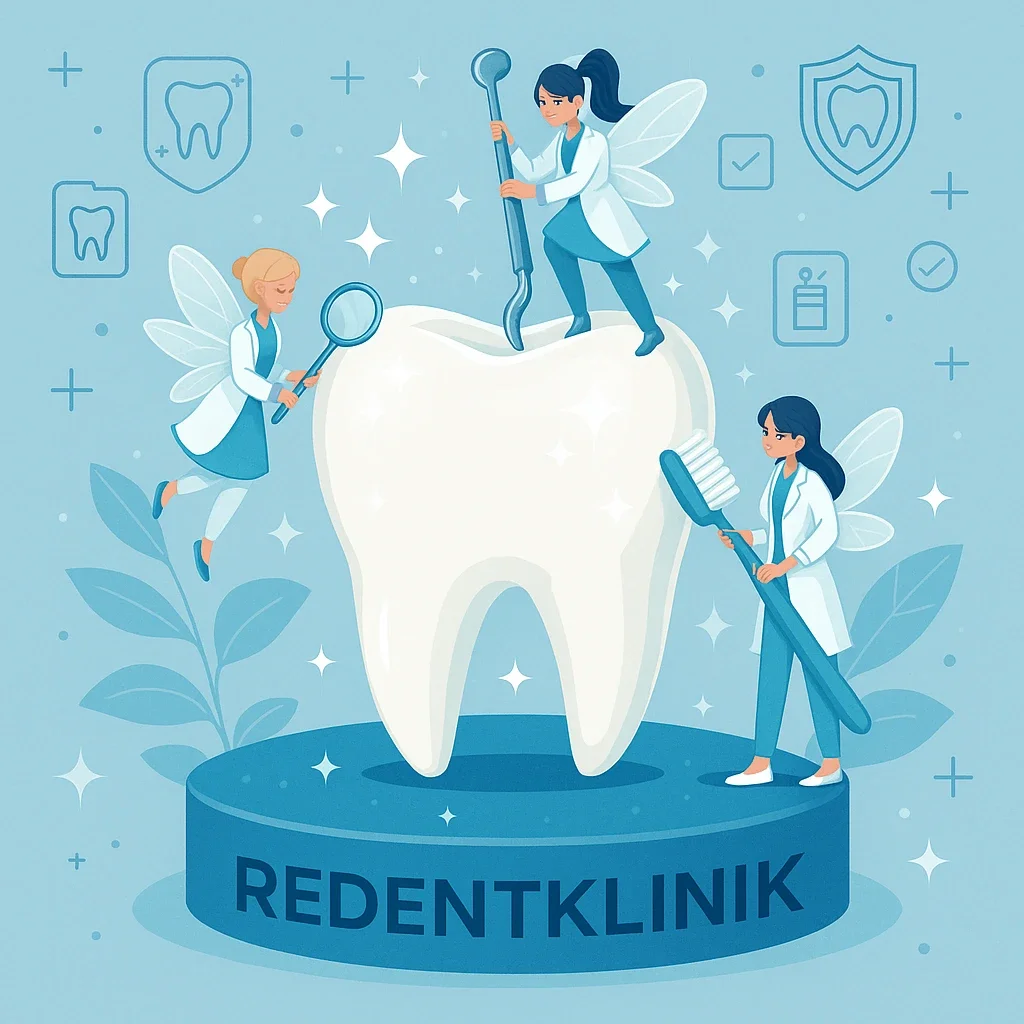
How Dentist Plans Support Preventive Dental Care and Long-Term Oral Health
Preventive dentistry is the cornerstone of a healthy smile, and modern dentist plans are designed to make preventive care both affordable and accessible. From routine cleanings and exams to fluoride treatments and early diagnostics, preventive coverage helps identify issues before they become major — saving patients from costly and painful procedures later. In this section, we’ll explore how dentist plans promote long-term oral health, reduce treatment costs, and encourage consistent care throughout every stage of life. 🦷
Understanding the Role of Preventive Care in Dentist Plans
The primary goal of preventive care is to stop dental problems before they start. Most dentist plans include full coverage for essential preventive services such as check-ups, cleanings, and X-rays. This not only protects your teeth but also ensures that potential issues like cavities, gum disease, or enamel erosion are detected early — before they require invasive procedures.
Typically, preventive services covered by dentist plans include:
- Routine dental cleanings and polishing (usually twice a year)
- Comprehensive oral examinations
- Fluoride treatments for cavity prevention
- X-rays and imaging for early detection
- Sealants for children to protect molars
Because preventive care is often 100% covered, it’s the most cost-effective way to maintain oral health and avoid expensive restorative treatments later.
The Financial Advantage of Preventive-Focused Dentist Plans
Preventive care isn’t just about avoiding discomfort — it’s about saving money. According to the American Dental Association, every $1 spent on preventive dental care can save up to $50 in future restorative costs. For example, treating a small cavity might cost $150, but ignoring it could lead to a root canal exceeding $1,000. By covering regular cleanings and checkups, dentist plans help patients reduce long-term expenses while maintaining healthy smiles. 💰
Many insurance-based dentist plans follow a “100-80-50” model: preventive services are covered at 100%, basic procedures (like fillings) at 80%, and major treatments (like crowns) at 50%. This structure encourages members to prioritize early detection and care — reinforcing the importance of prevention over repair.
Preventive Dentist Plans for Different Age Groups
1. Children and Teenagers
For children, preventive dental care is critical. Most dentist plans cover sealants, fluoride treatments, and early orthodontic screenings. These benefits protect young teeth from decay and help identify bite or alignment problems before they worsen. Parents should take advantage of free or discounted pediatric cleanings and exams to establish healthy habits early on.
2. Adults
Adults benefit from preventive-focused plans that include coverage for routine checkups, gum disease treatment, and oral cancer screenings. Consistent preventive care helps prevent issues like periodontal disease, which affects nearly half of adults over age 30. Plans that include scaling and root planing coverage are especially valuable for maintaining gum health over time.
3. Seniors
Seniors often face challenges such as tooth loss, dry mouth, and sensitivity. Preventive dentist plans tailored for older adults include coverage for denture maintenance, bone health monitoring, and more frequent exams. These features reduce the risk of complications and maintain comfort and function in later years.
How Dentist Plans Encourage Regular Checkups
Many people postpone dental visits due to cost concerns, but preventive-focused dentist plans eliminate that barrier. By offering free cleanings every six months, these plans motivate members to stay consistent with care. Some plans even provide reminder systems or reward programs that give discounts or cash back for attending scheduled appointments. 🌟
Additionally, hybrid membership dentist plans — like those offered by Redent Klinik Contact Page — often include preventive services in one flat annual fee. This means no copays, no deductibles, and predictable costs for all essential checkups and maintenance visits.
Preventive Dentist Plans and Early Disease Detection
Preventive coverage doesn’t just protect your teeth; it can also safeguard your overall health. Regular dental exams are often the first line of defense against systemic conditions like diabetes, heart disease, and even oral cancers. Many dentist plans now emphasize preventive screenings that connect oral health with general well-being.
For example, some advanced plans include saliva testing, bacterial analysis, and laser diagnostics to catch diseases before they become symptomatic. This holistic approach demonstrates that modern dentist plans are more than just insurance — they’re proactive health systems that support early intervention and long-term wellness.
Incentives and Rewards for Preventive Care
To further promote healthy habits, some dentist plans introduce reward-based systems. Members who complete scheduled preventive visits earn bonus benefits or carryover credits. These incentives encourage consistency while reducing overall claim costs for the insurer — a win-win situation for both sides. Examples include:
- Bonus coverage for regular attendance (e.g., an extra $200 annual maximum)
- Discounts on cosmetic treatments for consistent preventive visits
- Rollover credits toward orthodontic or implant services
These incentives help members view dental care as an ongoing commitment, not an occasional necessity. 🪥
Preventive Care and Long-Term Oral Health Outcomes
Over time, consistent preventive care reduces the need for major dental interventions, lowers healthcare costs, and extends the lifespan of natural teeth. Studies show that patients who use preventive benefits regularly are 30% less likely to require root canals or extractions. Thus, dentist plans emphasizing prevention not only improve oral hygiene but also enhance overall life quality.
Moreover, preventive dentist plans foster long-term relationships between patients and providers, ensuring continuity of care. This rapport allows dentists to monitor changes in oral health and intervene before minor issues become serious problems. 👨⚕️
Final Thoughts: Prevention Is the Best Investment
Preventive dental care is one of the most valuable features of any dentist plan. It provides peace of mind, predictable costs, and long-term savings — all while keeping your smile bright and healthy. Whether you’re a parent ensuring your child’s first dental visits or an adult managing lifelong oral health, preventive-focused plans deliver exceptional value and protection.
Ultimately, the smartest approach to oral care is proactive rather than reactive. Choosing dentist plans that prioritize prevention means fewer emergencies, stronger teeth, and a more confident smile that lasts a lifetime. 🌸