
Maintaining excellent oral hygiene is not just about brushing and flossing daily. Even with the best at-home care routine, plaque and tartar can accumulate in hard-to-reach areas of your mouth. This is where a professional dentist polish and scale treatment becomes essential. It is one of the most effective preventive dental procedures that helps keep your teeth clean, your gums healthy, and your smile bright 😁.
The dentist polish and scale procedure is a routine dental cleaning method performed by dental professionals to remove plaque, tartar (hardened plaque), and surface stains from teeth. Over time, bacteria in your mouth form a sticky film called plaque. If not removed regularly, plaque hardens into tartar, which cannot be eliminated by brushing alone. A professional dentist polish and scale session ensures that these harmful deposits are completely removed.
Scaling is the first part of the process. During scaling, your dentist or dental hygienist uses specialized tools to remove plaque and tartar from the tooth surfaces and below the gum line. This is especially important because tartar buildup can lead to gum inflammation, also known as gingivitis. If left untreated, it may progress into more serious conditions like periodontal disease. That’s why a regular dentist polish and scale appointment is critical for long-term oral health.
After scaling, the polishing phase begins. Polishing smooths the tooth surface and removes minor stains caused by coffee, tea, smoking, or certain foods. A smooth tooth surface makes it harder for plaque to accumulate again. This step not only enhances the appearance of your teeth but also contributes to better oral hygiene. The combined process of dentist polish and scale leaves your mouth feeling fresh and your teeth noticeably cleaner ✨.
One of the key reasons why dentist polish and scale is so important is its preventive nature. By removing harmful bacteria and buildup, it significantly reduces the risk of cavities, gum disease, and bad breath. Many patients notice immediate improvements in oral freshness after a dentist polish and scale session. It also helps identify early signs of dental problems, allowing timely treatment.
Another important aspect of dentist polish and scale is its role in maintaining gum health. Healthy gums are essential for supporting your teeth. When tartar accumulates along the gum line, it can cause irritation, bleeding, and swelling. Regular dentist polish and scale treatments help prevent these issues and keep your gums firm and pink, which are signs of good oral health.
People often underestimate how much their lifestyle affects their oral health. Factors such as diet, smoking, and inconsistent brushing habits can accelerate plaque buildup. Even if your teeth look clean, there may be hidden deposits that only a professional dentist polish and scale can remove. This is why dentists recommend scheduling this treatment regularly as part of a comprehensive oral care plan.
In addition to health benefits, dentist polish and scale also improves the aesthetic appearance of your smile. Surface stains are effectively removed during polishing, making your teeth appear whiter and brighter. While it is not the same as teeth whitening, a dentist polish and scale can noticeably enhance your smile without the need for cosmetic procedures.
It is also worth noting that dentist polish and scale is a quick and safe procedure. Most sessions are completed within 30 to 60 minutes, depending on the level of buildup. Modern dental tools and techniques ensure minimal discomfort, making the experience smooth and stress-free for patients. Many clinics also offer gentle cleaning options for those with sensitive teeth.
If you are unsure whether you need a dentist polish and scale, consulting a professional is always the best step. You can easily reach out through the Redent Klinik Contact Page to get personalized advice and schedule your appointment. Additionally, trusted organizations like the American Dental Association emphasize the importance of regular professional cleanings as part of maintaining optimal oral health.
In conclusion, dentist polish and scale is not just a routine dental procedure—it is a fundamental part of preventive care. It protects your teeth, preserves your gums, and enhances your smile. By making dentist polish and scale a regular habit, you invest in long-term oral health and overall well-being. Don’t wait for problems to arise—proactive care is always the best approach 🦷.
What Is Dentist Polish and Scale and Why It Matters
The dentist polish and scale procedure is one of the most essential preventive dental treatments available today. While daily brushing and flossing are crucial for maintaining oral hygiene, they are often not enough to remove all plaque and tartar buildup. Over time, bacteria accumulate in areas that are difficult to reach with a toothbrush, making professional cleaning necessary. This is where dentist polish and scale plays a vital role in keeping your teeth and gums healthy 🦷.
At its core, dentist polish and scale is a two-step process designed to clean teeth thoroughly and prevent oral diseases. It is commonly referred to as professional dental cleaning and is recommended by dental experts worldwide. The treatment not only improves oral health but also enhances the appearance of your smile.
Understanding the Scaling Process
The first step of dentist polish and scale is scaling. During this stage, a dental professional uses specialized instruments to remove plaque and tartar from the surface of the teeth and below the gum line. Tartar, also known as calculus, cannot be removed by regular brushing once it hardens. This makes dentist polish and scale essential for preventing gum disease.
Scaling can be performed using manual tools or ultrasonic devices. Ultrasonic scalers use vibrations and water to break down tartar deposits effectively. This modern technique makes the dentist polish and scale process quicker and more comfortable for patients. Removing these deposits helps reduce inflammation, bleeding gums, and bad breath.
Why Tartar Removal Is Critical
Tartar buildup is not just a cosmetic issue—it is a serious oral health concern. If left untreated, it can lead to gingivitis and eventually periodontitis, a severe gum disease that may result in tooth loss. Regular dentist polish and scale sessions ensure that tartar does not accumulate to dangerous levels, protecting both your teeth and gums.
The Polishing Phase Explained
After scaling, the polishing stage begins. This step is equally important in the dentist polish and scale procedure. Polishing involves using a rotating brush and a special paste to smooth the tooth surfaces. This removes surface stains caused by coffee, tea, smoking, and certain foods.
The polishing process not only improves the look of your teeth but also makes it harder for plaque to stick to them in the future. A smooth surface reduces bacterial accumulation, making your daily oral hygiene routine more effective. This is why dentist polish and scale is considered both a preventive and cosmetic treatment ✨.
Difference Between Polishing and Whitening
It is important to understand that polishing is not the same as teeth whitening. While dentist polish and scale can remove external stains and make teeth appear brighter, it does not change the natural color of your teeth. Whitening treatments, on the other hand, involve chemical agents that lighten the tooth shade. However, many patients find that dentist polish and scale alone significantly improves their smile.
Why Dentist Polish and Scale Matters for Oral Health
The importance of dentist polish and scale cannot be overstated. This procedure plays a key role in preventing a wide range of dental problems. By removing plaque and tartar, it reduces the risk of cavities, gum disease, and persistent bad breath. It also helps detect early signs of oral issues, allowing for timely intervention.
Gum health is another critical reason why dentist polish and scale is necessary. Healthy gums are the foundation of strong teeth. When plaque accumulates along the gum line, it can cause inflammation, leading to redness, swelling, and bleeding. Regular dentist polish and scale treatments help maintain healthy gums and prevent these issues.
Impact on Overall Health
Oral health is closely linked to overall health. Studies have shown that poor oral hygiene can contribute to systemic conditions such as heart disease and diabetes. By maintaining regular dentist polish and scale appointments, you are not only protecting your teeth but also supporting your general well-being.
Who Should Get Dentist Polish and Scale?
Almost everyone can benefit from dentist polish and scale. Whether you have excellent oral hygiene or struggle with plaque buildup, professional cleaning is essential. Dentists typically recommend having a dentist polish and scale procedure every six months, although some individuals may need it more frequently depending on their oral health condition.
People who smoke, consume staining foods and drinks, or have a history of gum disease may require more frequent dentist polish and scale sessions. Additionally, patients with braces or dental restorations often benefit from regular professional cleaning to maintain optimal oral hygiene.
Long-Term Benefits of Dentist Polish and Scale
Investing in regular dentist polish and scale treatments provides long-term benefits that go beyond a clean smile. It helps preserve natural teeth, reduces the need for expensive dental treatments, and boosts confidence. A healthy, bright smile can positively impact your personal and professional life 😊.
In conclusion, dentist polish and scale is a fundamental part of preventive dentistry. It is not just about cleaning teeth—it is about protecting your oral and overall health. By understanding its importance and making it a regular habit, you can enjoy a healthier, brighter smile for years to come.
Top Benefits of Dentist Polish and Scale for Oral Health
The dentist polish and scale procedure is more than just a routine dental cleaning—it is a powerful preventive measure that protects your teeth, gums, and overall oral health. Many people underestimate the importance of professional cleaning, but regular dentist polish and scale treatments offer a wide range of benefits that go far beyond what daily brushing and flossing can achieve. Understanding these benefits can help you prioritize your oral care and maintain a healthier smile for life 😁.
Removes Plaque and Tartar Effectively
One of the most significant benefits of dentist polish and scale is its ability to remove plaque and tartar buildup. Plaque is a sticky film of bacteria that constantly forms on your teeth. If not removed properly, it hardens into tartar, which cannot be eliminated with a toothbrush. The dentist polish and scale procedure uses specialized tools to clean these deposits thoroughly, especially in areas that are difficult to reach.
Without regular dentist polish and scale, tartar buildup can lead to serious dental problems such as cavities and gum disease. By removing these harmful substances, the procedure ensures that your teeth remain clean and healthy.
Prevents Bacterial Growth
Plaque and tartar are breeding grounds for bacteria. These bacteria can cause infections and inflammation in the gums. A professional dentist polish and scale session eliminates these harmful bacteria, reducing the risk of oral infections and promoting a healthier mouth environment.
Prevents Gum Disease
Gum disease is one of the most common oral health issues worldwide, and it often starts with plaque buildup along the gum line. The dentist polish and scale procedure plays a crucial role in preventing this condition. By removing tartar deposits and cleaning below the gum line, it helps keep your gums healthy and free from inflammation.
Regular dentist polish and scale appointments can prevent gingivitis (early-stage gum disease) from progressing into periodontitis, a more severe condition that can lead to tooth loss. This makes the procedure essential for long-term oral health.
Reduces Gum Bleeding and Swelling
If you experience bleeding while brushing or flossing, it may be a sign of gum inflammation. A dentist polish and scale treatment helps reduce this inflammation, allowing your gums to heal and return to a healthy state.
Improves Breath Freshness
Bad breath, also known as halitosis, is often caused by bacteria and food particles trapped in the mouth. Even with regular brushing, these can accumulate in hard-to-reach areas. The dentist polish and scale procedure removes these sources of odor, leaving your mouth feeling fresh and clean.
Many patients notice an immediate improvement in their breath after a dentist polish and scale session. This not only enhances oral hygiene but also boosts confidence in social interactions 😊.
Enhances the Appearance of Your Smile
Another major benefit of dentist polish and scale is its ability to improve the aesthetic appearance of your teeth. Surface stains caused by coffee, tea, wine, and smoking are effectively removed during the polishing phase. This results in a brighter and more attractive smile.
Although dentist polish and scale is not a whitening treatment, it can make a noticeable difference in the color of your teeth by eliminating external discoloration. This makes it an excellent option for those looking to enhance their smile without undergoing cosmetic procedures.
Boosts Confidence
A clean and bright smile can significantly impact your self-esteem. Regular dentist polish and scale treatments help you maintain a smile that you can be proud of, improving your confidence in both personal and professional settings.
Supports Overall Health
Oral health is closely linked to overall health. Poor oral hygiene has been associated with various systemic conditions, including heart disease and diabetes. By maintaining regular dentist polish and scale appointments, you reduce the risk of these complications.
Removing bacteria from the mouth through dentist polish and scale helps prevent them from entering the bloodstream and causing health issues elsewhere in the body. This highlights the importance of professional dental cleaning as part of a holistic approach to health.
Early Detection of Dental Problems
During a dentist polish and scale appointment, your dentist or hygienist also examines your teeth and gums for signs of potential problems. This includes checking for cavities, gum disease, and other oral conditions.
Early detection is key to preventing more serious issues. Regular dentist polish and scale visits allow your dentist to identify and address problems before they become severe, saving you time, discomfort, and potentially costly treatments.
Prevents Expensive Treatments
By addressing dental issues early, dentist polish and scale helps you avoid more complex and expensive procedures such as root canals, extractions, or periodontal surgery. It is a cost-effective way to maintain your oral health.
Promotes Long-Term Oral Hygiene Habits
Regular dentist polish and scale appointments encourage better oral hygiene habits. After a professional cleaning, patients are often more motivated to maintain their oral health through proper brushing and flossing techniques.
Dentists also provide personalized advice during dentist polish and scale visits, helping you improve your daily routine and prevent future problems. This guidance is invaluable for maintaining a healthy smile in the long run.
Conclusion: Why You Should Not Skip Dentist Polish and Scale
The benefits of dentist polish and scale extend far beyond clean teeth. From preventing gum disease and improving breath to enhancing your smile and supporting overall health, this procedure is an essential part of modern dental care.
Making dentist polish and scale a regular part of your oral hygiene routine ensures that your teeth and gums remain in optimal condition. It is a simple yet powerful step toward achieving a healthier, more confident smile that lasts a lifetime 🦷✨.
Step-by-Step Process of Dentist Polish and Scale Treatment
The dentist polish and scale procedure is a structured and carefully performed dental treatment designed to thoroughly clean your teeth and protect your oral health. Many patients feel more comfortable when they understand exactly what happens during a dentist polish and scale appointment. This section will guide you step by step through the entire process so you know what to expect and can approach your visit with confidence 😊.
Initial Examination and Assessment
Before starting the dentist polish and scale procedure, your dentist or dental hygienist will first perform a detailed examination of your mouth. This step is crucial because it allows the professional to assess the level of plaque and tartar buildup, as well as the condition of your gums.
During this stage, your dentist may use a small mirror and probe to check for signs of gum disease, cavities, or other oral issues. The dentist polish and scale treatment plan may vary depending on your specific needs. For example, patients with more advanced tartar buildup may require a deeper cleaning approach.
Personalized Treatment Planning
Every mouth is different, which is why a customized approach to dentist polish and scale is essential. Based on the examination, your dentist determines the best tools and techniques to use, ensuring a safe and effective cleaning process.
Scaling: Removing Plaque and Tartar
The scaling phase is the most important part of the dentist polish and scale procedure. During scaling, your dentist uses specialized instruments to remove plaque and hardened tartar from the tooth surfaces and beneath the gum line.
There are two main types of tools used in dentist polish and scale:
- Manual scalers – handheld instruments for precise removal
- Ultrasonic scalers – devices that use vibrations and water spray
Ultrasonic scalers are commonly used because they make the dentist polish and scale process faster and more comfortable. The vibrations break down tartar deposits, while the water flushes away debris and bacteria.
Cleaning Below the Gum Line
One of the key advantages of dentist polish and scale is its ability to clean areas below the gum line. This is where harmful bacteria often accumulate and cause gum disease. Thorough cleaning in this area helps prevent inflammation and promotes healthier gums.
Rinsing and Debris Removal
After scaling, your mouth is rinsed to remove loosened plaque, tartar, and debris. This step ensures that the cleaning process during dentist polish and scale is thorough and prepares your teeth for the next stage.
The rinse may include water or an antimicrobial solution to further reduce bacteria in your mouth. This enhances the effectiveness of the dentist polish and scale treatment.
Polishing: Smoothing the Tooth Surface
Once scaling is complete, the polishing phase begins. Polishing is an essential part of dentist polish and scale because it smooths the tooth surfaces and removes surface stains.
A rotating rubber cup or brush is used along with a special polishing paste. This paste has a slightly abrasive texture that helps eliminate stains caused by coffee, tea, or smoking. The dentist polish and scale process leaves your teeth feeling smooth and clean ✨.
Why Polishing Matters
Polishing does more than improve appearance. A smooth tooth surface makes it harder for plaque to stick to your teeth, which helps maintain the results of your dentist polish and scale treatment for a longer time.
Fluoride Application (Optional but Beneficial)
In many cases, a fluoride treatment is applied after dentist polish and scale. Fluoride strengthens the enamel and provides additional protection against cavities.
This step is especially beneficial for patients who are prone to tooth decay. While not always included, fluoride application enhances the preventive benefits of dentist polish and scale.
Final Check and Recommendations
After completing the dentist polish and scale procedure, your dentist performs a final check to ensure that all plaque and tartar have been removed. They will also evaluate your gum health and overall oral condition.
At this stage, you may receive personalized advice on how to maintain your oral hygiene. This could include tips on brushing techniques, flossing habits, and dietary recommendations. Regular dentist polish and scale visits combined with proper home care are the key to long-term oral health.
Post-Treatment Sensations
It is normal to experience slight sensitivity after a dentist polish and scale session, especially if there was significant tartar buildup. This sensitivity is usually temporary and subsides within a few days.
How Long Does Dentist Polish and Scale Take?
The duration of a dentist polish and scale procedure typically ranges from 30 to 60 minutes. However, the exact time depends on the amount of plaque and tartar present.
For patients with more extensive buildup, the dentist may recommend multiple sessions to complete the dentist polish and scale treatment safely and effectively.
Why Understanding the Process Is Important
Knowing what happens during a dentist polish and scale procedure helps reduce anxiety and encourages regular dental visits. Many people avoid dental appointments due to fear of the unknown, but understanding each step makes the experience more predictable and comfortable.
In conclusion, the dentist polish and scale process is a well-organized and highly effective treatment that ensures your teeth and gums remain healthy. From the initial examination to the final polish, each step is designed to provide maximum oral health benefits. By committing to regular dentist polish and scale appointments, you take a proactive step toward a cleaner, healthier, and more confident smile 🦷.
How Often Should You Get Dentist Polish and Scale?
One of the most common questions patients ask is how frequently they should schedule a dentist polish and scale appointment. While daily brushing and flossing are essential for maintaining oral hygiene, they are not enough to completely eliminate plaque and tartar buildup. That’s why professional cleaning through dentist polish and scale is recommended at regular intervals. However, the exact frequency can vary depending on individual oral health needs, lifestyle habits, and risk factors 🦷.
General Recommendation for Dentist Polish and Scale
For most people, dentists recommend having a dentist polish and scale treatment every six months. This schedule is considered ideal for maintaining healthy teeth and gums while preventing plaque from turning into tartar. Regular six-month visits ensure that your oral health stays under control and that any potential issues are identified early.
During these routine visits, the dentist polish and scale procedure removes accumulated plaque and tartar, reduces the risk of gum disease, and keeps your breath fresh. Following this schedule also allows your dentist to monitor your oral health consistently.
Why Six Months Is the Standard
Plaque begins forming on your teeth within hours after brushing. Over time, it hardens into tartar if not properly removed. A six-month interval for dentist polish and scale ensures that tartar does not build up to harmful levels. This preventive approach minimizes the chances of developing serious dental problems.
Factors That Affect Dentist Polish and Scale Frequency
While the six-month rule works for many people, some individuals may need more frequent dentist polish and scale sessions. Several factors influence how often you should undergo this procedure:
- Oral hygiene habits
- Diet and sugar intake
- Smoking or tobacco use
- History of gum disease
- Presence of braces or dental restorations
If you are at higher risk of dental issues, your dentist may recommend a dentist polish and scale every three to four months instead of twice a year.
High-Risk Patients
Patients with gum disease, diabetes, or a weakened immune system often require more frequent dentist polish and scale treatments. These conditions can increase the likelihood of plaque buildup and infections, making regular professional cleaning even more important.
Dentist Polish and Scale for Gum Disease Prevention
Gum disease is one of the main reasons why regular dentist polish and scale appointments are necessary. Early-stage gum disease, known as gingivitis, can often be reversed with proper cleaning and care. However, if left untreated, it can progress into periodontitis, which may lead to tooth loss.
Frequent dentist polish and scale sessions help control plaque and tartar levels, reducing the risk of gum disease. They also allow your dentist to detect early signs of inflammation and take preventive action.
Signs You May Need More Frequent Cleaning
If you notice any of the following symptoms, you may need a dentist polish and scale sooner than scheduled:
- Bleeding gums during brushing
- Persistent bad breath
- Red or swollen gums
- Sensitivity around the gum line
These signs indicate that plaque and bacteria may be affecting your gum health, making a dentist polish and scale appointment necessary.
Lifestyle and Its Impact on Dentist Polish and Scale Frequency
Your lifestyle plays a significant role in determining how often you need a dentist polish and scale. For example, individuals who consume a lot of sugary foods or beverages are more prone to plaque buildup. Similarly, smoking can lead to faster tartar accumulation and staining.
In such cases, more frequent dentist polish and scale treatments are recommended to maintain oral health and prevent complications. On the other hand, individuals with excellent oral hygiene habits may be able to stick to the standard six-month schedule.
Diet and Oral Hygiene Habits
A balanced diet and proper brushing and flossing can extend the benefits of your dentist polish and scale treatment. However, even with excellent habits, professional cleaning remains essential to remove hidden buildup.
Children and Dentist Polish and Scale
Children also benefit from regular dentist polish and scale appointments. Early exposure to professional dental care helps establish good oral hygiene habits and prevents cavities. Dentists typically recommend the same six-month schedule for children, although this may vary based on their needs.
Regular dentist polish and scale visits for children can also help detect alignment issues or early signs of dental problems, ensuring timely intervention.
Long-Term Benefits of Regular Dentist Polish and Scale
Maintaining a consistent schedule for dentist polish and scale offers long-term benefits for your oral health. It helps prevent costly dental treatments, preserves your natural teeth, and ensures a bright, healthy smile.
By following your dentist’s recommendations for dentist polish and scale, you can avoid complications such as cavities, gum disease, and tooth loss. Regular visits also contribute to better overall health, as oral hygiene is closely linked to systemic well-being.
Conclusion: Finding the Right Schedule for You
There is no one-size-fits-all answer to how often you should get a dentist polish and scale. While the general recommendation is every six months, your individual needs may vary. Consulting your dentist is the best way to determine the ideal schedule for your oral health.
In conclusion, regular dentist polish and scale treatments are essential for maintaining clean teeth, healthy gums, and a confident smile. By staying consistent with your appointments and following professional advice, you can enjoy long-lasting oral health and prevent future dental problems 😊.
Does Dentist Polish and Scale Hurt? Pain and Comfort Explained
One of the most common concerns patients have before booking a dental appointment is whether a dentist polish and scale procedure will be painful. This concern is completely understandable, especially for individuals who have sensitive teeth or have not visited a dentist in a long time. The good news is that modern dentist polish and scale treatments are designed to be as comfortable and gentle as possible, making the experience far less intimidating than many people expect 😊.
In most cases, a routine dentist polish and scale procedure is not painful. Instead, patients typically describe the sensation as slightly uncomfortable rather than painful. Understanding what happens during the treatment and what sensations you may feel can help ease anxiety and prepare you for a smoother experience.
What You Feel During Dentist Polish and Scale
During a dentist polish and scale session, your dentist or hygienist uses specialized tools to remove plaque and tartar from your teeth. You may feel light pressure or a scraping sensation as the instruments clean the tooth surfaces. This is completely normal and part of the process.
Ultrasonic scalers, which are commonly used in dentist polish and scale, create vibrations to break down tartar. These vibrations are usually painless but may feel unusual if you are not used to them. Water spray is also used to rinse away debris, which adds to the sensation but helps keep the procedure comfortable.
Sensitivity in Certain Areas
If you have areas with significant tartar buildup or exposed tooth roots, you may experience slight sensitivity during dentist polish and scale. This is because these areas are more vulnerable. However, this sensitivity is usually mild and temporary.
Factors That Influence Pain Levels
The level of discomfort during a dentist polish and scale procedure can vary from person to person. Several factors can influence how you experience the treatment:
- Amount of plaque and tartar buildup
- Gum health and presence of inflammation
- Tooth sensitivity
- Time since your last dental cleaning
Patients who regularly undergo dentist polish and scale treatments tend to experience minimal discomfort because there is less buildup to remove. On the other hand, individuals who have not had a cleaning in a long time may feel slightly more sensitivity.
Gum Condition Matters
If your gums are inflamed or affected by gingivitis, you may feel more discomfort during dentist polish and scale. This is because inflamed tissues are more sensitive. However, the procedure itself helps improve gum health, reducing discomfort in the long run.
How Dentists Minimize Discomfort
Modern dental practices prioritize patient comfort, and there are several ways dentists make dentist polish and scale as pain-free as possible. Advanced tools and techniques have significantly improved the patient experience.
For patients with high sensitivity or anxiety, dentists may use numbing gels or local anesthesia during dentist polish and scale. This ensures that even deep cleaning procedures can be performed without pain.
Communication Is Key
One of the best ways to ensure a comfortable dentist polish and scale experience is to communicate openly with your dentist. If you feel discomfort at any point, you can let them know, and they will adjust their technique accordingly.
What About After Dentist Polish and Scale?
After a dentist polish and scale session, it is normal to experience mild sensitivity, especially when consuming hot or cold foods. This sensitivity occurs because plaque and tartar that previously covered parts of your teeth have been removed, exposing cleaner surfaces.
This post-treatment sensitivity usually subsides within a few days. Maintaining good oral hygiene and using a toothpaste for sensitive teeth can help reduce discomfort after dentist polish and scale.
Temporary Gum Tenderness
Your gums may also feel slightly tender after a dentist polish and scale procedure, particularly if there was significant buildup. This tenderness is temporary and typically resolves quickly as your gums heal.
Tips to Make Dentist Polish and Scale More Comfortable
If you are worried about discomfort, there are several steps you can take to make your dentist polish and scale experience more pleasant:
- Brush and floss regularly to reduce buildup before your appointment
- Avoid scheduling your visit when you are already stressed
- Inform your dentist about any sensitivity or concerns
- Consider using desensitizing toothpaste before your visit
These simple steps can significantly improve your comfort during dentist polish and scale and help you feel more relaxed throughout the procedure.
Why the Benefits Outweigh the Discomfort
Even if you experience mild discomfort, the benefits of dentist polish and scale far outweigh the temporary sensations. The procedure removes harmful bacteria, prevents gum disease, and keeps your teeth clean and healthy.
Skipping dentist polish and scale due to fear of pain can lead to more serious dental issues that require complex and potentially painful treatments. Regular cleanings are a proactive way to avoid these problems.
Conclusion: Dentist Polish and Scale Is Generally Comfortable
In conclusion, a dentist polish and scale procedure is generally not painful and is designed with patient comfort in mind. While you may experience mild sensitivity or pressure, these sensations are temporary and manageable.
Understanding what to expect and communicating with your dentist can make your dentist polish and scale experience smooth and stress-free. By overcoming the fear of discomfort, you take an important step toward maintaining excellent oral health and a confident smile 🦷✨.
Cost of Dentist Polish and Scale: What to Expect
The cost of a dentist polish and scale procedure is one of the most important considerations for patients planning their dental care. While this treatment is essential for maintaining oral health, many people want to understand how much they should expect to pay and what factors influence the pricing. The good news is that dentist polish and scale is generally one of the most affordable and cost-effective dental procedures available today 🦷.
However, the price of dentist polish and scale can vary significantly depending on several factors, including location, clinic quality, dentist expertise, and the condition of your oral health. Understanding these factors can help you make an informed decision and avoid unexpected expenses.
Average Cost of Dentist Polish and Scale Worldwide
The average cost of dentist polish and scale differs from country to country. In general, developed countries tend to have higher prices due to higher operational costs and advanced technology, while other regions offer more affordable options.
- United States: $75 – $200 per session
- United Kingdom: £40 – £120
- Europe (average): €50 – €150
- Turkey: $30 – $80
As you can see, dentist polish and scale in countries like Turkey is significantly more affordable while still maintaining high-quality standards. This is one reason why many patients consider dental tourism for routine treatments.
Why Prices Vary by Location
The cost of living, clinic expenses, and dentist fees all influence the price of dentist polish and scale. Clinics in major cities or premium areas may charge more than smaller or less central locations.
Factors That Affect Dentist Polish and Scale Cost
Several factors determine the final price of a dentist polish and scale procedure. Understanding these can help you estimate your costs more accurately.
1. Level of Plaque and Tartar Buildup
If your teeth have minimal buildup, the dentist polish and scale procedure will be straightforward and less time-consuming. However, if there is significant tartar accumulation, a more intensive cleaning may be required, which can increase the cost.
2. Type of Cleaning Required
Standard dentist polish and scale is usually less expensive than deep cleaning procedures such as scaling and root planing. Deep cleaning is recommended for patients with advanced gum disease and involves more detailed work below the gum line.
3. Clinic and Dentist Expertise
Highly experienced dentists or premium dental clinics may charge higher fees for dentist polish and scale. However, this often comes with the benefit of advanced technology, better comfort, and higher-quality care.
4. Additional Treatments
Sometimes, a dentist polish and scale session may include additional services such as fluoride application or oral examinations. These extras can slightly increase the overall cost.
Is Dentist Polish and Scale Covered by Insurance?
In many countries, dental insurance plans partially or fully cover dentist polish and scale as part of preventive care. Coverage depends on your specific insurance policy, but routine cleanings are often included.
If you have dental insurance, it is a good idea to check whether your plan covers dentist polish and scale and how often you are eligible for reimbursement. This can significantly reduce your out-of-pocket expenses.
Preventive Care Benefits
Insurance providers often encourage preventive treatments like dentist polish and scale because they help avoid more expensive procedures in the future. This makes regular cleaning both a health and financial advantage.
Is Dentist Polish and Scale Worth the Cost?
When considering the cost, it is important to evaluate the long-term value of dentist polish and scale. This procedure helps prevent serious dental problems such as cavities, gum disease, and tooth loss, all of which can be much more expensive to treat.
By investing in regular dentist polish and scale appointments, you can avoid costly treatments like root canals, dental implants, or periodontal surgery. In this sense, it is a highly cost-effective preventive measure.
Cost vs Long-Term Savings
Spending a relatively small amount on dentist polish and scale can save you thousands in future dental expenses. It is one of the smartest investments you can make for your oral health.
Tips to Save Money on Dentist Polish and Scale
If you are concerned about the cost, there are several ways to make dentist polish and scale more affordable:
- Schedule regular appointments to avoid heavy buildup
- Choose clinics offering preventive care packages
- Check for insurance coverage or discounts
- Consider dental tourism options
Maintaining good oral hygiene at home can also reduce the need for more intensive and expensive dentist polish and scale treatments.
Affordable Care Options
Many clinics offer promotional packages or bundled services that include dentist polish and scale at a lower price. Additionally, dental schools often provide treatments at reduced costs under professional supervision.
Conclusion: Understanding the Cost of Dentist Polish and Scale
In conclusion, the cost of dentist polish and scale is relatively affordable compared to other dental procedures, especially considering its preventive benefits. Prices vary depending on location, clinic, and individual needs, but the investment is well worth it.
Regular dentist polish and scale treatments not only keep your teeth clean and healthy but also help you avoid more serious and expensive dental issues. By understanding the factors that influence cost and exploring available options, you can ensure that this essential treatment fits comfortably within your budget while protecting your smile for years to come 😊.
Before and After Care Tips for Dentist Polish and Scale
Getting a dentist polish and scale treatment is one of the best steps you can take for maintaining excellent oral hygiene. However, many people overlook an equally important aspect: proper care before and after the procedure. Preparing your mouth beforehand and following the right aftercare routine can significantly enhance the results of your dentist polish and scale and ensure long-lasting benefits 🦷✨.
This section will guide you through essential before and after care tips, helping you maximize the effectiveness of your dentist polish and scale treatment while minimizing discomfort and potential complications.
How to Prepare Before Dentist Polish and Scale
Proper preparation before your dentist polish and scale appointment can make the procedure smoother and more comfortable. While this is a routine treatment, a few simple steps can help improve your overall experience.
Maintain Good Oral Hygiene
Before undergoing dentist polish and scale, it is important to maintain consistent brushing and flossing habits. While the procedure will remove plaque and tartar, keeping your mouth as clean as possible beforehand helps reduce bacteria and inflammation.
Avoid Heavy Meals Right Before
It is generally recommended to avoid heavy meals just before your dentist polish and scale appointment. A light meal is fine, but eating excessively can make the experience less comfortable. Clean your teeth gently before heading to your dentist.
Inform Your Dentist About Sensitivity
If you have sensitive teeth or gums, make sure to inform your dentist before the dentist polish and scale procedure. This allows them to adjust their technique or use desensitizing methods to ensure your comfort.
What to Expect Immediately After Dentist Polish and Scale
After completing your dentist polish and scale session, your teeth will feel noticeably cleaner and smoother. However, it is normal to experience some mild sensitivity, especially if there was significant tartar buildup.
This sensitivity is temporary and usually subsides within a few days. Understanding what is normal after dentist polish and scale can help you avoid unnecessary worry.
Temporary Sensitivity
You may notice sensitivity to hot or cold foods after your dentist polish and scale. This occurs because plaque and tartar that previously covered parts of your teeth have been removed, exposing cleaner enamel.
Minor Gum Tenderness
Your gums may feel slightly tender or sensitive after dentist polish and scale, especially if they were inflamed before the procedure. This is part of the healing process and should improve quickly.
Aftercare Tips for Dentist Polish and Scale
Following the right aftercare routine is crucial for maintaining the results of your dentist polish and scale. These simple yet effective tips can help you protect your teeth and gums after the procedure.
Avoid Staining Foods and Drinks
After a dentist polish and scale, your teeth are more susceptible to staining. It is best to avoid coffee, tea, red wine, and dark-colored foods for at least 24–48 hours. This helps preserve the clean and bright appearance of your teeth.
Use a Soft Toothbrush
Switching to a soft-bristled toothbrush after dentist polish and scale can help reduce irritation and protect your gums. Brush gently to avoid discomfort while your gums recover.
Maintain Daily Oral Hygiene
Brushing twice a day and flossing regularly is essential after dentist polish and scale. This prevents plaque from building up again and helps maintain the results of your treatment.
Dietary Recommendations After Dentist Polish and Scale
Your diet plays a significant role in how well your teeth recover after dentist polish and scale. Choosing the right foods can promote healing and reduce sensitivity.
Eat Soft Foods Initially
After your dentist polish and scale, it is advisable to consume soft foods such as yogurt, soup, or mashed vegetables. These foods are gentle on your teeth and gums, especially if you are experiencing sensitivity.
Avoid Extremely Hot or Cold Foods
Extreme temperatures can trigger sensitivity after dentist polish and scale. It is best to stick to lukewarm foods and drinks until your teeth return to normal.
Long-Term Care After Dentist Polish and Scale
To maintain the benefits of your dentist polish and scale, long-term care is essential. Professional cleaning is only one part of maintaining oral health—the rest depends on your daily habits.
Regular Dental Visits
Scheduling regular dentist polish and scale appointments ensures that plaque and tartar do not build up again. Consistency is key to maintaining a healthy smile.
Use Recommended Dental Products
Your dentist may recommend specific toothpaste or mouthwash after your dentist polish and scale. These products can help reduce sensitivity and improve overall oral hygiene.
Common Mistakes to Avoid
Many patients unknowingly make mistakes after dentist polish and scale that can reduce the effectiveness of the treatment. Avoiding these errors can help you maintain optimal results.
- Skipping brushing due to sensitivity
- Consuming staining drinks immediately
- Ignoring gum discomfort
- Delaying future dental visits
Being mindful of these mistakes ensures that your dentist polish and scale results last longer and your oral health remains in excellent condition.
Conclusion: Maximize Results with Proper Care
In conclusion, proper care before and after a dentist polish and scale procedure is essential for achieving the best results. From preparing your mouth before the appointment to following the right aftercare routine, each step plays a crucial role in maintaining your oral health.
By following these tips, you can ensure that your dentist polish and scale treatment delivers long-lasting benefits, leaving your teeth cleaner, healthier, and more beautiful. Consistency and good habits are the foundation of a bright and confident smile 😊.
Who Needs Dentist Polish and Scale the Most?
The dentist polish and scale procedure is beneficial for almost everyone, but certain individuals need it more urgently and more frequently than others. While it is a standard preventive treatment, some people are at higher risk of plaque buildup, gum disease, and oral health complications. Understanding who benefits the most from dentist polish and scale can help you determine how essential this procedure is for your specific situation 🦷.
Although regular dental cleaning is recommended for all, specific groups should prioritize dentist polish and scale as a key part of their oral care routine. Let’s explore these groups in detail.
People with Poor Oral Hygiene Habits
Individuals who struggle to maintain consistent brushing and flossing routines are among those who need dentist polish and scale the most. When oral hygiene is not properly maintained, plaque accumulates quickly and hardens into tartar.
In such cases, a dentist polish and scale procedure becomes essential to remove buildup that cannot be cleaned at home. Without professional cleaning, these individuals are at a higher risk of cavities and gum disease.
Signs of Poor Oral Hygiene
- Persistent bad breath
- Visible tartar on teeth
- Yellow or stained teeth
- Bleeding gums during brushing
If you experience these symptoms, scheduling a dentist polish and scale appointment should be a priority.
Smokers and Tobacco Users
Smoking and tobacco use significantly increase the need for dentist polish and scale. Tobacco products contribute to heavy staining on teeth and accelerate plaque and tartar buildup.
Additionally, smokers are more prone to gum disease due to reduced blood flow to the gums. Regular dentist polish and scale treatments help remove stains and reduce the risk of serious oral health issues.
Impact of Smoking on Oral Health
Smoking not only affects the appearance of your teeth but also weakens your immune response. This makes it harder for your body to fight infections, making dentist polish and scale even more important for maintaining healthy gums.
Patients with Gum Disease or Gingivitis
Individuals who have been diagnosed with gum disease or gingivitis require frequent dentist polish and scale treatments. These conditions are caused by plaque and tartar buildup along the gum line.
Regular dentist polish and scale helps control bacterial growth, reduce inflammation, and prevent the progression of gum disease. For patients with advanced conditions, more intensive cleaning procedures may be recommended.
Early Intervention Is Key
Early-stage gum disease can often be reversed with proper care and regular dentist polish and scale. Ignoring symptoms can lead to more severe complications, including tooth loss.
People with Braces or Dental Appliances
Orthodontic appliances such as braces, retainers, or aligners make it more difficult to clean teeth effectively. Food particles and plaque can easily get trapped around brackets and wires.
For these individuals, dentist polish and scale is crucial to maintain oral hygiene. Professional cleaning ensures that areas around dental appliances are thoroughly cleaned, preventing decay and gum issues.
Challenges with Braces
Even with careful brushing, it is difficult to reach all areas when wearing braces. Regular dentist polish and scale sessions help compensate for these limitations and keep your teeth healthy during orthodontic treatment.
Individuals with Frequent Staining
People who consume large amounts of coffee, tea, wine, or other staining substances often require more frequent dentist polish and scale. These habits can lead to noticeable discoloration over time.
The polishing phase of dentist polish and scale effectively removes surface stains, helping maintain a brighter and more attractive smile.
Cosmetic Benefits
While not a whitening treatment, dentist polish and scale significantly improves the appearance of teeth by removing external stains, making it ideal for individuals concerned about aesthetics.
Patients with Medical Conditions
Certain medical conditions increase the need for dentist polish and scale. For example, individuals with diabetes are more prone to gum disease and infections.
Regular dentist polish and scale helps manage these risks by keeping the mouth clean and reducing bacterial buildup. Maintaining oral health is especially important for patients with systemic conditions.
Connection Between Oral and General Health
Poor oral hygiene can worsen certain medical conditions. By prioritizing dentist polish and scale, patients can support both their oral and overall health.
People Who Haven’t Had a Cleaning in a Long Time
If it has been more than six months—or even years—since your last dental visit, you likely need a dentist polish and scale as soon as possible. Over time, plaque and tartar can accumulate significantly, leading to oral health problems.
A professional dentist polish and scale session will remove this buildup and restore your oral hygiene to a healthy level.
Restarting Your Oral Care Routine
Even if you have neglected dental visits in the past, it is never too late to start again. A dentist polish and scale treatment is the perfect first step toward improving your oral health.
Conclusion: Identifying Your Need for Dentist Polish and Scale
In conclusion, while dentist polish and scale is beneficial for everyone, certain groups need it more urgently and frequently. Whether you have poor oral hygiene, wear braces, smoke, or have underlying health conditions, regular professional cleaning is essential.
Understanding your risk factors and scheduling timely dentist polish and scale appointments can help you maintain a healthy, clean, and confident smile. Taking proactive steps today ensures better oral health and prevents serious dental problems in the future 😊.
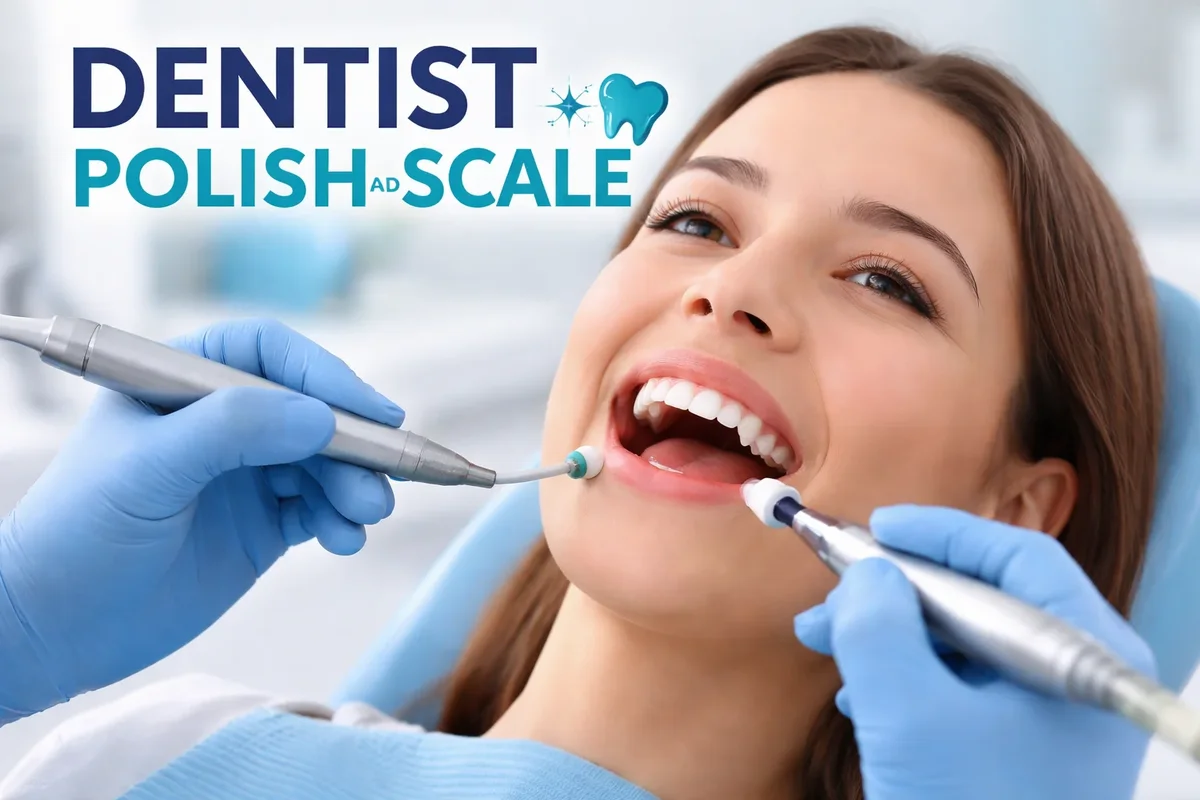
Dentist Polish and Scale vs Deep Cleaning: Key Differences
When it comes to maintaining oral health, many patients are unsure about the difference between a dentist polish and scale procedure and a deep cleaning treatment. While both aim to improve oral hygiene and prevent dental issues, they serve different purposes and are recommended for different conditions. Understanding these differences can help you choose the right treatment and avoid unnecessary confusion during your dental visits 🦷.
The dentist polish and scale procedure is a routine preventive cleaning, while deep cleaning—often referred to as scaling and root planing—is a more advanced treatment used for patients with gum disease. Let’s explore these differences in detail.
What Is Dentist Polish and Scale?
The dentist polish and scale procedure is a standard dental cleaning designed to remove plaque, tartar, and surface stains from teeth. It focuses on cleaning above and slightly below the gum line, ensuring that your teeth remain clean and your gums stay healthy.
This treatment is typically recommended every six months for most individuals. Regular dentist polish and scale sessions help prevent cavities, gum disease, and bad breath, making it an essential part of preventive dental care.
Purpose of Dentist Polish and Scale
The primary goal of dentist polish and scale is prevention. It keeps your oral environment clean and reduces the risk of developing serious dental problems. It is suitable for patients with generally healthy gums and minimal tartar buildup.
What Is Deep Cleaning (Scaling and Root Planing)?
Deep cleaning is a more intensive procedure that goes beyond a routine dentist polish and scale. It is specifically designed for patients who have gum disease, particularly periodontitis.
This treatment involves cleaning below the gum line and smoothing the roots of the teeth to remove bacteria and prevent further infection. Unlike dentist polish and scale, deep cleaning targets areas that are not accessible during standard cleaning.
When Deep Cleaning Is Necessary
Deep cleaning is recommended when there are signs of advanced gum disease, such as deep pockets between the teeth and gums, persistent inflammation, and bone loss. In such cases, a regular dentist polish and scale is not sufficient.
Key Differences Between Dentist Polish and Scale and Deep Cleaning
Although both procedures aim to improve oral health, there are several important differences between dentist polish and scale and deep cleaning:
- Purpose: Dentist polish and scale is preventive, while deep cleaning is therapeutic
- Depth of Cleaning: Dentist polish and scale cleans above the gum line; deep cleaning goes below
- Time Required: Dentist polish and scale is usually completed in one session; deep cleaning may require multiple visits
- Discomfort Level: Dentist polish and scale is generally comfortable; deep cleaning may require anesthesia
Understanding these differences helps you appreciate why your dentist may recommend one procedure over the other.
Comfort and Recovery
One of the biggest advantages of dentist polish and scale is its simplicity and comfort. Deep cleaning, on the other hand, may involve more discomfort and a longer recovery period due to its invasive nature.
Which One Do You Need?
The choice between dentist polish and scale and deep cleaning depends on your oral health condition. If your gums are healthy and you only have mild plaque buildup, a routine dentist polish and scale is sufficient.
However, if you have symptoms of gum disease—such as bleeding gums, bad breath, or gum recession—your dentist may recommend deep cleaning instead of or in addition to dentist polish and scale.
Importance of Professional Evaluation
Only a dental professional can determine whether you need a dentist polish and scale or a deep cleaning. Regular check-ups are essential for identifying the right treatment at the right time.
Can Dentist Polish and Scale Prevent Deep Cleaning?
Yes, one of the biggest advantages of regular dentist polish and scale treatments is that they can prevent the need for deep cleaning. By removing plaque and tartar early, you reduce the risk of gum disease progressing to a stage where more intensive treatment is required.
Consistent dentist polish and scale appointments act as a preventive shield, protecting your gums and teeth from serious complications.
Preventive Care Saves Time and Money
Regular dentist polish and scale is not only beneficial for your health but also cost-effective. Preventing gum disease eliminates the need for more expensive and time-consuming procedures like deep cleaning.
Risks of Ignoring Both Procedures
Neglecting both dentist polish and scale and deep cleaning can lead to severe oral health issues. Plaque and tartar buildup can cause gum disease, tooth decay, and even tooth loss.
By ignoring routine dentist polish and scale, you increase the likelihood of requiring deep cleaning or other advanced treatments in the future.
Long-Term Consequences
Untreated gum disease can affect not only your oral health but also your overall health. Regular dentist polish and scale helps you avoid these risks and maintain a healthy smile.
Conclusion: Understanding the Right Choice
In conclusion, both dentist polish and scale and deep cleaning are essential dental procedures, but they serve different purposes. While dentist polish and scale focuses on prevention and maintenance, deep cleaning is necessary for treating advanced gum disease.
By staying consistent with your dentist polish and scale appointments, you can often avoid the need for more complex treatments. Understanding these differences empowers you to take control of your oral health and make informed decisions about your dental care 😊.