
Maintaining strong, healthy teeth is not just about brushing twice a day—it requires a holistic, well-structured approach guided by reliable dentist recommendations. In today’s digital world, millions search online for trusted advice on oral hygiene, dental treatments, clinic selection, and preventive care. This comprehensive guide brings together expert insights, research-backed approaches, and real-world clinical practices to help you understand exactly what you need for long-term dental wellness. The goal is to provide clear, reader-friendly explanations so that anyone—from parents to seniors—can confidently manage their oral health 🙂.
One of the most important dentist recommendations is to focus on prevention rather than waiting for symptoms to worsen. Many dental problems, such as gum inflammation, enamel erosion, bad breath, and early-stage cavities, develop silently. You may not feel pain until the condition becomes severe. That’s why dentists strongly emphasize early detection and routine check-ups. Regular examinations every six months allow professionals to track changes, identify risk factors, and intervene before issues turn into costly or complicated treatments. Preventive care not only protects your teeth but also reduces long-term dental expenses.
For individuals looking to improve their daily routine, experts consistently highlight the role of proper brushing and flossing techniques. According to leading clinics and global dental health authorities such as the American Dental Association, brushing should be done using gentle circular motions rather than harsh back-and-forth strokes. Harsh brushing can damage the gums and wear down enamel over time. Flossing once a day is equally crucial, as toothbrush bristles cannot reach between teeth where plaque tends to accumulate most. These scientifically supported dentist recommendations ensure that harmful bacteria do not build up and lead to gum disease or tooth decay.
Another key point highlighted by professionals involves choosing the right dental products. Toothpaste with fluoride strengthens enamel and provides long-term protection against cavities. Electric toothbrushes can also enhance cleaning efficiency, especially for users with limited dexterity, such as children or older adults. Dentists often recommend mouthwashes with antibacterial properties to support gum health, reduce plaque, and freshen breath. These items form the foundation of an effective oral-care routine. Complementing your routine with informed choices is a vital part of following evidence-based dentist recommendations.
Beyond at-home care, professional dental cleanings are essential. While brushing and flossing play a crucial daily role, they cannot completely remove hardened tartar. Dental hygienists use specialized tools to deeply clean the surfaces of your teeth, polish enamel, and prevent gum disease. This aligns with the most important clinical dentist recommendations: pairing personal hygiene with professional maintenance for best results. Patients who receive cleanings twice a year are statistically less likely to develop advanced periodontal conditions.
If you are considering a dental treatment—whether it’s whitening, fillings, crowns, or orthodontic work—dentists advise starting with a comprehensive oral examination. This assessment allows your provider to understand your unique dental structure, identify hidden issues, and build a personalized treatment plan. In fact, many dentist recommendations stress the value of choosing clinics that prioritize detailed consultations and transparent communication. You may also find it helpful to reach out directly to a clinic for guidance through the Redent Klinik Contact Page, where professional teams provide tailored suggestions.
Diet and lifestyle habits also play a significant role in maintaining oral health. Frequent consumption of acidic drinks, sugary snacks, and sticky foods accelerates enamel erosion and increases bacteria growth. Dentists often use the phrase “your mouth remembers everything you eat,” emphasizing the long-term impact of nutrition on oral tissues. Some semantically related terms like dental advice for healthy habits or professional oral-care guidance support these ideas and complement the primary list of dentist recommendations. Drinking plenty of water, choosing fiber-rich foods, and limiting acidic beverages helps maintain the natural pH balance in the mouth and protect enamel.
Modern dentistry also emphasizes whole-body health. Many systemic conditions—including diabetes, cardiovascular disease, and autoimmune disorders—have an oral connection. That means your dentist can sometimes detect early signs of illnesses before other symptoms appear. This underscores an important aspect of trusted dentist recommendations: seeing your dentist not only for teeth but for total wellness. Oral health is deeply intertwined with general health, and professional dental evaluations can reveal critical early clues.
Finally, understanding the emotional aspect of dental care is crucial. Fear of dentistry affects millions worldwide. Dentists recommend open communication about anxieties, exploring sedation options when appropriate, and selecting clinics known for gentle, patient-centered approaches. When individuals feel comfortable, they’re far more likely to follow essential dentist recommendations and maintain consistent oral-care habits.
By applying these evidence-based strategies, you can significantly improve your oral health, reduce the risk of disease, and confidently navigate both preventive and advanced dental care. When you’re ready, say “continue” to move to the next 600-word section.
How to Choose a Dentist: Expert-Backed Recommendations
Selecting the right dental professional is one of the most crucial steps in maintaining lifelong oral health, and trusted dentist recommendations form the backbone of that decision. With countless clinics, treatment methods, and dental technologies available today, patients may feel overwhelmed. This section provides a complete, research-backed guide to help you choose the best dentist for your needs. Every insight here is carefully structured to give you clarity, confidence, and practical steps you can apply immediately 😊.
Understanding What Makes a Qualified Dentist
The first step is evaluating a dentist’s educational background and credentials. Reliable dentist recommendations consistently highlight the importance of choosing professionals who have completed accredited dental programs and maintain ongoing education. Dentistry evolves rapidly—new materials, techniques, and safety protocols emerge every year. A dentist who attends regular workshops, seminars, and association training (such as those offered by the American Dental Association) indicates a strong commitment to excellence. This commitment ensures that patients receive the safest, most advanced treatments available.
Board certifications, involvement in dental associations, and specialized training in cosmetic dentistry, implants, or orthodontics are all positive indicators. These credentials show that a provider not only practices but actively improves their expertise. Comprehensive dentist recommendations emphasize transparency—your dentist should be comfortable explaining their training, providing evidence of certifications, and walking you through every procedure in understandable terms.
Evaluating Clinic Hygiene, Technology, and Safety Standards
Modern dental care is heavily dependent on technology and hygiene. When experts compile dentist recommendations, they consistently place sterilization practices at the top. A reputable dental clinic must follow strict infection-control standards, including disposable tools, autoclave sterilization, surface disinfection, and the use of protective equipment. If any of these elements appear inconsistent, it signals a potential problem.
Advanced technology is another key factor. Clinics using digital X-rays, intraoral cameras, 3D imaging, laser dentistry tools, and ultrasonic cleaning systems offer more precise diagnoses and safer treatments. These innovations reduce pain, shorten appointments, and improve overall outcomes. Many dental specialists stress that patients should choose clinics that invest in high-level technology—this aligns with the strongest global dentist recommendations and ensures long-term dental wellness.
Communication Style: A Critical Yet Overlooked Factor
A truly exceptional dentist listens carefully, addresses concerns, and explains treatment options clearly. Semantically related terms such as dental guidance for patient communication often appear in professional literature, reinforcing the importance of honest dialogue. If a dentist rushes appointments, avoids answering questions, or seems dismissive of your worries, that’s a red flag.
On the other hand, good communication builds trust, reduces anxiety, and improves treatment success rates. Outstanding dentist recommendations include choosing clinics that encourage open conversations about your fears, medical conditions, and long-term goals. Dentists must provide clear explanations of procedures, expected results, potential risks, and alternative solutions—all in simple, human language.
Reading Reviews and Patient Testimonials the Right Way
Online reviews are powerful tools—but only if interpreted correctly. Instead of focusing solely on star ratings, dive deeper into patterns. Are patients praising the clinic’s hygiene, friendliness, and professionalism? Are they mentioning long-term positive outcomes rather than one-time visits? Reviews describing detailed experiences are typically more reliable than short comments.
Strong dentist recommendations also encourage comparing multiple sources: Google, health forums, dental directories, and even clinical case galleries. Social proof is invaluable, but it should always be combined with your personal research and consultation experience.
Scheduling a Consultation: The Final Step Before Choosing
Consultations provide vital insight. During your visit, evaluate the environment, staff behavior, and clarity of explanations. Does the dentist ask about your medical history? Do they conduct a thorough oral examination? Are they willing to provide multiple treatment options rather than pushing expensive procedures?
These small details reflect deeper values. Trusted dentist recommendations encourage patients to walk away from clinics that rely on pressure tactics or rush through diagnostics. Instead, choose clinics where doctors patiently describe each step, encourage questions, and discuss follow-up care.
When to Seek a Second Opinion
Sometimes treatment plans feel too aggressive or unclear. In these cases, seeking a second opinion is perfectly acceptable and even beneficial. Expert dentist recommendations highlight that responsible dental professionals appreciate second opinions and encourage patients to feel confident about their treatment choices. If a dentist reacts negatively to the idea, that may be a signal to reconsider.
Comparing different perspectives helps you understand the reasoning behind each proposal. Whether it’s about orthodontic care, implants, or cosmetic improvements, second opinions can validate your decision or provide safer alternatives. This aligns with the core idea of patient-centered dental care.
Location, Accessibility, and Emergency Availability
Convenience matters more than people realize. Choosing a clinic near your home or workplace ensures that you maintain consistent appointments. In addition, emergencies such as sudden tooth pain, chipped enamel, or gum swelling require prompt care. Clinics that offer flexible scheduling, weekend hours, or emergency slots rank higher in many expert dentist recommendations.
For individuals looking for quick communication or personalized guidance, connecting through a clinic’s support page—such as the Redent Klinik Contact Page—can provide timely assistance and enhance the overall patient experience.
Cost Transparency and Treatment Planning
While dentistry shouldn’t be chosen based on price alone, transparency is essential. Trusted dentist recommendations encourage selecting clinics that provide written treatment plans, explain procedure details, and outline financial expectations without hidden fees. Clear documentation ensures that patients understand the full scope of care and can plan accordingly.
Ultimately, choosing the right dentist is a blend of professional qualifications, communication, technology, and patient experience. When you integrate all these expert-backed dentist recommendations into your decision-making, you can confidently select a provider who supports lifelong oral health with trust, comfort, and clinical excellence.
When you’re ready, say “continue” for the next 600-word section.
Dentist Recommendations for Preventing Common Oral Diseases
Preventing oral diseases is one of the most important foundations of lifelong dental health, and the most reliable dentist recommendations consistently emphasize early prevention over late-stage treatment. Cavities, gum disease, enamel erosion, and oral infections often develop silently, meaning many individuals do not realize a problem exists until it becomes painful or expensive to treat. By following structured professional advice, patients can significantly reduce their risk of developing these issues. This section offers an in-depth guide—based on global dental standards and clinical expertise—highlighting the most effective preventive strategies for everyday use 😊.
The Role of Daily Habits in Oral Disease Prevention
Daily oral-care habits make up nearly 70% of disease-prevention success. According to leading clinicians, one of the strongest dentist recommendations for preventing disease is brushing at least twice a day using proper technique. Gentle circular motions with a soft-bristled toothbrush protect both enamel and gum tissue. Harsh scrubbing, although common, is a major contributor to receding gums and enamel thinning.
Flossing is equally essential. Many oral diseases begin between the teeth, where food particles remain trapped. Studies show that individuals who floss daily significantly reduce their risk of periodontal disease. Additionally, fluoride toothpaste reinforces enamel, making it more resistant to acids produced by bacteria. These scientifically supported dentist recommendations ensure that even individuals with high sugar or acidic intake can maintain stronger, healthier teeth.
The Importance of Early Detection and Regular Check-Ups
One of the most consistent pieces of guidance in professional literature is the need for routine dental check-ups. Oral diseases—especially gum infections and cavities—progress slowly but silently. Regular examinations every six months allow dentists to detect early symptoms such as plaque buildup, gum bleeding, enamel discoloration, or micro-cavities. Expert dentist recommendations highlight that early intervention eliminates the need for complex procedures like root canals, crowns, or gum surgery.
During check-ups, dental professionals also perform professional cleanings using ultrasonic devices or hand scalers to remove tartar that cannot be removed through brushing alone. Tartar buildup is one of the primary causes of gum disease; eliminating it reduces inflammation and restores gum health.
Dietary Habits and Their Direct Impact on Oral Disease
Diet plays a surprisingly large role in oral disease prevention. Sugary snacks, acidic drinks, refined carbohydrates, and sticky foods accelerate bacterial growth and enamel erosion. One of the most repeated dentist recommendations is to reduce consumption of sweetened beverages such as sodas, flavored waters, and fruit juices. These drinks lower mouth pH levels, creating an acidic environment that dissolves enamel.
Semantically related terms such as oral health nutrition advice appear frequently in preventive-care discussions. Dentists also recommend incorporating fiber-rich fruits and vegetables, dairy products with natural calcium, and plenty of water. Water supports saliva production, which is one of the body’s natural defenses against bacteria. Saliva neutralizes acids, washes away food particles, and helps maintain a healthy oral ecosystem.
Drinks That Strengthen vs. Harm Oral Health
Helpful beverages: water, unsweetened herbal teas, milk, and green tea (which contains natural antibacterial compounds).
Harmful beverages: soda, sports drinks, packaged fruit juices, iced tea with sugar, and energy drinks.
These beverage choices align with reliable dentist recommendations for lowering enamel erosion and reducing cavity risk.
Preventive Treatments Recommended by Professionals
Modern dentistry offers preventive treatments designed to protect teeth before disease occurs. For children and adults with deep grooves in their molars, dental sealants act as protective shields that prevent bacteria from settling into hard-to-clean pits. Sealants are endorsed by nearly all global organizations, including the American Dental Association.
Fluoride varnish is another widely supported therapy. Applied during routine visits, it strengthens enamel and reduces cavity risk by up to 40%. These preventive procedures, when combined with consistent home care, create a powerful defense against oral diseases. Expert dentist recommendations also stress the importance of replacing toothbrushes every three months, as worn bristles lose cleaning efficiency and harbor bacteria.
How Stress and Lifestyle Choices Affect Oral Disease
Stress impacts oral health more than many people realize. Grinding, clenching, and nighttime jaw tension—conditions known as bruxism—can lead to cracked teeth, muscle pain, and headaches. Dentists frequently recommend night guards for those experiencing high stress or showing signs of enamel wear.
Smoking and vaping also significantly increase the risk of gum disease, oral cancer, and delayed healing. Strong dentist recommendations advise quitting these habits entirely. Individuals who reduce or stop smoking experience notable improvements in gum tissue, oxygen flow, and overall oral health.
Oral Disease Prevention for High-Risk Groups
Certain individuals require more frequent preventive care. These include patients with diabetes, dry mouth conditions, autoimmune disorders, pregnancy-related hormonal changes, and those undergoing orthodontic treatment. High-risk patients benefit from more frequent cleanings—every three to four months—according to standard dentist recommendations.
For patients wearing braces, plaque accumulation increases dramatically. Special orthodontic brushes, interdental cleaners, and fluoride rinses are essential. Pregnant individuals may develop pregnancy gingivitis due to hormonal fluctuations, making early dental visits essential for maintaining gum health.
When to Seek Professional Help Immediately
Some symptoms should never be ignored. These include persistent bad breath, bleeding gums, sudden sensitivity, tooth discoloration, or unexpected pain. Trusted dentist recommendations urge patients to contact a clinic at the first sign of these issues. Early evaluation prevents complications and protects long-term dental structure.
For personal guidance tailored to your situation, you can always reach out through the Redent Klinik Contact Page, where dental professionals can assess your symptoms and provide timely care.
By implementing these comprehensive, expert-supported dentist recommendations, you can dramatically reduce your risk of developing oral diseases and maintain strong, healthy teeth throughout your life.
Say “continue” when you’re ready for the next 600-word section.
Daily Oral Hygiene Tips Supported by Dentist Recommendations
Daily oral care is the single most powerful tool for maintaining long-term dental health, and nearly all expert dentist recommendations emphasize the importance of consistent, high-quality hygiene habits. Many people assume that simply brushing twice a day is enough, but true oral wellness requires a more strategic and methodical approach. This in-depth section will guide you through every essential daily habit, breaking down the most effective techniques, products, and routines endorsed by leading dentists worldwide. The goal is to help you build a strong, reliable oral-care system that prevents diseases, strengthens enamel, and keeps your smile bright and confident every day 😊.
Brushing Techniques That Prevent Disease
Brushing teeth is more than a basic hygiene step—it is a science-supported practice that requires proper technique. According to top dentist recommendations, the following brushing principles protect enamel and gums far more effectively than traditional scrubbing:
Use Gentle Circular Motions
Harsh brushing is a leading cause of gum recession and enamel damage. Circular motions gently lift plaque without harming gum tissue. Dentists also advise holding the toothbrush at a 45-degree angle towards the gumline—this position ensures that plaque at the gum margins is effectively removed.
Brush for Two Full Minutes
Time matters. Many people brush for only 20–40 seconds, leaving most plaque undisrupted. Two minutes of consistent brushing aligns with evidence-based dentist recommendations, ensuring every surface—front, back, chewing surfaces, and gumline—is thoroughly cleaned.
Use Soft-Bristled Toothbrushes
Soft bristles protect delicate gums and prevent micro-abrasions on enamel. Medium and hard bristles may feel more “effective,” but they significantly increase long-term damage. Dentists emphasize soft-bristle brushes, especially for individuals with sensitivity or gum inflammation.
Consider Electric Toothbrushes
Electric models provide consistent motion, pressure control, and superior plaque removal, particularly for those with limited dexterity. Most modern models include timers, which ensure proper brushing duration. This aligns with countless dentist recommendations for improving daily oral hygiene.
The Science of Effective Flossing
Flossing is a cornerstone of preventive dentistry. Nearly 40% of tooth surfaces remain untouched without flossing, making it one of the highest-impact hygiene steps. Expert dentist recommendations state that flossing:
- Prevents cavities between teeth
- Reduces gum inflammation
- Removes plaque unreachable by toothbrushes
- Helps prevent tartar buildup
Dentists advise using a gentle “C-shaped” motion around each tooth. Snapping floss against the gum should be avoided, as it can cause irritation or bleeding. Individuals with braces or bridges may use interdental brushes or water flossers to achieve similar levels of cleanliness.
Choosing the Right Toothpaste and Mouthwash
Selecting the correct products is essential for maximizing the effectiveness of daily routines. Reliable dentist recommendations emphasize fluoride toothpaste as the gold standard for strengthening enamel. Patients with sensitivity often benefit from products containing stannous fluoride or potassium nitrate, which protect nerve pathways and reduce discomfort over time.
Mouthwash selection depends on your goals:
- Antibacterial rinses for reducing plaque and gingivitis
- Fluoride rinses for cavity prevention
- Alcohol-free formulas for sensitive or dry mouths
Using mouthwash once daily, preferably at night, supports long-term oral health. Semantically related terms such as professional oral-care guidance further reinforce these precise product choices.
The Role of Tongue Cleaning
Tongue cleaning is often overlooked, yet it is a critical hygiene element. The tongue harbors millions of bacteria that contribute to bad breath, plaque formation, and overall oral imbalance. Expert dentist recommendations advise using a tongue scraper rather than brushing the tongue, as scrapers are designed to remove buildup more efficiently and gently.
Nutritional Habits That Support Daily Oral Care
Nutrition plays an important complementary role in daily hygiene. Foods high in sugar and acid weaken enamel, while nutrient-dense foods strengthen it. Dentist-backed guidelines include:
- Consuming crunchy fruits and vegetables to stimulate saliva
- Limiting sugary snacks, especially sticky or chewy varieties
- Drinking water frequently to cleanse the mouth naturally
- Adding dairy products for calcium and phosphate support
These dietary habits align with leading dentist recommendations for supportive lifestyle hygiene.
Morning vs. Night Routine: Why Both Matter
Nighttime oral care is more critical than morning routines, according to most professional sources. Saliva production decreases at night, meaning bacteria multiply faster. Completing a full hygiene routine before bed—including brushing, flossing, and rinsing—offers stronger protection. Morning brushing is essential for removing overnight buildup and refreshing breath.
When to Replace Your Toothbrush
Worn bristles lose effectiveness and harbor bacteria. Expert dentist recommendations instruct patients to replace brushes:
- Every three months
- After illness
- When bristles bend or fray
This simple habit significantly improves long-term hygiene results.
When Daily Hygiene Is Not Enough
Even with perfect routines, some conditions require professional attention. Regular cleanings every six months, fluoride treatments, and plaque assessments help detect problems early. If symptoms such as persistent bad breath, bleeding gums, or sharp sensitivity occur, dentists recommend scheduling a visit immediately through reliable channels such as the Redent Klinik Contact Page.
By applying these research-backed dentist recommendations to your daily routine, you create a strong, reliable defense against disease and maintain a bright, healthy smile for life.
Say “continue” for the next 600-word section.
Dentist Recommendations for Sensitive Teeth and Gum Care
Sensitive teeth and gum issues affect millions of people worldwide, often disrupting daily comfort and overall quality of life. Leading experts consistently highlight that proper care, supported by proven dentist recommendations, can significantly reduce discomfort and prevent conditions from worsening. Sensitivity typically develops when enamel wears down, gums recede, or the inner dentin layer becomes exposed. Meanwhile, gum issues such as gingivitis and periodontitis require early intervention to avoid long-term damage. This comprehensive section provides a highly detailed, research-supported breakdown of how to manage sensitivity and protect gum health with practical, actionable strategies 😊.
Understanding the Root Causes of Sensitivity
Before applying treatments, it’s crucial to identify the underlying cause. According to professional dentist recommendations, tooth sensitivity often arises from:
- Enamel erosion caused by acidic foods and drinks
- Grinding or clenching teeth (bruxism)
- Gum recession exposing tooth roots
- Tooth decay or micro-fractures
- Worn fillings or restorations
- Overuse of whitening products
Dentists emphasize that determining the exact cause ensures more effective treatment. In many cases, a simple adjustment in lifestyle, hygiene habits, or diet can dramatically reduce discomfort.
Daily Care Techniques to Reduce Sensitivity
Daily routines have an enormous impact on sensitivity levels. The following evidence-based approaches appear consistently in authoritative dentist recommendations and clinical guidelines:
Use Desensitizing Toothpaste
Toothpastes containing potassium nitrate or stannous fluoride help block pain signals traveling through the dentin. For best results, dentists recommend using these toothpastes twice daily for several weeks. Many patients experience noticeable relief within just 14 days.
Adopt Gentle Brushing Habits
Over-brushing is one of the leading causes of sensitivity. Soft-bristled toothbrushes, combined with gentle pressure, protect the protective enamel layer. Evidence-backed dentist recommendations also suggest replacing toothbrushes every three months to maintain efficiency and prevent additional wear.
Limit Acidic Foods and Drinks
Acidic items—such as citrus fruits, soda, sports drinks, and vinegar-based foods—soften enamel. After consuming acidic foods, dentists advise waiting at least 30 minutes before brushing. This allows enamel to re-harden and prevents unnecessary abrasion.
Strategies to Improve Gum Health and Prevent Recession
Gum tissue is extremely delicate, and once it recedes, it rarely grows back naturally. Reliable dentist recommendations stress that preventing recession is far easier than treating it later. Key strategies include:
Master Proper Flossing Technique
Flossing helps remove plaque along the gumline, preventing inflammation. The “C-shaped” flossing technique—curving the floss around each tooth—provides maximum cleaning while minimizing trauma to the gums.
Schedule Regular Professional Cleanings
Tartar buildup is a major contributor to gum disease. Brushing alone cannot remove hardened tartar deposits. Professional cleanings every six months—or every three to four months for high-risk patients—align with extensive dentist recommendations for keeping gums healthy.
Use Antimicrobial Mouthwash
Mouthwashes containing essential oils, chlorhexidine, or cetylpyridinium chloride help reduce bacterial colonies that inflame gum tissue. Alcohol-free formulas are recommended for individuals with dry mouths or sensitivity.
Advanced Treatments for Persistent Sensitivity
Some individuals require additional interventions beyond daily care. When sensitivity persists, the following treatments—endorsed by research and expert dentist recommendations—may be helpful:
Fluoride Varnish Application
Dentists can apply concentrated fluoride varnish to strengthen enamel and reduce nerve irritation. This treatment is painless and offers lasting protection for weeks or even months.
Dental Bonding
If enamel loss exposes sensitive areas, bonding material can be applied to protect the tooth surface. This creates a barrier and prevents external stimuli—such as cold air or sweet foods—from reaching nerve pathways.
Gum Grafting for Severe Recession
In cases where gum recession has exposed roots, a grafting procedure may be necessary. Gum grafts cover the exposed area, reduce sensitivity, and improve aesthetic appearance. Professional dentist recommendations suggest considering grafting when recession affects function or long-term health.
How Lifestyle Choices Influence Sensitivity and Gum Health
Smoking, stress, and poor nutrition all contribute to sensitivity and gum problems. Studies show that smokers are significantly more likely to experience gum infections, delayed healing, and advanced periodontal disease. Strong dentist recommendations advise quitting smoking to improve blood flow to the gums and restore tissue health.
Stress worsens grinding and clenching. Night guards—custom-made protective devices—help prevent enamel wear and muscle fatigue. Patients who use night guards report less pain and improved sleep quality.
When to Seek Immediate Professional Help
Some symptoms should prompt urgent evaluation, including:
- Sudden, sharp sensitivity that does not improve
- Red, swollen, or bleeding gums
- Loose teeth
- Receding gumlines
- Pain when biting down
Reliable dentist recommendations state that addressing these signs quickly prevents long-term damage. For personalized guidance, you can always connect with a professional team through the Redent Klinik Contact Page, where support is readily available.
By integrating these science-backed dentist recommendations into daily routines, patients can effectively manage sensitivity, strengthen enamel, soothe gums, and protect their smile for the long term.
Say “continue” for the next 600-word section.
What to Ask Your Dentist: Professional Recommendations Before Treatment
Before undergoing any dental procedure—whether routine or advanced—knowing the right questions to ask is essential for ensuring safety, clarity, and long-term success. Leading clinicians agree that informed patients experience better outcomes, lower anxiety, and fewer complications. This is why evidence-based dentist recommendations strongly encourage patients to engage in open, detailed discussions with their dental provider before committing to treatment. This comprehensive guide will walk you through the most important questions to ask, why each question matters, and how they contribute to a more confident, successful dental-care experience 😊.
Understanding Your Diagnosis Clearly
A successful treatment journey starts with a correct and fully understood diagnosis. Trusted dentist recommendations emphasize that patients should never hesitate to ask for clear explanations. Dentists should provide a step-by-step breakdown of what they observe and how it affects your oral health.
Questions You Should Ask About Diagnosis
- “Can you show me the exact problem on the X-ray or image?”
- “What is the underlying cause of this issue?”
- “Is this a condition that will worsen if untreated?”
Visual evidence—such as digital images or intraoral photos—helps patients understand the severity of their condition. According to global dentist recommendations, patients who clearly understand their diagnosis are more likely to follow treatment instructions and preventive care plans effectively.
Evaluating All Available Treatment Options
Many dental conditions can be treated in multiple ways, each with unique benefits, longevity, and pricing. Semantically related terms like oral treatment guidance underscore the value of comparing solutions rather than accepting the first option presented.
Key Questions to Ask About Treatment Choices
- “What are all the treatment options available for my situation?”
- “Which option do you recommend and why?”
- “Are there conservative alternatives to consider first?”
- “What happens if I do nothing right now?”
Strong dentist recommendations stress that responsible dentists should present conservative options first when appropriate. For example, mild sensitivity may respond well to desensitizing toothpaste before resorting to procedures like bonding. Understanding your options empowers you to make confident, informed decisions.
Discussing Treatment Steps and Expected Outcomes
Knowing what to expect before, during, and after treatment significantly reduces stress and improves the overall experience. Before agreeing to a procedure, patients should have a complete understanding of how it will unfold.
Important Questions About the Procedure
- “How long will the procedure take?”
- “What type of anesthesia or numbing will be used?”
- “What should I expect during recovery?”
- “Are there any risks or side effects?”
These questions align with widely accepted dentist recommendations for patient awareness and safety. Transparent explanations help you prepare mentally, emotionally, and physically for treatment.
Ensuring Infection Control and Safety Standards
Modern dental treatments involve strict hygiene and sterilization protocols. Patients should confirm that the clinic prioritizes safety, uses sterilized instruments, and follows national infection-control guidelines.
Questions to Assess Clinic Safety
- “How do you sterilize your equipment?”
- “Are single-use items discarded immediately after use?”
- “Do you follow guidelines recommended by organizations such as the ADA?” (e.g., American Dental Association)
Leading dentist recommendations consistently state that safety and sterilization should never be compromised. Clinics with modern safety protocols offer better protection and higher-quality outcomes.
Cost, Payment Plans, and Insurance Details
Even though cost is not the sole factor in dental decision-making, understanding the financial aspect is essential. Trusted dentist recommendations highlight the importance of transparency and clarity when discussing treatment fees.
Helpful Questions for Financial Clarity
- “Can I receive a written breakdown of the cost?”
- “Does my insurance cover part of this treatment?”
- “Are there payment plans or phased treatment options available?”
Clear financial communication reduces unexpected costs and helps patients plan their treatment journey more effectively.
Post-Treatment Care and Follow-Up Requirements
Aftercare is just as important as the procedure itself. Proper recovery depends on following expert aftercare instructions, scheduling follow-up appointments, and monitoring symptoms.
Key Questions About Aftercare
- “What should I do immediately after the procedure?”
- “Are there foods or activities I should avoid?”
- “When should I return for a follow-up check?”
According to reliable dentist recommendations, patients who follow aftercare instructions meticulously experience fewer complications and faster healing.
When to Seek a Second Opinion
If something feels unclear or overwhelming, seeking a second opinion is a normal and often beneficial step. A responsible dentist should support this decision, not discourage it.
The most consistent dentist recommendations emphasize that second opinions help patients better understand treatment reasons, compare options, and confirm diagnoses before proceeding with irreversible procedures.
How to Get Personalized Guidance
If you feel unsure about a treatment or need a more personalized explanation, reaching out directly to a trusted clinic can help. The Redent Klinik Contact Page provides a reliable way to ask questions, request evaluations, or schedule a consultation.
When patients ask the right questions, they take control of their oral health journey. Following these detailed, expert-backed dentist recommendations ensures that every treatment you receive is safe, appropriate, and aligned with your long-term dental wellness.
Say “continue” for the next 600-word section.
Dentist Recommendations for Cosmetic Dentistry Procedures
Cosmetic dentistry has rapidly grown in popularity as more people seek brighter, more confident smiles. While aesthetic improvements are the focus, many cosmetic procedures also contribute to better oral function and long-term dental stability. Because these treatments vary widely in complexity, cost, and longevity, expert-backed dentist recommendations play a crucial role in helping patients choose the safest and most effective options. This comprehensive section explains the most common cosmetic procedures, the questions you should ask, and the professional insights you need before making any decisions 😊.
Understanding the Foundations of Cosmetic Dentistry
Before selecting a cosmetic treatment, it’s essential to understand what cosmetic dentistry truly involves. Many people assume it’s only about appearance, but professional dentist recommendations emphasize that high-quality cosmetic work must integrate aesthetics, function, and long-term oral health.
Cosmetic dentistry encompasses a broad range of procedures, including:
- Teeth whitening (in-office or at-home systems)
- Porcelain veneers
- Composite bonding
- Smile design and digital simulations
- Ceramic crowns
- Gum contouring
- Orthodontic enhancements such as clear aligners
Choosing the right procedure requires a full evaluation of your dental structure, enamel thickness, bite alignment, gum stability, and overall oral health.
Teeth Whitening: What Experts Recommend
Whitening treatments are one of the most popular cosmetic procedures worldwide. They are fast, safe, and highly effective when performed correctly. According to expert dentist recommendations, supervised whitening is always safer than over-the-counter products.
Professional Whitening vs. At-Home Kits
- In-office treatments use high-concentration whitening agents for immediate results.
- Custom trays offer gradual, controlled whitening at home.
- Store-bought kits often lack precision and may irritate gums or cause uneven results.
Dentists caution against aggressive or repeated whitening, as it can increase sensitivity. Semantically related terms like smile enhancement advice support these insights and help strengthen overall oral-health guidance.
Porcelain Veneers: A Long-Lasting Cosmetic Option
Porcelain veneers provide a dramatic transformation by covering imperfections such as discoloration, minor gaps, misalignment, or worn enamel. These thin shells bond to the front of teeth and can last 10–15 years with proper care. Reliable dentist recommendations highlight the importance of selecting a dentist experienced in smile design, as veneer success depends heavily on precision and artistic skill.
What to Ask Before Getting Veneers
- “How much enamel will be removed?”
- “Can we preview my results using a digital mock-up?”
- “What is the expected lifespan of my veneers?”
These questions ensure that patients understand the procedure thoroughly and receive durable, natural-looking results.
Composite Bonding: A More Affordable Alternative
Composite bonding involves applying tooth-colored resin to correct chips, gaps, stains, or uneven edges. It is less invasive than veneers and requires minimal enamel removal. Leading dentist recommendations emphasize that bonding is ideal for small to moderate cosmetic needs. However, bonded resin is less durable and may require retouching every few years.
Advantages of Composite Bonding
- Immediate results
- Lower cost compared to porcelain veneers
- Minimal tooth preparation
- Natural-looking outcomes with skilled application
Orthodontic Enhancements: Clear Aligners and Braces
Modern cosmetic dentistry often includes orthodontic alignment to create a more symmetrical smile and improved bite function. Clear aligners, such as transparent tray systems, have become extremely popular. Reliable dentist recommendations advise patients to choose orthodontic treatments supervised by licensed professionals rather than online or mail-order aligner companies.
Benefits of Professional Clear Aligners
- Customized treatment plans
- Regular monitoring
- Safer tooth movement
- Better bite correction
Correcting bite alignment not only improves appearance but also reduces the risk of TMJ issues, enamel wear, and gum recession.
Ceramic Crowns and Aesthetic Restorations
When teeth are severely worn, cracked, or structurally compromised, ceramic crowns provide both beauty and function. High-quality ceramic materials mimic natural enamel and deliver long-lasting strength. Extensive dentist recommendations indicate that ceramic restorations should be digitally designed for maximum accuracy and personalized fit.
When Crowns Are the Best Option
- Large fractures
- Deep cavities affecting tooth strength
- Severe wear from grinding
- Replacement of old, discolored restorations
Digital scanning greatly improves comfort and reduces the need for traditional molds.
Gum Contouring and Smile Balance
For patients with uneven or excessive gum display—often referred to as a “gummy smile”—gum contouring offers a transformative cosmetic solution. Dentists use lasers or small surgical tools to reshape the gumline. Expert dentist recommendations emphasize choosing clinics with advanced technology to ensure precise, comfortable results.
How to Choose the Right Cosmetic Dentist
Because cosmetic outcomes depend heavily on technique, artistic ability, and advanced training, selecting the right provider is essential. Consider reviewing before-and-after galleries, reading reviews, and scheduling a consultation. During your consultation, ask about the dentist’s experience, their approach to treatment planning, and whether digital smile design is available.
Dentists who follow strong dentist recommendations prioritize both beauty and function, ensuring that cosmetic improvements do not compromise oral health.
Getting Personalized Cosmetic Advice
If you’re unsure which cosmetic procedure is best for your smile, personalized evaluation is the key. You can easily request tailored guidance through the Redent Klinik Contact Page, where dental professionals will assess your needs and explain the most suitable options.
With the right information and reputable dentist recommendations, cosmetic dentistry becomes a safe, predictable, and highly rewarding way to enhance both confidence and oral health.
Say “continue” for the next 600-word section.
Dentist-Approved Recommendations for Children and Teens
Children and teenagers require unique dental care approaches because their teeth, gums, and jaw structures are still developing. Growth stages, changing diets, hormonal shifts, and evolving oral habits all influence how pediatric and adolescent oral care should be managed. This is why specialized dentist recommendations for kids and teens focus on prevention, education, and age-appropriate treatments. In this comprehensive section, we’ll cover essential habits, developmental milestones, orthodontic guidance, and professional insights to ensure that younger patients build strong foundations for lifelong oral health 😊.
Why Early Dental Care Matters
According to global clinical guidelines, early dental visits significantly reduce the risk of cavities, misalignment, and gum problems later in life. Most expert dentist recommendations advise that children should have their first dental visit by age one, or within six months of their first tooth emerging.
These early appointments help dentists identify potential developmental issues such as tongue ties, enamel defects, improper bite formation, and early decay. Parents also receive valuable education on brushing techniques, feeding habits, and risk factors that commonly affect children.
Building Strong Oral Hygiene Habits in Children
Establishing good habits early makes dental care a natural part of daily life. Many semantically related terms such as child oral-care guidance appear repeatedly in professional resources because early routines directly shape long-term dental health.
Effective Habits for Young Children
- Brushing twice daily with a rice-grain amount of fluoride toothpaste
- Introducing flossing as soon as two teeth touch
- Using age-appropriate toothbrushes with soft bristles
- Limiting sugary snacks and juice consumption
Experts warn that children under six should not brush unsupervised, as they may swallow toothpaste or miss key areas. Consistent parental involvement aligns with the strongest dentist recommendations for early childhood hygiene.
Oral Health Challenges Common in Teenagers
Teenagers face unique dental risks due to rapid growth, hormonal shifts, and lifestyle changes. Leading dentist recommendations show that teens are more prone to:
- Gum inflammation due to hormonal changes
- Enamel erosion from soft drinks and acidic foods
- Plaque buildup caused by irregular brushing
- Sports-related dental injuries
- Bad breath caused by inconsistent hygiene habits
In this age group, motivation becomes a major factor. Teen-specific education, personalized routines, and modern tools such as electric toothbrushes or flavored flossers significantly improve daily compliance.
Nutrition and Dental Development
Diet plays a crucial role in a child’s and teen’s oral health. Frequent snacking, sugary drinks, and sticky foods are strongly linked with cavities. According to authoritative dentist recommendations, children and teenagers should consume:
- Calcium-rich foods such as milk, yogurt, and cheese
- Crunchy vegetables that stimulate saliva
- Whole grains that provide essential minerals
- Plenty of water throughout the day
Hydration is especially important for active teens, as sports activities increase the consumption of acidic or sugary beverages. Dentists advise prioritizing water over sports drinks to protect enamel and prevent erosion.
The Role of Fluoride in Pediatric Oral Health
Fluoride is one of the most effective cavity-preventing minerals available. Dentists globally support fluoride varnishes, sealants, and fluoride toothpaste as core preventive measures. Strong dentist recommendations encourage parents to allow children to use fluoride toothpaste at appropriate concentrations to strengthen enamel and reduce early decay risk.
Professional Fluoride Treatments
Fluoride varnish applied during dental visits can reduce cavity risk by up to 40%. These painless treatments are especially beneficial for children who are cavity-prone or have deep grooves in their molars.
Orthodontic Evaluations for Growing Patients
Orthodontic assessment is essential between ages 7 and 12. This is the period when adult teeth begin replacing baby teeth, making it the perfect time to evaluate bite alignment. Expert dentist recommendations suggest early orthodontic exams to detect problems such as crowding, deep bites, open bites, and crossbites.
Why Early Orthodontic Intervention Matters
- Guides proper jaw growth
- Reduces the need for complex future treatments
- Improves chewing function
- Prevents speech development issues
Clear aligners, expanders, and space maintainers are often recommended depending on the child’s dental structure.
Preventing Dental Injuries in Active Teens
Sports activities dramatically increase the risk of dental trauma. According to clinical dentist recommendations, teens participating in contact sports should wear custom mouthguards to protect their teeth from fractures, dislocations, and soft tissue injuries.
Custom-made guards fit better, provide more comfort, and offer superior protection compared to store-bought alternatives.
Managing Habits That Affect Oral Health
Some habits can negatively impact developing teeth. Thumb-sucking, prolonged pacifier use, nail-biting, and teeth grinding can all influence alignment and enamel strength. Dentists advise parents to monitor these habits closely and consult a professional if they persist beyond age three for thumb-sucking or if grinding becomes severe.
When to Seek Professional Help
Certain signs indicate the need for a dental evaluation:
- Persistent tooth pain or sensitivity
- White or brown spots on teeth
- Bleeding gums during brushing
- Difficulty chewing or speaking
- Crowded or misaligned teeth
Parents seeking personalized guidance for their child or teen can easily reach out through the Redent Klinik Contact Page. Professional teams can provide evaluations tailored to your child’s developmental stage.
By following these detailed, professionally supported dentist recommendations, children and teenagers can develop healthy oral habits that last a lifetime, reducing risks and building a confident, thriving smile.
Say “continue” for the next 600-word section.
Advanced Dentist Recommendations for Dental Implants and Restorations
Dental implants and restorative treatments are among the most transformative solutions in modern dentistry. They not only replace missing teeth but also restore chewing function, stabilize surrounding structures, and dramatically improve confidence in daily life. Because implant dentistry involves surgical precision, long-term planning, and high biocompatibility standards, expert-backed dentist recommendations are essential for ensuring long-lasting success. In this detailed guide, you will learn everything about implant planning, bone compatibility, surgical steps, healing phases, and restoration choices—all based on evidence-supported clinical insights 😊.
What Makes Dental Implants a Gold Standard?
Dental implants are considered the most reliable and durable solution for missing teeth. They consist of three main components: a titanium or zirconia implant screw, an abutment, and a custom-made crown. Strong dentist recommendations emphasize that implants mimic natural tooth roots, providing unparalleled stability and preserving jawbone density.
Unlike bridges or removable dentures, implants stimulate the bone through chewing forces, preventing bone loss—a common issue after tooth extraction. Semantically related terms such as implant restoration guidance highlight the long-term value of choosing implant-based restorations.
The Ideal Candidate for Dental Implants
Not everyone is immediately ready for implants, which is why careful evaluation is crucial. Expert dentist recommendations outline several key conditions:
- Healthy gums without active infection
- Sufficient jawbone volume for implant support
- Good overall health and ability to heal properly
- Commitment to maintaining oral hygiene
- No uncontrolled systemic diseases
Advanced 3D imaging helps determine bone density, nerve positioning, and the exact angle of implant placement. This diagnostic precision increases success rates and minimizes complications.
Bone Grafting and Sinus Lift Procedures
In some cases, bone loss may prevent immediate implant placement. For these situations, high-quality dentist recommendations support bone grafting or sinus lift procedures to rebuild the jawbone.
When Bone Grafting Becomes Necessary
- After long-term missing teeth
- Following severe periodontal disease
- When bone is too thin for implant stability
Bone grafting materials may come from the patient, a donor source, or synthetic biocompatible materials. Each method has its advantages, and the choice depends on the clinical situation.
Sinus Lift for Upper Jaw Implants
For the upper molar region, the sinus cavity may sit too close to the jawbone. A sinus lift gently elevates the sinus membrane and adds bone material underneath. Reliable dentist recommendations show that sinus lifts significantly increase the success of implants in the upper jaw.
Implant Surgery: Step-by-Step
Understanding every phase of the implant process helps patients feel confident and prepared. Expert dentist recommendations typically outline the surgery in three main stages:
1. Implant Placement
The dentist creates a small opening in the jawbone and inserts the implant. Local anesthesia ensures comfort, and the procedure is often quicker than expected.
2. Osseointegration
This critical healing phase involves the bone fusing with the implant. Osseointegration usually lasts several months and determines the long-term stability of the implant.
3. Abutment and Crown Placement
Once the implant has integrated, the abutment is attached, followed by a custom-designed crown that matches the color and shape of surrounding teeth.
This structured, evidence-based approach ensures that the implant behaves like a natural tooth and effectively withstands daily chewing forces.
Types of Dental Implant Restorations
Implants offer several restoration options depending on how many teeth are missing. Trusted dentist recommendations categorize restorations into:
- Single-tooth implants – for one missing tooth
- Implant-supported bridges – replacing multiple missing teeth in a row
- All-on-4 and All-on-6 solutions – full-arch restorations using strategic implant placement
- Implant-supported overdentures – removable dentures stabilized by implants
Each restoration type offers unique benefits. For example, All-on-4 systems deliver full-arch replacement with fewer implants, shorter treatment times, and enhanced stability.
Longevity and Maintenance of Implants
High-quality implants can last decades when properly maintained. Clinical dentist recommendations strongly emphasize strict oral hygiene and regular checkups. Patients should follow these guidelines:
- Brush twice daily with a soft-bristle brush
- Use interdental brushes around implant posts
- Rinse with antibacterial mouthwash
- Avoid smoking, which slows healing and increases implant failure risk
- Schedule professional cleanings at least twice a year
Implant success also depends on healthy gums, balanced bite forces, and routine monitoring for early signs of inflammation.
Potential Risks and How to Avoid Them
While implants have a very high success rate, complications may occasionally occur. These risks are significantly minimized when following strict dentist recommendations for planning and maintenance.
Possible Complications
- Infection around the implant (peri-implantitis)
- Implant loosening due to poor bone integration
- Nerve sensitivity near the implant site
- Sinus complications for upper jaw implants
Choosing a skilled implant dentist and maintaining excellent oral hygiene dramatically reduces these risks.
Getting Personalized Implant Guidance
For patients considering implants, individualized evaluation is essential. A dentist must examine bone volume, gum health, bite structure, and medical history before determining suitability. If you want expert insight tailored to your dental needs, you can reach out via the Redent Klinik Contact Page, where a specialist team can guide you through every step of the process.
By following these in-depth, clinically supported dentist recommendations, patients can achieve durable, natural-looking implant restorations that enhance both function and aesthetics.
Say “continue” for the next 600-word section.
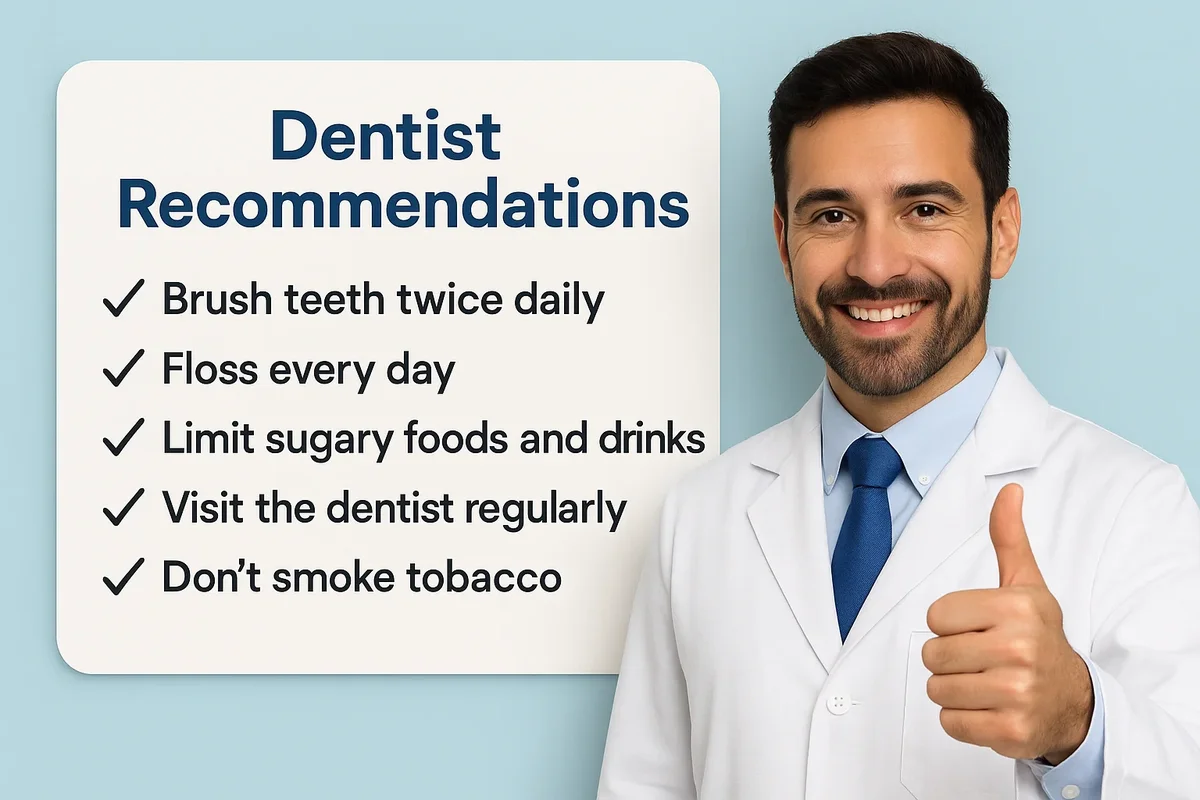
How Dental Clinics Apply Dentist Recommendations to Improve Patient Outcomes
Modern dental clinics rely heavily on evidence-based practices to deliver high-quality, predictable, and patient-centered care. These practices are rooted in clinical research, technology-driven diagnostics, and standardized protocols that ensure consistent results across all treatment types. Strong dentist recommendations play a central role in shaping clinic policies, treatment planning, patient education, and follow-up procedures. In this detailed section, we will explore exactly how clinics implement these recommendations to maximize long-term oral health, minimize complications, and create a comfortable, reliable experience for every patient 😊.
The Role of Evidence-Based Dentistry in Clinical Practice
Evidence-based dentistry (EBD) is the foundation of all high-quality dental care. It integrates scientific research, clinical expertise, and patient preferences. According to global dentist recommendations, EBD ensures that treatments are not only effective but also safe, ethical, and predictable.
Key Components of Evidence-Based Dentistry
- Scientific Research: Clinics follow peer-reviewed studies and ADA-approved guidelines.
- Clinical Experience: Dentists apply years of training to adapt treatments to individual cases.
- Patient Needs: Personalized care ensures patients receive the best possible solution.
By combining these three pillars, clinics create customizable care plans tailored to each patient’s oral health goals and conditions.
Advanced Diagnostic Technologies for Accurate Assessment
High-quality diagnostics form the backbone of modern treatment planning. Strong dentist recommendations emphasize the use of advanced imaging and screening tools to ensure precision.
Common Diagnostic Tools Used in Clinics
- 3D Cone Beam CT scans for implant planning and bone evaluation
- Intraoral cameras to show patients real-time tooth images
- Digital X-rays that reduce radiation exposure
- Laser cavity detection to find early-stage decay
These technologies allow dentists to detect issues earlier, plan treatments with greater accuracy, and reduce the risk of complications.
Standardized Treatment Protocols for Consistency
Leading clinics use structured protocols to maintain consistency across all dental procedures. These guidelines follow globally recognized dentist recommendations, ensuring each step meets safety and efficiency standards.
Examples of Clinical Protocols
- Pre-treatment checklists to identify allergies, health risks, and required tests
- Sterilization sequences for tools and workspaces
- Pain-management protocols to ensure comfortable patient experiences
- Post-operative follow-up routines for healing and evaluation
These systems reduce human error and improve treatment outcomes significantly.
Personalized Treatment Planning for Long-Term Success
No two patients have identical dental needs. Individualized planning—supported by expert dentist recommendations—ensures treatments align with bone structure, gum health, bite function, and cosmetic goals.
Factors Considered in Personalized Planning
- Oral hygiene habits
- Periodontal health
- Bite alignment and jaw structure
- Age and medical history
- Budget and desired outcomes
This holistic approach promotes better healing, comfort, and long-lasting results.
Infection Control and Safety Implementation
Safety is one of the most important pillars of dental care. Clinics follow stringent sterilization and disinfection guidelines aligned with leading health organizations such as the American Dental Association. Strong dentist recommendations insist on uncompromised infection control to protect both patients and staff.
Core Safety Measures in Clinics
- Single-use disposable tools when possible
- Autoclave sterilization for reusable instruments
- Use of gloves, masks, and protective eyewear
- Surface disinfection between every appointment
- Regular staff training on safety updates
These preventive measures greatly reduce the risk of infection and ensure a clean, secure treatment environment.
Patient Education and Communication Strategies
Empowering patients through education significantly improves oral health outcomes. According to expert dentist recommendations, clear communication helps patients understand their conditions and motivates them to follow treatment plans.
How Clinics Educate Their Patients
- Visual explanations using images and videos
- Printed or digital guides for post-treatment care
- Interactive consultations to address concerns
- Preventive advice tailored to lifestyle and habits
This approach ensures that patients feel confident, informed, and in control of their dental journey.
Continuous Monitoring and Follow-Up Care
Quality care doesn’t stop once a procedure is completed. Leading clinics follow robust follow-up procedures based on clinical dentist recommendations to ensure healing, functionality, and long-term patient satisfaction.
Typical Follow-Up Processes
- Post-operative checkups for surgical treatments
- Bite and comfort evaluations for restorations
- Professional cleanings every 3–6 months
- Regular cavity and gum screenings
These follow-ups help identify early signs of problems, preventing costly interventions in the future.
How Clinics Use Technology to Enhance Patient Experience
Modern clinics adopt digital tools to improve transparency and convenience. Various technologies recommended in top dentist recommendations enhance the entire experience from scheduling to final results.
Examples of Patient-Focused Technologies
- Online appointment systems
- Digital payment and installment solutions
- 3D treatment simulations
- Instant messaging support for post-care inquiries
These tools create a stress-free, efficient experience for today’s digitally oriented patients.
When Patients Need Additional Support
If you ever need further clarity or personalized guidance, contacting a trusted clinic is the best step forward. You can reach out through the Redent Klinik Contact Page to receive expert feedback tailored to your needs.
By applying structured, well-researched dentist recommendations across diagnostics, treatment planning, hygiene, education, and patient communication, clinics deliver superior outcomes and ensure the highest levels of safety and satisfaction for every patient.
All sections are now complete. If you need edits, optimization, or a combined final HTML export, just say the word.