
Healthy teeth and gums are essential for overall well-being, yet many people underestimate the importance of professional dental cleaning procedures. One of the most effective preventive dental treatments available today is dentist scaling. This treatment plays a vital role in maintaining oral hygiene, preventing gum disease, and ensuring long-term dental health. If you have ever wondered why dentists emphasize regular cleaning appointments, understanding the benefits and purpose of dentist scaling will provide valuable insight into how this simple procedure can protect your smile. 😁
Dentist scaling is a professional dental procedure designed to remove plaque, tartar, and bacteria from the surface of the teeth and along the gum line. Unlike routine brushing and flossing at home, which can only remove soft plaque, dentist scaling eliminates hardened deposits known as calculus or tartar. These deposits accumulate over time and cannot be removed without specialized dental tools. When tartar builds up, it creates an environment where harmful bacteria thrive, increasing the risk of gum inflammation, infection, and even tooth loss.
The purpose of dentist scaling is not only to clean teeth but also to protect the health of the gums. Gum disease often begins silently with mild symptoms such as bleeding gums or bad breath. Without treatment, the infection can progress to more serious stages such as periodontitis, which may lead to bone damage and tooth mobility. By removing plaque and tartar through dentist scaling, dentists help stop the progression of gum disease before it becomes severe.
Many people assume that brushing twice a day is enough to maintain perfect oral health. While daily brushing and flossing are extremely important, they cannot fully replace the deep cleaning provided by dentist scaling. Even individuals with excellent oral hygiene habits may develop plaque buildup in hard-to-reach areas such as between teeth or below the gum line. Regular dentist scaling appointments ensure these areas are properly cleaned and free of harmful bacteria.
Another important benefit of dentist scaling is the prevention of tooth discoloration. Over time, stains from coffee, tea, tobacco, and certain foods can accumulate on the teeth. Professional dentist scaling helps remove these stains and restore a cleaner, brighter appearance. Many patients notice that their teeth look significantly whiter and healthier after the procedure.
In addition to cosmetic improvements, dentist scaling significantly reduces the risk of developing serious dental complications. Research has shown that untreated gum disease can contribute to other health issues, including heart disease and diabetes complications. This is why dental professionals and organizations such as the
American Dental Association strongly recommend routine professional dental cleanings and preventive care. Maintaining healthy gums through dentist scaling supports not only oral health but overall health as well.
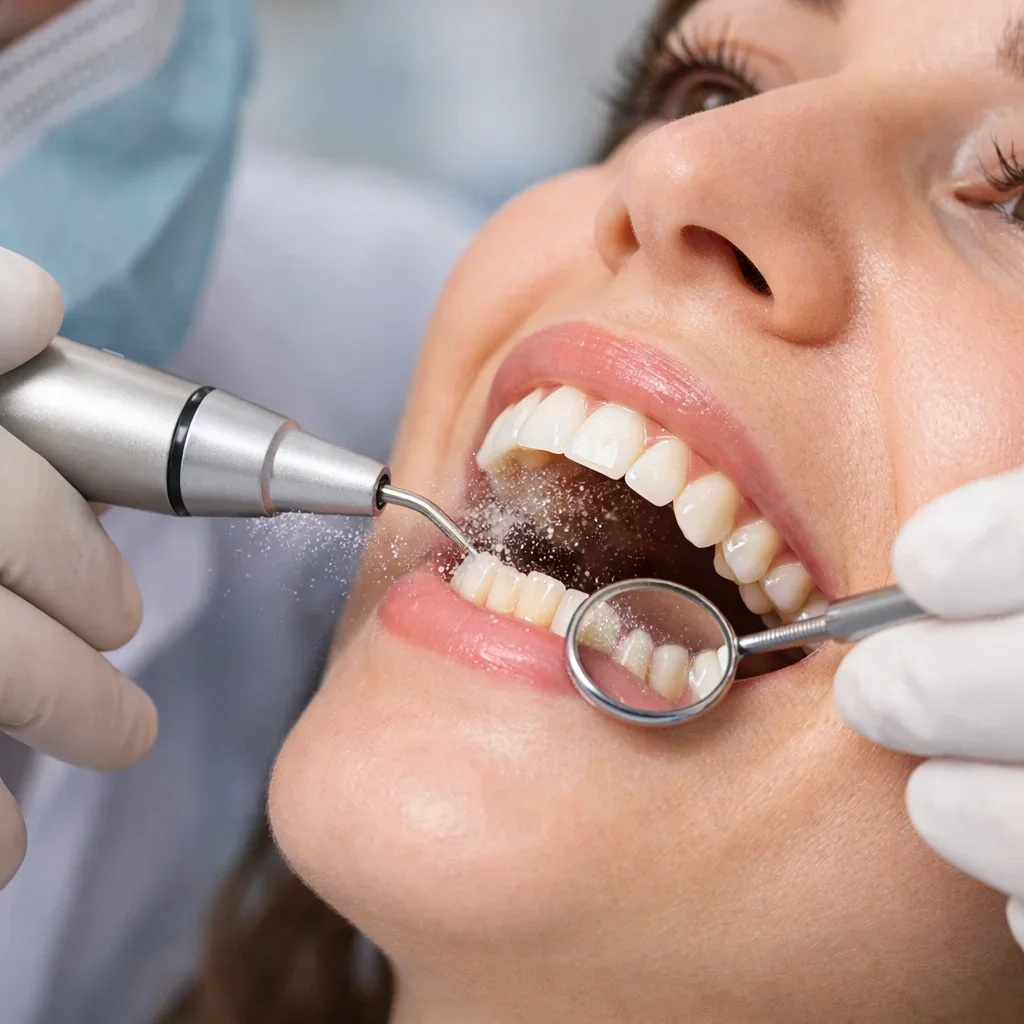
The procedure itself is usually performed by a dentist or dental hygienist using specialized instruments designed to safely remove plaque and tartar. During dentist scaling, these tools gently scrape away hardened deposits from the tooth surface and around the gum line. Modern dental clinics may also use ultrasonic scalers that vibrate at high frequencies to break down tartar while simultaneously rinsing away debris with water. This technology allows dentist scaling to be performed efficiently and comfortably for patients.
Many patients feel relief after dentist scaling because their teeth feel smoother and their gums become healthier. It is common for people to notice improvements in breath freshness as well. Since bacteria and plaque buildup are major causes of persistent bad breath, removing them through dentist scaling can dramatically improve oral freshness.
If you are experiencing symptoms such as bleeding gums, persistent bad breath, or visible tartar buildup near your gums, it may be time to consider scheduling a professional cleaning. A dental professional can evaluate your oral health and determine whether dentist scaling is necessary. For patients seeking professional guidance or treatment, you can easily reach out through the Redent Klinik Contact Page to schedule a consultation with experienced dental specialists.
Ultimately, dentist scaling is one of the most effective preventive dental treatments available. It protects teeth, prevents gum disease, improves breath, and contributes to a healthier smile. By incorporating routine dentist scaling into your dental care routine, you take a proactive step toward maintaining strong teeth and healthy gums for many years to come. Regular professional care combined with good daily oral hygiene habits ensures that your smile remains bright, confident, and healthy. 🦷✨
What Is Dentist Scaling and Why Is It Important?
Maintaining good oral hygiene involves more than brushing and flossing at home. While daily care removes most food particles and soft plaque, certain deposits gradually harden and stick firmly to the teeth. This is where dentist scaling becomes essential. Dentist scaling is a professional dental procedure designed to remove plaque, tartar (calculus), and harmful bacteria from the surfaces of the teeth and around the gum line. Without dentist scaling, these hardened deposits can accumulate and eventually cause gum inflammation, infection, and tooth loss.
The goal of dentist scaling is not simply to clean teeth but to protect the overall health of the gums and supporting structures of the teeth. Dental professionals perform dentist scaling using specialized instruments that effectively eliminate tartar buildup that cannot be removed with a toothbrush. By addressing plaque and tartar early through dentist scaling, dentists help prevent more serious oral health problems such as gingivitis and periodontitis.
Understanding Plaque and Tartar Formation
To understand why dentist scaling is so important, it is necessary to know how plaque forms. Plaque is a sticky film of bacteria that constantly develops on teeth after eating or drinking. Even with regular brushing, some plaque remains in difficult-to-reach areas such as between teeth or along the gum line. If plaque is not removed, it hardens into tartar within about 24–72 hours. Once tartar forms, only professional dentist scaling can remove it.
Tartar buildup creates a rough surface on teeth where bacteria can easily multiply. This bacterial growth irritates the gums and triggers inflammation. Early signs of this condition include bleeding gums, redness, swelling, and persistent bad breath. Regular dentist scaling eliminates these harmful deposits before they cause permanent damage to gum tissue and bone structure.
How Bacteria Affect Gum Health
The bacteria trapped within tartar release toxins that irritate gum tissue. Over time, this leads to gum disease. In its earliest stage, gingivitis causes mild inflammation and bleeding. If untreated, gingivitis may progress to periodontitis, a more severe condition that damages the bone supporting the teeth. At this stage, the infection can cause tooth mobility and eventual tooth loss. Routine dentist scaling removes the bacterial colonies responsible for these problems and helps restore a healthy oral environment.
The Role of Dentist Scaling in Preventive Dentistry
Preventive dentistry focuses on stopping dental problems before they become severe. Dentist scaling is one of the most effective preventive treatments because it targets the root cause of gum disease: bacterial plaque and tartar accumulation. By scheduling regular dentist scaling appointments, patients can significantly reduce their risk of developing advanced periodontal disease.
Dental professionals often combine dentist scaling with other preventive procedures such as polishing or fluoride treatments. These treatments smooth the tooth surface and make it harder for bacteria to stick again. The smoother the teeth become after dentist scaling, the easier it is for patients to maintain proper oral hygiene at home.
The American Dental Association strongly recommends regular dental visits for professional cleaning and preventive care. These visits frequently include dentist scaling as part of routine maintenance, helping patients maintain healthy gums and strong teeth for many years.
Health Benefits Beyond the Mouth
Many people do not realize that oral health is closely connected to overall health. Studies have shown that untreated gum disease can increase the risk of serious health conditions such as cardiovascular disease, diabetes complications, and respiratory infections. Since dentist scaling helps control bacterial growth in the mouth, it may also contribute to better overall health.
By removing bacterial plaque through dentist scaling, dentists reduce the risk of bacteria entering the bloodstream through inflamed gum tissue. This makes regular dentist scaling not only an oral health treatment but also an important part of maintaining systemic health.
Who Needs Dentist Scaling?
Almost everyone benefits from dentist scaling, even individuals who maintain excellent oral hygiene. Some people are more prone to tartar buildup due to genetics, diet, smoking, or certain medical conditions. In these cases, dentist scaling may be recommended more frequently to prevent gum disease.
Signs that you may need dentist scaling include:
- Bleeding gums while brushing
- Persistent bad breath
- Visible tartar buildup near the gums
- Swollen or tender gums
- Loose teeth or gum recession
If you notice any of these symptoms, it is advisable to consult a dental professional for evaluation. For individuals seeking professional dental care or preventive treatment, appointments can easily be arranged through the Redent Klinik Contact Page. A dentist can determine whether dentist scaling is necessary and create a personalized treatment plan.
Why Regular Dentist Scaling Matters
Ultimately, dentist scaling is a cornerstone of preventive dental care. It removes harmful bacteria, protects gum health, prevents tooth loss, and improves overall oral hygiene. When performed regularly, dentist scaling keeps teeth clean, smooth, and healthy while reducing the likelihood of serious dental treatments in the future.
By combining consistent home care with periodic dentist scaling, patients can maintain strong teeth, healthy gums, and a confident smile. This simple but highly effective procedure remains one of the best ways to protect oral health and ensure long-term dental wellness. 🦷✨
Signs You Need Dentist Scaling for Better Oral Health
Many people assume their teeth are healthy simply because they brush and floss daily. However, oral health issues can develop silently over time, especially when plaque and tartar accumulate below the gum line. This is why understanding the warning signs that indicate the need for dentist scaling is extremely important. Dentist scaling is a professional dental treatment that removes hardened plaque and bacteria that cannot be eliminated through routine brushing alone. Recognizing early symptoms allows patients to receive dentist scaling before serious gum disease develops.
When tartar begins to accumulate, the gums and surrounding tissues may react with inflammation and infection. In many cases, these symptoms start subtly and gradually worsen if dentist scaling is not performed. Dental professionals often recommend dentist scaling as a preventive treatment when early warning signs appear, helping restore gum health and prevent further complications.
Bleeding Gums During Brushing or Flossing
One of the most common early signs that you may need dentist scaling is bleeding gums. Healthy gums typically do not bleed when brushing or flossing. If you frequently notice blood in the sink while brushing your teeth, this may indicate the presence of plaque buildup and gum inflammation. Inflammation occurs when bacteria accumulate along the gum line, triggering the body’s immune response.
Without professional cleaning, the bacteria causing gum irritation continue to multiply. Dentist scaling removes the hardened plaque and bacterial colonies responsible for this irritation. After dentist scaling, many patients notice that their gums become healthier and bleeding gradually disappears.
Why Bleeding Gums Should Not Be Ignored
Ignoring bleeding gums may allow gum disease to progress. Gingivitis, the earliest stage of gum disease, is typically reversible with treatments such as dentist scaling. However, if left untreated, gingivitis may develop into periodontitis, a more severe condition that damages the bone supporting the teeth. Early intervention with dentist scaling helps stop this progression and restore gum health.
Persistent Bad Breath (Halitosis)
Another major sign that you may require dentist scaling is chronic bad breath. Occasional bad breath after certain foods is normal, but persistent bad breath that does not improve with brushing may indicate bacterial buildup in the mouth. These bacteria often thrive in plaque and tartar deposits that are difficult to remove with regular oral hygiene practices.
Professional dentist scaling eliminates these bacteria by thoroughly cleaning the teeth and gum line. Once the bacterial deposits are removed through dentist scaling, many patients notice a significant improvement in breath freshness and oral cleanliness.
Visible Tartar or Plaque Buildup
Sometimes the need for dentist scaling becomes visible. Tartar appears as a yellow, brown, or chalky deposit along the gum line. Unlike plaque, which is soft and sticky, tartar is hardened and cannot be removed with a toothbrush. Once tartar forms, professional dentist scaling becomes necessary to safely remove it.
Tartar creates a rough surface where bacteria can attach and multiply more easily. The longer tartar remains on the teeth, the greater the risk of gum disease. Scheduling dentist scaling allows dental professionals to remove these deposits and restore the smooth tooth surface that helps prevent further plaque accumulation.
Swollen, Red, or Tender Gums
Healthy gums should appear firm and pink. If your gums appear swollen, red, or sensitive, this may indicate inflammation caused by bacterial infection. These symptoms often signal that plaque and tartar have accumulated beneath the gum line, making dentist scaling necessary.
During dentist scaling, dental professionals carefully remove plaque and tartar that irritate the gums. This allows the gum tissue to heal and return to a healthier state. Patients often notice reduced swelling and improved gum comfort after undergoing dentist scaling.
Gum Recession or Tooth Sensitivity
Gum recession occurs when gum tissue pulls away from the teeth, exposing the tooth roots. This can lead to increased tooth sensitivity, especially when consuming hot, cold, or sweet foods. One cause of gum recession is untreated plaque and tartar buildup that irritates the gums.
Regular dentist scaling helps prevent gum recession by removing harmful deposits that damage gum tissue. When performed regularly, dentist scaling helps maintain healthy gums and reduces the risk of further gum recession.
Loose Teeth or Changes in Bite
In advanced cases of gum disease, patients may notice that their teeth feel loose or their bite feels different. This occurs when the infection caused by plaque and tartar begins to affect the bone supporting the teeth. Although severe periodontal disease requires additional treatment, dentist scaling is often the first step in managing the infection.
By removing bacteria and tartar through dentist scaling, dentists can help stabilize gum health and prevent further damage to supporting tissues. Early intervention with dentist scaling greatly increases the chances of preserving natural teeth.
Regular Dental Checkups Help Detect the Need for Dentist Scaling
Many patients may not notice early warning signs of gum disease. This is why routine dental examinations are important. Dentists use specialized tools to examine gum pockets and detect plaque buildup that may require dentist scaling. Early detection allows dentists to recommend dentist scaling before serious complications occur.
According to the American Dental Association, regular dental visits and professional cleanings are essential for maintaining healthy teeth and gums. Professional preventive care, including dentist scaling, helps patients avoid more complex and expensive dental treatments later.
When to Seek Professional Dental Help
If you notice any of the symptoms mentioned above, scheduling a dental consultation is highly recommended. Early treatment with dentist scaling can stop gum disease before it progresses to more serious stages. Dental professionals can evaluate your oral health and determine whether dentist scaling or additional periodontal treatment is necessary.
Patients who want expert evaluation or preventive dental care can easily reach dental professionals through the
Redent Klinik Contact Page. A consultation allows dentists to assess your oral health and recommend appropriate treatments such as dentist scaling.
Recognizing the early warning signs of gum disease is the first step toward protecting your oral health. With timely professional care and routine dentist scaling, patients can maintain healthy gums, fresh breath, and a confident smile for years to come. 🦷✨
How Dentist Scaling Is Performed Step by Step
Many patients feel uncertain before a professional dental cleaning because they are unsure what actually happens during the procedure. Understanding how dentist scaling is performed step by step can help reduce anxiety and provide clarity about why this treatment is essential for maintaining healthy teeth and gums. Dentist scaling is a structured process performed by dentists or dental hygienists using specialized tools designed to remove plaque, tartar, and harmful bacteria from the surfaces of the teeth and around the gum line. The goal of dentist scaling is to eliminate hardened deposits that cannot be removed through normal brushing or flossing.
When plaque remains on the teeth for long periods, it hardens into tartar, also known as dental calculus. Tartar creates a rough surface that attracts even more bacteria, which can lead to gum inflammation and infection. Dentist scaling removes these deposits carefully and safely, restoring a clean tooth surface and helping the gums return to a healthier condition. The procedure typically follows several important stages that ensure thorough cleaning and optimal oral health.
Step 1: Initial Oral Examination
Before starting dentist scaling, the dental professional performs a detailed examination of the mouth. This evaluation allows the dentist or dental hygienist to assess the condition of the gums, teeth, and surrounding tissues. During this stage, the professional looks for signs of plaque buildup, tartar accumulation, gum inflammation, or early periodontal disease.
A small dental mirror and specialized probes are often used to check the gum pockets around each tooth. These pockets can collect bacteria and plaque if they become too deep. Identifying these areas helps the dentist determine the level of dentist scaling required and whether additional treatments may be necessary. In most cases, routine dentist scaling is sufficient to restore healthy gums and prevent further complications.
Why the Examination Is Important
The initial evaluation ensures that dentist scaling is performed safely and effectively. Some patients may have sensitive teeth, gum recession, or deeper periodontal pockets that require special attention. By identifying these factors beforehand, the dental professional can tailor the dentist scaling procedure to the patient’s specific needs.
Step 2: Removing Plaque and Tartar Deposits
Once the examination is complete, the main stage of dentist scaling begins. Using specialized instruments called scalers, the dentist or hygienist carefully removes plaque and tartar from the tooth surfaces. These instruments are designed to reach areas that are difficult to clean with a toothbrush, including the gum line and spaces between teeth.
Two primary types of tools are commonly used during dentist scaling:
- Manual scalers – Handheld instruments used to scrape away hardened tartar deposits.
- Ultrasonic scalers – Advanced devices that use high-frequency vibrations to break apart tartar while spraying water to wash away debris.
The ultrasonic device used during dentist scaling is particularly effective for removing larger deposits of tartar. The vibrations loosen hardened plaque while the water spray cools the tooth and rinses away bacteria. This combination makes dentist scaling both efficient and comfortable for most patients.
Step 3: Cleaning Below the Gum Line
A critical part of dentist scaling involves cleaning below the gum line. Plaque and bacteria often accumulate in the small spaces between the gums and teeth, known as periodontal pockets. If these bacteria are not removed, they can cause gum disease and damage the bone supporting the teeth.
During this stage, the dental professional gently inserts specialized scaling instruments below the gum line to remove plaque and tartar deposits. This deeper cleaning is one of the reasons why dentist scaling is far more effective than routine brushing or over-the-counter cleaning tools.
Preventing Periodontal Disease
Removing bacteria from periodontal pockets through dentist scaling significantly reduces the risk of developing advanced gum disease. By eliminating these harmful deposits, the gums can heal and reattach more firmly to the teeth, restoring a healthy oral environment.
Step 4: Tooth Polishing
After the plaque and tartar are removed through dentist scaling, the next step often involves polishing the teeth. A special rotating brush and a mildly abrasive polishing paste are used to smooth the surfaces of the teeth. This polishing process removes minor stains and helps prevent plaque from sticking to the teeth again.
Although polishing is technically separate from dentist scaling, it is commonly performed immediately afterward as part of the same appointment. Patients often notice that their teeth feel smoother and cleaner following this stage of the treatment.
Step 5: Rinsing and Final Inspection
After polishing, the patient rinses their mouth to remove any remaining debris. The dental professional then performs a final inspection to ensure that the dentist scaling procedure has completely removed plaque and tartar deposits. This step also allows the dentist to check whether the gums have responded well to the cleaning.
In some cases, fluoride treatment may be applied after dentist scaling to strengthen tooth enamel and reduce sensitivity. This added protection helps maintain the results of the cleaning and supports long-term oral health.
How Long Dentist Scaling Takes
The duration of dentist scaling depends on the amount of plaque and tartar buildup present. For most patients, routine dentist scaling takes between 30 and 60 minutes. Individuals with heavier tartar buildup or early signs of gum disease may require longer appointments or multiple visits to complete the cleaning.
Despite the time required, dentist scaling is considered a simple and routine dental procedure that provides significant benefits for oral health. Regular professional cleanings help prevent gum disease, reduce bacteria, and maintain strong, healthy teeth.
Professional Guidance and Preventive Care
Regular dental visits ensure that dentist scaling is performed before plaque buildup becomes severe. Preventive treatments like this help patients avoid complex dental procedures in the future. The American Dental Association recommends routine dental examinations and professional cleanings as part of a comprehensive oral health plan.
If you are considering professional dental cleaning or want to maintain healthy gums, consulting with a dental professional is an excellent step. Patients can schedule appointments or ask questions through the
Redent Klinik Contact Page to receive personalized guidance and treatment recommendations.
Understanding the step-by-step process of dentist scaling helps patients feel more confident about the procedure. This professional cleaning removes harmful bacteria, protects the gums, and supports long-term oral health. By scheduling routine dentist scaling appointments and maintaining good daily oral hygiene, patients can keep their smiles healthy, bright, and strong for many years. 🦷✨
Benefits of Dentist Scaling for Teeth and Gums
Maintaining strong teeth and healthy gums requires more than brushing and flossing alone. Even individuals with excellent oral hygiene habits may develop plaque and tartar buildup over time. This is why professional dental procedures such as dentist scaling play a critical role in preventive dental care. Dentist scaling removes hardened plaque, bacteria, and tartar that accumulate along the tooth surface and gum line. By eliminating these harmful deposits, dentist scaling helps protect the teeth, strengthen gum health, and prevent serious oral diseases.
The advantages of dentist scaling go far beyond cosmetic improvements. While many patients appreciate the smoother and cleaner feeling after treatment, the true benefits lie in disease prevention and long-term oral health protection. Regular dentist scaling helps stop gum disease before it develops into a severe condition that may lead to tooth loss or bone damage.
Prevention of Gum Disease
One of the most important benefits of dentist scaling is preventing gum disease. Gum disease begins when plaque bacteria irritate the gum tissue, causing inflammation. In its early stage, known as gingivitis, symptoms may include redness, swelling, and bleeding gums. If untreated, gingivitis can progress to periodontitis, a severe infection that damages the bone supporting the teeth.
Through dentist scaling, dentists remove plaque and tartar deposits that trigger this inflammation. Once these bacterial deposits are removed, the gums can begin to heal and return to a healthier condition. Routine dentist scaling is therefore one of the most effective ways to prevent periodontal disease and maintain strong gum tissue.
Stopping Gingivitis Before It Progresses
Gingivitis is reversible when treated early. Professional dentist scaling removes the bacteria responsible for gum irritation, allowing the gums to recover quickly. Without dentist scaling, gingivitis may progress silently into advanced periodontal disease, which can require more complex treatments such as root planing or surgery.
Removal of Tartar and Plaque Buildup
Daily brushing and flossing are essential, but they cannot remove hardened tartar. Tartar forms when plaque minerals solidify on the tooth surface. Once this occurs, only professional dentist scaling can remove it. These deposits are often found near the gum line and between teeth, where toothbrush bristles cannot reach effectively.
By performing dentist scaling, dental professionals eliminate tartar buildup and restore the natural smoothness of the teeth. Smooth tooth surfaces make it more difficult for bacteria to attach again, which helps maintain better oral hygiene between dental visits.
Improved Breath Freshness
Persistent bad breath, also known as halitosis, is often caused by bacteria trapped within plaque and tartar deposits. These bacteria release sulfur compounds that create unpleasant odors in the mouth. Dentist scaling removes these bacteria and significantly improves breath freshness.
Patients frequently notice that their mouth feels cleaner and their breath smells fresher after dentist scaling. Removing the bacterial buildup responsible for odor is one of the immediate benefits of this professional cleaning procedure.
Brighter and Cleaner Teeth Appearance
Another noticeable advantage of dentist scaling is improved tooth appearance. Over time, teeth may become stained from coffee, tea, tobacco, and certain foods. While dentist scaling is not technically a whitening treatment, it removes surface stains that develop along the tooth surface.
After dentist scaling, patients often observe that their teeth look brighter and feel smoother. This improvement enhances the overall appearance of the smile and boosts confidence in social interactions.
Protection Against Tooth Loss
Untreated gum disease is one of the leading causes of tooth loss in adults. As periodontal disease progresses, bacteria destroy the gum tissue and bone supporting the teeth. Over time, this damage can cause teeth to become loose and eventually fall out.
Regular dentist scaling helps prevent this outcome by removing the bacteria responsible for gum infections. When plaque and tartar are eliminated through dentist scaling, the supporting structures of the teeth remain healthier and stronger. Preventive treatments like this significantly reduce the risk of losing natural teeth.
Contribution to Overall Health
Oral health is closely connected to overall health. Research has shown that gum disease may be linked to several systemic conditions, including heart disease, diabetes complications, and respiratory infections. Since dentist scaling helps control bacterial growth in the mouth, it may also reduce the risk of these health problems.
Organizations such as the American Dental Association emphasize the importance of preventive dental care, including professional cleanings. Routine dentist scaling helps maintain a balanced oral microbiome and supports long-term health.
Enhancing Daily Oral Hygiene
After dentist scaling, the teeth become smoother and easier to clean. This allows patients to maintain better oral hygiene through brushing and flossing. Because plaque has fewer rough surfaces to attach to, daily cleaning becomes more effective after dentist scaling.
Dentists often provide personalized oral hygiene advice after performing dentist scaling. These recommendations may include improved brushing techniques, flossing habits, and dietary adjustments to maintain healthy teeth between visits.
Long-Term Cost Savings
Preventive dental treatments such as dentist scaling can help patients avoid expensive procedures in the future. Treating advanced gum disease may require periodontal surgery, bone grafting, or dental implants. By scheduling routine dentist scaling, patients reduce the likelihood of needing these complex treatments.
For individuals who want to maintain their oral health or receive professional dental care, appointments can easily be arranged through the
Redent Klinik Contact Page. Early preventive treatment through dentist scaling helps protect teeth and gums while preventing serious dental complications.
A Key Part of Preventive Dentistry
Ultimately, dentist scaling remains one of the most important preventive dental procedures available. It removes harmful bacteria, protects gum tissue, improves breath, and enhances the appearance of teeth. With regular dentist scaling, patients can maintain a healthier smile and reduce their risk of developing serious dental diseases.
By combining routine dentist scaling with consistent home care practices, individuals can preserve strong teeth, healthy gums, and long-lasting oral health. This simple yet powerful treatment ensures that your smile stays clean, confident, and protected for years to come. 🦷✨
Dentist Scaling vs Regular Teeth Cleaning: Key Differences
Many patients believe that all dental cleanings are the same, but in reality there are important differences between routine cleaning and dentist scaling. Understanding these differences can help patients make better decisions about their oral health care. While both procedures aim to improve oral hygiene, dentist scaling is a more targeted and deeper treatment designed to remove hardened plaque and bacteria that regular cleanings may not fully address.
Regular dental cleaning, often called prophylaxis, focuses on removing soft plaque and surface stains from the teeth. In contrast, dentist scaling is specifically performed to remove hardened tartar deposits that accumulate above and below the gum line. These deposits cannot be removed by brushing or simple polishing. Because tartar creates an ideal environment for bacteria, dentist scaling plays a critical role in preventing gum disease and maintaining healthy gums.
What Happens During a Regular Dental Cleaning?
Routine dental cleaning is usually performed during regular dental checkups. The dental hygienist removes soft plaque from the teeth, polishes the tooth surfaces, and may apply fluoride treatment. This process improves the appearance of teeth and helps maintain good oral hygiene.
However, routine cleaning mainly focuses on areas above the gum line. While it helps maintain general oral health, it may not remove deeper tartar deposits that develop along the gum line or within periodontal pockets. When these deposits are present, dentists recommend dentist scaling instead of or in addition to a standard cleaning.
Limitations of Basic Dental Cleaning
Basic cleaning procedures are effective for patients with minimal plaque buildup and healthy gums. However, if tartar has hardened around the teeth or under the gums, routine cleaning alone may not be sufficient. In such cases, dentist scaling becomes necessary to remove the hardened deposits that contribute to gum inflammation and infection.
What Makes Dentist Scaling Different?
Dentist scaling is a deeper and more specialized procedure than routine cleaning. The main purpose of dentist scaling is to remove tartar deposits from both above and below the gum line. Dental professionals use specialized instruments that allow them to access areas where bacteria accumulate and cause gum disease.
During dentist scaling, dentists or hygienists use ultrasonic scalers and manual instruments to carefully remove hardened plaque from the teeth. Ultrasonic scalers produce high-frequency vibrations that break apart tartar while simultaneously rinsing debris away with water. This technology makes dentist scaling more efficient and comfortable for patients.
Because dentist scaling addresses deeper bacterial deposits, it is often recommended for patients experiencing early signs of gum disease such as bleeding gums, persistent bad breath, or visible tartar buildup.
When Dentists Recommend Dentist Scaling
Dentists evaluate the condition of the gums before recommending treatment. If the gums appear healthy and plaque buildup is minimal, a routine cleaning may be sufficient. However, when tartar accumulation or gum inflammation is present, dentist scaling becomes the preferred treatment.
Common situations where dentist scaling may be recommended include:
- Visible tartar buildup along the gum line
- Bleeding or swollen gums
- Persistent bad breath caused by bacteria
- Early stages of gum disease (gingivitis)
- Deep gum pockets detected during dental examination
By performing dentist scaling, dental professionals can remove harmful bacteria and stop gum disease from progressing into more severe stages.
Comparing Dentist Scaling and Routine Cleaning
The differences between these procedures can be summarized in several key areas:
- Depth of cleaning: Routine cleaning removes plaque from the tooth surface, while dentist scaling removes tartar above and below the gum line.
- Purpose: Basic cleaning maintains oral hygiene, whereas dentist scaling treats and prevents gum disease.
- Tools used: Routine cleaning uses polishing tools, while dentist scaling involves specialized scaling instruments and ultrasonic devices.
- Treatment intensity: dentist scaling is more thorough and may take longer to complete than standard cleaning.
These differences highlight why dentists often recommend dentist scaling when tartar buildup becomes significant or when gum health is compromised.
Why Early Treatment Matters
Treating gum disease early is essential for preserving natural teeth. If plaque and tartar are not removed promptly, bacteria can damage gum tissue and eventually affect the bone supporting the teeth. This process can lead to tooth mobility and tooth loss.
Regular dentist scaling appointments help prevent these complications by removing harmful bacteria before they cause permanent damage. Preventive care is always more effective and less costly than treating advanced dental problems.
Dental organizations such as the American Dental Association strongly emphasize the importance of preventive dental care, including professional cleanings and scaling procedures. These treatments help maintain both oral health and overall well-being.
Maintaining Results After Dentist Scaling
After dentist scaling, maintaining good oral hygiene habits becomes even more important. Patients should brush their teeth at least twice daily, floss regularly, and attend routine dental checkups. These habits help prevent plaque from accumulating again after dentist scaling.
Dentists may also recommend specific toothbrush types, interdental brushes, or antimicrobial mouth rinses to maintain the results of dentist scaling. Following professional guidance helps extend the benefits of the treatment and supports long-term oral health.
Consulting a Dental Professional
If you are unsure whether you need routine cleaning or dentist scaling, a dental consultation is the best way to determine the appropriate treatment. Dental professionals evaluate plaque buildup, gum health, and periodontal pocket depth to decide whether dentist scaling is necessary.
Patients seeking professional dental care or preventive treatment can schedule an appointment through the
Redent Klinik Contact Page. A personalized consultation allows dentists to recommend the most suitable treatment plan for maintaining healthy teeth and gums.
Understanding the differences between routine cleaning and dentist scaling helps patients take better control of their oral health. While regular cleanings help maintain hygiene, dentist scaling provides a deeper level of protection against gum disease. By combining both preventive treatments with consistent home care, patients can maintain strong teeth, healthy gums, and a confident smile. 🦷✨
Does Dentist Scaling Hurt? What Patients Should Expect
One of the most common concerns patients have before visiting the dentist is whether dentist scaling will cause pain. Many people feel anxious about dental procedures simply because they are unfamiliar with what happens during treatment. In reality, dentist scaling is a routine preventive procedure that most patients tolerate very well. Understanding what to expect during dentist scaling can help reduce anxiety and make the experience more comfortable.
The purpose of dentist scaling is to remove plaque, tartar, and bacteria that accumulate on the teeth and beneath the gum line. These hardened deposits cannot be removed through brushing or flossing alone. While the idea of scraping plaque from the teeth might sound uncomfortable, modern dental technology and techniques allow dentist scaling to be performed safely and with minimal discomfort.
What Patients Typically Feel During Dentist Scaling
For most patients, dentist scaling causes little to no pain. The sensation during the procedure is usually described as mild pressure or vibration rather than actual pain. Dental professionals use specialized tools designed to remove tartar gently while protecting the surrounding gum tissue.
During dentist scaling, the dentist or dental hygienist may use an ultrasonic scaler. This device produces high-frequency vibrations that loosen tartar deposits while water rinses away debris. The vibrations are often felt as a light buzzing sensation, which most patients find manageable.
Manual instruments may also be used during dentist scaling to remove stubborn deposits near the gum line. While patients might feel slight scraping sensations, the procedure is typically comfortable and completed without significant discomfort.
Factors That Affect Sensitivity During Dentist Scaling
Some individuals may experience slightly more sensitivity during dentist scaling, especially if they have gum inflammation or significant tartar buildup. When gums are already irritated, removing plaque from sensitive areas may cause mild discomfort. However, dental professionals adjust their technique during dentist scaling to ensure the procedure remains as comfortable as possible.
When Local Anesthesia May Be Used
In most routine cases, dentist scaling does not require anesthesia. However, if the patient has severe tartar buildup or advanced gum disease, the dentist may recommend a local anesthetic. This numbing medication temporarily blocks sensation in the treated area, allowing dentist scaling to be performed comfortably even when deeper cleaning is required.
Patients with sensitive teeth or gum recession may also request anesthesia before dentist scaling. The dentist evaluates each patient individually to determine whether numbing medication would improve comfort during the procedure.
Common Sensations After Dentist Scaling
After dentist scaling, it is normal for patients to experience minor sensitivity for a short period. This sensitivity occurs because plaque and tartar deposits that previously covered parts of the tooth have been removed. As a result, areas of the tooth that were previously shielded may temporarily become more sensitive to temperature changes.
The good news is that this sensitivity usually resolves within a few days. Dentists often recommend using toothpaste designed for sensitive teeth after dentist scaling. Drinking lukewarm beverages and avoiding extremely hot or cold foods can also help reduce temporary discomfort.
Minor Gum Tenderness
Some patients may notice slight gum tenderness or mild bleeding after dentist scaling. This occurs because the gums were inflamed before treatment and are beginning to heal after bacteria and tartar have been removed. As the gums recover, inflammation decreases and the tissue gradually becomes healthier.
Tips for Staying Comfortable During Dentist Scaling
There are several simple ways patients can make dentist scaling more comfortable:
- Maintain good oral hygiene before the appointment to reduce plaque buildup.
- Inform the dentist about any sensitivity or anxiety before starting dentist scaling.
- Practice slow breathing during the procedure to stay relaxed.
- Schedule regular cleanings so tartar buildup does not become excessive.
Regular dental visits reduce the amount of tartar that accumulates between appointments. When plaque buildup is minimal, dentist scaling becomes faster and more comfortable.
Benefits That Outweigh Temporary Discomfort
Although some patients may feel mild sensitivity, the benefits of dentist scaling far outweigh any temporary discomfort. This treatment removes harmful bacteria that cause gum disease, improves breath freshness, and helps prevent tooth loss. By removing plaque and tartar through dentist scaling, dentists create a healthier environment in the mouth where gums can heal and teeth can remain strong.
Preventive treatments like dentist scaling also reduce the need for more complex dental procedures in the future. Addressing plaque buildup early helps avoid serious infections and costly treatments.
According to the American Dental Association, routine professional dental cleanings and preventive care are essential for maintaining long-term oral health. Procedures such as dentist scaling help control bacterial growth and prevent periodontal disease.
When to Contact a Dentist After Dentist Scaling
Most patients recover quickly after dentist scaling and can resume normal activities the same day. However, if severe pain, prolonged bleeding, or swelling occurs, contacting a dental professional is recommended. These symptoms are uncommon but should be evaluated to ensure proper healing.
Patients who want professional guidance about dental cleaning or gum health can easily schedule a consultation through the
Redent Klinik Contact Page. Dental professionals can evaluate your oral health and recommend appropriate treatments, including dentist scaling if necessary.
Overcoming Dental Anxiety
Fear of dental procedures often prevents people from seeking necessary care. However, modern dentistry focuses heavily on patient comfort and gentle treatment techniques. Dentist scaling is one of the most common and least invasive procedures performed in dental clinics today.
By understanding the process and knowing what sensations to expect, patients can approach dentist scaling with confidence. Regular professional cleanings not only protect oral health but also help maintain a bright, healthy smile for years to come. 🦷✨
How Often Should You Get Dentist Scaling?
One of the most common questions patients ask during dental visits is how frequently they should schedule dentist scaling. While daily brushing and flossing are essential parts of oral hygiene, they cannot completely prevent plaque and tartar buildup over time. dentist scaling is a professional cleaning procedure that removes hardened deposits that regular brushing cannot eliminate. Determining how often you need dentist scaling depends on several factors, including oral hygiene habits, diet, medical conditions, and individual risk for gum disease.
For many people, routine dentist scaling every six months is sufficient to maintain healthy teeth and gums. However, some individuals may require more frequent visits, especially if they are prone to plaque buildup or have a history of periodontal disease. Understanding the factors that influence the frequency of dentist scaling helps patients maintain optimal oral health and prevent serious dental problems.
Standard Recommendation for Dentist Scaling
Dentists commonly recommend professional cleaning and dentist scaling every six months for individuals with generally healthy teeth and gums. This schedule allows dental professionals to remove plaque and tartar buildup before it becomes severe. During these appointments, the dentist or dental hygienist performs dentist scaling to eliminate hardened deposits and keep the gums healthy.
Routine dentist scaling also allows dentists to detect early signs of dental problems such as cavities, gum disease, or enamel erosion. Addressing these issues early can prevent more complicated and costly treatments later.
Why Six Months Is Often Ideal
Plaque begins forming on teeth within hours after eating. If plaque remains on the teeth, it can harden into tartar within a few days. Because tartar cannot be removed through brushing alone, regular dentist scaling helps eliminate these deposits before they accumulate excessively. Six-month intervals provide enough time for dentists to manage buildup without allowing gum disease to develop.
Patients Who May Need Dentist Scaling More Frequently
Some individuals may need dentist scaling more often than twice per year. Certain risk factors increase the likelihood of plaque and tartar accumulation. Dentists may recommend more frequent dentist scaling appointments every three to four months for patients with these risk factors.
Examples of patients who may require more frequent dentist scaling include:
- Individuals with early or advanced gum disease
- Patients who smoke or use tobacco products
- People with diabetes or immune system disorders
- Patients with orthodontic appliances such as braces
- Individuals who naturally produce more tartar
In these situations, regular dentist scaling is crucial to control bacterial buildup and prevent the progression of periodontal disease.
Patients Who May Require Less Frequent Dentist Scaling
In rare cases, individuals with excellent oral hygiene and minimal plaque buildup may only require dentist scaling once per year. However, this decision should always be made by a dental professional after evaluating the patient’s oral health.
Even if tartar accumulation is minimal, periodic dentist scaling remains beneficial because it removes hidden plaque deposits and ensures that gum health remains stable.
How Lifestyle Habits Affect Dentist Scaling Frequency
Lifestyle habits play a significant role in determining how often dentist scaling is necessary. Certain dietary and behavioral factors increase plaque buildup, making professional cleaning more important.
Common lifestyle factors that may increase the need for dentist scaling include:
- Frequent consumption of sugary or acidic foods
- Smoking or tobacco use
- Poor brushing and flossing habits
- High coffee or tea consumption
- Dry mouth caused by medications
Patients who experience these factors may benefit from scheduling dentist scaling appointments more frequently to maintain healthy teeth and gums.
The Role of Dentist Scaling in Preventing Gum Disease
Regular dentist scaling plays a crucial role in preventing gum disease. Plaque bacteria produce toxins that irritate gum tissue, leading to inflammation and infection. If these bacteria remain untreated, gum disease can progress to periodontitis, which damages the bone supporting the teeth.
Routine dentist scaling removes bacterial deposits before they cause serious damage. By maintaining a consistent cleaning schedule, patients can significantly reduce the risk of gum disease and protect their long-term oral health.
Professional Dental Evaluation Is Essential
While general guidelines exist, the ideal frequency of dentist scaling varies from person to person. Dentists evaluate several factors when recommending treatment intervals, including plaque levels, gum pocket depth, and overall oral health.
Dental professionals also monitor the effectiveness of a patient’s oral hygiene routine. If plaque accumulation occurs quickly, the dentist may recommend more frequent dentist scaling visits to prevent complications.
The American Dental Association emphasizes the importance of personalized dental care. Regular dental visits ensure that preventive treatments such as dentist scaling are performed at appropriate intervals for each individual patient.
Maintaining Results Between Dentist Scaling Visits
Although professional dentist scaling removes plaque and tartar buildup, maintaining oral hygiene at home is essential to preserve the results. Dentists recommend brushing teeth at least twice daily with fluoride toothpaste and flossing once per day.
Additional oral hygiene practices that support the benefits of dentist scaling include:
- Using antimicrobial mouthwash to reduce bacteria
- Cleaning between teeth with interdental brushes
- Reducing sugar consumption
- Drinking plenty of water to maintain saliva flow
These daily habits slow plaque accumulation and help extend the effects of professional dentist scaling.
Scheduling Your Next Dentist Scaling Appointment
If it has been several months since your last dental cleaning, scheduling an appointment may help prevent plaque buildup from becoming severe. Regular dentist scaling appointments allow dental professionals to remove tartar deposits and monitor your oral health.
Patients who wish to schedule professional dental care can easily reach dental professionals through the
Redent Klinik Contact Page. A consultation allows dentists to evaluate your oral health and recommend the most appropriate schedule for dentist scaling.
By maintaining a consistent schedule for dentist scaling, patients can protect their teeth, prevent gum disease, and maintain a bright, healthy smile for many years. Preventive care remains the most effective strategy for long-term oral health, and dentist scaling plays a central role in that process. 🦷✨
Cost of Dentist Scaling Around the World
One of the most common questions patients ask before scheduling a dental appointment is about the price of treatment. The cost of dentist scaling can vary significantly depending on the country, dental clinic, complexity of the cleaning, and the patient’s overall oral health. Although dentist scaling is considered a preventive dental treatment, the price may differ based on whether the procedure is performed as a routine cleaning or as part of periodontal therapy.
Understanding the typical cost of dentist scaling around the world can help patients plan their dental care more effectively. While the procedure is generally affordable, investing in routine dentist scaling can prevent much more expensive dental treatments later. By removing plaque, tartar, and bacteria, dentist scaling helps protect gum health and reduce the risk of serious oral diseases.
Average Cost of Dentist Scaling in Different Countries
The price of dentist scaling varies widely depending on geographic location and healthcare systems. Below is a general overview of estimated costs for professional dentist scaling in several regions. These figures represent average price ranges for routine scaling performed in dental clinics.
- United States: $100 – $300 per session
- United Kingdom: £60 – £150 per session
- Canada: $120 – $250 CAD
- Australia: $150 – $350 AUD
- Germany: €80 – €200
- Turkey: $40 – $120
- Thailand: $30 – $80
- Mexico: $40 – $100
These prices usually include routine dentist scaling performed during a standard dental cleaning appointment. However, if deeper periodontal treatment is required, the cost of dentist scaling may increase because additional time and specialized care are needed.
Why Prices Differ Between Countries
Several factors influence the price of dentist scaling worldwide. Healthcare regulations, clinic operating costs, dentist experience, and equipment quality all affect the final cost. In countries with higher living expenses, dental services such as dentist scaling tend to be more expensive.
On the other hand, countries known for dental tourism often offer more affordable dentist scaling treatments while maintaining high professional standards. Patients traveling for dental care may benefit from lower treatment costs without compromising quality.
Factors That Influence the Cost of Dentist Scaling
The cost of dentist scaling does not depend solely on location. Several individual factors may affect the total price of treatment. Dentists evaluate each patient’s oral health condition before recommending the appropriate type of dentist scaling.
Common factors that influence pricing include:
- The amount of plaque and tartar buildup
- The presence of gum disease
- The number of teeth requiring treatment
- The need for advanced periodontal scaling
- The dental clinic’s technology and equipment
Patients with significant tartar buildup may require longer appointments or multiple sessions of dentist scaling. In such cases, the total cost may be higher than a routine preventive cleaning.
Routine Scaling vs Deep Scaling Costs
It is important to understand the difference between routine cleaning and deeper periodontal treatments. Standard dentist scaling focuses on removing tartar above the gum line. However, when gum disease develops, dentists may recommend scaling and root planing, a more advanced procedure.
Deep periodontal dentist scaling involves cleaning beneath the gum line to remove bacteria from periodontal pockets. This procedure often requires local anesthesia and more time, which increases the overall treatment cost.
- United States: $300 – $800 per quadrant
- United Kingdom: £150 – £400 per quadrant
- Europe (average): €150 – €450
While these treatments may appear more expensive, they are essential for preventing severe periodontal disease and preserving natural teeth.
Does Dental Insurance Cover Dentist Scaling?
In many countries, dental insurance plans partially or fully cover preventive procedures such as dentist scaling. Insurance providers often encourage routine dental visits because preventive care reduces the need for expensive restorative treatments.
Patients with dental insurance may receive coverage for dentist scaling once or twice per year. However, coverage policies vary depending on the insurance provider and specific plan details. It is always advisable to confirm coverage before scheduling dentist scaling.
Organizations such as the American Dental Association strongly recommend regular dental checkups and preventive treatments, including dentist scaling, as an essential part of maintaining oral health.
Why Dentist Scaling Is a Valuable Investment
Although the price of dentist scaling may vary, the procedure remains one of the most cost-effective ways to protect oral health. Preventive treatments are significantly less expensive than restorative procedures such as dental implants, periodontal surgery, or tooth replacement.
Regular dentist scaling removes harmful bacteria before they cause permanent damage to gum tissue and bone. By maintaining routine professional cleanings, patients reduce the likelihood of requiring more invasive and costly dental treatments in the future.
Affordable Dental Care Options
Patients who are concerned about the cost of dentist scaling may explore several affordable options. Many dental clinics offer preventive care packages, membership plans, or discounted cleaning appointments. These programs allow patients to receive routine dentist scaling at reduced prices.
Additionally, some dental schools provide supervised treatment at lower costs. These facilities allow dental students to perform procedures such as dentist scaling under the supervision of experienced dentists.
Scheduling a Dentist Scaling Appointment
If you are considering professional dental cleaning, scheduling a consultation with a qualified dentist is the best first step. A dental professional can evaluate plaque buildup, gum health, and periodontal pocket depth to determine whether dentist scaling is necessary.
Patients interested in preventive dental care or professional cleaning services can easily schedule an appointment through the
Redent Klinik Contact Page. Experienced dental professionals can provide personalized recommendations and perform dentist scaling to help maintain long-term oral health.
Ultimately, the cost of dentist scaling should be viewed as an investment in both oral and overall health. By removing plaque, tartar, and harmful bacteria, dentist scaling helps prevent gum disease, improves breath freshness, and supports a healthy, confident smile for years to come. 🦷✨
Aftercare Tips Following Dentist Scaling Treatment
After completing a professional cleaning procedure, proper aftercare plays an important role in maintaining the benefits of dentist scaling. While dentist scaling removes plaque, tartar, and harmful bacteria from the teeth and gum line, the long-term results depend largely on how well patients care for their teeth afterward. By following recommended aftercare practices, patients can extend the effects of dentist scaling, keep their gums healthy, and prevent plaque from accumulating again.
Immediately after dentist scaling, the teeth usually feel smoother and cleaner because hardened deposits have been removed. Some patients may experience mild sensitivity or slight gum tenderness for a short time. These temporary effects are normal and usually disappear within a few days. Practicing proper oral hygiene and following dentist recommendations ensures that the mouth heals quickly after dentist scaling.
Maintain Gentle but Thorough Oral Hygiene
One of the most important steps after dentist scaling is maintaining consistent oral hygiene. Brushing twice daily and flossing regularly helps prevent new plaque from forming on freshly cleaned teeth. Because the tooth surface becomes smoother after dentist scaling, bacteria have fewer places to attach, making daily cleaning more effective.
Dentists usually recommend using a soft-bristled toothbrush after dentist scaling. Soft bristles clean effectively while minimizing irritation to the gums, especially if they are slightly sensitive following the procedure. Patients should brush gently along the gum line to keep the areas treated during dentist scaling clean and healthy.
Choosing the Right Toothpaste
After dentist scaling, some patients experience temporary tooth sensitivity, particularly when consuming hot or cold foods. Using toothpaste designed for sensitive teeth can help reduce this discomfort. These toothpastes contain ingredients that strengthen enamel and protect exposed dentin surfaces that may become more noticeable after dentist scaling.
Be Mindful of Food and Drink Choices
The foods and beverages consumed after dentist scaling can influence how quickly the mouth recovers and how long the results last. Immediately after treatment, dentists often recommend avoiding extremely hot, cold, or acidic foods for several hours. This precaution helps reduce temporary sensitivity that may occur after dentist scaling.
Patients should also limit foods that easily stain teeth, such as coffee, tea, red wine, and tobacco products. Although dentist scaling removes many surface stains, consuming staining substances immediately afterward may cause discoloration to reappear more quickly.
Stay Hydrated and Support Natural Saliva Production
Saliva plays a vital role in protecting oral health after dentist scaling. It helps neutralize acids, wash away food particles, and reduce bacterial growth in the mouth. Drinking plenty of water throughout the day supports saliva production and helps maintain the clean environment created by dentist scaling.
Chewing sugar-free gum can also stimulate saliva flow, which naturally cleans the mouth and helps preserve the results of dentist scaling. However, patients should avoid chewing gum immediately after treatment if their gums feel tender.
Manage Temporary Gum Sensitivity
Some patients may notice mild gum tenderness or slight bleeding after dentist scaling. This occurs because the gums were previously inflamed due to plaque buildup and are now beginning to heal. As bacteria and tartar are removed during dentist scaling, the gum tissue gradually returns to a healthier condition.
If sensitivity occurs, rinsing with warm salt water can soothe the gums and promote healing. Dentists may also recommend antimicrobial mouth rinses to control bacteria and support recovery after dentist scaling.
When Sensitivity Should Improve
Mild discomfort usually resolves within a few days after dentist scaling. If sensitivity persists longer than a week or becomes severe, patients should consult their dentist to ensure that healing is progressing normally.
Use Dental Products That Support Gum Health
In addition to brushing and flossing, dentists may recommend specific dental products to maintain results after dentist scaling. Antibacterial mouthwashes help control plaque buildup and reduce bacteria in the mouth. Interdental brushes or water flossers can also help clean between teeth more effectively after dentist scaling.
Using these additional tools regularly helps maintain the clean tooth surfaces created during dentist scaling and reduces the likelihood of tartar forming again.
Schedule Regular Dental Checkups
While proper home care is essential, professional dental visits remain an important part of maintaining oral health. Dentists recommend routine checkups to monitor gum health and determine when the next dentist scaling appointment should occur.
During these visits, dental professionals evaluate plaque levels, gum condition, and overall oral hygiene. If tartar buildup begins to return, another session of dentist scaling may be recommended to prevent gum disease from developing.
The American Dental Association strongly encourages regular dental examinations and preventive treatments such as dentist scaling. These visits help maintain healthy teeth and detect potential dental issues early.
Know When to Contact Your Dentist
Most patients recover quickly after dentist scaling and resume normal activities the same day. However, it is important to contact a dentist if unusual symptoms occur. Severe pain, excessive bleeding, or swelling that persists for several days may require professional evaluation.
Patients who wish to schedule follow-up appointments or discuss preventive dental care can easily reach professionals through the
Redent Klinik Contact Page. Dental experts can provide personalized advice and determine when additional dentist scaling or other treatments may be necessary.
Building Long-Term Oral Health Habits
Ultimately, the success of dentist scaling depends not only on the procedure itself but also on the habits patients maintain afterward. Practicing consistent oral hygiene, eating a balanced diet, staying hydrated, and attending regular dental appointments help preserve the results of dentist scaling.
By following these aftercare tips and maintaining routine preventive care, patients can enjoy healthier gums, fresher breath, and a brighter smile. dentist scaling is one of the most effective preventive dental treatments available, and proper aftercare ensures its benefits last for years to come. 🦷✨