
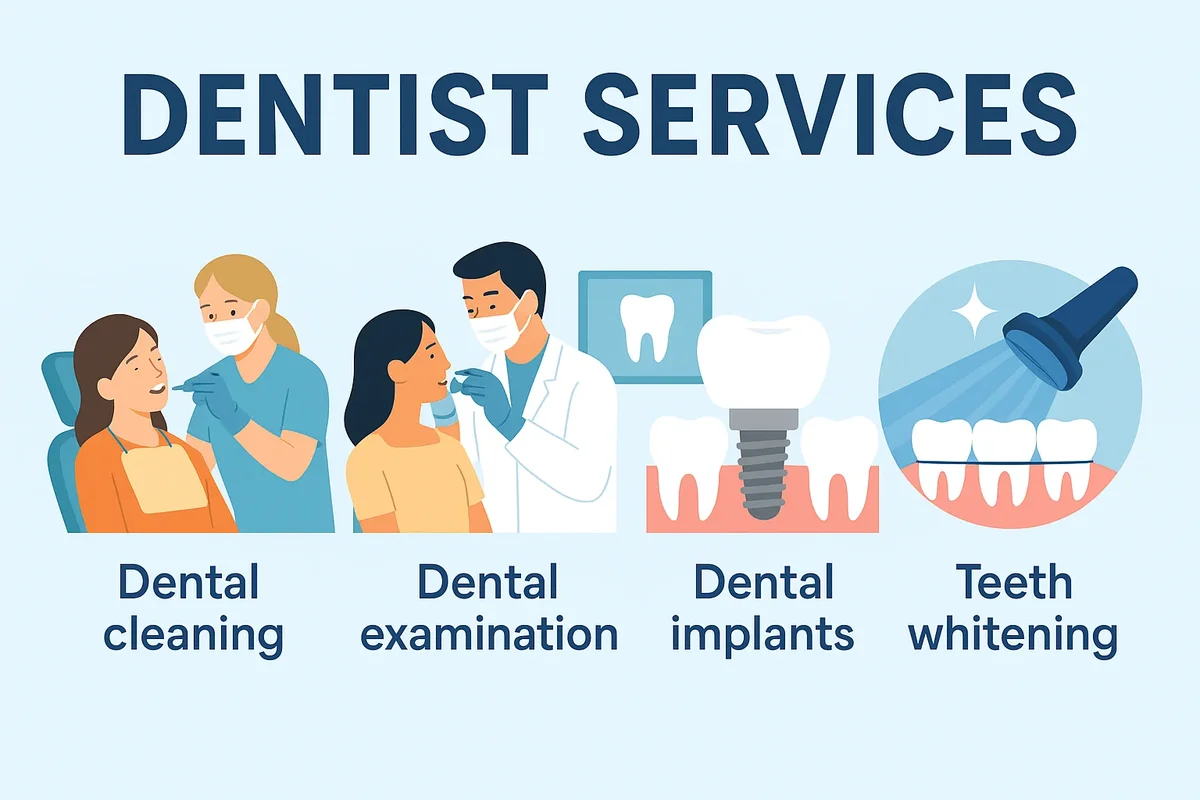
Dentist services are essential for maintaining a healthy, beautiful smile and ensuring long-term oral wellness. From routine cleanings to advanced restorative and cosmetic procedures, these services cover a wide range of treatments designed to keep your teeth, gums, and overall oral health in optimal condition. In this comprehensive guide, we’ll explore what dentist services include, why they are important, and how they contribute to your overall well-being. 🦷
When most people think about visiting the dentist, they often imagine a simple cleaning or checkup. However, dentist services extend far beyond that. Modern dentistry combines preventive, restorative, cosmetic, and emergency care — all tailored to meet the unique needs of each patient. Whether you’re looking to maintain oral hygiene, repair damaged teeth, or enhance your smile, your dentist provides specialized treatments backed by scientific expertise and the latest technology.
One of the key goals of dentist services is prevention. Regular dental visits allow early detection of potential problems such as cavities, gum disease, or enamel erosion. Preventive services often include professional cleanings, fluoride applications, sealants, and digital X-rays to identify issues before they become severe. This proactive approach not only saves you money in the long term but also protects your natural teeth for life. 🪥
In addition to preventive care, dentist services also encompass restorative procedures. These are treatments that repair or replace damaged or missing teeth. Common restorative services include dental fillings, crowns, bridges, dentures, and implants. Each of these procedures aims to restore both function and aesthetics. For example, dental implants are a popular long-term solution that replicates the natural tooth structure and provides a permanent foundation for replacement teeth. With modern innovations, restorative dentistry has become more comfortable and efficient than ever before.
Cosmetic dentist services are another important branch of modern dental care. These services focus on improving the appearance of your teeth and smile. Treatments such as teeth whitening, veneers, and orthodontics can dramatically enhance confidence and self-image. For many patients, the decision to invest in cosmetic dentistry is not just about looks — it’s also about improving the way they feel about themselves in social and professional settings. In today’s digital age, where first impressions often happen online, having a confident smile can make a big difference. 😁
Furthermore, dentist services play a crucial role in managing oral health issues linked to overall health conditions. Research shows a strong connection between oral health and systemic diseases such as diabetes, heart disease, and respiratory conditions. A skilled dental professional not only cares for your teeth but can also identify warning signs of these broader health issues. This holistic approach to dentistry highlights why regular checkups are so vital.
Another area where dentist services prove invaluable is pediatric dentistry. Children require special care as their teeth develop, and early dental visits can set the foundation for lifelong oral hygiene habits. Pediatric dentist services focus on education, prevention, and gentle treatments that make dental care a positive experience for young patients. Parents are encouraged to start dental visits as soon as the first tooth appears, ensuring that any potential problems are detected early.
Emergency dental services are also an integral part of comprehensive oral care. Accidents can happen anytime — whether it’s a knocked-out tooth, severe toothache, or a broken filling. Having access to reliable emergency dentist services can prevent complications and save your natural teeth. Most modern clinics now provide same-day emergency appointments to address urgent dental needs promptly. 🚨
For patients seeking trusted and professional care, finding the right clinic is key. Clinics such as Redent Klinik Contact Page offer a wide range of advanced treatments delivered by experienced professionals. They use state-of-the-art equipment and evidence-based methods to ensure comfort, safety, and high-quality results for every patient. Choosing a reputable clinic can make all the difference between temporary fixes and long-term oral health.
Modern dentistry also emphasizes education and patient empowerment. During each appointment, dentists educate their patients about proper brushing techniques, flossing habits, and nutrition tips for maintaining oral hygiene. This personalized approach ensures that patients understand how their lifestyle choices affect their oral health. The American Dental Association also provides excellent resources on preventive care and dental health guidelines, helping patients make informed decisions about their treatments.
In summary, dentist services encompass a comprehensive range of preventive, restorative, cosmetic, and emergency treatments that together support lifelong oral health. Regular visits not only enhance your smile but also protect your general health. By partnering with a trusted dental professional, you can ensure early detection of problems, receive expert guidance, and enjoy the confidence that comes with a healthy smile. Whether it’s a routine checkup or an advanced cosmetic procedure, investing in professional dentist services is one of the best decisions you can make for your overall well-being. 🌟
1. Understanding the Different Types of Dentist Services
Dentist services encompass a wide range of treatments and procedures designed to maintain, restore, and enhance oral health. Whether you need preventive care, cosmetic improvements, or complex restorative treatments, modern dental care provides personalized solutions for every patient. Understanding these different types of dentist services is essential to making informed decisions about your dental health. 🦷
General Dentistry: The Foundation of Oral Health
General dentistry forms the cornerstone of most dentist services. It focuses on maintaining oral hygiene, preventing diseases, and addressing minor dental issues before they become major concerns. Regular checkups, teeth cleanings, and diagnostic X-rays are part of this category. During these visits, your dentist examines your teeth, gums, and mouth for early signs of decay, infection, or misalignment. These routine checkups help in keeping your teeth healthy and catching problems early — saving both time and money in the long term.
Most general dentist services also include fluoride treatments, sealants for children, and guidance on proper brushing and flossing techniques. These preventive approaches strengthen tooth enamel and reduce the risk of cavities. Patients who regularly attend general dentistry appointments tend to experience fewer dental emergencies and lower treatment costs over their lifetime.
Cosmetic Dentistry: Creating a Confident Smile 😁
Cosmetic dentist services aim to improve the appearance of teeth, gums, and the overall smile. Treatments like teeth whitening, veneers, bonding, and orthodontics can transform your look and boost self-confidence. For example, professional teeth whitening can lighten your smile by several shades, while veneers can cover imperfections such as chips, stains, or gaps. Invisalign and traditional braces are also part of cosmetic dentistry, correcting alignment issues to create a more balanced and appealing appearance.
Cosmetic procedures are not only about aesthetics — they can also enhance oral function. Aligning your teeth properly can improve your bite, reduce wear on enamel, and prevent jaw pain. Many modern clinics combine cosmetic and functional dentistry to ensure that beauty and health go hand in hand. If you’re considering cosmetic improvements, always consult a professional clinic like Redent Klinik Contact Page to explore the best options for your smile.
Restorative Dentistry: Repairing and Replacing Teeth
Restorative dentist services focus on repairing damaged, decayed, or missing teeth to restore both function and aesthetics. This includes fillings, crowns, bridges, dentures, and dental implants. Fillings are commonly used to treat cavities, while crowns protect weakened teeth from further damage. Bridges and dentures replace missing teeth and restore the ability to chew and speak properly.
One of the most advanced restorative solutions is dental implants. Implants act as artificial tooth roots, providing a stable foundation for replacement teeth. They not only restore appearance but also preserve jawbone density and prevent the sunken facial look that often accompanies tooth loss. With proper care, implants can last a lifetime — making them one of the most effective modern dentist services.
Pediatric Dentistry: Specialized Care for Children 👶
Children’s oral health needs are unique, and pediatric dentist services are designed to address them. Pediatric dentists specialize in child-friendly techniques, helping kids feel comfortable and safe during visits. Services include cavity prevention, early orthodontic evaluations, and education on good oral hygiene habits. Early visits to the dentist help establish positive experiences that can shape lifelong oral health routines.
Parents are encouraged to schedule their child’s first dental appointment by age one or when the first tooth appears. This proactive approach ensures that any developmental issues are detected early. Regular pediatric visits also help prevent tooth decay, which remains one of the most common chronic childhood diseases worldwide.
Periodontics: Caring for Your Gums
Healthy gums are just as important as healthy teeth. Periodontics, a branch of dentist services, focuses on the prevention and treatment of gum diseases like gingivitis and periodontitis. Common procedures include deep cleaning (scaling and root planing), gum surgery, and maintenance therapy. Periodontal health is vital because gum infections can lead to tooth loss and are linked to systemic diseases such as diabetes and heart disease.
Maintaining good oral hygiene, including daily brushing and flossing, along with regular professional cleanings, helps keep gum tissues healthy. For advanced cases, laser-assisted periodontal therapy offers a minimally invasive way to remove infected tissue and promote healing.
Endodontics: Treating Tooth Nerve Issues
Endodontic treatments, particularly root canal therapy, address problems related to the tooth pulp and nerve. These dentist services are crucial for saving teeth that might otherwise require extraction. During a root canal, the infected pulp is removed, the area is cleaned, and the tooth is sealed to prevent reinfection. Contrary to common misconceptions, modern root canal procedures are comfortable, efficient, and often pain-free thanks to advancements in dental technology. 🦷
Oral Surgery: Advanced Dental Procedures
Some patients may require surgical dentist services such as wisdom tooth extraction, bone grafting, or dental implant placement. Oral surgeons are trained to perform complex procedures safely and effectively, ensuring optimal healing and long-term function. Sedation options are often available to help patients feel relaxed during surgery. Choosing a clinic with experienced specialists ensures that surgical outcomes are both safe and aesthetically pleasing.
Orthodontics: Aligning Teeth and Jaws
Orthodontic dentist services focus on correcting misaligned teeth and jaws. Braces, clear aligners, and retainers are commonly used to guide teeth into their ideal positions. Correct alignment not only improves appearance but also helps prevent jaw discomfort, uneven wear, and speech issues. Modern orthodontics offers faster, more discreet solutions — with options like Invisalign providing flexibility and comfort for adults and teens alike.
Prosthodontics: Rebuilding Smiles
Prosthodontic dentist services specialize in designing and fitting artificial teeth and dental prostheses. Whether it’s full dentures, partial dentures, or implant-supported bridges, prosthodontists combine science and artistry to restore smiles. Advanced materials such as zirconia and porcelain ensure that prosthetics look and feel natural, blending seamlessly with existing teeth. The result is improved function, aesthetics, and confidence.
In summary, understanding the types of dentist services empowers patients to make informed decisions about their oral health. From preventive and pediatric care to complex restorative and cosmetic treatments, modern dentistry offers personalized solutions for every age and need. Partnering with a trusted clinic and maintaining regular visits ensures long-lasting oral health and a radiant smile. For reliable information on best dental practices, you can also refer to the American Dental Association, which sets global standards for dental care excellence. 🌟
2. Why Regular Dental Checkups Are Vital for Oral Health 🦷
Regular dental checkups are the cornerstone of maintaining lifelong oral health. They serve as the first line of defense against decay, gum disease, and many other oral conditions that can impact your overall well-being. Most people underestimate the importance of consistent dental visits, assuming that brushing and flossing are enough. However, professional dentist services go far beyond what at-home care can accomplish — providing early detection, professional cleaning, and tailored advice that keeps your smile healthy and radiant.
The Role of Preventive Dentist Services
Preventive dentist services are designed to stop dental problems before they start. These include comprehensive oral exams, dental cleanings, fluoride treatments, and digital X-rays. Dentists use these tools to identify plaque buildup, cavities, and gum inflammation at their earliest stages. Preventive care is far more affordable and comfortable compared to corrective treatments required once an issue worsens.
During a standard visit, your dentist removes plaque and tartar that cannot be eliminated by regular brushing. Plaque contains bacteria that feed on sugars, releasing acids that erode enamel and lead to tooth decay. Left untreated, this can develop into painful cavities or infections. Professional cleanings ensure your teeth and gums stay free of such buildup, dramatically lowering the risk of oral diseases. 🪥
Early Detection Through Professional Checkups
Another critical advantage of routine dentist services is early detection. Dentists are trained to identify subtle signs of problems that patients might overlook — such as enamel cracks, receding gums, or early symptoms of oral cancer. Digital X-rays and intraoral cameras help provide a detailed view of areas that are not visible to the naked eye, enabling accurate diagnosis and treatment planning.
For instance, early identification of gum disease (gingivitis) can prevent it from progressing to periodontitis — a severe condition that can cause tooth loss and even affect heart health. Regular checkups allow your dentist to track changes over time, ensuring timely intervention when necessary.
Professional Cleaning: Beyond Your Toothbrush
Even the most diligent brushing and flossing can’t reach every part of your mouth. Professional cleanings, part of standard dentist services, remove hardened deposits called tartar that form under the gumline. Hygienists use specialized instruments to gently clean these areas, preventing gum irritation and promoting fresh breath. After cleaning, polishing helps smooth the enamel, making it harder for bacteria and plaque to accumulate in the future.
Fluoride applications are another key aspect of preventive dental visits. Fluoride strengthens enamel, enhances resistance to acid attacks, and reduces cavity risk. Many clinics recommend fluoride treatment every six months, especially for children and individuals with higher decay susceptibility.
How Regular Visits Improve Overall Health
Your mouth is a window into your body’s general health. Regular dentist services not only protect your teeth but can also help detect systemic health issues. For example, gum inflammation has been linked to heart disease, diabetes, and respiratory conditions. Dentists often spot symptoms like dry mouth, ulcers, or tissue changes that could indicate broader medical problems.
Studies by the American Dental Association emphasize the connection between oral and overall health. Patients with chronic conditions, such as diabetes, are advised to schedule more frequent visits to ensure optimal oral and systemic balance. This integrated approach highlights why your dentist is a vital partner in maintaining overall wellness — not just your smile.
The Psychological and Social Benefits of Regular Checkups 😁
Beyond physical health, regular dentist services contribute significantly to mental well-being and confidence. A bright, clean smile boosts self-esteem, encourages better communication, and creates positive first impressions in both personal and professional settings. Knowing that your teeth are in great condition reduces anxiety about your appearance, which can have powerful psychological benefits.
For individuals with dental anxiety, regular visits also help reduce fear. By developing trust and familiarity with their dental team, patients often find subsequent visits more comfortable. Many clinics now offer sedation options or anxiety-reducing environments to ensure stress-free dental experiences.
Customized Oral Health Education and Guidance
During each visit, your dentist provides personalized advice on brushing, flossing, and nutrition. These educational dentist services empower patients to take control of their oral health between appointments. Simple guidance, such as proper brushing angles or avoiding sugary snacks, can make a huge difference over time.
Patients also learn about the best dental products for their specific needs. For example, those with sensitive teeth may be recommended a low-abrasive toothpaste with potassium nitrate, while individuals prone to plaque buildup might benefit from electric toothbrushes and antibacterial mouth rinses. This tailored approach ensures long-term oral health success.
Financial Advantages of Regular Dental Visits
Skipping dental appointments can lead to higher expenses in the long run. Minor problems that go untreated often evolve into costly treatments such as root canals, extractions, or implants. Regular checkups through preventive dentist services minimize these risks and reduce total dental expenses over time.
Many dental insurance plans cover two preventive visits per year — making it both financially and medically sensible to maintain consistent care. Even for patients without insurance, the cost of preventive cleaning is significantly lower than major restorative procedures.
How Often Should You Visit the Dentist?
Most experts recommend scheduling dental checkups every six months. However, your dentist may suggest more frequent visits based on your oral health status. Individuals with gum disease, diabetes, or a history of cavities benefit from quarterly appointments. Consistent visits ensure that small problems are detected before they escalate, supporting long-term dental health and confidence. 🦷
Ultimately, regular dentist services form the backbone of a proactive oral care strategy. They combine prevention, early detection, and education — ensuring not just a beautiful smile but also a healthier life. Clinics like Redent Klinik Contact Page provide expert preventive care using modern technologies to make checkups comfortable and effective. Maintaining your routine dental visits is an investment in your health, appearance, and overall quality of life. 🌟
3. Cosmetic Dentist Services: Transforming Your Smile 😁
Cosmetic dentist services are designed to enhance the appearance of your teeth and smile, going beyond functionality to deliver aesthetic perfection. In today’s world, a confident smile plays a key role in personal and professional success, and advancements in cosmetic dentistry make achieving that perfect smile more accessible than ever. These treatments combine art and science, using innovative technologies to correct imperfections such as discoloration, misalignment, gaps, and chipped teeth — ultimately boosting confidence and quality of life. 🌟
What Are Cosmetic Dentist Services?
Dentist services in the cosmetic field focus primarily on improving the color, shape, size, alignment, and overall appearance of teeth. Unlike restorative treatments, which are intended to repair functional damage, cosmetic dentistry enhances the visual aesthetics of your smile. However, many cosmetic procedures also improve functionality, making them a dual investment in both beauty and health.
Cosmetic dentistry is ideal for anyone who wants to make subtle or dramatic improvements to their teeth. Whether it’s whitening for a special occasion or a complete smile makeover, these treatments are personalized to each patient’s needs and facial harmony. Let’s explore the most popular and effective cosmetic dentist services available today.
Teeth Whitening: Brighten Your Smile Instantly ✨
One of the most in-demand dentist services is professional teeth whitening. Over time, food, drinks, smoking, and age can cause tooth discoloration. While over-the-counter whitening products exist, professional whitening delivers faster, safer, and longer-lasting results. Using advanced bleaching agents and laser technology, dentists can lighten your teeth by several shades in just one visit.
Professional whitening procedures protect the gums and enamel while achieving noticeable results that home kits cannot match. Clinics such as Redent Klinik Contact Page offer both in-office whitening and customized take-home kits for ongoing maintenance. To prolong results, it’s recommended to avoid staining substances like coffee, red wine, and tobacco.
Dental Veneers: The Secret to a Perfect Smile 😍
Veneers are thin porcelain or composite shells bonded to the front surface of teeth. They are a cornerstone of cosmetic dentist services, providing a natural-looking and durable solution for chipped, stained, or slightly misaligned teeth. Veneers can completely transform your smile within just a few appointments.
The process involves minimal tooth reshaping and precise color matching to blend seamlessly with your natural teeth. Porcelain veneers are especially popular due to their strength, resistance to staining, and lifelike translucency. Patients who invest in veneers often experience a dramatic improvement in both appearance and confidence, making them one of the most rewarding aesthetic treatments.
Composite Bonding: Quick and Effective Repair
Composite bonding is another cosmetic dentist service that corrects minor imperfections such as chips, cracks, or gaps. The dentist applies a tooth-colored resin, sculpts it to the desired shape, and hardens it using a special curing light. This affordable and minimally invasive treatment can usually be completed in a single visit, offering immediate enhancement to your smile.
Orthodontic Treatments: Straighten and Balance Your Smile
Modern orthodontic dentist services combine aesthetics with health. Straight teeth not only look better but also function more efficiently. Misaligned teeth can lead to jaw strain, gum problems, and uneven wear. Today’s orthodontic solutions include traditional braces, ceramic braces, and clear aligners like Invisalign.
Clear aligners have revolutionized cosmetic dentistry by offering nearly invisible teeth straightening without the discomfort of metal brackets. These aligners are custom-fitted, removable, and allow for easier cleaning. For adults seeking discreet and effective treatment, Invisalign has become the preferred choice worldwide.
Dental Implants and Crowns: Aesthetic and Functional Perfection
While typically classified as restorative, implants and crowns also play a major role in cosmetic dentist services. Missing or severely damaged teeth affect not only oral function but also facial aesthetics. Dental implants serve as artificial tooth roots that provide a natural look and stable foundation for crowns or bridges.
Crowns, on the other hand, are used to restore shape, strength, and appearance to damaged teeth. They can be made of porcelain, zirconia, or ceramic materials that mimic natural enamel. When crafted by skilled professionals, these restorations are virtually indistinguishable from natural teeth — enhancing both beauty and bite performance.
Gum Contouring: Perfecting the Frame of Your Smile
Sometimes, the gums — not the teeth — are responsible for an uneven smile. Gum contouring, also known as gingival sculpting, reshapes the gum line to create a more balanced and proportionate appearance. This procedure is quick, minimally invasive, and often performed with a laser for precision and comfort. It’s a perfect example of how dentist services integrate technology with artistry for stunning results.
Smile Makeovers: Comprehensive Cosmetic Planning
For patients looking for a complete transformation, a smile makeover combines multiple cosmetic dentist services into one personalized treatment plan. This may include whitening, veneers, orthodontics, and implants, depending on the individual’s goals and oral health condition. Each step is carefully designed to harmonize facial proportions and achieve a natural, radiant look.
Smile makeovers often involve digital smile design technology — a modern tool that allows patients to preview their new smile before treatment begins. This level of customization ensures satisfaction and aligns the final results with the patient’s aesthetic expectations.
Costs of Cosmetic Dentist Services
Cosmetic treatments vary in cost depending on complexity, materials, and location. Below is an estimated range based on global averages (prices may vary by clinic):
- Teeth Whitening: $150 – $500 per session
- Porcelain Veneers: $800 – $2,500 per tooth
- Composite Bonding: $150 – $400 per tooth
- Dental Implants: $1,000 – $3,000 per tooth
- Clear Aligners (Invisalign): $3,000 – $7,000
- Gum Contouring: $200 – $1,000
Patients should always consult certified clinics like Redent Klinik Contact Page for personalized quotes and professional evaluation. While cosmetic dentistry may seem costly upfront, its long-term benefits — improved confidence, social success, and better oral health — make it a valuable investment.
The Science Behind Cosmetic Dentistry
Advancements in digital imaging, laser technology, and 3D printing have elevated cosmetic dentist services to a new level of precision. Modern clinics now use intraoral scanners to take digital impressions, eliminating uncomfortable molds and reducing treatment time. These innovations ensure natural-looking results with minimal discomfort and faster recovery.
Moreover, the materials used in cosmetic dentistry today — such as zirconia, lithium disilicate, and composite resins — are stronger, more aesthetic, and biocompatible. This ensures both durability and beauty in every restoration.
In conclusion, cosmetic dentist services offer a perfect blend of artistry and science, enabling patients to achieve a smile they can proudly share with the world. From whitening to full smile makeovers, these treatments go beyond aesthetics — enhancing confidence, improving oral function, and contributing to overall well-being. For expert cosmetic care, the American Dental Association recommends seeking certified professionals who use modern technology and evidence-based methods to ensure safe, lasting results. 😁
4. Restorative Dentist Services: Bringing Function Back to Your Teeth
Restorative dentist services focus on repairing and rebuilding damaged or missing teeth to restore proper function, comfort, and aesthetics. These treatments are essential for maintaining the integrity of your mouth, ensuring that you can eat, speak, and smile confidently. Whether caused by decay, trauma, or wear, restorative dentistry aims to bring your teeth back to their natural shape and strength — often making them even better than before. 🦷
Modern restorative dentist services combine advanced materials, precise technology, and expert craftsmanship to ensure long-lasting results. They not only replace or repair teeth but also prevent further complications such as shifting, bone loss, and bite misalignment. Let’s explore the main types of restorative dental treatments and how they can transform both oral health and quality of life.
Dental Fillings: The First Line of Restoration
Dental fillings are among the most common dentist services performed worldwide. When cavities form due to bacterial decay, fillings help restore the tooth’s structure and stop further damage. Dentists remove the decayed portion of the tooth, clean the area, and fill it with durable materials such as composite resin, amalgam, or porcelain.
Composite fillings, which are tooth-colored, have become the standard in modern restorative dentistry because they blend seamlessly with natural enamel. They are strong, durable, and aesthetically pleasing — offering both protection and beauty. Regular dental checkups ensure that existing fillings remain intact and that any new decay is detected early, preventing the need for more extensive procedures later.
Crowns: Reinforcing Weakened Teeth
Crowns, also known as “caps,” are custom-made restorations that cover the entire visible portion of a tooth. These dentist services are ideal for teeth that are cracked, worn down, or weakened after large fillings or root canal treatment. A crown restores strength, shape, and functionality while maintaining a natural appearance.
Modern crowns are crafted from advanced materials like porcelain, zirconia, and ceramic — all of which mimic natural enamel in color and translucency. The procedure typically involves shaping the tooth, taking an impression, and fitting a temporary crown before placing the permanent one. With proper care, crowns can last 10–15 years or longer, making them a durable investment in oral health.
Types of Crowns
- Porcelain Crowns: Best for front teeth due to their natural appearance.
- Zirconia Crowns: Extremely strong, ideal for molars and patients with metal allergies.
- Gold Crowns: Highly durable and resistant to wear, suitable for back teeth.
Choosing the right crown depends on both aesthetics and function, which your dentist will help determine based on your needs and preferences.
Bridges: Replacing Missing Teeth
When one or more teeth are missing, dental bridges provide a fixed solution. These dentist services consist of an artificial tooth (pontic) anchored by crowns on adjacent teeth. Bridges not only fill gaps but also prevent neighboring teeth from shifting, which can cause bite problems and jaw discomfort.
Bridges can be made from metal, porcelain-fused-to-metal, or all-ceramic materials. They restore the ability to chew and speak normally while maintaining facial structure. With good oral hygiene and regular checkups, bridges can last for a decade or more, making them a reliable restorative option.
Dental Implants: The Gold Standard of Tooth Replacement
Dental implants have revolutionized restorative dentist services. They replace missing teeth with titanium posts that act as artificial roots, topped with natural-looking crowns. Unlike dentures or bridges, implants are permanently anchored in the jawbone, offering unmatched stability and strength.
The process involves three key stages: implant placement, osseointegration (bone fusion), and crown restoration. Once healed, implants look, feel, and function like real teeth. They also prevent bone loss, preserve facial contours, and eliminate the slipping associated with removable dentures.
With success rates above 95%, dental implants are considered the most effective and durable tooth replacement option available. Clinics such as Redent Klinik Contact Page specialize in implant procedures using 3D imaging and guided surgery for precision and comfort.
Benefits of Dental Implants
- Permanent and natural-looking replacement
- Prevents bone resorption and facial collapse
- Improves chewing efficiency and speech
- Requires no alteration of surrounding teeth
Root Canal Treatment: Saving Natural Teeth
Root canal therapy, or endodontic treatment, is one of the most essential restorative dentist services. It saves infected or severely decayed teeth that might otherwise need extraction. The dentist removes the infected pulp tissue, cleans and disinfects the canals, and seals the tooth with a biocompatible material.
Contrary to common fears, modern root canal procedures are virtually painless, thanks to advanced anesthesia and rotary tools. Once the treatment is complete, the tooth is usually restored with a crown to provide long-term protection and functionality.
Dentures: Restoring Multiple Missing Teeth
When multiple teeth are missing, dentures remain a cost-effective solution. They can be full (replacing an entire arch) or partial (replacing several teeth). Modern dentures are lightweight, natural-looking, and more comfortable than ever before. These dentist services restore both appearance and chewing function, improving quality of life for patients of all ages.
Implant-supported dentures have become increasingly popular because they combine the affordability of dentures with the stability of implants. They don’t shift or move while speaking or eating, making them a more secure and confident choice.
Onlays and Inlays: The Conservative Approach
Onlays and inlays are advanced restorative dentist services used when damage is too extensive for a filling but not severe enough for a crown. Made from porcelain, composite, or gold, these restorations fit precisely into the damaged area of the tooth, preserving more of the natural structure.
They are durable, long-lasting, and highly aesthetic — providing a conservative yet strong solution for moderate tooth decay or fractures.
Advantages of Onlays and Inlays
- Minimally invasive and conservative
- Durable and stain-resistant
- Excellent fit for restoring tooth integrity
The Cost of Restorative Dentist Services
The cost of restorative treatments varies depending on materials, complexity, and the number of teeth involved. Here’s a general price overview (estimated):
- Dental Fillings: $100 – $300 per tooth
- Crowns: $800 – $2,000 per tooth
- Bridges: $1,500 – $5,000
- Dental Implants: $1,000 – $3,000 per implant
- Root Canal: $500 – $1,500 per tooth
- Dentures: $1,000 – $3,000
Investing in restorative dentist services not only restores function and aesthetics but also prevents more serious and costly oral health issues in the future. Early intervention is key to minimizing costs and preserving natural teeth whenever possible.
The Importance of Choosing a Skilled Dentist
Successful restoration depends on precision, experience, and the use of high-quality materials. Always choose clinics that follow international standards, such as those recommended by the American Dental Association. They ensure procedures meet strict safety and hygiene protocols while delivering outstanding aesthetic results.
In conclusion, restorative dentist services are essential for rebuilding oral health and maintaining the natural beauty of your smile. From simple fillings to advanced implants, these treatments restore comfort, appearance, and confidence. By seeking professional care from trusted experts like Redent Klinik Contact Page, patients can enjoy lasting results and renewed functionality — proving that modern dentistry truly brings your smile back to life. 😁
5. Pediatric Dentist Services: Caring for Children’s Smiles 👶
Pediatric dentist services focus on maintaining and improving the oral health of infants, children, and teenagers. These specialized dental treatments are designed to ensure that a child’s developing teeth, gums, and jaws remain healthy throughout every stage of growth. Childhood is the most critical period for forming positive dental habits and preventing future complications. Early exposure to professional dentist services not only helps maintain a healthy smile but also eliminates fear and anxiety about visiting the dentist. 🦷
What Makes Pediatric Dentist Services Different?
Pediatric dentist services are not just smaller versions of adult dental care. They are tailored to meet the unique physiological and psychological needs of children. Pediatric dentists receive additional training to manage the behavioral aspects of young patients, understand child growth patterns, and treat conditions related to emerging teeth and jaw development.
Beyond technical expertise, pediatric dentists create a friendly and welcoming environment where children feel safe. The clinic atmosphere is often bright, playful, and comforting — helping children associate dental visits with positive experiences. This emotional comfort is just as important as the treatment itself because it sets the foundation for a lifetime of good oral health habits.
Early Dental Visits: Setting the Foundation for Lifelong Health
The American Dental Association recommends scheduling a child’s first dental visit by the age of one or within six months of the first tooth eruption. These early checkups help detect potential developmental issues and teach parents how to care for their child’s teeth properly.
Early preventive dentist services may include fluoride treatments, gentle cleanings, and guidance on pacifier use or thumb-sucking habits. Pediatric dentists also monitor the alignment of new teeth, helping predict whether orthodontic care will be needed later. Regular visits from infancy ensure that minor concerns are addressed before they become major problems.
Common Pediatric Dentist Services
Pediatric dentist services cover a wide range of treatments specifically designed for children’s growing smiles. These include:
- Fluoride Treatments: Strengthen developing enamel and prevent early decay.
- Dental Sealants: Protective coatings applied to molars to block bacteria and food particles from causing cavities.
- Cleanings and Checkups: Gentle cleaning sessions that remove plaque and tartar buildup.
- Space Maintainers: Devices used to keep proper spacing when a baby tooth is lost prematurely, allowing permanent teeth to grow correctly.
- Restorative Treatments: Pediatric fillings or crowns designed to restore decayed baby teeth while maintaining natural function.
The Importance of Preventing Early Childhood Cavities
Tooth decay is the most common chronic disease among children, even more prevalent than asthma. Preventive dentist services are essential to combat this issue. Early childhood caries (ECC) can appear as soon as the first teeth erupt and often result from prolonged exposure to sugary drinks, poor brushing habits, or inadequate fluoride intake.
Parents can reduce the risk by wiping an infant’s gums after feeding, avoiding sugary snacks, and introducing fluoride toothpaste as soon as the first tooth appears. Pediatric dentists teach families how to adopt these habits early, emphasizing that prevention is always better than treatment.
Parental Guidance in Pediatric Oral Care
Parents play a vital role in maintaining their child’s dental health. Pediatric dentist services include parental education on topics such as proper brushing techniques, choosing the right toothbrush, and understanding the role of diet in oral health. Limiting sugary foods and drinks, encouraging water consumption, and providing balanced meals rich in calcium and vitamin D contribute to strong teeth and gums.
Managing Dental Anxiety in Children
Fear of dental treatment is a common issue among children. Pediatric dentist services address this through communication, positive reinforcement, and child-friendly techniques. Many pediatric dentists use the “Tell-Show-Do” method — explaining procedures in simple terms, demonstrating them gently, and then performing them carefully to ensure comfort and understanding.
For particularly anxious or uncooperative children, sedation dentistry may be an option. Mild sedatives or nitrous oxide (“laughing gas”) can help children relax without losing consciousness. The goal is always to make dental visits a calm and positive experience so that children develop trust and confidence in their dental care providers.
Orthodontic Evaluation in Childhood
Early orthodontic assessment is another important aspect of pediatric dentist services. Around age 7, children should receive an orthodontic evaluation to detect misalignments, crowding, or bite issues. Early intervention can guide jaw development and prevent more complex orthodontic problems in adolescence. Treatments like space maintainers, palatal expanders, or limited braces can make later corrections simpler and faster.
Emergency Pediatric Dentist Services 🚨
Children are naturally active, and accidents are inevitable. Whether it’s a knocked-out tooth, broken crown, or sudden toothache, emergency dentist services for children are designed to handle urgent cases promptly. Immediate dental care can save a tooth and prevent infections or long-term complications.
Parents should remain calm and contact their pediatric dentist immediately when emergencies arise. Having the clinic’s contact information readily available ensures swift action when time is critical. Clinics like Redent Klinik Contact Page provide responsive pediatric emergency care with compassion and precision.
How to Handle Common Dental Emergencies at Home
- Knocked-out tooth: Rinse gently with milk or saline and try to place it back in the socket until professional help is reached.
- Toothache: Rinse with warm salt water and avoid applying aspirin directly to the tooth or gums.
- Broken tooth: Save any fragments and contact the dentist immediately.
The Cost of Pediatric Dentist Services
Costs for pediatric treatments vary based on the procedure and materials used. Typical price ranges include:
- Fluoride Treatment: $30 – $60
- Dental Sealants: $40 – $100 per tooth
- Fillings for Children: $100 – $250 per tooth
- Space Maintainers: $300 – $600
- Emergency Visits: $100 – $250 depending on severity
Many insurance plans cover pediatric preventive dentist services, making it affordable for families to maintain consistent care. Early investment in pediatric dental health prevents costly treatments later and supports a lifetime of strong, beautiful smiles. 😁
The Lasting Impact of Early Dental Care
Good oral habits formed during childhood create the foundation for a lifetime of dental wellness. Children who regularly visit their dentist are more likely to maintain oral hygiene as adults, experience fewer dental issues, and have greater confidence in their smiles. Pediatric dentist services go beyond treatment — they teach responsibility, discipline, and the importance of health awareness from a young age.
In conclusion, pediatric dentist services are an essential investment in your child’s health and happiness. From preventive care and education to emergency support, these specialized services ensure that every child grows up with a healthy, confident smile. By choosing professional pediatric care through clinics like Redent Klinik Contact Page, parents can rest assured their children receive expert, compassionate care guided by global standards of excellence established by the American Dental Association. 👶🦷
6. Emergency Dentist Services: What to Do in a Dental Crisis 🚨
Emergency dentist services provide immediate care when sudden dental problems occur, such as severe tooth pain, broken teeth, knocked-out teeth, or infections. These unexpected issues can be extremely painful and sometimes dangerous if left untreated. Having access to professional emergency dental care ensures you receive prompt relief, prevent further damage, and preserve your oral health. Understanding what qualifies as a dental emergency — and how to respond — is crucial for both comfort and long-term health. 🦷
What Are Emergency Dentist Services?
Dentist services for emergencies are designed to address urgent dental conditions that cannot wait for a routine appointment. These services are essential for preventing complications such as tooth loss, infection spread, or permanent damage to oral tissues. Common emergencies include:
- Severe or persistent toothache
- Knocked-out or dislodged tooth
- Broken or cracked teeth
- Swelling in the face or jaw (indicating infection)
- Bleeding gums or soft-tissue injury
- Lost fillings, crowns, or dental prosthetics
Emergency dental clinics operate extended hours, including evenings and weekends, to handle these situations promptly. The main goal of emergency dentist services is to relieve pain, stabilize the condition, and provide follow-up treatment for full recovery.
Why Timely Dental Care Matters
Ignoring a dental emergency can have serious consequences. Infections can spread rapidly from the mouth to other parts of the body, leading to systemic issues. Additionally, damaged teeth can worsen if not treated immediately. Seeking emergency dentist services ensures that the problem is addressed before it escalates, preserving both oral and overall health.
For example, a tooth that is knocked out can often be saved if treated within 30 to 60 minutes. The dentist can reimplant the tooth successfully if the root remains intact. Delaying treatment, however, significantly reduces the chances of saving the natural tooth.
Types of Dental Emergencies and Treatments
Severe Toothache
A toothache is one of the most common reasons people seek emergency dentist services. Severe or persistent pain may indicate deep decay, infection, or a damaged nerve. The dentist performs an examination and may take X-rays to identify the cause. Treatment may involve a root canal to remove infected tissue or antibiotics to control infection before further procedures.
Knocked-Out Tooth
If a tooth is completely knocked out, immediate action is critical. Carefully rinse the tooth with milk or saline solution without touching the root, then place it back into the socket if possible. If not, store it in milk and contact your dentist immediately. Emergency dentist services can reimplant the tooth successfully if addressed quickly.
Broken or Cracked Tooth
Cracks or fractures expose the inner layers of a tooth, causing pain and sensitivity. Depending on the severity, dentists may repair the damage with bonding, veneers, or crowns. In severe cases, root canal therapy may be necessary. Avoid chewing on hard foods and visit your dentist right away to prevent further damage.
Abscessed Tooth or Gum Infection
An abscess is a painful infection that develops near a tooth’s root or between the gum and tooth. Symptoms include swelling, fever, and a bad taste in the mouth. These cases require immediate dentist services because untreated infections can spread to the jawbone or bloodstream. The dentist drains the abscess, removes infected tissue, and prescribes antibiotics to eliminate bacteria.
Lost Fillings or Crowns
When fillings or crowns fall out, the exposed tooth becomes sensitive to temperature changes and bacteria. While over-the-counter temporary solutions can help, professional care is essential to restore the tooth properly. Emergency dentist services can replace or reattach the crown using medical-grade adhesive, preventing further decay.
How to Handle Dental Emergencies at Home
Before you reach the dentist, there are several first-aid steps you can take to minimize pain and damage:
- Toothache: Rinse your mouth with warm salt water and take an over-the-counter pain reliever (never apply aspirin directly to the gums).
- Swelling: Apply a cold compress on the outside of your cheek for 10 minutes to reduce swelling.
- Broken Tooth: Save any fragments and bring them to your dental appointment.
- Bleeding: Apply gentle pressure with a clean gauze pad for 10–15 minutes.
While these are temporary measures, visiting a professional clinic like Redent Klinik Contact Page ensures proper treatment and prevents long-term damage.
Emergency Dentist Services for Children
Children are especially prone to dental injuries due to sports, accidents, or play. Pediatric dentist services for emergencies are designed to handle these delicate cases with care. Common treatments include reattaching knocked-out baby teeth, managing chipped teeth, and addressing gum injuries. Pediatric dentists use child-friendly techniques to minimize fear while providing fast, effective care.
Sports-Related Dental Emergencies
Sports injuries are a major cause of dental trauma among children and teenagers. Wearing a custom-made mouthguard can prevent many of these incidents. If an accident occurs, emergency dentist services can repair or replace damaged teeth, ensuring continued oral development and confidence.
Costs of Emergency Dentist Services
The cost of emergency dental care varies depending on the type and severity of the issue. Typical price ranges include:
- Emergency Consultation: $100 – $200
- Tooth Extraction: $150 – $350
- Root Canal Treatment: $500 – $1,200
- Reimplantation of Tooth: $500 – $2,000
- Abscess Drainage: $150 – $300
Many clinics offer flexible payment plans for urgent cases. Additionally, some dental insurance policies cover emergency visits, especially when related to trauma or infection.
Preventing Dental Emergencies
While emergencies can happen unexpectedly, several preventive dentist services can minimize the risk. Regular checkups, cleanings, and fluoride treatments strengthen enamel and prevent decay. Wearing mouthguards during sports and avoiding hard foods or ice chewing also reduce the likelihood of accidents. Prevention saves both discomfort and money in the long term.
When to Visit the Emergency Room
In rare cases, dental emergencies may involve life-threatening conditions such as severe facial swelling, uncontrollable bleeding, or high fever. If these symptoms occur, visit the nearest emergency room before seeing your dentist. Hospitals can stabilize the situation and prevent systemic infection until specialized dental care is provided.
Where to Find Reliable Emergency Dentist Services
Not all dental clinics are equipped for emergencies. It’s essential to choose a clinic that provides 24/7 or same-day emergency appointments. Clinics like Redent Klinik Contact Page offer immediate care for urgent dental conditions using modern diagnostic tools and pain-free treatments. Their team of professionals ensures both comfort and quick recovery during stressful situations.
In conclusion, emergency dentist services are vital for managing sudden dental pain, injuries, or infections. Acting promptly not only relieves discomfort but also protects long-term oral health. Understanding what constitutes an emergency, knowing basic first aid, and having a reliable dental clinic on call are key steps to being prepared. For trusted advice and professional standards, refer to resources from the American Dental Association. With proper awareness and immediate action, dental emergencies can be resolved quickly — preserving both your smile and your peace of mind. 😁
7. Preventive Dentist Services: Protecting Your Teeth for Life
Preventive dentist services are the foundation of long-term oral health. Rather than waiting for dental problems to appear, these proactive treatments aim to prevent issues before they start. Prevention not only saves money and discomfort but also ensures your teeth remain strong, functional, and beautiful throughout your life. Regular checkups, cleanings, fluoride treatments, and patient education all fall under the category of preventive care — the most effective way to maintain a healthy smile. 😁
What Are Preventive Dentist Services?
Preventive dentist services include all the professional procedures and patient habits designed to protect teeth and gums from decay, disease, and damage. These services focus on maintaining oral hygiene and detecting potential problems early. When you visit a dental clinic for preventive care, your dentist doesn’t just clean your teeth — they assess your oral health holistically, ensuring that every part of your mouth is functioning properly.
The main goal of preventive dentistry is to reduce the need for complex or invasive treatments later in life. Through regular dental visits, personalized oral hygiene advice, and advanced diagnostic technology, patients can prevent cavities, gum disease, enamel erosion, and even oral cancer.
The Importance of Regular Dental Checkups
Routine checkups are the cornerstone of preventive dentist services. During these visits, your dentist performs a thorough examination of your teeth, gums, jaw, and soft tissues. This allows for early detection of issues like cavities, gingivitis, and oral lesions. Regular professional cleanings remove plaque and tartar buildup that brushing and flossing alone can’t eliminate.
These checkups are usually recommended every six months. However, some individuals — especially those prone to gum disease or with medical conditions like diabetes — may need to visit more frequently. Consistency in dental visits is key to maintaining long-term oral health and preventing costly restorative treatments in the future.
Professional Cleaning and Scaling
Professional cleaning, or prophylaxis, is one of the most common preventive dentist services. It involves scaling to remove hardened plaque (tartar) and polishing to smooth the tooth surfaces. This not only improves aesthetics but also makes it harder for bacteria to adhere to the enamel. Polishing can also remove minor stains, keeping your smile bright and fresh.
Fluoride Treatments and Sealants
Fluoride treatments and dental sealants are essential components of preventive dentist services, particularly for children and individuals at higher risk of tooth decay. Fluoride strengthens enamel, helping it resist acid attacks from bacteria and food. Most clinics apply fluoride as a gel, varnish, or foam directly to the teeth during a checkup. This simple, painless treatment provides months of protection.
Dental sealants, on the other hand, are thin protective coatings applied to the chewing surfaces of back teeth (molars and premolars). They act as a physical barrier, preventing food particles and bacteria from settling into deep grooves. Sealants are especially effective for children, reducing cavity risk by up to 80%. 🪥
Gum Disease Prevention and Maintenance
Healthy gums are vital for strong teeth. Preventive dentist services also focus on maintaining gum health to prevent periodontal diseases. Gingivitis — the earliest stage of gum disease — can often be reversed with professional cleaning and improved home care. If left untreated, it may progress to periodontitis, which can cause tooth loss and jawbone deterioration.
Regular scaling and root planing (deep cleaning) remove bacteria from beneath the gumline, promoting healing and reducing inflammation. Dentists may also recommend antimicrobial rinses or targeted therapies for patients with a higher risk of gum problems.
Signs You May Need Preventive Gum Care
- Bleeding gums when brushing or flossing
- Persistent bad breath
- Swollen or receding gums
- Loose or shifting teeth
Addressing these symptoms early through preventive dentist services can stop the progression of gum disease and preserve natural teeth.
Oral Cancer Screening and Early Detection
Preventive dentistry is not just about teeth — it’s about protecting overall oral health. During routine exams, dentists also perform oral cancer screenings to detect abnormal tissue growths or lesions. Early detection through preventive dentist services dramatically increases the chance of successful treatment. Dentists use visual inspections, palpation, and sometimes advanced imaging to identify suspicious areas before symptoms become noticeable.
Nutrition and Lifestyle Guidance
Preventive dentist services extend beyond clinical treatments to include personalized advice on diet and lifestyle. What you eat and drink directly impacts your oral health. High sugar and acidic foods erode enamel and promote bacterial growth. Dentists educate patients about healthier alternatives, such as fiber-rich fruits, dairy products for calcium, and water instead of sugary drinks.
They also address harmful habits like smoking, which contributes to gum disease, bad breath, and oral cancer. By combining professional care with good lifestyle choices, patients can significantly reduce their risk of dental problems and maintain long-lasting oral wellness.
At-Home Preventive Care Tips
- Brush twice daily using fluoride toothpaste.
- Floss once a day to remove plaque between teeth.
- Use antimicrobial mouthwash to kill bacteria and freshen breath.
- Replace your toothbrush every 3–4 months or after illness.
- Stay hydrated — water helps wash away food particles and neutralize acids.
Preventive Care for Children and Seniors
Preventive dentist services are beneficial for patients of all ages. For children, early intervention helps establish good oral habits and prevents cavities during tooth development. Regular fluoride treatments and sealants offer long-term protection. For seniors, preventive care focuses on maintaining existing teeth, managing dry mouth, and caring for prosthetics or implants.
Older adults are often more vulnerable to gum disease and tooth decay due to medications or reduced saliva production. Regular visits help detect issues early and ensure continued oral comfort and health.
The Cost and Long-Term Value of Preventive Dentist Services
Preventive dental care is both affordable and cost-effective. The cost of routine checkups, cleanings, and fluoride treatments is minimal compared to complex restorative procedures like implants or root canals. For example, preventive dentist services typically cost between $100 and $300 per visit, depending on the clinic and location. Many insurance plans fully or partially cover preventive treatments because they help avoid expensive interventions later.
Trusted Clinics for Preventive Care
Finding a reliable dental clinic is key to successful prevention. Clinics like Redent Klinik Contact Page offer comprehensive preventive care using modern equipment, digital diagnostics, and patient-centered education. Their expert dentists create customized oral health plans for every patient, focusing on both short-term and lifelong protection.
For reliable dental health resources, the American Dental Association provides excellent guidelines on preventive care, including brushing techniques, nutrition tips, and information on fluoride and sealants.
In conclusion, preventive dentist services represent the smartest and most effective approach to maintaining lifelong oral health. By investing in regular cleanings, fluoride applications, and professional checkups, patients can avoid pain, preserve natural teeth, and maintain a radiant smile for decades. Prevention isn’t just a choice — it’s the key to lasting confidence, health, and happiness. 🌟
8. Restorative Dentist Services: Repairing and Rebuilding Your Smile 🦷
Restorative dentist services play a vital role in repairing damaged, decayed, or missing teeth, restoring both function and aesthetics. Over time, factors such as cavities, trauma, wear, and gum disease can compromise oral health. Restorative dentistry provides comprehensive solutions to rebuild your smile, ensuring that your teeth look, feel, and function naturally. These services not only restore confidence but also help prevent future complications by strengthening the foundation of your oral structure.
What Are Restorative Dentist Services?
Restorative dentist services focus on rehabilitating the teeth and supporting structures that have been compromised by decay, fracture, or loss. Unlike preventive dentistry, which aims to stop issues before they occur, restorative treatments address existing damage using advanced materials and precise techniques. These procedures range from simple fillings to complex full-mouth reconstructions. The ultimate goal is to restore the mouth’s natural balance — allowing for comfortable chewing, speaking, and smiling. 😁
Modern restorative dentistry combines cutting-edge technology with artistry, providing patients with results that are both durable and visually appealing. Whether you need a single tooth repaired or multiple teeth replaced, today’s dentist services can deliver tailored solutions with minimal discomfort and long-lasting results.
Common Types of Restorative Dentist Services
1. Dental Fillings
Dental fillings are among the most common dentist services used to treat cavities and minor tooth decay. After removing the decayed portion, the dentist fills the cavity with composite resin, amalgam, or porcelain material. Composite fillings are particularly popular because they match the natural tooth color, making them nearly invisible.
These restorations help prevent further decay by sealing the affected area and strengthening the tooth structure. Regular checkups ensure that fillings remain intact and effective for years.
2. Dental Crowns (Caps)
When a tooth is severely damaged or weakened, a dental crown is often necessary to restore its shape and function. A crown acts like a “cap,” covering the visible part of the tooth to provide protection and durability. Crowns can be made from porcelain, zirconia, or ceramic materials that mimic natural enamel. They are one of the most versatile restorative dentist services, used after root canals, large fillings, or fractures.
The process typically involves two visits: one for shaping and impressions, and another for placement. Modern CAD/CAM technology now allows for same-day crown fabrication, significantly reducing treatment time.
3. Dental Bridges
Dental bridges are used to replace one or more missing teeth by anchoring artificial teeth (pontics) between two crowns placed on adjacent natural teeth. This solution restores the ability to chew, speak, and smile with confidence. Bridges are a time-tested option in restorative dentist services and can last over a decade with proper care.
Bridges not only fill gaps but also prevent surrounding teeth from shifting out of position, preserving the alignment of your bite.
4. Dental Implants
Dental implants represent the gold standard in modern restorative dentist services. They replace missing teeth by surgically inserting a titanium post into the jawbone, which acts as an artificial root. Once the implant fuses with the bone, a crown or bridge is attached on top, creating a permanent and natural-looking solution.
Implants prevent bone loss, maintain facial structure, and provide exceptional stability compared to removable prosthetics. Though the process takes several months, the long-term benefits are unmatched. According to the American Dental Association, dental implants have a success rate of over 95% when placed by experienced professionals.
5. Dentures and Partial Dentures
For patients missing multiple teeth, dentures remain a reliable and affordable restorative option. Full dentures replace an entire arch, while partial dentures fill in gaps between natural teeth. Advances in materials have made dentures more comfortable, realistic, and secure than ever before. Some modern designs can even snap onto dental implants for improved stability — combining aesthetics and convenience.
Root Canal Therapy: Saving Natural Teeth
Root canal therapy is one of the most essential dentist services for saving infected or decayed teeth. When the pulp (inner tissue) becomes infected, it causes severe pain and sensitivity. Instead of extracting the tooth, the dentist removes the infected tissue, cleans the canals, and seals them with a special material. A crown is usually placed afterward to protect the restored tooth.
This treatment not only eliminates pain but also preserves your natural tooth, maintaining the structure and preventing the need for costly replacements later. Contrary to old myths, modern root canal treatments are virtually painless thanks to local anesthesia and advanced technology.
Gum and Bone Regeneration
Restorative dentist services also include periodontal procedures aimed at regenerating lost gum or bone tissue. Bone grafting helps rebuild the jawbone after tooth loss, providing a strong foundation for implants. Similarly, soft tissue grafts can restore receding gums, improving both function and aesthetics.
These treatments are critical for patients with advanced periodontal disease, as they restore the stability necessary for other restorative procedures to succeed.
Types of Bone Grafts
- Autograft: Uses bone from the patient’s own body.
- Allograft: Uses donated human bone processed for safety.
- Xenograft: Uses bone from an animal source, such as bovine.
- Alloplastic Graft: Uses synthetic bone substitutes.
Technology in Restorative Dentist Services
Modern restorative dentist services benefit from advanced technologies that make procedures more efficient and precise. Digital impressions, 3D imaging, and computer-aided design/manufacturing (CAD/CAM) allow for highly accurate restorations that perfectly fit the patient’s anatomy. Laser dentistry also enhances precision and reduces recovery time, particularly in soft tissue treatments.
These innovations not only improve accuracy but also minimize pain, shorten appointments, and create natural-looking results that blend seamlessly with existing teeth.
The Cost of Restorative Dentist Services
Costs vary widely depending on the complexity of treatment and materials used. Here is a general overview of common restorative procedures:
- Composite Fillings: $150 – $300 per tooth
- Dental Crowns: $800 – $2,500 per crown
- Bridges: $1,000 – $3,000
- Implants: $1,500 – $4,000 per tooth
- Dentures: $800 – $2,000 per arch
- Root Canal Therapy: $700 – $1,500 per tooth
While restorative treatments can be an investment, their long-term value in maintaining oral health and self-esteem is immeasurable. Many dental insurance plans cover part of these procedures, and clinics such as Redent Klinik Contact Page often offer flexible payment plans for patients seeking high-quality restorative care.
Choosing the Right Dentist for Restorative Treatments
Selecting the right provider for restorative dentist services is crucial to ensure success. Look for clinics with experienced prosthodontists or restorative specialists who use modern materials and technologies. Patient-centered care, transparent pricing, and comprehensive aftercare are all indicators of a trustworthy dental clinic.
Conclusion: Restoring Confidence Through Modern Dentistry
In today’s world, restorative dentist services have evolved beyond mere repair — they represent a blend of health, aesthetics, and technology. Whether it’s a simple filling or a full mouth reconstruction, these treatments rebuild not only teeth but also self-confidence and quality of life. With innovations like dental implants, digital crowns, and minimally invasive root canals, every patient can enjoy a strong, radiant smile once again.
For trusted, professional restorative dental care, consult certified experts at clinics like Redent Klinik Contact Page or refer to guidelines from the American Dental Association to make informed decisions about your treatment options. Restorative dentistry proves that no matter the condition of your teeth, your healthiest, happiest smile can always be rebuilt. 🌟
9. Advanced Dentist Services: Modern Innovations for Better Oral Health 🚀
Advanced dentist services represent the cutting-edge frontier of dental care — combining science, technology, and precision to provide faster, safer, and more effective treatments. These modern innovations have transformed dentistry from painful and invasive procedures into a comfortable, efficient, and patient-friendly experience. Whether it’s digital imaging, laser dentistry, 3D printing, or AI-powered diagnostics, advanced dental techniques redefine how we approach oral health in the 21st century. 🦷
What Are Advanced Dentist Services?
Advanced dentist services refer to high-tech procedures and technologies that improve the accuracy, comfort, and outcomes of dental treatments. They go beyond routine care, focusing on innovations that enhance diagnostics, restoration, and aesthetics. These services include digital scanning, laser therapy, CAD/CAM restorations, dental implants, and even regenerative dentistry using biological materials.
Modern patients benefit from shorter appointments, reduced recovery times, and highly personalized results. Clinics that offer these advanced solutions — such as Redent Klinik Contact Page — deliver superior care through state-of-the-art tools and evidence-based techniques, ensuring a balance between comfort and excellence.
Digital Dentistry: Precision Without Pain
One of the most revolutionary dentist services today is digital dentistry. This involves the use of advanced imaging and design technologies to create accurate and personalized dental solutions. Digital impressions, for example, replace uncomfortable molds with 3D scans that capture the full detail of your teeth and gums in seconds.
CAD/CAM (Computer-Aided Design and Manufacturing) systems allow dentists to design crowns, veneers, and bridges right in the office. With this technology, restorations can often be created and placed within a single appointment — known as “same-day dentistry.” This eliminates the need for temporary crowns and multiple visits, providing unmatched convenience and precision.
Benefits of Digital Dentistry
- Eliminates the discomfort of traditional molds
- Improves accuracy of restorations
- Reduces chair time and repeat appointments
- Enhances communication between dentist and patient
Laser Dentistry: Gentle Yet Powerful Treatment
Laser-based dentist services have revolutionized how dental procedures are performed. Lasers can cut or shape tissue with extreme precision while minimizing bleeding, pain, and healing time. They are used in a wide range of treatments, including gum contouring, tooth whitening, cavity removal, and even root canal sterilization.
Soft-tissue lasers target gums and oral lesions, while hard-tissue lasers handle enamel and dentin. Patients often require little to no anesthesia during laser treatments, making them ideal for individuals with dental anxiety.
Applications of Laser Dentistry
- Removing tooth decay and preparing fillings
- Reshaping gums for aesthetic balance
- Reducing bacterial infections in periodontal pockets
- Activating whitening agents for faster results
3D Printing in Dentistry: The Future of Customization
Another exciting development in modern dentist services is the integration of 3D printing. This technology allows for the rapid fabrication of crowns, bridges, dentures, and surgical guides with extreme precision. Using digital scans, dental technicians can design and print restorations that fit perfectly in the patient’s mouth, eliminating the guesswork of traditional methods.
3D printing also enhances affordability and accessibility. Since restorations can be produced in-house, patients enjoy quicker turnaround times and reduced costs. This approach is particularly valuable for implant planning and orthodontic aligners, ensuring a perfect fit and optimal outcome.
Regenerative and Biomimetic Dentistry
Regenerative dentist services focus on harnessing the body’s natural ability to heal itself. Through the use of biomimetic materials and biological agents such as platelet-rich plasma (PRP) or growth factors, dentists can encourage natural tissue regeneration. These methods are especially useful for repairing bone and gum tissue before implants or for restoring enamel in minimally invasive ways.
Biomimetic dentistry, meanwhile, uses materials that closely replicate the properties of natural teeth — in terms of both strength and elasticity. This ensures restorations that look, feel, and perform like real teeth.
Examples of Regenerative Techniques
- Bone grafting and guided tissue regeneration
- Stem-cell research for dental pulp restoration
- Use of biomimetic composites for enamel repair
Artificial Intelligence in Modern Dentist Services 🤖
AI technology is transforming how dentist services are planned and executed. Artificial intelligence assists in diagnosing oral diseases with remarkable accuracy by analyzing radiographs and 3D scans. It can detect cavities, bone loss, and even early signs of oral cancer that may be missed by the human eye.
AI also enhances treatment planning by predicting outcomes, identifying risks, and recommending the most effective procedures. In orthodontics, for example, AI helps design clear aligners that gradually move teeth with precision. This smart integration of technology ensures a more predictable, personalized, and efficient dental experience.
Microscopic and Minimally Invasive Dentistry
Modern dentist services now emphasize minimally invasive techniques to preserve natural tooth structure. Dentists use operating microscopes and magnification tools to perform delicate procedures with pinpoint accuracy. This approach allows for smaller restorations, less pain, and faster healing.
For example, microscopic endodontics improves the success rate of root canals by allowing the dentist to visualize and clean complex canal systems that were previously unreachable. This precision ensures that only damaged areas are treated, protecting the surrounding healthy tissue.
Digital Smile Design (DSD): Crafting the Perfect Smile
Digital Smile Design is one of the most patient-friendly dentist services available today. Using high-resolution imaging and computer modeling, dentists can simulate how your smile will look after treatment — before any procedure begins. This gives patients full control and confidence in the outcome.
DSD combines art and science, allowing for the perfect alignment of teeth, gums, and facial proportions. Whether the goal is cosmetic veneers or a complete smile makeover, this technology ensures results that are harmonious, natural, and aesthetically stunning.
Steps in the Digital Smile Design Process
- High-resolution imaging and 3D scanning of the mouth
- Digital modeling of proposed treatments
- Patient review and approval
- Execution using CAD/CAM and laser technologies
Benefits of Choosing Advanced Dentist Services
Advanced dentist services bring numerous benefits to patients, including:
- Reduced treatment time and faster healing
- Less pain and discomfort during procedures
- Greater precision and natural-looking results
- Customized treatment plans for every patient
- Minimized risk of complications or revisions
Costs and Accessibility
The cost of advanced dental treatments varies depending on technology, complexity, and location. Approximate price ranges include:
- Laser Treatments: $200 – $1,000
- Digital Smile Design: $300 – $1,500
- CAD/CAM Restorations: $800 – $2,000
- 3D Printed Crowns or Guides: $500 – $1,200
Although slightly more expensive upfront, these dentist services provide long-term value by improving comfort, durability, and overall satisfaction. Many dental insurance plans now recognize the efficiency of these treatments and offer partial coverage.
Conclusion: The Future of Dental Care is Here
Advanced dentist services mark a new era in oral healthcare — one defined by innovation, precision, and patient comfort. From digital scanning to AI-assisted diagnosis and regenerative solutions, these technologies are making dentistry faster, safer, and more personalized than ever. Patients can now enjoy pain-free procedures, flawless aesthetics, and predictable results in fewer visits.
For world-class dental innovation, clinics like Redent Klinik Contact Page offer advanced treatments aligned with global standards. To learn more about technology-driven oral care and best practices, explore the resources of the American Dental Association. The future of dentistry is not coming — it’s already here, bringing you healthier smiles and a better quality of life. 🌟