
Having a confident dentist smile isn’t just about having straight teeth — it’s about feeling good every time you share that smile with the world 😊. A radiant smile is one of the first things people notice about you, and it plays a major role in your personal and professional interactions. In today’s world of advanced dental care, achieving a perfect smile is easier, faster, and more natural-looking than ever before. But what exactly goes into creating that flawless look known as a dentist smile, and how can you maintain it for years to come? This article breaks it all down step by step, so you can achieve the healthy, confident grin you deserve.
A true dentist smile combines dental health, aesthetic balance, and personalized treatment. It’s the result of professional techniques that align, brighten, and restore your teeth — from whitening to orthodontics to cosmetic bonding. Unlike quick-fix solutions, a professionally guided smile makeover starts with a deep understanding of your oral structure, gum health, and facial harmony. Every patient’s mouth is unique, so a tailored plan from an experienced dentist ensures natural-looking results that complement your face shape, lip movement, and skin tone.
Modern dental science emphasizes that beauty and health go hand in hand. A “perfect smile” achieved without considering gum health or bite alignment may look good temporarily, but it won’t last. The secret to a long-lasting dentist smile lies in the balance between function and aesthetics. Dentists use digital imaging, 3D scanning, and mock-up simulations to preview the final results before starting treatment. This allows patients to visualize their new smiles and make informed choices about the procedures involved. 🦷
One of the main reasons people seek a dentist smile is self-confidence. Studies show that individuals who are satisfied with their smiles tend to have higher self-esteem, perform better in social situations, and even appear more trustworthy and attractive. But beyond the psychological benefits, there’s also a health component. Properly aligned teeth are easier to clean, reducing the risk of cavities, plaque buildup, and gum disease. This means a beautiful smile is also a healthy one — a true reflection of holistic dental care.
In the past, getting the perfect smile often meant years of uncomfortable braces or painful whitening treatments. Thankfully, technology has revolutionized the process. Clear aligners, laser whitening, digital veneers, and minimally invasive bonding techniques allow dentists to craft stunning results with little to no discomfort. These modern methods preserve natural tooth structure and provide durable outcomes that can last decades with proper care. Whether you’re fixing minor imperfections or undergoing a complete smile transformation, professional guidance ensures that every detail — from tooth color to gum contour — looks balanced and harmonious.
Achieving a dentist smile also involves adopting a preventive mindset. Regular checkups, professional cleanings, and proper at-home hygiene are crucial. A dentist doesn’t just restore your teeth; they help maintain the longevity of your results. Visiting your dental professional every six months can prevent stains, monitor gum health, and keep your smile shining bright year-round. You can always schedule an appointment or consultation through the Redent Klinik Contact Page to get personalized advice from experts who specialize in aesthetic dentistry and long-term oral care.
It’s also important to remember that achieving a dentist smile is a partnership between you and your dental team. Dentists analyze your needs, design your treatment, and use top-grade materials, but your daily care routine determines how well those results last. Brushing twice a day with a fluoride toothpaste, flossing, and maintaining a balanced diet free from excessive sugars or acidic drinks will make a significant difference. 🌿 Maintaining hydration and avoiding habits like smoking further enhance your smile’s brilliance and prevent discoloration.
Finally, a confident smile doesn’t just stop at aesthetics. It reflects your commitment to overall well-being. A healthy mouth can prevent numerous systemic issues, from heart disease to diabetes-related complications. By prioritizing your oral health, you’re also protecting your body’s internal balance. As the American Dental Association emphasizes, comprehensive dental care is an essential component of total wellness — not just cosmetic enhancement. With the right guidance and modern dentistry’s innovations, your dentist smile can truly become your most powerful feature, radiating confidence, health, and happiness everywhere you go. ✨
Understanding What a Dentist Smile Really Means
When most people think of a dentist smile, they imagine a set of perfectly aligned, white teeth that look straight out of a magazine cover. While that image isn’t far from reality, a genuine dentist smile goes far deeper than mere appearance. It’s the result of a scientific and artistic approach to dentistry — one that considers your facial symmetry, gum health, and tooth proportions to create a smile that looks natural, healthy, and authentically you 😄. Understanding this concept helps patients appreciate the full process behind smile design and why professional expertise matters.
The True Definition of a Dentist Smile
A dentist smile is not just a bright or white smile — it’s a balanced expression of dental health and aesthetic precision. Dentists trained in smile design evaluate multiple factors before recommending any treatment. These include the size and shape of your teeth, the curvature of your lips, the color of your enamel, and even how your gums frame your teeth. This is why a professional smile design is far more effective than over-the-counter whitening or DIY fixes. Every detail, from the spacing of your front teeth to the alignment of your jaw, contributes to the overall harmony of your smile.
What sets a dentist smile apart is personalization. No two people have the same dental structure or facial dynamics, so the goal isn’t to copy someone else’s smile but to enhance your natural features. Dentists often use digital imaging and mock-up tools to visualize how different treatments — such as veneers, crowns, or aligners — will look on your face. This ensures that the final result doesn’t just look beautiful but also feels comfortable and functions perfectly. 🦷
The Aesthetic Science Behind Smile Design
The science behind creating a dentist smile involves concepts like the “Golden Ratio,” which relates to facial symmetry and visual harmony. This mathematical principle helps dentists determine the ideal proportion between the width and length of your teeth. For instance, the front teeth should generally be about 75–80% as wide as they are tall, and the visible gum line should be symmetrical to the curvature of your lower lip. These calculations might seem small, but they make a massive difference in how the final smile looks.
Beyond proportions, color science also plays a role. Natural teeth aren’t perfectly white — they have subtle gradients and translucency that make them appear lifelike. An expert dentist considers these nuances when designing veneers or performing whitening treatments, ensuring that your dentist smile looks authentic rather than artificial. This is where artistry meets technology: blending color tones and surface texture to reflect light in the same way as natural enamel does.
Functional Health: The Foundation of Every Beautiful Smile
A true dentist smile isn’t possible without a foundation of oral health. Before any cosmetic procedures, dentists evaluate the state of your gums, bone density, and bite alignment. Issues such as gum inflammation, tooth decay, or bite irregularities can compromise both the beauty and the durability of your smile. That’s why the first stage of achieving your dream smile often involves deep cleaning, gum therapy, or restorative procedures to ensure that every tooth and supporting tissue is healthy and strong. Only then can the cosmetic phase begin safely and effectively.
How Gum Health Influences the Final Result
Your gums play a surprisingly vital role in how your smile appears. A dentist smile is framed by pink, healthy, symmetrical gums that enhance the appearance of your teeth. When gums are swollen or uneven, even perfectly aligned teeth can look asymmetrical. Dentists use techniques like laser gum contouring to reshape the gum line and create a balanced appearance. This subtle adjustment can dramatically change the overall expression of your smile without touching the teeth themselves.
Psychological and Social Impacts of a Dentist Smile
Beyond aesthetics and health, there’s also a powerful psychological dimension to a dentist smile. Studies in behavioral psychology reveal that people who smile more often are perceived as more approachable, trustworthy, and competent. When you’re proud of your smile, you naturally express yourself more freely, boosting your social interactions and professional confidence. Many patients report feeling like they’ve regained not just their smile, but their personality, after undergoing a smile makeover.
This confidence can even influence first impressions. Research shows that a bright, healthy smile can improve how others perceive your intelligence, friendliness, and credibility. In professional settings — such as job interviews or client meetings — having a confident dentist smile can subtly enhance your overall image, making communication more effective and engaging.
Technology: The Driving Force Behind Modern Smile Design
Modern dental technology plays a crucial role in achieving a precise and lasting dentist smile. Dentists now rely on 3D scanners, intraoral cameras, and digital simulation software to assess and plan every step. This technology eliminates guesswork and ensures that every restoration fits seamlessly. Patients can see digital previews of their new smiles before any treatment begins, providing peace of mind and clear expectations. 💻
For example, CAD/CAM technology (Computer-Aided Design and Manufacturing) enables dentists to create same-day crowns and veneers that are custom-fitted to your mouth. Laser dentistry allows for painless contouring and cleaning, while digital photography helps record progress and results. Each of these tools contributes to precision and comfort — two hallmarks of a professionally crafted dentist smile.
Conclusion: The Meaning of a True Dentist Smile
In summary, understanding a dentist smile means recognizing that it’s not just a cosmetic outcome but a reflection of your overall oral health, personality, and well-being. It’s about harmony — between your teeth, gums, and facial features — and the confidence that comes from knowing your smile is both healthy and beautiful. Whether achieved through orthodontics, whitening, or digital veneers, the essence of a dentist smile lies in balance, health, and authenticity.
If you’re considering taking the next step toward your ideal smile, consult with professionals who combine advanced technology and artistic skill. You can begin by contacting a trusted specialist through the Redent Klinik Contact Page, or explore resources from the American Dental Association for guidance on safe, effective dental care. 🌟 With the right knowledge and expert help, achieving a radiant, natural dentist smile is entirely within reach.
The Science Behind a Beautiful Smile
Behind every radiant dentist smile lies a combination of art, anatomy, and advanced science 🧬. While a perfect smile looks effortless, achieving it requires a deep understanding of dental biology, facial symmetry, and aesthetic harmony. Dentists who specialize in smile design rely on scientific principles to ensure every enhancement — from tooth alignment to shade selection — complements the patient’s unique facial structure. Understanding this science helps explain why professional dental treatment always delivers more natural, lasting, and healthy results than any DIY approach.
How Biology Shapes the Dentist Smile
Your dentist smile begins at the biological level. Every tooth has a specific role in how you bite, chew, and speak. The size, shape, and placement of each tooth contribute to both the functional and visual aspects of your smile. For example, the central incisors — the two front teeth — serve as focal points. Their symmetry and proportion often determine the overall attractiveness of your smile. The lateral incisors and canines, on the other hand, define contour and character. If any of these are misaligned, even slightly, your smile may appear uneven or asymmetrical.
The enamel, dentin, and gum tissues also play critical roles. Healthy enamel reflects light in a way that gives your teeth their natural sheen, while healthy gums provide the pink frame that highlights the whiteness of your teeth. When dentists create a dentist smile, they work with these biological materials — preserving natural enamel whenever possible — to ensure a result that’s both durable and visually authentic. Maintaining the integrity of natural tissues is one of the key principles of modern smile design.
The Role of Facial Symmetry and Proportion
Science shows that humans are instinctively drawn to symmetrical faces because they signal health and balance. A dentist smile leverages this natural preference by aligning the teeth in harmony with your facial features. Dentists use digital facial mapping tools to evaluate the golden proportions of your face — the balance between eyes, nose, lips, and chin — to determine the ideal tooth alignment. The midline of your face, for instance, should ideally align with the center of your two front teeth. Even minor misalignments can alter your facial balance, which is why precision in smile design is so important.
Golden Ratio: The Mathematical Beauty of a Smile
One of the most fascinating concepts in the science of a dentist smile is the “Golden Ratio,” a mathematical proportion of approximately 1:1.618 that appears in nature, art, and even human anatomy. Dentists use this ratio to determine ideal tooth proportions — the width of each front tooth relative to its neighbors — to create visual harmony. When these proportions are correct, the smile appears naturally attractive to the human eye without looking artificial. It’s an example of how mathematics and art blend seamlessly in modern cosmetic dentistry.
Color Science and the Art of Natural Whitening
To achieve a natural-looking dentist smile, color selection is critical. Teeth are not pure white — they have subtle shades and translucencies that change with age, genetics, and diet. A professional dentist uses shade guides and digital color analyzers to find the tone that best matches your natural complexion and lip color. The goal is to enhance brightness without losing authenticity. Over-whitened teeth can look unnatural or even create a chalky appearance under certain lighting conditions. True dental artistry lies in subtlety — giving you a healthy, luminous smile that complements your personality.
Additionally, advances in dental materials, such as nano-ceramics and composite resins, have made it possible to mimic the way natural enamel reflects light. These materials scatter light in complex ways, creating depth and brilliance that closely resemble real teeth. When used by skilled professionals, these technologies ensure that your dentist smile glows naturally, not artificially.
Bite Mechanics and Functional Harmony
Many people focus solely on the appearance of their teeth, but a true dentist smile must also function properly. Bite mechanics — how your upper and lower teeth meet — directly affect your comfort and long-term oral health. If your bite is misaligned (a condition known as malocclusion), it can cause tooth wear, jaw pain, and even headaches. Dentists use advanced diagnostic tools like digital bite scanners and occlusal analysis software to measure pressure points and correct alignment issues. This ensures that your beautiful smile is also comfortable, stable, and healthy.
Neuromuscular Dentistry and Smile Function
Modern smile design incorporates neuromuscular principles — the relationship between your teeth, jaw muscles, and joints. A dentist smile that looks perfect but causes muscle strain isn’t truly successful. By using electromyography (EMG) and computerized jaw tracking, dentists can optimize the natural position of your jaw to reduce stress and improve functionality. This integration of aesthetics and physiology is what makes today’s dental treatments both beautiful and sustainable in the long term.
The Role of Technology in Modern Smile Design
Technology is the driving force behind the evolution of the dentist smile. Tools like 3D imaging, digital mock-ups, and computer-aided design allow dentists to preview results before starting treatment. Patients can see their future smiles on-screen, adjust preferences, and approve designs — eliminating uncertainty. Artificial intelligence (AI) and machine learning are even being used to predict how dental restorations will age over time, helping dentists choose the most durable materials for each case.
Digital smile design (DSD) systems analyze facial expressions, speech patterns, and emotional cues to craft smiles that feel completely natural. This technology ensures that your smile not only looks beautiful in photos but also in motion — when you talk, laugh, or express emotion. The ability to simulate real-life scenarios before treatment has revolutionized cosmetic dentistry, making the modern dentist smile both precise and personalized. 💻
Conclusion: The Perfect Fusion of Art and Science
In essence, the beauty of a dentist smile lies in the fusion of science and art. Every curve, shade, and contour is guided by evidence-based principles and cutting-edge technology. From the golden ratio of aesthetics to the biomechanics of jaw function, each aspect contributes to a result that is as functional as it is beautiful. This scientific foundation ensures that your smile not only enhances your appearance but also supports your long-term oral health and confidence.
If you’re considering transforming your smile, consult with experts who understand both the biology and artistry of smile design. You can begin by visiting the Redent Klinik Contact Page for professional advice, or explore resources from the American Dental Association to learn more about the latest advances in dental science. With today’s innovations, achieving a stunning, natural-looking dentist smile has never been more attainable. 🌟
Professional Treatments That Transform Smiles
Achieving a radiant dentist smile often requires more than good hygiene — it’s the result of targeted professional treatments designed to correct imperfections, enhance brightness, and restore natural harmony. Thanks to advances in modern dentistry, there’s now a wide range of treatments available for patients seeking a complete smile transformation. From orthodontics and whitening to veneers and dental implants, these procedures combine science, artistry, and technology to deliver long-lasting results. Each treatment is customized based on individual needs, ensuring that the final outcome not only looks stunning but also promotes optimal oral health. 😁
Orthodontic Solutions for Alignment and Balance
One of the most common foundations of a dentist smile is proper alignment. Misaligned teeth can affect your bite, cause uneven wear, and create aesthetic concerns. Orthodontic treatments such as traditional braces and clear aligners (like Invisalign) are designed to gradually move teeth into their ideal positions. Clear aligners are especially popular among adults because they’re nearly invisible, removable, and highly comfortable. These aligners use digital mapping to predict movement patterns, allowing dentists to plan your smile transformation with exceptional accuracy.
When alignment improves, it not only enhances aesthetics but also simplifies oral hygiene. Straight teeth are easier to clean, reducing the risk of cavities and gum disease. By improving symmetry and balance, orthodontic correction lays the foundation for every future cosmetic procedure, helping ensure that your dentist smile remains healthy and natural-looking for years to come.
Professional Teeth Whitening: Safe and Effective Brightening
Whitening is one of the most requested treatments in modern dentistry because a brighter smile instantly conveys confidence and health. While over-the-counter whitening kits exist, they can’t match the precision and safety of professional whitening systems. A trained dentist uses medical-grade hydrogen peroxide or carbamide peroxide gels, often activated by LED or laser light, to remove deep stains caused by coffee, tea, tobacco, or aging.
These in-office whitening sessions can lighten your teeth by several shades within an hour. For those who prefer gradual results, take-home whitening trays custom-made by the dentist provide consistent, controlled brightening. The key advantage is that these systems minimize gum irritation and tooth sensitivity, ensuring your dentist smile looks luminous yet feels completely comfortable. 🌟
Advanced Whitening Techniques
Some clinics now use laser whitening and oxygen-based systems that penetrate enamel micro-tubes to break down stubborn discoloration without damaging tooth structure. These advanced technologies ensure that the natural translucency of enamel remains intact — preserving the lifelike glow that defines a professional dentist smile. For individuals with intrinsic stains (discoloration from within the tooth), dentists may combine whitening with veneers or bonding for optimal results.
Veneers: The Instant Smile Makeover
Dental veneers are ultra-thin shells of porcelain or composite resin that bond to the front of teeth, correcting discoloration, gaps, and irregular shapes. They’re a favorite choice among those seeking an immediate transformation. Veneers are carefully sculpted to match the exact dimensions, curvature, and color of your existing teeth, blending flawlessly into your smile. This precision ensures that your dentist smile appears naturally radiant — not artificial or overdone.
Porcelain veneers, in particular, are resistant to stains and can last 10–15 years with proper care. The treatment process typically includes three stages: consultation, tooth preparation, and final bonding. Before veneers are applied, a digital mock-up allows patients to preview their new smile and make adjustments. This customized approach guarantees a balanced, beautiful outcome that enhances confidence instantly. ✨
Minimal-Prep and No-Prep Veneers
In recent years, innovations like minimal-prep and no-prep veneers have made it possible to achieve a dentist smile with minimal tooth alteration. These ultra-thin veneers require little to no enamel removal, preserving natural tooth structure while still delivering dramatic aesthetic improvements. They’re ideal for patients who want faster, reversible results with less discomfort.
Dental Implants: Restoring Function and Aesthetics
For patients who have lost one or more teeth, dental implants are a revolutionary solution that restores both function and beauty. An implant acts as an artificial root, usually made of titanium, that fuses with the jawbone to provide a stable foundation for crowns, bridges, or dentures. Unlike traditional dentures, implants prevent bone loss and maintain facial structure — a key factor in sustaining a youthful appearance and a natural-looking dentist smile.
Implant-supported crowns are color-matched and shaped to blend seamlessly with natural teeth. They not only restore the ability to chew and speak comfortably but also complete the aesthetic harmony of your smile. With proper maintenance, dental implants can last a lifetime, making them one of the most reliable treatments in modern restorative dentistry.
All-on-4 and Immediate Load Implants
For those needing full-arch restoration, the All-on-4 implant technique offers an efficient and less invasive solution. Using just four strategically placed implants, a full set of prosthetic teeth can be anchored securely — often in a single appointment. This approach allows patients to walk out of the clinic with a functional and visually stunning dentist smile on the same day. Immediate load implants are another innovation that drastically reduces waiting times and recovery periods.
Bonding and Contouring: Subtle Yet Impactful Enhancements
Not every smile requires extensive procedures. Cosmetic bonding uses tooth-colored composite resin to correct small chips, gaps, and irregularities, while contouring involves reshaping enamel for smoother edges. Together, these simple techniques can create a balanced and refined appearance in just one visit. Bonding materials have evolved significantly — they now mimic the translucency and texture of enamel so well that even under close inspection, they’re nearly indistinguishable from natural teeth.
For individuals seeking a low-cost, minimally invasive way to improve their dentist smile, bonding and contouring provide an excellent starting point. These treatments often serve as a bridge to more advanced cosmetic work, offering immediate improvement with little to no discomfort. 🪞
Gum Reshaping and Soft Tissue Treatments
A symmetrical gum line plays an essential role in how your smile appears. Excessive or uneven gums — often referred to as a “gummy smile” — can distract from otherwise perfect teeth. Laser gum contouring allows dentists to precisely sculpt the gum line, revealing more of the natural tooth and achieving an ideal balance between gums and enamel. This quick, painless procedure can dramatically enhance your dentist smile without any recovery downtime.
Conclusion: The Art of Tailored Transformation
Every dentist smile transformation is unique because every patient’s facial structure, dental health, and aesthetic goals differ. The best results come from a comprehensive, customized approach that combines several of the above treatments under professional guidance. Whether it’s alignment correction, whitening, or restorative work, the key lies in balance — achieving a smile that looks natural, functions perfectly, and boosts your self-esteem.
If you’re considering professional smile enhancement, consult trusted experts who understand both aesthetics and oral health. For personalized recommendations, visit the Redent Klinik Contact Page to schedule a consultation. You can also explore scientific insights and patient safety information from the American Dental Association. With today’s dental advancements, your dream dentist smile is no longer a fantasy — it’s a scientific reality within your reach. 🦷
Daily Dental Habits for a Lasting Dentist Smile
A radiant dentist smile is not just the product of professional treatments — it’s maintained by consistent daily habits that protect, strengthen, and enhance your teeth and gums. Even the most advanced cosmetic results can fade without proper care. The secret to keeping your smile bright and healthy lies in a few simple yet powerful routines practiced every day. From brushing techniques and diet choices to stress management and hydration, every detail matters when it comes to maintaining that professional-level glow. 🌞
The Importance of a Consistent Oral Care Routine
Brushing twice a day and flossing once daily might sound basic, but these are the cornerstones of a long-lasting dentist smile. The goal isn’t just to remove food particles but to eliminate plaque — a sticky bacterial film that can harden into tartar and cause gum disease or enamel erosion. A soft-bristled toothbrush combined with fluoride toothpaste is essential to gently clean without damaging tooth enamel. Dentists recommend brushing for at least two minutes using circular motions to reach every surface, including along the gumline.
Equally crucial is flossing, which removes plaque and food debris between teeth where toothbrushes can’t reach. Modern alternatives like interdental brushes or water flossers make this process easier and more comfortable, especially for people with braces or sensitive gums. Consistency is key: skipping even a few days of flossing can allow bacteria to thrive, threatening the integrity of your dentist smile.
Choosing the Right Dental Products
When it comes to maintaining a professional-looking dentist smile, not all products are created equal. Selecting toothpaste with fluoride helps remineralize enamel and prevent cavities. Meanwhile, alcohol-free mouthwash supports gum health without drying the oral tissues. For whitening, it’s best to use dentist-approved products with safe levels of peroxide rather than harsh, over-the-counter formulas that may cause sensitivity.
Electric toothbrushes equipped with timers and pressure sensors can enhance your daily brushing efficiency. Studies have shown that powered brushes remove more plaque and reduce gum inflammation compared to manual ones. Investing in the right tools ensures that your daily habits truly support your long-term oral health and preserve that bright, confident dentist smile.
Fluoride and Remineralization Explained
Fluoride plays a vital role in preventing tooth decay and strengthening enamel. It works by attracting minerals like calcium and phosphate back to weakened areas, reversing the early stages of cavity formation. Using fluoride toothpaste and rinses consistently forms a protective shield against acid attacks caused by sugary or acidic foods. This process, known as remineralization, is essential for maintaining the durability and shine of your dentist smile over time.
Nutrition: Feeding Your Smile from Within
Your diet directly influences the appearance and health of your teeth. Nutrients like calcium, vitamin D, and phosphorus strengthen enamel, while vitamin C keeps gums firm and resilient. Foods such as cheese, yogurt, leafy greens, and nuts promote saliva production, which naturally washes away acids and bacteria. On the other hand, limiting sugar, coffee, and acidic beverages like soda helps prevent stains and erosion that dull your dentist smile.
Crunchy fruits and vegetables — like apples, carrots, and celery — work as natural toothbrushes, scrubbing surfaces and stimulating saliva flow. Water is equally important: staying hydrated not only keeps your mouth moist but also balances pH levels and flushes away harmful bacteria. A hydrated mouth is a healthy mouth, and that’s the foundation of every beautiful dentist smile. 🥦💧
Habits That Can Harm Your Smile
Several common habits can undermine your efforts to maintain a glowing dentist smile. Smoking and vaping are top offenders, causing stubborn stains, bad breath, and gum recession. Similarly, chewing on hard objects like ice or pens can lead to micro-fractures in enamel. Bruxism (teeth grinding), often linked to stress or poor sleep posture, can wear down teeth over time and alter your bite alignment. If you grind your teeth at night, your dentist can provide a custom-made night guard to protect your smile while you sleep.
Managing Stains and Discoloration
Even with good hygiene, some staining is inevitable. Beverages such as coffee, tea, and red wine contain chromogens — pigments that adhere to enamel. To minimize discoloration, try sipping through a straw, rinsing your mouth afterward, and brushing with a whitening toothpaste that contains gentle abrasives. Regular professional cleanings every six months will also remove stubborn stains, keeping your dentist smile looking fresh and polished year-round.
Regular Dental Checkups: Prevention and Early Detection
Routine visits to your dentist are the backbone of long-term oral health. Professional cleanings remove tartar that can’t be eliminated through home care, while checkups allow early detection of cavities, gum disease, or enamel wear. A dentist can also provide personalized advice on maintaining your dentist smile based on your specific needs. For instance, patients with dry mouth may benefit from fluoride rinses, while those with crowded teeth may need more frequent cleanings.
Beyond cleanings, periodic X-rays help identify underlying issues such as bone loss, impacted teeth, or infection — conditions that might go unnoticed otherwise. Early treatment not only prevents complications but also ensures that your smile continues to look balanced and healthy. Regular visits to trusted professionals like Redent Klinik Contact Page can help you stay proactive about your oral health.
Lifestyle Factors That Support a Healthy Smile
Maintaining a beautiful dentist smile extends beyond brushing and flossing. Managing stress through mindfulness, yoga, or exercise can reduce the likelihood of clenching or grinding your teeth. Getting enough sleep allows your body to repair tissues, including those in your gums. Additionally, minimizing alcohol consumption and maintaining a balanced pH through a diet rich in vegetables and whole grains helps prevent acid erosion.
Even small lifestyle choices, like wearing a mouthguard during sports or avoiding frequent snacking, have a lasting impact on your smile’s health and appearance. Over time, these habits contribute to the longevity and brilliance of your dentist smile — proving that consistency and care are more powerful than any single treatment. 🌿
Conclusion: Building Habits That Last a Lifetime
Maintaining your dentist smile is a lifelong commitment rooted in daily discipline and self-care. Brushing, flossing, mindful eating, and routine dental visits form a simple yet powerful formula for success. Think of each habit as an investment — not just in your teeth, but in your confidence and overall well-being. With today’s advanced knowledge and tools, keeping your smile bright and healthy has never been easier.
To stay on top of your oral care journey, consult professionals who can tailor a maintenance plan suited to your unique needs. You can reach trusted dental experts via the Redent Klinik Contact Page or learn evidence-based tips from the American Dental Association. By combining professional guidance with consistent daily care, you can enjoy a luminous, healthy dentist smile that truly lasts a lifetime. 😄
Whitening Options: From Home Kits to Clinic Procedures
A dazzling white dentist smile is often seen as the ultimate symbol of beauty and confidence. Over time, however, teeth can lose their brightness due to diet, lifestyle, or simply natural aging. Fortunately, modern dentistry offers a wide range of whitening options to restore brilliance — from quick at-home kits to advanced in-office procedures. Understanding these options helps you make the best decision for your needs, ensuring both safety and lasting results. 🦷
Why Teeth Lose Their Natural Whiteness
Before exploring whitening methods, it’s important to understand why discoloration happens. Tooth enamel — the outer layer that gives teeth their shine — can stain due to pigments found in food, drinks, and tobacco. Over time, micro-cracks in the enamel allow pigments to penetrate deeper, dulling the overall appearance. Internal discoloration can also result from medications, genetics, or trauma. Recognizing the cause of staining helps your dentist select the most effective whitening solution and preserve the natural beauty of your dentist smile.
Types of Tooth Discoloration
There are two main types of stains:
- Extrinsic stains: These occur on the enamel surface and are typically caused by coffee, tea, red wine, and smoking. They respond well to whitening treatments.
- Intrinsic stains: These develop inside the tooth structure, often due to aging, certain antibiotics, or excessive fluoride exposure during childhood. They may require more advanced treatments like veneers or deep bleaching.
Knowing the difference ensures your dentist smile receives the right care for the right type of discoloration.
At-Home Whitening Options
Home whitening has become increasingly popular for its convenience and affordability. However, not all products deliver professional-grade results. Let’s break down the most common at-home methods and their effectiveness.
Whitening Toothpaste and Strips
Whitening toothpastes use mild abrasives and low concentrations of hydrogen peroxide to remove surface stains. They can be effective for maintenance but are limited when it comes to deep discoloration. Whitening strips, on the other hand, use thin, peroxide-infused films applied directly to the teeth. Results are visible in 1–2 weeks, but they can sometimes cause uneven whitening or gum sensitivity if misused.
For those seeking subtle improvements, these options can be a good start. However, for a true dentist smile, professional supervision ensures better and safer outcomes.
Custom Whitening Trays
Dentist-supervised home whitening kits use custom-made trays that fit perfectly over your teeth. These trays hold a professional-grade whitening gel containing controlled concentrations of carbamide or hydrogen peroxide. Because they’re personalized, the gel is distributed evenly, minimizing irritation and maximizing effectiveness. Patients typically wear the trays for 1–2 hours daily or overnight for about two weeks, achieving up to eight shades of improvement.
This method combines the flexibility of home use with the precision of professional guidance — a key advantage for maintaining a consistent and balanced dentist smile.
In-Office Whitening Treatments
For those seeking fast, dramatic results, in-office whitening is the gold standard. Professional whitening performed by a dentist uses high-concentration gels activated by light or laser technology. These treatments can brighten your teeth by several shades in just one visit, often within 45–60 minutes. ⚡
Because the process is monitored by dental professionals, it’s safe, controlled, and customized to your sensitivity levels. Dentists apply protective gels or barriers to shield gums and soft tissues, ensuring comfort throughout the procedure. The result? A noticeably whiter, glowing dentist smile that looks natural and uniform.
Laser and LED Whitening Systems
Laser whitening uses focused light energy to accelerate the chemical reaction of bleaching agents. LED systems work similarly but use a cooler, gentler form of light. Both methods enhance the speed and depth of whitening without damaging enamel. Some patients notice results after just one session, while others may require follow-up treatments depending on the degree of discoloration.
These systems are particularly effective for stubborn intrinsic stains or for individuals looking to enhance their appearance before major events such as weddings or professional photoshoots. When performed by experts, laser and LED whitening deliver the signature brilliance of a professional dentist smile.
Natural Whitening and Maintenance Techniques
For individuals who prefer gentle, natural approaches, maintaining brightness is still possible. Brushing with baking soda once a week, eating crunchy fruits like apples, and rinsing with water after consuming dark beverages can help prevent new stains. However, these methods can only maintain, not significantly change, your tooth color. They work best as complements to professional care.
Hydration also plays a role. A dry mouth allows bacteria and pigments to accumulate more easily, while saliva naturally neutralizes acids and washes away residue. Staying hydrated supports enamel integrity and contributes to the clean, luminous look of a dentist smile. 💧
Post-Whitening Care and Longevity
After whitening, your teeth are more porous and temporarily sensitive to staining. For 48 hours, it’s best to avoid foods and drinks that could re-stain enamel — such as coffee, berries, or red wine. Using a straw for beverages and rinsing frequently with water can help maintain results. Dentists may also recommend fluoride varnish or desensitizing toothpaste to strengthen enamel and reduce discomfort.
To preserve your results, schedule touch-up whitening treatments every 6–12 months, depending on lifestyle factors. Pair this with daily oral hygiene and professional cleanings to ensure your dentist smile remains vibrant year-round.
Common Myths About Teeth Whitening
Many misconceptions surround whitening treatments — for instance, that they damage enamel or make teeth unnaturally white. When done professionally, these treatments are completely safe. Modern gels are pH-balanced and enriched with calcium or potassium nitrate to protect enamel. Whitening doesn’t weaken teeth; it simply removes stains that obscure their natural color. Another myth is that whitening is permanent — in reality, maintenance is key, just like caring for skin or hair.
Conclusion: Choosing the Best Whitening Path for You
Achieving a brilliant dentist smile starts with understanding your options and working with professionals who can tailor a plan to your needs. Whether you choose at-home trays for flexibility or in-office laser treatments for instant results, the key lies in safety, consistency, and aftercare. Whitening is more than a cosmetic enhancement — it’s a confidence booster that reflects health and vitality.
For professional guidance on the best whitening solutions, consult experts at the Redent Klinik Contact Page. You can also find reliable information on tooth whitening safety from the American Dental Association. With the right approach, you can enjoy a luminous, natural-looking dentist smile that brightens every room you enter. ✨
Cosmetic Dentistry: Veneers, Implants, and Beyond
Modern cosmetic dentistry has revolutionized the way we achieve the perfect dentist smile. What was once only possible through extensive and painful procedures can now be accomplished quickly, safely, and beautifully thanks to cutting-edge techniques and materials. Cosmetic dentistry is no longer just about aesthetics — it’s about improving oral health, confidence, and the natural harmony of your entire face. From porcelain veneers to dental implants, bonding, and smile makeovers, each treatment serves a unique purpose, working together to create a confident, radiant expression that enhances every aspect of your life. 😁
The Essence of Cosmetic Dentistry
At its core, cosmetic dentistry focuses on enhancing the appearance, alignment, and function of teeth. A skilled dentist evaluates several factors — including color, proportion, symmetry, and bite balance — before creating a customized plan. The goal isn’t to give everyone the same look but to design a dentist smile that complements your natural features and personality. Whether you need subtle refinements or a complete smile makeover, cosmetic dentistry offers tailored solutions for every aesthetic concern.
The best cosmetic results come from integrating function and beauty. Every procedure should maintain the strength of your natural enamel, support proper jaw alignment, and promote long-term oral health. This holistic approach ensures that your dentist smile doesn’t just look stunning today but remains healthy for years to come. 🦷
Porcelain Veneers: The Art of Perfection
Porcelain veneers are thin shells of medical-grade ceramic custom-made to bond to the front surfaces of your teeth. They are one of the fastest and most effective ways to transform a smile, concealing discoloration, gaps, chips, or misalignment. Each veneer is meticulously crafted to match your desired shape and shade, resulting in a balanced and naturally beautiful dentist smile.
The process usually involves three steps: consultation and planning, minimal tooth preparation, and bonding. During preparation, a small amount of enamel (usually less than half a millimeter) is removed to ensure a perfect fit. Digital smile design software allows patients to preview results in 3D before the final application. Veneers are then bonded with light-cured adhesive, creating a durable, stain-resistant surface that can last up to 15 years with proper care.
Advantages of Porcelain Veneers
- Natural translucency mimics real enamel.
- Highly resistant to staining and discoloration.
- Requires minimal maintenance beyond routine oral care.
- Instantly enhances both color and symmetry of your dentist smile.
For patients seeking less invasive options, composite veneers made from resin materials are also available. They can be completed in a single visit and are ideal for minor corrections, though they may require more frequent maintenance than porcelain alternatives.
Dental Implants: Rebuilding the Foundation of a Smile
Dental implants represent one of the greatest advancements in restorative dentistry. They provide a permanent solution for missing teeth, restoring both functionality and aesthetics. An implant acts as an artificial tooth root — typically made of titanium — which integrates with your jawbone through a process known as osseointegration. Once healed, a crown is attached to the implant, completing the natural look of your dentist smile.
Implants prevent bone loss, maintain facial structure, and eliminate the discomfort associated with removable dentures. Unlike bridges, they don’t rely on neighboring teeth for support, making them a healthier, longer-lasting alternative. With proper care, implants can last a lifetime, giving patients a confident smile that feels and functions just like natural teeth.
Types of Dental Implants
- Single-tooth implants: Replace one missing tooth with a natural-looking crown.
- All-on-4 implants: Use four strategically placed implants to restore a full arch of teeth in one day.
- Mini implants: Smaller versions used in areas with less bone density or for stabilizing dentures.
Whichever method is chosen, the result is a strong, balanced dentist smile that supports your oral health and facial aesthetics.
Dental Bonding and Contouring
Dental bonding is one of the simplest ways to repair imperfections such as chips, gaps, or uneven surfaces. Using a tooth-colored composite resin, the dentist sculpts and polishes the tooth to restore its shape and natural shine. Bonding is ideal for patients who want immediate improvements without the cost or commitment of veneers.
Cosmetic contouring complements bonding by reshaping edges or adjusting length for a more symmetrical appearance. These subtle refinements can dramatically enhance the flow and balance of your dentist smile. The procedure is minimally invasive, often requiring no anesthesia and yielding instant results within one appointment.
Teeth Reshaping, Gum Contouring, and Smile Design
Beyond teeth, your gums play a critical role in framing your smile. A “gummy smile” or uneven gum line can distract from otherwise perfect teeth. Cosmetic gum contouring uses laser precision to reshape soft tissue, revealing more enamel and creating symmetry. Combined with teeth reshaping, this approach achieves harmony between teeth, gums, and lips — the key to a truly natural-looking dentist smile.
Many modern dental clinics also use digital smile design (DSD), a 3D simulation system that visualizes your future results before treatment begins. This technology allows dentists and patients to collaborate on every detail — from tooth shade to lip curvature — ensuring predictable, satisfying outcomes.
The Role of Digital Smile Design
Using high-resolution imaging and AI-driven modeling, DSD analyzes facial proportions, expressions, and movement patterns to craft the ideal smile. This precision ensures that your dentist smile looks perfect not only in static photos but also in real life — when you talk, laugh, and express emotion.
Beyond Aesthetics: The Psychological and Functional Impact
Cosmetic dentistry isn’t just about looking better — it’s about feeling better. Patients who complete smile makeovers often report significant improvements in self-esteem and quality of life. A well-crafted dentist smile influences the way you communicate, connect, and express confidence. Functionally, properly aligned and restored teeth reduce bite stress and improve chewing efficiency, preventing long-term dental complications.
Conclusion: Achieving Balance Between Health and Beauty
The journey to a perfect dentist smile involves more than surface-level enhancement. It’s about combining advanced technology, medical expertise, and artistic precision to create harmony between teeth, gums, and facial features. Veneers restore aesthetics, implants rebuild function, and contouring perfects balance — all working together for a naturally radiant result.
For expert guidance on cosmetic dentistry and personalized smile design, visit the Redent Klinik Contact Page. For general information and clinical guidelines on dental materials and safety, refer to the American Dental Association. With today’s innovations, achieving a flawless, long-lasting dentist smile has never been more attainable — and the transformation goes far beyond looks; it’s a life-changing experience. ✨
How Diet and Lifestyle Affect Your Dentist Smile
Your daily choices — what you eat, drink, and do — have a profound effect on the health and appearance of your dentist smile. While professional treatments create the foundation for beautiful teeth, maintaining that brilliance depends on consistent lifestyle habits and nutrition. Every sip of coffee, every snack, and even your stress levels contribute to the long-term vitality of your teeth and gums. Understanding how diet and lifestyle intersect with oral health allows you to protect your investment and enjoy a radiant, confident smile for years to come. 🌿
The Connection Between Nutrition and Oral Health
A balanced diet is the cornerstone of a lasting dentist smile. Teeth, like bones, rely on key nutrients such as calcium, phosphorus, and vitamin D to remain strong and resilient. Without them, enamel weakens, making your teeth more susceptible to cavities and discoloration. Consuming nutrient-dense foods nourishes not only your body but also your gums, which are essential to the structure and stability of your smile.
Calcium — found in dairy products, almonds, and leafy greens — helps remineralize enamel and strengthen teeth. Vitamin D assists in calcium absorption, making it vital for enamel integrity. Phosphorus, abundant in fish, eggs, and nuts, supports enamel regeneration. When combined, these nutrients act as natural defenders of your dentist smile, maintaining its strength and shine even as you age.
Vitamins That Support Gum and Tissue Health
Healthy gums frame and support your smile. Vitamins A, C, and K play crucial roles in gum repair, collagen production, and blood circulation. Vitamin C, in particular, prevents gum inflammation and bleeding, which can otherwise lead to periodontitis — a leading cause of tooth loss. By incorporating citrus fruits, bell peppers, and strawberries into your meals, you strengthen the tissues that anchor your teeth, ensuring that your dentist smile remains firm and youthful. 🥦
Foods That Stain or Damage Teeth
While some foods enhance oral health, others can harm or dull your dentist smile. Pigment-rich foods and beverages like coffee, tea, red wine, and berries contain tannins — organic compounds that adhere to enamel and cause stains. Acidic drinks like soda and citrus juices erode enamel over time, making teeth more vulnerable to discoloration and decay.
Sticky or sugary snacks are another culprit. When sugar interacts with bacteria in your mouth, it forms acid that dissolves enamel and creates cavities. Even “healthy” choices such as dried fruits can be problematic if consumed excessively, as they cling to teeth and feed bacteria. Dentists recommend following the “20-minute rule”: brush or rinse your mouth within 20 minutes after consuming staining or acidic foods to reduce long-term damage and maintain your dentist smile.
Hydration and Saliva: Natural Defenses
Saliva acts as nature’s defense mechanism for your teeth. It neutralizes acids, washes away food particles, and delivers essential minerals that keep enamel strong. Dehydration, however, reduces saliva production, creating a dry environment where bacteria thrive. To protect your dentist smile, drink plenty of water throughout the day and limit alcohol or caffeine, which can dry the mouth. Chewing sugar-free gum after meals can also stimulate saliva flow, promoting natural cleansing and freshness.
Lifestyle Habits That Influence Your Smile
Beyond nutrition, daily habits play a crucial role in the longevity of your dentist smile. Smoking, for instance, is one of the most harmful habits for both oral and overall health. It not only causes yellowing but also restricts blood flow to the gums, leading to tissue damage and early tooth loss. Similarly, excessive alcohol consumption can dehydrate oral tissues, disrupt bacterial balance, and make enamel more porous.
Stress also has a surprising impact. Many people grind or clench their teeth unconsciously when under pressure — a condition called bruxism. Over time, this wears down enamel, alters bite alignment, and can even fracture teeth. Incorporating relaxation practices such as deep breathing, yoga, or meditation helps alleviate this tension and preserves the integrity of your dentist smile.
Sleep and Its Role in Dental Health
Adequate sleep promotes overall healing and balances hormone levels that influence saliva flow and immune response. Lack of sleep, on the other hand, can weaken your body’s ability to fight oral bacteria, leading to inflammation and gum disease. Maintaining a consistent sleep schedule, paired with proper dental hygiene before bed, ensures that your dentist smile remains bright and healthy every morning. 😴
Whitening Diet: Eat Your Way to a Brighter Smile
Certain foods naturally help clean and polish your teeth. Crunchy fruits and vegetables like apples, carrots, and celery act as natural scrubbers, removing surface stains. Strawberries contain malic acid, which gently whitens enamel when eaten in moderation. Dairy products like cheese and yogurt raise pH levels in the mouth, neutralizing acids and providing minerals that support enamel health. Adding these foods to your diet complements professional whitening treatments and enhances the brilliance of your dentist smile.
The Importance of Moderation and Balance
It’s unrealistic to avoid all staining or acidic foods, but moderation makes a significant difference. Using a straw when drinking coffee or tea, rinsing with water afterward, and brushing gently twice daily help mitigate potential damage. The combination of mindful eating and consistent hygiene ensures that your dentist smile retains its glow without unnecessary restrictions.
Professional Support for Optimal Results
Even with the best habits, regular dental checkups remain essential. Professional cleanings remove plaque and tartar buildup that at-home care can’t reach. Dentists can also offer personalized dietary guidance — identifying habits that might be sabotaging your dentist smile. For instance, they may recommend enamel-strengthening fluoride treatments or custom night guards for patients who grind their teeth.
Scheduling biannual appointments with trusted professionals, such as those at the Redent Klinik Contact Page, ensures that your smile receives the care it deserves. For scientifically backed nutrition and oral health recommendations, you can also explore the American Dental Association’s resources. Combining expert advice with conscious daily habits will keep your dentist smile strong, bright, and naturally stunning. ✨
Conclusion: Living for a Radiant Smile
Your diet and lifestyle choices have the power to shape your dental future. Every healthy meal, every glass of water, and every mindful choice adds up to preserve your dentist smile for a lifetime. By understanding the connection between nutrition, behavior, and oral care, you empower yourself to prevent problems before they arise. Remember — a truly beautiful smile doesn’t just come from the dentist’s chair; it’s built day by day through your everyday decisions and dedication to wellness. 🌸
The Psychological and Emotional Benefits of a Dentist Smile
A radiant dentist smile is more than just an aesthetic achievement — it’s a gateway to emotional wellness, self-confidence, and positive social interaction. Psychology and dentistry are closely linked because how you feel about your smile directly affects your behavior, mood, and even career success. In fact, multiple studies in behavioral science reveal that people who smile freely project warmth, competence, and approachability. This section explores the powerful psychological and emotional benefits of a dentist smile, showing how a healthy mouth can transform far more than your appearance. 😊
The Confidence Connection: How Smiling Shapes Self-Perception
When you’re proud of your smile, you naturally display it more often. That simple action can shift how you view yourself and how others perceive you. Smiling triggers the release of serotonin, dopamine, and endorphins — hormones associated with happiness and stress reduction. These natural “feel-good” chemicals create an internal feedback loop: the more you smile, the more confident and positive you feel. A professionally enhanced dentist smile helps break the cycle of self-consciousness that prevents many people from expressing themselves freely.
For individuals who previously hid their teeth due to discoloration, misalignment, or gaps, a restored smile can feel life-changing. Patients frequently report improved posture, eye contact, and social engagement after cosmetic dental work. This renewed confidence extends beyond personal life — it influences professional interactions, interviews, and leadership presence. In short, a dentist smile empowers self-expression by removing emotional barriers linked to insecurity and self-doubt. 🌟
Body Language and First Impressions
Your smile is the first thing people notice, often within seconds of meeting you. A study by the American Psychological Association found that people who smile are perceived as more intelligent, trustworthy, and likable. A balanced, natural dentist smile signals warmth and sincerity, setting the tone for effective communication. Conversely, people who avoid smiling may be seen as anxious or distant, even if they’re simply self-conscious about their teeth.
Improving your smile through professional care isn’t just cosmetic — it’s a form of nonverbal communication training. By feeling more comfortable smiling, you unconsciously enhance your interpersonal skills, which can lead to more fulfilling relationships both personally and professionally.
The Emotional Healing Power of a Smile
Smiling can literally change your emotional state. When facial muscles engage in a smile, even artificially, your brain interprets it as a sign of happiness. This triggers a physiological response that lowers stress hormones like cortisol and boosts immune function. A confident dentist smile therefore doesn’t just make you look happier — it helps you feel happier. Over time, this can reduce anxiety levels and even improve mental health outcomes for people dealing with chronic stress or depression.
Furthermore, dental restoration can help patients who’ve suffered trauma or illness reclaim a sense of identity. Rebuilding a smile often marks a symbolic fresh start — a visual reminder of recovery and resilience. For example, individuals who undergo full-mouth rehabilitation frequently describe it as a turning point, where physical health and emotional healing converge into renewed self-worth and optimism.
Social Influence and Emotional Contagion
Smiles are contagious. Psychologists refer to this as “emotional contagion,” the phenomenon where one person’s mood spreads to others through subtle cues like facial expression. When you share a bright dentist smile, the people around you mirror that positivity, fostering connection and empathy. This ripple effect creates more uplifting social environments, whether at home, work, or in public spaces.
In essence, your smile becomes an act of emotional generosity — it can ease tension, improve collaboration, and even diffuse conflict. When supported by professional dental care, this simple yet powerful gesture becomes a daily source of emotional resilience.
The Professional Advantage of a Confident Smile
In the modern world, appearance and confidence often influence professional success. A study published in the Journal of Applied Social Psychology revealed that individuals with attractive smiles were perceived as more competent and employable. A polished dentist smile can enhance your personal brand by conveying attentiveness, hygiene, and self-care — traits that employers subconsciously associate with reliability and leadership.
Moreover, public speakers, educators, and customer-facing professionals benefit immensely from smile confidence. When you smile comfortably, your speech becomes more engaging and persuasive. People listen more attentively and respond with greater trust. Thus, investing in a dentist smile isn’t vanity — it’s a career advantage rooted in human psychology and perception.
Reducing Anxiety and Improving Emotional Health
Dental anxiety affects millions, often preventing people from seeking the care they need. However, once individuals take the step to restore or improve their smile, anxiety levels often drop dramatically. Why? Because a healthy, well-maintained smile removes the daily reminders of dental issues — pain, embarrassment, or worry about bad breath. A stable dentist smile gives peace of mind and creates a sense of control over one’s appearance and health.
Some clinics integrate relaxation techniques, aromatherapy, and gentle care methods to make the process of achieving a dentist smile emotionally soothing. The outcome is not just a transformation in teeth but also a reduction in overall stress, helping patients feel calmer and happier in their daily lives. 🧘
Smiling and Longevity
Interestingly, studies suggest that people who smile more often live longer. Researchers from Wayne State University found that individuals who smiled widely in photographs tended to live nearly a decade longer than those who didn’t. The connection likely lies in the physiological benefits of smiling — reduced blood pressure, lower cortisol levels, and improved heart health. A confident dentist smile encourages frequent smiling, indirectly contributing to both emotional and physical well-being over time.
Relationships and Social Bonding
Smiling enhances empathy and strengthens human connection. When you smile genuinely, others feel more comfortable opening up and communicating. Romantic partners, friends, and even strangers respond positively to warm, inviting expressions. A bright, healthy dentist smile amplifies this effect, helping you project sincerity and emotional warmth.
In couples therapy research, partners who smile frequently during discussions are more likely to report higher relationship satisfaction. This demonstrates how a dentist smile can serve as both a social lubricant and an emotional bridge, fostering understanding and compassion in daily interactions.
Conclusion: Smiling as a Form of Empowerment
Ultimately, the emotional and psychological benefits of a dentist smile go far beyond beauty. It’s a form of self-empowerment — a visible expression of self-care, resilience, and confidence. By investing in dental wellness, you’re also investing in your mental health and social success. Whether you’re preparing for a big event, rebuilding after a challenge, or simply striving for personal growth, a genuine smile can be your most powerful tool.
For professional guidance on achieving a confident, natural smile, reach out via the Redent Klinik Contact Page. To explore the science of smiling and its link to emotional health, consult the American Dental Association. Remember — every dentist smile begins with care, and every smile you share has the potential to brighten not only your day but the world around you. ✨
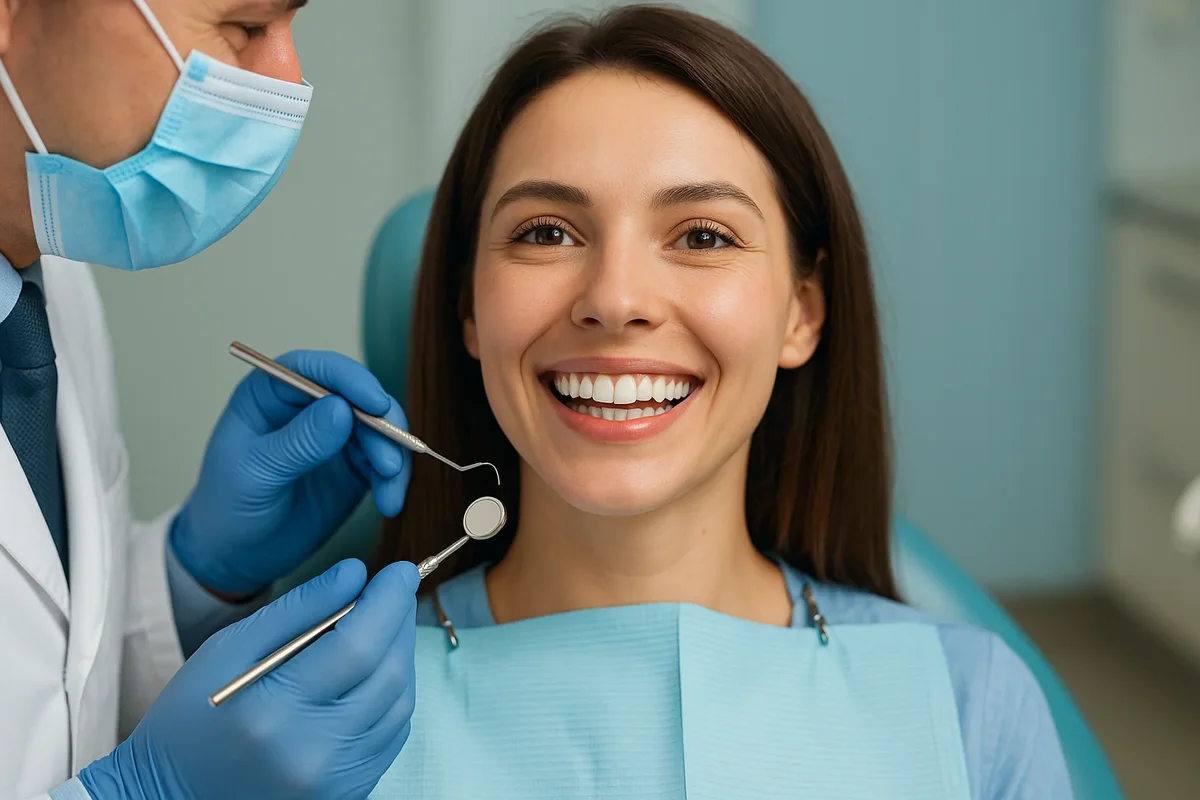
Maintaining Your Dentist Smile: Daily Care and Professional Checkups
Achieving a perfect dentist smile is only the first step — maintaining it for a lifetime requires consistent daily care and regular professional checkups. Oral health is a dynamic balance between hygiene, nutrition, and routine monitoring. Even the brightest smile can fade without proper upkeep, while disciplined care can make your results last for decades. In this section, we’ll explore proven strategies to protect, preserve, and enhance your dentist smile day by day. 🪥
Establishing the Perfect Oral Hygiene Routine
Your daily routine is the foundation of your dentist smile. A structured approach to brushing, flossing, and rinsing not only keeps your teeth clean but also prevents issues like plaque buildup, gum inflammation, and discoloration. Brushing at least twice a day with fluoride toothpaste remains the gold standard. The fluoride helps remineralize enamel, making it more resistant to decay and acid erosion.
For optimal results, use a soft-bristled electric toothbrush that oscillates or vibrates, as it can remove up to 100% more plaque than manual brushing. Make sure to spend at least two minutes brushing, dividing the mouth into quadrants to ensure full coverage. Don’t forget to brush along the gumline, where bacteria often accumulate unnoticed, jeopardizing your dentist smile.
The Importance of Flossing and Interdental Cleaning
While brushing cleans visible surfaces, flossing addresses hidden areas between teeth that a brush cannot reach. Neglecting these spaces allows bacteria to breed, leading to bad breath and cavities. Floss daily, preferably before brushing, to dislodge trapped debris and food particles. For those with braces or dental implants, interdental brushes or water flossers are excellent alternatives that maintain the hygiene and integrity of a dentist smile.
The Role of Mouthwash and Antibacterial Rinses
A therapeutic mouthwash can significantly enhance oral hygiene by reducing plaque, controlling odor, and killing bacteria. Choose a fluoride-based rinse to strengthen enamel, or an antibacterial formula containing chlorhexidine or cetylpyridinium chloride for gum protection. Swish for 30–60 seconds after brushing and flossing to complete your cleaning routine. This step ensures that your dentist smile remains fresh and healthy throughout the day. 😁
Protecting Your Smile from Common Hazards
Even with perfect hygiene, certain habits and environmental factors can compromise your dentist smile. Be mindful of the following:
- Acidic foods and beverages: Citrus fruits, soda, and vinegar-based foods can weaken enamel. Rinse your mouth with water afterward to neutralize acidity.
- Bruxism (teeth grinding): Commonly caused by stress, grinding can wear down enamel and alter your bite. Wearing a night guard protects your teeth from micro-fractures and sensitivity.
- Tobacco and alcohol: Both stain teeth and harm gum tissues, dulling the brilliance of your dentist smile.
How to Prevent Enamel Erosion
Enamel erosion is irreversible, so prevention is key. Avoid brushing immediately after eating acidic foods — wait at least 30 minutes to let saliva restore the mouth’s pH balance. Drinking water and using remineralizing toothpaste can help strengthen weakened enamel. Regular use of fluoride mouth rinses further reinforces your dentist smile against acid wear and decay.
The Importance of Regular Dental Checkups
No matter how diligent your home care routine is, professional checkups are essential for maintaining long-term oral health. Dentists can detect problems early, preventing minor issues from becoming major concerns. Most experts recommend biannual visits, though patients with orthodontic work or gum disease may benefit from quarterly cleanings.
During a checkup, your dentist evaluates the health of your gums, enamel, and jaw alignment. Professional cleaning removes hardened tartar that brushing alone can’t eliminate. This preventive care is vital for preserving the brightness and harmony of your dentist smile. 🦷
What to Expect at a Professional Cleaning
Professional dental cleanings involve scaling to remove plaque and tartar, polishing to smooth enamel surfaces, and fluoride application to protect against future decay. Many clinics also offer air polishing, a gentle method using water and bicarbonate powder to remove stains. These treatments not only enhance the look of your dentist smile but also improve overall gum health and freshness.
Advanced Maintenance: Whitening and Touch-Up Treatments
Over time, daily habits can gradually dull even the brightest teeth. Touch-up whitening sessions every six to twelve months can help restore brilliance without damaging enamel. Professional-grade whitening gels or laser-enhanced systems are safer and more effective than over-the-counter products. For veneers or crowns, your dentist may perform polishing or re-glazing procedures to maintain their luster and keep your dentist smile camera-ready.
For those with dental implants, periodic radiographs ensure that the bone around the implant remains stable. These proactive steps preserve both function and aesthetics, making sure that your dentist smile remains strong, balanced, and radiant for decades.
Integrating Oral Health into Your Lifestyle
Oral care extends beyond brushing and flossing — it’s a lifestyle. Limit sugar intake, drink plenty of water, and eat foods rich in calcium and fiber. Avoid excessive snacking, as constant exposure to acids promotes plaque formation. Incorporate stress-reduction practices such as yoga or meditation to prevent grinding and jaw tension, which can wear down your teeth and compromise your dentist smile.
Sleep and Posture Influence on Smile Health
Proper sleep supports saliva production and tissue repair, both crucial for gum and enamel recovery. Sleeping on your back instead of your stomach prevents pressure on facial muscles, protecting the alignment of your teeth. Even small adjustments like this can prolong the beauty of your dentist smile and enhance your overall oral well-being.
When to Seek Professional Help
Don’t wait for visible problems to visit your dentist. Symptoms like bleeding gums, tooth sensitivity, or persistent bad breath are early warning signs of deeper issues. Seeking timely professional help can save your natural teeth and prevent costly restorative procedures. A consistent partnership with your dental provider ensures the ongoing perfection of your dentist smile.
Conclusion: Building Habits for a Lifetime Smile
Maintaining your dentist smile is an ongoing journey that blends science, discipline, and self-care. Daily brushing and flossing form the foundation, while regular checkups and professional treatments ensure its lasting brilliance. Protecting enamel, nourishing your gums, and addressing small issues early all contribute to long-term oral wellness. 🌟
For professional maintenance and customized care plans, connect with experts at the Redent Klinik Contact Page. You can also find evidence-based oral care recommendations from the American Dental Association. By following these principles and working hand in hand with your dentist, you’ll enjoy a radiant, confident dentist smile that lasts a lifetime. ✨