
In today’s digital world, finding accurate dental information can be challenging. A simple online search often produces thousands of articles, videos, social media posts, and advertisements that may contain conflicting advice. This is why understanding dentist sources is essential for anyone who wants to make informed decisions about oral health. Whether you are researching tooth replacement options, learning about preventive care, or searching for treatment recommendations, trustworthy dentist sources help ensure that the information you receive is scientifically accurate and clinically reliable. 🦷
The term dentist sources refers to professional, scientific, educational, and clinical resources used by dental professionals and patients to obtain accurate information about oral health. These sources may include dental associations, peer-reviewed scientific journals, university research publications, government health agencies, dental textbooks, continuing education programs, and licensed dental practitioners. Reliable dentist sources provide evidence-based information rather than opinions, marketing claims, or unverified personal experiences.
Many people unknowingly rely on unreliable information when making decisions about their dental care. Social media influencers, online forums, and anonymous websites frequently share advice that lacks scientific support. While some information may be helpful, it should never replace guidance obtained from verified dentist sources. Following incorrect dental advice can result in delayed treatment, worsening oral health conditions, unnecessary expenses, and even permanent damage to teeth and gums.
One of the primary benefits of using trusted dentist sources is gaining access to evidence-based recommendations. Evidence-based dentistry combines scientific research, clinical expertise, and patient needs to provide the best possible treatment outcomes. When information comes from credible dentist sources, patients can feel more confident about treatment plans, preventive strategies, and long-term oral health decisions.
Reliable dentist sources also play a crucial role in helping patients understand complex dental procedures. Treatments such as dental implants, orthodontics, root canal therapy, periodontal care, and cosmetic dentistry often involve technical terminology that can be confusing. High-quality dentist sources explain these procedures in clear language, allowing patients to understand risks, benefits, recovery expectations, and alternative treatment options.
Another reason why dentist sources matter is the rapid advancement of dental technology. Modern dentistry continuously evolves through innovations such as digital scanning, CAD/CAM restorations, guided implant surgery, laser dentistry, and artificial intelligence-assisted diagnostics. Without access to updated dentist sources, patients may miss important developments that could improve treatment outcomes and comfort levels.
Professional organizations are among the most respected dentist sources available today. Institutions such as the American Dental Association establish clinical guidelines, support scientific research, and educate both professionals and the public. These organizations review emerging evidence and publish recommendations that help maintain high standards of patient care worldwide.
Academic institutions also serve as valuable dentist sources. Dental schools and university research centers conduct studies on oral diseases, treatment effectiveness, preventive strategies, and public health initiatives. Information published by these institutions typically undergoes rigorous review processes before becoming publicly available. As a result, academic dentist sources are often considered among the most trustworthy resources in dentistry.
Government health agencies contribute significantly to the collection and dissemination of dental information. These agencies monitor oral health trends, publish public health recommendations, and support research initiatives. Government-supported dentist sources help patients access unbiased information regarding oral disease prevention, fluoride use, oral cancer awareness, and dental hygiene practices.
Dental clinics themselves can also function as important dentist sources when they prioritize patient education and evidence-based care. Reputable clinics invest in continuing education, follow current clinical guidelines, and provide transparent information regarding treatments and expected outcomes. Patients seeking personalized advice can contact experienced professionals through resources such as the Redent Klinik Contact Page to discuss their specific oral health concerns.
Understanding how to evaluate dentist sources is equally important. Patients should consider several factors when reviewing dental information. These factors include author qualifications, publication date, references to scientific studies, organizational affiliations, and transparency regarding treatment recommendations. Reliable dentist sources typically disclose their credentials and support claims with verifiable evidence.
In addition to traditional educational materials, modern dentist sources increasingly include digital platforms such as webinars, professional podcasts, online continuing education courses, and virtual patient education portals. These resources help make dental knowledge more accessible while maintaining scientific accuracy and professional oversight.
Trusted dentist sources are especially valuable for individuals considering major dental treatments. Procedures involving significant financial investment or long-term commitment require careful research and informed decision-making. By consulting multiple reputable dentist sources, patients can compare treatment approaches, understand realistic expectations, and communicate more effectively with their dental providers.
Ultimately, the importance of dentist sources extends beyond treatment decisions. They empower individuals to take proactive control of their oral health through education, prevention, and informed care choices. Accurate information supports healthier habits, earlier detection of dental problems, and better long-term outcomes. As misinformation continues to spread online, relying on verified dentist sources, dental references, and oral health resources remains one of the most effective ways to protect your smile and overall well-being. 😁
What Are Dentist Sources and Why Do They Matter?
Understanding dentist sources is one of the most important steps toward making informed decisions about oral health. In an age where information is available everywhere, distinguishing between accurate dental knowledge and misleading advice has become increasingly difficult. Every day, millions of people search online for answers about tooth pain, dental implants, cosmetic procedures, gum disease, orthodontics, and preventive care. However, not every website, video, or social media post provides reliable information. This is where trusted dentist sources become essential.
Simply put, dentist sources are trustworthy resources that provide evidence-based dental information. These resources are created, reviewed, or approved by qualified dental professionals, scientific organizations, academic institutions, government agencies, and licensed dental practitioners. The purpose of these sources is to ensure that patients and professionals have access to accurate, current, and scientifically supported oral health information.
Defining Dentist Sources in Modern Dentistry
The concept of dentist sources extends far beyond a dentist’s office. Today, dental information comes from a variety of channels. Some are highly reliable, while others may contain outdated or inaccurate content. Reliable dentist sources typically include:
- Professional dental associations
- Peer-reviewed scientific journals
- Dental schools and universities
- Government health organizations
- Licensed dentists and specialists
- Clinical treatment guidelines
- Continuing education programs
- Research institutions focused on oral health
These dentist sources undergo extensive review processes before publishing information. Unlike random online opinions, their recommendations are based on scientific studies, clinical experience, and ongoing research.
Why Reliable Dental Information Matters
Many people underestimate the importance of obtaining information from verified dentist sources. Oral health is directly connected to overall health. Poor dental decisions can affect nutrition, speech, self-confidence, cardiovascular health, and quality of life. When patients rely on misinformation, they may postpone necessary treatment or pursue ineffective solutions.
For example, social media trends sometimes promote homemade whitening methods or unproven remedies for tooth pain. While these methods may appear harmless, some can damage tooth enamel or irritate gum tissue. Trusted dentist sources help patients avoid such risks by providing scientifically validated recommendations.
Accurate information also allows patients to understand treatment options better. Whether someone is considering veneers, implants, crowns, orthodontic treatment, or periodontal therapy, consulting reputable dentist sources provides clarity regarding benefits, risks, and expected outcomes.
Reducing the Spread of Dental Misinformation
The internet contains enormous amounts of health-related content, but not all of it is reliable. One of the most valuable roles of dentist sources is combating misinformation. Many websites publish content primarily for advertising purposes rather than education. These articles may exaggerate treatment benefits or oversimplify complex dental procedures.
Reliable dentist sources prioritize scientific accuracy over marketing. They present balanced information, discuss potential risks, and cite credible evidence. This transparency allows readers to make decisions based on facts rather than emotional claims.
How Dentist Sources Support Better Patient Outcomes
Patients who actively use trustworthy dentist sources often experience better treatment outcomes. Educated patients tend to:
- Recognize dental problems earlier
- Maintain better oral hygiene habits
- Attend regular dental checkups
- Understand treatment recommendations
- Communicate more effectively with dentists
- Make informed decisions about procedures
When patients understand the reasoning behind treatment recommendations, they are more likely to follow professional advice. This improves compliance and contributes to long-term oral health success.
The Role of Evidence-Based Dentistry
Evidence-based dentistry is a cornerstone of modern dental care. High-quality dentist sources rely on this approach to ensure that recommendations are grounded in scientific research. Evidence-based dentistry combines three key elements:
- Scientific research findings
- Clinical expertise of dental professionals
- Individual patient needs and preferences
Reliable dentist sources evaluate new research continuously and update recommendations when stronger evidence becomes available. This process helps ensure that patients receive the most effective and safest treatment options.
Examples of Trusted Dentist Sources
Several organizations are widely recognized as authoritative dentist sources. Professional associations such as the American Dental Association publish clinical guidelines, educational resources, and research updates that help both dentists and patients stay informed.
Universities with dental schools also serve as respected dentist sources. Their faculty members conduct extensive research on oral diseases, preventive strategies, restorative techniques, and emerging technologies. Information published through these institutions is generally reviewed by experts before reaching the public.
Government agencies, public health organizations, and accredited dental clinics further contribute to the growing network of reliable dentist sources available to patients worldwide.
How Patients Can Evaluate Dentist Sources
Not every website claiming to offer dental advice should be trusted. Patients should evaluate dentist sources using several criteria:
- Author qualifications and credentials
- References to scientific studies
- Recent publication dates
- Professional affiliations
- Transparency regarding treatment risks
- Absence of unrealistic claims
When researching dental treatments, consulting multiple dentist sources can provide a broader and more accurate understanding of available options.
The Future Importance of Dentist Sources
As dentistry continues to evolve, the importance of trusted dentist sources will only increase. New technologies such as digital smile design, artificial intelligence diagnostics, guided implant surgery, and advanced biomaterials are transforming patient care. Reliable dentist sources help patients stay informed about these developments while separating genuine innovations from marketing hype.
Individuals seeking personalized guidance can also consult experienced dental professionals through resources such as the Redent Klinik Contact Page. Professional consultation combined with information from verified dentist sources provides the strongest foundation for making informed oral health decisions.
Ultimately, dentist sources matter because they empower patients with accurate knowledge, support evidence-based decision-making, and contribute to healthier smiles. By relying on trustworthy dental references, oral health resources, and professional guidance, individuals can confidently navigate the complex world of modern dentistry while protecting their long-term oral and overall health. 🦷✨
How to Identify Credible Dentist Sources Online
The internet has transformed the way people search for health information. Today, patients can learn about dental treatments, oral diseases, cosmetic procedures, and preventive care with just a few clicks. However, while information is more accessible than ever, not all of it is accurate. Knowing how to identify credible dentist sources online is essential for protecting your oral health and making informed treatment decisions. Reliable dentist sources provide evidence-based information that is supported by scientific research, professional expertise, and clinical experience, whereas unreliable sources often promote myths, outdated practices, or misleading claims.
Many individuals begin their dental research after experiencing symptoms such as tooth pain, bleeding gums, bad breath, or tooth sensitivity. Others may be considering treatments like dental implants, veneers, orthodontics, or teeth whitening. In these situations, finding trustworthy dentist sources can significantly impact the quality of information received and ultimately influence healthcare decisions.
Why Evaluating Dentist Sources Matters
Dental information directly affects decisions about treatment, prevention, and long-term oral health management. Inaccurate information can lead patients to delay professional care, attempt unsafe home remedies, or spend money on ineffective products. Trusted dentist sources help reduce these risks by providing scientifically validated guidance.
For example, a patient researching gum disease may encounter conflicting recommendations online. Some websites may suggest home remedies as complete solutions, while verified dentist sources explain that professional periodontal treatment is often necessary to control advanced disease. Understanding which information is credible helps patients make safer and more effective choices.
Check the Author’s Credentials
One of the simplest ways to evaluate dentist sources is by reviewing the author’s qualifications. Reliable dental content is usually written or reviewed by licensed dentists, dental specialists, researchers, or healthcare professionals with relevant expertise.
Questions to Ask About the Author
- Is the author a licensed dentist?
- Do they hold advanced dental qualifications?
- Are their credentials clearly displayed?
- Do they work with a recognized institution?
- Is their professional experience explained?
Trustworthy dentist sources are transparent about who created the content. If no author information is available, readers should approach the material with caution.
Look for Scientific References
High-quality dentist sources support their claims with scientific evidence. Articles that cite peer-reviewed studies, clinical guidelines, and reputable research organizations are generally more reliable than those relying solely on opinions.
Scientific references demonstrate that information has been evaluated through established research methods. Reliable dentist sources often reference studies published in respected dental journals or recommendations issued by professional organizations.
When reviewing dental content, look for citations, research summaries, or links to recognized institutions. The presence of supporting evidence is often a strong indicator of credibility.
Importance of Evidence-Based Information
Evidence-based dentistry forms the foundation of modern oral healthcare. Trusted dentist sources incorporate scientific findings, clinical expertise, and patient-centered care into their recommendations. This approach helps ensure that information remains accurate, current, and clinically relevant.
Evaluate the Website’s Reputation
The credibility of a website itself is another important factor when assessing dentist sources. Established organizations, universities, government agencies, and reputable dental clinics generally maintain higher standards for content accuracy.
Examples of highly respected dentist sources include professional organizations such as the American Dental Association, university dental schools, and government health departments. These organizations invest significant resources into reviewing and updating information before publication.
By contrast, websites that focus primarily on sales or advertising may prioritize marketing objectives over educational value. Readers should always consider the purpose behind the content they are reading.
Check Publication and Update Dates
Dentistry is a rapidly evolving field. New treatment methods, technologies, materials, and research findings emerge regularly. For this reason, reliable dentist sources update their content frequently to reflect current knowledge.
When evaluating dental information, always check the publication date and any recent update notices. Older content may contain recommendations that have been replaced by newer evidence. Current dentist sources are more likely to provide accurate guidance based on the latest standards of care.
Why Current Information Is Important
Advances in implantology, digital dentistry, orthodontics, and preventive care continuously reshape dental practice. Trusted dentist sources incorporate these developments, helping patients stay informed about modern treatment options and best practices.
Identify Potential Biases
Every information source has a purpose. Some educational websites genuinely aim to inform patients, while others primarily seek to promote products or services. Reliable dentist sources openly disclose conflicts of interest and provide balanced discussions of treatment benefits and limitations.
Readers should be cautious when encountering claims that sound too good to be true. Statements promising instant results, permanent cures, or risk-free treatments often lack scientific support. Reputable dentist sources acknowledge potential risks, side effects, and limitations associated with dental procedures.
Compare Multiple Dentist Sources
One effective strategy for evaluating dental information is consulting multiple dentist sources. When several independent and credible resources provide consistent recommendations, confidence in the information increases.
For example, if professional associations, dental universities, and experienced clinicians all recommend similar preventive measures for gum disease, patients can feel more assured about the validity of those recommendations. Cross-checking information among trusted dentist sources helps minimize the risk of misinformation.
Questions to Ask When Comparing Sources
- Do multiple experts agree on the recommendation?
- Is the information supported by scientific studies?
- Are risks and benefits discussed fairly?
- Does the content align with professional guidelines?
- Is the information consistent with current dental standards?
When to Seek Professional Guidance
Even the most reliable dentist sources cannot replace personalized professional advice. Online information should be used as an educational resource rather than a substitute for diagnosis or treatment planning. Every patient has unique oral health needs that require individual assessment.
Patients with specific concerns can benefit from consulting experienced dental professionals through resources such as the Redent Klinik Contact Page. Combining professional consultation with information gathered from trustworthy dentist sources provides the strongest foundation for making informed decisions.
Ultimately, identifying credible dentist sources online requires careful evaluation of authorship, scientific evidence, website reputation, publication dates, and transparency. By relying on verified dental references, oral health resources, and evidence-based information, patients can confidently navigate the vast amount of dental content available online. As misinformation continues to spread across digital platforms, trusted dentist sources remain essential tools for protecting oral health, improving treatment outcomes, and supporting long-term wellness. 🦷🌐
Top Professional Organizations Considered Dentist Sources
When searching for trustworthy dental information, professional organizations are among the most respected dentist sources available. These organizations play a critical role in shaping modern dentistry by conducting research, developing clinical guidelines, promoting continuing education, and providing evidence-based resources for both dental professionals and patients. Because their recommendations are typically based on extensive scientific review, professional organizations are widely regarded as highly reliable dentist sources that help maintain standards of care across the dental industry.
For patients seeking accurate information about oral health, dental treatments, preventive care, or emerging technologies, understanding which organizations serve as trusted dentist sources is essential. These organizations help bridge the gap between scientific research and practical patient education, ensuring that important information is accessible and understandable.
Why Professional Organizations Are Trusted Dentist Sources
Professional dental organizations differ significantly from commercial websites or social media platforms. Their primary mission is education, research, public health improvement, and professional development rather than product promotion. This focus makes them particularly valuable dentist sources for individuals seeking unbiased information.
Most reputable organizations employ panels of experts who regularly review scientific literature and evaluate new research findings. Recommendations published by these dentist sources often undergo multiple stages of peer review before becoming publicly available. This rigorous process helps ensure accuracy, consistency, and clinical relevance.
Key Characteristics of Reliable Professional Organizations
- Evidence-based clinical recommendations
- Scientific peer-review processes
- Ongoing research support
- Educational programs for professionals
- Patient-focused oral health resources
- Regular updates based on new evidence
These characteristics distinguish professional organizations from less reliable information providers and reinforce their status as trusted dentist sources.
American Dental Association (ADA)
One of the most influential dentist sources in the world is the American Dental Association. Founded in 1859, the ADA has become a leading authority in dental education, research, advocacy, and public health.
The ADA develops clinical practice guidelines, evaluates dental products, supports scientific research, and provides educational materials for both dental professionals and the general public. Patients frequently consult ADA resources because they are widely recognized as trustworthy dentist sources based on evidence rather than marketing claims.
The organization also publishes recommendations regarding oral hygiene, preventive care, fluoride use, dental sealants, and numerous treatment protocols. For many patients and practitioners, the ADA serves as one of the most reliable dentist sources available.
World Dental Federation (FDI)
The FDI World Dental Federation is another highly respected global organization considered among the leading dentist sources. Representing national dental associations from around the world, the FDI promotes oral health awareness, supports research initiatives, and advocates for improved access to dental care internationally.
Its educational materials and policy statements help guide dental professionals in numerous countries. Because of its international perspective, the FDI is often cited as one of the most comprehensive dentist sources for global oral health information.
Global Impact of the FDI
The FDI contributes significantly to:
- International oral health policies
- Public health campaigns
- Dental workforce development
- Preventive care initiatives
- Research collaboration programs
These efforts strengthen its position as one of the world’s most influential dentist sources.
Academy of General Dentistry (AGD)
The Academy of General Dentistry is another organization frequently recognized among professional dentist sources. The AGD focuses on continuing education and lifelong learning for general dentists.
Through educational courses, publications, and clinical resources, the AGD helps practitioners stay current with advances in diagnosis, treatment planning, restorative dentistry, and preventive care. Patients benefit indirectly because dentists who engage with AGD programs often incorporate the latest evidence-based practices into their treatment approaches.
The educational resources produced by the AGD make it a valuable contributor to the network of trusted dentist sources.
American Academy of Pediatric Dentistry (AAPD)
Parents seeking information about children’s oral health frequently rely on the American Academy of Pediatric Dentistry. This organization is one of the most specialized dentist sources dedicated to pediatric dental care.
The AAPD publishes recommendations regarding infant oral health, cavity prevention, fluoride exposure, orthodontic evaluation, sports mouthguards, and behavior management during dental visits. Its evidence-based guidance helps parents make informed decisions regarding their children’s dental development.
Because pediatric dentistry requires unique expertise, specialized dentist sources such as the AAPD play a critical role in educating families and healthcare providers.
Benefits of Specialty Organizations
Specialty-focused dentist sources provide detailed information that general organizations may not cover extensively. These organizations often concentrate on:
- Orthodontics
- Periodontics
- Endodontics
- Pediatric dentistry
- Oral surgery
- Prosthodontics
This specialization allows them to produce highly detailed and clinically relevant educational content.
Research Organizations and Academic Associations
Many professional dentist sources also collaborate closely with universities and research institutions. Academic organizations support scientific investigations into oral diseases, treatment outcomes, preventive measures, and emerging technologies.
These collaborations help ensure that information published by professional organizations remains aligned with current scientific evidence. As a result, patients and clinicians can trust these dentist sources to provide recommendations that reflect modern standards of care.
How Professional Organizations Influence Dental Care
The impact of professional dentist sources extends far beyond educational materials. Their guidelines often influence clinical decision-making, public health initiatives, insurance policies, and dental education curricula.
For example, recommendations regarding fluoride use, oral cancer screenings, infection control procedures, and preventive care protocols frequently originate from respected dentist sources. These recommendations help standardize care and improve patient outcomes worldwide.
Benefits for Patients
Patients who rely on information from professional dentist sources gain several advantages:
- Access to scientifically accurate information
- Improved understanding of treatments
- Greater confidence in healthcare decisions
- Awareness of preventive strategies
- Protection from misinformation
- Better communication with dental professionals
These benefits contribute to healthier smiles and more successful treatment experiences.
Combining Professional Guidance with Personal Care
While professional organizations are excellent dentist sources, patients should remember that educational information cannot replace individualized dental advice. Every person has unique oral health needs that require professional evaluation and personalized treatment planning.
Individuals seeking guidance regarding their specific dental concerns can consult qualified professionals through resources such as the Redent Klinik Contact Page. Combining professional consultation with information obtained from reputable dentist sources creates the strongest foundation for informed decision-making.
Ultimately, professional organizations remain among the most trusted dentist sources in modern dentistry. Through research, education, public health initiatives, and evidence-based recommendations, these organizations help patients and practitioners navigate the ever-evolving world of oral healthcare. By relying on established dentist sources, individuals can confidently access accurate information, avoid misinformation, and make better choices for their long-term dental health. 🦷📚
Academic Research and Scientific Dentist Sources Explained
Among all available dentist sources, academic research institutions and scientific publications are often considered the gold standard for reliable dental information. These resources form the foundation of evidence-based dentistry, helping clinicians, researchers, educators, and patients make informed decisions based on proven scientific findings. While professional organizations provide valuable guidance, many of their recommendations originate from studies published through academic and scientific dentist sources.
Understanding how academic research works and why scientific dentist sources are trusted can help patients better evaluate the information they encounter online. In a world where misinformation spreads rapidly, relying on research-backed evidence is essential for protecting oral health and ensuring optimal treatment outcomes.
What Are Academic and Scientific Dentist Sources?
Academic and scientific dentist sources refer to educational institutions, research organizations, peer-reviewed journals, and scientific publications that investigate various aspects of oral health. These sources generate and distribute knowledge through structured research methods designed to minimize bias and maximize accuracy.
Examples of respected scientific dentist sources include:
- University dental schools
- Peer-reviewed dental journals
- Clinical research institutions
- Government-funded research programs
- Public health research organizations
- International dental research networks
Unlike informal websites or opinion-based content, these dentist sources rely on systematic investigation, data collection, and expert review processes before publishing findings.
Why Academic Research Matters
Modern dentistry evolves through continuous scientific discovery. New materials, technologies, treatment protocols, and preventive strategies are constantly being tested and refined. Academic dentist sources help determine which approaches are truly effective and which may require further investigation.
Without scientific dentist sources, dental professionals would have difficulty identifying the safest and most effective treatments for their patients. Research provides the evidence needed to improve care quality and patient outcomes over time.
The Peer-Review Process Explained
One reason scientific dentist sources are highly respected is the use of peer review. Before research is published in reputable dental journals, it undergoes evaluation by independent experts in the same field.
During peer review, specialists assess:
- Research methodology
- Data accuracy
- Statistical analysis
- Study conclusions
- Potential biases
- Clinical relevance
This rigorous review process helps ensure that only high-quality findings become part of the scientific literature. As a result, peer-reviewed dentist sources are generally considered more reliable than non-reviewed publications.
Benefits of Peer-Reviewed Research
The peer-review system strengthens the credibility of dentist sources by reducing errors and improving transparency. It also encourages researchers to maintain high scientific standards when conducting studies.
Patients who consult information derived from peer-reviewed dentist sources can feel more confident that recommendations are supported by objective evidence rather than personal opinions or marketing influences.
University Dental Schools as Dentist Sources
Dental schools affiliated with universities represent some of the most trusted dentist sources in healthcare. These institutions not only educate future dental professionals but also conduct extensive research on oral diseases, treatment techniques, preventive care, and public health initiatives.
University researchers investigate a wide range of topics, including:
- Dental implant success rates
- Gum disease prevention
- Oral cancer detection
- Orthodontic treatment outcomes
- Restorative dental materials
- Artificial intelligence in dentistry
Because universities emphasize scientific rigor, their publications are often cited by other respected dentist sources around the world.
How Research Shapes Everyday Dental Care
Many routine dental procedures performed today are based on decades of findings from scientific dentist sources. Treatments that patients now consider standard were once experimental concepts tested through carefully designed clinical studies.
For example, modern dental implants became widely accepted only after extensive research demonstrated their long-term effectiveness and safety. Similarly, preventive measures such as fluoride treatments, dental sealants, and routine periodontal maintenance gained widespread support through evidence gathered by academic dentist sources.
Examples of Research-Driven Innovations
- Digital intraoral scanning
- Guided implant surgery
- Laser-assisted treatments
- Biocompatible restorative materials
- Advanced orthodontic systems
- Computer-aided smile design
Each of these innovations emerged through research conducted by leading dentist sources before becoming available in clinical practice.
Understanding Clinical Studies
Not all scientific studies carry the same level of evidence. Trusted dentist sources often classify research according to its strength and reliability.
Common types of dental research include:
- Case reports
- Observational studies
- Cohort studies
- Randomized controlled trials
- Systematic reviews
- Meta-analyses
Among these, systematic reviews and meta-analyses typically provide the strongest evidence because they evaluate findings from multiple studies. High-quality dentist sources frequently rely on these comprehensive analyses when developing treatment recommendations.
Limitations of Scientific Dentist Sources
Although scientific dentist sources are highly reliable, it is important to understand their limitations. Research findings may sometimes produce conflicting results, especially when studies use different methodologies or patient populations.
Additionally, new evidence can challenge previous assumptions. This is a natural part of scientific progress. Reliable dentist sources continuously update their recommendations as stronger evidence becomes available.
Patients should recognize that science evolves over time. The willingness of academic dentist sources to revise conclusions based on new data is actually a sign of credibility rather than weakness.
Combining Research with Clinical Expertise
Scientific evidence is only one component of quality dental care. Experienced clinicians also consider individual patient needs, preferences, and medical histories when making recommendations. Trusted dentist sources support this balanced approach by combining research findings with practical clinical knowledge.
How Patients Can Benefit from Scientific Dentist Sources
Patients who understand the value of scientific dentist sources are better equipped to evaluate treatment options and recognize misinformation. By relying on evidence-based resources, individuals can gain a clearer understanding of oral health conditions and available therapies.
When researching dental concerns, patients should prioritize information from university publications, peer-reviewed journals, and respected organizations such as the American Dental Association. For personalized guidance, professional consultation through resources like the Redent Klinik Contact Page can help interpret scientific findings in the context of individual oral health needs.
Ultimately, academic research and scientific dentist sources serve as the backbone of modern dentistry. Through rigorous investigation, peer review, and continuous innovation, these resources provide the knowledge that drives better treatments, safer procedures, and improved patient outcomes. By understanding and utilizing trusted dentist sources, patients can confidently navigate dental information and make informed decisions that support lifelong oral health. 🦷🔬
How Dental Clinics Use Trusted Dentist Sources for Patient Care
Modern dental clinics rely heavily on trusted dentist sources to provide safe, effective, and evidence-based patient care. While patients often see only the final treatment recommendations, a significant amount of research, professional education, and clinical evaluation takes place behind the scenes. Dentists continuously consult reputable dentist sources to stay updated on new treatment methods, diagnostic techniques, infection control protocols, restorative materials, and preventive care strategies. These resources help ensure that patients receive treatment based on current scientific knowledge rather than outdated practices or personal opinions.
The quality of dental care a patient receives is often directly linked to how effectively a clinic uses reliable dentist sources. From routine checkups to complex implant procedures, evidence-based decision-making plays a crucial role in achieving successful outcomes and maintaining high standards of patient safety.
The Role of Evidence-Based Dentistry in Clinical Practice
Evidence-based dentistry is the foundation of modern patient care. It combines the best available scientific evidence, clinical expertise, and individual patient needs. Trusted dentist sources provide the scientific information necessary for this process.
When a dentist evaluates a treatment option, they often review recommendations published by respected dentist sources such as professional associations, academic institutions, and peer-reviewed journals. This helps ensure that treatment decisions are supported by credible research rather than assumptions.
For example, before recommending a specific implant system, restorative material, or periodontal therapy, dentists may consult multiple dentist sources to evaluate long-term success rates, safety profiles, and clinical effectiveness.
Benefits of Evidence-Based Patient Care
- Improved treatment outcomes
- Enhanced patient safety
- Reduced risk of complications
- Greater treatment predictability
- More effective preventive care
- Higher patient confidence
These advantages demonstrate why dependable dentist sources are essential components of high-quality dental practice.
How Dentists Stay Updated Through Professional Sources
Dentistry is a rapidly evolving profession. New technologies, materials, and treatment techniques emerge every year. To remain current, dental professionals regularly consult authoritative dentist sources that publish the latest research findings and clinical recommendations.
Continuing education programs, professional conferences, scientific journals, and organizational guidelines all serve as valuable dentist sources. Through these resources, dentists learn about advancements in:
- Dental implants
- Orthodontic systems
- Digital dentistry
- Laser-assisted procedures
- Restorative materials
- Periodontal therapies
- Oral pathology diagnosis
By incorporating knowledge from trusted dentist sources, clinics can offer patients access to modern treatment options supported by scientific evidence.
Using Dentist Sources for Accurate Diagnosis
Accurate diagnosis is one of the most important aspects of patient care. Dental clinics utilize established dentist sources to guide diagnostic protocols and improve clinical decision-making.
Professional guidelines published by respected dentist sources help clinicians recognize oral diseases, identify risk factors, and select appropriate diagnostic tests. These recommendations are especially important for conditions that may be difficult to detect during their early stages.
For example, clinical guidance from reputable dentist sources assists dentists in screening for:
- Oral cancer
- Periodontal disease
- Temporomandibular disorders
- Dental caries
- Occlusal abnormalities
- Developmental conditions
Standardized diagnostic procedures improve consistency and help ensure that patients receive timely and appropriate care.
Technology Supported by Scientific Sources
Many diagnostic technologies used in dental clinics today were developed and validated through research conducted by scientific dentist sources. Examples include digital radiography, cone beam computed tomography (CBCT), intraoral scanners, and artificial intelligence-assisted imaging systems.
Clinics rely on research-backed dentist sources to determine when and how these technologies should be used for maximum patient benefit.
How Dentist Sources Influence Treatment Planning
Treatment planning requires careful consideration of numerous factors, including diagnosis, patient goals, oral health status, medical history, and available treatment options. Trusted dentist sources help clinicians evaluate these variables and develop personalized care plans.
For instance, when planning implant treatment, dentists may review findings from scientific dentist sources regarding bone preservation, implant success rates, healing timelines, and prosthetic design considerations.
Similarly, orthodontists frequently consult specialized dentist sources to assess treatment techniques, aligner systems, and long-term stability outcomes. This evidence-based approach supports more predictable results and improved patient satisfaction.
Patient Education and Communication
Another important way clinics use dentist sources is through patient education. Informed patients are more likely to understand treatment recommendations, follow preventive advice, and participate actively in their care.
Dental clinics often provide educational materials derived from respected dentist sources to help patients learn about oral hygiene, disease prevention, restorative procedures, and cosmetic treatments.
Why Education Improves Outcomes
Patients who receive accurate information from trusted dentist sources are more likely to:
- Maintain consistent oral hygiene routines
- Attend regular dental visits
- Recognize early signs of disease
- Follow post-treatment instructions
- Make informed treatment decisions
This educational support contributes significantly to long-term oral health success.
Infection Control and Patient Safety
Patient safety is a top priority in every dental clinic. Professional dentist sources provide comprehensive guidelines regarding infection control, sterilization procedures, personal protective equipment, and emergency preparedness.
These recommendations are continuously updated based on emerging scientific evidence and public health developments. Clinics that follow established dentist sources can better protect patients, staff, and visitors from potential health risks.
Infection control protocols developed by leading dentist sources have become particularly important in recent years due to increased awareness of disease transmission and healthcare safety standards.
The Importance of Continuous Improvement
High-quality dental clinics recognize that learning never stops. Dentistry is constantly evolving, and clinicians must adapt to new evidence as it becomes available. Reliable dentist sources support continuous improvement by providing access to current research, clinical guidelines, and educational opportunities.
Through ongoing engagement with trusted dentist sources, dental professionals can refine their skills, improve treatment outcomes, and deliver higher levels of patient care.
Choosing a Clinic That Values Reliable Sources
Patients can often identify high-quality clinics by evaluating their commitment to evidence-based care. Clinics that emphasize continuing education, modern technology, transparency, and patient education frequently rely on reputable dentist sources to guide their practices.
Individuals seeking personalized dental care can consult experienced professionals through resources such as the Redent Klinik Contact Page. A clinic that incorporates trusted dentist sources into every stage of patient care is better equipped to provide accurate diagnoses, effective treatments, and long-term oral health support.
Ultimately, trusted dentist sources are fundamental to modern dental practice. From diagnosis and treatment planning to patient education and safety protocols, these resources help clinics deliver evidence-based care that improves outcomes and enhances patient confidence. By relying on established dental references, scientific research, and professional guidelines, dental clinics can continue providing the highest possible standard of care while helping patients achieve healthier, more confident smiles. 🦷🏥
Common Myths Debunked by Verified Dentist Sources
Misinformation about oral health has existed for decades, but the rise of the internet and social media has accelerated its spread dramatically. Every day, countless people encounter misleading advice about teeth whitening, cavity prevention, gum disease treatment, orthodontics, and other dental topics. Unfortunately, many of these claims are repeated so often that they begin to sound credible. This is why verified dentist sources are essential. Trusted dentist sources help separate scientific facts from myths, allowing patients to make informed decisions based on evidence rather than misconceptions.
Many dental myths persist because they often contain a small amount of truth mixed with inaccurate conclusions. Without consulting reputable dentist sources, patients may unknowingly adopt harmful habits or delay necessary treatment. Understanding the facts behind common misconceptions can significantly improve oral health outcomes and prevent unnecessary complications.
Myth #1: If My Teeth Don’t Hurt, I Don’t Need a Dentist
One of the most widespread misconceptions is that dental visits are only necessary when pain occurs. Verified dentist sources consistently emphasize that many oral health problems develop silently.
Early-stage cavities, gum disease, oral cancer, and bone loss often produce little or no discomfort during their initial phases. By the time symptoms become noticeable, treatment may be more complex and costly.
Reliable dentist sources recommend regular dental examinations because preventive care allows problems to be identified before they become serious. Routine checkups remain one of the most effective ways to protect long-term oral health.
What Scientific Evidence Shows
- Many cavities begin without pain.
- Early gum disease may be symptom-free.
- Oral cancer screenings can detect problems before symptoms appear.
- Preventive care reduces the need for extensive treatment.
These findings are consistently supported by trusted dentist sources worldwide.
Myth #2: Brushing Harder Cleans Teeth Better
Many people believe aggressive brushing removes more plaque and stains. However, verified dentist sources explain that excessive brushing force can actually damage teeth and gums.
Brushing too aggressively may contribute to:
- Gum recession
- Tooth sensitivity
- Enamel wear
- Root surface exposure
Professional dentist sources recommend using a soft-bristled toothbrush and gentle circular motions rather than excessive pressure. Proper technique is far more important than force.
Myth #3: Sugar Is the Only Cause of Cavities
Sugar is certainly a major factor in cavity formation, but trusted dentist sources clarify that it is not the sole cause. Cavities develop through a complex interaction involving bacteria, dietary habits, saliva, oral hygiene, and individual risk factors.
Scientific dentist sources explain that oral bacteria feed on carbohydrates and produce acids that weaken tooth enamel. This process can occur with many types of foods, not just candy or sweets.
Factors That Influence Cavity Risk
- Poor oral hygiene
- Frequent snacking
- Dry mouth conditions
- Acidic beverages
- Genetic predispositions
- Limited fluoride exposure
Evidence-based dentist sources emphasize that cavity prevention requires a comprehensive approach rather than simply reducing sugar consumption.
Myth #4: Baby Teeth Are Not Important
Some parents mistakenly assume that primary teeth require less attention because they will eventually fall out. Verified dentist sources strongly reject this misconception.
Primary teeth play critical roles in:
- Speech development
- Chewing function
- Facial growth
- Maintaining space for permanent teeth
- Supporting healthy nutrition
Untreated decay in baby teeth can lead to pain, infection, and developmental complications. Pediatric dentist sources consistently stress the importance of early oral healthcare and preventive visits.
Myth #5: Whitening Damages Teeth Permanently
Teeth whitening is often misunderstood. Some people believe all whitening treatments permanently weaken enamel. While misuse of whitening products can cause problems, reputable dentist sources explain that professionally supervised whitening procedures are generally safe when performed correctly.
Scientific dentist sources indicate that approved whitening systems may cause temporary sensitivity in some individuals, but they do not typically result in permanent enamel damage when used according to professional guidelines.
The Importance of Professional Guidance
Patients considering whitening should consult qualified dental professionals rather than relying on social media trends. Trusted dentist sources recommend personalized treatment planning to minimize risks and maximize results.
Myth #6: Gum Bleeding Is Normal
Many people ignore bleeding gums because they assume minor bleeding is harmless. However, verified dentist sources identify gum bleeding as one of the earliest warning signs of gingival inflammation.
Persistent bleeding during brushing or flossing may indicate:
- Gingivitis
- Periodontal disease
- Poor oral hygiene
- Systemic health concerns
Professional dentist sources encourage patients to seek evaluation whenever gum bleeding occurs regularly. Early intervention can prevent disease progression and preserve oral health.
Myth #7: Dental Treatments Last Forever
Another common misunderstanding is that crowns, fillings, veneers, and implants never require maintenance or replacement. Reliable dentist sources explain that while modern restorations are highly durable, no dental treatment is completely permanent.
The lifespan of restorations depends on factors such as:
- Oral hygiene habits
- Dietary choices
- Grinding or clenching
- Regular dental maintenance
- Material quality
Trusted dentist sources recommend ongoing monitoring and professional care to maximize the longevity of dental restorations.
Why Maintenance Matters
Even successful treatments require periodic evaluation. Evidence-based dentist sources consistently emphasize that preventive care remains essential after restorative procedures are completed.
How Verified Dentist Sources Combat Misinformation
The primary goal of reputable dentist sources is to provide scientifically accurate information that supports informed decision-making. Professional organizations, university research centers, peer-reviewed journals, and experienced clinicians continuously review emerging evidence to ensure recommendations remain current.
Patients can reduce their risk of misinformation by consulting respected dentist sources such as the American Dental Association. These organizations publish evidence-based guidance that helps clarify common misconceptions and promote healthier behaviors.
For personalized advice regarding specific oral health concerns, individuals may also consult experienced professionals through the Redent Klinik Contact Page. Professional consultation combined with trusted dentist sources provides the most reliable foundation for understanding oral health.
The Value of Fact-Based Dental Education
Dental myths can seem harmless, but they often influence important healthcare decisions. By relying on verified dentist sources, patients gain access to accurate information supported by scientific evidence and clinical expertise. These resources help individuals avoid common misconceptions, recognize early warning signs of disease, and understand the true benefits and limitations of dental treatments.
Ultimately, trusted dentist sources serve as powerful tools for improving oral health literacy. They empower patients to make informed decisions, communicate effectively with dental professionals, and maintain healthier smiles throughout life. As misinformation continues to circulate online, evidence-based dentist sources remain indispensable for separating dental facts from fiction and promoting long-term oral wellness. 🦷✅
Best Dentist Sources for Preventive Oral Health Education
Preventive dentistry is one of the most effective approaches to maintaining lifelong oral health. Rather than focusing solely on treating existing dental problems, preventive care aims to stop issues before they develop or worsen. To achieve this goal, patients need access to accurate and trustworthy information. This is where reliable dentist sources become invaluable. The best dentist sources for preventive oral health education provide evidence-based guidance on oral hygiene, nutrition, disease prevention, regular dental visits, and healthy lifestyle habits that support strong teeth and gums.
Many dental problems, including cavities, gingivitis, periodontal disease, enamel erosion, and even certain oral cancers, can often be prevented or detected early through proper education and routine care. Trusted dentist sources empower patients with the knowledge needed to protect their oral health proactively rather than reactively.
Why Preventive Oral Health Education Matters
Preventive care is often less invasive, less time-consuming, and more cost-effective than treating advanced dental conditions. Reliable dentist sources consistently emphasize the importance of daily oral hygiene habits and regular professional evaluations.
Without proper education, individuals may unknowingly engage in behaviors that increase their risk of dental disease. Trusted dentist sources help identify these risks and provide practical strategies for reducing them.
Examples of preventive behaviors supported by respected dentist sources include:
- Brushing twice daily with fluoride toothpaste
- Flossing regularly
- Maintaining a balanced diet
- Limiting sugary snacks and beverages
- Attending routine dental examinations
- Avoiding tobacco products
- Using protective mouthguards during sports
These recommendations may seem simple, but they are supported by decades of evidence from leading dentist sources worldwide.
Professional Dental Associations as Educational Sources
Among the most respected dentist sources for preventive education are professional dental associations. Organizations such as the American Dental Association provide extensive educational materials for patients of all ages.
These organizations publish information about cavity prevention, fluoride use, gum disease awareness, oral cancer screenings, pediatric dental care, and healthy oral hygiene routines. Because their recommendations are based on scientific evidence, they remain among the most trusted dentist sources available.
Benefits of Association-Based Education
- Evidence-based recommendations
- Regularly updated content
- Accessible patient resources
- Support from dental experts
- Focus on prevention and public health
These qualities help establish professional organizations as highly reliable dentist sources for preventive oral health education.
University Dental Schools and Research Centers
Dental schools and academic research institutions are also valuable dentist sources for preventive education. These institutions conduct research on oral disease prevention, risk factors, behavioral interventions, and public health strategies.
Educational content produced by universities often translates complex scientific findings into understandable information for patients. As a result, academic dentist sources help bridge the gap between research and everyday oral health practices.
University-affiliated dentist sources frequently address topics such as:
- Proper brushing techniques
- Fluoride effectiveness
- Diet and oral health
- Early childhood dental care
- Periodontal disease prevention
- Oral-systemic health connections
Their contributions play a major role in promoting preventive care worldwide.
Government Health Agencies as Dentist Sources
Government-supported health organizations provide another category of trusted dentist sources. These agencies often focus on population-wide health initiatives, disease surveillance, and public education campaigns.
Government dentist sources may publish guidelines regarding:
- Community water fluoridation
- Oral cancer awareness
- School-based prevention programs
- Dental health disparities
- Nutrition recommendations
- Tobacco cessation resources
Because these organizations typically prioritize public health objectives rather than commercial interests, they are generally regarded as dependable dentist sources.
The Public Health Impact of Preventive Education
Research consistently demonstrates that preventive education reduces rates of dental disease. Reliable dentist sources help communities improve oral health literacy, encouraging healthier behaviors and earlier intervention when problems arise.
Dental Clinics as Educational Resources
Modern dental clinics increasingly function as important dentist sources for preventive education. In addition to providing treatment, many clinics actively educate patients about oral hygiene, disease prevention, and risk reduction.
Dental professionals use educational materials derived from reputable dentist sources to explain proper brushing techniques, flossing methods, dietary recommendations, and treatment options.
Patients benefit greatly when clinics prioritize education because informed individuals are more likely to maintain healthy habits and seek care promptly when concerns arise.
Digital Platforms and Online Dentist Sources
The internet has expanded access to preventive oral health education through a wide variety of digital dentist sources. Educational websites, webinars, professional podcasts, online courses, and virtual patient portals all contribute to modern dental learning.
However, not all online resources are equally reliable. Patients should evaluate digital dentist sources carefully by considering author qualifications, scientific references, organizational affiliations, and publication dates.
How to Identify Reliable Online Sources
- Verify professional credentials
- Look for scientific references
- Check publication dates
- Review organizational affiliations
- Avoid unrealistic health claims
These evaluation strategies help ensure that information comes from trustworthy dentist sources rather than misinformation platforms.
Preventive Topics Commonly Covered by Dentist Sources
The best dentist sources provide comprehensive education on a wide range of preventive topics. These resources help patients understand both daily oral hygiene practices and broader lifestyle factors that influence oral health.
Common preventive subjects include:
- Tooth decay prevention
- Gum disease prevention
- Nutrition and oral health
- Fluoride benefits
- Dental sealants
- Oral cancer awareness
- Smoking cessation
- Sports dentistry
- Pregnancy and oral health
- Children’s dental development
By addressing these topics, trusted dentist sources help patients develop a comprehensive understanding of oral health maintenance.
The Long-Term Benefits of Preventive Education
Preventive education has lasting effects that extend well beyond individual dental visits. Patients who regularly consult reliable dentist sources are often better equipped to recognize early warning signs of disease, adopt healthier behaviors, and make informed treatment decisions.
Educational efforts also contribute to reduced healthcare costs, improved quality of life, and greater overall wellness. Since oral health is closely linked to systemic health, preventive information provided by reputable dentist sources can positively influence broader health outcomes as well.
Combining Education with Professional Care
While educational materials are valuable, they should complement—not replace—professional dental care. Patients seeking individualized guidance can consult experienced professionals through the Redent Klinik Contact Page. Personalized advice combined with information from trusted dentist sources creates a strong foundation for long-term oral health success.
Ultimately, the best dentist sources for preventive oral health education empower individuals to take proactive control of their dental well-being. Through evidence-based guidance, public health initiatives, professional expertise, and accessible educational resources, these sources help patients prevent disease, improve oral hygiene habits, and maintain healthy smiles for life. As dentistry continues to evolve, trusted dentist sources will remain essential tools for promoting prevention, education, and lifelong oral wellness. 🦷📖✨
Digital Technology and Modern Dentist Sources in Dentistry
The digital transformation of healthcare has significantly changed the way dental information is created, shared, and applied in clinical practice. Today, modern dentist sources extend far beyond traditional textbooks, printed journals, and in-person conferences. Advances in digital technology have created new opportunities for dental professionals and patients to access accurate, evidence-based information more quickly than ever before. From artificial intelligence and online learning platforms to digital imaging systems and cloud-based research databases, technology continues to reshape how dentist sources support oral healthcare around the world.
Modern dentistry increasingly relies on digital innovation not only for treatment delivery but also for education, communication, research, and clinical decision-making. As a result, understanding the role of technology-driven dentist sources has become essential for both dental professionals and patients seeking reliable oral health information.
The Evolution of Dentist Sources in the Digital Age
Historically, dentists primarily relied on printed journals, textbooks, professional meetings, and academic institutions as their main dentist sources. While these resources remain valuable today, digital technology has dramatically expanded access to dental knowledge.
Modern dentist sources now include:
- Online scientific journals
- Digital research databases
- Virtual continuing education programs
- Professional webinars
- Evidence-based clinical software
- Educational video libraries
- Artificial intelligence decision-support systems
- Interactive patient education platforms
These digital innovations make information more accessible while allowing professionals to stay updated on emerging developments in real time.
Benefits of Digital Access
Digital dentist sources provide several advantages over traditional methods:
- Faster access to new research
- Continuous content updates
- Global collaboration opportunities
- Improved educational accessibility
- Enhanced patient engagement
- More efficient clinical decision-making
These benefits help ensure that modern dental care remains aligned with the latest scientific evidence.
Online Scientific Databases as Dentist Sources
One of the most important advancements in dental education has been the growth of online research databases. These platforms serve as highly respected dentist sources by providing access to peer-reviewed scientific literature from around the world.
Dental professionals frequently consult these databases when evaluating treatment options, reviewing clinical evidence, or studying emerging technologies. Unlike informal internet content, scientific databases contain research that has undergone rigorous review processes.
By using these digital dentist sources, clinicians can quickly locate studies related to implant dentistry, orthodontics, periodontal therapy, restorative materials, and preventive care.
Artificial Intelligence and Modern Dentist Sources
Artificial intelligence (AI) is rapidly becoming an influential component of contemporary dentist sources. AI systems can analyze large volumes of scientific data, identify patterns, and assist clinicians in interpreting complex information.
Although AI does not replace professional expertise, it enhances the effectiveness of modern dentist sources by helping practitioners process information more efficiently.
Examples of AI applications in dentistry include:
- Radiographic image analysis
- Cavity detection assistance
- Orthodontic treatment planning
- Risk assessment modeling
- Clinical decision support tools
- Research literature analysis
As these technologies continue to evolve, AI-supported dentist sources may play an increasingly important role in evidence-based patient care.
Balancing Technology and Professional Judgment
Despite the capabilities of artificial intelligence, trusted dentist sources emphasize that technology should complement rather than replace professional expertise. Dentists must continue to evaluate information critically and apply clinical judgment when making treatment decisions.
Virtual Continuing Education Programs
Continuing education is essential for maintaining professional competency. Digital learning platforms have transformed how dentists access educational content and remain current with industry developments.
Today, many respected dentist sources offer:
- Online certification courses
- Live webinars
- Interactive workshops
- Virtual conferences
- Clinical case discussions
- On-demand educational modules
These resources allow dental professionals to learn from leading experts regardless of geographic location. As a result, digital dentist sources contribute significantly to ongoing professional development.
Patient Education Through Digital Dentist Sources
Patients also benefit from advances in digital dentist sources. Educational websites, mobile applications, interactive treatment simulations, and virtual consultations provide new ways to learn about oral health.
Modern clinics increasingly use digital tools to explain procedures, demonstrate treatment outcomes, and improve patient understanding. Educational materials derived from reliable dentist sources help patients make more informed decisions regarding their care.
Advantages for Patients
- Easier access to educational resources
- Better understanding of treatments
- Improved communication with providers
- Greater awareness of preventive care
- Enhanced treatment confidence
When based on trustworthy dentist sources, these digital resources support more effective patient engagement and education.
Digital Imaging and Evidence-Based Dentistry
Technological innovation has also transformed diagnostic imaging. Modern systems such as digital radiography, cone beam computed tomography (CBCT), and intraoral scanning generate detailed information that improves diagnostic accuracy.
The development and implementation of these technologies have been guided by scientific dentist sources that evaluate safety, effectiveness, and clinical applications.
Research published through respected dentist sources helps determine when advanced imaging techniques should be used and how they contribute to patient care.
Challenges Associated with Digital Dentist Sources
While digital technology offers numerous benefits, it also presents challenges. The vast amount of information available online makes it difficult for patients to distinguish between credible and unreliable content.
Not all digital dentist sources maintain the same standards of quality. Some websites prioritize marketing or entertainment rather than scientific accuracy. This is why evaluating source credibility remains essential.
How to Evaluate Digital Information
Patients should assess digital dentist sources by considering:
- Author qualifications
- Scientific references
- Professional affiliations
- Publication dates
- Transparency regarding evidence
- Consistency with established guidelines
These criteria help identify trustworthy resources while reducing exposure to misinformation.
The Future of Dentist Sources in Digital Dentistry
The future of dental education and information sharing will likely involve even greater integration of technology. Emerging innovations such as machine learning, augmented reality, virtual reality training systems, and predictive analytics may further enhance the effectiveness of modern dentist sources.
Researchers and clinicians are already exploring ways to use advanced technologies to improve diagnostics, personalize treatment planning, and expand access to evidence-based care. As these developments continue, digital dentist sources will remain central to the evolution of modern dentistry.
Patients seeking personalized guidance can supplement information obtained from trusted dentist sources by consulting experienced professionals through the Redent Klinik Contact Page. Additionally, resources provided by organizations such as the American Dental Association continue to serve as highly respected dentist sources in the digital era.
Ultimately, digital technology has revolutionized how dentist sources support education, research, diagnosis, treatment planning, and patient communication. By combining scientific evidence with technological innovation, modern dentist sources help improve oral healthcare quality while making reliable information more accessible than ever before. As digital dentistry continues to advance, these resources will play an increasingly important role in shaping the future of patient care and oral health education. 🦷💻🚀
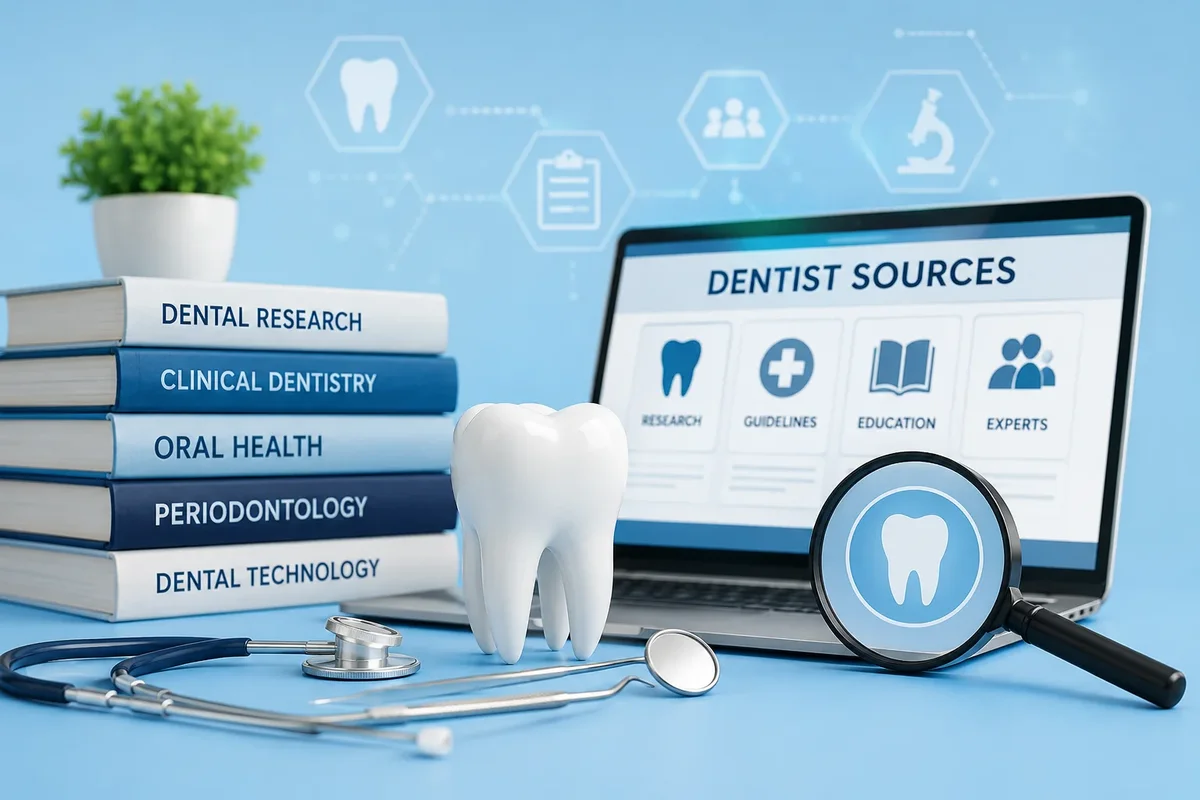
Choosing the Right Dentist Sources for Long-Term Dental Health
Access to information has never been easier, yet finding information that is accurate, trustworthy, and useful remains a challenge. When it comes to oral health, choosing the right dentist sources can have a significant impact on treatment decisions, preventive care habits, and overall well-being. Reliable dentist sources help individuals understand dental conditions, evaluate treatment options, recognize early warning signs of disease, and maintain healthy habits throughout life. In contrast, poor-quality information may lead to confusion, unnecessary anxiety, delayed treatment, or ineffective self-care practices.
Long-term dental health depends on more than brushing and flossing. It also requires informed decision-making based on evidence, professional expertise, and accurate educational resources. This is why selecting dependable dentist sources should be considered an essential part of every person’s oral healthcare strategy.
Why Choosing the Right Dentist Sources Matters
Every day, people search online for information about toothaches, gum disease, dental implants, cosmetic procedures, orthodontics, and preventive care. While many websites provide useful information, others contain outdated recommendations, unverified opinions, or misleading marketing claims.
Trusted dentist sources help individuals distinguish between evidence-based guidance and misinformation. The quality of information people rely on often influences the decisions they make regarding treatment, oral hygiene, and preventive care.
Reliable dentist sources support:
- Better treatment decisions
- Earlier disease detection
- Improved preventive habits
- Greater confidence in dental care
- Enhanced communication with providers
- Long-term oral health maintenance
These benefits demonstrate why selecting credible dentist sources is so important for maintaining a healthy smile over time.
Characteristics of High-Quality Dentist Sources
Not all dental information is created equally. The most reliable dentist sources share several important characteristics that help establish their credibility.
Evidence-Based Content
Trustworthy dentist sources base their recommendations on scientific research rather than personal opinions. They reference peer-reviewed studies, professional guidelines, and established clinical evidence when discussing oral health topics.
Evidence-based information is especially important because dental science continues to evolve. Reliable dentist sources update their content as new research becomes available, ensuring that recommendations remain accurate and current.
Professional Expertise
High-quality dentist sources are often created or reviewed by licensed dental professionals, specialists, researchers, or recognized healthcare organizations. Clear author credentials help readers evaluate the reliability of the information being presented.
Transparency and Objectivity
Credible dentist sources discuss both benefits and limitations of treatments. They avoid exaggerated claims and provide balanced information that helps patients make informed choices.
Trusted Categories of Dentist Sources
Several types of organizations consistently provide dependable dentist sources for patients and professionals alike.
Professional Associations
Organizations such as the American Dental Association publish educational materials, clinical guidelines, and evidence-based recommendations. These organizations are among the most respected dentist sources because they maintain rigorous scientific standards.
Academic Institutions
University dental schools and research centers contribute valuable dentist sources through scientific studies, educational publications, and public health initiatives. Their work helps advance knowledge across all areas of dentistry.
Government Health Agencies
Government-supported organizations often provide reliable dentist sources focused on public health, disease prevention, and patient education. These resources are generally designed to inform rather than promote specific products or services.
Experienced Dental Clinics
Reputable dental clinics can also serve as trusted dentist sources when they prioritize evidence-based care and patient education. Clinics that invest in continuing education and follow current clinical guidelines often provide highly valuable information.
How to Evaluate Dentist Sources Before Trusting Them
Before relying on any dental information, patients should carefully evaluate the quality of the dentist sources they encounter.
Important questions include:
- Who wrote the content?
- Are professional credentials provided?
- Does the article cite scientific evidence?
- When was the content last updated?
- Is the information consistent with other trusted sources?
- Does the source appear objective and transparent?
These evaluation steps can help individuals identify reliable dentist sources while avoiding misinformation.
The Connection Between Dentist Sources and Preventive Care
Preventive care remains one of the most effective strategies for maintaining oral health. Quality dentist sources help patients understand how daily habits influence long-term outcomes.
Trusted educational resources frequently emphasize:
- Regular brushing and flossing
- Routine dental examinations
- Healthy dietary choices
- Fluoride use
- Smoking cessation
- Early disease detection
Individuals who regularly consult reliable dentist sources are often better equipped to adopt these preventive behaviors and recognize when professional care is needed.
Building Lifelong Oral Health Habits
Accurate information helps create positive habits that support oral health throughout life. By learning from trusted dentist sources, patients can develop routines that reduce the risk of cavities, gum disease, tooth loss, and other common dental problems.
How Dentist Sources Support Informed Treatment Decisions
Choosing dental treatments can be overwhelming, especially when multiple options are available. Reliable dentist sources provide detailed explanations of procedures, benefits, risks, recovery expectations, and long-term outcomes.
Whether researching implants, crowns, veneers, orthodontics, or periodontal therapies, patients benefit from consulting multiple dentist sources before making decisions. This broader perspective helps improve understanding and supports meaningful conversations with dental professionals.
The Future of Dentist Sources
The role of dentist sources will continue to expand as technology advances and access to information increases. Artificial intelligence, digital education platforms, interactive patient resources, and online research databases are already transforming how dental knowledge is distributed.
However, regardless of technological changes, the fundamental principles of trustworthy dentist sources will remain the same: scientific accuracy, professional expertise, transparency, and patient-centered education.
Combining Online Information with Professional Advice
Even the most reliable dentist sources cannot replace individualized clinical evaluation. Online education should complement professional dental care rather than substitute for it.
Patients seeking personalized guidance can consult experienced professionals through the Redent Klinik Contact Page. Combining professional consultation with information gathered from trusted dentist sources provides the strongest foundation for informed decision-making.
Conclusion
Choosing the right dentist sources is one of the most important steps individuals can take to protect their long-term oral health. Reliable information supports better preventive care, earlier disease detection, informed treatment decisions, and healthier daily habits. By prioritizing evidence-based dental references, oral health resources, professional organizations, and qualified dental experts, patients can confidently navigate the vast amount of information available today.
Ultimately, trusted dentist sources empower individuals to become active participants in their oral healthcare journey. As dentistry continues to evolve, these resources will remain essential for promoting education, prevention, and lifelong dental wellness. By consistently relying on credible dentist sources, patients can build the knowledge and confidence needed to maintain healthy, functional, and attractive smiles for years to come. 🦷🌟