
A dentist teeth clean is one of the most important preventive dental treatments available today. While daily brushing and flossing are essential for maintaining oral hygiene, they are not always enough to remove all plaque and tartar from your teeth. Over time, bacteria accumulate in areas that are difficult to reach with a toothbrush or floss. This buildup can lead to cavities, gum disease, and persistent bad breath. A professional dentist teeth clean helps eliminate these hidden threats and keeps your smile healthy and bright. 🦷
Many people believe that if they brush their teeth twice a day, they can skip professional cleanings. However, even the most disciplined oral care routine cannot completely replace a dentist teeth clean. Dentists and dental hygienists use specialized instruments designed to remove hardened tartar (also called calculus) that cannot be eliminated with regular brushing. Once tartar forms on the teeth, the only safe way to remove it is through a professional dentist teeth clean.
The purpose of a dentist teeth clean is not only cosmetic but also preventive. Dental plaque contains bacteria that produce acids capable of damaging tooth enamel. If plaque remains on the teeth for too long, it can harden into tartar, which irritates the gums and leads to gingivitis. Without treatment, gingivitis can progress into periodontitis, a serious gum disease that may cause tooth loss. Regular dentist teeth clean appointments help prevent these problems before they become severe.
During a dentist teeth clean, dental professionals thoroughly remove plaque and tartar from all surfaces of the teeth, including areas near the gum line where bacteria commonly accumulate. This process significantly reduces the risk of gum inflammation, bleeding gums, and tooth decay. In addition, a dentist teeth clean often includes polishing the teeth to remove surface stains caused by coffee, tea, or smoking. This leaves your smile looking brighter and feeling smoother.
Another important advantage of a dentist teeth clean is early detection of dental problems. While cleaning your teeth, the dentist carefully examines your mouth for signs of cavities, gum disease, enamel erosion, or oral infections. Identifying these issues early allows for quick treatment, preventing more complicated procedures in the future. Many dental conditions develop slowly and without pain at first, so routine dentist teeth clean visits act as an essential preventive measure.
Professional dental organizations strongly emphasize the importance of regular cleanings. According to the American Dental Association, routine dental visits—including a dentist teeth clean—play a vital role in maintaining long-term oral health. Dentists recommend these appointments not only to clean teeth but also to monitor overall dental conditions and ensure that your gums remain healthy.
A dentist teeth clean also contributes to your overall health. Research has shown strong connections between oral health and systemic health conditions such as heart disease, diabetes, and respiratory infections. Harmful bacteria in the mouth can enter the bloodstream and affect other parts of the body. By maintaining regular dentist teeth clean appointments, you reduce the amount of harmful bacteria in your mouth and support your overall well-being.
Patients often report that their teeth feel smoother and fresher immediately after a dentist teeth clean. This smooth feeling occurs because plaque and tartar deposits are completely removed during the cleaning process. When teeth are smooth, it becomes harder for bacteria to attach to the enamel, helping keep your mouth cleaner for longer. As a result, a professional dentist teeth clean enhances both oral hygiene and comfort.
If you have not had a professional dentist teeth clean in a while, scheduling an appointment is a wise step toward protecting your dental health. Many dental clinics encourage patients to visit every six months for preventive care. If you are unsure when your last cleaning occurred or if you want to book a professional consultation, you can easily reach out through the Redent Klinik Contact Page to arrange an appointment with experienced dental professionals.
In summary, a dentist teeth clean is far more than a routine procedure—it is a fundamental part of maintaining lifelong oral health. It removes harmful plaque and tartar, prevents gum disease, improves breath freshness, and helps detect dental problems early. When combined with daily brushing, flossing, and healthy lifestyle habits, regular dentist teeth clean visits ensure that your teeth and gums stay strong and healthy for years to come. ✨
What Is a Dentist Teeth Clean and Why Is It Important?
A dentist teeth clean is a professional dental procedure designed to remove plaque, tartar, and bacteria that accumulate on teeth over time. Even individuals who brush and floss regularly can develop deposits that cannot be removed with home care alone. This is why dentists strongly recommend a routine dentist teeth clean as part of preventive dental care. The goal is not only to keep teeth looking bright but also to protect long-term oral health and prevent serious dental conditions.
Over time, microscopic bacteria build up on the surface of the teeth and gums, forming plaque. If plaque is not removed through daily hygiene or a professional dentist teeth clean, it eventually hardens into tartar. Tartar cannot be removed with regular brushing, which means a professional dentist teeth clean becomes essential to restore oral cleanliness. This treatment protects teeth from decay, prevents gum disease, and helps maintain a healthy smile.
The Definition of a Dentist Teeth Clean
A dentist teeth clean is a preventive dental procedure performed by a dentist or dental hygienist using specialized tools to thoroughly clean the teeth and gum line. Unlike brushing at home, a dentist teeth clean focuses on removing hardened tartar and bacteria from difficult-to-reach areas. These include the spaces between teeth and the area just below the gum line where plaque tends to accumulate.
Professional dental cleaning generally involves several steps. The dental professional first examines the mouth to identify plaque buildup, gum inflammation, or early signs of tooth decay. After this evaluation, the dentist teeth clean process begins with removing tartar using specialized dental instruments. The teeth are then polished and sometimes treated with fluoride to strengthen enamel.
During a dentist teeth clean, the dental team also evaluates the condition of the gums. Healthy gums should appear pink and firm, but if bacteria have accumulated, gums may appear swollen or bleed easily. Detecting these signs early during a dentist teeth clean allows dentists to treat gum problems before they progress into more severe periodontal disease.
Why Professional Teeth Cleaning Matters
One of the main reasons a dentist teeth clean is important is that it prevents plaque from turning into tartar. Tartar creates rough surfaces on the teeth where bacteria can easily attach and multiply. If left untreated, this bacterial buildup can lead to cavities and gum infections. A routine dentist teeth clean eliminates these risks by removing the bacterial environment that causes dental disease.
Another critical benefit of a dentist teeth clean is the prevention of gum disease. Gingivitis, the earliest stage of gum disease, occurs when plaque irritates the gum tissue. Symptoms may include redness, swelling, and bleeding gums. A professional dentist teeth clean removes the plaque responsible for these symptoms and helps restore gum health before more serious conditions develop.
Additionally, a dentist teeth clean helps improve breath freshness. Persistent bad breath often results from bacteria trapped between teeth or near the gum line. Removing plaque and tartar through a dentist teeth clean eliminates many of the odor-causing bacteria responsible for unpleasant breath.
Early Detection of Dental Problems
Another major advantage of scheduling a dentist teeth clean is the opportunity for early diagnosis of dental problems. During the cleaning appointment, the dentist carefully inspects your teeth, gums, tongue, and other oral tissues. This evaluation helps identify issues such as small cavities, enamel erosion, gum inflammation, or signs of oral infection.
Because many dental problems begin without noticeable symptoms, patients may not realize they have a problem until it becomes painful or severe. A routine dentist teeth clean allows dental professionals to detect these issues early, making treatment faster, easier, and less expensive.
Benefits Beyond Oral Health
While the main purpose of a dentist teeth clean is to protect teeth and gums, the benefits extend beyond oral hygiene. Research increasingly shows that oral health is closely connected to overall health. Harmful oral bacteria can enter the bloodstream and contribute to health conditions such as heart disease, respiratory infections, and diabetes complications.
By reducing bacterial buildup through regular dentist teeth clean appointments, patients may also support their overall health. This is why dental organizations such as the American Dental Association strongly emphasize the importance of preventive dental care.
Who Should Get a Dentist Teeth Clean?
Most dental professionals recommend a dentist teeth clean every six months for the average adult. However, some individuals may require more frequent cleanings depending on their oral health conditions. People with gum disease, smokers, or patients with braces may benefit from more regular dentist teeth clean appointments to control plaque buildup.
Children, teenagers, adults, and seniors can all benefit from a dentist teeth clean. For children, professional cleanings help teach proper oral hygiene habits early in life. For adults, a dentist teeth clean prevents cavities and gum disease. For older adults, it plays a crucial role in preserving natural teeth and supporting long-term dental health.
If you are unsure when your last dentist teeth clean was performed, it may be a good idea to schedule a consultation with a dental professional. Preventive care is the most effective way to maintain a healthy smile and avoid complex dental procedures later in life. If you want professional guidance or wish to arrange your next appointment, you can visit the Redent Klinik Contact Page to connect with experienced dental specialists.
In conclusion, a dentist teeth clean is a vital preventive treatment that protects teeth, gums, and overall health. By removing plaque, preventing tartar buildup, improving breath, and identifying dental issues early, a routine dentist teeth clean ensures that your smile remains healthy, functional, and confident for years to come. 🦷✨
How a Dentist Teeth Clean Procedure Works Step by Step
Understanding how a dentist teeth clean procedure works can help patients feel more comfortable and confident before their dental appointment. Many people are unsure what actually happens during a professional dental cleaning, which can create unnecessary anxiety. In reality, a dentist teeth clean is a safe, routine, and highly beneficial procedure designed to remove plaque, tartar, and bacteria that cannot be eliminated through normal brushing and flossing alone. The process is structured, gentle, and focused on improving long-term oral health. 🦷
Although the exact steps may vary slightly depending on the dental clinic and the patient’s oral health condition, most dentist teeth clean procedures follow a standard process. This includes a detailed examination, plaque and tartar removal, professional polishing, flossing, and sometimes fluoride treatment. Each step of the dentist teeth clean procedure serves a specific purpose and contributes to maintaining strong teeth and healthy gums.
Step 1: Initial Dental Examination
The first step of a dentist teeth clean is a thorough examination of the patient’s mouth. A dentist or dental hygienist will inspect the teeth, gums, and surrounding oral tissues to identify plaque buildup, gum inflammation, or other potential concerns. This preliminary check ensures that the dentist teeth clean procedure is safe and allows the dental professional to identify areas that may need special attention.
During this examination, the dentist may use a small dental mirror to view difficult areas inside the mouth. The goal is to identify plaque deposits, tartar accumulation, or early signs of gum disease. If significant issues are detected, the dentist may recommend additional treatments before or after the dentist teeth clean. Early detection is one of the key benefits of scheduling routine professional dental cleanings.
Why the Examination Step Matters
The initial inspection before a dentist teeth clean ensures that dental professionals fully understand the condition of your teeth and gums. It allows them to tailor the cleaning process according to your needs. For example, if certain areas show heavy tartar buildup, the dental hygienist can focus more attention on those spots during the dentist teeth clean.
Step 2: Plaque and Tartar Removal (Scaling)
The next stage of a dentist teeth clean involves removing plaque and tartar using specialized dental instruments. This process is called scaling. Plaque is a sticky film of bacteria that forms on the teeth daily, while tartar is hardened plaque that cannot be removed with regular brushing.
Using a handheld scaler or ultrasonic dental tool, the hygienist carefully removes these deposits from the surface of the teeth and around the gum line. This is one of the most important parts of a dentist teeth clean because tartar buildup can cause gum irritation and eventually lead to periodontal disease.
Although the scaling step may produce a slight scraping sound, it is generally painless. The amount of time required for this stage of the dentist teeth clean depends on the amount of plaque and tartar present on the teeth. Patients who maintain regular cleaning appointments usually experience quicker and more comfortable procedures.
Step 3: Deep Tooth Polishing
After plaque and tartar have been removed, the next step in a dentist teeth clean is polishing the teeth. This process uses a special rotating brush and a mildly abrasive dental polishing paste. The purpose of polishing is to remove surface stains caused by coffee, tea, tobacco, and certain foods.
The polishing stage of a dentist teeth clean leaves teeth feeling extremely smooth. This smoothness helps reduce the ability of plaque to stick to the enamel, which can slow down future buildup. Patients often notice that their teeth appear brighter and cleaner after the polishing step.
Even individuals who brush regularly at home benefit from the polishing stage of a dentist teeth clean because professional polishing tools are much more effective than a standard toothbrush at removing stubborn stains.
Step 4: Professional Flossing
Another essential part of a dentist teeth clean is professional flossing. While flossing is something patients should do daily at home, dental hygienists perform it with special precision during the cleaning appointment. This allows them to remove plaque or polishing paste trapped between the teeth.
Professional flossing during a dentist teeth clean also helps identify areas where gums may bleed slightly, which can be a sign of gum inflammation. By identifying these areas early, dentists can recommend preventive steps to protect gum health.
Importance of Interdental Cleaning
The spaces between teeth are common locations for plaque accumulation. A thorough dentist teeth clean ensures that these areas are properly cleaned, reducing the risk of cavities forming between teeth.
Step 5: Fluoride Treatment (Optional)
In many cases, the final step of a dentist teeth clean includes a fluoride treatment. Fluoride strengthens tooth enamel and helps protect against cavities. This treatment may involve applying a fluoride gel, foam, or varnish directly onto the teeth.
The fluoride used during a dentist teeth clean provides an extra layer of protection for several months. It is especially beneficial for children, patients prone to cavities, or individuals with weakened enamel.
How Long a Dentist Teeth Clean Takes
A typical dentist teeth clean appointment lasts between 30 and 60 minutes, depending on the patient’s oral health condition. Patients who visit regularly for preventive care usually experience shorter and more comfortable cleaning sessions.
After the dentist teeth clean procedure is complete, the dentist may provide personalized advice on brushing techniques, flossing habits, and dietary choices that can help maintain oral health between visits.
Why Regular Professional Cleaning Matters
Completing a dentist teeth clean every six months is widely recommended by dental professionals. Regular cleanings prevent plaque from turning into tartar and allow dentists to detect dental problems early. According to the American Dental Association, preventive care such as professional dental cleanings plays a key role in maintaining lifelong oral health.
If you are ready to schedule your next dentist teeth clean, it is important to contact a qualified dental clinic that prioritizes preventive care. Patients looking for professional dental support can arrange an appointment through the Redent Klinik Contact Page to receive expert dental guidance.
Overall, the dentist teeth clean procedure is a simple yet powerful preventive treatment. By removing plaque, eliminating tartar, polishing the teeth, and strengthening enamel, this step-by-step process helps protect both your smile and your overall health. Regular professional dental cleaning ensures that your teeth stay strong, your gums remain healthy, and your confidence in your smile continues to grow. ✨
Top 7 Benefits of Getting a Dentist Teeth Clean Regularly
Scheduling a regular dentist teeth clean appointment is one of the most effective ways to maintain long-term oral health. While brushing and flossing at home are essential daily habits, they cannot fully replace the deep cleaning provided by a professional dentist teeth clean. Over time, plaque accumulates in areas that are difficult to reach with a toothbrush. If this plaque hardens into tartar, it can only be safely removed during a dentist teeth clean performed by a dental professional.
Many patients think of a dentist teeth clean as something purely cosmetic, but the benefits go far beyond improving the appearance of your smile. A routine dentist teeth clean helps prevent dental disease, improves breath freshness, and even supports overall health. Dentists recommend professional cleaning appointments because they protect teeth and gums before serious problems develop.
Below are seven important benefits of scheduling a dentist teeth clean regularly. These benefits explain why dental professionals worldwide emphasize preventive care and routine professional cleanings. 🦷
1. Removes Plaque and Tartar Buildup
The most obvious benefit of a dentist teeth clean is the removal of plaque and tartar. Plaque is a sticky film of bacteria that forms on teeth throughout the day. If it is not removed through brushing or a professional dentist teeth clean, it can harden into tartar.
Tartar creates rough surfaces on teeth that attract more bacteria. This cycle increases the risk of cavities and gum disease. During a dentist teeth clean, dental hygienists use specialized tools to remove these deposits safely and thoroughly.
Why Tartar Removal Matters
Tartar cannot be removed with a toothbrush alone. Once it forms, only a professional dentist teeth clean can eliminate it. Removing tartar helps prevent gum inflammation and protects the enamel from bacterial damage.
2. Prevents Gum Disease
Gum disease is one of the most common dental problems affecting adults. It begins with gingivitis, which causes red, swollen, or bleeding gums. If untreated, gingivitis can progress to periodontitis, a serious infection that damages the bone supporting the teeth.
A regular dentist teeth clean removes bacteria that cause gum irritation. By eliminating plaque and tartar buildup, the dentist teeth clean process helps maintain healthy gum tissue and prevents more severe periodontal disease.
3. Reduces the Risk of Cavities
Cavities form when bacteria produce acids that break down tooth enamel. These bacteria thrive in plaque and tartar. A professional dentist teeth clean eliminates these harmful bacteria and reduces the risk of tooth decay.
During a dentist teeth clean, dental professionals carefully remove bacterial deposits from all surfaces of the teeth. This protective step helps preserve enamel strength and reduces the likelihood of developing cavities between dental visits.
4. Improves Breath Freshness
Persistent bad breath, also known as halitosis, is often caused by bacteria trapped between teeth or near the gum line. Even people who brush regularly may experience bad breath if plaque buildup remains in hard-to-reach areas.
A thorough dentist teeth clean removes these odor-causing bacteria. By cleaning the entire mouth—including areas beneath the gum line—a dentist teeth clean helps restore fresh breath and improves overall oral hygiene.
5. Brightens Your Smile
Another noticeable benefit of a dentist teeth clean is improved tooth appearance. Over time, teeth may become stained from coffee, tea, wine, tobacco, or certain foods. Professional polishing during a dentist teeth clean helps remove these stains.
After a dentist teeth clean, many patients notice that their teeth look brighter and feel smoother. While professional whitening treatments can further enhance tooth color, regular dental cleanings help maintain a naturally healthy smile.
6. Helps Detect Dental Problems Early
Routine dental visits that include a dentist teeth clean allow dentists to detect problems before they become serious. During the cleaning appointment, the dentist carefully examines your teeth and gums for early signs of cavities, enamel erosion, or gum disease.
Early detection during a dentist teeth clean allows dentists to treat dental issues quickly and efficiently. This preventive approach often reduces the need for complex dental procedures later.
Dental experts, including the American Dental Association, strongly recommend preventive dental visits because they improve long-term oral health outcomes.
7. Supports Overall Health
Oral health and overall health are closely connected. Harmful oral bacteria can enter the bloodstream and contribute to systemic health issues such as heart disease or complications related to diabetes.
By reducing bacterial buildup through a regular dentist teeth clean, patients lower the number of harmful microorganisms in their mouth. This helps protect not only the teeth and gums but also the body’s general health.
Oral Health and Whole-Body Health
Studies have shown that maintaining proper oral hygiene—including scheduling a regular dentist teeth clean—may reduce inflammation and support immune system health. This is another reason dentists emphasize preventive dental care.
Why Consistency Matters
The benefits of a dentist teeth clean are strongest when appointments are scheduled consistently. Most dentists recommend professional cleanings every six months. Patients with gum disease or other dental conditions may require more frequent visits.
Maintaining a schedule for your dentist teeth clean ensures that plaque and tartar are removed before they cause damage. It also allows dentists to monitor oral health over time and provide personalized advice for maintaining healthy teeth.
If you would like to schedule your next dentist teeth clean or speak with a dental professional about preventive care, you can easily reach a qualified dental team through the Redent Klinik Contact Page.
In summary, a routine dentist teeth clean offers far more than a polished smile. It prevents cavities, protects gums, improves breath, and supports overall health. By committing to regular professional dental cleanings, patients can maintain a strong, healthy, and confident smile for many years. ✨
How Often Should You Schedule a Dentist Teeth Clean?
One of the most common questions patients ask their dentist is how often they should schedule a dentist teeth clean. While daily brushing and flossing are essential parts of oral hygiene, professional dental cleaning is still necessary to remove plaque and tartar that accumulate over time. Most dental professionals recommend scheduling a dentist teeth clean every six months. However, the ideal frequency can vary depending on individual oral health, lifestyle habits, and risk factors for dental disease.
A routine dentist teeth clean plays a critical role in preventive dentistry. It helps remove plaque buildup, detect dental issues early, and maintain healthy gums. Even people who maintain excellent brushing habits may still need a professional dentist teeth clean because certain areas in the mouth are difficult to reach with a toothbrush or floss. Regular visits ensure that these areas are thoroughly cleaned and that potential dental problems are addressed before they worsen.
Standard Recommendation: Every Six Months
For most individuals, dentists recommend a dentist teeth clean every six months. This schedule allows dental professionals to remove plaque and tartar before they cause serious problems. Plaque can start forming within hours after brushing, and if it remains on the teeth long enough, it hardens into tartar. Once tartar forms, only a professional dentist teeth clean can safely remove it.
Scheduling a dentist teeth clean twice a year also allows dentists to monitor the condition of the teeth and gums. During these visits, the dentist checks for cavities, gum inflammation, enamel erosion, and other oral health concerns. Detecting these problems early during a dentist teeth clean can help prevent more complicated treatments later.
Why Six Months Is Ideal for Many Patients
The six-month interval works well for many people because plaque typically hardens into tartar within a few months if not removed. A routine dentist teeth clean every six months prevents excessive buildup and keeps oral bacteria under control. According to the American Dental Association, regular dental visits—including professional cleanings—are a key part of maintaining healthy teeth and gums.
Patients Who May Need More Frequent Cleanings
While twice-yearly cleanings are sufficient for many individuals, some patients benefit from a dentist teeth clean more frequently. Certain conditions increase the risk of plaque accumulation, gum disease, and tooth decay. In these cases, dentists may recommend a dentist teeth clean every three to four months.
Patients who may require more frequent professional cleanings include:
- People with gum disease or a history of periodontal problems
- Individuals who smoke or use tobacco products
- Patients with diabetes
- People who develop tartar buildup quickly
- Individuals with weakened immune systems
- Patients wearing braces or other orthodontic appliances
For these individuals, a more frequent dentist teeth clean helps control bacterial growth and prevent complications that could lead to tooth loss or gum damage.
Children and Teenagers
Children and teenagers also benefit from a regular dentist teeth clean. Dental professionals typically recommend that young patients receive professional cleaning every six months, similar to adults. However, some children who are more prone to cavities may require a dentist teeth clean more frequently.
Regular dental visits help children develop good oral hygiene habits early in life. During a dentist teeth clean, dental professionals can teach proper brushing techniques, monitor tooth development, and apply preventive treatments such as fluoride or dental sealants.
Signs You May Need a Dentist Teeth Clean Sooner
Sometimes patients may need a dentist teeth clean sooner than their scheduled appointment. Certain symptoms indicate that plaque or tartar buildup may already be affecting oral health.
Warning Signs to Watch For
You may need to schedule a dentist teeth clean earlier if you experience:
- Bleeding gums when brushing or flossing
- Persistent bad breath
- Yellow or brown deposits near the gum line
- Tooth sensitivity
- Swollen or tender gums
If any of these symptoms appear, it may indicate that bacteria have accumulated and that a professional dentist teeth clean is needed to restore oral health.
The Long-Term Benefits of Regular Dental Cleanings
Maintaining a consistent schedule for a dentist teeth clean helps protect your teeth and gums over time. When plaque and tartar are removed regularly, the risk of cavities, gum disease, and tooth loss decreases significantly. Professional cleaning also helps preserve tooth enamel and maintain fresh breath.
Another advantage of scheduling routine dentist teeth clean visits is that dentists can monitor changes in oral health over time. This allows them to identify small problems before they become painful or expensive to treat.
If you are unsure when your last dentist teeth clean was performed, it may be a good idea to schedule an appointment soon. Preventive dental care is the best way to maintain a healthy smile and avoid complex dental procedures in the future. Patients who want professional guidance or wish to book their next appointment can easily do so through the Redent Klinik Contact Page.
In conclusion, scheduling a dentist teeth clean regularly is essential for maintaining excellent oral health. While most people benefit from professional cleanings every six months, some individuals may need more frequent visits depending on their dental condition. By following your dentist’s recommendations and keeping a consistent cleaning schedule, you can ensure that your teeth and gums remain healthy, strong, and protected for years to come. 🦷
Signs You Need a Dentist Teeth Clean Immediately
Many people wait until they feel pain before visiting a dentist, but preventive care is always the better approach. A professional dentist teeth clean is designed to remove plaque, tartar, and harmful bacteria before they lead to more serious dental problems. However, there are certain warning signs that indicate you may need a dentist teeth clean sooner than your regularly scheduled appointment.
Recognizing these signs early can prevent tooth decay, gum disease, and other oral health complications. If you notice changes in your mouth, it may be your body’s way of signaling that plaque buildup or bacterial growth has reached a level that requires professional attention. Scheduling a timely dentist teeth clean can restore oral hygiene, protect your gums, and prevent further damage to your teeth.
Persistent Bad Breath
One of the most common signs that you may need a dentist teeth clean is ongoing bad breath, also known as halitosis. While occasional bad breath may be caused by certain foods, persistent bad breath usually indicates a buildup of bacteria in the mouth.
Bacteria thrive in plaque and tartar deposits that accumulate on the teeth and near the gum line. If these deposits are not removed with a professional dentist teeth clean, they continue producing unpleasant odors. A thorough cleaning eliminates these bacteria and significantly improves breath freshness.
Why Bad Breath Often Indicates Plaque Buildup
When plaque remains on the teeth for extended periods, it creates an environment where odor-causing bacteria flourish. A dentist teeth clean removes these bacterial layers, allowing your mouth to return to a healthier balance.
Bleeding Gums When Brushing or Flossing
If your gums bleed during brushing or flossing, it may be an early sign of gum inflammation known as gingivitis. Gingivitis develops when plaque accumulates along the gum line and irritates the surrounding tissues.
A professional dentist teeth clean removes the plaque and tartar responsible for this irritation. When bacteria are eliminated during the dentist teeth clean, the gums often begin to heal and return to a healthy state.
Ignoring bleeding gums can allow gingivitis to progress into more serious gum disease, known as periodontitis. Scheduling a timely dentist teeth clean helps prevent this progression and protects the supporting structures of the teeth.
Visible Tartar Buildup
Another sign that you may need a dentist teeth clean is visible tartar accumulation near the gum line. Tartar appears as yellow or brown deposits on the teeth and forms when plaque hardens over time.
Unlike plaque, tartar cannot be removed through brushing or flossing at home. Once it forms, only a professional dentist teeth clean performed with specialized dental instruments can safely eliminate it.
Removing tartar during a dentist teeth clean not only improves the appearance of your teeth but also reduces the risk of gum disease and tooth decay.
Tooth Sensitivity
Tooth sensitivity can also indicate the need for a dentist teeth clean. When plaque accumulates along the gum line, it can irritate gum tissue and cause the gums to recede slightly. This exposes the sensitive root surfaces of the teeth.
A professional dentist teeth clean helps remove the plaque responsible for this irritation. In many cases, once plaque and tartar are removed, sensitivity may decrease significantly.
How Cleaning Protects Tooth Enamel
A dentist teeth clean not only removes bacteria but also allows dentists to apply protective treatments such as fluoride. These treatments strengthen enamel and help reduce sensitivity over time.
Yellow or Stained Teeth
If your teeth appear more yellow or stained than usual, it may be time for a dentist teeth clean. Surface stains can develop from foods, beverages, and tobacco use. While brushing helps remove some stains, deeper discoloration often requires professional cleaning.
During a dentist teeth clean, dental professionals polish the teeth using special tools and pastes that remove stubborn stains. This polishing step restores the natural brightness of the teeth and leaves them feeling smooth.
Gum Swelling or Tenderness
Swollen or tender gums are another indication that plaque buildup may be affecting your oral health. When bacteria accumulate near the gum line, they trigger inflammation in the surrounding tissue.
A professional dentist teeth clean eliminates the bacterial deposits causing this inflammation. Once the plaque and tartar are removed during the dentist teeth clean, gum tissue often begins to recover and return to a healthier appearance.
Why Immediate Action Matters
Ignoring the warning signs that indicate you need a dentist teeth clean can lead to more serious dental problems. Cavities, gum disease, and tooth loss often begin with untreated plaque buildup. Scheduling a professional cleaning at the first sign of trouble can prevent these complications.
Dental organizations such as the American Dental Association emphasize the importance of early dental care and preventive treatments. Regular cleanings help maintain healthy teeth and gums while allowing dentists to detect issues early.
If you are experiencing any of the symptoms described above, it may be time to schedule a professional dentist teeth clean. Early treatment helps protect your smile and maintain long-term oral health.
Patients who want to book an appointment or receive professional dental guidance can easily reach a dental specialist through the Redent Klinik Contact Page. Scheduling a dentist teeth clean at the right time ensures that plaque and tartar are removed before they cause lasting damage.
In conclusion, recognizing the signs that indicate you need a dentist teeth clean can help you take action before dental problems worsen. Persistent bad breath, bleeding gums, visible tartar, tooth sensitivity, and gum swelling are all signals that professional cleaning may be necessary. By addressing these symptoms early and scheduling a timely dentist teeth clean, you can maintain strong teeth, healthy gums, and a confident smile for years to come. 🦷
Dentist Teeth Clean vs At-Home Teeth Cleaning: Key Differences
Maintaining clean teeth is essential for good oral health, and most people rely on daily brushing and flossing to keep their mouths healthy. However, while at-home oral hygiene plays an important role, it cannot fully replace a professional dentist teeth clean. Understanding the differences between home care and a professional dentist teeth clean helps patients appreciate why regular dental visits are necessary.
Daily brushing removes food particles and reduces plaque buildup, but it often cannot eliminate hardened tartar or reach certain areas between teeth and below the gum line. A dentist teeth clean uses specialized tools and professional techniques designed to remove stubborn plaque deposits and protect long-term oral health. Combining proper home care with a regular dentist teeth clean schedule creates the most effective strategy for maintaining healthy teeth and gums.
What At-Home Teeth Cleaning Includes
At-home oral hygiene typically involves brushing teeth twice a day, flossing once daily, and sometimes using mouthwash. These habits are essential because they help remove plaque before it hardens into tartar. However, even with excellent brushing habits, plaque can still accumulate in difficult-to-reach areas.
Brushing with a toothbrush removes plaque from the visible surfaces of the teeth, while flossing helps clean between them. These practices reduce bacterial buildup and support the results of a professional dentist teeth clean. Nevertheless, once plaque hardens into tartar, brushing and flossing alone cannot remove it.
Limitations of Home Dental Care
Although brushing and flossing are important, they have limitations. Toothbrush bristles cannot always reach deep gum pockets or tight spaces between teeth. This is why dentists recommend a professional dentist teeth clean to eliminate tartar that cannot be removed through daily hygiene routines.
What Happens During a Dentist Teeth Clean
A dentist teeth clean involves a detailed and thorough cleaning process performed by dental professionals. Unlike home cleaning methods, a dentist teeth clean removes hardened tartar and bacterial deposits using specialized dental instruments.
During a dentist teeth clean, dental hygienists carefully scale plaque and tartar from all surfaces of the teeth. This includes areas beneath the gum line where bacteria often accumulate. After scaling, the teeth are polished to remove surface stains and create a smooth surface that makes plaque buildup less likely.
In many cases, a dentist teeth clean also includes a fluoride treatment that strengthens tooth enamel and protects against cavities. These steps provide a level of protection that cannot be achieved through brushing alone.
Professional Tools vs Household Tools
One major difference between home care and a dentist teeth clean is the equipment used. Dentists use professional instruments such as ultrasonic scalers, curettes, and specialized polishing tools. These instruments are designed to remove tartar without damaging tooth enamel.
At home, individuals rely on toothbrushes, floss, and mouthwash. While these tools are effective for daily plaque control, they cannot replicate the deep cleaning achieved during a dentist teeth clean. This is why routine dental visits remain an essential part of oral care.
Precision and Expertise
Another key difference is the expertise of dental professionals. During a dentist teeth clean, trained hygienists know how to remove plaque and tartar safely while protecting the gums and enamel. This level of precision cannot be achieved without professional training.
Health Benefits of Professional Cleaning
The benefits of a dentist teeth clean extend beyond cosmetic improvements. Professional cleaning removes bacteria that cause gum disease and cavities. By eliminating these bacteria, a dentist teeth clean helps maintain healthy gums and reduces the risk of periodontal disease.
Regular dental cleanings also allow dentists to monitor oral health and detect problems early. During a dentist teeth clean, dentists examine the teeth and gums for signs of cavities, infections, or enamel damage. Early detection often leads to simpler and less expensive treatments.
Dental health organizations such as the American Dental Association emphasize that preventive dental visits, including professional cleaning, are essential for maintaining healthy teeth throughout life.
Why Both Methods Are Important
Rather than choosing between home care and professional treatment, patients should view them as complementary practices. Daily brushing and flossing help maintain cleanliness between dental visits, while a professional dentist teeth clean removes buildup that home care cannot address.
When patients combine consistent home hygiene with routine dentist teeth clean appointments, they significantly reduce the risk of dental problems. This combination keeps plaque levels low and helps maintain strong tooth enamel and healthy gums.
How Often You Should Combine Both
Most dental professionals recommend brushing twice daily, flossing once per day, and scheduling a dentist teeth clean every six months. Patients with gum disease or heavy plaque buildup may require more frequent professional cleanings.
If you are unsure whether your oral hygiene routine is effective, consulting with a dental professional during a dentist teeth clean appointment can help. Dentists can recommend personalized techniques or tools to improve home care.
If you would like to schedule your next professional dentist teeth clean, you can easily contact experienced dental professionals through the Redent Klinik Contact Page. Early preventive care helps maintain a healthy smile and reduces the need for more complex dental treatments.
In summary, at-home oral hygiene and professional dental cleaning serve different but equally important roles. While brushing and flossing help control plaque daily, only a professional dentist teeth clean can remove hardened tartar and thoroughly clean areas beneath the gum line. By combining both methods, patients can maintain excellent oral health and enjoy a brighter, healthier smile for many years. ✨
What Happens If You Skip Your Dentist Teeth Clean Appointments?
Many people delay or skip dental visits because they believe brushing and flossing at home are enough to maintain oral hygiene. While daily care is essential, it cannot fully replace a professional dentist teeth clean. Over time, plaque and bacteria accumulate in areas that are difficult to reach with regular brushing. Without a routine dentist teeth clean, this buildup can lead to several oral health problems that may become painful, expensive, and difficult to treat.
Skipping a scheduled dentist teeth clean allows plaque to harden into tartar, which forms a rough layer on the surface of the teeth. Tartar creates an ideal environment for bacteria to thrive, increasing the risk of cavities and gum disease. Regular professional cleanings are designed to remove these deposits before they cause long-term damage. Without a dentist teeth clean, the protective balance of your oral environment gradually begins to decline.
Plaque and Tartar Buildup
The first and most immediate consequence of skipping a dentist teeth clean is plaque accumulation. Plaque forms naturally when bacteria combine with food particles and saliva. Although brushing helps remove some plaque, certain areas of the mouth are difficult to clean completely without professional assistance.
When plaque remains on the teeth for too long, it hardens into tartar. Once tartar forms, it cannot be removed with a toothbrush or floss. Only a professional dentist teeth clean can safely remove it using specialized dental instruments.
Why Tartar Is Dangerous
Tartar buildup creates a rough surface that attracts even more plaque. This cycle accelerates bacterial growth and increases the risk of oral infections. A routine dentist teeth clean breaks this cycle by removing both plaque and tartar before they cause serious damage.
Increased Risk of Cavities
Another consequence of skipping a dentist teeth clean is an increased likelihood of developing cavities. The bacteria present in plaque produce acids that gradually weaken tooth enamel. Over time, these acids create small holes in the teeth known as cavities.
A professional dentist teeth clean removes plaque deposits that contain these harmful bacteria. By eliminating the bacterial layer during a dentist teeth clean, dentists help protect enamel from decay.
Without regular professional cleaning, plaque remains on the teeth longer, increasing the chances that cavities will develop and require restorative treatments such as fillings.
Development of Gum Disease
One of the most serious consequences of skipping a dentist teeth clean is gum disease. Gum disease begins with gingivitis, which occurs when plaque irritates the gum tissue. Early symptoms include redness, swelling, and bleeding gums.
If gingivitis is not treated through a professional dentist teeth clean, it can progress into periodontitis. This advanced stage of gum disease damages the bone and connective tissue that support the teeth. Without treatment, periodontitis can eventually lead to tooth loss.
Early Prevention Through Cleaning
A routine dentist teeth clean removes the bacteria responsible for gum inflammation. When plaque and tartar are eliminated early, the gums can recover and remain healthy.
Persistent Bad Breath
Bad breath is another common consequence of skipping a dentist teeth clean. When plaque accumulates on the teeth and gums, bacteria produce sulfur compounds that cause unpleasant odors.
While mouthwash may temporarily mask bad breath, it does not eliminate the underlying bacterial buildup. A professional dentist teeth clean removes the bacteria responsible for halitosis and helps restore fresh breath.
Tooth Discoloration and Stains
Without a regular dentist teeth clean, stains from coffee, tea, wine, and tobacco gradually accumulate on the teeth. Over time, these stains can cause teeth to appear dull or yellow.
Professional polishing during a dentist teeth clean removes surface stains and restores the natural brightness of your smile. Skipping these appointments allows stains to accumulate and may eventually require more intensive cosmetic treatments.
Missed Opportunities for Early Detection
One of the hidden risks of skipping a dentist teeth clean is missing the opportunity for early diagnosis of dental problems. During routine dental visits, dentists carefully examine the mouth for signs of cavities, gum disease, oral infections, and other issues.
Without a dentist teeth clean appointment, these problems may go unnoticed until they cause pain or visible damage. Early detection often allows dentists to treat issues quickly and prevent more complex procedures later.
Dental experts, including the American Dental Association, emphasize the importance of preventive dental visits because they help detect oral health problems before they become severe.
Higher Long-Term Dental Costs
Ironically, skipping a dentist teeth clean to save time or money can lead to more expensive dental treatments in the future. Cavities, gum disease, and tooth infections often require procedures such as fillings, root canals, or periodontal therapy.
A routine dentist teeth clean is one of the most cost-effective ways to maintain oral health and avoid these complex treatments.
Protecting Your Smile with Preventive Care
Maintaining a regular schedule for a dentist teeth clean helps prevent plaque buildup, protects gum health, and preserves natural teeth. Most dentists recommend professional cleaning every six months, although some patients may benefit from more frequent visits.
If you have missed your last appointment or are unsure when your last dentist teeth clean occurred, scheduling a consultation with a dental professional is a wise decision. Preventive care is always more effective than treating advanced dental problems.
Patients who wish to arrange their next professional cleaning can easily connect with experienced dental specialists through the Redent Klinik Contact Page. Scheduling a dentist teeth clean at the right time ensures that plaque and tartar are removed before they lead to serious complications.
In summary, skipping a dentist teeth clean may seem harmless in the short term, but it can gradually lead to plaque buildup, cavities, gum disease, bad breath, and costly dental treatments. Regular professional cleaning removes harmful bacteria and protects both oral health and overall well-being. By maintaining consistent dentist teeth clean appointments, you ensure that your smile remains healthy, confident, and long-lasting. 🦷✨
Cost of a Dentist Teeth Clean: What to Expect
The cost of a dentist teeth clean is one of the most common questions patients ask before scheduling a dental appointment. While many people understand the importance of preventive dental care, they often want to know how much a professional dentist teeth clean typically costs and what factors influence the price. In reality, the cost can vary depending on several factors such as location, dental clinic, oral health condition, and whether additional treatments are required.
A professional dentist teeth clean is considered a preventive dental procedure. This means it is designed to remove plaque, tartar, and bacteria before they cause serious dental problems. Because of its preventive nature, the cost of a dentist teeth clean is usually much lower than the cost of treating cavities, gum disease, or other dental issues that may develop if professional cleaning is skipped.
Average Cost of a Dentist Teeth Clean
The price of a dentist teeth clean can vary from country to country and even between different cities or dental clinics. However, the following table provides a general estimate of average costs in many regions.
Typical Dentist Teeth Clean Price Range
| Type of Cleaning | Estimated Cost Range |
|---|---|
| Basic dentist teeth clean (routine cleaning) | $75 – $200 |
| Deep cleaning (scaling and root planing) | $150 – $350 per quadrant |
| Cleaning with dental exam and X-rays | $200 – $400 |
These prices reflect typical ranges for a professional dentist teeth clean in many dental clinics. The final cost may vary depending on the patient’s dental needs and the services included during the visit.
Factors That Influence the Cost
Several factors determine how much a dentist teeth clean will cost. Understanding these factors can help patients plan their dental care more effectively.
1. Location of the Dental Clinic
The geographic location of the dental clinic plays a significant role in determining the cost of a dentist teeth clean. Clinics located in major metropolitan areas often charge higher fees compared to those in smaller towns. This difference reflects the overall cost of living and operating expenses in each region.
2. Type of Dental Cleaning Required
There are different types of cleaning procedures, and the complexity of the treatment can affect the price of a dentist teeth clean. For example, a routine preventive cleaning is usually less expensive than deep cleaning procedures required for gum disease.
Patients with advanced plaque buildup or periodontal issues may require scaling and root planing. This deeper form of dentist teeth clean targets bacteria beneath the gum line and may involve multiple treatment sessions.
3. Additional Dental Services
Some dental appointments include additional services along with the dentist teeth clean. These may include dental examinations, X-rays, fluoride treatments, or oral cancer screenings. Each additional service can slightly increase the total cost of the appointment.
However, these services are valuable because they help dentists identify dental problems early and prevent more complex treatments in the future.
Why a Dentist Teeth Clean Is Worth the Cost
Although some patients may hesitate to schedule a dentist teeth clean because of cost concerns, preventive dental care is often far more affordable than treating advanced dental conditions. Cavities, root canal treatments, gum surgery, and tooth replacement procedures can be significantly more expensive than routine cleaning.
By investing in a regular dentist teeth clean, patients reduce the likelihood of developing these costly dental issues. Preventive care protects the health of the teeth and gums while minimizing the need for extensive restorative treatments.
Dental professionals and organizations such as the American Dental Association emphasize that preventive dental care is one of the most effective strategies for maintaining long-term oral health.
Insurance and Dental Cleaning
In many countries, dental insurance plans partially or fully cover the cost of a routine dentist teeth clean. Insurance providers often encourage preventive care because it reduces the likelihood of more expensive dental treatments later.
Patients with dental insurance may receive coverage for one or two professional dentist teeth clean appointments each year. However, coverage policies vary, so it is important to check with your insurance provider for specific details.
How Often You Should Budget for a Dentist Teeth Clean
Most dentists recommend scheduling a dentist teeth clean every six months. This schedule helps maintain healthy gums and prevents plaque buildup from turning into tartar. Some patients with gum disease or higher risk factors may need a dentist teeth clean more frequently.
By planning regular dental visits, patients can spread the cost of preventive care over time while maintaining excellent oral health.
Choosing the Right Dental Clinic
When considering the cost of a dentist teeth clean, it is also important to choose a dental clinic that prioritizes quality care and patient comfort. Experienced dental professionals ensure that the cleaning process is thorough, safe, and effective.
If you are looking for professional dental care and wish to schedule your next dentist teeth clean, you can easily contact a trusted dental team through the Redent Klinik Contact Page. A consultation can help determine the exact cost based on your dental needs.
In conclusion, the cost of a dentist teeth clean is relatively affordable compared to the benefits it provides. Professional cleaning helps prevent cavities, gum disease, and other dental complications while maintaining a healthy smile. By scheduling routine dentist teeth clean appointments and maintaining good oral hygiene at home, patients can protect their dental health and avoid expensive treatments in the future. 🦷✨
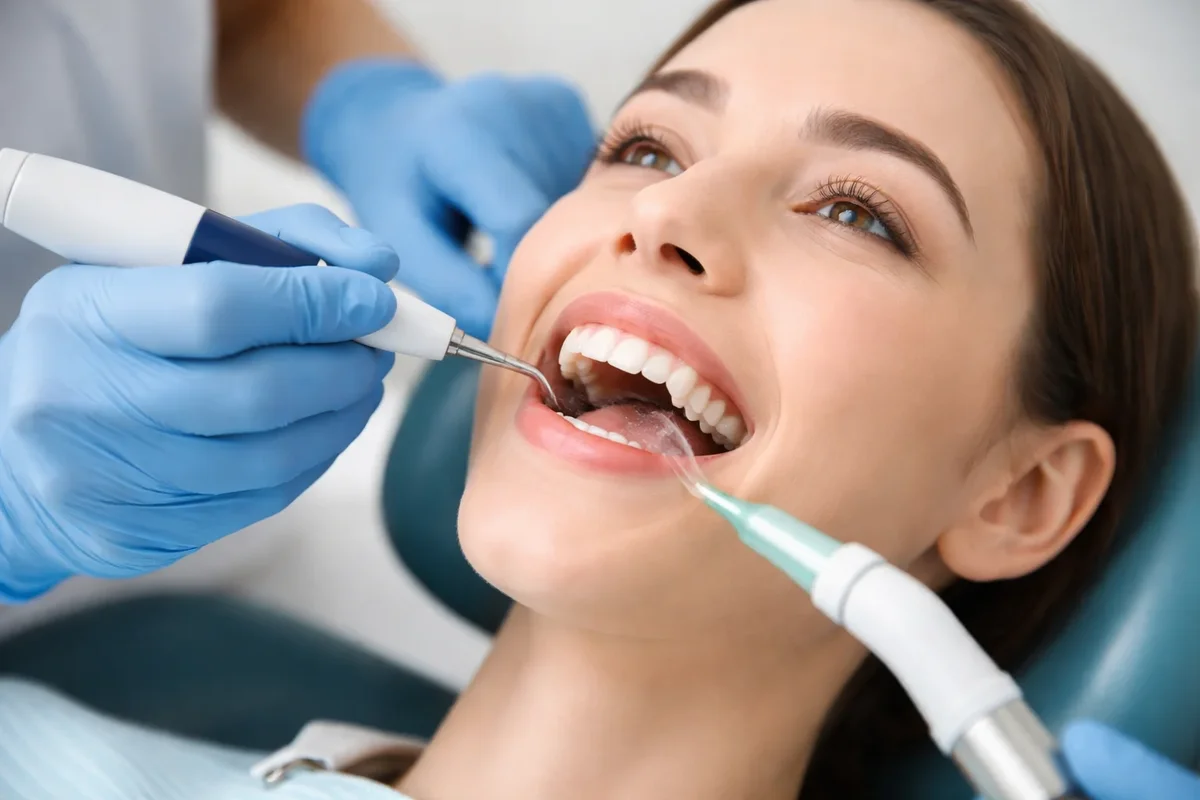
Tips to Maintain Your Smile After a Dentist Teeth Clean
Completing a professional dentist teeth clean is an excellent step toward maintaining optimal oral health. However, the benefits of a dentist teeth clean last much longer when patients follow proper oral hygiene habits after leaving the dental clinic. Without good daily care, plaque can begin accumulating again within hours. By adopting the right habits, you can extend the results of your dentist teeth clean and keep your teeth and gums healthy between dental visits.
A professional dentist teeth clean removes plaque, tartar, and bacteria from areas that are difficult to reach at home. After this deep cleaning process, the teeth feel smoother and the gums are healthier. Maintaining this clean environment is essential to prevent plaque from reforming. Fortunately, a few simple habits can help you protect the results of your dentist teeth clean and preserve your bright smile. 🦷
Brush Your Teeth Properly Twice a Day
The most important habit after a dentist teeth clean is brushing your teeth at least twice daily. Brushing removes food particles and plaque before they can harden into tartar. Using a soft-bristled toothbrush and fluoride toothpaste is recommended to protect tooth enamel.
Proper brushing technique is also important. Dentists recommend holding the toothbrush at a 45-degree angle toward the gum line and brushing gently in circular motions. This technique helps remove plaque without damaging the gums or enamel. Maintaining consistent brushing habits supports the long-term benefits of your dentist teeth clean.
Electric vs Manual Toothbrush
Both manual and electric toothbrushes can effectively clean teeth. However, many dentists suggest electric toothbrushes because they provide consistent brushing motions and help remove plaque more efficiently. After a dentist teeth clean, using an electric toothbrush may help maintain the smooth, plaque-free surface created during professional cleaning.
Floss Daily to Clean Between Teeth
Flossing is another essential step in maintaining the results of a dentist teeth clean. While brushing cleans the visible surfaces of the teeth, floss removes plaque and food particles trapped between them. These tight spaces are common areas for bacterial growth.
Daily flossing prevents plaque from accumulating in these areas and helps maintain healthy gums. Consistent flossing after a dentist teeth clean also reduces the risk of cavities forming between the teeth.
Use Antibacterial Mouthwash
Adding mouthwash to your daily routine can help maintain the freshness and cleanliness achieved during a dentist teeth clean. Antibacterial mouthwash reduces bacteria in the mouth and helps prevent plaque formation.
Mouthwash also reaches areas that brushing and flossing may miss. Using it regularly after a dentist teeth clean can help maintain a balanced oral environment and support healthy gums.
Watch Your Diet
Your diet plays a major role in maintaining oral health after a dentist teeth clean. Sugary foods and beverages promote bacterial growth that can lead to plaque buildup and tooth decay. Limiting sugar intake helps protect your teeth and maintain the results of professional cleaning.
Instead, focus on foods that support dental health. Crunchy fruits and vegetables like apples and carrots help naturally clean the teeth and stimulate saliva production. Saliva helps wash away bacteria and food particles, preserving the benefits of your dentist teeth clean.
Foods That Support Healthy Teeth
- Dairy products rich in calcium
- Leafy green vegetables
- Crunchy fruits such as apples and pears
- Nuts and seeds
- Water instead of sugary drinks
Choosing these foods can help maintain strong enamel and reduce plaque buildup after your dentist teeth clean.
Avoid Tobacco Products
Tobacco use can quickly undo the benefits of a dentist teeth clean. Smoking and chewing tobacco contribute to plaque buildup, gum disease, and tooth discoloration. They also reduce blood flow to the gums, making it harder for gum tissue to heal after professional cleaning.
Patients who avoid tobacco after a dentist teeth clean are more likely to maintain healthy gums and a brighter smile.
Schedule Regular Dental Visits
Even with excellent home care, regular dental visits remain essential. Dentists typically recommend scheduling a dentist teeth clean every six months to maintain oral health. Some patients with gum disease or heavy plaque buildup may require more frequent cleanings.
Routine appointments allow dentists to monitor oral health, remove tartar before it becomes harmful, and detect dental issues early. Dental organizations such as the American Dental Association emphasize that preventive dental care—including professional cleaning—is essential for long-term oral health.
Monitor Changes in Your Oral Health
After a dentist teeth clean, it is important to pay attention to any changes in your mouth. Signs such as bleeding gums, persistent bad breath, or tooth sensitivity may indicate plaque buildup or early gum inflammation.
If you notice any of these symptoms, scheduling another dentist teeth clean sooner may help prevent more serious dental issues. Early intervention is one of the most effective ways to protect your smile.
Professional Support for Long-Term Oral Health
Maintaining the results of a dentist teeth clean requires a combination of good home care and regular professional dental visits. When patients follow these recommendations, they significantly reduce the risk of cavities, gum disease, and other dental problems.
If you are ready to maintain a healthier smile and schedule your next professional cleaning, you can easily connect with experienced dental professionals through the Redent Klinik Contact Page. Professional guidance helps ensure that your dentist teeth clean continues to benefit your oral health long after the appointment.
In summary, maintaining your smile after a dentist teeth clean requires consistent brushing, daily flossing, healthy dietary choices, and regular dental visits. By following these tips, you can preserve the results of professional cleaning and enjoy strong, healthy teeth for many years to come. ✨