
In today’s fast-paced world, maintaining good oral hygiene is more important than ever. Dentist teeth cleaning is a vital part of your overall dental care routine, not just for a brighter smile but also for long-term health. Many individuals think brushing and flossing are enough, but regular professional cleanings at a dental clinic are crucial. In this comprehensive guide, you’ll discover what dentist teeth cleaning involves, why it’s necessary, and how it can protect you from dental and even systemic diseases. 🦷
Whether you’ve been putting off your appointment or simply want to learn more, this article will answer all your questions. From cost breakdowns and treatment types to how often you should schedule your cleanings, we’ll walk you through every detail. Let’s dive into why dentist teeth cleaning should be a non-negotiable part of your health routine in 2025.
What Is Dentist Teeth Cleaning?
Dentist teeth cleaning, also known as dental prophylaxis, is a preventive procedure designed to remove plaque, tartar, and stains from the teeth. Unlike brushing at home, this professional procedure reaches below the gumline and in between teeth using specialized tools that eliminate bacteria buildup. It not only helps in maintaining your oral aesthetics but also plays a crucial role in preventing gum disease, cavities, and even tooth loss.
Why It’s More Than Just a Clean
Think of dentist teeth cleaning as a comprehensive health check for your mouth. Dentists don’t just clean your teeth; they also examine your gums, tongue, and oral cavity for early signs of problems like gingivitis, cavities, or even oral cancer. Early detection can make a huge difference in treatment outcomes and overall costs.
Moreover, multiple studies have linked poor oral health to systemic conditions such as diabetes, cardiovascular disease, and Alzheimer’s. Getting regular cleanings can lower these risks and contribute to your long-term well-being.
What Happens During a Cleaning Session?
A typical dentist teeth cleaning session includes the following steps:
- Oral Examination: The dentist or hygienist examines your mouth using a small mirror to look for signs of inflammation or decay.
- Scaling: Specialized tools remove plaque and tartar from your teeth, especially near the gum line.
- Polishing: After scaling, a high-powered electric brush is used with gritty toothpaste to polish your teeth and remove surface stains.
- Flossing: Professional flossing reaches areas you may miss at home.
- Fluoride Treatment: In some cases, a fluoride gel or foam is applied to strengthen enamel and prevent cavities.
The entire process usually takes 30–60 minutes and is pain-free for most patients. If you experience discomfort, it’s usually due to gum sensitivity or built-up tartar, both of which improve with regular cleanings.
2025 Trends: What’s New in Dentist Teeth Cleaning?
Advancements in dental technology have made dentist teeth cleaning more effective and comfortable than ever before. Ultrasonic scalers are replacing manual tools, offering quicker and less invasive cleanings. Laser-assisted cleanings are gaining popularity for patients with sensitive gums. Digital plaque disclosing agents now help visualize areas with bacterial buildup in real-time, making the process more personalized. 😷✨
Are You Overdue for a Cleaning?
Most dentists recommend getting a professional cleaning every six months. However, individuals with gum disease or chronic conditions may require more frequent visits. If it’s been more than six months since your last appointment, it’s time to book one. Don’t wait until there’s pain or visible damage. Preventive care is far less costly—and far more comfortable—than restorative treatments.
To schedule an appointment, visit our Redent Klinik Contact Page. We’re happy to assist you in maintaining your dental health in 2025 and beyond.
Trusted Sources and Guidelines
All recommendations in this article align with the latest protocols from the American Dental Association. Their official guidelines emphasize the role of routine dentist teeth cleaning in maintaining optimal oral and systemic health.
LSI Keywords to Support Semantic Relevance
Throughout the content, we’ve also incorporated related terms like “dental cleaning,” “oral prophylaxis,” and “professional plaque removal” to enhance search visibility and semantic clarity.
Stay tuned as we explore in the next section why regular dentist teeth cleaning is a crucial step toward long-term health. 🧼🪥
Why Regular Dentist Teeth Cleaning Is Crucial for Oral Health
Most people understand the importance of brushing and flossing, but far fewer realize that dentist teeth cleaning plays an equally vital role in maintaining oral health. While your at-home dental hygiene routine is important, it can’t remove all plaque and tartar buildup—especially in hard-to-reach areas. That’s where professional dental cleanings step in to safeguard your oral health and prevent serious conditions before they start. 🪥
Preventing Gum Disease and Tooth Decay
The most significant benefit of dentist teeth cleaning is its ability to prevent gum disease and tooth decay. Plaque is a sticky film of bacteria that constantly forms on your teeth. If left unremoved, it hardens into tartar, which can irritate your gums and lead to gingivitis—the early stage of gum disease. Over time, untreated gingivitis can progress to periodontitis, a serious infection that damages the soft tissue and bone supporting your teeth.
With regular dentist teeth cleaning sessions, plaque and tartar are professionally removed, significantly reducing the risk of gum disease. Additionally, the polishing step helps smooth the surface of your teeth, making it harder for new plaque to stick. 💎
Reducing the Risk of Systemic Diseases
Recent research has uncovered strong links between poor oral health and systemic diseases like heart disease, stroke, diabetes, and respiratory infections. Bacteria from your mouth can enter the bloodstream and trigger inflammation throughout the body. Regular dentist teeth cleaning reduces bacterial load in the mouth, helping protect your overall health.
In fact, the American Dental Association emphasizes that maintaining oral health is an essential part of preventing chronic illnesses. Taking care of your teeth isn’t just about your smile—it’s about your entire body. ❤️🦷
Early Detection of Oral Health Issues
During a dentist teeth cleaning, your dental professional doesn’t just clean your teeth—they also perform a thorough checkup. This exam allows them to identify early signs of cavities, gum recession, or even oral cancer. Detecting issues early allows for less invasive, more affordable treatments and better outcomes.
For example, a small cavity caught early might require only a simple filling. If left unnoticed, it could develop into a root canal or even a tooth extraction. That’s why regular cleanings are one of the smartest investments you can make in your health. 🧠💡
Maintaining Fresh Breath and Confidence
Let’s face it—bad breath can be embarrassing. One of the most common causes of chronic halitosis (bad breath) is bacteria hiding under the gums or between teeth. Dentist teeth cleaning targets these areas, removing odor-causing buildup and leaving your mouth feeling fresh. ✨😌
Fresh breath also contributes to better self-confidence in both professional and personal situations. Whether you’re heading into a job interview or a date, feeling confident in your smile can make a big difference.
Preventing Tooth Loss in Adults
According to dental health statistics, gum disease is the leading cause of tooth loss in adults. When left untreated, it causes the gums to pull away from the teeth, creating pockets where more bacteria can settle. Over time, the bone holding the teeth in place begins to deteriorate. Dentist teeth cleaning stops this process before it begins by maintaining healthy gums and eliminating infection at the source.
If you’re starting to notice bleeding gums while brushing or flossing, don’t ignore it. These are early warning signs that professional cleaning is needed—urgently.
Cost Savings from Preventive Dental Care
Many people skip dental appointments thinking they’ll save money. Ironically, skipping dentist teeth cleaning can cost you much more in the long run. Preventive cleanings are relatively inexpensive, especially when compared to the cost of fillings, root canals, crowns, or dental implants.
Here’s a 2025 breakdown of average costs in the U.S.:
- Basic cleaning (Prophylaxis): $90 – $150
- Deep cleaning (Scaling and root planing): $150 – $350 per quadrant
- With dental insurance: Often covered 100% twice yearly
Investing in regular cleanings saves you hundreds—or even thousands—by avoiding complex treatments later.
Improving the Appearance of Your Smile
While the primary goal is health, dentist teeth cleaning also improves aesthetics. Coffee, tea, red wine, and tobacco can all stain your teeth over time. Polishing during your cleaning appointment removes surface stains and helps restore your teeth’s natural whiteness. The result? A cleaner, more radiant smile that boosts your confidence. 😁📸
Consistency Is Key: Book Your Appointment
Now that you understand why dentist teeth cleaning is crucial, don’t delay. Most dental professionals recommend cleanings every six months—but if you have gum disease, diabetes, or other conditions, your dentist may recommend more frequent visits. Book your appointment today via our Redent Klinik Contact Page to take the first step toward a healthier smile and body.
In the next section, we’ll explore what actually happens during a dentist teeth cleaning appointment—step by step. Stay with us! 🪥🔍
What to Expect During a Professional Teeth Cleaning Appointment
If you’ve never experienced a dentist teeth cleaning appointment—or it’s been a while—you might be wondering what the process involves. Understanding what happens during your visit can ease anxiety and encourage you to make regular appointments part of your oral hygiene routine. Let’s walk through what to expect before, during, and after your cleaning appointment. 🪥👩⚕️
1. Initial Dental Examination
Every dentist teeth cleaning session starts with a brief but thorough examination. A dental hygienist or the dentist uses a small mirror and a dental probe to inspect your teeth and gums. They look for signs of:
- Plaque and tartar buildup
- Gum inflammation or bleeding
- Cavities or enamel erosion
- Oral cancer indicators
This step ensures that it’s safe to proceed with the cleaning and gives the dental professional a baseline to monitor any changes over time. 🧐
2. Scaling – The Core of Dentist Teeth Cleaning
Once the initial checkup is done, the cleaning begins with a procedure called scaling. This is the process of removing plaque and tartar (hardened plaque) from the tooth surface, especially near the gumline. Hygienists use handheld tools like scalers and curettes or ultrasonic instruments that vibrate to break down the deposits. 💥
Scaling is critical because tartar cannot be removed by brushing or flossing at home. It harbors bacteria that can lead to gum disease if not removed professionally. This is the heart of any dentist teeth cleaning appointment.
3. Polishing for a Smooth, Shiny Finish
After scaling, your teeth are polished using a rotating electric brush and gritty toothpaste called prophylaxis paste. This removes surface stains and smooths the enamel, making it harder for new plaque to attach. While it may feel a bit gritty or noisy, the result is a noticeably cleaner, shinier smile. ✨
This step not only boosts aesthetics but also enhances protection against plaque buildup. It’s a key reason why dentist teeth cleaning leaves your mouth feeling exceptionally fresh.
4. Expert Flossing
Next, your dental hygienist will floss your teeth, reaching deep between the gums and teeth to remove any remaining debris. This professional flossing is more thorough than what most people do at home and helps identify any sensitive areas or bleeding spots that need attention.
This part of the cleaning often surprises people—it’s a chance to get personalized feedback on your flossing habits and gum health. 🧵
5. Fluoride Treatment (Optional)
Depending on your oral health and cavity risk, your dentist may recommend a fluoride treatment. This typically involves applying a fluoride gel, foam, or varnish to your teeth to help strengthen enamel and prevent decay.
The application takes only a minute or two and provides months of added protection. If you’re prone to cavities or have weakened enamel, this is an excellent preventative step to consider during your dentist teeth cleaning.
6. Education and Preventive Advice
One of the underrated parts of a dentist teeth cleaning visit is the advice you’ll receive. Your hygienist or dentist will explain areas you may be missing during brushing or flossing, offer tips for technique, and may recommend products like an electric toothbrush or antimicrobial mouthwash. 📚🪥
This personalized guidance helps you maintain your results at home and reduce the risk of future issues. Education is just as important as the actual cleaning!
7. Post-Cleaning Sensations and Side Effects
After a dentist teeth cleaning, your mouth may feel sensitive or slightly sore—especially if it’s been a while since your last visit. Gums might bleed a little during or after cleaning, which usually subsides quickly. Drinking cold or hot beverages might trigger some sensitivity for a few hours, but this is temporary.
To soothe your mouth post-treatment, consider rinsing with warm salt water and avoiding extremely hot or cold foods for the rest of the day. 🧊🌡️
8. Time and Frequency of Appointments
A standard dentist teeth cleaning takes about 30 to 60 minutes. Some factors like tartar buildup, gum sensitivity, or additional treatments can affect the duration. Most people should get their teeth professionally cleaned every 6 months. However, individuals with periodontal disease, diabetes, or orthodontic appliances may need more frequent cleanings—every 3–4 months.
To find out what’s best for you, book a consultation through our Redent Klinik Contact Page. Our dental experts will tailor a cleaning schedule based on your unique oral health profile.
9. Advanced Technologies in 2025
In 2025, many dental clinics, including Redent Klinik, offer modern techniques like ultrasonic scaling and laser-assisted plaque removal. These methods reduce discomfort, improve precision, and lead to faster appointments. Ask your dentist if these options are available to you. 🦷🔬
Coming up next: How often should you really get a dentist teeth cleaning? Let’s explore the ideal frequency for optimal oral health.
How Often Should You Get a Dentist Teeth Cleaning?
One of the most common questions patients ask is: “How often do I really need a dentist teeth cleaning?” While twice a year is the general rule of thumb, the ideal frequency can vary based on your age, lifestyle, medical history, and oral hygiene habits. Let’s dive deeper into how often you should be sitting in that dentist’s chair and why it matters. 🗓️🦷
The Standard Recommendation: Every 6 Months
The American Dental Association recommends visiting your dentist for a professional cleaning every six months. This semiannual schedule is based on research showing that plaque buildup and minor gum inflammation can begin within weeks of your last cleaning. By getting a dentist teeth cleaning every 6 months, you prevent small issues from escalating into costly problems.
This routine also gives your dentist the opportunity to monitor your oral health closely and detect conditions like cavities or gum disease in their earliest stages. Think of it as an essential maintenance checkup for your smile. 😁
Who Might Need More Frequent Cleanings?
While six months works for most people, some individuals require more frequent dentist teeth cleaning visits. You may fall into this group if you:
- Have a history of gum disease (periodontitis)
- Smoke or use tobacco products
- Have diabetes or an autoimmune disorder
- Wear braces or dental appliances
- Are pregnant and experience hormonal changes
For these individuals, cleanings every 3 to 4 months are usually recommended. More frequent appointments help control bacteria and inflammation before they cause permanent damage. Regular dentist teeth cleaning also protects against the complications that systemic diseases can cause in the mouth.
Children and Teenagers: What’s the Schedule?
For children, dental care starts as early as their first birthday or within six months after their first tooth appears. From that point onward, pediatric dentists usually recommend a dentist teeth cleaning every six months. Teenagers, especially those with orthodontic appliances, may benefit from more frequent visits to prevent cavities and gingivitis around brackets and wires. 🧒👧
Early education and routine cleanings establish habits that reduce the risk of serious dental issues later in life.
Adults With Good Oral Health: Is Yearly Enough?
If you brush and floss daily, eat a healthy diet, and have no history of cavities or gum disease, you might wonder if once a year is sufficient. Some studies suggest that for low-risk individuals, annual dentist teeth cleaning may still provide significant benefits—but this should always be a decision made with your dentist.
Skipping the six-month mark could allow plaque to harden into tartar, leading to gum issues that otherwise would have been prevented. The risk simply isn’t worth it. It’s best to follow the six-month schedule unless your dentist recommends otherwise. 📆🪥
Why Consistency Matters
Inconsistent dental care is one of the main reasons why preventable issues turn into major problems. Cavities can form and grow silently. Gum disease can advance without symptoms until it’s too late. With regular dentist teeth cleaning, these risks are minimized, and any emerging concerns are dealt with early—saving both your teeth and your wallet.
Moreover, your dentist keeps records of your oral health and can detect even the smallest changes over time, which leads to better personalized care. 📈
Customizing Your Cleaning Schedule
Not sure how often you need a dentist teeth cleaning? The best approach is to schedule a consultation. During your exam, the dentist will evaluate your gums, look at your dental history, and ask about any health conditions. From there, they’ll recommend a cleaning frequency that meets your specific needs.
You can get expert guidance by reaching out to our team via the Redent Klinik Contact Page. Our professionals are here to build a dental care plan tailored just for you. 🎯
Preventive Care vs. Reactive Care
Imagine you skip cleanings for a year. In that time, a small cavity could become a root canal, or mild gum inflammation could turn into periodontitis. The cost and discomfort of reactive dental treatments far exceed the effort of keeping up with regular dentist teeth cleaning visits.
Prevention is always more effective—and more affordable—than repair. Regular cleanings are a wise investment in both your health and confidence.
Don’t Forget: Cleanings and Insurance
Many dental insurance plans cover dentist teeth cleaning appointments twice a year at 100%. Not using these benefits is like leaving money on the table. Even if you don’t have insurance, many clinics offer affordable packages or membership plans that reduce costs.
Ready to take the next step? Book your next dentist teeth cleaning today and enjoy the peace of mind that comes with proactive dental care. 🧼🦷
In the next section, we’ll explore the different types of dental cleanings—and why not all are created equal. Stay tuned! 🪥💡
Types of Teeth Cleaning: Prophylaxis vs Deep Cleaning
Not all dentist teeth cleaning procedures are the same. Depending on your oral health condition, your dentist may recommend different types of cleanings. The two primary categories are prophylaxis (standard cleaning) and deep cleaning (also known as scaling and root planing). Understanding the difference between these types will help you know what to expect and why your dentist may recommend one over the other. 🦷🩺
What Is Prophylaxis (Standard Cleaning)?
Prophylaxis is the routine dentist teeth cleaning most patients receive every six months. It involves removing plaque and tartar from the visible tooth surface and just below the gumline. This type of cleaning is preventive and typically performed on individuals with healthy gums or mild gingivitis.
During a prophylaxis appointment, your dental hygienist will:
- Perform an oral exam
- Use hand tools or ultrasonic devices to scale away tartar
- Polish the teeth to remove surface stains
- Floss to remove hidden debris
This procedure is relatively quick (30–45 minutes) and completely non-invasive. It keeps your smile bright and your gums healthy. For individuals who maintain good oral hygiene at home, prophylaxis is usually all that’s needed. ✅
What Is Deep Cleaning (Scaling and Root Planing)?
Deep cleaning is a more intensive dentist teeth cleaning designed for patients with moderate to severe gum disease. If your dentist notices signs of periodontitis—such as deep gum pockets, bleeding, or bone loss—they may recommend scaling and root planing instead of a standard cleaning.
Here’s how it works:
- Scaling: Removes plaque and tartar from below the gumline, deep in the periodontal pockets.
- Root Planing: Smooths the tooth roots to help the gums reattach and reduce inflammation.
This type of dentist teeth cleaning may require local anesthesia to numb the area and is often done in quadrants over two or more visits. Recovery may take a few days, and you may experience mild discomfort or gum sensitivity. 🩹
How Do Dentists Determine Which Cleaning You Need?
Your dentist evaluates several factors before recommending a cleaning type:
- Depth of gum pockets (measured with a probe)
- Presence of tartar below the gumline
- Bleeding on probing or inflammation
- Bone loss visible on X-rays
If pockets are deeper than 3mm or bleeding is evident, a deep dentist teeth cleaning may be needed. On the other hand, shallow pockets and minimal buildup indicate that prophylaxis is appropriate. 🧪
Laser-Assisted Cleaning in 2025
Some clinics now offer laser-assisted dental cleanings. This modern method uses focused laser energy to remove bacteria and diseased tissue in gum pockets. It’s minimally invasive and often more comfortable than traditional scaling.
While not a replacement for standard techniques, lasers can complement deep dentist teeth cleaning procedures and reduce post-treatment inflammation. Ask your dental provider if this advanced option is available. 🔬✨
Costs: Prophylaxis vs Deep Cleaning
The type of dentist teeth cleaning also impacts the cost. Here’s a rough 2025 price comparison:
- Prophylaxis (standard cleaning): $90 – $150
- Deep cleaning (per quadrant): $150 – $350
- Full mouth deep cleaning: $600 – $1,400
- With insurance: Often covers 100% for prophylaxis and 50–80% for deep cleaning
While deep cleaning is more expensive, it’s a necessary investment for reversing early gum disease and avoiding tooth loss. Always check your insurance plan to understand your coverage, or ask about payment plans.
How Often Should You Get Each Type?
Standard prophylaxis cleanings are typically done every six months, while deep cleanings may need to be followed by more frequent maintenance visits—every 3 to 4 months—until the gums heal. Your dentist will assess your condition and develop a custom cleaning schedule.
Why the Distinction Matters
Choosing the right dentist teeth cleaning is essential for your long-term oral health. Getting a basic cleaning when you need a deep one can allow gum disease to worsen. Conversely, unnecessary deep cleanings can lead to added expense and discomfort. That’s why a proper evaluation is key before determining your cleaning type.
Still Not Sure? Let Us Help
If you’re unsure which type of dentist teeth cleaning you need, schedule a consultation through our Redent Klinik Contact Page. Our experienced team will assess your gums, measure pocket depths, and recommend the best path forward.
In the next section, we’ll break down the exact costs of dentist teeth cleaning procedures and what you can expect to pay in 2025 with or without insurance. Stay tuned! 💰🦷
Dentist Teeth Cleaning Cost Breakdown: What You’ll Pay in 2025
One of the most common concerns among patients is the cost of dentist teeth cleaning. With inflation and rising healthcare expenses, understanding how much you’ll pay—and what’s covered by insurance—is essential for planning your oral health budget. In this section, we’ll break down the various factors that affect the price of cleanings, offer 2025 price estimates, and explore payment options for all budgets. 💸🦷
How Much Does a Standard Cleaning Cost?
A routine dentist teeth cleaning (prophylaxis) is typically the most affordable dental service. This preventive cleaning removes plaque, tartar, and surface stains from teeth and is recommended twice a year for most people. The national average in the U.S. for 2025 is:
- Without insurance: $90 – $150 per visit
- With insurance: Often covered 100% (2x per year)
Most insurance policies consider dentist teeth cleaning a preventive service and include full coverage. If you’re uninsured, many clinics offer cash discounts or affordable cleaning packages. Be sure to ask in advance. 🪙
Cost of Deep Cleaning (Scaling and Root Planing)
Deep cleaning is necessary for patients with gum disease and involves cleaning below the gumline. This process is more involved and typically done in quadrants. As a result, the cost of this type of dentist teeth cleaning is higher:
- Per quadrant: $150 – $350
- Full mouth (4 quadrants): $600 – $1,400
- With insurance: Often 50% – 80% coverage
While deep cleaning may seem costly, it’s a crucial step in halting the progression of periodontitis. Early treatment saves you from more severe procedures like gum surgery or tooth extraction. 🛑
Factors That Affect Cleaning Costs
The price of a dentist teeth cleaning can vary based on several factors:
- Location: Urban clinics may charge more than rural ones.
- Clinic reputation: Established practices with experienced staff might have higher fees.
- Type of cleaning: Standard vs. deep cleaning or specialized treatments.
- Technology used: Clinics that use lasers or ultrasonic tools may have different rates.
Always request a detailed estimate before your appointment and confirm whether any X-rays or fluoride treatments are included in the price.
Insurance and What It Typically Covers
Most dental insurance plans follow a “100-80-50” coverage model:
- 100% coverage for preventive care like dentist teeth cleaning, exams, and X-rays.
- 80% coverage for basic procedures like fillings.
- 50% coverage for major procedures like crowns or deep cleanings.
Always check your individual policy for specifics. Some plans may only cover one cleaning per year or have waiting periods for periodontal care. 📄🦷
No Insurance? No Problem
If you don’t have dental insurance, don’t skip your dentist teeth cleaning. Many clinics offer alternatives such as:
- Membership plans: Annual plans that include 2 cleanings and exams at a discounted rate.
- Sliding scale fees: Pricing based on your income.
- Payment plans: Spread the cost over several months with no or low interest.
Some dental schools also offer affordable cleanings performed by supervised students, which can reduce the cost by 50% or more. 🧑🎓
Additional Costs to Consider
While the base cost of a dentist teeth cleaning is predictable, other associated fees might apply:
- X-rays: $30 – $150 depending on the number of images
- Fluoride treatment: $20 – $50
- Gum pocket measurements: Often included, but sometimes billed separately
It’s smart to ask for a full quote before your appointment so there are no surprises. A reputable dental clinic will always be transparent about pricing.
Redent Klinik’s Transparent Pricing
At Redent Klinik, we believe in honest, upfront pricing with no hidden costs. Whether you’re coming in for your first dentist teeth cleaning or returning for a deep cleaning session, our team provides complete transparency. You can contact us via the Redent Klinik Contact Page to get an exact quote based on your needs and oral health status. 💬
Is the Investment Worth It?
Absolutely. Regular dentist teeth cleaning not only protects your oral health but also prevents expensive treatments down the road. A simple $100 cleaning today could save you thousands on root canals, crowns, or implants in the future.
In the next section, we’ll explore the many benefits of professional dental cleanings—some of which might surprise you! 🌟🦷
Top Benefits of Getting Your Teeth Professionally Cleaned
Regular dentist teeth cleaning appointments are more than just a cosmetic routine—they offer powerful benefits that impact both your oral and overall health. From preventing gum disease to enhancing your smile and even lowering your risk of systemic illnesses, the advantages of professional cleanings are extensive. Let’s break down the top benefits of making dentist teeth cleaning a non-negotiable part of your healthcare plan. 🌟🦷
1. Prevents Cavities and Tooth Decay
Plaque is a soft, sticky film full of bacteria that builds up on your teeth over time. If not professionally removed, it can eat away at tooth enamel and cause cavities. Regular dentist teeth cleaning eliminates this harmful buildup, significantly reducing your risk of tooth decay. Even with excellent brushing and flossing habits, plaque can form in hard-to-reach areas that only a professional can effectively clean.
2. Stops Gum Disease Before It Starts
One of the leading causes of adult tooth loss is gum disease, often caused by plaque that creeps beneath the gumline. Dentist teeth cleaning targets these hidden zones and prevents gingivitis—the earliest stage of gum disease—from advancing to more serious forms like periodontitis. Cleanings reduce gum inflammation, bleeding, and sensitivity, helping you keep your natural teeth longer. 🌿
3. Brightens and Polishes Your Smile
Consuming coffee, tea, red wine, and tobacco can stain your teeth over time. Fortunately, polishing during a dentist teeth cleaning session removes surface stains and restores your teeth’s natural whiteness. While it’s not a replacement for professional whitening, the improvement is instantly noticeable—giving you a fresher, brighter smile. 😁✨
4. Freshens Your Breath
Bad breath, or halitosis, is often caused by bacteria in the mouth. Tartar and plaque can trap food particles and create an environment where bacteria thrive. Regular dentist teeth cleaning removes these odor-causing agents and leaves your mouth feeling clean and refreshed. If you suffer from chronic bad breath, professional cleanings could be the solution you’ve been looking for. 😮💨🍃
5. Boosts Your Overall Health
Research continues to show a link between oral health and systemic conditions like heart disease, diabetes, Alzheimer’s, and respiratory infections. Bacteria in the mouth can enter the bloodstream and cause inflammation in other parts of the body. Dentist teeth cleaning reduces this bacterial load and may lower your risk of developing these serious conditions. Taking care of your teeth isn’t just about aesthetics—it’s about safeguarding your long-term health. ❤️🧠
6. Saves You Money in the Long Run
Preventive dental care is always more affordable than restorative procedures. A routine dentist teeth cleaning may cost around $100, but treating a root canal or getting a crown can run into the hundreds or even thousands. Cleanings help catch issues early, avoiding the need for complex and costly treatments later on. In fact, most insurance providers cover two cleanings per year at 100%—making this a no-brainer for anyone with coverage. 💰
7. Helps Maintain Dental Work
If you have crowns, bridges, implants, or veneers, regular dentist teeth cleaning can help maintain these restorations. Cleanings remove plaque around the edges of crowns or under bridges, reducing the risk of secondary decay or gum disease that could compromise your dental investments. It’s a smart way to protect the money and time you’ve already spent on your smile. 🔧🦷
8. Encourages Consistent Oral Hygiene
Knowing you have a dental cleaning coming up can serve as a great motivator to stay consistent with your brushing and flossing routine. Additionally, your dental hygienist can provide personalized feedback on your technique and suggest improvements. This ongoing education is one of the most underrated benefits of dentist teeth cleaning sessions. 📘
9. Early Detection of Oral Health Issues
Each dentist teeth cleaning session includes an oral exam, during which your dental professional checks for early signs of cavities, gum disease, and even oral cancer. Catching these issues early makes treatment easier, faster, and more successful. Some signs, like tiny cracks or enamel erosion, may not be visible or painful yet—but your dentist will spot them before they become bigger problems. 🔍
10. Confidence in Every Smile
Nothing beats the feeling of leaving a dental appointment with a squeaky-clean smile. Beyond the health benefits, dentist teeth cleaning offers a major confidence boost. Whether you’re giving a presentation at work or smiling for a photo, you can feel assured that your teeth look their best. That kind of confidence can have a ripple effect in every area of your life. 📸💬
Ready to Experience These Benefits?
Now that you know all the reasons to prioritize dentist teeth cleaning, it’s time to take action. Don’t wait for symptoms to appear. Preventive care is the foundation of lifelong oral health. Book your cleaning today by visiting the Redent Klinik Contact Page. Your future self will thank you. 🙌🪥
Next up, we’ll explore a common question among patients: Is dentist teeth cleaning painful or risky? Stay with us to find out the truth. 🧠🦷
Is Teeth Cleaning at the Dentist Painful or Risky?
Many people delay or avoid dentist teeth cleaning appointments due to fear of pain or discomfort. However, these concerns are often based on misconceptions or outdated experiences. In reality, modern dental cleanings are safe, gentle, and tailored to your level of oral health and sensitivity. In this section, we’ll explore what discomfort (if any) you might feel during a cleaning and whether there are any risks involved. 🧠🦷
Is Dentist Teeth Cleaning Painful?
For the vast majority of patients, dentist teeth cleaning is not painful. You may feel mild pressure or scraping sensations during scaling, especially if there’s significant tartar buildup. However, these sensations are typically brief and tolerable. Patients with sensitive gums or exposed root surfaces might experience a bit more discomfort—but your dental provider can adjust the technique accordingly. 🪥
Here’s what you might feel during each stage:
- Scaling: A scraping or buzzing sensation as plaque and tartar are removed.
- Polishing: A vibrating sensation from the rotating brush—painless but might feel gritty.
- Flossing: Slight tugging or pressure, especially if gums are inflamed.
Communicate with your hygienist—if you feel any discomfort, they can slow down, use gentler tools, or even apply topical numbing gel to reduce sensitivity. 🧴
When Discomfort Might Occur
If it’s been a long time since your last dentist teeth cleaning, you may feel more tenderness. This is usually due to inflamed gums, excessive tartar buildup, or untreated gingivitis. In these cases, cleanings may be more intense—but they’re also necessary to reverse the damage. The good news? Discomfort decreases dramatically with regular visits. Your second or third cleaning will feel much easier. 💡
Does Deep Cleaning Hurt More?
Deep cleaning (scaling and root planing) is more involved than a standard dentist teeth cleaning, and patients with advanced gum disease may experience mild soreness afterward. However, local anesthesia is typically used to numb the area during the procedure. You shouldn’t feel pain during the cleaning itself—just some post-treatment tenderness, which resolves within a few days.
Aftercare tips include:
- Using a soft-bristle toothbrush
- Rinsing with warm saltwater
- Avoiding spicy or crunchy foods for 24 hours
Your dentist may also recommend over-the-counter pain relievers like ibuprofen if needed. 🩹
Is There Any Risk Involved?
Dentist teeth cleaning is considered extremely safe for most individuals. However, as with any medical procedure, there are minor risks that can occur in rare cases:
- Gum irritation: Especially after deep cleaning sessions
- Tooth sensitivity: May temporarily increase post-cleaning
- Bacteremia: A small risk where bacteria enter the bloodstream—mainly a concern for people with heart conditions or weakened immune systems
To minimize these risks, your dentist may recommend antibiotics before your cleaning if you fall into a high-risk group. Always share your full medical history before your appointment. 📋
What About Bleeding Gums?
It’s not uncommon to notice slight gum bleeding during or after your dentist teeth cleaning, especially if you have gingivitis or haven’t been flossing regularly. This bleeding is usually minor and a sign that your gums are inflamed—something the cleaning is meant to improve. As your gums heal and become healthier, the bleeding will stop. 🩸
Benefits Far Outweigh Minor Discomfort
Even if you experience slight soreness, the benefits of dentist teeth cleaning far outweigh any temporary discomfort. You’ll reduce your risk of cavities, prevent gum disease, improve your breath, and boost your overall health. And remember—each cleaning gets easier as your mouth becomes healthier. 🙌
Tips to Make Your Cleaning More Comfortable
If you’re anxious about your upcoming dentist teeth cleaning, consider the following tips:
- Schedule early in the day when you’re less stressed
- Use noise-canceling headphones and listen to calming music
- Communicate with your hygienist—they can adjust the pressure or take breaks
- Ask for numbing gel if you have sensitive teeth or gums
When to Call Your Dentist Post-Cleaning
After your dentist teeth cleaning, if you experience persistent pain, swelling, or bleeding that doesn’t improve in 48 hours, contact your clinic. While rare, these may indicate an underlying issue that needs attention. 🛑
Your Comfort Is Our Priority
At Redent Klinik, we take every measure to ensure your dentist teeth cleaning is gentle, effective, and stress-free. Whether it’s your first cleaning in years or part of your regular routine, our team will customize your care based on your sensitivity and preferences. Contact us today via our Redent Klinik Contact Page to book a pain-free cleaning experience. 🧘♀️
In the next section, we’ll look at what happens if you skip your dental cleanings—and the consequences may surprise you. Don’t miss it! ⚠️
What Happens If You Skip Regular Dental Cleanings?
Skipping a dentist teeth cleaning appointment may not seem like a big deal—especially if you brush and floss daily. But the truth is, avoiding regular professional cleanings can set off a chain reaction of dental and even systemic health issues. From tartar buildup to serious gum disease and tooth loss, neglecting cleanings comes with real consequences. Let’s explore what can happen when those twice-yearly visits fall off your calendar. ⚠️🦷
1. Plaque and Tartar Accumulate Rapidly
No matter how diligently you brush and floss, it’s impossible to remove all plaque on your own. Over time, plaque hardens into tartar—a mineralized substance that clings tightly to teeth and can only be removed during a dentist teeth cleaning. Once tartar forms, it becomes a haven for harmful bacteria that irritate gums and eat away at enamel.
Even missing just one cleaning can give tartar time to build up in areas you can’t reach with your toothbrush. This sets the stage for cavities and gum inflammation. 🔍
2. Increased Risk of Gum Disease
One of the most serious consequences of skipping dentist teeth cleaning appointments is the development of gum disease. Gingivitis, the earliest stage, is reversible with professional cleaning and good home care. But left untreated, it can progress to periodontitis—a severe infection that damages the bone and tissues supporting your teeth.
Signs of gum disease include bleeding gums, bad breath, receding gums, and tooth sensitivity. If you’re noticing any of these symptoms, it’s time to get back on track with cleanings. 🩸
3. Tooth Decay and Cavities Form Silently
Cavities don’t usually cause pain until they’ve progressed. By the time you feel discomfort, decay may have reached deep into the tooth, requiring a filling, root canal, or even extraction. Regular dentist teeth cleaning appointments help catch early signs of decay before it becomes serious—saving your natural tooth and your wallet. 💸🪥
Cleanings also remove the acidic bacterial film that erodes enamel, the protective outer layer of your teeth. Once enamel is gone, it doesn’t grow back—making prevention critical.
4. Bad Breath Becomes Persistent
Without dentist teeth cleaning, bacteria can fester under your gums and between your teeth, leading to chronic halitosis (bad breath). Even with mouthwash or breath mints, the root cause won’t go away until the plaque and tartar are professionally removed. 😷
5. Yellow or Stained Teeth Get Worse
Over time, everyday activities like drinking coffee, tea, red wine, or smoking stain your teeth. While daily brushing helps, it can’t remove all discoloration. Skipping cleanings means surface stains accumulate, leaving your smile looking dull or yellowed. Regular polishing during dentist teeth cleaning keeps your teeth bright and stain-free. ✨
6. You May Lose Teeth—Literally
If gum disease progresses unchecked, it can destroy the bone that holds your teeth in place. Eventually, teeth become loose and may even fall out. According to the CDC, nearly 70% of adults aged 65+ have gum disease, and tooth loss is a common consequence. Staying consistent with dentist teeth cleaning can help prevent this irreversible damage. 🦷🚫
7. Higher Costs for Restorative Treatments
Neglecting cleanings may seem like a way to save time or money in the short term—but the long-term costs can be significant. Advanced treatments such as deep cleaning, root canals, crowns, and implants are far more expensive than preventive care. A single dentist teeth cleaning might cost $100, but a dental implant can run $3,000 or more.
Investing in prevention now means avoiding painful and costly procedures down the road. 💡
8. Health Risks Beyond Your Mouth
Oral health is closely linked to overall wellness. Skipping cleanings allows harmful bacteria to flourish, which can enter your bloodstream and contribute to systemic inflammation. Studies have linked poor oral hygiene to heart disease, diabetes, Alzheimer’s, and respiratory illnesses. Dentist teeth cleaning is a small step with big health implications. 🫀🧬
9. Delayed Diagnosis of Serious Conditions
Each dentist teeth cleaning visit includes an oral examination. Your dental professional checks for signs of oral cancer, infections, or other abnormalities. By missing these routine checkups, you risk delaying the diagnosis of potentially life-threatening conditions. Early detection is often key to successful treatment. 🎗️
10. Reduced Confidence and Social Impact
When you skip cleanings, stains, bad breath, and gum issues can make you feel self-conscious about your smile. This may affect your confidence at work, in relationships, and in social settings. Dentist teeth cleaning boosts your appearance and your self-esteem—giving you the confidence to smile freely. 😄📸
Reclaim Your Oral Health Today
If it’s been a while since your last dentist teeth cleaning, don’t panic—it’s never too late to start again. At Redent Klinik, we welcome patients of all backgrounds and oral health stages. Our gentle, modern approach ensures you feel comfortable, even if it’s your first visit in years. Book your appointment now and protect your teeth for the future. 🛡️
Next, we’ll share essential tips to help you extend the benefits of your dentist teeth cleaning and keep your smile healthy between visits. Stay with us! 🔄🪥
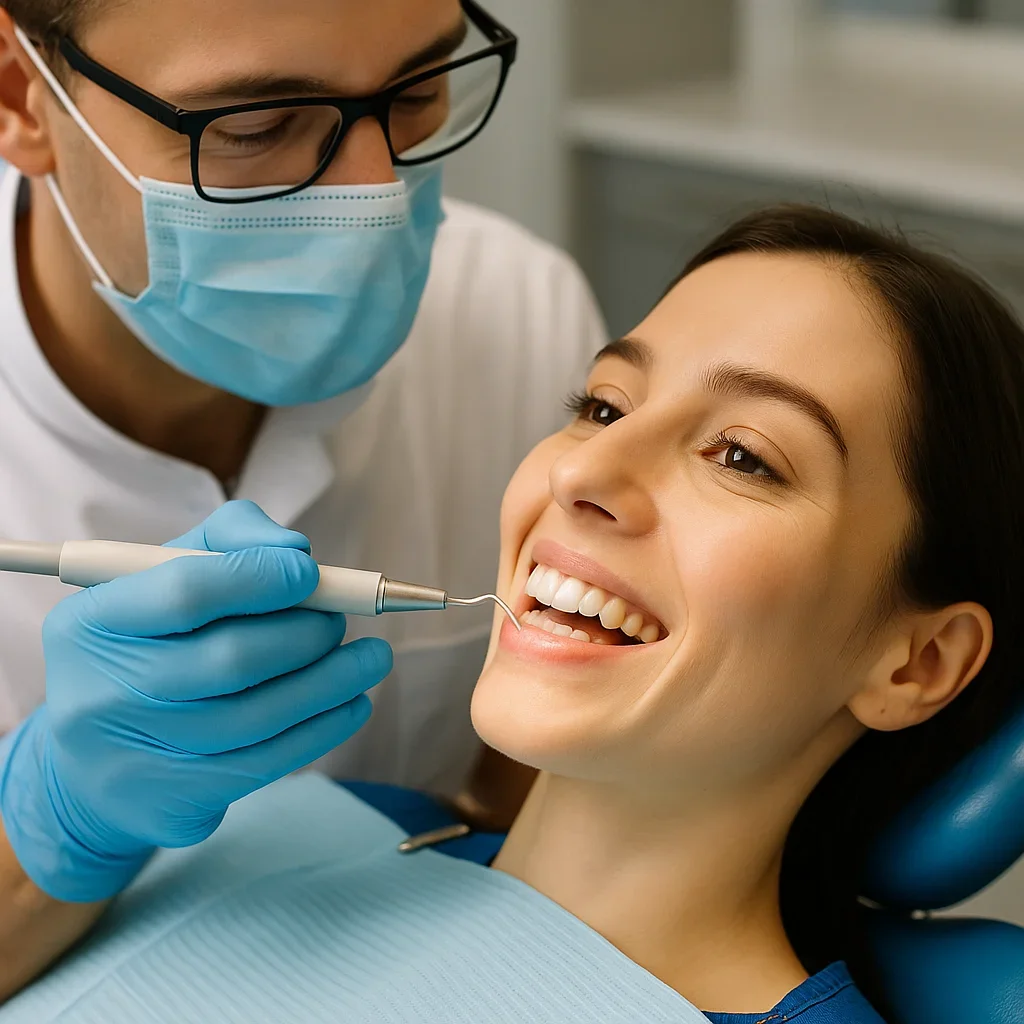
Tips to Extend the Effects of Your Dentist Teeth Cleaning
Getting a professional dentist teeth cleaning is a fantastic way to refresh your smile, but the real magic lies in how well you maintain that cleanliness between visits. By taking the right steps at home, you can extend the benefits of your cleaning, prevent plaque buildup, and keep your gums healthy until your next appointment. 🪥✨
1. Brush Twice Daily with the Right Technique
Brushing your teeth at least twice a day is the foundation of oral hygiene. But it’s not just about brushing—it’s about doing it correctly. Use a soft-bristled toothbrush and fluoride toothpaste, and brush for at least two minutes. Angle the brush at 45 degrees toward your gumline and use gentle, circular motions.
Good brushing habits support the work done during your dentist teeth cleaning, preventing plaque from returning too quickly. Don’t forget to replace your toothbrush every 3–4 months or sooner if the bristles are frayed. 🪒
2. Don’t Skip Daily Flossing
Flossing reaches the areas your toothbrush can’t—between teeth and under the gumline. These are the prime zones for plaque accumulation, which can quickly undo the effects of your recent dentist teeth cleaning. Daily flossing removes hidden food particles and disrupts bacterial colonies that lead to cavities and gum disease.
If traditional string floss is uncomfortable, consider alternatives like water flossers or interdental brushes. The key is consistency. 🧵💧
3. Rinse with an Antibacterial Mouthwash
Adding an antibacterial or fluoride mouthwash to your routine can offer extra protection by reducing oral bacteria and strengthening enamel. Use it after brushing and flossing to reach areas you might have missed. Look for ADA-approved rinses and follow the instructions carefully—don’t rinse with water immediately afterward, as it can wash away the benefits. 🌀
Regular rinsing helps prolong the cleanliness achieved through dentist teeth cleaning and gives you fresher breath throughout the day. 😮💨
4. Limit Sugary and Acidic Foods
Frequent consumption of sugary snacks and acidic drinks (like soda, energy drinks, and citrus juices) can erode enamel and feed harmful bacteria. If you indulge, try to rinse your mouth with water afterward and avoid brushing for at least 30 minutes (to protect softened enamel).
Reducing these foods helps maintain the polished surfaces created during your dentist teeth cleaning and reduces the risk of decay. 🍭🥤
5. Stay Hydrated with Water
Drinking water throughout the day helps rinse away food particles, neutralize acids, and stimulate saliva production—all of which protect your teeth. Especially after meals, water acts as a natural cleanser. 💧
Hydration is a simple yet powerful way to maintain the cleanliness and freshness from your dentist teeth cleaning.
6. Avoid Smoking and Tobacco Products
Tobacco use is one of the fastest ways to stain teeth and compromise gum health. Smoking not only leads to discoloration, but it also reduces blood flow to the gums, making it harder for your body to heal and fight infection. 🚬
If you’ve invested in a dentist teeth cleaning, continuing to smoke can quickly undo the benefits. Quitting will not only protect your smile but significantly improve your overall health.
7. Use a Tongue Scraper Daily
The tongue harbors bacteria that can contribute to bad breath and reinfection of the teeth and gums. Using a tongue scraper once a day removes buildup and helps keep your mouth fresh. It’s a quick, inexpensive habit that supports the cleanliness achieved by dentist teeth cleaning.
You can also gently brush your tongue with a toothbrush if you don’t have a scraper. 👅
8. Chew Sugar-Free Gum Between Meals
Chewing sugar-free gum, especially gum with xylitol, can increase saliva flow and help wash away food particles. It’s a useful tool when brushing isn’t possible—like after lunch at work or while traveling. 🚌
This small habit can help extend the effects of dentist teeth cleaning by keeping your mouth cleaner and fresher throughout the day.
9. Eat Crunchy, High-Fiber Fruits and Veggies
Crunchy produce like apples, carrots, and celery act as natural toothbrushes, gently scrubbing your teeth as you chew. They also stimulate saliva production and provide essential nutrients for gum health. 🥕🍏
Including these foods in your diet supports oral health between dentist teeth cleaning appointments and can help prevent plaque buildup.
10. Don’t Miss Your Next Appointment
The most important way to preserve the results of your dentist teeth cleaning is to return regularly. Mark your calendar, set a reminder, and make your dental care a routine. Staying consistent ensures minor issues are caught early and keeps your oral health on the right track. 📆✅
Need Personalized Oral Hygiene Advice?
At Redent Klinik, we don’t just clean your teeth—we empower you with the tools and knowledge to keep them clean long after you leave the chair. Contact us for customized advice, product recommendations, and your next dentist teeth cleaning appointment. Your smile deserves it. 😁🦷
Next, let’s explore how to find the right dental clinic for dentist teeth cleaning near you and what to look for in a high-quality provider. 🏥