
If you are searching for a dentist that cleans teeth, you are likely looking for someone who does more than simply remove plaque — you want a professional who helps protect long-term oral health, prevents dental diseases, and keeps your smile bright 😊. In this comprehensive guide, you will learn exactly what a cleaning appointment involves, why it matters, and how choosing the right dental professional can dramatically improve your overall wellness. Many people underestimate the value of routine cleanings, but modern dentistry has advanced to a level where prevention is far more effective than treatment.
A dentist that cleans teeth performs far more than a basic polishing session. Dental cleanings today incorporate preventive diagnostic evaluations, gum health assessments, and early detection methods that help stop issues before they become painful or expensive. The goal is not only to clean the surface of your teeth, but also to protect enamel, maintain gum stability, and reduce the bacteria that contribute to tooth decay, bad breath, and periodontal disease. These visits are essential even for individuals who brush and floss diligently at home. Your toothbrush simply cannot remove hardened tartar or reach deep gum pockets as effectively as a qualified dental professional.
People often wonder how often they should see a dentist that cleans teeth. While the standard recommendation is every six months, some patients benefit from more frequent visits — especially those with a history of gum inflammation, sensitive teeth, orthodontic appliances, or lifestyle factors that increase plaque accumulation. For example, coffee lovers, smokers, tea drinkers, and those consuming acidic foods may experience staining or enamel erosion faster than average. Regular cleanings reduce these risks and help preserve both cosmetic and functional aspects of your smile 😁.
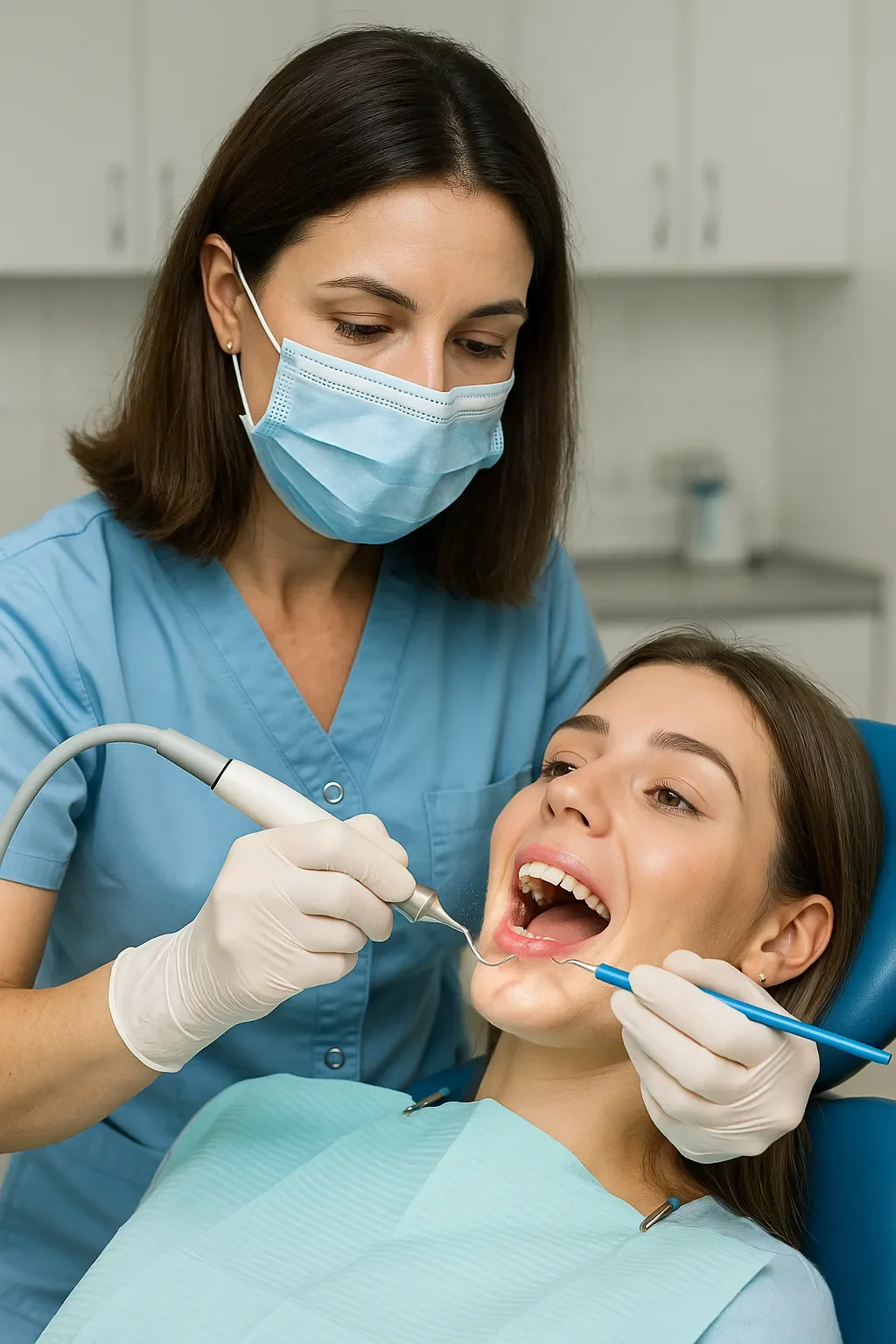
During a professional cleaning session, a dentist that cleans teeth or a trained hygienist performs a series of steps designed to give you a healthier oral environment. These include scaling to remove tartar, polishing to smooth enamel, flossing to clear interdental debris, and fluoride application when needed. Some clinics also utilize advanced ultrasonic scalers, digital imaging systems, and magnification tools to detect early-stage gum issues or micro-fractures. These techniques ensure that your teeth are not just superficially cleaned but thoroughly protected against disease. Many patients report that their mouth feels lighter, fresher, and noticeably cleaner after the session.
If you are unsure whether you need an appointment, look for symptoms such as bleeding gums, persistent bad breath, visible tartar deposits, or tooth sensitivity. These signs indicate bacteria buildup beneath the gumline and should not be ignored. A dentist that cleans teeth can identify these issues early and guide you toward improved oral habits, dietary adjustments, and professional treatments that protect long-term dental health. Visiting a skilled professional consistently is also key to maintaining strong enamel, balanced oral pH, and stable gum tissue.
Modern clinics, including internationally recognized centers such as the American Dental Association, emphasize the importance of preventive care because it significantly reduces the need for fillings, extractions, and complex procedures. If you wish to schedule a cleaning or ask questions, you can reach out through the Redent Klinik Contact Page, where specialists can provide personalized guidance based on your dental history. These consultations ensure that you receive the appropriate cleaning type — whether routine maintenance or a deeper cleaning session for early gum disease.
In addition to clinical care, a dentist that cleans teeth offers tailored advice on improving your brushing technique, choosing the right toothbrush, selecting enamel-safe toothpaste, and using mouthwash effectively. They can also teach you preventive strategies that limit bacterial growth and protect your gums every day. The more informed you are, the better equipped you become to maintain excellent oral health between appointments.
By the end of this guide, you will understand why scheduling regular visits with a dentist that cleans teeth is one of the most beneficial decisions for your long-term health. Cleanings are not cosmetic luxuries — they are essential preventive measures that safeguard your smile from the inside out. 🌿
What a Dentist That Cleans Teeth Actually Does During a Professional Cleaning
A dentist that cleans teeth performs one of the most essential procedures in preventive dentistry: the professional dental cleaning. Although many patients believe these visits simply involve polishing the teeth, the process is far more advanced, detailed, and clinically significant. A modern dental cleaning is a multi-step protocol designed to remove plaque, eliminate tartar, assess gum health, prevent long-term damage, and improve the overall condition of your mouth. Understanding each part of the procedure helps patients feel more confident, informed, and proactive about their oral health. This section breaks down everything that happens during a visit, including specialized tools, diagnostic steps, and comfort techniques used by a dentist that cleans teeth.
Initial Examination and Oral Evaluation
Before any cleaning begins, a dentist that cleans teeth starts with a thorough oral evaluation. This includes inspecting the gums, enamel, tongue, and soft tissues for signs of inflammation, cavities, or structural concerns. The dentist may use a small mirror, probe, or intraoral camera to detect early-stage gum disease, enamel erosion, or plaque accumulation in hard-to-reach areas. For many patients, this evaluation reveals problems long before pain or symptoms develop, which is why routine cleanings are vital for long-term health. The goal is prevention: identifying small issues before they transform into costlier and more serious conditions.
Gum Pocket Measurements
One of the most important steps taken by a dentist that cleans teeth is checking gum pocket depth. Healthy gum pockets are generally small and shallow. When plaque hardens into tartar, it irritates the gumline and causes periodontal pockets to deepen. Measuring these spaces helps determine whether a patient requires routine cleaning or more advanced periodontal therapy. It also establishes a baseline for tracking gum health over time.
Scaling: Removing Plaque and Tartar
Scaling is the phase where a dentist that cleans teeth removes hardened tartar (also called calculus). Tartar cannot be removed by brushing or flossing at home; only professional instruments are effective. Dentists may use manual scalers, ultrasonic devices, or a combination of both. Ultrasonic scalers use high-frequency vibrations and a gentle mist of water to break apart mineralized deposits without harming enamel. This step is crucial because tartar is the driving factor behind gum disease, chronic bad breath, and infections.
Why Scaling Matters
Scaling performed by a dentist that cleans teeth eliminates bacterial colonies growing beneath the gumline. If left untreated, these bacteria can damage gum tissue and even the bone supporting the teeth. Professional intervention stops the progression of periodontal disease, helping patients maintain healthy gums and strong foundations for their teeth.
Polishing and Surface Smoothing
After tartar removal, the dentist polishes the enamel surfaces. This step uses a rotary brush with a slightly abrasive paste to remove superficial stains and smooth micro-grooves created by plaque buildup. A dentist that cleans teeth uses polishing to make the enamel less prone to plaque accumulation in the future. The smoother the surface, the harder it is for bacteria to cling. Many patients enjoy immediate cosmetic improvements after this step, noticing brighter and cleaner smiles.
Flossing, Rinsing, and Final Checks
A complete cleaning done by a dentist that cleans teeth includes professional flossing to ensure that no debris remains between teeth. The dentist or hygienist may also perform a final rinse to remove any remaining paste or particles. A concluding inspection ensures that all plaque and tartar have been successfully removed, and the gums are stable. If areas of concern are detected, the dentist provides tailored recommendations, such as improved home care techniques or earlier follow-up appointments.
Fluoride Application (When Needed)
Some patients benefit from fluoride treatment after a cleaning. A dentist that cleans teeth may apply fluoride gel or varnish to strengthen enamel and reduce sensitivity. This protective layer helps shield teeth from acids, sugars, and bacteria that cause decay. It is especially useful for patients with weakened enamel, orthodontic appliances, or high decay risk.
Professional Guidance and Personalized Advice
An essential aspect of visiting a dentist that cleans teeth is receiving expert guidance on home care habits. This may include brushing techniques, flossing methods, toothpaste recommendations, tongue cleaning instructions, and lifestyle modifications that promote healthier teeth and gums. Many dentists also educate patients about how diet, stress, smoking, and hydration influence oral well-being.
A professional cleaning is not just a cosmetic procedure — it is a medically significant step toward lifelong health. To ask questions or book your next cleaning appointment, you may visit the Redent Klinik Contact Page. For general guidelines and dental standards, the American Dental Association offers valuable resources that support safe and effective dental care.
Benefits of Visiting a Dentist That Cleans Teeth Regularly
Seeing a dentist that cleans teeth regularly provides far-reaching advantages that extend far beyond a brighter smile. Many people mistakenly believe that dental cleanings are optional or cosmetic, but modern preventive dentistry proves otherwise. Professional cleanings are essential medical procedures that support gum health, reduce disease risk, improve breath freshness, protect enamel, and even contribute to overall systemic well-being. Routine dental visits allow early detection of problems before they become painful or expensive, making them an irreplaceable part of long-term health care. In this section, you will discover exactly why consistent appointments with a dentist that cleans teeth are one of the smartest investments you can make in your health.
Improved Gum Health and Reduced Inflammation
One of the most significant benefits of visiting a dentist that cleans teeth is the dramatic improvement in gum health. Gum inflammation — often experienced as swelling, bleeding, or tenderness — is an early warning sign of gum disease. Professional cleanings remove plaque and tartar that irritate gum tissue, instantly reducing inflammation and preventing the condition from progressing into periodontitis. Without routine cleanings, bacteria can spread deeper below the gumline, eventually damaging bone and causing tooth loss. Regular dental visits act as a protective shield, ensuring your gums remain strong, healthy, and infection-free.
Preventing Periodontitis
When gum inflammation is ignored, it can lead to periodontitis: a serious condition where bacteria destroy both soft tissue and bone. A dentist that cleans teeth prevents this progression by removing tartar — the primary trigger behind gum disease. Patients who commit to scheduled cleanings experience fewer complications, reduced discomfort, and significantly lower long-term treatment costs.
Protection Against Cavities and Enamel Damage
Another major advantage of visiting a dentist that cleans teeth is cavity prevention. Even the most disciplined brushing routine cannot fully remove plaque from tight spaces or deep grooves. Over time, plaque hardens into tartar and begins eroding enamel. Once enamel weakens, cavities form, creating pathways for infection and sensitivity. However, routine cleanings stop this cycle by eliminating plaque before it becomes damaging. Additionally, many dentists apply fluoride during cleanings to strengthen enamel and make it more resistant to acids and sugars.
Enamel Preservation Techniques
A skilled dentist that cleans teeth uses specialized polishing and scaling methods that remove harmful buildup without scratching or weakening enamel. This expertise ensures long-term tooth protection, contributing to a healthier, more durable smile. With proper maintenance, enamel can remain strong for decades.
Fresher Breath and Bacterial Control
Chronic bad breath often originates from bacterial accumulation in the mouth. A dentist that cleans teeth targets these bacterial colonies during professional cleanings, eliminating the root cause of odor rather than masking it. When plaque and tartar are removed, the number of odor-producing bacteria drops drastically. Patients frequently report long-lasting breath freshness following routine appointments. Additionally, dentists offer personalized advice on cleaning the tongue, choosing effective mouthwash, and identifying dietary triggers that contribute to unpleasant breath.
Early Detection of Dental and Medical Problems
One of the most powerful advantages of visiting a dentist that cleans teeth is early detection. Dental professionals can spot signs of cavities, gum disease, infection, loose fillings, enamel cracks, oral cancer, and even conditions linked to systemic diseases such as diabetes. Many health issues first present symptoms in the mouth, making the dentist an essential part of early diagnosis. Detecting concerns early ensures treatment is simpler, less invasive, and more affordable.
Oral Cancer Screening
During routine visits, a dentist that cleans teeth examines the lips, tongue, throat, and oral tissues for abnormalities. Early detection significantly increases the success rate of treatment. Patients who skip cleanings may unknowingly delay diagnosis, which can lead to more advanced medical complications.
Brighter, More Attractive Smiles
Cosmetic improvements are an added bonus of regularly seeing a dentist that cleans teeth. Over time, food, beverages, and habits like smoking create surface stains that dull the appearance of teeth. Professional polishing removes discoloration and smooths the enamel, giving your smile a naturally brighter look. While whitening treatments offer further enhancement, routine cleanings alone can noticeably improve your smile’s radiance.
Financial Savings Through Prevention
Preventive care is significantly more affordable than restorative dentistry. Visiting a dentist that cleans teeth twice a year can help you avoid costly procedures like root canals, crowns, extractions, and periodontal surgeries. Detecting early issues reduces long-term expenses, making cleanings a financially smart decision. This is why major dental organizations, including the American Dental Association, strongly recommend routine preventive visits for all individuals.
If you want to schedule your next cleaning or need personalized advice, you can visit the Redent Klinik Contact Page. Taking this step ensures you stay proactive, informed, and protected — exactly what a trusted dentist that cleans teeth aims to achieve for every patient.
Signs You Need to See a Dentist That Cleans Teeth Soon
Recognizing when it is time to visit a dentist that cleans teeth can save you from discomfort, long-term dental complications, and costly treatments. Many early symptoms of oral problems are subtle, painless, or easy to overlook, yet they often indicate that plaque, tartar, or bacteria are beginning to affect your gums and teeth. The sooner you respond to these warning signs, the easier it is for a professional to restore balance and prevent disease progression. In this detailed section, you will learn how your body signals that something is wrong, why these symptoms matter, and how a dentist that cleans teeth can intervene before minor issues turn into serious dental concerns.
Bleeding Gums During Brushing or Flossing
One of the earliest and most common signs that you need a dentist that cleans teeth is bleeding gums. Many people mistakenly believe this is normal, but healthy gums do not bleed during daily oral hygiene. Bleeding is a sign of inflammation caused by plaque buildup, and it indicates the early stages of gingivitis. When plaque remains undisturbed, it hardens into tartar, irritating the gumline and triggering infection. With timely intervention, a dentist can remove the buildup and restore gum health before more advanced disease develops.
Why Ignoring Bleeding Gums Is Dangerous
Failing to address bleeding gums can lead to deep periodontal pockets, gum recession, and eventual tooth mobility. A dentist that cleans teeth removes the irritants responsible for inflammation, allowing the gums to heal naturally. Early treatment prevents irreversible tissue damage and protects the bone structure supporting your teeth.
Persistent Bad Breath That Doesn’t Go Away
Chronic bad breath, also known as halitosis, is a strong indicator that you need to see a dentist that cleans teeth. Although temporary bad breath after eating garlic or onions is normal, persistent odor signals an overgrowth of bacteria. These bacteria thrive in tartar deposits, gum pockets, and areas your toothbrush cannot reach. A professional cleaning disrupts bacterial colonies, refreshing your breath and reducing future odor formation.
When Bad Breath Points to a Larger Issue
In some cases, bad breath accompanies gum disease or infection. A dentist that cleans teeth can assess whether deeper dental problems exist and provide targeted treatment, such as scaling, root planing, or antibacterial rinses. Addressing the root cause rather than masking symptoms is the key to lasting freshness.
Visible Tartar Buildup or Stains
If you notice yellow or brown deposits near the gumline, it is time to visit a dentist that cleans teeth. Tartar cannot be removed by brushing and continues to accumulate the longer it remains. These deposits contribute to gum inflammation, enamel damage, and persistent discoloration. Professional tools safely break down and remove tartar without harming enamel, restoring a cleaner and healthier appearance.
Understanding the Risks of Tartar
Tartar buildup creates a rough surface that attracts even more bacteria. A dentist that cleans teeth can stop this cycle by fully cleaning the teeth and advising you on how to prevent future buildup through improved home care habits.
Increased Tooth Sensitivity
Tooth sensitivity—especially to hot, cold, or sweet foods—can indicate gum recession, enamel thinning, or early decay. A dentist that cleans teeth evaluates whether plaque and tartar are contributing to exposed nerve areas or weakened enamel. Early detection helps prevent cavities and protects the structural integrity of your teeth.
Causes of New Sensitivity
Sensitivity may result from brushing too aggressively, acidic diets, untreated gum disease, or receding gums. A dentist that cleans teeth can provide fluoride treatments, enamel-strengthening strategies, and professional advice tailored to your condition.
Gum Recession or Teeth Appearing “Longer”
If your teeth look longer than before, recession is likely occurring. This is a sign that you should see a dentist that cleans teeth immediately. Recession exposes the tooth roots, which are more vulnerable to decay and sensitivity. It can also indicate moderate to advanced gum disease.
Why Recession Should Never Be Ignored
Once gum tissue recedes, it does not grow back naturally. However, early action by a dentist that cleans teeth can halt the process and prevent further loss. Treatment may include deep cleaning, lifestyle changes, or gum therapy.
Loose Teeth or Changes in Bite Alignment
Movement in the position of your teeth is a serious warning sign, often associated with advanced gum disease. A dentist that cleans teeth evaluates the stability of your teeth and identifies whether infection is affecting the bone structure. Professional cleaning, periodontal therapy, or further interventions may be necessary.
Regular Checkups Help Prevent Serious Issues
Even if you experience none of the above symptoms, routine checkups with a dentist that cleans teeth ensure early detection of hidden problems. Many oral conditions develop slowly, and only a trained professional can spot the initial signs. Staying proactive protects both your oral and general health.
For personalized guidance or to schedule an appointment, visit the Redent Klinik Contact Page. If you want to explore best-practice standards in dental care, refer to the American Dental Association. Taking timely action helps ensure that your teeth, gums, and smile remain healthy, strong, and vibrant.
How to Choose the Right Dentist That Cleans Teeth for Your Needs
Selecting the right dentist that cleans teeth is one of the most important decisions you can make for your long-term oral health. Not all dental professionals offer the same level of expertise, comfort, technology, or preventive focus. A well-chosen dentist not only keeps your teeth clean but also helps protect your gums, prevent disease, and guide you through maintaining strong dental habits. Because dental cleanings are essential medical procedures—not just cosmetic appointments—it is crucial to choose a professional who understands your needs, communicates clearly, and provides high-quality care. In this section, you will learn the key criteria that help you identify the best dentist that cleans teeth for your personal situation.
Check the Dentist’s Qualifications and Professional Background
A high-quality dentist that cleans teeth should have strong formal education, relevant certifications, and ongoing professional development. Dentistry evolves rapidly with new technologies, updated treatment standards, and advanced preventive methods. Professionals who prioritize continuous education can provide cleaner, safer, and more effective procedures. Reviewing credentials also helps you confirm that your dentist adheres to international standards and evidence-based practices. This ensures that every cleaning is performed with precision and medical accuracy.
Membership in Recognized Dental Associations
Membership in reputable organizations such as the American Dental Association often indicates that a dentist that cleans teeth follows strict clinical guidelines. These associations require adherence to ethical standards, hygiene protocols, and patient care quality. Choosing a dentist who belongs to these organizations increases the likelihood of receiving top-tier preventive care during your cleanings.
Evaluate the Clinic’s Technology and Hygiene Standards
The tools and technology used by a dentist that cleans teeth significantly influence the quality of your cleaning. Modern dental clinics use ultrasonic scalers, magnification systems, digital X-rays, LED visualization tools, and advanced sterilization units. These tools allow for deeper cleaning, safer diagnostics, and more comfortable experiences. Cleanliness is equally important. A professional clinic maintains strict hygiene practices, including the sterilization of instruments and the use of disposable protective materials to ensure patient safety.
Technology That Enhances Cleaning Precision
Dentists equipped with high-frequency ultrasonic scalers can remove tartar more effectively and comfortably than those relying solely on manual tools. Selecting a dentist that cleans teeth with modern equipment means higher accuracy, lower discomfort, and better protection for your enamel and gums.
Look for Clear Communication and Patient-Centered Care
Professionalism is essential, but so is communication. A knowledgeable dentist that cleans teeth should be able to explain procedures clearly, answer questions patiently, and discuss any concerns you have about gum health, tartar buildup, or sensitivity. A dentist who listens and provides tailored advice helps you feel more comfortable and informed. They should also guide you on daily oral hygiene, nutrition, and preventive steps that support long-lasting dental health.
The Importance of Personalized Treatment Plans
A good dentist that cleans teeth does not take a one-size-fits-all approach. Instead, they evaluate your gum condition, enamel strength, tartar levels, and lifestyle factors to create a personalized cleaning plan. This ensures that each session meets your specific needs—whether it’s routine cleaning or more advanced gum treatment.
Read Reviews and Ask for Recommendations
Online reviews, testimonials, and personal recommendations provide valuable insights into how a dentist that cleans teeth treats their patients. Consistently positive feedback indicates high patient satisfaction, gentle techniques, and effective cleanings. Pay attention to comments about bedside manner, cleanliness, pain management, and appointment punctuality. These factors influence your comfort and trust during every visit.
Why Patient Experiences Matter
Your dental cleaning should feel thorough but comfortable. Reviews can highlight whether a dentist that cleans teeth is gentle, informative, and attentive during the procedure. If many patients report feeling more confident and satisfied after their cleaning, this is a positive sign of professional quality.
Consider Convenience, Location, and Appointment Availability
A reliable dentist that cleans teeth should offer convenient scheduling options, reasonable appointment availability, and a clinic location that suits your routine. Regular cleanings require consistency; therefore, choosing a clinic that makes it easy to keep appointments encourages better long-term health. Flexible scheduling is especially important for patients with busy lifestyles or those requiring more frequent visits due to higher oral health risk.
Schedule a Consultation Before Committing
Before choosing a long-term dentist that cleans teeth, consider booking an initial consultation. This allows you to observe the clinic, meet the staff, ask questions, and determine if you feel comfortable with the environment. During this visit, you can also evaluate the dentist’s approach to preventive care and assess whether they demonstrate thoroughness and professionalism.
If you want to take the next step toward selecting a trusted professional, you can contact the clinic directly through the Redent Klinik Contact Page. By choosing the right dentist that cleans teeth, you ensure long-term oral health, professional care, and a brighter, healthier smile for years to come.
What to Expect at Your First Appointment With a Dentist That Cleans Teeth
Visiting a dentist that cleans teeth for the first time can feel intimidating if you are unsure what the appointment includes. Fortunately, modern dental cleanings are structured, predictable, and designed to keep you comfortable while ensuring your oral health is thoroughly evaluated. A professional cleaning is more than a simple polish—it is a comprehensive medical assessment combined with a preventive cleaning protocol. Understanding each step of the visit helps you feel prepared, relaxed, and confident in the care you are receiving. In this detailed guide, you will learn exactly what happens during your first cleaning appointment, the tools used, and how a dentist that cleans teeth assesses your oral health from multiple perspectives.
Warm Welcome, Medical History Check, and Initial Consultation
Every first appointment begins with a brief consultation. The dentist that cleans teeth or a dental assistant will ask questions about your medical history, daily oral habits, medications, previous dental treatments, and any symptoms you are experiencing. This information is essential because systemic conditions such as diabetes, hormonal changes, or immune issues can affect gum health. The dentist may also ask about lifestyle factors such as smoking, caffeine consumption, and stress levels, as these directly influence plaque buildup and oral bacteria. Clear communication at this stage ensures your cleaning is tailored to your needs.
Discussing Your Dental Concerns
Patients often have concerns such as sensitivity, bleeding gums, staining, or persistent bad breath. Sharing these issues allows a dentist that cleans teeth to focus extra attention on problem areas during the cleaning. This early conversation also builds trust and reduces anxiety by helping you understand what will happen throughout the session.
Oral Examination and Diagnostic Evaluation
Next, the dentist that cleans teeth performs a thorough oral exam. This involves checking the gums, teeth, tongue, throat, and mouth tissues for signs of inflammation, decay, infection, or abnormalities. Some clinics use intraoral cameras, allowing you to see exactly what the dentist observes on a digital monitor—a helpful educational tool for improving home care. X-rays may also be taken during a first appointment, especially if it has been more than a year since your last set. These images give the dentist insight into bone health, hidden cavities, and tooth alignment.
Gum Pocket Measurement
A dentist that cleans teeth measures gum pockets using a small periodontal probe. Healthy pockets are shallow, while deeper pockets indicate gum disease or tartar accumulation below the gumline. Measurements help determine whether you need a routine cleaning or deep cleaning. Tracking these numbers over time also helps the dentist evaluate how well your gums respond to care.
The Scaling Process: Removing Plaque and Tartar
After diagnostics, the cleaning phase begins with scaling. A dentist that cleans teeth uses ultrasonic devices or manual scalers to remove plaque and hardened tartar from tooth surfaces and gumline areas. Ultrasonic scalers gently vibrate at high frequency, breaking away deposits while using a cool water spray to flush bacteria. This step may produce slight pressure sensations but is not typically painful. Removing tartar is crucial because it harbors bacteria that cause gum disease, bad breath, and enamel damage.
Why Scaling Is Important
Tartar cannot be removed at home. Only a professional dentist that cleans teeth has the tools and training to safely eliminate it. Once scaling is complete, the gums are healthier, breath is fresher, and the risk of dental disease decreases significantly.
Polishing and Surface Smoothing
Once scaling is finished, polishing begins. The dentist that cleans teeth uses a soft rubber cup with a polishing paste to smooth the enamel and remove surface stains from coffee, tea, tobacco, or wine. Polished enamel is smoother, making it harder for new plaque to stick. Patients often notice an immediate improvement in the brightness and cleanliness of their smile after this step.
Enjoying a Fresh, Smooth Finish
The polishing paste has a mild abrasive that safely buffs the enamel. A skilled dentist that cleans teeth ensures the process is gentle but effective. Polishing is one of the most satisfying parts of the cleaning because it provides instant cosmetic enhancement.
Professional Flossing and Final Rinse
After polishing, the dentist performs professional flossing. This removes debris from between the teeth and ensures no tartar or paste remains. A dentist that cleans teeth checks for any areas of bleeding, which may indicate where you need to improve your flossing technique. A final rinse washes away particles, leaving your mouth refreshed.
Fluoride Treatment (When Required)
Some patients receive a fluoride varnish or gel application to strengthen enamel and reduce sensitivity. A dentist that cleans teeth determines whether fluoride is necessary based on enamel condition, diet, and cavity risk. The treatment provides a protective shield that helps prevent future decay.
Post-Cleaning Recommendations and Follow-Up Scheduling
At the end of the appointment, the dentist that cleans teeth reviews your results and provides tailored advice. This may include brushing methods, flossing tips, mouthwash suggestions, dietary changes, or scheduling deeper cleaning if needed. If issues such as gum inflammation or enamel wear are detected, the dentist may suggest returning more frequently than the standard six-month interval.
To ask questions or schedule your cleaning, you can visit the Redent Klinik Contact Page. For official dental standards and professional guidelines, the American Dental Association is a trusted resource. Your first visit with a dentist that cleans teeth marks a powerful step toward better oral health and long-term wellness.
Tools and Techniques Used by a Dentist That Cleans Teeth Today
A modern dentist that cleans teeth relies on a combination of advanced tools, precision techniques, and preventive-focused technologies to deliver effective, comfortable, and safe dental cleanings. Today’s dentistry is far more advanced than it was even a decade ago—thanks to innovations that allow deeper plaque removal, improved gum assessments, early detection of disease, and enhanced patient comfort. This detailed section explains the most important tools and techniques used during a cleaning appointment, why each matters, and how these innovations ensure you receive the highest standard of oral care. Whether you are preparing for your first cleaning or simply curious about what happens behind the scenes, understanding these tools helps you appreciate the expertise of a dentist that cleans teeth.
Ultrasonic Scalers: High-Frequency Cleaning Power
One of the most frequently used instruments by a dentist that cleans teeth is the ultrasonic scaler. Unlike manual tools, ultrasonic devices use high-frequency vibrations to break down hardened tartar (calculus) quickly and effectively. The handpiece emits gentle vibrations that loosen deposits while a fine water spray flushes away debris and bacteria. This combination provides a deeper cleaning experience with less physical scraping, reducing discomfort for patients with sensitive gums or heavy tartar buildup.
Key Benefits of Ultrasonic Scaling
Ultrasonic scalers offer several advantages:
– Faster and more efficient tartar removal
– Less pressure compared to manual scraping
– Ability to reach deep periodontal pockets
– Effective elimination of bacterial colonies
A dentist that cleans teeth often uses both ultrasonic and manual tools together to achieve the best possible results.
Manual Hand Scalers and Curettes for Precision Work
While technology enhances efficiency, traditional manual instruments remain indispensable. A dentist that cleans teeth uses fine-tipped hand scalers and curettes to carefully clean areas that ultrasonic tools may not access as precisely, such as tight contact points or delicate gumline areas. These tools allow the dentist to gently lift away deposits, handle small crevices, and sculpt a smooth enamel surface. Their use requires skill and experience, making them essential for thorough cleanings.
Why Manual Tools Are Still Necessary
Manual instruments provide tactile feedback, allowing a dentist that cleans teeth to feel the texture of tartar and determine when a tooth surface is completely clean. This ensures no deposits remain that could irritate gums or attract new bacteria.
Polishing Handpieces and Prophy Paste
After scaling, polishing tools enhance both the aesthetics and health of your smile. Using a rotary handpiece with a rubber cup and prophy paste, a dentist that cleans teeth polishes the enamel to remove surface stains caused by coffee, tea, wine, and tobacco. Polishing also smooths microscopic grooves created by plaque, making the enamel more resistant to future buildup.
Different Types of Polishing Pastes
Prophy pastes vary in abrasiveness. A skilled dentist that cleans teeth chooses the correct paste based on enamel sensitivity, stain severity, and patient needs. This ensures effective polishing without causing enamel damage.
Dental Probes and Periodontal Measurement Tools
During cleanings, gum health is closely evaluated using periodontal probes—thin, calibrated instruments used to measure the depth of gum pockets. A dentist that cleans teeth uses these measurements to detect early signs of gum disease, track progression, and determine whether deep cleaning is necessary.
Why Gum Pocket Measurements Are Essential
Shallow pockets generally indicate healthy gums, while deeper readings signal inflammation or infection. With these measurements, a dentist that cleans teeth can intervene early and prevent further gum deterioration.
Intraoral Cameras for Real-Time Visualization
Intraoral cameras allow patients to see detailed images of their teeth and gums on a screen. A dentist that cleans teeth uses this tool to highlight plaque buildup, recession, cracks, or early decay. This visual aid improves communication and helps patients understand the importance of keeping up with professional cleanings.
Digital X-Rays and Diagnostic Imaging
Although X-rays are not taken at every cleaning, they are essential tools for identifying hidden problems such as bone loss, deep decay, impacted teeth, and root issues. A dentist that cleans teeth may request updated X-rays during your visit if needed for diagnosis. Modern digital X-rays use very low radiation levels and provide immediate, high-resolution images.
Benefits of Digital Imaging
Digital imaging helps a dentist that cleans teeth detect issues that cannot be seen during a visual examination. Early diagnosis leads to simpler, more effective treatments and better long-term outcomes.
Fluoride Application Tools
Depending on your oral health needs, the dentist may apply fluoride varnish or gel using small brushes or syringes designed for precision. A dentist that cleans teeth uses fluoride to strengthen enamel and reduce sensitivity after polishing.
Advanced Sterilization Equipment
To ensure patient safety, all instruments used by a dentist that cleans teeth undergo strict sterilization using autoclave machines, ultrasonic baths, and sealed packaging. Sterilization protocols prevent contamination and ensure every tool meets medical-grade hygiene standards.
If you want guidance on which type of cleaning tools or techniques are best for your oral needs, you can reach out through the Redent Klinik Contact Page. For scientific standards on dental equipment and procedures, the American Dental Association provides authoritative resources. Modern tools used by a dentist that cleans teeth help guarantee safe, effective, and comfortable cleanings every time.
Deep Cleaning vs. Routine Cleaning: Advice From a Dentist That Cleans Teeth
When visiting a dentist that cleans teeth, one of the most common questions patients ask is whether they need a routine cleaning or a deep cleaning. Although the two procedures may seem similar, they serve very different purposes and address unique oral health needs. Understanding the differences between these cleaning types helps you make informed decisions about your treatment and ensures that you receive the level of care most appropriate for your gum health, tartar buildup, and overall oral condition. In this comprehensive guide, you will learn how each cleaning works, the tools involved, what symptoms indicate that a deeper cleaning is necessary, and why professional advice from a dentist that cleans teeth is essential for long-term dental wellness.
What Is a Routine Dental Cleaning?
A routine dental cleaning, also called prophylaxis, is the standard cleaning that most people receive every six months. During this appointment, a dentist that cleans teeth removes plaque and tartar from the visible surfaces of the teeth and along the gumline. Routine cleanings help prevent gum disease, stop plaque before it becomes severe, and keep enamel polished and smooth. The procedure is painless and typically takes less time than deep cleaning.
Who Needs Routine Cleanings?
Routine cleanings are ideal for individuals with:
– Healthy gums
– Shallow gum pockets
– Minimal tartar buildup
– No signs of infection or inflammation
A dentist that cleans teeth will recommend routine cleanings when your gums are stable and your oral hygiene habits are effectively maintaining your oral health.
What Is a Deep Cleaning?
Deep cleaning, also known as scaling and root planing, is a more extensive procedure recommended when gum disease is present. A dentist that cleans teeth performs this treatment when plaque and tartar have accumulated below the gumline, causing periodontal pockets to form. These pockets trap bacteria, which irritate the gums and may lead to bone loss if left untreated. Deep cleaning removes bacteria from these hidden areas and smooths the tooth root surfaces to help gums reattach.
Why Deep Cleaning Is Necessary
Deep cleaning is not optional when gum disease exists. Without intervention, inflammation progresses, pockets deepen, and teeth eventually loosen. A dentist that cleans teeth uses specialized tools to access these deeper areas, stop bacterial overgrowth, and restore gum health. The procedure may require local anesthesia to ensure comfort.
Key Differences Between Routine and Deep Cleaning
Although both procedures aim to remove plaque and tartar, they differ significantly in depth, purpose, and technique. A dentist that cleans teeth determines which procedure is needed based on gum pocket measurements, tartar levels, and signs of infection. Here are the primary differences:
1. Area of Focus
– Routine Cleaning: Focuses on the visible surfaces of the teeth and gumline.
– Deep Cleaning: Targets areas below the gumline where tartar accumulates in periodontal pockets.
2. Tools and Methods
A routine cleaning may rely on ultrasonic scalers, polishing tools, and manual instruments.
A deep cleaning, on the other hand, involves additional root planing tools used by a dentist that cleans teeth to smooth root surfaces so bacteria cannot easily reattach.
3. Treatment Goals
– Routine Cleaning: Prevents disease, maintains oral health, and keeps the smile bright.
– Deep Cleaning: Treats gum disease, reduces inflammation, and helps regenerate gum attachment.
4. Frequency
Routine cleanings are recommended every six months.
Deep cleanings may be needed once or more depending on the severity of gum disease, and follow-up treatments may occur every three to four months.
Signs You Need a Deep Cleaning Instead of Routine Cleaning
A dentist that cleans teeth may recommend deep cleaning when the following symptoms appear:
– Chronic bad breath
– Bleeding gums
– Gum recession
– Loose teeth
– Visible tartar below the gumline
– Gum pockets deeper than 4 mm
These signs indicate that inflammation has begun to damage the surrounding tissues, making immediate treatment vital.
What to Expect During Each Procedure
Routine Cleaning Experience
During a routine appointment, scaling, polishing, and flossing are performed. A dentist that cleans teeth may also apply fluoride if needed. The process is comfortable and quick.
Deep Cleaning Experience
A deep cleaning appointment may be longer and can require anesthesia. The dentist that cleans teeth cleans below the gums, then smooths the roots using root planing. Some patients experience mild soreness afterward, but healing progresses quickly and significantly improves gum health.
How to Know Which Cleaning You Need
The best way to determine whether you need routine or deep cleaning is through a professional evaluation. A skilled dentist that cleans teeth measures gum pockets, checks tartar levels, and assesses gum inflammation to create a personalized treatment plan.
If you have questions or want to schedule a consultation, you can reach out through the Redent Klinik Contact Page. For professional guidance on periodontal care and dental standards, the American Dental Association is an excellent resource. With expert advice from a dentist that cleans teeth, you can confidently choose the right cleaning for your oral health needs.
Preventive Dental Care Tips Recommended by a Dentist That Cleans Teeth
A dentist that cleans teeth does far more than remove plaque and tartar during professional cleanings; they also play a crucial role in educating patients on preventive dental care. Prevention is the foundation of modern dentistry, and the daily habits you follow at home are just as important as the treatments you receive in the clinic. By adopting consistent preventive practices, you support gum health, protect enamel, reduce disease risk, and maintain a bright and confident smile. This comprehensive guide outlines the most important preventive strategies recommended by a dentist that cleans teeth, helping you safeguard your oral health throughout the year.
Brush Your Teeth Twice a Day With Proper Technique
Brushing removes plaque, food particles, and bacteria that accumulate throughout the day. A dentist that cleans teeth emphasizes not just brushing frequency but technique. Many people brush too aggressively or too quickly, which can cause gum recession and enamel wear. Instead, use gentle circular motions and focus on each tooth individually. Spend at least two minutes brushing—30 seconds in each quadrant—to ensure complete coverage. Soft-bristled toothbrushes are recommended because they clean effectively without damaging delicate gum tissue.
Choosing the Right Toothpaste
A dentist may recommend fluoride toothpaste to strengthen enamel and reduce sensitivity. Patients prone to tartar buildup may benefit from formulas designed for plaque control. Ask a dentist that cleans teeth which toothpaste best matches your oral health needs.
Floss Daily to Clean Areas Your Toothbrush Can’t Reach
Flossing removes plaque and food particles between the teeth, preventing tartar formation and gum inflammation. A dentist that cleans teeth stresses that flossing is essential for preventing gum disease because bacteria thrive in tight spaces where toothbrush bristles cannot reach. Proper flossing technique involves gently sliding the floss beneath the gumline and curving it against each tooth in a C-shape. Daily flossing significantly lowers the risk of bleeding gums, bad breath, and periodontal disease.
Alternatives for Difficult Flossers
If traditional string floss is uncomfortable, a dentist that cleans teeth may recommend water flossers or interdental brushes. These tools are especially helpful for patients with braces, bridges, or sensitive gums.
Use Mouthwash to Reduce Bacteria and Freshen Breath
Although mouthwash cannot replace brushing or flossing, it adds an extra layer of protection. A dentist that cleans teeth may recommend an antibacterial mouthwash to reduce bacterial growth, calm gum tissue, and freshen breath. Fluoride mouthwash strengthens enamel and helps prevent cavities. It’s important to choose a mouthwash suited to your needs rather than selecting one based solely on flavor.
When to Use Mouthwash
Use mouthwash after brushing and flossing, or between meals when brushing isn’t possible. A dentist that cleans teeth may also suggest avoiding alcohol-based rinses if you have dry mouth, as they can worsen dehydration.
Limit Sugary and Acidic Foods That Damage Enamel
Diet plays a significant role in oral health. Sugary foods feed bacteria that produce acids, while acidic foods directly erode enamel. A dentist that cleans teeth recommends limiting frequent snacking, energy drinks, fruit juices, and sticky sweets. If you do indulge, rinse your mouth with water afterward or chew sugar-free gum to stimulate saliva production—a natural defense against acid.
Healthy Alternatives for Better Oral Health
Replace sugary snacks with fresh fruits, vegetables, yogurt, and nuts. Drink plenty of water throughout the day to maintain hydration and support saliva function. A dentist that cleans teeth often advises adding calcium-rich foods such as cheese, almonds, and leafy greens to strengthen enamel.
Avoid Smoking and Tobacco Products
Tobacco is one of the leading causes of gum disease, tooth discoloration, and oral cancer. A dentist that cleans teeth explains that smoking restricts blood flow to the gums, delaying healing and increasing infection risk. Quitting smoking significantly improves oral and overall health, reduces inflammation, and enhances the success of dental treatments.
Stay Consistent With Professional Dental Cleanings
Even with excellent home care, plaque and tartar inevitably accumulate over time. That’s why regular visits to a dentist that cleans teeth are essential. Routine cleanings every six months allow professionals to remove tartar, monitor gum health, and detect early signs of dental problems. Patients with gum disease, orthodontic appliances, or high plaque accumulation may need more frequent cleanings.
Importance of Early Detection
A dentist that cleans teeth can detect decay, gum disease, enamel erosion, and other issues long before symptoms appear. Early treatment prevents complex procedures and preserves oral health long-term.
Maintain Hydration and Saliva Production
Saliva protects enamel, neutralizes acids, and washes away bacteria. A dentist that cleans teeth emphasizes staying hydrated throughout the day. Certain medications, alcohol consumption, stress, and medical conditions can cause dry mouth, increasing decay risk. Chewing sugar-free gum stimulates saliva flow and supports oral health.
Use Dental Tools That Support Preventive Care
Electric toothbrushes, tongue scrapers, interdental brushes, and water flossers offer additional cleaning power. A dentist that cleans teeth may recommend specific tools based on your gum health, alignment, or enamel sensitivity.
For personalized preventive care advice or to schedule your next cleaning, you can visit the Redent Klinik Contact Page. To learn more about best practices in preventive dentistry, consult the American Dental Association. With proper habits and regular visits to a dentist that cleans teeth, you can maintain a healthy, confident smile for life.
FAQs Answered by a Dentist That Cleans Teeth
Patients often have questions about dental cleanings, gum health, and the role of a dentist that cleans teeth in maintaining long-term oral wellness. These questions are completely normal, especially for people who are visiting a dental clinic for the first time or returning after a long break. Understanding the answers helps reduce anxiety, improves daily habits, and ensures that patients get the most out of their professional cleaning appointments. In this detailed FAQ section, a qualified dentist that cleans teeth provides clear, trustworthy, and medically accurate insights to help you protect your oral health confidently and effectively.
How Often Should You Visit a Dentist That Cleans Teeth?
Most individuals should see a dentist that cleans teeth every six months. This interval allows professionals to remove tartar, evaluate gum health, and detect early signs of cavities. However, certain patients—such as those with gum disease, orthodontic appliances, or rapid plaque buildup—may require visits every three to four months. Regular appointments help prevent minor issues from progressing into serious dental conditions.
When More Frequent Visits Are Necessary
People with diabetes, smokers, and individuals with dry mouth often benefit from more frequent cleanings. A dentist that cleans teeth will recommend a personalized schedule based on your medical history and gum condition.
Does a Professional Cleaning Hurt?
A cleaning performed by a dentist that cleans teeth is generally not painful. You may feel mild pressure or vibration during scaling, but discomfort is minimal. Patients with sensitive gums may request a numbing gel for increased comfort. Because tartar removal improves gum health, most patients feel cleaner and more refreshed after the appointment.
Why Some Patients Feel Sensitivity
Temporary sensitivity may occur if gums are inflamed or if tartar deposits were heavy. A dentist that cleans teeth can apply fluoride to reduce sensitivity and strengthen enamel immediately after the cleaning.
What Happens If You Avoid Dental Cleanings for Too Long?
Going too long without cleanings increases the risk of gum disease, enamel erosion, bad breath, and tooth loss. A dentist that cleans teeth explains that even excellent at-home hygiene cannot remove tartar once it forms. Without intervention, tartar continues to grow beneath the gumline, eventually causing chronic infection. The longer you wait, the more complicated and costly treatment becomes.
Consequences of Delaying Care
– Deep periodontal pockets
– Bone loss
– Persistent bleeding
– Chronic inflammation
– Increased sensitivity
A dentist that cleans teeth will help stop these conditions before they become irreversible.
Is Deep Cleaning the Same as a Routine Cleaning?
No—these procedures serve different purposes. A routine cleaning removes plaque and tartar above the gumline. A deep cleaning, however, treats gum disease by removing bacteria and tartar beneath the gums. A dentist that cleans teeth determines which treatment you need by measuring gum pockets and evaluating inflammation.
How to Know Which One You Need
If your gum pockets measure 4 mm or deeper, or if tartar is present below the gumline, a deep cleaning may be required. A dentist that cleans teeth will provide a full assessment and personalized recommendation.
Can You Remove Tartar at Home?
No. Once plaque hardens into tartar, only a dentist that cleans teeth can safely remove it using professional tools such as ultrasonic scalers and manual curettes. Attempting to remove tartar at home can damage enamel and injure gum tissue.
Why Home Remedies Don’t Work
Baking soda, charcoal toothpaste, and metal tools may reduce surface stains but cannot reach tartar under the gums. Professional equipment is designed to break deposits without harming tooth structure.
What Causes Bad Breath, and How Can a Dentist Help?
Bad breath is usually caused by bacteria buildup on the tongue, between teeth, or under the gumline. A dentist that cleans teeth eliminates these bacteria through scaling and polishing. They may also recommend tongue cleaning and antibacterial mouthwash to maintain freshness between visits.
Medical Conditions Linked to Bad Breath
Conditions such as sinus infections, GERD, and dry mouth may also contribute to odor. A dentist that cleans teeth can detect oral signs and refer you to a physician if needed.
Are Fluoride Treatments Necessary After Every Cleaning?
Not every patient requires fluoride treatments, but they are highly beneficial for those with weakened enamel, sensitivity, or cavity risk. A dentist that cleans teeth uses fluoride varnish or gel to strengthen enamel and protect against future decay.
How Do You Maintain Results After a Cleaning?
To maintain the benefits of your cleaning, brush twice daily, floss daily, use antibacterial or fluoride mouthwash, stay hydrated, avoid tobacco, and limit sugary or acidic foods. A dentist that cleans teeth may also recommend electric toothbrushes and interdental tools for enhanced preventive care.
Where Can You Learn More or Book an Appointment?
For personalized questions, the Redent Klinik Contact Page is the best place to schedule a consultation. If you want to explore clinical guidelines or educational resources, the American Dental Association provides authoritative materials. By understanding these FAQs and following advice from a dentist that cleans teeth, you can maintain excellent oral hygiene and enjoy a healthier, more confident smile.