
Finding the right dentist that does dental implants can be life-changing if you’re struggling with missing teeth, discomfort while chewing, or confidence issues related to your smile. Dental implants are one of the most reliable and long-lasting solutions in modern dentistry, offering a natural look and feel that closely mimics your original teeth. In this guide, you’ll learn what makes a good implant dentist, how dental implants work, and what you should expect during your treatment process. 🦷
Choosing a dentist that does dental implants is not just about finding someone who offers the service—it’s about choosing a specialist who understands oral anatomy, has experience in implant surgery, and uses the latest technologies for safe and predictable results. A skilled implant dentist will assess your jawbone condition, gum health, and overall oral structure to design a treatment plan tailored specifically to your needs. This level of precision ensures your implant integrates properly with your jawbone, providing stability and functionality for decades.
Dental implants are considered the gold standard for tooth replacement because they replace both the visible crown and the root beneath the gum line. Unlike dentures or bridges, implants are surgically anchored into your jawbone, preventing bone loss and helping maintain your natural facial structure. This makes seeing a dentist that does dental implants one of the best long-term decisions you can make for your oral health and self-confidence.
When visiting a qualified implant dentist, your journey usually begins with a comprehensive oral evaluation. The dentist will use digital imaging or 3D scans to assess the bone density and the condition of your gums. If your jawbone isn’t strong enough, bone grafting may be recommended before implant placement. Once you’re ready for surgery, the implant—a small titanium post—is placed into your jaw. Over the next few months, a process called osseointegration occurs, during which the implant fuses with your bone to form a strong foundation for the artificial tooth.
One of the most common questions patients ask is: “Is the procedure painful?” The good news is that most people experience minimal discomfort thanks to modern anesthesia and sedation techniques. A professional dentist that does dental implants ensures you’re comfortable throughout the process, providing aftercare instructions to minimize swelling and speed up recovery. 💉
Beyond the technical aspects, an experienced implant dentist focuses on aesthetics. The final restoration—a custom-made crown—matches the color, size, and shape of your natural teeth. This level of artistry helps you smile confidently without worrying about artificial-looking results. Many patients describe the transformation as life-altering because they can finally eat, laugh, and speak naturally again.
Dental implant success rates exceed 95% when performed by a skilled professional, but that success depends heavily on the expertise of your chosen dentist. You should look for a dentist that does dental implants who has advanced training in implantology, such as courses accredited by organizations like the American Dental Association. Certifications and experience matter because they ensure your dentist follows strict safety protocols and uses high-quality materials for every implant.
When deciding where to get your implants, consider scheduling a consultation at a reputable clinic like Redent Klinik Contact Page. Clinics with a strong track record in implant dentistry usually offer digital planning systems, 3D surgical guides, and premium-grade titanium implants that improve both comfort and long-term success.
Another major advantage of dental implants is their ability to preserve your oral health. Traditional bridges require grinding down neighboring teeth for support, but implants don’t. They stand independently, protecting your surrounding teeth and gums. Moreover, implants stimulate your jawbone just like natural roots, preventing the resorption that typically occurs after tooth loss. This is one of the reasons why more people worldwide are choosing a dentist that does dental implants instead of conventional dentures or bridges.
Of course, not everyone is immediately a candidate for implants. A proper evaluation by your dentist will determine whether your bone density, gum health, and medical history are suitable for the procedure. Smokers, diabetics, and individuals with untreated gum disease may need additional care before undergoing surgery. A trustworthy dentist that does dental implants will always provide honest guidance about your options and help prepare your mouth for a successful outcome.
Finally, maintaining your implants is straightforward but crucial. Regular brushing, flossing, and professional cleanings ensure longevity. With proper care, dental implants can last a lifetime—making them one of the most valuable investments in oral health. Many patients report that after receiving implants from an expert dentist that does dental implants, they not only regain their smile but also improve their overall quality of life by eating and speaking more comfortably. 😁
In summary, choosing the right dentist that does dental implants is the foundation for achieving natural-looking, durable, and comfortable results. From initial consultation to final restoration, every step matters. The right specialist uses advanced imaging, precise techniques, and aesthetic craftsmanship to restore your smile beautifully and permanently. If you’re ready to transform your dental health and confidence, start by consulting a trusted implant professional today—you’ll be glad you did.
What Does a Dentist That Does Dental Implants Actually Do?
A dentist that does dental implants is a highly trained oral health professional who specializes in replacing missing teeth using advanced surgical and restorative techniques. Unlike a general dentist who primarily focuses on preventive care and basic restorations, an implant dentist undergoes extensive training to perform complex procedures involving the placement of titanium implants into the jawbone. These implants act as artificial roots, providing a stable foundation for crowns, bridges, or dentures. 🦷
Understanding the Role of an Implant Dentist
The role of a dentist that does dental implants goes beyond simply placing implants. Their job involves diagnosis, surgical precision, prosthetic design, and long-term maintenance. The process begins with a detailed consultation, during which the dentist assesses your oral health, reviews X-rays or 3D scans, and determines whether you are a good candidate for implants. This initial phase is critical because the success of the implant largely depends on bone quality, gum health, and proper treatment planning.
Implant dentists are experts at evaluating the anatomy of your jawbone. They use digital imaging technology to identify the most optimal position and angle for implant placement, ensuring that each implant integrates naturally with your existing bone structure. A dentist that does dental implants must also be skilled in surgical techniques to avoid damaging nerves or sinus cavities, particularly when working in the upper jaw. This precision is what differentiates implant specialists from general practitioners.
The Surgical Expertise Behind Every Implant
When you visit a dental implant specialist, you’re in the hands of a professional who understands the delicate balance between art and science. The surgical process involves carefully inserting a titanium post into the jawbone under local anesthesia or conscious sedation. This minor surgery requires meticulous planning and steady hands. Once the implant is in place, it undergoes a natural process called osseointegration, where the bone fuses with the implant surface, creating a permanent and durable anchor.
During this healing phase, which typically lasts three to six months, the dentist that does dental implants monitors your progress through regular checkups. After successful integration, a small connector called an abutment is attached to the implant, which serves as a base for the final crown. This crown is custom-designed to match the color, shape, and size of your surrounding teeth, resulting in a flawless, natural appearance.
Planning and Customization: The Key to Perfect Results
Every patient’s mouth is different, which means every dental implant case requires a personalized approach. A dentist that does dental implants will develop a customized treatment plan based on your dental goals, bone density, and aesthetic preferences. Modern implant dentistry relies heavily on digital tools such as CBCT (Cone Beam Computed Tomography) and 3D modeling to simulate the outcome before the surgery even begins. This level of precision ensures not only functional success but also optimal cosmetic results that enhance your smile’s appearance.
Collaboration with Other Dental Specialists
In many cases, an implant dentist collaborates with other specialists such as oral surgeons, prosthodontists, and periodontists. For example, a periodontist may treat gum issues before implant placement, while a prosthodontist may design the final restoration. However, many advanced clinics have a dentist that does dental implants who is trained in both surgical and restorative dentistry, offering a complete solution under one roof.
Patient Education and Ongoing Support
Another important aspect of what a dentist that does dental implants does is patient education. They take time to explain every step of the process—from pre-surgery preparation to post-surgery care—so patients know exactly what to expect. This transparency helps reduce anxiety and promotes trust. The dentist also provides detailed aftercare instructions to ensure successful healing and longevity of the implants. Proper hygiene practices, such as gentle brushing, flossing, and routine cleanings, are essential to maintain implant health.
Technology and Innovation in Implant Dentistry
Today’s implant dentists utilize cutting-edge technology to ensure the highest success rates. Computer-guided surgery, laser dentistry, and digital impressions are just a few examples of how technology enhances precision. A dentist that does dental implants may use surgical guides printed from 3D scans to ensure implants are positioned perfectly. This not only reduces surgical time but also minimizes discomfort and accelerates healing.
Moreover, some clinics now offer immediate-load implants, allowing patients to receive temporary crowns on the same day as surgery. This approach requires exceptional skill and planning but offers an almost instant aesthetic improvement—making it an attractive option for many patients.
Commitment to Safety and Quality Standards
When selecting a dentist that does dental implants, it’s important to choose one who adheres to international safety and sterilization standards. Reputable clinics maintain rigorous hygiene protocols and use FDA-approved materials to prevent infection or complications. Implant dentists also follow guidelines set by organizations like the American Dental Association, ensuring every procedure meets the highest standards of care.
At clinics like Redent Klinik Contact Page, patients benefit from comprehensive care delivered by specialists who combine years of experience with state-of-the-art facilities. Their goal is not only to replace missing teeth but also to restore patients’ confidence and improve overall oral health. 🌟
From Diagnosis to Follow-Up Care
The journey with a dentist that does dental implants doesn’t end once your new teeth are placed. Regular follow-ups are essential to monitor bone stability and gum health. The dentist will schedule routine checkups to ensure the implants remain secure and free from infection. Patients who follow professional advice often enjoy their implants for decades—sometimes even a lifetime.
Ultimately, the role of a dentist that does dental implants is to transform lives. They don’t just fill gaps in your smile; they rebuild your ability to eat, speak, and smile with complete confidence. Thanks to technological advancements and the expertise of trained implant dentists, tooth loss no longer has to mean a lifetime of discomfort or insecurity. By choosing the right specialist, you’re investing not only in your oral health but also in your self-esteem and overall well-being. 😁
Why Choosing a Specialist Dentist for Dental Implants Matters
Choosing a dentist that does dental implants is one of the most important decisions you can make for your oral health and appearance. While many general dentists may offer implant procedures, the difference between a regular dentist and an implant specialist lies in experience, training, precision, and long-term success rates. Dental implants are not a one-size-fits-all treatment—they require deep understanding of bone anatomy, surgical skill, and aesthetic design to deliver reliable results. 🦷
The Importance of Expertise and Specialized Training
A dentist that does dental implants undergoes years of additional education and hands-on surgical training beyond dental school. Implantology involves both surgical placement and prosthetic restoration, which means your dentist must be proficient in multiple disciplines: oral surgery, periodontics, prosthodontics, and restorative dentistry. This comprehensive training allows implant dentists to manage complex cases, such as bone loss, sinus lifts, or multiple missing teeth, with confidence and precision.
Not all dentists receive this level of training. A certified dentist that does dental implants typically attends continuing education courses, clinical residencies, or programs accredited by trusted organizations like the American Dental Association. This ensures they are up to date on the latest techniques, materials, and safety protocols. Patients who choose such specialists are more likely to experience successful implant integration and long-lasting results.
Precision and Planning: The Foundation of Success
Implant dentistry requires millimeter-level precision. The implant must be placed at the perfect depth and angle to ensure it aligns naturally with your bite and facial symmetry. A dentist that does dental implants uses advanced digital tools such as CBCT scans (Cone Beam Computed Tomography) and 3D guided surgery to visualize your bone structure in detail. These technologies help eliminate guesswork and allow for accurate planning before the surgery even begins.
This pre-surgical digital mapping reduces risks and enhances outcomes. For example, a skilled implant dentist will evaluate the density of your jawbone, the location of nerves, and the proximity of sinuses before deciding the ideal placement. This detailed planning prevents complications such as implant failure or nerve injury and ensures a smoother, faster recovery.
Specialists Offer Comprehensive Treatment Plans
One of the key advantages of working with a dentist that does dental implants is their ability to provide complete treatment solutions from start to finish. Instead of referring patients to multiple clinics, a specialist typically performs all procedures in-house—ranging from bone grafting and implant placement to the final restoration. This continuity of care ensures that every step aligns with the same vision for both function and aesthetics.
Case Evaluation and Customized Solutions
During the initial consultation, your implant dentist performs a detailed case evaluation. They’ll check the health of your gums, analyze your bite, and take digital scans of your jaw. Based on these findings, the dentist that does dental implants customizes a treatment plan tailored to your specific anatomy. Whether you need a single implant or a full-mouth restoration, every detail is designed to achieve long-term stability and natural beauty.
Additionally, specialists can manage complex cases that general dentists may not be equipped to handle. For instance, patients with low bone density may need sinus augmentation or ridge preservation. An experienced implant dentist knows how to perform these supportive procedures safely, ensuring the implants have a solid foundation for success.
Quality Materials and Advanced Techniques
Choosing a dentist that does dental implants also guarantees access to the highest-quality materials and advanced surgical methods. Implant specialists typically use premium-grade titanium or zirconia implants known for their biocompatibility and durability. These materials promote better bone integration and reduce the risk of rejection or corrosion over time.
Furthermore, modern implant specialists often employ minimally invasive surgical techniques that shorten recovery time and minimize post-operative discomfort. With guided implant surgery and laser-assisted healing, patients experience faster results with minimal swelling and pain. 😷
Long-Term Follow-Up and Maintenance
A dentist that does dental implants doesn’t just perform surgery and send you home—they build long-term relationships with patients. Regular follow-up visits help monitor healing progress, check bone levels, and ensure the implant remains stable. Specialists educate patients about hygiene routines, diet adjustments, and lifestyle habits that contribute to implant longevity. This ongoing support is a hallmark of professional implant dentistry.
Why Experience Equals Peace of Mind
Dental implants are an investment in both time and money. Therefore, the peace of mind that comes with choosing an experienced dentist that does dental implants is invaluable. Specialists who have performed hundreds or thousands of successful implant cases can anticipate potential challenges and address them proactively. Their refined technique ensures better aesthetic results, higher success rates, and fewer complications.
Imagine undergoing an implant surgery that feels nearly effortless because your dentist has already accounted for every detail—from the angle of insertion to the pressure on your bite. This level of confidence only comes from years of specialized experience. Patients consistently report smoother recoveries and greater satisfaction when treated by seasoned implant professionals rather than general dentists attempting occasional implant cases.
Enhanced Aesthetic Outcomes
Beyond function, appearance matters. A qualified dentist that does dental implants has an artistic eye for smile design. They consider facial proportions, gum contour, and tooth color to ensure that your new implants blend seamlessly with your natural teeth. This artistic precision makes the difference between an artificial-looking replacement and a radiant, natural smile that enhances your overall appearance. 😁
Where to Find a Trusted Implant Specialist
Finding the right implant dentist may seem daunting, but researching credentials and patient testimonials can help. Clinics such as Redent Klinik Contact Page offer world-class implant services provided by experts trained in both surgical and restorative aspects of implant dentistry. These clinics use cutting-edge technology and maintain international safety standards, ensuring that each patient receives exceptional care from start to finish.
Ultimately, choosing a dentist that does dental implants isn’t just about fixing a missing tooth—it’s about reclaiming confidence, function, and long-term oral health. By selecting a specialist with proven expertise, you’re ensuring a secure, beautiful smile that lasts a lifetime. Your decision today determines how comfortably and confidently you’ll smile tomorrow. 🌟
Step-by-Step Process of Getting Dental Implants 🦷
Understanding the complete process of getting dental implants helps patients feel more confident and informed before beginning treatment. A skilled dentist that does dental implants follows a detailed, systematic approach to ensure that every stage—from diagnosis to restoration—is performed with precision and care. Dental implant procedures are not completed in a single visit; instead, they occur over several phases that guarantee both functional success and aesthetic perfection.
Step 1: Comprehensive Consultation and Diagnosis
The journey begins with a thorough consultation with a qualified dentist that does dental implants. During this appointment, the dentist reviews your medical and dental history, performs a physical examination, and orders diagnostic imaging such as panoramic X-rays or CBCT scans. These images allow the dentist to assess your bone density, gum health, and anatomical structures like nerves or sinuses.
In this stage, your dentist that does dental implants will determine whether you’re a suitable candidate for implants. Factors such as chronic illnesses, smoking habits, and periodontal disease are evaluated carefully. If issues are detected, they must be treated before proceeding. The dentist may also take dental impressions or digital scans to design a precise surgical plan tailored to your mouth’s unique structure.
Creating a Personalized Treatment Plan
Once the evaluation is complete, the dentist that does dental implants develops a customized treatment plan outlining each step of the procedure. This includes details about the number of implants needed, implant type, potential need for bone grafting, and estimated recovery times. Patients also receive a financial overview, helping them understand costs and insurance coverage before treatment begins. Clinics like Redent Klinik Contact Page provide transparent, detailed plans so patients can make informed decisions.
Step 2: Pre-Surgical Preparations
Before the actual surgery, your implant dentist ensures your mouth is fully prepared. In some cases, preparatory procedures such as tooth extractions, bone grafting, or sinus lifts may be necessary. A dentist that does dental implants uses these procedures to strengthen the jawbone and create an ideal environment for implant placement. Proper bone density is crucial because the implant must integrate securely into the bone for long-term stability.
If bone grafting is performed, patients may need to wait several months for the bone to heal and solidify. During this healing phase, the dentist monitors progress through periodic checkups. Once the graft has matured, the mouth is ready for the next stage: implant placement.
Step 3: Surgical Placement of the Implant
This is the most critical step, where the dentist that does dental implants surgically inserts the titanium post into the jawbone. The procedure is typically done under local anesthesia, and in some cases, sedation is used for maximum comfort. The dentist makes a small incision in the gum tissue to expose the bone, drills a tiny hole, and places the implant precisely into position. The gum is then sutured back over the site to protect it during healing.
The titanium post acts as a new root for your artificial tooth. Over the following months, a biological process called osseointegration occurs, where the bone naturally fuses with the implant. This process ensures exceptional stability and prevents bone loss—one of the key advantages of choosing a dentist that does dental implants over traditional dentures or bridges.
Post-Surgical Care and Healing
After surgery, mild swelling or discomfort is normal, but this subsides within a few days. Your implant dentist will prescribe pain management and antibiotics if necessary. Following post-op instructions—like eating soft foods, avoiding smoking, and maintaining oral hygiene—is vital to successful healing. Most patients return to normal activities within a day or two, making the procedure surprisingly comfortable compared to expectations.
Step 4: Abutment Placement
Once the implant fully integrates with the jawbone (usually within 3–6 months), the next step is to attach the abutment. The abutment serves as a connector between the titanium post and the final dental crown. To place it, the dentist that does dental implants reopens the gum slightly to expose the implant, attaches the abutment, and allows the gums to heal around it for one to two weeks.
During this time, the dentist may provide a temporary crown to maintain appearance and chewing function. The abutment placement is a minor procedure but plays a crucial role in supporting the final restoration.
Step 5: Crown Design and Placement
The final stage involves designing and attaching the permanent crown. Your dentist that does dental implants takes digital impressions to craft a crown that matches the color, shape, and size of your natural teeth. Depending on your preferences, crowns can be made of porcelain, zirconia, or ceramic—materials known for their strength and lifelike appearance.
When the crown is ready, it’s securely bonded or screwed onto the abutment. The result is a fully functional, natural-looking tooth that feels and performs just like the real thing. Patients can bite, chew, and speak comfortably without worrying about slippage or discomfort.
Final Adjustments and Bite Alignment
After crown placement, the dentist that does dental implants checks your bite alignment to ensure even pressure distribution. This step prevents strain on the jaw and ensures long-term comfort. The dentist will also provide detailed aftercare guidelines to maintain the implant’s health, such as avoiding hard foods for the first few weeks and maintaining strict oral hygiene.
Step 6: Follow-Up Visits and Maintenance
Follow-up appointments are crucial for monitoring healing and assessing implant stability. Your dentist that does dental implants will schedule periodic checkups to ensure there are no signs of infection, bone loss, or gum inflammation. Professional cleanings are recommended every six months to keep the surrounding tissues healthy.
Implants can last a lifetime when properly cared for, but maintenance is key. Patients should brush twice daily, floss gently around the implant, and use antibacterial mouthwash. Routine visits also allow the dentist to identify potential issues early and provide corrective measures before complications arise. 🪥
How Technology Improves Every Step
Modern implant dentistry has evolved dramatically thanks to innovations like digital scanning, AI-assisted planning, and 3D surgical guides. A dentist that does dental implants now uses virtual planning software to simulate the procedure before it’s performed, ensuring perfect alignment and aesthetics. These technologies not only increase accuracy but also reduce surgery time and recovery duration.
Moreover, clinics equipped with digital CAD/CAM systems can design and produce crowns on-site, allowing for faster completion of the treatment process. This high-tech approach guarantees consistency and precision at every stage of the patient journey.
From Consultation to Confidence
By the end of this process, patients experience a complete transformation—not just in their smile but also in their self-esteem. A professional dentist that does dental implants restores not only teeth but also the ability to enjoy life fully: eating favorite foods, laughing freely, and speaking clearly. For anyone missing one or more teeth, dental implants represent the gold standard in restoration, offering unmatched comfort and beauty that lasts for decades. 🌟
If you’re ready to begin your own implant journey, consider booking a consultation through the Redent Klinik Contact Page to receive personalized care from certified implant experts who make every step of the process smooth, safe, and rewarding.
How to Find the Best Dentist That Does Dental Implants Near You
Finding the right dentist that does dental implants can be challenging, especially with so many dental professionals offering implant services. However, not all dentists have the same level of experience, training, or equipment to deliver long-lasting and natural-looking results. Choosing the best implant dentist is an investment in your oral health and confidence—so it’s essential to know what factors truly matter before making your decision. 🦷
1. Start with Research and Recommendations
Your journey to finding the ideal dentist that does dental implants begins with thorough research. Start by reading online reviews, checking local dental directories, and browsing dental association websites. Look for clinics that specifically list dental implantology as a core service rather than an add-on. Patients who have undergone implant treatments often share their experiences online, providing valuable insights into the quality of care, professionalism, and results you can expect.
Word-of-mouth referrals are equally powerful. Ask friends, family members, or coworkers if they’ve had successful dental implants and which clinic they recommend. Personal recommendations can help you identify trustworthy specialists in your area who consistently deliver excellent outcomes.
Check Professional Accreditations
A reputable dentist that does dental implants should be affiliated with recognized professional bodies such as the American Dental Association or the International Congress of Oral Implantologists (ICOI). Membership in such organizations demonstrates commitment to continuing education and adherence to high ethical and clinical standards. These accreditations ensure the dentist is qualified and updated on the latest advancements in implantology.
2. Evaluate Training and Experience
Experience plays a crucial role in determining implant success. The best dentist that does dental implants will have years of practical experience performing implant surgeries. Don’t hesitate to ask how many implant procedures they’ve completed and what their success rate is. Generally, a success rate above 95% indicates a highly skilled practitioner.
It’s also worth asking whether the dentist has experience handling complex cases such as bone grafting, sinus lifts, or full-mouth restorations. These skills show that they can adapt to any patient situation and manage challenges effectively. Advanced training programs, postgraduate certifications, or clinical residencies are all indicators of deep expertise in dental implantology.
3. Visit the Clinic for a Consultation
Once you’ve shortlisted potential candidates, schedule an in-person consultation. This allows you to assess both the clinic and the dentist that does dental implants in person. A professional implant dentist will take time to explain every step of the process, answer your questions clearly, and ensure you feel comfortable and informed.
Observe the Clinic’s Technology and Cleanliness
Modern implant dentistry relies heavily on technology. During your visit, observe whether the clinic uses advanced diagnostic tools like 3D imaging, digital X-rays, or computer-guided surgical systems. A dentist that does dental implants who invests in these technologies demonstrates a commitment to precision and patient safety. Additionally, ensure the clinic follows strict sterilization and hygiene protocols to reduce infection risks during surgical procedures.
4. Review Before-and-After Results
Visual evidence is one of the best ways to gauge a dentist’s skill level. Ask the dentist that does dental implants to show before-and-after photos of previous patients. Look closely at the alignment, gum integration, and natural appearance of the implants. High-quality work should be almost indistinguishable from natural teeth. These visuals help you confirm whether the dentist’s aesthetic standards align with your expectations. 😁
Additionally, request to see patient testimonials or video reviews. Satisfied patients often share stories of restored confidence and comfort, giving you a real-world perspective on what to expect during your own treatment journey.
5. Compare Treatment Options and Costs
While cost should never be the only factor, it’s essential to understand the pricing structure before committing. A qualified dentist that does dental implants will provide a transparent cost breakdown, explaining what’s included—such as implant placement, abutment, crown, and any preparatory procedures like bone grafting. Beware of offers that seem too cheap; lower prices often indicate lower-quality materials or limited experience.
Average Dental Implant Costs (2025 Estimate)
Based on industry research, the average price range for a single dental implant in 2025 is between $2,000 and $4,800 USD per tooth. Complex full-mouth restorations can range from $20,000 to $40,000 USD depending on the materials used and the number of implants placed. Always confirm with your clinic whether aftercare, imaging, and temporary crowns are included in the quoted price.
High-quality materials like titanium and zirconia, as well as advanced techniques such as immediate-load implants, may raise the cost—but they also improve long-term results. Remember, a well-placed implant from an expert dentist that does dental implants can last decades, making it a smart long-term investment.
6. Assess Communication and Comfort
Good communication builds trust. The best dentist that does dental implants will take time to understand your concerns, explain procedures in simple terms, and never pressure you into making quick decisions. They’ll discuss potential risks, expected recovery times, and realistic outcomes. Feeling comfortable with your dentist ensures a more relaxed experience during surgery and follow-up care.
Patient-Centered Care Philosophy
Seek a dentist who focuses on patient-centered care rather than purely commercial goals. Compassionate implant dentists prioritize your well-being, customizing treatment plans to suit your medical history, aesthetic preferences, and lifestyle. A trustworthy professional will also discuss alternative solutions if implants aren’t the best option for your situation.
7. Check Post-Treatment Support and Warranty
Dental implants require maintenance and follow-up visits. Before finalizing your decision, ask the dentist that does dental implants about post-treatment care and warranties. Many reputable clinics provide warranties on their implants, ensuring replacements or repairs in rare cases of failure. They should also offer scheduled checkups to monitor implant stability and gum health.
8. Explore Reputable Clinics
If you’re looking for a trusted dentist that does dental implants in Europe or abroad, consider reputable centers like Redent Klinik Contact Page. Such clinics specialize in full-service implant dentistry using cutting-edge tools and certified materials. International patients often choose these clinics for their combination of quality, affordability, and comfort. 🌍
9. Make Your Final Decision with Confidence
Ultimately, the goal is to find a dentist that does dental implants who blends technical expertise with genuine compassion. Don’t rush your decision—take time to review credentials, technology, pricing, and testimonials. Once you find a dentist who checks all these boxes, you can move forward with confidence, knowing your new smile is in capable hands.
Choosing the right professional means you’ll enjoy natural-looking, durable, and comfortable dental implants for years to come. A dentist that does dental implants with the right training and technology not only restores your smile but also enhances your overall quality of life. Take the first step today—schedule a consultation and reclaim your confidence, one tooth at a time! 🌟
Dental Implant Costs and What to Expect in 2025 💰
Understanding the cost of dental implants is essential before starting your treatment journey. A skilled dentist that does dental implants will always provide a transparent and personalized estimate, helping you make informed financial decisions. In 2025, dental implant costs vary widely depending on several factors—such as the number of implants needed, the type of materials used, the complexity of your case, and the location of your dental clinic. Although the investment might seem significant, dental implants are designed to last a lifetime when properly cared for, making them one of the most cost-effective dental solutions available today. 🦷
Average Dental Implant Prices in 2025
As of 2025, the average cost of a single dental implant in the United States ranges from $2,000 to $4,800 USD per tooth. This price typically includes the titanium implant, abutment, and crown. However, it doesn’t always account for additional procedures such as bone grafting, sinus lifts, or tooth extractions, which may add to the total. When performed by an experienced dentist that does dental implants, you’re paying not only for the materials but also for the expertise, safety, and precision that ensure your implant’s long-term success.
Global Comparison (2025 Average):
– USA: $2,000 – $4,800 per tooth
– UK: £1,800 – £3,500 per tooth
– Europe (Turkey, Hungary, Spain): €900 – €1,800 per tooth
– Australia: $3,000 – $5,000 AUD per tooth
Many international patients are traveling abroad for affordable implant treatment without compromising quality. Clinics such as Redent Klinik Contact Page offer high-quality implant solutions at more competitive prices, combining state-of-the-art technology with internationally certified dental specialists.
What Influences Dental Implant Costs?
The cost of implants depends on a wide range of factors, and a professional dentist that does dental implants will explain these variables clearly during your consultation. The main cost determinants include:
- Number of Implants: The more implants you need, the higher the total cost. However, full-arch restorations like “All-on-4” or “All-on-6” may lower the per-tooth cost because fewer implants are used to support multiple teeth.
- Bone Grafting or Sinus Lifts: If you’ve experienced bone loss, additional procedures may be necessary before implant placement, increasing overall expenses.
- Type of Crown Material: Porcelain-fused-to-metal, zirconia, or all-ceramic crowns each have different price points. High-quality materials provide better aesthetics and durability.
- Dentist’s Experience: A highly skilled dentist that does dental implants with advanced certifications may charge more, but their expertise ensures fewer complications and higher success rates.
- Geographic Location: Implant costs are generally higher in large metropolitan areas compared to smaller cities or international destinations with lower operating expenses.
Hidden Costs to Consider
Always verify whether your treatment quote includes all components. Some clinics advertise a low starting price but exclude essentials such as abutment placement, crown fabrication, or anesthesia. A reputable dentist that does dental implants provides a complete breakdown so there are no financial surprises later on. Transparency builds trust and helps you budget effectively for your treatment journey.
Insurance and Payment Options
While most insurance plans don’t cover full dental implant costs, they may cover certain components, such as extractions or bone grafts. Your dentist that does dental implants can help you communicate with your insurance provider and provide documentation to maximize your benefits. Many clinics also offer flexible payment plans, allowing patients to spread costs over several months or years with zero or low interest. 💳
Some employers offer Health Savings Accounts (HSA) or Flexible Spending Accounts (FSA), which can be used to pay for dental implants tax-free. These financial tools help make implant treatment more accessible to patients seeking long-term oral health solutions.
Value vs. Price: Why Expertise Matters
It’s essential to remember that with dental implants, you’re not just paying for the materials—you’re paying for precision, experience, and long-term outcomes. A well-trained dentist that does dental implants ensures correct placement and integration, which can prevent costly failures in the future. Cheap implants from inexperienced practitioners may initially save money but often lead to complications such as infection, implant loosening, or bone loss, resulting in expensive corrective surgeries later.
Choosing an implant specialist who uses FDA-approved titanium or zirconia implants and modern surgical techniques ensures superior performance and aesthetics. Investing in high-quality care pays off over time, as dental implants can last 25 years or longer with proper maintenance.
Technological Advancements Lowering Costs
Technological progress has made implants more efficient and affordable than ever. Today’s dentist that does dental implants can use 3D imaging and computer-guided surgery to minimize errors, reduce healing times, and enhance precision. Digital workflows also speed up the design and production of crowns, allowing patients to receive same-day restorations in some clinics.
Additionally, the growing global competition among implant manufacturers has lowered material costs, making dental implants more accessible to a wider population. These innovations are expected to continue reducing prices in 2025 and beyond, without compromising quality.
Immediate-Load and Same-Day Implants
New techniques such as immediate-load implants, often called “teeth in a day,” allow patients to leave the clinic with a temporary crown on the same day as surgery. While these procedures may cost slightly more, they save time and eliminate multiple visits. Only an experienced dentist that does dental implants can determine whether you’re a candidate for this approach, as it requires strong bone structure and precise planning.
Long-Term Financial Benefits
Although the upfront cost of dental implants is higher than dentures or bridges, the long-term savings are substantial. Traditional dentures often need replacement every 5–7 years and require adhesives, while implants, once placed by a skilled dentist that does dental implants, can last for decades with minimal maintenance. They also prevent jawbone deterioration, reducing the risk of additional treatments down the line.
Implants restore not only function but also confidence. Being able to eat, speak, and smile naturally again provides immeasurable psychological and lifestyle benefits. From this perspective, dental implants are not merely a cosmetic expense—they’re a lifelong investment in your overall health and well-being.
Choosing the Right Clinic for Your Budget
When evaluating cost, balance affordability with expertise. Clinics such as Redent Klinik Contact Page offer top-quality care at globally competitive prices, attracting international patients seeking professional implant treatments. These clinics combine European standards, digital planning, and certified materials to deliver outstanding results safely and affordably.
Ultimately, working with an experienced dentist that does dental implants ensures that your money is well spent. Transparent pricing, modern technology, and exceptional care transform what seems like a financial burden into a long-term investment in your health and confidence. 🌟
So, before deciding based on price alone, prioritize expertise and quality. A trustworthy dentist that does dental implants will make sure every cent contributes to your comfort, safety, and lasting satisfaction—because your smile deserves nothing less.
Common Myths About Dentists Who Do Dental Implants
Dental implants have transformed modern dentistry, yet many people still hesitate to get them due to misconceptions and outdated information. A professional dentist that does dental implants often spends time addressing these myths during consultations because misinformation can prevent patients from receiving life-changing treatment. In this section, we’ll uncover the truth behind the most common myths and provide factual insights to help you make an informed decision about dental implant care. 🦷
Myth 1: Dental Implants Are Painful
One of the most widespread myths is that getting dental implants is painful. In reality, a skilled dentist that does dental implants ensures the entire procedure is virtually painless. Modern implant surgery is performed under local anesthesia, and some clinics even offer sedation dentistry for patients with anxiety. During the operation, patients feel minimal discomfort, often less than during a tooth extraction. Post-operative soreness can be easily managed with mild painkillers and typically subsides within a few days. 💉
In fact, many patients are surprised at how comfortable the experience is. Advanced techniques, such as guided implant placement and minimally invasive surgery, allow faster healing with little swelling or bruising. A qualified dentist that does dental implants also provides detailed aftercare instructions to ensure recovery goes smoothly, reinforcing that fear of pain should never be a barrier to treatment.
Myth 2: Dental Implants Are Only for the Elderly
Another common misconception is that dental implants are meant for seniors only. While older adults do benefit greatly from implants, they are not the only candidates. A dentist that does dental implants treats patients of all adult age groups—anyone who has lost one or more teeth due to decay, trauma, or periodontal disease. In fact, young adults who want a permanent, natural-looking solution often prefer implants over removable dentures or bridges.
The only requirement is that the patient has a fully developed jawbone and good oral health. Implants preserve bone density and prevent premature facial sagging, which makes them equally valuable for younger individuals concerned about long-term aesthetics and confidence. 🌟
Age Is Not the Limiting Factor
Your biological health matters more than your age. A dentist that does dental implants will assess your bone condition and gum health rather than your birth date. Many patients in their 70s or 80s successfully receive implants and enjoy stable, functional smiles for years.
Myth 3: Dental Implants Look Fake
Some people believe that implants look unnatural or stand out in the mouth. In truth, a professional dentist that does dental implants designs implants to blend seamlessly with your natural teeth. The crowns placed over implants are custom-made to match the shape, size, and color of your surrounding teeth, resulting in a flawless smile that even your friends won’t notice is artificial. 😁
Modern materials such as zirconia and ceramic provide excellent translucency, mimicking real enamel. Advanced imaging and digital smile design ensure your results are both functional and aesthetically pleasing. With proper craftsmanship, dental implants can actually enhance your smile’s natural beauty rather than detract from it.
Myth 4: The Procedure Takes Years
Another myth is that getting implants is an extremely long process. While the treatment can take several months to complete, it’s not as time-consuming as many assume. A dentist that does dental implants follows a structured treatment timeline that prioritizes healing and precision. The main waiting period is during osseointegration—when the implant fuses with the bone—usually lasting three to six months.
However, with new techniques like immediate-load implants (“teeth in a day”), some patients can receive temporary crowns on the same day as their implant placement. This innovation significantly reduces waiting time, allowing you to enjoy a restored smile almost instantly. ⏱️
Factors Affecting Treatment Time
Healing time depends on bone quality, gum health, and whether additional procedures (like bone grafts) are required. A dentist that does dental implants evaluates these variables to give you a realistic timeline during your consultation. Patients with good bone density and oral hygiene often experience faster completion times.
Myth 5: Dental Implants Are Too Expensive
While implants do involve a higher initial cost than dentures or bridges, the long-term value far outweighs the price. A dentist that does dental implants can explain that implants are a one-time investment that can last decades, whereas dentures and bridges often require replacement every 5–10 years. Additionally, implants prevent bone loss and preserve facial structure, avoiding costly future procedures.
To make implants more accessible, many clinics now offer financing options and flexible payment plans. Moreover, dental tourism destinations like Redent Klinik Contact Page provide world-class implant care at significantly lower prices than in Western Europe or the United States—without compromising quality or safety.
Myth 6: Implants Require Too Much Maintenance
Some patients think implants are high-maintenance. In reality, caring for dental implants is nearly identical to maintaining natural teeth. Your dentist that does dental implants will recommend daily brushing, flossing, and regular dental checkups. Professional cleanings every six months are also advised to ensure gum health and implant stability.
Simple Daily Care Routine
With proper hygiene, dental implants can last a lifetime. Using a soft-bristled toothbrush, non-abrasive toothpaste, and antibacterial mouthwash will keep your gums and implants healthy. A diligent maintenance routine and periodic professional checkups make implant care simple and sustainable.
Myth 7: Anyone Can Perform Implant Surgery
This is perhaps the most dangerous myth. Not every dentist is trained or certified to perform implant surgery. A dentist that does dental implants undergoes specialized education and hands-on surgical training to master the complexities of implantology. They understand bone physiology, surgical precision, and aesthetic restoration—skills that general dentists may lack without additional certification.
Always verify your dentist’s credentials, training, and success rate before beginning treatment. Choosing an experienced implant dentist minimizes risks and ensures long-term success.
Myth 8: Dental Implants Often Fail
Implant failure rates are exceptionally low when performed by qualified professionals. The success rate exceeds 95%, especially when patients follow post-operative care instructions. A dentist that does dental implants uses biocompatible materials like titanium, which integrate naturally with bone tissue, reducing the risk of rejection or infection. Lifestyle factors such as smoking, diabetes, and poor oral hygiene can impact success, but with proper management, implant longevity is nearly guaranteed.
Myth 9: Implants Cause Health Problems
Some worry that titanium implants may cause allergic reactions or systemic health issues. In reality, titanium is one of the most biocompatible materials used in medicine—it’s the same material used in orthopedic surgeries worldwide. A professional dentist that does dental implants ensures all materials meet strict FDA and international safety standards. For patients with metal sensitivities, zirconia implants (metal-free options) are available and equally effective.
Busting Myths, Building Confidence
Myths about implants often arise from fear, outdated practices, or misinformation. By consulting a knowledgeable dentist that does dental implants, patients gain clarity, confidence, and access to life-changing solutions. Understanding the truth helps you overcome hesitation and take the first step toward restoring your smile permanently.
To learn the facts directly from experts, visit clinics like Redent Klinik Contact Page where implant professionals use modern techniques and evidence-based care to debunk myths with real results. Don’t let misconceptions stop you—trust science, experience, and skilled hands to bring your smile back to life! 🌟
How Long Do Dental Implants Last? Expert Insights
One of the most common questions patients ask a dentist that does dental implants is, “How long will my implants last?” The simple answer is—when placed correctly and maintained properly, dental implants can last a lifetime. This impressive longevity is one of the main reasons why implants are considered the gold standard for tooth replacement. However, several factors influence their durability, from surgical technique and material quality to oral hygiene and lifestyle habits. 🦷
The Lifespan of Dental Implants Explained
A well-placed implant by an experienced dentist that does dental implants typically lasts between 20 and 30 years, often even longer. The implant itself—a titanium or zirconia post fused into the jawbone—can remain stable for life. The visible crown, however, may need replacement after 10–15 years due to normal wear and tear, similar to natural teeth. With proper maintenance and regular dental visits, many patients enjoy their implants without any issues for decades.
Studies show that dental implants have an average long-term success rate exceeding 95%. This means that for the vast majority of patients, implants provide a permanent, reliable, and comfortable solution to missing teeth. A dentist that does dental implants ensures proper placement, alignment, and integration—all of which are crucial for maximizing the implant’s lifespan.
What Determines the Longevity of Dental Implants?
Several factors can influence how long your dental implants last. A knowledgeable dentist that does dental implants carefully evaluates these variables before treatment to ensure long-term success.
- Bone Density and Quality: A healthy, dense jawbone provides a strong foundation for the implant. Patients with bone loss may require grafting before placement.
- Oral Hygiene Habits: Implants must be cleaned just like natural teeth. Poor hygiene can lead to peri-implantitis—a gum infection that weakens the bone around the implant.
- Gum Health: Healthy gums are vital for implant stability. Regular checkups help your dentist monitor tissue health and prevent inflammation.
- Smoking and Lifestyle Choices: Smoking reduces blood flow and slows healing, which can shorten implant lifespan. A dentist that does dental implants often advises patients to quit smoking before surgery.
- Bite Alignment and Bruxism: Excessive grinding or clenching (bruxism) can put pressure on implants. Nightguards or bite adjustments can protect them from damage.
- Professional Maintenance: Routine dental visits every six months help detect issues early, ensuring the implant remains stable and functional.
The Role of Surgical Precision and Materials
The experience and skill of your dentist that does dental implants directly affect how long your implants last. Proper placement ensures even force distribution during chewing and prevents implant overloading. Advanced techniques like 3D guided implant surgery and digital mapping improve accuracy and reduce risk of complications.
High-Quality Implant Materials
The materials used also play a crucial role in longevity. Most implants are made from titanium—a biocompatible metal that fuses naturally with bone during a process known as osseointegration. Some patients opt for zirconia implants, a metal-free ceramic option known for its strength and aesthetics. A reputable dentist that does dental implants selects materials approved by international dental organizations such as the American Dental Association, ensuring both safety and performance.
Proper Aftercare and Maintenance
Once the implant procedure is complete, maintaining oral hygiene is key to longevity. A dentist that does dental implants provides clear aftercare guidelines to help you preserve your new smile. This includes gentle brushing with a soft toothbrush, flossing around the implant using special threaders, and rinsing with antibacterial mouthwash.
Regular checkups allow the dentist to monitor implant health and clean areas that may be difficult to reach at home. During these visits, the dentist checks for any signs of inflammation, gum recession, or bite imbalance. 🪥
Signs You Should Visit Your Dentist Immediately
Even though implants are durable, issues like gum swelling, persistent discomfort, or loose crowns should not be ignored. A professional dentist that does dental implants can quickly identify whether the problem stems from infection, mechanical wear, or gum tissue irritation. Early intervention prevents complications and ensures continued stability.
Comparing Longevity: Implants vs. Other Options
When comparing dental implants to alternatives like bridges or dentures, the difference in lifespan is striking. Bridges usually last around 10–15 years and require reshaping adjacent teeth, which can weaken them over time. Dentures often need replacement or adjustment every 5–8 years due to bone loss and wear. In contrast, implants stimulate bone growth and preserve your facial structure, offering a permanent solution when handled by a skilled dentist that does dental implants.
Longevity Comparison:
– Dental Implants: 25+ years (often lifelong)
– Dental Bridges: 10–15 years
– Dentures: 5–8 years
How Age and Health Impact Longevity
Dental implants are suitable for adults of nearly all ages. However, systemic conditions like diabetes, osteoporosis, or autoimmune disorders can affect healing and integration. A dentist that does dental implants will assess your overall health and may collaborate with your physician to minimize risks. With proper management and follow-up care, even patients with underlying conditions can enjoy long-lasting implants.
Hormonal and Bone Health Factors
Post-menopausal women and older adults may experience reduced bone density, making them more prone to implant complications if untreated. To address this, a dentist that does dental implants may recommend bone grafting or calcium and vitamin D supplementation before surgery to ensure optimal bone support.
Modern Innovations That Extend Implant Lifespan
Advances in dental technology have dramatically improved implant durability. Laser-assisted surgery, computer-guided placement, and surface-treated implants all enhance bone integration and reduce the risk of failure. Some implants now feature nano-textured surfaces that accelerate healing and increase long-term stability. A forward-thinking dentist that does dental implants uses these innovations to provide safer, faster, and more predictable outcomes.
Additionally, digital monitoring tools allow dentists to track bone levels and gum health using 3D imaging over time. This proactive approach prevents problems before they begin and extends implant life even further. 🌟
Maintaining Your Smile for Life
The key to long-lasting implants lies in collaboration between patient and dentist. Brushing twice daily, flossing carefully, avoiding smoking, and attending regular appointments will keep your implants in excellent condition. A dedicated dentist that does dental implants becomes your long-term partner in maintaining oral health, ensuring that your smile remains strong, stable, and beautiful for years to come.
If you want expert guidance on ensuring your dental implants last a lifetime, consider visiting Redent Klinik Contact Page to connect with implant specialists who combine precision, technology, and patient care excellence. With their help, your dental implants can truly stand the test of time—restoring not just your teeth, but your confidence and quality of life. 😁
Comparing Dental Implants to Other Tooth Replacement Options
When considering tooth replacement, most patients compare dental implants to bridges or dentures. A skilled dentist that does dental implants helps you understand these differences in terms of comfort, longevity, cost, and function. While bridges and dentures have been used for decades, dental implants represent the most advanced and permanent solution available today. 🦷
Dental Implants vs. Traditional Bridges
Dental bridges have been a popular replacement choice for single or multiple missing teeth, but they come with notable limitations. A dentist that does dental implants often explains that bridges require the grinding down of healthy adjacent teeth to support the prosthetic. This compromises the natural structure of the surrounding teeth and may lead to sensitivity or decay over time. Bridges typically last 10–15 years before they need replacement.
By contrast, dental implants don’t rely on neighboring teeth for support. Instead, they are anchored directly into the jawbone, functioning like natural roots. This independence protects surrounding teeth from damage and maintains bone density. A professional dentist that does dental implants uses 3D imaging and precise measurements to ensure the implant is perfectly positioned, creating a natural bite and restoring full chewing function.
Advantages of Dental Implants Over Bridges
- Preserve healthy adjacent teeth by avoiding unnecessary grinding.
- Prevent bone loss through direct jawbone stimulation.
- Offer a more natural, comfortable feel and appearance.
- Last much longer—often 25+ years with proper care.
- Require less long-term maintenance and fewer replacements.
Although bridges can be less expensive initially, they often become costlier over time due to repairs and replacements. Investing in treatment from a dentist that does dental implants yields far greater long-term value, both financially and functionally.
Dental Implants vs. Dentures
Dentures are another common solution for missing teeth, but they differ drastically from implants. A dentist that does dental implants will clarify that dentures sit on top of the gums and do not integrate with the bone, which often leads to discomfort, slippage, and reduced bite strength. Over time, wearing dentures can accelerate bone resorption, causing the facial structure to sag and the fit of the denture to worsen.
Dental implants, on the other hand, are surgically embedded into the jawbone. Through a process called osseointegration, the implant fuses with the bone and provides stable support for crowns, bridges, or full-arch restorations. This stability allows patients to chew tough foods like apples or steak confidently, something dentures can rarely achieve. 🌟
Why Implants Are Superior to Dentures
- Permanent, fixed solution—no need for adhesives or removal at night.
- Look and feel identical to natural teeth.
- Prevent bone loss and preserve jawline structure.
- Eliminate discomfort, slipping, and speech difficulties associated with dentures.
- Provide stronger bite force and better chewing efficiency.
In short, patients who switch from dentures to implants often describe the experience as life-changing. A dentist that does dental implants restores not just their smile but also their ability to eat, speak, and laugh freely without worry.
Full-Mouth Restoration Options
For patients missing multiple teeth, a dentist that does dental implants may recommend advanced solutions such as All-on-4 or All-on-6 implant systems. These techniques use 4–6 strategically placed implants to support an entire arch of teeth. Compared to removable dentures, these systems provide a permanent and secure fit while maintaining bone structure and facial symmetry.
Full-mouth implant solutions are especially beneficial for patients who’ve suffered from prolonged tooth loss, as they reverse bone shrinkage and provide a strong, aesthetic foundation for new teeth. These treatments are typically completed within one to three appointments when performed by an expert dentist that does dental implants using digital planning and guided surgery.
Durability and Maintenance Comparison
Maintenance requirements vary greatly between implants, bridges, and dentures. Traditional dentures require daily removal, soaking, and frequent adjustments. Bridges need special flossing techniques and eventual replacement. Meanwhile, implants only require routine brushing, flossing, and regular checkups—no special adhesives or cleaning solutions.
Once placed by a qualified dentist that does dental implants, implants can last 25 years or more with proper hygiene. The titanium root itself is virtually indestructible, while the crown may only need replacement every decade or so due to natural wear. Patients who maintain healthy gums and avoid smoking often enjoy lifetime results. 🪥
Maintenance Summary Table
| Treatment Type | Average Lifespan | Maintenance | Bone Preservation |
|---|---|---|---|
| Dental Implants | 25+ years (often lifelong) | Simple brushing, flossing, checkups | ✅ Excellent |
| Dental Bridges | 10–15 years | Special flossing tools required | ❌ Limited |
| Dentures | 5–8 years | Daily removal and soaking | ❌ None (bone resorption occurs) |
Cost and Value Comparison
While dental implants typically involve a higher initial investment, they deliver unmatched long-term value. Bridges and dentures may seem affordable upfront, but their ongoing maintenance and replacement costs quickly add up. A dentist that does dental implants emphasizes that implants require fewer replacements and less frequent dental visits over a lifetime, making them the most economical choice in the long run.
Average Global Costs (2025):
– Dental Implants: $2,000–$4,800 per tooth
– Dental Bridges: $1,200–$2,500 per tooth
– Dentures (Full Set): $1,000–$3,000 per arch
Considering their superior durability, comfort, and aesthetic appeal, implants are a clear winner in terms of value. Moreover, many clinics such as Redent Klinik Contact Page offer cost-effective implant packages without sacrificing quality, attracting patients worldwide.
Aesthetic and Functional Superiority
Appearance is another major differentiator. Bridges and dentures can sometimes appear bulky or artificial, whereas implants blend seamlessly with natural teeth. A dentist that does dental implants designs crowns using digital smile design technology, ensuring perfect alignment, shade, and proportion. Functionally, implants restore up to 95% of natural bite strength—far surpassing dentures, which offer only 30–40%.
Confidence and Lifestyle Benefits
Beyond the technical differences, implants dramatically improve quality of life. Patients no longer worry about their teeth slipping during meals or conversations. They can eat all their favorite foods, maintain facial structure, and smile without hesitation. This psychological benefit is invaluable, as a restored smile often boosts self-esteem and overall happiness. 😁
Which Option Is Right for You?
Each patient’s needs are unique, and only a professional dentist that does dental implants can determine the best treatment option after a detailed evaluation. Factors like bone density, gum health, budget, and personal preferences all play a role. During a consultation, your dentist will explain the advantages and limitations of each solution and design a plan that perfectly fits your oral health goals.
In summary, when comparing dental implants to bridges or dentures, implants consistently outperform in durability, appearance, comfort, and long-term cost efficiency. By choosing an experienced dentist that does dental implants, you’re investing in a solution that looks, feels, and functions just like natural teeth—ensuring a confident smile for life. For personalized guidance, visit Redent Klinik Contact Page and start your journey toward permanent tooth restoration today. 🌟
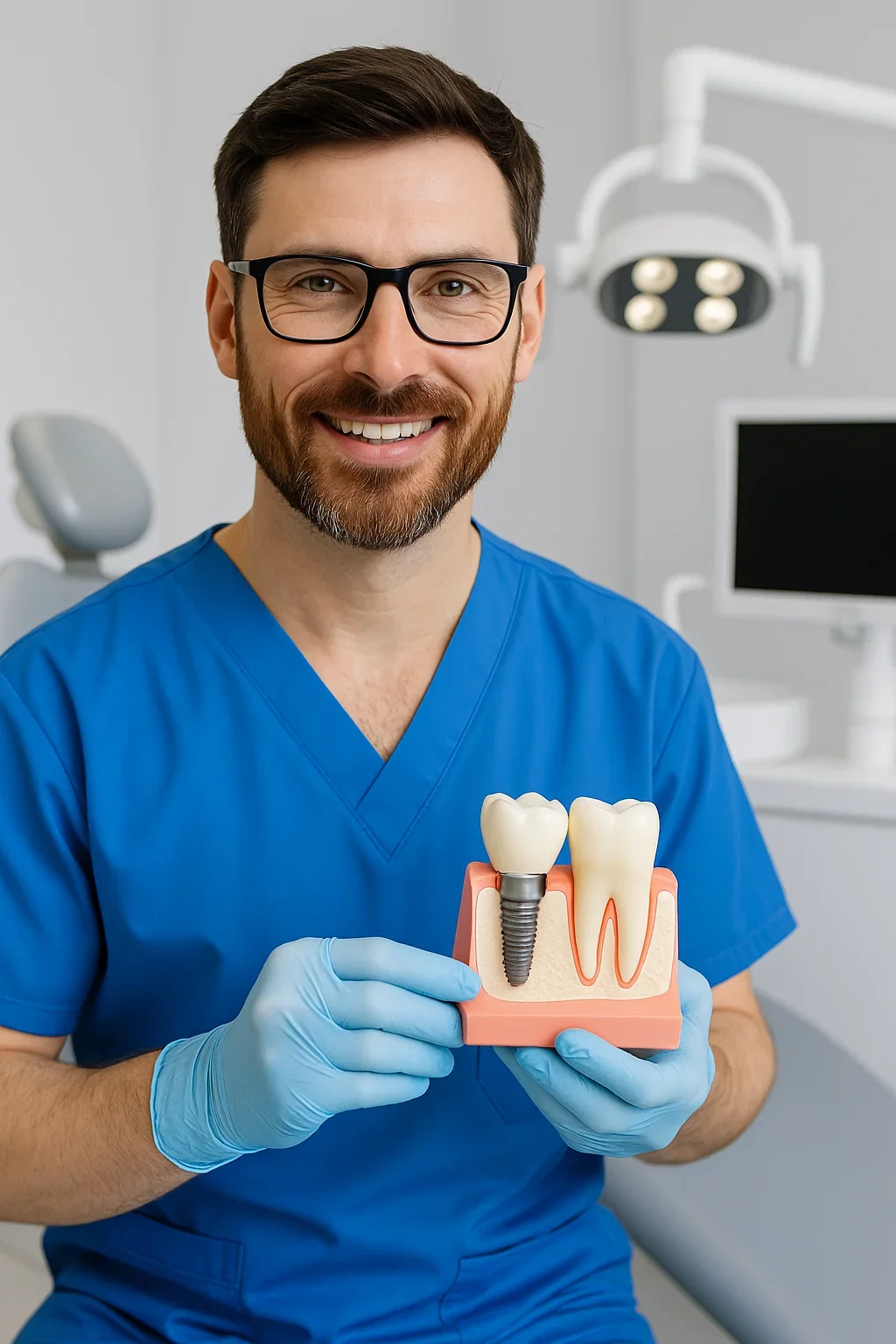
Recovery, Aftercare, and Long-Term Success of Dental Implants
After getting dental implants, patients often wonder how the recovery process unfolds and what they can do to ensure their implants last for decades. A professional dentist that does dental implants not only performs the surgical placement but also guides you through the critical healing and aftercare stages that determine long-term success. Proper recovery and maintenance are essential to protect your investment, prevent infection, and achieve the beautiful, natural-looking smile you’ve envisioned. 🦷
Immediate Recovery Period: What to Expect After Surgery
In the first 24 to 72 hours following implant surgery, it’s normal to experience mild swelling, bruising, or discomfort. These symptoms are part of your body’s natural healing process. A dentist that does dental implants typically prescribes pain relievers and provides specific aftercare instructions to minimize discomfort and prevent infection. Most patients return to work within a few days, depending on the complexity of their procedure.
During this early phase, rest is crucial. Avoid strenuous activities, as increased heart rate and blood pressure can aggravate swelling or cause bleeding. The implant site should be kept clean and undisturbed—avoid touching it with your tongue or fingers. Cold compresses can be applied to the cheek to reduce swelling and inflammation. ❄️
Diet Recommendations During the First Week
Your dentist that does dental implants will recommend a soft-food diet for the first week after surgery. Foods such as yogurt, mashed potatoes, smoothies, soups, and scrambled eggs are ideal. Avoid hot, spicy, crunchy, or chewy foods that can irritate the surgical area. Proper nutrition supports faster recovery and helps your body form new bone around the implant.
- ✅ Eat: oatmeal, smoothies, pasta, soft fruits, cottage cheese
- 🚫 Avoid: nuts, chips, crusty bread, or sticky candies
The Healing Process and Osseointegration
After the initial healing period, the next phase—known as osseointegration—begins. This is the process where the titanium or zirconia implant fuses with the jawbone, creating a stable foundation for the crown. It typically takes three to six months. A dentist that does dental implants monitors this stage through checkups and X-rays to ensure proper bone integration.
The success of osseointegration depends largely on your oral hygiene and overall health. Smokers, diabetics, or patients with compromised immune systems may experience slower healing. However, with consistent follow-up and care, the majority of patients achieve complete integration and enjoy long-lasting results. 🌟
Oral Hygiene and Cleaning Techniques
Proper oral hygiene is the single most important factor in ensuring implant longevity. A dentist that does dental implants provides personalized guidance on how to clean around the implant. This includes using a soft-bristled toothbrush, interdental brushes, and antimicrobial mouth rinses. Flossing daily—especially around the gum line—is essential to remove plaque buildup and prevent inflammation.
Special Tools for Implant Care
Modern dentistry offers specialized tools like water flossers and implant-specific floss that make cleaning easier. A professional dentist that does dental implants may recommend these devices to maintain hygiene without causing irritation or scratching the implant surface.
Follow-Up Visits and Professional Maintenance
Routine follow-ups are critical for implant success. During these visits, your dentist that does dental implants will check gum health, bone levels, and bite alignment. Even if you feel fine, underlying issues such as minor infections or bite pressure imbalances can compromise the implant if left unchecked. Most experts recommend professional cleanings every 6 months—similar to natural teeth care.
In some cases, your dentist may polish the crown or adjust the bite to ensure optimal comfort and function. Regular maintenance visits also allow early detection of issues like peri-implantitis—a gum condition similar to periodontitis that can threaten implant stability if untreated.
Lifestyle and Habits That Affect Healing
Your daily habits significantly impact the long-term health of your dental implants. A dentist that does dental implants will likely advise avoiding smoking and limiting alcohol, as both slow the healing process and increase the risk of infection. Grinding or clenching teeth (bruxism) can put excessive stress on the implant. Custom nightguards can help protect your new teeth while you sleep.
Healthy Lifestyle Practices for Faster Recovery
- Maintain a balanced diet rich in calcium and vitamin D for bone strength.
- Stay hydrated to promote cell regeneration and gum healing.
- Get enough sleep, as rest accelerates tissue repair.
- Avoid unnecessary pressure on the implant area for several weeks.
Long-Term Success Rates and Factors
When properly cared for, implants have a success rate of 95–98%. The durability depends not only on surgical precision but also on your commitment to maintenance. A well-trained dentist that does dental implants ensures the initial procedure is performed under sterile, accurate conditions using high-quality materials. But after the operation, the patient’s role in cleaning, diet, and follow-up care becomes equally important.
With consistent oral hygiene and regular dental visits, most patients enjoy their implants for 25 years or longer. Advanced imaging technology allows modern dentists to detect early signs of complications and take corrective action before they escalate.
When to Contact Your Dentist
During the recovery phase, it’s essential to monitor your implant area closely. Contact your dentist that does dental implants immediately if you experience persistent pain, heavy bleeding, pus, or swelling that doesn’t subside after a few days. These could indicate an infection or other complication that needs immediate attention.
Quick response and professional evaluation can prevent minor issues from becoming major problems, preserving both the implant and surrounding tissues.
Long-Term Benefits of Proper Aftercare
Proper care after implant surgery doesn’t just prevent complications—it enhances the long-term aesthetic and functional success of your restoration. Patients who follow their dentist that does dental implants’ instructions typically enjoy stronger bone integration, healthier gums, and more natural-looking results. Maintaining these habits becomes second nature over time, ensuring your smile remains radiant and functional for life. 😁
Clinics like Redent Klinik Contact Page specialize in post-implant care and monitoring, helping patients achieve superior outcomes with personalized recovery plans and professional support. Whether you’ve just completed your implant surgery or you’re planning it soon, understanding and following the proper aftercare steps is the key to a beautiful, lasting smile. 🌿
Conclusion: The Path to Lifelong Implant Success
Recovering from dental implant surgery is a partnership between you and your dentist. By choosing a qualified dentist that does dental implants and following their aftercare advice diligently, you set yourself up for decades of comfort, confidence, and oral health. From meticulous cleaning routines to periodic checkups, every small effort contributes to maintaining the integrity and beauty of your dental implants—ensuring that your smile continues to shine for years to come. 🌞