
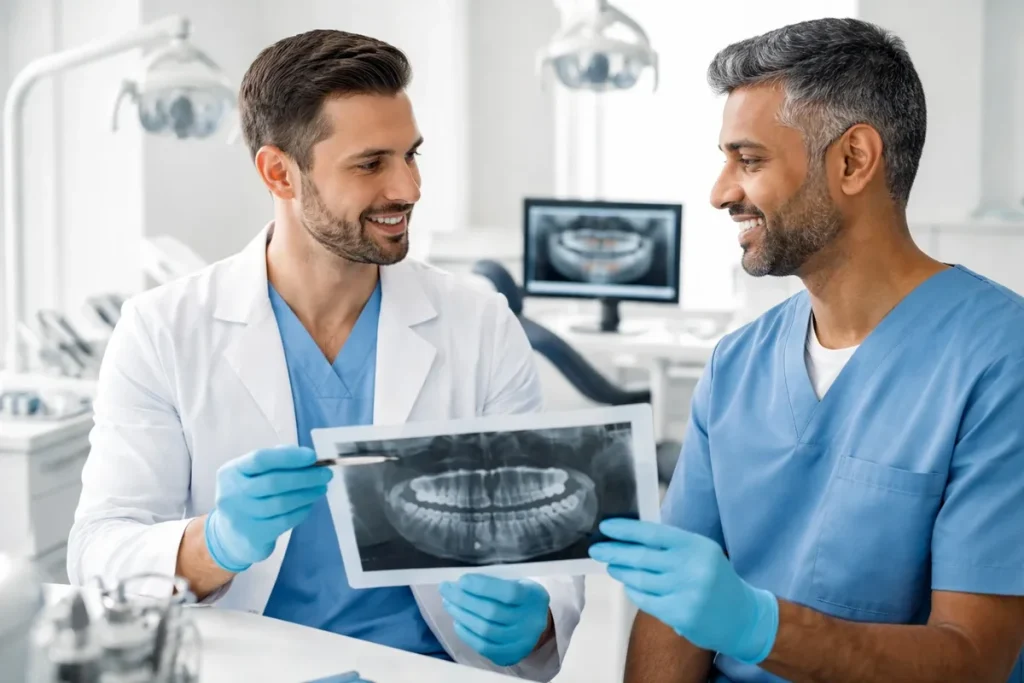
In modern oral healthcare, dentist to dentist communication has become one of the most critical yet often underestimated pillars of high-quality dental treatment. While patients usually see only one dentist at a time, behind the scenes there is frequently a structured exchange of knowledge, records, opinions, and clinical experience between professionals. This professional dialogue ensures that patients receive accurate diagnoses, efficient treatment plans, and long-term oral health solutions that are both safe and evidence-based.
At its core, dentist to dentist communication refers to the professional interaction between dental practitioners for consultation, referral, second opinions, or collaborative care. This can occur between general dentists and specialists, between clinics in different regions, or even across countries. As dentistry becomes more specialized and technologically advanced, no single practitioner can master every discipline. This is where dentist to dentist collaboration plays a decisive role 🦷.
From a patient’s perspective, effective dentist to dentist communication translates into trust and confidence. When a dentist openly consults another professional, it signals transparency and commitment to optimal care. For example, a general dentist may consult a periodontist regarding advanced gum disease, or an implantologist may coordinate with a prosthodontist to ensure functional and aesthetic outcomes. In each case, dentist to dentist cooperation minimizes risks and improves treatment precision.
One of the most important aspects of dentist to dentist communication is the accurate transfer of clinical information. This includes digital X-rays, CBCT scans, intraoral photographs, medical histories, and laboratory results. Miscommunication or incomplete data can lead to delays or errors. Therefore, structured dentist to dentist protocols are increasingly used to standardize how information is shared, ensuring continuity of care and patient safety.
Another essential dimension of dentist to dentist interaction is second-opinion dentistry. Complex cases such as full-mouth rehabilitation, advanced implant surgery, or occlusal disorders often benefit from multiple expert viewpoints. Through professional consultation, dentists can validate diagnoses, explore alternative treatment options, and select the most conservative and effective approach. This peer-to-peer validation significantly raises clinical confidence and reduces unnecessary procedures 😊.
In international dental care and dental tourism, dentist to dentist communication becomes even more vital. When patients travel for treatment, their local dentist and the treating clinic must coordinate closely. Pre-treatment planning, post-treatment follow-ups, and long-term maintenance depend heavily on clear dentist to dentist correspondence. This ensures that care does not stop once the patient returns home, creating a seamless cross-border dental experience.
Professional ethics also strongly influence dentist to dentist relationships. Ethical communication requires respect, confidentiality, and accurate representation of clinical findings. Dentists are expected to share information honestly without exaggeration or commercial bias. Ethical dentist to dentist interaction strengthens professional credibility and fosters a collaborative culture focused on patient well-being rather than competition.
Technology has further amplified the importance of dentist to dentist communication. Secure email systems, cloud-based dental software, and tele-dentistry platforms allow dentists to consult in real time regardless of location. These tools support faster decision-making and enable multidisciplinary care models that were not possible a decade ago. As a result, dentist to dentist consultation is no longer limited by geography or time zones 🌍.
Ultimately, dentist to dentist communication is not just a professional courtesy—it is a clinical necessity. It bridges gaps in expertise, enhances diagnostic accuracy, and supports comprehensive treatment planning. For patients seeking high-quality dental care, knowing that their dentist actively collaborates with other professionals is a strong indicator of excellence. In today’s patient-centered dental landscape, dentist to dentist collaboration is a defining standard of modern, responsible dentistry.
Why Dentist to Dentist Collaboration Improves Patient Outcomes
High-quality dental care is rarely the result of a single professional working in isolation. In today’s advanced clinical environment, dentist to dentist collaboration is one of the strongest factors influencing successful patient outcomes. As dental treatments become more complex and specialized, cooperation between professionals ensures accuracy, safety, and long-term success. This collaborative approach directly impacts diagnosis quality, treatment efficiency, and patient satisfaction.
Shared Expertise Leads to More Accurate Diagnoses
One of the primary benefits of dentist to dentist collaboration is improved diagnostic accuracy. Dentistry encompasses many subfields such as periodontology, endodontics, orthodontics, oral surgery, and prosthodontics. Even highly experienced general dentists may encounter cases that require specialized insight. Through dentist to dentist consultation, complex symptoms can be evaluated from multiple professional perspectives, reducing the risk of misdiagnosis.
For example, facial pain may originate from dental, muscular, or neurological causes. When a dentist consults another colleague, subtle indicators are more likely to be identified. This shared evaluation process ensures that treatment is based on comprehensive clinical reasoning rather than assumptions, ultimately protecting the patient’s health 🧠.
Multidisciplinary Treatment Planning Enhances Success Rates
Modern dentistry increasingly relies on multidisciplinary treatment plans. In these cases, dentist to dentist collaboration becomes essential. A patient requiring dental implants may need input from a surgeon, a prosthodontist, and a periodontist. Each professional contributes specific expertise, creating a treatment plan that balances function, aesthetics, and biological health.
Without dentist to dentist coordination, treatments may be fragmented, leading to complications such as implant failure, occlusal problems, or aesthetic dissatisfaction. Collaboration ensures that each stage of treatment supports the next, resulting in predictable and durable outcomes 😁.
Case Conferences and Peer Reviews
Structured case discussions are a powerful form of dentist to dentist collaboration. Through case conferences or peer review sessions, dentists present patient cases to colleagues for feedback and refinement. This process helps identify potential risks before treatment begins and allows for contingency planning. Peer-reviewed treatment plans tend to be more conservative, ethical, and patient-focused.
Improved Continuity of Care Through Referrals
Referral-based care is another area where dentist to dentist collaboration directly benefits patients. When a dentist refers a patient to a specialist, clear communication ensures continuity of care. Detailed referral notes, shared imaging, and follow-up reports help prevent duplication of procedures and unnecessary delays.
After specialist treatment is completed, dentist to dentist feedback allows the referring dentist to continue care confidently. This seamless transition reassures patients and creates a feeling of coordinated, professional care rather than fragmented treatment 🏥.
Reduced Treatment Risks and Complications
Every dental procedure carries some level of risk. However, dentist to dentist collaboration significantly reduces these risks by promoting informed decision-making. When dentists consult peers about challenging cases, they are better prepared to anticipate complications and select safer techniques or materials.
For instance, patients with systemic conditions such as diabetes or cardiovascular disease require special consideration. Dentist to dentist communication ensures that treatment plans account for medical risks, medication interactions, and healing capacity, leading to safer clinical outcomes.
Higher Patient Confidence and Satisfaction
Patients may not always witness professional discussions, but they strongly feel the results. Effective dentist to dentist collaboration often leads to clearer explanations, more confident recommendations, and smoother treatment experiences. When patients sense that their dentist has consulted other experts, trust increases naturally.
This confidence translates into better patient compliance. Patients are more likely to follow treatment plans, attend follow-up appointments, and maintain oral hygiene when they believe their care is supported by multiple professionals working together 🤝.
Evidence-Based Dentistry Through Professional Exchange
Dentistry evolves rapidly, with new techniques, materials, and research emerging constantly. Dentist to dentist collaboration supports evidence-based practice by encouraging the exchange of updated knowledge. Through professional dialogue, dentists learn from each other’s clinical experiences, successes, and challenges.
This continuous professional exchange ensures that patients receive treatments aligned with current scientific standards rather than outdated methods. As a result, dentist to dentist collaboration not only improves individual cases but also raises the overall quality of dental care within the profession.
In summary, dentist to dentist collaboration is a cornerstone of modern, patient-centered dentistry. By combining expertise, reducing risks, and enhancing continuity of care, professional collaboration leads to safer treatments, better outcomes, and higher patient satisfaction. In an era where excellence in healthcare is defined by teamwork, dentist to dentist cooperation is no longer optional—it is essential.
Common Scenarios Where Dentist to Dentist Referrals Are Essential
In daily clinical practice, there are many situations where dentist to dentist referrals are not only helpful but absolutely essential. Dentistry has evolved into a highly specialized healthcare field, and no single dentist—regardless of experience—can provide optimal care for every condition alone. Dentist to dentist referrals ensure that patients receive the right treatment from the right professional at the right time, significantly improving both safety and outcomes.
A dentist to dentist referral is a structured professional process in which one dentist transfers a patient’s care, partially or fully, to another dentist with specific expertise. This process is rooted in clinical responsibility, ethical standards, and patient-centered care. Far from being a sign of limitation, dentist to dentist referrals demonstrate professionalism and a commitment to excellence 🦷.
Referrals from General Dentists to Specialists
The most common dentist to dentist referral scenario involves general dentists referring patients to specialists. While general dentists handle preventive care, fillings, and routine treatments, certain conditions require advanced training and equipment. These include complex root canal treatments, impacted wisdom teeth, advanced gum disease, and orthodontic corrections.
For example, when a root canal involves curved or calcified canals, a general dentist may refer the patient to an endodontist. This dentist to dentist decision reduces the risk of procedural failure and post-treatment complications. Similarly, severe periodontal disease often requires a periodontist’s intervention to stabilize gum health before restorative work can begin.
Oral Surgery and Implant Referrals
Oral surgery is one of the most critical areas for dentist to dentist referrals. Procedures such as surgical extractions, bone grafting, sinus lifts, and dental implant placement require advanced surgical expertise. Even dentists trained in implantology may refer patients when anatomical complexity or medical risk factors are present.
Dentist to dentist collaboration in surgical cases ensures proper case selection, accurate surgical planning, and safe execution. Post-surgical communication between dentists also plays a vital role in healing monitoring and long-term implant success 😊.
Complex Restorative and Aesthetic Dentistry Cases
Full-mouth rehabilitation and complex aesthetic cases are another major area where dentist to dentist referrals are essential. Patients with severe tooth wear, bite collapse, or multiple missing teeth often require a prosthodontist’s expertise. These cases involve detailed occlusal analysis, functional design, and long-term planning.
In such scenarios, dentist to dentist cooperation ensures that restorative work aligns with functional requirements and facial aesthetics. Collaboration between cosmetic dentists, prosthodontists, and dental technicians results in restorations that are not only beautiful but also durable and biologically compatible.
Medical Risk and Systemic Health Considerations
Patients with underlying medical conditions frequently require dentist to dentist referrals. Conditions such as diabetes, heart disease, osteoporosis, or immune disorders can significantly influence dental treatment planning. In these cases, dentists may consult or refer to colleagues experienced in managing medically compromised patients.
Dentist to dentist communication helps tailor treatment protocols, select appropriate materials, and schedule procedures to minimize systemic risks. This collaborative approach is especially important for elderly patients and those undergoing long-term medical therapies 🏥.
Second Opinions and Diagnostic Uncertainty
Not all referrals are driven by specialization. Sometimes, dentist to dentist referrals are made simply to obtain a second opinion. When a diagnosis is unclear or multiple treatment options exist, consulting another dentist provides clarity and reassurance.
From the patient’s perspective, dentist to dentist second opinions build trust and transparency. They reassure patients that treatment recommendations are carefully considered and not rushed. From a professional standpoint, second opinions reduce liability and support evidence-based decision-making.
Dental Tourism and International Care Coordination
With the rise of dental tourism, dentist to dentist referrals increasingly occur across borders. Patients may receive treatment abroad and continue follow-up care at home. In these cases, seamless communication between the treating clinic and the local dentist is essential.
Dentist to dentist coordination ensures that treatment records, materials used, and maintenance protocols are clearly documented. This continuity prevents misunderstandings and protects long-term treatment success 🌍.
Ethical Responsibility in Referrals
Ethics play a central role in dentist to dentist referrals. Dentists are ethically obligated to refer patients when a case exceeds their competence. Failure to do so can compromise patient safety and violate professional standards.
Ethical dentist to dentist referrals prioritize patient welfare over financial considerations or professional pride. They reflect honesty, self-awareness, and dedication to the highest standards of care.
In conclusion, dentist to dentist referrals are a fundamental component of responsible dental practice. Whether driven by specialization, complexity, medical risk, or diagnostic uncertainty, these referrals ensure that patients receive comprehensive, safe, and effective care. In modern dentistry, knowing when and how to refer is just as important as knowing how to treat.
How Dentist to Dentist Case Sharing Enhances Clinical Accuracy
Clinical accuracy is the foundation of successful dental treatment, and dentist to dentist case sharing plays a decisive role in achieving it. As dental cases become more complex due to aging populations, systemic diseases, and higher patient expectations, relying on a single clinical perspective can increase the risk of oversight. Dentist to dentist collaboration through structured case sharing significantly improves diagnostic precision, treatment planning, and long-term outcomes.
Dentist to dentist case sharing refers to the professional exchange of patient-specific clinical data, diagnostic findings, and treatment considerations between dental professionals. This exchange may occur formally through referrals and reports or informally through consultations and peer discussions. Regardless of format, the goal remains the same: to reach the most accurate clinical conclusion possible 🦷.
Reducing Diagnostic Errors Through Peer Review
Even experienced dentists can encounter diagnostic challenges, especially when symptoms overlap across conditions. Dentist to dentist case sharing introduces a peer-review mechanism that reduces the likelihood of misinterpretation. When another professional reviews radiographs, clinical notes, and patient history, subtle indicators are more likely to be identified.
For example, early-stage periodontal disease may mimic gingivitis, or referred pain may resemble dental pathology. Through dentist to dentist consultation, alternative diagnoses can be explored and validated. This shared scrutiny strengthens diagnostic confidence and prevents unnecessary or ineffective treatments 😊.
Improved Treatment Planning Through Collective Insight
Accurate diagnosis is only the first step; effective treatment planning requires foresight and experience. Dentist to dentist case sharing allows professionals to evaluate multiple treatment pathways before committing to a plan. This is especially valuable in complex restorative, surgical, or orthodontic cases where long-term consequences must be carefully considered.
By discussing cases with colleagues, dentists can anticipate complications, select optimal materials, and design phased treatment approaches. Dentist to dentist collaboration often leads to more conservative and biologically respectful treatment plans, reducing the risk of overtreatment or premature failure.
Complex Cases and Risk Assessment
High-risk cases—such as patients with compromised bone structure, systemic illness, or previous treatment failures—benefit greatly from dentist to dentist case sharing. In these situations, risk assessment becomes more accurate when multiple professionals evaluate the same data.
Dentist to dentist discussions help identify red flags early, allowing treatment plans to be modified or postponed when necessary. This proactive approach enhances patient safety and protects long-term oral health 🛡️.
Enhancing Radiographic and Digital Interpretation
Modern dentistry relies heavily on imaging technologies such as digital X-rays, CBCT scans, and intraoral scanners. While these tools provide detailed data, accurate interpretation remains a skill refined through experience. Dentist to dentist case sharing improves image interpretation by allowing multiple clinicians to analyze the same visuals.
Small lesions, hairline fractures, or anatomical variations may be overlooked by one clinician but detected by another. Dentist to dentist collaboration ensures that imaging data is fully utilized, leading to more precise diagnoses and targeted treatments.
Consistency in Clinical Decision-Making
Another advantage of dentist to dentist case sharing is consistency in clinical decisions. When dentists align their diagnostic criteria and treatment philosophies through discussion, patients receive more standardized care. This is particularly important in multi-provider clinics or referral networks.
Consistency reduces patient confusion and increases trust. Patients are more likely to accept treatment recommendations when multiple dentists independently support the same plan 🤝.
Learning from Previous Outcomes and Failures
Clinical accuracy is not only about present cases but also about learning from past experiences. Dentist to dentist case sharing creates opportunities to review previous treatments, including failures. Discussing what went wrong and why helps dentists refine their clinical judgment.
This culture of open professional dialogue encourages continuous improvement. Dentist to dentist learning environments foster humility, accountability, and growth—qualities that directly benefit patients.
Documentation and Accountability
Shared cases often involve detailed documentation, which further enhances clinical accuracy. Dentist to dentist communication encourages thorough record-keeping, as shared information must be clear and precise. This level of documentation supports better follow-up care and legal protection.
Accurate records ensure that future treatments build on reliable data rather than assumptions. In long-term or multi-phase treatments, this continuity is essential for success 📁.
In summary, dentist to dentist case sharing is a powerful mechanism for improving clinical accuracy in modern dentistry. By reducing diagnostic errors, strengthening treatment planning, and promoting collective learning, professional collaboration leads to safer, more predictable outcomes. In a healthcare field where precision matters, dentist to dentist case sharing is not a luxury—it is a necessity.
Digital Tools That Support Dentist to Dentist Communication
The rapid digital transformation of healthcare has profoundly changed how dental professionals collaborate. Today, dentist to dentist communication is no longer limited to phone calls, handwritten referral letters, or in-person meetings. Instead, a wide range of digital tools now support fast, accurate, and secure professional interaction. These technologies enhance clinical efficiency, improve diagnostic accuracy, and ultimately raise the standard of patient care.
Effective dentist to dentist communication relies on the seamless exchange of clinical data. Digital tools make this possible by allowing dentists to share images, reports, treatment plans, and updates in real time. When used correctly, these tools eliminate information gaps and ensure that every professional involved in a patient’s care works from the same, up-to-date information set 🖥️.
Electronic Dental Records and Cloud-Based Systems
Electronic dental records (EDRs) are the backbone of modern dentist to dentist communication. Cloud-based dental software allows multiple dentists to access patient records securely, regardless of location. These systems store radiographs, clinical notes, periodontal charts, and treatment histories in a centralized environment.
When a dentist refers a patient or seeks a consultation, shared access to electronic records ensures continuity of care. Dentist to dentist collaboration becomes more efficient because there is no need to repeat diagnostics or rely on incomplete summaries. This not only saves time but also reduces patient exposure to unnecessary procedures.
Digital Imaging and File-Sharing Platforms
Imaging plays a critical role in diagnosis and treatment planning. Digital X-rays, CBCT scans, and intraoral photographs are essential tools in dentist to dentist collaboration. Secure file-sharing platforms allow high-resolution images to be transmitted instantly without loss of quality.
This capability is particularly valuable when consulting specialists or obtaining second opinions. Dentist to dentist image sharing allows professionals to analyze anatomical details, bone quality, and pathology collaboratively, leading to more precise clinical decisions 🦷.
Standardized Imaging Formats
Standardized digital formats ensure compatibility between different systems. When dentists use compatible imaging standards, dentist to dentist communication becomes smoother and more reliable. This standardization reduces technical barriers and ensures that shared files can be viewed and interpreted accurately by all parties.
Secure Messaging and Professional Communication Platforms
Traditional email is increasingly being replaced by secure healthcare messaging platforms. These tools are designed specifically for dentist to dentist communication and comply with data protection and privacy regulations. Secure messaging allows dentists to discuss cases, clarify details, and provide updates without compromising patient confidentiality.
Real-time messaging also supports faster decision-making. Instead of waiting days for a response, dentist to dentist consultations can occur within minutes, which is especially important in urgent or complex cases ⏱️.
Tele-Dentistry and Virtual Consultations
Tele-dentistry has expanded beyond patient consultations to include professional collaboration. Through video conferencing platforms, dentist to dentist consultations can take place regardless of geographic distance. This is particularly beneficial for clinics in remote areas or for international collaboration.
Virtual meetings allow dentists to review cases together, discuss treatment options, and even guide procedures in real time. Dentist to dentist tele-consultations increase access to specialist expertise and support equitable care delivery across regions 🌍.
Treatment Planning and Simulation Software
Advanced treatment planning software has become an important part of dentist to dentist collaboration. These platforms allow dentists to simulate procedures, design restorations, and evaluate outcomes digitally. Treatment plans can be shared, reviewed, and modified collaboratively before any clinical intervention begins.
This shared planning process reduces uncertainty and aligns expectations among professionals. Dentist to dentist collaboration through digital simulations results in more predictable and efficient treatments.
Continuing Education and Knowledge-Sharing Platforms
Digital platforms also support ongoing professional development. Online forums, webinars, and professional networks facilitate dentist to dentist knowledge exchange beyond individual cases. Dentists can discuss emerging techniques, review research, and share clinical experiences.
Authoritative organizations such as the American Dental Association play a key role in promoting digital standards, ethical communication, and evidence-based practice. These resources help ensure that dentist to dentist collaboration remains grounded in scientific credibility 📚.
Data Security and Ethical Considerations
While digital tools enhance dentist to dentist communication, they also introduce responsibilities. Dentists must ensure that shared data is protected against unauthorized access. Secure systems, encryption, and proper consent protocols are essential components of ethical digital collaboration.
Responsible use of digital tools strengthens professional trust and protects patient privacy. Dentist to dentist communication must always prioritize confidentiality alongside efficiency.
In conclusion, digital tools have revolutionized dentist to dentist communication by making collaboration faster, safer, and more precise. From electronic records and imaging platforms to tele-dentistry and treatment planning software, these technologies support a connected, patient-centered dental ecosystem. When used thoughtfully, digital solutions elevate professional collaboration and set new standards for excellence in modern dentistry.
Ethical and Professional Standards in Dentist to Dentist Relations
Ethics and professionalism form the backbone of every successful dentist to dentist relationship. While technology and specialization have expanded collaboration opportunities, ethical standards ensure that professional interactions remain patient-centered, transparent, and trustworthy. Dentist to dentist communication is not merely a technical exchange of information—it is a moral responsibility that directly influences patient safety, treatment quality, and the reputation of the dental profession.
At its core, ethical dentist to dentist interaction is guided by respect, honesty, and accountability. Dentists are expected to communicate accurately, avoid misleading claims, and prioritize patient welfare above personal or commercial interests. These principles create a collaborative environment where professional opinions are valued and patient outcomes are optimized 🦷.
Professional Respect and Mutual Trust
Mutual respect is essential in dentist to dentist relations. When dentists consult or refer cases, they must acknowledge each other’s expertise without criticism or competition. Professional respect fosters open dialogue, allowing dentists to share insights freely and constructively.
Trust is built when dentist to dentist communication is consistent, factual, and timely. When referrals include complete documentation and honest assessments, receiving dentists can make informed decisions confidently. This trust strengthens professional networks and improves continuity of care for patients.
Patient-Centered Decision Making
Ethical dentist to dentist collaboration always places the patient’s best interest at the center of decision-making. Dentists must avoid unnecessary treatments, exaggerated diagnoses, or biased recommendations. When consulting colleagues, information should be presented objectively to allow independent professional judgment.
For example, if multiple treatment options exist, dentist to dentist discussions should explore conservative and evidence-based approaches rather than defaulting to invasive procedures. This shared responsibility protects patients from overtreatment and supports informed consent 😊.
Informed Consent and Transparency
Dentist to dentist communication also supports ethical informed consent. When dentists collaborate, they can provide patients with clearer explanations and multiple perspectives. Transparency about why a referral is made or why a second opinion is sought reassures patients and builds confidence.
Ethical practice requires that patients understand who is involved in their care and why. Dentist to dentist transparency ensures that patients feel respected and included rather than confused or excluded from clinical decisions.
Confidentiality and Data Protection
Protecting patient confidentiality is a fundamental ethical obligation in dentist to dentist communication. Clinical data, images, and medical histories must be shared securely and only with professionals directly involved in patient care. Unauthorized disclosure undermines trust and violates professional standards.
Dentist to dentist communication should always comply with data protection regulations and ethical guidelines. Secure platforms, encrypted communication, and proper documentation ensure that patient information remains confidential 🔒.
Avoiding Conflicts of Interest
Conflicts of interest can compromise ethical dentist to dentist relations. Dentists must ensure that referrals and consultations are based on clinical necessity rather than financial incentives or personal gain. Ethical referrals are driven solely by patient needs and professional competence.
Transparency about referral reasons helps prevent misunderstandings. When dentist to dentist relationships are free from hidden motives, professional integrity is preserved and patient trust is strengthened.
Responsibility in Professional Opinions and Second Opinions
Providing second opinions is a common and valuable aspect of dentist to dentist interaction. However, ethical responsibility requires that second opinions be respectful and evidence-based. Dentists should avoid undermining colleagues or making definitive judgments without complete information.
Constructive feedback focuses on clinical facts rather than personal critique. Ethical dentist to dentist second opinions contribute to better care without damaging professional relationships 🤝.
Accountability and Documentation
Ethical standards also demand accountability in dentist to dentist communication. Shared decisions should be documented clearly to ensure continuity of care and professional responsibility. Proper records protect both patients and practitioners in long-term or complex treatment plans.
Clear documentation demonstrates professionalism and supports ethical practice by providing traceability and transparency throughout the treatment process.
Guidance from Professional Organizations
Professional bodies play a crucial role in defining ethical standards for dentist to dentist relations. Organizations such as the American Dental Association provide ethical codes, communication guidelines, and best practices that support responsible collaboration.
By aligning with these standards, dentists ensure that their professional interactions remain credible, lawful, and patient-focused 📘.
In conclusion, ethical and professional standards are essential to effective dentist to dentist relations. Respect, transparency, confidentiality, and patient-centered decision-making form the foundation of responsible collaboration. When dentists uphold these values, professional communication becomes a powerful tool for improving care quality, strengthening trust, and advancing the integrity of modern dentistry.
Dentist to Dentist Knowledge Transfer and Continuing Education
In an era of rapid scientific advancement, continuous learning is essential for every dental professional. One of the most effective yet often overlooked learning channels is dentist to dentist knowledge transfer. Beyond formal education and conferences, dentists learn a great deal from each other through daily professional interaction, shared experiences, and collaborative problem-solving. This ongoing exchange of knowledge strengthens clinical skills, promotes evidence-based practice, and directly benefits patient care.
Dentist to dentist knowledge transfer occurs whenever professionals share insights about techniques, materials, technologies, or clinical outcomes. This may happen through case discussions, referrals, peer consultations, or informal professional conversations. Unlike textbooks, dentist to dentist learning is grounded in real-world clinical experience, making it highly practical and immediately applicable 🧠.
Learning Through Case-Based Discussions
Case-based learning is one of the most powerful forms of dentist to dentist education. When dentists discuss real patient cases, they explore diagnostic reasoning, treatment decisions, complications, and outcomes in depth. These discussions expose colleagues to scenarios they may not encounter frequently in their own practice.
For example, a dentist who has managed multiple implant complications can share valuable preventive strategies with peers. Dentist to dentist case discussions help translate theory into practice, enhancing clinical judgment and decision-making accuracy.
Mentorship and Experience Sharing
Mentorship is a cornerstone of dentist to dentist knowledge transfer. Less experienced dentists often rely on seasoned colleagues for guidance in complex cases. Through mentorship relationships, clinical skills, ethical values, and professional confidence are passed from one generation to the next.
This dentist to dentist mentorship model reduces professional isolation and accelerates skill development. It also fosters a culture of support rather than competition within the dental community 🤝.
Informal Peer Learning in Daily Practice
Not all learning happens in structured settings. Informal dentist to dentist exchanges—such as quick consultations between appointments or discussions within group practices—play a significant role in professional growth. These interactions allow dentists to ask questions, confirm approaches, and gain reassurance in real time.
Such spontaneous knowledge sharing often leads to immediate improvements in patient care and reinforces collaborative habits.
Continuing Education Through Professional Networks
Professional networks amplify dentist to dentist learning beyond individual clinics. Study clubs, online forums, and professional associations provide platforms where dentists can exchange knowledge on a broader scale. These environments encourage discussion of emerging trends, clinical innovations, and research findings.
Dentist to dentist participation in these networks supports lifelong learning and keeps practitioners aligned with evolving standards of care 📚.
Sharing Clinical Outcomes and Lessons Learned
Discussing both successful and unsuccessful outcomes is a critical aspect of dentist to dentist knowledge transfer. While success stories inspire confidence, analyzing failures provides invaluable learning opportunities. Honest reflection on complications, material failures, or treatment limitations helps colleagues avoid repeating the same mistakes.
This openness requires professional maturity and ethical responsibility. Dentist to dentist transparency fosters a culture of continuous improvement rather than blame.
Technology-Enabled Knowledge Exchange
Digital platforms have expanded the reach of dentist to dentist education. Webinars, virtual case reviews, and online discussion boards allow dentists to learn from peers worldwide. These tools make expert knowledge accessible regardless of geographic location.
Technology-driven dentist to dentist learning is especially valuable for dentists in smaller practices or remote areas, ensuring equitable access to professional development 🌍.
Standardizing Best Practices Through Collaboration
As dentists exchange knowledge, best practices gradually become standardized. Dentist to dentist collaboration helps align treatment philosophies, infection control protocols, and patient communication strategies. This consistency enhances patient trust and elevates the profession as a whole.
Shared understanding of standards reduces variability in care quality and supports evidence-based dentistry.
Impact on Patient Care and Professional Growth
Ultimately, dentist to dentist knowledge transfer benefits both patients and professionals. Patients receive care informed by collective experience rather than isolated judgment. Dentists, in turn, remain engaged, confident, and adaptable throughout their careers.
Continuous dentist to dentist learning strengthens clinical competence, reduces burnout, and fosters professional satisfaction 😊.
In summary, dentist to dentist knowledge transfer and continuing education are vital components of modern dentistry. Through case discussions, mentorship, professional networks, and digital platforms, dentists continuously refine their skills and expand their understanding. This collaborative learning culture ensures that dental care evolves responsibly, safely, and in the best interest of patients.
Challenges in Dentist to Dentist Communication and How to Solve Them
While professional collaboration offers significant benefits, dentist to dentist communication is not without challenges. Differences in clinical approach, time constraints, technological barriers, and human factors can complicate collaboration between dental professionals. Recognizing these obstacles and addressing them proactively is essential for maintaining effective, ethical, and patient-centered dentist to dentist relationships.
Understanding the common challenges in dentist to dentist communication allows clinics and professionals to develop strategies that improve clarity, efficiency, and mutual trust. When these challenges are managed effectively, collaboration becomes a strength rather than a source of frustration 🧩.
Communication Gaps and Incomplete Information
One of the most frequent issues in dentist to dentist communication is incomplete or unclear information. Referrals that lack detailed clinical notes, diagnostic images, or treatment history can lead to misunderstandings and delays. Incomplete data increases the risk of redundant procedures or incorrect clinical assumptions.
To solve this problem, dentists should adopt standardized referral protocols. Clear templates, comprehensive documentation, and structured summaries ensure that dentist to dentist communication is accurate and efficient. Consistency in information sharing minimizes errors and supports seamless patient care.
Differences in Clinical Philosophy and Treatment Approaches
Dentists may vary in their clinical philosophies, ranging from conservative to more intervention-focused approaches. These differences can create tension in dentist to dentist collaboration, especially when opinions diverge on treatment necessity or timing.
Open dialogue and mutual respect are key solutions. Dentist to dentist discussions should focus on evidence-based reasoning rather than personal preference. When disagreements arise, reviewing scientific literature together or seeking a third professional opinion can help align perspectives 😊.
Balancing Professional Autonomy and Collaboration
Maintaining professional autonomy while collaborating is a delicate balance in dentist to dentist relations. Dentists must feel respected and valued, even when their recommendations are questioned. Constructive feedback, delivered professionally, preserves dignity and strengthens teamwork.
Clear role definitions and mutual acknowledgment of expertise help prevent misunderstandings and foster productive collaboration.
Time Constraints and Workflow Pressures
Busy clinical schedules often limit the time available for dentist to dentist communication. Phone calls may be missed, emails delayed, and consultations postponed. These delays can impact treatment timelines and patient satisfaction.
Digital tools offer effective solutions. Secure messaging platforms and shared electronic records allow dentists to communicate asynchronously without disrupting clinical workflow. Efficient use of technology ensures that dentist to dentist communication remains timely and responsive ⏱️.
Technological Barriers and System Compatibility
Not all dental practices use compatible software systems, which can hinder dentist to dentist communication. Incompatible imaging formats, restricted access, or outdated technology may prevent seamless data sharing.
Adopting standardized digital formats and investing in interoperable systems helps overcome these barriers. Training staff to use digital tools effectively further enhances dentist to dentist collaboration and reduces technical frustration.
Confidentiality and Data Security Concerns
Sharing patient data carries legal and ethical responsibilities. Fear of data breaches can make dentists hesitant in dentist to dentist communication. However, avoiding collaboration due to security concerns ultimately harms patient care.
The solution lies in using secure, compliant platforms and following clear data protection protocols. Proper consent procedures and encryption ensure that dentist to dentist communication remains both effective and ethical 🔒.
Professional Ego and Competition
In some cases, professional ego or perceived competition can obstruct dentist to dentist collaboration. Dentists may hesitate to seek advice or refer patients due to fear of appearing less competent or losing patients.
Promoting a culture of collaboration rather than competition is essential. Dentist to dentist communication should be framed as a strength and a marker of professionalism. Recognizing collaboration as a standard of excellence helps reduce ego-driven barriers 🤝.
Patient Misunderstanding and Anxiety
Patients may misinterpret dentist to dentist referrals or consultations as signs of uncertainty. Without proper explanation, patients may feel anxious or lose confidence in their dentist.
Clear patient communication is the solution. Dentists should explain that collaboration enhances care quality and safety. When patients understand the value of dentist to dentist communication, trust and compliance increase.
Building Long-Term Collaborative Networks
Ad-hoc communication can be inefficient. Establishing long-term professional networks strengthens dentist to dentist collaboration by creating familiarity and trust. Regular interaction improves efficiency and reduces friction over time.
Study groups, referral partnerships, and professional associations provide structured environments for sustained collaboration 📘.
In conclusion, while challenges in dentist to dentist communication are inevitable, they are not insurmountable. Through standardized processes, digital solutions, ethical practices, and a collaborative mindset, dentists can overcome obstacles and enhance professional interaction. Addressing these challenges proactively transforms dentist to dentist communication into a powerful tool for delivering exceptional patient care.
The Future of Dentist to Dentist Collaboration in Global Dental Care
As dentistry continues to evolve, dentist to dentist collaboration is moving beyond traditional referrals and consultations into a globally connected, technology-driven ecosystem. The future of dental care will be shaped not only by advanced materials and digital tools, but also by how effectively dentists communicate, cooperate, and share responsibility for patient outcomes. Dentist to dentist collaboration is becoming a defining feature of high-quality, modern dentistry rather than an optional professional courtesy.
Globalization, digital transformation, and rising patient expectations are accelerating the need for stronger dentist to dentist networks. Patients are more informed, more mobile, and more demanding than ever before. In response, dentists must work together across disciplines, clinics, and even countries to deliver consistent, safe, and personalized care 🌍.
Globalization and Cross-Border Dental Collaboration
One of the most significant trends shaping the future of dentist to dentist collaboration is globalization. Dental tourism, international education, and cross-border treatment planning are increasingly common. Patients may receive diagnosis in one country, treatment in another, and follow-up care back home.
In this model, dentist to dentist communication becomes the backbone of continuity of care. Accurate sharing of treatment records, materials used, and maintenance protocols ensures that care remains consistent regardless of location. Global dentist to dentist cooperation reduces treatment fragmentation and protects long-term outcomes.
International Standards and Protocol Alignment
As collaboration expands globally, aligning clinical standards becomes essential. Dentist to dentist cooperation will increasingly rely on internationally recognized guidelines for diagnosis, treatment planning, and documentation. This alignment reduces variability and ensures that patients receive predictable care wherever they are treated.
International professional organizations and educational institutions play a key role in harmonizing these standards and supporting ethical global collaboration.
Artificial Intelligence and Data-Driven Collaboration
Artificial intelligence (AI) is poised to transform dentist to dentist collaboration. AI-powered diagnostic tools, treatment planning software, and predictive analytics will support clinical decision-making and facilitate more informed professional discussions.
When dentists share AI-generated insights alongside clinical data, dentist to dentist consultations become more objective and evidence-based. This data-driven approach reduces uncertainty and supports consistent, high-quality care 🤖.
Integrated Multidisciplinary Care Models
The future of dentistry will increasingly favor integrated care models where multiple professionals collaborate continuously rather than episodically. In these systems, dentist to dentist communication is embedded into daily workflows. General dentists, specialists, hygienists, and technicians operate as coordinated teams rather than isolated providers.
Such models improve efficiency, reduce errors, and enhance patient experience. Dentist to dentist collaboration within integrated systems ensures that treatment decisions are aligned from the outset rather than adjusted reactively.
Tele-Collaboration and Virtual Expert Access
Advances in tele-dentistry will further expand dentist to dentist collaboration. Virtual expert access allows dentists in smaller or remote practices to consult specialists instantly. This democratizes expertise and reduces disparities in care quality.
In the future, real-time dentist to dentist virtual consultations may become standard practice for complex cases, emergency decision-making, and treatment verification ⏱️.
Patient-Centered Transparency and Shared Decision Making
Patients are increasingly aware of collaborative care models and often expect them. The future of dentist to dentist collaboration will involve greater transparency, where patients are informed about professional consultations and referrals.
This openness strengthens trust and positions dentist to dentist communication as a quality marker rather than a sign of uncertainty. Patients who feel supported by a network of professionals are more confident and engaged in their treatment decisions 😊.
Education Reform and Collaborative Training
Dental education is evolving to reflect the importance of dentist to dentist collaboration. Future training programs are likely to emphasize teamwork, communication skills, and interdisciplinary learning alongside technical competence.
By training dentists to collaborate from the beginning of their careers, the profession builds a culture where dentist to dentist cooperation is instinctive rather than learned later.
Ethical Leadership and Professional Responsibility
As collaboration expands, ethical leadership will remain central to dentist to dentist relations. Dentists will be expected to uphold transparency, accountability, and patient-centered values across increasingly complex networks.
Strong ethical frameworks ensure that technological and global advancements enhance rather than compromise professional integrity.
Implications for Clinics and Patients
Clinics that actively support dentist to dentist collaboration will be better positioned for the future. Investment in digital infrastructure, professional networks, and communication protocols will become competitive advantages.
For patients, this evolution means safer treatments, clearer communication, and more predictable outcomes. Patients seeking collaborative, high-standard care are encouraged to engage with clinics that prioritize professional cooperation. If you would like to learn more or discuss collaborative treatment options, you can visit the Redent Klinik Contact Page.
In conclusion, the future of dentistry is inherently collaborative. Dentist to dentist communication will continue to expand across borders, technologies, and disciplines. By embracing collaboration as a core professional value, dentists can deliver more accurate, ethical, and patient-centered care in a rapidly changing global healthcare landscape.
Best Practices for Building Strong Dentist to Dentist Professional Networks
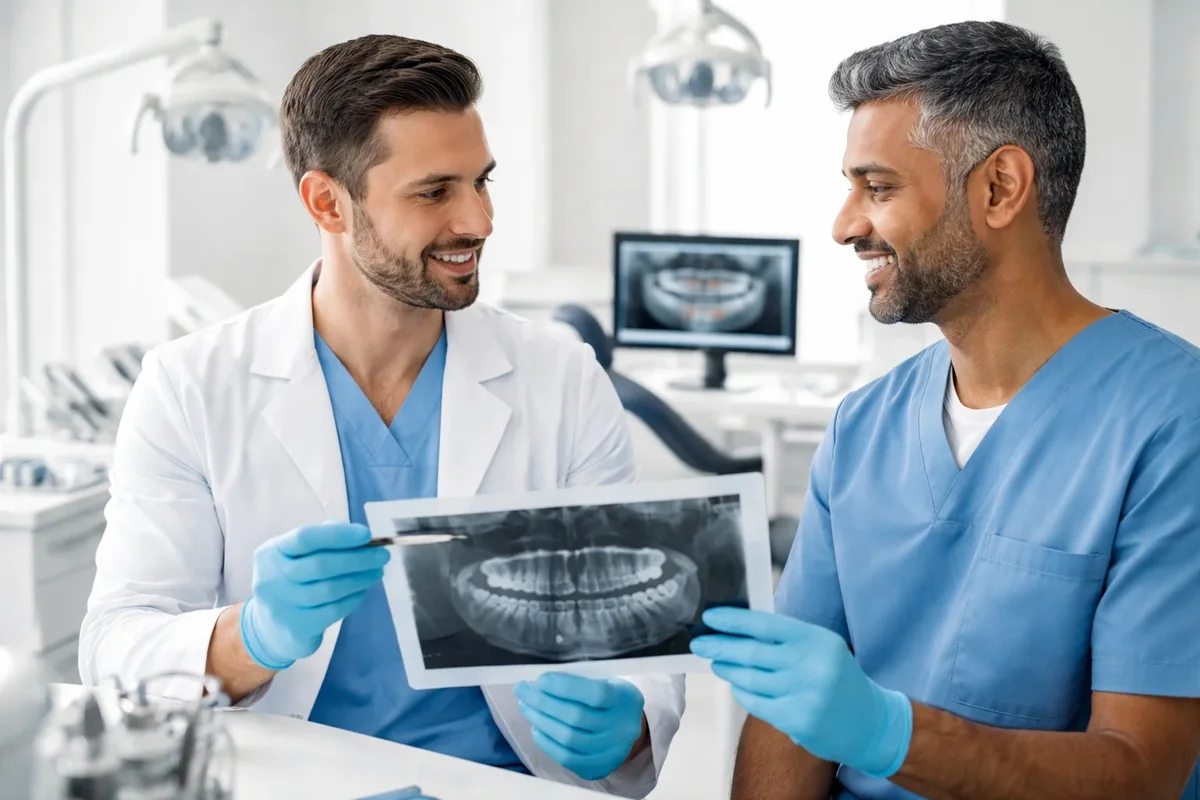
Strong professional networks are the foundation of effective dentist to dentist collaboration. While individual consultations and referrals are valuable, long-term networks create consistency, trust, and efficiency in clinical decision-making. As dentistry grows more specialized and interconnected, dentists who intentionally build and maintain professional relationships are better equipped to deliver comprehensive, high-quality care.
A well-structured dentist to dentist network goes beyond knowing a few colleagues. It involves reliable communication channels, shared professional values, and mutual respect. These networks support faster consultations, smoother referrals, and a culture of shared responsibility for patient outcomes 🤝.
Establishing Trust Through Consistent Communication
Trust is the cornerstone of any dentist to dentist relationship. Consistent, clear, and honest communication builds confidence over time. Dentists who provide detailed referrals, timely feedback, and transparent reasoning demonstrate professionalism and reliability.
Regular communication—even outside urgent cases—strengthens relationships. Simple updates, follow-up messages, or case outcome summaries reinforce trust and encourage ongoing collaboration between dentists.
Creating Structured Referral Pathways
Unstructured referrals can lead to confusion and inefficiency. Establishing clear referral pathways enhances dentist to dentist collaboration by setting expectations for documentation, timelines, and follow-up responsibilities.
When both referring and receiving dentists understand the process, patients experience smoother transitions and fewer delays. Structured pathways also reduce administrative friction and improve overall workflow efficiency 🗂️.
Standardized Referral Documentation
Using standardized referral forms improves dentist to dentist communication by ensuring that essential information is always included. Diagnostic images, treatment goals, and patient concerns should be clearly documented.
Standardization minimizes misunderstandings and allows receiving dentists to prepare effectively before the patient’s visit.
Participating in Professional Study Groups
Study groups are a powerful way to strengthen dentist to dentist networks. These groups bring professionals together to discuss cases, review research, and share experiences in a structured environment.
Regular participation builds familiarity and trust among members. Over time, these relationships translate into more efficient collaboration and a shared commitment to high clinical standards 📚.
Leveraging Digital Platforms for Ongoing Collaboration
Digital tools play an increasingly important role in maintaining dentist to dentist networks. Secure messaging platforms, cloud-based records, and virtual meeting tools allow dentists to stay connected regardless of location.
By integrating these tools into daily practice, dentist to dentist communication becomes seamless and responsive, supporting timely decision-making and collaborative care.
Respecting Scope of Practice and Expertise
Strong dentist to dentist networks are built on respect for each professional’s scope of practice. Acknowledging expertise and avoiding unnecessary interference fosters mutual appreciation and smooth collaboration.
Dentists who respect boundaries while remaining open to input create balanced relationships that benefit both professionals and patients.
Providing Constructive Feedback and Follow-Up
Feedback is an essential element of dentist to dentist collaboration. Sharing outcomes, observations, and suggestions after referrals or consultations closes the communication loop.
Constructive feedback supports continuous improvement and strengthens professional bonds. It also reassures colleagues that their input is valued and impactful 😊.
Maintaining Ethical and Patient-Focused Relationships
Ethics must guide every dentist to dentist network. Referrals and collaborations should always prioritize patient welfare over convenience or financial considerations. Ethical consistency reinforces trust within the network and with patients.
When dentists share ethical values, collaboration becomes more efficient and resilient over time.
Expanding Networks Through Education and Conferences
Conferences, workshops, and continuing education events offer valuable opportunities to expand dentist to dentist networks. Face-to-face interactions help establish rapport and open the door to future collaboration.
Dentists who actively engage in professional events tend to build broader, more diverse networks that enrich their clinical perspective 🌐.
Long-Term Benefits for Clinics and Patients
Clinics that encourage dentist to dentist networking benefit from faster consultations, higher treatment quality, and improved reputation. Patients experience coordinated care and greater confidence in treatment recommendations.
Over time, strong professional networks become a competitive advantage, signaling reliability, transparency, and commitment to excellence.
In conclusion, building strong dentist to dentist professional networks requires intentional effort, ethical consistency, and effective communication. Through structured referrals, digital tools, study groups, and mutual respect, dentists can create collaborative ecosystems that elevate care quality. In modern dentistry, well-connected professionals are best positioned to meet patient needs and adapt to an evolving healthcare landscape.
Disclosure: this page may contain affiliate links. We may earn a commission if you use them, at no extra cost to you.