
In today’s fast-paced world, finding a dentist today who can meet your needs with advanced techniques and personalized care is more important than ever. The dental profession has evolved dramatically over the last few decades, moving from simple tooth extraction and cleaning to a high-tech field of precision, comfort, and aesthetics. Whether you are searching for preventive care, cosmetic enhancement, or emergency treatment, understanding what modern dentistry offers can make your next visit to the dentist today a positive and informed experience.
Gone are the days when dental care was associated with anxiety and pain. Thanks to technological innovations such as digital imaging, laser dentistry, and AI-assisted diagnosis, the dentist today can offer faster, safer, and more comfortable treatments. This comprehensive guide explores everything you need to know about modern dentistry—from new patient experiences to preventive and restorative procedures—so you can make confident decisions about your oral health.
The Modern Dental Practice: A Blend of Technology and Compassion
When you visit a dentist today, you’re stepping into an environment designed for patient comfort and advanced care. Dental offices are now equipped with cutting-edge tools like 3D scanners, intraoral cameras, and even augmented reality systems to help visualize treatment outcomes. These innovations not only enhance precision but also allow patients to see and understand their treatment plans before they begin. It’s no longer just about fixing teeth—it’s about creating an experience centered around trust, education, and long-term oral wellness.
For example, many clinics use CAD/CAM technology (Computer-Aided Design and Manufacturing) to create same-day crowns. Instead of waiting weeks for a dental lab to craft your restoration, the dentist today can scan your tooth, design a crown digitally, and mill it in-house within an hour. This not only saves time but also improves accuracy, ensuring the restoration fits perfectly and looks natural.
The Human Touch in Modern Dentistry 🤝
Even though technology plays a major role, compassion and communication remain at the heart of dental care. The dentist today understands that patients may still feel anxious. That’s why many clinics now provide calming amenities like music therapy, aromatherapy, and even virtual reality goggles to ease dental fear. Moreover, dentists are trained to discuss treatment options transparently, allowing patients to take an active role in their oral health decisions.
Preventive Dentistry: The Foundation of Oral Health
Another key aspect of what defines a dentist today is the emphasis on preventive care. Instead of reacting to problems, dentists now focus on identifying risk factors early. Regular check-ups, professional cleanings, and fluoride treatments help prevent decay and gum disease. Digital X-rays and AI-based analysis tools can detect cavities or bone loss long before they cause pain or visible damage. This shift from reactive to proactive dentistry is revolutionizing how we maintain healthy smiles.
Comprehensive Patient Education
The dentist today also acts as an educator. Using visual aids, digital simulations, and personalized reports, dentists teach patients how to improve brushing techniques, manage diet for oral health, and spot early signs of gum issues. They encourage patients to maintain regular hygiene routines and explain the impact of lifestyle habits—like smoking or sugar intake—on oral health. The goal is empowerment, giving every patient the knowledge needed to protect their smile for life.
Integrating Holistic Health and Dentistry
Modern dental professionals recognize that oral health is deeply connected to overall well-being. Conditions like diabetes, heart disease, and even sleep apnea are now routinely screened during dental exams. The dentist today collaborates with other healthcare providers to ensure that oral care supports systemic health. For instance, early detection of gum inflammation may help identify underlying cardiovascular issues, making dental visits an essential part of preventive medicine.
Why Visiting a Dentist Today Matters
Many people delay dental visits until they experience pain. However, the dentist today emphasizes early intervention. A small cavity treated early may cost less than $150, while a neglected one requiring a root canal can exceed $1,000. More importantly, untreated oral infections can impact your heart and immune system. Regular visits help detect and address problems at their earliest stages, saving both money and health in the long run.
Finding the Right Professional
If you’re looking for an experienced, patient-centered dentist today, start by researching credentials, reading patient reviews, and visiting the clinic’s website. Clinics like Redent Klinik Contact Page make it easy to reach qualified professionals who prioritize comfort, hygiene, and results. It’s also wise to confirm whether the clinic follows the best practices recommended by the American Dental Association.
Conclusion: Embrace the Future of Dentistry
The dentist today represents a fusion of science, art, and empathy. With the help of digital diagnostics, painless treatments, and holistic care, patients can now achieve radiant smiles without fear or discomfort. Whether you need a cosmetic enhancement, restorative procedure, or simple cleaning, modern dentistry ensures every step is efficient and patient-focused. Visiting a dentist today is not just about fixing teeth—it’s about investing in confidence, health, and lifelong well-being. 🌟
Next time you think about postponing your appointment, remember that your dentist today has the tools, knowledge, and compassion to make your visit truly transformative.
What Does a Dentist Do Today? Exploring Their Modern Role
The role of a dentist today extends far beyond simply fixing cavities or pulling teeth. Modern dentists are comprehensive oral healthcare providers who integrate advanced technology, scientific innovation, and a holistic approach to keep your mouth—and your entire body—healthy. The dentist today focuses equally on prevention, diagnosis, aesthetics, and education, ensuring every patient receives a personalized care plan tailored to their lifestyle and health goals.
In previous decades, dental appointments were often viewed as purely corrective visits. However, with the evolution of modern dental science, the dentist today operates more like an oral health consultant, focusing on long-term wellness and early detection of potential issues before they cause discomfort. This change has not only improved patient outcomes but also reduced the cost and invasiveness of treatments overall.
The Expanding Scope of Modern Dentistry 🦷
When you visit a dentist today, you’re stepping into a high-tech environment equipped to handle a wide variety of treatments. Beyond traditional cleaning and fillings, dentists now provide services that were once considered specialized. These include dental implants, orthodontics, periodontal therapy, sleep apnea management, TMJ (jaw joint) treatments, and even aesthetic facial enhancements like Botox or dermal fillers. The dentist today is trained in multiple disciplines, offering convenience and consistency in your oral healthcare journey.
Furthermore, modern dentistry integrates medical knowledge to treat conditions linked to oral health. For example, gum disease has been connected to heart disease and diabetes. The dentist today often collaborates with physicians to ensure that systemic illnesses are managed holistically, creating a bridge between dental and general medicine. This patient-centered care model reflects how dentistry has become an integral part of overall healthcare.
Cutting-Edge Diagnostic Tools
Advanced diagnostic tools have transformed the way the dentist today detects and treats problems. Digital X-rays, for instance, expose patients to up to 90% less radiation than traditional ones while offering instant, high-definition imaging. Intraoral cameras allow real-time viewing of cavities, cracks, or gum inflammation, so patients can see exactly what their dentist sees.
Additionally, innovations like cone-beam computed tomography (CBCT) create detailed 3D scans of the teeth, nerves, and jawbone—critical for planning dental implants or complex surgeries. Artificial intelligence (AI) is now being used to analyze X-rays, helping dentists identify cavities or bone loss even earlier than the human eye could detect. This accuracy and speed reflect the commitment of the dentist today to precision-based dentistry.
Digital Impressions and Smile Design
Traditional dental impressions used to involve sticky molds and discomfort. The dentist today replaces these with 3D scanners that capture an exact digital map of your teeth and gums. This data allows dentists to plan treatments and restorations with unmatched precision. Using Digital Smile Design (DSD) software, they can even show you a realistic preview of your post-treatment smile before any procedure begins. These digital tools have made dental care more transparent, predictable, and comfortable than ever before.
Patient-Centered Care and Communication
One of the biggest transformations in dentistry is the shift toward patient-centric care. The dentist today values communication, ensuring that each treatment plan is explained clearly and aligned with the patient’s expectations and budget. Many clinics use educational videos, 3D animations, and interactive treatment simulations to help patients understand their options. This empowerment builds trust and improves treatment adherence.
For example, if you’re concerned about a cosmetic procedure, your dentist today can show you side-by-side comparisons of similar cases, potential outcomes, and different material options. This approach allows you to co-create your treatment plan with the dentist, making dental care more transparent and collaborative.
The Preventive Role of Dentists
Perhaps the most valuable service provided by the dentist today is preventive care. Regular checkups and cleanings are no longer routine—they are essential diagnostic visits. During these sessions, dentists evaluate oral tissues for early signs of decay, gum disease, or even oral cancer. Fluoride varnishes, sealants, and early cavity detection tools like laser fluorescence are commonly used to protect and preserve natural teeth.
Modern preventive dentistry also involves lifestyle counseling. The dentist today educates patients about the impact of sugar, smoking, alcohol, and diet on oral health. By guiding individuals toward better habits, dentists help prevent diseases before they start, leading to stronger teeth, fresher breath, and a healthier body overall.
Oral-Systemic Connection: Beyond the Mouth
Another important responsibility of the dentist today is monitoring how oral conditions relate to systemic diseases. Studies have shown that bacteria from gum infections can enter the bloodstream and contribute to heart disease or stroke. As a result, dentists now play an active role in monitoring signs of systemic inflammation, hypertension, or diabetes. This holistic approach has made dental visits crucial not only for oral wellness but also for overall medical health.
Collaboration and Continuing Education
The dentist today never stops learning. Continuous education ensures they stay current with evolving technologies and materials. Many attend international dental conferences, workshops, and research programs to adopt the latest techniques. Collaboration between specialists—such as orthodontists, periodontists, and prosthodontists—is also common. This team-based care ensures patients receive the highest standard of treatment under one roof.
For example, a patient requiring a dental implant might first be evaluated by a general dentist today, then referred internally to an implant specialist for placement and restoration. This streamlined process minimizes delays, improves outcomes, and maintains consistent communication between professionals.
Conclusion: The Evolving Role of a Dentist Today
In summary, the dentist today is a blend of scientist, artist, educator, and healthcare partner. They use cutting-edge tools to diagnose and treat with precision, but they also listen, teach, and guide their patients toward long-term oral health. Modern dentistry is less about procedures and more about people—building confidence, enhancing smiles, and improving quality of life. 🌟
Whether you’re seeking preventive care, aesthetic enhancement, or emergency treatment, visiting a dentist today ensures you receive the best that modern dental science has to offer—backed by compassion, expertise, and technology that makes every visit a step toward a healthier, happier smile.
Common Dental Treatments You Can Expect from a Dentist Today
When visiting a dentist today, patients can expect a broad range of treatments designed not only to repair and restore teeth but also to enhance comfort, appearance, and long-term oral health. The modern dental landscape has expanded significantly, blending traditional methods with advanced technologies. Whether you’re looking for a routine cleaning or a full smile makeover, the dentist today offers solutions that are faster, safer, and more effective than ever before.
From preventive checkups to high-end restorative procedures, every treatment is now guided by digital precision and evidence-based care. Below, we’ll explore the most common treatments provided by a dentist today and explain how these procedures can transform your dental experience. 🦷
1. Preventive Dental Care
Preventive dentistry forms the cornerstone of what a dentist today does. The aim is to stop dental issues before they start. Regular cleanings, fluoride applications, and sealants are fundamental tools for maintaining oral health. Dentists recommend biannual checkups to remove plaque buildup and detect early signs of decay or gum inflammation. During these visits, a dentist today may also perform oral cancer screenings and bite analyses to catch structural imbalances early.
Fluoride Treatments and Dental Sealants
Fluoride helps remineralize enamel, protecting it from acid erosion. For children and adults prone to cavities, the dentist today may apply a professional-grade fluoride varnish in just a few minutes. Dental sealants, thin coatings applied to the chewing surfaces of molars, act as barriers against bacteria. These preventive measures significantly reduce the risk of cavities and are especially beneficial for young patients or those with deep tooth grooves.
2. Restorative Dentistry: Repairing What’s Lost
Even with the best hygiene, teeth can suffer from decay, fractures, or wear. The dentist today offers restorative treatments that blend functionality with aesthetics. These include fillings, crowns, bridges, inlays, onlays, and implants—all customized to match natural tooth color and shape. Composite resin materials have largely replaced metal fillings due to their durability and aesthetic appeal.
Dental Fillings and Crowns
Small cavities are typically treated with tooth-colored fillings that bond seamlessly to enamel. When damage is more extensive, a crown may be required to restore shape and strength. The dentist today often uses same-day crown systems like CEREC, which utilize digital impressions and milling machines to create a perfect restoration within hours instead of weeks. These modern solutions eliminate temporary crowns and reduce discomfort for patients.
Dental Bridges and Implants
For missing teeth, bridges and implants are among the most common solutions. While bridges rely on neighboring teeth for support, dental implants replace the entire tooth root with a titanium post, offering unmatched stability. The dentist today uses 3D imaging to plan implant placement precisely, minimizing surgical risk and maximizing long-term success. Implants are considered the gold standard for tooth replacement because they preserve bone structure and look completely natural.
3. Cosmetic Dentistry: Enhancing Your Smile 💎
Cosmetic dentistry has evolved from luxury to necessity for many patients. The dentist today provides a wide array of aesthetic treatments that improve not just the appearance of your teeth but also your confidence. Common options include teeth whitening, veneers, composite bonding, and gum contouring. Digital smile design tools allow patients to preview results before committing to any procedure.
Teeth Whitening and Veneers
Professional whitening treatments offered by a dentist today can brighten your smile by several shades in under an hour. Unlike over-the-counter products, these clinical methods use controlled whitening agents that minimize sensitivity. Veneers—thin porcelain shells bonded to the front of teeth—address issues like discoloration, chips, or minor misalignments. A well-trained dentist today crafts veneers that complement your facial structure and skin tone, creating a natural, harmonious look.
4. Orthodontic Solutions for All Ages
Gone are the days when braces were just for children. The dentist today offers advanced orthodontic options for all ages, including clear aligners like Invisalign. These nearly invisible trays gradually shift teeth into proper alignment without the discomfort or appearance of metal brackets. Some dentists even use AI-driven software to predict tooth movement and treatment duration, ensuring predictable outcomes.
Early Intervention and Adult Orthodontics
Pediatric dentistry now emphasizes early orthodontic assessment to prevent complex issues later in life. Meanwhile, adult orthodontics has surged in popularity due to discreet solutions and shorter treatment times. A dentist today ensures these orthodontic plans are personalized, efficient, and supported by regular progress scans.
5. Periodontal Treatments: Caring for Your Gums
Healthy gums are the foundation of a healthy smile. The dentist today uses specialized tools and techniques to detect and treat gum disease in its earliest stages. Non-surgical procedures like scaling and root planing remove bacterial buildup under the gumline. For advanced cases, laser therapy may be used to eliminate infection and stimulate tissue regeneration.
Modern periodontal care also involves patient education—teaching proper brushing and flossing techniques to prevent recurrence. The dentist today understands that gum health directly impacts systemic health, linking periodontal therapy with the prevention of heart disease and diabetes complications.
6. Endodontic Therapy (Root Canal Treatment)
Root canals have long been associated with pain, but the dentist today performs them with precision and comfort. Using rotary instruments and digital imaging, infected pulp tissue is removed quickly and efficiently. Most patients experience minimal discomfort, and sedation options make the process anxiety-free. The treated tooth is then restored with a crown for durability and aesthetics.
7. Oral Surgery and Emergency Dental Care
The dentist today is also skilled in performing minor oral surgeries such as wisdom tooth extraction, bone grafting, and implant placement. Emergencies like tooth fractures, abscesses, or trauma require prompt attention, and many clinics now offer same-day appointments. The integration of digital X-rays and intraoral scanning allows the dentist today to make immediate, accurate decisions in urgent cases.
8. Pediatric Dentistry: Building Healthy Habits Early 👶
For children, the dentist today emphasizes education, comfort, and prevention. Using playful communication and gentle techniques, pediatric dentists ensure that early dental experiences are positive. Fluoride applications, cavity prevention programs, and orthodontic assessments are key components of child dental care. Creating a trusting relationship early helps children grow into adults who value regular dental visits.
Conclusion: Comprehensive Care from the Dentist Today
Ultimately, the dentist today is more than a tooth doctor—they are a holistic oral health specialist who combines preventive, restorative, and cosmetic treatments to achieve long-term results. Thanks to innovations in materials, imaging, and patient education, dental care has become more precise, comfortable, and accessible than ever before. 🌟
If you’re ready to explore these advanced treatments or schedule your next checkup, reach out through the Redent Klinik Contact Page to experience modern dentistry firsthand. You can also find professional guidelines and trusted resources from the American Dental Association, ensuring that your dentist today adheres to the highest standards of patient care and ethics.
How to Choose the Right Dentist Today for Your Oral Health
Finding the right dentist today can feel overwhelming—especially when you’re searching for someone who offers not just technical expertise, but also empathy, transparency, and modern technology. With countless dental professionals available, it’s essential to know what truly distinguishes a great dentist today from the rest. Whether you’re new to a city, seeking specialized care, or simply upgrading your oral health experience, this guide will help you make an informed decision that safeguards your smile and overall well-being. 🦷
The dentist today is no longer just a tooth repair expert; they are an oral healthcare consultant who integrates prevention, technology, and patient education. Choosing the right one requires a blend of practical research, personal comfort, and long-term trust. Let’s explore the most critical factors to consider when selecting your dental professional.
1. Verify Credentials and Qualifications
Your search for the ideal dentist today should start by reviewing their education, certifications, and affiliations. Dentists who are members of professional organizations—like the American Dental Association—are typically committed to ongoing training and ethical standards. Beyond general dental degrees, many modern dentists pursue advanced certifications in implantology, cosmetic dentistry, or orthodontics.
Board Certification and Continuing Education
A dentist today who invests in continuing education demonstrates dedication to staying current with emerging techniques. Ask about recent courses or workshops they’ve attended. Dentistry evolves rapidly—digital scanners, 3D imaging, and laser technologies all require specialized training. A dentist committed to lifelong learning ensures you benefit from the safest and most effective treatments available.
2. Assess Technology and Equipment
Technology defines the experience you’ll have in the dental chair. The dentist today leverages innovations to make procedures faster, more accurate, and more comfortable. When researching clinics, look for features such as digital X-rays, intraoral cameras, and CAD/CAM systems. These tools enable same-day restorations, early detection of dental issues, and precise treatment outcomes.
Modern Comfort and Efficiency
Another hallmark of a great dentist today is their ability to reduce discomfort. For instance, laser dentistry minimizes bleeding and healing time during gum procedures. Digital impressions eliminate the need for messy molds, and sedation dentistry options cater to anxious patients. These advancements demonstrate a commitment to both clinical excellence and patient comfort.
3. Evaluate Communication and Transparency
Clear communication is a cornerstone of patient trust. The dentist today should be approachable, willing to explain procedures, and open to your questions. From the first consultation, observe whether the dentist explains diagnoses and costs in detail. A trustworthy professional never pressures you into unnecessary treatments but instead helps you understand the value of each option.
Building a Relationship Based on Trust
The best dentist today sees every appointment as part of a long-term partnership. They listen to your concerns, accommodate your comfort preferences, and follow up after major treatments. This relational approach transforms the dental visit from a task into a positive experience. Regular follow-ups and honest discussions about preventive care strengthen mutual confidence and satisfaction.
4. Check Reviews, Testimonials, and Referrals ⭐
In the digital era, online reviews are an invaluable resource for finding a reliable dentist today. Patient feedback reveals much about professionalism, punctuality, and treatment quality. Look for reviews that mention pain management, transparency, and friendliness. However, avoid judging solely by star ratings—consistency and the dentist’s responses to feedback are equally telling.
Additionally, personal referrals remain powerful. Ask friends, family, or coworkers which dentist today they trust and why. Direct experiences often highlight aspects that online listings overlook, such as empathy, bedside manner, or flexibility in scheduling.
5. Evaluate Clinic Hygiene and Environment
The cleanliness and atmosphere of a dental clinic speak volumes about its standards. A professional dentist today prioritizes sterilization, air filtration, and disinfection protocols that exceed regulatory requirements. When visiting a clinic, notice whether equipment is properly sanitized, staff wear protective gear, and surfaces are spotless.
Comfort and Design Matter
Modern dental offices often feature calming décor, ambient lighting, and even aromatherapy to ease patient anxiety. The dentist today understands the psychological side of dental care—creating an environment that feels safe and welcoming. Comfortable seating, gentle music, and friendly staff all contribute to a positive experience that encourages consistent visits.
6. Consider Accessibility and Payment Options
Practical factors also influence your decision. A good dentist today offers flexible scheduling, short wait times, and emergency care options. Additionally, transparent billing practices and various payment plans make dental care more accessible. Many clinics collaborate with insurance providers or offer in-house financing for expensive treatments such as implants or orthodontics.
Ask upfront about accepted payment methods, estimated costs, and whether your insurance covers specific procedures. This transparency ensures no surprise bills and allows you to plan your dental care responsibly.
7. Specializations and Comprehensive Care
The dentist today often offers multi-specialty services under one roof, eliminating the need for multiple referrals. Clinics may have experts in oral surgery, periodontics, pediatric dentistry, and cosmetic care working together. This integrated approach saves time and ensures continuity of treatment, with every specialist sharing your dental history and goals.
If you require specialized procedures, confirm that the clinic has the appropriate equipment and expertise. A well-equipped dentist today clinic is capable of handling everything from routine cleaning to advanced dental implants.
8. Emotional Intelligence and Patient Empathy ❤️
Technical skills alone do not define a great dentist today. Emotional intelligence—the ability to read patient anxiety, provide reassurance, and maintain calm—plays a crucial role in treatment success. Many people postpone visits due to fear. The modern dentist knows this and takes steps to reduce anxiety through clear communication, gentle techniques, and a caring attitude.
9. The Value of Local Convenience
Location is often overlooked, but accessibility can determine consistency. Choosing a dentist today near your home or workplace encourages regular visits and reduces the likelihood of missing checkups. Proximity also ensures faster access during dental emergencies, which can be vital in cases of trauma or severe pain.
10. Scheduling Your First Consultation
Once you’ve narrowed down your choices, schedule a consultation. This meeting allows you to evaluate how the dentist today interacts with you, explains your oral health, and suggests a treatment plan. Notice the balance between professionalism and warmth. A confident and compassionate approach often indicates that the dentist values long-term relationships over one-time visits.
Conclusion: The Power of Choosing the Right Dentist Today
Selecting the right dentist today is one of the most important decisions for your health and confidence. A qualified, empathetic, and technologically advanced dentist can transform not only your smile but also your perception of dental care. By considering credentials, communication, technology, and environment, you ensure a positive and lasting relationship with your oral health professional.
If you’re ready to find your trusted dentist today, consider reaching out via the Redent Klinik Contact Page—a reliable place to begin your journey toward exceptional dental care and personalized service. The right choice today will reward you with a lifetime of healthy smiles. 🌟
Top Cosmetic Procedures Offered by Dentists Today 💎
Cosmetic dentistry has revolutionized the way people approach oral care. The dentist today is no longer limited to repairing damage; they are artists who design radiant, natural-looking smiles that enhance confidence and facial harmony. Whether you want whiter teeth, a straighter smile, or full-mouth restoration, the modern dentist today uses cutting-edge techniques and materials to achieve results that are both aesthetic and functional.
In this section, we will explore the most popular cosmetic dental procedures offered by a dentist today, how they work, who they’re for, and what kind of transformations you can expect. These treatments are not just about beauty—they’re about balance, self-esteem, and long-term oral health.
1. Teeth Whitening: A Brighter Smile in One Visit ✨
Among the most requested services from a dentist today is professional teeth whitening. This simple yet highly effective procedure removes stains caused by coffee, tea, tobacco, and aging. Unlike over-the-counter whitening kits, in-office treatments use professional-grade hydrogen peroxide or carbamide peroxide gels, often activated by light or laser technology.
How Professional Whitening Works
The dentist today begins by protecting your gums and lips with a barrier, then applies the whitening gel to your teeth. Light activation accelerates the bleaching process, and within about an hour, teeth can become up to eight shades lighter. The results are immediate and long-lasting when paired with proper care. Many dentists also offer take-home kits with custom trays for maintenance between appointments.
2. Dental Veneers: The Secret to a Perfect Smile 😁
Porcelain veneers are thin shells that bond to the front surfaces of teeth, correcting imperfections such as chips, discoloration, gaps, or misalignment. The dentist today customizes veneers to match the color, size, and shape of your natural teeth, resulting in a flawless and natural smile.
Types of Veneers and Benefits
There are two main types—porcelain and composite. Porcelain veneers are highly durable and stain-resistant, while composite veneers are a faster, more affordable option. The dentist today helps you choose the right material based on your goals and budget. Veneers typically last 10–15 years with proper maintenance, making them one of the most transformative cosmetic treatments available.
3. Dental Bonding: Quick Fixes with Big Impact
Dental bonding is a versatile cosmetic solution used by the dentist today to repair minor flaws like chips, cracks, or gaps. The procedure involves applying a tooth-colored resin to the damaged area, sculpting it into shape, and hardening it with a special curing light. It’s minimally invasive, often requires no anesthesia, and can be completed in a single visit.
The advantage of bonding is affordability and speed—it’s perfect for those looking to refresh their smile quickly without committing to major procedures. However, the dentist today will advise regular polishing and maintenance to preserve its aesthetic appeal.
4. Invisalign and Clear Aligners: The Invisible Orthodontic Revolution
Gone are the days of metal braces being the only way to straighten teeth. The dentist today frequently recommends clear aligners such as Invisalign for discreet and comfortable orthodontic correction. These removable, transparent trays gradually shift teeth into position using computer-generated 3D mapping.
Benefits of Modern Aligners
Aligners are nearly invisible, easy to clean, and require fewer office visits compared to traditional braces. The dentist today uses digital scans to create custom aligner sets, ensuring precision and comfort. Treatment duration varies but typically ranges from 6 to 18 months. The best part? You can remove them for eating or brushing, maintaining your lifestyle with minimal disruption.
5. Dental Implants: A Permanent Solution for Missing Teeth
Dental implants are considered the gold standard for tooth replacement. The dentist today uses titanium posts surgically implanted into the jawbone to replace missing tooth roots. After healing, a natural-looking crown is placed on top, restoring both aesthetics and functionality.
Advantages of Implants
Unlike dentures or bridges, implants prevent bone loss and preserve facial structure. The dentist today uses 3D imaging and guided surgery to ensure exact placement, reducing recovery time and improving long-term stability. Although they are more expensive initially, implants are a lifelong investment in your smile and confidence.
6. Gum Contouring: Sculpting the Perfect Frame
Sometimes, an uneven gum line can make teeth appear too short or asymmetrical. The dentist today performs gum contouring—using lasers or micro-surgical tools—to reshape excess tissue and create a balanced, attractive smile. This cosmetic treatment is often combined with veneers or whitening for a complete transformation.
Laser contouring is virtually painless and heals quickly, offering immediate visual improvement. The precision of the dentist today ensures natural results without excessive tissue removal or discomfort.
7. Smile Makeovers: Comprehensive Aesthetic Plans 🌟
A smile makeover combines multiple cosmetic treatments to achieve a patient’s desired result. The dentist today uses digital imaging and 3D modeling to design a customized plan that may include whitening, veneers, crowns, and orthodontics. Each element is carefully integrated for harmony, ensuring both beauty and function.
Personalized Planning with Digital Smile Design (DSD)
Using DSD, the dentist today can simulate your post-treatment smile on-screen before any procedure begins. This level of visualization helps patients feel confident about their choices and outcomes. Every angle, proportion, and tooth shape is analyzed for perfect balance and aesthetics.
8. Full-Mouth Rehabilitation: Restoring Function and Beauty
For patients with multiple dental issues, the dentist today may recommend full-mouth rehabilitation—a combination of restorative and cosmetic procedures. It may involve implants, crowns, veneers, or orthodontics, all aimed at rebuilding a functional and beautiful smile. Modern techniques minimize downtime and discomfort while achieving long-lasting results.
9. Botox and Facial Aesthetics in Dentistry 💉
Interestingly, the dentist today often provides facial aesthetic treatments such as Botox and dermal fillers. These help reduce wrinkles, enhance lip symmetry, and complement dental work for a rejuvenated overall appearance. Because dentists understand facial anatomy deeply, they are well-qualified to perform these minimally invasive cosmetic enhancements safely.
10. Maintaining Your Cosmetic Results
After completing a cosmetic procedure, maintenance is key. The dentist today recommends regular cleanings, daily flossing, and fluoride toothpaste to preserve results. Avoiding staining foods, smoking, and grinding also helps maintain the brilliance of your new smile. Most cosmetic results last for years when paired with consistent professional care.
Conclusion: The Artistic Touch of the Dentist Today
Modern cosmetic dentistry is a blend of art, science, and empathy. The dentist today doesn’t just repair teeth—they sculpt confidence and happiness. From whitening to veneers, implants to smile makeovers, each treatment is meticulously tailored to highlight your natural beauty. These procedures are no longer luxuries—they’re accessible paths to self-assurance and improved quality of life. 💖
If you’re considering a transformation, start your journey by contacting an experienced dentist today through the Redent Klinik Contact Page. You can also explore resources from the American Dental Association to learn about the highest standards in modern cosmetic dentistry. The smile you dream of is closer than ever—thanks to the skill, technology, and passion of the dentist today.
Understanding Dental Technology Advancements with a Dentist Today
Modern dentistry has entered an age of precision, comfort, and speed thanks to remarkable technological innovations. The dentist today no longer relies solely on manual tools or traditional impressions but instead harnesses digital systems, 3D imaging, and artificial intelligence to transform the patient experience. These advancements not only improve diagnosis and treatment outcomes but also make dental care faster, safer, and more enjoyable. In this detailed guide, we’ll explore how cutting-edge technologies are reshaping the way the dentist today operates, creating a new standard for oral health worldwide. ⚙️
1. Digital Imaging and 3D Diagnostics 🖥️
One of the biggest leaps in dental technology is the adoption of digital imaging. The dentist today uses digital X-rays and cone-beam computed tomography (CBCT) to produce highly detailed, 3D views of a patient’s teeth, jawbone, and soft tissues. Unlike traditional X-rays, these systems expose patients to significantly less radiation and provide instant results for analysis.
Benefits of 3D Imaging in Modern Dentistry
3D diagnostics allow the dentist today to detect hidden issues such as root fractures, cysts, or bone loss with incredible accuracy. This level of precision helps in planning surgeries, implants, and orthodontic treatments. Moreover, digital imaging supports virtual treatment planning—meaning your entire procedure can be simulated on-screen before a single tool touches your mouth. This predictive approach minimizes risks and enhances confidence for both patient and dentist.
2. CAD/CAM Technology: Designing Restorations in One Visit
CAD/CAM (Computer-Aided Design/Computer-Aided Manufacturing) has become an indispensable tool for the dentist today. It enables the creation of crowns, veneers, inlays, and bridges in a single appointment. The dentist scans your tooth digitally, designs the restoration on software, and mills it on-site using ceramic or composite materials. What used to take weeks can now be completed in a few hours.
Advantages for Patients
Beyond time efficiency, CAD/CAM restorations offer exceptional fit and aesthetic quality. Since there’s no need for temporary crowns or multiple visits, patients save both time and money. The dentist today uses this technology to deliver durable, natural-looking restorations that blend seamlessly with existing teeth. This innovation also reduces human error by replacing manual impressions with precise digital scans.
3. Laser Dentistry: Minimally Invasive Precision
Laser technology has revolutionized dental procedures by making them virtually painless. The dentist today employs lasers for various purposes—gum reshaping, cavity removal, teeth whitening, and even treating soft tissue infections. Dental lasers sterilize and seal tissues simultaneously, minimizing bleeding and reducing healing time.
Applications of Laser Technology
Soft-tissue lasers are used for gum contouring or treating periodontal disease, while hard-tissue lasers handle tooth decay removal and enamel shaping. The dentist today favors lasers because they eliminate the need for drills or scalpels in many cases, leading to less anxiety for patients and faster recovery. Moreover, lasers are ideal for children or individuals with dental phobia due to their quiet and vibration-free operation.
4. Artificial Intelligence (AI) in Dental Diagnosis 🤖
The integration of AI has made the dentist today more efficient and accurate in diagnosing oral conditions. AI-powered software can analyze X-rays, CT scans, and photographs to detect early signs of decay, bone density issues, or oral cancer. It helps dentists identify problems that might be invisible to the human eye.
AI also assists with treatment planning by predicting outcomes and suggesting optimal approaches. For example, when planning orthodontic treatment, AI can simulate tooth movement over time, showing patients how their smile will evolve. This predictive power enhances transparency and boosts patient confidence in the dentist today.
5. Intraoral Scanners: Goodbye to Messy Impressions!
One of the most patient-friendly advancements is the use of intraoral scanners. The dentist today can now create a full 3D digital model of your mouth using a small handheld scanner—no more uncomfortable trays filled with putty. This not only speeds up the process but also improves the precision of crowns, aligners, and night guards.
Real-Time Visualization and Communication
As the dentist today scans your teeth, you can see a live 3D image appear on the screen. This visual feedback helps you understand your dental condition better and actively participate in your treatment plan. Patients appreciate this transparency, and it builds stronger trust between doctor and patient.
6. Teledentistry: Remote Consultations Made Easy 📱
In an increasingly digital world, teledentistry has become a convenient way for patients to consult their dentist today without leaving home. Using secure video calls and image-sharing tools, dentists can evaluate symptoms, provide second opinions, or offer post-treatment checkups remotely. This technology was especially useful during the pandemic and continues to expand accessibility for people in rural or underserved areas.
Through teledentistry, the dentist today can monitor progress after treatments such as aligner therapy or gum surgery, ensuring that patients stay on track without frequent in-person visits. It’s cost-effective, time-saving, and ideal for busy professionals or families.
7. 3D Printing in Dentistry 🦷
Another groundbreaking innovation embraced by the dentist today is 3D printing. From surgical guides and dentures to orthodontic aligners and implants, 3D printing allows for unmatched customization. The technology reduces material waste, enhances accuracy, and significantly shortens production times.
Custom Fit for Every Patient
Every mouth is unique, and 3D printing ensures that restorations fit perfectly. The dentist today can design, print, and fit dental appliances tailored precisely to your anatomy. This level of personalization results in better comfort, improved functionality, and stunning aesthetics—all in record time.
8. Regenerative Dentistry and Biomaterials
Emerging technologies now allow the dentist today to harness the body’s natural healing abilities. Regenerative dentistry involves using stem cells and biocompatible materials to restore damaged tissues, such as bone or enamel. For example, platelet-rich plasma (PRP) therapy promotes faster healing after surgeries or extractions by using a patient’s own blood plasma.
Biomimetic materials—those that mimic natural tooth structure—are also becoming popular. The dentist today uses these advanced composites to create fillings and restorations that behave like real teeth, offering both strength and flexibility.
9. Smart Dental Devices and AI-Driven Monitoring
The rise of smart technology has introduced devices like Bluetooth-enabled toothbrushes that connect to mobile apps. These tools allow both patients and the dentist today to monitor brushing habits, track coverage areas, and identify weak spots in oral hygiene routines. The data collected helps dentists offer more personalized guidance during appointments.
10. Virtual Reality (VR) and Pain Management 🕶️
To reduce anxiety, the dentist today often uses virtual reality technology, allowing patients to watch calming videos or explore relaxing virtual environments during treatment. Combined with noise-canceling headphones, VR provides distraction-based pain relief and makes dental procedures more pleasant—especially for children or those with dental phobia.
Conclusion: The Future Is Now for the Dentist Today
Technology has completely redefined the dental experience. The dentist today integrates innovation into every step of care—from diagnosis and planning to treatment and follow-up. This digital transformation enhances accuracy, comfort, and communication, resulting in healthier smiles and happier patients. 🌟
If you want to experience how these technologies can elevate your dental care, visit the Redent Klinik Contact Page to book a consultation. For further reading on professional dental advancements, consult the American Dental Association. The future of oral health is already here—and the dentist today is leading the way with innovation, compassion, and precision.
The Cost of Visiting a Dentist Today: What to Expect
Understanding the cost of dental care is one of the most common concerns for patients worldwide. The dentist today offers a vast range of treatments—from preventive cleanings to advanced surgeries—and prices can vary based on technology, expertise, and location. While dental care might seem expensive upfront, investing in regular visits saves substantial costs in the long run by preventing serious complications. In this comprehensive guide, we’ll explore the various factors influencing dental prices, the average cost of common procedures, and how the dentist today helps make care affordable and transparent. 💰
1. Factors Influencing Dental Costs
The cost of treatment at a dentist today depends on multiple variables: the complexity of the procedure, materials used, equipment involved, and even the clinic’s geographic region. High-quality dental centers using advanced technology—like digital X-rays, 3D scanners, and lasers—typically charge more, but the results and comfort levels justify the difference. Let’s examine some of the most significant cost determinants.
Location and Clinic Reputation
Dental prices fluctuate depending on location. A dentist today practicing in a metropolitan area or international hub may charge more due to higher operational costs. Clinics with premium facilities, top-tier sterilization standards, and experienced specialists also tend to have slightly higher fees. However, these clinics often provide added value through advanced diagnostics, quicker recovery times, and superior aesthetics.
Materials and Technology Used
Modern materials—such as zirconia crowns or titanium implants—are more expensive but longer-lasting than traditional options. The dentist today invests in top-grade biomaterials and digital fabrication tools to ensure precision and durability. While the initial expense may be higher, these materials reduce future maintenance costs, making them more cost-effective over time.
2. Average Prices for Common Dental Procedures
Below is an overview of the typical costs you can expect when visiting a dentist today. Prices vary globally, but the following ranges represent standard fees in USD for reference:
Preventive Care:
– Routine check-up & cleaning: $80–$150
– Fluoride treatment: $20–$50
– Dental sealants: $30–$60 per toothRestorative Treatments:
– Tooth-colored filling: $120–$250
– Dental crown (ceramic or zirconia): $800–$1,500
– Dental bridge: $1,500–$3,000Cosmetic Procedures:
– Teeth whitening (in-office): $250–$600
– Porcelain veneers: $800–$2,500 per toothAdvanced Treatments:
– Root canal therapy: $600–$1,200
– Dental implant (single tooth): $1,500–$4,000
– Orthodontic aligners (Invisalign): $3,000–$6,000Emergency Care:
– Tooth extraction: $150–$400
– Abscess drainage: $200–$500
While these costs may seem steep, the dentist today offers various payment plans and insurance options to make treatment accessible. Most clinics provide itemized cost breakdowns, so patients understand exactly what they’re paying for.
3. The Long-Term Value of Preventive Dentistry
Prevention is far more affordable than repair. Regular cleanings, check-ups, and fluoride treatments cost a fraction of major procedures. The dentist today emphasizes early detection to avoid expensive interventions later. For instance, treating a small cavity may cost $150, whereas ignoring it could lead to a root canal costing over $1,000. Similarly, consistent gum care can prevent costly periodontal surgeries.
By visiting a dentist today twice a year, patients can detect issues early, maintain oral hygiene, and save thousands in long-term treatment costs. This proactive approach is not just economical—it’s also essential for preserving natural teeth and overall health.
4. How Dental Insurance Works with the Dentist Today
Dental insurance plays a major role in affordability. Most plans cover preventive services like cleanings and exams at 100%, while covering a percentage of restorative or surgical treatments. The dentist today works closely with insurance providers to maximize coverage and minimize out-of-pocket expenses for patients.
In-Network vs. Out-of-Network Dentists
Choosing an in-network dentist today means your insurance company has pre-negotiated fees, which can lower costs by 10–30%. Out-of-network dentists might charge standard fees, but many still help file claims on your behalf. Always verify your coverage before starting treatment, and don’t hesitate to ask for a detailed cost estimate.
5. Payment Plans and Financing Options
The dentist today understands that dental care is an investment in health, not just a cosmetic luxury. Many clinics now offer flexible payment plans, allowing patients to spread costs over several months. Interest-free financing or third-party healthcare credit cards (like CareCredit) are also common options for larger procedures.
Some dental offices provide in-house membership programs for uninsured patients, covering annual checkups and discounts on major treatments. These plans make the services of a dentist today accessible to a wider population, regardless of financial status.
6. Transparent Pricing and Digital Cost Estimates
Transparency is a defining characteristic of the dentist today. Gone are the days of hidden fees and unclear billing. Modern clinics use digital systems to provide instant, itemized cost breakdowns before treatment begins. This helps patients make informed financial decisions and prevents unpleasant surprises later.
Online Consultations and Estimates
Many patients now prefer getting initial cost evaluations online. The dentist today offers virtual consultations where you can upload images or scans of your teeth for a personalized quote. This remote accessibility saves time and builds trust even before the first visit.
7. The Impact of Technology on Pricing
Although advanced technology may seem costly, it actually reduces long-term expenses. Digital impressions, laser dentistry, and AI diagnostics enhance precision, leading to fewer complications and repeat visits. The dentist today leverages innovation to increase efficiency, reduce chair time, and ensure better outcomes—translating to savings for patients over time.
8. Global Dental Tourism: Affordable Options Abroad 🌍
For patients seeking cost-effective alternatives, dental tourism has become a major trend. Many travel to countries like Turkey, Mexico, or Thailand for high-quality care at lower prices. The dentist today in these regions often uses the same equipment and materials as clinics in the U.S. or Europe, but with significantly reduced costs due to lower operational expenses.
For example, a dental implant that costs $3,000 in the U.S. might be only $900 in Turkey—with equally qualified specialists. Clinics such as Redent Klinik Contact Page cater to international patients, offering premium service and English-speaking staff to ensure a seamless experience.
9. Balancing Quality and Cost
Choosing the cheapest option is not always wise. The dentist today emphasizes value over price. Low-cost treatments that cut corners on materials or hygiene can lead to future complications. Instead, prioritize clinics that offer transparent pricing, strong patient reviews, and verifiable qualifications.
Conclusion: Investing Wisely in the Dentist Today
The dentist today offers not only advanced treatments but also clear communication and flexible financial options. Understanding dental costs empowers patients to make informed decisions that protect both their health and wallet. While prices may vary, the benefits of professional care—comfort, aesthetics, and longevity—are invaluable. 🌟
To explore personalized treatment plans or receive an accurate cost estimate, reach out through the Redent Klinik Contact Page. For additional resources on pricing standards and insurance coverage, consult the American Dental Association. Investing in a dentist today is investing in a healthier, more confident future.
Tips to Overcome Fear Before Visiting a Dentist Today 😬
Dental anxiety is more common than you might think—millions of people delay or avoid dental visits due to fear. However, skipping routine check-ups can lead to severe oral health issues that require more complex treatments later. The dentist today understands these fears and has developed advanced techniques and compassionate approaches to help patients feel relaxed and confident. In this section, you’ll learn how to manage dental anxiety effectively and discover how the dentist today transforms fear into comfort through modern practices, technology, and empathy.
1. Understanding the Root of Dental Anxiety
Fear of dental treatment often stems from past experiences, pain expectations, or a feeling of losing control. The dentist today acknowledges these emotional barriers and takes extra steps to ensure that every patient feels heard and supported. Identifying your specific triggers—whether it’s the sound of drills, needles, or the dental chair itself—allows your dentist to personalize your care and make the visit much easier.
The Role of Communication
Open communication is the foundation of overcoming dental fear. A compassionate dentist today will explain each step of your procedure before starting and give you the opportunity to ask questions. Many clinics use a “stop signal” system—where the patient can raise their hand if they need a break—ensuring a sense of control throughout the treatment. This transparency helps build trust and reduces anxiety significantly.
2. Modern Pain-Free Techniques and Sedation Options
One of the main reasons people fear dental visits is the anticipation of pain. Fortunately, the dentist today uses advanced anesthesia and minimally invasive tools to eliminate discomfort. Local anesthesia is now administered using computer-assisted delivery systems, ensuring precision and nearly painless injections. For patients with high anxiety, sedation dentistry is a safe and effective solution.
Types of Sedation Dentistry
- Inhalation sedation (Nitrous Oxide): Also known as “laughing gas,” it helps you relax while staying awake and aware. The effects wear off quickly, allowing you to resume normal activities afterward.
- Oral sedation: A mild pill taken before the appointment to reduce anxiety and induce calmness.
- IV sedation: For severe dental phobia, the dentist today may use intravenous sedation for deeper relaxation while keeping the patient conscious but stress-free.
Each option is administered under professional supervision, ensuring complete safety. The goal is to make you feel calm, not unconscious, so you remain in control during your treatment.
3. Creating a Calming Dental Environment
Modern dental clinics are designed to soothe the senses. The dentist today understands the psychological importance of a welcoming environment. Soft lighting, gentle background music, aromatherapy, and ergonomic chairs all contribute to a peaceful experience. Many clinics also provide cozy blankets, noise-canceling headphones, or entertainment options like TV screens and virtual reality glasses to distract patients during procedures.
Reducing Sensory Triggers
Dental fear often comes from sensory triggers—like the sound of instruments or the smell of disinfectants. The dentist today minimizes these discomforts by using silent handpieces, odor-neutralizing air systems, and laser tools that work without the whirring noise of drills. This sensory-friendly approach dramatically changes how patients perceive dental care.
4. The Power of Technology in Reducing Anxiety
Technology has made dental treatments faster, less invasive, and more predictable. The dentist today uses digital scanners, lasers, and AI-assisted tools to enhance precision and minimize pain. For example, laser dentistry can perform fillings and gum treatments without drills or stitches, while computer-guided injections reduce discomfort by targeting exact nerve locations.
Additionally, real-time imaging allows patients to see what’s happening inside their mouths. This transparency builds confidence—when you understand what’s being done, fear often fades away.
5. Behavioral and Psychological Techniques
Overcoming dental fear isn’t only about equipment—it’s also about mindset. The dentist today often collaborates with psychologists or employs behavioral strategies to help patients manage stress.
Effective Coping Strategies Include:
- Deep breathing: Taking slow, deep breaths can calm your nervous system and reduce heart rate before and during treatment.
- Visualization: Imagine yourself in a peaceful environment, like a beach or forest, while the dentist works.
- Progressive muscle relaxation: Focus on tensing and relaxing different muscle groups to release anxiety.
- Distraction: Listening to music, podcasts, or guided meditations can shift focus away from dental sounds.
The dentist today may also use positive reinforcement, encouraging patients with reassuring words and updates about progress throughout the procedure.
6. Choosing the Right Dentist for Anxiety Management
Not all dentists are equally experienced in treating anxious patients. The dentist today specializing in anxiety-friendly care often lists it as a focus area on their website or promotional materials. Look for dentists who use phrases like “gentle dentistry,” “fear-free care,” or “sedation dentistry.” Reading patient reviews can also help identify professionals who prioritize comfort and empathy.
Before your visit, you can schedule a consultation to discuss your concerns openly. A trustworthy dentist today will never dismiss your fears; instead, they’ll work collaboratively to build a plan that meets both your emotional and dental needs.
7. Preparing Yourself Before the Appointment
Preparation can make a huge difference in your experience. Try visiting the clinic before your appointment to familiarize yourself with the environment. The dentist today often allows pre-visit tours or meet-and-greets to help new patients feel more comfortable. On the day of your appointment, avoid caffeine, practice deep breathing, and bring a trusted friend or family member for moral support if needed.
Scheduling Wisely
Book early-morning appointments to minimize waiting time and reduce anticipation. The dentist today recommends shorter initial sessions, allowing patients to gradually build trust through small, positive experiences.
8. The Role of Empathy in Modern Dentistry
Empathy is one of the most powerful tools in modern dental care. The dentist today recognizes that fear is not irrational—it’s human. Dentists now undergo specialized training to communicate compassionately, explain procedures clearly, and ensure patients feel valued. This emotional intelligence builds stronger relationships and motivates patients to maintain consistent oral care routines.
9. Success Stories: Transforming Fear into Confidence
Many patients who once avoided dental visits now report positive, even enjoyable experiences. Thanks to the dentist today and modern sedation techniques, lifelong phobias have been overcome. Patients often express relief, noting how different today’s dental care feels compared to older, more intimidating methods. These stories serve as proof that dental fear can be replaced with confidence and calm.
Conclusion: Embrace the Comfort of the Dentist Today
Dental fear should never prevent you from achieving a healthy, beautiful smile. The dentist today combines technology, compassion, and skill to create a relaxing experience tailored to your needs. From advanced pain control to calming office designs, every detail is focused on your comfort. 🌟
If anxiety has kept you from scheduling your next visit, take the first step by reaching out through the Redent Klinik Contact Page—where caring professionals can guide you with understanding and patience. You can also visit the American Dental Association for additional information about safe sedation and anxiety management. With the dentist today, your path to fearless, pain-free dentistry begins now.
Emergency Situations: When You Need a Dentist Today Immediately 🚨
Dental emergencies can happen without warning — a sudden toothache, a broken crown, or an accident during sports. In these moments, knowing when to call a dentist today can make all the difference between saving and losing a tooth. Immediate attention not only relieves pain but also prevents complications that could lead to expensive or irreversible damage. This section will help you recognize true dental emergencies, understand first-aid steps, and know what to expect when you contact a dentist today for urgent care.
1. What Qualifies as a Dental Emergency?
Not every oral discomfort requires an emergency visit, but certain conditions do. The dentist today defines a dental emergency as any issue that causes severe pain, bleeding, infection, or threatens tooth survival. Common emergencies include:
- Severe or persistent toothache
- Knocked-out (avulsed) tooth
- Cracked, broken, or chipped tooth
- Uncontrolled bleeding after an extraction or injury
- Abscess or swelling in gums or jaw
- Loose or displaced crown, bridge, or filling
- Trauma to the mouth or jaw causing visible damage
If any of these occur, contacting a dentist today is essential. Quick action can mean the difference between saving and losing a natural tooth.
2. Immediate Steps to Take Before Seeing the Dentist
Knowing what to do right after a dental emergency can prevent further complications. Here are first-aid measures recommended by the dentist today for different situations:
For a Knocked-Out Tooth
Pick up the tooth by the crown (avoid touching the root), gently rinse it with clean water, and if possible, place it back in its socket. If not, keep it in milk or saline solution. Then, see a dentist today within 30–60 minutes — timing is critical for reimplantation success.
For Severe Tooth Pain
Rinse your mouth with warm salt water and gently floss to remove trapped debris. Avoid applying aspirin directly on the gums, as it can cause burns. Over-the-counter pain relievers can help until the dentist today can diagnose the cause, which could be decay, infection, or trauma.
For a Broken Tooth or Filling
Rinse with warm water and save any fragments. Cover sharp edges with dental wax or sugar-free gum to avoid injuring your tongue or cheeks. Then schedule an emergency visit with a dentist today for repair using bonding, veneers, or crowns.
For Swelling or Infection
Facial swelling can signal an abscess, a serious infection that requires urgent treatment. Apply a cold compress to the outside of your cheek and contact a dentist today immediately. Never attempt to drain an abscess yourself, as this can worsen the infection.
3. How the Dentist Today Handles Emergencies
The dentist today is trained to handle emergencies quickly and effectively. Emergency appointments are prioritized, and most modern clinics reserve specific time slots each day for urgent cases. Upon arrival, digital X-rays or CBCT scans help determine the source of pain within minutes. Depending on the situation, treatment may include antibiotics, temporary restorations, drainage, or even immediate root canal therapy.
Advanced Tools for Quick Relief
Thanks to technology, the dentist today can provide same-day solutions that were once impossible. Digital imaging, laser tools, and CAD/CAM systems enable precise and minimally invasive procedures, reducing discomfort and downtime. For example, same-day crowns allow patients to walk out with restored smiles instead of waiting weeks for a lab to fabricate them.
4. Managing Pain and Anxiety During an Emergency
Dental pain can trigger intense fear, especially during an emergency. The dentist today uses modern pain management techniques and sedation options to ensure a calm, comfortable experience. Local anesthesia, nitrous oxide, and oral sedatives are available depending on the severity of the procedure and the patient’s anxiety level.
Additionally, many clinics now employ relaxation amenities like aromatherapy, music, or guided breathing to help patients feel safe even during urgent care.
5. The Importance of Quick Action
Time is crucial in a dental emergency. A tooth that has been knocked out has the best chance of survival if treated within one hour. Similarly, infections that are left untreated can spread to the jawbone or bloodstream, leading to life-threatening complications. The dentist today emphasizes the “golden hour” concept — prompt intervention yields the best outcomes for both function and aesthetics.
6. Cost of Emergency Dental Care
Emergency visits may seem expensive, but delaying treatment often increases costs. The dentist today usually provides transparent pricing and options for payment plans. Depending on your situation, costs may range as follows:
Common Emergency Costs (Approximate):
– Emergency exam and X-ray: $100–$200
– Tooth extraction: $150–$400
– Root canal treatment: $800–$1,500
– Abscess drainage and antibiotics: $200–$500
– Re-cementing a crown: $100–$250
Many dental insurance plans cover part of emergency treatment, especially when it involves infection or trauma. The dentist today helps file claims and provides documentation to ensure smooth processing.
7. Preventing Future Emergencies
While accidents can’t always be avoided, proper dental care and protective habits minimize risk. The dentist today recommends regular checkups every six months to detect issues before they escalate. Wearing mouthguards during sports, avoiding chewing hard objects, and maintaining excellent oral hygiene all play key roles in prevention.
Emergency Preparedness Tips
- Keep your dentist today’s emergency number saved on your phone.
- Store a small dental first aid kit at home or in your car with gauze, saline, and a small container for teeth.
- Know the nearest 24-hour dental clinic in your area.
- Don’t ignore early signs of pain or swelling — they often signal bigger issues ahead.
8. Pediatric Dental Emergencies 👶
Children are especially prone to dental accidents during play or sports. The dentist today specializing in pediatric care handles these cases with gentle techniques and child-friendly environments. Whether it’s a chipped tooth or a knocked-out baby tooth, immediate consultation is essential to avoid damage to permanent teeth underneath.
Parental Guidance
Parents should comfort their child and avoid panic. If a permanent tooth is knocked out, handle it carefully and see a dentist today right away. Cold compresses help reduce swelling, while over-the-counter pain medication can ease discomfort until professional help is available.
9. Emergency Dentistry and Modern Technology
Technology enables faster, more precise emergency care. The dentist today uses digital scanning, teleconsultations, and same-day restorations to treat emergencies effectively. Many clinics now offer 24/7 online booking systems and virtual triage services, allowing patients to upload photos of their issue for rapid evaluation before arriving at the office.
Conclusion: Quick Action Saves Smiles
Emergencies are unpredictable, but with the dentist today, you’re never alone. Immediate professional attention can stop pain, prevent infection, and restore function in record time. 🚑
Don’t hesitate to reach out through the Redent Klinik Contact Page for immediate help. Their experienced team is equipped to handle every dental emergency with compassion and precision. For additional information about emergency dental standards and procedures, visit the American Dental Association. Remember — when pain strikes, every minute matters, and the dentist today is ready to act swiftly to protect your smile.
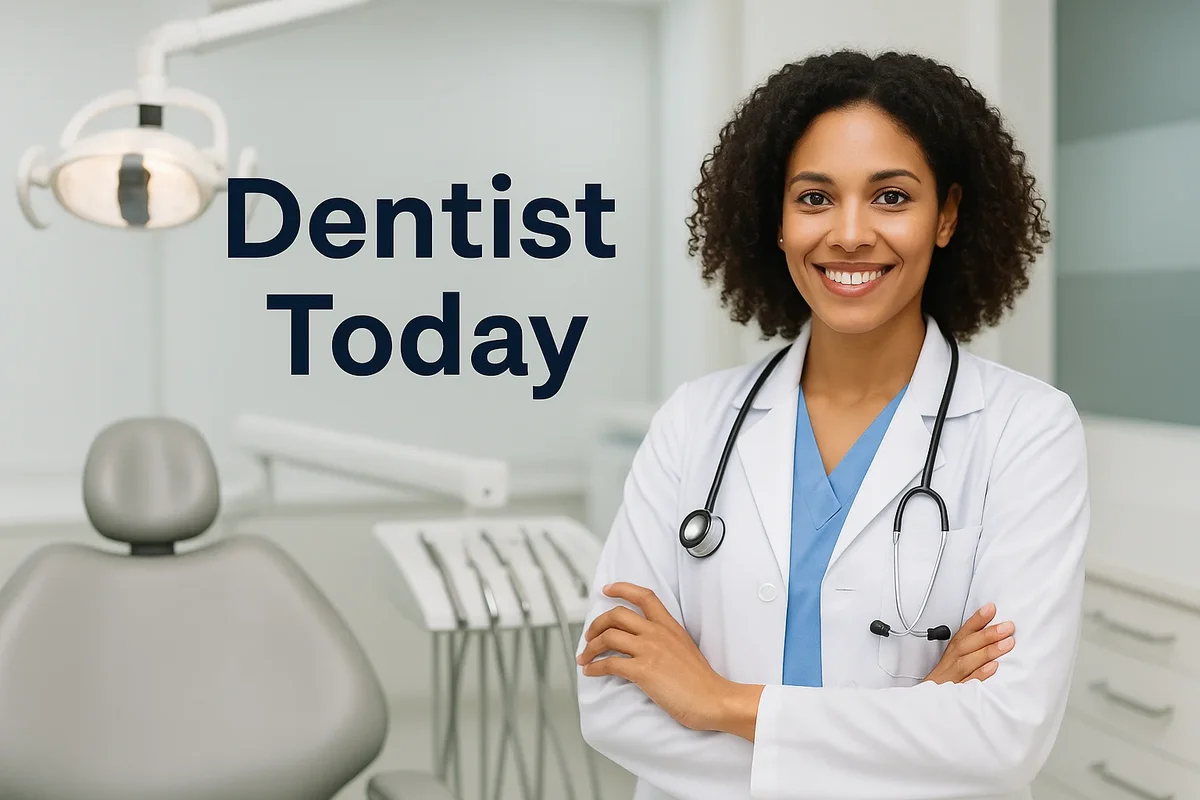
The Future of Dentistry: What the Dentist Today Can Teach Us About Tomorrow 🦷
The world of dentistry is evolving faster than ever before, blending science, technology, and human empathy to create a patient-centered experience. The dentist today stands at the intersection of innovation and care—offering a glimpse into the future of oral health. From AI-powered diagnostics to regenerative dentistry and sustainable practices, the next generation of dental care promises to be smarter, faster, and more comfortable. In this comprehensive guide, we explore how the dentist today is shaping the dental world of tomorrow, ensuring brighter smiles and healthier societies.
1. Artificial Intelligence: The Digital Brain of Modern Dentistry 🤖
Artificial Intelligence (AI) has already started transforming how the dentist today diagnoses, plans, and delivers treatments. AI-powered systems analyze thousands of radiographs, detecting cavities, infections, and bone loss more accurately than ever before. By comparing your dental scans with vast data sets, AI helps identify even the smallest abnormalities invisible to the human eye.
Predictive Dentistry
The dentist today uses AI not only for diagnosis but also for prediction. Machine learning algorithms can forecast future oral health problems based on lifestyle, diet, and genetics. This allows dentists to implement preventive measures years before major issues arise, leading to personalized dental care that focuses on prevention rather than reaction.
2. 3D Printing and Personalized Dental Solutions
3D printing is one of the most exciting innovations redefining what a dentist today can do. With precise digital models and computer-aided design, dental professionals can now print crowns, bridges, implants, and even aligners directly in their offices. This drastically reduces waiting times and increases precision in restorative and cosmetic dentistry.
Future Applications of 3D Printing
The next step involves bioprinting—printing living tissues. Researchers are already working with bio-inks that replicate enamel and dentin structures. This means that in the near future, the dentist today could literally “print” a natural tooth replacement rather than rely on artificial materials. Such advancements will revolutionize restorative dentistry forever.
3. Regenerative Dentistry: Healing from Within 🌱
The concept of regenerative dentistry focuses on stimulating natural tissue repair. The dentist today collaborates with biomedical scientists to use stem cells and growth factors that regenerate lost bone, gum tissue, and even tooth pulp. This field moves away from artificial replacements and toward self-healing biology.
Stem Cell-Based Treatments
In the future, instead of implants, the dentist today may regenerate entire teeth using stem cells harvested from a patient’s own tissue. Experimental treatments have already shown promise, with early trials successfully regenerating dental pulp. This not only improves comfort and function but also eliminates risks associated with foreign materials.
4. Teledentistry: Expanding Access Worldwide 🌍
Teledentistry is revolutionizing accessibility, especially for remote areas. The dentist today can conduct virtual consultations, review photos or X-rays, and provide expert advice online. This technology bridges the gap between patients and professionals, particularly in underserved communities where access to dental care is limited.
Future Integration of AI in Teledentistry
AI will soon be integrated into telehealth platforms, allowing patients to upload oral photos and receive automated preliminary diagnoses. The dentist today can then confirm the results and guide treatment—making dental care faster, cheaper, and more efficient.
5. Robotics and Automation in Dental Surgeries
Automation is another frontier being mastered by the dentist today. Robotic-assisted surgeries are already being tested for implant placements and root canal treatments. Robots provide unmatched precision and stability, reducing human error and improving recovery outcomes.
Benefits of Robotic Dentistry
Robotics minimize tremors, ensure consistent accuracy, and shorten operation times. The dentist today supervises these robots, combining human decision-making with mechanical precision—resulting in safer, faster, and more predictable treatments.
6. Smart Materials and Nano-Dentistry
Nanotechnology is opening doors to treatments once considered impossible. The dentist today is beginning to use nanomaterials that repair microscopic cracks in enamel, prevent bacterial growth, and even release medication directly into targeted areas.
Self-Healing Fillings and Enamel Repair
Imagine a future where cavities repair themselves. The dentist today is already experimenting with nano-fillings that release calcium and phosphate ions, encouraging natural enamel regeneration. These materials can sense pressure, temperature, and pH changes—alerting the dentist to early signs of decay or wear.
7. Eco-Friendly and Sustainable Dentistry 🌿
Environmental awareness is also transforming dental practice. The dentist today is adopting eco-conscious approaches to reduce waste and carbon footprint. Digital X-rays replace film-based systems, sterilization equipment conserves water, and biodegradable materials are used whenever possible.
Green Clinics of the Future
Future clinics will likely feature solar-powered facilities, digital documentation to reduce paper use, and advanced recycling systems. The dentist today teaches patients that sustainable health practices go hand in hand with global environmental responsibility.
8. The Role of Genetics in Personalized Dental Care
Genomic science is helping the dentist today personalize care at the DNA level. Genetic testing can identify predispositions to gum disease, tooth decay, or oral cancer, allowing dentists to tailor prevention strategies accordingly. In the future, treatments will be as unique as fingerprints—customized to every individual’s genetic blueprint.
Precision Dentistry
This future model will enable the dentist today to predict how a patient will respond to specific materials or medications, minimizing allergic reactions and optimizing long-term outcomes. Precision dentistry ensures that care is not only effective but also biologically compatible.
9. Education and Virtual Reality Training for Dentists 🎓
As technology evolves, so does dental education. The dentist today uses virtual reality (VR) and augmented reality (AR) simulations to train on complex procedures in a risk-free environment. This digital learning revolution produces highly skilled professionals ready for the challenges of modern practice.
Simulated Patient Interactions
VR platforms allow the dentist today to practice diagnosing and communicating with virtual patients, improving both technical and interpersonal skills. In the near future, VR training will become a global standard for dental education, ensuring consistent excellence in patient care.
10. The Human Touch: Compassion in the Age of Technology
Despite all these advances, one thing remains irreplaceable—the human connection. The dentist today understands that empathy, communication, and trust are the foundation of lasting patient relationships. While machines and algorithms assist with precision, it’s the dentist’s compassion that truly defines modern dentistry.
Conclusion: The Legacy of the Dentist Today
The dentist today is more than a clinician—they are innovators, educators, and pioneers shaping the future of healthcare. From AI-driven precision to regenerative biology and sustainability, their work ensures that dental care becomes more accessible, comfortable, and personalized for everyone. 🌟
If you’re curious about how these innovations are already being implemented, visit the Redent Klinik Contact Page to connect with forward-thinking dental professionals. For more insights on emerging technologies in oral healthcare, explore the American Dental Association. The future of dentistry is already here—and it’s being built by the visionary dentist today.