
Pregnancy is one of the most transformative periods in a woman’s life — but while expecting, oral health often takes a back seat. Visiting a dentist while pregnant is not only safe when done correctly but is also essential for the overall health of both mother and baby. During pregnancy, hormonal changes can make gums more sensitive, increase the risk of inflammation, and even worsen existing dental issues. That’s why maintaining regular checkups with a trusted dentist while pregnant can make all the difference between a smooth journey and a complicated one. 🩺
Many expecting mothers wonder whether dental treatments, cleanings, or even X-rays are safe during pregnancy. The answer, supported by the American Dental Association, is yes — as long as precautions are taken. A dentist while pregnant will typically use protective measures such as lead aprons and limit any exposure to chemicals or medications that could pose a risk to the developing baby. Routine dental care like cleanings, fillings, and exams are not only safe but recommended, especially during the second trimester, when discomfort is minimal, and the mother’s body is more stable. 🦷
One key reason it’s so important to see a dentist while pregnant is that hormonal shifts significantly affect oral health. Increased progesterone and estrogen levels can cause gums to swell, bleed, or develop conditions like pregnancy gingivitis. These gum issues can progress to more serious forms of periodontal disease if left untreated, potentially affecting the baby’s health. Studies have shown that severe gum infections in pregnant women may increase the risk of premature birth or low birth weight. Therefore, regular dental cleanings and proper oral hygiene are essential. 🪥
Another factor to consider is morning sickness. Vomiting exposes teeth to stomach acid, leading to enamel erosion. When acid continuously attacks the enamel, it weakens the protective surface of the teeth, making them more prone to decay. A dentist while pregnant can recommend fluoride treatments, remineralizing toothpaste, and proper rinsing techniques (such as rinsing with a mixture of baking soda and water) to neutralize acid and prevent long-term damage. Avoid brushing immediately after vomiting; instead, rinse first and wait about 30 minutes before brushing to prevent enamel wear. 💡
Additionally, expecting mothers often crave sugary or carbohydrate-heavy foods — both of which can contribute to plaque buildup and cavities. Scheduling regular visits with a dentist while pregnant allows for early detection and management of these problems before they escalate. Preventive measures such as professional cleanings, dental sealants, and nutritional counseling can help maintain a healthy balance and reduce oral bacteria that thrive on sugar. 👶
Beyond the mouth, dental health plays a surprising role in overall pregnancy wellness. Infections in the gums or teeth can lead to systemic inflammation, which may affect the immune system and even the placenta. A knowledgeable dentist while pregnant will collaborate with the obstetrician to ensure all procedures and medications — including local anesthetics or antibiotics — are safe for both mother and baby. Communication between your dental and medical teams ensures that treatment decisions align with your specific stage of pregnancy and any existing health conditions. 🤝
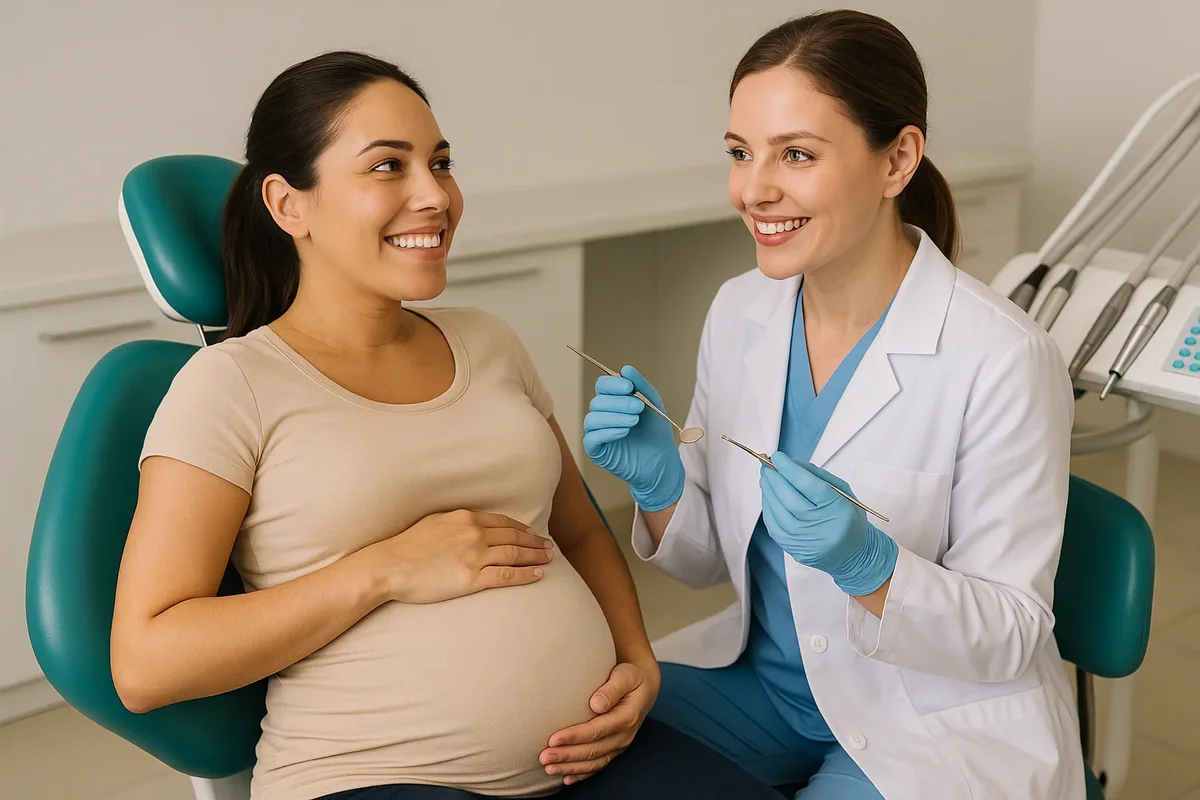
It’s also essential to note that dental anxiety can increase during pregnancy due to hormonal changes or general stress. A dentist while pregnant who specializes in prenatal dental care will understand how to create a calming environment, adjust chair positions to reduce pressure on the abdomen, and use safe materials to ensure maximum comfort. This compassionate approach helps mothers feel at ease while still protecting their oral health. 🪶
For women with special conditions such as gestational diabetes or high blood pressure, a dentist while pregnant can adapt treatment plans to minimize any potential complications. For example, scaling and root planing might be postponed or modified depending on the trimester and overall medical status. Some medications commonly used in dental care — such as certain antibiotics or painkillers — are replaced with pregnancy-safe alternatives to ensure complete safety. 💊
Maintaining excellent oral hygiene at home complements professional dental care. Brushing at least twice daily with fluoride toothpaste, flossing gently, and rinsing with an alcohol-free mouthwash are the cornerstones of daily oral hygiene. Regular visits to a dentist while pregnant should be seen as preventive care, not merely a response to problems. Prevention always costs less — both financially and emotionally — than emergency dental procedures during pregnancy. 💰
Finally, remember that your smile is not just about aesthetics — it’s a reflection of your overall health. Keeping your gums healthy supports better nutrition, reduces inflammation, and contributes to a more comfortable pregnancy. To schedule a consultation or learn about safe dental care options for expectant mothers, visit the Redent Klinik Contact Page. A skilled dentist while pregnant can provide the peace of mind you deserve during this special chapter of your life. 🌸
Is It Safe to Go to the Dentist While Pregnant?
Many expecting mothers often ask this question with understandable concern — is it safe to go to the dentist while pregnant? The short answer, supported by both medical and dental authorities, is a resounding yes. In fact, regular dental checkups are not only safe but also highly recommended throughout pregnancy. Maintaining oral hygiene during this delicate time helps protect both the mother’s and baby’s overall health. 🩺
Understanding the Safety of Dental Care During Pregnancy
When it comes to visiting a dentist while pregnant, safety depends on the type of dental care provided and the stage of pregnancy. Routine checkups, professional cleanings, and most preventive treatments can be safely performed during all trimesters. The ideal time for elective procedures, however, is the second trimester (weeks 14–20). During this period, morning sickness tends to ease, and lying back in the dental chair is more comfortable for the mother. 🦷
The American Dental Association and other health organizations emphasize that avoiding the dentist during pregnancy may actually pose more risks than receiving proper dental care. Untreated infections or gum disease can lead to systemic inflammation and have been linked to pregnancy complications like preterm birth or low birth weight. Therefore, a dentist while pregnant plays an essential role in ensuring both oral and overall wellness.
Dental Treatments That Are Safe During Pregnancy
Several dental treatments are considered safe under the supervision of a qualified dentist while pregnant:
- Professional cleanings: Removing plaque and tartar buildup helps prevent gum inflammation and infection.
- Fillings and cavity repair: Local anesthesia can be safely administered when needed; lidocaine is typically used as it’s considered safe for pregnant women.
- Emergency treatments: Abscesses, toothaches, or infections should never be postponed, as pain and bacteria can negatively affect maternal and fetal health.
- Non-urgent procedures: Whitening or cosmetic treatments are usually postponed until after delivery, but functional treatments are encouraged.
Each dentist while pregnant should review the patient’s medical history, medications, and trimester stage before beginning treatment. When necessary, the dentist may collaborate with the patient’s obstetrician to align the treatment plan with the overall prenatal care strategy. 🤝
Dental X-Rays and Pregnancy Safety
One of the most common concerns is dental X-rays. Many women fear that radiation could harm the developing baby. However, modern dental imaging technology emits extremely low radiation levels, and when protective measures like lead aprons and thyroid shields are used, the risk becomes negligible. If X-rays are necessary for diagnosing serious conditions, a dentist while pregnant can safely perform them while following strict safety protocols. It’s always better to identify and treat an infection early than to let it worsen. 💡
Important Note:
During the first trimester, it’s generally best to limit exposure to any non-urgent medical procedures, including X-rays, unless absolutely required. The baby’s organs are forming during this time, so dentists focus on preventive care, gentle cleanings, and monitoring oral health closely. During the second trimester, procedures can be performed more comfortably and safely. In the third trimester, long dental appointments are usually avoided because lying on the back for extended periods may cause discomfort or lower blood pressure. 🩷
Medications and Anesthesia Safety
Expecting mothers sometimes worry about anesthesia and pain relief medications. A dentist while pregnant typically uses the lowest effective dose of local anesthesia and avoids drugs that could potentially affect fetal development. Lidocaine, used for most fillings and cleanings, is considered safe. If antibiotics are needed after a procedure, options like amoxicillin, penicillin, or clindamycin are often prescribed, as they are proven safe for pregnancy. Dentists strictly avoid tetracycline-based antibiotics because they may discolor the baby’s teeth. 💊
The Connection Between Oral and Fetal Health
Scientific studies suggest a connection between gum disease in pregnant women and preterm labor or low birth weight. The reason lies in systemic inflammation — bacteria from infected gums can enter the bloodstream and reach the placenta, triggering immune responses. By visiting a dentist while pregnant regularly, these risks can be minimized through early detection and gentle treatment of any oral inflammation. Gum therapy or scaling can be performed safely during the second trimester under professional supervision. 🌿
Comfort and Positioning During Dental Visits
Comfort is a crucial factor when visiting a dentist while pregnant. In later stages, lying flat on the back can compress the vena cava (the large vein carrying blood to the heart), which might cause dizziness or nausea. Dentists trained in prenatal care usually position patients slightly tilted to the left, using supportive pillows to ensure comfort. This simple adjustment prevents pressure on major blood vessels and helps maintain stable blood flow. 🪶
When to Avoid or Postpone Treatment
Although most dental treatments are safe, some elective cosmetic procedures or non-essential surgeries are best postponed until after delivery. For example, teeth whitening, certain orthodontic adjustments, or aesthetic veneers should wait until the pregnancy period is over. However, if a dentist while pregnant identifies a serious infection or cavity, immediate treatment is crucial — postponing could cause more harm than good. ⚠️
Building a Supportive Dental Team During Pregnancy
Ultimately, the key to safe and effective dental care during pregnancy is communication. A reliable dentist while pregnant will maintain close collaboration with your obstetrician, ensuring that every procedure, prescription, and precaution aligns with your pregnancy stage and overall health. This teamwork offers peace of mind for mothers and keeps both mom and baby safe throughout the entire process. 🤗
For those seeking compassionate and professional prenatal dental care, you can reach out to Redent Klinik through the Redent Klinik Contact Page. Their experienced team ensures that every visit to the dentist while pregnant is both safe and comfortable — helping you maintain a bright, healthy smile during one of the most beautiful times of your life. 🌸
Common Oral Health Problems During Pregnancy
Pregnancy brings joy, excitement, and many changes — but it can also lead to unexpected oral health issues. Visiting a dentist while pregnant is one of the best ways to prevent and manage these problems before they affect both the mother and the baby. Hormonal fluctuations, morning sickness, changes in diet, and even prenatal vitamins can all impact oral health. Understanding these challenges and addressing them promptly can protect your teeth, gums, and overall wellbeing throughout pregnancy. 🩷
Why Pregnancy Affects Your Mouth
When you’re pregnant, your body experiences elevated levels of hormones like estrogen and progesterone. These hormones increase blood flow to your gums, making them more sensitive, swollen, and prone to bleeding. This condition, often referred to as pregnancy gingivitis, affects nearly 60–70% of expectant mothers. Seeing a dentist while pregnant ensures that these symptoms are properly managed through professional cleanings and targeted oral care guidance. 🦷
Another reason oral health becomes more challenging during pregnancy is that the immune system becomes slightly suppressed to accommodate the developing baby. This change makes the body more vulnerable to bacterial infections, including those affecting the gums. Regular visits to a dentist while pregnant help monitor these changes closely and prevent minor issues from becoming serious periodontal problems. 🩺
Pregnancy Gingivitis: The Most Common Concern
Gingivitis is one of the most frequently reported dental problems during pregnancy. It typically appears between the second and eighth months of gestation. The gums may appear red, swollen, and bleed easily when brushing or flossing. Without proper care, this condition can progress to periodontitis — a severe gum infection that can harm not just the mother’s mouth but also the baby’s health. Studies suggest that pregnant women with untreated gum disease are more likely to experience premature birth or low birth weight. Therefore, scheduling appointments with a dentist while pregnant is a crucial preventive step. 🌸
Pregnancy Tumors: Harmless but Alarming
Some expecting mothers develop small, benign growths on their gums known as “pregnancy tumors” or pyogenic granulomas. Despite their alarming name, these are not cancerous. They’re usually caused by irritation, plaque buildup, or hormonal changes. These growths appear red or purple and bleed easily. Fortunately, they often disappear after childbirth. However, if they interfere with chewing or cause discomfort, a dentist while pregnant can safely remove them. The procedure is minor and can usually be done without risk. 🧡
Morning Sickness and Enamel Erosion
Morning sickness is common in early pregnancy and can significantly affect oral health. Frequent vomiting exposes teeth to strong stomach acids, which erode enamel over time. The result can be increased sensitivity, yellowing, and a higher risk of decay. A dentist while pregnant will recommend safe ways to minimize acid damage, such as rinsing with a baking soda solution (1 teaspoon baking soda in a cup of water) after vomiting and avoiding brushing immediately. Brushing too soon can spread acid and accelerate enamel wear. 🪥
Tooth Decay and Cavities During Pregnancy
Changes in diet, especially cravings for sugary snacks or carbohydrates, increase the risk of cavities during pregnancy. Combined with morning sickness and fatigue that may lead to less thorough brushing, it’s easy for decay to develop. A dentist while pregnant can apply fluoride varnishes, perform gentle cleanings, and offer personalized nutrition advice to reduce the chances of cavity formation. Chewing sugar-free gum containing xylitol can also help reduce harmful bacteria in the mouth. 🍬
Dietary Tips to Prevent Tooth Problems
- Eat calcium-rich foods such as yogurt, cheese, and leafy greens to strengthen teeth and bones.
- Drink plenty of water to wash away food particles and maintain saliva flow.
- Limit sugary drinks and processed snacks that feed oral bacteria.
- Include vitamin C-rich foods (like oranges or strawberries) to boost gum health and collagen production.
These dietary changes, coupled with professional advice from a dentist while pregnant, support a healthier mouth and a more comfortable pregnancy overall. 🍏
Dry Mouth and Bad Breath
Some women experience dry mouth during pregnancy due to hormonal changes and increased fluid needs. This condition, known as xerostomia, can contribute to bad breath and a higher risk of decay. A dentist while pregnant may suggest using sugar-free lozenges, increasing water intake, and avoiding caffeine to keep the mouth hydrated. Proper saliva production helps neutralize acids and protect enamel from bacterial attack. 💧
Gum Infections and Systemic Health
Gum disease doesn’t just affect the mouth; it can impact the entire body. Bacteria from infected gums can enter the bloodstream and potentially affect the placenta, contributing to pregnancy complications. That’s why consistent checkups with a dentist while pregnant are so important. Early detection and treatment of gum inflammation can reduce systemic inflammation and support a healthy pregnancy outcome. 🌿
When to See a Dentist Immediately
If you notice symptoms such as persistent gum bleeding, severe tooth pain, pus around the gums, or swelling in the jaw, it’s crucial to see a dentist while pregnant right away. These signs could indicate infection or abscesses that require immediate attention. Leaving them untreated can cause significant pain and potential health risks. Emergency dental care is completely safe during pregnancy when performed under professional supervision. ⚠️
Maintaining Good Oral Hygiene at Home
While professional dental care is essential, maintaining a consistent at-home routine is equally important. Brushing twice daily with fluoride toothpaste, flossing gently, and using an alcohol-free mouthwash help keep bacteria under control. A dentist while pregnant might also recommend specialized toothbrushes with soft bristles to reduce gum irritation. Regular cleaning and early intervention prevent more serious complications later on. 🪶
For personalized care and guidance, visit the Redent Klinik Contact Page. Their expert team understands the unique dental needs of expectant mothers and provides safe, effective solutions for every stage of pregnancy. A skilled dentist while pregnant ensures that you can smile confidently — knowing both your health and your baby’s wellbeing are fully protected. 💖
Safe Dental Treatments for Expecting Mothers
One of the most common questions among expectant mothers is: “What treatments are safe when visiting a dentist while pregnant?” The good news is that most essential dental procedures can be performed safely throughout pregnancy — provided they are carried out under the supervision of a skilled professional and with proper precautions. Oral health during pregnancy isn’t a luxury; it’s a necessity for both the mother’s and baby’s wellbeing. 💖
The Importance of Professional Dental Care During Pregnancy
Seeing a dentist while pregnant ensures that potential dental problems like gum inflammation, cavities, or infections are detected early and treated appropriately. Hormonal fluctuations during pregnancy can increase gum sensitivity, while changes in diet and morning sickness can cause enamel erosion. Timely dental care helps manage these issues before they escalate into painful or risky complications. Maintaining good oral health also reduces systemic inflammation, which is beneficial for both mother and child. 🦷
The American Dental Association recommends that expectant mothers continue their regular dental checkups, ideally once every six months, or more frequently if gum issues are present. Skipping these visits due to fear or misinformation can lead to preventable conditions such as pregnancy gingivitis or tooth decay — both of which can have indirect effects on pregnancy outcomes.
Safe Dental Treatments During Pregnancy
A dentist while pregnant can safely perform several types of dental procedures. Here’s a detailed breakdown of treatments that are considered safe and beneficial:
- Dental Cleaning: Routine cleanings are essential during pregnancy. They help remove plaque and tartar that contribute to gum inflammation and periodontal disease. Professional cleanings are completely safe throughout all trimesters.
- Fillings and Cavity Repair: Local anesthesia, such as lidocaine, can be used safely when treating cavities. Delaying cavity treatment can lead to infections that may require more complex interventions later.
- Scaling and Root Planing: If gum disease develops, deep cleaning treatments can be safely done during the second trimester to prevent bacteria from entering the bloodstream.
- Emergency Extractions: Infected or decayed teeth that cause pain or swelling should be treated immediately. Emergency dental care by a dentist while pregnant is safer than allowing an infection to spread.
While routine and emergency procedures are generally safe, elective or cosmetic procedures — such as whitening, veneers, or implants — should be postponed until after delivery. This allows focus on health rather than aesthetics during pregnancy. 🩺
Use of Local Anesthesia and Medications
It’s natural for expectant mothers to worry about anesthesia and medications during dental procedures. However, studies show that when used appropriately, local anesthetics pose minimal risk. A dentist while pregnant typically uses the smallest effective dose to numb the treatment area while avoiding any unnecessary exposure to chemicals. Lidocaine is the preferred anesthetic since it’s considered safe during pregnancy.
When antibiotics or pain relievers are needed, dentists choose pregnancy-safe options such as penicillin, amoxicillin, or clindamycin. Painkillers like acetaminophen are generally safe, but nonsteroidal anti-inflammatory drugs (NSAIDs) should be avoided in the third trimester. This careful approach ensures both comfort and safety for the mother and baby. 💊
Timing Dental Treatments by Trimester
First Trimester (Weeks 1–13)
During the first trimester, the baby’s vital organs are developing. Therefore, elective dental procedures should be avoided. A dentist while pregnant will focus on preventive care, such as gentle cleaning and oral hygiene education. Morning sickness can make brushing difficult, so using a soft-bristled brush and mild-flavored toothpaste can help. 🪥
Second Trimester (Weeks 14–27)
This is the safest and most comfortable period for dental work. Most procedures, including fillings and deep cleanings, can be performed during this stage. The risk of nausea decreases, and the baby’s organs are already developed. A dentist while pregnant may schedule necessary treatments during this time to ensure optimal safety. 🩷
Third Trimester (Weeks 28–40)
In the final months, prolonged dental appointments should be avoided because lying flat on the back can compress major blood vessels, causing dizziness or discomfort. If treatment is necessary, a dentist while pregnant will slightly recline the chair and use a side tilt to keep circulation stable. Only urgent care should be performed at this stage. 🤰
Handling Dental Emergencies Safely
Dental emergencies — such as severe pain, abscesses, or broken teeth — can happen anytime. A qualified dentist while pregnant is trained to handle these emergencies with utmost care. Delaying treatment can lead to infection, which is more dangerous for both mother and baby than receiving prompt dental attention. Emergency X-rays can also be taken if absolutely necessary, using protective lead aprons to minimize exposure. 🔰
Preventive Measures to Minimize Dental Issues
Preventive care remains the cornerstone of oral health during pregnancy. Brushing at least twice a day with fluoride toothpaste, flossing gently, and eating nutrient-rich foods are essential habits. A dentist while pregnant might also recommend professional fluoride treatments or antimicrobial rinses to strengthen enamel and reduce bacterial buildup. These preventive strategies help avoid complications that may otherwise require treatment. 🍎
Home Care Tips:
- Rinse with warm salt water to soothe sensitive gums.
- Use fluoride toothpaste and a soft-bristled toothbrush.
- Drink plenty of water to maintain saliva flow and neutralize acids.
- Limit sugary foods and avoid acidic drinks like soda or citrus juices.
When to Consult Both Dentist and OB-GYN
It’s essential to keep your healthcare providers informed about your dental visits. A responsible dentist while pregnant will coordinate with your obstetrician before prescribing medications or performing major procedures. This collaborative approach ensures that all treatments align with your pregnancy plan and any medical conditions, such as gestational diabetes or high blood pressure. 🫶
To receive safe and compassionate dental care during pregnancy, you can schedule a consultation via the Redent Klinik Contact Page. Their experienced professionals understand the unique needs of expectant mothers and tailor every treatment for safety and comfort. A trusted dentist while pregnant not only protects your smile but also contributes to a healthier pregnancy and a brighter postpartum recovery. 🌸
Dental X-Rays and Pregnancy: What You Need to Know
One of the biggest concerns for expectant mothers is whether it’s safe to undergo dental X-rays while pregnant. The truth is that, under proper precautions, X-rays are both safe and essential for diagnosing serious dental issues that could threaten maternal or fetal health. A well-trained dentist while pregnant will take every measure to ensure your safety, using modern, low-radiation digital equipment and protective gear designed specifically for pregnant patients. 🦷
Understanding Why Dental X-Rays Are Important
Dental X-rays play a crucial role in detecting conditions that cannot be seen during a regular visual exam — such as hidden tooth decay, bone loss, impacted teeth, or abscesses. Without this imaging, a dentist while pregnant may not be able to accurately diagnose and treat infections, which could lead to severe complications. Ignoring infections or untreated decay can result in systemic inflammation, posing far greater risks than the minimal radiation exposure from an X-ray. 📸
According to the American Dental Association and the American College of Obstetricians and Gynecologists (ACOG), dental X-rays can be safely performed during pregnancy when proper shielding is used. In fact, the ADA encourages women not to delay urgent dental imaging if it is necessary for diagnosis or treatment. Modern dental X-ray machines emit extremely low doses of radiation, and the exposure is targeted only to the mouth area — far from the abdomen or fetus. 🩺
How Radiation Exposure Is Controlled
When visiting a dentist while pregnant, protective measures are always taken to minimize any radiation exposure. The most important precaution is the use of a lead apron that covers the abdomen and pelvic region. Additionally, a thyroid collar may be used to shield the thyroid gland, which is particularly sensitive to radiation. These barriers ensure that no stray radiation reaches the developing baby.
Modern digital X-ray systems further enhance safety by using up to 80–90% less radiation than traditional film-based methods. This makes the process extremely low-risk. A dentist while pregnant will only recommend an X-ray when absolutely necessary — usually in cases of severe pain, swelling, trauma, or suspected infection. The benefits of accurate diagnosis and timely treatment far outweigh the theoretical risks. ⚡
Timing Dental X-Rays During Pregnancy
First Trimester (Weeks 1–13)
During the first trimester, the baby’s organs are developing, and most non-urgent dental procedures are postponed. However, if an infection or abscess poses a threat to the mother’s health, a dentist while pregnant may perform an X-ray using enhanced shielding and low-dose technology. Elective imaging is avoided at this stage unless absolutely required. 🩷
Second Trimester (Weeks 14–27)
This is generally the safest period for dental treatments and imaging. The fetus’s organs are fully formed, and the risk of radiation sensitivity is greatly reduced. Most X-rays, including those needed for fillings, root canals, or gum disease treatment, can be safely performed under the care of an experienced dentist while pregnant. ✅
Third Trimester (Weeks 28–40)
In late pregnancy, the focus is on comfort and minimizing prolonged procedures. X-rays are still safe when properly shielded, but dentists usually schedule only urgent treatments during this phase. The patient’s position is adjusted to avoid pressure on major blood vessels — often tilting slightly to the left for optimal circulation. 🤰
Common Myths About Dental X-Rays During Pregnancy
There are several misconceptions that cause unnecessary fear. Let’s debunk some of the most common myths about X-rays during pregnancy:
- Myth 1: “X-rays always harm the baby.” — False. Modern dental X-rays use minimal radiation, and with proper shielding, the risk is nearly zero.
- Myth 2: “All dental treatments must wait until after delivery.” — Incorrect. A dentist while pregnant can safely perform diagnostic and preventive treatments at any stage, especially if urgent issues arise.
- Myth 3: “Skipping dental visits is safer.” — Quite the opposite. Avoiding dental care increases the risk of untreated infections, which can impact both the mother’s and baby’s health.
These myths persist largely due to outdated information. In reality, neglecting dental problems can be far more harmful than controlled exposure to diagnostic X-rays. 📖
What to Expect During a Dental X-Ray Appointment
When you arrive for an appointment with a dentist while pregnant, the team will first confirm your pregnancy stage and consult with your obstetrician if needed. You will be given a lead apron and collar before the imaging begins. The X-ray procedure itself takes only a few seconds and is completely painless. Afterward, your dentist will review the images immediately and discuss treatment options. Most digital X-rays provide instant results, ensuring faster and safer care. 🩶
Safety of Dental X-Rays for the Baby
The dose of radiation from a standard dental X-ray is extremely low — typically between 0.005 and 0.01 millisieverts (mSv), which is far below the threshold that could cause harm. To put it in perspective, a pregnant woman is naturally exposed to about 1 mSv of background radiation from the environment over the course of pregnancy. That means a single dental X-ray adds less than 1% of this exposure. When managed by a dentist while pregnant, the procedure poses virtually no risk to the fetus. 🌿
Alternatives and Preventive Approaches
While X-rays are safe when necessary, prevention remains the best approach. Maintaining proper oral hygiene — brushing twice daily, flossing, and using fluoride toothpaste — reduces the need for emergency imaging. A dentist while pregnant can also monitor oral health closely through visual exams and recommend digital photos or intraoral cameras as supplementary tools when appropriate. 🪥
Collaborating with Your OB-GYN and Dentist
Communication between healthcare providers ensures optimal safety. Before scheduling any X-rays, it’s important to inform your dentist and obstetrician about your pregnancy status and any complications. A qualified dentist while pregnant will document your medical history, pregnancy week, and any medications used to determine the best approach. Together, your care team will make evidence-based decisions that prioritize your comfort and your baby’s wellbeing. 🤝
If you’re unsure about whether you need a dental X-ray, contact your healthcare professionals for guidance or visit the Redent Klinik Contact Page to consult with experienced dental experts. They provide modern, pregnancy-safe care that aligns with international dental and obstetric standards. Visiting a dentist while pregnant ensures both you and your baby stay healthy — one confident, protected smile at a time. 🌸
Managing Gum Disease and Tooth Decay While Pregnant
Gum disease and tooth decay are two of the most common oral health challenges faced during pregnancy. Due to hormonal changes, increased blood flow, and shifts in oral bacteria, pregnant women are more prone to gingivitis, cavities, and other dental problems. Regular visits to a dentist while pregnant are crucial to prevent these conditions from worsening and to maintain both maternal and fetal health. Healthy gums and teeth support better nutrition, lower inflammation, and contribute to a safer pregnancy overall. 🦷
Understanding Gum Disease During Pregnancy
Gum disease begins as mild inflammation called pregnancy gingivitis. This condition can cause gums to appear red, swollen, and prone to bleeding during brushing or flossing. If left untreated, gingivitis can advance to periodontitis — a severe form of gum infection that can lead to bone loss and even tooth loss. A dentist while pregnant is trained to detect these early signs through professional exams and gentle cleanings, ensuring your gums remain healthy throughout your pregnancy. 🩷
Research indicates that hormonal surges of estrogen and progesterone during pregnancy increase the gums’ reaction to plaque bacteria. This heightened response can lead to swelling and tenderness even with normal brushing habits. Visiting a dentist while pregnant allows for customized advice, such as switching to softer toothbrushes or specialized mouth rinses that reduce inflammation safely. 🌿
Link Between Gum Disease and Pregnancy Complications
Many studies have found a connection between gum disease and adverse pregnancy outcomes like preterm birth, low birth weight, and preeclampsia. The theory is that bacteria from infected gums may enter the bloodstream and trigger inflammation in the placenta. Regular checkups with a dentist while pregnant can prevent these complications through deep cleanings (scaling and root planing) that remove plaque and bacteria from beneath the gumline. Treating gum disease early reduces inflammation and helps maintain a healthy environment for both mother and baby. 🩺
Recognizing the Signs of Gum Disease
- Gums that bleed easily when brushing or flossing
- Persistent bad breath or a sour taste in the mouth
- Swollen, tender, or receding gums
- Loose teeth or changes in bite alignment
- Pain when chewing or sensitivity to temperature
If you notice any of these symptoms, consult a dentist while pregnant immediately. Early intervention is key to preventing irreversible gum damage and ensuring overall wellbeing. ⚠️
Tooth Decay: Why It’s More Common in Pregnancy
Morning sickness, increased snacking, and changes in saliva composition can all contribute to higher cavity risk. Stomach acid from vomiting erodes enamel, and cravings for sugary or starchy foods feed bacteria that produce harmful acids. A dentist while pregnant will recommend fluoride toothpaste, remineralizing treatments, and dietary guidance to help protect enamel. 🪥
How to Protect Against Cavities During Pregnancy
- Rinse after morning sickness: Use a solution of one teaspoon baking soda in a cup of water to neutralize acid.
- Brush properly: Wait 30 minutes after vomiting before brushing to prevent enamel wear.
- Fluoride toothpaste: Strengthens enamel and prevents decay safely for expectant mothers.
- Regular dental visits: Cleanings and fluoride varnish applications by a dentist while pregnant greatly reduce the risk of cavities.
Tooth decay can also worsen existing gum disease, leading to a cycle of inflammation and infection. A professional dentist while pregnant can break this cycle with treatments tailored to your specific needs, such as antibacterial rinses or deep cleanings. 🧡
Safe Treatments for Gum Disease During Pregnancy
When gum disease progresses, treatment may include scaling and root planing — a deep-cleaning procedure that removes plaque and bacteria from below the gumline. This treatment is safe during pregnancy, especially in the second trimester. A dentist while pregnant will also use non-alcoholic, antimicrobial rinses and gentle ultrasonic tools to minimize discomfort and ensure safety. In severe cases, antibiotics like amoxicillin or clindamycin may be prescribed, both considered safe for expectant mothers. 💊
Home Remedies and Daily Oral Care
In addition to professional care, maintaining daily oral hygiene is vital. Here are some simple but effective habits recommended by dental professionals:
- Brush at least twice daily with a soft-bristled toothbrush and fluoride toothpaste.
- Floss gently once a day to remove plaque between teeth and along the gumline.
- Use an alcohol-free mouthwash to reduce bacteria without irritation.
- Eat vitamin C-rich foods (like strawberries and citrus) to strengthen gum tissue.
- Stay hydrated — saliva helps neutralize acid and protect enamel.
These habits, when combined with regular visits to a dentist while pregnant, significantly reduce oral health risks. 💧
Dealing with Sensitive Gums and Teeth
Many expectant mothers experience sensitivity to temperature changes or pressure due to swollen gums or exposed roots. A dentist while pregnant can recommend desensitizing toothpaste and in-office fluoride treatments to strengthen enamel and reduce discomfort. Avoiding overly hot, cold, or acidic foods can also help. 🧊
Preventive Nutrition for Gum and Tooth Health
A balanced diet supports both oral and overall health. Calcium, vitamin D, and phosphorus are vital for building strong teeth and bones for both mother and baby. Omega-3 fatty acids found in fish or flaxseed help reduce gum inflammation. A dentist while pregnant may collaborate with your healthcare provider to tailor a nutrition plan that supports optimal oral health. 🥗
Why Regular Dental Visits Are Non-Negotiable
Even if you maintain excellent hygiene, only a professional cleaning can remove hardened plaque (tartar). Regular checkups with a dentist while pregnant ensure early detection of issues that might otherwise go unnoticed. Dentists trained in prenatal care understand the unique changes occurring in the mouth during pregnancy and provide safe, gentle, and effective care at every stage. 🤝
For personalized dental care and expert advice during your pregnancy, reach out via the Redent Klinik Contact Page. Their experienced professionals specialize in caring for expectant mothers and ensuring safe, comfortable treatments. Partnering with a trusted dentist while pregnant is one of the best investments you can make for your health — and your baby’s. 🌸
Morning Sickness, Acid Erosion, and Oral Hygiene Tips
Morning sickness is one of the most common and uncomfortable symptoms of pregnancy, but few realize how much it can affect oral health. The frequent vomiting associated with it exposes teeth to strong stomach acids that can erode enamel, increase sensitivity, and lead to long-term dental issues. That’s why seeing a dentist while pregnant is essential for managing the effects of acid erosion and maintaining strong, healthy teeth throughout pregnancy. 🤰🦷
Understanding the Connection Between Morning Sickness and Oral Health
Morning sickness typically occurs in the first trimester, though some women experience it throughout pregnancy. Each time you vomit, stomach acid comes into contact with the enamel—the hard, protective layer of your teeth. Over time, repeated exposure softens and thins the enamel, making your teeth more prone to cavities, chipping, and discoloration. A skilled dentist while pregnant can identify early signs of enamel wear and provide preventive treatments to stop the damage before it becomes severe. 🩺
Hormonal changes also contribute to an acidic environment in the mouth. Elevated estrogen and progesterone can alter saliva composition, reducing its ability to neutralize acid. This increases the risk of both erosion and decay. Regular visits to a dentist while pregnant help maintain the mouth’s pH balance and prevent long-term harm from morning sickness. 🌿
What Acid Erosion Does to Your Teeth
Acid erosion is more than just surface damage — it weakens the entire tooth structure. Over time, the enamel layer becomes thinner, exposing the underlying dentin, which contains nerve endings. This leads to tooth sensitivity, pain while eating or drinking, and visible yellowing. If untreated, enamel loss can result in cavities or even tooth fractures. A dentist while pregnant can monitor these changes and recommend treatments like fluoride varnish, enamel-strengthening toothpaste, or remineralizing gels that rebuild lost minerals. 💎
Signs of Acid Erosion:
- Increased sensitivity to hot, cold, or sweet foods
- Smooth, shiny areas on teeth (especially near the gums)
- Yellowish tint as enamel thins and dentin shows
- Rounded or flattened tooth edges
- Small cracks or transparency on front teeth
If you notice these signs, consult a dentist while pregnant immediately. Early intervention can prevent irreversible enamel damage. ⚠️
Proper Oral Care After Morning Sickness
Brushing your teeth right after vomiting might seem like a good idea, but it can actually cause more harm than good. Because stomach acid temporarily softens the enamel, brushing too soon can wear it away. Instead, rinse your mouth with a solution of one teaspoon baking soda mixed with a cup of water to neutralize acid. Wait at least 30 minutes before brushing. This simple routine, recommended by any experienced dentist while pregnant, helps protect your enamel and maintain fresh breath. 💧
Step-by-Step Oral Care Routine:
- Rinse immediately after vomiting: Use water or a baking soda solution to neutralize acid.
- Wait 30 minutes: Give enamel time to reharden before brushing.
- Brush gently: Use a soft-bristled brush and fluoride toothpaste to strengthen enamel.
- Floss daily: Removes trapped food and bacteria that can cause decay or gum inflammation.
- Use mouthwash: Choose an alcohol-free rinse to kill bacteria without irritation.
Following these steps daily, combined with professional cleanings from a dentist while pregnant, keeps your teeth strong despite frequent morning sickness. 🪥
Dietary Adjustments to Reduce Acid Exposure
Your diet plays a vital role in protecting your teeth from acid erosion. A dentist while pregnant may recommend avoiding or limiting acidic foods and beverages such as citrus fruits, carbonated drinks, and vinegar-based products. Instead, focus on nutrient-rich foods that strengthen enamel, like dairy products, leafy greens, and foods high in calcium and phosphorus. 🥛🥦
Recommended Foods for Strong Teeth:
- Dairy products: Milk, cheese, and yogurt contain calcium and casein, which strengthen enamel.
- Leafy greens: Spinach and kale provide essential vitamins for gum health.
- Almonds and sesame seeds: Natural sources of calcium and phosphorus for enamel repair.
- Water: Keeps the mouth hydrated and washes away acids and bacteria.
Eating these foods and maintaining hydration helps balance the oral pH and reduce acid-related damage. A dentist while pregnant may also recommend chewing sugar-free gum containing xylitol, which stimulates saliva flow and neutralizes acid naturally. 🌸
Professional Treatments for Acid Erosion
If enamel erosion has already begun, a dentist while pregnant can provide safe, effective treatments to stop the progression. Options include fluoride varnishes, remineralizing gels, and dental bonding for teeth with visible damage. These treatments strengthen enamel and protect exposed dentin. In severe cases, restorative procedures like composite fillings or crowns may be used to restore appearance and function. 🩺
Safety of Dental Treatments During Pregnancy
All preventive and restorative treatments performed by a dentist while pregnant are carefully adjusted for safety. Protective aprons are used during X-rays if required, and pregnancy-safe anesthetics ensure pain-free care without risk to the baby. Dentists also avoid using strong whitening agents or harsh chemicals until after delivery, focusing instead on natural and gentle solutions. ✅
Saliva: The Natural Defense Against Acid
Saliva plays a critical role in maintaining oral health by washing away acids and bacteria. However, many pregnant women experience dry mouth (xerostomia), which reduces saliva flow. This increases acid damage and decay risk. A dentist while pregnant might recommend staying hydrated, using saliva-stimulating sugar-free lozenges, or drinking water frequently. You can also eat crunchy fruits and vegetables like apples and carrots to naturally boost saliva production. 🍎
When to Seek Help
If your morning sickness is severe (hyperemesis gravidarum) or you experience frequent enamel sensitivity, bleeding gums, or visible tooth wear, visit your dentist while pregnant as soon as possible. They can work in coordination with your obstetrician to develop a care plan that protects both your oral and overall health. Ignoring erosion can lead to cavities and gum infections, which are harder to manage later in pregnancy. 🚨
For personalized advice and professional dental support during pregnancy, contact the Redent Klinik Contact Page. Their expert team provides gentle, pregnancy-safe care designed to protect your enamel and manage morning sickness-related issues. A caring dentist while pregnant ensures your smile stays bright, strong, and healthy — even through the toughest mornings. 🌼
Nutrition Tips for Healthy Teeth and Gums During Pregnancy
Nutrition plays a central role in maintaining oral health throughout pregnancy. A balanced diet supports the development of your baby’s bones and teeth while also keeping your gums strong and resistant to infection. Visiting a dentist while pregnant helps you understand which foods promote oral health and which habits may cause harm. The right nutrition plan can prevent cavities, reduce inflammation, and support both maternal and fetal wellbeing. 🥗🦷
Why Nutrition Matters for Oral Health During Pregnancy
During pregnancy, your body’s nutritional needs increase significantly. The developing baby requires minerals like calcium, phosphorus, and vitamin D for proper bone and tooth formation. If your diet lacks these nutrients, the body will draw them from your own stores — including your teeth and bones — making you more prone to gum disease and decay. Consulting a dentist while pregnant ensures that your oral and dietary habits align to maintain long-term health for both you and your baby. 🌿
Additionally, hormonal changes can alter taste perception, leading to cravings for sugary or acidic foods. These cravings, while common, increase the risk of cavities and enamel erosion. A dentist while pregnant can help you build a nutrition strategy that satisfies cravings without compromising dental health. 🍓
Essential Nutrients for Oral and Fetal Development
Maintaining strong teeth and gums during pregnancy depends on getting enough of the following key nutrients:
- Calcium: Strengthens teeth, jawbone, and your baby’s developing bones. Sources include milk, yogurt, cheese, almonds, and dark leafy greens.
- Phosphorus: Works with calcium to rebuild enamel and bone. Found in eggs, fish, and whole grains.
- Vitamin D: Enhances calcium absorption. Safe sun exposure and foods like fortified milk and salmon are excellent sources.
- Vitamin C: Keeps gums healthy and aids in collagen production. Found in oranges, strawberries, kiwi, and bell peppers.
- Vitamin A: Promotes tissue repair and healthy mucous membranes. Found in carrots, sweet potatoes, and spinach.
- Protein: Supports tissue growth and repair, crucial for the baby’s organs and your gum health. Sources include lean meats, legumes, and nuts.
Including these nutrients daily ensures that your smile stays strong and your baby’s oral development begins on the right path. A dentist while pregnant may also recommend prenatal supplements if diet alone doesn’t meet your body’s needs. 💊
Managing Cravings Without Harming Your Teeth
It’s completely normal to crave unusual foods during pregnancy, but sugary or acidic snacks can harm enamel and encourage cavity-causing bacteria. A dentist while pregnant can help you substitute harmful cravings with tooth-friendly alternatives. For example, if you crave sweets, try yogurt with fruit or sugar-free dark chocolate. If you crave sour flavors, opt for citrus-flavored water instead of acidic juices that can erode enamel. 🍫🍋
Smart Snack Alternatives:
- Swap candies for fresh fruit or dried fruits without added sugar.
- Choose whole-grain crackers with cheese for calcium and fiber.
- Drink milk instead of soda to neutralize acid and strengthen enamel.
- Chew sugar-free gum with xylitol to stimulate saliva and reduce bacteria.
These simple swaps reduce acidity in the mouth and help prevent cavities while keeping cravings satisfied. 🪥
The Role of Hydration in Oral Health
Water is one of the most important yet overlooked components of oral health. It keeps your mouth hydrated, rinses away food particles, and balances pH levels. Pregnant women are especially prone to dry mouth (xerostomia), which increases the risk of gum irritation and decay. Drinking water after every meal and carrying a bottle throughout the day helps combat this issue. A dentist while pregnant might also recommend mineral water or water with fluoride for added enamel protection. 💧
Foods and Drinks to Limit During Pregnancy
Some foods and beverages, while seemingly harmless, can pose risks to oral health during pregnancy. Knowing what to avoid or limit is essential for protecting your teeth and your baby’s development.
- Sugary snacks and drinks: Feed cavity-causing bacteria and increase the risk of tooth decay.
- Acidic foods: Citrus juices, tomatoes, and vinegar-based dressings can erode enamel if consumed excessively.
- Sticky foods: Dried fruits, candies, and caramel cling to teeth and promote plaque buildup.
- Caffeine: Excessive caffeine can affect calcium absorption; limit intake to moderate levels.
When in doubt, a dentist while pregnant can review your diet and highlight foods to reduce or replace. 🩺
Preventing Nausea-Related Nutritional Deficiencies
Morning sickness and food aversions can make it difficult to maintain a balanced diet. When vomiting becomes frequent, nutrients and minerals are lost, increasing the risk of enamel erosion. A dentist while pregnant can coordinate with your doctor to ensure you receive proper nutritional supplements and guidance. Rinsing with baking soda and water after vomiting helps neutralize acid, and consuming calcium-rich snacks afterward helps restore minerals. 🦷
Simple Meal Planning Tips for Healthy Teeth:
- Eat smaller, more frequent meals to reduce nausea and acid buildup.
- Include a source of calcium or protein in each meal.
- Snack on crunchy fruits and vegetables like apples or carrots to clean teeth naturally.
- End meals with water or milk instead of sugary drinks.
Consistent eating habits not only stabilize blood sugar but also prevent the acid attacks that often occur between meals. 🍎
How Dentists Support Nutritional Health During Pregnancy
A dentist while pregnant doesn’t just clean teeth — they are an integral part of your prenatal care team. They can assess enamel quality, monitor gum health, and identify signs of nutritional deficiencies early. For example, bleeding gums may indicate a lack of vitamin C, while weak enamel could suggest insufficient calcium. By collaborating with your obstetrician or nutritionist, your dentist ensures your oral care aligns with your dietary needs. 🤝
Building a Balanced Routine
Combining good nutrition with excellent oral hygiene yields the best results. Brush twice daily using fluoride toothpaste, floss gently, and rinse with an alcohol-free mouthwash. Regular checkups with a dentist while pregnant provide an added layer of protection — ensuring your gums, teeth, and nutritional balance stay in harmony. 🪶
For expert guidance and pregnancy-safe dental care, visit the Redent Klinik Contact Page. Their team of professionals helps you maintain optimal oral health through customized nutrition and preventive care plans. Partnering with a compassionate dentist while pregnant ensures your smile — and your baby’s first one — begin with perfect health. 🌸
How to Choose the Right Dentist While Pregnant
Finding the right dental professional during pregnancy is one of the most important steps you can take for both your health and your baby’s wellbeing. Not every dentist has experience treating expectant mothers, so selecting a knowledgeable, compassionate, and safety-conscious provider is crucial. A qualified dentist while pregnant understands how to adapt dental care to the physical and hormonal changes that occur during pregnancy — ensuring comfort, safety, and excellent oral health outcomes. 🦷🤰
Why It Matters to Find a Specialized Dentist
Pregnancy changes everything — including your oral health. Hormonal fluctuations increase the risk of gum disease, cavities, and enamel erosion. A regular dentist may be capable of performing basic procedures, but a dentist while pregnant brings a deeper understanding of prenatal dental care. They are trained to handle the unique needs of expectant mothers, such as managing nausea, adjusting chair positions for comfort, avoiding contraindicated medications, and scheduling treatments at the safest times during pregnancy. 🌿
Additionally, a dentist while pregnant communicates closely with your obstetrician or midwife, ensuring that all procedures, anesthesia, and medications are safe for both you and your baby. This collaboration eliminates risks and helps create a personalized care plan that aligns with your trimester and medical history. 🤝
Key Qualities to Look for in a Dentist While Pregnant
When searching for a suitable dental care provider during pregnancy, keep these qualities in mind:
- Experience with Prenatal Patients: Look for a dentist who regularly treats expectant mothers and understands pregnancy-safe practices.
- Comprehensive Communication: A good dentist while pregnant listens carefully, explains every step, and collaborates with your doctor when necessary.
- Use of Safe Materials: The clinic should avoid mercury-based fillings, harsh chemicals, and unnecessary X-rays during early pregnancy.
- Comfort-Oriented Care: Proper chair positioning and short appointments reduce strain and discomfort for pregnant patients.
- Emergency Preparedness: The dental office should have protocols for handling medical issues like fainting, nausea, or anxiety attacks safely.
Choosing a dentist while pregnant who meets these criteria ensures a smooth and secure dental experience throughout every stage of pregnancy. 🌸
Questions to Ask Before Choosing Your Dentist
Before scheduling your first appointment, ask the following questions to evaluate if the dental professional is a good fit for your prenatal care:
- “Do you have experience treating pregnant patients?”
- “Which dental treatments are safe during pregnancy?”
- “How do you coordinate with obstetricians or gynecologists?”
- “What precautions do you take with X-rays and anesthesia?”
- “Are there specific products or medications you avoid for expectant mothers?”
The answers to these questions can reveal how knowledgeable and cautious the dentist while pregnant is. Transparency and willingness to collaborate with your healthcare team are key indicators of a qualified provider. 🩺
Timing Dental Visits for Maximum Safety
Scheduling dental visits at the right time can make all the difference. Most experts — including the American Dental Association — recommend completing major dental work during the second trimester (weeks 14–27). This is when the risk of morning sickness is lower, and lying back in the chair is more comfortable. During the first trimester, your dentist while pregnant will focus on preventive cleanings and assessments. In the third trimester, only urgent treatments should be done to minimize stress and avoid prolonged chair time. 📅
Ideal Prenatal Dental Care Schedule:
- First Trimester: Initial checkup, professional cleaning, and oral hygiene education.
- Second Trimester: Routine treatments like fillings, gum therapy, or cavity repair.
- Third Trimester: Short follow-up appointments or emergency care if needed.
A proactive schedule like this, managed by a dentist while pregnant, helps prevent complications and supports a healthy mouth throughout your pregnancy. 🪥
Checking for Clinic Safety and Cleanliness
Safety standards are particularly important during pregnancy, when infection prevention becomes a top priority. Choose a dental clinic that maintains strict sterilization protocols, uses disposable tools where possible, and follows infection-control guidelines. A professional dentist while pregnant ensures that all instruments are properly sanitized, and treatment areas are kept spotless. This attention to hygiene protects both mother and baby from bacteria or chemical exposure. 💧
Comfort and Emotional Support
Pregnancy can heighten dental anxiety due to hormonal fluctuations and general stress. A compassionate dentist while pregnant knows how to create a relaxing environment — adjusting lighting, allowing frequent breaks, and using supportive pillows. They may even incorporate gentle music or aromatherapy to ease nerves. Comfort is not a luxury during pregnancy; it’s an essential part of safe and effective care. 🪶
Evaluating Credentials and Reviews
Before making a final decision, verify that your dentist while pregnant holds a valid dental license and has continuing education in maternal oral health. Online reviews and patient testimonials can offer insight into their professionalism and bedside manner. Reading stories from other expectant mothers can help you gauge whether the dentist is empathetic, patient, and knowledgeable. 🌟
Tip:
If possible, schedule a consultation visit before beginning treatment. This allows you to assess how comfortable you feel in the clinic and whether the dentist clearly explains procedures and addresses your concerns. An experienced dentist while pregnant will take time to answer every question thoroughly and never rush appointments. ⏳
Importance of Communication Between Dentist and OB-GYN
Open communication between your dentist while pregnant and obstetrician ensures all treatments and medications align with your prenatal care. For example, certain antibiotics or anesthetics may be safe only during specific trimesters. Collaboration minimizes risks and helps coordinate the safest timeline for necessary procedures. When both healthcare providers share updates, you receive comprehensive, coordinated care. 🤝
When to Change Your Dentist During Pregnancy
If your current dentist is not familiar with pregnancy-safe dental care or seems dismissive of your concerns, it may be time to switch. A dedicated dentist while pregnant should always prioritize safety, communication, and empathy. Changing providers mid-pregnancy is perfectly fine if it means receiving better, safer care for you and your baby. 💖
Choosing a Trusted Clinic
When in doubt, look for clinics known for their experience with prenatal care. For example, you can reach out to the Redent Klinik Contact Page to find a qualified dentist while pregnant who follows international safety and comfort standards. Redent Klinik’s experts provide personalized dental care plans designed for expectant mothers, ensuring a relaxed, professional, and risk-free experience. 🌼
Ultimately, selecting the right dentist while pregnant is about trust, knowledge, and care. A professional who listens to your needs, respects your pregnancy, and provides evidence-based treatment will help you maintain a healthy, confident smile during this special time in your life. 🌸
Postpartum Dental Care: Continuing Oral Health After Pregnancy
The journey to motherhood doesn’t end with childbirth — and neither should your oral care routine. Many women mistakenly believe that dental issues resolve after giving birth, but the months following delivery are just as important for maintaining oral health. Visiting a dentist while pregnant lays the foundation for postnatal dental care, yet follow-up appointments after delivery ensure that hormonal changes, stress, and sleep deprivation don’t harm your teeth and gums. 🌸🦷
Why Postpartum Dental Care Is Essential
After pregnancy, your body undergoes another wave of hormonal shifts that can impact oral health. Elevated stress levels, fatigue, and altered eating patterns may increase the risk of cavities and gum inflammation. A dentist while pregnant who understands postpartum care can continue monitoring your oral condition, checking for issues like receding gums, enamel erosion, or dry mouth that may persist or worsen after delivery. 🩺
Additionally, many new mothers focus exclusively on their newborn’s needs, often neglecting their own dental checkups. This can lead to undetected issues that progress into more serious infections. Scheduling a visit with a dentist while pregnant who offers postpartum care ensures your oral health stays on track and supports your overall recovery. 💖
Hormonal Effects After Birth on Oral Health
Postpartum hormonal fluctuations can continue to affect gum sensitivity and saliva production. Estrogen and progesterone levels gradually normalize, but temporary dryness or bleeding gums may linger. Breastfeeding mothers may also experience calcium depletion if dietary intake isn’t sufficient. A dentist while pregnant can guide you in maintaining calcium-rich nutrition, proper hydration, and gentle oral hygiene habits to prevent discomfort and decay. 🍼
Common Postpartum Dental Symptoms:
- Bleeding gums or mild gingivitis
- Dry mouth or bad breath
- Tooth sensitivity to hot or cold foods
- Increased risk of cavities due to irregular brushing or snacking
- Jaw tension or pain from stress and sleeplessness
If you notice any of these symptoms, don’t delay seeking help from your dentist while pregnant — early intervention ensures fast and safe recovery. ⚠️
The Link Between Oral Bacteria and Baby Health
After birth, oral hygiene becomes not only a personal priority but also a matter of your baby’s health. Bacteria from untreated gum disease or cavities can transfer to the infant’s mouth through kissing, feeding utensils, or pacifiers. A professional dentist while pregnant can help you minimize bacterial load through cleanings, antibacterial rinses, and safe fluoride applications, reducing the risk of early childhood caries for your baby. 👶
Dental Care While Breastfeeding
Breastfeeding mothers often have questions about dental treatments and medications. Most procedures and pain-relief methods are safe while nursing, but it’s essential to inform your dentist while pregnant that you’re breastfeeding. Local anesthetics like lidocaine and antibiotics such as amoxicillin or clindamycin are typically considered safe. However, dentists will always use the lowest effective dose and coordinate with your pediatrician if necessary. 💊
Safe Practices for Nursing Mothers:
- Schedule treatments right after feeding to allow time before the next session.
- Use pregnancy-safe medications approved by your doctor.
- Continue fluoride toothpaste and mouth rinses for enamel protection.
- Avoid harsh whitening products until breastfeeding ends.
A dentist while pregnant can transition seamlessly into a postpartum care role, ensuring consistent and cautious dental management. 🌿
Managing Oral Health Challenges as a New Mother
New mothers often struggle with time management, and oral care may fall low on the list of priorities. Late-night feedings, irregular meals, and fatigue contribute to skipped brushing or flossing. Unfortunately, this can lead to plaque buildup, gum irritation, and bad breath. A dentist while pregnant recommends establishing a quick and effective routine that fits your new schedule — such as brushing immediately after feeding, keeping floss picks in convenient spots, and rinsing after snacks. 🪥
Simple Time-Saving Tips:
- Keep a toothbrush in your baby’s changing area for quick cleanups.
- Use sugar-free gum with xylitol to freshen breath when brushing isn’t possible.
- Set phone reminders for morning and night brushing routines.
- Drink water frequently to combat dry mouth and wash away bacteria.
Even these small efforts, combined with follow-ups from a dentist while pregnant, can maintain your smile’s health while adjusting to motherhood. 💧
Emotional and Physical Recovery Support
Postpartum dental care also intersects with emotional recovery. Many women experience stress, anxiety, or postpartum depression, which can influence oral hygiene habits. Grinding or clenching teeth due to tension is common. A compassionate dentist while pregnant can identify these issues early and provide custom night guards or relaxation strategies to protect your teeth. 🪶
Importance of Routine Checkups After Delivery
Experts recommend scheduling your first postpartum dental checkup about six to eight weeks after giving birth. This allows time for initial physical recovery while ensuring that any pregnancy-related dental issues — like gum swelling or enamel wear — are addressed before they worsen. A dentist while pregnant who follows through into the postpartum phase provides continuity of care and ensures you don’t skip critical preventive treatments. ⏳
Typical Postpartum Dental Visit Includes:
- Comprehensive examination and cleaning
- Assessment of gum health and tooth enamel
- Evaluation of any sensitivity or oral pain
- Recommendations for breastfeeding-safe products
Continuing these appointments every six months ensures lifelong oral stability and minimizes future complications. 🦷
Long-Term Benefits of Continued Dental Care
Regular visits to a dentist while pregnant — and continuing afterward — have lasting benefits. Mothers who maintain good oral hygiene postpartum experience fewer cavities, less gum inflammation, and stronger enamel. Moreover, they set a positive example for their children, emphasizing the importance of early dental care. Teaching oral hygiene from infancy builds a healthy family routine and reduces future dental costs. 👨👩👧👦
Partnering with a Reliable Clinic
To maintain a consistent care plan, it’s best to work with the same trusted provider throughout your pregnancy and beyond. For expert postnatal dental care, visit the Redent Klinik Contact Page. Their experienced professionals offer gentle, comprehensive services tailored to new mothers and their unique needs. Partnering with a skilled dentist while pregnant ensures you transition smoothly into motherhood with confidence, comfort, and a radiant, healthy smile. 🌼
Remember, oral care is self-care — and caring for your teeth after pregnancy is one of the best gifts you can give to both yourself and your growing family. ❤️