
When searching for a dentist who cleans teeth, most people are looking for more than just a quick polish — they want a professional who helps maintain lifelong oral health, prevent gum disease, and keep their smile bright 😁. A professional dental cleaning is not just about aesthetics; it’s a vital part of maintaining your overall health. Regular cleanings remove plaque and tartar, which can lead to tooth decay, gum inflammation, and even systemic health issues if ignored. In this comprehensive guide, we’ll explore everything you need to know about what happens when you visit a dentist for cleaning, why it’s necessary, and how it benefits you both short and long term.
In modern dentistry, a dentist who cleans teeth performs a process known as prophylaxis — a preventive dental procedure designed to stop oral diseases before they start. Unlike at-home brushing and flossing, professional cleaning reaches deep between teeth and below the gumline, where bacteria tend to hide. The dentist uses specialized tools to safely remove hardened plaque (tartar or calculus) that a toothbrush simply cannot remove. After scaling, the teeth are polished using a mildly abrasive paste that smooths surfaces and makes it harder for bacteria to stick.
Beyond the visible cleaning, the dentist who cleans teeth also conducts a thorough oral examination. This includes checking for signs of tooth decay, gum disease, oral cancer, and enamel wear. In some cases, X-rays are taken to look for cavities or bone loss that cannot be seen during a visual inspection. This proactive approach ensures that any potential problem is caught early before it becomes painful or expensive to treat. For example, gum disease often starts silently — but a trained dentist can spot subtle signs and reverse the damage through proper cleaning and care.
Many patients underestimate how vital this simple procedure is. Did you know that the bacteria from untreated gum infections can enter your bloodstream and contribute to heart disease, diabetes complications, and respiratory infections? That’s why the American Dental Association (American Dental Association) recommends visiting a dentist who cleans teeth at least twice a year for optimal oral hygiene and disease prevention. These appointments are your first line of defense against long-term oral problems that might otherwise go unnoticed.
Another critical aspect of seeing a dentist who cleans teeth is the education you receive. During your visit, the dentist or hygienist will teach you proper brushing and flossing techniques, suggest fluoride treatments, and recommend dental products tailored to your needs. If you have issues such as staining, bad breath, or sensitive gums, they can identify the cause and provide personalized advice. This makes professional cleaning not just a treatment but a learning experience that empowers you to care for your teeth better every day 🪥.
Many patients also ask about the comfort level of professional cleanings. The good news is that modern dental technology has made the process smoother and more comfortable than ever before. Ultrasonic scalers use gentle vibrations and water to remove tartar without excessive scraping. For patients with sensitive teeth or gums, the dentist who cleans teeth can apply numbing gel or adjust the technique to minimize discomfort. The final polishing step often feels refreshing, leaving your mouth clean and your breath fresher than ever.
From an aesthetic standpoint, the results are instantly noticeable. A good cleaning session removes surface stains caused by coffee, tea, wine, or smoking, revealing your natural tooth color. Regular visits to a dentist who cleans teeth can help maintain a bright, healthy-looking smile that enhances your confidence and social presence. While whitening treatments can boost brightness further, they work best on teeth that are already clean and plaque-free — another reason why regular cleanings are essential.
If you are located in or near Turkey, you can visit Redent Klinik Contact Page to schedule a professional cleaning session with experienced dentists who specialize in preventive and cosmetic dental care. They offer advanced scaling, polishing, and gum treatments to ensure your oral health stays at its best. Redent Klinik follows international standards for hygiene and patient comfort, ensuring a safe and pleasant dental cleaning experience.
When considering your next visit, think of a dentist who cleans teeth as your oral health partner — not just someone who removes tartar but a professional dedicated to preventing disease, protecting your enamel, and maintaining your smile for years to come. Regular visits, combined with proper at-home care, can save you from expensive procedures like root canals, fillings, or gum surgeries. Prevention truly is better (and cheaper) than cure.
To sum it up, professional dental cleaning is one of the simplest yet most effective ways to protect your oral and overall health. By regularly visiting a dentist who cleans teeth, you’re investing in more than just a clean smile — you’re ensuring that your mouth stays healthy, functional, and beautiful for life 🌟. The small amount of time you spend in the dental chair every six months can prevent years of discomfort, disease, and financial burden. So, schedule your next cleaning today and experience the benefits of truly professional oral care!
What Does a Dentist Who Cleans Teeth Actually Do?
Many people assume that a dentist who cleans teeth simply brushes and polishes their teeth with fancy tools. In reality, professional dental cleaning is a complex and highly technical process that combines preventive care, diagnostic expertise, and patient education. Dentists who specialize in teeth cleaning are not only concerned with removing plaque — they focus on protecting your gums, enamel, and overall oral health from long-term damage. This section explains in depth what a professional dental cleaning appointment truly involves, step by step, and why it’s essential for every patient who wants a bright, healthy smile 🦷.
Initial Oral Examination: The First Step Toward Healthier Teeth
The visit to a dentist who cleans teeth begins with an in-depth examination of your mouth. The dentist checks for cavities, gum inflammation, and signs of enamel erosion. In some cases, they may take digital X-rays to identify hidden decay or bone loss. This examination helps the dentist create a customized cleaning plan suited to your oral condition. For example, patients with mild gingivitis require different treatment than those with hardened tartar buildup below the gumline. The dentist will also review your medical history since conditions like diabetes or smoking habits can influence gum health.
Scaling: Removing Plaque and Tartar Buildup
Scaling is one of the core steps in the cleaning process. Over time, plaque hardens into tartar, a tough deposit that cannot be removed with normal brushing. A dentist who cleans teeth uses precision tools such as scalers or ultrasonic devices that gently vibrate and dislodge tartar from the tooth surface and beneath the gums. This process eliminates bacteria that cause gum inflammation and bad breath. The ultrasonic scaler sprays cool water to wash away debris while keeping your gums comfortable. After scaling, your teeth will feel noticeably smoother and cleaner.
Importance of Subgingival Cleaning
Subgingival cleaning refers to the removal of tartar located beneath the gumline — an area often missed by regular brushing. This step is particularly important for preventing periodontal disease. The dentist who cleans teeth ensures the gums are free from bacterial colonies that can trigger infection. Patients who skip this step risk gum recession and potential tooth loss over time. In severe cases, deep cleaning procedures such as root planing may be recommended to smooth the tooth roots and help gums reattach properly.
Polishing and Fluoride Treatment: Enhancing Protection and Shine
Once scaling is complete, the next phase is polishing. Using a high-speed rotary brush and a gritty paste, the dentist who cleans teeth removes minor stains caused by coffee, wine, and tobacco. This step doesn’t just make teeth look shiny — it smooths the enamel surface so bacteria have a harder time sticking to it. After polishing, fluoride treatment is often applied. Fluoride strengthens the enamel and protects it against acid attacks and future decay. Depending on your needs, the dentist might recommend a fluoride rinse, gel, or varnish that continues to protect your teeth for months after the visit.
Gum Health Assessment and Oral Hygiene Education
A professional cleaning session is also a great opportunity to evaluate your gum health. The dentist who cleans teeth will measure gum pocket depths using a periodontal probe to detect early signs of gum disease. Healthy gums fit tightly around each tooth, while deeper pockets indicate inflammation or bone loss. If any issues are found, the dentist may suggest a periodontal cleaning or laser treatment. You’ll also receive personalized advice about brushing techniques, flossing frequency, and proper diet to maintain gum health. Some clinics, like Redent Klinik Contact Page, even provide customized home-care plans tailored to your specific needs.
Education on Preventive Habits
Knowledge is just as important as treatment. A dentist who cleans teeth will explain how sugar consumption, smoking, and neglecting flossing contribute to plaque buildup. They often demonstrate proper brushing angles and how to clean between teeth with interdental brushes or floss. Patients who understand these preventive habits are far less likely to suffer from cavities or gum disease. This educational aspect makes every dental visit an investment in your long-term oral health.
Screening for Oral Diseases and Early Detection
During your cleaning appointment, the dentist who cleans teeth doesn’t just polish your teeth — they also check for potential warning signs of serious conditions like oral cancer, cavities, or infections. Using magnification and advanced lighting, they inspect the soft tissues, tongue, and palate for any irregularities. Detecting problems early significantly increases the success of treatment. The American Dental Association emphasizes the importance of early diagnosis as part of regular cleanings to maintain total oral wellness.
Comfort and Safety During Dental Cleaning
Many patients are nervous about dental visits, but today’s technology has made the experience gentle and pain-free. A dentist who cleans teeth prioritizes your comfort by using ergonomic tools, suction systems, and sometimes topical numbing gels. If you have dental anxiety, your dentist may offer relaxation options like music, mild sedation, or aromatherapy to create a calming environment. The goal is to make dental cleaning a positive and stress-free experience so that you feel motivated to return regularly.
Post-Cleaning Evaluation and Recommendations
Once the cleaning is complete, the dentist who cleans teeth will provide a summary of your oral health condition. They may recommend follow-up treatments if there are early signs of decay or gum issues. You’ll also receive personalized guidance on brushing frequency, toothpaste selection, and dietary habits to maintain results. In some cases, dentists schedule follow-up cleanings every three to four months for patients prone to tartar buildup or gum sensitivity. Regular appointments ensure your mouth remains healthy and fresh year-round.
In conclusion, a dentist who cleans teeth performs far more than a cosmetic service. Their role includes deep cleaning, preventive care, gum assessment, education, and disease detection — all critical components for lasting oral health. By visiting your dentist regularly, you not only enjoy a brighter smile but also protect yourself against complex dental problems that could affect your overall well-being. Remember, prevention is always easier and more affordable than treatment, and the key to prevention lies in the expert hands of a professional dentist who cleans teeth 🪥.
Step-by-Step Process of a Dental Cleaning Appointment
Visiting a dentist who cleans teeth is one of the most important steps you can take for maintaining long-term oral health. Whether it’s your first time or a routine visit, understanding exactly what happens during a dental cleaning can reduce anxiety and help you appreciate its value. Each step is designed not only to make your teeth sparkle but also to ensure your gums and overall mouth remain healthy. Below is a detailed breakdown of the entire process from start to finish — exactly what you can expect when sitting in the dental chair 🪥.
1. The Initial Dental Examination
Every cleaning begins with a comprehensive evaluation. The dentist who cleans teeth starts by reviewing your medical history and asking about any oral concerns such as sensitivity, bleeding gums, or bad breath. This conversation is crucial because certain medical conditions like diabetes or medications can affect your gum health. The dentist then examines your teeth and gums using a small mirror and dental probe, checking for visible signs of plaque, tartar, or early decay. They’ll also assess the alignment of your bite and the condition of existing fillings or crowns. If it’s been more than a year since your last cleaning, digital X-rays might be taken to assess deeper structures such as bone levels and roots.
2. Removing Plaque and Tartar (Scaling)
Next comes one of the most vital parts of the process — scaling. Plaque is a sticky film made of bacteria and food debris. When left untreated, it hardens into tartar, which can only be removed by a dentist who cleans teeth. Using a combination of manual scalers and ultrasonic instruments, the dentist gently scrapes tartar off the tooth surfaces and from below the gumline. The ultrasonic scaler emits gentle vibrations and a mist of water to dislodge hardened buildup without damaging enamel. Patients often notice an immediate improvement in smoothness and freshness after this step. The dentist will frequently suction excess water and debris to keep the mouth clean and comfortable throughout the procedure.
Deep Cleaning for Advanced Gum Care
In some cases, patients with gum disease may require a deeper level of cleaning called root planing. This involves smoothing the root surfaces beneath the gumline to allow gums to heal and reattach properly. A dentist who cleans teeth performs this with precision, ensuring all bacterial colonies are eliminated. Local anesthetic is often used to ensure the patient feels no discomfort during this stage. Regular deep cleanings can prevent severe gum issues and tooth loss over time.
3. Polishing: The Shine and Protection Stage
After scaling, the dentist who cleans teeth moves on to polishing. A high-speed handpiece with a rubber cup and special gritty paste is used to remove minor stains and polish enamel surfaces. This makes teeth look brighter while also creating a smoother surface that resists bacterial attachment. The polish often has a pleasant minty flavor, leaving patients with a fresh, clean feeling. Some dentists also offer air-polishing — a newer technique that uses a stream of air, water, and fine powder to gently clean and brighten the teeth without abrasion. This technique is ideal for those with sensitive enamel.
Surface Stain Removal and Aesthetic Benefits
Regular polishing removes stains caused by common habits like drinking coffee, tea, or red wine, as well as smoking. A dentist who cleans teeth can restore your natural tooth shade and even out minor discolorations. Patients often report that their smile looks noticeably whiter immediately after a cleaning. While this isn’t a whitening treatment, it creates the perfect foundation for professional whitening procedures, should you wish to brighten your smile further.
4. Flossing and Rinsing
The next step involves professional flossing. Even people who floss daily often miss certain spots, especially near the molars. The dentist who cleans teeth uses professional-grade dental floss to clean between every tooth, removing debris that scaling may have loosened. This also helps check for areas where your gums might bleed, signaling early gum inflammation. After flossing, you’ll rinse with a mouthwash or water solution to wash away loosened plaque and polishing residue. This leaves your mouth feeling exceptionally fresh and clean.
5. Fluoride Application and Final Checks
Once the teeth are thoroughly cleaned, the final step is fluoride treatment — a vital process for strengthening enamel and preventing future decay. The dentist who cleans teeth applies fluoride in the form of gel, foam, or varnish. This treatment helps replenish minerals lost during plaque acid attacks and creates a protective barrier that can last for several months. Patients are usually advised not to eat or drink for 30 minutes after application to ensure full absorption. After fluoride, the dentist performs one last inspection to confirm that all plaque has been removed and the gums look healthy. They may also discuss any findings, such as areas of concern that require monitoring or follow-up care.
6. Post-Cleaning Advice and Maintenance Tips
Before you leave, the dentist who cleans teeth provides guidance on maintaining your results at home. They may recommend brushing twice daily with a soft-bristled brush, using fluoride toothpaste, and flossing at least once per day. Patients prone to tartar buildup might be advised to use an antiseptic mouthwash or an electric toothbrush for better results. The dentist may also emphasize the importance of diet — limiting sugary snacks and acidic drinks that erode enamel. Consistent follow-ups every six months ensure that your teeth and gums stay in excellent condition year-round.
When to Schedule Your Next Visit
Most experts, including the American Dental Association, recommend professional cleaning twice a year. However, your individual needs may vary depending on your oral health. If you experience persistent bleeding gums, bad breath, or sensitivity, schedule an appointment sooner. You can easily book a consultation through the Redent Klinik Contact Page for expert cleaning and preventive dental care tailored to your situation.
In summary, a dental cleaning appointment is a carefully orchestrated process that goes far beyond surface polishing. From initial examination to fluoride protection, every stage performed by a dentist who cleans teeth plays a vital role in preserving your oral health, preventing disease, and maintaining your natural smile. Regular professional cleanings keep your teeth strong, your gums healthy, and your confidence shining bright ✨.
How Often Should You See a Dentist Who Cleans Teeth?
Many people wonder how often they should visit a dentist who cleans teeth for professional care. While brushing and flossing at home are essential, they cannot fully replace professional cleanings performed by a skilled dental expert. The frequency of visits depends on your oral health condition, lifestyle, and risk factors. This section provides a complete, evidence-based explanation of how often you should schedule cleanings, why regular visits matter, and what happens when you skip them. 🦷
Understanding the General Rule: Twice a Year
The most widely accepted guideline from the American Dental Association recommends visiting a dentist who cleans teeth at least every six months. This twice-yearly schedule allows the dentist to detect early signs of gum disease, cavities, and tartar buildup before they cause serious damage. These biannual appointments help maintain a healthy balance between professional intervention and your daily oral hygiene routine. For most people with no major oral issues, two cleanings per year are sufficient to keep plaque under control and ensure long-term dental health.
Factors That Affect How Often You Need Professional Cleaning
Not everyone’s dental needs are the same. Some individuals may require more frequent visits depending on their lifestyle, medical background, and oral hygiene habits. Below are several factors that determine how often a patient should see a dentist who cleans teeth:
1. Gum Health and Disease Risk
If you’ve been diagnosed with gingivitis or periodontal disease, you’ll likely need to visit every 3–4 months. A dentist who cleans teeth will monitor your gum condition and remove deep-seated plaque beneath the gumline to prevent disease progression. Regular cleaning appointments can help reverse early gum inflammation and protect your bone structure from deterioration.
2. Lifestyle and Diet Habits
Smokers, heavy coffee or tea drinkers, and those who consume sugary or acidic foods are more prone to plaque and staining. These individuals should see a dentist who cleans teeth every 3–4 months for optimal results. The more often you clean your teeth professionally, the easier it becomes to prevent stubborn tartar buildup and discoloration. Smokers especially benefit from frequent cleanings, as tobacco tends to harden plaque faster and cause gum irritation.
3. Medical Conditions That Impact Oral Health
Patients with conditions like diabetes, heart disease, or dry mouth should schedule cleanings more often. These health issues can increase the risk of infection and slow healing. A dentist who cleans teeth can help manage oral symptoms related to these conditions and keep bacteria levels under control. For instance, dry mouth caused by certain medications reduces saliva flow, making it easier for plaque to accumulate and cavities to form.
4. Age and Hormonal Changes
Children, teenagers, pregnant women, and seniors all have unique dental needs. During pregnancy or puberty, hormonal fluctuations increase gum sensitivity and inflammation. A dentist who cleans teeth can perform gentle yet thorough cleanings to maintain gum health during these vulnerable times. Similarly, seniors with weakened enamel or receding gums benefit from routine visits that prevent infections and tooth loss.
Why Skipping Dental Cleanings Can Be Harmful
Delaying or skipping visits to a dentist who cleans teeth can have long-term consequences. Plaque hardens into tartar within 48 hours, and once it forms, it cannot be removed by brushing alone. Over time, tartar buildup leads to gum inflammation, bleeding, and eventually periodontitis — a serious gum infection that can destroy bone tissue and cause tooth loss. Additionally, skipping cleanings means missing out on early detection of issues like cavities, cracked fillings, or oral cancer. Prevention is always easier and more cost-effective than treatment.
Signs That You Should See a Dentist Sooner
Even if your next appointment isn’t due yet, there are signs that warrant an earlier visit to your dentist who cleans teeth:
- Persistent bad breath or bad taste in your mouth
- Bleeding gums while brushing or flossing
- Visible tartar buildup or yellow stains
- Tooth sensitivity to cold, hot, or sweet foods
- Receding gums or loose teeth
If you notice any of these symptoms, don’t wait. Book an appointment with a professional as soon as possible. You can contact your local dental team through the Redent Klinik Contact Page for a quick assessment and preventive care.
Maintenance Between Visits: Daily Habits That Make a Difference
While professional cleanings are essential, at-home care determines how well your teeth stay clean between appointments. A dentist who cleans teeth will typically recommend brushing twice daily with fluoride toothpaste, flossing once per day, and using an antiseptic mouthwash. It’s also important to limit sugary foods and acidic drinks that erode enamel. Regularly replacing your toothbrush (every 3–4 months) ensures that bristles remain effective in removing plaque. By maintaining these habits, you can extend the benefits of each professional cleaning.
Bonus Tip: Track Your Dental Appointments
To make sure you never miss a cleaning, set reminders on your phone or calendar. Some dental clinics offer automatic scheduling or follow-up notifications. The consistency of visiting a dentist who cleans teeth builds a long-term relationship between you and your dental care provider, allowing them to track your oral health history and catch any recurring issues early on.
Customizing Your Cleaning Schedule
Your cleaning frequency should be based on personalized dental advice. The dentist who cleans teeth evaluates your oral hygiene, gum health, and risk factors before recommending the optimal schedule. Patients with healthy gums may only need visits every six months, while those with chronic issues benefit from more frequent check-ups. Personalized care ensures that your cleaning routine is efficient and tailored to your exact needs.
In summary, there is no one-size-fits-all answer to how often you should see a dentist who cleans teeth. For most people, biannual visits work perfectly, but others may need more frequent appointments based on their oral health status. The key is consistency. Regular professional cleanings not only maintain your smile’s beauty but also safeguard your long-term dental and systemic health. Prioritize your dental visits today — because a clean mouth is a healthy body! 🌿
Common Myths About Dental Cleaning and Oral Hygiene
When it comes to oral care, there are countless myths that cause confusion and prevent people from getting the care they need. One of the most misunderstood topics is the role of a dentist who cleans teeth. Many people think professional cleaning is unnecessary if they brush daily, or that dental scaling damages enamel. These misconceptions can lead to poor oral health and missed opportunities for prevention. In this section, we’ll bust the most common myths about dental cleaning and explain the real science behind professional care. 🦷
Myth 1: Brushing and Flossing at Home Are Enough
While brushing and flossing are essential, they cannot completely remove plaque and tartar. Even with excellent daily habits, bacteria and food particles accumulate in hard-to-reach areas. Over time, this buildup hardens into tartar, which cannot be removed with a toothbrush alone. That’s where a dentist who cleans teeth becomes essential. Professional cleaning uses advanced tools to remove calcified deposits and polish teeth to prevent future buildup. Without these cleanings, your gums may become inflamed, leading to gingivitis or even periodontitis — conditions that can result in tooth loss if left untreated.
Why Home Care Alone Isn’t Enough
To put it simply, toothbrush bristles cannot reach below the gumline or clean the tiny spaces between tightly packed teeth. A dentist who cleans teeth uses scaling instruments designed to access these areas safely. Regular professional cleaning acts as a reset for your mouth, ensuring bacteria levels remain under control and your enamel stays strong.
Myth 2: Professional Teeth Cleaning Is Painful
One of the most common fears among dental patients is pain during cleaning. In reality, most patients describe the experience as slightly ticklish or mildly uncomfortable, not painful. A dentist who cleans teeth uses gentle techniques and modern ultrasonic tools that minimize discomfort. For patients with sensitive gums or teeth, a topical anesthetic gel can be applied to numb the area before the cleaning begins. Advanced dental clinics like Redent Klinik Contact Page specialize in pain-free dental cleaning procedures using the latest technology to ensure maximum comfort.
How Modern Technology Makes Cleaning Comfortable
Gone are the days of rough scraping tools. Today’s dentist who cleans teeth employs ultrasonic scalers that use sound vibrations to break down tartar gently. These devices also spray a cooling mist of water that keeps the teeth clean and reduces friction. The result? A faster, more comfortable, and highly effective cleaning session that leaves your mouth feeling refreshed and healthy.
Myth 3: Cleaning Damages Tooth Enamel
This is one of the most persistent myths in dentistry. Some people believe that professional cleaning can wear away or weaken enamel, but this couldn’t be further from the truth. The tools used by a dentist who cleans teeth are specifically designed to target plaque and tartar without harming enamel. The polishing process that follows actually strengthens the enamel surface by removing microscopic bacteria and smoothening rough spots where plaque tends to form.
The Science Behind Enamel Protection
Enamel is the hardest substance in the human body. It cannot be “scraped off” during professional cleaning. The American Dental Association supports regular cleanings as a safe, preventive procedure. When done correctly, professional cleaning not only preserves enamel but enhances its longevity by preventing acid erosion and bacterial decay. Therefore, seeing a dentist who cleans teeth regularly is one of the best ways to protect your enamel — not damage it.
Myth 4: Teeth Only Need Cleaning When They Look Dirty
Some patients assume that if their teeth look white or they have no visible stains, they don’t need a cleaning. Unfortunately, this is a dangerous misconception. Oral health problems often begin beneath the surface. Plaque, tartar, and gum inflammation can develop long before discoloration becomes visible. A dentist who cleans teeth can detect early warning signs that aren’t visible to the naked eye. These include bleeding gums, early decay, or gum pocket formation — all of which can be reversed if caught early through regular cleanings.
Invisible Threats Beneath the Surface
Even with sparkling white teeth, bacteria can thrive in gum pockets or along the gumline. Regular visits to a dentist who cleans teeth ensure that any underlying problems are identified and treated early. Professional scaling removes harmful bacteria that home care might miss, keeping your smile healthy from the inside out.
Myth 5: Dental Cleaning Is Too Expensive
Many people delay visiting a dentist who cleans teeth because they assume it’s costly. However, preventive cleanings are among the most affordable dental procedures — especially when compared to the expenses of treating gum disease or replacing lost teeth. In fact, most dental insurance plans cover professional cleanings twice per year. Even without insurance, the long-term savings from avoiding restorative treatments far outweigh the initial cost of preventive care.
Prevention Saves Money and Time
Skipping dental cleanings can lead to expensive procedures like root canals, fillings, or gum surgeries. By contrast, regular visits to a dentist who cleans teeth keep your mouth healthy and your wallet happy. Preventive care is always less costly and more comfortable than corrective treatments later on.
Myth 6: Teeth Cleanings Make Teeth Loose
This misconception stems from a misunderstanding of gum health. Some people notice their teeth feeling slightly “looser” after cleaning, especially if they haven’t been to the dentist in years. The truth is that the dentist who cleans teeth simply removes tartar that was artificially supporting loose gums. Once this buildup is gone, the true condition of your gums becomes apparent. With proper follow-up and healing, your teeth actually become more stable over time.
Myth 7: Dental Cleanings Are Only for Adults
Children and teenagers also benefit greatly from visiting a dentist who cleans teeth. Early professional cleanings help prevent cavities, teach good oral hygiene habits, and reduce anxiety about future dental visits. Pediatric dentists use special tools and fluoride treatments suitable for young, developing teeth. Starting early builds a foundation for lifelong dental health and reduces the risk of severe problems later in life.
In summary, most myths about professional dental cleaning stem from misinformation or outdated experiences. In truth, visiting a dentist who cleans teeth regularly is one of the safest, most effective, and affordable ways to protect your oral health. With modern techniques and gentle care, you can enjoy a clean, bright smile without pain, damage, or fear. Don’t let myths hold you back — professional cleaning is the secret to lasting dental wellness and confidence. ✨
The Difference Between a Dentist and a Dental Hygienist
When you visit a dentist who cleans teeth, you may encounter two professionals working together — a dentist and a dental hygienist. While both play crucial roles in maintaining your oral health, their responsibilities, training, and approaches differ. Understanding these differences helps patients know who to turn to for specific needs, from deep cleaning to diagnosing oral diseases. In this detailed guide, we’ll explore how each specialist contributes to your dental care, what their qualifications involve, and how they collaborate to give you a healthy, radiant smile 🦷.
Defining the Roles: Who Does What?
The main distinction between a dentist who cleans teeth and a dental hygienist lies in their scope of practice. A dentist is a licensed doctor specializing in diagnosing, treating, and preventing oral diseases, while a dental hygienist focuses primarily on preventive care, cleaning teeth, and educating patients about oral hygiene. Both roles are equally vital, but their tasks are different in complexity and focus.
What a Dentist Does
A dentist who cleans teeth has completed a Doctor of Dental Surgery (DDS) or Doctor of Dental Medicine (DMD) degree. Their education covers anatomy, pathology, pharmacology, and restorative techniques. Dentists can perform complex procedures such as fillings, crowns, root canals, and oral surgeries. They also interpret X-rays, diagnose gum disease, and develop treatment plans for long-term oral health. Essentially, the dentist is your oral health physician — diagnosing issues and providing medical or surgical solutions when necessary.
What a Dental Hygienist Does
A dental hygienist, on the other hand, is a licensed clinician trained specifically in preventive care. They are experts in removing plaque, tartar, and stains from teeth through scaling and polishing. A dentist who cleans teeth may work closely with a hygienist to ensure every patient receives comprehensive care. The hygienist focuses on early detection of gum inflammation, performs deep cleanings, and educates patients on proper brushing and flossing techniques. They are the preventive specialists who keep your mouth healthy between dentist visits.
Educational and Licensing Requirements
The educational paths for dentists and hygienists differ significantly. A dentist who cleans teeth typically completes four years of undergraduate studies followed by four years of dental school, resulting in a professional doctoral degree. After graduation, dentists must pass rigorous national and state licensing exams before practicing independently.
A dental hygienist completes a two- to four-year associate or bachelor’s degree program in dental hygiene, focusing on preventive care, oral anatomy, and patient education. They must also pass national board exams and obtain a state license to practice. Though their training is shorter, hygienists receive in-depth instruction in hands-on cleaning and patient management skills.
Scope of Practice: How They Work Together
In most dental clinics, patients first meet with a hygienist who performs the initial cleaning, scaling, and assessment. Then, the dentist who cleans teeth steps in for a detailed examination, ensuring that no signs of decay, gum disease, or oral cancer are present. The dentist also reviews the hygienist’s findings and discusses any necessary treatments or next steps. This teamwork ensures every patient receives both preventive care and diagnostic expertise in one visit.
The Collaborative Workflow in Dental Clinics
The American Dental Association highlights that this collaborative model is the most effective system for patient-centered oral care. Hygienists handle the prevention aspect, while dentists focus on diagnosis and treatment. For example, if the hygienist notices bleeding gums, the dentist may conduct a periodontal evaluation and prescribe treatment. Together, they deliver holistic dental care tailored to the patient’s needs.
When to See a Dentist vs. a Hygienist
Understanding when to see a dentist who cleans teeth and when to see a hygienist can save time and ensure appropriate care. If you only need a routine cleaning or gum maintenance, a dental hygienist typically performs the service. However, if you experience tooth pain, cavities, or bleeding gums, the dentist steps in to provide specialized treatment. Patients with complex dental needs — such as implants, crowns, or deep gum infections — will require the dentist’s expertise. In most clinics, you’ll interact with both professionals during a standard check-up.
Specialized Dental Treatments
Only a licensed dentist who cleans teeth can perform restorative or surgical procedures. This includes cavity fillings, tooth extractions, and root canal therapy. The hygienist’s role remains supportive, ensuring your teeth are free of plaque before and after treatment. Working together, they ensure not only cleanliness but also functional and aesthetic oral health.
Patient Education and Preventive Guidance
One of the most valuable aspects of visiting a dentist who cleans teeth and their hygienist team is education. Hygienists often teach patients proper flossing techniques, discuss diet and its effect on oral health, and recommend suitable dental products. Dentists reinforce these lessons by explaining how oral habits affect long-term health. For instance, a dentist might warn that grinding teeth (bruxism) can wear enamel, while the hygienist can suggest protective measures like using a night guard. Together, they create a personalized care plan that empowers patients to maintain strong, healthy teeth between visits.
Cost Differences Between a Dentist and a Hygienist
Because a dental hygienist’s services are preventive, they typically cost less than restorative procedures performed by a dentist. A dentist who cleans teeth may charge more for treatments involving advanced techniques or specialized tools. However, combining both services in one visit — cleaning and examination — is often more economical and time-efficient. Many dental insurance plans cover preventive cleanings performed by a hygienist twice a year at no additional cost, making it easier to maintain consistent oral health care.
Affordable Care and Preventive Savings
Skipping preventive care may seem like a way to save money, but it often leads to costly treatments later. Regular visits to a dentist who cleans teeth and their hygienist ensure early detection of issues before they become serious. For example, a small cavity caught early can be filled quickly and cheaply, while untreated decay could lead to a root canal or extraction. Prevention always costs less than restoration — both financially and physically.
Why Teamwork in Dentistry Matters
The synergy between a dentist who cleans teeth and a dental hygienist forms the foundation of comprehensive oral care. This partnership ensures that no aspect of your dental health is overlooked. The hygienist focuses on prevention and comfort, while the dentist ensures accuracy in diagnosis and treatment. Together, they work to keep your teeth not only clean but healthy and functional for life. At clinics such as Redent Klinik Contact Page, this integrated approach ensures that every patient receives the highest standard of care in a welcoming environment.
In conclusion, while both the dentist and hygienist are experts in oral care, their roles complement rather than compete with each other. The dentist who cleans teeth provides medical expertise and precision treatment, while the hygienist maintains preventive wellness and patient education. Understanding this teamwork helps patients appreciate every stage of their dental care journey — from cleaning to diagnosis and beyond. 🌿
Cost of Seeing a Dentist Who Cleans Teeth: What to Expect 💰
Understanding the cost of visiting a dentist who cleans teeth is essential for making informed decisions about your oral health care. Many patients postpone their dental appointments due to financial concerns, but in reality, professional cleaning is one of the most affordable and beneficial preventive treatments available. Knowing what influences the price, what’s included in the procedure, and how you can save money helps you plan better and maintain your oral hygiene without breaking the bank. Let’s take a deep look into the cost factors, average prices, and financial options for professional dental cleaning.
Average Cost of Professional Dental Cleaning
The cost of a routine cleaning performed by a dentist who cleans teeth typically ranges between $75 and $250 in most countries. In the United States, for example, a standard cleaning session without insurance costs around $125 on average, depending on the clinic’s location and expertise level. In Europe, cleanings can range from €60 to €150, while in Turkey, where high-quality dental services are more affordable, professional cleaning often costs between $40 and $80. Prices may vary depending on whether the appointment includes a dental exam, X-rays, or fluoride treatment.
What’s Included in a Typical Cleaning Visit
When you visit a dentist who cleans teeth, you’re not just paying for the removal of plaque. A standard cleaning session often includes:
- Initial oral examination and consultation
- Scaling to remove plaque and tartar buildup
- Polishing to smooth the enamel surface
- Professional flossing and fluoride application
- Oral hygiene guidance and follow-up recommendations
Some dental clinics, such as Redent Klinik Contact Page, include a free check-up and digital X-rays within their cleaning package. These additions provide a more comprehensive understanding of your oral health condition at no extra cost.
Factors That Influence the Price of Dental Cleaning
The total cost of seeing a dentist who cleans teeth depends on several key factors. Understanding these will help you know why prices vary between patients and clinics.
1. Geographic Location
Dental care costs differ significantly across countries and cities. Clinics located in metropolitan areas usually have higher operating expenses, which slightly increase treatment costs. For example, a cleaning session in New York or London may be twice as expensive as one in Istanbul or Bangkok — even though the level of professionalism is comparable.
2. Complexity of Cleaning
Not all cleanings are the same. A dentist who cleans teeth may recommend a standard cleaning (prophylaxis) for patients with good oral hygiene or a deep cleaning (scaling and root planing) for those with gum disease. Deep cleaning procedures can cost between $200 and $400 per quadrant because they require more time, skill, and sometimes local anesthesia. The dentist’s expertise and the equipment used also affect the final cost.
3. Experience and Technology
Highly qualified dentists who use advanced ultrasonic scalers, laser technology, or digital imaging systems may charge slightly higher fees. However, their use of cutting-edge equipment often leads to better results, greater comfort, and shorter appointment times. Choosing a dentist who cleans teeth with modern technology ensures you get efficient and gentle care worth the investment.
4. Frequency of Visits
Patients who visit their dentist who cleans teeth regularly every six months typically pay less over time. When plaque and tartar are removed consistently, cleanings take less effort and time. However, if you skip visits for a few years, the accumulated tartar might require extensive scaling or deep cleaning, increasing the overall cost.
5. Insurance Coverage
Many dental insurance plans cover preventive care — including professional cleanings — either partially or fully. In the United States, most insurance providers allow two cleanings per year at no out-of-pocket cost. For patients without insurance, clinics often offer membership plans or package deals that reduce long-term expenses. Before your visit, confirm whether your insurance plan includes cleaning by a dentist who cleans teeth and whether additional services like fluoride or X-rays are covered.
Additional Costs to Consider
In some cases, extra procedures may accompany your cleaning appointment. These can slightly increase your bill but are vital for comprehensive oral health. Examples include:
- Dental X-rays: $25–$75 per session, helps detect hidden decay and bone loss
- Fluoride treatment: $20–$50, strengthens enamel and prevents cavities
- Periodontal cleaning: $150–$300 per quadrant, required for advanced gum disease
- Polishing or whitening add-ons: Optional but enhances cosmetic appeal
These optional or recommended treatments complement your visit to a dentist who cleans teeth and ensure your smile remains both healthy and visually appealing.
How to Save Money on Dental Cleaning
There are several ways to make professional cleaning more affordable without compromising quality. Many clinics offer loyalty discounts, seasonal promotions, or package deals for multiple family members. In countries like Turkey, dental tourism is a popular way to receive world-class treatment at a fraction of the cost found in Western Europe or North America. For example, Redent Klinik offers competitive prices with international standards, attracting patients from across Europe.
Preventive Care Equals Financial Savings
Visiting a dentist who cleans teeth regularly may seem like an expense, but it’s actually a long-term investment. Preventing gum disease, tooth decay, and enamel erosion through regular cleanings can save thousands of dollars in restorative procedures later. For instance, treating gum disease early can prevent costly surgeries or dental implants in the future.
Value Beyond Price: The Health Benefits
While cost is important, the value of professional cleaning extends far beyond money. Regular visits to a dentist who cleans teeth protect not only your smile but also your general health. Studies show a link between poor oral hygiene and serious health conditions like heart disease, diabetes, and stroke. A clean mouth reduces inflammation, strengthens immunity, and improves overall well-being. In essence, professional cleaning is both a medical necessity and a self-care investment that pays off in confidence and longevity.
In conclusion, the cost of seeing a dentist who cleans teeth varies depending on where you live, the type of cleaning you need, and the clinic’s expertise. On average, it’s an affordable and preventive service that saves you from much higher costs in the long run. With proper planning, insurance, and consistent oral care, you can maintain a bright, healthy smile without financial stress. Investing in professional cleanings today ensures a lifetime of healthy teeth and gums — a priceless return on investment! 🌟
Benefits of Professional Teeth Cleaning for Long-Term Oral Health
Seeing a dentist who cleans teeth regularly offers more than just a shiny smile — it’s a critical investment in your long-term oral and overall health. Professional dental cleaning goes beyond what a toothbrush or floss can achieve, protecting your teeth, gums, and body from diseases caused by bacterial buildup. Consistent dental cleanings prevent complications, save money, and improve your quality of life. In this section, we’ll explore the many ways professional cleaning benefits you, from gum health to systemic wellness, and why making it a regular habit is one of the smartest health decisions you can make 🦷.
1. Prevents Gum Disease and Tooth Decay
One of the primary benefits of visiting a dentist who cleans teeth is preventing gum disease. Gingivitis, the earliest stage of gum disease, begins with plaque buildup along the gumline. If left untreated, it progresses to periodontitis, a severe infection that damages gums and bone tissue. During a professional cleaning, the dentist removes plaque and tartar deposits that ordinary brushing cannot reach. This not only keeps gums healthy but also prevents cavities by eliminating harmful bacteria that erode tooth enamel.
How Regular Cleanings Stop Bacterial Growth
When plaque hardens into tartar, it forms a rough surface that traps bacteria. A dentist who cleans teeth uses specialized tools to remove these deposits, reducing the risk of inflammation and infection. Routine scaling and polishing disrupt bacterial colonies and restore balance to the oral microbiome — your mouth’s natural defense system. Without these professional cleanings, bacteria can spread to the bloodstream, leading to complications beyond the mouth.
2. Improves Overall Health and Lowers Disease Risk
Oral health is directly linked to general health. Bacteria from gum disease can enter the bloodstream, triggering inflammation throughout the body. Scientific studies have shown that people who regularly visit a dentist who cleans teeth are at a lower risk of systemic diseases such as heart disease, stroke, diabetes, and respiratory infections. By maintaining healthy gums, you reduce the strain on your immune system and promote better overall wellness.
The Mouth-Body Connection Explained
When oral bacteria travel through the bloodstream, they can attach to blood vessel walls, contributing to plaque buildup in arteries. This increases the risk of cardiovascular issues. Similarly, inflammation from gum infections can worsen insulin resistance in diabetic patients. Regular dental visits help monitor these conditions and protect against systemic damage. The American Dental Association recommends biannual cleanings for all adults to maintain both oral and systemic health.
3. Brightens Teeth and Boosts Confidence
Clean, white teeth can transform how you look and feel. A dentist who cleans teeth uses polishing pastes and ultrasonic tools to remove surface stains caused by coffee, tea, wine, and smoking. Unlike over-the-counter whitening products, professional cleaning doesn’t harm enamel and provides instant, natural brightness. Having cleaner, whiter teeth boosts confidence, encourages better hygiene habits, and enhances your overall appearance.
Cosmetic Benefits Beyond Whitening
Polishing smooths enamel surfaces, making it harder for new stains and bacteria to stick. Patients who receive regular cleanings often notice their teeth stay whiter longer, even without cosmetic whitening treatments. A dentist who cleans teeth can also recommend safe whitening options tailored to your enamel condition, helping you achieve a healthy, radiant smile without sensitivity.
4. Helps Detect Early Signs of Dental and Oral Diseases
Every professional cleaning includes an oral examination. This means that a dentist who cleans teeth can detect early signs of cavities, gum disease, or even oral cancer during your appointment. Early diagnosis leads to faster, less invasive treatments and higher recovery success rates. For example, minor gum inflammation can be reversed with simple cleaning and improved home care, while advanced gum disease may require surgical intervention if ignored.
Preventive Screenings During Cleanings
In addition to checking for cavities and tartar, your dentist inspects soft tissues, tongue, and lymph nodes for abnormalities. This is especially important for smokers and older adults, who face a higher risk of oral cancer. Professional cleanings at trusted clinics such as Redent Klinik Contact Page ensure you receive comprehensive preventive care and peace of mind.
5. Eliminates Bad Breath (Halitosis)
Persistent bad breath often results from bacteria trapped under the gums or in hard-to-clean areas. Visiting a dentist who cleans teeth eliminates these bacteria through deep scaling and polishing. The removal of plaque and tartar reduces odor-causing microorganisms and restores fresh breath. Dentists may also recommend antibacterial rinses or changes in diet to maintain freshness long after the cleaning appointment.
Long-Term Control of Oral Odor
While mints and mouthwashes temporarily mask bad breath, professional cleaning addresses its root cause. A dentist who cleans teeth can identify whether your halitosis is due to gum disease, cavities, or digestive issues and create a treatment plan accordingly. Regular cleanings every six months keep your mouth healthy, fresh, and odor-free.
6. Saves Money by Preventing Costly Treatments
Preventive care is always more affordable than corrective treatments. Regular visits to a dentist who cleans teeth can save you thousands of dollars in potential procedures like fillings, root canals, or implants. By catching issues early, dentists can provide simpler, less expensive solutions. Most insurance plans even cover two cleanings per year, emphasizing the importance of prevention as a long-term cost-saving strategy.
Economic Advantages of Prevention
Consider this example: treating advanced gum disease can cost over $1,000, while a routine cleaning costs only a fraction of that. Regular visits to your dentist who cleans teeth keep these problems from escalating, helping you maintain both financial stability and oral health. Prevention truly pays off in the long run.
7. Strengthens the Immune System
Chronic oral infections cause continuous inflammation in the body, which weakens your immune system. Regular cleaning by a dentist who cleans teeth reduces bacterial load and inflammation, helping your immune defenses stay strong. Patients often report fewer infections, less gum sensitivity, and better overall energy when they maintain consistent dental hygiene habits.
8. Promotes Freshness and Oral Comfort
A clean mouth feels noticeably fresher and lighter after professional care. The dentist who cleans teeth removes buildup that can make your mouth feel rough or coated. Smooth enamel surfaces and healthy gums make eating, drinking, and smiling more comfortable. Patients often describe this as a “new mouth feeling” that motivates them to maintain better daily habits.
9. Encourages Lifelong Oral Health Habits
Seeing a dentist who cleans teeth regularly reinforces good dental hygiene habits. Each appointment serves as a reminder of the importance of brushing, flossing, and regular checkups. Dentists also educate patients about nutrition, lifestyle choices, and proper techniques for maintaining oral health. This ongoing relationship helps patients take proactive control of their dental wellness for life.
In conclusion, professional dental cleaning is not just a cosmetic luxury — it’s a cornerstone of preventive healthcare. By visiting a dentist who cleans teeth regularly, you protect yourself from gum disease, tooth loss, bad breath, and systemic health issues. It’s an affordable, painless, and scientifically proven way to ensure a strong smile and a healthier body for years to come. 🌟
How Often Should You Visit a Dentist Who Cleans Teeth?
Knowing how often to see a dentist who cleans teeth is one of the most important aspects of maintaining excellent oral health. While most people have heard of the “every six months” rule, the truth is that the ideal frequency varies depending on your individual needs, oral hygiene habits, and health conditions. Some people may need professional cleaning more frequently, while others can safely maintain longer intervals between visits. In this comprehensive section, we’ll examine the optimal frequency of dental cleanings, factors that influence how often you should go, and what happens if you delay professional care.
General Recommendation: Twice a Year Rule
The American Dental Association and most dental professionals recommend visiting a dentist who cleans teeth every six months. This interval ensures that plaque and tartar buildup are regularly removed before they can cause tooth decay or gum disease. In addition, these biannual visits allow for early detection of dental issues such as cavities, enamel erosion, or gingivitis. Regular visits are especially crucial because even with excellent home care, some areas of the mouth are difficult to clean effectively without professional tools.
Why Six Months Is Scientifically Supported
The six-month guideline is based on studies showing how long it typically takes for tartar to accumulate to problematic levels. After about three to six months, hardened deposits begin to irritate the gums and harbor bacteria that cause inflammation. Seeing a dentist who cleans teeth at this interval allows these deposits to be removed before they trigger disease, maintaining healthy gums and fresh breath year-round.
When You May Need More Frequent Cleanings
Some individuals are at higher risk for oral health problems and benefit from seeing a dentist who cleans teeth every three to four months instead of twice a year. Your dentist will usually make this recommendation if you have specific medical or lifestyle factors that accelerate plaque buildup or gum irritation.
1. Patients with Gum Disease
If you’ve been diagnosed with gingivitis or periodontitis, you should visit your dentist who cleans teeth more frequently. Deep cleaning and root planing may be necessary to remove bacterial buildup below the gum line. Regular maintenance cleanings every 3–4 months prevent the recurrence of infection and help gums reattach to the tooth surface.
2. Smokers and Tobacco Users
Tobacco use stains teeth and promotes bacterial growth, increasing the risk of gum disease and oral cancer. A dentist who cleans teeth can help manage these effects with frequent cleanings and early screenings for precancerous lesions. Regular visits also improve aesthetics by minimizing yellowing and odor caused by smoking.
3. Diabetic Patients
Diabetes can make gums more susceptible to infection and slow healing. People with diabetes are encouraged to see a dentist who cleans teeth every three months to monitor for signs of gum inflammation and control bacterial load. Regular cleanings also help maintain stable blood sugar levels, as untreated gum disease can worsen insulin resistance.
4. People with Braces or Dental Appliances
Braces, retainers, and dentures create more surfaces for plaque accumulation. A dentist who cleans teeth can thoroughly clean around brackets and wires, where toothbrushes can’t reach effectively. This not only keeps your smile clean but also prevents decay or discoloration around orthodontic components.
When Less Frequent Visits Might Be Acceptable
For individuals with excellent oral hygiene, strong gums, and no history of cavities or gum disease, a yearly visit to a dentist who cleans teeth may be sufficient. However, this is rare and only applies to those with consistently healthy check-ups. Even in such cases, skipping professional cleanings for too long can allow hidden issues to develop unnoticed.
Ideal Candidates for Annual Cleanings
Patients who brush and floss daily, avoid sugary foods, and have strong genetic resistance to decay may maintain good oral health with annual visits. Still, most dentists advise sticking with six-month check-ups to ensure nothing is missed. Prevention is always better than waiting for pain or symptoms to appear.
Risks of Skipping or Delaying Cleanings
Delaying visits to a dentist who cleans teeth can have serious long-term effects. Plaque that isn’t removed in time hardens into tartar, which can only be removed professionally. This leads to gum inflammation, bleeding, bad breath, and even tooth loss. Studies show that skipping routine cleanings increases the likelihood of developing advanced periodontal disease by up to 40%. Furthermore, untreated oral infections can contribute to cardiovascular disease and other systemic conditions.
Visible and Hidden Consequences
Even if your teeth look clean, tartar can form below the gumline, where it’s invisible to the naked eye. The dentist who cleans teeth uses ultrasonic tools and fine scaling instruments to remove these hidden deposits safely. Ignoring cleanings also allows staining, discoloration, and enamel erosion to progress, making future treatments more complex and expensive.
Combining Professional Cleanings with Home Care
Visiting a dentist who cleans teeth is essential, but maintaining proper at-home care ensures those benefits last. Brush twice daily with fluoride toothpaste, floss at least once per day, and use an antibacterial mouthwash to control plaque. Replace your toothbrush every 3–4 months and maintain a diet low in sugar and acidic beverages. These habits complement professional cleanings and reduce the need for more frequent visits.
Bonus Tip: Consistency Builds Healthier Smiles
Patients who schedule their appointments at regular intervals experience better oral health outcomes. Consistency reduces anxiety, keeps the mouth healthier, and ensures the dentist who cleans teeth can detect changes over time. Regularity also allows dentists to customize your cleaning plan according to your lifestyle and progress.
The Role of Preventive Clinics in Long-Term Health
High-quality clinics such as Redent Klinik Contact Page follow international preventive dentistry standards, ensuring patients receive detailed assessments and personalized cleaning schedules. They use advanced scaling tools and diagnostic imaging to track gum and bone health over time. At such clinics, patients are not just treated but educated — making each visit an opportunity to strengthen lifelong oral habits.
In conclusion, the ideal frequency for seeing a dentist who cleans teeth depends on your oral health, habits, and medical background. While twice a year works for most people, those with gum disease, diabetes, or lifestyle risks may need quarterly cleanings. Regular appointments prevent disease, detect early warning signs, and keep your smile bright and healthy for life. Maintaining this schedule isn’t just about clean teeth — it’s about preserving your confidence, comfort, and total well-being. 🌿
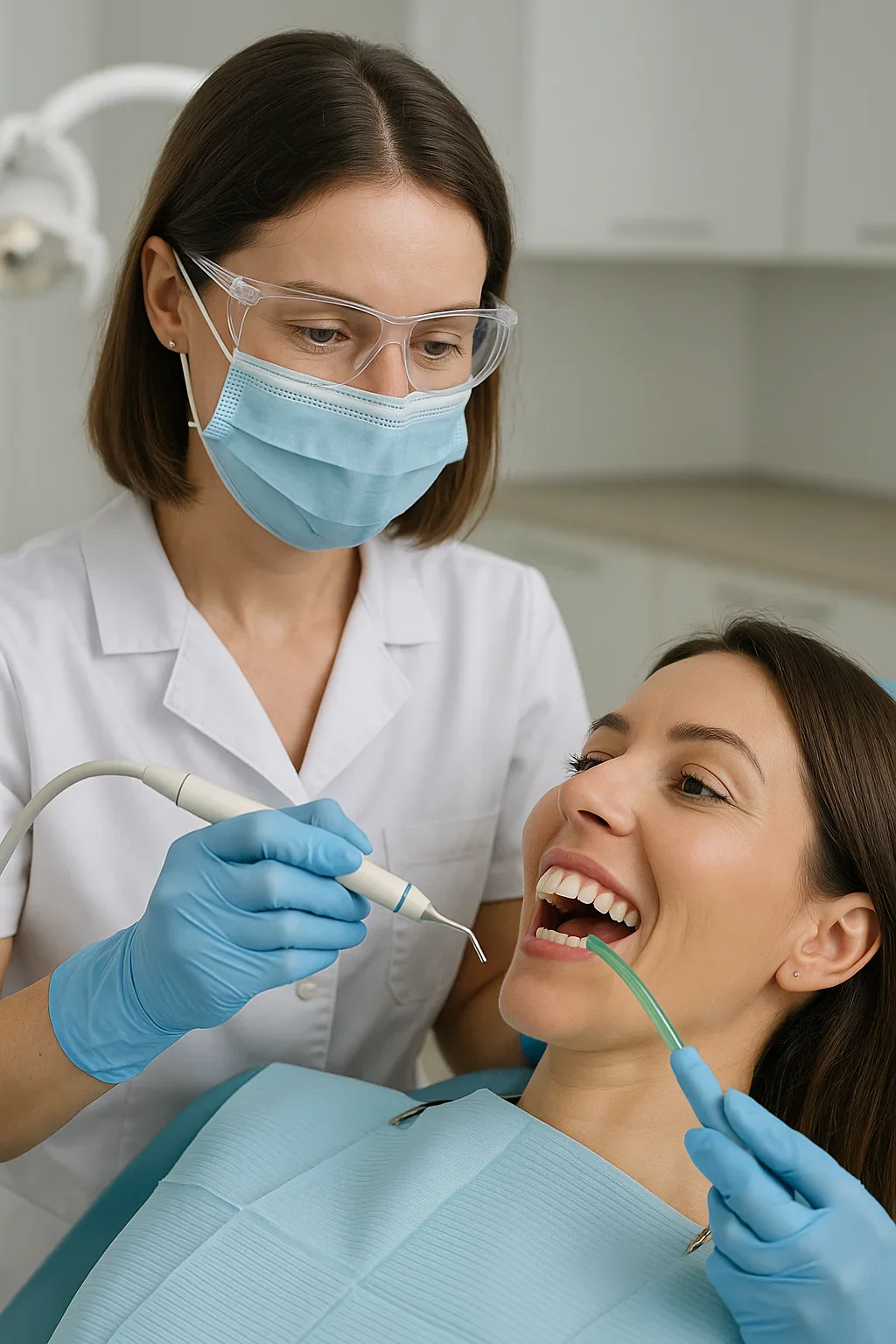
Choosing the Right Dentist Who Cleans Teeth: What to Look For
Finding the right dentist who cleans teeth is one of the most important decisions you can make for your oral health. Not all dental professionals offer the same level of care, comfort, or expertise. A good dentist doesn’t just clean your teeth — they also educate, prevent disease, and help you feel confident about your smile. The process involves more than booking the nearest clinic; it requires understanding credentials, patient care standards, hygiene practices, and technology used. In this guide, you’ll learn how to identify a trusted dental professional, what questions to ask before your visit, and why your choice can make a long-term difference in your health and confidence.
1. Check Professional Credentials and Experience
The first step to finding a qualified dentist who cleans teeth is verifying their credentials. Look for professionals who hold a degree in dental medicine (DDS or DMD) from an accredited university. Membership in organizations such as the American Dental Association (ADA) or equivalent national dental associations indicates that the dentist adheres to ethical and professional standards. Years of experience in preventive and cosmetic dentistry also matter, especially if you have sensitive teeth or existing gum issues.
Specialization in Preventive and Cosmetic Dentistry
A dentist who specializes in preventive care or dental hygiene is often better equipped to deliver thorough cleanings and early disease detection. When selecting a dentist who cleans teeth, ask if they provide additional services like fluoride treatments, scaling and root planing, or periodontal therapy. These indicate a higher level of expertise in maintaining oral health over time.
2. Evaluate the Technology and Equipment Used
Modern dental clinics use advanced tools to ensure safer, faster, and more comfortable cleanings. When you visit a dentist who cleans teeth, pay attention to the technology they use. Ultrasonic scalers, digital X-rays, intraoral cameras, and laser devices enhance precision while reducing discomfort. Clinics that invest in the latest equipment show commitment to patient safety and long-term dental health.
How Technology Enhances the Cleaning Experience
Digital X-rays allow your dentist who cleans teeth to detect hidden decay, bone loss, and infections instantly, while ultrasonic scalers remove tartar without the scraping sound that makes many patients anxious. Laser cleaning and polishing reduce bacterial presence and leave enamel smoother. These modern approaches not only make your visit more pleasant but also more effective in preventing oral diseases.
3. Assess the Clinic’s Hygiene and Safety Standards
Cleanliness is non-negotiable when choosing a dentist who cleans teeth. A professional dental clinic should follow strict sterilization protocols. Tools must be individually packaged and sterilized after each use, while surfaces should be disinfected between patients. Staff should wear gloves, masks, and protective eyewear. Don’t hesitate to ask about their infection control policies — reputable clinics are always transparent about these procedures.
COVID-19 and Enhanced Sanitation Protocols
Since the pandemic, most dental clinics have upgraded their hygiene standards. A responsible dentist who cleans teeth will ensure that air filtration systems, sanitization stations, and social distancing measures are in place to protect patients. Clinics such as Redent Klinik Contact Page maintain world-class safety standards, giving patients confidence that every procedure is conducted in a sterile and safe environment.
4. Evaluate Communication and Patient Care Approach
The best dentist who cleans teeth isn’t just technically skilled — they’re also compassionate, patient, and great communicators. Pay attention to how the dentist and staff interact with you during consultations. A professional dentist listens carefully to your concerns, explains procedures clearly, and provides realistic expectations about results. They should make you feel comfortable throughout the process, especially if you experience dental anxiety.
Signs of a Patient-Centered Dentist
Look for clinics that emphasize comfort options such as numbing gels, sedation dentistry, or gentle cleaning techniques for sensitive patients. A dentist who cleans teeth who takes time to explain your oral health report, show before-and-after images, and discuss long-term prevention strategies demonstrates genuine care and transparency.
5. Read Reviews and Patient Testimonials
Online reviews and patient testimonials can provide valuable insight into the quality of a dentist who cleans teeth. Look for consistent feedback about professionalism, cleanliness, and overall experience. Positive reviews often mention pain-free procedures, friendly staff, and visible results after cleaning. Be cautious of clinics with poor communication or unexpected costs mentioned frequently in reviews.
Trusted Sources for Reviews
Check multiple platforms such as Google Reviews, Yelp, or local dental directories. You can also ask friends, family, or coworkers for personal recommendations. A reputable dentist who cleans teeth will likely have loyal patients who happily share their experiences and results.
6. Understand Pricing and Transparency
Cost transparency is another key factor. The best dentist who cleans teeth provides a clear, itemized price list before treatment begins. You should know exactly what is included — such as examination, scaling, polishing, fluoride, and X-rays — to avoid surprise charges. Clinics that explain their pricing structure demonstrate honesty and build long-term trust with patients.
Quality vs. Price: Striking the Balance
While affordability is important, the cheapest option isn’t always the best. A highly skilled dentist who cleans teeth using advanced tools and techniques may charge slightly more but offers superior results and safety. Prioritize quality over cost, especially when it comes to preventive dental care that affects your long-term health.
7. Consider Accessibility and Scheduling Convenience
Another practical consideration when choosing a dentist who cleans teeth is convenience. Select a clinic located near your home or workplace with flexible scheduling options. Many modern clinics offer online booking, reminders, and even same-day appointments for busy patients. Accessibility ensures you can maintain regular visits without unnecessary stress or delays.
Emergency Care and Follow-Up Availability
A trustworthy dentist who cleans teeth should also offer emergency or after-hours care for sudden issues such as gum bleeding or dental pain. Clinics with reliable follow-up systems ensure that you receive ongoing support after your cleaning or any treatment, promoting continuity of care.
8. Look for Education and Preventive Focus
The most effective dental professionals don’t just treat — they teach. A dedicated dentist who cleans teeth will take time to educate patients about oral hygiene habits, nutrition, and preventive care. They may demonstrate brushing and flossing techniques, discuss fluoride benefits, and recommend personalized routines for your lifestyle. This focus on education empowers patients to maintain clean, healthy teeth between visits.
Building a Long-Term Relationship
Consistency with the same dentist who cleans teeth helps build trust and ensures they understand your oral history. Over time, this relationship enables better preventive care, faster diagnosis of changes, and personalized recommendations. Think of your dentist not just as a service provider but as a partner in your long-term health journey.
9. International Standards and Dental Tourism Options
For patients seeking affordable yet high-quality care, countries like Turkey have become leading destinations for dental tourism. Clinics such as Redent Klinik offer English-speaking staff, modern facilities, and internationally trained dentists at a fraction of Western prices. Choosing a dentist who cleans teeth in such locations allows you to combine professional care with travel, saving up to 70% while maintaining world-class quality.
10. Trust Your Instincts
Finally, trust your intuition. If a clinic feels welcoming, clean, and transparent, and if your dentist who cleans teeth listens to your needs, you’ve likely found the right professional. Dental care is personal, and comfort plays a major role in how consistently patients return for cleanings. A positive first impression often reflects genuine professionalism and care.
In conclusion, choosing the right dentist who cleans teeth requires careful evaluation of credentials, technology, hygiene, communication, and transparency. By selecting a knowledgeable, compassionate, and well-equipped dentist, you’re investing not just in cleaner teeth but in lifelong oral health. Take your time, do your research, and remember — a great dentist doesn’t just clean your teeth; they help you smile with confidence and health for years to come. 😁