
The rapid evolution of technology has transformed nearly every aspect of healthcare, and dentistry is no exception. One of the most groundbreaking advancements in recent years is dentistry ai, a powerful innovation that is reshaping how dental professionals diagnose, plan, and deliver treatments. From improving accuracy in diagnostics to enhancing patient experiences, dentistry ai is becoming an essential tool in modern clinics. 🦷✨
At its core, dentistry ai refers to the use of artificial intelligence systems designed specifically for dental applications. These systems analyze vast amounts of clinical data, including dental images, patient histories, and treatment outcomes, to assist dentists in making more informed decisions. Unlike traditional methods that rely heavily on manual interpretation, dentistry ai uses machine learning algorithms to detect patterns that may not be visible to the human eye.
One of the most significant impacts of dentistry ai is its ability to enhance diagnostic precision. For example, when evaluating dental X-rays, dentistry ai tools can quickly identify early signs of cavities, gum disease, or bone loss. This level of accuracy reduces the risk of misdiagnosis and ensures that patients receive timely treatment. In many cases, dentistry ai can detect issues at a much earlier stage than traditional methods, allowing for less invasive and more cost-effective procedures.
Another important advantage of dentistry ai is its role in treatment planning. Dentists can use AI-powered software to simulate various treatment options and predict outcomes. Whether it’s dental implants, orthodontics, or cosmetic procedures, dentistry ai helps create personalized treatment plans tailored to each patient’s unique needs. This not only improves results but also increases patient satisfaction by providing clear expectations.
In addition to clinical benefits, dentistry ai also enhances the overall patient experience. Many modern clinics now use AI-driven systems to streamline appointment scheduling, automate reminders, and even provide virtual consultations. Patients can receive faster responses and more accurate information, making dental care more accessible and convenient. 😊
Furthermore, dentistry ai plays a crucial role in improving efficiency within dental practices. By automating repetitive tasks such as data entry and image analysis, dentists can focus more on patient care. This leads to shorter appointment times and increased productivity. As a result, clinics can serve more patients without compromising quality.
It is also important to note that dentistry ai is continuously evolving. With ongoing advancements in deep learning and data processing, AI systems are becoming smarter and more reliable. Organizations like the American Dental Association are closely monitoring these developments to ensure that AI technologies are used safely and effectively in dental practices.
For patients considering advanced dental treatments, choosing a clinic that integrates dentistry ai can make a significant difference. Clinics that adopt AI technologies often provide more precise diagnoses, faster treatments, and better outcomes. If you are looking for a modern dental experience, you can easily reach out through the Redent Klinik Contact Page to learn more about innovative treatment options powered by dentistry ai.
Another key aspect of dentistry ai is its contribution to preventive care. By analyzing patient data over time, AI systems can identify risk factors and recommend preventive measures. This proactive approach helps patients maintain better oral health and avoid complex treatments in the future. Prevention is always better than cure, and dentistry ai makes preventive dentistry more effective than ever before.
Moreover, dentistry ai supports education and training for dental professionals. AI-powered platforms can simulate real-life scenarios, allowing dentists to improve their skills and stay updated with the latest techniques. This ensures that patients receive care from highly trained professionals who are equipped with cutting-edge knowledge.
In conclusion, dentistry ai is not just a trend but a transformative force in modern dental care. It enhances accuracy, improves efficiency, and elevates patient experiences. As technology continues to advance, dentistry ai will play an even greater role in shaping the future of dentistry. Embracing this innovation means embracing a smarter, safer, and more effective approach to oral health. 🚀
What Is Dentistry AI and How Does It Work in Clinics?
The integration of dentistry ai into modern dental clinics is transforming how oral healthcare is delivered. At its foundation, dentistry ai refers to advanced computer systems that use artificial intelligence to assist dentists in diagnosing, planning, and managing treatments. These systems rely on sophisticated algorithms and machine learning models that can analyze dental data with exceptional speed and accuracy. 🦷🤖
In traditional dentistry, diagnosis and treatment planning often depend on the experience and subjective judgment of the dentist. While expertise is invaluable, human limitations can sometimes lead to inconsistencies. This is where dentistry ai becomes a powerful ally. By processing large datasets—including X-rays, 3D scans, and patient histories—dentistry ai provides data-driven insights that support more precise clinical decisions.
How Dentistry AI Systems Analyze Dental Data
One of the core functions of dentistry ai is its ability to analyze complex dental data. AI-powered systems are trained on thousands or even millions of dental images and case studies. This training enables dentistry ai to recognize patterns and abnormalities such as cavities, fractures, gum disease, and bone loss with remarkable accuracy.
For example, when a patient undergoes a digital X-ray, dentistry ai software can instantly scan the image and highlight areas of concern. This not only speeds up the diagnostic process but also reduces the risk of overlooking early-stage problems. Early detection is critical in dentistry, and dentistry ai significantly enhances this capability.
Machine Learning and Pattern Recognition
Machine learning is a key component of dentistry ai. It allows the system to improve continuously as it processes more data. Over time, dentistry ai becomes better at identifying subtle indicators of dental issues that might be missed during manual examination. This continuous learning process ensures that AI systems remain up-to-date with the latest clinical knowledge.
Additionally, dentistry ai uses pattern recognition to compare a patient’s dental data with existing cases. This comparison helps dentists understand the likelihood of certain conditions and choose the most effective treatment approach.
Role of Dentistry AI in Treatment Planning
Beyond diagnosis, dentistry ai plays a crucial role in treatment planning. AI-powered tools can simulate different treatment options and predict outcomes based on patient-specific data. Whether it’s planning dental implants, orthodontic alignments, or restorative procedures, dentistry ai provides valuable insights that improve decision-making.
For instance, in implant dentistry, dentistry ai can analyze bone density and structure to determine the optimal placement of implants. This reduces the risk of complications and increases the success rate of procedures. Similarly, in orthodontics, dentistry ai can create precise digital models to plan tooth movement efficiently.
Personalized Patient Care with Dentistry AI
Personalization is one of the greatest strengths of dentistry ai. Every patient has unique dental needs, and AI systems can tailor treatment plans accordingly. By analyzing individual data, dentistry ai ensures that each patient receives care that is specifically designed for their condition.
This personalized approach not only improves outcomes but also enhances patient satisfaction. Patients feel more confident when they see detailed treatment plans supported by advanced technology.
How Dentistry AI Enhances Workflow in Clinics
In addition to clinical applications, dentistry ai significantly improves the operational efficiency of dental clinics. Administrative tasks such as appointment scheduling, patient communication, and record management can be automated using AI systems. This reduces the workload on staff and allows dentists to focus more on patient care.
For example, dentistry ai-powered software can send automated reminders to patients, reducing missed appointments. It can also organize patient records in a structured manner, making it easier for dentists to access relevant information بسرعة and efficiently.
Furthermore, dentistry ai can assist in billing and insurance processes by analyzing treatment codes and ensuring accurate documentation. This minimizes errors and streamlines financial operations within the clinic.
Integration of Dentistry AI with Modern Technologies
Modern dental clinics often combine dentistry ai with other advanced technologies such as 3D imaging, CAD/CAM systems, and digital scanners. This integration creates a comprehensive digital ecosystem that enhances every aspect of dental care.
For instance, when dentistry ai is combined with 3D imaging, dentists can obtain highly detailed visualizations of a patient’s oral structure. This allows for more precise diagnoses and better treatment planning. Similarly, CAD/CAM technology enables the creation of custom dental restorations with high accuracy, guided by insights from dentistry ai.
Organizations like the American Dental Association emphasize the importance of adopting advanced technologies responsibly. Dentistry ai is becoming a key component of this technological evolution, ensuring that dental practices remain at the forefront of innovation.
Why Clinics Are Rapidly Adopting Dentistry AI
The adoption of dentistry ai is growing rapidly due to its numerous benefits. Clinics that implement dentistry ai can offer faster diagnoses, more accurate treatments, and improved patient experiences. This competitive advantage is driving more dental practices to invest in AI technologies.
If you are considering advanced dental care, choosing a clinic that uses dentistry ai can significantly enhance your experience. You can explore modern treatment options and consult professionals through the Redent Klinik Contact Page to benefit from cutting-edge dental solutions.
In summary, dentistry ai works by combining data analysis, machine learning, and advanced imaging technologies to revolutionize dental care. It supports dentists in making informed decisions, improves efficiency, and delivers personalized treatment plans. As dentistry ai continues to evolve, it will play an increasingly vital role in shaping the future of oral healthcare. 🚀
Key Benefits of Dentistry AI for Patients and Dentists
The adoption of dentistry ai has introduced a new era in dental healthcare, offering substantial advantages for both patients and dental professionals. By combining advanced algorithms, data analytics, and machine learning, dentistry ai enhances clinical outcomes, streamlines workflows, and improves overall patient satisfaction. Understanding these benefits is essential for anyone considering modern dental treatment. 🦷✨
Improved Diagnostic Accuracy and Early Detection
One of the most important benefits of dentistry ai is its ability to significantly improve diagnostic accuracy. Traditional diagnostic methods rely heavily on human interpretation, which can sometimes lead to variability. Dentistry ai eliminates much of this uncertainty by analyzing dental images and patient data with precision.
For example, dentistry ai systems can detect early-stage cavities, periodontal disease, and even subtle structural changes in teeth that might otherwise go unnoticed. Early detection allows dentists to intervene sooner, preventing minor issues from developing into major problems. This leads to better oral health outcomes and reduces the need for complex treatments.
Reduced Risk of Human Error
Human error is a natural part of any medical field, but dentistry ai helps minimize it. By providing data-driven insights, dentistry ai acts as a second set of eyes for dentists. This support ensures that diagnoses are more consistent and reliable, ultimately benefiting patients.
Enhanced Treatment Planning and Personalization
Another key advantage of dentistry ai is its role in creating personalized treatment plans. Every patient has unique dental conditions, and dentistry ai can analyze individual data to design tailored treatment strategies.
For instance, dentistry ai can simulate different treatment options and predict outcomes based on patient-specific factors. Whether it’s orthodontic alignment, implant placement, or cosmetic procedures, dentistry ai enables dentists to choose the most effective approach. This level of customization improves treatment success rates and patient satisfaction.
Predictive Analytics for Better Outcomes
Predictive analytics is a powerful feature of dentistry ai. By examining historical data and trends, dentistry ai can forecast how a patient’s condition might progress. This allows dentists to take preventive measures and optimize treatment plans for long-term success.
Increased Efficiency in Dental Clinics
Efficiency is another major benefit of dentistry ai. Dental clinics often handle numerous administrative and clinical tasks, which can be time-consuming. Dentistry ai automates many of these processes, allowing dental teams to focus more on patient care.
For example, dentistry ai can streamline appointment scheduling, manage patient records, and automate billing processes. This reduces administrative workload and improves overall clinic productivity. As a result, patients experience shorter wait times and more efficient service.
Time-Saving Automation
Automation is a key component of dentistry ai. Tasks such as image analysis, data entry, and report generation can be completed بسرعة and accurately. This not only saves time but also ensures that important information is consistently recorded and accessible.
Better Patient Experience and Engagement
Patient experience is a critical factor in modern healthcare, and dentistry ai plays a significant role in enhancing it. AI-powered tools provide patients with clear and detailed explanations of their conditions and treatment options.
For example, dentistry ai can generate visual representations of treatment plans, helping patients understand what to expect. This transparency builds trust and encourages patients to take an active role in their oral health.
Additionally, dentistry ai enables virtual consultations and real-time communication, making dental care more accessible. Patients can receive guidance and support without the need for frequent in-person visits, which is especially beneficial for those with busy schedules. 😊
Cost Efficiency and Resource Optimization
While advanced technology often comes with higher initial costs, dentistry ai ultimately helps reduce overall expenses. By improving diagnostic accuracy and treatment planning, dentistry ai minimizes the need for unnecessary procedures.
Here is a general comparison of how dentistry ai can impact costs:
- Early diagnosis reduces expensive restorative treatments
- Efficient workflows lower operational costs
- Fewer errors decrease the need for corrective procedures
For example, early detection of a cavity using dentistry ai might cost significantly less than treating advanced decay with root canal therapy or crowns. This makes dentistry ai a cost-effective solution for both patients and clinics.
Continuous Learning and Professional Development
Dentistry ai also supports continuous learning for dental professionals. AI systems are constantly updated with new data, ensuring that dentists have access to the latest clinical insights.
Training platforms powered by dentistry ai can simulate real-world scenarios, helping dentists improve their skills and stay updated with emerging techniques. This leads to higher standards of care and better patient outcomes.
Trust and Credibility in Modern Dentistry
As patients become more aware of technological advancements, clinics that use dentistry ai gain a competitive edge. The use of AI demonstrates a commitment to innovation and quality care.
Organizations such as the American Dental Association highlight the importance of adopting reliable technologies to improve patient care. Dentistry ai aligns with these standards, ensuring that clinics maintain high levels of trust and credibility.
If you are looking for a dental clinic that integrates advanced technologies, you can explore your options through the Redent Klinik Contact Page. Choosing a clinic that utilizes dentistry ai can significantly enhance your treatment experience.
Conclusion: Why Dentistry AI Is a Game Changer
In conclusion, dentistry ai offers a wide range of benefits that transform both patient care and clinical operations. From improved diagnostics and personalized treatment plans to enhanced efficiency and patient engagement, dentistry ai is redefining modern dentistry.
As technology continues to evolve, the role of dentistry ai will only grow stronger. Patients and dentists alike stand to benefit from this innovation, making it a cornerstone of the future of dental healthcare. 🚀
How Dentistry AI Improves Diagnosis Accuracy
Accurate diagnosis is the foundation of successful dental treatment, and this is where dentistry ai is making a remarkable impact. Traditional diagnostic methods rely heavily on the dentist’s experience, visual inspection, and interpretation of radiographs. While these methods are effective, they can sometimes miss subtle signs of disease. Dentistry ai enhances this process by providing data-driven, highly precise insights that significantly reduce diagnostic errors. 🦷🔍
With the integration of dentistry ai, dental professionals can now analyze complex datasets, including X-rays, intraoral scans, and patient histories, with unprecedented speed and accuracy. This technological advancement allows for earlier detection of oral health issues, better treatment planning, and improved patient outcomes.
Advanced Image Analysis with Dentistry AI
One of the most powerful applications of dentistry ai is in dental imaging. AI systems are trained on vast datasets of dental radiographs, enabling them to identify patterns and anomalies that may not be immediately visible to the human eye.
For example, dentistry ai can detect:
- Early-stage cavities hidden between teeth
- Subtle bone loss associated with periodontal disease
- Microfractures in teeth
- Signs of infection or abscesses
By highlighting these areas on digital images, dentistry ai assists dentists in making more informed decisions. This not only improves diagnostic accuracy but also builds patient confidence, as they can visually understand their condition.
Real-Time Detection and Instant Feedback
Another key advantage of dentistry ai is its ability to provide real-time analysis. When a dental image is captured, AI software can instantly process it and generate diagnostic suggestions. This immediate feedback allows dentists to discuss findings with patients during the same appointment, enhancing communication and trust.
Reducing Missed Diagnoses and False Positives
Missed diagnoses and false positives are common challenges in healthcare. Dentistry ai addresses these issues by offering consistent and objective analysis. Unlike human interpretation, which can vary based on fatigue or experience, dentistry ai applies the same level of scrutiny to every case.
For instance, dentistry ai can cross-reference current patient data with thousands of similar cases to validate findings. This reduces the likelihood of overlooking critical conditions or recommending unnecessary treatments.
Standardization in Diagnostic Processes
Consistency is essential in dental care, and dentistry ai ensures standardized diagnostic procedures. By following predefined algorithms, dentistry ai eliminates variability and ensures that every patient receives the same high level of evaluation.
Early Detection for Preventive Care
Preventive dentistry is one of the most valuable aspects of oral healthcare, and dentistry ai plays a crucial role in this area. Early detection of dental issues allows for less invasive treatments and better long-term outcomes.
For example, identifying a small cavity early can prevent the need for more complex procedures such as root canal therapy or crowns. Dentistry ai excels at detecting these early signs, enabling dentists to take proactive measures.
Additionally, dentistry ai can analyze trends in patient data to identify risk factors for future dental problems. This predictive capability helps dentists recommend preventive strategies tailored to each patient’s needs.
Integration with Patient Records and Data
Another significant advantage of dentistry ai is its ability to integrate with electronic health records. By combining imaging data with patient history, dentistry ai provides a comprehensive view of oral health.
This integration allows dentists to identify patterns that may not be apparent when considering data in isolation. For example, recurring gum inflammation combined with specific lifestyle factors can indicate a higher risk of periodontal disease. Dentistry ai helps uncover these connections, leading to more accurate diagnoses.
Holistic Analysis for Better Insights
Holistic analysis is a defining feature of dentistry ai. By evaluating multiple data points simultaneously, dentistry ai offers a deeper understanding of a patient’s condition. This comprehensive approach ensures that no detail is overlooked.
Supporting Dentists with Decision-Making Tools
Dentistry ai is not meant to replace dentists but to support them. AI-powered decision-making tools provide recommendations based on data analysis, allowing dentists to make more confident choices.
For example, dentistry ai can suggest potential diagnoses, highlight areas of concern, and even recommend treatment options. Dentists can then use their expertise to validate these suggestions and determine the best course of action.
Organizations like the American Dental Association emphasize the importance of using technology to enhance clinical decision-making. Dentistry ai aligns perfectly with this goal, offering tools that improve accuracy without compromising professional judgment.
Building Patient Trust Through Transparency
Transparency is essential in healthcare, and dentistry ai contributes significantly to building patient trust. By providing visual evidence and data-backed explanations, dentistry ai helps patients understand their diagnoses more clearly.
For instance, when a dentist uses dentistry ai to highlight a cavity on an X-ray, patients can see exactly what the dentist is referring to. This clarity reduces uncertainty and increases confidence in the recommended treatment.
If you are interested in experiencing advanced diagnostic technologies, you can explore modern dental solutions through the Redent Klinik Contact Page. Clinics that use dentistry ai often provide more precise and transparent care.
Conclusion: Precision and Confidence with Dentistry AI
In conclusion, dentistry ai is revolutionizing diagnostic accuracy in dental care. By combining advanced image analysis, real-time feedback, and comprehensive data integration, dentistry ai ensures more precise and reliable diagnoses.
This technology not only reduces errors but also enhances preventive care, supports clinical decision-making, and builds patient trust. As dentistry ai continues to evolve, it will become an indispensable tool for delivering high-quality dental care. 🚀
Applications of Dentistry AI in Dental Imaging and X-Rays
The integration of dentistry ai into dental imaging and radiology has fundamentally transformed how dentists interpret diagnostic data. Dental X-rays and imaging have always been essential tools in identifying oral health problems, but with the addition of dentistry ai, these tools have become far more powerful, precise, and efficient. 🦷📸
Traditionally, interpreting X-rays required a trained eye and years of experience. While dentists are highly skilled, subtle details can sometimes be overlooked. dentistry ai enhances this process by using machine learning algorithms that can detect even the smallest abnormalities in dental images. This leads to earlier diagnosis, more accurate treatment planning, and improved patient outcomes.
How Dentistry AI Enhances Dental X-Ray Analysis
One of the most impactful uses of dentistry ai is in the analysis of dental X-rays. AI systems are trained on vast datasets of radiographic images, allowing them to recognize patterns associated with various dental conditions.
When a dental X-ray is taken, dentistry ai software can automatically scan the image and identify areas of concern such as:
- Cavities between teeth that are difficult to detect manually
- Bone density loss indicating periodontal disease
- Infections around tooth roots
- Impacted teeth or structural abnormalities
This automated detection not only saves time but also increases diagnostic accuracy. Dentists can rely on dentistry ai to provide a second opinion, ensuring that no detail is missed.
Color-Coded Visual Assistance
Many dentistry ai systems use color-coded overlays on X-rays to highlight problem areas. This visual enhancement makes it easier for both dentists and patients to understand the diagnosis. Patients can clearly see where issues exist, which improves communication and trust.
3D Imaging and Dentistry AI Integration
Modern dental practices increasingly use 3D imaging technologies such as CBCT (Cone Beam Computed Tomography). When combined with dentistry ai, these technologies provide a comprehensive view of the patient’s oral structure.
For example, dentistry ai can analyze 3D scans to assess bone structure, nerve positioning, and sinus locations. This is particularly important for procedures like dental implants, where precision is critical. Dentistry ai ensures that implants are placed in the optimal position, reducing the risk of complications.
Improved Surgical Planning
With dentistry ai, dentists can simulate surgical procedures before performing them. This allows for better planning and increased confidence during treatment. The ability to visualize outcomes in advance is a major advantage of integrating dentistry ai with 3D imaging.
Real-Time Imaging Analysis in Clinics
Another significant benefit of dentistry ai in imaging is real-time analysis. As soon as an image is captured, AI software can process it instantly and provide diagnostic insights.
This immediate feedback allows dentists to make decisions on the spot and discuss findings with patients during the same visit. It eliminates delays and enhances the overall efficiency of the clinic.
Real-time analysis powered by dentistry ai also improves workflow by reducing the need for repeated imaging. This minimizes patient exposure to radiation and ensures a smoother treatment process.
Detection of Complex and Hidden Conditions
Some dental conditions are difficult to detect using traditional methods. Dentistry ai excels at identifying these hidden issues by analyzing patterns that are not easily visible.
For instance, dentistry ai can detect:
- Early-stage oral lesions
- Microcracks in teeth
- Subtle signs of jaw disorders
- Hidden infections beneath restorations
By uncovering these conditions early, dentistry ai enables dentists to provide timely and effective treatment. This reduces the risk of complications and improves long-term oral health.
Deep Learning for Complex Case Analysis
Deep learning models used in dentistry ai continuously improve as they process more data. This allows them to handle complex cases with greater accuracy over time. As a result, dentistry ai becomes an increasingly valuable tool for diagnosing challenging conditions.
Improving Patient Communication Through Visual Data
One of the most overlooked benefits of dentistry ai in imaging is its impact on patient communication. Visual data generated by AI systems helps patients better understand their dental conditions.
When patients can see highlighted areas on their X-rays or 3D scans, they are more likely to trust the diagnosis and accept recommended treatments. This transparency enhances patient engagement and satisfaction. 😊
Cost and Efficiency Advantages in Imaging
While advanced imaging technologies may seem expensive, dentistry ai helps reduce overall costs by improving efficiency and accuracy. Early detection of issues prevents the need for more complex and costly treatments later on.
Here is a general overview of how dentistry ai impacts imaging-related costs:
- Early cavity detection: Lower treatment costs compared to advanced decay
- Accurate implant planning: Reduces risk of surgical complications
- Fewer repeat scans: Minimizes additional imaging expenses
By optimizing imaging processes, dentistry ai ensures that both patients and clinics benefit financially.
Integration with Clinical Standards and Guidelines
Organizations such as the American Dental Association emphasize the importance of accurate diagnostics in dental care. Dentistry ai supports these standards by providing reliable and consistent imaging analysis.
Clinics that adopt dentistry ai are better equipped to meet modern clinical guidelines and deliver high-quality care. This makes dentistry ai an essential component of advanced dental practices.
If you are looking for a clinic that utilizes cutting-edge imaging technology, you can explore your options through the Redent Klinik Contact Page. Choosing a clinic that integrates dentistry ai ensures a more precise and efficient diagnostic experience.
Conclusion: A New Era in Dental Imaging with Dentistry AI
In conclusion, dentistry ai has revolutionized dental imaging and X-ray analysis. By enhancing accuracy, enabling real-time insights, and improving patient communication, dentistry ai sets a new standard for diagnostic excellence.
As technology continues to evolve, the role of dentistry ai in imaging will only expand. Patients and dentists alike benefit from this innovation, making it a cornerstone of modern dental care. 🚀
Can Dentistry AI Reduce Treatment Costs and Time?
One of the most frequently asked questions about modern dental technology is whether dentistry ai can actually reduce treatment costs and save time. The answer is increasingly clear: yes, dentistry ai has the potential to significantly improve efficiency while lowering both direct and indirect costs for patients and clinics. 🦷⏱️
In traditional dentistry, treatment processes can be time-consuming due to manual diagnostics, multiple consultations, and sometimes repeated procedures caused by inaccuracies. Dentistry ai changes this dynamic by streamlining workflows, improving accuracy, and enabling faster decision-making. This results in shorter treatment times and reduced expenses over the long term.
How Dentistry AI Reduces Diagnostic Time
Diagnosis is often the first and most critical step in any dental treatment. With dentistry ai, this step becomes much faster and more precise. AI systems can analyze dental images within seconds, identifying potential issues without the need for prolonged manual review.
For example, instead of spending several minutes carefully examining X-rays, a dentist can rely on dentistry ai to instantly highlight areas of concern. This not only saves time during appointments but also allows clinics to serve more patients efficiently.
Instant Analysis and Faster Decisions
The real-time capabilities of dentistry ai mean that patients no longer need to wait for extended periods to receive a diagnosis. Immediate results enable dentists to discuss treatment options during the same visit, reducing the need for follow-up appointments.
Minimizing Treatment Errors and Rework
Errors in diagnosis or treatment planning can lead to additional procedures, increasing both time and cost. Dentistry ai minimizes these risks by providing highly accurate data-driven insights.
For instance, in procedures like dental implants, precise planning is essential. Dentistry ai can analyze bone density and structure to ensure optimal implant placement. This reduces the likelihood of complications and eliminates the need for corrective treatments.
Higher Success Rates with AI Precision
By improving accuracy, dentistry ai increases the success rate of treatments. Fewer complications mean fewer additional visits, saving both time and money for patients.
Cost Comparison: Traditional Dentistry vs Dentistry AI
While the initial implementation of dentistry ai technology may involve investment, the long-term savings are significant. Below is a general comparison of how dentistry ai impacts costs:
- Traditional cavity treatment (late stage): $200 – $800+
- Early detection with dentistry ai: $50 – $150 (preventive care)
- Implant correction due to error: $1,000 – $3,000+
- Accurate AI-guided implant planning: Reduced risk, fewer additional costs
These estimates demonstrate how dentistry ai helps avoid expensive procedures by enabling early intervention and precise treatment planning.
Streamlining Clinical Workflows
Efficiency within a dental clinic directly impacts both time and cost. Dentistry ai automates many routine tasks, allowing dental professionals to focus on patient care rather than administrative duties.
For example, dentistry ai can handle:
- Appointment scheduling and reminders
- Patient record management
- Automated billing and insurance processing
This automation reduces operational costs and ensures smoother clinic operations. Patients benefit from shorter wait times and more organized care.
Reducing Chair Time for Patients
Chair time—the amount of time a patient spends in the dental chair—is a key factor in treatment efficiency. Dentistry ai reduces chair time by enabling faster diagnostics and streamlined procedures. This makes dental visits more convenient and less stressful for patients. 😊
Preventive Care and Long-Term Savings
One of the most impactful ways dentistry ai reduces costs is through preventive care. By identifying potential issues early, dentistry ai allows dentists to address problems before they become severe.
For example, detecting early gum disease can prevent the need for advanced periodontal treatments, which are often more expensive and time-consuming. Preventive care supported by dentistry ai not only saves money but also preserves oral health.
Fewer Appointments and Faster Treatment Completion
Traditional dental treatments may require multiple visits, especially when diagnosis and planning are done manually. Dentistry ai reduces the number of appointments by providing accurate information upfront.
For instance, AI-guided treatment planning can consolidate procedures, allowing dentists to complete treatments in fewer sessions. This is particularly beneficial for patients with busy schedules or those traveling for dental care.
Improved Patient Experience and Value
From a patient perspective, time is just as valuable as money. Dentistry ai enhances the overall experience by making treatments faster, more efficient, and more predictable.
Patients appreciate the transparency and precision offered by dentistry ai, as it allows them to understand their treatment plans clearly. This builds trust and ensures that patients feel confident in their care.
If you are interested in efficient and modern dental treatments, you can explore advanced options through the Redent Klinik Contact Page. Clinics that use dentistry ai often provide faster and more cost-effective solutions.
Aligning with Industry Standards
Leading organizations such as the American Dental Association emphasize the importance of efficiency and accuracy in dental care. Dentistry ai supports these goals by improving both clinical and operational processes.
By adopting dentistry ai, clinics can meet modern standards while offering better value to patients.
Conclusion: Efficiency and Savings with Dentistry AI
In conclusion, dentistry ai plays a crucial role in reducing treatment costs and time. Through faster diagnostics, improved accuracy, and streamlined workflows, dentistry ai makes dental care more efficient and accessible.
Patients benefit from fewer appointments, lower expenses, and better outcomes, while clinics enjoy increased productivity and reduced operational costs. As dentistry ai continues to evolve, its impact on cost and time efficiency will only grow stronger, making it an essential component of modern dental care. 🚀
Real-Life Examples of Dentistry AI in Dental Practices
The practical implementation of dentistry ai is no longer a futuristic concept—it is already transforming real dental clinics around the world. From small private practices to large dental chains, dentistry ai is being used to improve diagnostics, optimize workflows, and enhance patient outcomes. Understanding real-life applications helps patients and professionals see how dentistry ai delivers measurable benefits in everyday clinical settings. 🦷🌍
In this section, we will explore how dentistry ai is actively used in dental practices, providing concrete examples that demonstrate its value. These real-world use cases highlight the power of AI-driven dentistry and its growing importance in modern healthcare.
AI-Powered Caries Detection in Daily Practice
One of the most common applications of dentistry ai is the detection of dental caries (cavities). In many clinics, AI software is integrated directly into imaging systems to analyze bitewing and periapical X-rays.
For example, when a patient undergoes a routine check-up, dentistry ai scans the X-ray images and highlights potential decay areas. This allows dentists to identify cavities at an earlier stage than traditional methods.
Case Example: Early Cavity Detection
A patient visits a clinic with no visible symptoms. Using dentistry ai, the dentist identifies a very small interproximal cavity that would likely have gone unnoticed. The patient receives a simple filling instead of needing a root canal later. This demonstrates how dentistry ai prevents complex and costly procedures.
Orthodontic Treatment Planning with Dentistry AI
Orthodontics is another area where dentistry ai is widely used. AI-driven platforms analyze 3D scans of teeth to create precise treatment plans for braces or clear aligners.
With dentistry ai, orthodontists can simulate tooth movement and predict the final outcome before treatment even begins. This ensures better alignment results and reduces treatment time.
Case Example: Clear Aligner Optimization
A patient seeking teeth straightening undergoes a digital scan. Dentistry ai generates a step-by-step plan showing how each tooth will move over time. The patient can visualize the expected results, increasing confidence and treatment acceptance.
Dental Implant Planning Using Dentistry AI
Dental implants require high precision, and dentistry ai plays a critical role in ensuring successful outcomes. AI systems analyze 3D imaging data to determine the best implant placement based on bone density and anatomical structures.
This reduces the risk of complications such as nerve damage or implant failure.
Case Example: Guided Implant Surgery
A patient requires a dental implant. Using dentistry ai, the dentist plans the exact position and angle of the implant. During surgery, guided tools ensure accurate placement, resulting in faster healing and higher success rates.
Periodontal Disease Monitoring with Dentistry AI
Gum disease is a common but often overlooked condition. Dentistry ai helps monitor periodontal health by analyzing changes in gum tissue and bone levels over time.
AI systems can compare current and previous images to detect progression, allowing dentists to intervene early.
Case Example: Preventing Advanced Gum Disease
A patient with mild gum inflammation undergoes routine imaging. Dentistry ai identifies early bone loss and alerts the dentist. Preventive treatment is initiated, avoiding more severe periodontal issues.
AI-Assisted Patient Communication and Education
Effective communication is essential in dentistry, and dentistry ai enhances this aspect significantly. AI-generated visualizations help patients understand their conditions and treatment options.
For example, dentistry ai can display before-and-after simulations for cosmetic procedures, making it easier for patients to make informed decisions. 😊
Case Example: Cosmetic Dentistry Consultation
A patient interested in a smile makeover uses dentistry ai to preview potential results. The visual simulation increases patient satisfaction and helps set realistic expectations.
Workflow Automation in Dental Clinics
Beyond clinical applications, dentistry ai is widely used to automate administrative tasks. Clinics use AI systems for scheduling, billing, and patient management.
This reduces manual workload and improves efficiency, allowing dental staff to focus on patient care.
Case Example: Smart Appointment Scheduling
A busy clinic implements dentistry ai to manage appointments. The system automatically schedules visits, sends reminders, and optimizes time slots. This reduces missed appointments and increases clinic productivity.
Emergency Case Detection and Prioritization
In urgent situations, dentistry ai can help prioritize cases based on severity. AI systems analyze patient data and identify conditions that require immediate attention.
This ensures that critical cases are treated promptly, improving patient safety.
Case Example: Emergency Diagnosis
A patient submits dental images through a digital platform. Dentistry ai detects signs of infection and flags the case as urgent. The clinic schedules an immediate appointment, preventing complications.
Enhancing Clinical Standards with Dentistry AI
Organizations like the American Dental Association support the use of advanced technologies to improve patient care. Dentistry ai aligns with these standards by providing consistent and reliable results.
Clinics that adopt dentistry ai demonstrate a commitment to innovation and high-quality care, which enhances their reputation and patient trust.
If you are interested in experiencing modern dental care powered by AI, you can explore advanced treatment options through the Redent Klinik Contact Page. Choosing a clinic that uses dentistry ai ensures access to the latest innovations in dental healthcare.
Conclusion: Real Impact of Dentistry AI in Everyday Practice
In conclusion, dentistry ai is already making a significant impact in real dental practices. From early diagnosis and treatment planning to workflow automation and patient communication, dentistry ai enhances every aspect of dental care.
These real-life examples demonstrate that dentistry ai is not just a technological advancement—it is a practical solution that improves efficiency, accuracy, and patient satisfaction. As adoption continues to grow, dentistry ai will become an integral part of everyday dental practice. 🚀
Is Dentistry AI Safe and Reliable for Patients?
As technology continues to reshape healthcare, one of the most important questions patients ask is whether dentistry ai is truly safe and reliable. While the benefits of dentistry ai are widely recognized, understanding its safety, accuracy, and ethical implications is essential for building trust. Fortunately, dentistry ai is designed to support—not replace—dental professionals, making it a safe and effective addition to modern dental care. 🦷🔐
Dentistry ai systems are developed using advanced algorithms trained on extensive datasets, including thousands of clinical cases and imaging records. These systems are rigorously tested and continuously updated to ensure accuracy and reliability. However, like any medical technology, dentistry ai must be used responsibly and in conjunction with professional expertise.
Clinical Accuracy and Reliability of Dentistry AI
One of the strongest indicators of safety in dentistry ai is its high level of diagnostic accuracy. AI systems can analyze dental images and patient data with consistency, reducing variability that may occur in human interpretation.
Studies and clinical trials have shown that dentistry ai can match or even exceed human performance in certain diagnostic tasks, such as detecting cavities or identifying bone loss. This makes dentistry ai a reliable tool for supporting clinical decisions.
Consistency Across Cases
Unlike humans, who may experience fatigue or variability, dentistry ai provides consistent results across all cases. This consistency is crucial in ensuring that every patient receives the same level of care and attention.
Human Oversight: The Key to Safe Dentistry AI
It is important to understand that dentistry ai does not operate independently. Dentists remain fully responsible for diagnosis and treatment decisions. AI systems serve as supportive tools that provide recommendations and insights.
This human oversight ensures that dentistry ai is used safely. Dentists can review AI-generated results, validate findings, and apply their clinical judgment to determine the best course of action.
AI as a Support Tool, Not a Replacement
The role of dentistry ai is to enhance, not replace, human expertise. By combining AI insights with professional experience, dentists can achieve higher levels of accuracy and patient safety.
Data Security and Patient Privacy
Another critical aspect of safety in dentistry ai is data protection. AI systems rely on patient data to function effectively, making data security a top priority.
Modern dentistry ai platforms use advanced encryption and secure data storage methods to protect patient information. Clinics must also comply with healthcare regulations and data protection laws to ensure privacy.
Secure Data Handling Practices
Reputable dentistry ai systems follow strict protocols for data handling, including anonymization and secure transmission. This minimizes the risk of data breaches and ensures patient confidentiality.
Regulatory Standards and Compliance
Safety in dentistry ai is also ensured through regulatory oversight. Many AI systems used in dentistry must meet strict guidelines set by healthcare authorities.
Organizations such as the American Dental Association provide guidance on the safe use of dental technologies. These standards ensure that dentistry ai systems are tested, validated, and approved before being used in clinical settings.
Compliance with these regulations ensures that patients can trust the technology being used in their care.
Reducing Risks Through Predictive Analytics
Dentistry ai not only helps diagnose existing conditions but also predicts potential risks. By analyzing patient data, AI systems can identify patterns that indicate a higher likelihood of future dental issues.
This predictive capability allows dentists to take preventive measures, reducing the risk of complications and improving long-term outcomes.
Proactive Patient Care
With dentistry ai, dental care becomes more proactive rather than reactive. Early intervention based on AI predictions enhances patient safety and minimizes the need for complex treatments.
Addressing Common Concerns About Dentistry AI
Despite its benefits, some patients may have concerns about dentistry ai. Common questions include whether AI can make mistakes or whether it can replace human dentists.
While no system is completely error-free, dentistry ai significantly reduces the likelihood of mistakes by providing data-driven insights. Additionally, dentistry ai is designed to assist dentists, not replace them.
Patients can feel reassured knowing that their care involves both advanced technology and professional expertise.
Building Patient Trust with Transparency
Transparency is essential in building trust, and dentistry ai supports this by providing clear and understandable data. Visual tools and AI-generated reports help patients see exactly what the dentist is diagnosing.
This openness improves communication and ensures that patients are fully informed about their treatment options. 😊
If you are interested in safe and advanced dental care, you can explore modern solutions through the Redent Klinik Contact Page. Clinics that use dentistry ai often provide more transparent and reliable services.
Continuous Improvement and Future Safety
Dentistry ai systems are continuously evolving. As more data is collected and analyzed, AI models become more accurate and reliable. This ongoing improvement ensures that dentistry ai remains a safe and effective tool for dental care.
Future advancements will likely include even more robust safety features, further enhancing patient confidence in dentistry ai technologies.
Conclusion: Trusting Dentistry AI in Modern Care
In conclusion, dentistry ai is both safe and reliable when used correctly. With high accuracy, strong regulatory oversight, and essential human involvement, dentistry ai enhances patient care without compromising safety.
By combining advanced technology with professional expertise, dentistry ai represents a secure and trustworthy approach to modern dentistry. As adoption continues to grow, patients can confidently embrace this innovation as part of their dental care journey. 🚀
Future Trends: Where Dentistry AI Is Heading Next
The evolution of dentistry ai is accelerating rapidly, and its future promises even more transformative changes in dental care. As artificial intelligence continues to advance, dentistry ai is expected to become smarter, more predictive, and deeply integrated into every aspect of dental practice. Understanding these future trends helps both patients and professionals prepare for the next generation of oral healthcare. 🚀🦷
Currently, dentistry ai is already improving diagnostics and treatment planning, but future developments will go far beyond these capabilities. From fully automated workflows to real-time predictive analytics, dentistry ai is set to redefine how dental care is delivered worldwide.
Predictive and Preventive Dentistry with AI
One of the most exciting future trends in dentistry ai is the shift toward predictive and preventive care. Instead of simply diagnosing existing problems, dentistry ai will increasingly focus on predicting potential issues before they occur.
By analyzing long-term patient data, lifestyle habits, and genetic factors, dentistry ai can identify risks such as tooth decay or gum disease early on. This allows dentists to implement preventive measures that reduce the likelihood of serious conditions developing.
AI-Driven Risk Assessment Models
Advanced dentistry ai systems will use risk assessment models to evaluate a patient’s oral health profile. These models will provide personalized recommendations for maintaining dental health, making preventive care more effective than ever before.
Integration with Teledentistry and Remote Care
The rise of telehealth is influencing dentistry as well, and dentistry ai will play a central role in remote dental care. Patients will be able to submit images or scans from home, which AI systems can analyze instantly.
This integration will make dental care more accessible, especially for individuals in remote areas or those with limited mobility. Dentistry ai will enable dentists to provide consultations and preliminary diagnoses without requiring in-person visits.
Virtual Dental Assistants
Future dentistry ai platforms may include virtual assistants that guide patients through basic oral care, answer questions, and provide reminders for hygiene routines. These tools will enhance patient engagement and improve oral health outcomes.
Robotics and Dentistry AI Collaboration
Another major trend is the integration of robotics with dentistry ai. Robotic systems guided by AI algorithms will assist in performing highly precise dental procedures.
For example, dentistry ai could control robotic tools during implant placement or root canal treatments, ensuring optimal accuracy and minimizing human error. This combination of robotics and AI will lead to safer and more efficient procedures.
Minimally Invasive Treatments
With the help of dentistry ai, future treatments will become more minimally invasive. Precision-guided procedures will reduce tissue damage, shorten recovery times, and improve patient comfort.
Advanced Personalization Through Big Data
Personalized care will reach new heights with dentistry ai. By analyzing large datasets, AI systems will create highly customized treatment plans tailored to each patient’s unique needs.
This level of personalization will extend beyond treatment to include preventive strategies, dietary recommendations, and oral hygiene routines. Dentistry ai will ensure that every patient receives care designed specifically for them.
Dynamic Treatment Adjustments
Future dentistry ai systems will continuously monitor patient progress and adjust treatment plans in real time. This dynamic approach ensures optimal results and reduces the need for additional procedures.
Enhanced Training and Education for Dentists
Dentistry ai will also revolutionize dental education. AI-powered training platforms will simulate real-life scenarios, allowing dentists to practice complex procedures in a virtual environment.
These systems will provide instant feedback, helping dental professionals refine their skills and stay updated with the latest techniques. As a result, patients will benefit from higher-quality care.
Ethical AI and Responsible Innovation
As dentistry ai continues to evolve, ethical considerations will become increasingly important. Ensuring transparency, data privacy, and unbiased decision-making will be key priorities.
Organizations like the American Dental Association emphasize the importance of responsible innovation in dental technology. Dentistry ai must be developed and implemented in a way that prioritizes patient safety and trust.
Balancing Technology and Human Expertise
While dentistry ai will become more advanced, the role of the dentist will remain essential. The future of dentistry lies in the collaboration between AI technology and human expertise, ensuring the best possible outcomes for patients.
Global Accessibility and Standardization
One of the most promising aspects of dentistry ai is its potential to improve global access to dental care. AI systems can standardize diagnostic and treatment processes, making high-quality care available in regions with limited resources.
This democratization of dental care will help reduce disparities and ensure that more people receive the treatment they need.
If you are interested in future-ready dental solutions, you can explore advanced technologies through the Redent Klinik Contact Page. Clinics that embrace dentistry ai are leading the way in modern dental care.
Conclusion: The Future Is Driven by Dentistry AI
In conclusion, the future of dentistry ai is incredibly promising. From predictive care and remote consultations to robotic-assisted procedures and personalized treatments, dentistry ai will continue to transform the dental industry.
As these innovations become more widespread, patients can expect safer, faster, and more effective dental care. Dentistry ai is not just shaping the future—it is defining it. 🌍✨
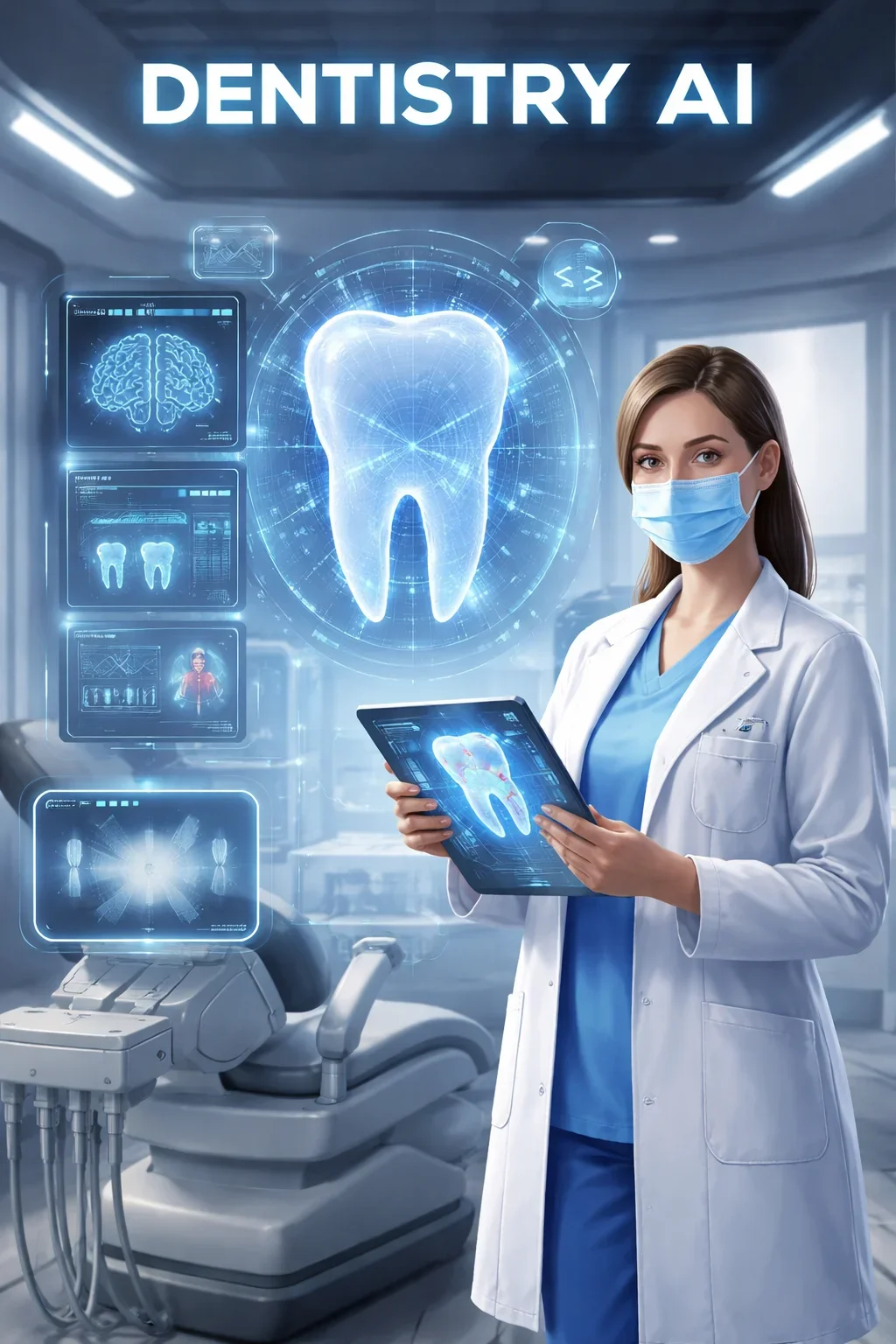
How to Choose a Clinic Using Dentistry AI Technology
As dentistry ai becomes more widespread, patients are increasingly interested in choosing clinics that leverage this advanced technology. However, not all dental practices use dentistry ai in the same way or at the same level. Selecting the right clinic requires understanding what to look for, how dentistry ai is applied, and how it benefits your treatment experience. 🦷🏥
Choosing a clinic that integrates dentistry ai effectively can lead to more accurate diagnoses, faster treatments, and better overall outcomes. In this guide, we will explore the key factors you should consider when selecting a dental clinic that uses dentistry ai.
Evaluate the Level of Dentistry AI Integration
The first step in choosing a clinic is to assess how deeply dentistry ai is integrated into its operations. Some clinics may use AI only for basic imaging analysis, while others incorporate it into diagnostics, treatment planning, and patient management.
A fully AI-integrated clinic will typically use dentistry ai for:
- Automated X-ray and imaging analysis
- Personalized treatment planning
- Workflow automation and patient management
- Predictive analytics for preventive care
Ask About AI Tools and Systems
Don’t hesitate to ask the clinic about the specific dentistry ai tools they use. Understanding their technology helps you determine whether they are truly utilizing advanced systems or just basic digital tools.
Check the Qualifications and Expertise of Dentists
While dentistry ai enhances dental care, the expertise of the dentist remains crucial. AI is a support tool, and its effectiveness depends on how well it is used by professionals.
Look for clinics where dentists are trained in using dentistry ai technologies. Experienced professionals who understand both traditional dentistry and AI-driven tools can provide the best results.
Continuous Training and Education
Clinics that invest in ongoing training for their staff are more likely to use dentistry ai effectively. This ensures that they stay updated with the latest advancements and provide high-quality care.
Review Diagnostic and Imaging Capabilities
Advanced imaging is a cornerstone of dentistry ai. Clinics that use high-quality digital imaging systems combined with AI analysis offer more accurate diagnostics.
When evaluating a clinic, consider whether they use:
- Digital X-rays with AI analysis
- 3D imaging (CBCT) integrated with dentistry ai
- Intraoral scanners for detailed visualization
These technologies allow for precise diagnosis and better treatment planning.
Assess Transparency and Patient Communication
A key advantage of dentistry ai is improved transparency. Clinics using AI often provide visual explanations of diagnoses and treatment plans.
During your consultation, observe how the clinic communicates with you. Do they use AI-generated visuals? Do they explain your condition clearly? Transparency is a strong indicator of quality care.
Visual Treatment Simulations
Some clinics use dentistry ai to create simulations of treatment outcomes. These visual tools help patients understand what to expect and make informed decisions.
Consider Efficiency and Workflow
Efficiency is another important factor when choosing a clinic. Dentistry ai improves workflow by automating tasks and reducing waiting times.
Look for clinics that offer:
- Quick appointment scheduling
- Minimal waiting times
- Streamlined treatment processes
Efficient clinics provide a better patient experience and make dental visits more convenient.
Compare Costs and Value
While clinics using dentistry ai may sometimes have slightly higher initial costs, they often provide better value in the long run. Improved accuracy and efficiency reduce the need for additional treatments.
Here is a general comparison of value:
- Traditional clinic: Lower upfront cost, higher risk of repeat procedures
- AI-enabled clinic: Slightly higher upfront cost, better accuracy and fewer complications
Investing in a clinic that uses dentistry ai can ultimately save both time and money.
Verify Compliance with Standards
Reputable clinics using dentistry ai follow industry standards and guidelines. Organizations such as the American Dental Association provide recommendations for safe and effective dental practices.
Ensure that the clinic adheres to these standards and uses certified AI technologies. This guarantees that your treatment is both safe and reliable.
Read Patient Reviews and Testimonials
Patient feedback is a valuable resource when choosing a clinic. Reviews can provide insights into how effectively dentistry ai is used in real-life scenarios.
Look for comments about:
- Accuracy of diagnosis
- Speed of treatment
- Overall patient satisfaction
Positive reviews indicate that the clinic successfully integrates dentistry ai into its services.
Accessibility and Communication Channels
Modern clinics using dentistry ai often offer multiple communication channels, including online consultations and digital support.
If you are looking for a clinic that combines advanced technology with patient-centered care, you can explore your options through the Redent Klinik Contact Page. Clinics that adopt dentistry ai provide a more modern and efficient dental experience.
Conclusion: Making the Right Choice with Dentistry AI
In conclusion, choosing a clinic that uses dentistry ai requires careful evaluation of technology, expertise, transparency, and efficiency. Dentistry ai offers significant advantages, but its effectiveness depends on how it is implemented.
By considering these factors, you can select a clinic that provides high-quality, AI-enhanced dental care. Embracing dentistry ai ensures that you receive accurate diagnoses, efficient treatments, and a superior patient experience. 🌟