
In today’s digital world, dentistry apps are transforming how patients and dental professionals manage oral health. Whether you are someone looking to improve your daily brushing routine or a patient searching for easier ways to communicate with your dentist, dentistry apps offer a powerful, convenient solution. These mobile applications combine technology with dental care, making it easier than ever to stay on top of your oral hygiene, appointments, and treatments 😊.
At their core, dentistry apps are designed to simplify and enhance every aspect of dental care. From tracking brushing habits to booking appointments, these tools are built to improve user experience and promote healthier smiles. Many modern dentistry apps also include features such as reminders, AI-powered diagnostics, and even virtual consultations, helping users take proactive control of their dental health.
One of the biggest advantages of dentistry apps is accessibility. Instead of relying solely on in-clinic visits, patients can now access guidance and information directly from their smartphones. This is particularly beneficial for individuals with busy schedules or those who may feel anxious about visiting a dental clinic. With the help of dentistry apps, users can receive tips, monitor symptoms, and even prepare for dental visits in advance.
Another key benefit of dentistry apps is their ability to improve oral hygiene habits. Many applications include interactive features such as timers, progress tracking, and personalized recommendations. For example, users can set daily reminders to brush and floss, ensuring consistency in their routine. Over time, these small habits, supported by dentistry apps, can lead to significant improvements in oral health.
In addition to personal use, dentistry apps are also widely used by dental clinics to streamline operations and enhance patient communication. Clinics can use these applications to manage appointments, send automated reminders, and provide educational content to patients. If you are looking to connect with a professional dental team, you can easily reach out through platforms like Redent Klinik Contact Page, where modern solutions are integrated into patient care.
Furthermore, many dentistry apps align with guidelines and best practices recommended by organizations such as the American Dental Association. This ensures that the information provided is reliable, accurate, and beneficial for maintaining long-term oral health. By combining expert-backed advice with user-friendly interfaces, dentistry apps are becoming essential tools in modern healthcare.
Another important aspect of dentistry apps is their role in education. These applications often include visual guides, videos, and step-by-step instructions that help users understand proper brushing and flossing techniques. This is especially useful for children and individuals who are learning about oral care for the first time. With engaging content and interactive elements, dentistry apps make learning about dental health both fun and effective 🎯.
For patients undergoing treatments such as orthodontics or implants, dentistry apps can also provide ongoing support. Users can track their treatment progress, receive notifications about care routines, and stay informed about post-treatment instructions. This continuous guidance helps ensure better outcomes and reduces the risk of complications.
As technology continues to evolve, dentistry apps are becoming more advanced and personalized. Features like artificial intelligence, data tracking, and integration with wearable devices are making these tools even more powerful. In the near future, dentistry apps may be able to detect early signs of dental issues and recommend preventive actions before problems become serious.
In summary, dentistry apps are revolutionizing dental care by making it more accessible, efficient, and user-friendly. Whether you are a patient looking to improve your oral hygiene or a clinic aiming to enhance patient engagement, these applications offer a wide range of benefits. By embracing dentistry apps, you can take a smarter, more proactive approach to maintaining a healthy and confident smile 😁.
What Are Dentistry Apps and Why They Matter Today
Dentistry apps are innovative mobile and web-based applications designed to support both patients and dental professionals in managing oral health more effectively. In recent years, the rapid growth of digital healthcare solutions has brought dentistry apps to the forefront of modern dental care. These tools are no longer optional; they have become an essential part of maintaining healthy teeth and improving communication between patients and clinics 😊.
At a basic level, dentistry apps function as digital assistants for oral health. They provide users with reminders, educational resources, appointment scheduling features, and even real-time communication with dental professionals. However, their role goes far beyond convenience. Today’s advanced dentistry apps are designed to empower users, helping them take control of their oral hygiene habits and make informed decisions about their dental care.
The Evolution of Dentistry Apps in Modern Healthcare
The concept of dentistry apps has evolved significantly over the past decade. Initially, these applications were simple tools focused on appointment reminders or basic oral hygiene tips. Today, however, dentistry apps incorporate advanced technologies such as artificial intelligence, machine learning, and cloud-based data storage.
This evolution means that dentistry apps can now analyze user behavior, provide personalized recommendations, and even detect potential dental issues based on symptoms entered by the user. For example, some dentistry apps allow users to upload photos of their teeth, which are then analyzed to identify possible concerns such as cavities or gum inflammation.
From Basic Tools to Smart Health Assistants
Modern dentistry apps are no longer limited to passive features. They actively engage users through interactive interfaces, gamification elements, and real-time feedback. These enhancements make oral care more engaging, especially for younger users who benefit from visual and interactive learning tools 🎯.
Additionally, dentistry apps now integrate with wearable devices and smart toothbrushes. This allows users to track brushing duration, pressure, and coverage, ensuring that they follow proper techniques. Such integration highlights how dentistry apps are becoming part of a broader digital health ecosystem.
Why Dentistry Apps Are Essential for Patients
For patients, dentistry apps offer unmatched convenience and accessibility. Instead of relying solely on periodic dental visits, users can now monitor their oral health daily. This proactive approach is one of the key reasons why dentistry apps are gaining popularity worldwide.
One major advantage is the ability of dentistry apps to provide personalized reminders. Whether it’s brushing twice a day, flossing, or attending a scheduled appointment, these apps ensure that users stay consistent with their routines. Over time, this consistency leads to improved oral hygiene and reduced risk of dental issues.
Moreover, dentistry apps reduce anxiety for many patients. By offering clear information about procedures, expected outcomes, and aftercare instructions, these apps help users feel more prepared and confident before visiting a dentist.
How Dentistry Apps Support Dental Clinics
While dentistry apps are highly beneficial for patients, they also play a crucial role in improving clinic operations. Dental practices use dentistry apps to streamline administrative tasks such as appointment scheduling, patient records management, and communication.
For example, clinics can send automated reminders through dentistry apps, reducing the number of missed appointments. They can also share educational content, treatment plans, and follow-up instructions directly with patients. This not only improves efficiency but also enhances the overall patient experience.
If you are looking to experience modern dental care supported by digital solutions, you can connect with professionals through the Redent Klinik Contact Page, where patient-centered care meets advanced technology.
The Role of Dentistry Apps in Preventive Care
Preventive care is one of the most important aspects of maintaining oral health, and dentistry apps excel in this area. By encouraging regular habits and providing early warnings, these apps help users avoid serious dental problems.
Many dentistry apps include features such as symptom checkers, risk assessments, and educational content aligned with guidelines from trusted organizations like the American Dental Association. This ensures that users receive accurate and reliable information.
With the help of dentistry apps, users can identify potential issues early and seek professional advice before conditions worsen. This not only saves time and effort but also reduces the need for more complex treatments in the future.
Why Dentistry Apps Matter More Than Ever
In today’s fast-paced world, convenience and efficiency are essential. Dentistry apps address both of these needs by providing instant access to dental care resources. Whether it’s tracking oral hygiene, scheduling appointments, or receiving expert advice, these apps make dental care more accessible than ever.
Furthermore, the growing emphasis on digital health solutions has accelerated the adoption of dentistry apps. As more people rely on smartphones for everyday tasks, integrating dental care into mobile platforms is a natural progression.
In conclusion, dentistry apps are not just a trend; they are a fundamental part of modern dental care. By combining technology, education, and convenience, these apps empower users to take control of their oral health and achieve better outcomes. Whether you are a patient or a dental professional, embracing dentistry apps is a smart step toward a healthier future 😁.
Top Features to Look for in Dentistry Apps
When choosing among the many available dentistry apps, it is important to understand which features truly make a difference in your oral health journey. Not all dentistry apps are created equal. Some focus on basic reminders, while others offer advanced tools powered by artificial intelligence and real-time monitoring. Knowing what to look for ensures that you select the most effective dentistry apps for your needs 😊.
The best dentistry apps combine usability, reliability, and advanced functionality. Whether you are a patient aiming to improve your dental hygiene or a clinic seeking better patient management, identifying the right features in dentistry apps can significantly enhance your experience.
User-Friendly Interface and Easy Navigation
One of the most important aspects of high-quality dentistry apps is a user-friendly interface. The app should be easy to navigate, even for individuals who are not tech-savvy. Clear menus, intuitive design, and simple instructions are essential features that ensure users can fully benefit from dentistry apps.
Good dentistry apps avoid clutter and present information in a structured way. This makes it easier for users to access key features such as appointment booking, reminders, and oral health tracking without confusion.
Why Simplicity Matters
If dentistry apps are too complicated, users are less likely to use them consistently. Simplicity encourages daily engagement, which is crucial for maintaining oral hygiene habits. The best dentistry apps strike a balance between advanced functionality and ease of use.
Appointment Scheduling and Smart Reminders
Another essential feature of modern dentistry apps is appointment management. These tools allow users to schedule, reschedule, or cancel appointments directly from their smartphones. This eliminates the need for phone calls and reduces waiting times.
Smart reminders are equally important. Dentistry apps send notifications for upcoming appointments, brushing routines, flossing, and even medication schedules. These reminders help users stay consistent and avoid missing important dental care tasks.
For those seeking professional care, connecting with clinics through platforms like Redent Klinik Contact Page becomes much easier when supported by efficient dentistry apps.
Personalized Oral Health Tracking
Advanced dentistry apps offer personalized tracking features that monitor users’ oral hygiene habits over time. These apps can record brushing frequency, duration, and technique, providing valuable insights into daily routines.
By analyzing this data, dentistry apps can generate customized recommendations. For example, if a user frequently misses flossing, the app may suggest improvements or send additional reminders. This level of personalization makes dentistry apps highly effective tools for long-term oral health improvement 🎯.
Integration with Smart Devices
Some of the most innovative dentistry apps integrate with smart toothbrushes and wearable devices. These integrations allow users to track brushing accuracy, pressure, and coverage in real time. Such features elevate dentistry apps from simple tools to comprehensive oral health management systems.
Educational Content and Visual Guides
Education is a key component of effective dental care, and high-quality dentistry apps provide rich educational resources. These may include videos, animations, and step-by-step guides that teach proper brushing and flossing techniques.
Reliable dentistry apps often align their content with recommendations from trusted organizations like the American Dental Association. This ensures that users receive accurate and up-to-date information.
Interactive learning tools within dentistry apps make it easier for users of all ages to understand and apply dental care principles effectively.
Virtual Consultations and Communication Tools
One of the most transformative features of modern dentistry apps is the ability to connect with dental professionals remotely. Virtual consultations allow users to seek advice, share images, and receive preliminary diagnoses without visiting a clinic.
These communication tools make dentistry apps especially valuable for individuals with limited access to dental services or those who prefer remote care options. They also help clinics provide faster responses and better patient support.
Data Security and Privacy Protection
As dentistry apps handle sensitive personal and medical information, data security is a critical feature. Users should look for apps that use encryption, secure login methods, and compliance with healthcare data regulations.
Trustworthy dentistry apps clearly explain how user data is stored and protected. This transparency builds confidence and ensures that users can safely use these applications without concerns about privacy.
Cost and Accessibility of Dentistry Apps
While many dentistry apps are free to download, some offer premium features through subscriptions. These may include advanced analytics, AI diagnostics, or expanded communication tools.
Typical Pricing Overview
Basic dentistry apps: Free
Premium dentistry apps: $5 – $20/month
Professional clinic-integrated apps: $20 – $50/month
Choosing the right dentistry apps depends on your specific needs and budget. Free versions are often sufficient for basic use, while premium options provide additional value for those seeking advanced features.
Why Choosing the Right Features Matters
Selecting the right features in dentistry apps can significantly impact your oral health journey. Apps with comprehensive functionality not only simplify daily routines but also provide valuable insights and support.
In conclusion, the best dentistry apps combine usability, personalization, security, and advanced technology. By understanding what features to look for, users can make informed decisions and fully benefit from the capabilities of modern dentistry apps. These tools are not just convenient—they are essential for achieving and maintaining a healthy, confident smile 😁.
Best Dentistry Apps for Patients in 2026
As digital health continues to evolve, dentistry apps have become indispensable tools for patients who want to take control of their oral health. In 2026, the landscape of dentistry apps is more advanced than ever, offering features that go beyond simple reminders. From AI-powered diagnostics to personalized hygiene tracking, the best dentistry apps are designed to make dental care more accessible, efficient, and engaging 😊.
Choosing the right dentistry apps can significantly improve your daily oral hygiene routine and help you stay connected with your dental provider. Below, we explore some of the most effective types of dentistry apps available today and what makes them stand out.
AI-Powered Dentistry Apps for Smart Monitoring
One of the most exciting advancements in dentistry apps is the integration of artificial intelligence. AI-powered dentistry apps can analyze user data, detect patterns, and provide personalized recommendations based on individual needs.
For example, some dentistry apps allow users to upload photos of their teeth. The app then uses AI algorithms to identify potential issues such as plaque buildup, gum inflammation, or early signs of cavities. This proactive approach helps users address problems before they become serious.
Key Benefits of AI in Dentistry Apps
• Early detection of dental issues
• Personalized oral care suggestions
• Continuous monitoring without clinic visits
These intelligent dentistry apps are especially useful for individuals who want to stay ahead of potential dental problems.
Brushing and Habit Tracking Dentistry Apps
Maintaining consistent oral hygiene habits is essential for long-term dental health, and this is where habit-focused dentistry apps excel. These apps are designed to guide users through proper brushing and flossing techniques while tracking their progress over time.
Many dentistry apps include built-in timers, visual guides, and gamification features that make brushing more engaging. For children and adults alike, these features encourage consistency and improve overall oral hygiene.
Gamification and Motivation
Some dentistry apps use rewards, badges, and progress tracking to motivate users. This approach is particularly effective for younger users, turning daily dental care into a fun and interactive experience 🎯.
Appointment and Clinic Management Dentistry Apps
Another important category of dentistry apps focuses on appointment scheduling and clinic communication. These apps allow users to book appointments, receive reminders, and communicate directly with dental clinics.
For instance, patients can easily connect with professional dental services through platforms like the Redent Klinik Contact Page, where modern patient management systems are integrated with dentistry apps for a seamless experience.
These dentistry apps reduce missed appointments and improve communication, making dental care more efficient for both patients and clinics.
Virtual Consultation Dentistry Apps
Telehealth has expanded into dentistry, and many dentistry apps now offer virtual consultation features. These allow patients to consult with dental professionals remotely, saving time and reducing the need for in-person visits.
Users can share images, describe symptoms, and receive preliminary advice through these dentistry apps. This is particularly beneficial for individuals in remote areas or those with busy schedules.
When to Use Virtual Dentistry Apps
• For minor dental concerns
• For follow-up consultations
• For quick professional advice
While virtual consultations cannot replace all in-clinic procedures, dentistry apps provide a valuable first step in addressing dental issues.
Educational Dentistry Apps for Better Awareness
Education plays a crucial role in oral health, and many dentistry apps are designed to provide users with reliable information. These apps include tutorials, videos, and interactive guides that teach proper dental care techniques.
High-quality dentistry apps often follow guidelines from trusted organizations like the American Dental Association, ensuring that users receive accurate and up-to-date information.
By using educational dentistry apps, patients can better understand their oral health and make informed decisions about their care.
Cost Overview of Popular Dentistry Apps
While many dentistry apps are free, some offer premium features through subscription plans. Understanding the cost structure can help users choose the right app for their needs.
Typical Pricing for Dentistry Apps in 2026
Free versions: Basic features such as reminders and tracking
Premium plans: $5 – $15/month for advanced features
Professional-level apps: $20 – $40/month with AI diagnostics and telehealth
Investing in premium dentistry apps can be worthwhile for users who want access to advanced tools and personalized insights.
Choosing the Right Dentistry Apps for Your Needs
With so many options available, selecting the best dentistry apps depends on your individual goals. If your focus is improving daily habits, a tracking app may be ideal. If you need professional guidance, apps with virtual consultation features are more suitable.
The most effective dentistry apps are those that align with your lifestyle and provide consistent value. By choosing the right tools, you can significantly enhance your oral health routine.
Why Dentistry Apps Are Essential in 2026
In 2026, dentistry apps are no longer just optional tools—they are essential components of modern healthcare. They offer convenience, personalization, and accessibility, making dental care easier and more effective than ever before.
In conclusion, the best dentistry apps combine advanced technology with user-friendly features to deliver a comprehensive dental care experience. Whether you are tracking your habits, consulting with a professional, or learning about oral hygiene, dentistry apps provide the support you need to maintain a healthy and confident smile 😁.
How Dentistry Apps Improve Oral Health Habits
Developing strong oral hygiene habits is the foundation of long-term dental health, and this is where dentistry apps truly make a difference. In today’s fast-paced lifestyle, many individuals struggle to maintain consistent routines such as brushing twice daily or flossing regularly. However, dentistry apps are designed to bridge this gap by providing structure, reminders, and motivation that support healthier daily habits 😊.
Unlike traditional methods of dental care education, dentistry apps offer real-time interaction and personalized guidance. They transform routine oral care into an engaging and trackable experience. By using dentistry apps, users can monitor their behavior, identify areas for improvement, and receive actionable feedback that leads to better outcomes.
Creating Consistency Through Smart Reminders
One of the most effective ways dentistry apps improve oral health habits is by introducing consistency. These apps send automated reminders for brushing, flossing, and even mouthwash use. Consistency is crucial in preventing plaque buildup, gum disease, and tooth decay.
With dentistry apps, users no longer have to rely on memory alone. Notifications ensure that oral care becomes a fixed part of their daily routine. Over time, this consistent behavior leads to noticeable improvements in dental health.
Daily Routine Optimization
Many dentistry apps allow users to customize their reminder schedules based on personal preferences. Whether it’s morning brushing or nighttime flossing, these apps adapt to individual lifestyles, making it easier to stay committed to oral hygiene habits 🎯.
Tracking Progress and Building Accountability
Another powerful feature of dentistry apps is progress tracking. Users can monitor how often they brush, how long they spend brushing, and whether they are following recommended practices. This data-driven approach creates accountability and encourages users to stay on track.
By visualizing progress through charts and reports, dentistry apps make it easier for users to see improvements over time. This sense of achievement motivates individuals to maintain their habits and strive for better results.
Behavioral Insights
Advanced dentistry apps analyze user behavior and provide insights into patterns. For example, if a user frequently skips nighttime brushing, the app may suggest adjustments or send additional reminders. These personalized insights make dentistry apps highly effective tools for habit formation.
Educating Users on Proper Techniques
Many people are unaware that improper brushing or flossing techniques can reduce the effectiveness of their oral care routine. Dentistry apps address this issue by offering educational content, including videos, animations, and step-by-step guides.
High-quality dentistry apps ensure that users follow best practices recommended by trusted organizations such as the American Dental Association. This helps users avoid common mistakes and adopt techniques that truly benefit their oral health.
Through continuous learning, dentistry apps empower users to take a more informed approach to dental care.
Gamification: Making Oral Care Fun
One of the most innovative ways dentistry apps improve habits is through gamification. By incorporating rewards, challenges, and achievements, these apps turn routine dental care into an engaging activity.
For example, users may earn points for consistent brushing or unlock achievements for maintaining a streak. This approach is particularly effective for children, who are more likely to engage with dentistry apps when the experience feels like a game.
Motivation Through Rewards
Gamified dentistry apps provide instant gratification, which reinforces positive behavior. Over time, these rewards help users develop lasting habits that contribute to better oral health.
Integration with Smart Devices
Modern dentistry apps often integrate with smart toothbrushes and wearable technology. These integrations allow users to receive real-time feedback on their brushing technique, including pressure, coverage, and duration.
Such advanced features make dentistry apps more effective by providing precise guidance. Users can correct mistakes immediately, ensuring that their oral care routine is both efficient and thorough.
Reducing Missed Dental Appointments
Regular dental check-ups are essential for maintaining oral health, but many people forget or delay appointments. Dentistry apps solve this problem by sending reminders and allowing users to schedule visits بسهولة.
By connecting with dental clinics through platforms like the Redent Klinik Contact Page, users can manage appointments effortlessly. This ensures that preventive care is not neglected.
Encouraging Preventive Care Practices
Preventive care is the key to avoiding serious dental issues, and dentistry apps play a crucial role in promoting it. These apps provide tips, alerts, and recommendations that encourage users to take proactive steps in maintaining their oral health.
For example, dentistry apps may remind users to replace their toothbrush every three months or suggest dietary changes that benefit dental health. These small but important actions contribute to long-term well-being.
Building Long-Term Healthy Habits
The ultimate goal of dentistry apps is to help users build sustainable habits that last a lifetime. By combining reminders, education, tracking, and motivation, these apps create a comprehensive system for improving oral health.
Over time, users who consistently engage with dentistry apps develop routines that become second nature. This leads to healthier teeth, stronger gums, and fewer dental issues.
In conclusion, dentistry apps are powerful tools that transform how individuals approach oral hygiene. By improving consistency, providing education, and offering personalized support, these apps make it easier than ever to maintain excellent dental health. Embracing dentistry apps is a smart step toward achieving a healthier, brighter smile 😁.
Dentistry Apps for Appointment Scheduling and Reminders
Managing dental appointments efficiently is a key part of maintaining oral health, and this is where dentistry apps play a crucial role. In today’s busy world, many patients forget or delay dental visits, which can lead to serious oral health issues over time. Modern dentistry apps solve this problem by offering smart appointment scheduling and automated reminder systems that keep users organized and proactive 😊.
With the help of dentistry apps, patients can schedule appointments in just a few taps, receive real-time confirmations, and stay informed about upcoming visits. These tools eliminate the need for traditional phone calls and reduce the risk of missed appointments, making dental care more convenient and accessible.
Easy and Instant Appointment Booking
One of the most valuable features of dentistry apps is the ability to book appointments instantly. Users can view available time slots, select a convenient date, and confirm their booking within seconds. This streamlined process saves time and enhances user experience.
Unlike traditional booking methods, dentistry apps provide flexibility. Patients can reschedule or cancel appointments without hassle, ensuring that their dental care fits seamlessly into their daily lives.
Benefits of Digital Scheduling
• 24/7 access to appointment booking
• No waiting on phone calls
• Instant confirmation and updates
These advantages make dentistry apps an essential tool for modern patients who value efficiency and convenience.
Smart Reminders to Prevent Missed Visits
Missed appointments are a common issue in dental care, often leading to delays in treatment and worsening conditions. Dentistry apps address this problem by sending automated reminders before scheduled visits.
These reminders can be customized based on user preferences, including notifications a day before, a few hours before, or even multiple alerts. By using dentistry apps, patients are less likely to forget their appointments, ensuring consistent dental care.
Types of Reminders in Dentistry Apps
• Push notifications on smartphones
• Email reminders
• SMS alerts for urgent updates
Such multi-channel reminders enhance the effectiveness of dentistry apps, making them reliable tools for managing dental schedules.
Integration with Dental Clinics
Modern dentistry apps are often integrated directly with dental clinic systems. This allows real-time synchronization of appointment data, ensuring that both patients and clinics have up-to-date information.
For example, patients can easily connect with professional services through platforms like the Redent Klinik Contact Page, where appointment management is supported by advanced dentistry apps. This integration improves communication and reduces administrative errors.
Personalized Scheduling Experience
Another advantage of dentistry apps is personalization. These apps can analyze user behavior and preferences to suggest optimal appointment times. For instance, if a user frequently books evening appointments, the app may prioritize similar time slots.
Personalized scheduling ensures that dentistry apps cater to individual needs, making the experience more user-friendly and efficient.
Reducing Anxiety Through Transparency
Dental anxiety is a common concern for many patients. Dentistry apps help alleviate this anxiety by providing detailed information about upcoming appointments, including procedure descriptions and preparation guidelines.
By offering transparency, dentistry apps allow patients to feel more prepared and confident. Knowing what to expect reduces stress and improves the overall dental experience.
Tracking Appointment History and Follow-Ups
Many dentistry apps include features that allow users to track their appointment history and receive follow-up reminders. This ensures continuity of care and helps patients stay on top of their treatment plans.
For example, after a procedure, dentistry apps may send reminders for follow-up visits or provide instructions for post-treatment care. This ongoing support is essential for achieving the best possible outcomes.
Cost Transparency and Notifications
Some advanced dentistry apps also provide cost estimates for treatments and notify users about upcoming expenses. This feature helps patients plan their budgets and avoid unexpected costs.
Typical Cost Insights Provided by Dentistry Apps
Routine check-up reminders: Free
Appointment scheduling: Free in most apps
Advanced clinic-integrated features: $10 – $30/month
By offering cost transparency, dentistry apps empower users to make informed decisions about their dental care.
Encouraging Preventive Care Through Scheduling
Regular dental visits are essential for preventive care, and dentistry apps make it easier to maintain this routine. By sending periodic reminders for check-ups and cleanings, these apps encourage users to prioritize their oral health.
Preventive care supported by dentistry apps reduces the risk of serious dental issues and minimizes the need for complex treatments in the future.
Why Dentistry Apps Are Essential for Scheduling
In conclusion, dentistry apps have revolutionized how patients manage their dental appointments. By offering easy booking, smart reminders, personalized scheduling, and seamless integration with clinics, these apps provide a comprehensive solution for appointment management.
With the help of dentistry apps, patients can stay organized, reduce missed visits, and maintain consistent dental care. Embracing these tools is a smart and effective way to ensure a healthier smile and a stress-free dental experience 😁.
Using Dentistry Apps for Remote Dental Consultations
Remote healthcare has rapidly expanded in recent years, and dentistry apps are now playing a major role in enabling virtual dental consultations. These digital tools allow patients to connect with dental professionals without needing to visit a clinic physically. As a result, dentistry apps are transforming how people access dental care, making it more flexible, efficient, and accessible than ever before 😊.
Through secure communication channels, dentistry apps allow users to share symptoms, upload images, and receive professional guidance from licensed dentists. This innovation is particularly beneficial for individuals who live in remote areas, have limited mobility, or simply prefer the convenience of remote care.
What Are Remote Dental Consultations?
Remote dental consultations refer to the process of consulting a dentist through digital platforms rather than in person. Dentistry apps make this possible by integrating features such as video calls, chat systems, and image uploads.
Patients can describe their concerns, share photos of their teeth or gums, and receive initial assessments through dentistry apps. While these consultations do not replace all in-clinic procedures, they provide valuable preliminary insights and guidance.
Key Components of Remote Consultations
• Secure messaging systems
• Video conferencing tools
• Image and document sharing
• Real-time feedback from professionals
These features make dentistry apps highly effective for delivering remote dental care.
Benefits of Using Dentistry Apps for Remote Care
The use of dentistry apps for remote consultations offers numerous benefits. One of the most significant advantages is convenience. Patients can access professional advice from the comfort of their homes, eliminating the need for travel and waiting times.
Additionally, dentistry apps help reduce the burden on dental clinics by filtering non-urgent cases. This allows clinics to focus on patients who require immediate in-person care.
Top Advantages
• Time-saving and flexible scheduling
• Reduced travel and associated costs
• Faster access to professional advice
• Improved accessibility for remote populations
These advantages highlight why dentistry apps are becoming essential tools in modern dental care.
When to Use Dentistry Apps for Consultations
While dentistry apps are highly useful, it is important to understand when they are most appropriate. Remote consultations are ideal for minor concerns, follow-ups, and general advice.
For example, patients can use dentistry apps to address issues such as mild tooth sensitivity, gum irritation, or questions about oral hygiene practices. They are also useful for post-treatment follow-ups, allowing dentists to monitor recovery progress.
Suitable Cases for Remote Dentistry Apps
• Minor dental discomfort
• Post-treatment check-ins
• Preventive care advice
• Initial assessments before clinic visits
However, for complex procedures or severe pain, in-person visits remain ضروری.
How Dentistry Apps Enhance Communication
Effective communication is a key component of successful dental care, and dentistry apps significantly improve this aspect. Patients can communicate directly with their dentists through chat or video calls, ensuring that their concerns are addressed promptly.
Many dentistry apps also store conversation history, making it easier for both patients and professionals to track progress and refer back to previous discussions.
If you need professional support, you can easily connect with experts through the Redent Klinik Contact Page, where modern communication tools are integrated into patient care systems.
Technology Behind Remote Dentistry Apps
The effectiveness of dentistry apps in remote consultations is supported by advanced technology. These apps use secure servers, encryption protocols, and cloud-based storage to ensure safe and reliable communication.
Additionally, some dentistry apps incorporate artificial intelligence to assist in preliminary diagnostics. For example, AI can analyze uploaded images to detect signs of dental issues, providing dentists with valuable insights before the consultation.
Security and Compliance
High-quality dentistry apps comply with healthcare data protection standards, ensuring that patient information remains confidential. This is crucial for building trust and encouraging widespread adoption of remote dental services.
Cost Considerations for Remote Dentistry Apps
Using dentistry apps for remote consultations is often more cost-effective than traditional visits. Many apps offer free basic consultations, while others charge a small fee for professional advice.
Typical Pricing Structure
Basic consultation via dentistry apps: Free – $10
Video consultation with a dentist: $20 – $50
Advanced AI-supported diagnostics: $10 – $30/month subscription
This affordability makes dentistry apps accessible to a wide range of users.
Educational Support Through Dentistry Apps
In addition to consultations, dentistry apps provide educational resources that help users understand their oral health. These resources often follow guidelines from trusted organizations like the American Dental Association, ensuring accuracy and reliability.
By combining education with consultation, dentistry apps offer a comprehensive approach to dental care.
Limitations of Remote Dentistry Apps
While dentistry apps offer many benefits, they do have limitations. Certain procedures, such as fillings, extractions, or surgeries, cannot be performed remotely. Additionally, image-based assessments may not always provide a complete picture of a patient’s condition.
Therefore, dentistry apps should be seen as complementary tools rather than complete replacements for in-person care.
Why Dentistry Apps Are Shaping the Future of Dental Care
In conclusion, dentistry apps are revolutionizing remote dental consultations by making care more accessible, efficient, and user-friendly. They empower patients to seek advice quickly and conveniently while supporting dental professionals in delivering better service.
As technology continues to advance, dentistry apps will become even more sophisticated, further enhancing the quality of remote dental care. Embracing these tools is a smart step toward a more connected and proactive approach to oral health 😁.
Are Dentistry Apps Safe? Privacy and Security Explained
As the popularity of dentistry apps continues to grow, many users naturally ask an important question: are these applications truly safe? Since dentistry apps handle sensitive personal and medical information, privacy and security are critical concerns. Understanding how dentistry apps protect user data is essential for making informed decisions and using these tools with confidence 😊.
Modern dentistry apps are built with advanced security protocols designed to safeguard user information. However, not all apps offer the same level of protection. That’s why it is important to evaluate the security features of dentistry apps before choosing one for your dental care needs.
How Dentistry Apps Handle Personal Data
Dentistry apps typically collect a range of data, including personal details, medical history, appointment records, and sometimes images of teeth and gums. This information is used to provide personalized services and improve user experience.
Reliable dentistry apps ensure that this data is stored securely and used only for its intended purpose. They follow strict guidelines to prevent unauthorized access and data misuse.
Types of Data Collected
• Personal identification information
• Dental history and treatment records
• Uploaded images for diagnosis
• Appointment and communication logs
Understanding what data dentistry apps collect helps users make better choices and maintain control over their privacy.
Encryption and Secure Communication
One of the most important security features in dentistry apps is encryption. Encryption ensures that data transmitted between the user and the app remains private and cannot be intercepted by unauthorized parties.
High-quality dentistry apps use end-to-end encryption for communication, especially during virtual consultations. This means that messages, images, and video calls are protected from external threats.
Why Encryption Matters
Without proper encryption, sensitive information shared through dentistry apps could be exposed. Strong encryption protocols ensure that user data remains confidential and secure at all times.
Compliance with Healthcare Regulations
Trusted dentistry apps comply with healthcare data protection regulations such as HIPAA (in the United States) or GDPR (in Europe). These regulations set strict standards for how medical data should be handled and protected.
Compliance ensures that dentistry apps follow best practices for data security and privacy. Users should always check whether an app meets these standards before using it.
Additionally, many dentistry apps align their practices with guidelines from organizations like the American Dental Association, further enhancing their credibility.
User Authentication and Access Control
Another critical aspect of security in dentistry apps is user authentication. Secure apps require strong passwords, biometric verification, or two-factor authentication to prevent unauthorized access.
These measures ensure that only authorized users can access sensitive information stored within dentistry apps. This is particularly important for protecting medical records and personal data.
Best Practices for Users
• Use strong, unique passwords
• Enable two-factor authentication
• Avoid sharing login credentials
• Regularly update the app
By following these practices, users can enhance the security of their experience with dentistry apps.
Risks and Limitations of Dentistry Apps
While dentistry apps offer many benefits, they are not completely risk-free. Potential risks include data breaches, unauthorized access, and misuse of personal information.
However, these risks can be minimized by choosing reputable dentistry apps that prioritize security. Reading reviews, checking certifications, and understanding privacy policies are important steps in this process.
How Clinics Ensure Secure Dentistry Apps
Dental clinics that use dentistry apps also play a role in ensuring security. They implement secure systems, regularly update their software, and train staff on data protection practices.
If you are looking for a secure and professional dental service, you can connect through the Redent Klinik Contact Page, where patient data is handled with the highest level of care and security.
Cost vs Security: What Should You Expect?
Security features in dentistry apps often come with varying costs. While many apps offer basic security for free, premium versions may include advanced protection measures.
Typical Security-Related Costs
Basic dentistry apps with standard security: Free
Premium apps with enhanced encryption: $5 – $15/month
Professional-grade apps with full compliance: $20 – $50/month
Investing in secure dentistry apps is worthwhile, especially when handling sensitive health information.
Transparency and Privacy Policies
Trustworthy dentistry apps provide clear and transparent privacy policies. These documents explain how data is collected, stored, and used.
Users should always review these policies before using dentistry apps. Transparency builds trust and ensures that users understand their rights and responsibilities.
Future of Security in Dentistry Apps
As technology advances, security measures in dentistry apps will continue to improve. Innovations such as blockchain technology and advanced AI monitoring are expected to enhance data protection even further.
These developments will make dentistry apps safer and more reliable, encouraging wider adoption in the healthcare industry.
Final Thoughts on Dentistry Apps Safety
In conclusion, dentistry apps can be safe and secure when developed and used responsibly. By choosing reputable apps, understanding security features, and following best practices, users can confidently benefit from these powerful tools.
Ultimately, dentistry apps offer a secure and convenient way to manage oral health, provided that both developers and users prioritize privacy and data protection. Embracing safe dentistry apps is a smart step toward modern, digital dental care 😁.
How Dental Clinics Use Dentistry Apps to Improve Patient Experience
In today’s competitive healthcare environment, patient experience has become just as important as clinical outcomes. Dental clinics are increasingly adopting dentistry apps to enhance communication, streamline operations, and deliver a more personalized experience. These digital tools allow clinics to interact with patients more efficiently while improving satisfaction and trust 😊.
By integrating dentistry apps into their daily workflow, clinics can reduce administrative burdens, improve patient engagement, and provide a seamless care journey from the first contact to post-treatment follow-up. This transformation is not only beneficial for patients but also for dental professionals seeking to optimize their services.
Streamlining Appointment Management
One of the primary ways clinics use dentistry apps is to simplify appointment scheduling. Traditional methods often involve phone calls, manual entries, and scheduling conflicts. With dentistry apps, patients can book, reschedule, or cancel appointments instantly.
This automation reduces workload for clinic staff and minimizes errors. Additionally, dentistry apps send automated reminders, ensuring that patients do not miss their appointments.
Benefits for Clinics
• Reduced no-show rates
• Improved time management
• Less administrative workload
These advantages make dentistry apps essential tools for modern dental practices.
Enhancing Patient Communication
Effective communication is key to building strong relationships with patients. Dentistry apps provide multiple communication channels, including messaging, notifications, and video consultations.
Through these platforms, clinics can share important information, answer questions, and provide guidance in real time. This level of accessibility improves patient satisfaction and fosters trust.
Patients can also easily reach out to clinics through platforms like the Redent Klinik Contact Page, where communication is enhanced by modern dentistry apps.
Personalized Patient Care
Another major advantage of dentistry apps is their ability to deliver personalized care. Clinics can use patient data to tailor treatment plans, reminders, and recommendations based on individual needs.
For example, dentistry apps can send customized oral hygiene tips or reminders for specific treatments. This personalized approach ensures that patients receive care that is relevant and effective.
Data-Driven Insights
By analyzing patient data, dentistry apps help clinics identify trends and improve treatment strategies. This data-driven approach enhances the quality of care and leads to better outcomes.
Improving Treatment Transparency
Transparency is an important factor in patient satisfaction. Dentistry apps allow clinics to share detailed information about procedures, costs, and expected outcomes.
Patients can access treatment plans, view progress updates, and understand what to expect at each stage. This transparency reduces anxiety and builds confidence in the clinic’s services.
Post-Treatment Follow-Up and Support
After a procedure, proper follow-up is essential for recovery. Dentistry apps enable clinics to provide ongoing support through reminders, instructions, and communication tools.
For example, clinics can use dentistry apps to send post-treatment care instructions, schedule follow-up visits, and monitor patient progress. This continuous engagement ensures better recovery outcomes.
Examples of Follow-Up Features
• Automated recovery check-ins
• Medication reminders
• Progress tracking tools
These features make dentistry apps invaluable for maintaining patient care beyond the clinic visit.
Educational Resources for Patients
Education is a key component of effective dental care. Many clinics use dentistry apps to provide patients with educational content, including videos, articles, and interactive guides.
These resources help patients understand their oral health and follow best practices recommended by organizations like the American Dental Association. By using dentistry apps, clinics empower patients to take an active role in their dental care.
Cost Transparency and Financial Planning
Managing treatment costs can be a concern for many patients. Dentistry apps help address this by providing clear cost estimates and payment options.
Typical Cost Features
Treatment cost breakdowns: Included in most apps
Payment reminders: Free
Advanced financial planning tools: $10 – $25/month
By offering financial transparency, dentistry apps help patients plan their treatments more effectively.
Boosting Patient Engagement and Loyalty
Engaged patients are more likely to follow treatment plans and return for future visits. Dentistry apps enhance engagement through interactive features, reminders, and personalized communication.
Clinics can use these tools to build long-term relationships with patients, increasing loyalty and satisfaction. Over time, this leads to better retention rates and positive word-of-mouth.
Why Dentistry Apps Are Essential for Modern Clinics
In conclusion, dentistry apps have become essential tools for improving patient experience in dental clinics. By streamlining operations, enhancing communication, and providing personalized care, these apps deliver significant benefits for both patients and professionals.
As technology continues to advance, dentistry apps will play an even greater role in shaping the future of dental care. Clinics that embrace these tools will be better positioned to meet patient expectations and deliver exceptional service. Ultimately, dentistry apps are key to creating a more efficient, transparent, and patient-centered dental experience 😁.
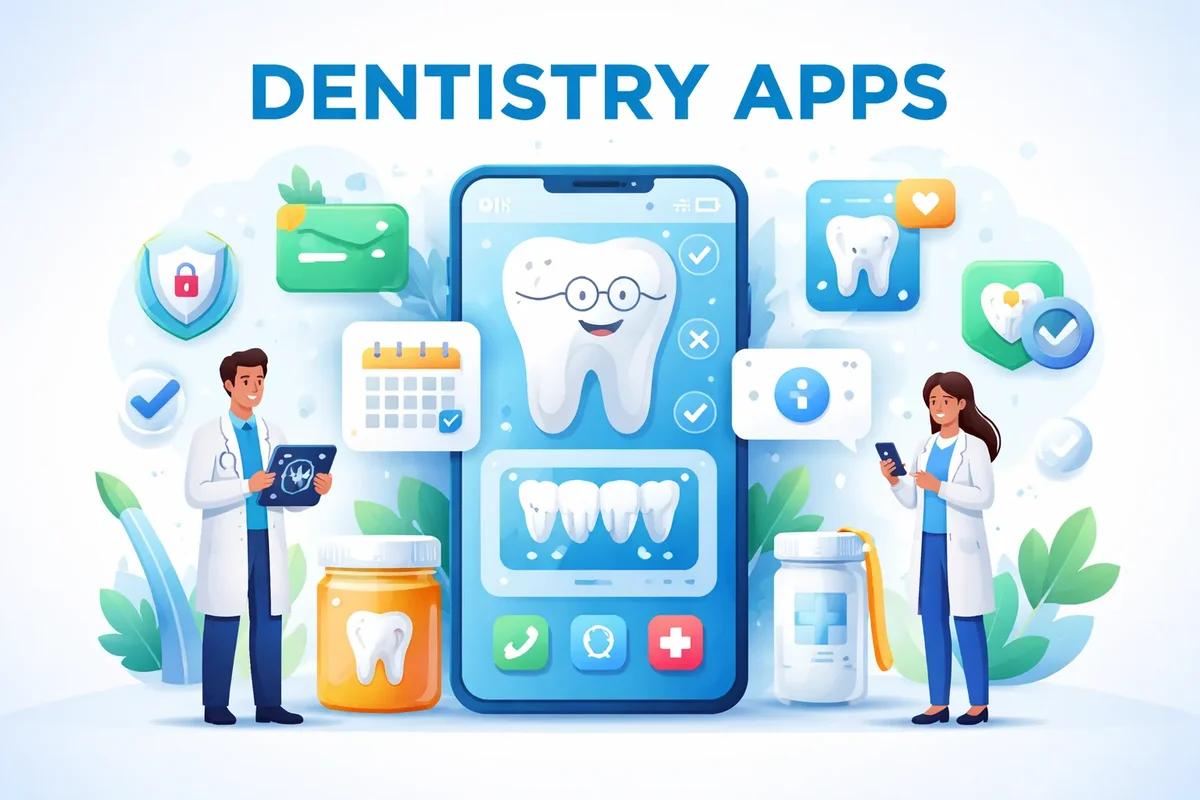
Future Trends: AI and Smart Dentistry Apps
The future of dental care is being shaped by rapid technological innovation, and dentistry apps are at the center of this transformation. As artificial intelligence (AI), machine learning, and smart technologies continue to evolve, dentistry apps are becoming more intelligent, predictive, and personalized. These advancements are not only improving patient outcomes but also redefining how dental services are delivered 😊.
Modern dentistry apps are already capable of assisting with daily oral hygiene, appointment management, and remote consultations. However, the next generation of dentistry apps will go even further by offering predictive diagnostics, real-time monitoring, and seamless integration with advanced healthcare systems.
The Role of Artificial Intelligence in Dentistry Apps
Artificial intelligence is one of the most powerful forces driving innovation in dentistry apps. AI algorithms can analyze large amounts of data quickly and accurately, allowing these apps to provide insights that were previously only available through professional examinations.
For example, AI-powered dentistry apps can analyze images of teeth and gums to detect early signs of cavities, gum disease, or enamel erosion. This enables users to take preventive action before problems become severe.
Key AI Capabilities in Dentistry Apps
• Image recognition for early diagnosis
• Personalized treatment recommendations
• Predictive analytics for future dental risks
These capabilities make dentistry apps smarter and more proactive, helping users maintain better oral health.
Smart Integration with Wearable Devices
The integration of dentistry apps with smart devices is another major trend shaping the future of dental care. Smart toothbrushes, wearable sensors, and connected devices provide real-time data that enhances the functionality of dentistry apps.
For instance, a smart toothbrush can track brushing patterns, pressure, and coverage, sending this data directly to dentistry apps. The app then analyzes the data and provides feedback, helping users improve their technique.
Benefits of Smart Integration
• Real-time feedback on oral hygiene
• Improved brushing accuracy
• Data-driven habit improvement
This level of integration transforms dentistry apps into comprehensive oral health management systems 🎯.
Predictive and Preventive Dental Care
One of the most exciting developments in dentistry apps is their ability to predict potential dental issues. By analyzing user data over time, these apps can identify patterns and suggest preventive measures.
For example, if a user consistently misses certain areas while brushing, dentistry apps can highlight this issue and recommend adjustments. This predictive approach reduces the likelihood of developing serious dental problems.
Preventive care supported by dentistry apps aligns with guidelines from trusted organizations like the American Dental Association, ensuring that users receive reliable and effective advice.
Enhanced Telehealth and Remote Monitoring
Telehealth is expected to play an even larger role in the future of dentistry apps. Advanced communication tools will allow for more accurate remote consultations and continuous monitoring of patient health.
Future dentistry apps may include features such as real-time video diagnostics, automated symptom analysis, and integration with clinic systems. This will enable dentists to provide more accurate assessments without requiring in-person visits.
Patients can already begin experiencing this digital transformation by connecting with modern clinics through platforms like the Redent Klinik Contact Page, where technology enhances patient care.
Blockchain and Data Security Innovations
As dentistry apps handle increasing amounts of sensitive data, security will remain a top priority. Blockchain technology is expected to play a significant role in enhancing data protection.
Blockchain-based dentistry apps can provide secure, decentralized storage of medical records, ensuring that data is tamper-proof and accessible only to authorized users.
Advantages of Blockchain in Dentistry Apps
• Enhanced data security
• Transparent record management
• Reduced risk of data breaches
These innovations will make dentistry apps safer and more trustworthy for users.
Cost Trends and Accessibility
As technology advances, the cost of dentistry apps is expected to become more competitive. While advanced features may still require subscriptions, increased competition will likely make these tools more affordable.
Projected Pricing Trends
Basic dentistry apps: Free
AI-powered apps: $10 – $25/month
Advanced integrated systems: $30 – $60/month
These pricing trends indicate that dentistry apps will remain accessible to a wide range of users.
Personalization and User Experience
The future of dentistry apps will focus heavily on personalization. Apps will adapt to individual user needs, preferences, and behaviors, providing tailored recommendations and experiences.
For example, dentistry apps may adjust reminder schedules, suggest specific products, or provide customized educational content based on user data. This level of personalization enhances user engagement and effectiveness.
Challenges and Opportunities Ahead
While the future of dentistry apps is promising, there are challenges to address. These include ensuring data privacy, maintaining accuracy in AI diagnostics, and achieving widespread adoption.
However, these challenges also present opportunities for innovation. Developers and healthcare providers can work together to create more reliable and user-friendly dentistry apps.
Conclusion: The Future of Dentistry Apps
In conclusion, dentistry apps are set to revolutionize dental care through the integration of AI, smart devices, and advanced technologies. These tools will provide more accurate diagnostics, personalized care, and improved accessibility.
As dentistry apps continue to evolve, they will become essential components of modern healthcare, empowering users to take control of their oral health like never before. Embracing these innovations is the key to achieving a healthier, smarter, and more connected future in dental care 😁.