
When it comes to maintaining a healthy smile, understanding dentistry basics is the foundation of everything. Whether you are someone who visits the dentist regularly or someone who only goes when there is pain, learning dentistry basics can completely change how you approach your oral health. Dentistry basics are not just about brushing your teeth; they involve a comprehensive understanding of how your teeth, gums, and overall oral system function together. 😊
At its core, dentistry basics refer to the essential principles and practices that help maintain oral hygiene, prevent dental diseases, and support long-term dental health. These include daily habits like brushing and flossing, understanding the structure of your teeth, recognizing early signs of dental issues, and knowing when to seek professional care. Without a solid grasp of dentistry basics, even the most advanced treatments may not provide lasting results.
One of the most important aspects of dentistry basics is prevention. Preventive care helps you avoid serious dental problems such as cavities, gum disease, and tooth loss. By following dentistry basics, you can significantly reduce the need for complex procedures in the future. This is why dental professionals worldwide emphasize early education and consistent oral care routines. For more detailed guidelines, you can explore trusted resources like the American Dental Association, which provides evidence-based recommendations on oral health.
Another key element of dentistry basics is understanding the relationship between oral health and overall health. Many people do not realize that poor oral hygiene can lead to systemic issues such as heart disease, diabetes complications, and infections. Dentistry basics teach you that your mouth is not isolated from your body—it plays a crucial role in your general well-being. 🧠
Brushing your teeth twice a day is one of the simplest yet most effective practices in dentistry basics. However, it is not just about frequency—it is also about technique. Using a soft-bristled toothbrush, brushing at a 45-degree angle, and covering all surfaces of your teeth are essential steps. Flossing is equally important because it removes plaque and food particles from areas that your toothbrush cannot reach. These small but powerful habits form the backbone of dentistry basics.
In addition to daily care, regular dental check-ups are a vital part of dentistry basics. Visiting your dentist every six months allows professionals to detect problems early and provide preventive treatments such as cleanings and fluoride applications. If you are unsure when to schedule your next visit or need personalized advice, you can always reach out through the Redent Klinik Contact Page. Taking action early can save you time, discomfort, and unnecessary procedures in the future.
Understanding dentistry basics also helps reduce dental anxiety. Many people fear dental visits simply because they do not know what to expect. When you are familiar with dentistry basics, you gain confidence and feel more in control of your oral health journey. This knowledge empowers you to ask the right questions and make informed decisions about your treatments.
Moreover, dentistry basics are essential for people of all ages. Children need to learn proper brushing habits early, adults must maintain consistency, and older individuals should pay extra attention to gum health and tooth preservation. No matter your age, dentistry basics remain relevant and crucial throughout your life. 👨👩👧👦
In today’s world, where information is easily accessible, ignoring dentistry basics can lead to preventable complications. From tooth sensitivity to advanced periodontal disease, most dental issues start small and gradually worsen if neglected. By mastering dentistry basics, you create a strong defense against these problems and ensure a healthier, brighter smile.
In conclusion, dentistry basics are the cornerstone of oral health. They guide your daily habits, influence your long-term well-being, and help you avoid costly and painful treatments. By understanding and applying dentistry basics consistently, you invest in a lifetime of confident smiles and better health. 🌟
What Are Dentistry Basics and Why They Matter
Understanding dentistry basics is the first and most important step toward achieving and maintaining excellent oral health. Many people assume that dentistry basics are limited to brushing and flossing, but in reality, they cover a much broader range of knowledge and habits. Dentistry basics include understanding how your teeth and gums function, how diseases develop, and how preventive care can protect your smile for years to come. 😊
At its core, dentistry basics provide a framework for maintaining oral hygiene and preventing common dental issues such as cavities, gum disease, and tooth loss. Without a clear understanding of dentistry basics, individuals may unknowingly adopt habits that harm their teeth over time. That is why learning dentistry basics is not optional—it is essential for long-term health and confidence.
The Foundation of Oral Health
One of the key reasons dentistry basics matter is because they form the foundation of oral health. Your mouth is home to millions of bacteria, both beneficial and harmful. When you follow dentistry basics correctly, you maintain a balance that prevents harmful bacteria from causing damage. This includes brushing twice daily, flossing regularly, and using mouthwash when necessary.
Neglecting dentistry basics allows plaque to build up on the teeth. Plaque is a sticky film of bacteria that can harden into tartar if not removed. Once tartar forms, it can only be removed by a dental professional. This is why dentistry basics emphasize consistency in daily care routines. 🪥
How Plaque and Tartar Develop
When food particles remain in the mouth, bacteria feed on them and produce acids. These acids attack the enamel, leading to tooth decay. Dentistry basics teach that early removal of plaque prevents this chain reaction. If ignored, plaque turns into tartar, which irritates the gums and can lead to periodontal disease.
Prevention Is Better Than Treatment
Another crucial aspect of dentistry basics is prevention. Preventive care is always more effective, less painful, and more affordable than treating advanced dental problems. By following dentistry basics, you can avoid procedures such as fillings, root canals, and extractions.
For example, a simple routine of brushing, flossing, and regular dental visits can prevent cavities. On the other hand, ignoring dentistry basics may result in severe decay that requires extensive treatment. Preventive care is not just about saving money—it is about preserving your natural teeth. 💡
Cost Comparison: Prevention vs Treatment
Here is a general comparison of dental costs:
- Routine cleaning: $50 – $150
- Filling: $100 – $300
- Root canal: $700 – $1,500
- Dental implant: $1,500 – $3,000+
As you can see, following dentistry basics can significantly reduce your long-term dental expenses.
The Link Between Oral Health and Overall Health
One of the most overlooked elements of dentistry basics is the connection between oral health and general health. Research shows that poor oral hygiene can contribute to serious health conditions such as heart disease, diabetes, and respiratory infections. This makes dentistry basics even more important, as they go beyond aesthetics and directly impact your overall well-being. 🧠
Inflammation in the gums, for example, can allow bacteria to enter the bloodstream. Dentistry basics aim to prevent this by keeping the gums healthy and free from infection. Maintaining oral hygiene is therefore not just about your smile—it is about protecting your entire body.
Building Confidence Through Dentistry Basics
Another reason dentistry basics matter is their impact on self-confidence. A healthy smile enhances your appearance and boosts your confidence in social and professional settings. When you follow dentistry basics consistently, you reduce the risk of bad breath, stained teeth, and visible dental issues.
People who understand dentistry basics are more likely to take proactive steps to maintain their smile. This includes regular dental visits, proper hygiene, and informed decision-making regarding treatments. Confidence begins with knowing that your oral health is under control. 😁
Professional Support and Guidance
While daily habits are essential, dentistry basics also include seeking professional care. Dentists play a crucial role in identifying problems that may not be visible or painful in the early stages. Regular check-ups ensure that any issues are detected and treated promptly.
If you are unsure about your oral health routine or need expert advice, you can always consult professionals through the Redent Klinik Contact Page. Additionally, trusted organizations like the American Dental Association provide valuable information on maintaining oral health based on scientific research.
Why Consistency Is Key in Dentistry Basics
Consistency is the most important principle in dentistry basics. It is not enough to brush your teeth occasionally or visit the dentist only when you feel pain. Dentistry basics require a daily commitment to oral hygiene and regular professional care.
Small, consistent actions lead to significant long-term results. Skipping even a few days of proper oral care can allow bacteria to multiply and cause damage. By sticking to dentistry basics, you create a routine that protects your teeth and gums every day.
In conclusion, dentistry basics are not just simple guidelines—they are essential practices that influence your health, confidence, and quality of life. By understanding and applying dentistry basics, you take control of your oral health and prevent problems before they start. 🌟
Understanding Tooth Structure in Dentistry Basics
To fully understand dentistry basics, you must first learn about the structure of your teeth. Teeth are not just simple white surfaces; they are complex biological structures designed to perform essential functions such as chewing, speaking, and maintaining facial structure. Dentistry basics emphasize that knowing how your teeth are built helps you better understand how dental problems occur and how to prevent them. 🦷
Each tooth consists of multiple layers, and each layer has a specific role in protecting the tooth and supporting its function. When you learn dentistry basics, you begin to see that oral health is not just about surface cleaning—it is about protecting every layer of the tooth from damage and decay.
The Main Layers of a Tooth
One of the core concepts in dentistry basics is understanding the four primary layers of a tooth: enamel, dentin, pulp, and cementum. Each layer plays a critical role in maintaining the health and strength of your teeth.
Enamel: The Protective Outer Layer
Enamel is the hardest substance in the human body and serves as the first line of defense in dentistry basics. It protects the inner layers of the tooth from physical damage and acid attacks caused by bacteria. However, despite its strength, enamel can be worn down over time due to poor oral hygiene, acidic foods, and improper brushing techniques.
In dentistry basics, protecting enamel is a top priority. Once enamel is lost, it cannot regenerate naturally. This is why using fluoride toothpaste, avoiding excessive sugar, and maintaining proper hygiene are essential steps in preserving enamel health. 🪥
Dentin: The Sensitive Middle Layer
Beneath the enamel lies dentin, a softer and more sensitive layer. Dentistry basics teach that dentin contains microscopic tubules that connect to the nerve endings inside the tooth. When enamel wears away, these tubules become exposed, leading to tooth sensitivity.
This is why people often feel discomfort when consuming hot, cold, or sweet foods. Understanding dentistry basics helps you recognize that sensitivity is often a sign that the protective enamel layer has been compromised.
Pulp: The Living Core
The pulp is the innermost part of the tooth and contains nerves, blood vessels, and connective tissue. Dentistry basics highlight that the pulp is responsible for nourishing the tooth and providing sensory function. When bacteria reach the pulp, it can lead to severe pain and infection, often requiring treatments such as root canal therapy.
Protecting the pulp is a major goal in dentistry basics. Preventing decay from reaching this layer helps you avoid complex and costly procedures.
Cementum: The Root Protector
Cementum covers the root of the tooth and helps anchor it to the jawbone through periodontal ligaments. Dentistry basics explain that healthy cementum and surrounding structures are essential for keeping your teeth stable and secure.
If gum disease develops, it can damage the cementum and supporting tissues, leading to tooth mobility or even tooth loss. This is why dentistry basics emphasize gum health as much as tooth health.
How Tooth Structure Relates to Dental Problems
Understanding tooth structure is a fundamental part of dentistry basics because it explains how dental problems develop. For example, cavities begin when bacteria produce acids that erode enamel. If left untreated, the decay progresses into dentin and eventually reaches the pulp.
This progression highlights the importance of early intervention in dentistry basics. Detecting and treating issues at the enamel stage can prevent more serious complications. Regular dental visits and proper hygiene play a key role in stopping this process early. 🔍
The Role of Gums and Supporting Structures
Dentistry basics also include understanding the role of gums (gingiva) and supporting structures such as the jawbone and ligaments. Healthy gums act as a protective barrier around the teeth, preventing bacteria from reaching deeper tissues.
When gums become inflamed due to plaque buildup, it can lead to gingivitis and eventually periodontitis. Dentistry basics stress that maintaining gum health is just as important as caring for the teeth themselves.
Signs of Healthy vs Unhealthy Gums
- Healthy gums: Pink, firm, and do not bleed
- Unhealthy gums: Red, swollen, and prone to bleeding
Recognizing these signs is an important part of dentistry basics, as early detection can prevent serious gum disease.
Why Tooth Knowledge Improves Oral Care
When you understand the structure of your teeth, you can make better decisions about your oral care routine. Dentistry basics teach that different parts of the tooth require different types of protection. For example, fluoride strengthens enamel, while desensitizing toothpaste helps protect exposed dentin.
This knowledge allows you to tailor your oral care routine to your specific needs, making dentistry basics more effective in maintaining long-term oral health. 💡
Professional Care and Tooth Structure Awareness
Even with a strong understanding of dentistry basics, professional care remains essential. Dentists use advanced tools to examine each layer of the tooth and detect problems that are not visible to the naked eye.
If you have concerns about your tooth structure or experience sensitivity or pain, it is important to seek professional advice. You can easily connect with experts through the Redent Klinik Contact Page for personalized guidance and care.
Additionally, organizations like the American Dental Association provide valuable educational resources that support your understanding of dentistry basics and help you stay informed about best practices.
Conclusion: Tooth Structure as the Core of Dentistry Basics
In conclusion, understanding tooth structure is a fundamental part of dentistry basics. Each layer of the tooth plays a unique role in maintaining oral health, and protecting these layers should be a priority in your daily routine. By applying dentistry basics and caring for every part of your teeth, you can prevent damage, reduce sensitivity, and maintain a strong, healthy smile for life. 🌟
Daily Oral Hygiene Habits in Dentistry Basics
When it comes to maintaining a healthy smile, dentistry basics strongly emphasize the importance of daily oral hygiene habits. These habits are the foundation of long-term dental health and play a critical role in preventing cavities, gum disease, bad breath, and more serious oral conditions. While professional treatments are important, dentistry basics clearly show that what you do every single day has the greatest impact on your oral health. 🪥
Many people underestimate how small daily actions can significantly influence their dental health over time. Dentistry basics teach that consistency in oral hygiene is far more important than occasional intensive care. By following simple yet effective routines, you can maintain strong teeth and healthy gums throughout your life.
Brushing: The Cornerstone of Dentistry Basics
Brushing your teeth is the most fundamental habit in dentistry basics. It helps remove plaque, bacteria, and food particles that accumulate throughout the day. However, brushing is not just about doing it twice daily—it is about doing it correctly.
Proper Brushing Technique
Dentistry basics recommend brushing your teeth at least twice a day using a soft-bristled toothbrush. The correct technique involves holding the brush at a 45-degree angle toward the gum line and using gentle circular motions. This method ensures that both the teeth and gums are cleaned effectively without causing damage.
Each brushing session should last at least two minutes. Many people rush this process, but dentistry basics highlight that thorough cleaning requires time and attention. Make sure to cover all surfaces: front, back, and chewing areas of your teeth. ⏱️
Choosing the Right Toothpaste
Another key point in dentistry basics is selecting the right toothpaste. Fluoride toothpaste is highly recommended because it strengthens enamel and helps prevent tooth decay. For individuals with sensitivity, specialized toothpaste can provide relief by protecting exposed dentin.
Flossing: The Often Overlooked Essential
Flossing is a critical component of dentistry basics that many people neglect. While brushing cleans the visible surfaces of your teeth, flossing removes plaque and debris from between teeth and under the gum line—areas that a toothbrush cannot reach.
Without flossing, these hidden areas can become breeding grounds for bacteria, leading to cavities and gum disease. Dentistry basics stress that flossing at least once a day is necessary for complete oral hygiene. 🧵
How to Floss Properly
To floss correctly, use about 18 inches of dental floss and gently slide it between your teeth. Curve the floss into a “C” shape around each tooth and move it up and down to remove plaque. Avoid snapping the floss into your gums, as this can cause irritation.
Mouthwash: An إضافition to Dentistry Basics
Mouthwash is often considered optional, but dentistry basics show that it can be a valuable addition to your routine. Antibacterial mouthwash helps reduce bacteria, freshens breath, and can reach areas that brushing and flossing might miss.
However, mouthwash should not replace brushing or flossing. Dentistry basics clearly state that it is a supplementary step, not a substitute. Using it after brushing and flossing provides the best results. 🌿
The Importance of Timing and Routine
Consistency and timing are crucial in dentistry basics. Brushing before bed is especially important because it removes the buildup of plaque and bacteria accumulated during the day. Skipping nighttime brushing allows bacteria to remain active while you sleep, increasing the risk of decay.
Additionally, dentistry basics recommend waiting at least 30 minutes after eating before brushing, especially after consuming acidic foods. This prevents enamel damage and ensures safer cleaning.
Common Mistakes in Daily Oral Care
Even with good intentions, many people make mistakes that can harm their teeth. Dentistry basics highlight several common errors that should be avoided:
- Brushing too hard, which can wear down enamel
- Using a hard-bristled toothbrush
- Skipping flossing regularly
- Not replacing the toothbrush every 3 months
- Ignoring the tongue, where bacteria accumulate
By correcting these mistakes, you can significantly improve your oral hygiene routine and align it with dentistry basics.
Diet and Daily Habits
Dentistry basics also emphasize the role of diet in daily oral hygiene. Foods high in sugar and acid contribute to tooth decay, while a balanced diet supports strong teeth and gums. Drinking water after meals, limiting sugary snacks, and avoiding excessive acidic beverages are all part of good dentistry basics. 🥗
Quick Daily Routine Example
- Morning: Brush teeth + optional mouthwash
- After meals: Rinse with water
- Evening: Brush + floss + mouthwash
This simple routine aligns perfectly with dentistry basics and ensures comprehensive oral care.
Professional Support for Daily Care
While daily habits are essential, dentistry basics also include professional guidance. Dentists can recommend personalized routines based on your specific needs. If you are unsure about your current habits or want expert advice, you can contact professionals through the Redent Klinik Contact Page.
Additionally, organizations like the American Dental Association provide reliable recommendations on maintaining proper oral hygiene and following dentistry basics effectively.
Conclusion: Daily Habits Define Your Dental Health
In conclusion, daily oral hygiene habits are the heart of dentistry basics. By brushing correctly, flossing regularly, and maintaining a consistent routine, you can prevent most dental problems before they start. Dentistry basics are not complicated—they simply require discipline and awareness. When practiced daily, these habits lead to a healthier smile, fresher breath, and greater confidence. 😁
Common Dental Problems Explained in Dentistry Basics
Understanding dentistry basics is not complete without learning about the most common dental problems people face. These issues often start small but can quickly become serious if ignored. Dentistry basics help you recognize early warning signs, understand causes, and take preventive action before complications arise. 🦷
Many dental problems are preventable with proper care and awareness. However, lack of knowledge about dentistry basics leads people to overlook early symptoms, allowing minor issues to develop into painful and costly conditions. This section will guide you through the most common dental problems and explain how dentistry basics can help you avoid them.
Tooth Decay (Cavities)
Tooth decay is one of the most widespread issues covered in dentistry basics. It occurs when bacteria in the mouth produce acids that attack the enamel. Over time, these acids create small holes in the teeth, known as cavities.
Causes of Tooth Decay
- Poor oral hygiene
- Frequent consumption of sugary foods and drinks
- Inadequate fluoride exposure
- Irregular dental visits
Dentistry basics emphasize that early-stage cavities may not cause pain, making them difficult to detect without professional check-ups. Regular dental visits and proper hygiene are essential to prevent decay from progressing.
Treatment Options
Treatment depends on the severity of the cavity:
- Early stage: Fluoride treatment
- Moderate decay: Dental fillings ($100 – $300)
- Advanced decay: Root canal treatment ($700 – $1,500)
Following dentistry basics can help you avoid these procedures altogether by preventing cavities before they form.
Gum Disease (Periodontal Disease)
Another major topic in dentistry basics is gum disease, which affects the tissues surrounding the teeth. It begins as gingivitis (mild inflammation) and can progress to periodontitis, a serious condition that can lead to tooth loss.
Signs of Gum Disease
- Red or swollen gums
- Bleeding during brushing or flossing
- Persistent bad breath
- Loose teeth in advanced stages
Dentistry basics highlight that gum disease is often painless in its early stages, making it easy to ignore. However, early detection and proper care can reverse gingivitis and prevent progression.
Prevention Strategies
To prevent gum disease, dentistry basics recommend:
- Daily brushing and flossing
- Regular professional cleanings
- A balanced diet
- Avoiding tobacco use
Tooth Sensitivity
Tooth sensitivity is a common complaint addressed in dentistry basics. It occurs when the protective enamel wears down or when gums recede, exposing the underlying dentin. This leads to discomfort when consuming hot, cold, or sweet foods. ❄️🔥
Common Causes
- Aggressive brushing
- Acidic foods and drinks
- Teeth grinding (bruxism)
- Gum recession
Dentistry basics teach that sensitivity is often a warning sign of underlying issues. Addressing the root cause is essential for long-term relief.
Management and Treatment
Solutions may include:
- Using desensitizing toothpaste
- Fluoride treatments
- Dental bonding for exposed areas
Bad Breath (Halitosis)
Bad breath is another issue frequently discussed in dentistry basics. While it may seem minor, it can indicate poor oral hygiene or underlying dental problems.
Main Causes
- Poor oral hygiene
- Bacteria on the tongue
- Dry mouth
- Gum disease
Dentistry basics emphasize that maintaining a clean mouth, including brushing the tongue and staying hydrated, is key to preventing halitosis. 😷
Tooth Loss
Tooth loss is one of the most serious outcomes of neglecting dentistry basics. It can result from untreated cavities, advanced gum disease, or trauma. Losing a tooth affects not only your appearance but also your ability to chew and speak properly.
Replacement Options
- Dental implants ($1,500 – $3,000+)
- Bridges
- Dentures
Dentistry basics strongly emphasize prevention to avoid the need for these treatments. Maintaining healthy teeth is always preferable to replacing them.
Enamel Erosion
Enamel erosion is a gradual process that weakens the outer layer of the teeth. Dentistry basics explain that acidic foods, beverages, and poor habits contribute to this condition.
Symptoms
- Sensitivity
- Discoloration
- Rounded or worn tooth edges
Preventing enamel erosion is a key part of dentistry basics. Limiting acidic intake and practicing proper hygiene can help preserve enamel strength.
When to Seek Professional Help
Dentistry basics stress that early intervention is critical. If you notice any symptoms such as pain, bleeding gums, or sensitivity, it is important to consult a dental professional immediately.
You can easily reach out for expert guidance through the Redent Klinik Contact Page. Professional evaluation ensures that problems are diagnosed and treated before they worsen.
For additional trusted information, you can also refer to the American Dental Association, which provides evidence-based insights into dental conditions and treatments.
Conclusion: Awareness Is the Key to Prevention
In conclusion, understanding common dental problems is a vital part of dentistry basics. By recognizing early signs and taking preventive measures, you can avoid pain, discomfort, and expensive treatments. Dentistry basics empower you to take control of your oral health and maintain a strong, healthy smile for life. 🌟
Preventive Care: The Core of Dentistry Basics
At the heart of dentistry basics lies one powerful concept: prevention. Preventive care is the most effective way to maintain a healthy smile and avoid complex dental treatments. Dentistry basics consistently emphasize that stopping problems before they start is far easier, less expensive, and less painful than treating them later. 🛡️
Many people only think about dental care when they experience pain or discomfort. However, dentistry basics clearly show that by the time symptoms appear, the problem may already be advanced. Preventive care allows you to stay ahead of potential issues, ensuring that your teeth and gums remain strong and healthy over time.
What Is Preventive Dental Care?
Preventive care in dentistry basics refers to all the actions taken to protect your teeth and gums from disease. This includes daily oral hygiene, regular dental visits, professional cleanings, and lifestyle choices that support oral health.
The goal of preventive care is simple: to reduce the risk of dental problems such as cavities, gum disease, and enamel erosion. Dentistry basics teach that consistent preventive habits can significantly lower the need for invasive treatments.
Key Components of Preventive Care
- Daily brushing and flossing
- Routine dental check-ups
- Professional cleanings
- Fluoride treatments
- Sealants for cavity protection
Each of these elements plays a critical role in dentistry basics and contributes to long-term oral health.
Regular Dental Check-Ups
One of the most important aspects of dentistry basics is visiting your dentist regularly. Dental check-ups are not just for cleaning your teeth—they are essential for early detection of problems that may not be visible or painful.
Why Check-Ups Matter
Dentistry basics highlight that early detection can prevent minor issues from becoming major concerns. For example, a small cavity detected early can be treated quickly, while a neglected cavity may require a root canal or extraction.
During a check-up, your dentist will:
- Examine your teeth and gums
- Check for signs of decay or infection
- Perform professional cleaning
- Provide personalized oral care advice
Scheduling visits every six months is a standard recommendation in dentistry basics. 📅
Professional Dental Cleanings
Even with excellent daily hygiene, plaque can build up in hard-to-reach areas. Dentistry basics emphasize the importance of professional cleanings to remove plaque and tartar that cannot be eliminated at home.
Benefits of Professional Cleaning
- Removes hardened tartar
- Prevents gum disease
- Polishes teeth for a cleaner appearance
- Reduces bad breath
The cost of a professional cleaning typically ranges from $50 to $150, making it a cost-effective part of dentistry basics compared to more advanced treatments.
Fluoride Treatments and Sealants
Dentistry basics also include preventive treatments such as fluoride applications and dental sealants. These treatments provide an extra layer of protection, especially for individuals at higher risk of cavities.
Fluoride Treatments
Fluoride strengthens enamel and helps repair early signs of tooth decay. Dentistry basics recommend fluoride treatments for both children and adults, particularly those prone to cavities.
Dental Sealants
Sealants are thin coatings applied to the chewing surfaces of molars to prevent food and bacteria from getting trapped. Dentistry basics highlight sealants as an effective preventive measure, especially for children and teenagers. 🧒
The Role of Lifestyle in Prevention
Preventive care in dentistry basics goes beyond brushing and dental visits—it also includes lifestyle choices. What you eat, drink, and do daily has a direct impact on your oral health.
Healthy Habits to Follow
- Limit sugary and acidic foods
- Drink plenty of water
- Avoid smoking and tobacco products
- Use protective gear during sports
Dentistry basics emphasize that these habits support not only your teeth but also your overall health.
Preventing Gum Disease
Gum disease is one of the most common issues addressed in dentistry basics. Preventive care focuses heavily on maintaining healthy gums to avoid inflammation and infection.
Simple Steps for Gum Health
- Brush along the gum line
- Floss daily
- Use antibacterial mouthwash
- Attend regular dental cleanings
By following these steps, you align with dentistry basics and significantly reduce your risk of periodontal disease.
The Cost Advantage of Prevention
One of the biggest benefits of preventive care in dentistry basics is cost savings. Preventive treatments are far less expensive than restorative procedures.
- Cleaning: $50 – $150
- Fluoride treatment: $20 – $50
- Sealants: $30 – $60 per tooth
- Filling: $100 – $300
- Root canal: $700 – $1,500
This comparison clearly shows how dentistry basics help you save money by avoiding complex treatments.
When to Seek Preventive Guidance
If you are unsure whether your current routine aligns with dentistry basics, it is always a good idea to seek professional advice. Dentists can assess your oral health and recommend preventive strategies tailored to your needs.
You can easily get expert support through the Redent Klinik Contact Page. Additionally, trusted organizations like the American Dental Association provide reliable guidance on preventive care and dentistry basics.
Conclusion: Prevention Is the True Power of Dentistry Basics
In conclusion, preventive care is the cornerstone of dentistry basics. By focusing on prevention, you can maintain healthy teeth, avoid painful procedures, and enjoy long-term oral health. Dentistry basics teach that small daily actions and regular professional care make a significant difference. When you prioritize prevention, you protect not just your smile but your overall well-being. 🌟
Professional Dental Treatments in Dentistry Basics
While daily care is essential, dentistry basics also include understanding professional dental treatments. These treatments are designed to restore, protect, and enhance oral health when preventive measures are not enough. Dentistry basics teach that even with perfect hygiene, some dental issues require expert intervention. Knowing what to expect from professional treatments helps reduce anxiety and allows you to make informed decisions about your oral health. 😊
Professional dental care is not only about fixing problems—it is also about maintaining long-term oral health. Dentistry basics emphasize that regular interaction with dental professionals ensures early detection, timely treatment, and personalized care tailored to your needs.
Types of Professional Dental Treatments
Dentistry basics cover a wide range of treatments, from simple procedures to advanced restorative solutions. Each treatment serves a specific purpose and addresses different levels of dental issues.
Dental Fillings
Dental fillings are one of the most common treatments in dentistry basics. They are used to repair teeth affected by cavities. During the procedure, the decayed portion of the tooth is removed and replaced with a filling material such as composite resin, amalgam, or ceramic.
- Cost: $100 – $300 per tooth
- Purpose: Restore function and prevent further decay
Dentistry basics highlight that early treatment with fillings can prevent more serious procedures like root canals.
Root Canal Treatment
When decay reaches the pulp of the tooth, a root canal becomes necessary. Dentistry basics explain that this procedure removes infected tissue from inside the tooth, cleans the root canals, and seals them to prevent reinfection.
- Cost: $700 – $1,500
- Purpose: Save the natural tooth and eliminate pain
Although often feared, modern root canal treatments are relatively painless and highly effective. 🦷
Dental Crowns
Crowns are protective caps placed over damaged or weakened teeth. Dentistry basics teach that crowns restore the shape, strength, and appearance of a tooth.
- Cost: $800 – $2,000 per tooth
- Purpose: Protect and strengthen compromised teeth
Crowns are often used after root canal treatments or for severely decayed teeth.
Tooth Replacement Options
One of the key areas of dentistry basics is understanding how missing teeth can be replaced. Tooth loss affects not only appearance but also chewing ability and overall oral health.
Dental Implants
Dental implants are considered the gold standard in dentistry basics for replacing missing teeth. They involve placing a titanium post into the jawbone, which acts as an artificial root, followed by a crown.
- Cost: $1,500 – $3,000+ per implant
- Advantages: Long-lasting, natural appearance, preserves bone structure
Dentistry basics emphasize implants as a durable and functional solution for tooth loss. 💪
Dental Bridges
Bridges are used to replace one or more missing teeth by anchoring artificial teeth to adjacent natural teeth.
- Cost: $500 – $1,500 per unit
- Advantages: Faster and less invasive than implants
Dentures
Dentures are removable appliances that replace multiple missing teeth. Dentistry basics explain that modern dentures are more comfortable and natural-looking than ever before.
- Cost: $600 – $2,500
- Advantages: Affordable and effective for multiple tooth loss
Cosmetic Dental Treatments
Dentistry basics also include treatments that improve the appearance of your smile. While these procedures are often elective, they can significantly boost confidence and self-esteem.
Teeth Whitening
Professional teeth whitening removes stains and discoloration, resulting in a brighter smile.
- Cost: $200 – $600
- Benefit: Quick and noticeable results
Veneers
Veneers are thin shells placed on the front surface of teeth to improve their appearance. Dentistry basics highlight veneers as a solution for chipped, stained, or misaligned teeth.
- Cost: $800 – $2,500 per tooth
- Benefit: Long-lasting aesthetic improvement
Orthodontic Treatments
Orthodontics is another important area within dentistry basics. These treatments focus on correcting misaligned teeth and bite issues.
Braces and Aligners
Braces and clear aligners gradually move teeth into the correct position. Dentistry basics emphasize that proper alignment improves both function and appearance.
- Cost: $3,000 – $7,000
- Benefit: Long-term oral health improvement
When to Seek Professional Treatment
Dentistry basics stress the importance of recognizing when professional care is needed. Symptoms such as persistent pain, swelling, bleeding gums, or difficulty chewing should never be ignored.
Seeking timely treatment can prevent complications and preserve your natural teeth. If you experience any of these symptoms, it is essential to consult a dental professional as soon as possible.
You can easily connect with experts through the Redent Klinik Contact Page for personalized care and treatment options.
Additionally, reliable information about dental procedures can be found through the American Dental Association, which provides scientifically backed guidance on treatments included in dentistry basics.
Benefits of Professional Dental Care
Dentistry basics highlight several benefits of professional treatments:
- Early detection of dental issues
- Effective pain relief
- Restoration of function and aesthetics
- Prevention of further complications
Professional care complements daily hygiene and ensures comprehensive oral health management.
Conclusion: Professional Care Completes Dentistry Basics
In conclusion, professional dental treatments are an essential part of dentistry basics. They provide solutions for issues that cannot be managed at home and help maintain long-term oral health. By combining daily care with professional treatments, you can achieve a strong, healthy, and confident smile. Dentistry basics are not just about prevention—they are about complete care at every stage of your dental journey. 🌟
The Role of Nutrition in Dentistry Basics
When discussing dentistry basics, many people focus only on brushing and flossing. However, nutrition plays an equally critical role in maintaining oral health. What you eat directly affects your teeth and gums, making diet an essential part of dentistry basics. A balanced and mindful diet can strengthen your teeth, prevent decay, and support long-term oral health. 🥗
Dentistry basics emphasize that your mouth is the first point of contact for everything you consume. Foods and beverages interact with your teeth, influencing the development of plaque, enamel strength, and gum health. Understanding how nutrition impacts your oral health allows you to make smarter choices that protect your smile.
How Nutrition Affects Oral Health
One of the key principles of dentistry basics is that food fuels both beneficial and harmful bacteria in your mouth. Sugary and acidic foods promote the growth of harmful bacteria, which produce acids that attack tooth enamel. On the other hand, nutrient-rich foods support strong teeth and healthy gums.
The Role of Sugar
Sugar is one of the biggest threats highlighted in dentistry basics. When you consume sugary foods, bacteria in your mouth feed on the sugar and produce acids. These acids weaken enamel and lead to cavities.
- Candy, soda, and desserts increase cavity risk
- Frequent snacking on sugary foods worsens damage
Dentistry basics recommend limiting sugar intake and avoiding constant snacking to reduce acid attacks on your teeth. 🍬
Acidic Foods and Beverages
Acidic foods such as citrus fruits, soft drinks, and energy drinks can erode enamel over time. Dentistry basics teach that while these foods are not necessarily harmful in moderation, excessive consumption can weaken your teeth.
To minimize damage, rinse your mouth with water after consuming acidic foods and wait at least 30 minutes before brushing.
Essential Nutrients for Strong Teeth
Dentistry basics highlight the importance of specific nutrients that contribute to oral health. A well-balanced diet ensures that your teeth and gums receive the support they need to stay strong.
Calcium
Calcium is vital for maintaining strong teeth and bones. Dentistry basics emphasize that calcium helps strengthen enamel and supports the structure of your teeth.
- Sources: Milk, cheese, yogurt, leafy greens
Vitamin D
Vitamin D helps your body absorb calcium effectively. Without it, even a calcium-rich diet may not provide full benefits. Dentistry basics recommend adequate sunlight exposure and vitamin D-rich foods.
- Sources: Fish, eggs, fortified foods
Phosphorus
Phosphorus works with calcium to rebuild and maintain tooth enamel. Dentistry basics include phosphorus as a key nutrient for dental strength.
- Sources: Meat, fish, dairy products
Vitamin C
Vitamin C is essential for gum health. Dentistry basics explain that it helps maintain healthy connective tissue and prevents gum inflammation.
- Sources: Citrus fruits, strawberries, peppers
Foods That Promote Oral Health
In dentistry basics, certain foods are known to actively support dental health. Including these foods in your daily diet can improve your oral hygiene naturally.
Crunchy Fruits and Vegetables
Foods like apples, carrots, and celery act as natural cleaners for your teeth. Dentistry basics highlight that their texture helps remove plaque and stimulate saliva production.
Dairy Products
Dairy products are rich in calcium and help neutralize acids in the mouth. Dentistry basics recommend consuming cheese and yogurt to strengthen enamel. 🧀
Water
Water is one of the simplest yet most effective tools in dentistry basics. It helps wash away food particles and bacteria while keeping your mouth hydrated.
Harmful Eating Habits to Avoid
Dentistry basics also focus on habits that negatively impact oral health. Even if you eat healthy foods, poor eating habits can still cause damage.
Frequent Snacking
Constant snacking exposes your teeth to repeated acid attacks. Dentistry basics recommend limiting snacks and allowing time for saliva to neutralize acids.
Sticky Foods
Sticky foods like dried fruits and caramel can cling to teeth, increasing the risk of decay. Dentistry basics suggest brushing or rinsing after consuming such foods.
Sugary Drinks
Sodas and energy drinks are particularly harmful because they combine sugar and acid. Dentistry basics strongly advise reducing or eliminating these beverages.
The Role of Saliva in Nutrition and Dentistry Basics
Saliva plays a crucial role in dentistry basics. It helps neutralize acids, wash away food particles, and protect enamel. Proper nutrition supports healthy saliva production.
Chewing sugar-free gum can stimulate saliva flow, which is beneficial for maintaining oral health. 💧
Professional Guidance on Diet and Oral Health
Dentistry basics include seeking professional advice on how your diet affects your teeth. Dentists can recommend dietary changes based on your specific needs and risk factors.
If you want personalized guidance, you can contact experts through the Redent Klinik Contact Page. Additionally, trusted organizations like the American Dental Association provide valuable information on nutrition and oral health.
Conclusion: Nutrition Is a Key Part of Dentistry Basics
In conclusion, nutrition is a fundamental component of dentistry basics. What you eat directly impacts the health of your teeth and gums. By choosing nutrient-rich foods, limiting sugar and acid, and maintaining healthy eating habits, you can protect your smile and prevent dental problems. Dentistry basics go beyond brushing—they include making smart dietary choices every day. 🌟
How Often Should You Visit a Dentist?
One of the most common questions people ask when learning dentistry basics is how often they should visit a dentist. While daily oral care is essential, professional check-ups play a critical role in maintaining long-term dental health. Dentistry basics emphasize that regular dental visits are not optional—they are a necessary part of preventive care and early detection. 🦷
Many individuals believe they only need to visit a dentist when they experience pain or discomfort. However, dentistry basics clearly show that waiting for symptoms can lead to more serious problems. By the time pain appears, the condition may already require advanced treatment. Regular dental visits help prevent this situation by identifying issues before they become severe.
The Standard Recommendation
According to dentistry basics, most people should visit the dentist every six months. This schedule allows dental professionals to monitor your oral health, perform cleanings, and detect any early signs of problems.
Why Every Six Months?
Dentistry basics recommend this timeframe because plaque and tartar can build up over time, even with good oral hygiene. Professional cleanings remove these deposits and reduce the risk of cavities and gum disease.
- Prevents plaque buildup
- Detects early signs of decay
- Maintains gum health
- Ensures overall oral hygiene
This routine is considered the gold standard in dentistry basics for maintaining a healthy smile. 📅
Factors That Affect Visit Frequency
While the six-month rule applies to many people, dentistry basics also recognize that individual needs may vary. Some individuals may require more frequent visits based on their oral health condition.
High-Risk Individuals
People with certain conditions may need to visit the dentist more often:
- History of gum disease
- Frequent cavities
- Smoking or tobacco use
- Diabetes or other systemic conditions
Dentistry basics suggest that these individuals may benefit from visits every 3–4 months to maintain optimal oral health.
Low-Risk Individuals
On the other hand, individuals with excellent oral hygiene and no history of dental problems may be able to extend their visits slightly. However, dentistry basics still recommend regular check-ups to ensure that no hidden issues develop.
What Happens During a Dental Visit?
Understanding what to expect during a dental visit is an important part of dentistry basics. A typical appointment includes several steps designed to assess and maintain your oral health.
Examination
The dentist examines your teeth, gums, and mouth for signs of decay, infection, or other issues. Dentistry basics highlight that early detection during this stage can prevent more serious problems.
Professional Cleaning
A dental hygienist removes plaque and tartar buildup, polishes your teeth, and may apply fluoride treatment. Dentistry basics emphasize that this process cannot be fully replicated at home.
X-Rays (If Needed)
X-rays may be taken to detect problems that are not visible to the naked eye, such as hidden cavities or bone loss. Dentistry basics include diagnostic tools as an essential part of comprehensive care. 🔍
The Benefits of Regular Dental Visits
Dentistry basics highlight numerous benefits of maintaining a consistent dental visit schedule:
- Prevention of cavities and gum disease
- Early detection of oral health issues
- Professional advice tailored to your needs
- Improved overall health and confidence
Regular visits not only protect your teeth but also contribute to your overall well-being.
Consequences of Skipping Dental Visits
Ignoring regular dental check-ups can lead to serious consequences. Dentistry basics warn that untreated dental problems can worsen over time, resulting in pain, infection, and costly treatments.
Common Risks
- Advanced tooth decay
- Gum disease progression
- Tooth loss
- Increased treatment costs
By skipping visits, you increase the likelihood of needing complex procedures that could have been avoided through preventive care.
Cost Considerations
One of the concerns people have about dental visits is cost. However, dentistry basics show that preventive care is far more affordable than restorative treatments.
- Routine check-up: $50 – $150
- Cleaning: $50 – $150
- Filling: $100 – $300
- Root canal: $700 – $1,500
This comparison clearly demonstrates that regular visits, as recommended in dentistry basics, help you save money in the long run. 💰
When Should You Visit Immediately?
In addition to routine visits, dentistry basics emphasize the importance of seeking immediate care when certain symptoms appear.
Warning Signs
- Severe tooth pain
- Swollen or bleeding gums
- Sensitivity that does not go away
- Loose or damaged teeth
If you experience any of these symptoms, it is important to consult a dentist without delay. You can easily reach out through the Redent Klinik Contact Page for prompt assistance.
For additional guidance, trusted resources like the American Dental Association provide expert recommendations on dental visit frequency and oral care.
Conclusion: Consistency Is Key in Dentistry Basics
In conclusion, regular dental visits are a vital part of dentistry basics. Whether you follow the standard six-month schedule or require more frequent check-ups, consistency is essential for maintaining oral health. Dentistry basics teach that prevention, early detection, and professional care work together to ensure a healthy, confident smile for life. 🌟
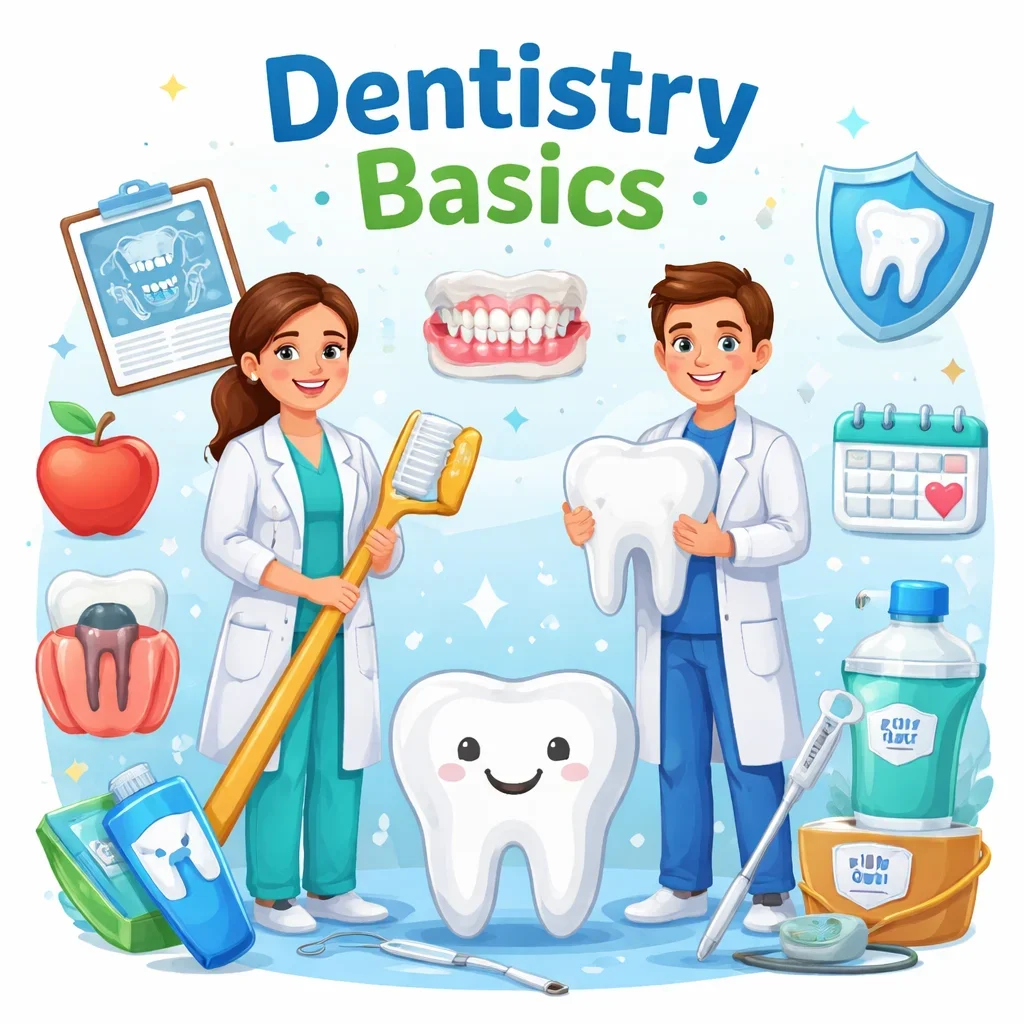
Modern Technology and Dentistry Basics
In today’s rapidly evolving world, dentistry basics are no longer limited to traditional tools and techniques. Modern technology has transformed the way dental care is delivered, making treatments faster, more accurate, and far more comfortable for patients. Dentistry basics now include understanding how advanced technologies improve diagnosis, treatment, and overall patient experience. 🚀
Many people still associate dental visits with discomfort or outdated equipment. However, dentistry basics today highlight how innovation has revolutionized dental care. From digital imaging to laser treatments, modern tools allow dentists to detect issues earlier and treat them more effectively than ever before.
Digital Imaging and Diagnostics
One of the most important advancements in dentistry basics is digital imaging. Traditional X-rays have been replaced or enhanced by digital systems that provide clearer images with less radiation exposure.
Benefits of Digital X-Rays
- Reduced radiation exposure
- Instant image availability
- Enhanced image quality for accurate diagnosis
- Easy storage and sharing of records
Dentistry basics emphasize that early and accurate diagnosis is key to preventing serious dental issues. Digital imaging allows dentists to identify problems such as cavities, bone loss, and infections at an early stage. 🔍
3D Imaging (CBCT Technology)
Cone Beam Computed Tomography (CBCT) is another innovation included in modern dentistry basics. It provides three-dimensional images of the teeth, jaw, and surrounding structures.
This technology is particularly useful for planning complex procedures such as dental implants and orthodontic treatments. Dentistry basics highlight CBCT as a powerful tool for precision and safety.
Laser Dentistry
Laser technology has become a significant part of dentistry basics, offering a less invasive alternative to traditional dental tools. Lasers can be used for a variety of procedures, including cavity treatment, gum reshaping, and teeth whitening.
Advantages of Laser Dentistry
- Minimally invasive procedures
- Reduced pain and discomfort
- Faster healing times
- Lower risk of infection
Dentistry basics show that laser treatments improve patient comfort and reduce the need for anesthesia in some cases. This makes dental visits less stressful for many individuals. 😊
CAD/CAM Technology
Computer-Aided Design and Computer-Aided Manufacturing (CAD/CAM) is another breakthrough in dentistry basics. This technology allows dentists to design and create dental restorations such as crowns, veneers, and bridges in a single visit.
Same-Day Restorations
With CAD/CAM systems, patients no longer need multiple appointments for certain procedures. Dentistry basics highlight that same-day restorations save time and provide immediate results.
- Reduced treatment time
- No need for temporary restorations
- High precision and customization
Teledentistry and Remote Consultations
Another modern development in dentistry basics is teledentistry. This allows patients to consult with dental professionals remotely באמצעות digital platforms.
Benefits of Teledentistry
- Convenient access to dental advice
- Reduced need for in-person visits
- Early assessment of dental issues
Dentistry basics now include remote care as a way to improve accessibility and ensure timely консультации. 🌐
Advanced Orthodontic Solutions
Orthodontic treatments have also evolved significantly. Dentistry basics now include modern solutions such as clear aligners, which offer a more discreet alternative to traditional braces.
Clear Aligners
Clear aligners are custom-made, removable trays that gradually shift teeth into the desired position. Dentistry basics emphasize their convenience and aesthetic appeal.
- Nearly invisible appearance
- Removable for eating and cleaning
- Comfortable and easy to use
AI and Smart Dentistry
Artificial intelligence (AI) is becoming an integral part of dentistry basics. AI-powered tools assist dentists in diagnosing conditions, analyzing images, and planning treatments with greater accuracy.
How AI Enhances Dental Care
- Improved diagnostic accuracy
- Personalized treatment plans
- Efficient workflow management
Dentistry basics now incorporate AI as a way to enhance both patient outcomes and clinical efficiency.
Cost and Accessibility of Modern Technology
While advanced technology offers many benefits, it can also influence treatment costs. Dentistry basics highlight that although some procedures may be more expensive, they often provide better results and long-term value.
- Digital imaging: $50 – $250
- Laser treatments: $200 – $1,000+
- CAD/CAM crowns: $1,000 – $2,500
Investing in modern dental care can reduce the need for repeated treatments, making it cost-effective in the long run. 💰
Professional Guidance and Technology
Dentistry basics emphasize the importance of choosing a dental clinic that utilizes modern technology. Advanced tools ensure higher accuracy, improved comfort, and better overall outcomes.
If you want to explore modern dental solutions or receive expert advice, you can contact professionals through the Redent Klinik Contact Page.
Additionally, organizations like the American Dental Association provide reliable information on technological advancements and their role in dentistry basics.
Conclusion: Technology Enhances Dentistry Basics
In conclusion, modern technology has significantly enhanced dentistry basics, making dental care more efficient, comfortable, and accessible. From digital imaging to AI-powered diagnostics, these innovations improve every aspect of dental treatment. By understanding and embracing these advancements, you can benefit from more precise care and better oral health outcomes. Dentistry basics are no longer just about prevention—they are about combining knowledge with innovation for the best possible results. 🌟