
Dentistry by design represents a revolutionary approach to oral care — one that merges art, technology, and precision to create custom smiles that are both functional and beautiful. Rather than relying on a one-size-fits-all philosophy, this innovative dental model prioritizes personalization, using advanced digital tools to plan every aspect of a patient’s treatment. It’s not just about fixing teeth; it’s about designing a smile that aligns with facial structure, personality, and confidence. 🦷✨
In the past, dental treatments often focused solely on solving immediate problems like cavities, alignment, or discoloration. However, dentistry by design redefines this by introducing a holistic process that integrates smile aesthetics, oral health, and long-term function. Using 3D scanning, digital smile design software, and AI-assisted diagnostics, dentists can now visualize and simulate the final result before treatment even begins. This process allows patients to actively participate in the design of their own smiles, enhancing satisfaction and trust in their dental journey.
The foundation of dentistry by design lies in customization. Every tooth is analyzed for proportion, harmony, and placement to ensure it fits seamlessly within the patient’s facial structure. The process begins with a comprehensive digital analysis — photos, intraoral scans, and sometimes even facial mapping. These data points are then used to design a smile blueprint, which serves as the foundation for procedures like veneers, implants, crowns, and aligners. The result is a tailored smile that doesn’t just look natural — it feels natural. 😁
What makes dentistry by design so transformative is its ability to blend artistry with engineering. Dentists act not only as healthcare providers but also as designers, sculpting each smile to match the unique characteristics of the individual. For instance, the width of the smile, the curvature of the lips, and even the color tone of the enamel are all taken into account. This level of detail ensures that each smile complements the patient’s facial symmetry and enhances their overall appearance, boosting confidence and self-esteem.
Modern dental practices have rapidly adopted digital systems that make dentistry by design more precise than ever before. Through the use of CAD/CAM (Computer-Aided Design and Manufacturing), dental professionals can create restorations like crowns and veneers within a single appointment. Digital smile design software allows for real-time visualization — patients can literally see how their new smile will look before any procedure is performed. This not only reduces anxiety but also empowers patients with control over their outcomes. It’s a perfect harmony between cutting-edge innovation and personalized care.
Beyond aesthetics, dentistry by design also emphasizes the functional aspect of oral health. A well-designed smile ensures proper bite alignment, better chewing efficiency, and improved speech. Poorly designed restorations can lead to jaw pain, gum issues, and long-term dental complications. However, with digital design tools, these risks are minimized, as every restoration or adjustment is mapped out virtually before being executed. The concept of “form follows function” has never been more relevant in modern dentistry.
One of the most exciting aspects of dentistry by design is its accessibility. Whether a patient seeks full-mouth reconstruction or a minor cosmetic enhancement, the same digital design principles apply. At clinics like Redent Klinik Contact Page, the process begins with a consultation where both aesthetic goals and oral health needs are discussed. From there, dentists use high-resolution imaging to create a detailed plan that aligns with the patient’s expectations. The result is a personalized roadmap to a healthier, more confident smile.
Moreover, this modern approach aligns with global standards set by organizations like the American Dental Association, ensuring that patients receive evidence-based, safe, and effective treatments. The use of digital design in dentistry has elevated the entire patient experience — from diagnosis to delivery — making it faster, more accurate, and incredibly satisfying.
In today’s competitive and appearance-driven world, a smile plays a major role in self-expression and first impressions. Dentistry by design recognizes this by combining emotional intelligence with scientific precision. The result is not just a smile makeover but a life transformation. Patients leave their appointments not only with beautiful smiles but with renewed confidence that radiates in every interaction. 🌟
In summary, dentistry by design is much more than a trend — it’s a paradigm shift in dental care. By integrating technology, artistry, and patient collaboration, it redefines what’s possible in modern dentistry. As digital tools continue to evolve, the concept of designing smiles rather than merely treating teeth will become the new global standard. Whether you’re seeking cosmetic improvement or full functional restoration, dentistry by design ensures that your smile is truly one of a kind — crafted with science, guided by aesthetics, and perfected through innovation. 🖥️🦷
Understanding the Concept of Dentistry by Design
Dentistry by design is more than a treatment method—it’s an entire philosophy that reshapes how dental professionals approach oral health and aesthetics. Rather than relying on conventional methods that treat individual problems in isolation, this innovative model uses digital technology, facial analysis, and design principles to plan every smile with precision and purpose. The ultimate goal is to harmonize function, beauty, and comfort for a result that is uniquely tailored to each patient. 🦷✨
The Foundation: Personalized Smile Architecture
At
How Digital Technology Transforms Modern Dentistry
In the ever-evolving world of oral healthcare, dentistry by design stands out as a shining example of how digital technology can redefine precision, aesthetics, and patient experience. The integration of advanced tools such as 3D scanners, CAD/CAM systems, and AI-driven diagnostics has revolutionized how dentists plan, design, and execute treatments. This transformation is not limited to cosmetic outcomes; it also enhances the accuracy, efficiency, and predictability of dental procedures, leading to healthier and longer-lasting results. 🦷💻
The Rise of Digital Dentistry
Digital dentistry has grown rapidly over the last decade, marking a clear shift from traditional impressions and manual crafting toward digital workflows. In the dentistry by design model, every stage of treatment — from diagnosis to restoration — is guided by data and digital simulation. This means fewer human errors, reduced discomfort for patients, and a clearer vision of the final result before treatment even begins. Using intraoral scanners, dentists can capture a highly accurate 3D map of a patient’s mouth in minutes, eliminating the need for messy impression materials and improving overall efficiency.
These digital impressions serve as the foundation for designing crowns, veneers, implants, and aligners. With precise digital data, dental labs can produce restorations that fit perfectly — reducing the need for adjustments during delivery. Moreover, this approach enhances communication between dentists, technicians, and patients, ensuring everyone is aligned on the treatment plan. It’s no wonder that dentistry by design has become the standard of excellence in advanced clinics worldwide.
CAD/CAM Technology: The Heart of Modern Smile Design
Computer-Aided Design and Computer-Aided Manufacturing (CAD/CAM) technology lies at the core of the dentistry by design movement. This powerful system allows dentists to design restorations digitally and mill them chairside in a single appointment. 🖥️ This not only saves time but also provides patients with instant gratification — a new crown or veneer within hours, not days.
CAD/CAM ensures unparalleled accuracy. Every contour, edge, and angle is carefully calculated to achieve optimal function and aesthetics. For example, when designing a veneer, the software analyzes facial symmetry, gum line position, and tooth proportion to deliver a natural appearance. This process ensures that restorations are not only beautiful but also biomechanically stable, minimizing stress on surrounding teeth and tissues.
Benefits of CAD/CAM in Dentistry by Design
- Enhanced precision and fit of restorations
- Reduced chair time and faster delivery
- Digital storage of patient data for future use
- Improved communication between patient and practitioner
- Customization for unique facial and dental structures
By leveraging CAD/CAM, dentistry by design creates a seamless experience that blends artistry with technology. It allows dentists to simulate different outcomes and choose the best one before any material is even touched, resulting in unmatched predictability.
3D Printing and Digital Smile Simulation
3D printing is another game-changer in dentistry by design. With the ability to print accurate dental models, surgical guides, and even temporary crowns, this technology drastically reduces turnaround times. Patients can now preview their final smile through digital simulations and even try mock-ups before treatment. This not only enhances transparency but also boosts confidence in the process. 😁
Through digital smile design software, dentists can manipulate every detail — tooth length, shade, position, and spacing — while considering facial expressions and lip dynamics. The patient can visualize how their smile will look when speaking or laughing, ensuring a collaborative approach to achieving the desired outcome. This simulation-based planning is particularly beneficial for full-mouth restorations and aesthetic makeovers, where precision and symmetry are crucial.
Artificial Intelligence in Dental Planning
Artificial intelligence (AI) has become an integral part of dentistry by design. AI-powered systems analyze vast amounts of dental data to detect potential issues and suggest optimal treatment paths. For example, AI can identify early signs of decay or bone loss that may not be visible to the naked eye. It can also assist in orthodontic planning by predicting tooth movement patterns and ideal aligner sequences. This leads to faster, safer, and more predictable treatments.
AI integration doesn’t replace dentists — it empowers them. It helps clinicians make data-driven decisions and improves diagnostic consistency across different cases. When combined with digital imaging and 3D modeling, AI enhances every aspect of patient care, from preventive dentistry to complex restorations.
Digital Workflow: From Scan to Smile
The digital workflow in dentistry by design typically follows a structured path:
- Scanning: Intraoral scanners capture a 3D image of the patient’s teeth and gums.
- Designing: The smile is digitally planned using advanced software, ensuring perfect symmetry and aesthetics.
- Simulation: Patients preview the final result before any physical procedure begins.
- Fabrication: Using CAD/CAM or 3D printing, the restorations are precisely manufactured.
- Placement: The dentist places and adjusts the restoration, often in the same visit.
This digital workflow reduces manual labor, speeds up turnaround time, and improves the overall patient experience. Furthermore, all data is securely stored and can be easily retrieved for future follow-ups or modifications, ensuring continuity of care.
Improved Patient Experience and Trust
In the era of dentistry by design, patient satisfaction has reached new heights. Digital tools eliminate the guesswork that once caused anxiety and uncertainty. Instead of imagining how their new smile might look, patients can now see and approve it beforehand. This transparency builds trust and strengthens the relationship between dentist and patient.
Additionally, digital records enable precise monitoring of dental changes over time. Whether tracking gum health, bone density, or tooth alignment, dentists can make timely interventions, preventing future complications. This level of proactive care is what distinguishes dentistry by design as a patient-centered, future-ready approach.
Conclusion: The Digital Revolution in Dentistry
Technology has permanently transformed oral healthcare, and dentistry by design is at the forefront of this digital revolution. With its reliance on CAD/CAM, 3D printing, AI, and smile simulation software, it provides unmatched precision, comfort, and aesthetic perfection. Patients are no longer passive participants but active collaborators in shaping their smiles. 🌟
As clinics like Redent Klinik Contact Page continue to adopt these innovations, the future of dentistry becomes more personalized, efficient, and inspiring. For further professional standards and educational resources, you can explore the American Dental Association — a leader in promoting excellence within the profession. With each technological leap, dentistry by design brings us closer to a world where every smile is a perfect blend of science and art. 🖥️🦷
Customized Smile Makeovers: The Art of Precision
At the heart of dentistry by design lies one powerful concept: precision. Each smile is as unique as a fingerprint, and no two patients share the exact same dental anatomy, facial structure, or aesthetic goals. That’s why modern smile makeovers have evolved from simple cosmetic enhancements into fully customized transformations powered by digital planning, artistic expertise, and patient collaboration. This approach ensures that every detail—from tooth shape to shade—is meticulously designed to complement the individual’s personality, age, and facial features. 😁✨
Personalized Smile Analysis: More Than Just Looks
Before a single procedure is performed, dentistry by design begins with a deep analysis of facial symmetry, proportions, and dynamics. Advanced imaging tools, including 3D facial scans and digital smile design software, allow dentists to assess how the teeth interact with other facial elements such as the eyes, lips, and jawline. This holistic assessment helps ensure that the new smile looks natural—not artificial—and harmonizes perfectly with the patient’s overall appearance.
During this stage, patients are encouraged to share their preferences: do they want a Hollywood-style bright smile, a subtle natural look, or a rejuvenated aesthetic that fits their age? These discussions form the foundation of a truly personalized treatment plan. Through digital simulation, patients can preview different smile options and give feedback before any irreversible work is done. This collaborative process minimizes surprises and maximizes satisfaction.
Digital Smile Design and Mock-Up Trials
Digital Smile Design (DSD) is one of the most powerful tools used in dentistry by design. It enables dentists to create a digital model of the patient’s mouth and virtually design the new smile. The software can alter tooth shape, size, alignment, and color while showing how each modification affects the overall facial balance. 🖥️
Once the design is finalized digitally, a 3D-printed mock-up or temporary model can be created for a “test drive.” This means the patient can literally see and feel their future smile before committing to permanent restorations. The dentist then uses this prototype to fine-tune proportions and bite alignment, ensuring the final result achieves both comfort and beauty.
Advantages of Digital Smile Design Mock-Ups
- Realistic preview of the final smile before treatment
- Enhanced communication between patient and dentist
- Greater predictability and accuracy in results
- Fewer chairside adjustments and revisions
- Improved emotional confidence for patients
This high level of customization is what makes dentistry by design such a trusted approach in modern aesthetics. Patients don’t just get new teeth—they receive a smile that truly reflects who they are.
Combining Artistry and Technology
Creating the perfect smile is both a science and an art. While digital tools ensure accuracy, the final outcome still depends on the artistic vision of the dentist. In dentistry by design, practitioners act as sculptors, carefully blending technology with human creativity. The subtle curvature of a tooth, the translucency of enamel, and the harmony between upper and lower arches are all considered during the design phase.
For example, a younger patient may prefer slightly rounded incisal edges for a youthful look, while a more mature individual might opt for square or refined contours for a sophisticated appearance. This personalized aesthetic approach ensures the smile fits naturally with the person’s lifestyle, profession, and cultural background. It’s this combination of technology and artistry that elevates dentistry by design beyond conventional cosmetic dentistry.
Material Selection: Durability Meets Beauty
Another vital aspect of customized smile makeovers is the selection of dental materials. In the world of dentistry by design, premium materials like zirconia, lithium disilicate, and nano-ceramics are used to achieve lifelike translucency and long-lasting durability. Each material is chosen based on individual needs: zirconia for strength in molars, e.max ceramics for translucency in front teeth, or composite resin for cost-effective enhancements.
Most Common Materials in Modern Smile Design
- Zirconia: Extremely strong and ideal for full-mouth reconstructions.
- E.max Lithium Disilicate: Known for natural aesthetics and superior light reflection.
- Porcelain: Traditional yet timeless for veneers and crowns.
- Resin Composites: Affordable and versatile for minor aesthetic adjustments.
The meticulous selection of these materials ensures that patients enjoy a beautiful, functional, and long-lasting result. Additionally, thanks to advancements in bonding technology, modern restorations can mimic the natural enamel so closely that even dental professionals have a hard time distinguishing them from real teeth.
Patient-Centered Communication and Emotional Design
One of the most defining elements of dentistry by design is emotional design — the process of understanding the patient’s psychological and emotional expectations. Many people seek smile makeovers not just to look better, but to feel more confident, overcome past insecurities, or improve professional and social interactions. By involving patients in every design stage, dentists help them regain trust in their smiles and boost self-esteem. 🌟
For instance, during consultations, patients might express how they want to feel — confident, youthful, or natural. The dentist translates those feelings into design cues: brightness, symmetry, and tooth proportions that evoke the desired emotional impact. This human-centered design process creates results that are not only visually appealing but deeply meaningful to each individual.
Integration of Function and Aesthetics
While aesthetics play a major role, functional harmony is equally critical in dentistry by design. A beautiful smile must also allow proper chewing, speech, and bite alignment. Through digital occlusal analysis, dentists can evaluate how teeth meet and adjust the design accordingly. This prevents jaw discomfort, uneven wear, and other complications that could undermine the long-term success of the treatment.
Each smile makeover is therefore more than just a cosmetic upgrade — it’s a comprehensive reconstruction of both form and function. This integrated philosophy distinguishes dentistry by design from traditional cosmetic dentistry, making it a full-spectrum approach to oral rehabilitation.
Conclusion: A Tailored Path to Perfection
Customized smile makeovers under the philosophy of dentistry by design represent the pinnacle of modern dental artistry. Every stage — from digital planning and material selection to mock-up trials and emotional design — contributes to creating a smile that’s truly one of a kind. Whether you seek a subtle enhancement or a full transformation, the process is guided by precision, passion, and personalization. 🦷💫
Clinics like Redent Klinik Contact Page exemplify this approach, using cutting-edge technology and a patient-first philosophy to deliver stunning results. For professional insights and ethical standards in smile design, you can also refer to the American Dental Association. Ultimately, dentistry by design proves that a truly beautiful smile is not created — it’s designed with purpose, artistry, and innovation. 🎨🖥️
The Role of Aesthetic Planning in Dentistry by Design
One of the defining pillars of dentistry by design is aesthetic planning — a meticulous process that ensures every smile reflects harmony, balance, and natural beauty. In this innovative model, aesthetics go beyond mere appearance; they represent the seamless integration of facial symmetry, tooth proportion, color tone, and emotional expression. This approach doesn’t just aim for perfection but rather for a personalized, lifelike outcome that enhances both the patient’s appearance and self-confidence. 🌟
Understanding Aesthetic Harmony
In traditional dentistry, cosmetic improvements often focused on isolated treatments — whitening, veneers, or alignment. However, dentistry by design takes a comprehensive and artistic approach by studying how every feature of the smile interacts with the rest of the face. Aesthetic harmony considers multiple parameters such as lip line, gum visibility, tooth length, and midline alignment. The goal is to design a smile that feels organic, not artificial, and that complements the patient’s unique facial anatomy and personality.
The process starts with an in-depth facial analysis using high-resolution photography and digital imaging. By examining facial proportions, symmetry, and muscle dynamics, the dentist can identify how the smile contributes to the overall facial expression. This ensures that every design decision — from tooth contour to brightness — enhances natural beauty rather than creating an exaggerated or unnatural look.
Digital Smile Design and Visualization
One of the most powerful advancements in dentistry by design is the use of Digital Smile Design (DSD) software. This tool allows dental professionals to map a smile digitally before any treatment begins. The software overlays facial reference points, showing how each modification affects the patient’s overall aesthetic. 🖥️
Through DSD, patients can visualize their new smile in real-time. The dentist can adjust parameters like tooth width, incisal edge position, or gum contour while maintaining facial symmetry. This level of visual precision transforms dental design into a collaborative art form, allowing patients to take an active role in shaping their smile. By involving them in the decision-making process, dentistry by design fosters greater trust, satisfaction, and emotional connection to the final result.
Key Benefits of Digital Aesthetic Planning
- Enables patients to preview their smile design before treatment.
- Improves communication between dentist, technician, and patient.
- Reduces errors and enhances final aesthetic accuracy.
- Encourages emotional engagement and patient confidence.
- Ensures facial and dental harmony based on digital analysis.
Facial Symmetry and Proportion: The Core of Smile Design
Facial symmetry is the foundation of aesthetic excellence in dentistry by design. Every feature — from the curvature of the lips to the tilt of the nose — influences how a smile is perceived. The human eye instinctively recognizes balance, and digital planning helps dentists achieve that balance with mathematical precision. Using facial reference lines such as the interpupillary, midline, and commissural lines, dentists ensure that teeth align naturally with facial features.
Proportion also plays a critical role. The concept of the “Golden Ratio” (1.618) often guides the design process. This ratio determines ideal relationships between tooth width, height, and spacing, ensuring visual balance. When applied correctly, the smile appears symmetrical, proportional, and pleasing from every angle. This combination of mathematical proportion and artistic intuition exemplifies the sophistication of modern dentistry by design.
Color and Texture Customization
Another crucial part of aesthetic planning involves the precise selection of color and surface texture. Teeth are not uniform white blocks; they have gradients, translucency, and microscopic textures that reflect light in natural ways. In dentistry by design, digital shade-matching systems help identify the ideal hue and translucency based on skin tone, age, and lighting conditions.
For instance, younger smiles typically feature higher brightness and translucency, while mature patients may prefer softer tones that align with natural aging. Moreover, the surface micro-texture — the subtle lines and ridges on enamel — can be replicated through advanced ceramic layering techniques. The end result is a restoration that looks indistinguishable from natural teeth, blending seamlessly into the smile.
Elements of a Perfect Aesthetic Design
- Tooth Shape: Reflects personality and gender — square for strength, oval for elegance, triangular for youthfulness.
- Tooth Shade: Customized brightness and color to match the patient’s complexion.
- Gum Contour: Ensures even gum lines and proportional tooth exposure.
- Surface Texture: Adds lifelike realism through natural light reflection.
The Emotional Aspect of Smile Aesthetics
Beyond symmetry and proportion, aesthetics in dentistry by design tap into the emotional psychology of smiles. A smile conveys warmth, confidence, and friendliness, shaping how others perceive us. Dentists who understand this emotional dimension can design smiles that reflect authenticity. This is often referred to as “emotional design” — crafting smiles that feel as genuine as they look. 😄
Through patient interviews and digital simulations, dentists uncover what emotions the patient wants to express: charm, youthfulness, or authority. These emotional cues then guide every design element, from the curvature of the lips to the brightness of enamel. As a result, patients receive not only a beautiful smile but one that resonates with their personality and emotional goals.
Integration with Functional Planning
Aesthetic planning in dentistry by design doesn’t exist in isolation — it is deeply connected to function. An ideal smile must look great and perform flawlessly. That’s why digital bite analysis, occlusion mapping, and 3D jaw movement tracking are used to ensure proper alignment. Without these considerations, even the most visually appealing smile could lead to discomfort, jaw tension, or premature wear.
Through advanced digital models, dentists simulate how the new teeth will interact during speech, chewing, and rest. Adjustments are made to maintain natural movement and optimal balance. This ensures that beauty never compromises function, which is a core principle of modern smile design.
Conclusion: Aesthetic Planning as the Foundation of Perfection
Aesthetic planning is not merely an artistic exercise — it’s the scientific foundation that makes dentistry by design so successful. By combining digital imaging, facial analysis, emotional intelligence, and functional mapping, this approach guarantees results that are not only stunning but sustainable. 🦷
Clinics like Redent Klinik Contact Page exemplify this vision by using advanced aesthetic design software to deliver smiles tailored to each patient’s identity. For further insights and ethical guidelines, the American Dental Association provides valuable resources for dental professionals worldwide. In essence, dentistry by design turns every smile into a masterpiece — where art, science, and individuality meet in perfect balance. 🎨🖥️
Advanced Materials and Techniques Behind Modern Restorations
In the evolving world of dentistry by design, one of the most critical components of achieving durable, natural-looking results is the use of advanced materials and precision-driven restorative techniques. Modern dentistry has moved far beyond the traditional metal-based fillings and opaque crowns of the past. Today’s restorative procedures combine nanotechnology, biocompatible ceramics, and digital fabrication to deliver smiles that are strong, aesthetic, and biologically harmonious. These innovations ensure that restorations not only look perfect but also feel and function like natural teeth. 🦷💎
The Evolution of Dental Materials
The materials used in dentistry have undergone a dramatic transformation over the past few decades. Previously, dentists relied heavily on amalgam or gold, which, while durable, lacked aesthetic appeal. In the dentistry by design era, restorations are engineered using materials that mimic natural enamel translucency while maintaining strength and longevity. Zirconia, lithium disilicate (E.max), and hybrid nano-ceramics have become the new standard, blending functionality with beauty.
These next-generation materials are digitally designed and milled with micron-level accuracy using CAD/CAM systems. The precision ensures that crowns, veneers, and inlays fit perfectly, reducing the risk of microleakage or discomfort. The result is a seamless restoration that integrates beautifully with the surrounding teeth — indistinguishable from nature itself.
Zirconia: The King of Strength and Longevity
Zirconia is often considered the cornerstone of dentistry by design restorations. Renowned for its strength, biocompatibility, and resistance to fracture, zirconia crowns and bridges are ideal for both front and back teeth. Unlike metal-based restorations, zirconia is metal-free, which prevents allergic reactions and provides superior gum compatibility. It also allows for better light transmission, resulting in a natural, lifelike appearance.
Advantages of Zirconia in Modern Dentistry
- Exceptional durability and crack resistance.
- Biocompatible and hypoallergenic material.
- Natural translucency for aesthetic perfection.
- Minimal tooth reduction due to material strength.
- Ideal for long-span bridges and implant restorations.
Because zirconia can be digitally milled, it offers precision that manual techniques can’t match. This means fewer adjustments, longer-lasting results, and an improved overall patient experience. 💎
Lithium Disilicate: The Aesthetic Powerhouse
While zirconia provides strength, lithium disilicate — best known by its brand name E.max — offers unmatched beauty. This glass-ceramic material has a light-diffusing property that perfectly replicates natural enamel. In the philosophy of dentistry by design, E.max is the material of choice for veneers, inlays, onlays, and anterior crowns where aesthetics take precedence.
Its optical qualities allow it to mimic the depth and glow of real teeth. Combined with digital layering and shade customization, it produces restorations so realistic that even under close inspection, they are indistinguishable from natural teeth. Additionally, E.max restorations can be thinner than traditional ceramics, preserving more of the patient’s natural tooth structure — a key principle of minimally invasive dentistry.
Hybrid Ceramics and Nanocomposites
In the age of dentistry by design, hybrid ceramics and nanocomposite materials bridge the gap between traditional ceramics and resin composites. These materials combine strength with flexibility, making them suitable for situations that require both resilience and adaptability. For example, nano-ceramic crowns and inlays absorb bite pressure more naturally, providing comfort similar to real teeth while maintaining long-term durability.
Nanotechnology has also made a huge impact on composite fillings. Nano-sized particles allow for smoother finishes, higher polish retention, and reduced plaque accumulation. The result is a cleaner, more durable, and aesthetically pleasing restoration that stands the test of time.
Key Benefits of Nanocomposite Materials
- High resistance to wear and staining.
- Excellent bonding strength and marginal seal.
- Superior gloss and color stability over time.
- Enhanced comfort due to natural bite absorption.
These hybrid materials perfectly align with the goals of dentistry by design: combining science, technology, and artistry to deliver restorations that look, feel, and function like natural teeth.
3D Printing and Additive Manufacturing in Dental Restorations
3D printing is one of the most exciting advancements supporting dentistry by design. With it, dental professionals can fabricate surgical guides, custom implants, and temporary crowns in record time. Additive manufacturing allows the precise layering of biocompatible materials, replicating the natural shape and texture of teeth.
Furthermore, 3D-printed restorations reduce waste, speed up turnaround time, and enable same-day treatments — all while maintaining exceptional quality. This innovation allows dentists to experiment with prototypes and make real-time design modifications, empowering patients to take part in shaping their own smiles.
Biocompatibility and Patient Safety
Every material used in dentistry by design undergoes rigorous biocompatibility testing. Patient safety is paramount, and modern restorative materials are designed to work harmoniously with gum tissue and bone. They are resistant to corrosion, non-toxic, and do not trigger immune responses. Additionally, because they are metal-free, they avoid issues such as galvanic reactions and aesthetic problems like dark gum lines.
Advanced bonding systems also ensure restorations adhere securely to the natural tooth structure. This prevents bacteria infiltration, maintaining long-term oral health and minimizing the risk of decay or gum inflammation.
Surface Treatments and Finishing Techniques
Another factor that distinguishes dentistry by design is the attention to detail in surface finishing. After milling or printing, restorations undergo multiple polishing and glazing steps to achieve the desired shine and texture. Surface treatments, such as ion exchange and heat curing, improve strength and prevent microfractures. This combination of mechanical precision and artistic finishing produces restorations that are indistinguishable from natural teeth.
Minimally Invasive Techniques and Bonding Systems
Modern restorative dentistry also focuses on preserving natural tooth structure. Techniques like no-prep veneers and micro-layer bonding embody the spirit of dentistry by design, where the goal is to enhance beauty without unnecessary damage. New-generation adhesives create an unbreakable connection between enamel and restoration, providing longevity and comfort.
Moreover, digital workflow tools ensure that the dentist removes only what is necessary and precisely fits each restoration. This not only improves accuracy but also shortens treatment time — a win for both patient comfort and clinical efficiency. ⏱️
Conclusion: The Fusion of Art, Science, and Durability
Advanced materials and techniques have elevated dentistry by design to a new level of precision and artistry. By integrating zirconia, lithium disilicate, nano-ceramics, and 3D printing, dentists can now offer restorations that are durable, biocompatible, and breathtakingly beautiful. These innovations have transformed dental care into a creative and scientific discipline that prioritizes both form and function. 💫
Clinics such as Redent Klinik Contact Page exemplify these advancements, providing world-class care and state-of-the-art smile transformations. For guidelines and global standards on dental materials, refer to the American Dental Association. Ultimately, dentistry by design is a testament to the power of innovation — where every restoration is not merely repaired, but reimagined as a perfect fusion of science, aesthetics, and technology. 🦷✨
From Consultation to Creation: The Patient Journey
The experience of dentistry by design is not limited to the dental chair — it begins with a thoughtful consultation and continues through every stage of the patient journey. From the first smile analysis to the final restoration, the process is guided by collaboration, transparency, and precision. Each step is carefully designed to ensure patients feel informed, confident, and excited about their transformation. This comprehensive journey merges advanced technology with personalized care, ensuring that every smile tells its own unique story. 🦷✨
Step 1: Initial Consultation and Smile Assessment
The journey begins with a detailed consultation, during which the dentist and patient discuss goals, expectations, and medical history. In dentistry by design, this initial meeting is not just about diagnosing problems but about understanding the person behind the smile. Dentists evaluate both the functional and emotional aspects of dental care — asking questions like: What does the patient hope to achieve? What emotions do they want their smile to convey? 😄
Using advanced imaging tools such as intraoral scanners and 3D facial photography, clinicians gather high-resolution data about the patient’s oral anatomy. These images are essential for digital planning, as they capture the shape, alignment, and condition of every tooth. The goal is to gain a holistic view of oral health and facial harmony before moving into the design phase.
Step 2: Digital Analysis and Smile Design
Once the initial data is collected, the process transitions into digital design — the heart of dentistry by design. Sophisticated software platforms analyze the patient’s facial proportions, dental symmetry, and occlusion patterns. The dentist then digitally crafts a customized smile plan based on the patient’s preferences and facial structure. This is where science meets artistry.
Patients can preview digital mock-ups of their new smile on-screen, viewing multiple versions until they find one that feels right. The software simulates natural movements — talking, laughing, smiling — allowing patients to see how their restorations will appear in real life. This step fosters collaboration, transparency, and confidence, eliminating the guesswork that once made dental transformations stressful or uncertain.
Benefits of Digital Smile Design in the Patient Journey
- Accurate visualization of final results before treatment.
- Improved patient communication and trust.
- Enhanced precision and reduced risk of errors.
- Customized designs based on facial anatomy and personality.
This participatory process empowers patients, making them co-creators in their own transformation — a central philosophy of dentistry by design.
Step 3: Treatment Planning and Simulation
After the digital design is finalized, the next step involves creating a detailed treatment plan. This phase includes scheduling, budgeting, and sequencing the procedures required to bring the design to life. Treatments may range from orthodontics and implants to veneers or gum contouring. Every procedure is digitally mapped to ensure harmony, precision, and long-term functionality.
At this stage, dentists may use 3D-printed prototypes or wax-up models to simulate the final results physically. Patients can “test-drive” their future smile, feeling the fit, bite, and appearance before any irreversible procedures take place. This step ensures complete alignment between patient expectations and clinical outcomes — one of the hallmarks of dentistry by design.
Step 4: Execution — Turning the Plan into Reality
Once the patient approves the design, it’s time to turn digital concepts into physical perfection. The dentist begins executing the treatment plan using minimally invasive techniques and precision instruments. In dentistry by design, every movement, adjustment, and contour is guided by digital data — ensuring flawless execution.
For example, laser dentistry allows for painless gum contouring, while CAD/CAM technology ensures same-day restorations that perfectly match the digital blueprint. Local anesthesia and sedation options make the process comfortable and anxiety-free. Every step is optimized to ensure efficiency and precision, without sacrificing patient comfort.
Techniques Commonly Used in Dentistry by Design
- CAD/CAM milling: for high-precision restorations created in a single visit.
- 3D printing: for custom surgical guides, aligners, and mock-ups.
- Laser contouring: for precise soft tissue adjustments.
- Microscope-assisted dentistry: for detailed visibility and enhanced outcomes.
These advanced tools ensure that every step, from tooth preparation to final placement, aligns with the personalized digital design created earlier. 🖥️
Step 5: Final Evaluation and Smile Reveal
One of the most rewarding moments in dentistry by design is the smile reveal — the moment when the patient sees their new reflection for the first time. Before cementing restorations permanently, dentists conduct a detailed evaluation of bite alignment, symmetry, and aesthetic balance. Even minor adjustments are made digitally and verified in real-time.
This precision ensures that the new smile functions harmoniously with jaw movements and facial dynamics. The result is not just a set of perfect teeth but a rejuvenated sense of identity and confidence. Many patients describe this stage as “life-changing,” as their new smile often transforms their self-image and emotional well-being. 🌟
Step 6: Post-Treatment Care and Maintenance
The journey doesn’t end once the final restoration is complete. Dentistry by design emphasizes longevity and ongoing care. Patients receive personalized aftercare instructions and digital records for future reference. Regular check-ups and professional cleanings are crucial to maintaining results, while digital monitoring tools help track oral health over time.
Advanced diagnostic tools like digital X-rays and intraoral scanners allow the dentist to detect early signs of wear, gum recession, or misalignment. By addressing these issues promptly, the clinic ensures that each restoration remains functional and beautiful for years. Preventive care and maintenance are just as important as the design phase itself — they ensure that the smile continues to shine long after treatment ends.
Maintenance Tips for a Long-Lasting Smile
- Maintain a consistent oral hygiene routine with fluoride toothpaste.
- Schedule regular professional cleanings every six months.
- Avoid using teeth as tools or biting hard objects.
- Use night guards if you grind your teeth.
- Follow dietary advice to protect ceramic restorations.
Step 7: Emotional Impact and Confidence Restoration
Beyond technical precision, dentistry by design focuses deeply on the emotional and psychological transformation of the patient. A confident smile can change how people perceive themselves and how they interact with the world. Patients often report increased self-esteem, better social engagement, and even career benefits following their smile makeover.
This emotional dimension is central to the philosophy of dentistry by design — where a smile isn’t just designed for aesthetics but for empowerment. Each treatment plan is crafted to help patients rediscover their best selves through a healthy, radiant smile.
Conclusion: A Journey of Collaboration and Precision
The patient journey in dentistry by design is a seamless blend of technology, empathy, and expertise. From the first consultation to the final reveal, every phase is guided by data-driven accuracy and human-centered care. The process transforms dental treatment into a collaborative artistic experience that prioritizes comfort, confidence, and perfection. 🖥️🦷
Clinics like Redent Klinik Contact Page exemplify this patient-focused philosophy, combining advanced digital systems with compassionate care. For global best practices and material standards, consult the American Dental Association. Ultimately, dentistry by design represents more than dental care — it’s a transformative journey from consultation to creation, where each smile is meticulously crafted to perfection and built to last a lifetime. 💫
Cost and Value: Is Dentistry by Design Worth It?
When considering dentistry by design, many patients wonder whether the investment is justified. Modern dental treatments that combine digital precision, artistic design, and premium materials can appear costly at first glance. However, the true value of this approach extends far beyond the surface — it’s an investment in long-term oral health, aesthetics, and confidence. 🦷💎
Unlike conventional dental procedures that often focus on isolated issues, dentistry by design delivers comprehensive, customized solutions. Every treatment is meticulously planned to provide durability, comfort, and beauty. This approach minimizes future repair costs and ensures that patients enjoy a smile that feels natural, functions properly, and lasts for years.
Breaking Down the Costs: What’s Included?
The price of dentistry by design varies depending on several factors such as procedure complexity, materials used, and technological requirements. A digitally planned smile makeover, for example, may include digital imaging, mock-ups, 3D printing, and personalized restorations. Each of these steps contributes to the accuracy and longevity of the result. 🌟
Common Components Affecting Cost
- Digital Scanning and Imaging: Advanced diagnostic tools like 3D scans and intraoral photography help create accurate digital models for planning.
- Smile Design Software: Customized digital planning tools enable visualization of the final outcome before treatment starts.
- CAD/CAM and 3D Printing: Precision technology ensures perfectly fitted crowns, veneers, or implants with minimal human error.
- High-Quality Materials: Premium ceramics, zirconia, or lithium disilicate are used to ensure strength and natural translucency.
- Specialist Expertise: Skilled dentists, technicians, and designers collaborate to deliver a tailored experience.
Each of these elements contributes to the precision and predictability that defines dentistry by design. Unlike traditional methods that might require adjustments or replacements over time, digitally planned restorations fit perfectly from the start — saving time, discomfort, and additional expenses.
Average Price Ranges for Common Procedures
While costs vary globally and depend on the clinic’s location and reputation, here’s a general guide to pricing for treatments that typically fall under the dentistry by design model:
Estimated Price Range (USD)
- Digital Smile Design Consultation: $150 – $400
- Porcelain Veneers (per tooth): $800 – $2,000
- Zirconia Crowns (per tooth): $900 – $1,800
- Full Mouth Rehabilitation: $15,000 – $40,000
- Implant + Crown Package: $1,500 – $3,500
- 3D Printed Surgical Guides: $300 – $600
Note: Prices vary by country and the complexity of each case. Clinics offering high-end digital design, like Redent Klinik, may include advanced scanning and follow-up visits within the total package.
The True Value Beyond Price
While the upfront cost of dentistry by design can seem higher than conventional treatments, its long-term benefits make it a far more valuable investment. Patients not only receive superior aesthetics but also improved oral health, functionality, and durability. A well-designed smile prevents misalignment, uneven bite pressure, and gum problems — reducing the likelihood of future corrective procedures. 💰
Moreover, the confidence that comes with a beautiful, customized smile often leads to positive personal and professional outcomes. People who undergo smile design treatments frequently report enhanced self-esteem, better social interactions, and even improved career prospects. The emotional and psychological benefits alone often outweigh the initial cost.
Why Quality Matters More Than Price
Choosing a cheaper, one-size-fits-all treatment might seem attractive, but it can lead to problems later on. Poorly designed restorations can cause discomfort, gum irritation, and early material failure. In contrast, dentistry by design focuses on precision, biocompatibility, and long-term comfort. The use of advanced technologies like CAD/CAM milling and 3D printing ensures restorations that fit perfectly and stand the test of time.
Long-Term Cost Savings with Dentistry by Design
- Fewer replacement and repair costs over time.
- Reduced risk of gum and bite issues caused by poor fit.
- Decreased chair time due to efficient digital workflows.
- Enhanced material durability leading to extended lifespan of restorations.
- Comprehensive prevention and maintenance plans included in care.
By investing in dentistry by design, patients effectively minimize future dental expenditures while maximizing results that last decades rather than years. It’s a philosophy that prioritizes quality and long-term satisfaction over short-term savings.
Personalization as Part of the Value
One of the most significant differentiators of dentistry by design is personalization. Every restoration is crafted to match the patient’s facial features, age, and personal style. Digital design technology ensures symmetry and proportional balance, while artistic shading and layering replicate the translucency of natural enamel. This level of individual customization guarantees a result that enhances overall facial harmony — something no generic treatment can offer.
Beyond aesthetics, personalization improves functionality. A well-designed bite alignment ensures comfort during eating and speaking, reducing long-term strain on jaw joints and muscles. In short, personalization translates into both beauty and biomechanics, reinforcing the exceptional value of this modern approach.
Financing Options and Accessibility
Many clinics offering dentistry by design understand that high-quality dental care represents a major investment. To make these treatments accessible, flexible financing options, payment plans, or phased treatment programs are often available. Patients can spread the cost over time, allowing them to enjoy the benefits of advanced digital dentistry without financial strain.
Additionally, medical tourism in destinations like Turkey has made top-tier dental design services more affordable without sacrificing quality. Clinics such as Redent Klinik Contact Page provide world-class results at competitive prices, attracting patients globally seeking both excellence and value.
Ensuring Transparency and Trust
Transparency is a key aspect of dentistry by design. Reputable clinics provide detailed breakdowns of costs, timelines, and procedures before any commitment is made. Digital simulations and treatment previews eliminate guesswork, ensuring that patients fully understand what they’re paying for and what to expect. This approach builds trust and fosters long-term relationships between patients and practitioners.
Patients should always choose clinics that adhere to international safety and ethical standards. The American Dental Association serves as an excellent reference for quality assurance and best practices in the dental industry.
Conclusion: An Investment in Confidence and Longevity
Ultimately, dentistry by design is about more than financial cost — it’s about value, transformation, and lasting impact. While the initial expense may seem significant, the combination of advanced materials, expert craftsmanship, and long-term results makes it a wise investment. Patients gain a smile that enhances appearance, health, and emotional well-being — an asset that truly lasts a lifetime. 🦷🌟
For those seeking a perfect balance between quality, affordability, and artistry, clinics like Redent Klinik Contact Page offer customized solutions aligned with international standards. With guidance from organizations such as the American Dental Association, patients can make informed decisions and embrace the future of personalized care through dentistry by design — where every smile is an investment in confidence and perfection. 💫
The Future of Dentistry by Design: Technology, AI, and Beyond
The field of dentistry by design is entering a new era powered by artificial intelligence, robotics, and predictive analytics. What once relied solely on the skill and artistry of human dentists now incorporates data-driven systems capable of designing, analyzing, and fabricating dental restorations with unparalleled precision. The future of dentistry is not just digital — it’s intelligent, adaptive, and personalized. 🧠💡
As emerging technologies transform healthcare, dentistry by design stands at the forefront of this evolution. Patients can expect faster procedures, minimally invasive treatments, and highly individualized outcomes. The collaboration between humans and machines will redefine what’s possible in dental aesthetics, functionality, and patient experience.
AI-Powered Smile Design and Predictive Analytics
Artificial intelligence (AI) has already revolutionized diagnosis and planning in medicine, and now it’s reshaping dentistry by design. AI systems can analyze thousands of facial and dental images to identify optimal tooth shapes, colors, and alignments for each patient. By comparing facial symmetry, age, and personality traits, AI tools help dentists craft smiles that look both natural and expressive.
Machine learning algorithms also enable predictive modeling — estimating how a smile will age, how materials will wear over time, and how bite dynamics may evolve. This helps create designs that remain stable and beautiful for decades. Patients benefit from precision-based care, reduced errors, and shorter treatment times.
Examples of AI Applications in Dentistry by Design
- Automated Smile Simulation: AI generates 3D smile previews based on facial data within seconds.
- Predictive Wear Analysis: Algorithms simulate long-term tooth wear to optimize material selection.
- Customized Treatment Planning: AI suggests personalized treatment sequences for ideal results.
- Real-Time Diagnostics: Computer vision detects micro-fractures, decay, and gum irregularities in digital scans.
This integration of AI doesn’t replace human expertise — it amplifies it. Dentists use these insights to refine aesthetic judgment and decision-making, making dentistry by design both artful and data-backed.
3D Printing and Robotics: Redefining Precision
3D printing is already a cornerstone of dentistry by design, but its capabilities are expanding rapidly. With high-resolution resin printers and biocompatible materials, dental professionals can now produce crowns, veneers, implants, and surgical guides within hours. This speed and precision reduce waiting times, allowing same-day smile transformations.
Meanwhile, robotics-assisted procedures are emerging as the next step in precision dentistry. Robotic arms guided by digital design software can perform micro-level adjustments with accuracy beyond human limits. These robots can assist in drilling, implant placement, and restorative bonding — ensuring consistency, safety, and optimal results every time.
Advantages of Robotics and Additive Manufacturing
- Reduced treatment time and human error.
- Enhanced control during implant and restoration placement.
- Minimally invasive procedures with faster healing.
- Real-time integration between digital plans and surgical execution.
With the fusion of robotics and digital planning, dentistry by design is becoming more predictable, efficient, and patient-friendly. 🦾
Augmented Reality (AR) and Virtual Reality (VR) in Patient Experience
AR and VR technologies are revolutionizing how patients and dentists interact during smile design consultations. Imagine wearing AR glasses that allow you to see your new smile projected onto your face in real time — that’s now possible through advanced visualization systems. In dentistry by design, this immersive approach builds trust and confidence by letting patients actively participate in shaping their results.
VR also plays a therapeutic role. For anxious patients, immersive environments can reduce fear during procedures. Dental professionals can use VR simulations to rehearse complex treatments, ensuring flawless execution. The result? Greater comfort, reduced anxiety, and elevated patient satisfaction.
How AR/VR Benefits Patients
- Enhanced visualization of expected outcomes.
- Improved communication between dentist and patient.
- Reduced dental anxiety through immersive relaxation environments.
- Educational use for explaining procedures in real time.
Bioprinting and Regenerative Dentistry
Looking further ahead, the next frontier for dentistry by design lies in bioprinting — the 3D printing of living tissues. Researchers are developing technologies capable of regenerating gums, bone, and even dental pulp using stem cells. This could eliminate the need for traditional implants and pave the way for biologically integrated restorations that function like natural teeth.
Regenerative materials will be designed to bond seamlessly with the body, creating self-healing restorations that adapt and repair over time. The promise of this technology lies in its ability to combine digital precision with biological intelligence — merging the mechanical and organic worlds of dentistry.
Smart Materials and Nanotechnology
Nanotechnology is another force propelling the future of dentistry by design. Smart materials embedded with nanoparticles can now sense stress, release antibacterial agents, and even self-repair microcracks. Imagine a crown that detects bacterial buildup and responds autonomously to prevent decay — that’s not science fiction; it’s the next step in smart restorative care. 🧬
These materials are designed to mimic natural tooth enamel’s hardness, elasticity, and optical behavior. Nanocoatings on restorations also improve stain resistance and extend their lifespan, offering superior durability without compromising aesthetics.
Applications of Smart Materials
- Self-healing ceramics and composites that resist fracture.
- Nanoparticle-infused bonding agents that improve adhesion.
- Antimicrobial coatings to prevent bacterial growth.
- Color-stable surfaces that maintain long-term brightness.
AI-Powered Preventive Care and Remote Monitoring
The philosophy of dentistry by design extends beyond restorative treatments — it’s about lifelong oral wellness. AI-powered apps and wearable dental sensors now allow real-time monitoring of oral hygiene habits. Smart toothbrushes can track brushing patterns, while AI analyzes saliva composition to predict cavity risk or gum inflammation.
Remote dentistry (teledentistry) is also gaining momentum, allowing dentists to track post-treatment healing and detect issues early through digital follow-ups. These innovations make dental care proactive rather than reactive, ensuring that each patient maintains their smile design results effortlessly.
Ethical and Human Considerations
As technology advances, ethical and human-centered design must remain at the heart of dentistry by design. AI tools should complement — not replace — the empathy, judgment, and artistry of human dentists. Patient consent, data privacy, and trust will be central to sustaining innovation without compromising ethical standards.
Leading clinics worldwide, including Redent Klinik Contact Page, are already integrating AI-based diagnostics responsibly, ensuring transparency and patient well-being. Meanwhile, organizations like the American Dental Association continue to provide guidance on safe and ethical implementation of emerging dental technologies.
Conclusion: The Dawn of a New Dental Era
The future of dentistry by design promises a world where every smile is shaped by precision, intelligence, and empathy. As AI, robotics, and bioprinting evolve, dental professionals will gain superhuman accuracy and creative freedom. Patients, in turn, will enjoy faster, safer, and more personalized treatments — transforming dentistry from a clinical service into an art of digital expression. 🌐🦷
In the coming years, dentistry by design will move beyond creating perfect smiles — it will redefine oral health as a fusion of technology, aesthetics, and human connection. The future is already here, and it’s smiling back at us with brilliance, balance, and innovation. 💫
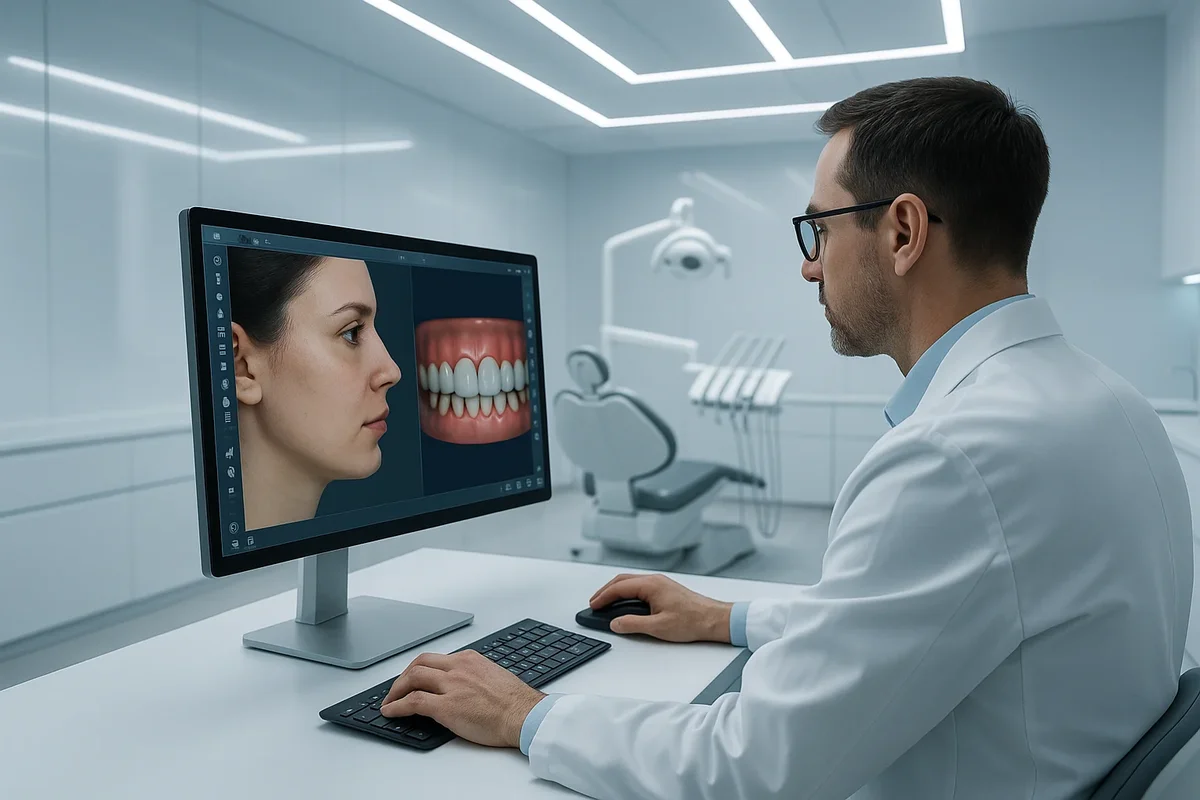
Choosing the Right Clinic for Dentistry by Design
Selecting the right clinic for dentistry by design is one of the most critical steps toward achieving a confident, lasting smile. While technology and materials play a huge role, the success of any dental transformation depends heavily on the clinic’s expertise, digital infrastructure, and patient-centered philosophy. With hundreds of clinics claiming advanced services, understanding what truly defines excellence in dental design helps patients make informed, safe, and satisfying choices. 🦷✨
Dentistry by design is not a single procedure but a philosophy — a comprehensive process combining science, technology, and artistry. Therefore, the clinic you choose must master all three. From digital diagnostics to smile aesthetics, every stage should reflect precision, ethics, and transparency. Below is a detailed guide to choosing a world-class dental clinic that embodies these principles and ensures a seamless experience from consultation to completion.
1. Expertise and Credentials of the Dental Team
At the core of successful dentistry by design lies the expertise of the dental team. The ideal clinic should have a multidisciplinary staff — including prosthodontists, orthodontists, periodontists, and aesthetic dentists — all trained in advanced digital workflows. This collaborative environment allows specialists to design and execute treatment plans that balance aesthetics, functionality, and oral health.
When evaluating a clinic, patients should look for internationally certified professionals and memberships in organizations such as the American Dental Association or the European Academy of Esthetic Dentistry. Certifications in CAD/CAM dentistry, digital smile design (DSD), or laser dentistry demonstrate advanced technical proficiency. 🌍
Checklist for Evaluating Dental Expertise
- Does the clinic employ board-certified specialists?
- Are the dentists experienced in digital workflows and AI-assisted planning?
- Do they regularly attend international dental conferences or continuing education programs?
- Are before-and-after cases shared transparently on the clinic’s website?
The best clinics combine academic knowledge with an artistic touch — an essential component of dentistry by design.
2. Use of Advanced Technology
Modern dentistry thrives on innovation, and the same applies to dentistry by design. When choosing a clinic, prioritize those equipped with state-of-the-art technology such as 3D scanners, digital X-rays, intraoral cameras, and CAD/CAM systems. These tools ensure precise diagnostics, efficient workflows, and predictable results.
Digital smile design software, in particular, is the backbone of this philosophy. It allows the dentist to visualize, simulate, and customize smiles in real time. By incorporating technologies like 3D printing and AI-based imaging, clinics can create same-day restorations that fit perfectly and look naturally flawless. 🖥️
Key Technologies That Define Dentistry by Design Clinics
- 3D Facial Scanning and Digital Impressions.
- Computer-Aided Design/Manufacturing (CAD/CAM).
- AI-driven smile design and virtual simulation.
- Laser dentistry for pain-free procedures.
- 3D printing for custom restorations and guides.
A clinic with advanced digital infrastructure not only ensures precision but also enhances comfort and reduces treatment time — aligning perfectly with the patient-centric vision of dentistry by design.
3. Patient-Centered Philosophy and Communication
A great dental clinic doesn’t just design smiles — it designs experiences. The philosophy of dentistry by design is rooted in empathy, transparency, and collaboration. From the first consultation, patients should feel heard, informed, and involved. The clinic should take time to understand the patient’s goals, fears, and expectations.
Top clinics offer personalized consultations, visual simulations, and clear explanations of procedures and costs. Communication is crucial; the ability to present complex treatment plans in an easy-to-understand way helps patients make empowered decisions. This patient-first approach ensures trust and satisfaction throughout the process. 💬
Signs of a Patient-Oriented Clinic
- Open and clear communication about treatment options and pricing.
- Comprehensive follow-ups after each procedure.
- Customized plans tailored to individual needs.
- Comfortable and welcoming atmosphere during visits.
In the true spirit of dentistry by design, the patient is not just a recipient but a co-creator of the final smile design.
4. Aesthetic and Functional Balance in Results
When assessing potential clinics, examine their case portfolios carefully. A successful dentistry by design clinic showcases results that achieve both beauty and function. The teeth should look natural, proportionate, and harmonious with facial features, not overly white or artificial. Likewise, restorations should preserve proper bite alignment and speech comfort.
Ask whether the clinic integrates facial analysis and occlusal mapping into its digital planning. These steps ensure that the new smile supports long-term oral health rather than compromising it for cosmetic purposes. In a true design-based approach, form and function are inseparable.
5. Reviews, Testimonials, and Reputation
Patient reviews offer valuable insights into the reliability and consistency of a clinic’s results. Look for verified testimonials, video interviews, and case photos. Reputable dentistry by design clinics often feature genuine success stories that reflect both aesthetic excellence and patient satisfaction.
Additionally, research the clinic’s reputation on platforms such as Google Reviews, international dental forums, and social media. Clinics that maintain strong reputations usually prioritize transparency and quality over marketing gimmicks. 🌟
6. Hygiene, Safety, and Regulatory Compliance
Beyond technology and aesthetics, safety and hygiene are paramount in dentistry by design. Ensure that the clinic adheres to strict sterilization protocols and uses biocompatible materials approved by global health authorities. Ask whether they follow ISO or ADA standards for infection control and patient safety.
Clinics should also offer digital record-keeping systems that ensure secure handling of patient data. Cleanliness, air filtration, and staff protective equipment are visible signs of a clinic’s commitment to excellence and care.
7. Transparency in Pricing and Ethical Standards
A hallmark of a trustworthy dentistry by design clinic is transparency in pricing. Before committing, patients should receive a detailed cost estimate that includes diagnostics, materials, follow-ups, and warranties. Ethical clinics avoid hidden fees and unnecessary upsells, focusing instead on value-driven care. 🧾
In addition, they operate with integrity and adhere to professional codes of conduct. Clear documentation, written consent forms, and accessible aftercare policies further establish trust between clinic and patient.
8. Global and Local Accessibility
As dental tourism grows, more patients are seeking international dentistry by design clinics that combine high quality with affordability. Countries like Turkey have become leading destinations for digital smile makeovers due to their advanced clinics, skilled dentists, and competitive pricing.
Clinics such as Redent Klinik Contact Page attract global patients by offering multilingual support, airport transfers, and comprehensive travel assistance. Their expertise in digital dentistry ensures world-class results comparable to clinics in the U.S. or Europe but at a fraction of the cost. 🌍✈️
9. Post-Treatment Care and Longevity
The journey doesn’t end when the smile design is complete. Leading dentistry by design clinics provide extensive aftercare, including routine check-ups, maintenance cleanings, and digital monitoring. Follow-up appointments allow dentists to track long-term adaptation, ensuring that restorations remain functional and beautiful for years.
Clinics that integrate remote consultation technology or tele-dentistry ensure continuous patient support, even across borders. Longevity and patient satisfaction are key indicators of a clinic’s commitment to excellence.
Conclusion: The Power of the Right Choice
Choosing the right clinic for dentistry by design is ultimately about trust, expertise, and shared vision. The best clinics blend technology with empathy, precision with artistry, and innovation with ethics. They understand that a smile is not just cosmetic — it’s deeply personal, emotional, and transformative. 💫
For patients seeking comprehensive digital smile transformations, reputable centers like Redent Klinik Contact Page exemplify world-class standards in digital design and patient care. By following global best practices set by the American Dental Association, such clinics ensure safety, transparency, and outstanding results. When done right, dentistry by design isn’t just about creating a smile — it’s about designing confidence, happiness, and a renewed sense of self. 🦷💖