
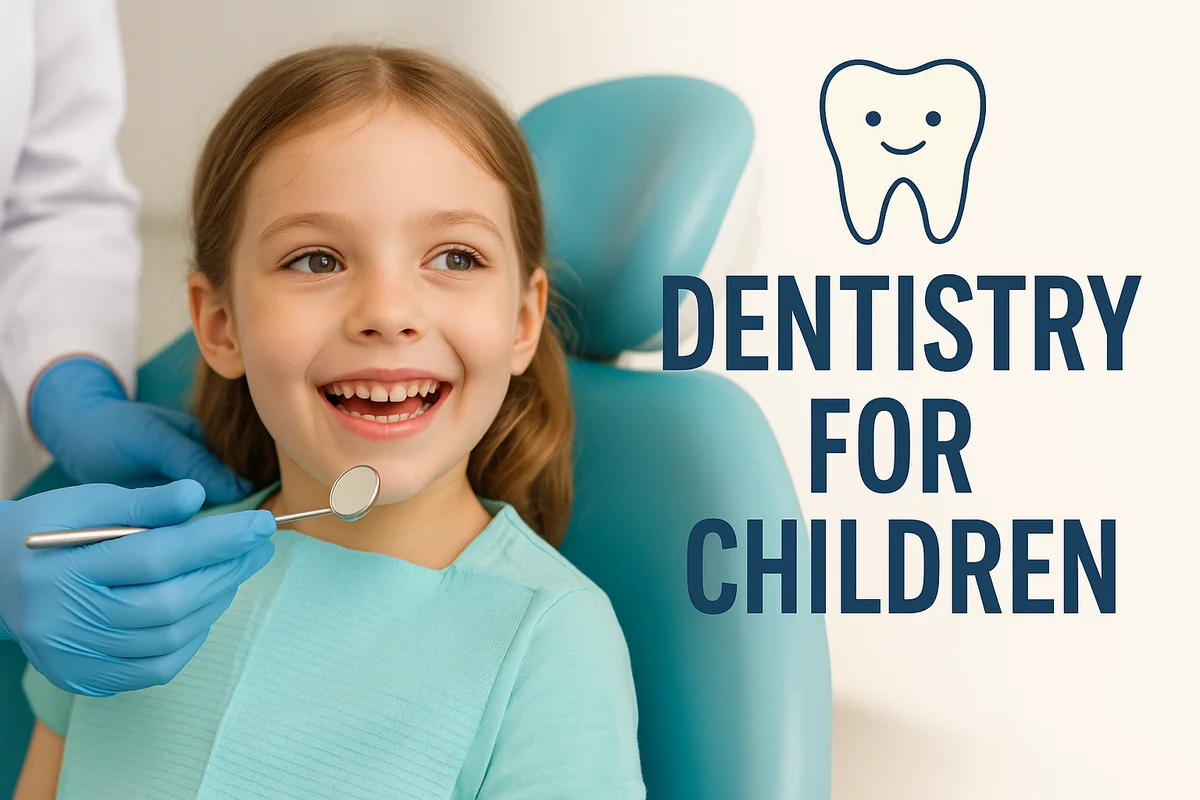
As a parent, ensuring your child’s overall health includes focusing on one critical area: their dental well-being. Dentistry for children is a specialized branch of dentistry that caters specifically to the dental needs of infants, toddlers, children, and adolescents. It’s more than just treating cavities—it’s about creating lifelong healthy habits and preventing dental issues before they become serious.
Early dental care can shape the foundation for a lifetime of healthy smiles. With dentistry for children, practitioners focus on monitoring the growth and development of children’s teeth, ensuring proper oral hygiene education, and addressing potential concerns at the earliest stage. 🦷👧
What Is Pediatric Dentistry?
Dentistry for children, also known as pediatric dentistry, involves the diagnosis, prevention, management, and treatment of dental problems specifically in children. Pediatric dentists receive additional training to understand the unique needs and behavior of young patients. They’re also equipped to handle the dental development stages—right from baby teeth eruption to the appearance of permanent teeth.
Children’s dental structures are constantly evolving. This is why dentistry for children is not a scaled-down version of adult dentistry—it’s a distinct field that incorporates child psychology, development, and preventive strategies designed specifically for young patients.
Why Is It Important?
Dental issues in childhood can significantly impact a child’s overall well-being. Toothaches can affect concentration, eating habits, speech development, and even self-confidence. Starting dentistry for children early ensures any emerging problems like cavities, misalignment, or gum diseases are identified and managed on time.
Moreover, pediatric dental visits allow professionals to teach children how to brush and floss properly. Many clinics also make the experience fun and educational with child-friendly environments and techniques. 🎈🪥
How Early Should You Start?
The American Dental Association (ADA) recommends that children have their first dental visit by their first birthday or within six months after their first tooth erupts. This milestone is critical in dentistry for children, as it sets the tone for preventive care and parental guidance.
During this early visit, the pediatric dentist evaluates the child’s oral development, provides fluoride recommendations, and offers tips for teething relief and nutrition. Starting dentistry for children early makes children feel comfortable at the dentist and reduces dental anxiety later in life.
What Services Are Included?
- Dental exams and cleaning
- Fluoride treatments
- Dental sealants
- Orthodontic evaluations
- Restorative procedures like fillings
- Emergency care for dental trauma
Most dentistry for children clinics are designed to be kid-friendly. Bright colors, cartoons, and interactive tools create a positive atmosphere that encourages repeat visits. Many clinics even offer reward systems for kids who brush daily or maintain good dental hygiene. 🏆
Tips for Parents
- Start brushing your child’s teeth as soon as they appear.
- Use a rice-sized amount of fluoride toothpaste for kids under 3.
- Ensure your child brushes for at least 2 minutes twice a day.
- Limit sugary snacks and drinks.
- Schedule regular dental checkups every 6 months.
Also, don’t forget to teach by example! Children often mimic their parents. Brushing and flossing alongside your child can encourage them to take oral care seriously. Dentistry for children thrives when home habits align with professional care. 🪥👨👩👧
For parents seeking professional care, Redent Klinik Contact Page offers specialized pediatric dental services in a warm, family-friendly environment.
In summary, dentistry for children is an essential aspect of a child’s health journey. Prioritizing early and regular dental visits not only prevents future issues but also instills confidence and discipline in young minds regarding their oral hygiene.
Why Early Dental Visits Are Crucial for Children
One of the key pillars of dentistry for children is initiating dental visits at an early age. Parents often underestimate the importance of a child’s first dental appointment, thinking that baby teeth are not permanent and therefore not significant. However, this misconception can lead to long-term dental issues. The earlier a child begins visiting the dentist, the better their oral health outcomes will be. 🦷👶
The first few years of life are when most habits are formed, and oral hygiene is no exception. By integrating dentistry for children into your child’s healthcare routine early, you set the stage for a lifetime of healthy teeth and gums. The American Dental Association (ADA) suggests a first dental visit by age one or within six months of the first tooth erupting. This timing allows for early detection of potential problems and guidance on teething, feeding habits, and proper oral hygiene.
Early Detection of Dental Issues
Early dental visits help in the timely detection of issues such as:
- Tooth decay (even in baby teeth)
- Thumb sucking and its impact on bite alignment
- Delayed eruption of teeth
- Early signs of gum disease
These early assessments are vital aspects of dentistry for children. Identifying and addressing problems while they’re still small can prevent more serious complications in the future, potentially avoiding invasive treatments or orthodontic procedures later on.
Building Trust and Reducing Fear
Children who start going to the dentist early are more likely to feel comfortable in the dental chair as they grow older. The environment of pediatric clinics is intentionally designed to be welcoming and calming—bright colors, playful decor, and friendly staff all help reduce anxiety. 🧸🎨
This familiarity with the dental office fosters trust and helps your child understand that dentistry for children isn’t something to be feared, but an important part of staying healthy—just like visiting a pediatrician.
Parental Education and Guidance
Parents are a child’s first teachers, and this includes oral hygiene. During early dental visits, pediatric dentists guide parents on several essential topics such as:
- How to brush baby teeth properly
- Best age for introducing flossing
- Diet tips to reduce sugar intake
- Preventing early childhood caries
By integrating parental education into dentistry for children, dentists ensure that good oral health practices continue at home. This partnership between professionals and parents is essential for optimal outcomes. 👨👩👧👦
Prevention Is Better Than Cure
Preventive care is at the heart of dentistry for children. Regular dental visits allow for professional cleaning, fluoride treatments, and the application of sealants that protect young teeth from cavities. These preventive measures are far more effective and less expensive than treating issues once they’ve already developed.
Consider this: A simple fluoride treatment every 6 months can drastically reduce the risk of tooth decay, which is still one of the most common chronic diseases in children worldwide.
Creating Lifelong Healthy Habits
Children who grow up attending regular dental appointments are more likely to continue the habit into adulthood. This continuity in care is vital not just for oral health, but for overall health as well—numerous studies link gum disease to conditions like heart disease and diabetes.
With consistent dentistry for children services, you instill discipline and responsibility in your child regarding self-care and hygiene. 🎓🪥
When to Schedule Visits
Ideally, children should see the dentist every 6 months. However, if your child is at higher risk for dental problems—due to diet, genetics, or health conditions—your pediatric dentist may recommend more frequent visits. Following a tailored plan based on your child’s individual needs is a key component of personalized dentistry for children.
Accessing Quality Pediatric Care
If you’re unsure where to begin, consider visiting our clinic. Redent Klinik Contact Page provides easy access to professional pediatric dental services. Our compassionate team specializes in creating a calm and engaging experience for every child.
In conclusion, starting dental visits early offers a multitude of benefits, from preventing decay to creating comfort and familiarity. Prioritizing dentistry for children from an early age is one of the most impactful health decisions you can make as a parent.
Common Dental Problems in Kids and How to Prevent Them
Understanding the most frequent dental issues that children face is crucial for every parent. Dentistry for children isn’t only about routine cleanings—it also focuses heavily on prevention and early treatment of common problems. Children’s oral health can be affected by a variety of factors including diet, hygiene habits, genetics, and even behavior like thumb sucking. 🧒🪥
By identifying these issues early, parents and pediatric dentists can work together to minimize discomfort, reduce future dental costs, and maintain beautiful, healthy smiles. Here are the most common dental problems seen in dentistry for children and what you can do to prevent them.
1. Tooth Decay (Cavities)
Also known as dental caries, cavities are the number one issue treated in dentistry for children. Sugary snacks, poor brushing techniques, and lack of fluoride can all lead to tooth decay. Unfortunately, baby teeth are more vulnerable to cavities due to their thinner enamel.
Prevention Tips:
- Brush your child’s teeth twice a day with fluoride toothpaste
- Limit juice and sugary snacks
- Visit a pediatric dentist every 6 months
- Consider fluoride treatments and dental sealants
2. Gum Disease (Gingivitis)
While it’s more common in adults, children are not immune to gum disease. Inflammation, redness, and bleeding gums are early signs. Untreated gingivitis can lead to more severe issues later. Dentistry for children includes regular monitoring of the gums to ensure any signs of inflammation are caught early.
Prevention Tips: Emphasize proper brushing and flossing, particularly along the gum line. Include regular professional cleanings to remove plaque and tartar buildup.
3. Thumb Sucking & Pacifier Use
These behaviors are natural soothing methods for infants, but if they continue past age 3–4, they can interfere with tooth alignment and jaw development. Dentistry for children often includes behavioral counseling and early orthodontic evaluations in such cases.
Prevention Tips: Encourage alternatives for self-soothing after age 3 and consult a pediatric dentist if the habit persists.
4. Teeth Grinding (Bruxism)
Bruxism, or nighttime teeth grinding, can wear down enamel and cause jaw pain. This issue is often stress-related and may go unnoticed until damage occurs. In dentistry for children, dentists check for signs of bruxism during exams and may recommend protective mouthguards.
Prevention Tips: Look for symptoms like morning headaches or tooth wear. Stress reduction, bedtime routines, and mouthguards can help.
5. Early Tooth Loss
Premature loss of baby teeth due to trauma or decay can lead to misalignment as permanent teeth erupt. Dentistry for children addresses this issue with space maintainers to ensure proper alignment and spacing.
Prevention Tips: Avoid sticky candies, protect teeth during sports, and treat decay promptly.
6. Enamel Hypoplasia
This condition refers to underdeveloped enamel that is thin or weak. It can result in increased sensitivity and a higher risk of decay. It’s often genetic or caused by malnutrition, illness, or medication use during pregnancy. Dentistry for children can diagnose enamel hypoplasia early and apply fluoride or sealants to protect vulnerable teeth.
7. Dental Emergencies
Kids are active, and accidents happen. Whether it’s a chipped tooth, a knocked-out tooth, or injury to the mouth, pediatric dentists are trained to manage dental emergencies. Having a clinic that specializes in dentistry for children nearby can make a significant difference in emergency situations. 🆘🦷
When to Seek Professional Help
If your child experiences persistent pain, swelling, bleeding, or visible changes in their teeth or gums, don’t wait. Schedule an appointment immediately. A timely visit to a pediatric dentist can prevent a small issue from becoming a long-term problem.
For expert care tailored to your child’s needs, visit Redent Klinik Contact Page. Our team is equipped to handle everything from minor concerns to complex dental conditions in children.
Empowering Parents
Remember, you’re not alone in ensuring your child’s dental health. Dentistry for children is a partnership between you and your pediatric dentist. Stay informed, schedule regular checkups, and encourage good habits at home. Together, you can prevent most common dental issues and set your child up for a lifetime of healthy smiles. 😁
Fluoride Treatments and Sealants for Young Teeth
Preventive care is at the heart of dentistry for children, and two of the most effective tools in this arsenal are fluoride treatments and dental sealants. These non-invasive, quick, and painless procedures provide a powerful defense against cavities and tooth decay in young smiles. 🦷✨
Children are particularly vulnerable to tooth decay due to their love for sweets, underdeveloped motor skills when brushing, and thinner enamel compared to adults. By integrating fluoride and sealants into regular dental visits, dentistry for children focuses on building strong, decay-resistant teeth from an early age.
What Is Fluoride and Why Is It Important?
Fluoride is a naturally occurring mineral that helps rebuild weakened tooth enamel and reverse early signs of tooth decay. In the field of dentistry for children, fluoride treatments are commonly recommended during checkups—usually every six months—to keep children’s teeth strong and healthy.
Benefits of Fluoride Treatments:
- Remineralizes early signs of decay
- Strengthens enamel against acid attacks
- Helps prevent cavities before they start
- Safe and effective for children of all ages
The fluoride used in dental offices is much more concentrated than what’s found in toothpaste or tap water. It’s applied as a gel, foam, or varnish directly onto the teeth and takes just a few minutes. This simple step can make a significant difference in cavity prevention. 🛡️
Are Fluoride Treatments Safe?
Yes! Fluoride has been extensively studied and approved by dental authorities including the American Dental Association. In dentistry for children, dosage and application methods are carefully managed to ensure maximum benefits with zero risk.
It’s important, however, to supervise at-home brushing and ensure that children don’t swallow large amounts of toothpaste. Using a pea-sized amount of fluoride toothpaste for children over 3, and a rice-sized amount for toddlers under 3, is the golden rule. 👶🪥
What Are Dental Sealants?
Dental sealants are thin, protective coatings applied to the chewing surfaces of molars and premolars. These areas have deep grooves that are hard to clean, making them prime targets for cavities. Sealants “seal out” food particles and plaque, reducing the risk of decay.
In dentistry for children, sealants are typically applied as soon as permanent molars erupt—usually around age 6 for first molars and age 12 for second molars.
Advantages of Sealants:
- Protects the most cavity-prone areas of the mouth
- Quick, painless, and non-invasive
- Lasts up to 10 years with proper care
- Cost-effective preventive measure
Applying sealants takes only a few minutes per tooth. The surface is cleaned, a bonding solution is applied, and then the sealant is painted on and hardened with a curing light. It’s one of the easiest and most effective ways to protect children’s teeth. 💡🦷
How Fluoride and Sealants Work Together
While fluoride strengthens all tooth surfaces, sealants offer extra protection for the chewing areas of back teeth. When combined, they create a robust defense against decay. That’s why many dentistry for children providers recommend both as part of a comprehensive preventive plan.
This one-two punch of protection has been shown in studies to reduce the risk of decay in school-aged children by more than 80%—an incredible benefit for such simple treatments. 🎯
Insurance Coverage and Cost
Many dental insurance plans cover fluoride treatments and sealants for children, especially under preventive care benefits. At Redent Klinik, we help parents understand their coverage and offer affordable pricing options. You can contact us here to ask about coverage and appointment availability.
Estimated Prices:
• Fluoride treatment: $20–$50 per visit
• Sealants: $30–$60 per tooth
These minor costs can save hundreds or even thousands in restorative treatments later on.
When Should My Child Get These Treatments?
Most children benefit from fluoride treatments every 6 months starting with their first dental visit. Sealants should be applied to molars soon after they erupt. Your pediatric dentist will create a personalized timeline based on your child’s risk of decay and dental development.
In summary, dentistry for children leverages fluoride and sealants as powerful, evidence-based tools to prevent decay and promote healthy development. With regular application and routine checkups, your child’s smile can be cavity-free for years to come! 😁🦷
How to Choose the Right Pediatric Dentist
Finding the right dental professional for your child isn’t just about convenience—it’s about trust, comfort, and long-term care. In the world of dentistry for children, choosing a pediatric dentist who understands the unique needs of young patients can make all the difference. 🧒👩⚕️
Pediatric dentists undergo additional years of training beyond general dentistry to specialize in treating children from infancy through adolescence. They’re not only skilled in clinical techniques but also trained in child psychology, communication, and behavior management—all crucial aspects of providing successful dentistry for children.
What Makes a Pediatric Dentist Unique?
Pediatric dentists are experts in the dental development of children. They understand the nuances of growing mouths and tailor their care accordingly. From teething toddlers to teens with braces, their treatment plans evolve with each stage of your child’s oral health.
More importantly, pediatric clinics are typically designed with children in mind—featuring playful decor, toys, games, and even TVs above dental chairs. These elements help ease anxiety and make dental visits a positive experience, which is a central goal of dentistry for children. 🎨🦷
Key Factors When Choosing a Pediatric Dentist
- Credentials and Experience: Look for board-certified pediatric dentists who have completed specialized training in children’s oral health. The more experience they have, the better equipped they are to handle complex cases.
- Child-Friendly Environment: A warm, welcoming office can make your child feel comfortable and safe. This is a key consideration in effective dentistry for children.
- Behavior Management Techniques: Ask how the dentist manages anxiety, tantrums, or fear. Do they use distraction techniques, parental involvement, or gentle sedation if necessary?
- Emergency Services: Kids are active, and accidents happen. Make sure your chosen provider offers emergency dental care for urgent needs like broken teeth or severe pain.
- Parental Involvement: Some clinics encourage parents to stay in the room; others don’t. Choose a setup that aligns with your parenting style and your child’s comfort level.
Questions to Ask Before You Decide
- Is the dentist board-certified in pediatric dentistry?
- What’s the clinic’s policy on parents accompanying children?
- How are dental emergencies handled?
- What’s the approach to preventive care like sealants and fluoride?
- Is the environment welcoming and calming for children?
Asking these questions can help you assess whether the dentist aligns with the values and standards of modern dentistry for children.
Check Reviews and Testimonials
Online reviews from other parents can provide valuable insight into the quality of care. Look for mentions of friendliness, child engagement, minimal wait times, and clean facilities. Clinics specializing in dentistry for children often have a strong reputation built on years of successful relationships with families.
You can also ask your pediatrician for referrals. They often have trusted dental professionals within their network who focus on children’s oral health.
Location and Accessibility
Convenience matters—especially when it comes to regular appointments or unexpected dental issues. Choose a clinic that’s close to home or your child’s school and has flexible scheduling. Accessibility and availability are major pluses in dentistry for children.
Visit Before You Decide
Before booking your first appointment, consider visiting the clinic with your child. Observe how the staff interacts with young patients. Is the environment clean, safe, and engaging? Is the dentist patient and gentle? These first impressions can be incredibly telling.
Find a Trusted Clinic Near You
At Redent Klinik, we specialize in dentistry for children with a compassionate approach. Our pediatric dental team combines medical excellence with a kid-friendly experience to make every visit enjoyable and stress-free.
Don’t Rush the Decision
Choosing the right pediatric dentist is an important decision that will impact your child’s attitude toward dental care for years to come. By taking the time to evaluate your options and asking the right questions, you’re setting your child up for a lifetime of positive dental habits and healthy smiles. 😊🦷
Remember, dentistry for children isn’t just a service—it’s a partnership between your family and the dental team. Choose wisely, and your child’s oral health will flourish.
What to Expect During a Child’s First Dental Appointment
A child’s first dental visit is a milestone moment—not just for the child, but for the parents as well. It sets the foundation for a lifetime of oral health habits and a positive attitude toward dental care. In dentistry for children, the first appointment is designed to be educational, gentle, and non-intimidating. It’s all about introducing the child to the dental environment and building trust. 🏥🦷
The American Dental Association (ADA) recommends scheduling the first dental visit either by the child’s first birthday or within six months of the eruption of the first tooth. This early start in dentistry for children allows for preventative care and ensures that any dental issues are caught before they escalate.
Preparing Your Child for the First Visit
Before the appointment, it helps to talk to your child about what to expect using simple, positive language. Avoid words like “pain” or “shot.” Instead, say things like, “The dentist is going to count your teeth and check your smile!” 📘😊
Some parents read storybooks or play pretend dentist games to familiarize their children with the idea of dental visits. These playful strategies can reduce anxiety and make the first appointment a fun experience.
What Happens During the Appointment?
The first visit in dentistry for children typically lasts about 30 to 45 minutes and includes the following steps:
- Warm Welcome: The staff greets your child and helps them feel at ease in the kid-friendly environment.
- Introduction to Tools: The dentist may show the child the instruments using non-scary terms like “tooth counter” for the explorer tool.
- Examination: A gentle inspection of the teeth, gums, bite, and jaw to ensure everything is developing normally.
- Cleaning: If needed, a quick polish and fluoride treatment may be done.
- Parental Guidance: The dentist will discuss oral hygiene practices, teething, thumb sucking, and diet with the parents.
These components are all part of standard practice in dentistry for children to ensure that both the child and parent receive value from the visit.
Fluoride and Preventive Advice
Depending on your child’s age and risk level, the dentist may apply a fluoride varnish. This strengthens the enamel and helps prevent cavities. The provider will also offer tailored advice on brushing, flossing, bottle feeding, and pacifier use—key elements of preventive care in dentistry for children.
Should You Stay in the Room?
In many pediatric dental clinics, especially those focused on dentistry for children, parents are encouraged to stay with the child during the first visit. This provides reassurance and helps the child feel safe. However, some dentists may ask parents to step out to encourage the child to build independence.
It’s best to ask about this policy when booking the appointment so you can prepare your child accordingly. Every child is different, and flexibility is part of providing compassionate pediatric care. 👨👩👧
How to Handle Fear or Resistance
It’s normal for children to feel nervous or even cry during their first dental visit. Trained pediatric dentists are well-versed in behavior management techniques and will calmly guide your child through the process. In dentistry for children, building rapport is key. Often, the first visit is just about helping the child feel comfortable without forcing any treatment.
Follow-Up and Scheduling
If no issues are found, the next visit will be scheduled for six months later. This keeps your child on track with regular care, a core principle in dentistry for children. In cases where treatment is needed, such as a cavity or enamel defect, a follow-up appointment will be arranged to address the concern in a gentle, child-centered way.
Redent Klinik: First Visit Support
At Redent Klinik, we make first dental appointments memorable—in a good way! Our clinic specializes in dentistry for children, offering a warm and welcoming space that puts both children and parents at ease.
Final Thoughts
Your child’s first dental visit is more than a health check—it’s the start of their oral health journey. By choosing a pediatric dentist who specializes in dentistry for children and preparing your child with care and positivity, you can create a strong, healthy foundation for their dental future. 🌟🦷
The Role of Nutrition in Children’s Dental Health
Nutrition plays a foundational role in the development and maintenance of healthy teeth in children. In dentistry for children, diet is viewed as one of the most influential factors in preventing tooth decay, supporting strong enamel, and ensuring proper oral development. 🍎🥛
What your child eats directly affects their oral health. Sugary snacks, acidic beverages, and starchy foods can increase the risk of cavities, while nutrient-rich diets help build strong teeth and gums. That’s why many pediatric dentists include dietary counseling as part of their dentistry for children services.
How Food Impacts Oral Health
Every bite your child takes can either strengthen their teeth or put them at risk. Sugars and carbohydrates feed bacteria in the mouth, producing acids that erode enamel. Over time, this leads to cavities and other dental issues. In contrast, foods rich in calcium, vitamin D, and phosphorus help remineralize teeth and protect against decay.
Top Nutrients for Healthy Teeth:
- Calcium: Strengthens enamel and jaw bones (e.g., dairy, broccoli, almonds)
- Vitamin D: Aids calcium absorption (e.g., sunlight, eggs, fortified milk)
- Phosphorus: Rebuilds enamel (e.g., meats, beans, dairy)
- Vitamin A: Supports gum tissue (e.g., carrots, sweet potatoes)
- Fluoride: Reinforces enamel (through water and treatments)
By including these nutrients in your child’s diet, you’re actively supporting the goals of dentistry for children—strong, healthy, and decay-resistant teeth. 🦷💪
Best Foods for Kids’ Teeth
Here are some kid-friendly options that are not only tasty but also great for oral health:
- Cheese: Stimulates saliva and balances mouth pH
- Apples: Clean teeth naturally and freshen breath
- Yogurt: High in calcium and probiotics for gum health
- Carrots and Celery: Crunchy veggies that clean teeth as kids chew
- Water: Keeps the mouth hydrated and washes away food particles
These foods complement the preventive strategies used in dentistry for children and can significantly reduce the need for restorative treatments later.
Foods to Limit or Avoid
Just as some foods support dental health, others can be harmful:
- Sugary snacks: Gummy bears, candies, and cookies stick to teeth and promote decay
- Acidic beverages: Sodas and fruit juices can erode enamel
- Sticky carbs: Crackers and chips can linger in grooves of molars
- Frequent snacking: Constant grazing increases acid attacks on teeth
In the context of dentistry for children, it’s important to teach moderation and proper oral hygiene after indulging in such foods. Brushing after snacks, or at least rinsing with water, can make a big difference. 🚱
Healthy Habits at Home
Nutrition education should start early. Involve children in grocery shopping, teach them to read nutrition labels, and let them help prepare meals. These fun activities promote responsibility and reinforce the importance of healthy eating—principles that align perfectly with the goals of dentistry for children.
Try making meals colorful and fun by including fruits and vegetables in every meal. Cut foods into fun shapes, use colorful plates, and make smoothies together. When healthy eating is made exciting, children are more likely to stick with it. 🎨🥗
When to Seek Professional Guidance
If your child has dietary restrictions, is a picky eater, or has specific health concerns like food allergies or diabetes, consult both your pediatrician and pediatric dentist. Dentistry for children involves tailoring care and guidance based on each child’s unique nutritional and dental needs.
You can always reach out to our team at Redent Klinik to schedule a consultation. We offer diet and nutrition advice as part of our comprehensive dentistry for children services.
Final Thoughts
Nutrition is a critical piece of the puzzle in maintaining your child’s oral health. When combined with proper brushing, flossing, and regular dental visits, a balanced diet lays the groundwork for healthy teeth and gums. Dentistry for children is not just about fixing problems—it’s about preventing them through smart, daily choices at the dinner table. 🍽️🦷
Behavioral Management Techniques in Pediatric Dentistry
Helping children feel comfortable and cooperative during dental visits is one of the core challenges in dentistry for children. Every child is different—some may be naturally calm, while others experience anxiety, fear, or restlessness in a clinical environment. That’s where behavioral management techniques come into play. These strategies are designed to reduce stress, encourage trust, and ensure successful treatment outcomes. 🧸🦷
Pediatric dentists are not just oral health experts; they are also trained in child psychology. Effective communication, empathy, and patience are critical components of successful dentistry for children. With the right approach, dental visits can even become a fun and empowering experience for young patients.
Why Behavior Management Matters
In dentistry for children, managing behavior is essential not only for completing procedures safely but also for building long-term positive associations with dental care. If a child has a negative experience early on, it could lead to dental anxiety, avoidance, and oral health problems in adulthood. That’s why pediatric dentists use a variety of techniques tailored to each child’s temperament and needs.
Tell-Show-Do Technique
This is one of the most commonly used methods in dentistry for children. The dentist first tells the child what will happen in simple, non-threatening terms. Then they show the procedure using models or instruments. Finally, they do the treatment, ideally without surprises. This step-by-step method builds trust and reduces fear by eliminating the unknown.
Positive Reinforcement
Encouragement works wonders with children. Dentists often use praise, stickers, or small prizes to reward cooperative behavior. For example, saying “You did such a great job keeping your mouth open!” reinforces confidence and makes children more likely to behave positively during future visits. 🎉
Distraction Techniques
Distractions can help divert a child’s attention from procedures or tools. Many pediatric dental offices offer:
- Ceiling-mounted TVs with cartoons
- Colorful murals and characters
- Music or story recordings
- Toys or virtual games
These elements are intentionally included in clinics focused on dentistry for children to create a warm, inviting, and less clinical environment. 🎧📺
Voice Control and Gentle Commands
Sometimes, a slight change in the tone or volume of voice helps redirect a child’s attention or behavior. This is done gently and respectfully. For example, using a firmer voice to gain attention or a soft tone to reassure. This controlled vocal modulation is part of professional behavior management in dentistry for children.
Parental Involvement
Depending on the child’s age and behavior, dentists may allow or discourage parental presence during treatment. Some children feel more secure with a parent nearby, while others may focus better when alone with the dentist. Open communication between the dental team and parents is key to deciding what’s best in each case.
At Redent Klinik, we work closely with families to determine the best approach for your child. Our clinic specializes in dentistry for children and customizes every visit to meet each child’s emotional needs.
Modeling and Desensitization
For children with severe anxiety, gradual exposure and modeling can be beneficial. This may include bringing the child to observe a sibling’s dental visit or allowing them to tour the clinic before their own appointment. Over time, familiarity reduces fear—an important strategy in dentistry for children.
Use of Nitrous Oxide (Laughing Gas)
In some cases, especially with very young or anxious children, mild sedation may be used. Nitrous oxide, commonly known as laughing gas, helps calm the child while keeping them awake and responsive. It is safe, fast-acting, and wears off quickly after treatment. Pediatric dentists are trained to use sedation responsibly as part of advanced dentistry for children.
Establishing Trust Over Time
Trust doesn’t always happen in one visit. That’s why consistent care and returning to the same dental team help children become familiar with the process and people. Regular checkups every six months are not only great for oral health—they also strengthen the child-dentist relationship, a fundamental goal of dentistry for children. 💙
Final Thoughts
Behavioral management is just as important as clinical skill in pediatric care. A great pediatric dentist uses empathy, creativity, and patience to ensure that children feel respected and safe. Through thoughtful techniques, dentistry for children becomes more than just treatment—it becomes a positive, confidence-building experience that sets the stage for a lifetime of healthy dental habits.
Orthodontics and Dentistry for Children: When to Start?
When most people think of braces, they picture teenagers with metal wires on their teeth. However, orthodontic care often begins much earlier. In fact, early evaluation is a critical part of dentistry for children. Monitoring your child’s dental development helps detect and correct bite issues before they become more severe or harder to treat. 😁🦷
The American Association of Orthodontists recommends that children have their first orthodontic evaluation by age 7. This early age might surprise some parents, but it’s ideal for identifying potential problems while the jaw and teeth are still developing. Pediatric dentists and orthodontists work together to ensure that dentistry for children includes proactive monitoring of growth patterns and bite alignment.
Why Age 7 Is Important
By age 7, most children have a mix of baby and permanent teeth. This transitional phase allows dental professionals to see how adult teeth are coming in and how they interact with the jaw structure. While not every child will need treatment at this age, early screening is a cornerstone of preventive dentistry for children.
Early evaluations can detect:
- Crossbites and overbites
- Underbites and open bites
- Tooth crowding or spacing
- Jaw growth issues
- Thumb sucking effects
Addressing these issues early can prevent more complex interventions down the road. Early orthodontics, often called “interceptive treatment,” can guide jaw growth, create space for incoming teeth, and improve oral function.
Signs Your Child May Need Orthodontic Evaluation
Here are common signs that may indicate the need for early orthodontic consultation, a vital step in modern dentistry for children:
- Early or late loss of baby teeth
- Difficulty chewing or biting
- Mouth breathing
- Speech difficulties
- Misaligned jaws or clicking sounds
- Visible crowding or crooked teeth
If you notice any of these issues, your pediatric dentist may refer you to an orthodontist for further evaluation.
Types of Early Orthodontic Treatments
Orthodontic care in the context of dentistry for children may include:
- Palatal Expanders: Devices that widen the upper jaw to create space
- Space Maintainers: Used when a baby tooth is lost early to prevent shifting
- Partial Braces: Focused on correcting specific teeth or bite issues
- Habit Appliances: Designed to stop thumb sucking or tongue thrusting
These treatments are typically shorter and less intensive than full braces. They can make future orthodontic care easier or even eliminate the need for it altogether.
Benefits of Early Orthodontic Care
Including orthodontic evaluations in dentistry for children leads to multiple long-term benefits:
- Reduces risk of impacted teeth
- Improves facial symmetry and jaw development
- Prevents abnormal wear on tooth enamel
- Promotes clearer speech and better chewing function
- Boosts confidence with a straighter smile
Parents often report that their children feel more confident and comfortable in social settings once bite issues are corrected. Early treatment is also more efficient and may reduce the need for surgery or extractions in the future. 💬🎯
Does Insurance Cover Pediatric Orthodontics?
Many dental insurance plans offer partial coverage for orthodontic evaluations and treatments in children, especially when deemed medically necessary. At Redent Klinik, our team provides detailed estimates and works with families to maximize their benefits while delivering top-quality dentistry for children.
What If My Child Doesn’t Need Early Treatment?
Even if no issues are found during the early evaluation, periodic monitoring is still important. Your pediatric dentist will continue to observe your child’s oral development and may suggest treatment later in adolescence if needed. This long-term tracking is a fundamental part of strategic dentistry for children.
Final Thoughts
Orthodontics is not just cosmetic—it’s functional and preventive. By starting evaluations early, you give your child the best chance at a healthy bite, aligned teeth, and a confident smile. Whether your child needs braces now or later, early awareness and action are key pillars of modern dentistry for children. 🦷🪄
Insurance and Cost Guide for Pediatric Dental Services
Understanding the financial side of dentistry for children is crucial for families aiming to maintain consistent dental care. From routine checkups to preventive treatments and emergency procedures, costs can vary. Fortunately, most pediatric dental services are either covered by insurance or offered at discounted rates through savings plans. Let’s break down the typical expenses and insurance options to help parents plan wisely. 💰🦷
Is Pediatric Dentistry Covered by Insurance?
Yes—most dental insurance plans include coverage for children, especially if they are enrolled in a family or individual dental plan. In the context of dentistry for children, insurance typically covers preventive services like exams, cleanings, fluoride treatments, and sealants. Some plans also include coverage for fillings, extractions, space maintainers, and even early orthodontic evaluations.
Under the Affordable Care Act (ACA), pediatric dental care is considered an essential health benefit in the United States. That means children’s dental services must be available in health insurance marketplaces, either embedded in a health plan or as a stand-alone policy.
Typical Insurance Coverage Breakdown
- Preventive Care: 100% covered (cleanings, fluoride, exams, sealants)
- Basic Procedures: 70–80% covered (fillings, extractions)
- Major Procedures: 50% covered (crowns, pulpotomies, sedation)
- Orthodontics: Often requires separate or enhanced plan
Each insurance provider has different policies, so it’s important to review the specifics of your plan. In dentistry for children, understanding these coverage tiers can save families significant money over time.
What’s Not Covered?
Most insurance plans won’t cover cosmetic procedures like tooth-colored fillings in baby teeth, unless medically necessary. Also, some advanced behavioral management services or sedation methods may be excluded. In dentistry for children, it’s always recommended to confirm coverage before the appointment to avoid surprises.
Out-of-Pocket Cost Estimates (Without Insurance)
If you don’t have insurance, pediatric dental care is still accessible. Many clinics, including Redent Klinik, offer affordable pricing or in-house membership plans. Here’s a general guide:
• Routine exam + cleaning: $75–$120
• Fluoride treatment: $20–$50
• Sealants (per tooth): $30–$60
• Cavity filling: $100–$250
• Tooth extraction: $150–$300
• Space maintainer: $300–$600
• Orthodontic consultation: $100–$200
In dentistry for children, early intervention often reduces long-term costs. Preventive treatments like sealants and fluoride are cost-effective ways to avoid expensive restorative procedures later.
Pediatric Dental Discount Plans
If your family doesn’t have dental insurance, consider enrolling in a dental savings plan. These plans are not insurance, but they offer negotiated rates on services through participating dentists. Discounts typically range from 10% to 60%, depending on the procedure. They are especially useful in dentistry for children for covering frequent checkups and cleanings.
Flexible Spending Accounts (FSA) & Health Savings Accounts (HSA)
Parents can also use FSA or HSA funds to pay for pediatric dental care. These tax-advantaged accounts can be used to cover eligible expenses including exams, x-rays, orthodontics, and fluoride treatments—many of which fall under dentistry for children.
Financial Assistance and Medicaid
In many countries, and in most U.S. states, Medicaid and CHIP (Children’s Health Insurance Program) provide dental coverage for eligible children. This can include preventive and emergency services at no cost or very low cost. Pediatric dentists who specialize in dentistry for children often accept Medicaid and work with families to access care.
How to Maximize Insurance Benefits
- Use all two annual checkups and cleanings
- Schedule fluoride treatments and sealants on time
- Get pre-treatment estimates for any major procedure
- Ask about coverage for sedation or special needs care
Planning ahead ensures you make full use of your benefits and avoid last-minute expenses. Pediatric clinics familiar with dentistry for children will usually assist with insurance paperwork and pre-authorizations.
Final Thoughts
Cost should never be a barrier to high-quality dental care. Whether you have insurance or not, many affordable options exist to make dentistry for children accessible. Prioritizing preventive care and budgeting for regular visits can save money and protect your child’s smile in the long run. For a customized cost plan or to check insurance compatibility, feel free to contact Redent Klinik. 😊🦷