
🦷 Dentistry for special needs is an essential branch of oral healthcare designed to support individuals who require personalized dental treatment because of physical, developmental, behavioral, sensory, cognitive, or medical conditions. Many patients who benefit from dentistry for special needs may have autism spectrum disorder, Down syndrome, cerebral palsy, intellectual disabilities, anxiety disorders, mobility limitations, or complex medical conditions that make routine dental care more challenging. Dentistry for special needs focuses on creating a comfortable, safe, and supportive dental experience while protecting long-term oral health and overall wellness.
Modern dentistry for special needs is not only about treating dental problems. It also emphasizes prevention, communication, emotional comfort, accessibility, and individualized treatment planning. Patients with unique healthcare requirements often face a higher risk of oral health complications such as gum disease, tooth decay, enamel erosion, dry mouth, bruxism, oral infections, and difficulties with oral hygiene routines. Because of these risks, dentistry for special needs plays a major role in improving quality of life and preventing future health complications.
One of the most important aspects of dentistry for special needs is patient-centered communication. Every patient has different comfort levels, sensitivities, and medical considerations. Some individuals may struggle with bright lights, loud sounds, or unfamiliar environments, while others may have difficulty remaining still during treatment. A compassionate dental team trained in dentistry for special needs understands how to adapt the environment and communication style to reduce stress and create trust. 😊
Families and caregivers often search for dentistry for special needs because they want a dental clinic that understands the emotional and medical challenges involved in oral healthcare. Traditional dental settings may not always provide enough flexibility for patients with unique conditions. Specialized dental care environments often include sensory-friendly treatment rooms, extra appointment time, calm communication techniques, wheelchair accessibility, and sedation options when necessary.
Preventive care is one of the core foundations of dentistry for special needs. Preventive dentistry helps reduce the risk of severe oral complications that may require complex treatment later. Regular dental cleanings, fluoride applications, oral examinations, dental sealants, and professional monitoring are extremely important for patients who may have difficulty maintaining oral hygiene independently. Consistent preventive care within dentistry for special needs can significantly improve oral health outcomes over time.
In many cases, patients who require dentistry for special needs also take medications that affect oral health. Certain medications may cause dry mouth, gum enlargement, or increased plaque buildup. Reduced saliva production can increase the risk of cavities and oral infections because saliva naturally protects teeth from harmful bacteria. Specialized dentists evaluate these risks carefully and develop personalized oral hygiene recommendations to minimize complications.
Another major advantage of dentistry for special needs is the use of tailored behavioral support techniques. Dental professionals trained in special care dentistry often use visual explanations, step-by-step guidance, positive reinforcement, and gradual exposure methods to help patients feel comfortable during treatment. For some patients, shorter appointments may be more effective, while others benefit from sedation dentistry or advanced comfort techniques.
Parents and caregivers also play an essential role in dentistry for special needs. Maintaining proper oral hygiene at home can sometimes be difficult, especially when patients have limited motor skills or sensory sensitivities. Dental professionals often educate caregivers on brushing methods, adaptive oral hygiene tools, nutritional guidance, and techniques that make daily routines easier. This partnership between the dental team and caregivers helps improve long-term dental health and patient confidence.
Diet and nutrition are also closely connected to dentistry for special needs. Many individuals with developmental or sensory conditions may prefer soft or sugary foods because of texture sensitivities or dietary restrictions. Unfortunately, these food choices may increase the risk of tooth decay and gum disease. A dentist experienced in dentistry for special needs can provide practical nutritional recommendations that support oral health while respecting the patient’s preferences and medical needs.
Technology has also transformed dentistry for special needs in recent years. Digital imaging systems, minimally invasive treatment methods, advanced sedation techniques, laser dentistry, and ergonomic dental equipment help improve comfort and treatment efficiency. These innovations allow patients to receive safer and more comfortable dental care while reducing anxiety and treatment time.
Patients seeking dentistry for special needs should look for clinics that prioritize accessibility, patience, and individualized care. An experienced dental team will take time to understand the patient’s medical history, emotional needs, communication preferences, and comfort levels before starting treatment. This personalized approach builds trust and creates a more positive dental experience for both patients and caregivers.
In addition to improving oral health, dentistry for special needs contributes to better overall health. Poor oral hygiene can increase the risk of infections, nutritional problems, speech difficulties, and systemic health complications. Maintaining healthy teeth and gums supports confidence, comfort, communication, and daily well-being. Oral healthcare should never be limited by physical or cognitive challenges, and dentistry for special needs ensures that every patient receives respectful and compassionate treatment.
For trusted oral healthcare guidance and professional standards related to dentistry for special needs, patients and caregivers can also visit the American Dental Association. Professional support and expert dental care can help families better understand treatment options and preventive strategies.
If you are searching for personalized dentistry for special needs services, choosing a clinic with experience in compassionate and accessible dental care can make a major difference in patient comfort and long-term oral health outcomes. Patients and caregivers who want individualized support may also contact Redent Klinik Contact Page for additional information about specialized dental care solutions.
🌟 Ultimately, dentistry for special needs is about dignity, inclusion, safety, and long-term wellness. Every individual deserves access to high-quality oral healthcare regardless of their physical, cognitive, or emotional challenges. Through preventive care, compassionate communication, customized treatment plans, and modern dental technology, dentistry for special needs continues to improve the lives of patients and families around the world.
Why Dentistry for Special Needs Is Important for Lifelong Oral Health
🦷 Dentistry for special needs is extremely important because it ensures that individuals with physical, developmental, sensory, cognitive, or emotional challenges receive safe, respectful, and effective oral healthcare throughout their lives. Many people with special healthcare requirements experience greater difficulty maintaining oral hygiene, attending routine dental appointments, or communicating discomfort. Without proper dental support, these challenges can lead to severe oral diseases, pain, infections, and reduced quality of life. Dentistry for special needs helps bridge this gap by offering personalized treatment strategies that focus on prevention, comfort, accessibility, and long-term wellness.
The Role of Dentistry for Special Needs in Preventive Care
Preventive care is one of the biggest priorities in dentistry for special needs. Preventing oral disease is often more effective and less stressful than treating advanced dental problems later. Patients with special healthcare needs may face barriers that make routine oral hygiene difficult. Some individuals have limited motor skills that affect brushing and flossing, while others may have sensory sensitivities that make dental tools uncomfortable. Dentistry for special needs provides customized preventive care plans designed around these unique situations.
Preventive dentistry may include regular professional cleanings, fluoride treatments, dental sealants, oral cancer screenings, gum disease monitoring, and caregiver education. Early prevention can reduce the need for complex procedures, emergency visits, or invasive treatment in the future. 😷
Why Early Dental Visits Matter
Early dental visits are especially important in dentistry for special needs because they help patients become familiar with the dental environment gradually. Building trust from an early age can reduce anxiety and improve cooperation during future appointments. Dentists who specialize in dentistry for special needs often use calm communication techniques, visual demonstrations, and positive reinforcement to create a more supportive experience.
Regular visits also allow dentists to monitor oral development, identify harmful habits, and detect problems before they become severe. Conditions such as tooth grinding, delayed tooth eruption, gum inflammation, and enamel wear are more easily managed when discovered early.
Common Oral Health Challenges in Dentistry for Special Needs
Many patients who benefit from dentistry for special needs face unique oral health risks. Certain medical conditions, medications, dietary preferences, or physical limitations may increase the likelihood of dental complications. Understanding these risks allows dental professionals to provide safer and more effective treatment.
Higher Risk of Tooth Decay and Gum Disease
Patients with developmental or physical disabilities may have difficulty cleaning their teeth effectively every day. In some cases, medications may reduce saliva production, leading to dry mouth and a greater risk of cavities. Others may consume soft or sugary foods because of swallowing difficulties or sensory preferences. Dentistry for special needs focuses heavily on reducing these risks through customized oral hygiene education and preventive treatment.
Dental Anxiety and Communication Barriers
Anxiety is another major concern addressed in dentistry for special needs. Many individuals feel overwhelmed by bright lights, unfamiliar sounds, or the sensation of dental instruments. Some patients may also have communication difficulties that make it harder to express pain or fear. Specialized dental teams are trained to recognize nonverbal signs of discomfort and adapt treatment methods to improve patient comfort.
Techniques such as shorter appointments, sensory-friendly rooms, tell-show-do methods, weighted blankets, and sedation dentistry may help create a calmer environment. 😊
How Dentistry for Special Needs Supports Overall Health
Oral health is closely connected to overall health. Untreated dental disease can contribute to infections, nutritional problems, sleep disturbances, speech difficulties, and reduced self-confidence. Dentistry for special needs helps improve overall wellness by maintaining healthy teeth and gums.
For individuals with chronic medical conditions, oral infections may create additional health complications. Bacteria from gum disease can potentially affect cardiovascular health, respiratory health, and immune system function. This is why dentistry for special needs is not only about maintaining a smile but also about protecting total body health.
Nutrition and Oral Wellness
Healthy eating habits are another important part of dentistry for special needs. Dentists often work with caregivers and families to recommend tooth-friendly foods that support both nutrition and oral health. Patients with sensory sensitivities or swallowing difficulties may require modified diets, and dental professionals can help identify safer alternatives that reduce cavity risk.
The Importance of Specialized Dental Training
Dentists who practice dentistry for special needs often receive advanced education in behavior management, sedation techniques, accessibility planning, and complex medical considerations. This specialized knowledge allows them to safely treat patients with conditions that may require modified dental procedures or additional medical precautions.
Special care dentistry also involves close communication with caregivers, physicians, occupational therapists, and other healthcare providers. This collaborative approach helps create safer treatment plans tailored to the patient’s overall health needs.
Customized Treatment Environments
Many clinics that provide dentistry for special needs are designed to improve accessibility and comfort. Features may include wheelchair-friendly treatment areas, quiet rooms, adaptive dental chairs, low-stimulation lighting, and flexible appointment scheduling. These adjustments help reduce stress and improve treatment success.
Financial Considerations in Dentistry for Special Needs
The cost of dentistry for special needs can vary depending on the complexity of treatment, sedation requirements, and preventive care needs. Routine dental cleanings and examinations may range from approximately $100 to $300 in some regions, while advanced sedation or hospital-based dental treatment may increase costs significantly. Early preventive care often reduces long-term expenses by preventing severe oral disease.
Families should also check whether insurance plans or healthcare programs provide coverage for specialized dental services. Some clinics offer payment plans or customized treatment scheduling to help improve affordability.
Choosing the Right Provider for Dentistry for Special Needs
Selecting the right dental clinic is one of the most important decisions for families and caregivers. A clinic experienced in dentistry for special needs should demonstrate patience, flexibility, strong communication skills, and a compassionate treatment philosophy. Patients deserve an environment where they feel respected, safe, and understood.
Families looking for trusted support can also explore professional resources through the American Dental Association. Educational materials and professional guidance can help patients better understand treatment options and oral healthcare strategies.
For personalized dental care and patient-focused treatment solutions, patients and caregivers may also visit the Redent Klinik Contact Page to learn more about available services and individualized care options.
🌟 Ultimately, dentistry for special needs plays a life-changing role in protecting oral health, improving confidence, supporting comfort, and enhancing overall quality of life. Through preventive care, compassionate communication, specialized treatment planning, and caregiver collaboration, dentistry for special needs helps ensure that every individual receives the respectful and effective dental care they deserve throughout every stage of life.
How Special Needs Dental Care Improves Patient Comfort and Safety
🦷 Dentistry for special needs is designed to improve both patient comfort and treatment safety by adapting dental care to the unique physical, sensory, developmental, emotional, and medical needs of each individual. Many patients who require dentistry for special needs experience challenges that can make traditional dental visits stressful or difficult. Some individuals may struggle with sensory sensitivities, communication barriers, limited mobility, anxiety disorders, autism spectrum disorder, Down syndrome, cerebral palsy, or other conditions that require personalized dental support. Because of these factors, dentistry for special needs focuses on creating a calm, safe, respectful, and highly individualized environment.
One of the biggest goals of dentistry for special needs is reducing fear and discomfort during dental treatment. Many patients associate dental clinics with unfamiliar sounds, bright lights, strong smells, or uncomfortable sensations. Specialized dental teams understand how these environmental factors can affect patient behavior and emotional well-being. By modifying the dental environment and communication approach, dentistry for special needs helps patients feel more relaxed and secure throughout the appointment. 😊
Why Comfort Matters in Dentistry for Special Needs
Comfort plays a major role in successful dental treatment. When patients feel calm and supported, they are more likely to cooperate during procedures and maintain regular dental visits. Dentistry for special needs recognizes that emotional safety is just as important as clinical treatment.
Reducing Anxiety Through Familiarity
Many dental clinics that specialize in dentistry for special needs encourage pre-visit consultations or office tours. Allowing patients to become familiar with the environment before treatment can significantly reduce anxiety. Some clinics provide visual schedules, social stories, or step-by-step demonstrations to prepare patients for what to expect.
For example, children or adults with autism spectrum disorder may feel overwhelmed by unexpected sensory experiences. A gradual introduction to the dental setting can help build trust and improve cooperation over time. Dentistry for special needs often uses repetition, predictable routines, and positive reinforcement to support emotional comfort.
Sensory-Friendly Dental Environments
Sensory sensitivity is common among patients who benefit from dentistry for special needs. Bright examination lights, dental instrument sounds, or strong tastes may create distress for some individuals. Specialized clinics may reduce stimulation by using quieter equipment, dim lighting, calming music, weighted blankets, sunglasses, or noise-canceling headphones.
These modifications may appear simple, but they can dramatically improve the patient experience. Dentistry for special needs aims to remove unnecessary stressors so patients can receive treatment more comfortably and safely.
Safety Considerations in Dentistry for Special Needs
Safety is another essential component of dentistry for special needs. Many patients have medical conditions or physical limitations that require additional precautions during treatment. Dental professionals must understand these risks and create personalized care plans that protect patient health.
Medical History and Personalized Treatment Planning
Before beginning treatment, dentists specializing in dentistry for special needs carefully review the patient’s medical history, medications, allergies, behavioral needs, and communication preferences. Some medications may increase bleeding risks, reduce saliva production, or interact with sedation medications. Others may affect oral tissues or immune function.
Comprehensive treatment planning helps reduce complications and improves treatment success. Specialized dental teams often communicate with physicians, caregivers, or therapists to ensure coordinated healthcare management.
Mobility and Accessibility Support
Physical accessibility is a major focus in dentistry for special needs. Patients who use wheelchairs, walkers, or mobility aids require dental offices that can safely accommodate their needs. Many specialized clinics include wheelchair-accessible entrances, larger treatment rooms, adjustable dental chairs, and transfer support systems.
Safe positioning during treatment is extremely important for patients with muscle control disorders or physical disabilities. Dentistry for special needs uses customized positioning techniques to improve both safety and patient comfort during procedures.
Behavioral Support Techniques in Dentistry for Special Needs
Behavior management strategies are widely used in dentistry for special needs to help patients feel emotionally secure during treatment. Every patient responds differently, so dental professionals adapt their communication style based on the individual’s needs.
Tell-Show-Do Technique
One of the most common approaches used in dentistry for special needs is the tell-show-do method. The dentist first explains the procedure using simple language, then demonstrates the instrument or action, and finally performs the treatment gently. This step-by-step process reduces fear of the unknown and improves patient understanding.
Positive Reinforcement and Patience
Positive reinforcement is another powerful tool in dentistry for special needs. Praising small achievements, offering encouragement, and maintaining a calm attitude help patients feel more confident. Dental teams trained in special care dentistry understand the importance of patience and emotional support.
In some situations, treatment may need to be completed gradually over several appointments. Dentistry for special needs focuses on long-term trust rather than rushing procedures.
Sedation Options for Enhanced Safety and Comfort
Sedation dentistry may sometimes be recommended within dentistry for special needs for patients who experience severe anxiety, involuntary movements, sensory overload, or extensive treatment needs. Sedation options vary depending on the patient’s medical condition and treatment complexity.
Common Sedation Methods
Nitrous oxide, commonly called laughing gas, is often used to reduce anxiety while allowing patients to remain awake and responsive. Oral sedation medications may provide deeper relaxation for longer procedures. In more complex cases, intravenous sedation or general anesthesia may be recommended under strict medical supervision.
The cost of sedation in dentistry for special needs varies widely. Nitrous oxide may cost approximately $50 to $150 per visit, while deeper sedation or hospital-based treatment can range from several hundred to several thousand dollars depending on the procedure and region.
The Role of Caregivers in Dentistry for Special Needs
Caregivers are extremely important in dentistry for special needs because they help patients feel secure and supported during dental visits. Dentists often work closely with family members or support providers to understand communication methods, triggers, routines, and patient preferences.
Caregivers may also receive guidance about brushing techniques, adaptive oral hygiene tools, nutrition planning, and post-treatment care instructions. This teamwork helps maintain consistent oral hygiene habits at home.
Long-Term Benefits of Comfortable and Safe Dental Care
When dentistry for special needs prioritizes comfort and safety, patients are more likely to attend regular dental appointments and maintain better oral health over time. Reduced anxiety improves cooperation, while preventive care lowers the risk of serious dental disease.
Healthy teeth and gums also improve speech, nutrition, confidence, and overall quality of life. Oral pain or untreated dental disease can negatively affect sleep, emotional well-being, and daily functioning. Dentistry for special needs helps prevent these complications by providing consistent and compassionate care.
For additional information about oral healthcare standards and patient-centered dental practices, families can explore educational resources through the American Dental Association.
Patients and caregivers seeking personalized support and compassionate treatment solutions may also visit the Redent Klinik Contact Page to learn more about specialized dental care services.
🌟 Ultimately, dentistry for special needs improves patient comfort and safety by combining preventive care, emotional support, accessibility, advanced treatment planning, and compassionate communication. Through individualized care and specialized dental techniques, dentistry for special needs ensures that every patient can receive high-quality oral healthcare in a respectful and supportive environment.
Best Preventive Dentistry for Special Needs Patients
🦷 Preventive care is one of the most important components of dentistry for special needs because it helps patients avoid painful oral diseases, emergency dental treatment, and complex procedures in the future. Individuals with developmental, physical, sensory, behavioral, or medical conditions often face additional oral health challenges that make prevention especially critical. Dentistry for special needs focuses on creating personalized preventive strategies that protect teeth and gums while improving comfort, confidence, and long-term wellness.
Many patients who benefit from dentistry for special needs may experience difficulty with brushing, flossing, dietary management, communication, or attending routine dental appointments. Certain medications and medical conditions may also increase the risk of tooth decay, gum disease, dry mouth, oral infections, and enamel erosion. Because of these factors, preventive dentistry is not simply recommended in dentistry for special needs — it is essential for maintaining lifelong oral health. 😊
Why Prevention Is Essential in Dentistry for Special Needs
Preventive care reduces the likelihood of severe dental problems that may require invasive treatment or sedation. Patients with special healthcare needs may have difficulty tolerating lengthy dental procedures, making early intervention even more important. Dentistry for special needs aims to identify small oral health concerns before they become major complications.
Reducing the Risk of Tooth Decay
Tooth decay is one of the most common problems addressed in dentistry for special needs. Some patients may struggle with brushing techniques because of limited motor coordination or sensory discomfort. Others may consume soft or sugary foods because of dietary restrictions or swallowing difficulties.
Preventive dentistry helps reduce cavity formation through regular cleanings, fluoride treatments, dental sealants, dietary guidance, and caregiver education. Specialized dental teams often recommend adaptive toothbrushes, electric toothbrushes, or modified oral hygiene tools to improve daily cleaning routines.
Preventing Gum Disease
Gum disease is another major concern in dentistry for special needs. Plaque and bacteria buildup can cause gum inflammation, bleeding, bad breath, and eventually tooth loss if left untreated. Patients with compromised immune systems or chronic medical conditions may face even greater risks from oral infections.
Routine periodontal evaluations and professional cleanings are extremely important for maintaining healthy gums. Preventive care in dentistry for special needs focuses on controlling plaque accumulation before serious periodontal disease develops.
Daily Oral Hygiene Strategies in Dentistry for Special Needs
Strong home care routines are a central part of preventive dentistry. Dentistry for special needs encourages personalized oral hygiene plans based on the patient’s abilities, sensitivities, and medical needs.
Adaptive Toothbrushes and Oral Hygiene Tools
Many patients benefit from specially designed oral hygiene products. Electric toothbrushes with larger handles may improve brushing for individuals with limited hand strength or motor coordination. Triple-head toothbrushes can simplify brushing for patients who struggle with traditional methods.
Some individuals with sensory sensitivities may prefer softer bristles or unflavored toothpaste options. Dentistry for special needs emphasizes flexibility and customization so patients can tolerate daily oral hygiene more comfortably.
Caregiver Support and Assistance
Caregivers often play a critical role in dentistry for special needs. Some patients require partial or full assistance with brushing and flossing routines. Dental professionals frequently teach caregivers proper positioning techniques, brushing methods, and motivational strategies to make oral care easier and safer.
Consistency is extremely important. Maintaining a predictable oral hygiene routine helps patients feel more comfortable and reduces resistance to brushing over time.
Professional Preventive Treatments in Dentistry for Special Needs
Regular professional dental visits are a key part of dentistry for special needs. Specialized preventive treatments help protect oral health and reduce the need for future restorative procedures.
Fluoride Treatments
Fluoride strengthens tooth enamel and helps prevent cavities. Patients with dry mouth, high sugar intake, or limited oral hygiene abilities may benefit greatly from professional fluoride applications. Fluoride varnishes are commonly used in dentistry for special needs because they are quick, painless, and highly effective.
The cost of fluoride treatments may range from approximately $20 to $60 per application depending on the clinic and region.
Dental Sealants
Dental sealants are thin protective coatings placed on the chewing surfaces of molars to help prevent decay. Sealants are especially valuable for patients who may have difficulty cleaning deep grooves in the teeth. Dentistry for special needs frequently includes sealants as part of long-term preventive planning.
Sealants typically cost around $30 to $80 per tooth in many dental practices and can provide years of cavity protection.
Routine Dental Cleanings and Exams
Routine professional cleanings remove plaque and tartar that cannot be eliminated through brushing alone. During examinations, dentists monitor for cavities, gum disease, oral infections, bite problems, and signs of tooth grinding.
Preventive dental visits in dentistry for special needs may be scheduled more frequently depending on the patient’s oral health risk level. Regular appointments help build familiarity with the dental environment and reduce treatment anxiety over time.
Nutrition and Preventive Dentistry for Special Needs
Diet strongly influences oral health. Many patients in dentistry for special needs may have specific food preferences related to sensory sensitivities, medical conditions, or feeding difficulties. Unfortunately, frequent consumption of sugary drinks, soft processed foods, or sticky snacks can increase cavity risk.
Healthy Dietary Recommendations
Dentists often recommend reducing sugary snacks and encouraging water consumption to support oral health. Tooth-friendly foods such as cheese, yogurt, vegetables, nuts, and crunchy fruits may help strengthen teeth and reduce plaque buildup.
In dentistry for special needs, nutritional recommendations should always respect the patient’s medical and sensory needs while supporting healthier oral habits.
Managing Dental Anxiety During Preventive Visits
Fear and anxiety can prevent patients from attending regular dental appointments. Dentistry for special needs addresses this challenge by creating calm, supportive, and sensory-friendly experiences.
Behavioral Guidance Techniques
Tell-show-do methods, visual schedules, positive reinforcement, and gradual desensitization are commonly used in dentistry for special needs to improve patient cooperation. Some clinics may also offer sensory-friendly treatment rooms or sedation options for highly anxious patients.
Comfort-focused preventive visits help establish trust and encourage long-term dental care participation.
The Long-Term Value of Preventive Dentistry for Special Needs
Preventive care in dentistry for special needs provides benefits far beyond oral health. Healthy teeth and gums improve speech, eating ability, confidence, comfort, and overall quality of life. Preventing dental pain also reduces stress for both patients and caregivers.
Untreated oral disease may lead to infections, sleep disturbances, nutritional deficiencies, and systemic health complications. By focusing on prevention, dentistry for special needs helps patients maintain better overall health while reducing future treatment costs and emergencies.
Families interested in professional oral healthcare guidance may explore educational resources from the American Dental Association to better understand preventive dental recommendations and patient-centered care approaches.
Patients and caregivers seeking compassionate and individualized dental support may also visit the Redent Klinik Contact Page for more information about preventive dental services and specialized treatment solutions.
🌟 Ultimately, preventive dentistry for special needs patients is about protecting oral health before problems develop. Through personalized hygiene routines, caregiver education, fluoride protection, dietary guidance, regular dental visits, and compassionate communication, dentistry for special needs helps patients achieve healthier smiles, improved comfort, and a better quality of life for years to come.
Dental Anxiety Management in Dentistry for Special Needs
🦷 Dental anxiety is one of the most significant challenges addressed in dentistry for special needs. Many individuals with physical, developmental, cognitive, sensory, or behavioral conditions experience heightened stress during dental visits. Fear of unfamiliar environments, loud sounds, bright lights, physical touch, or past traumatic experiences may create severe emotional distress. Dentistry for special needs focuses on reducing anxiety through compassionate communication, sensory-friendly techniques, personalized treatment planning, and behavioral support strategies that help patients feel safe and respected.
For some patients, dental anxiety may prevent routine oral healthcare completely. Missed appointments and avoidance of dental treatment can lead to severe tooth decay, gum disease, infections, oral pain, and emergency procedures. Dentistry for special needs aims to break this cycle by creating positive dental experiences that encourage long-term trust and regular preventive care. 😊
Why Dental Anxiety Is Common in Dentistry for Special Needs
Patients who benefit from dentistry for special needs often experience unique emotional and sensory challenges that affect how they respond to dental treatment. Understanding the causes of anxiety helps dental professionals create more effective coping strategies.
Sensory Sensitivities and Overstimulation
Many individuals with autism spectrum disorder, sensory processing disorders, or developmental disabilities may feel overwhelmed by sensory stimulation inside a dental clinic. Bright overhead lights, dental instrument sounds, unfamiliar tastes, and physical sensations can trigger fear or emotional discomfort.
In dentistry for special needs, sensory-friendly treatment environments are often used to reduce overstimulation. Clinics may lower lighting intensity, minimize background noise, use calming music, or provide sunglasses and noise-canceling headphones to improve patient comfort.
Fear of Pain or Previous Negative Experiences
Past traumatic dental experiences may contribute to long-term dental anxiety. Some patients may fear injections, dental instruments, or uncomfortable procedures because of previous pain or communication difficulties. Dentistry for special needs focuses heavily on rebuilding trust through patience, predictable routines, and positive reinforcement.
For nonverbal patients or individuals with communication challenges, anxiety may also result from difficulty expressing fear, discomfort, or confusion. Specialized dental teams learn how to recognize behavioral signs of stress and adapt treatment accordingly.
Behavioral Techniques Used in Dentistry for Special Needs
Behavioral guidance strategies are extremely important in dentistry for special needs because they help patients feel emotionally secure and cooperative during appointments. These techniques are customized based on the patient’s personality, developmental level, and sensory needs.
Tell-Show-Do Method
The tell-show-do technique is widely used in dentistry for special needs. The dentist first explains the procedure in simple and calming language, then demonstrates the instrument or action, and finally performs the treatment gently. This process reduces uncertainty and helps patients feel more prepared.
For example, a dentist may allow the patient to touch a dental mirror or hear the sound of equipment before treatment begins. Familiarity often decreases fear significantly.
Positive Reinforcement
Positive reinforcement is another essential method in dentistry for special needs. Praising patient cooperation, celebrating small successes, and offering encouragement can improve confidence and reduce anxiety over time.
Some clinics may use reward systems, calming visual aids, or favorite comfort objects to create a more supportive atmosphere. Positive emotional experiences help patients build trust with the dental team.
Gradual Desensitization
Gradual desensitization involves slowly introducing the patient to different aspects of dental treatment over multiple visits. This method is especially effective in dentistry for special needs for patients with severe anxiety or sensory sensitivities.
For example, one appointment may focus only on entering the clinic and sitting in the dental chair, while future visits gradually introduce examinations or cleaning procedures. Step-by-step exposure helps reduce emotional overwhelm.
Sensory-Friendly Approaches in Dentistry for Special Needs
Sensory adaptation is a major component of anxiety management in dentistry for special needs. Small environmental changes can make a significant difference in patient comfort.
Calming Treatment Rooms
Many specialized dental clinics use low-stimulation treatment rooms with soft lighting, reduced noise, and minimal visual distractions. Weighted blankets, aromatherapy, fidget tools, or vibration cushions may also help some patients feel calmer.
These modifications are designed to reduce stress hormones and create a more relaxing experience during treatment.
Appointment Timing and Scheduling
Scheduling appointments during quieter hours can also improve patient comfort in dentistry for special needs. Early morning appointments may help reduce waiting times and environmental stress. Some patients also benefit from shorter appointments to avoid sensory overload or emotional fatigue.
The Role of Sedation in Dentistry for Special Needs
In some situations, behavioral techniques alone may not fully control severe dental anxiety. Dentistry for special needs may include sedation options to improve comfort and treatment safety.
Nitrous Oxide Sedation
Nitrous oxide, commonly known as laughing gas, is one of the most frequently used sedation methods in dentistry for special needs. It helps patients feel relaxed while remaining awake and responsive during treatment.
Nitrous oxide sedation typically costs between $50 and $150 per appointment depending on the clinic and treatment duration.
Oral Sedation and IV Sedation
For patients with moderate to severe anxiety, oral sedation medications or intravenous sedation may be recommended. These methods provide deeper relaxation and may help patients tolerate longer procedures more comfortably.
In certain complex cases, general anesthesia may be necessary for safe treatment completion. Dentistry for special needs carefully evaluates medical risks before recommending advanced sedation techniques.
Caregiver Involvement in Anxiety Management
Caregivers and family members play a major role in reducing anxiety within dentistry for special needs. Familiar support figures can help patients feel emotionally secure during dental visits.
Preparing Patients Before Appointments
Caregivers may use visual schedules, social stories, calming routines, or role-playing activities to prepare patients before appointments. Familiarizing patients with the dental process in advance often reduces fear and uncertainty.
Consistent communication between caregivers and dental professionals also improves treatment planning and emotional support strategies.
Long-Term Benefits of Anxiety Management in Dentistry for Special Needs
When anxiety is properly managed, patients are more likely to maintain regular dental visits and receive preventive care consistently. Positive experiences reduce fear over time and improve oral health outcomes.
Untreated dental anxiety can lead to severe oral disease, pain, nutritional difficulties, and emergency treatment needs. Dentistry for special needs helps prevent these complications by creating safe and supportive dental experiences that encourage lifelong oral healthcare participation.
Healthy oral habits also improve self-confidence, communication, eating comfort, and overall quality of life. Emotional well-being and oral health are closely connected, making compassionate anxiety management extremely important.
Families seeking additional oral healthcare guidance may explore trusted educational resources through the American Dental Association for more information about patient-centered dental care and anxiety management strategies.
Patients and caregivers searching for compassionate dental support and individualized treatment solutions may also visit the Redent Klinik Contact Page to learn more about personalized care options.
🌟 Ultimately, dental anxiety management in dentistry for special needs is about building trust, improving emotional comfort, and ensuring safe access to oral healthcare for every patient. Through sensory-friendly environments, behavioral support techniques, caregiver collaboration, and advanced sedation options when necessary, dentistry for special needs helps patients receive compassionate and effective dental treatment with dignity and confidence.
Common Dental Treatments Used in Dentistry for Special Needs
🦷 Dentistry for special needs includes a wide range of preventive, restorative, cosmetic, and emergency dental treatments designed to meet the unique healthcare requirements of patients with physical, developmental, cognitive, sensory, or behavioral conditions. Every patient has different needs, comfort levels, communication abilities, and medical considerations, which is why dentistry for special needs focuses on highly personalized treatment planning. The goal is not only to treat oral disease but also to improve comfort, function, confidence, and long-term oral health.
Patients who benefit from dentistry for special needs may have autism spectrum disorder, Down syndrome, cerebral palsy, intellectual disabilities, mobility limitations, anxiety disorders, neurological conditions, or chronic medical illnesses. These conditions may increase the risk of tooth decay, gum disease, oral infections, bruxism, dry mouth, and difficulties with oral hygiene. Dentistry for special needs helps manage these challenges through customized treatment approaches and compassionate patient care. 😊
Preventive Treatments in Dentistry for Special Needs
Preventive care is often the first priority in dentistry for special needs because it reduces the likelihood of painful oral disease and complex treatment needs later. Early prevention is especially important for patients who may have difficulty tolerating invasive procedures.
Professional Dental Cleanings
Routine professional cleanings help remove plaque and tartar buildup that cannot be eliminated through brushing alone. Patients with limited motor coordination or sensory sensitivities may struggle with daily oral hygiene, making regular cleanings essential.
In dentistry for special needs, cleanings are often performed gently and gradually to improve patient comfort. Specialized dental teams may use calming communication techniques, shorter appointments, or sensory-friendly tools during treatment.
The cost of professional cleanings generally ranges from approximately $100 to $300 depending on the clinic, treatment complexity, and geographic location.
Fluoride Treatments and Dental Sealants
Fluoride strengthens tooth enamel and helps prevent cavities. Dentistry for special needs frequently includes fluoride applications for patients at high risk of tooth decay. Dental sealants are also commonly used to protect molars from bacteria and food particles.
Sealants and fluoride are valuable preventive tools because they help reduce future restorative treatment needs. These procedures are usually fast, painless, and highly effective.
Restorative Procedures in Dentistry for Special Needs
When preventive care alone is not enough, restorative treatments help repair damaged teeth and restore oral function. Dentistry for special needs emphasizes minimally invasive treatment whenever possible to reduce patient stress and discomfort.
Dental Fillings
Dental fillings are one of the most common procedures performed in dentistry for special needs. Fillings repair cavities caused by tooth decay and help preserve natural tooth structure.
Composite tooth-colored fillings are frequently used because they blend naturally with the teeth. Depending on the patient’s anxiety level or cooperation ability, treatment may be completed with behavioral guidance techniques, nitrous oxide sedation, or other comfort measures.
The average cost of dental fillings may range from approximately $150 to $400 per tooth depending on the material used and treatment complexity.
Dental Crowns
Dental crowns are used when a tooth is severely weakened, cracked, or damaged. Crowns protect the remaining tooth structure and restore chewing ability. Dentistry for special needs may recommend crowns for patients with severe tooth grinding, enamel defects, or advanced decay.
Stainless steel crowns are sometimes used for pediatric patients because they are durable and cost-effective. Ceramic or porcelain crowns are often chosen for adults who want a more natural appearance.
Crowns generally cost between $800 and $2,000 per tooth depending on the material and location.
Periodontal Care in Dentistry for Special Needs
Gum disease treatment is another major area within dentistry for special needs. Patients with limited oral hygiene abilities or chronic medical conditions may face a higher risk of periodontal disease.
Scaling and Root Planing
Scaling and root planing is a deep cleaning procedure used to remove bacteria and tartar below the gumline. This treatment helps reduce gum inflammation and prevents further bone loss around the teeth.
In dentistry for special needs, deep cleanings may sometimes require sedation or multiple shorter appointments depending on patient tolerance levels.
Managing Dry Mouth and Oral Infections
Many medications used by patients in dentistry for special needs may cause dry mouth, increasing the risk of cavities and infections. Dentists may recommend saliva substitutes, fluoride products, hydration strategies, and antimicrobial rinses to protect oral health.
Regular monitoring is important because untreated oral infections may negatively affect overall health.
Emergency Dental Care in Dentistry for Special Needs
Dental emergencies can be especially stressful for patients with sensory sensitivities or communication difficulties. Dentistry for special needs aims to provide calm and efficient emergency treatment while minimizing emotional distress.
Common Dental Emergencies
Emergency dental care may involve treating severe toothaches, broken teeth, infections, abscesses, gum injuries, or dental trauma. Some patients may also experience oral injuries caused by seizures, falls, or self-injurious behaviors.
Specialized dental teams understand how to adapt emergency treatment approaches to maintain patient comfort and safety.
Tooth Extractions
In some situations, severely damaged or infected teeth may need to be removed. Dentistry for special needs carefully evaluates whether extractions are necessary and explores conservative treatment options whenever possible.
The cost of extractions varies depending on complexity. Simple extractions may cost approximately $150 to $400, while surgical extractions or hospital-based procedures can cost significantly more.
Sedation and Advanced Treatment Support
Sedation dentistry is commonly integrated into dentistry for special needs for patients with severe anxiety, involuntary movements, sensory overload, or extensive treatment requirements.
Nitrous Oxide and Oral Sedation
Nitrous oxide sedation helps patients feel calm and relaxed during treatment. Oral sedation medications may provide deeper relaxation for individuals who struggle with severe anxiety or behavioral challenges.
These sedation methods improve treatment cooperation and reduce emotional distress during procedures.
General Anesthesia for Complex Cases
Some patients may require general anesthesia to safely complete extensive dental treatment. Hospital-based dentistry for special needs is sometimes necessary for patients with complex medical conditions or significant behavioral limitations.
Comprehensive medical evaluations are performed before anesthesia to ensure patient safety.
Long-Term Benefits of Proper Treatment in Dentistry for Special Needs
Consistent dental treatment improves much more than oral health alone. Healthy teeth and gums support speech, nutrition, self-confidence, comfort, and overall quality of life. Dentistry for special needs helps reduce chronic pain, prevent infections, and improve emotional well-being.
Preventive and restorative dental care also lowers the risk of expensive emergency treatment in the future. Building positive dental experiences encourages long-term oral healthcare participation.
Families and caregivers interested in additional professional oral healthcare information may explore educational resources through the American Dental Association.
Patients seeking compassionate and individualized treatment options may also visit the Redent Klinik Contact Page for more information about specialized dental care services and personalized treatment planning.
🌟 Ultimately, dentistry for special needs includes a comprehensive range of preventive, restorative, emergency, and supportive treatments designed to protect oral health while improving patient comfort and safety. Through customized care, advanced techniques, and compassionate communication, dentistry for special needs ensures that every patient receives respectful and effective dental treatment tailored to their individual needs.
Choosing the Right Clinic for Dentistry for Special Needs
🦷 Choosing the right clinic for dentistry for special needs is one of the most important decisions patients, caregivers, and families can make for long-term oral health and emotional well-being. Individuals with physical disabilities, developmental disorders, sensory sensitivities, cognitive conditions, anxiety disorders, or complex medical needs often require a dental environment that goes beyond standard treatment approaches. Dentistry for special needs focuses on personalized care, compassionate communication, accessibility, and safety, making the selection of the right dental clinic essential for successful treatment experiences.
Many families searching for dentistry for special needs are looking for more than basic dental services. They want a clinic where patients feel respected, understood, and comfortable. The ideal dental office should prioritize patience, preventive care, emotional support, and individualized treatment planning while also maintaining high clinical standards. 😊
Why Specialized Clinics Matter in Dentistry for Special Needs
Not all dental clinics are fully equipped to manage the unique challenges associated with dentistry for special needs. Specialized clinics often provide additional training, adaptive equipment, sensory-friendly treatment rooms, and customized communication strategies that improve both safety and patient comfort.
Understanding Unique Patient Needs
Patients who benefit from dentistry for special needs may experience difficulty sitting still, tolerating sensory stimulation, communicating discomfort, or maintaining oral hygiene independently. Some patients may also require modified scheduling, sedation options, wheelchair accessibility, or additional emotional support during appointments.
A qualified clinic understands these factors and adapts treatment accordingly. Instead of using a one-size-fits-all approach, dentistry for special needs focuses on individualized care plans tailored to each patient’s medical history, communication style, behavioral needs, and comfort level.
Building Trust Through Compassionate Care
Trust is one of the most important elements in dentistry for special needs. Patients who have experienced fear, trauma, or discomfort during previous dental visits may feel extremely anxious about future appointments. A compassionate clinic creates a calm and welcoming atmosphere where patients can gradually feel more secure.
Friendly communication, patient-centered treatment, and emotional understanding help reduce fear and improve cooperation during dental care.
Key Features to Look for in Dentistry for Special Needs Clinics
Families and caregivers should carefully evaluate several important factors when selecting a provider for dentistry for special needs. Choosing the right clinic can significantly improve treatment outcomes and patient confidence.
Specialized Training and Experience
One of the first things to consider is whether the dental team has experience in dentistry for special needs. Dentists trained in special care dentistry understand how to manage sensory sensitivities, behavioral challenges, medical complexities, and communication barriers.
Clinics with specialized experience are more likely to use effective anxiety management techniques, adaptive treatment methods, and personalized care strategies. Patients with autism spectrum disorder, Down syndrome, cerebral palsy, or neurological conditions may benefit greatly from providers who regularly work with similar cases.
Accessible Facilities
Accessibility is another critical factor in dentistry for special needs. Patients who use wheelchairs, walkers, or mobility aids require treatment environments that support safe movement and positioning.
Important accessibility features may include:
- Wheelchair-accessible entrances and hallways
- Large treatment rooms
- Adjustable dental chairs
- Accessible restroom facilities
- Transfer assistance equipment
- Quiet waiting areas
These adjustments improve both safety and comfort during appointments.
Sensory-Friendly Treatment Options
Many patients in dentistry for special needs experience sensory sensitivities that make traditional dental settings overwhelming. Specialized clinics may reduce bright lighting, minimize loud sounds, or provide sensory tools such as weighted blankets and noise-canceling headphones.
Sensory-friendly environments can greatly reduce anxiety and improve patient cooperation during treatment.
Communication and Behavioral Support in Dentistry for Special Needs
Communication is extremely important in dentistry for special needs because every patient responds differently to treatment explanations and emotional support.
Patient-Centered Communication Techniques
Specialized clinics often use visual schedules, simple explanations, positive reinforcement, and tell-show-do methods to help patients understand dental procedures. These strategies reduce uncertainty and improve emotional comfort.
For nonverbal patients or individuals with communication challenges, dental professionals may work closely with caregivers to understand behavioral triggers, calming techniques, and preferred communication methods.
Flexible Appointment Scheduling
Flexibility is another valuable feature in dentistry for special needs. Some patients may benefit from shorter appointments, quieter appointment times, or gradual treatment exposure over multiple visits.
Clinics that prioritize flexibility demonstrate a stronger commitment to individualized patient care.
Sedation and Emergency Support Availability
Some patients receiving dentistry for special needs may require sedation dentistry for safe and comfortable treatment completion. Families should ask whether the clinic provides sedation options or has access to hospital-based dental care if necessary.
Common Sedation Services
Specialized clinics may offer nitrous oxide sedation, oral sedation, intravenous sedation, or general anesthesia depending on patient needs and treatment complexity.
Nitrous oxide sedation generally costs around $50 to $150 per visit, while deeper sedation procedures may range from several hundred to several thousand dollars depending on the medical setting.
Emergency Dental Care Preparedness
Emergency support is also important in dentistry for special needs. Patients with seizures, behavioral conditions, or severe oral disease may occasionally require urgent dental care. Clinics experienced in emergency management can provide safer and more effective treatment during stressful situations.
The Importance of Caregiver Collaboration
Caregiver involvement is a major part of successful dentistry for special needs. The best clinics encourage open communication with parents, family members, and support providers.
Collaborative Treatment Planning
Dental professionals often ask caregivers about the patient’s routines, triggers, sensory preferences, medications, and communication style. This information helps create safer and more comfortable treatment experiences.
Caregivers may also receive guidance about home oral hygiene routines, adaptive tools, nutritional recommendations, and post-treatment care instructions.
Financial Considerations When Choosing Dentistry for Special Needs Clinics
The cost of dentistry for special needs may vary depending on preventive care needs, restorative procedures, sedation requirements, and appointment complexity. Routine exams and cleanings may cost approximately $100 to $300, while advanced treatment under sedation may involve significantly higher fees.
Families should ask whether the clinic accepts insurance, offers payment plans, or provides assistance with healthcare documentation. Transparent financial communication helps reduce stress and improve treatment planning.
Long-Term Benefits of Choosing the Right Dentistry for Special Needs Provider
Choosing the right provider for dentistry for special needs can positively impact oral health, emotional well-being, confidence, and quality of life for many years. Positive dental experiences encourage regular preventive care and reduce treatment anxiety over time.
Healthy teeth and gums support nutrition, speech, social interaction, and overall wellness. Early preventive care also reduces the likelihood of severe oral disease and expensive emergency treatment in the future.
Families interested in learning more about professional dental care standards and patient-centered treatment approaches may explore educational resources through the American Dental Association.
Patients and caregivers searching for compassionate and personalized dentistry for special needs services may also visit the Redent Klinik Contact Page to learn more about individualized care options and specialized treatment planning.
🌟 Ultimately, choosing the right clinic for dentistry for special needs is about finding a dental team that combines professional expertise with empathy, patience, accessibility, and personalized care. A supportive dental environment can transform oral healthcare experiences, improve long-term dental health, and help every patient receive treatment with dignity, comfort, and confidence.
How Caregivers Can Support Dentistry for Special Needs Patients
🦷 Caregivers play an essential role in the success of dentistry for special needs because they often provide emotional support, daily oral hygiene assistance, transportation, communication guidance, and healthcare coordination for patients with unique medical or developmental conditions. Individuals who benefit from dentistry for special needs may face physical, cognitive, sensory, or behavioral challenges that make oral healthcare more difficult without caregiver involvement. Through consistent support, education, and communication, caregivers can help improve oral health outcomes, reduce dental anxiety, and encourage lifelong healthy habits.
Many patients receiving dentistry for special needs depend on parents, family members, or professional caregivers for some level of daily assistance. This support may include tooth brushing, flossing, appointment preparation, nutritional guidance, medication management, and emotional reassurance during dental visits. Because oral health is closely connected to overall health, caregiver involvement has a major impact on both quality of life and long-term wellness. 😊
The Importance of Caregiver Involvement in Dentistry for Special Needs
Caregivers are often the people who understand the patient’s routines, sensitivities, fears, communication methods, and comfort needs best. Dentistry for special needs relies heavily on this knowledge to create individualized treatment plans and safer dental experiences.
Supporting Daily Oral Hygiene
One of the most important responsibilities caregivers have in dentistry for special needs is helping maintain daily oral hygiene routines. Some patients may have difficulty brushing or flossing independently because of limited motor coordination, sensory sensitivities, muscle weakness, or cognitive challenges.
Caregivers may need to provide full assistance or supervised support during brushing and flossing. Consistent oral hygiene is critical because poor plaque control can quickly lead to tooth decay, gum disease, bad breath, oral pain, and infections.
Creating Predictable Routines
Predictability is extremely helpful in dentistry for special needs, especially for patients with autism spectrum disorder or anxiety-related conditions. Establishing a consistent daily routine for brushing, flossing, and mouth rinsing can reduce stress and improve cooperation over time.
Using visual schedules, timers, music, or reward systems may also make oral hygiene routines more engaging and less overwhelming for patients.
Preparing Patients for Dental Visits
Dental appointments can create anxiety for many individuals in dentistry for special needs. Caregivers can help reduce fear and emotional stress by preparing patients before the visit.
Using Social Stories and Visual Aids
Social stories and visual aids are commonly used in dentistry for special needs to explain what will happen during a dental appointment. Pictures of the clinic, treatment chair, dental instruments, or staff members may help patients feel more familiar with the environment.
Some caregivers also practice role-playing activities at home to simulate dental visits. These activities can reduce uncertainty and increase emotional comfort.
Choosing the Right Appointment Time
Scheduling appointments during calm times of the day may improve patient cooperation. Some individuals perform better in the morning when energy levels and emotional regulation are stronger. Dentistry for special needs often benefits from quieter appointment times with minimal waiting periods.
Caregivers should also communicate any behavioral triggers or sensory sensitivities to the dental team in advance.
Communication Strategies in Dentistry for Special Needs
Effective communication is one of the most valuable ways caregivers support dentistry for special needs patients. Clear communication between caregivers and dental professionals improves treatment planning, safety, and patient comfort.
Sharing Medical and Behavioral Information
Caregivers should provide detailed information about the patient’s medical history, medications, allergies, sensory triggers, communication style, and behavioral needs. Some medications may affect oral health or interact with sedation methods, making accurate information extremely important.
Behavioral patterns and calming strategies are also valuable. For example, caregivers may explain which sounds or sensations trigger stress and which comfort techniques help the patient relax.
Advocating for Patient Comfort
Caregivers are often strong advocates for patient needs in dentistry for special needs. They may request sensory-friendly adjustments, shorter appointments, treatment breaks, or modified communication techniques to improve the patient experience.
Advocacy helps ensure that the patient receives respectful, individualized, and compassionate care.
Adaptive Oral Hygiene Tools for Dentistry for Special Needs
Many adaptive tools are available to help improve home oral care routines in dentistry for special needs. Caregivers can work with dental professionals to identify the best options for each patient.
Electric Toothbrushes and Modified Handles
Electric toothbrushes may improve plaque removal for patients with limited hand strength or coordination difficulties. Some toothbrushes also include larger handles or grip modifications to make brushing easier.
Triple-head toothbrushes can clean multiple tooth surfaces at once and may reduce brushing time for patients who struggle with oral sensitivity.
Floss Holders and Water Flossers
Flossing can be difficult for individuals with motor limitations. Floss holders and water flossers may simplify cleaning between teeth while improving comfort and effectiveness.
Adaptive oral hygiene tools are an important part of preventive care in dentistry for special needs.
Nutritional Support in Dentistry for Special Needs
Nutrition strongly affects oral health. Caregivers often help manage dietary habits that influence cavity risk and gum health.
Reducing Sugary Foods and Drinks
Frequent sugar exposure increases the risk of tooth decay. Caregivers may help reduce sugary snacks, sticky candies, and acidic beverages while encouraging healthier alternatives such as water, vegetables, yogurt, cheese, and crunchy fruits.
However, dietary recommendations in dentistry for special needs should always respect the patient’s medical conditions and sensory preferences.
Monitoring Medication Side Effects
Some medications commonly used in dentistry for special needs may cause dry mouth or gum enlargement. Caregivers should monitor oral changes and report concerns to the dental team promptly.
Proper hydration and fluoride products may help reduce dry mouth-related complications.
Emotional Support During Dentistry for Special Needs Treatment
Emotional reassurance is extremely important during dental visits. Patients often feel calmer when supported by familiar caregivers who understand their emotional needs.
Providing Calm Reassurance
Caregivers can help reduce anxiety by maintaining a calm tone, using encouraging language, and staying patient throughout appointments. Familiar comfort items such as headphones, weighted blankets, or favorite objects may also improve emotional security.
Positive reinforcement after appointments can help patients associate dental visits with successful experiences rather than fear.
Encouraging Long-Term Dental Habits
Long-term success in dentistry for special needs depends heavily on consistency. Caregivers who encourage regular dental visits and daily oral hygiene routines help patients maintain healthier smiles throughout life.
Financial Planning and Care Coordination
Caregivers often assist with treatment scheduling, insurance communication, transportation, and financial planning in dentistry for special needs. Preventive dental care may reduce long-term treatment costs by avoiding serious oral disease and emergency procedures.
Routine exams and cleanings generally range from approximately $100 to $300 depending on the clinic and treatment complexity, while sedation-based procedures may involve higher costs.
Long-Term Benefits of Caregiver Support in Dentistry for Special Needs
Strong caregiver involvement improves oral health, emotional comfort, treatment cooperation, and overall quality of life. Patients who receive consistent support are more likely to maintain healthy habits and attend regular dental visits.
Healthy teeth and gums contribute to better speech, nutrition, confidence, sleep quality, and social interaction. Dentistry for special needs becomes significantly more effective when caregivers and dental professionals work together as a team.
Families and caregivers interested in professional oral healthcare guidance may explore trusted educational resources through the American Dental Association.
Patients and caregivers seeking personalized support and compassionate dental treatment solutions may also visit the Redent Klinik Contact Page for more information about individualized dental care services.
🌟 Ultimately, caregivers are one of the strongest foundations of successful dentistry for special needs. Through daily support, emotional encouragement, communication, advocacy, and consistent oral hygiene guidance, caregivers help patients achieve healthier smiles, greater comfort, and improved long-term well-being.
Sedation and Advanced Techniques in Dentistry for Special Needs
🦷 Sedation and advanced treatment techniques are extremely important in dentistry for special needs because they help patients receive safe, comfortable, and effective dental care despite physical, developmental, sensory, behavioral, or medical challenges. Many individuals who require dentistry for special needs experience severe dental anxiety, involuntary movements, sensory sensitivities, communication difficulties, or complex medical conditions that can make routine dental procedures difficult to complete in a traditional setting. Through modern sedation methods and specialized treatment approaches, dentistry for special needs creates a safer and more supportive dental experience for both patients and caregivers.
The primary goal of sedation in dentistry for special needs is not simply to make treatment easier for the dentist. Instead, sedation is carefully used to reduce fear, improve emotional comfort, increase cooperation, and protect patient safety during procedures. Advanced dental techniques also help minimize discomfort, shorten treatment times, and improve long-term oral health outcomes. 😊
Why Sedation Is Important in Dentistry for Special Needs
Patients who benefit from dentistry for special needs may struggle with remaining still, tolerating oral sensations, understanding procedures, or managing emotional stress during dental treatment. Sedation techniques can help reduce these difficulties and allow necessary care to be completed more safely.
Managing Severe Dental Anxiety
Dental anxiety is extremely common in dentistry for special needs. Some patients may become overwhelmed by bright lights, unfamiliar sounds, strong smells, or the sensation of dental instruments. Others may have experienced previous traumatic healthcare situations that increase fear during appointments.
Sedation helps patients feel calmer and more relaxed while reducing emotional distress. This allows the dental team to complete treatment more effectively and improves the patient’s overall experience.
Supporting Patients With Sensory Sensitivities
Individuals with autism spectrum disorder or sensory processing difficulties often experience heightened sensitivity to physical stimulation. Dentistry for special needs frequently uses sedation alongside sensory-friendly treatment modifications to reduce overstimulation and improve comfort.
Patients who previously avoided dental treatment because of sensory discomfort may become more tolerant of oral healthcare with proper sedation support.
Common Sedation Options in Dentistry for Special Needs
Several sedation methods may be used in dentistry for special needs depending on the patient’s age, medical condition, anxiety level, and treatment complexity. Each method is carefully selected to maximize comfort and maintain safety.
Nitrous Oxide Sedation
Nitrous oxide, commonly called laughing gas, is one of the most frequently used sedation methods in dentistry for special needs. Patients inhale the gas through a small mask placed over the nose, helping them feel relaxed and less anxious during treatment.
Nitrous oxide sedation has several advantages:
- Fast onset and recovery
- Reduced anxiety
- Minimal side effects
- Ability to remain awake and responsive
- Suitable for mild to moderate anxiety
The cost of nitrous oxide sedation generally ranges from approximately $50 to $150 per appointment depending on the treatment duration and clinic location.
Oral Sedation
Oral sedation involves taking medication before the dental appointment to create a deeper state of relaxation. Dentistry for special needs may recommend oral sedation for patients with moderate anxiety, behavioral challenges, or difficulty tolerating routine treatment.
Although patients remain awake, they often feel drowsy and less aware of the procedure. Caregivers are usually required to accompany patients after oral sedation because recovery may take several hours.
Intravenous (IV) Sedation
Intravenous sedation provides a deeper level of relaxation through medication administered directly into a vein. Dentistry for special needs sometimes uses IV sedation for extensive procedures or patients with severe anxiety and movement difficulties.
IV sedation allows the dental team to carefully control sedation levels throughout treatment. Patients may remember very little about the procedure afterward, which can reduce future dental fear.
IV sedation costs often range from approximately $300 to $1,500 depending on the procedure length and medical supervision required.
General Anesthesia
General anesthesia is sometimes necessary in dentistry for special needs when patients cannot safely tolerate treatment while awake. Under general anesthesia, patients are completely asleep during the procedure.
Hospital-based dentistry for special needs may use general anesthesia for:
- Severe developmental disabilities
- Extensive dental treatment needs
- Severe behavioral challenges
- Complex medical conditions
- Extreme treatment anxiety
General anesthesia requires comprehensive medical evaluation and close monitoring to ensure patient safety. Costs can range from several thousand dollars depending on treatment complexity and hospital involvement.
Advanced Dental Technologies in Dentistry for Special Needs
Modern dental technology has greatly improved the quality and comfort of dentistry for special needs. Advanced equipment and minimally invasive techniques help reduce discomfort, shorten appointments, and improve treatment accuracy.
Digital X-Rays and Imaging
Digital imaging systems allow dentists to capture dental images more quickly and comfortably compared to traditional methods. Dentistry for special needs often benefits from reduced radiation exposure and faster image processing.
Shorter imaging times are especially helpful for patients who struggle with sensory sensitivity or movement control.
Laser Dentistry
Laser dentistry is becoming increasingly popular in dentistry for special needs because it can reduce discomfort, bleeding, and treatment time during certain procedures. Dental lasers may be used for gum treatments, cavity removal, and soft tissue procedures.
Some laser treatments may also reduce the need for anesthesia or sutures, making procedures more comfortable for anxious patients.
Minimally Invasive Dentistry
Minimally invasive approaches focus on preserving healthy tooth structure whenever possible. Dentistry for special needs often emphasizes conservative treatment methods that reduce patient stress and recovery time.
Techniques such as silver diamine fluoride, preventive sealants, and early cavity intervention may help avoid more complex restorative procedures later.
Safety Protocols in Sedation Dentistry for Special Needs
Patient safety is the highest priority during sedation treatment in dentistry for special needs. Comprehensive medical evaluations are performed before sedation to identify potential risks and medication interactions.
Medical History Review
Dental professionals carefully review medications, allergies, heart conditions, respiratory issues, seizure disorders, and previous anesthesia experiences before recommending sedation. Some patients may require physician clearance prior to treatment.
Monitoring During Treatment
During sedation procedures, specialized equipment monitors oxygen levels, heart rate, breathing, and blood pressure continuously. Dentistry for special needs follows strict safety guidelines to minimize complications and protect patient health.
The Emotional Benefits of Sedation in Dentistry for Special Needs
Sedation not only improves treatment completion but also helps reduce long-term dental fear. Positive and comfortable experiences encourage patients to maintain regular dental care rather than avoiding treatment completely.
When patients feel emotionally supported and physically comfortable, they are more likely to build trust with the dental team. Dentistry for special needs focuses heavily on preserving dignity, reducing trauma, and improving quality of life.
Long-Term Advantages of Advanced Dentistry for Special Needs
Advanced sedation techniques and modern dental technology allow patients to receive preventive and restorative care earlier, reducing the risk of severe oral disease and emergency treatment. Healthy teeth and gums improve nutrition, communication, confidence, sleep quality, and overall wellness.
Families interested in additional information about patient-centered dental care and sedation safety may explore trusted educational resources through the American Dental Association.
Patients and caregivers searching for compassionate and individualized treatment solutions may also visit the Redent Klinik Contact Page for more information about specialized dental care and advanced treatment options.
🌟 Ultimately, sedation and advanced techniques in dentistry for special needs make high-quality oral healthcare more accessible, comfortable, and safe for patients with unique medical and emotional challenges. Through personalized sedation planning, minimally invasive treatment methods, advanced technology, and compassionate care, dentistry for special needs continues to improve patient experiences and long-term oral health outcomes.
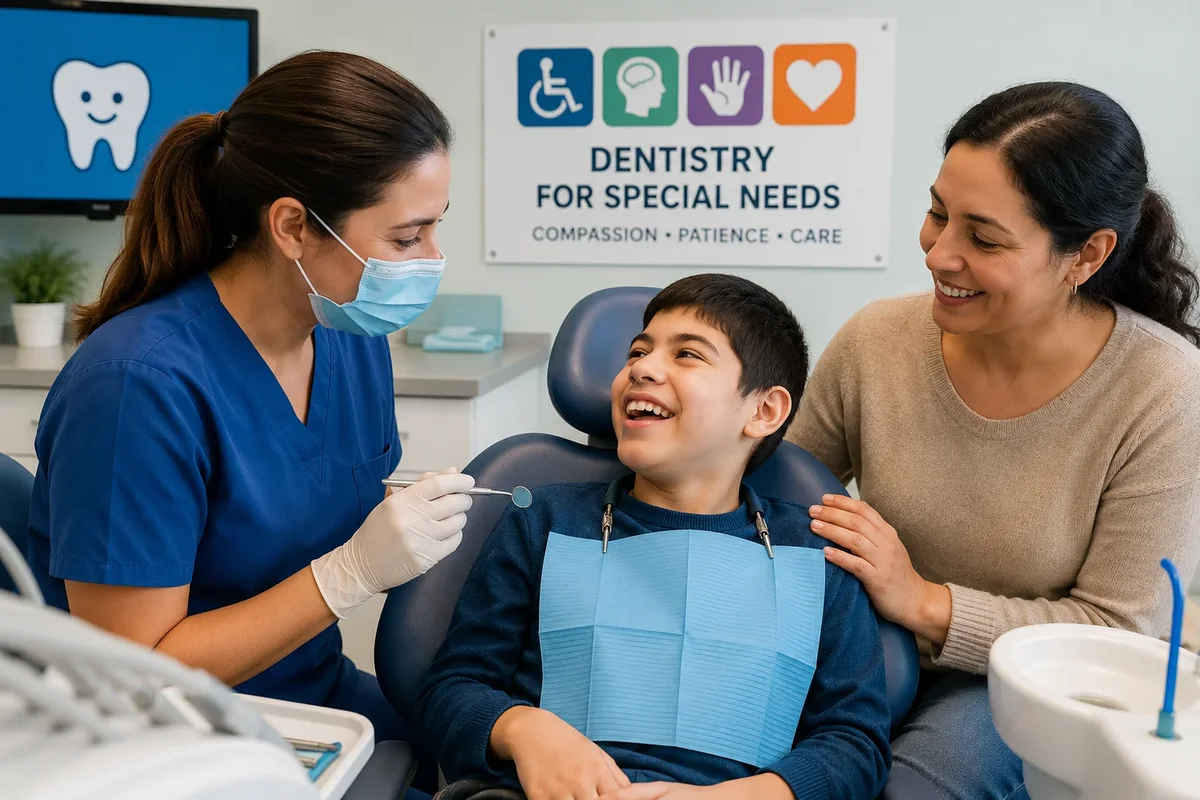
Future Innovations and Technology in Dentistry for Special Needs
🦷 The future of dentistry for special needs is rapidly evolving through new technology, advanced treatment methods, digital healthcare systems, and patient-centered innovations designed to improve comfort, accessibility, safety, and long-term oral health outcomes. As healthcare providers gain a deeper understanding of the unique challenges faced by patients with developmental, cognitive, sensory, physical, or medical conditions, dentistry for special needs continues to become more personalized and effective. Modern innovations are helping reduce treatment anxiety, improve communication, increase preventive care access, and create more comfortable dental experiences for patients and caregivers alike.
Patients who rely on dentistry for special needs often require customized treatment environments and adaptive healthcare solutions. Traditional dental approaches may not always meet the emotional, behavioral, or physical needs of these individuals. Fortunately, advancements in dental technology are transforming how oral healthcare is delivered, making treatment safer, faster, less invasive, and more inclusive. 😊
Digital Technology Transforming Dentistry for Special Needs
Digital innovations are playing a major role in improving patient care within dentistry for special needs. These technologies help reduce discomfort, shorten treatment times, and improve communication between dental professionals, caregivers, and patients.
Digital Imaging and 3D Scanning
Traditional dental impressions and X-rays can be uncomfortable for patients with sensory sensitivities or gag reflex challenges. Dentistry for special needs increasingly uses digital scanners and low-radiation imaging systems to create more comfortable experiences.
3D intraoral scanners allow dentists to capture highly accurate images of the teeth and gums without messy impression materials. These scanners improve treatment planning while reducing patient discomfort and appointment duration.
Digital imaging also allows dental professionals to explain oral conditions visually to caregivers and patients, improving communication and understanding.
Artificial Intelligence in Dental Diagnostics
Artificial intelligence is beginning to assist dentists in identifying cavities, gum disease, bite problems, and oral abnormalities earlier and more accurately. Dentistry for special needs may benefit greatly from AI-assisted diagnostics because early detection can prevent complex treatment needs later.
AI systems can analyze dental images quickly and help create more personalized treatment recommendations based on patient risk factors and oral health history.
Sensory-Friendly Innovations in Dentistry for Special Needs
Sensory comfort remains one of the biggest priorities in dentistry for special needs. New sensory-focused innovations are helping reduce stress and emotional discomfort during appointments.
Virtual Reality and Distraction Technology
Virtual reality headsets are becoming increasingly popular in dentistry for special needs because they help distract patients during treatment. Patients may watch calming videos, relaxing environments, or interactive experiences while dental procedures are performed.
This technology can reduce anxiety, improve cooperation, and create more positive dental experiences, especially for children and patients with sensory sensitivities.
Noise Reduction and Smart Dental Equipment
Modern dental equipment is also becoming quieter and less intimidating. High-pitched instrument sounds can trigger anxiety for many individuals receiving dentistry for special needs. New low-noise handpieces and vibration-reduction technologies help minimize sensory overload.
Some clinics also use adaptive lighting systems and calming environmental designs to improve patient relaxation.
Minimally Invasive Techniques in Dentistry for Special Needs
Future advancements in dentistry for special needs are increasingly focused on minimally invasive care. These approaches preserve healthy tooth structure while reducing discomfort and recovery time.
Laser Dentistry Advancements
Laser dentistry is expected to become even more common in dentistry for special needs because it often reduces the need for injections, drilling, and sutures. Lasers may be used for cavity treatment, gum reshaping, soft tissue procedures, and bacterial reduction.
Laser procedures are often faster and less stressful for anxious patients, making them especially valuable in special care dentistry.
Silver Diamine Fluoride and Preventive Therapies
Silver diamine fluoride is another growing innovation in dentistry for special needs. This treatment can stop early tooth decay without drilling, making it ideal for patients who struggle with traditional restorative procedures.
Preventive therapies like remineralization treatments and bioactive dental materials are also improving long-term cavity prevention.
Telehealth and Remote Dentistry for Special Needs
Telehealth technology is changing how dentistry for special needs supports patients and caregivers outside the clinic environment.
Virtual Consultations and Caregiver Education
Virtual dental consultations allow caregivers to speak with dental professionals remotely before appointments. This can help families prepare for visits, discuss behavioral concerns, review medications, and receive oral hygiene guidance.
Remote education also improves caregiver confidence and helps reduce unnecessary travel for patients with mobility challenges.
Monitoring Oral Health Remotely
Future dental technology may include remote monitoring systems that track oral health changes using smartphone imaging or connected dental devices. Dentistry for special needs could benefit significantly from early remote detection of oral problems.
Remote care solutions may improve preventive dentistry and reduce emergency treatment needs over time.
Advanced Sedation and Patient Safety Innovations
Future sedation methods in dentistry for special needs are expected to become even safer, more personalized, and more comfortable for patients with complex medical needs.
Personalized Sedation Planning
Advancements in medical monitoring technology may allow sedation levels to be customized more precisely for each patient. Dentistry for special needs already prioritizes individualized sedation planning, and future developments may further improve patient safety.
Improved monitoring devices can help dentists track oxygen levels, heart rate, and breathing patterns more accurately during treatment.
Hospital-Based Integrated Care
Integrated healthcare systems may also improve collaboration between dentists, physicians, neurologists, psychologists, and occupational therapists. Dentistry for special needs often requires multidisciplinary treatment planning, especially for patients with severe medical conditions.
Coordinated healthcare improves safety, treatment quality, and long-term patient outcomes.
Accessibility Improvements in Dentistry for Special Needs
Accessibility technology is also advancing rapidly. Modern clinics are increasingly designed with patient mobility, communication, and sensory needs in mind.
Adaptive Dental Equipment
Future dentistry for special needs may include more advanced adaptive dental chairs, transfer systems, communication devices, and ergonomic treatment tools that improve comfort for patients with physical disabilities.
Wheelchair-compatible treatment systems and robotic assistance technologies may further increase accessibility in specialized dental environments.
Communication Assistance Technology
Communication devices and apps designed for nonverbal patients are also improving patient interaction in dentistry for special needs. Visual communication systems, touch-screen tools, and speech-generating devices may help patients express discomfort or treatment preferences more effectively.
The Financial Future of Dentistry for Special Needs
As technology advances, some innovative dental treatments may initially involve higher costs. Advanced imaging systems, sedation technology, laser dentistry, and digital equipment may increase treatment expenses in some clinics.
For example, advanced laser procedures may range from several hundred to several thousand dollars depending on complexity, while digital scanning and AI-assisted diagnostics may add additional costs. However, many innovations may ultimately reduce long-term expenses by improving preventive care and reducing emergency treatment needs.
Long-Term Impact of Innovation in Dentistry for Special Needs
The future of dentistry for special needs is centered on inclusion, dignity, prevention, comfort, and accessibility. Technological advancements are helping patients receive safer and more personalized care while reducing fear and improving treatment success.
Healthier teeth and gums improve speech, nutrition, social interaction, emotional well-being, and overall quality of life. Future innovations will continue making dental care more accessible for patients with diverse healthcare needs.
Families and caregivers interested in professional oral healthcare guidance and evolving dental standards may explore educational resources through the American Dental Association.
Patients and caregivers seeking compassionate and technology-driven dental care solutions may also visit the Redent Klinik Contact Page for more information about personalized treatment options and specialized dental services.
🌟 Ultimately, the future of dentistry for special needs is becoming more patient-centered, technologically advanced, and accessible than ever before. Through digital innovation, minimally invasive treatment, improved sedation methods, telehealth support, sensory-friendly environments, and adaptive care technologies, dentistry for special needs continues to transform oral healthcare experiences and improve long-term wellness for patients around the world.