
A dentistry office is much more than a place where teeth are cleaned or cavities are filled. For most people, it is the primary environment where long-term oral health is protected, monitored, and improved. Understanding how a dentistry office functions, what services it provides, and what kind of experience patients should expect helps reduce anxiety, build trust, and encourage regular dental visits. 🦷✨ This comprehensive guide explains everything a patient needs to know when searching for a reliable and professional dentistry office.
At its core, a dentistry office is a healthcare facility designed to diagnose, prevent, and treat conditions related to the teeth, gums, and oral structures. Modern dentistry offices combine medical expertise, advanced technology, and patient-centered care to deliver safe and effective treatments. Whether you are visiting for a routine check-up or a complex dental procedure, the environment and standards of the dentistry office play a crucial role in the outcome.
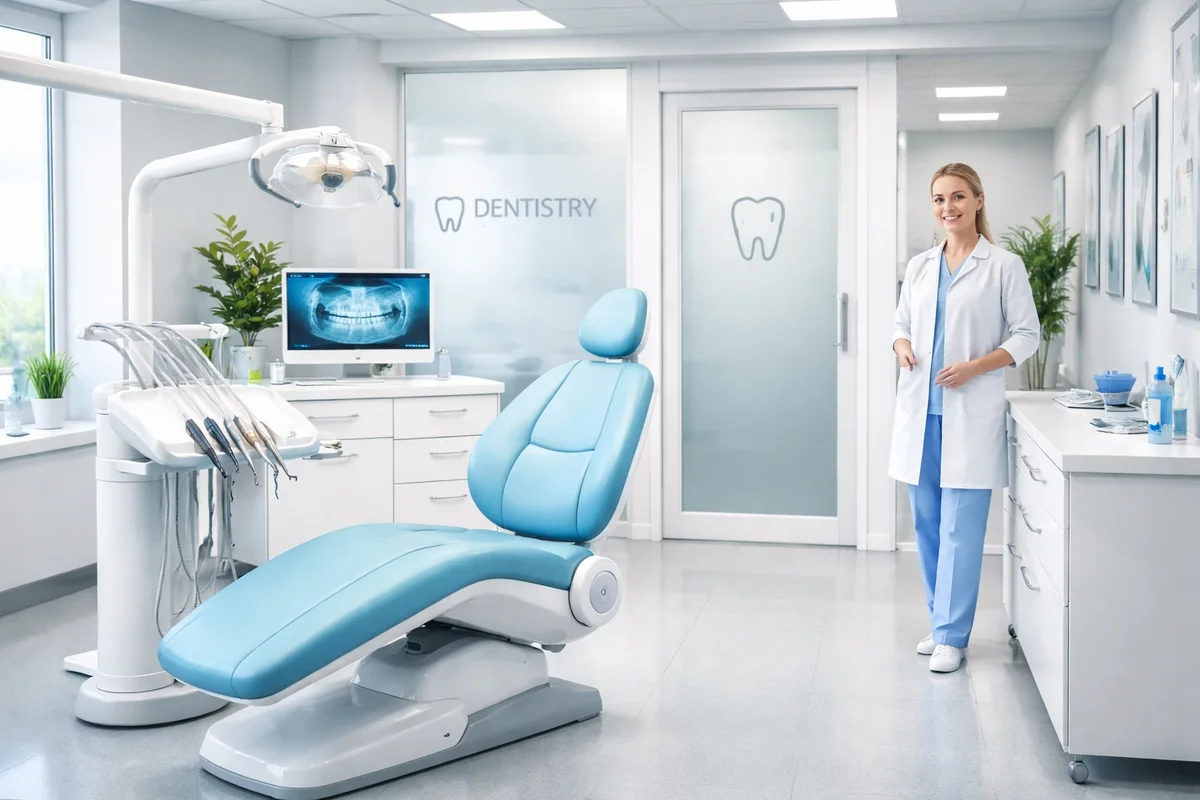
One of the first things patients notice when entering a dentistry office is the atmosphere. A well-designed dentistry office prioritizes cleanliness, comfort, and calmness. Reception areas are organized to reduce stress, appointment systems are structured to minimize waiting times, and staff are trained to communicate clearly and compassionately. These factors significantly improve the patient experience and help individuals feel confident about their dental care decisions.
A professional dentistry office follows strict hygiene and sterilization protocols. Dental instruments are sterilized using hospital-grade equipment, treatment rooms are disinfected between patients, and disposable materials are used wherever necessary. These standards are not optional; they are essential to protect patients from cross-contamination and infection. Reputable dentistry offices align their protocols with international dental health guidelines and recommendations from trusted organizations such as the
American Dental Association.
Another key function of a dentistry office is preventive care. Prevention is the foundation of modern dentistry, and regular visits to a dentistry office help identify problems before they become serious. During routine examinations, dentists assess tooth decay, gum health, bite alignment, and oral hygiene habits. Early detection allows for simpler, less invasive treatments and reduces long-term costs for patients. 🛡️
Patient education is also a major responsibility of every dentistry office. Dentists and dental hygienists take time to explain oral health conditions, treatment options, and daily care routines. Patients are guided on proper brushing techniques, flossing habits, dietary choices, and lifestyle factors that affect oral health. A dentistry office that invests in education empowers patients to take control of their own dental well-being.
Trust is built through transparency, and a high-quality dentistry office emphasizes honest communication. Treatment plans are explained in detail, including benefits, risks, and alternatives. Patients are encouraged to ask questions and make informed decisions. This transparency transforms the dentistry office from a place of fear into a place of partnership between dentist and patient. 🤝
Accessibility and communication are also important aspects of a modern dentistry office. Easy appointment scheduling, clear contact channels, and responsive staff make it easier for patients to seek care when needed. For individuals looking to reach out directly or schedule consultations, visiting the
Redent Klinik Contact Page is an example of how a dentistry office can maintain open and patient-friendly communication.
In addition, a dentistry office often serves patients of all ages, from children experiencing their first dental visit to older adults managing complex oral health needs. Pediatric-friendly approaches, adult preventive care, and geriatric dental solutions are all integrated into the services of a comprehensive dentistry office. This continuity of care ensures that oral health is supported throughout every stage of life.
Ultimately, choosing the right dentistry office is a decision that affects both short-term comfort and long-term health. A trustworthy dentistry office combines clinical excellence, ethical standards, advanced technology, and compassionate care. When these elements come together, patients receive not only dental treatment but also peace of mind. 🌟
By understanding what a dentistry office truly represents and what standards to expect, patients can confidently select a dental care provider that supports healthy smiles for years to come. Regular visits to a professional dentistry office are not just appointments—they are investments in overall health, confidence, and quality of life.
What Is a Modern Dentistry Office and How It Works
A modern dentistry office is a highly organized healthcare environment designed to deliver efficient, safe, and patient-centered dental care. Unlike traditional dental clinics of the past, today’s dentistry office integrates advanced technology, structured workflows, and personalized treatment planning to meet the diverse needs of patients. Understanding how a dentistry office works helps patients feel more confident, informed, and comfortable before their visit. 🦷
At a functional level, a dentistry office operates through a coordinated system involving administrative staff, dental professionals, clinical equipment, and digital infrastructure. Every step—from appointment scheduling to treatment completion—is carefully managed to ensure accuracy, safety, and patient satisfaction. This systematic approach allows a dentistry office to deliver consistent, high-quality care regardless of the complexity of the procedure.
Patient Flow Inside a Dentistry Office
The workflow of a dentistry office begins long before a patient sits in the dental chair. Most dentistry offices use digital appointment systems that organize patient visits efficiently, reduce waiting times, and allow dentists to prepare in advance. Upon arrival, patients are welcomed by trained front-desk staff who handle check-ins, medical histories, and insurance documentation.
Once checked in, patients are guided to treatment rooms designed for both comfort and clinical efficiency. A modern dentistry office ensures that instruments, materials, and digital imaging systems are readily available. This preparation minimizes delays and helps the dental team focus entirely on patient care.
After treatment, follow-up instructions, prescriptions, and future appointments are clearly explained. This structured patient flow is a defining feature of a well-managed dentistry office and plays a significant role in building trust and long-term patient relationships. 🤝
Digital Systems and Record Management
One of the most important evolutions in the modern dentistry office is the use of digital record systems. Electronic health records (EHRs) allow dentists to store, access, and update patient information securely and instantly. X-rays, treatment plans, and progress notes are all integrated into a single system, reducing errors and improving treatment accuracy.
Digitalization also enhances communication within the dentistry office. Dentists, hygienists, and assistants can collaborate seamlessly, ensuring that every patient receives consistent and well-coordinated care. This level of organization is essential for complex treatments and long-term oral health monitoring.
Appointment Scheduling and Communication
Efficient scheduling is a cornerstone of how a dentistry office works. Automated reminders, email confirmations, and clear communication channels help patients stay informed and reduce missed appointments. Many dentistry offices also offer online booking options, making dental care more accessible and convenient.
Clear communication extends beyond scheduling. A professional dentistry office ensures patients understand their treatment timelines, recovery expectations, and follow-up care. This transparency improves patient compliance and overall treatment success. 📅
Clinical Roles Within a Dentistry Office
A dentistry office functions as a team-based environment. Dentists lead diagnosis and treatment planning, while dental hygienists focus on preventive care such as cleanings and gum health assessments. Dental assistants support procedures, prepare instruments, and ensure patient comfort throughout treatments.
Administrative staff play an equally important role in the dentistry office. They manage billing, insurance coordination, and patient inquiries, allowing clinical staff to focus on care delivery. When each role operates efficiently, the dentistry office becomes a seamless healthcare system rather than just a treatment space.
Safety, Compliance, and Quality Control
Every dentistry office is required to follow strict safety and regulatory standards. These include infection control protocols, equipment maintenance schedules, and continuous staff training. Compliance with national and international dental guidelines ensures that patients receive care in a safe and controlled environment.
Quality control is an ongoing process in a modern dentistry office. Regular audits, equipment calibration, and professional development help maintain high standards of care. Many dentistry offices align their practices with recommendations from authoritative institutions like the
American Dental Association, reinforcing trust and credibility.
Patient-Centered Design and Experience
Beyond clinical efficiency, a modern dentistry office is designed around the patient experience. Comfortable seating, calming interior design, and clear signage reduce anxiety and create a welcoming atmosphere. Patient-centered design reflects the understanding that emotional comfort is just as important as clinical excellence.
Education is also integrated into the experience. Dentists take time to explain procedures, show digital images, and answer questions. This approach transforms the dentistry office into a place of learning and empowerment rather than fear. 🌟
In summary, a modern dentistry office is a complex yet well-orchestrated system that blends technology, teamwork, and compassionate care. By understanding how a dentistry office works, patients can better appreciate the value of professional dental services and make informed choices about their oral health journey.
Key Services Offered in a Full-Service Dentistry Office
A full-service dentistry office is designed to meet a wide range of oral health needs under one roof. Rather than focusing on a single type of treatment, a comprehensive dentistry office combines preventive, restorative, cosmetic, and sometimes surgical services to support patients throughout their lifetime. Understanding the scope of services offered by a dentistry office helps patients choose the right provider and avoid unnecessary referrals or fragmented care. 🦷
Modern patients expect convenience, safety, and consistency, and a well-equipped dentistry office is structured to deliver exactly that. By offering multiple dental services in one location, a dentistry office ensures continuity of care, better treatment planning, and stronger dentist–patient relationships.
Preventive Services in a Dentistry Office
Preventive care is the foundation of every professional dentistry office. These services aim to stop dental problems before they become painful, complex, or costly. Routine check-ups, professional cleanings, and oral examinations are the most common preventive services provided.
During preventive visits, dentists assess tooth decay, gum health, plaque buildup, and bite alignment. Digital X-rays and intraoral cameras are often used to detect issues that are not visible to the naked eye. A dentistry office that prioritizes prevention helps patients maintain healthy teeth while reducing the need for invasive treatments later on. 🛡️
Fluoride applications, sealants for children, and periodontal evaluations are also part of preventive care in a dentistry office. These services are especially important for patients at higher risk of cavities or gum disease.
Restorative Treatments Available in a Dentistry Office
When damage or decay occurs, restorative dentistry becomes essential. A full-service dentistry office provides treatments that repair and restore the function of teeth while preserving as much natural structure as possible. Common restorative procedures include fillings, crowns, bridges, and root canal treatments.
Dental fillings repair cavities caused by decay, while crowns are used to protect weakened or broken teeth. Bridges replace missing teeth by anchoring artificial teeth to neighboring natural ones. Root canal treatments eliminate infection inside the tooth and prevent extraction. Each of these procedures is carefully planned and executed within the dentistry office to ensure long-term success.
By offering restorative services on-site, a dentistry office reduces treatment delays and improves patient comfort. Patients benefit from having their diagnosis, treatment, and follow-up care managed by the same dental team. 🤝
Cosmetic Dentistry Services
A modern dentistry office often includes cosmetic dentistry as part of its service portfolio. Cosmetic treatments focus on improving the appearance of teeth, gums, and smiles while maintaining oral health. Teeth whitening, veneers, bonding, and smile makeovers are among the most popular cosmetic services.
Teeth whitening removes stains caused by food, beverages, and aging. Veneers are thin shells placed over the front of teeth to correct discoloration, chips, or minor misalignment. Dental bonding reshapes teeth using tooth-colored materials. A dentistry office offering cosmetic services can dramatically enhance a patient’s confidence and self-esteem. 😁
Smile Design and Aesthetic Planning
Some dentistry offices go a step further by offering digital smile design. This technology allows patients to preview potential results before treatment begins. By combining aesthetics with clinical expertise, a dentistry office ensures that cosmetic results look natural and functional.
Surgical and Advanced Dental Services
Many full-service dentistry offices also provide advanced and surgical procedures. These may include tooth extractions, wisdom tooth removal, dental implant placement, and periodontal surgery. Having these services available within the same dentistry office simplifies care and reduces patient stress.
Dental implants, in particular, have become a key service offered by advanced dentistry offices. They provide a long-term solution for missing teeth by replacing both the tooth and its root. Implant procedures require precise planning, imaging, and sterile conditions—standards that a professional dentistry office is equipped to meet.
Pediatric and Family Dentistry
A comprehensive dentistry office often serves patients of all ages. Pediatric dentistry focuses on children’s oral development, cavity prevention, and positive dental experiences. Family-friendly dentistry offices create welcoming environments that help children feel safe and comfortable.
By treating both children and adults, a dentistry office becomes a long-term partner in a family’s oral health journey. This continuity allows dentists to track changes over time and tailor care to each stage of life. 👨👩👧👦
Emergency Dental Care
Dental emergencies can occur unexpectedly, and a reliable dentistry office offers emergency care for situations such as severe tooth pain, broken teeth, infections, or trauma. Prompt treatment can prevent complications and relieve discomfort quickly.
Emergency readiness reflects the professionalism of a dentistry office. Clear communication channels and flexible scheduling ensure that patients receive timely care when it matters most.
In conclusion, a full-service dentistry office is a comprehensive oral healthcare center that combines prevention, treatment, aesthetics, and emergency support. By offering a wide range of services under one roof, a dentistry office simplifies care, improves outcomes, and supports long-term oral health for patients of all ages. 🌟
How to Choose the Right Dentistry Office for Your Needs
Choosing the right dentistry office is one of the most important decisions a patient can make for long-term oral health. A dentistry office is not just a place for occasional treatments; it is a healthcare partner that influences prevention, diagnosis, comfort, and overall well-being. Because every patient has different expectations, concerns, and dental histories, selecting the most suitable dentistry office requires careful evaluation rather than a quick decision. 🦷
A high-quality dentistry office should combine professional expertise, modern facilities, transparent communication, and a patient-centered approach. When these elements align, patients are more likely to maintain regular visits and achieve better oral health outcomes.
Professional Qualifications and Experience
The first factor to evaluate when choosing a dentistry office is the professional background of the dental team. Dentists should hold recognized degrees, valid licenses, and ongoing education credentials. A reputable dentistry office invests in continuous training to stay updated with the latest techniques, materials, and safety standards.
Experience also matters. A dentistry office with a long-standing presence and a diverse patient base is more likely to handle a wide range of dental situations confidently. Experienced dentists are better equipped to diagnose complex cases and provide personalized treatment plans rather than one-size-fits-all solutions.
Range of Services Offered
Not all dentistry offices provide the same level of care. Some focus primarily on basic treatments, while others offer comprehensive services under one roof. Choosing a dentistry office that provides preventive, restorative, cosmetic, and advanced procedures reduces the need for referrals and fragmented care.
A full-service dentistry office ensures continuity, meaning your dental records, treatment history, and future plans are managed consistently by the same team. This continuity leads to better long-term outcomes and a more comfortable patient experience. 🤝
Specialized Treatments and Technology
If you anticipate needing specialized treatments such as dental implants, cosmetic procedures, or gum therapy, it is essential to confirm that the dentistry office has the required technology and expertise. Digital imaging, modern sterilization systems, and advanced diagnostic tools indicate a forward-thinking dentistry office committed to quality care.
Patient Reviews and Reputation
Patient feedback provides valuable insight into the real-world performance of a dentistry office. Online reviews, testimonials, and word-of-mouth recommendations reveal patterns related to professionalism, cleanliness, communication, and overall satisfaction.
While no dentistry office is perfect, consistently positive feedback suggests reliability and trustworthiness. Pay attention to how the dentistry office responds to concerns or negative reviews, as this reflects its commitment to patient care and accountability.
Communication and Transparency
Clear communication is a defining trait of a trustworthy dentistry office. Dentists and staff should explain diagnoses, treatment options, and expected outcomes in plain language. Patients should never feel rushed or pressured into decisions they do not fully understand.
Transparency also includes discussing risks, alternatives, and long-term implications of treatments. A dentistry office that values openness builds trust and empowers patients to take an active role in their oral health. 🗣️
Hygiene, Safety, and Cleanliness
Strict hygiene standards are non-negotiable in any professional dentistry office. Clean treatment rooms, sterilized instruments, and visible infection control practices demonstrate a commitment to patient safety.
Patients should feel confident that the dentistry office follows established health protocols and aligns with recommendations from respected dental authorities. A clean and organized environment is often a reflection of the overall quality of care provided.
Accessibility and Convenience
Practical considerations also play a role when choosing a dentistry office. Location, parking availability, office hours, and appointment flexibility affect how easily patients can maintain regular visits. A conveniently located dentistry office encourages consistency, which is essential for preventive care.
Additionally, responsive communication channels—such as phone, email, or online contact forms—make it easier to reach the dentistry office when questions or emergencies arise. Accessible care reduces stress and improves patient satisfaction. 📞
Comfort and Patient Experience
Dental anxiety is common, and the environment of a dentistry office can significantly influence how patients feel. A patient-focused dentistry office prioritizes comfort through friendly staff, calming interiors, and gentle treatment approaches.
Dentists who listen attentively, respect patient concerns, and adapt treatments to individual comfort levels create a supportive atmosphere. Over time, this positive experience transforms the dentistry office into a place of reassurance rather than fear. 🌟
In summary, selecting the right dentistry office requires evaluating qualifications, services, communication, safety, and patient experience as a whole. A well-chosen dentistry office becomes a trusted partner in maintaining oral health, preventing problems, and supporting confidence for years to come.
Technology and Equipment Used in a Contemporary Dentistry Office
A contemporary dentistry office is defined not only by the expertise of its dental professionals but also by the technology and equipment it uses. Modern dental technology has transformed how diagnoses are made, how treatments are planned, and how patients experience care. A well-equipped dentistry office improves accuracy, safety, comfort, and long-term treatment success, making technology a critical factor when evaluating dental care quality. 🦷💻
Today’s dentistry office relies on a combination of digital systems, advanced clinical tools, and innovative materials to deliver precise and efficient care. These technologies allow dentists to detect problems earlier, perform less invasive procedures, and communicate more clearly with patients.
Digital Imaging and Diagnostic Tools
One of the most important technological advancements in a modern dentistry office is digital imaging. Digital X-rays produce high-resolution images with significantly lower radiation exposure compared to traditional film X-rays. These images are instantly available, allowing dentists to diagnose cavities, infections, bone loss, and structural issues with greater accuracy.
Intraoral cameras are another essential tool in a contemporary dentistry office. These small cameras capture detailed images inside the mouth, enabling patients to see exactly what the dentist sees. This visual transparency builds trust and helps patients better understand their oral health conditions and treatment needs. 📸
3D Imaging and Cone Beam CT
Advanced dentistry offices may also use 3D imaging technologies such as cone beam computed tomography (CBCT). This technology provides three-dimensional views of teeth, jawbones, nerves, and sinuses. CBCT scans are especially valuable for dental implants, complex extractions, and orthodontic planning.
By integrating 3D imaging, a dentistry office can plan treatments with exceptional precision, reducing risks and improving outcomes.
Digital Treatment Planning and CAD/CAM Systems
Computer-aided design and computer-aided manufacturing (CAD/CAM) systems have revolutionized restorative dentistry. In a modern dentistry office, these systems allow dentists to design and fabricate crowns, bridges, and veneers digitally.
Instead of messy impressions and long waiting times, patients benefit from digital scans and same-day restorations in some dentistry offices. This technology improves fit, durability, and aesthetics while significantly enhancing patient convenience. ⏱️
Advanced Sterilization and Infection Control Equipment
Infection control is a top priority in every professional dentistry office. Modern sterilization equipment ensures that all instruments are thoroughly cleaned and disinfected according to strict healthcare standards. Autoclaves, ultrasonic cleaners, and sealed sterilization systems are standard in high-quality dentistry offices.
Many dentistry offices also use air purification systems and disposable protective barriers to further enhance safety. These measures protect both patients and staff, reinforcing trust in the clinical environment.
Comfort-Enhancing Dental Equipment
Technology in a dentistry office is not limited to clinical accuracy; it also focuses on patient comfort. Ergonomic dental chairs with adjustable support, integrated lighting, and noise-reduction features help reduce physical discomfort during procedures.
Some dentistry offices offer additional comfort technologies such as digital anesthesia delivery systems, which provide more controlled and gentle numbing. These innovations significantly reduce pain and anxiety, especially for nervous patients. 😊
Laser Dentistry and Minimally Invasive Tools
Laser technology is increasingly common in advanced dentistry offices. Dental lasers are used for gum treatments, cavity removal, teeth whitening, and soft tissue procedures. Laser dentistry reduces bleeding, shortens recovery times, and often eliminates the need for sutures.
By adopting minimally invasive tools, a dentistry office can preserve healthy tooth structure and promote faster healing, leading to better patient experiences and outcomes.
Digital Records and Practice Management Systems
Behind the scenes, a modern dentistry office relies on digital practice management software. These systems handle appointment scheduling, patient records, billing, and communication. Centralized digital records improve efficiency and reduce administrative errors.
Patients benefit from streamlined check-ins, accurate documentation, and improved coordination of care. A dentistry office that invests in digital management systems demonstrates a commitment to professionalism and patient convenience. 📊
In conclusion, technology and equipment are fundamental components of a contemporary dentistry office. From diagnostics and treatment planning to comfort and safety, modern tools enhance every aspect of dental care. A dentistry office that embraces innovation not only delivers better clinical results but also creates a more transparent, comfortable, and trustworthy experience for patients.
Patient Comfort, Safety, and Hygiene Standards in a Dentistry Office
Patient comfort, safety, and hygiene are fundamental pillars of a professional dentistry office. Beyond clinical skills and advanced technology, the way a dentistry office prioritizes these elements has a direct impact on patient trust, treatment success, and long-term oral health outcomes. For many individuals, dental anxiety is a real concern, and a well-managed dentistry office works proactively to create a safe, calming, and hygienic environment. 🦷🛡️
A modern dentistry office understands that dental care is not only a medical experience but also an emotional one. Patients are more likely to return for regular visits when they feel respected, protected, and comfortable throughout every stage of their appointment.
Creating a Comfortable Patient Experience
Comfort begins the moment a patient enters a dentistry office. Welcoming reception areas, friendly staff, and clear communication help reduce stress and uncertainty. Many dentistry offices design their spaces with soothing colors, natural lighting, and comfortable seating to promote relaxation.
Inside treatment rooms, ergonomic dental chairs, adjustable headrests, and supportive cushioning allow patients to remain comfortable during procedures. A patient-focused dentistry office also takes into account individual needs, such as offering breaks during longer treatments or explaining each step before it begins. 😊
Managing Dental Anxiety and Fear
Dental anxiety affects a significant portion of the population, and a compassionate dentistry office addresses this proactively. Dentists trained in gentle techniques, clear explanations, and patient reassurance help alleviate fear.
Some dentistry offices offer additional comfort options such as calming music, noise-canceling headphones, or relaxation techniques. These thoughtful details transform the dentistry office into a supportive environment rather than a source of stress.
Safety Protocols in a Professional Dentistry Office
Safety is a non-negotiable priority in any dentistry office. Strict protocols are in place to protect patients and staff from infections, injuries, and procedural risks. These protocols include the proper handling of instruments, correct use of protective equipment, and adherence to established clinical guidelines.
Dental professionals wear gloves, masks, and protective eyewear during treatments. Surfaces are disinfected between patients, and single-use materials are disposed of safely. A dentistry office that follows these practices demonstrates its commitment to responsible healthcare delivery.
Hygiene and Sterilization Standards
Hygiene is one of the most visible indicators of quality in a dentistry office. Sterilization of dental instruments is performed using advanced equipment such as autoclaves, which eliminate bacteria, viruses, and spores. Instruments are sealed and stored in sterile packaging until use.
Treatment rooms in a dentistry office are thoroughly cleaned and disinfected after each patient. Floors, countertops, dental chairs, and equipment controls are all part of routine hygiene protocols. These measures significantly reduce the risk of cross-contamination. 🧼
Compliance With Health Regulations
A reputable dentistry office complies with national and international health regulations. These standards are established to ensure patient safety, infection control, and ethical treatment practices. Regular inspections and audits help maintain consistent quality.
Many dentistry offices align their hygiene and safety practices with recommendations from authoritative organizations such as the
American Dental Association, reinforcing their commitment to best practices.
Emergency Preparedness in a Dentistry Office
A well-prepared dentistry office is equipped to handle emergencies, whether they are medical reactions, sudden pain, or unexpected complications. Emergency kits, trained staff, and clear protocols ensure rapid and effective responses.
Dentists and assistants are trained in basic life support and emergency procedures. This preparedness adds another layer of safety and reassurance for patients undergoing treatment in the dentistry office. 🚑
Patient Education and Informed Consent
Safety also involves ensuring that patients are fully informed. A professional dentistry office explains procedures, risks, and post-treatment care clearly before obtaining consent. Patients are encouraged to ask questions and express concerns.
This transparent approach reduces misunderstandings and builds confidence. When patients understand what to expect, they are more relaxed and cooperative during treatments, contributing to better outcomes.
In summary, patient comfort, safety, and hygiene standards define the quality of a dentistry office. A dentistry office that prioritizes these elements creates a secure and welcoming environment where patients feel valued and protected. These standards are not optional extras; they are essential components of ethical, effective, and patient-centered dental care. 🌟
The Role of Dentists and Staff Inside a Professional Dentistry Office
A professional dentistry office functions as a coordinated healthcare team rather than a single practitioner working alone. While dentists play a central role in diagnosis and treatment, the overall success of a dentistry office depends on the collaboration between dentists, hygienists, dental assistants, and administrative staff. Each role contributes directly to patient safety, comfort, efficiency, and long-term oral health outcomes. 🦷
Understanding who does what inside a dentistry office helps patients feel more confident and informed during their visits. It also highlights why a well-organized dentistry office delivers more consistent and higher-quality care than a fragmented or understaffed practice.
The Dentist’s Core Responsibilities
The dentist is the clinical leader of the dentistry office. Their primary responsibilities include diagnosing oral health conditions, creating treatment plans, and performing dental procedures. Dentists assess tooth decay, gum disease, bite alignment, and jaw health while considering each patient’s medical history and lifestyle factors.
In a modern dentistry office, dentists also act as educators. They explain diagnoses in clear language, discuss treatment alternatives, and help patients understand the long-term implications of different options. This guidance allows patients to make informed decisions rather than feeling pressured or confused. 🤝
Dentists in a professional dentistry office are also responsible for maintaining clinical standards. They ensure that treatments follow evidence-based practices, ethical guidelines, and safety regulations. Ongoing education and skill development are essential parts of a dentist’s role, keeping the dentistry office aligned with modern dental advancements.
The Role of Dental Hygienists
Dental hygienists are essential members of every dentistry office, particularly in preventive care. Their primary focus is maintaining gum health and preventing oral diseases through professional cleanings, scaling, and polishing.
During hygiene appointments, hygienists assess plaque buildup, gum inflammation, and early signs of periodontal disease. They also provide personalized oral hygiene instruction, teaching patients proper brushing and flossing techniques. In a high-quality dentistry office, hygienists play a major role in reducing the need for invasive treatments later on. 🛡️
Hygienists also support dentists by collecting diagnostic data such as X-rays and periodontal measurements. This collaboration ensures that the dentistry office delivers thorough and accurate care at every visit.
Dental Assistants and Clinical Support
Dental assistants are the backbone of the clinical workflow in a dentistry office. They prepare treatment rooms, sterilize instruments, assist during procedures, and ensure that dentists can work efficiently and safely.
A skilled dental assistant anticipates the dentist’s needs during procedures, helping reduce treatment time and improve patient comfort. They also play a key role in patient reassurance, explaining steps, answering questions, and helping nervous patients feel at ease. 😊
In many dentistry offices, dental assistants are also trained in radiography, impression taking, and temporary restorations. Their versatility allows the dentistry office to function smoothly even during busy schedules.
Administrative and Front Desk Staff
While not involved in clinical procedures, administrative staff are critical to the success of a dentistry office. They manage appointment scheduling, patient records, billing, and insurance coordination. Clear and efficient administration reduces confusion and stress for patients.
Front desk staff are often the first point of contact in a dentistry office. Their professionalism, communication skills, and empathy shape the patient’s first impression. A well-run dentistry office invests in training administrative staff to handle patient concerns with clarity and respect. 📞
Coordination and Patient Communication
Effective communication between administrative and clinical teams is essential. When information flows smoothly, patients experience fewer delays, clearer instructions, and more predictable care. A dentistry office that prioritizes coordination delivers a more seamless patient journey.
Teamwork and Quality of Care
The true strength of a professional dentistry office lies in teamwork. Dentists, hygienists, assistants, and administrators work together to ensure that each patient receives timely, safe, and personalized care.
Regular team meetings, training sessions, and quality reviews help align everyone with the dentistry office’s standards and goals. This collaborative culture leads to fewer errors, higher patient satisfaction, and better clinical outcomes.
In conclusion, a dentistry office is a complex healthcare environment powered by skilled professionals working in harmony. Each role—clinical or administrative—directly impacts patient experience and oral health success. When all team members perform their responsibilities effectively, the dentistry office becomes a trusted, efficient, and patient-centered place for lifelong dental care. 🌟
Common Treatments Performed in a Dentistry Office
A modern dentistry office provides a wide spectrum of treatments designed to maintain, restore, and enhance oral health. While each patient’s needs are unique, there are several common procedures that most people will encounter at some point in their lives. Understanding these treatments helps patients feel prepared, reduces anxiety, and allows for more informed conversations with dental professionals. 🦷
The treatments performed in a dentistry office range from routine preventive care to more advanced restorative and cosmetic procedures. A comprehensive dentistry office ensures that these services are delivered safely, efficiently, and with a strong focus on long-term outcomes.
Routine Examinations and Professional Cleanings
Routine dental exams and cleanings are the most frequent treatments performed in a dentistry office. During an examination, the dentist evaluates teeth, gums, bite alignment, and overall oral health. X-rays may be taken periodically to detect issues that are not visible during a visual inspection.
Professional cleanings, typically performed by dental hygienists, remove plaque and tartar buildup that cannot be eliminated through daily brushing and flossing alone. These cleanings play a crucial role in preventing cavities and gum disease. A dentistry office that emphasizes regular preventive visits helps patients avoid more complex treatments later on. 🛡️
Dental Fillings and Cavity Treatment
Cavities are among the most common dental problems treated in a dentistry office. When tooth decay is detected early, dentists remove the decayed portion and restore the tooth with a filling. Modern dentistry offices typically use tooth-colored composite materials that blend naturally with surrounding teeth.
This procedure not only restores the tooth’s appearance but also prevents further decay. By addressing cavities promptly, a dentistry office helps preserve natural tooth structure and maintain oral function.
Root Canal Treatment
Root canal therapy is performed when the inner pulp of a tooth becomes infected or inflamed. In a professional dentistry office, this procedure involves removing the infected tissue, disinfecting the canal, and sealing it to prevent reinfection.
Although root canals have a reputation for discomfort, advances in anesthesia and techniques have made the procedure much more comfortable. A well-equipped dentistry office ensures that root canal treatment relieves pain and saves the natural tooth rather than requiring extraction. 😊
Crowns, Bridges, and Restorations
Crowns and bridges are restorative treatments commonly provided in a dentistry office to repair damaged or missing teeth. Crowns cover and protect weakened teeth, while bridges replace one or more missing teeth by anchoring artificial teeth to adjacent natural teeth.
These restorations restore chewing ability, prevent neighboring teeth from shifting, and improve overall smile aesthetics. A dentistry office with modern technology can design restorations that are durable, functional, and visually natural.
General Price Ranges for Restorative Treatments
While costs can vary depending on location, materials, and complexity, the following general ranges are commonly seen in many dentistry offices:
- Dental cleaning: approximately $75–$200
- Composite filling: approximately $150–$350 per tooth
- Root canal treatment: approximately $700–$1,500
- Dental crown: approximately $800–$2,000
A transparent dentistry office discusses costs clearly and provides treatment plans before starting procedures.
Tooth Extractions and Minor Oral Surgery
Tooth extractions are sometimes necessary when a tooth is severely damaged, infected, or impacted. A dentistry office performs extractions using precise techniques to minimize discomfort and promote healing.
Wisdom tooth removal is a common surgical procedure handled by many dentistry offices. Proper aftercare instructions and follow-up ensure a smooth recovery and reduce the risk of complications.
Cosmetic Treatments and Smile Enhancement
Cosmetic dentistry is another area where dentistry offices frequently provide treatment. Teeth whitening, bonding, and veneers are popular options for improving smile appearance. These treatments focus on aesthetics while preserving oral health.
A dentistry office offering cosmetic services typically begins with a consultation to understand patient goals and recommend appropriate options. When performed correctly, cosmetic treatments can significantly boost confidence and self-esteem. 😁
Gum Disease Treatment
Gum disease, or periodontal disease, is treated at various stages within a dentistry office. Early-stage gum disease may be managed with deep cleanings, while more advanced cases may require specialized periodontal therapy.
Treating gum disease is essential not only for oral health but also for overall health, as gum infections have been linked to systemic conditions. A dentistry office that addresses gum health comprehensively supports whole-body wellness.
In conclusion, the range of treatments performed in a dentistry office reflects its role as a complete oral healthcare provider. From preventive care to advanced restorations, a dentistry office supports patients at every stage of their dental journey. Regular visits and timely treatment ensure healthier smiles, greater comfort, and lasting confidence. 🌟
Why Regular Visits to a Dentistry Office Matter for Long-Term Oral Health
Regular visits to a dentistry office are one of the most important habits a person can develop for maintaining long-term oral and overall health. Many dental problems progress silently, showing little or no pain until they reach advanced stages. By visiting a dentistry office on a consistent basis, patients allow dental professionals to identify, monitor, and treat issues early—often before they become serious, costly, or irreversible. 🦷
A dentistry office is not only a place for treatment but also a center for prevention, education, and long-term health planning. Patients who attend routine appointments benefit from early diagnosis, personalized care strategies, and a higher quality of life over time.
Early Detection of Dental Problems
One of the primary reasons regular visits to a dentistry office are essential is early detection. Cavities, gum disease, enamel erosion, and oral infections often develop gradually. In their early stages, these conditions are easier to treat and less invasive.
During routine check-ups, dentists use clinical examinations and diagnostic tools to detect subtle changes in oral health. A dentistry office can identify small cavities, early gum inflammation, or bite issues long before they cause discomfort. Early treatment preserves natural teeth and prevents complications. 🛡️
Prevention of Gum Disease and Tooth Loss
Gum disease is one of the leading causes of tooth loss in adults, and it often progresses without noticeable symptoms. Regular cleanings and evaluations at a dentistry office remove plaque and tartar that brushing alone cannot eliminate.
By maintaining consistent visits, patients significantly reduce their risk of developing advanced periodontal disease. A dentistry office monitors gum health over time and provides targeted interventions when early warning signs appear.
Long-Term Impact on Overall Health
Oral health is closely linked to overall health. Research has shown connections between gum disease and conditions such as heart disease, diabetes, and respiratory issues. Regular visits to a dentistry office support not only oral health but also general well-being.
By addressing inflammation and infection early, a dentistry office plays a role in reducing systemic health risks. This holistic benefit makes preventive dental care an essential part of a healthy lifestyle.
Maintaining Functional and Comfortable Teeth
Teeth are essential for chewing, speaking, and facial structure. When dental problems are ignored, patients may experience pain, difficulty eating, or changes in appearance. Regular visits to a dentistry office help maintain proper function and comfort throughout life.
Dentists assess bite alignment, tooth wear, and jaw function during routine exams. Early intervention in a dentistry office can prevent chronic discomfort, headaches, and jaw joint issues.
Cost-Effective Long-Term Care
Preventive care at a dentistry office is significantly more cost-effective than emergency or advanced treatments. Routine cleanings and exams help avoid expensive procedures such as root canals, extractions, or complex restorations.
A dentistry office that emphasizes prevention helps patients manage dental expenses over time. By addressing minor issues early, patients avoid the financial and emotional burden of extensive dental work. 💡
Building a Trusted Relationship With Your Dentist
Regular visits allow patients to build a long-term relationship with their dentistry office. Familiarity with a patient’s dental history, habits, and preferences enables more personalized and effective care.
Trust develops through consistent interaction, clear communication, and positive experiences. When patients feel comfortable with their dentistry office, they are more likely to seek care promptly and follow professional advice.
Encouraging Healthy Oral Hygiene Habits
A dentistry office plays a key role in reinforcing good oral hygiene practices. Dentists and hygienists provide guidance on brushing techniques, flossing methods, and lifestyle choices that affect oral health.
Regular reinforcement helps patients stay motivated and informed. Over time, these habits lead to stronger teeth, healthier gums, and fewer dental issues.
Supporting Oral Health at Every Life Stage
Oral health needs change throughout life, and a dentistry office adapts care accordingly. Children require monitoring of tooth development, adults focus on maintenance and prevention, and older patients may need specialized care for wear, restorations, or dry mouth.
By maintaining regular visits, patients ensure that their dentistry office can provide appropriate care at every stage of life. This continuity supports lifelong oral health and confidence. 🌟
In conclusion, regular visits to a dentistry office are essential for preventing disease, maintaining function, controlling costs, and supporting overall health. A dentistry office is not just a place to fix problems—it is a long-term partner in wellness. Consistent dental care leads to healthier smiles, greater comfort, and a better quality of life for years to come.
Costs, Insurance, and Payment Options at a Dentistry Office
Understanding costs, insurance coverage, and payment options is an essential part of choosing and regularly visiting a dentistry office. Financial transparency directly affects patient trust and long-term commitment to oral health care. A professional dentistry office recognizes that dental treatments are an investment and works to make costs clear, predictable, and manageable for patients whenever possible. 🦷💳
While prices can vary depending on location, expertise, and treatment complexity, a well-managed dentistry office prioritizes open communication about fees and available financial solutions. This approach allows patients to focus on their health rather than uncertainty or unexpected expenses.
How Treatment Costs Are Determined in a Dentistry Office
The cost of services in a dentistry office is influenced by several factors. These include the type of treatment, materials used, technology involved, and the time required to complete the procedure. Preventive treatments such as cleanings and exams are generally more affordable, while restorative or surgical procedures require greater resources.
A transparent dentistry office explains why certain treatments cost more than others. For example, advanced procedures may involve specialized equipment, laboratory work, or multiple appointments. When patients understand the reasoning behind pricing, they are more likely to feel confident in their care decisions. 🤝
General Price Ranges for Common Dental Services
Although exact prices vary by region and practice, many dentistry offices fall within the following general ranges:
- Routine dental exam: approximately $50–$150
- Professional dental cleaning: approximately $75–$200
- Dental filling (composite): approximately $150–$350
- Dental crown: approximately $800–$2,000
- Dental implant (excluding crown): approximately $1,500–$3,500
A reputable dentistry office provides personalized treatment plans with detailed cost breakdowns before starting any procedure.
Dental Insurance and Coverage
Dental insurance plays a significant role in how patients manage costs at a dentistry office. Most insurance plans cover preventive services such as exams, cleanings, and basic X-rays, often at a high percentage. Restorative and advanced treatments may be partially covered depending on the policy.
A patient-friendly dentistry office assists with insurance coordination by verifying coverage, submitting claims, and explaining benefits clearly. This support reduces administrative stress and helps patients maximize their insurance benefits. 📄
It is important for patients to understand that insurance coverage does not always reflect optimal care. A responsible dentistry office prioritizes clinical needs over insurance limitations and explains all available options so patients can make informed decisions.
Payment Plans and Financing Options
Many modern dentistry offices offer flexible payment plans to make dental care more accessible. These plans allow patients to spread costs over time rather than paying the full amount upfront. Payment plans are especially helpful for extensive treatments such as restorations or implants.
Some dentistry offices partner with third-party financing providers, while others manage in-house payment arrangements. Clear terms, predictable installments, and transparent communication are signs of a trustworthy dentistry office. 💡
Out-of-Pocket Payments and Transparency
Not all patients have dental insurance, and a professional dentistry office accommodates self-pay patients with the same level of care and clarity. Transparent pricing, upfront estimates, and honest discussions are essential for out-of-pocket payments.
A dentistry office that values transparency avoids hidden fees and surprises. Patients should always feel comfortable asking questions about costs, alternatives, and long-term financial implications of treatment choices.
Balancing Cost With Quality of Care
While cost is an important consideration, it should never be the sole factor when choosing a dentistry office. Extremely low prices may reflect compromises in materials, hygiene standards, or expertise. A reliable dentistry office balances fair pricing with high-quality care, safety, and long-term outcomes.
Investing in preventive care and timely treatment at a reputable dentistry office often reduces overall expenses by avoiding complex procedures in the future. Quality care protects both oral health and financial well-being over time. 🛡️
Discussing Costs Openly With Your Dentistry Office
Open communication is key to managing dental expenses effectively. Patients should feel encouraged to discuss budget concerns, insurance questions, and payment preferences with their dentistry office. Dentists and staff who listen and respond thoughtfully build stronger, trust-based relationships.
A dentistry office that supports financial clarity empowers patients to make confident decisions about their oral health without fear or confusion.
In conclusion, costs, insurance, and payment options are integral components of the patient experience at a dentistry office. Transparency, flexibility, and ethical communication ensure that dental care remains accessible and sustainable. When financial considerations are handled professionally, a dentistry office becomes not only a place of treatment but a trusted partner in long-term oral health and peace of mind. 🌟