
When we think of a beautiful, confident smile, the science of dentistry orthodontics stands at the core of it. This specialized branch of dental medicine focuses on diagnosing, preventing, and treating irregularities in the teeth and jaw alignment. In today’s world, orthodontics has evolved far beyond traditional metal braces — now integrating digital imaging, clear aligners, and personalized treatment plans to achieve both functional and aesthetic perfection. Whether you’re an adult looking to correct your bite or a parent researching early orthodontic care for your child, understanding how dentistry orthodontics works can be life-changing.
At its foundation, dentistry orthodontics is about harmony — aligning teeth, correcting bite issues, and ensuring that facial proportions are balanced. When your teeth and jaws fit together properly, not only does your smile look better, but you also protect yourself from long-term dental problems like enamel wear, jaw pain, and even gum recession. Orthodontic specialists, known as orthodontists, use a combination of techniques and devices to move teeth gradually into their ideal positions. These methods include braces, aligners, retainers, and sometimes even minor surgical adjustments for complex cases.
According to the American Dental Association, orthodontic treatment is one of the most effective ways to enhance oral health. Misaligned teeth are harder to clean, increasing the risk of cavities, gum disease, and bad breath. Therefore, orthodontics is not just a cosmetic procedure — it’s a crucial investment in your long-term dental wellness. Modern dentistry orthodontics combines the art of aesthetics with the precision of science to ensure each smile is healthy, functional, and attractive.
How Dentistry Orthodontics Works 🦷
Orthodontic treatment starts with a detailed examination using X-rays, digital scans, and physical impressions. These diagnostics help your orthodontist create a customized treatment plan tailored to your mouth’s unique structure. The process often includes phases:
- Diagnosis and Planning: Identifying misalignments, bite irregularities, and skeletal discrepancies.
- Treatment: Applying braces, aligners, or other corrective appliances to guide teeth into position.
- Retention: Using retainers to maintain alignment and prevent relapse after active treatment ends.
Thanks to advanced technologies such as 3D imaging and AI-based treatment simulation, patients can now visualize their future smiles before even starting the process. These innovations have made dentistry orthodontics more comfortable, efficient, and predictable than ever before.
The Benefits of Orthodontic Dentistry 😁
The advantages of orthodontic care extend beyond appearance. Properly aligned teeth improve chewing efficiency, prevent tooth wear, and reduce stress on the jaw joints. Many people also experience clearer speech and fewer headaches once their bite alignment is corrected. On the psychological level, a straight smile significantly boosts self-confidence and social comfort.
Moreover, studies show that people who invest in dentistry orthodontics are more likely to maintain good oral hygiene habits. When teeth are straight and evenly spaced, brushing and flossing become easier, reducing the risk of decay and periodontal disease. This preventive benefit alone makes orthodontic care a wise decision for long-term dental health.
When Should You Consider Orthodontic Treatment?
Although orthodontics can be done at any age, the ideal time is during childhood or adolescence when the jaw is still growing. Early evaluation (around age 7) allows orthodontists to detect potential issues before they worsen. However, more adults are choosing orthodontic treatment today thanks to discreet options like clear aligners and ceramic braces. If you’ve ever felt self-conscious about your smile, it’s never too late to explore dentistry orthodontics.
Common Problems Treated by Orthodontists
Some of the most frequent issues corrected through dentistry orthodontics include:
- Crowded or overlapping teeth
- Overbite, underbite, and crossbite
- Spacing and gap problems
- Jaw misalignment and asymmetry
- Speech difficulties caused by improper bite
Each condition requires a personalized treatment approach. Orthodontists often collaborate with general dentists or periodontists to ensure holistic oral health management.
Getting Started with Dentistry Orthodontics
If you’re considering treatment, your first step should be scheduling an evaluation with a trusted specialist. You can book an appointment through the Redent Klinik Contact Page to receive a personalized consultation. During your visit, your orthodontist will assess your teeth, jaw structure, and bite pattern, then recommend the best options for you.
Investing in dentistry orthodontics is more than just an aesthetic choice — it’s a step toward lifelong dental health and self-confidence. From preventing oral diseases to perfecting your smile, orthodontic treatment continues to be one of the most transformative fields in modern dentistry. With the right care and expert guidance, you can enjoy a radiant, functional smile that truly lasts a lifetime. 🌟
The Difference Between Dentistry and Orthodontics Explained
Many people use the terms dentistry and orthodontics interchangeably, but while they are closely related, they are not the same. Understanding the difference between these two disciplines is essential to make informed decisions about your oral health. Dentistry orthodontics combines the general care principles of dentistry with the specialized alignment treatments of orthodontics, ensuring a healthy, well-functioning, and attractive smile. 🦷
What Is Dentistry?
Dentistry is the broad field of medicine that deals with the diagnosis, prevention, and treatment of diseases and disorders related to the teeth, gums, mouth, and jaw. General dentists are responsible for performing routine checkups, cleanings, fillings, crowns, root canals, and extractions. Their goal is to maintain the overall health of the oral cavity and prevent issues such as cavities, gum disease, and infections.
In modern clinical practice, general dentistry often serves as the first point of contact for patients. Dentists evaluate oral health, identify abnormalities, and refer patients to specialists — such as orthodontists, periodontists, or oral surgeons — when needed. For example, if a dentist notices that a patient’s teeth are misaligned or the bite is uneven, they will recommend an orthodontic consultation to address the issue.
What Is Orthodontics?
Orthodontics is a specialized branch within dentistry that focuses specifically on correcting misaligned teeth and jaws. It involves the use of braces, aligners, retainers, and other appliances to move teeth into proper alignment. The ultimate goal of orthodontics is to achieve harmony between the teeth, bite, and facial structure.
Orthodontic treatment not only enhances appearance but also improves oral function. For instance, a properly aligned bite ensures even pressure distribution during chewing, reducing the risk of enamel wear and jaw strain. Modern dentistry orthodontics utilizes advanced tools like 3D imaging, intraoral scanners, and clear aligner systems to provide customized solutions for patients of all ages.
Key Differences Between Dentistry and Orthodontics
| Aspect | Dentistry | Orthodontics |
|---|---|---|
| Primary Focus | Overall oral health, teeth, and gums | Alignment of teeth and jaws |
| Treatments | Fillings, crowns, cleanings, root canals | Braces, aligners, retainers, jaw correction |
| Specialization | General dentistry covers multiple areas | Requires additional 2–3 years of orthodontic training |
| Purpose | Maintain oral health and treat dental disease | Improve aesthetics and functional alignment |
How Dentistry Orthodontics Works Together
Although dentistry and orthodontics serve different purposes, they work hand-in-hand to achieve complete oral wellness. A general dentist may handle the cleaning, fillings, and cavity prevention, while the orthodontist corrects misalignment issues that could lead to long-term dental complications. This collaboration ensures that patients receive both preventive and corrective care under one comprehensive plan.
For instance, before starting braces or clear aligner treatment, your dentist might treat cavities or perform scaling to eliminate plaque buildup. This preparatory step ensures a healthy foundation for orthodontic procedures. Similarly, after completing orthodontic treatment, patients often return to their general dentist for regular maintenance and checkups. The integrated approach of dentistry orthodontics ensures balanced function and long-term results.
Who Should You See First?
In most cases, patients start with a general dentist, who then determines whether orthodontic treatment is needed. If you experience problems such as crooked teeth, overbite, jaw pain, or difficulty chewing, your dentist will likely refer you to an orthodontist. The orthodontist will then perform diagnostic imaging and develop a personalized treatment plan.
Adults may also seek orthodontic treatment directly, especially with the increasing popularity of clear aligners like Invisalign. However, children and teens benefit most from combined evaluation by both a dentist and an orthodontist. The American Dental Association recommends that every child has an orthodontic screening by age 7 to identify developing issues early.
The Role of Technology in Modern Dentistry Orthodontics
Today’s dental and orthodontic fields are deeply intertwined through technology. Digital scanners have replaced messy impression molds, 3D printing is used for custom-made aligners, and AI-driven treatment planning allows for more accurate tooth movement prediction. The collaboration of dentistry and orthodontics under one digital framework helps shorten treatment times and improves patient comfort.
Choosing a Trusted Dental Clinic
When seeking combined dentistry orthodontics services, it’s essential to find a clinic that offers both general and orthodontic care. This ensures smooth communication between professionals and consistency in your treatment plan. For example, at Redent Klinik Contact Page, patients receive comprehensive consultations from experts in both fields. This holistic approach ensures every aspect of your smile — from gum health to tooth alignment — is addressed with precision and care.
Why Understanding the Difference Matters
Recognizing the distinction between dentistry and orthodontics helps patients make informed choices. While dentists protect and restore your oral health, orthodontists reshape it to function better and look more harmonious. Together, they create the foundation for lifelong oral health and confidence. Whether you’re considering cosmetic enhancement or resolving a bite problem, knowing when to seek dentistry orthodontics expertise is the key to achieving your best smile. 😁
Ultimately, the line between dentistry and orthodontics isn’t a boundary—it’s a partnership. When both specialties work together, the result is a healthier, stronger, and more radiant smile that reflects true oral harmony.
Common Orthodontic Treatments and How They Work
In the world of dentistry orthodontics, treatment options have evolved remarkably over the last few decades. What was once limited to traditional metal braces has now expanded into a broad spectrum of personalized, efficient, and more comfortable methods designed to correct misalignments, close gaps, and enhance both function and appearance. Each orthodontic treatment has its own mechanics, benefits, and time frames — and understanding them can help patients make informed choices about their dental health journey. 🦷
How Orthodontic Treatments Move Teeth
The principle behind every orthodontic treatment lies in the gradual movement of teeth through controlled pressure. Orthodontic appliances, whether fixed or removable, apply gentle and consistent force to guide teeth into their ideal positions. The surrounding bone and tissues respond by remodeling — old bone is resorbed, and new bone forms in the direction of tooth movement. This process, known as bone remodeling, allows teeth to shift safely and naturally over time.
Modern dentistry orthodontics uses 3D imaging, digital scanning, and AI-based planning tools to map out this movement with precision. As a result, treatments today are faster, less painful, and more predictable than ever before.
Types of Orthodontic Treatments
There are several treatment methods in orthodontics, each suited for different needs and preferences. The most common include traditional metal braces, ceramic braces, lingual braces, and clear aligners. Let’s explore each one in detail:
1. Traditional Metal Braces
These are the most recognizable form of orthodontic treatment and have been used for decades. They consist of metal brackets attached to the teeth and connected by wires and elastic bands. The orthodontist adjusts these wires periodically to maintain pressure on the teeth and guide them into place. Although visible, modern versions are smaller and more comfortable than ever before.
- Advantages: Highly effective for severe misalignments and complex bite issues.
- Disadvantages: Noticeable appearance and possible irritation at first.
2. Ceramic Braces
Ceramic braces work just like metal braces but use tooth-colored or clear brackets, making them less noticeable. They are ideal for individuals who want a discreet yet effective option. However, they can be slightly more fragile and require careful maintenance to avoid staining.
3. Lingual Braces
Lingual braces are attached to the back (lingual) side of the teeth, making them completely invisible from the front. These are customized to fit the contour of each tooth. While aesthetically superior, lingual braces may cause minor tongue irritation and take longer to adjust to compared to traditional braces.
4. Clear Aligners (Invisalign and Others)
Clear aligners have revolutionized dentistry orthodontics by offering a virtually invisible and removable alternative to braces. These aligners are custom-made trays that gradually move teeth through sequential replacements, usually every one to two weeks. They’re particularly popular among adults who want to straighten their teeth without visible hardware.
- Advantages: Comfortable, removable, and nearly invisible.
- Disadvantages: Not ideal for severe cases; requires strict discipline to wear 20–22 hours daily.
Supporting Devices in Dentistry Orthodontics
In addition to braces and aligners, orthodontists sometimes use special appliances to correct more complex issues. These include:
- Palatal Expanders: Used mainly in children to widen the upper jaw and create space for permanent teeth.
- Retainers: Devices worn after treatment to maintain alignment and prevent relapse.
- Elastics and Springs: Small accessories that fine-tune the movement of teeth and adjust bite alignment.
- Orthodontic Headgear: Used in specific cases to control jaw growth or reposition molars.
Each device plays a crucial role in ensuring the long-term success of orthodontic treatment. The right combination is determined after a comprehensive assessment by your orthodontist.
Treatment Duration and Process
The duration of orthodontic treatment depends on various factors such as age, the complexity of the misalignment, and the chosen method. On average, braces are worn for 18–24 months, while clear aligners may take between 6 and 18 months. However, consistency in following your orthodontist’s instructions is key. Skipping appointments, neglecting hygiene, or not wearing aligners as prescribed can prolong treatment.
The Step-by-Step Journey
- Initial Consultation: Comprehensive examination and discussion of goals.
- Imaging and Diagnosis: X-rays, digital scans, and photos are used to design a personalized plan.
- Appliance Placement: Braces or aligners are applied, marking the start of treatment.
- Regular Adjustments: Monthly or bi-monthly visits to track progress and make adjustments.
- Retention Phase: Retainers are used after active treatment to maintain results.
How Dentistry Orthodontics Enhances Oral Function
Beyond aesthetics, properly aligned teeth make chewing, biting, and speaking more efficient. Misaligned teeth can cause uneven wear, gum irritation, and jaw pain. By addressing these issues, orthodontic treatments promote a balanced bite and improve oral comfort. Studies also show that individuals with aligned teeth are more confident and maintain better oral hygiene habits — an important benefit of dentistry orthodontics.
Aftercare and Maintenance
Once the active treatment phase ends, the retention phase begins. Retainers must be worn consistently to prevent teeth from shifting back to their original positions. Patients are also advised to maintain excellent oral hygiene, avoid hard foods, and visit their orthodontist for periodic checkups. At this stage, coordination between the orthodontist and general dentist ensures comprehensive post-treatment care. For continued guidance, patients can reach out through the Redent Klinik Contact Page.
Cost Considerations and Value
The cost of orthodontic treatments varies based on the complexity of the case and the chosen appliance. Traditional braces may range from $3,000 to $7,000, while clear aligners often cost between $3,500 and $8,000. Many clinics offer flexible payment plans or financing options. Considering that results can last a lifetime, dentistry orthodontics is a valuable investment in both health and confidence.
In conclusion, whether you choose traditional braces or modern aligners, orthodontic treatment can dramatically enhance your smile, oral function, and quality of life. With continuous advancements in dental technology and personalized care, dentistry orthodontics continues to empower patients to achieve their healthiest, most radiant smiles. 😁
Modern Braces vs. Clear Aligners: Which Is Right for You?
When it comes to dentistry orthodontics, one of the most common questions patients ask is whether they should choose traditional braces or clear aligners. Both methods have revolutionized the way we correct dental misalignments, but they differ in terms of comfort, visibility, maintenance, and cost. Understanding these differences will help you make an informed decision that fits your lifestyle, aesthetic preferences, and oral health goals. 🦷
The Evolution of Orthodontic Treatment
In the past, orthodontic treatment was synonymous with metal braces — a highly effective but visually noticeable option. Today, thanks to technological advances in dentistry orthodontics, patients can enjoy nearly invisible solutions like clear aligners that deliver similar results with greater comfort and discretion. From teenagers to adults, everyone now has more choices than ever before to achieve a perfect smile.
Traditional Braces: The Time-Tested Solution
Traditional braces are composed of metal brackets that are bonded to the teeth and connected with wires and elastic bands. The orthodontist periodically adjusts the wires to guide teeth into their correct positions. Modern braces are more compact, lightweight, and customizable than the bulky versions of the past. Some even come in tooth-colored or clear designs for improved aesthetics.
Advantages of Modern Braces
- Comprehensive control: Braces can correct severe or complex misalignments, including overbites, underbites, and crossbites.
- Suitable for all ages: Braces are effective for children, teens, and adults alike.
- Continuous correction: Unlike aligners, braces work 24/7 without needing patient compliance.
Disadvantages of Braces
- Highly visible, which can affect appearance during treatment.
- Can cause mild discomfort or irritation to the gums and lips initially.
- Requires extra care when brushing and flossing to prevent plaque buildup.
- Dietary restrictions apply — sticky or hard foods should be avoided.
Clear Aligners: The Modern Invisible Option
Clear aligners, such as Invisalign, have become a preferred option for many adults seeking discreet orthodontic treatment. These transparent trays are custom-designed using 3D scans to fit snugly over your teeth. They gradually shift the teeth into the desired position through a series of aligners that are replaced every one to two weeks.
Advantages of Clear Aligners
- Discreet appearance: Nearly invisible when worn, making them ideal for professionals or public-facing roles.
- Removable design: Can be taken out while eating or brushing, allowing for better oral hygiene and no dietary restrictions.
- Comfortable experience: Made of smooth plastic, reducing the risk of mouth irritation.
- Predictable results: Advanced software allows you to preview the outcome before treatment even begins.
Disadvantages of Clear Aligners
- Requires discipline — must be worn for at least 20–22 hours daily to be effective.
- Not ideal for very complex or severe misalignments.
- Replacement aligners can add to the overall cost if lost or damaged.
Comparing Braces and Aligners Side by Side
| Feature | Modern Braces | Clear Aligners |
|---|---|---|
| Visibility | Visible, even with ceramic options | Virtually invisible |
| Comfort | May cause irritation initially | Smooth and comfortable fit |
| Treatment Duration | 18–30 months (depends on severity) | 6–24 months (case-dependent) |
| Maintenance | Requires careful cleaning around brackets | Easy to clean — remove and rinse |
| Effectiveness | Best for complex cases | Ideal for mild to moderate cases |
| Average Cost | $3,000–$7,500 | $3,500–$8,000 |
Factors to Consider When Choosing Between Braces and Aligners
Every patient’s orthodontic journey is unique, and the best treatment depends on several factors:
- Complexity of the case: Braces are usually preferred for severe alignment or bite problems.
- Lifestyle: If appearance and flexibility matter most, aligners may be better suited.
- Discipline: Aligners require responsibility to wear them consistently.
- Age: Braces are often used for children and teens, while adults lean toward aligners.
- Budget: Costs can vary; braces are generally more affordable upfront, but aligners may offer convenience worth the extra investment.
Combining Modern Dentistry and Orthodontics
In many clinics, both options are available within the same treatment plan. For instance, some patients begin with braces for initial correction and transition to clear aligners for the finishing phase. This hybrid approach leverages the strengths of both methods, achieving precision alignment with improved aesthetics — a hallmark of modern dentistry orthodontics.
Consulting an Expert
To determine which solution is ideal for you, it’s best to consult a certified orthodontist who specializes in dentistry orthodontics. A thorough evaluation using digital scans and 3D imaging will reveal the best route for your case. For a professional consultation and a personalized plan, visit the Redent Klinik Contact Page to connect with experienced specialists.
Final Thoughts
Both braces and clear aligners can deliver exceptional results when administered by a skilled orthodontist. The choice comes down to your aesthetic preferences, treatment goals, and lifestyle. While braces remain the gold standard for complex cases, aligners have brought new freedom and comfort to the field of dentistry orthodontics. No matter which path you choose, the destination remains the same — a healthy, confident smile that lasts a lifetime. 😁
With continuous innovation and patient-focused care, the line between braces and aligners continues to blur, giving everyone access to a beautiful, functional smile through modern orthodontic dentistry.
The Benefits of Early Orthodontic Evaluation for Children
When it comes to achieving a lifelong healthy smile, timing plays a crucial role. In dentistry orthodontics, early evaluation for children is one of the most effective ways to detect developing dental and skeletal issues before they become more serious. The American Dental Association recommends that every child have their first orthodontic assessment by age seven. This doesn’t necessarily mean braces are needed right away — rather, it allows specialists to monitor growth patterns and guide teeth and jaw development for optimal results. 🦷
Why Early Evaluation Matters
During childhood, the bones and tissues of the mouth are still growing and highly adaptable. This makes it the ideal time for an orthodontist to identify potential problems such as crowding, crossbites, or protruding teeth. Early detection means that small interventions can often prevent major corrective procedures later. In modern dentistry orthodontics, interceptive care can guide jaw development, create space for incoming permanent teeth, and even influence facial symmetry.
Without early evaluation, conditions like overbite, underbite, or improper spacing might worsen over time, making future treatments longer and more complex. By beginning assessments early, an orthodontist can intervene with growth-modifying appliances that take advantage of a child’s natural development phase, allowing smoother and faster results.
Signs That a Child May Need an Orthodontic Evaluation
While some alignment problems are visible, others are subtle and can only be detected by a trained orthodontic professional. Parents should look for the following signs:
- Early or late loss of baby teeth
- Difficulty chewing or biting
- Mouth breathing or frequent jaw clenching
- Thumb-sucking habits beyond age five
- Speech difficulties or lisping
- Crowded, crooked, or misplaced teeth
- Jaws that appear too far forward or back
If any of these are observed, scheduling an early consultation at a trusted clinic, such as the Redent Klinik Contact Page, can help determine whether interceptive orthodontic treatment is needed.
What Happens During an Early Orthodontic Evaluation?
Early orthodontic evaluations in dentistry orthodontics are painless, simple, and highly informative. During the appointment, the orthodontist performs a comprehensive assessment using the following tools and steps:
- Medical and dental history review: Understanding overall health and family patterns of orthodontic issues.
- Visual examination: Checking for irregular bite, misaligned teeth, and facial symmetry.
- X-rays or 3D scans: Evaluating jawbone development, tooth eruption, and spacing.
- Photographs and impressions: Used to plan potential treatments and monitor growth progress.
Based on these results, the orthodontist determines whether immediate treatment is necessary or if the child can simply be monitored through regular checkups. This proactive approach is a hallmark of advanced dentistry orthodontics care.
Interceptive Orthodontics: Guiding Growth Early
Interceptive orthodontics refers to early-stage treatments that aim to prevent the progression of dental irregularities. These treatments are designed to guide jaw growth, manage tooth eruption, and correct harmful habits. They may involve appliances such as expanders, partial braces, or space maintainers.
Common Early Orthodontic Appliances
- Palatal Expanders: Used to widen the upper jaw, allowing teeth to fit properly and preventing crowding.
- Space Maintainers: Hold the space for permanent teeth if baby teeth are lost prematurely.
- Functional Appliances: Devices like twin blocks help correct jaw discrepancies and improve bite function.
- Partial Braces: Applied to specific teeth to align them before full braces are needed.
These appliances work by using gentle pressure to guide bone growth and create balanced dental arches. The earlier they are used, the more effective and comfortable the results tend to be.
The Psychological and Social Benefits of Early Orthodontic Care
Beyond physical health, early orthodontic care in dentistry orthodontics also contributes to a child’s emotional well-being. Children with misaligned or protruding teeth often face teasing or low self-esteem. By addressing these issues early, they can enjoy improved confidence and social comfort during crucial developmental years. Studies have shown that children who receive early orthodontic interventions demonstrate greater self-assurance and better oral hygiene habits.
Long-Term Health Benefits
Orthodontic treatment in childhood can prevent a wide range of dental and skeletal problems later in life. Proper alignment reduces the risk of enamel wear, gum disease, and jaw joint disorders (TMJ). Additionally, correcting bite issues early helps ensure better speech development and chewing efficiency. When the teeth and jaws are properly aligned from a young age, the need for extractions or surgical correction in adulthood is significantly reduced.
Benefits Summary Table
| Category | Early Evaluation Benefits |
|---|---|
| Physical Health | Improved bite, jaw growth guidance, reduced tooth extractions |
| Oral Hygiene | Easier brushing and flossing due to aligned teeth |
| Social Impact | Increased confidence and reduced bullying risk |
| Long-Term Stability | Better retention of orthodontic results in adulthood |
When to Begin Treatment After Evaluation
Not every child evaluated early will need immediate treatment. Some will simply be monitored periodically to track growth and tooth eruption. If an issue is detected, the orthodontist will determine the ideal age and method for intervention. The second phase, often involving full braces or aligners, typically begins between ages 11 and 14 — once all permanent teeth have erupted. This staged approach ensures that dentistry orthodontics treatments are efficient, timely, and minimally invasive.
Final Thoughts
Early orthodontic evaluation is one of the most powerful tools in preventive dental care. It not only ensures a beautiful smile but also establishes a strong foundation for oral health that lasts a lifetime. Modern dentistry orthodontics focuses on early detection, gentle guidance, and patient comfort — all contributing to a child’s overall well-being. 🌟
Parents who take this proactive step give their children the best chance at a confident, functional smile. If you suspect your child may benefit from early evaluation, schedule a consultation today through the Redent Klinik Contact Page to start their journey toward a healthy, harmonious smile.
How Dentistry Orthodontics Improves Facial Aesthetics and Confidence
One of the most remarkable aspects of dentistry orthodontics is its ability to transform not just teeth but the entire facial appearance. While most people think of orthodontic treatments as a way to straighten crooked teeth, the benefits extend far deeper — impacting facial symmetry, jaw balance, and even emotional confidence. A well-aligned smile enhances the proportions of the face, improves oral function, and boosts self-esteem in profound ways. 😁
The Connection Between Teeth and Facial Harmony
Our teeth and jaws form the structural foundation of the lower face. When teeth are misaligned or jaws are improperly positioned, it can distort facial proportions, resulting in an unbalanced appearance. Through dentistry orthodontics, specialists correct these irregularities by adjusting the relationship between the teeth, jaws, and surrounding muscles. The result is a harmonious, symmetrical, and naturally attractive facial profile.
For example, correcting an overbite can make the chin appear more defined, while fixing crowding or spacing issues can help the lips align more evenly. Even subtle adjustments in tooth alignment can refine the way light reflects on the smile, giving it a more youthful and appealing appearance.
How Orthodontics Enhances Facial Proportions
Orthodontic treatments are carefully designed to create balance between the upper and lower jaws. This balance plays a significant role in facial aesthetics. In modern dentistry orthodontics, orthodontists often collaborate with aesthetic dentists and oral surgeons to achieve natural and proportional results. Here’s how different types of orthodontic issues affect facial appearance — and how treatment can correct them:
1. Overbite (Deep Bite)
When the upper front teeth excessively overlap the lower ones, it can make the chin appear smaller and the lower face shorter. Orthodontic treatment corrects this by repositioning the teeth and, in some cases, guiding jaw growth to create a more balanced lower facial contour.
2. Underbite
In an underbite, the lower jaw extends too far forward, giving the face a more prominent chin and less soft tissue support around the cheeks. Correcting this condition restores natural facial harmony and improves both chewing function and aesthetics.
3. Crossbite and Open Bite
These irregularities affect how the upper and lower teeth meet and can lead to asymmetrical facial growth. By aligning the bite through braces or aligners, orthodontists ensure that the muscles and bones of the face develop symmetrically, improving overall appearance and balance.
Smile Aesthetics: The Centerpiece of Facial Beauty
Beyond bone structure, the smile is the focal point of facial expression. A well-proportioned smile with evenly spaced teeth conveys health, warmth, and vitality. Studies show that individuals with aligned, bright smiles are perceived as more confident, successful, and approachable. With dentistry orthodontics, patients can achieve this ideal smile — one that complements their facial features and enhances their personality.
Elements of a Beautiful Smile
- Symmetry: Balanced alignment of the teeth on both sides of the face creates visual harmony.
- Tooth Proportion: Teeth that are properly sized in relation to facial width and lip curvature improve aesthetics.
- Gum Line: Orthodontic alignment ensures even gum exposure, contributing to a cleaner and healthier look.
- Smile Arc: The curve of the upper teeth should ideally follow the contour of the lower lip — a detail perfected through orthodontic treatment.
Confidence and Psychological Benefits
The impact of dentistry orthodontics on confidence cannot be overstated. People who are self-conscious about their teeth often avoid smiling or social interactions, which can affect personal and professional relationships. Orthodontic treatment restores not only the smile but also self-assurance. Patients frequently report feeling more outgoing, positive, and socially comfortable after achieving a straight, attractive smile.
Moreover, studies published by the American Dental Association indicate that individuals who complete orthodontic treatments tend to experience a measurable boost in self-esteem and life satisfaction. This psychological benefit is a powerful reminder that dentistry isn’t just about health — it’s also about happiness and confidence.
How Orthodontics Improves Facial Aging
As we age, our facial structure naturally changes due to bone resorption and loss of elasticity in the skin. Misaligned teeth can accelerate these changes by affecting the way the jaw supports facial tissues. Modern dentistry orthodontics plays a preventive role by maintaining optimal bite function and preserving youthful facial contours. Straight teeth support the lips and cheeks evenly, preventing premature sagging or deepening of wrinkles around the mouth.
Anti-Aging Effects of Orthodontics
- Prevents premature collapse of facial structure caused by missing or misaligned teeth.
- Improves lip support, reducing the appearance of wrinkles around the mouth.
- Maintains healthy jaw alignment, which contributes to better posture and facial definition.
Functional Improvements with Aesthetic Impact
Orthodontic treatments don’t just beautify; they also enhance function. A properly aligned bite distributes chewing forces evenly, reducing strain on teeth and jaw joints. This not only protects oral health but also contributes to better muscle tone and facial balance. For instance, patients who used to experience jaw tension or uneven chewing often notice that their face looks more relaxed and symmetrical after treatment.
Choosing the Right Treatment for Aesthetic Goals
Every patient’s aesthetic goals are different. Some may want to enhance smile symmetry, while others seek subtle refinements in jaw alignment. During a consultation, orthodontists assess facial proportions, lip dynamics, and smile lines to design a customized plan. Advanced dentistry orthodontics integrates digital imaging and smile design software to predict how changes in alignment will influence the overall appearance.
For a personalized assessment of how orthodontic care can enhance your smile and facial balance, you can contact the professionals at Redent Klinik Contact Page. Their team specializes in aesthetic-driven orthodontic solutions tailored to your unique facial structure and goals.
Final Thoughts
Modern dentistry orthodontics goes beyond straightening teeth — it sculpts faces, enhances harmony, and empowers confidence. From refining jawlines to balancing smiles, orthodontic care is both a science and an art form. The transformation is more than visual; it’s emotional and deeply personal. A beautiful smile reflects inner joy and self-assurance — and with expert orthodontic guidance, anyone can achieve that radiant harmony that lights up both the face and the spirit. 🌟
Cost of Orthodontic Treatments: What to Expect in 2025
When planning orthodontic care, one of the first questions that come to mind is cost. In modern dentistry orthodontics, the price of treatment can vary widely depending on the patient’s condition, location, and chosen technology. Understanding these factors helps patients make informed financial decisions without compromising on quality. Orthodontic care is an investment — not just in aesthetics, but in lifelong oral health, function, and confidence. 💎
Understanding What Influences Orthodontic Costs
There is no single price tag for orthodontic treatment. The final cost depends on several key variables, including:
- Type of treatment: Metal braces, ceramic braces, lingual braces, and clear aligners all have different material and technology costs.
- Complexity of the case: Mild crowding requires less time and fewer adjustments than severe misalignments or bite corrections.
- Duration of treatment: Longer treatments involve more visits, adjustments, and retainers.
- Clinic expertise and location: Urban clinics or internationally accredited centers may charge higher fees due to advanced facilities and equipment.
- Additional services: Diagnostic imaging, X-rays, retainers, and post-treatment maintenance are often separate expenses.
Each of these factors plays a role in determining how much your orthodontic care will cost. That’s why consulting a specialist in dentistry orthodontics for a detailed evaluation is always the best first step.
Average Orthodontic Treatment Costs in 2025
Based on global and regional market trends, here is a breakdown of average orthodontic costs for 2025. These are estimated ranges based on current data and may vary by location and clinic.
| Type of Treatment | Average Cost (USD) | Key Features |
|---|---|---|
| Traditional Metal Braces | $3,000 – $7,500 | Durable, effective for all cases, visible appearance |
| Ceramic Braces | $3,500 – $8,000 | Tooth-colored brackets, less visible than metal |
| Lingual Braces | $6,000 – $10,000 | Placed behind teeth, completely invisible |
| Clear Aligners (e.g., Invisalign) | $3,500 – $8,500 | Removable, transparent, comfortable |
| Retainers (Post-Treatment) | $300 – $1,000 | Used to maintain alignment after treatment |
These figures demonstrate the wide range of pricing within dentistry orthodontics. The final amount typically includes diagnostics, treatment, and follow-up appointments. However, some clinics may charge separately for retainers, emergencies, or replacements, so it’s important to confirm what’s included in your treatment package.
Insurance and Payment Options
Many dental insurance plans now include partial coverage for orthodontic treatment, particularly for minors. Some even extend benefits to adults pursuing clear aligners or braces. Coverage varies by provider, so it’s essential to verify your policy limits and eligibility. Even without insurance, modern clinics often provide flexible payment solutions such as:
- Monthly installment plans: Spreads payments over 12–36 months.
- In-house financing: Managed directly by the clinic, often interest-free.
- Third-party financing: Through healthcare credit systems or dental financing programs.
- Discounts for full payment: Some clinics offer reduced rates for upfront payments.
Patients seeking more information about available payment options can reach out via the Redent Klinik Contact Page to discuss customized financial solutions tailored to their treatment plan.
How Treatment Complexity Affects Cost
In dentistry orthodontics, no two cases are identical. Mild cosmetic corrections might require only six months of aligner therapy, whereas severe malocclusions or jaw discrepancies may take up to two years. Complex cases often involve additional diagnostics, interdisciplinary care (with oral surgeons or periodontists), and longer follow-ups, all contributing to higher costs. However, investing in comprehensive treatment ensures long-term stability and fewer complications down the road.
Examples of Cost Based on Complexity
- Mild Alignment Issues: $2,500 – $4,000; usually treated with short-term aligners.
- Moderate Misalignment: $4,000 – $6,000; traditional or ceramic braces commonly used.
- Severe Bite Problems: $6,000 – $10,000; may involve lingual braces or combined jaw therapy.
Value Beyond Cost: The Long-Term Benefits
While orthodontic care may seem expensive at first glance, the long-term benefits far outweigh the initial cost. Straight teeth are easier to clean, reducing the likelihood of gum disease and cavities. Correcting bite issues also alleviates jaw strain and prevents premature enamel wear. These health advantages translate into fewer restorative procedures in the future — saving both money and discomfort.
Furthermore, the psychological and professional value of a confident smile is immeasurable. Many patients report improved self-esteem, greater social comfort, and even enhanced career opportunities after completing orthodontic treatment. In essence, dentistry orthodontics is an investment that pays dividends for decades.
Cost Comparison: Global Trends in 2025
With globalization and digital dentistry advancements, prices for orthodontic treatment vary across countries. For example, clinics in Turkey, Thailand, and Eastern Europe often provide top-quality orthodontic care at 40–60% lower costs than in the US or Western Europe, without compromising on standards. This has fueled the rise of dental tourism — particularly for complex orthodontic procedures performed at internationally accredited centers.
Estimated Average Prices by Region
| Region | Average Treatment Range (USD) |
|---|---|
| United States / Canada | $4,000 – $8,500 |
| Western Europe | $3,800 – $7,500 |
| Turkey | $2,000 – $4,500 |
| Asia Pacific | $2,500 – $5,000 |
This global comparison highlights the accessibility of quality orthodontic care worldwide. Many international patients choose countries like Turkey — known for advanced clinics such as Redent Klinik — to benefit from affordable, high-standard treatment options.
Final Thoughts
The cost of orthodontic treatment in 2025 reflects not only medical expertise but also cutting-edge technology and personalized care. Whether you opt for braces or clear aligners, your investment contributes to improved oral health, aesthetics, and confidence for life. Modern dentistry orthodontics offers flexible, transparent, and patient-centered pricing models — making a perfect smile more attainable than ever before. 🌟
For accurate pricing tailored to your unique needs, schedule a consultation through the Redent Klinik Contact Page and discover the best orthodontic solution for your goals and budget.
Maintaining Results After Orthodontic Treatment: Essential Tips
Completing orthodontic treatment is a major milestone, but keeping your results for a lifetime requires proper maintenance. In dentistry orthodontics, the post-treatment phase — known as retention — is just as important as the active alignment phase. Without consistent aftercare, teeth can slowly drift back to their previous positions, undoing months or even years of progress. Fortunately, with the right strategies and professional guidance, you can preserve your perfect smile permanently. 😁
The Importance of the Retention Phase
Once braces or aligners are removed, the teeth and surrounding bone tissues are still adjusting to their new positions. During this critical stage, the periodontal fibers and bone need time to stabilize. The purpose of the retention phase in dentistry orthodontics is to ensure that these tissues solidify around the corrected alignment, keeping your smile steady and secure.
Many patients mistakenly believe that treatment ends the day their braces come off. In reality, the retention phase continues for several months — and sometimes years — to guarantee lasting success. Orthodontists emphasize this phase as the final, vital step toward long-term stability and satisfaction.
Understanding Retainers and Their Types
Retainers are the cornerstone of post-treatment maintenance. They are custom-made devices designed to hold the teeth in place after orthodontic correction. Depending on your case, your orthodontist may recommend one or a combination of the following:
1. Fixed Retainers
These are thin metal wires bonded to the back of the front teeth (usually on the lower arch). They are invisible from the outside and offer constant support. Fixed retainers are especially beneficial for patients who had significant crowding or spacing before treatment. Since they work continuously, they eliminate the risk of forgetting to wear a removable device.
2. Removable Retainers
Removable retainers come in two main forms: Hawley retainers (with a metal wire and acrylic base) and clear retainers (similar to aligners). Both are effective, but each has its own benefits. Clear retainers are nearly invisible and preferred for aesthetic reasons, while Hawley retainers are durable and adjustable. The orthodontist will typically advise wearing them full-time for the first 3–6 months, then transition to nighttime use.
3. Combination Retention
In some cases, a patient may use a fixed retainer on the lower teeth and a removable one on the upper. This dual approach provides maximum stability while maintaining convenience and hygiene flexibility.
Best Practices for Retainer Care
Maintaining retainers properly ensures their effectiveness and longevity. Here are essential tips from modern dentistry orthodontics professionals:
- Clean daily: Rinse retainers after every meal and brush them gently with a soft toothbrush. Avoid using hot water, which can warp plastic retainers.
- Use non-abrasive cleansers: Specialized retainer cleaning tablets help remove plaque and odor without damaging materials.
- Store properly: Always keep removable retainers in their protective case when not in use to prevent loss or damage.
- Avoid sugary drinks: Beverages like soda or juice can lead to bacterial buildup on retainers, compromising oral health.
- Attend follow-up appointments: Regular orthodontic checkups ensure retainers fit correctly and function properly.
Post-Treatment Oral Hygiene Routine
After completing orthodontic treatment, oral hygiene becomes even more critical. The gums and enamel may still be sensitive, so adopting a gentle but thorough cleaning routine is key. Specialists in dentistry orthodontics recommend the following steps:
- Brush at least twice daily: Use a soft-bristled toothbrush and fluoride toothpaste to maintain enamel strength.
- Floss carefully: Threaders or water flossers can reach under retainers and between tight spaces effectively.
- Rinse with an antiseptic mouthwash: This helps prevent bacterial buildup and keeps the mouth fresh.
- Stay hydrated: Water helps flush away food debris and supports saliva production, which protects enamel naturally.
Consistent oral hygiene not only keeps teeth bright but also protects the investment made in your orthodontic care.
Diet and Lifestyle Adjustments
Even after treatment, your eating habits influence your orthodontic results. Hard or sticky foods can damage retainers or shift teeth slightly over time. Avoid chewing on pens, ice, or fingernails — these habits can exert unnecessary pressure on teeth. Likewise, minimize sugary snacks and acidic drinks that weaken enamel and lead to discoloration. Nutrition plays an important role in maintaining strong, beautiful teeth, so focus on calcium-rich foods, leafy greens, and vitamin D sources for bone support.
Common Post-Treatment Issues and Solutions
Even with careful aftercare, minor shifts can occasionally occur. Here are some of the most common issues encountered after orthodontic treatment and how to handle them:
- Slight tooth movement: This is normal during the first few months and can often be stabilized with retainer adjustments.
- Retainer discomfort: If your retainer feels tight or causes pain, contact your orthodontist immediately for an evaluation.
- Speech changes: Temporary lisping may occur when adjusting to removable retainers; this usually resolves within a few days.
- Broken or lost retainers: Always replace them quickly to prevent unwanted tooth movement.
The Role of Regular Follow-Up Visits
Follow-up visits are essential for monitoring post-treatment stability. Orthodontists may recommend checkups every 6–12 months to ensure teeth remain aligned and the bite remains balanced. During these visits, any early signs of relapse or gum recession can be addressed immediately. Clinics specializing in dentistry orthodontics often use digital scans during these appointments to track subtle changes over time and maintain precise records of progress.
Long-Term Benefits of Proper Maintenance
By adhering to post-treatment guidelines, patients not only preserve their smile but also promote overall oral health. Properly aligned teeth make brushing and flossing easier, reducing the risk of decay and periodontal disease. Additionally, maintaining an aligned bite improves speech clarity and prevents jaw discomfort. The benefits of dentistry orthodontics therefore extend well beyond aesthetics — they enhance functionality, comfort, and lifelong dental stability.
Professional Support and Guidance
Maintaining your smile is a team effort between you and your orthodontist. Expert clinics such as Redent Klinik Contact Page offer personalized post-treatment plans, regular monitoring, and advanced retainer systems designed for durability and precision. Consistent professional oversight ensures that your results remain exactly as intended, even years after treatment completion.
Final Thoughts
Orthodontic success doesn’t end when the braces come off — it continues through careful maintenance and lifelong habits. Modern dentistry orthodontics emphasizes retention, hygiene, and regular follow-ups as key pillars of lasting results. By wearing retainers as prescribed, practicing excellent oral care, and maintaining regular communication with your orthodontist, you can enjoy your perfect smile for decades. 🌟
Remember: a beautiful smile is not just achieved — it’s maintained. Stay proactive, stay consistent, and your investment in orthodontic treatment will reward you with confidence and health for life.
Choosing the Right Specialist in Dentistry Orthodontics
Selecting the right orthodontic specialist is one of the most important decisions in achieving a healthy, confident smile. With today’s expanding field of dentistry orthodontics, patients have more choices than ever — from general dentists offering basic alignment services to board-certified orthodontists trained in complex corrective procedures. Understanding what to look for in a specialist can make the difference between a satisfactory outcome and a truly exceptional one. 🦷
The Importance of Choosing an Orthodontic Specialist
Orthodontic treatment is both a science and an art. It requires an in-depth understanding of dental anatomy, facial structure, and biomechanics. While general dentists handle preventive and restorative procedures, orthodontists undergo several years of additional education focused specifically on diagnosing and correcting misalignments of the teeth and jaws. This advanced training makes them uniquely qualified to provide comprehensive, customized care within dentistry orthodontics.
Choosing a qualified orthodontist ensures that your treatment is based on precision, safety, and long-term stability. The right professional will consider not only aesthetics but also how your teeth and bite will function together in harmony for decades to come.
Credentials and Qualifications to Look For
Before committing to treatment, it’s essential to evaluate a practitioner’s credentials. Here are key factors to consider:
- Formal Education: Orthodontists must complete a recognized dental degree (DDS or DMD) followed by 2–3 years of postgraduate orthodontic training.
- Board Certification: Membership in professional bodies such as the American Dental Association or a national orthodontic board indicates adherence to the highest clinical standards.
- Continuing Education: Modern dentistry orthodontics evolves rapidly; ongoing training in digital systems, clear aligners, and 3D imaging ensures up-to-date care.
- Experience: Review how long the specialist has been practicing and the variety of cases they’ve handled — particularly cases similar to yours.
These qualifications demonstrate both competence and commitment to providing high-quality orthodontic care.
Evaluating Technology and Treatment Options
The field of dentistry orthodontics is deeply influenced by technological innovation. When selecting a clinic, ensure that they utilize advanced diagnostic and treatment tools such as:
- 3D Digital Scanning: Eliminates uncomfortable molds and produces highly accurate treatment models.
- AI-Assisted Treatment Planning: Predicts tooth movement and optimizes efficiency.
- Low-Radiation Imaging: Ensures patient safety while capturing detailed jaw and tooth structure data.
- Clear Aligner Systems: Look for certified providers of Invisalign or similar technologies.
Clinics that incorporate these advancements demonstrate a commitment to precision and patient comfort. They also tend to deliver faster results and fewer complications during treatment.
How to Assess the Clinic Environment
The atmosphere and professionalism of an orthodontic clinic can reveal a great deal about its quality. When visiting potential clinics, pay attention to the following aspects:
- Cleanliness and organization: A well-maintained space reflects high hygiene standards, crucial in all areas of dentistry orthodontics.
- Staff professionalism: Friendly, well-informed staff indicate good patient care culture.
- Consultation process: Reputable clinics conduct thorough evaluations before proposing any treatment.
- Transparency: All costs, procedures, and timeframes should be clearly explained upfront.
Additionally, reading patient reviews and testimonials can offer valuable insights into real experiences with the orthodontist’s care, communication style, and treatment outcomes.
Red Flags to Avoid
Just as there are positive indicators, there are also warning signs that a clinic may not meet professional standards:
- Promises of “instant” or “one-week” smile transformations — true orthodontics takes time and precision.
- Unclear pricing structures or lack of written treatment plans.
- Pressure tactics or sales-driven recommendations.
- Limited diagnostic testing before starting treatment.
Ethical practitioners in dentistry orthodontics prioritize patient health and transparency above all else. If something feels rushed or unclear, it’s wise to seek a second opinion before proceeding.
Personalized Treatment Philosophy
Every patient’s mouth is unique — and so should be their treatment. The best orthodontists tailor every aspect of the plan to the individual’s anatomy, goals, and lifestyle. They consider not only alignment but also facial proportions, speech, and long-term function. During the consultation, expect a detailed discussion about different options, expected outcomes, and maintenance requirements. The goal of dentistry orthodontics is not simply straight teeth but complete oral harmony and confidence.
Questions to Ask During Consultation
- What are my treatment options and expected timelines?
- How many similar cases have you successfully treated?
- Will I need extractions or surgery?
- What are the total costs and payment options?
- What retention plan will ensure results last long-term?
Open communication ensures trust and clarity, helping you feel confident in your decision.
Cost Transparency and Accessibility
While choosing a specialist, consider clinics that offer transparent pricing and flexible financing options. Many modern orthodontic practices provide payment plans to make treatment accessible without sacrificing quality. Some clinics, such as Redent Klinik Contact Page, combine advanced technology with affordable, patient-centered care — a balance that defines the new standard in dentistry orthodontics.
Post-Treatment Support and Follow-Up
A great orthodontist doesn’t just straighten your teeth; they support you long after the treatment ends. Regular follow-ups, retainer monitoring, and long-term checkups are essential to maintain results. Ask if the clinic provides digital tracking or reminder systems for post-treatment visits. Ongoing communication ensures that minor shifts are corrected early and that your smile remains perfect for life.
Finding the Right Fit
Ultimately, choosing an orthodontic specialist is a personal decision. You should feel comfortable, informed, and supported throughout the entire process. Look for a practitioner who listens carefully, explains thoroughly, and creates a welcoming atmosphere. The right professional relationship fosters better compliance and, consequently, better results.
Final Thoughts
Finding the right specialist in dentistry orthodontics is the foundation of a successful treatment journey. It ensures not only a beautiful smile but also lasting oral health and confidence. By verifying credentials, evaluating technology, and prioritizing communication, patients can make empowered choices for their care. A skilled orthodontist combines precision with compassion — turning each treatment into a transformative experience that enhances both aesthetics and quality of life. 🌟
Whether you are considering braces, clear aligners, or corrective jaw treatment, choosing the right expert will ensure that your path to a perfect smile is smooth, safe, and rewarding.
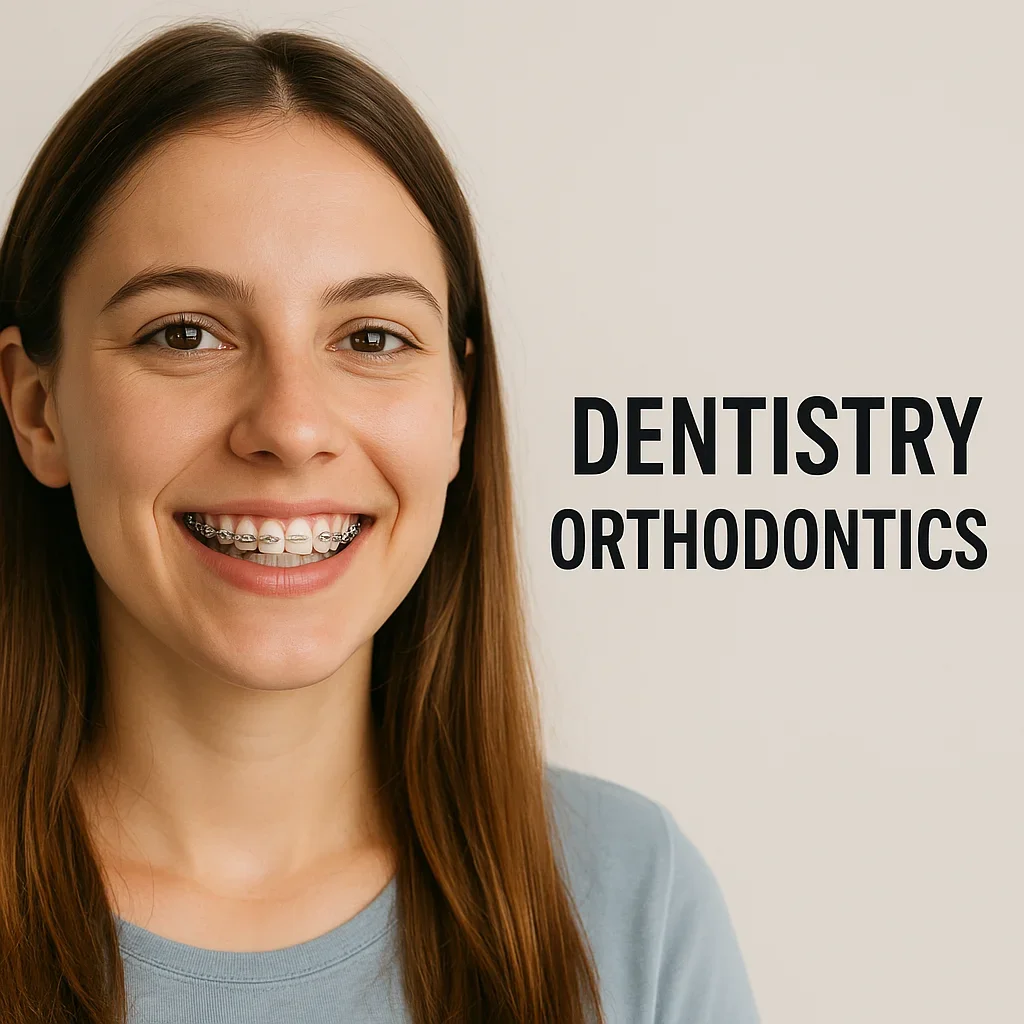
The Future of Dentistry Orthodontics: Innovations and Trends Ahead
The field of dentistry orthodontics is evolving at a remarkable pace, transforming how dental professionals diagnose, plan, and execute treatments. From artificial intelligence to 3D printing and digital monitoring, emerging technologies are redefining patient experience, precision, and treatment speed. As we move deeper into the 2020s, orthodontics is becoming more personalized, efficient, and comfortable than ever before — heralding a new era of digital dental excellence. 🚀
Digital Revolution in Orthodontics
In the past decade, orthodontics has shifted from manual, impression-based methods to advanced digital workflows. Today, nearly every leading clinic in dentistry orthodontics uses 3D imaging, AI algorithms, and cloud-based platforms to plan and monitor treatment outcomes with millimeter precision.
1. 3D Scanning and Digital Impressions
Gone are the days of messy molds and uncomfortable trays. Intraoral scanners now allow orthodontists to create ultra-accurate 3D models of a patient’s teeth within minutes. These digital impressions enhance comfort, speed up diagnosis, and improve treatment predictability. Clinics using this technology can instantly simulate expected results, helping patients visualize their future smiles even before starting treatment.
2. Artificial Intelligence (AI) in Treatment Planning
AI-powered software has become a cornerstone of modern dentistry orthodontics. By analyzing patient data, bone structure, and bite patterns, AI systems assist orthodontists in creating personalized treatment plans that optimize tooth movement and shorten treatment duration. These algorithms can even predict how each tooth will respond to applied forces, minimizing errors and improving success rates.
3. Cloud-Based Treatment Monitoring
Remote monitoring platforms allow orthodontists to track progress virtually. Using smartphone apps and AI analysis, patients can upload photos or scans of their teeth for review. This not only reduces in-person visits but also ensures consistent oversight. Such innovations enhance convenience, especially for patients with busy schedules or those living far from clinics.
3D Printing and Custom Appliance Manufacturing
3D printing is another groundbreaking advancement shaping the future of dentistry orthodontics. It enables clinics to design and manufacture custom appliances in-house, reducing both costs and waiting times. Clear aligners, retainers, and even brackets can now be fabricated directly from digital scans with incredible precision.
Applications of 3D Printing in Orthodontics
- Clear Aligners: Tailored for each patient, 3D-printed aligners offer enhanced comfort and faster turnaround.
- Brackets and Archwires: Customized braces components allow for more efficient tooth movement.
- Retainers: Digital files can be stored and reprinted anytime if the retainer is lost or damaged.
- Surgical Guides: For complex cases, printed models assist in precision-based oral surgeries.
These innovations are dramatically improving workflow efficiency while maintaining exceptional accuracy. What once took weeks can now be achieved in a matter of days.
Aligner Therapy and the Rise of Clear Solutions
Modern patients are increasingly seeking discreet, flexible orthodontic solutions. As a result, clear aligners have become a dominant force in the dentistry orthodontics landscape. Brands like Invisalign, Spark, and SureSmile have advanced their technology to include more complex case capabilities — from mild crowding to full bite corrections.
Next-Generation Aligner Innovations
- AI-Guided Aligners: Real-time feedback ensures faster, more predictable results.
- Smart Material Technology: Thermo-responsive polymers improve comfort and adapt to natural tooth movement.
- Augmented Reality Visualization: Patients can preview smile transformations during consultations.
Clear aligners are no longer just a cosmetic option — they represent a fusion of precision engineering and digital innovation that defines the future of orthodontic care.
Biological Advances: Faster and More Comfortable Treatments
Research in biomaterials and cellular biology is leading to methods that accelerate tooth movement while minimizing discomfort. This next phase of dentistry orthodontics focuses on enhancing the biological response to orthodontic forces.
Recent Developments Include:
- Micro-osteoperforation: A minimally invasive technique that stimulates bone remodeling for faster movement.
- Low-Level Laser Therapy (LLLT): Uses light energy to reduce inflammation and speed up cell regeneration.
- Vibration-Based Accelerators: Gentle vibrations stimulate bone metabolism, reducing treatment time by up to 30%.
These bioadaptive methods align with the growing demand for faster, less invasive treatment experiences, positioning dentistry orthodontics at the intersection of technology and biology.
Personalized Orthodontics Through Big Data
In the era of precision medicine, orthodontics is embracing big data analytics to deliver individualized care. Machine learning models analyze thousands of past cases to predict outcomes, identify risks, and recommend optimized treatment sequences. The result is an evidence-based approach where every adjustment is data-driven and patient-specific.
Sustainability in Modern Orthodontic Practice
Eco-friendly practices are increasingly important in the dental world. Many forward-thinking clinics are now adopting sustainable materials and reducing plastic waste through reusable aligner trays and biodegradable packaging. Digital records also minimize paper use and storage needs. Sustainability has become a defining factor of responsible dentistry orthodontics in 2025 and beyond.
Integration with General Dentistry and Holistic Care
The future of orthodontics is not isolated from general dental care. Instead, it is integrated into a comprehensive approach that considers oral, skeletal, and even systemic health. Orthodontists now work closely with periodontists, prosthodontists, and cosmetic dentists to ensure treatments are functional, stable, and aesthetically harmonious.
The Role of Education and Patient Empowerment
With information now widely accessible, patients are more informed and involved in their treatment decisions than ever. Interactive digital tools allow users to visualize progress, understand procedures, and engage with their care team. This transparency fosters trust and compliance — a central goal in the philosophy of modern dentistry orthodontics.
Global Trends and Access to Orthodontic Care
As technology becomes more affordable, advanced orthodontic care is spreading globally. Countries like Turkey, South Korea, and Poland have become hubs for high-quality, cost-effective orthodontic treatments. Clinics such as Redent Klinik Contact Page exemplify this global shift, offering world-class orthodontic services with digital precision and international standards.
Final Thoughts
The future of dentistry orthodontics is bright, digital, and deeply personalized. From AI-guided diagnostics to sustainable materials and biological acceleration, every innovation points toward a more efficient, comfortable, and patient-centered experience. The integration of technology and human expertise ensures that orthodontic care will continue to evolve — delivering not only straighter smiles but also healthier, happier lives. 🌟
As we look ahead, one truth remains constant: a confident smile will always be timeless, but how we achieve it is becoming more advanced and exciting than ever.