
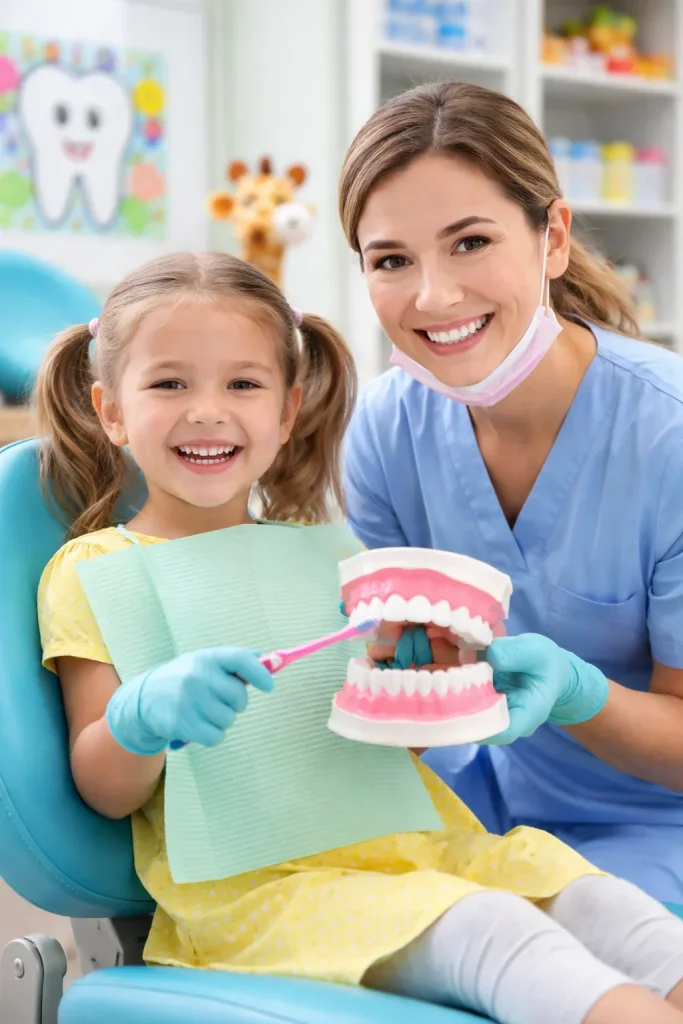
Dentistry pediatric is a specialized branch of dental care focused entirely on the oral health of infants, children, and adolescents. Unlike general dentistry, dentistry pediatric takes into account the physical, emotional, and psychological development of children at every stage of growth. Parents often underestimate how early dental care influences lifelong oral health, but dentistry pediatric is designed to guide children safely from their first baby tooth through their teenage years 😊.
At its core, dentistry pediatric is not just about treating cavities or checking teeth. It is a preventive, educational, and supportive discipline that helps children develop healthy habits, positive attitudes toward dental visits, and strong teeth and gums that last into adulthood. Because children’s mouths are constantly changing, dentistry pediatric professionals receive additional training beyond dental school to understand growth patterns, jaw development, and child behavior management.
One of the main reasons dentistry pediatric is so important is that dental problems can begin much earlier than most parents realize. Tooth decay is one of the most common chronic childhood conditions worldwide. Dentistry pediatric focuses on early detection, allowing issues to be addressed before they become painful, expensive, or emotionally traumatic for the child. Early visits also help normalize dental care, reducing fear and anxiety later in life.
Dentistry pediatric specialists are trained to communicate with children in a way that builds trust. A pediatric dental environment is intentionally designed to feel friendly and non-threatening, using child-focused language, colorful spaces, and gentle techniques 😄. This approach is essential because a child’s first dental experiences often shape how they feel about oral healthcare for the rest of their life.
Another critical role of dentistry pediatric is parental education. Parents are guided on proper brushing techniques, fluoride use, nutrition choices, and habits such as thumb sucking or pacifier use. Dentistry pediatric professionals understand that prevention starts at home, and they work closely with families to create routines that support healthy development.
Dentistry pediatric also plays a major role in monitoring developmental milestones. Baby teeth are not “temporary” in importance; they guide permanent teeth into proper positions and support speech development and chewing function. When baby teeth are lost too early due to decay or trauma, dentistry pediatric interventions help maintain space and prevent long-term orthodontic issues.
Children with special healthcare needs benefit significantly from dentistry pediatric expertise. Pediatric dental specialists are trained to adapt treatments for children with physical, developmental, or emotional challenges, ensuring safe and compassionate care. This is another reason dentistry pediatric differs fundamentally from standard dental services.
From a public health perspective, dentistry pediatric contributes to overall well-being. Poor oral health in children has been linked to difficulties in eating, sleeping, concentrating at school, and even self-esteem. By prioritizing dentistry pediatric care early, families support not just healthy smiles but healthier childhood development overall 🌱.
Authoritative organizations such as the American Dental Association strongly emphasize early and consistent pediatric dental care. Their guidelines reinforce that dentistry pediatric visits should begin as soon as the first tooth appears or no later than the child’s first birthday.
If you are looking for professional guidance or want to schedule a consultation, you can reach out through the Redent Klinik Contact Page. Access to trusted dentistry pediatric services ensures that your child’s oral health journey begins on the strongest possible foundation.
In summary, dentistry pediatric is an essential investment in your child’s future health. It combines prevention, education, early intervention, and emotional support into one comprehensive approach. By choosing dentistry pediatric care early, parents give their children the gift of confidence, comfort, and lifelong oral health 🦷.
When Should a Child First Visit a Dentistry Pediatric Specialist?
One of the most common questions parents ask is when their child should first see a dentistry pediatric specialist. Many assume dental visits are only necessary once all baby teeth have appeared, but modern dentistry pediatric guidelines strongly disagree. Early dental visits are essential for prevention, education, and building a positive relationship between the child and oral healthcare 🦷.
According to widely accepted recommendations, a child’s first dentistry pediatric visit should take place when the first tooth erupts or no later than their first birthday. This early timing may seem surprising, but dentistry pediatric focuses on prevention rather than waiting for problems to occur. By starting early, potential issues can be identified before they become serious.
Why the First Year Matters in Dentistry Pediatric Care
The first year of life is a critical period for oral development. During this time, baby teeth begin to emerge, feeding habits are established, and oral bacteria start to colonize the mouth. Dentistry pediatric specialists are trained to evaluate these early changes and guide parents on proper care routines.
Early dentistry pediatric visits are usually short and gentle. The goal is not complex treatment but observation, guidance, and reassurance. The specialist checks gum health, early tooth eruption patterns, and jaw development while educating parents on brushing techniques, fluoride use, and diet choices 😊.
Another reason dentistry pediatric visits begin early is to identify risk factors for tooth decay. Factors such as prolonged bottle feeding, sugary drinks, or frequent snacking can significantly increase cavity risk. Dentistry pediatric professionals help parents understand how daily habits affect oral health and how to adjust them safely.
What Happens During a Child’s First Dentistry Pediatric Visit?
A first dentistry pediatric appointment is designed to be stress-free and informative. The child may sit on the parent’s lap while the dentist performs a brief examination. This approach helps the child feel safe while allowing the dentistry pediatric specialist to assess early development.
During this visit, parents receive personalized guidance tailored to their child’s needs. Dentistry pediatric education often includes demonstrations of proper brushing, advice on pacifier use, and discussions about teething discomfort. These early conversations set the foundation for long-term oral health success.
Building Trust Through Early Dentistry Pediatric Experiences
One of the most valuable benefits of early dentistry pediatric visits is trust-building. When children are introduced to dental care before pain or fear is involved, they are more likely to feel comfortable during future appointments. Dentistry pediatric environments are intentionally welcoming, using friendly language and positive reinforcement.
This early familiarity reduces dental anxiety later in childhood. Children who start dentistry pediatric care early tend to view dental visits as a normal part of healthcare rather than something to fear. This psychological benefit is just as important as the physical care provided.
How Often Should Children Visit Dentistry Pediatric Clinics?
After the first visit, most dentistry pediatric specialists recommend checkups every six months. These regular visits allow continuous monitoring of tooth eruption, bite alignment, and oral hygiene habits. Dentistry pediatric care adapts as the child grows, addressing new challenges at each developmental stage.
For children at higher risk of cavities, more frequent dentistry pediatric visits may be advised. Risk factors include a family history of dental disease, enamel defects, or dietary habits high in sugar. Dentistry pediatric professionals customize follow-up schedules based on individual needs rather than a one-size-fits-all approach.
Common Parental Concerns About Early Dentistry Pediatric Visits
Some parents worry that early dentistry pediatric visits are unnecessary or stressful for young children. In reality, delaying care often increases the likelihood of emergency visits caused by pain or infection. Dentistry pediatric focuses on prevention, making early visits calm, educational, and reassuring.
Another concern is cost, but preventive dentistry pediatric care is typically more affordable than treating advanced dental problems later. Early guidance can help families avoid extensive treatments, making dentistry pediatric both a health-conscious and cost-effective choice 💡.
In summary, the ideal time for a child’s first dentistry pediatric visit is much earlier than many parents expect. Starting dental care in the first year of life supports healthy development, prevents disease, and builds lifelong positive attitudes toward oral health. Dentistry pediatric is not just about teeth—it’s about setting children up for a confident, healthy future.
How Dentistry Pediatric Supports Healthy Tooth Development
Healthy tooth development is one of the primary goals of dentistry pediatric care. From the moment the first baby tooth appears, a child’s mouth begins a complex developmental process that affects chewing, speech, facial structure, and long-term oral health. Dentistry pediatric focuses on guiding this process carefully, ensuring that each stage of growth is supported correctly and problems are addressed early 🦷.
Unlike adult dentistry, dentistry pediatric must constantly adapt to change. Children’s teeth are erupting, falling out, and being replaced by permanent teeth over many years. During this time, the jaw grows, the bite evolves, and habits form. Dentistry pediatric specialists are trained to monitor these changes and intervene when development does not follow a healthy path.
The Role of Baby Teeth in Dentistry Pediatric Care
A common misconception among parents is that baby teeth are unimportant because they will eventually fall out. Dentistry pediatric strongly emphasizes that baby teeth play a crucial role in overall development. They help children chew properly, support clear speech, and most importantly, maintain space for permanent teeth.
When baby teeth are lost too early due to decay or injury, neighboring teeth can shift into the empty space. Dentistry pediatric interventions help prevent this movement, which can otherwise lead to crowding, misalignment, or the need for orthodontic treatment later. Preserving baby teeth whenever possible is a key principle in dentistry pediatric care.
Monitoring Tooth Eruption and Jaw Growth
Dentistry pediatric specialists carefully track the timing and sequence of tooth eruption. While there is a normal range for when teeth appear, significant delays or irregular patterns may signal underlying issues. Dentistry pediatric exams allow early detection of conditions such as impacted teeth, missing teeth, or abnormal eruption paths.
Jaw growth is another critical area monitored through dentistry pediatric care. The upper and lower jaws must develop in harmony to create a healthy bite. If discrepancies appear early, dentistry pediatric specialists can recommend guidance strategies or early orthodontic evaluations to minimize future complications 😊.
How Dentistry Pediatric Identifies Bite and Alignment Issues Early
Bite problems often begin in childhood, even before all permanent teeth are present. Dentistry pediatric professionals assess how teeth come together during chewing and speaking. Early signs of overbite, underbite, or crossbite can be detected long before they become severe.
By identifying these issues early, dentistry pediatric care allows for timely referrals or preventive strategies. In some cases, simple habit changes or space maintenance can significantly reduce the need for complex orthodontic treatment in adolescence.
Nutrition and Its Impact on Tooth Development
Nutrition plays a vital role in healthy tooth development, and dentistry pediatric care includes extensive guidance on diet. Teeth require essential minerals such as calcium and phosphorus to develop strong enamel. Dentistry pediatric specialists educate families on balanced diets that support both oral and overall health.
Excessive sugar intake is one of the biggest threats to developing teeth. Dentistry pediatric care helps parents understand how frequent snacking, sugary drinks, and processed foods contribute to decay. Rather than focusing only on restrictions, dentistry pediatric emphasizes smart choices and healthy routines.
Oral Habits and Developmental Guidance in Dentistry Pediatric
Childhood habits such as thumb sucking, prolonged pacifier use, or mouth breathing can influence tooth alignment and jaw development. Dentistry pediatric specialists evaluate these habits during routine visits and advise parents on when intervention may be necessary.
Dentistry pediatric guidance is always age-appropriate and supportive. Rather than creating stress or pressure, specialists work with families to gently transition children away from habits that could interfere with normal development 🌱.
Preventive Treatments That Support Development
Preventive care is a cornerstone of dentistry pediatric. Treatments such as fluoride applications and dental sealants strengthen enamel and protect developing teeth from decay. These preventive measures are especially important during early years when brushing skills are still developing.
Dentistry pediatric care also includes regular cleanings and monitoring of oral hygiene techniques. As children grow, dentistry pediatric specialists adjust recommendations to match their motor skills and maturity level, ensuring effective daily care at home.
In conclusion, dentistry pediatric plays a vital role in supporting healthy tooth and jaw development from infancy through adolescence. By focusing on prevention, early detection, education, and guidance, dentistry pediatric ensures that children grow into adulthood with strong teeth, healthy bites, and confident smiles 😄. This proactive approach lays the foundation for lifelong oral health and reduces the risk of complex dental problems in the future.
Common Treatments Offered in Dentistry Pediatric Clinics
Dentistry pediatric clinics provide a wide range of treatments specifically designed to meet the unique needs of children. Because children’s teeth, jaws, and behaviors differ significantly from adults, dentistry pediatric treatments focus on prevention, gentle intervention, and education. These clinics are equipped to handle everything from routine checkups to specialized procedures, all while maintaining a child-friendly and supportive environment 😊.
The goal of dentistry pediatric treatment is not only to address existing dental issues but also to prevent future problems. By tailoring care to each developmental stage, dentistry pediatric clinics help children maintain healthy smiles while reducing the risk of fear, discomfort, and long-term complications.
Preventive Care as the Foundation of Dentistry Pediatric Treatment
Preventive care is the cornerstone of dentistry pediatric clinics. Regular dental checkups allow specialists to monitor oral development, identify early signs of decay, and reinforce healthy habits. Dentistry pediatric professionals emphasize prevention because it is far easier and less stressful to stop problems before they start.
Professional cleanings are a routine part of dentistry pediatric care. These cleanings remove plaque and tartar that regular brushing may miss, especially in hard-to-reach areas. Dentistry pediatric hygienists also teach children proper brushing and flossing techniques in an age-appropriate way, helping them feel confident in caring for their own teeth.
Fluoride Treatments and Dental Sealants
Fluoride treatments are among the most common preventive services in dentistry pediatric clinics. Fluoride strengthens tooth enamel, making it more resistant to decay. This treatment is especially beneficial for children whose brushing skills are still developing or who are at higher risk for cavities.
Dental sealants are another key preventive treatment offered in dentistry pediatric care. Sealants are thin protective coatings applied to the chewing surfaces of back teeth, where cavities are most likely to form. By sealing these grooves, dentistry pediatric clinics significantly reduce the risk of decay during critical developmental years 🦷.
Why Sealants Are Especially Important in Dentistry Pediatric Care
Children’s molars often have deep grooves that trap food and bacteria. Even with good brushing habits, these areas can be difficult to clean thoroughly. Dentistry pediatric specialists recommend sealants as a safe, painless, and effective way to protect these vulnerable teeth.
Sealants can last for several years and are monitored during routine dentistry pediatric visits. If needed, they can be repaired or replaced, providing long-term protection throughout childhood.
Managing Cavities and Tooth Decay in Children
Despite preventive efforts, cavities can still occur. Dentistry pediatric clinics are well-equipped to treat tooth decay using techniques designed to minimize discomfort and anxiety. Fillings for children are typically performed with gentle methods and child-friendly explanations to ensure a positive experience.
When cavities affect baby teeth, dentistry pediatric specialists prioritize treatments that preserve the tooth whenever possible. Maintaining baby teeth helps support proper chewing, speech development, and spacing for permanent teeth.
Pulp Therapy and Advanced Pediatric Treatments
In cases where decay reaches the inner part of the tooth, dentistry pediatric clinics may recommend pulp therapy. This treatment removes infected tissue while preserving the remaining healthy structure of the tooth. Pulp therapy is a common dentistry pediatric procedure that helps avoid premature tooth loss.
Dentistry pediatric clinics are also experienced in managing dental trauma, such as chipped or knocked-out teeth. Children are active and accidents happen, so having access to specialized dentistry pediatric care ensures prompt and appropriate treatment when injuries occur.
Behavior Guidance and Comfort-Focused Dentistry Pediatric Techniques
A defining feature of dentistry pediatric clinics is their focus on behavior guidance. Pediatric dental specialists are trained to help children feel safe and relaxed during treatment. Techniques such as tell-show-do, positive reinforcement, and distraction are commonly used to build trust.
For children with severe anxiety or special healthcare needs, dentistry pediatric clinics may offer advanced comfort options. These can include mild sedation or other supportive measures, always administered with strict safety protocols and parental involvement 😊.
Orthodontic Monitoring and Early Interventions
While full orthodontic treatment may occur later, dentistry pediatric clinics play a vital role in early orthodontic monitoring. Specialists assess bite alignment, jaw growth, and spacing issues during routine visits. Early detection allows for timely referrals and preventive strategies.
Dentistry pediatric care may include space maintainers when baby teeth are lost prematurely. These devices help preserve space for permanent teeth, reducing the likelihood of crowding and complex orthodontic issues later.
In summary, dentistry pediatric clinics offer a comprehensive range of treatments tailored to children’s unique needs. From preventive care and cavity management to trauma treatment and developmental monitoring, dentistry pediatric services are designed to protect oral health while creating positive dental experiences. This holistic approach ensures that children grow up with healthy teeth, strong habits, and confidence in dental care 😄.
The Role of Dentistry Pediatric in Preventing Cavities Early
Preventing cavities before they become serious problems is one of the most important responsibilities of dentistry pediatric care. Tooth decay can begin as soon as the first baby teeth erupt, and without proper guidance, small issues can quickly turn into painful infections. Dentistry pediatric focuses on early prevention strategies that protect developing teeth and reduce the need for invasive treatments later in life 🦷.
Children are naturally more vulnerable to cavities because their enamel is thinner, brushing skills are still developing, and diets may include sugary snacks or drinks. Dentistry pediatric professionals understand these risk factors and design preventive care plans that match each child’s age, habits, and oral health needs.
Why Children Are at Higher Risk for Cavities
Baby teeth have softer enamel compared to adult teeth, making them more susceptible to decay. Dentistry pediatric specialists monitor enamel strength and look for early warning signs such as white spots or surface changes that indicate the beginning of cavity formation.
Another major factor is behavior. Young children may not brush thoroughly or consistently, even with parental supervision. Dentistry pediatric care addresses this challenge by teaching both children and parents effective brushing and flossing techniques that are easy to follow at home 😊.
Early Detection Through Routine Dentistry Pediatric Visits
Routine checkups are a powerful tool in dentistry pediatric cavity prevention. During regular visits, specialists can detect early-stage decay long before it causes pain. This allows for simple, non-invasive interventions rather than extensive treatments.
Dentistry pediatric exams also help identify patterns that increase cavity risk, such as frequent snacking or nighttime bottle use. By addressing these behaviors early, dentistry pediatric care reduces the likelihood of repeated decay.
The Importance of Early Diagnosis in Dentistry Pediatric Care
Early diagnosis allows dentistry pediatric professionals to take action when decay is still reversible. In some cases, strengthening enamel with fluoride and improving oral hygiene can stop cavities from progressing. This proactive approach is a hallmark of dentistry pediatric philosophy.
Without early dentistry pediatric intervention, cavities can worsen silently, leading to infections that require fillings, pulp therapy, or even tooth extraction. Preventive care helps avoid these outcomes.
Fluoride as a Key Tool in Dentistry Pediatric Prevention
Fluoride plays a central role in dentistry pediatric cavity prevention. It strengthens enamel, making teeth more resistant to acid attacks caused by bacteria. Dentistry pediatric clinics often provide professional fluoride treatments during routine visits.
In addition to in-office treatments, dentistry pediatric specialists guide parents on appropriate fluoride use at home. This includes selecting the right toothpaste and understanding how much fluoride is safe and effective for each age group 🪥.
Dental Sealants and Long-Term Protection
Dental sealants are one of the most effective preventive tools in dentistry pediatric care. These protective coatings shield the deep grooves of molars, where cavities commonly form. Sealants are painless, quick to apply, and highly effective at reducing decay risk.
Dentistry pediatric professionals recommend sealants especially during the years when permanent molars first erupt. Protecting these teeth early can prevent cavities during a critical stage of oral development.
Nutrition Guidance in Dentistry Pediatric Cavity Prevention
Diet plays a significant role in cavity development, and dentistry pediatric care includes detailed nutritional counseling. Frequent exposure to sugar feeds harmful bacteria, increasing acid production that weakens enamel.
Rather than focusing only on restriction, dentistry pediatric specialists encourage balanced eating habits. Parents learn how timing, food choices, and hydration affect oral health, making prevention a daily, achievable goal 🍎.
Teaching Lifelong Habits Through Dentistry Pediatric Education
Education is a cornerstone of dentistry pediatric prevention. Children are taught in a fun, engaging way how to care for their teeth, while parents receive practical advice tailored to their child’s needs. This dual approach ensures consistency between the dental clinic and home care routines.
Dentistry pediatric care emphasizes that cavity prevention is a partnership. When families understand the “why” behind recommendations, they are more likely to follow through and maintain healthy habits over time.
In conclusion, dentistry pediatric plays a crucial role in preventing cavities early by combining routine monitoring, preventive treatments, education, and personalized guidance. By addressing risk factors before they cause damage, dentistry pediatric care protects children from pain, stress, and unnecessary procedures. This preventive focus supports healthier smiles, happier dental experiences, and stronger oral health foundations that last well into adulthood 😄.
How Dentistry Pediatric Helps Reduce Dental Fear and Anxiety
Dental fear and anxiety are common among children, and addressing these emotions is a core responsibility of dentistry pediatric care. Many adults who avoid dental visits trace their fears back to negative childhood experiences. Dentistry pediatric aims to break this cycle by creating positive, supportive, and fear-free dental encounters from the very beginning 😊.
Children perceive dental environments differently than adults. Unfamiliar sounds, bright lights, and strange instruments can feel overwhelming. Dentistry pediatric specialists are trained to understand child psychology and adapt their approach to meet children at their emotional and developmental level. This specialized care helps transform dental visits from something frightening into something familiar and manageable.
Understanding the Roots of Dental Anxiety in Children
Dental anxiety in children can develop for several reasons. Fear of pain, separation from parents, previous medical experiences, or even stories heard from others can all contribute. Dentistry pediatric professionals take time to identify these triggers and address them gently.
Young children often fear the unknown. Dentistry pediatric care minimizes this fear by explaining procedures in simple, non-threatening language. Instead of focusing on technical details, specialists use child-friendly terms that help children feel informed and in control.
Creating a Child-Friendly Dentistry Pediatric Environment
The physical environment of a dentistry pediatric clinic plays a significant role in reducing anxiety. Bright colors, playful decorations, and welcoming waiting areas are intentionally designed to help children feel relaxed. These elements create a sense of safety and familiarity from the moment the child enters the clinic.
Dentistry pediatric teams also focus on emotional comfort. Friendly greetings, patient listening, and positive reinforcement are essential parts of the experience. When children feel respected and understood, their anxiety naturally decreases 😊.
The Power of First Impressions in Dentistry Pediatric Care
First dental visits are especially influential. A calm, positive first experience sets the tone for future care. Dentistry pediatric specialists prioritize gentle introductions during early visits, often limiting procedures to observation and education rather than treatment.
This gradual approach helps children associate dentistry pediatric visits with safety rather than discomfort. Over time, familiarity builds confidence, making future appointments easier and less stressful.
Behavior Guidance Techniques Used in Dentistry Pediatric
Dentistry pediatric professionals use evidence-based behavior guidance techniques to help children cope with fear. One common method is “tell-show-do,” where the dentist explains what will happen, demonstrates it in a non-threatening way, and then performs the procedure. This transparency reduces uncertainty and builds trust.
Positive reinforcement is another essential tool in dentistry pediatric care. Praising cooperative behavior and celebrating small successes encourages children to feel proud and confident. These moments reinforce the idea that dental visits are manageable and even rewarding.
Parental Involvement in Reducing Dental Anxiety
Parents play a critical role in shaping a child’s attitude toward dental care. Dentistry pediatric specialists work closely with parents to ensure consistent messaging. Children are highly sensitive to parental emotions, so calm and positive communication is essential.
Dentistry pediatric care often includes guidance for parents on how to talk about dental visits at home. Avoiding negative language and emphasizing routine care helps children approach appointments with a more relaxed mindset.
Advanced Comfort Options in Dentistry Pediatric Care
For some children, especially those with severe anxiety or special healthcare needs, additional comfort measures may be necessary. Dentistry pediatric clinics are equipped to offer safe and controlled options such as mild sedation or relaxation techniques when appropriate.
These approaches are always used with careful assessment and parental consent. Dentistry pediatric specialists prioritize safety while ensuring that the child’s emotional well-being is protected throughout the process 🦷.
Long-Term Emotional Benefits of Dentistry Pediatric Support
Reducing fear during childhood has lasting benefits. Children who receive compassionate dentistry pediatric care are more likely to continue regular dental visits into adulthood. This consistency leads to better oral health outcomes and fewer complex treatments later in life.
Dentistry pediatric also helps children develop coping skills and confidence. Learning to manage anxiety in a supportive environment can positively influence how children handle other healthcare experiences.
In conclusion, dentistry pediatric plays a vital role in reducing dental fear and anxiety by combining child-centered communication, welcoming environments, behavior guidance techniques, and parental involvement. By prioritizing emotional comfort alongside clinical care, dentistry pediatric helps children build trust, confidence, and positive associations with dental health. These early experiences lay the foundation for a lifetime of stress-free dental care and healthier smiles 😄.
Pediatric Dentistry vs General Dentistry: Key Differences Explained
Many parents wonder whether there is a real difference between pediatric dentistry and general dentistry when it comes to caring for their children. While both fields aim to maintain oral health, dentistry pediatric is a highly specialized discipline created specifically to address the unique needs of children from infancy through adolescence. Understanding these differences helps parents make informed decisions that directly impact their child’s comfort, development, and long-term oral health 🦷.
Dentistry pediatric is not simply general dentistry applied to smaller patients. It is a separate specialty that requires additional years of training focused on child development, behavior management, and growth-related dental changes. This specialized knowledge allows dentistry pediatric professionals to deliver care that is both clinically effective and emotionally supportive.
Specialized Training in Dentistry Pediatric Care
After completing dental school, a dentistry pediatric specialist undergoes advanced training dedicated entirely to treating children. This training covers infant oral health, child psychology, growth and development, and specialized treatment techniques. General dentistry education, while comprehensive, does not focus as deeply on these pediatric-specific areas.
Because children’s teeth, jaws, and facial structures are constantly changing, dentistry pediatric professionals are trained to recognize subtle developmental issues early. This expertise allows dentistry pediatric care to be proactive rather than reactive, addressing concerns before they become serious problems 😊.
Approach to Child Behavior and Communication
One of the most significant differences between dentistry pediatric and general dentistry lies in communication style. Dentistry pediatric specialists use age-appropriate language, storytelling, and reassurance techniques to help children feel safe and understood. This approach is essential for building trust and cooperation.
General dentistry clinics may not always be equipped to manage children’s emotional responses effectively. Dentistry pediatric professionals, on the other hand, are trained to handle fear, anxiety, and resistance with patience and skill, creating a more positive experience for young patients.
Why Communication Matters More in Dentistry Pediatric
Children process information differently than adults. Dentistry pediatric care adapts explanations to match a child’s cognitive level, helping them understand what is happening without feeling overwhelmed. This reduces fear and increases cooperation during visits.
By focusing on clear, gentle communication, dentistry pediatric specialists help children develop confidence in dental settings. This confidence often carries into adulthood, reducing dental avoidance later in life.
Clinical Environment and Equipment Differences
The physical environment of a dentistry pediatric clinic is intentionally designed for children. Bright colors, playful themes, and child-sized equipment help create a welcoming atmosphere. These design choices are not merely decorative; they play an important role in reducing stress and anxiety.
Dentistry pediatric clinics also use equipment specifically suited for smaller mouths and developing teeth. This allows for more precise and comfortable treatment compared to equipment designed primarily for adults.
Preventive Focus in Dentistry Pediatric vs General Dentistry
While prevention is important in all dental care, dentistry pediatric places an even stronger emphasis on early prevention. Regular monitoring, fluoride treatments, sealants, and parental education are central components of dentistry pediatric care.
General dentistry often focuses on maintenance and repair, whereas dentistry pediatric aims to guide development and prevent problems before they occur. This preventive mindset is especially valuable during childhood, when habits and growth patterns are being established 🌱.
Handling Developmental and Growth-Related Issues
Dentistry pediatric specialists are trained to track jaw growth, tooth eruption patterns, and bite development over time. This ongoing assessment allows early identification of issues that may require orthodontic attention or habit intervention.
General dentistry may identify these concerns later, but dentistry pediatric care is structured around long-term monitoring throughout childhood. This continuity ensures that developmental changes are evaluated in context, leading to more effective outcomes.
Care for Children with Special Healthcare Needs
Another key distinction is the ability of dentistry pediatric clinics to care for children with special healthcare needs. Pediatric dental specialists receive training in adapting treatments for children with physical, developmental, or sensory challenges.
Dentistry pediatric care prioritizes individualized approaches, ensuring that every child receives safe, compassionate, and effective treatment regardless of their needs. This level of specialization may not always be available in general dentistry settings.
In summary, while both pediatric dentistry and general dentistry play important roles in oral health, dentistry pediatric is uniquely equipped to meet the needs of children. Through specialized training, child-centered communication, preventive focus, and developmentally appropriate care, dentistry pediatric offers a level of expertise that supports healthy growth and positive dental experiences. Choosing dentistry pediatric care gives children the best possible foundation for lifelong oral health and confidence 😄.
Choosing the Right Dentistry Pediatric Clinic for Your Child
Selecting the right dentistry pediatric clinic is one of the most important decisions parents can make for their child’s long-term oral health. Because early dental experiences strongly influence how children feel about dental care throughout their lives, the quality of dentistry pediatric services matters far beyond routine checkups. A well-chosen clinic supports not only healthy teeth but also emotional comfort, trust, and confidence 😊.
Dentistry pediatric clinics are not all the same. Differences in training, environment, communication style, and preventive philosophy can significantly affect your child’s experience. Understanding what to look for helps parents choose a dentistry pediatric provider that aligns with their child’s needs and family values.
Qualifications and Specialized Training in Dentistry Pediatric
The first factor to consider when choosing a dentistry pediatric clinic is professional training. A true dentistry pediatric specialist has completed additional years of education focused entirely on treating children. This training includes child development, growth patterns, behavior management, and pediatric-specific treatment techniques.
Dentistry pediatric specialists are better equipped to recognize developmental concerns early and respond appropriately. Their expertise allows them to tailor care to each stage of childhood, from infancy through adolescence, ensuring accurate diagnosis and age-appropriate treatment.
The Importance of a Child-Friendly Dentistry Pediatric Environment
The physical environment of a dentistry pediatric clinic plays a major role in how children perceive dental visits. Bright colors, playful themes, and welcoming waiting areas help reduce fear and anxiety. These elements create a sense of familiarity that makes children feel safe from the moment they arrive.
Dentistry pediatric clinics are intentionally designed with children in mind. Child-sized equipment, friendly visuals, and engaging distractions help make visits more comfortable. A calm environment supports cooperation and builds positive associations with dental care 🦷.
Why Environment Matters in Dentistry Pediatric Care
Children are highly sensitive to their surroundings. A cold or intimidating setting can increase anxiety, while a warm and playful environment encourages relaxation. Dentistry pediatric clinics use design as a tool to support emotional well-being alongside clinical care.
When children feel comfortable in the environment, they are more likely to cooperate during examinations and treatments. This leads to smoother appointments and better outcomes for both the child and the dental team.
Communication Style and Parent Involvement
Effective communication is a cornerstone of quality dentistry pediatric care. The right clinic takes time to explain procedures in clear, age-appropriate language that children can understand. This transparency reduces fear and helps children feel involved rather than overwhelmed.
Dentistry pediatric professionals also prioritize parent education. Parents should feel comfortable asking questions and receiving clear guidance on home care, nutrition, and preventive strategies. A strong partnership between the clinic and family supports consistent oral health habits at home.
Preventive Philosophy in Dentistry Pediatric Clinics
A high-quality dentistry pediatric clinic emphasizes prevention over treatment. Regular monitoring, fluoride applications, sealants, and early guidance are signs of a preventive-focused approach. Clinics that prioritize prevention help reduce the need for invasive procedures later.
Dentistry pediatric care should adapt as your child grows. The best clinics offer personalized care plans based on risk factors, developmental changes, and lifestyle habits rather than using a one-size-fits-all approach 🌱.
Experience with Anxious or Special-Needs Children
Not all children respond to dental care in the same way. Some may experience anxiety, sensory sensitivities, or developmental challenges. A strong dentistry pediatric clinic has experience working with diverse needs and adapts care accordingly.
Dentistry pediatric specialists are trained to use gentle behavior guidance techniques and, when necessary, additional comfort options. This ensures that every child receives compassionate and effective care regardless of their individual challenges.
Accessibility, Continuity, and Long-Term Care
Consistency is essential in dentistry pediatric care. Choosing a clinic that can support your child over many years allows for continuous monitoring of development and habits. Long-term relationships help dentistry pediatric professionals recognize subtle changes and provide timely interventions.
Accessibility is also important. A conveniently located dentistry pediatric clinic with flexible scheduling makes it easier to maintain regular visits. Consistent checkups are key to preventing problems and reinforcing healthy routines.
In conclusion, choosing the right dentistry pediatric clinic involves more than finding a nearby dentist. It requires careful consideration of training, environment, communication style, preventive philosophy, and experience with children’s unique needs. By selecting a clinic that prioritizes compassionate, preventive, and child-centered care, parents set the stage for healthy smiles, positive dental experiences, and lifelong oral health confidence 😄.
Long-Term Benefits of Dentistry Pediatric for Lifelong Oral Health
The true value of dentistry pediatric care extends far beyond childhood. While the immediate goal is to keep children’s teeth healthy and pain-free, the long-term benefits of dentistry pediatric shape oral health habits, attitudes, and outcomes for an entire lifetime. Early dental experiences influence how individuals care for their teeth, how often they seek professional care, and how confidently they approach oral health as adults 😊.
Dentistry pediatric is uniquely positioned to create this lasting impact because it focuses on prevention, education, and emotional well-being during the most formative years of life. When children grow up with consistent, positive dental care, the effects can be seen decades later.
Building Strong Oral Health Habits Early
One of the most significant long-term benefits of dentistry pediatric is the development of strong daily oral hygiene habits. Children who receive regular dentistry pediatric care learn how and why to brush and floss correctly from an early age. These routines become second nature over time.
Dentistry pediatric specialists reinforce habits at every visit, adjusting guidance as children grow. This ongoing education helps ensure that oral care evolves alongside the child’s abilities and understanding, leading to better compliance and consistency throughout life 🪥.
Reducing the Risk of Chronic Dental Problems
Preventive strategies used in dentistry pediatric significantly reduce the risk of chronic dental issues such as severe tooth decay, gum disease, and tooth loss. Early detection and intervention prevent small problems from becoming complex and costly treatments in adulthood.
Children who benefit from dentistry pediatric care are more likely to enter adulthood with healthier enamel, better bite alignment, and fewer restorative needs. This proactive approach reduces long-term healthcare costs and improves overall quality of life.
How Early Prevention Shapes Adult Oral Health
Issues like misalignment, overcrowding, or enamel weakness often begin in childhood. Dentistry pediatric care identifies and manages these concerns early, minimizing their long-term impact. Early guidance can reduce the need for extensive orthodontic or restorative procedures later.
By focusing on prevention rather than repair, dentistry pediatric helps create a healthier oral foundation that supports lifelong dental stability.
Positive Dental Attitudes That Last a Lifetime
Emotional experiences with dental care during childhood often determine whether adults approach dentistry with confidence or fear. Dentistry pediatric care prioritizes comfort, trust, and clear communication, helping children feel safe and respected.
Children who grow up with positive dentistry pediatric experiences are more likely to continue regular dental visits as adults. This consistency is crucial for maintaining oral health and detecting issues early, long after childhood ends 😊.
Supporting Overall Health Through Dentistry Pediatric Care
Oral health is closely linked to overall health, and dentistry pediatric plays an important role in this connection. Healthy teeth and gums support proper nutrition, speech development, and self-esteem during childhood, all of which influence long-term well-being.
As children become adults, the benefits continue. Good oral health reduces the risk of systemic conditions linked to poor dental hygiene, such as cardiovascular issues and infections. Dentistry pediatric care helps establish the habits that protect both oral and general health.
Confidence and Social Well-Being
A healthy smile contributes significantly to confidence and social interaction. Dentistry pediatric care helps children maintain attractive, functional smiles during critical developmental years. This confidence often carries into adolescence and adulthood.
By preventing visible dental issues and supporting proper development, dentistry pediatric helps children feel comfortable smiling, speaking, and interacting with others. These psychological benefits can influence personal and professional success later in life 🌟.
Continuity of Care and Informed Adult Patients
Children who grow up with dentistry pediatric care become informed adult patients. They understand the importance of preventive visits, recognize early signs of dental issues, and feel empowered to take responsibility for their oral health.
This awareness leads to better communication with dental professionals and more proactive decision-making. Dentistry pediatric lays the groundwork for a lifetime of informed, confident dental care choices.
In conclusion, dentistry pediatric offers far-reaching benefits that extend well beyond childhood. By building strong habits, preventing disease, fostering positive attitudes, and supporting overall health, dentistry pediatric care shapes lifelong oral health outcomes. Investing in dentistry pediatric is not just about caring for children’s teeth today—it is about creating healthier, happier smiles for decades to come 😄.

Understanding Costs, Value, and What to Expect in Dentistry Pediatric Care
For many families, understanding the costs and overall value of dentistry pediatric care is an important part of planning their child’s healthcare. While parents naturally focus on affordability, it is equally important to recognize that dentistry pediatric is an investment in long-term oral health, comfort, and prevention. When viewed through this lens, the value of dentistry pediatric care often far outweighs the short-term costs 😊.
Dentistry pediatric services are structured differently from adult dental care because they focus heavily on prevention, education, and developmental monitoring. These elements help reduce the likelihood of complex and costly treatments later in life, making dentistry pediatric a cost-effective approach over time.
What Factors Influence Dentistry Pediatric Costs?
Several factors influence the cost of dentistry pediatric care. These include the child’s age, oral health status, risk of cavities, and the type of treatments required. Preventive visits, which are central to dentistry pediatric care, are typically less costly than restorative or emergency treatments.
Dentistry pediatric clinics also tailor care plans to each child. A child with a low risk of decay may require only routine checkups and cleanings, while a higher-risk child may benefit from additional preventive services. This personalized approach ensures that families pay for care that is truly necessary and beneficial.
Preventive Dentistry Pediatric Care as a Cost-Saving Strategy
Prevention is one of the most valuable aspects of dentistry pediatric care. Regular checkups, professional cleanings, fluoride applications, and sealants help stop problems before they escalate. These preventive measures are generally more affordable than treating advanced decay or infections.
By identifying issues early, dentistry pediatric specialists can recommend simple interventions instead of complex procedures. This proactive approach helps families avoid unexpected expenses and reduces the emotional and financial stress associated with dental emergencies 🦷.
Why Early Dentistry Pediatric Visits Reduce Long-Term Expenses
Delaying dental care often leads to more severe problems that require extensive treatment. Dentistry pediatric care emphasizes early visits to catch small issues before they become painful or costly. Early intervention is not only better for the child’s health but also easier on the family budget.
Children who receive consistent dentistry pediatric care are less likely to need major restorative work or emergency treatments later, leading to significant long-term savings.
Insurance Coverage and Dentistry Pediatric Services
Many dental insurance plans include coverage for dentistry pediatric services, particularly preventive care. Routine exams, cleanings, and basic preventive treatments are often covered or partially covered, making regular visits more accessible for families.
Dentistry pediatric clinics are usually experienced in working with insurance providers and can help parents understand their benefits. Clear communication about coverage allows families to plan visits confidently and avoid surprises.
The Added Value of Specialized Dentistry Pediatric Care
While dentistry pediatric care may sometimes appear more specialized than general dental services, the added value lies in expertise and outcomes. Specialized training allows dentistry pediatric professionals to manage children’s needs more efficiently, reducing treatment time and improving cooperation.
This efficiency often translates into smoother visits and fewer complications. When children feel comfortable and procedures are done correctly the first time, dentistry pediatric care becomes both time-effective and cost-effective 😊.
Emotional and Developmental Value Beyond Cost
The benefits of dentistry pediatric care extend beyond financial considerations. Positive dental experiences reduce fear and anxiety, making children more likely to maintain regular dental care throughout life. This emotional comfort is difficult to measure but has significant long-term value.
Dentistry pediatric care also supports healthy development, confidence, and self-esteem. Preventing visible dental problems helps children feel comfortable smiling and interacting with others, contributing to overall well-being.
What Parents Should Expect from a Quality Dentistry Pediatric Clinic
A high-quality dentistry pediatric clinic provides transparent communication about treatment plans and costs. Parents should expect clear explanations, preventive-focused recommendations, and guidance tailored to their child’s needs.
Dentistry pediatric care is most effective when families feel informed and involved. Clinics that prioritize education and partnership help parents make confident decisions that support both health and budget considerations.
In conclusion, understanding the costs and value of dentistry pediatric care helps parents see the bigger picture. Dentistry pediatric is not just an expense—it is a strategic investment in prevention, development, and lifelong oral health. By focusing on early care, personalized prevention, and positive experiences, dentistry pediatric delivers long-term benefits that far exceed its immediate costs 😄.
Disclosure: this page may contain affiliate links. We may earn a commission if you use them, at no extra cost to you.