
✨ A radiant smile is one of the most powerful tools you have, both socially and professionally. Dentistry whitening has become one of the most popular cosmetic dental treatments worldwide, helping people achieve noticeably whiter teeth in a safe and effective way. Whether you are preparing for a special event, improving your confidence, or simply maintaining your oral health, understanding dentistry whitening is essential for making the right decision.
Dentistry whitening refers to a range of dental procedures designed to lighten the color of teeth by removing stains and discoloration. Over time, teeth naturally become darker due to factors such as aging, diet, lifestyle habits, and even certain medications. Coffee, tea, red wine, tobacco use, and poor oral hygiene are among the most common causes of staining. Dentistry whitening works by using specially formulated bleaching agents, typically hydrogen peroxide or carbamide peroxide, to break down stains into smaller particles, making the teeth appear brighter and more reflective. 🦷
One of the key reasons dentistry whitening is so widely recommended by dental professionals is its ability to deliver fast and noticeable results. Unlike over-the-counter products that may take weeks or even months to show minimal improvement, professional dentistry whitening treatments can significantly brighten teeth in just one session. This makes it an ideal solution for individuals looking for immediate results without compromising safety or quality.
Another important aspect of dentistry whitening is customization. Every patient has unique dental conditions, including enamel thickness, sensitivity levels, and types of stains. Professional dentistry whitening treatments are tailored to address these individual factors, ensuring optimal results while minimizing risks. Dentists evaluate your oral health before starting the procedure, ensuring there are no underlying issues such as cavities or gum disease that could interfere with the whitening process.
There are generally two main categories of dentistry whitening: in-office treatments and at-home professional kits provided by dentists. In-office dentistry whitening involves the application of a high-concentration whitening gel, often activated by a special light or laser, to accelerate the process. This method is highly effective and can lighten teeth several shades in a single visit. On the other hand, at-home dentistry whitening kits are designed for gradual improvement, allowing patients to whiten their teeth comfortably over a period of days or weeks.
It is also important to understand that dentistry whitening is not a one-size-fits-all solution. The effectiveness of the treatment depends on the type of discoloration. Extrinsic stains, which occur on the surface of the teeth, are typically easier to remove and respond well to dentistry whitening. Intrinsic stains, which are deeper and may result from trauma or medication, can be more challenging and may require additional cosmetic procedures such as veneers or bonding.
💡 One of the most frequently asked questions about dentistry whitening is whether it is safe. When performed under professional supervision, dentistry whitening is considered a safe and reliable procedure. Dentists use controlled concentrations of whitening agents and take precautions to protect the gums and surrounding tissues. However, improper use of over-the-counter products or excessive whitening can lead to tooth sensitivity or enamel damage, which is why professional guidance is always recommended.
Maintaining the results of dentistry whitening also requires commitment. After the procedure, patients are usually advised to avoid staining foods and beverages for at least 48 hours. Good oral hygiene practices, including regular brushing, flossing, and dental check-ups, play a crucial role in preserving the brightness of your smile. Additionally, occasional touch-up treatments can help extend the longevity of dentistry whitening results.
From a psychological perspective, dentistry whitening offers more than just aesthetic benefits. A brighter smile can significantly boost self-confidence, improve social interactions, and even enhance professional opportunities. Studies have shown that people with whiter teeth are often perceived as more attractive, successful, and trustworthy. 😊
For those considering dentistry whitening, consulting a trusted dental clinic is the first step toward achieving the best results. If you are looking for expert guidance and personalized care, you can visit the Redent Klinik Contact Page to schedule a consultation. Professional evaluation ensures that your dentistry whitening journey is both safe and effective.
Additionally, staying informed through reliable sources is crucial. Organizations such as the American Dental Association provide valuable information about safe dental practices, including dentistry whitening procedures and guidelines.
In conclusion, dentistry whitening is a powerful, accessible, and effective way to transform your smile. With the right approach, professional support, and proper aftercare, you can achieve long-lasting results that not only enhance your appearance but also improve your overall quality of life. 🌟 Investing in dentistry whitening is not just about aesthetics—it is about confidence, health, and making a lasting impression wherever you go.
What Is Dentistry Whitening and How Does It Work?
🦷 Dentistry whitening is one of the most sought-after cosmetic dental procedures today, designed to improve the color and brightness of natural teeth. In simple terms, dentistry whitening involves the use of specialized bleaching agents to remove stains and discoloration, resulting in a visibly whiter and more attractive smile. While many people associate dentistry whitening with purely aesthetic benefits, it also plays a role in boosting self-confidence and encouraging better oral care habits.
Understanding the Basics of Dentistry Whitening
Dentistry whitening works by targeting stains that accumulate on and within the tooth structure over time. These stains can be classified into two main categories: extrinsic stains and intrinsic stains. Extrinsic stains occur on the outer surface of the enamel and are often caused by food, drinks, and lifestyle habits such as smoking. Intrinsic stains, on the other hand, develop deeper within the tooth and may result from aging, trauma, or certain medications.
The goal of dentistry whitening is to break down these stains using chemical reactions. The most commonly used agents in dentistry whitening are hydrogen peroxide and carbamide peroxide. These compounds release oxygen molecules that penetrate the enamel and dentin layers, breaking apart stain molecules and making the teeth appear lighter. ✨
Why Teeth Become Discolored Over Time
To fully understand dentistry whitening, it is important to know why teeth lose their brightness. Several factors contribute to tooth discoloration:
- Diet: Coffee, tea, red wine, and dark-colored foods are major contributors to staining.
- Tobacco Use: Smoking or chewing tobacco leads to deep, stubborn stains.
- Aging: Enamel naturally thins over time, revealing the yellowish dentin underneath.
- Poor Oral Hygiene: Inadequate brushing and flossing allow plaque and stains to build up.
- Medications: Certain antibiotics and treatments can cause intrinsic discoloration.
Dentistry whitening is specifically designed to address these issues by reversing or minimizing their visual effects.
The Science Behind Dentistry Whitening
At a deeper level, dentistry whitening relies on oxidation reactions. When the whitening agent is applied to the teeth, it penetrates microscopic pores in the enamel. The oxygen molecules released during this process interact with the discolored molecules, breaking their chemical bonds. This reaction reduces the concentration of stains, making the teeth appear brighter.
Unlike surface cleaning methods, dentistry whitening does not simply remove stains—it alters their structure. This is why dentistry whitening is far more effective than regular brushing or over-the-counter whitening toothpaste. 🧪
Professional vs Chemical Concentrations
The effectiveness of dentistry whitening largely depends on the concentration of the bleaching agent used. Professional dentistry whitening treatments performed in dental clinics use higher concentrations of peroxide, allowing for faster and more dramatic results. In contrast, over-the-counter products contain lower concentrations, which means they require longer use and may deliver less noticeable outcomes.
Professional dentistry whitening also includes protective measures, such as gum barriers and controlled application techniques, ensuring both safety and efficiency.
Different Methods Used in Dentistry Whitening
Dentistry whitening can be performed using several different methods, each tailored to the patient’s needs and preferences. These methods include:
- In-Office Whitening: A fast and highly effective dentistry whitening method performed by a dentist using advanced tools and high-strength gels.
- Take-Home Kits: Custom trays and professional-grade whitening gel provided by a dentist for gradual dentistry whitening at home.
- Over-the-Counter Products: Whitening strips, gels, and toothpaste that offer limited dentistry whitening results.
Among these options, in-office dentistry whitening is considered the gold standard due to its immediate and predictable results. However, at-home dentistry whitening solutions are also popular for their convenience and affordability.
Who Is a Good Candidate for Dentistry Whitening?
Not everyone is an ideal candidate for dentistry whitening, and understanding this is crucial for achieving the best results. Dentistry whitening works best on natural teeth with yellowish stains. However, it may be less effective on gray or brown discoloration, and it does not work on dental restorations such as crowns, veneers, or fillings.
Before starting dentistry whitening, a dentist will evaluate your oral health to ensure there are no underlying issues such as cavities or gum disease. If necessary, these problems must be treated first to ensure safe and effective dentistry whitening.
If you are unsure whether dentistry whitening is right for you, you can consult professionals through the Redent Klinik Contact Page for personalized advice and treatment planning.
How Long Does Dentistry Whitening Take to Show Results?
The timeline for results varies depending on the method used. In-office dentistry whitening can deliver visible improvements in just one session, often within 60–90 minutes. At-home dentistry whitening kits may take several days to a few weeks to achieve similar results.
It is important to follow your dentist’s recommendations closely to maximize the effectiveness of dentistry whitening and avoid potential side effects such as sensitivity.
Factors That Influence Results
Several factors can affect the outcome of dentistry whitening, including:
- The severity and type of stains
- The concentration of the whitening agent
- The duration of treatment
- Individual tooth structure and enamel thickness
Understanding these factors helps set realistic expectations for dentistry whitening outcomes.
Is Dentistry Whitening Worth It?
🌟 For many patients, dentistry whitening is absolutely worth it. It offers a non-invasive, relatively quick, and highly effective way to enhance your smile. Compared to other cosmetic procedures, dentistry whitening is more affordable and requires minimal recovery time.
Additionally, dentistry whitening often motivates individuals to maintain better oral hygiene, leading to improved overall dental health. For trusted information about dental care standards, you can refer to the American Dental Association, which provides guidelines on safe and effective dentistry whitening practices.
In conclusion, dentistry whitening is a scientifically proven and widely trusted method for achieving a brighter smile. By understanding how dentistry whitening works and choosing the right approach, you can enjoy long-lasting results that enhance both your appearance and confidence. 😊
Top Benefits of Dentistry Whitening for Oral Health and Confidence
✨ Dentistry whitening is more than just a cosmetic enhancement—it is a transformative dental procedure that offers both aesthetic and psychological benefits. While many people initially seek dentistry whitening to achieve a brighter smile, they often discover that the advantages go far beyond appearance. From boosting self-esteem to encouraging better oral hygiene, dentistry whitening plays a significant role in overall dental wellness.
Enhancing Your Smile Appearance Instantly
The most obvious and immediate benefit of dentistry whitening is the improvement in the color of your teeth. Over time, teeth can become stained due to daily habits such as drinking coffee, tea, or red wine, as well as smoking. Dentistry whitening effectively removes these stains, restoring a cleaner, brighter look.
With professional dentistry whitening, results can be seen in just one session, making it one of the fastest ways to enhance your smile. A whiter smile often creates a more youthful appearance, as discoloration is commonly associated with aging. 🦷
Creating a Youthful and Vibrant Look
As enamel wears down over time, the yellowish dentin beneath becomes more visible. Dentistry whitening counteracts this effect by lightening the teeth, giving them a fresher and more vibrant appearance. Many patients report that after dentistry whitening, they look years younger without undergoing invasive procedures.
Boosting Self-Confidence and Social Interactions
One of the most powerful benefits of dentistry whitening is the boost in confidence it provides. People with brighter smiles tend to feel more comfortable in social and professional settings. Whether you are attending a job interview, meeting new people, or simply taking photos, dentistry whitening can make a noticeable difference in how you present yourself. 😊
Studies suggest that individuals with whiter teeth are often perceived as more attractive, approachable, and successful. This psychological impact makes dentistry whitening not just a dental procedure, but a confidence-enhancing investment.
Improving First Impressions
First impressions are often formed within seconds, and your smile plays a key role in that process. Dentistry whitening helps you make a positive and lasting impression by ensuring your teeth look clean and healthy. This can be particularly beneficial in professional environments where appearance matters.
Encouraging Better Oral Hygiene Habits
After undergoing dentistry whitening, many patients become more motivated to maintain their results. This often leads to improved oral hygiene practices, such as brushing twice a day, flossing regularly, and attending routine dental check-ups.
When people invest in dentistry whitening, they tend to value their smile more, making them less likely to engage in habits that cause staining, such as excessive consumption of dark-colored beverages or tobacco use.
Long-Term Oral Health Benefits
While dentistry whitening itself does not directly treat dental diseases, it encourages behaviors that support overall oral health. Regular care helps prevent issues such as cavities, gum disease, and plaque buildup, contributing to a healthier mouth in the long run.
Safe and Non-Invasive Cosmetic Improvement
Compared to other cosmetic dental procedures like veneers or crowns, dentistry whitening is non-invasive and does not require altering the natural structure of the teeth. This makes it an excellent option for individuals who want noticeable results without undergoing complex treatments.
Professional dentistry whitening is performed under controlled conditions, ensuring safety and minimizing risks. Dentists use protective measures to shield the gums and surrounding tissues, making the procedure both effective and comfortable.
Quick Results with Minimal Downtime
Another major advantage of dentistry whitening is the speed at which results can be achieved. In-office dentistry whitening treatments typically take about 60 to 90 minutes, allowing patients to see immediate improvements.
Unlike surgical procedures that require recovery time, dentistry whitening has little to no downtime. Patients can return to their normal activities shortly after the treatment, making it a convenient option for busy individuals.
Customizable Treatment Options
Dentistry whitening is not a one-size-fits-all solution. Dentists can customize the treatment based on your specific needs, including the level of discoloration, sensitivity, and desired results. This personalized approach ensures optimal outcomes while maintaining comfort.
If you are considering dentistry whitening, consulting a professional is essential. You can easily get expert advice and tailored treatment plans through the Redent Klinik Contact Page.
Cost-Effective Cosmetic Enhancement
Compared to other cosmetic dental treatments, dentistry whitening is relatively affordable. It offers significant visual improvement at a fraction of the cost of procedures like veneers or orthodontics. This makes dentistry whitening accessible to a wider range of patients who want to enhance their smile without a large financial commitment.
Additionally, the long-lasting results of dentistry whitening make it a worthwhile investment. With proper care, the effects can last for months or even years, depending on lifestyle habits.
Backed by Professional Dental Organizations
✔ Dentistry whitening is widely recognized and supported by reputable dental organizations. The American Dental Association provides guidelines to ensure that dentistry whitening procedures are performed safely and effectively.
This professional backing gives patients confidence in choosing dentistry whitening as a trusted and proven method for improving their smile.
Emotional and Lifestyle Benefits
🌟 Beyond physical improvements, dentistry whitening has a positive impact on emotional well-being. A brighter smile can lead to increased happiness, reduced self-consciousness, and a more positive outlook on life.
Many patients report feeling more outgoing and willing to engage in social activities after dentistry whitening. This emotional boost can influence various aspects of life, from personal relationships to career opportunities.
In conclusion, dentistry whitening offers a wide range of benefits that extend far beyond aesthetics. It enhances your appearance, boosts confidence, encourages better oral hygiene, and provides a safe, non-invasive way to achieve a stunning smile. With its combination of immediate results and long-term advantages, dentistry whitening remains one of the most valuable investments you can make in your dental health and overall well-being. 🦷✨
Professional Dentistry Whitening vs At-Home Solutions
🦷 When considering dentistry whitening, one of the most important decisions you will face is whether to choose professional in-clinic treatment or at-home solutions. Both options aim to improve the color of your teeth, but they differ significantly in terms of effectiveness, safety, speed, and long-term results. Understanding these differences will help you make an informed decision that aligns with your expectations and dental health.
What Is Professional Dentistry Whitening?
Professional dentistry whitening refers to treatments performed under the supervision of a licensed dentist. These procedures typically take place in a dental clinic and use high-concentration whitening agents to achieve fast and noticeable results. The process is carefully controlled, ensuring both effectiveness and safety.
During professional dentistry whitening, dentists apply a powerful bleaching gel to the teeth and may use specialized lights or lasers to accelerate the whitening process. This method allows for deeper penetration into the enamel, effectively breaking down stubborn stains that at-home products may not be able to remove.
Key Advantages of Professional Dentistry Whitening
- Immediate Results: Teeth can become several shades whiter in just one session.
- Customized Treatment: Dentists tailor the procedure to your specific needs.
- Enhanced Safety: Protective measures are used to prevent gum irritation.
- Long-Lasting Effects: Results tend to last longer compared to at-home methods.
Because of these benefits, professional dentistry whitening is often recommended for individuals seeking reliable and dramatic improvements in their smile. ✨
What Are At-Home Dentistry Whitening Solutions?
At-home dentistry whitening solutions include a wide range of products such as whitening strips, gels, trays, and toothpaste. These products are designed for convenience and can be used without visiting a dental clinic. Some at-home dentistry whitening kits are provided by dentists and offer better results than over-the-counter options.
While at-home dentistry whitening is more accessible and affordable, it generally uses lower concentrations of bleaching agents. This means that results are gradual and may not be as dramatic as those achieved through professional dentistry whitening.
Types of At-Home Dentistry Whitening Products
- Whitening Strips: Thin strips coated with whitening gel applied directly to teeth.
- Whitening Trays: Custom or generic trays filled with gel and worn for a specified time.
- Whitening Toothpaste: Contains mild abrasives and chemicals to remove surface stains.
- LED Kits: Combine light technology with whitening gel for enhanced results.
These options make dentistry whitening more accessible, but they require consistency and patience to achieve visible results.
Effectiveness: Which Option Works Better?
When it comes to effectiveness, professional dentistry whitening clearly outperforms at-home solutions. The higher concentration of bleaching agents used in clinical settings allows for deeper stain removal and faster results. In many cases, professional dentistry whitening can lighten teeth by several shades in a single visit.
At-home dentistry whitening, while effective for mild discoloration, may struggle with deeper or more stubborn stains. It often requires several weeks of consistent use to achieve noticeable improvements.
Stain Types and Results
The success of dentistry whitening depends on the type of stains:
- Extrinsic Stains: Respond well to both professional and at-home dentistry whitening.
- Intrinsic Stains: More effectively treated with professional dentistry whitening.
This is why consulting a dentist before starting dentistry whitening is highly recommended.
Safety Considerations in Dentistry Whitening
Safety is a crucial factor when choosing between professional and at-home dentistry whitening. Professional dentistry whitening is performed under strict supervision, ensuring that the gums and surrounding tissues are protected. Dentists also monitor the process to minimize sensitivity and prevent overuse.
In contrast, improper use of at-home dentistry whitening products can lead to issues such as gum irritation, uneven whitening, or increased tooth sensitivity. Overuse or incorrect application may even damage the enamel.
How to Minimize Risks
- Follow instructions carefully when using at-home dentistry whitening products.
- Avoid overuse or prolonged application.
- Consult a dentist before starting any dentistry whitening treatment.
For personalized advice, you can reach out through the Redent Klinik Contact Page to ensure safe and effective dentistry whitening.
Cost Comparison: Professional vs At-Home
💰 Cost is often a deciding factor when choosing a dentistry whitening method. Professional dentistry whitening typically costs more upfront due to the expertise, equipment, and materials involved. However, the long-lasting and immediate results often justify the investment.
At-home dentistry whitening products are more budget-friendly, making them appealing for individuals seeking a cost-effective solution. However, repeated purchases and longer treatment times can add up over time.
Typical Cost Overview
- Professional Dentistry Whitening: Higher cost, faster results, longer-lasting.
- At-Home Dentistry Whitening: Lower cost, gradual results, may require repeated use.
Convenience and Lifestyle Factors
At-home dentistry whitening offers greater convenience, allowing users to whiten their teeth at their own pace and schedule. This flexibility is ideal for individuals with busy lifestyles.
On the other hand, professional dentistry whitening requires a dental visit but delivers immediate results, making it perfect for those who need quick improvements for events or special occasions.
Which Option Should You Choose?
Choosing between professional and at-home dentistry whitening depends on your goals, budget, and dental condition. If you are looking for fast, dramatic, and long-lasting results, professional dentistry whitening is the best choice. If you prefer a more gradual and budget-friendly approach, at-home dentistry whitening may be suitable.
It is always advisable to consult a dental professional before making a decision. Trusted organizations like the American Dental Association recommend seeking professional guidance to ensure safe and effective dentistry whitening.
🌟 In conclusion, both professional and at-home dentistry whitening have their advantages and limitations. By understanding how each option works, you can choose the method that best suits your needs and achieve a brighter, healthier smile with confidence.
Types of Dentistry Whitening Treatments Explained
🦷 Dentistry whitening is not a single, one-size-fits-all procedure. Instead, it includes a variety of treatment options designed to suit different needs, lifestyles, and levels of tooth discoloration. Understanding the different types of dentistry whitening treatments is essential for choosing the most effective and safe method for achieving a brighter smile. Each dentistry whitening approach varies in terms of strength, speed, cost, and results, making it important to evaluate them carefully.
In-Office Dentistry Whitening Treatments
Professional in-office dentistry whitening is widely considered the most effective option available. This method is performed by a dentist using high-concentration bleaching agents that deliver fast and dramatic results. The procedure typically takes between 60 to 90 minutes and can lighten teeth by several shades in a single session. ✨
During in-office dentistry whitening, the dentist applies a protective barrier to the gums before placing the whitening gel on the teeth. In some cases, a special light or laser is used to enhance the effectiveness of the treatment. This ensures that the dentistry whitening process is both safe and efficient.
Advantages of In-Office Dentistry Whitening
- Immediate and noticeable results
- Professional supervision for safety
- Custom treatment tailored to individual needs
- Effective for deep and stubborn stains
Because of these benefits, in-office dentistry whitening is ideal for patients seeking quick and reliable improvements.
Take-Home Professional Dentistry Whitening Kits
Another popular option is dentist-prescribed take-home dentistry whitening kits. These kits include custom-fitted trays and professional-grade whitening gel. Unlike over-the-counter products, these kits are tailored to fit your teeth perfectly, ensuring even application and better results.
Patients typically wear the trays for a specified amount of time each day over a period of one to two weeks. This gradual dentistry whitening method allows for controlled and consistent improvement while minimizing sensitivity.
Benefits of Take-Home Dentistry Whitening
- Convenience of at-home use
- Professional guidance with safer formulations
- Gradual, natural-looking results
- Lower cost compared to in-office treatments
This type of dentistry whitening is ideal for individuals who prefer flexibility and are comfortable following a routine.
Over-the-Counter Dentistry Whitening Products
Over-the-counter dentistry whitening products are widely available and include items such as whitening strips, gels, toothpaste, and mouth rinses. These products are designed for easy access and affordability, making dentistry whitening more accessible to the general public.
However, the concentration of whitening agents in these products is significantly lower than in professional treatments. As a result, the effects of dentistry whitening may be less noticeable and require longer periods of use.
Common OTC Dentistry Whitening Options
- Whitening strips applied directly to teeth
- Whitening toothpaste for daily use
- Whitening pens and gels
- LED whitening kits
While these options can improve mild discoloration, they are generally not as effective as professional dentistry whitening treatments.
Laser Dentistry Whitening Technology
🔬 Laser dentistry whitening is an advanced form of in-office treatment that uses light technology to activate the whitening gel. This method enhances the speed and effectiveness of dentistry whitening, allowing for even faster results compared to traditional in-office procedures.
The laser helps accelerate the chemical reaction of the bleaching agent, breaking down stains more efficiently. This type of dentistry whitening is particularly useful for patients with severe discoloration or those seeking maximum brightness in a short time.
Is Laser Dentistry Whitening Worth It?
Laser dentistry whitening is often more expensive than standard treatments, but it offers superior results and reduced treatment time. For patients looking for premium dentistry whitening solutions, this method can be a worthwhile investment.
Internal Dentistry Whitening for Non-Vital Teeth
Not all discoloration occurs on the surface of the teeth. In some cases, teeth may become discolored from within due to trauma or root canal treatment. Internal dentistry whitening is a specialized procedure designed to address this type of discoloration.
In this method, the dentist places a whitening agent inside the tooth and seals it temporarily. Over time, the tooth becomes lighter from the inside out. This type of dentistry whitening is highly effective for treating intrinsic stains that cannot be removed through external methods.
Natural and Alternative Dentistry Whitening Methods
🌿 Some individuals prefer natural approaches to dentistry whitening, such as using baking soda, activated charcoal, or oil pulling. While these methods may help remove surface stains, they are generally less effective and lack scientific support compared to professional dentistry whitening.
It is important to use caution with these alternatives, as excessive use can damage the enamel or irritate the gums. For safe and reliable dentistry whitening, professional treatments are always recommended.
Choosing the Right Dentistry Whitening Treatment
Selecting the best dentistry whitening method depends on several factors, including the severity of discoloration, budget, time availability, and personal preferences. Consulting a dental professional is the most reliable way to determine which dentistry whitening option is right for you.
You can easily get expert advice and personalized recommendations by visiting the Redent Klinik Contact Page. A professional evaluation ensures that your dentistry whitening treatment is both safe and effective.
Professional Recommendations and Safety Guidelines
✔ Dentistry whitening is widely supported by dental professionals when performed correctly. Organizations like the American Dental Association provide guidelines to ensure that dentistry whitening treatments meet safety standards.
Following professional advice and using approved products is essential for achieving the best results while minimizing risks.
🌟 In conclusion, dentistry whitening offers a wide range of treatment options to suit different needs and preferences. From advanced in-office procedures to convenient at-home kits, each method has its own advantages. By understanding these options and seeking professional guidance, you can choose the most effective dentistry whitening solution and enjoy a brighter, more confident smile.
Step-by-Step Dentistry Whitening Procedure at Dental Clinics
🦷 Dentistry whitening performed in a professional dental clinic is a carefully structured process designed to deliver safe, fast, and highly effective results. Unlike over-the-counter products, clinical dentistry whitening follows a precise step-by-step protocol to ensure optimal whitening while protecting the teeth and gums. Understanding each stage of the dentistry whitening procedure helps patients feel more confident and prepared before undergoing treatment.
Initial Consultation and Oral Examination
The first and most important step in dentistry whitening is the consultation. During this stage, the dentist evaluates your oral health to determine whether you are a suitable candidate for dentistry whitening. This includes checking for cavities, gum disease, enamel condition, and existing dental restorations.
Not all patients are ideal candidates for dentistry whitening. For example, individuals with untreated dental issues must address these problems before proceeding. The dentist may also assess the type of stains—whether they are extrinsic or intrinsic—to determine the expected effectiveness of dentistry whitening.
Customized Treatment Planning
Based on the examination, the dentist creates a personalized dentistry whitening plan. This includes selecting the appropriate whitening method, concentration of the bleaching agent, and the number of sessions required. Customization ensures that the dentistry whitening process is both safe and effective for each patient.
Pre-Treatment Cleaning (Professional Dental Cleaning)
Before starting dentistry whitening, a professional dental cleaning is often performed. This step removes plaque, tartar, and surface debris that could interfere with the whitening process. A clean surface allows the whitening agent to penetrate the enamel more effectively.
Professional cleaning also enhances the final results of dentistry whitening by ensuring that stains are addressed evenly across all teeth.
Why Cleaning Is Essential
- Removes surface stains and buildup
- Improves the effectiveness of dentistry whitening
- Ensures uniform results
This preparation step is crucial for achieving the best possible outcome from dentistry whitening. ✨
Protection of Gums and Soft Tissues
One of the key advantages of professional dentistry whitening is the emphasis on safety. Before applying the whitening agent, the dentist carefully protects the gums, lips, and surrounding tissues. This is typically done using a special barrier gel or rubber shield.
This step ensures that the strong bleaching agents used in dentistry whitening do not cause irritation or damage to sensitive areas.
Safety Measures in Dentistry Whitening
✔ Protective barriers prevent chemical burns
✔ Controlled application reduces sensitivity
✔ Professional monitoring ensures comfort throughout the procedure
These precautions make clinical dentistry whitening significantly safer than unsupervised at-home treatments.
Application of Whitening Gel
Once the protective measures are in place, the dentist applies a high-concentration whitening gel to the teeth. This gel typically contains hydrogen peroxide or carbamide peroxide, which are the active ingredients responsible for breaking down stains.
The gel is evenly distributed across the teeth to ensure consistent dentistry whitening results. The dentist carefully monitors the application to avoid overexposure or uneven whitening.
How the Gel Works
The whitening gel penetrates the enamel and releases oxygen molecules. These molecules interact with stain compounds, breaking them down into smaller, less visible particles. This chemical reaction is the core mechanism behind dentistry whitening. 🧪
Activation with Light or Laser Technology
In many cases, dentistry whitening procedures include the use of a specialized light or laser to activate the whitening gel. This step accelerates the chemical reaction, allowing for faster and more effective results.
The light enhances the penetration of the bleaching agent, making dentistry whitening more efficient compared to methods that rely solely on chemical action.
Benefits of Light-Activated Dentistry Whitening
- Speeds up the whitening process
- Enhances stain removal
- Provides more noticeable results in less time
This advanced technology is one of the reasons why professional dentistry whitening delivers superior outcomes.
Multiple Application Cycles
Depending on the level of discoloration, the dentistry whitening process may involve multiple application cycles within a single session. Each cycle typically lasts 10–20 minutes, during which the gel remains on the teeth before being removed and reapplied.
This step-by-step approach ensures gradual and controlled whitening, reducing the risk of sensitivity while maximizing effectiveness.
Final Rinse and Immediate Results
After completing the necessary cycles, the dentist removes the whitening gel and protective barriers. The teeth are then rinsed thoroughly, and the results of dentistry whitening are immediately visible.
Patients often notice a significant improvement in tooth color, with teeth appearing several shades lighter. 😊
Post-Treatment Sensitivity Check
The dentist may assess tooth sensitivity after the procedure and apply a desensitizing agent if needed. This helps minimize any temporary discomfort associated with dentistry whitening.
Post-Procedure Care Instructions
After dentistry whitening, proper aftercare is essential to maintain the results. Patients are usually advised to avoid staining foods and beverages such as coffee, tea, red wine, and dark sauces for at least 48 hours.
Maintaining good oral hygiene is also crucial for preserving the effects of dentistry whitening. This includes regular brushing, flossing, and dental check-ups.
Tips for Long-Lasting Results
- Avoid tobacco and staining foods
- Use a whitening toothpaste for maintenance
- Schedule periodic touch-up treatments
For personalized guidance and follow-up care, you can visit the Redent Klinik Contact Page and consult with dental professionals.
Professional Standards and Recommendations
✔ Dentistry whitening procedures performed in clinics follow strict safety and quality standards. Trusted organizations like the American Dental Association provide guidelines to ensure that dentistry whitening is conducted safely and effectively.
Following these standards ensures that patients receive high-quality care and achieve the best possible results.
🌟 In conclusion, the step-by-step dentistry whitening procedure in dental clinics is a well-structured and scientifically proven process. From initial consultation to post-treatment care, each stage is designed to deliver safe, effective, and long-lasting results. By choosing professional dentistry whitening, patients can enjoy a brighter smile with confidence and peace of mind.
How Long Does Dentistry Whitening Last?
🦷 One of the most frequently asked questions about dentistry whitening is how long the results will last. While dentistry whitening can dramatically improve the brightness of your smile, it is not a permanent solution. The longevity of dentistry whitening depends on several factors, including lifestyle habits, oral hygiene, and the type of whitening treatment used. Understanding these factors will help you maintain your results for as long as possible and get the most value from your dentistry whitening investment.
Average Duration of Dentistry Whitening Results
In general, the effects of dentistry whitening can last anywhere from a few months to up to three years. However, most patients experience optimal results for about 6 to 12 months before noticing gradual discoloration. Professional dentistry whitening treatments tend to last longer compared to at-home solutions due to the higher concentration of whitening agents used.
It is important to note that dentistry whitening results fade over time as new stains accumulate on the teeth. This is a natural process and does not indicate that the treatment was ineffective. 😊
Professional vs At-Home Longevity
- Professional Dentistry Whitening: Results can last 1–3 years with proper care.
- At-Home Dentistry Whitening: Results typically last 3–6 months.
Choosing professional dentistry whitening often leads to longer-lasting and more noticeable outcomes.
Factors That Affect Dentistry Whitening Longevity
Several factors influence how long dentistry whitening results will last. Being aware of these factors allows you to take proactive steps to extend the brightness of your smile.
Diet and Lifestyle Habits
Your daily habits play a major role in the longevity of dentistry whitening. Consuming staining substances such as coffee, tea, red wine, and dark-colored foods can cause teeth to discolor more quickly. Smoking or using tobacco products is another significant factor that can shorten the lifespan of dentistry whitening results.
- Coffee and tea can stain enamel over time ☕
- Red wine contains strong pigments that affect tooth color 🍷
- Tobacco use leads to deep and persistent stains 🚬
Reducing or avoiding these habits can significantly prolong the effects of dentistry whitening.
Oral Hygiene Practices
Maintaining good oral hygiene is essential for preserving dentistry whitening results. Regular brushing and flossing help remove plaque and prevent new stains from forming. Using a whitening toothpaste can also help maintain the brightness achieved through dentistry whitening.
Routine dental check-ups and professional cleanings further support long-lasting results by removing buildup that cannot be addressed through daily care alone.
Type and Severity of Stains
The type of stains you had before undergoing dentistry whitening also affects how long the results last. Extrinsic stains, which occur on the surface of the teeth, are easier to manage and maintain. Intrinsic stains, which are deeper within the tooth, may require additional treatments and may not maintain their whiteness as long.
How to Extend Dentistry Whitening Results
✨ Fortunately, there are several effective strategies to extend the longevity of dentistry whitening. By following these recommendations, you can keep your smile bright for a longer period.
Follow a “White Diet” After Treatment
Immediately after dentistry whitening, teeth are more porous and susceptible to staining. Dentists often recommend following a “white diet” for the first 24–48 hours, which includes foods and beverages that are light in color.
- Milk, yogurt, and cheese 🥛
- White rice and pasta 🍚
- Chicken and fish 🐟
Avoiding dark-colored foods during this period helps protect your dentistry whitening results.
Use Touch-Up Treatments
Periodic touch-up treatments are an excellent way to maintain dentistry whitening results. These can be performed at home using dentist-prescribed kits or through occasional in-office sessions. Touch-ups help refresh the brightness of your teeth without requiring a full treatment.
Stay Hydrated and Rinse After Meals
Drinking water after consuming staining foods or beverages helps wash away pigments before they settle on the teeth. This simple habit can significantly extend the effects of dentistry whitening.
When Should You Repeat Dentistry Whitening?
The need for repeat dentistry whitening depends on your individual preferences and lifestyle. Some patients choose to undergo dentistry whitening once a year, while others may require touch-ups every few months.
It is important not to overuse dentistry whitening treatments, as excessive whitening can lead to sensitivity or enamel damage. Always consult a dental professional before repeating the procedure.
If you are unsure about the right schedule for your dentistry whitening maintenance, you can seek expert advice through the Redent Klinik Contact Page.
Signs That Your Dentistry Whitening Is Fading
Over time, you may notice subtle changes indicating that your dentistry whitening results are fading. These signs include:
- Gradual yellowing of the teeth
- Reduced brightness compared to initial results
- Uneven color in certain areas
Recognizing these signs early allows you to take action and maintain your smile.
Professional Advice and Trusted Guidelines
✔ Dentistry whitening longevity is influenced by both professional care and personal habits. Trusted organizations like the American Dental Association recommend maintaining good oral hygiene and consulting dentists regularly to ensure safe and effective dentistry whitening results.
Following professional guidelines ensures that your dentistry whitening experience remains positive and long-lasting.
🌟 In conclusion, while dentistry whitening is not permanent, its results can last for a significant period with proper care and maintenance. By understanding the factors that affect longevity and adopting healthy habits, you can enjoy a bright, confident smile for months or even years after your dentistry whitening treatment.
Safety, Risks, and Side Effects of Dentistry Whitening
🦷 Dentistry whitening is widely regarded as a safe and effective cosmetic dental procedure when performed correctly. However, like any dental treatment, it is important to understand the potential risks, side effects, and safety considerations before undergoing dentistry whitening. Being informed helps you make confident decisions and ensures that your dentistry whitening experience is both successful and comfortable.
Is Dentistry Whitening Safe?
When performed under professional supervision, dentistry whitening is considered very safe. Dentists use clinically approved whitening agents and follow strict protocols to protect your teeth and gums. The American Dental Association supports dentistry whitening as a safe procedure when guidelines are followed.
Professional dentistry whitening treatments are designed to minimize risks by controlling the concentration of bleaching agents and applying protective barriers. This ensures that the whitening process targets only the teeth without harming surrounding tissues. ✨
Why Professional Supervision Matters
- Prevents overexposure to whitening agents
- Protects gums and soft tissues
- Ensures even and controlled dentistry whitening results
- Reduces the likelihood of complications
Without proper guidance, dentistry whitening can lead to unwanted side effects, which is why consulting a dentist is always recommended.
Common Side Effects of Dentistry Whitening
Although dentistry whitening is generally safe, some patients may experience mild and temporary side effects. These effects are usually short-lived and can be managed with proper care.
Tooth Sensitivity
One of the most common side effects of dentistry whitening is increased tooth sensitivity. This occurs when the whitening agents penetrate the enamel and temporarily expose the dentin layer. Patients may feel sensitivity to hot, cold, or sweet stimuli.
In most cases, this sensitivity is temporary and subsides within a few days after dentistry whitening. Dentists may recommend desensitizing toothpaste or fluoride treatments to alleviate discomfort.
Gum Irritation
Gum irritation can occur if the whitening gel comes into contact with the soft tissues. This is more common in at-home dentistry whitening when products are not applied correctly. Professional dentistry whitening minimizes this risk by using protective barriers.
Uneven Whitening
In some cases, dentistry whitening may result in uneven color, especially if there are existing dental restorations such as crowns or fillings. These materials do not respond to whitening agents in the same way as natural teeth.
This is why dentists assess your oral condition before starting dentistry whitening to ensure consistent results.
Potential Risks of Improper Dentistry Whitening
⚠️ While dentistry whitening is safe when done correctly, improper use or overuse of whitening products can lead to more serious issues.
Enamel Damage
Excessive or incorrect use of dentistry whitening products can weaken the enamel, making teeth more susceptible to decay and sensitivity. This is particularly a risk with unsupervised at-home treatments.
Chemical Burns
High concentrations of whitening agents can cause chemical burns if they come into prolonged contact with the gums or soft tissues. Professional dentistry whitening procedures include safeguards to prevent this risk.
Over-Whitening (Bleached Look)
Overusing dentistry whitening treatments can result in an unnatural, overly white appearance. This not only affects aesthetics but may also indicate excessive exposure to bleaching agents.
Maintaining a natural and healthy shade is an important goal of dentistry whitening.
Who Should Avoid Dentistry Whitening?
Not everyone is an ideal candidate for dentistry whitening. Certain conditions may increase the risk of side effects or reduce the effectiveness of the treatment.
Individuals Who Should Be Cautious
- People with sensitive teeth or thin enamel
- Patients with gum disease or untreated cavities
- Pregnant or breastfeeding women
- Individuals with dental restorations in visible areas
Before starting dentistry whitening, a thorough dental examination is ضروری to determine suitability.
How to Minimize Risks in Dentistry Whitening
✨ Fortunately, there are several ways to reduce the risks associated with dentistry whitening and ensure a safe experience.
Choose Professional Dentistry Whitening
Opting for professional dentistry whitening significantly reduces the likelihood of complications. Dentists use controlled techniques and monitor the process to ensure safety.
Follow Instructions Carefully
If you are using at-home dentistry whitening products, it is essential to follow the instructions provided. Avoid overuse or prolonged application, as this can increase the risk of sensitivity and damage.
Use Desensitizing Products
Using toothpaste designed for sensitive teeth can help manage discomfort associated with dentistry whitening. Dentists may also recommend fluoride treatments to strengthen enamel.
Maintain Regular Dental Visits
Routine check-ups allow your dentist to monitor your oral health and ensure that your dentistry whitening results are maintained safely.
For personalized guidance and safe treatment options, you can consult experts through the Redent Klinik Contact Page.
Understanding the Balance Between Safety and Results
✔ Dentistry whitening is most effective when there is a balance between achieving noticeable results and maintaining oral health. While it may be tempting to pursue the brightest possible smile, safety should always be the top priority.
Professional dentistry whitening focuses on delivering natural-looking results while protecting the integrity of your teeth and gums.
Long-Term Considerations
Over time, repeated dentistry whitening treatments may be necessary to maintain results. However, these should be spaced appropriately to avoid overexposure to bleaching agents.
Your dentist can recommend a safe schedule for touch-ups based on your individual needs and lifestyle habits.
Emotional and Psychological Reassurance
😊 Many patients feel anxious about potential risks before undergoing dentistry whitening. Understanding that the procedure is safe when performed correctly can help ease these concerns.
With proper care and professional guidance, dentistry whitening can be a positive and rewarding experience that enhances both your smile and confidence.
🌟 In conclusion, dentistry whitening is a safe and effective procedure when performed responsibly. By understanding the potential risks and following professional recommendations, you can enjoy the benefits of a brighter smile without compromising your oral health. Making informed decisions ensures that your dentistry whitening journey is both successful and worry-free.
Cost of Dentistry Whitening: What to Expect
💰 Dentistry whitening is one of the most accessible cosmetic dental procedures, but the cost can vary significantly depending on several factors. Understanding the pricing structure of dentistry whitening helps patients make informed decisions and avoid unexpected expenses. Whether you are considering professional treatment or at-home solutions, knowing what influences the cost of dentistry whitening is essential for planning your dental care.
Average Cost of Dentistry Whitening
The cost of dentistry whitening depends on the type of treatment you choose. Professional in-office dentistry whitening is generally more expensive than at-home options, but it delivers faster and more noticeable results.
Typical Price Ranges for Dentistry Whitening
- In-Office Dentistry Whitening: $300 – $900 per session
- Laser Dentistry Whitening: $500 – $1,500 depending on technology
- Take-Home Professional Kits: $150 – $400
- Over-the-Counter Products: $20 – $100
These price ranges reflect global averages and may vary depending on location, clinic reputation, and the expertise of the dentist. Dentistry whitening in premium clinics or major cities may cost more due to advanced equipment and higher service standards. 🦷
Factors That Affect Dentistry Whitening Cost
Several variables influence the overall cost of dentistry whitening. Understanding these factors can help you choose the most suitable option for your needs and budget.
Type of Dentistry Whitening Treatment
The method you choose plays a major role in determining the cost. Professional dentistry whitening performed in a clinic typically costs more because it uses high-concentration bleaching agents and advanced technology. At-home dentistry whitening options are more affordable but may require repeated use.
Severity of Tooth Discoloration
The extent of staining affects how many sessions are required. Patients with severe discoloration may need multiple dentistry whitening sessions, increasing the total cost.
Geographic Location
The cost of dentistry whitening varies depending on where the clinic is located. Clinics in urban areas or regions with higher living costs tend to charge more for dentistry whitening services.
Technology and Equipment Used
Advanced techniques such as laser dentistry whitening or light-activated treatments often come with higher costs due to the specialized equipment involved. However, these methods provide faster and more effective results.
Is Dentistry Whitening Covered by Insurance?
❗ In most cases, dentistry whitening is considered a cosmetic procedure and is not covered by dental insurance. Insurance plans typically focus on treatments الضرورية for oral health, such as fillings, extractions, and cleanings.
However, some clinics may offer flexible payment plans or financing options to make dentistry whitening more affordable. It is always a good idea to check with your provider and dental clinic for available payment solutions.
Cost vs Value: Is Dentistry Whitening Worth It?
When evaluating the cost of dentistry whitening, it is important to consider the value it provides. While the upfront cost may seem high, the benefits of a brighter smile, increased confidence, and improved appearance often outweigh the expense.
Professional dentistry whitening offers long-lasting results, reducing the need for frequent treatments. This makes it a cost-effective option in the long term compared to repeatedly purchasing over-the-counter products.
Long-Term Investment in Your Smile
✨ Dentistry whitening is not just about aesthetics—it is an investment in your self-confidence and personal image. A bright smile can positively impact social interactions, career opportunities, and overall well-being.
Comparing Professional and At-Home Dentistry Whitening Costs
Choosing between professional and at-home dentistry whitening often comes down to balancing cost and results.
Professional Dentistry Whitening
- Higher initial cost
- Immediate and dramatic results
- Longer-lasting effects
At-Home Dentistry Whitening
- Lower upfront cost
- Gradual results
- May require repeated purchases
While at-home dentistry whitening appears more affordable, the cumulative cost over time may approach or exceed that of professional treatments.
How to Save Money on Dentistry Whitening
💡 There are several strategies to reduce the cost of dentistry whitening without compromising quality.
Look for Promotions and Discounts
Many dental clinics offer seasonal promotions or package deals for dentistry whitening. Taking advantage of these offers can significantly lower the overall cost.
Combine Treatments
Some clinics provide discounts when dentistry whitening is combined with other dental procedures, such as cleaning or check-ups.
Choose Take-Home Kits from Dentists
Dentist-prescribed take-home kits offer a balance between cost and effectiveness. They are more affordable than in-office treatments while still providing professional-grade results.
For personalized pricing and treatment options, you can consult directly through the Redent Klinik Contact Page.
Hidden Costs to Consider
⚠️ When planning for dentistry whitening, it is important to consider potential additional costs.
- Follow-up or touch-up treatments
- Desensitizing products for sensitivity
- Maintenance products such as whitening toothpaste
Factoring in these costs helps you budget more accurately for your dentistry whitening journey.
Professional Recommendations and Transparency
✔ Dentistry whitening pricing should always be transparent and clearly explained by your dentist. Trusted organizations like the American Dental Association emphasize the importance of informed decision-making and ethical dental practices.
Always ask for a detailed cost breakdown before starting any dentistry whitening treatment to avoid surprises.
🌟 In conclusion, the cost of dentistry whitening varies depending on the method, location, and individual needs. While professional treatments may require a higher investment, they offer superior results and long-term value. By understanding pricing factors and exploring available options, you can choose the best dentistry whitening solution that fits both your budget and your expectations.
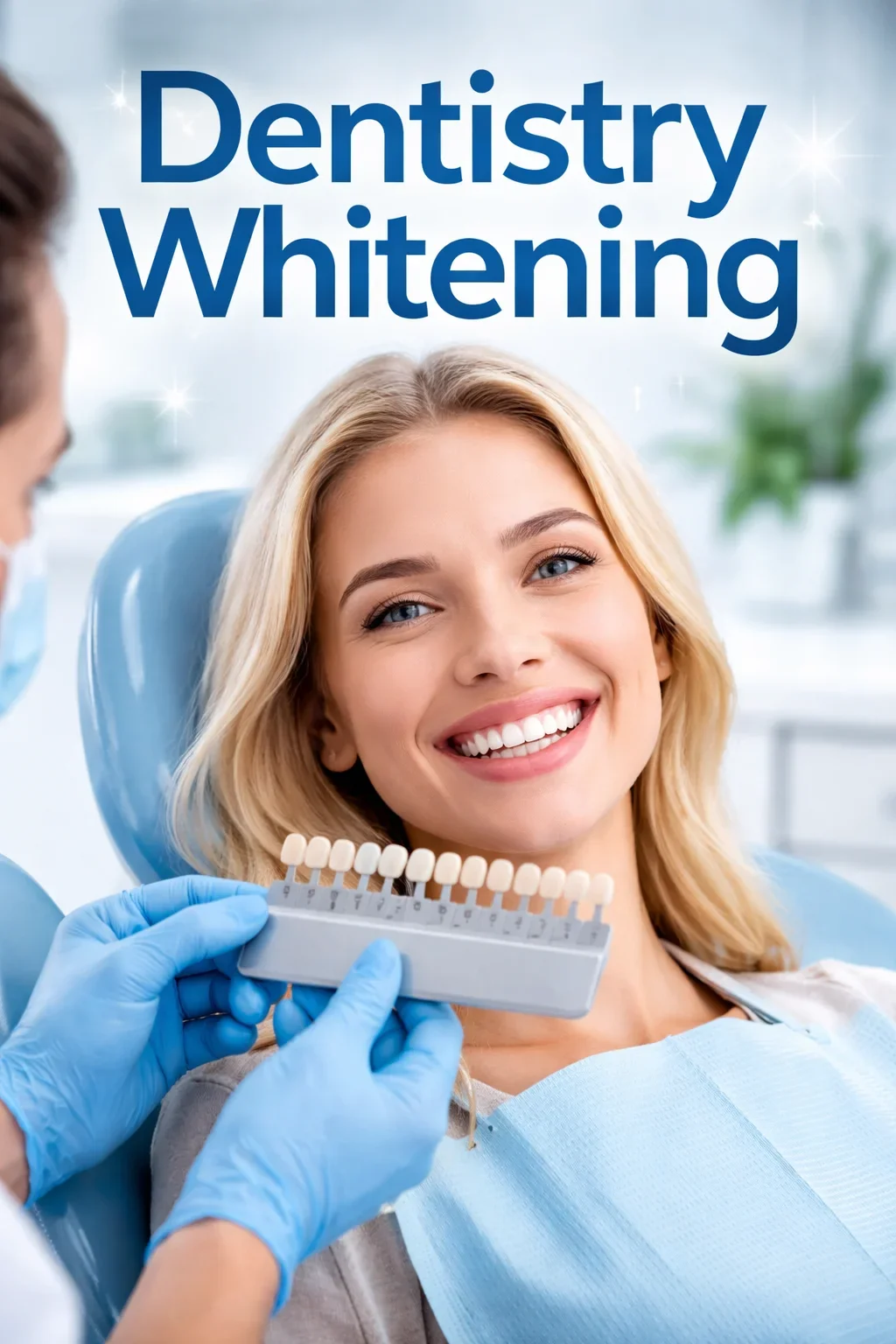
Best Tips to Maintain Your Dentistry Whitening Results
✨ Dentistry whitening can dramatically enhance your smile, but maintaining those bright results requires consistent care and smart habits. Many patients assume that once they complete a dentistry whitening treatment, the results will last indefinitely. However, without proper maintenance, teeth can gradually return to their original shade. The key to long-lasting dentistry whitening results lies in understanding how to protect your teeth from new stains and preserve the brightness achieved through treatment.
Follow Proper Oral Hygiene Practices
🪥 One of the most important steps in maintaining dentistry whitening results is practicing excellent oral hygiene. Brushing your teeth at least twice a day and flossing daily helps remove plaque and prevent new stains from forming. Using a soft-bristled toothbrush and fluoride toothpaste ensures that your enamel remains strong while keeping your teeth clean.
Use Whitening Toothpaste for Maintenance
Whitening toothpaste can help maintain dentistry whitening results by gently removing surface stains. While these products do not provide the same level of whitening as professional treatments, they are effective for prolonging the brightness of your smile.
- Brush twice daily for optimal results
- Choose ADA-approved products
- Avoid overly abrasive formulas
Consistent oral care is the foundation of long-lasting dentistry whitening.
Avoid Staining Foods and Beverages
☕ One of the biggest threats to dentistry whitening results is exposure to staining substances. Foods and drinks with strong pigments can quickly discolor your teeth if consumed frequently.
Common Staining Culprits
- Coffee and tea
- Red wine 🍷
- Dark sodas
- Berries and sauces
- Tobacco products 🚬
Reducing your intake of these items can significantly extend the effects of dentistry whitening. If you do consume them, rinsing your mouth with water afterward can help minimize staining.
Adopt the “Straw Technique”
🥤 A simple yet effective tip for maintaining dentistry whitening results is using a straw when drinking beverages that can stain teeth. This reduces direct contact between the liquid and your teeth, helping preserve their whiteness.
While this may seem like a small change, it can have a noticeable impact on the longevity of your dentistry whitening results.
Schedule Regular Dental Cleanings
Professional dental cleanings are essential for maintaining dentistry whitening. Even with excellent at-home care, plaque and tartar can build up over time, leading to discoloration.
Why Professional Cleanings Matter
- Remove stubborn plaque and tartar
- Polish teeth for a brighter appearance
- Support overall oral health
Most dentists recommend scheduling cleanings every six months to maintain dentistry whitening results effectively.
Use Touch-Up Dentistry Whitening Treatments
🔄 Touch-up treatments are a key part of maintaining dentistry whitening results. These can be performed at home using dentist-prescribed kits or through occasional in-office sessions.
When to Consider Touch-Ups
- When you notice slight discoloration
- Before special events
- As part of a yearly maintenance routine
Touch-ups help refresh your smile without requiring a full dentistry whitening procedure.
Stay Hydrated and Rinse Frequently
💧 Drinking water throughout the day helps wash away food particles and pigments that can stain teeth. Rinsing your mouth after meals is a simple habit that can significantly extend the results of dentistry whitening.
Water also promotes saliva production, which naturally protects your teeth and helps prevent discoloration.
Avoid Smoking and Tobacco Products
🚭 Tobacco use is one of the leading causes of tooth discoloration. Smoking can quickly reverse the effects of dentistry whitening, leading to yellow or brown stains that are difficult to remove.
Quitting smoking not only helps maintain dentistry whitening results but also improves overall oral and general health.
Follow Post-Whitening Dietary Guidelines
Immediately after dentistry whitening, your teeth are more sensitive and prone to staining. Dentists often recommend following a “white diet” for the first 24–48 hours.
Recommended Foods After Dentistry Whitening
- White rice and pasta 🍚
- Chicken and fish 🐟
- Dairy products like milk and cheese 🥛
- Bananas and peeled apples 🍌
Avoiding dark-colored foods during this period helps protect your newly whitened teeth.
Consult Your Dentist for Personalized Care
👨⚕️ Every patient’s dental condition is unique, so personalized advice is essential for maintaining dentistry whitening results. Dentists can recommend specific products, treatments, and schedules tailored to your needs.
If you need professional guidance or follow-up care, you can visit the Redent Klinik Contact Page for expert support.
Follow Trusted Dental Guidelines
✔ Maintaining dentistry whitening results requires following professional recommendations and using approved products. Trusted organizations like the American Dental Association provide guidelines to ensure safe and effective dental care.
Adhering to these standards helps you preserve your smile while protecting your oral health.
Build Long-Term Habits for a Lasting Smile
🌟 Ultimately, maintaining dentistry whitening results is about building consistent, healthy habits. Small daily actions—such as brushing, rinsing, and making mindful dietary choices—can make a significant difference over time.
Dentistry whitening is not just a one-time treatment; it is part of an ongoing commitment to oral care. By following the tips outlined above, you can enjoy a bright, confident smile for months or even years after your dentistry whitening procedure.