
Finding dentists accepting NHS patients has become one of the most pressing healthcare concerns in the UK today. Many people search tirelessly to register with a dentist, only to discover that availability is limited and waiting lists are long. This complete guide provides a clear roadmap for patients who want to understand how NHS dentistry works, how to locate an available practice, what the costs are, and what alternatives exist if you struggle to find an appointment. By the end of this article, you will have the knowledge needed to secure the dental care you deserve and avoid the frustration that many patients face. 🦷
The National Health Service (NHS) funds dental treatment for millions of people across England, Scotland, Wales, and Northern Ireland. Unlike private dental practices, NHS dentists provide treatments at set, affordable price bands, ensuring patients don’t pay inflated fees. The challenge, however, lies in the fact that not every practice has open capacity. Some dentists close their NHS lists once they reach maximum capacity, meaning patients must search beyond their local area to register. This guide will break down the exact steps you can take to improve your chances of finding dentists accepting NHS patients while saving time and avoiding unnecessary stress.
Why Access to NHS Dentists Is Limited
Before discussing how to find a dentist, it’s important to understand why access is often limited. NHS funding for dentistry has not kept pace with rising patient demand, leading many dental clinics to cap the number of NHS patients they can accept. In some areas, particularly rural towns, this shortage is acute. Dental contracts between the NHS and clinics often restrict how many patients can be treated under NHS rules. As a result, practices may announce they are “not currently accepting NHS patients,” leaving people confused and discouraged.
Step-by-Step Guide to Finding Dentists Accepting NHS Patients
Here are the most effective strategies you can use today:
- Use the NHS Website Search Tool: The official NHS website offers a search function where you can input your postcode and find dental practices nearby. This tool indicates whether practices are currently accepting new NHS patients. Refresh the search frequently, as availability can change quickly.
- Call Practices Directly: Online status updates are not always accurate. Calling dental clinics in your area directly helps confirm availability and allows you to join a waiting list if slots are full.
- Expand Your Search Area: While everyone prefers a local dentist, expanding your search radius to nearby towns may increase your chances of finding practices still open to NHS patients.
- Register Children Separately: Children under 18 often get priority access to NHS dental services, so even if adult slots are full, your child may still be accepted.
- Use Local Health Authorities: Some councils or NHS Trusts maintain additional lists of practices currently accepting new patients. Contacting them directly can provide leads.
Understanding NHS Dental Costs
One of the biggest advantages of registering with dentists accepting NHS patients is cost transparency. In England, NHS dental charges are divided into three standard bands:
- Band 1 (£26.80): Covers examination, diagnosis, X-rays, and preventative advice.
- Band 2 (£73.50): Includes everything in Band 1 plus fillings, extractions, and root canal treatment.
- Band 3 (£319.10): Covers more complex treatments such as crowns, dentures, and bridges.
These charges are correct as of 2025 and apply regardless of where you live in England. Scotland, Wales, and Northern Ireland have different pricing structures, often with lower costs or partial exemptions. Prices are set nationally, ensuring fairness, but because treatment demand is high, access remains the bigger challenge than affordability.
Tips for Increasing Your Chances
Persistence is key. Many patients report that calling multiple clinics daily eventually secures them an appointment. It also helps to:
- Ask to be placed on a cancellation list so you can be contacted when a slot opens.
- Check nearby towns within a 30–40 minute travel radius.
- Register children first and ask if adults in the family can also be accommodated.
What If You Still Can’t Find an NHS Dentist?
If you struggle to find dentists accepting NHS patients, you do have options:
- Private dental care: Though more expensive, private practices often have faster appointment availability. Comparing treatment costs in advance helps you decide.
- Dental schools: Universities with dental programs sometimes offer treatment at reduced costs, provided by supervised dental students.
- Emergency care: For urgent cases like severe pain, infection, or trauma, you can call NHS 111, which may direct you to an emergency dentist.
Helpful Links
If you would like to reach out directly to a dental clinic abroad that specializes in comprehensive dental care, you can visit our Redent Klinik Contact Page. For additional professional dental guidelines, see the American Dental Association website.
In summary, while finding dentists accepting NHS patients is challenging, it is not impossible if you know where to look, how to approach practices, and what alternatives exist. With persistence and the right resources, you can secure the dental care you and your family need without unnecessary stress. 😷
How to Find Dentists Accepting NHS Patients Near You
Locating dentists accepting NHS patients near you can feel overwhelming, especially as demand for NHS dental services has surged in recent years. Many patients spend weeks calling multiple clinics, only to be told that lists are full. However, with the right strategies and resources, it is possible to successfully register with an NHS practice. This guide covers the most effective methods, helpful online tools, and practical tips to save you both time and stress while ensuring you get the dental care you need. 🦷
Using the Official NHS Website
The NHS website is the most reliable starting point when searching for dentists accepting NHS patients. By entering your postcode, you can access a directory of dental practices in your area. Each listing usually provides details such as:
- Address and contact information of the practice
- Opening hours and emergency cover availability
- Status of NHS patient acceptance (though sometimes outdated)
It is important to check this site regularly, as practice availability can change within days. Practices that previously listed “not accepting new NHS patients” may reopen their lists unexpectedly.
Calling Dental Practices Directly
While the NHS directory is helpful, calling dental practices directly provides the most up-to-date information. Some clinics may not update their online profile quickly, so a quick phone call can reveal opportunities to register. When calling, you should:
- Ask if they are currently accepting NHS patients.
- Request to be placed on a waiting list if they are full.
- Inquire about possible cancellations that could allow earlier appointments.
Persistence is crucial. Many patients find success after repeated calls or by following up weekly with the same practice.
Expanding Your Search Area
If local clinics near your home are full, consider broadening your search radius. Travelling 20–30 minutes outside your area may significantly improve your chances of finding available dentists accepting NHS patients. Rural areas sometimes have less demand compared to busy urban centres, so checking towns just beyond your postcode could be worthwhile. 🚗
Role of NHS 111 and Local Health Authorities
In cases where you cannot find a practice yourself, NHS 111 can provide guidance. By calling this helpline, you may be directed to emergency care providers or practices with temporary openings. Additionally, local health authorities and NHS Trusts often maintain lists of practices accepting new patients, especially for vulnerable groups such as children, pregnant women, or those on specific benefits.
Children’s Priority Access
Children under 18 and certain groups such as full-time students up to age 19 often receive priority when registering with NHS dentists. Even if adult slots are full, your child may still be accepted. If your child is registered, it can sometimes improve the chances of securing NHS registration for the whole family in the future.
Dental Schools and Training Clinics
Another option when searching for dentists accepting NHS patients is to explore dental schools and university clinics. These institutions often provide affordable treatment delivered by supervised students. While appointment times may take longer, the cost savings and availability of care make this a practical option for many families. Treatments are carried out under the supervision of experienced dentists, ensuring quality and safety.
Checking Cancellation Lists
Most practices operate cancellation lists, which allow patients to be seen sooner if someone else cancels their appointment. When contacting clinics, specifically ask whether you can be added to this list. Being flexible with your schedule increases your chance of getting an appointment at short notice.
Using Social Media and Community Groups
Local community Facebook groups and online forums often share real-time updates about which practices are currently accepting NHS patients. Residents frequently post their experiences and may point you towards clinics you hadn’t considered. Some councils also release updates via social media, particularly when new NHS contracts are signed with dental practices in the area.
Travel Considerations and Accessibility
When broadening your search, always factor in transport and accessibility. Practices further away may have space, but you need to consider whether you can realistically travel for regular check-ups or treatments. NHS dentistry is designed to be accessible, but with shortages, flexibility may be necessary.
Top Tips for Success
To summarize the best strategies when looking for dentists accepting NHS patients near you:
- Search the NHS website daily and filter by postcode.
- Call practices directly and request waiting list placement.
- Widen your search radius to nearby towns and villages.
- Take advantage of dental schools and training clinics.
- Use cancellation lists for faster access.
- Check community groups and social media updates.
Helpful Resources
If you cannot find a local option, you can reach out to dental professionals abroad who provide high-quality treatment. Visit the Redent Klinik Contact Page to explore international dental solutions. For global standards in dentistry, you can also review the American Dental Association resources.
In conclusion, although securing an appointment with dentists accepting NHS patients can be challenging, combining official resources with proactive strategies dramatically improves your chances. With persistence, flexibility, and a willingness to expand your search, you can find the right NHS dentist for you and your family, ensuring access to affordable and reliable dental care. 😷
Understanding NHS Dental Bands and Treatment Costs
One of the greatest advantages of registering with dentists accepting NHS patients is the predictable and transparent cost structure of dental treatment. Unlike private dental care, where prices vary dramatically between practices, the NHS system uses standardized bands across England to ensure fairness and affordability. This means patients know exactly what they will pay before treatment begins. However, many people still feel confused about what is covered under each band, how charges differ between countries within the UK, and when additional costs may apply. This section provides a clear, step-by-step breakdown of NHS dental bands, typical treatment costs, and how patients can make the most of their entitlements. 🦷
The Three NHS Dental Bands in England
In England, dental treatment charges are divided into three main price bands. These apply whether you see a high-street dentist or a hospital-based dental unit, as long as the treatment is NHS-funded. Here’s a detailed breakdown for 2025:
- Band 1 (£26.80): This covers a basic dental check-up, examination, diagnosis, and advice. It also includes X-rays and professional cleaning if necessary. Preventative care such as fluoride application may also be offered under this band.
- Band 2 (£73.50): This includes everything in Band 1 plus restorative treatments such as fillings, tooth extractions, and root canal therapy. It is the most common band for patients requiring more than just a routine check-up.
- Band 3 (£319.10): This covers the most complex treatments such as crowns, dentures, bridges, and other laboratory work. While this is the highest cost tier, it remains far more affordable compared to private treatment prices, which can easily exceed £700–£1000 for similar services.
These charges are set nationally, meaning no matter which practice you attend, the price remains the same. Patients searching for dentists accepting NHS patients often prioritize affordability, making this banded system especially attractive.
Differences Across the UK
While England uses the band system, the rest of the UK applies different rules:
- Scotland: Adult patients contribute a percentage of the total cost of treatment, usually around 80%, with exemptions for certain groups. Children and pregnant women typically receive free treatment.
- Wales: NHS dental care is also divided into three bands, but the charges are slightly different. For example, Band 1 costs £20.00, Band 2 costs £60.00, and Band 3 costs £260.00.
- Northern Ireland: Patients pay a percentage contribution (up to 80%) toward their treatment cost, with some exemptions similar to Scotland.
It is important to check your region’s exact system to avoid confusion. Patients often assume charges are identical across the UK, which is not the case. Being aware of these differences ensures that when you find dentists accepting NHS patients in your area, you can budget accordingly.
Exemptions and Free Treatment Eligibility
Not all patients are required to pay NHS dental charges. Several groups qualify for free dental care, including:
- Children under 18
- Full-time students under 19
- Pregnant women and new mothers (up to 12 months after birth)
- People on certain benefits such as Universal Credit, Income Support, or Pension Credit
If you are exempt, you should inform your dentist at the time of booking. Practices that are accepting NHS patients must still honor these entitlements, which is particularly beneficial for families looking to reduce healthcare costs.
Proof of Exemption
Patients claiming free treatment must provide proof, such as maternity exemption certificates or benefit award letters. Falsely claiming exemption can result in significant fines, so ensure your documents are up to date.
Private vs NHS Cost Comparison
For perspective, here’s a typical cost comparison between NHS and private dental treatment in England:
| Treatment | NHS Cost | Private Cost (Approx.) |
|---|---|---|
| Check-up & X-ray | £26.80 (Band 1) | £50–£90 |
| Filling | £73.50 (Band 2) | £120–£250 |
| Crown | £319.10 (Band 3) | £600–£1,000 |
| Dentures | £319.10 (Band 3) | £800–£1,200 |
This comparison highlights why so many people search for dentists accepting NHS patients. The cost difference is often hundreds of pounds, making NHS dentistry the only affordable option for many households.
Annual Check-Ups and Preventative Care
Another benefit of the NHS system is its focus on prevention. Patients under Band 1 can receive routine check-ups and advice on oral hygiene, which may prevent the need for higher-cost treatments later. Even if you have to wait to register with a practice, prioritizing regular preventative care will save you money in the long run.
Hidden Costs and Misconceptions
Many patients fear hidden costs when registering with dentists accepting NHS patients, but under NHS rules, dentists cannot charge extra for treatments covered under the band system. Additional fees only apply if you opt for cosmetic or elective procedures, such as teeth whitening or white composite fillings on back teeth, which fall outside NHS coverage.
Helpful Links and Resources
If you are interested in exploring international dental care options with transparent pricing, visit the Redent Klinik Contact Page. For global dental guidelines, see the American Dental Association, which provides detailed resources on treatment standards and patient care.
In summary, understanding NHS dental bands is crucial when searching for dentists accepting NHS patients. These standardized prices not only ensure affordability but also give patients peace of mind that they won’t face unexpected bills. By familiarizing yourself with the bands, exemptions, and regional differences, you can make informed decisions and secure high-quality dental care for yourself and your family. 😷
Why It’s Hard to Register With an NHS Dentist Today
For many people, finding dentists accepting NHS patients has become one of the most frustrating experiences in modern UK healthcare. Despite the NHS’s mission to provide affordable and accessible treatment, thousands of patients report calling dozens of practices without success. Some even travel long distances to secure basic check-ups. Understanding why this shortage exists is essential to navigating the system, setting realistic expectations, and exploring solutions. Below, we break down the key reasons behind this growing crisis, backed with detail and clear explanations. 🦷
Funding and NHS Dental Contracts
One of the main reasons it is difficult to register with dentists accepting NHS patients lies in how NHS dental contracts are structured. Practices receive a set amount of funding through Units of Dental Activity (UDAs), which limits how many patients they can treat under NHS rules. Once a practice fulfills its annual quota of UDAs, it cannot accept more NHS patients until the next funding cycle begins. This means that even if dentists have the physical capacity to see more patients, the NHS contract prevents them from doing so.
The Impact of Limited UDAs
Each UDA represents a portion of work carried out under NHS care. For example, a routine check-up may account for 1 UDA, while more complex treatments may count as 3 UDAs. However, the payment dentists receive for each UDA has been criticized as too low, discouraging many clinics from expanding their NHS services. As a result, practices often shift toward private care, where they can charge higher fees and reduce administrative pressure.
Post-Pandemic Backlog
The COVID-19 pandemic drastically reduced dental access across the UK. For months, many clinics were closed except for emergency care. This led to a huge backlog of patients needing check-ups, extractions, and restorative work. Even now, years later, practices are still catching up on delayed treatments. Patients attempting to find dentists accepting NHS patients face stiff competition, as existing patients often take priority on waiting lists before new registrations are considered.
Workforce Shortages
Another significant factor is the shortage of qualified dental professionals working within the NHS. Many dentists have left NHS contracts due to low pay rates, high workload, and rising bureaucracy. Instead, they opt for private practice or move abroad where pay and working conditions are better. This exodus has left fewer professionals available to handle the increasing demand for NHS care.
Recruitment and Retention Challenges
The recruitment crisis is particularly severe in rural areas. Younger dentists often prefer urban locations with better career opportunities, leaving smaller communities underserved. Retention is equally challenging, as burnout and stress levels among NHS dentists remain high. This workforce imbalance directly reduces the number of practices that can be listed as accepting NHS patients.
Geographic Disparities
The availability of NHS dentistry is not evenly spread across the UK. Some regions, particularly in London and major cities, may still have practices registering new patients. Meanwhile, rural and coastal areas often report “dental deserts,” where entire communities struggle to find even a single NHS provider. Patients in these regions may need to travel significant distances to secure care, and for vulnerable groups, this creates additional barriers.
High Demand vs Limited Capacity
Demand for affordable dental treatment continues to rise as private care costs soar. Patients struggling with the cost-of-living crisis increasingly rely on the NHS for treatment. Unfortunately, the NHS budget for dentistry has not increased proportionally, creating a mismatch between patient needs and system capacity. This imbalance results in long waiting lists, reduced appointment availability, and frequent reports of “no new NHS patients accepted.”
Consequences for Patients
The consequences of this mismatch can be severe. Many patients delay treatment due to lack of access, which often worsens oral health problems. Simple issues like cavities may develop into infections requiring extractions or root canal treatment. This not only harms individuals’ health but also places additional strain on NHS emergency services.
Impact of Rising Private Dentistry
Because NHS contracts limit capacity, many practices shift toward offering more private services. While this ensures financial stability for clinics, it leaves patients who depend on affordable care with fewer options. A patient seeking dentists accepting NHS patients may be told that while NHS registration is unavailable, private appointments can be booked immediately—sometimes at triple the NHS cost. This two-tiered system creates frustration and deepens inequality in access to care.
Public Awareness and Transparency Issues
Another factor contributing to patient frustration is the lack of up-to-date information. Many NHS websites or practice listings fail to accurately show whether a clinic is accepting patients. This forces individuals to spend hours calling practices, often with no success. Improved transparency and digital updates could significantly ease the search process.
Future Policy Challenges
Without systemic reform, the shortage of dentists accepting NHS patients will persist. Campaigners argue for increased NHS funding, higher UDA values, and reforms to reduce the administrative burden on dentists. Until these changes are implemented, patients will continue to face long waits and uncertainty when trying to register with an NHS practice.
Helpful Resources
While waiting for policy changes, patients can seek alternative solutions. For international care options, consider exploring the Redent Klinik Contact Page, where high-quality treatment is available. To better understand professional dental standards, you may also consult the American Dental Association, which provides global best practices in oral healthcare.
In conclusion, the difficulty in registering with dentists accepting NHS patients stems from multiple complex factors, including limited funding, post-pandemic backlogs, workforce shortages, and rising demand. Recognizing these challenges allows patients to plan more effectively, stay persistent in their search, and explore alternatives when necessary. 😷
Alternatives When No Dentists Accepting NHS Patients Are Available
For many people in the UK, finding dentists accepting NHS patients can feel nearly impossible. Waiting lists are often months long, and some practices are closed entirely to new registrations. When faced with this reality, patients understandably worry about their oral health. The good news is that even if NHS availability is limited, there are several effective alternatives worth exploring. These range from private dental care options to university clinics, community-based programs, and even international solutions. Below, we explore each alternative in depth so that you can make the best decision for your circumstances. 🦷
Private Dental Care Options
One of the most common alternatives is to choose private dental care. While costs are higher, the benefits include shorter waiting times, greater appointment flexibility, and often a wider range of treatment options. Patients who struggle to locate dentists accepting NHS patients frequently turn to private providers out of necessity rather than choice.
Typical Private Prices vs NHS Charges
To highlight the difference, here are some approximate private dental fees compared with NHS charges in England:
| Treatment | NHS Cost | Private Cost (Approx.) |
|---|---|---|
| Check-up | £26.80 (Band 1) | £50–£90 |
| Filling | £73.50 (Band 2) | £120–£250 |
| Crown | £319.10 (Band 3) | £600–£1,000 |
Although private care is more expensive, many practices offer membership plans or financing options that allow patients to spread the cost over monthly installments.
Dental Schools and University Clinics
A highly valuable but lesser-known alternative to dentists accepting NHS patients is seeking care at a dental school. Many UK universities operate dental hospitals or training clinics where supervised dental students provide treatment at reduced rates. Patients benefit from lower costs, though appointments may take longer as students are carefully supervised during procedures.
Advantages of Dental Schools
- Substantial cost savings compared to private clinics
- Treatment supervised by qualified professionals
- Access to modern facilities and up-to-date technology
This option is particularly useful for patients who need non-urgent treatment but want to save money while waiting for NHS availability.
Community Dental Services
For vulnerable patients, including those with disabilities, complex medical needs, or young children, community dental services may provide another alternative. These services are often NHS-funded but separate from standard high-street practices. They prioritize patients who struggle to access mainstream dental care. While these services may not always be available in every region, they can fill critical gaps when regular dentists accepting NHS patients are unavailable.
Emergency Dental Services
When patients experience severe pain, infection, or trauma, emergency dental care is available even if regular practices are full. Calling NHS 111 can connect you with urgent dental services. While this does not replace regular check-ups, it ensures that life-threatening or extremely painful conditions are addressed promptly.
What Emergency Care Covers
- Severe toothache and abscesses
- Dental trauma such as broken or knocked-out teeth
- Uncontrolled bleeding following dental treatment
Emergency care ensures that even when regular access is limited, patients are not left suffering without essential treatment.
Charitable and Voluntary Dental Care
In some areas, charities and voluntary organizations step in to provide dental services for those unable to register with dentists accepting NHS patients. Programs such as community pop-up clinics or dental charity events occasionally offer free or low-cost care to underserved populations. While these are not long-term solutions, they can provide crucial relief in times of need.
International Dental Care Options
Another growing trend is dental tourism. Patients travel abroad to countries where dental treatment is both high-quality and significantly cheaper than private UK costs. For example, Turkey has become a popular destination for affordable implants, crowns, and cosmetic dentistry. Clinics often provide package deals that include treatment, accommodation, and transfers, making the process more accessible.
If you’re considering overseas treatment, it is important to research carefully and choose accredited clinics. A safe starting point is to review international providers like the Redent Klinik Contact Page, which specializes in providing cost-effective dental care for international patients. For professional global standards, patients can also refer to the American Dental Association, which outlines best practices for safe and ethical care worldwide.
Preventive Self-Care While Waiting
If no immediate alternatives are available, practicing excellent oral hygiene at home becomes even more important. While this does not replace professional care, it can help reduce the risk of serious dental problems developing while you wait for an appointment. Tips include:
- Brushing at least twice daily with fluoride toothpaste
- Flossing or using interdental brushes daily
- Reducing sugar intake to prevent cavities
- Using mouthwash for additional protection
Summary of Alternatives
In conclusion, while the shortage of dentists accepting NHS patients is a serious problem, patients do have options. Private care, dental schools, community services, emergency clinics, charitable organizations, and even international treatment can help bridge the gap until NHS availability improves. By staying informed and exploring these alternatives, you can maintain your oral health without waiting endlessly for an NHS appointment. 😷
Private vs NHS Dental Care: Key Differences Explained
When searching for dentists accepting NHS patients, many people eventually face the difficult choice of either waiting for an NHS slot to open or turning to private dental care. While both systems aim to provide quality dental treatment, there are significant differences in pricing, accessibility, and treatment options. Understanding these differences empowers patients to make informed decisions about their oral health and helps balance affordability with timely access to care. In this section, we’ll explore the core contrasts between NHS and private dentistry in detail. 🦷
Cost Structure
The most striking difference between the NHS and private dental care is cost. NHS charges are standardized and divided into three bands in England, ensuring transparency and affordability. For example:
- Band 1 (£26.80): Check-up, X-rays, advice, and preventive care.
- Band 2 (£73.50): Fillings, root canals, and extractions.
- Band 3 (£319.10): Crowns, dentures, bridges, and complex lab work.
By contrast, private dentistry sets its own prices, which can be two to four times higher. While private practices may offer payment plans or insurance options, the upfront cost is a major factor for patients comparing dentists accepting NHS patients with private alternatives.
Example Cost Comparison
| Treatment | NHS Cost | Private Cost (Approx.) |
|---|---|---|
| Check-up | £26.80 | £50–£100 |
| Filling | £73.50 | £150–£300 |
| Crown | £319.10 | £600–£1,000 |
| Dentures | £319.10 | £800–£1,500 |
This comparison shows why NHS dentistry is considered essential for families on tighter budgets, while private care is often chosen for faster access and wider treatment options.
Accessibility and Waiting Times
One of the main reasons patients seek dentists accepting NHS patients is affordability. Unfortunately, NHS practices frequently have long waiting lists or no capacity for new patients. Private practices, however, can typically offer appointments much sooner, sometimes within days. For urgent cases where waiting may worsen oral health, private care becomes the more practical option despite the cost.
Why Waiting Times Differ
NHS waiting lists are often long due to limited funding, high patient demand, and post-pandemic backlogs. Private practices do not face these restrictions, allowing them to adjust appointment availability according to patient demand and financial sustainability.
Treatment Options
Another key difference lies in the type of treatments offered. NHS care focuses on essential treatment designed to restore and maintain oral health. Cosmetic treatments, such as teeth whitening or certain types of crowns, are generally not available through the NHS unless clinically necessary.
Private care, on the other hand, covers a wider range of treatments, including elective cosmetic options and advanced restorative solutions. Patients who cannot find dentists accepting NHS patients but still want modern cosmetic services often choose private practices for flexibility.
Cosmetic vs Essential Care
- NHS: Provides clinically necessary treatment (e.g., fillings, extractions, dentures).
- Private: Offers cosmetic dentistry (e.g., veneers, whitening, invisible braces) alongside essentials.
Quality and Materials Used
While both NHS and private dentists are highly qualified, private practices may use different materials or techniques, particularly for restorative work. For instance, NHS may cover standard metal crowns for back teeth, while private care allows patients to choose more aesthetic options like porcelain or zirconia crowns. Patients comparing dentists accepting NHS patients with private care often base their decision on how important aesthetics are in their treatment.
Time and Appointment Flexibility
Under NHS contracts, appointment time is often limited, meaning consultations may be shorter and focused strictly on essential care. Private practices typically allow longer appointment times, providing patients with more discussion, detailed explanations, and personalized care plans. Flexible scheduling, evening hours, and weekend availability are more common in private dentistry.
Patient Experience
Private dentistry often emphasizes patient comfort, with extras such as modern waiting rooms, shorter queues, and more personalized communication. While NHS practices remain professional and safe, the patient experience is often less tailored due to the volume of patients and funding restrictions.
Insurance and Financing Options
Many private clinics offer in-house dental plans or accept dental insurance policies that reduce treatment costs. Monthly payment schemes make private care more accessible. For patients struggling to find dentists accepting NHS patients, these plans may bridge the gap between affordability and timely care.
Making the Right Choice
Ultimately, the choice between private and NHS care depends on individual circumstances:
- NHS Care: Best for affordability, essential treatment, and families on a budget.
- Private Care: Best for faster access, cosmetic dentistry, and greater treatment choice.
Some patients even choose a hybrid approach—using NHS services for essential treatments while opting for private care for elective or cosmetic work.
Helpful Links
If NHS care is unavailable locally, you can explore international treatment options through the Redent Klinik Contact Page, where modern and affordable dentistry is available abroad. For worldwide standards in oral healthcare, refer to the American Dental Association, which provides extensive resources on patient safety and dental excellence.
In conclusion, comparing dentists accepting NHS patients with private dental providers highlights clear trade-offs between cost, waiting times, treatment range, and patient experience. By understanding these differences, you can make an informed decision that balances affordability with timely and high-quality care. 😷
Tips for Booking Appointments With NHS Dentists Faster
Given the growing demand for dentists accepting NHS patients, securing an appointment often requires persistence, planning, and strategic approaches. Patients frequently report long waiting lists and difficulty getting through to practices, but there are proven methods to improve your chances of booking faster. By combining digital tools, direct communication, and flexibility, you can reduce waiting times and ensure you access the care you need before problems become emergencies. 🦷
Use the NHS Online Search Tool Effectively
The official NHS website provides a postcode-based search feature to locate practices. While many people already use this tool, few realize how often listings change. To maximize success:
- Check the site daily, as availability updates frequently.
- Expand your search radius beyond your immediate postcode—sometimes rural clinics open slots sooner.
- Note which practices have long waiting lists and call them regularly to check for updates.
Patients searching for dentists accepting NHS patients often find openings appear suddenly, and those who act quickly are rewarded with earlier appointments.
Call Practices Directly
Although online directories are useful, calling practices directly is one of the most effective ways to secure an appointment. Staff may not always update online statuses immediately, so phoning can reveal hidden availability. When calling:
- Politely ask if they are currently accepting NHS patients.
- Request to join their cancellation or waiting list.
- Inquire about the best time to call back for updates (some practices release new slots at specific times).
Best Times to Call
Research shows that calling early in the morning, just as practices open, increases the likelihood of securing an appointment. Lunchtime and late afternoons are often busier, making it harder to get through on the phone.
Sign Up for Cancellation Lists
Cancellation lists are a powerful way to be seen faster. By leaving your contact details with multiple practices, you improve the chance of being offered a short-notice appointment. Be prepared to accept same-day or next-day slots, as flexibility is key.
How to Improve Your Chances
- Tell the receptionist you are available at short notice.
- Provide both mobile and email contacts for faster communication.
- Respond immediately when contacted—delays can cause you to miss out.
Be Flexible With Location and Timing
Many patients focus only on nearby clinics, but expanding your search area significantly increases your options. Travelling 20–30 minutes outside your local area may seem inconvenient, but it can help you register sooner. Evening or weekend appointments, where available, are also less competitive and may open more quickly than standard daytime slots.
Leverage Local Networks
Community forums and local social media groups often share updates about which practices are currently accepting NHS patients. Patients frequently post their experiences, and recommendations can save valuable time. Councils and NHS Trusts may also issue announcements when new contracts are awarded to practices, increasing availability in your area.
Contact NHS 111 for Urgent Needs
If you are experiencing severe pain, infection, or trauma, NHS 111 can direct you to emergency dental services. While this does not replace a long-term appointment, it ensures you are treated quickly in urgent situations. Patients who use emergency services are sometimes given priority for follow-up appointments, creating a pathway into regular care.
Consider Temporary Alternatives
If booking remains difficult, exploring short-term alternatives while waiting can help. Options include:
- Dental schools offering supervised treatment by students
- Charitable dental services in some regions
- Private practices with short-term financing or membership plans
Although these do not replace NHS registration, they provide relief while searching for dentists accepting NHS patients.
Persistence Pays Off
Securing an appointment often requires consistent effort. Patients who call multiple practices daily, check online updates, and remain flexible with timing are far more likely to succeed. Persistence, patience, and adaptability are crucial strategies when demand exceeds supply.
Helpful Resources
If you are unable to find a suitable NHS appointment locally, you can explore international treatment options at the Redent Klinik Contact Page. For global dental standards and advice, the American Dental Association is also an excellent resource.
In conclusion, while demand for dentists accepting NHS patients is high, strategic approaches like using cancellation lists, calling practices directly, and being flexible with travel and timing can make all the difference. By combining persistence with the right tools and resources, you can book an appointment much faster and ensure your dental health is properly maintained. 😷
Children’s Access to Dentists Accepting NHS Patients
One of the most important aspects of NHS dentistry is ensuring that children have access to affordable and reliable care. While many adults struggle to find dentists accepting NHS patients, children often receive priority in registration and treatment. This is because oral health in childhood directly impacts long-term health, confidence, and wellbeing. However, parents still face challenges, including long waiting times, limited availability in certain regions, and confusion about entitlements. This section explores children’s rights to NHS dental care, how to access appointments more quickly, and why prevention is key. 🦷
Free NHS Dental Care for Children
In the UK, NHS dental treatment is free for all children under the age of 18. This includes check-ups, fluoride varnish applications, fillings, and extractions. Additionally, full-time students under 19 also qualify for free treatment. Parents searching for dentists accepting NHS patients for their families should always mention that their child is eligible for free NHS dental care, as this can improve chances of registration even when adult slots are full.
What Free Care Covers
- Routine check-ups and examinations
- Preventive treatments such as fluoride varnish and sealants
- Fillings, extractions, and other restorative treatments
- Emergency treatment in cases of dental pain or trauma
By providing these services free of charge, the NHS aims to reduce childhood tooth decay, which remains a significant public health issue in the UK.
Why Children Often Receive Priority
Although many adults find it difficult to register with dentists accepting NHS patients, children are frequently given priority. This is partly because childhood oral health is linked to school attendance, nutrition, and speech development. NHS policy emphasizes prevention, so practices are encouraged to accept children even if adult spaces are limited.
Family Registration Benefits
When a child is successfully registered, some practices may also allow parents to join the list. This is not guaranteed but can be a valuable way for families to secure access together. Parents should always ask if registering their child could improve their own chances of being accepted.
Challenges in Accessing Care for Children
Despite entitlements, some families still face obstacles when searching for dentists accepting NHS patients. Common challenges include:
- Practices that limit new registrations due to capacity issues
- Geographic disparities where rural areas lack NHS dental services
- Backlogs following the COVID-19 pandemic
In these cases, persistence is key. Parents are encouraged to check NHS online listings daily, call practices directly, and ask to join cancellation lists for their children.
The Role of Schools in Oral Health
Many schools run oral health education programs, and some collaborate with local NHS trusts to provide dental screenings. While these are not a substitute for full dental care, they can identify issues early and guide families to dentists accepting NHS patients nearby.
Fluoride Varnish and Sealant Programs
Some schools also participate in preventive care programs where children receive fluoride varnish applications or dental sealants. These reduce the risk of tooth decay and serve as a bridge for families waiting to register with a local NHS dentist.
Emergency Dental Care for Children
If a child experiences dental pain, infection, or trauma, emergency NHS services are available. Parents can call NHS 111 for guidance and be directed to urgent care providers. Emergency access ensures that children are never left untreated, even when local practices are not accepting NHS patients at the time.
Preventive Care at Home
While waiting for registration, parents can protect their children’s oral health by practicing excellent daily care. Preventive measures include:
- Brushing teeth twice daily with fluoride toothpaste
- Limiting sugary foods and drinks
- Encouraging children to floss or use interdental brushes as they grow older
- Scheduling regular water breaks to wash away food particles
Strong prevention reduces the likelihood of emergencies and makes treatment easier once registered with an NHS dentist.
Support for Vulnerable Children
Certain groups of children may receive additional support, including those with disabilities, medical conditions, or those in care. Community dental services provide specialized treatment in accessible settings, ensuring that vulnerable children are not excluded from essential care when mainstream practices are full.
Helpful Resources
Families struggling to register their children with an NHS dentist can explore alternative options such as dental schools and community programs. For international solutions, the Redent Klinik Contact Page provides access to affordable, high-quality care. For further guidance on children’s dental standards globally, the American Dental Association offers educational resources and best practices.
In conclusion, children’s access to dentists accepting NHS patients remains a priority in the UK, with free treatment available for all under-18s and many full-time students. While challenges exist due to shortages and waiting lists, families who remain persistent, utilize school programs, and maintain preventive care at home can ensure their children’s oral health remains protected. 😷
Emergency Dental Care Options Under the NHS
Even though registering with dentists accepting NHS patients can be challenging, emergency dental care is always available in the UK. Urgent access is a cornerstone of NHS services, ensuring that no patient is left without treatment in cases of severe pain, infection, or trauma. Many patients confuse routine care with emergency care, but the NHS makes a clear distinction between them. This section explains what counts as emergency dental care, how to access it, what treatments are covered, and what costs may apply. 🦷
What Qualifies as a Dental Emergency?
A dental emergency involves conditions that require immediate attention to prevent severe pain, infection, or risk to overall health. While patients searching for dentists accepting NHS patients may struggle with routine check-ups, they should know that emergency care is prioritized and cannot be refused based on registration status.
Common Dental Emergencies
- Severe and persistent toothache that cannot be managed with painkillers
- Dental abscesses or swelling of the face and gums
- Knocked-out or broken teeth following an accident
- Excessive bleeding after dental surgery or trauma
- Infections causing fever or difficulty breathing/swallowing
These issues require immediate treatment and should not be delayed while waiting to register with a dentist.
How to Access Emergency Dental Care
There are several pathways to urgent treatment, and patients should choose the most appropriate depending on their situation:
- Call NHS 111: This free service is available 24/7. Trained advisers assess your symptoms and direct you to an emergency dental clinic or out-of-hours service.
- Hospital Accident & Emergency (A&E): Reserved for cases of trauma, severe swelling, or uncontrolled bleeding. A&E departments provide life-saving care but do not handle routine dental work.
- Urgent Dental Clinics: Many NHS trusts run designated urgent care clinics specifically for patients in need of same-day treatment.
Costs of Emergency Dental Treatment
One of the advantages of emergency NHS dental care is affordability. In England, emergency appointments typically fall under Band 1 charges, which cost £26.80 (as of 2025). This fee covers assessment, diagnosis, and immediate pain relief or temporary treatment. If further treatment is required, such as fillings or extractions, additional charges may apply under Band 2 or Band 3 categories.
Cost Comparison With Private Emergency Care
| Treatment | NHS Emergency Cost | Private Emergency Cost |
|---|---|---|
| Urgent appointment and pain relief | £26.80 (Band 1) | £80–£150 |
| Extraction | £73.50 (Band 2) | £150–£300 |
| Temporary filling or crown repair | £26.80–£73.50 | £100–£250 |
This comparison shows why many patients persist in finding dentists accepting NHS patients—NHS emergency costs are much lower than private equivalents.
Children’s Emergency Dental Care
Children under 18 (or full-time students under 19) receive free emergency dental care under the NHS. This ensures that children with sudden pain or injury are treated quickly, even if they are not yet registered with a practice. Parents should call NHS 111 immediately if their child requires urgent care.
Role of Out-of-Hours Dental Services
Dental emergencies don’t always happen during normal working hours. Many NHS regions provide out-of-hours services, which can be accessed via NHS 111. These services are designed to provide immediate relief, even at evenings, weekends, and public holidays, ensuring continuity of care.
Typical Out-of-Hours Treatments
- Temporary fillings or dressings
- Emergency antibiotics for infections
- Pain management solutions until full treatment can be arranged
What Emergency Services Don’t Cover
It is important to note that emergency NHS appointments are not substitutes for full dental care. They focus on immediate relief rather than comprehensive treatment. For example, an emergency appointment may involve draining an abscess or prescribing antibiotics, but long-term solutions like root canals or crowns require follow-up visits.
Alternatives if NHS Emergency Slots Are Full
In rare cases where NHS emergency slots are full, patients may consider temporary alternatives:
- Private emergency appointments for faster access
- Dental hospitals associated with universities
- Charity-run urgent care clinics in some regions
Although private care is more expensive, it may be necessary in critical situations if NHS availability is limited.
Helpful Resources
If you cannot find emergency treatment nearby, international options exist for patients seeking more comprehensive care. Visit the Redent Klinik Contact Page for information on affordable emergency and restorative dentistry abroad. Additionally, the American Dental Association provides global guidance on urgent dental care best practices.
In summary, while routine access to dentists accepting NHS patients remains difficult, emergency dental care is always available under the NHS for those in urgent need. By knowing how to access these services, understanding costs, and being aware of limitations, patients can ensure that emergencies are managed promptly and effectively. 😷
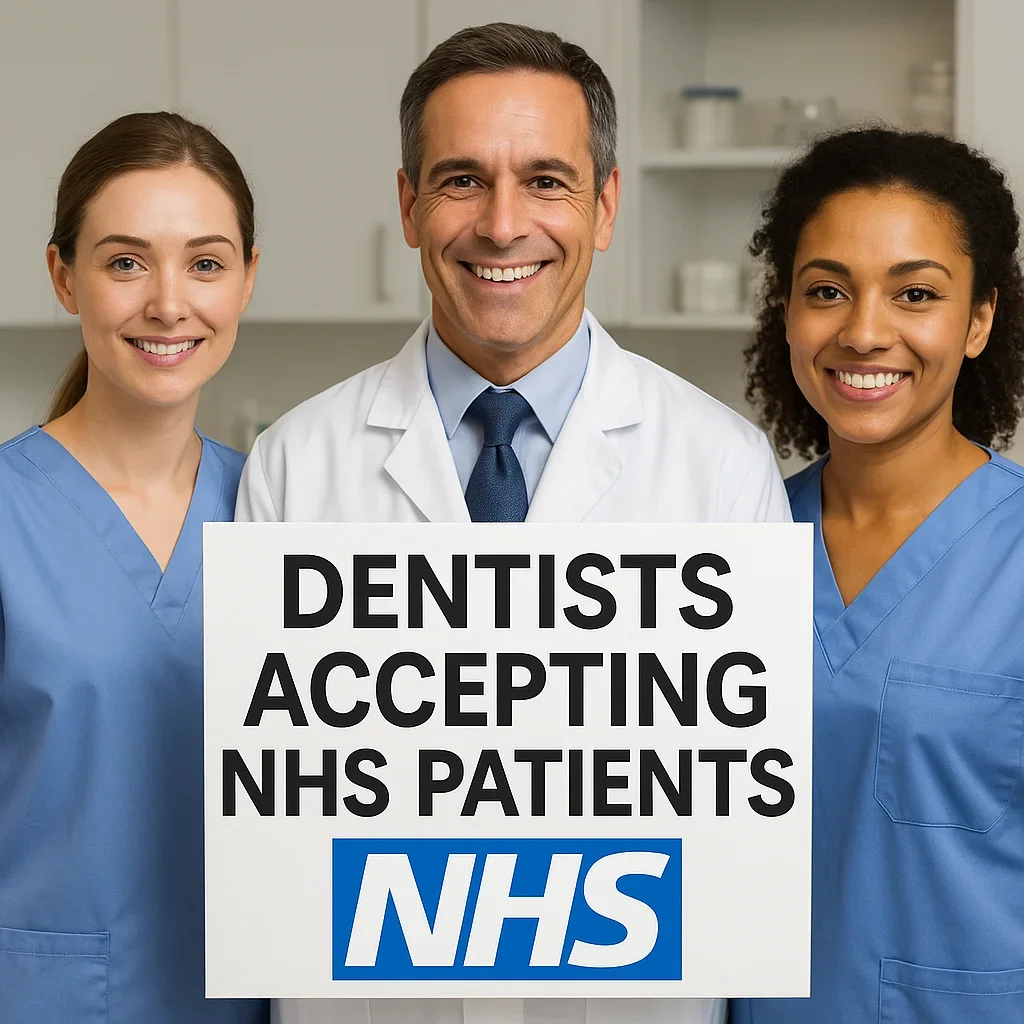
Future of NHS Dentistry and Patient Availability
The struggle to find dentists accepting NHS patients has become a central concern for millions of UK residents. With funding limitations, staff shortages, and rising demand, the current system faces unprecedented pressure. However, policymakers, professional organizations, and patient advocates are working toward solutions that may shape the future of NHS dentistry. Understanding potential reforms, technological innovations, and international comparisons helps patients anticipate how access and availability may change in the coming years. 🦷
Government Policy and Funding Reforms
The UK government has acknowledged the growing crisis in NHS dentistry, particularly regarding access to dentists accepting NHS patients. Policy discussions focus on increasing funding allocations, reviewing the Unit of Dental Activity (UDA) system, and incentivizing practices to expand NHS services. Without structural changes, patient waiting lists will remain long, and many will continue turning to private care.
Proposed Funding Adjustments
- Increasing the value of UDAs to reflect the true cost of treatment
- Introducing more flexible contracts for dental practices
- Expanding funding for rural and underserved areas
These reforms could encourage more practices to take on new NHS patients, directly improving availability across the country.
Recruitment and Retention of Dental Professionals
A major factor influencing the future of dentists accepting NHS patients is workforce supply. The NHS continues to face difficulties in recruiting and retaining qualified dentists. Younger professionals often prefer private practice, where workloads and pay are more attractive.
Strategies for Improvement
To address these challenges, solutions being considered include:
- Offering student loan forgiveness for dentists who commit to NHS service
- Expanding international recruitment of dental professionals
- Improving working conditions and reducing bureaucracy
If implemented, these measures could significantly boost the number of practitioners willing to work within NHS contracts.
Technology and Digital Transformation
Technology is expected to play an increasingly important role in shaping access to dentists accepting NHS patients. From artificial intelligence to tele-dentistry, new tools will make preventive care and early intervention more efficient.
Examples of Future Innovations
- Tele-dentistry: Virtual consultations could reduce waiting lists and triage cases before in-person visits.
- AI diagnostics: Artificial intelligence may assist dentists in detecting cavities and gum disease more quickly.
- Digital booking systems: Improved online platforms could make it easier for patients to find practices currently accepting NHS registrations.
International Comparisons
Looking at international systems provides useful insights. Countries like Germany and France use insurance-based models, which often provide greater patient choice but come with higher contributions. By contrast, the UK’s NHS system is tax-funded and designed to be universally accessible, but limited resources constrain capacity.
Patients searching for dentists accepting NHS patients may benefit from examining international options, especially for elective or complex treatments. For example, the Redent Klinik Contact Page offers affordable care abroad that meets global standards, while the American Dental Association provides worldwide guidelines on patient safety and care quality.
Impact of Demographics and Public Health Trends
The UK population is aging, and older adults typically require more extensive dental care, including dentures, implants, and restorative treatments. At the same time, children and young adults still require preventive services to combat high rates of tooth decay. These competing demands put extra strain on dentists accepting NHS patients and highlight the need for careful resource allocation in the future.
Community Dental Services and Expanded Roles
One possible future direction is the expansion of community dental services, which focus on vulnerable groups such as children, elderly patients, and those with disabilities. Additionally, dental hygienists and therapists may take on broader roles, allowing dentists to focus on complex cases and improving the overall efficiency of NHS dental teams.
Potential Patient Outcomes in the Next Decade
If reforms succeed, patients could see shorter waiting lists, more equitable access across regions, and better integration of preventive care. However, if funding and workforce shortages persist, the gap between NHS and private dentistry may widen further, leaving patients struggling to find dentists accepting NHS patients.
Best-Case Scenario
- More practices expand NHS capacity
- Digital tools improve efficiency and access
- Patients experience faster registration and shorter waiting times
Worst-Case Scenario
- NHS dentistry contracts shrink further
- Private dentistry dominates the market
- Millions remain without affordable access to care
Conclusion: Preparing for the Future
The future of NHS dentistry hinges on funding reform, workforce stability, and innovation. While challenges remain, there is cautious optimism that new policies and technologies will ease the difficulty of finding dentists accepting NHS patients. Patients should remain informed, persistent, and open to alternatives while the system evolves. With ongoing reforms, the next decade could reshape how dental care is delivered across the UK. 😷