
Visiting a dentist’s office is one of the most important steps people can take to maintain healthy teeth, fresh breath, and long-term oral health. Many patients only think about a dentist’s office when they feel pain or discomfort, but regular appointments can help prevent serious dental problems before they become expensive or difficult to treat. A modern dentist’s office is designed to provide preventive care, cosmetic dentistry, restorative procedures, and patient education in a comfortable environment. Whether you are visiting for a simple cleaning or a complete smile makeover, understanding what happens inside a dentist’s office can help reduce anxiety and improve your overall experience. 😊
Today, a professional dentist’s office focuses not only on treating dental problems but also on helping patients prevent future complications. Dentists and dental hygienists work together to examine teeth, gums, and oral tissues carefully. During a routine appointment at a dentist’s office, patients typically receive a professional cleaning, plaque removal, tartar removal, digital X-rays when necessary, and a complete oral examination. These procedures are essential because many oral health conditions, including cavities and gum disease, can develop silently without immediate symptoms.
One of the biggest advantages of visiting a dentist’s office regularly is early detection. Dentists can identify small cavities before they become severe tooth infections. They can also recognize warning signs of gum disease, enamel erosion, teeth grinding, and even oral cancer. Early treatment in a dentist’s office often saves patients time, money, and discomfort in the future. This preventive approach is why organizations such as the American Dental Association strongly recommend routine dental visits for adults and children.
A modern dentist’s office usually provides a wide variety of treatments to meet different patient needs. Preventive services often include dental cleanings, fluoride applications, sealants, and oral hygiene education. Restorative treatments may include fillings, crowns, bridges, root canal therapy, and dental implants. Cosmetic procedures performed in a dentist’s office can involve teeth whitening, veneers, smile design, and orthodontic solutions such as clear aligners. Some dental clinics also offer advanced procedures including bone grafting, full-mouth rehabilitation, and sedation dentistry for nervous patients.
Technology has significantly improved the experience inside a dentist’s office. Many clinics now use digital scanners instead of uncomfortable traditional impressions. Intraoral cameras allow patients to see detailed images of their teeth directly on a screen. Digital X-rays reduce radiation exposure while producing clearer diagnostic images. Some advanced dentist’s office environments even include 3D imaging systems and laser dentistry technology for more precise and minimally invasive treatments. These innovations improve both patient comfort and treatment accuracy.
Patients often worry about the cost of treatment at a dentist’s office, but preventive care is usually far more affordable than emergency procedures. The price of services varies depending on the country, clinic location, and treatment complexity. For example, a standard dental cleaning may range between $75 and $200, while dental fillings often cost between $100 and $400 per tooth. Professional teeth whitening at a dentist’s office may range from $300 to $900 depending on the whitening system used. More advanced procedures such as dental implants can cost several thousand dollars, but they provide long-term durability and function.
Average Dental Service Costs
| Dental Service | Estimated Price Range |
|---|---|
| Dental Cleaning | $75 – $200 |
| Tooth Filling | $100 – $400 |
| Teeth Whitening | $300 – $900 |
| Dental Crown | $800 – $2,500 |
| Dental Implant | $2,000 – $5,000+ |
Another important aspect of a quality dentist’s office is cleanliness and patient safety. Reputable dental clinics follow strict sterilization and hygiene protocols to protect patients from infection. Instruments are carefully disinfected, disposable materials are replaced after each use, and treatment rooms are sanitized regularly. A clean and organized dentist’s office creates a more professional atmosphere and helps patients feel safe and comfortable during their visit.
Many people experience dental anxiety before entering a dentist’s office. Fear of pain, needles, or previous negative experiences can prevent patients from receiving the care they need. Fortunately, many modern dental clinics understand these concerns and work hard to create a relaxing atmosphere. Friendly staff members, gentle communication, entertainment systems, and sedation options can all make a dentist’s office visit much less stressful. Patients should always communicate openly with their dentist about their fears so the dental team can provide additional comfort and reassurance.
Choosing the right dentist’s office is essential for long-term oral health success. Patients should look for experienced dental professionals, modern technology, positive patient reviews, transparent pricing, and a welcoming environment. A trusted dental clinic should also explain treatment options clearly and answer patient questions honestly. If you are searching for professional guidance or want to schedule an appointment, you can visit the Redent Klinik Contact Page for additional information and support.
Ultimately, a dentist’s office is much more than a place where cavities are treated. It is a healthcare environment dedicated to improving oral hygiene, protecting dental health, restoring damaged teeth, and helping patients feel confident about their smiles. Regular visits to a dentist’s office can improve overall health, reduce the risk of serious dental conditions, and support a better quality of life for patients of all ages. 😁
Why Visiting a Dentist’s Office Regularly Matters
Regular visits to a dentist’s office are essential for maintaining healthy teeth, strong gums, and overall oral wellness. Many people only schedule appointments at a dentist’s office when they experience pain, swelling, or visible dental problems. However, preventive care is the foundation of modern dentistry, and routine dental visits help patients avoid serious complications before they begin. A professional dentist’s office focuses on prevention, education, diagnosis, and treatment to protect long-term oral health and improve quality of life. 😊
Dental professionals consistently emphasize the importance of preventive care because oral diseases often develop silently. Cavities, gum disease, enamel erosion, and infections may progress without noticeable symptoms during the early stages. Visiting a dentist’s office regularly allows dental experts to identify these issues before they become severe or expensive to treat. Early detection not only protects the teeth but also reduces the need for invasive procedures later.
Preventive Care at a Dentist’s Office
One of the primary reasons patients visit a dentist’s office is preventive dental care. During a preventive appointment, the dental team carefully examines the mouth, teeth, gums, and surrounding tissues. Professional cleanings remove plaque and tartar that cannot be eliminated completely with regular brushing and flossing at home. Even individuals with excellent oral hygiene habits benefit from routine appointments at a dentist’s office because specialized dental instruments provide a deeper level of cleaning.
Professional cleanings at a dentist’s office help reduce the risk of tooth decay and gum disease. Plaque is a sticky bacterial film that constantly forms on teeth. If plaque is not removed properly, it hardens into tartar, which can only be cleaned by dental professionals. Tartar buildup irritates the gums and increases the likelihood of gingivitis and periodontitis. By scheduling regular visits to a dentist’s office, patients can significantly reduce their chances of developing these conditions.
Common Preventive Services
- Professional dental cleanings
- Digital dental X-rays
- Fluoride treatments
- Dental sealants
- Oral cancer screenings
- Gum disease evaluations
- Tooth decay detection
These services provided at a dentist’s office are designed to maintain oral hygiene and prevent dental emergencies. Preventive care is often less expensive and less stressful than restorative treatments required after problems worsen.
The Connection Between Oral Health and Overall Health
Many people do not realize that oral health is closely connected to overall physical health. Visiting a dentist’s office regularly can help identify medical concerns that may affect the entire body. Research has shown that poor oral hygiene may contribute to conditions such as heart disease, diabetes complications, respiratory infections, and systemic inflammation. Gum disease, in particular, has been associated with several chronic health conditions.
A trusted dentist’s office can detect warning signs of health problems during routine examinations. For example, changes in gum color, mouth sores, dry mouth, or unusual tissue growth may indicate underlying medical issues. Dentists often work together with physicians and specialists to ensure patients receive appropriate care for both oral and general health concerns.
Organizations such as the American Dental Association strongly recommend routine dental checkups because preventive dentistry supports long-term wellness. By visiting a dentist’s office consistently, patients improve both their dental health and their overall well-being.
How a Dentist’s Office Helps Prevent Tooth Loss
Tooth loss is a serious problem that can affect eating, speaking, appearance, and self-confidence. Fortunately, regular visits to a dentist’s office can dramatically reduce the risk of losing teeth. Dentists monitor gum health, bone support, bite alignment, and tooth stability during routine appointments. Problems such as gum disease or untreated decay can weaken the teeth gradually if left untreated.
At a dentist’s office, dentists may recommend treatments such as fillings, crowns, deep cleanings, or root canal therapy to save damaged teeth before extraction becomes necessary. Early intervention is always more successful than waiting until symptoms become severe. Patients who maintain regular appointments at a dentist’s office often enjoy healthier smiles for many years.
Dental Anxiety and the Modern Dentist’s Office
Fear and anxiety prevent many individuals from visiting a dentist’s office regularly. Some patients worry about pain, needles, or uncomfortable memories from previous dental experiences. However, modern dental clinics are designed to create a more relaxing and comfortable environment for patients of all ages.
Today, a modern dentist’s office often includes advanced technology, comfortable seating, entertainment systems, calming décor, and minimally invasive treatment techniques. Many clinics also provide sedation dentistry options for anxious patients. Open communication between patients and dental professionals helps reduce stress and improve the dental experience.
Ways a Modern Dentist’s Office Improves Comfort
- Gentle treatment techniques
- Digital imaging with reduced discomfort
- Sedation options for nervous patients
- Friendly and supportive staff
- Shorter treatment times with modern technology
These improvements make visiting a dentist’s office easier and more comfortable than ever before.
Financial Benefits of Regular Dental Visits
Many patients postpone appointments at a dentist’s office because they are concerned about treatment costs. Ironically, avoiding preventive care usually leads to higher expenses later. Routine examinations and cleanings are far more affordable than emergency procedures such as extractions, implants, or complex restorative treatments.
For example, a professional cleaning at a dentist’s office may cost between $75 and $200, while treating advanced gum disease or replacing missing teeth can cost thousands of dollars. Preventive care helps patients avoid expensive complications while preserving natural teeth whenever possible.
If patients need guidance regarding treatment planning, appointments, or dental care options, they can contact professional clinics directly through the Redent Klinik Contact Page. Receiving accurate information early can help patients make better oral health decisions.
Building Healthy Habits Through Routine Dental Visits
Another major advantage of visiting a dentist’s office regularly is education. Dentists and hygienists teach patients proper brushing methods, flossing techniques, dietary recommendations, and oral hygiene strategies tailored to their individual needs. These personalized recommendations help patients build healthier daily habits.
Children especially benefit from early exposure to a dentist’s office. Positive childhood dental experiences encourage lifelong oral hygiene habits and reduce future dental anxiety. Adults also gain valuable knowledge during dental appointments, particularly when learning how lifestyle choices such as smoking, sugary foods, or teeth grinding affect oral health.
Ultimately, visiting a dentist’s office regularly is one of the best investments people can make in their health. Preventive care, early diagnosis, professional cleanings, and patient education all contribute to healthier smiles and improved confidence. Routine appointments at a dentist’s office not only protect teeth and gums but also support long-term overall wellness and quality of life. 😁
Services Commonly Offered at a Dentist’s Office
A modern dentist’s office provides far more than routine cleanings and cavity treatments. Today, patients visit a dentist’s office for preventive care, cosmetic improvements, restorative procedures, emergency treatments, and advanced smile rehabilitation. Dental clinics continue to evolve with new technology and patient-centered approaches, allowing individuals to receive comprehensive oral healthcare in one convenient location. Understanding the services commonly available at a dentist’s office helps patients make informed decisions about their dental care and maintain healthier smiles for life. 😊
Every professional dentist’s office focuses on improving oral hygiene, preventing disease, restoring damaged teeth, and helping patients feel more confident about their appearance. While services may vary depending on the clinic’s specialty and experience, most dental practices offer a combination of preventive, restorative, cosmetic, and emergency dentistry procedures.
Preventive Services at a Dentist’s Office
Preventive dentistry is one of the most important areas of care provided at a dentist’s office. The goal of preventive treatment is to stop dental problems before they become painful, expensive, or difficult to manage. Dentists encourage patients to schedule regular checkups because many oral health issues develop silently without noticeable symptoms.
Routine preventive appointments at a dentist’s office usually include a professional cleaning, plaque removal, tartar removal, gum evaluation, and oral examination. Dental hygienists use specialized instruments to clean areas that are difficult to reach with regular brushing and flossing. Professional cleanings are essential for reducing the risk of gum disease and tooth decay.
Common Preventive Treatments
- Dental cleanings
- Fluoride treatments
- Dental sealants
- Digital X-rays
- Oral cancer screenings
- Gum disease evaluations
- Patient education and oral hygiene guidance
Preventive services at a dentist’s office are generally affordable compared to advanced restorative procedures. Early detection and routine maintenance often save patients from future dental emergencies.
Restorative Dentistry Procedures
Restorative dentistry focuses on repairing damaged or missing teeth. A qualified dentist’s office provides various restorative treatments designed to improve oral function, eliminate pain, and restore the natural appearance of the smile. Tooth decay, fractures, infections, and trauma can all weaken the teeth over time. Fortunately, modern restorative dentistry offers highly effective solutions.
Dental fillings are among the most common treatments performed at a dentist’s office. Fillings repair cavities and prevent further decay. Depending on the patient’s needs, dentists may use composite resin, porcelain, or other durable materials to restore the tooth structure.
More advanced restorative treatments at a dentist’s office include crowns, bridges, root canal therapy, and dentures. Dental crowns protect severely damaged teeth by covering the remaining structure with a custom-made restoration. Root canal treatment removes infected tissue inside the tooth and allows patients to preserve their natural teeth whenever possible.
Average Costs of Restorative Treatments
| Treatment | Estimated Price Range |
|---|---|
| Composite Filling | $100 – $400 |
| Dental Crown | $800 – $2,500 |
| Root Canal Therapy | $700 – $1,800 |
| Dental Bridge | $1,500 – $5,000 |
These procedures performed at a dentist’s office can restore both appearance and functionality, allowing patients to eat, speak, and smile comfortably again.
Cosmetic Dentistry Services
Many people visit a dentist’s office not only for oral health reasons but also to improve the appearance of their smile. Cosmetic dentistry has become increasingly popular because patients value confidence and aesthetics alongside healthy teeth. Modern cosmetic treatments can dramatically improve tooth color, shape, alignment, and overall smile harmony.
Teeth whitening is one of the most requested cosmetic procedures at a dentist’s office. Professional whitening treatments are often safer and more effective than over-the-counter products. Dentists use advanced whitening systems that provide noticeable results while minimizing tooth sensitivity.
Other cosmetic procedures available at a dentist’s office include veneers, dental bonding, smile makeovers, and orthodontic treatments such as clear aligners. Veneers are thin porcelain shells bonded to the front surfaces of teeth to improve appearance. They can correct discoloration, gaps, worn enamel, and minor alignment issues.
Popular Cosmetic Treatments
- Professional teeth whitening
- Porcelain veneers
- Dental bonding
- Smile design
- Clear aligners
- Gum contouring
Cosmetic services at a dentist’s office can significantly improve self-confidence and social comfort while maintaining natural-looking results.
Emergency Dental Care
Dental emergencies can happen unexpectedly, which is why many clinics offer urgent treatment services at a dentist’s office. Severe tooth pain, broken teeth, swelling, infections, and dental trauma require immediate professional attention. Delaying treatment may increase complications and discomfort.
An emergency appointment at a dentist’s office usually focuses on relieving pain, stabilizing the affected area, and preventing further damage. Dentists may prescribe medications, perform emergency extractions, repair fractures, or begin root canal therapy depending on the condition.
Common dental emergencies treated at a dentist’s office include:
- Knocked-out teeth
- Broken crowns or fillings
- Dental abscesses
- Severe toothaches
- Swollen gums or infections
- Cracked or fractured teeth
Advanced Technology in a Dentist’s Office
Technology has transformed the modern dentist’s office into a more efficient and comfortable healthcare environment. Many dental clinics now use digital scanners, 3D imaging systems, intraoral cameras, and laser dentistry equipment. These technologies improve diagnostic accuracy, reduce treatment time, and enhance patient comfort.
Digital X-rays at a dentist’s office provide detailed images while exposing patients to lower radiation levels compared to traditional radiography. Intraoral cameras allow dentists to show patients real-time images of their teeth and gums, helping them better understand their treatment needs.
Patients searching for professional dental guidance, advanced treatments, or personalized care options can contact experienced clinics through the Redent Klinik Contact Page. Access to reliable information helps patients make informed oral healthcare decisions.
Modern dentistry continues to expand, and a high-quality dentist’s office now provides comprehensive services that address both functional and cosmetic needs. From preventive cleanings and restorative procedures to smile makeovers and emergency care, visiting a trusted dentist’s office plays a critical role in maintaining healthy teeth, strong gums, and long-term oral wellness. Patients who schedule regular appointments benefit from early diagnosis, modern treatment technology, and personalized care that supports lifelong dental health. 😁
How to Choose the Right Dentist’s Office for Your Family
Choosing the right dentist’s office is one of the most important healthcare decisions a family can make. A reliable dentist’s office helps protect oral health, prevent serious dental problems, and create positive dental experiences for both adults and children. Because oral health directly affects overall well-being, selecting a trusted dental clinic should never be rushed. Patients should carefully evaluate several factors before deciding which dentist’s office best matches their needs, expectations, and long-term dental goals. 😊
Today, many people search online for reviews, treatment options, technology, and pricing before choosing a dentist’s office. While convenience and affordability are important, patients should also focus on professional qualifications, patient communication, hygiene standards, and the overall atmosphere of the clinic. A high-quality dentist’s office combines clinical expertise with patient comfort and personalized care.
Why the Right Dentist’s Office Matters
The relationship between patients and a dentist’s office is often long-term. Regular dental checkups, preventive treatments, emergency care, and cosmetic procedures all require trust and consistency. When patients feel comfortable visiting a dentist’s office, they are more likely to attend routine appointments and maintain better oral hygiene habits.
Choosing the wrong dentist’s office can lead to frustration, anxiety, poor communication, or delayed treatment. In some cases, inadequate dental care may contribute to worsening oral health conditions. This is why families should take time to research and compare clinics before scheduling their first appointment.
Check the Qualifications and Experience
One of the first factors to evaluate when selecting a dentist’s office is the experience and qualifications of the dental professionals. Dentists should have proper education, certifications, licenses, and continuing education training. Dentistry continues to evolve rapidly, and a modern dentist’s office should stay updated with current treatment methods and advanced dental technology.
Patients often feel more confident when visiting a dentist’s office that specializes in multiple areas of dentistry. Some clinics focus primarily on preventive care, while others provide advanced cosmetic dentistry, orthodontics, implants, or oral surgery services. Families with children may prefer a dentist’s office that also offers pediatric dental care.
Important Qualifications to Look For
- Professional dental licenses
- Continuing education certifications
- Experience with advanced procedures
- Membership in professional dental organizations
- Positive patient testimonials
Organizations such as the American Dental Association provide valuable information regarding dental standards, oral health recommendations, and professional ethics.
Evaluate Cleanliness and Safety Standards
Cleanliness is one of the clearest indicators of professionalism inside a dentist’s office. A clean and organized clinic helps patients feel comfortable while reducing the risk of infection and contamination. Sterilization procedures are extremely important in modern dentistry because dental instruments come into direct contact with oral tissues and bodily fluids.
When visiting a dentist’s office, patients should observe whether the treatment rooms appear clean, whether staff members wear gloves and masks appropriately, and whether instruments are properly sterilized. Reputable dental clinics follow strict hygiene protocols for every patient interaction.
Signs of a Clean Dentist’s Office
- Sanitized treatment areas
- Disposable protective materials
- Modern sterilization equipment
- Professional staff hygiene
- Well-maintained waiting areas
A clean dentist’s office demonstrates professionalism, attention to detail, and commitment to patient safety.
Technology and Modern Equipment
Technology plays an important role in improving treatment quality and patient comfort inside a dentist’s office. Advanced dental equipment allows dentists to diagnose problems earlier, perform treatments more accurately, and reduce discomfort during procedures.
Modern technology available at a dentist’s office may include digital X-rays, intraoral cameras, 3D imaging systems, laser dentistry equipment, and digital scanners. These tools help dentists create more precise treatment plans while improving communication with patients.
For example, digital X-rays used in a dentist’s office expose patients to lower radiation levels compared to traditional radiography. Intraoral cameras help patients see detailed images of their teeth and gums directly on a screen, allowing them to better understand treatment recommendations.
Communication and Patient Comfort
A welcoming atmosphere is another essential factor when selecting a dentist’s office. Patients should feel respected, informed, and comfortable during every stage of their appointment. Friendly communication reduces anxiety and helps patients trust the dental team.
Many individuals avoid visiting a dentist’s office because of dental fear or negative experiences in the past. A compassionate dental team can make a significant difference by explaining procedures clearly, answering questions patiently, and offering reassurance throughout treatment.
Features That Improve Patient Experience
- Friendly front desk staff
- Clear treatment explanations
- Flexible scheduling options
- Comfortable waiting areas
- Gentle treatment techniques
Some modern dental clinics also provide sedation options for anxious patients, helping them feel more relaxed during procedures performed at a dentist’s office.
Understanding Treatment Costs
Cost is another important consideration when choosing a dentist’s office. Patients should look for transparent pricing and detailed treatment explanations before beginning any procedure. Honest communication regarding costs helps families avoid unexpected expenses.
While the cheapest dentist’s office may seem attractive initially, lower prices sometimes reflect limited technology, rushed appointments, or lower-quality materials. Instead of focusing only on price, patients should evaluate overall value, treatment quality, and long-term outcomes.
Average Preventive Care Costs
| Dental Service | Estimated Cost |
|---|---|
| Routine Cleaning | $75 – $200 |
| Dental Examination | $50 – $150 |
| Digital X-Rays | $100 – $250 |
| Fluoride Treatment | $20 – $50 |
Patients searching for personalized treatment guidance or appointment information can contact experienced clinics directly through the Redent Klinik Contact Page. Access to reliable communication helps families make informed dental care decisions.
Location and Accessibility
Convenience also matters when selecting a dentist’s office. Families often prefer a dental clinic located close to home, work, or school. Easy access encourages regular appointments and reduces the likelihood of missed visits.
Parking availability, office hours, emergency care availability, and online appointment systems can all improve the patient experience at a dentist’s office. Flexible scheduling is especially important for busy families managing work, school, and healthcare responsibilities.
Long-Term Benefits of Choosing the Right Dentist’s Office
A trusted dentist’s office becomes an important part of a family’s long-term healthcare routine. Regular dental visits help prevent oral disease, improve confidence, and support overall wellness. Patients who build strong relationships with their dental providers are more likely to maintain healthy habits and seek treatment early when problems develop.
Ultimately, choosing the right dentist’s office requires careful research, attention to quality, and consideration of individual family needs. A professional clinic should provide excellent communication, advanced technology, preventive care, and compassionate treatment in a clean and welcoming environment. By selecting the right dentist’s office, families can enjoy healthier smiles, greater comfort, and long-term oral health protection for many years to come. 😁
Modern Technology Used Inside a Dentist’s Office
Technology has completely transformed the modern dentist’s office, making dental care faster, safer, more comfortable, and more precise than ever before. Years ago, many dental procedures were associated with discomfort, long treatment times, and limited diagnostic tools. Today, advancements in dental technology allow a professional dentist’s office to provide highly accurate diagnoses, minimally invasive treatments, and improved patient experiences. From digital imaging systems to laser dentistry and 3D scanning, technology now plays a central role in almost every aspect of a modern dentist’s office. 😊
Patients visiting a modern dentist’s office often notice advanced equipment designed to improve comfort and treatment outcomes. These innovations not only benefit dentists but also help patients feel more informed and relaxed during appointments. Dental technology continues to evolve rapidly, allowing clinics to deliver more efficient care while reducing recovery times and improving oral health results.
Digital X-Rays in a Dentist’s Office
One of the most important technological improvements in a dentist’s office is digital radiography, commonly known as digital X-rays. Traditional film X-rays required chemical processing and often exposed patients to higher levels of radiation. Modern digital imaging systems used inside a dentist’s office provide clearer images almost instantly while significantly reducing radiation exposure.
Digital X-rays allow dentists to identify cavities, infections, impacted teeth, bone loss, and other oral health issues much earlier than before. Early diagnosis helps patients avoid more serious complications and expensive procedures in the future. Because digital images appear immediately on a computer screen, dentists can explain problems more clearly during appointments at a dentist’s office.
Benefits of Digital X-Rays
- Reduced radiation exposure
- Faster image processing
- Clearer diagnostic images
- Improved treatment planning
- Environmentally friendly technology
Digital imaging has become a standard feature in many advanced dental clinics because it improves both safety and efficiency within a dentist’s office.
Intraoral Cameras and Patient Communication
Intraoral cameras are another powerful tool commonly found in a modern dentist’s office. These small cameras allow dentists to capture detailed images inside the mouth and display them on a monitor in real time. Patients can clearly see cavities, cracked teeth, gum inflammation, and plaque buildup while the dentist explains the condition.
Better communication is one of the biggest advantages of intraoral cameras in a dentist’s office. Patients often feel more confident about treatment recommendations when they can visually understand the problem. This technology also improves transparency and trust between patients and dental professionals.
Intraoral cameras help dentists document treatment progress over time, making it easier to compare before-and-after results for restorative and cosmetic procedures performed at a dentist’s office.
3D Imaging and CBCT Technology
Many advanced dental clinics now use Cone Beam Computed Tomography (CBCT) systems inside the dentist’s office. CBCT technology creates detailed three-dimensional images of teeth, jawbones, nerves, and surrounding structures. Unlike traditional X-rays, CBCT scans provide a complete view of the oral anatomy from multiple angles.
This advanced imaging technology is especially useful for dental implant planning, oral surgery, orthodontics, and complex restorative procedures. A dentist’s office equipped with 3D imaging systems can diagnose problems more accurately and develop highly customized treatment plans.
Common Uses of 3D Imaging
- Dental implant planning
- Wisdom tooth evaluation
- Orthodontic treatment analysis
- Bone structure assessment
- TMJ disorder evaluation
3D imaging significantly improves precision and safety within a dentist’s office, particularly for advanced procedures that require careful planning.
Digital Dental Scanners
Traditional dental impressions were often uncomfortable for patients because they required thick impression materials placed inside the mouth. Fortunately, many modern clinics now use digital scanners inside the dentist’s office to create highly accurate digital impressions.
Digital scanners capture detailed images of teeth and gums using advanced optical technology. The process is faster, cleaner, and more comfortable than traditional impressions. Patients visiting a dentist’s office with digital scanning technology often appreciate the reduced discomfort and improved accuracy.
Digital impressions are commonly used for crowns, veneers, bridges, clear aligners, and dental implants. Because the images are transferred electronically, dental laboratories can begin fabricating restorations more quickly, reducing waiting times for patients.
Laser Dentistry in a Dentist’s Office
Laser dentistry is becoming increasingly common in the modern dentist’s office. Dental lasers can perform various procedures with less bleeding, reduced discomfort, and faster healing compared to traditional methods. Lasers are often used for gum treatments, cavity preparation, soft tissue procedures, and teeth whitening.
One major advantage of laser technology inside a dentist’s office is its precision. Lasers target specific tissues while minimizing damage to surrounding areas. This often reduces the need for stitches and shortens recovery times after treatment.
Benefits of Laser Dentistry
- Less discomfort during procedures
- Reduced bleeding and swelling
- Faster healing times
- Improved treatment precision
- Reduced need for anesthesia in some cases
Patients who experience dental anxiety may feel more comfortable visiting a dentist’s office that offers minimally invasive laser treatments.
CAD/CAM Technology for Same-Day Restorations
Some advanced dental clinics use CAD/CAM systems inside the dentist’s office to create same-day crowns and restorations. CAD/CAM stands for Computer-Aided Design and Computer-Aided Manufacturing. This technology allows dentists to design and fabricate custom dental restorations during a single appointment.
Previously, patients often needed multiple visits to a dentist’s office for crowns or veneers because dental laboratories required time to produce restorations. With CAD/CAM technology, digital impressions are used to design restorations immediately, and specialized milling machines create the final restoration on-site.
This innovation saves time, reduces temporary restorations, and improves convenience for patients visiting a dentist’s office.
Technology and Patient Comfort
Advanced technology not only improves treatment accuracy but also enhances comfort within a dentist’s office. Modern dental chairs, entertainment systems, noise-reduction equipment, and sedation techniques help patients feel more relaxed during appointments.
Many individuals who once feared visiting a dentist’s office now feel more comfortable because technology has reduced pain, shortened procedures, and improved communication. Modern dental clinics focus heavily on patient-centered care and stress reduction.
Patients seeking advanced dental care, cosmetic procedures, or modern treatment solutions can learn more through the Redent Klinik Contact Page. Access to innovative dental technology can improve both oral health and overall treatment experiences.
Technology continues to shape the future of every dentist’s office. From digital imaging and laser dentistry to 3D scanning and same-day restorations, modern innovations help dental professionals provide safer, faster, and more effective treatments. Patients who visit a technologically advanced dentist’s office often benefit from earlier diagnosis, greater comfort, shorter recovery times, and improved long-term oral health outcomes. As dentistry continues to evolve, advanced technology will remain a key factor in delivering exceptional patient care and healthier smiles for people of all ages. 😁
What Happens During Your First Dentist’s Office Appointment
For many patients, the first visit to a dentist’s office can feel both exciting and stressful. Some individuals look forward to improving their oral health, while others feel nervous because they do not know what to expect. Understanding the process of a first appointment at a dentist’s office can help reduce anxiety and allow patients to feel more confident and prepared. Modern dental clinics are designed to provide a welcoming environment where patients receive professional care, detailed evaluations, and personalized treatment recommendations. 😊
A first visit to a dentist’s office usually focuses on gathering important information about the patient’s oral health, medical history, and treatment goals. The dental team carefully examines the teeth, gums, jaw, and oral tissues to identify any concerns that may require attention. Whether the patient is visiting for preventive care, cosmetic improvements, or treatment of dental problems, the first appointment at a dentist’s office lays the foundation for future oral healthcare.
Preparing for Your First Dentist’s Office Visit
Before arriving at a dentist’s office, patients are often asked to complete medical and dental history forms. This information helps the dental team understand existing health conditions, medications, allergies, and previous dental experiences. Sharing accurate medical information is extremely important because certain conditions may affect dental treatment plans.
Patients visiting a dentist’s office for the first time should also bring identification, insurance information if applicable, and a list of medications they currently take. Some clinics may request previous dental records or X-rays from another dental provider to better understand the patient’s oral history.
Helpful Items to Bring
- Photo identification
- Dental insurance information
- List of medications
- Previous dental records if available
- Questions or concerns about oral health
Being prepared before visiting a dentist’s office helps the appointment run more smoothly and allows the dentist to provide more personalized care.
The Initial Consultation
Once patients arrive at a dentist’s office, they are usually welcomed by the front desk staff and guided through the check-in process. After completing paperwork, patients may meet with a dental hygienist or dental assistant before seeing the dentist directly.
The initial consultation at a dentist’s office typically includes a conversation about oral health concerns, symptoms, and treatment goals. Patients may discuss tooth sensitivity, bleeding gums, cosmetic concerns, jaw pain, or previous dental experiences. Open communication is very important because it helps the dental team understand patient expectations and potential anxieties.
A good dentist’s office encourages patients to ask questions and express concerns freely. Dentists often explain each step of the examination process to help patients feel more relaxed and informed.
Comprehensive Oral Examination
One of the most important parts of a first appointment at a dentist’s office is the comprehensive oral examination. The dentist carefully checks the teeth, gums, tongue, jaw joints, and surrounding oral tissues for signs of disease or abnormalities.
The examination performed at a dentist’s office may include checking for cavities, gum disease, tooth wear, bite alignment issues, enamel erosion, oral infections, and signs of oral cancer. Dentists use specialized instruments and lighting to evaluate oral structures in detail.
Areas Evaluated During the Exam
- Tooth decay and cavities
- Gum inflammation or periodontal disease
- Jaw alignment and bite function
- Oral tissue abnormalities
- Signs of teeth grinding
- Existing dental restorations
Routine examinations at a dentist’s office are essential for detecting problems early before they become more severe or expensive to treat.
Dental X-Rays and Imaging
Most first appointments at a dentist’s office also include dental X-rays or digital imaging. X-rays allow dentists to identify problems that are not visible during a standard visual examination. These images help detect hidden cavities, bone loss, impacted teeth, infections, and other internal conditions.
Modern digital X-rays used in a dentist’s office expose patients to lower radiation levels while producing highly detailed images. Digital imaging systems allow dentists to display images instantly on a screen and explain findings directly to patients.
Some advanced clinics may also use intraoral cameras or 3D imaging systems inside the dentist’s office to improve diagnostic accuracy and treatment planning.
Professional Dental Cleaning
For many patients, a professional cleaning is performed during the first appointment at a dentist’s office. Dental hygienists use specialized instruments to remove plaque, tartar, and surface stains from the teeth. Even patients with good brushing habits benefit from professional cleanings because some areas are difficult to clean at home.
A dental cleaning at a dentist’s office usually includes scaling, polishing, and flossing. In some cases, fluoride treatment may also be recommended to strengthen enamel and reduce the risk of tooth decay.
Benefits of Professional Cleanings
- Reduced plaque and tartar buildup
- Fresher breath
- Lower risk of gum disease
- Improved oral hygiene
- Brighter and cleaner teeth
Routine cleanings performed at a dentist’s office are a key part of preventive dentistry and long-term oral health maintenance.
Treatment Recommendations and Planning
After the examination and cleaning, the dentist discusses the results with the patient and recommends any necessary treatments. A professional dentist’s office provides clear explanations regarding oral health conditions, treatment options, expected outcomes, and costs.
Patients may receive recommendations for fillings, crowns, orthodontics, gum treatments, teeth whitening, or additional preventive care depending on their needs. Transparent communication inside a dentist’s office helps patients feel informed and comfortable when making treatment decisions.
Average Costs for Initial Dental Services
| Dental Service | Estimated Cost |
|---|---|
| Initial Examination | $50 – $150 |
| Professional Cleaning | $75 – $200 |
| Digital X-Rays | $100 – $250 |
| Fluoride Treatment | $20 – $50 |
Patients interested in learning more about appointments, consultations, or personalized dental care options can visit the Redent Klinik Contact Page for additional information and support.
Reducing Anxiety During Your First Visit
Many individuals feel nervous before entering a dentist’s office, especially if they have not visited a dental clinic in several years. Fortunately, modern dental teams understand these concerns and focus heavily on patient comfort and communication.
A welcoming dentist’s office often includes calming décor, friendly staff, advanced technology, and gentle treatment techniques to reduce stress. Patients should always communicate openly about fears or previous negative experiences so the dental team can provide extra support.
Ultimately, the first visit to a dentist’s office is an important step toward better oral health and long-term wellness. From comprehensive examinations and digital imaging to professional cleanings and treatment planning, the appointment helps patients understand the condition of their teeth and gums while building trust with their dental provider. A positive first experience at a dentist’s office encourages regular dental care, healthier habits, and greater confidence in maintaining a beautiful smile for years to come. 😁
Understanding the Costs at a Dentist’s Office
Many patients feel uncertain or nervous about the costs associated with visiting a dentist’s office. Dental care expenses can vary significantly depending on the clinic location, treatment complexity, technology used, and the experience of the dental professionals. However, understanding how pricing works at a dentist’s office can help patients plan more effectively, avoid unexpected expenses, and make informed decisions about their oral health. Modern dental clinics aim to provide transparent pricing, personalized treatment plans, and preventive care solutions that help patients maintain healthy smiles while managing costs responsibly. 😊
A professional dentist’s office typically offers preventive, restorative, cosmetic, and emergency dental services. Each category involves different treatment methods, materials, and appointment times, which directly affect pricing. Patients who prioritize regular preventive care at a dentist’s office often spend far less over time compared to individuals who delay treatment until severe dental problems develop.
Why Dental Costs Vary Between Clinics
One of the main reasons costs differ from one dentist’s office to another is the level of technology and expertise available at the clinic. Advanced dental equipment such as digital imaging systems, laser dentistry tools, 3D scanners, and same-day restoration technology may increase operational costs for a dentist’s office, but they also improve treatment quality, comfort, and efficiency.
The experience and specialization of the dentist also influence pricing at a dentist’s office. General dentists usually provide routine preventive and restorative services, while specialists such as orthodontists, oral surgeons, prosthodontists, or implantologists may charge more for advanced procedures requiring additional training and expertise.
Geographic location also plays a major role in treatment costs. A dentist’s office located in a large metropolitan city often has higher operational expenses than clinics in smaller towns or rural areas. Rent, staffing, equipment maintenance, and local demand all affect pricing structures.
Preventive Care Costs at a Dentist’s Office
Preventive dentistry is generally the most affordable category of care provided at a dentist’s office. Preventive treatments focus on maintaining oral hygiene, preventing cavities, and identifying dental issues early before they require extensive procedures.
Routine cleanings, examinations, fluoride treatments, and digital X-rays are among the most common preventive services offered at a dentist’s office. These appointments help patients maintain healthy teeth and gums while reducing the likelihood of expensive restorative work in the future.
Average Preventive Care Costs
| Preventive Service | Estimated Price Range |
|---|---|
| Routine Dental Exam | $50 – $150 |
| Professional Cleaning | $75 – $200 |
| Digital X-Rays | $100 – $250 |
| Fluoride Treatment | $20 – $50 |
| Dental Sealants | $30 – $80 per tooth |
Patients who visit a dentist’s office regularly for preventive care usually experience fewer dental emergencies and lower long-term treatment expenses.
Restorative Treatment Costs
Restorative dentistry procedures performed at a dentist’s office are designed to repair damaged, infected, or missing teeth. These treatments are often more expensive than preventive services because they require additional materials, laboratory work, and longer appointment times.
Common restorative procedures at a dentist’s office include fillings, crowns, root canal therapy, bridges, dentures, and dental implants. The complexity of the treatment, the materials used, and the condition of the patient’s oral health all influence final pricing.
Average Restorative Treatment Costs
| Restorative Procedure | Estimated Price Range |
|---|---|
| Composite Filling | $100 – $400 |
| Dental Crown | $800 – $2,500 |
| Root Canal Therapy | $700 – $1,800 |
| Dental Bridge | $1,500 – $5,000 |
| Dental Implant | $2,000 – $5,000+ |
While restorative treatments at a dentist’s office may seem costly initially, they often protect patients from more severe complications and preserve oral function over the long term.
Cosmetic Dentistry Expenses
Cosmetic procedures performed at a dentist’s office primarily focus on improving the appearance of the smile. Unlike emergency or restorative treatments, cosmetic dentistry is often considered elective, which means insurance coverage may be limited depending on the provider.
Popular cosmetic services available at a dentist’s office include teeth whitening, porcelain veneers, bonding, smile makeovers, and clear aligner orthodontics. The materials used and the artistic skill required for cosmetic work often influence treatment costs.
Average Cosmetic Dentistry Costs
- Professional teeth whitening: $300 – $900
- Porcelain veneers: $900 – $2,500 per tooth
- Dental bonding: $150 – $600 per tooth
- Clear aligners: $3,000 – $8,000
A high-quality dentist’s office usually explains cosmetic treatment options carefully so patients fully understand both the benefits and financial commitment involved.
Dental Insurance and Payment Options
Many patients rely on dental insurance to reduce expenses at a dentist’s office. Insurance plans often cover preventive care at higher percentages because routine treatment helps reduce future healthcare costs. However, coverage levels vary depending on the provider and treatment type.
Some procedures performed at a dentist’s office may only receive partial insurance coverage, especially cosmetic services. Patients should always verify benefits and treatment limitations with both the clinic and their insurance provider before beginning major procedures.
Common Payment Options
- Dental insurance plans
- Monthly financing programs
- Credit card payments
- In-house membership plans
- Flexible payment scheduling
Many modern dental clinics provide financing solutions to make advanced treatments at a dentist’s office more accessible for patients with different budgets.
The Financial Value of Preventive Dentistry
One of the most important financial lessons patients learn is that preventive care at a dentist’s office usually costs far less than emergency treatment. Delaying routine checkups often allows minor dental problems to progress into severe infections, broken teeth, or advanced gum disease.
For example, treating a small cavity at a dentist’s office with a simple filling is significantly less expensive than waiting until the tooth requires root canal therapy or extraction. Preventive care protects both oral health and financial stability over time.
Choosing a Dentist’s Office with Transparent Pricing
A trustworthy dentist’s office should always provide clear explanations regarding treatment costs, procedures, and payment options. Patients should feel comfortable asking questions about pricing before starting treatment. Honest communication helps build trust between patients and the dental team.
Patients interested in learning more about treatment planning, appointment scheduling, or financial options can contact experienced clinics directly through the Redent Klinik Contact Page. Access to accurate information allows patients to make confident oral healthcare decisions.
Ultimately, understanding the costs at a dentist’s office helps patients prepare financially while prioritizing their oral health needs. Preventive care, restorative procedures, cosmetic treatments, and emergency services all involve different pricing structures, but regular dental visits remain one of the smartest long-term health investments. A professional dentist’s office not only improves smiles but also protects overall wellness, confidence, and quality of life for years to come. 😁
How a Clean Dentist’s Office Improves Patient Safety
Cleanliness and hygiene are among the most important qualities patients should expect from a professional dentist’s office. Every day, dental clinics treat multiple patients using instruments and equipment that come into direct contact with saliva, blood, gums, and oral tissues. Because of this, maintaining strict hygiene standards inside a dentist’s office is essential for protecting patient health and preventing the spread of infections. A clean dental environment not only improves safety but also increases patient trust, comfort, and confidence during treatment. 😊
Modern dentistry relies heavily on sterilization protocols, sanitation procedures, and infection control systems to ensure that every patient receives care in a safe environment. A reputable dentist’s office follows strict professional guidelines to disinfect instruments, clean treatment rooms, and reduce contamination risks. Patients who understand how cleanliness affects oral healthcare are more likely to choose a high-quality dentist’s office that prioritizes safety and professionalism.
Why Hygiene Matters in a Dentist’s Office
A dentist’s office handles many types of dental procedures every day, ranging from simple cleanings to surgical treatments. During these procedures, bacteria and viruses can potentially spread if proper sterilization techniques are not followed carefully. Infection control is therefore one of the most critical responsibilities inside a dentist’s office.
Without proper sanitation, patients may face increased risks of bacterial infections, viral transmission, or complications after treatment. A clean dentist’s office significantly reduces these risks by maintaining a sterile environment and following professional hygiene protocols consistently.
Dental professionals are trained extensively in infection prevention. Staff members working in a dentist’s office understand how to disinfect surfaces, sterilize instruments, wear protective equipment, and handle contaminated materials safely. These procedures protect both patients and healthcare providers.
Sterilization Procedures in a Dentist’s Office
One of the most important safety measures inside a dentist’s office is instrument sterilization. Dental instruments are used repeatedly throughout the day, making proper cleaning essential. After each patient appointment, instruments are carefully cleaned, disinfected, and sterilized using specialized equipment.
Autoclaves are commonly used in a dentist’s office to sterilize dental instruments with high-pressure steam and heat. This process destroys bacteria, viruses, fungi, and other harmful microorganisms. Sterilized instruments are then stored safely until they are needed for the next patient.
Commonly Sterilized Instruments
- Dental mirrors
- Scalers and cleaning tools
- Forceps and extraction instruments
- Dental handpieces
- Surgical instruments
A professional dentist’s office carefully monitors sterilization cycles and equipment maintenance to ensure all instruments remain fully disinfected and safe for use.
Disposable Materials and Protective Equipment
Many modern safety protocols inside a dentist’s office also involve the use of disposable materials. Single-use items help reduce the risk of cross-contamination between patients. Gloves, masks, suction tips, bibs, gauze, and protective barriers are often replaced after every appointment.
Dental professionals working in a dentist’s office wear personal protective equipment to create a barrier against potential contaminants. Gloves protect against direct contact with oral fluids, while masks and protective eyewear reduce exposure to airborne particles generated during procedures.
Protective Equipment Commonly Used
- Disposable gloves
- Protective face masks
- Safety glasses or shields
- Disposable patient bibs
- Protective gowns
The proper use of protective equipment helps maintain a safe and hygienic environment throughout the dentist’s office.
Surface Disinfection and Treatment Room Cleaning
In addition to sterilizing instruments, every treatment room inside a dentist’s office must be cleaned thoroughly between patients. Dental chairs, trays, light handles, countertops, and equipment surfaces are disinfected regularly using medical-grade cleaning solutions.
A clean dentist’s office carefully follows surface disinfection procedures to eliminate bacteria and viruses that may remain after appointments. Staff members are trained to sanitize all high-contact areas consistently throughout the day.
Waiting rooms and reception areas inside a dentist’s office should also remain clean and organized. Comfortable seating, clean floors, and well-maintained restrooms contribute to both safety and professionalism.
Air Quality and Ventilation Systems
Modern infection control strategies inside a dentist’s office often include advanced ventilation and air filtration systems. Dental procedures sometimes generate aerosols, which are tiny airborne particles that may contain bacteria or other contaminants. Proper air circulation helps reduce these risks significantly.
Some advanced clinics use HEPA filtration systems inside the dentist’s office to improve air quality and reduce airborne particles. Ventilation systems help create a cleaner and more comfortable environment for both patients and staff.
Benefits of Proper Air Filtration
- Reduced airborne contamination
- Improved indoor air quality
- Better patient comfort
- Safer treatment environments
Air quality management has become an increasingly important part of maintaining a safe and modern dentist’s office.
How Patients Can Recognize a Clean Dentist’s Office
Patients can often identify whether a dentist’s office follows proper hygiene standards by observing several visible details during their visit. Clean treatment areas, organized instruments, fresh protective materials, and professional staff behavior are all positive signs.
A trustworthy dentist’s office should openly prioritize patient safety and infection prevention. Patients should feel comfortable asking questions about sterilization procedures or safety protocols if they have concerns.
Signs of a Professional and Clean Dentist’s Office
- Fresh gloves and masks for every patient
- Clean and disinfected treatment rooms
- Properly sealed sterilized instruments
- Professional staff hygiene
- Organized and modern equipment
These visible details help patients feel more confident when receiving care at a dentist’s office.
The Role of Hygiene in Patient Confidence
A clean environment inside a dentist’s office does more than reduce infection risks. It also improves the emotional comfort of patients. Dental anxiety is common, and patients often feel more relaxed when they see a professional and hygienic clinic environment.
Cleanliness reflects attention to detail, professionalism, and commitment to patient care. A modern dentist’s office understands that patient trust depends not only on clinical skill but also on maintaining a safe and welcoming environment.
Patients looking for professional dental care, advanced safety standards, and personalized treatment options can learn more through the Redent Klinik Contact Page. Access to reliable information helps patients choose dental clinics that prioritize both oral health and patient safety.
Professional Standards and Dental Regulations
Professional organizations such as the American Dental Association provide detailed infection control guidelines for every dentist’s office. These recommendations help dental clinics maintain high standards of patient safety, sterilization, and hygiene.
Dental professionals regularly update their knowledge regarding infection prevention and modern safety procedures. Continuing education helps every dentist’s office remain compliant with evolving healthcare standards and technological advancements.
Ultimately, cleanliness is one of the most important indicators of quality inside a dentist’s office. Proper sterilization, surface disinfection, air filtration, and protective equipment all work together to create a safer environment for patients and staff. A clean and organized dentist’s office not only prevents infections but also improves patient comfort, trust, and overall treatment experiences. By choosing a dental clinic that prioritizes hygiene and safety, patients can protect both their oral health and their overall well-being for years to come. 😁
Tips for Overcoming Anxiety Before Visiting a Dentist’s Office
Dental anxiety is one of the most common reasons people avoid scheduling appointments at a dentist’s office. Many individuals feel nervous about pain, dental instruments, needles, or past negative experiences. In some cases, fear becomes so intense that patients postpone treatment for years, allowing small oral health problems to develop into serious complications. Fortunately, modern dentistry has changed dramatically, and today’s dentist’s office focuses heavily on patient comfort, communication, and stress reduction. Understanding how to manage dental anxiety can help patients feel calmer and more confident when visiting a dentist’s office. 😊
Fear of dental treatment affects both children and adults. Some patients experience mild nervousness before an appointment, while others suffer from severe dental phobia that prevents them from entering a dentist’s office altogether. Fortunately, there are many effective strategies that can help reduce fear and create a more positive dental experience.
Understanding Why Dental Anxiety Happens
Dental anxiety often develops because of previous uncomfortable experiences, fear of pain, embarrassment about oral health, or a general fear of medical environments. Some individuals feel overwhelmed by the sounds, smells, or equipment commonly found inside a dentist’s office. Others may worry about losing control during treatment or receiving bad news about their dental health.
For children, fear of a dentist’s office may develop from hearing negative stories from family members or from unfamiliarity with dental procedures. Adults who avoided routine care for many years may also feel embarrassed about the condition of their teeth and gums.
Modern dental professionals understand these concerns and work hard to create a welcoming environment inside the dentist’s office. Open communication and compassionate care are essential for helping patients feel safe and supported.
Choose a Comfortable Dentist’s Office
One of the best ways to reduce anxiety is to choose a dentist’s office that prioritizes patient comfort. A calm environment, friendly staff, and modern technology can make a major difference in the overall experience. Patients should look for a dentist’s office with positive reviews, gentle communication, and experience treating nervous individuals.
Many modern clinics now focus specifically on reducing stress within the dentist’s office. Comfortable waiting areas, soothing music, entertainment systems, and calming décor all help create a more relaxing atmosphere for patients.
Features That Help Reduce Anxiety
- Friendly and patient staff
- Comfortable treatment rooms
- Modern dental technology
- Gentle treatment techniques
- Sedation options when needed
Patients often feel much more comfortable visiting a dentist’s office that understands emotional comfort as well as oral health care.
Communicate Openly with the Dental Team
Open communication is one of the most important ways to overcome fear before visiting a dentist’s office. Patients should feel comfortable discussing their concerns, fears, and previous negative experiences with the dental team. Dentists who understand a patient’s anxiety can adjust treatment approaches to improve comfort and reduce stress.
A compassionate dentist’s office usually explains each step of treatment clearly before beginning any procedure. Knowing what to expect often helps patients feel more relaxed and in control during appointments.
Some patients benefit from establishing a simple hand signal they can use during treatment if they need a short break. This communication technique allows patients to feel safer while receiving care at a dentist’s office.
Schedule Appointments at the Right Time
Appointment timing can also affect anxiety levels before visiting a dentist’s office. Many patients prefer morning appointments because they spend less time worrying throughout the day. Early appointments also reduce the likelihood of treatment delays caused by busy clinic schedules.
Choosing a quiet time at the dentist’s office may also help nervous patients feel more relaxed. Some clinics offer special accommodations for anxious individuals, including extended consultation times or quieter treatment hours.
Helpful Appointment Strategies
- Schedule appointments early in the day
- Avoid rushing before visits
- Arrive a few minutes early to relax
- Listen to calming music before treatment
- Practice deep breathing exercises
Simple preparation techniques can make the experience at a dentist’s office feel much less overwhelming.
Modern Technology Reduces Fear
Technology has significantly improved comfort inside the modern dentist’s office. Advanced dental equipment often allows treatments to be completed more quickly and with less discomfort than in the past. Digital imaging systems, laser dentistry, and minimally invasive procedures have transformed the patient experience.
Many patients who once feared visiting a dentist’s office now feel more comfortable because procedures are often faster, quieter, and less painful than older treatment methods. Digital X-rays reduce discomfort and radiation exposure, while laser dentistry can minimize bleeding and shorten healing times.
A technologically advanced dentist’s office can often provide more precise treatment with fewer complications, helping patients feel more confident about their care.
Sedation Dentistry Options
For patients with severe anxiety, sedation dentistry may be available at a dentist’s office. Sedation techniques help patients feel calmer and more relaxed during treatment. Depending on the patient’s needs and the procedure involved, dentists may recommend mild sedation or deeper forms of relaxation.
Common Sedation Options
- Nitrous oxide (laughing gas)
- Oral conscious sedation
- IV sedation
- Local anesthesia for pain control
Sedation dentistry allows many individuals to receive necessary care at a dentist’s office without overwhelming fear or stress. Patients should always discuss sedation options carefully with their dentist beforehand.
The Importance of Regular Dental Visits
Ironically, avoiding a dentist’s office because of fear often leads to more complicated treatments later. Small cavities and minor gum inflammation can progress into severe infections, tooth loss, or painful emergencies when preventive care is delayed.
Routine appointments at a dentist’s office help prevent major problems and usually involve less invasive treatment. Patients who maintain regular dental visits often feel less anxious over time because they become familiar with the clinic environment and treatment process.
Benefits of Routine Dental Visits
- Early detection of oral health problems
- Reduced need for complex procedures
- Lower long-term treatment costs
- Improved confidence and oral hygiene
- More positive dental experiences
Preventive care helps transform the dentist’s office from a place associated with fear into an important part of maintaining long-term wellness.
Support for Nervous Patients
Many clinics now provide specialized support for anxious individuals visiting a dentist’s office. Staff members are trained to recognize signs of stress and create a more supportive treatment experience. Gentle communication, patient education, and personalized care plans all contribute to reducing fear.
Patients seeking compassionate dental care, advanced comfort options, or personalized consultations can learn more through the Redent Klinik Contact Page. Access to caring professionals and modern dental services can make a significant difference for nervous patients.
Organizations such as the American Dental Association also emphasize the importance of preventive dental care and patient education. Modern dentistry focuses heavily on improving comfort and reducing fear for individuals of all ages.
Ultimately, overcoming anxiety before visiting a dentist’s office is possible with the right support, preparation, and communication. Choosing a welcoming clinic, discussing concerns openly, and understanding modern dental technology can all help patients feel more relaxed during appointments. A compassionate dentist’s office not only treats oral health problems but also helps patients build confidence, trust, and healthier long-term dental habits. By addressing fear early, patients can protect their smiles and enjoy better oral health for many years to come. 😁
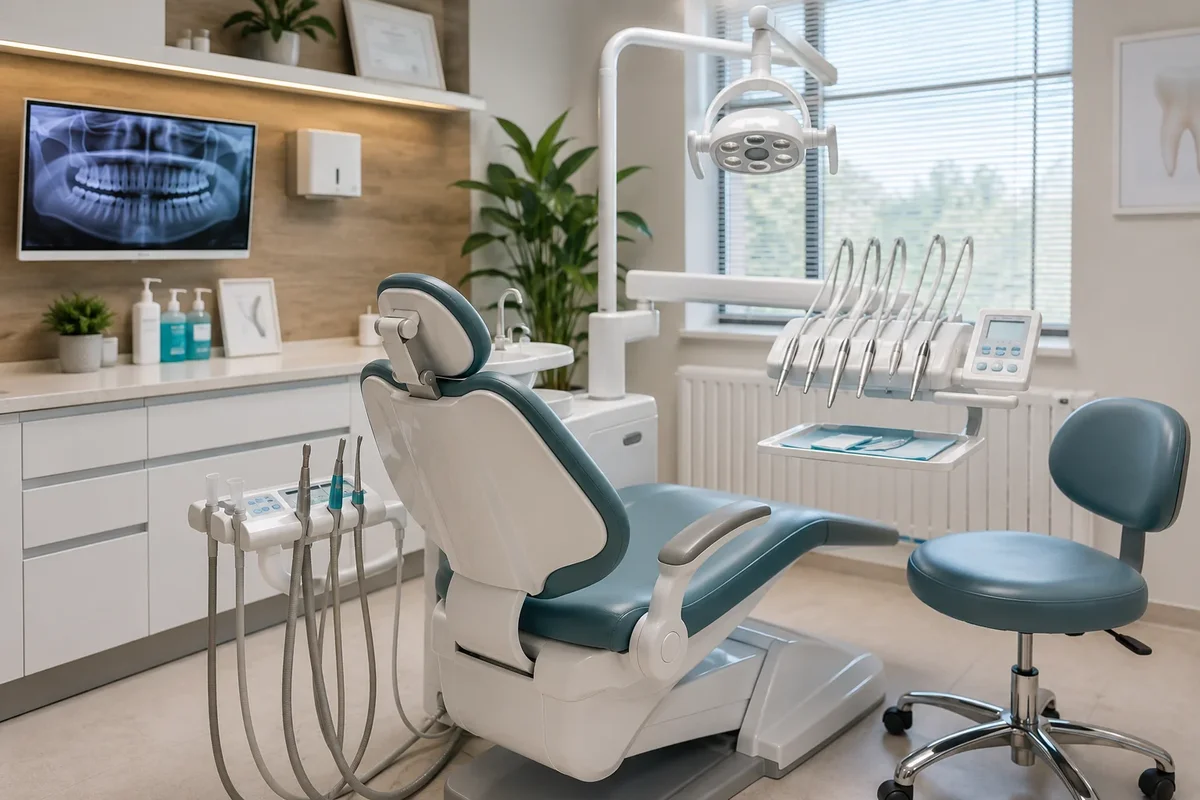
How Preventive Care at a Dentist’s Office Protects Your Smile
Preventive dentistry is one of the most valuable services provided at a modern dentist’s office. Instead of waiting for pain, infection, or visible dental damage to appear, preventive care focuses on protecting teeth and gums before serious problems develop. Regular visits to a dentist’s office help patients maintain healthy smiles, reduce long-term treatment costs, and improve overall oral wellness. Preventive dental care combines professional cleanings, oral examinations, patient education, and early diagnosis to keep the mouth healthy for years to come. 😊
Many dental conditions begin silently without immediate symptoms. Cavities, gum disease, enamel erosion, and oral infections may progress gradually until they eventually cause pain or visible damage. By visiting a dentist’s office regularly, patients allow dental professionals to identify these issues early and provide treatment before complications become severe.
Preventive care offered at a dentist’s office benefits patients of all ages. Children, teenagers, adults, and seniors all require routine oral health monitoring to maintain strong teeth and healthy gums throughout life.
Why Preventive Dentistry Matters
The primary goal of preventive care at a dentist’s office is to stop oral health problems before they require expensive or invasive procedures. Many patients underestimate how quickly untreated dental issues can worsen. A small cavity may eventually become a severe infection requiring root canal therapy or extraction if it is ignored for too long.
Routine appointments at a dentist’s office help dentists detect early warning signs of tooth decay, gum disease, bite problems, oral cancer, and other conditions. Early treatment is usually faster, less expensive, and more comfortable than emergency dental procedures.
Preventive dentistry also supports overall physical health. Research has shown that poor oral hygiene may contribute to systemic health conditions such as heart disease, diabetes complications, and chronic inflammation. A healthy mouth supported by regular visits to a dentist’s office can positively influence general wellness.
Professional Dental Cleanings
One of the most common preventive services provided at a dentist’s office is professional dental cleaning. Even patients who brush and floss daily cannot completely remove plaque and tartar buildup on their own. Dental hygienists use specialized instruments to clean areas that are difficult to reach with regular home care.
Plaque is a sticky bacterial film that forms naturally on teeth throughout the day. If plaque is not removed properly, it hardens into tartar, which can only be cleaned professionally at a dentist’s office. Tartar buildup increases the risk of gum inflammation, bad breath, and periodontal disease.
Benefits of Professional Cleanings
- Removal of plaque and tartar
- Reduced risk of gum disease
- Fresher breath
- Cleaner and brighter teeth
- Improved long-term oral hygiene
Routine cleanings at a dentist’s office are one of the easiest and most effective ways to maintain a healthy smile.
Early Detection of Dental Problems
Another major advantage of preventive care at a dentist’s office is early diagnosis. Dentists examine the teeth, gums, tongue, and surrounding tissues carefully during routine appointments. Problems identified early are usually easier and less expensive to treat.
Dental examinations performed at a dentist’s office often include digital X-rays, visual inspections, and gum evaluations. These diagnostic tools allow dentists to detect hidden cavities, bone loss, impacted teeth, infections, and oral tissue abnormalities before symptoms become severe.
Conditions Commonly Detected Early
- Tooth decay
- Gum disease
- Oral infections
- Teeth grinding damage
- Oral cancer warning signs
- Jaw alignment problems
Routine examinations at a dentist’s office play a critical role in protecting both oral health and overall wellness.
Fluoride Treatments and Dental Sealants
Preventive treatments available at a dentist’s office often include fluoride applications and dental sealants. Fluoride strengthens tooth enamel and helps reduce the risk of cavities. Many dental clinics recommend fluoride treatments for children, teenagers, and adults who are more vulnerable to tooth decay.
Dental sealants are thin protective coatings applied to the chewing surfaces of molars. Sealants help prevent food particles and bacteria from becoming trapped inside deep grooves where cavities commonly develop. These treatments performed at a dentist’s office are especially beneficial for children and adolescents.
Average Preventive Treatment Costs
| Preventive Service | Estimated Price Range |
|---|---|
| Routine Cleaning | $75 – $200 |
| Dental Examination | $50 – $150 |
| Fluoride Treatment | $20 – $50 |
| Dental Sealants | $30 – $80 per tooth |
| Digital X-Rays | $100 – $250 |
Preventive care at a dentist’s office is usually far more affordable than advanced restorative procedures required after dental problems worsen.
Patient Education and Oral Hygiene Guidance
A professional dentist’s office does more than perform treatments. Dental professionals also educate patients about proper oral hygiene techniques and healthy habits. Personalized guidance helps patients improve daily brushing, flossing, and dietary choices that affect oral health.
Patients visiting a dentist’s office may receive recommendations about toothbrush selection, flossing methods, mouthwash use, and foods that contribute to tooth decay. Dentists also discuss habits such as smoking, teeth grinding, and excessive sugar consumption that may damage oral health over time.
Education provided at a dentist’s office empowers patients to take greater control of their dental health between appointments.
Preventive Care for Children
Children especially benefit from early preventive care at a dentist’s office. Regular dental visits help children develop positive oral hygiene habits and reduce fear associated with dental treatment. Pediatric preventive care focuses on monitoring tooth development, preventing cavities, and educating families about healthy dental routines.
Positive childhood experiences inside a dentist’s office often encourage lifelong commitment to oral healthcare. Early intervention can also help identify orthodontic concerns and bite alignment issues before they become more serious.
The Long-Term Financial Benefits of Prevention
Preventive dentistry at a dentist’s office is one of the smartest long-term financial investments patients can make. Treating small problems early usually costs much less than waiting until severe complications develop.
For example, a simple filling performed at a dentist’s office is significantly less expensive than root canal therapy, dental implants, or extensive restorative procedures required after untreated decay progresses. Routine preventive visits also reduce the likelihood of painful dental emergencies.
Financial Advantages of Preventive Care
- Lower long-term dental costs
- Reduced risk of emergency procedures
- Less need for major restorative work
- Better preservation of natural teeth
- Improved oral health stability
Preventive care helps patients maintain healthy teeth while minimizing future treatment expenses at a dentist’s office.
Choosing the Right Dentist’s Office for Preventive Care
A high-quality dentist’s office emphasizes prevention, patient education, and long-term oral wellness. Patients should look for clinics that prioritize regular examinations, professional cleanings, modern technology, and personalized care plans.
Patients interested in preventive dental services, oral hygiene guidance, or personalized treatment planning can learn more through the Redent Klinik Contact Page. Access to professional preventive care helps patients protect their smiles and maintain better oral health.
Professional organizations such as the American Dental Association strongly encourage routine dental checkups and preventive care for individuals of all ages. Consistent oral healthcare remains one of the most effective ways to prevent serious dental complications.
Ultimately, preventive care at a dentist’s office is essential for maintaining healthy teeth, strong gums, and long-term oral wellness. Routine cleanings, early diagnosis, fluoride treatments, and patient education all work together to reduce the risk of serious dental problems. A professional dentist’s office not only treats oral disease but also helps patients build healthy habits that protect their smiles for life. By prioritizing preventive dentistry, patients can enjoy better oral health, lower treatment costs, and greater confidence in their smiles for many years to come. 😁