
Finding the right dentists that do dental implants can be one of the most important decisions you make for your oral health and self-confidence. A dental implant is not just a cosmetic fix — it’s a long-term solution for missing teeth that restores functionality, stability, and aesthetics. However, the success of the treatment depends largely on the expertise of the dentist performing the procedure. 🦷
In 2025, dental implant procedures have become more advanced, with innovations like 3D digital imaging, guided implant surgery, and biocompatible materials that help implants last longer than ever. Yet, not every dentist is equally qualified to perform these procedures effectively. Understanding what makes an implant dentist skilled and reliable is the first step toward achieving a healthy, beautiful smile that lasts a lifetime.
Why Experience Matters in Dental Implant Dentistry
When it comes to oral surgery, experience is everything. Dentists that do dental implants should have years of hands-on practice in implant placement, bone grafting, and restoration design. A general dentist might offer basic implant procedures, but only experienced implant specialists — often called implantologists or prosthodontists — have undergone extensive training focused specifically on this complex field.
Implant dentistry requires more than simply placing a titanium post into the jaw. It demands precise planning using 3D cone-beam computed tomography (CBCT), accurate angulation during surgery, and a deep understanding of jaw anatomy. Even a small deviation during placement can affect the alignment, integration, and long-term success of the implant.
Patients often underestimate how important it is to choose the right professional. Working with certified dentists that do dental implants ensures that every step — from consultation to final crown placement — is carried out with precision. In fact, studies show that the success rate of dental implants exceeds 95% when performed by experienced specialists, but drops significantly when done by underqualified practitioners.
The Role of Technology in Modern Implant Dentistry
Today’s dentists that do dental implants use cutting-edge technologies that make procedures safer, faster, and more comfortable. For instance, digital smile design tools allow dentists to preview your final result before the surgery begins, ensuring a perfectly natural look. Guided implant surgery systems use 3D scans to map the optimal implant position, reducing the risk of nerve or sinus damage. 💻
These advancements mean shorter recovery times and more predictable outcomes. Laser-assisted surgery and platelet-rich plasma (PRP) therapy also enhance healing, minimizing post-operative discomfort. With such tools, the modern implant dentist can perform procedures with remarkable precision — a huge leap forward compared to traditional methods.
Key Qualities to Look for in Dentists That Do Dental Implants
When searching for the right implant dentist, consider these crucial factors:
- Accreditation and training: Look for dentists certified by organizations such as the American Dental Association or the International Congress of Oral Implantologists.
- Experience with complex cases: A qualified professional should have handled various cases involving bone loss, sinus lifts, or full-mouth restorations.
- Technology integration: The best implant dentists use digital scanners, CAD/CAM systems, and computer-guided placement tools.
- Patient reviews and case studies: Check before-and-after photos and patient testimonials for proof of consistent results.
Choosing a clinic that offers comprehensive treatment under one roof — such as implant placement, prosthetic design, and aftercare — can save time and reduce stress. Clinics like Redent Klinik Contact Page provide full-service dental implant solutions from consultation to crown fitting.
Benefits of Choosing Experienced Implant Dentists
Working with professional dentists that do dental implants brings several life-changing benefits:
- Higher success rates: Proper diagnosis and technique ensure stronger osseointegration — the process where the implant fuses with the bone.
- Natural aesthetics: Skilled dentists match implant crowns perfectly with surrounding teeth for a seamless smile.
- Long-lasting results: With regular care, implants placed by professionals can last over 20 years or even a lifetime.
- Reduced complications: Precision in placement prevents nerve damage, gum recession, and implant failure.
Additionally, expert implant dentists help restore not just teeth but also self-confidence. Many patients report improved speech clarity, better chewing efficiency, and enhanced overall facial appearance after undergoing treatment. 😁
What Sets Great Implant Dentists Apart
Beyond technical skills, great implant dentists also show empathy, patience, and a deep commitment to patient education. They take the time to explain each step, discuss realistic expectations, and design customized treatment plans. This patient-centered approach ensures that you feel informed and comfortable throughout your journey.
The best dentists that do dental implants also emphasize preventive care and post-surgery follow-ups. Regular maintenance visits and hygiene checkups are vital for the long-term success of implants. By offering comprehensive aftercare, these professionals ensure the implants remain strong and the gums healthy for decades.
Final Thoughts: Investing in the Right Implant Dentist
In summary, choosing the right dentists that do dental implants is more than a medical decision — it’s an investment in your health, confidence, and quality of life. By selecting experienced, certified professionals who use advanced technology and prioritize patient comfort, you can ensure that your implant journey is smooth, successful, and rewarding. 🌟
Before making your decision, schedule consultations with at least two qualified implant dentists, ask to see their previous work, and evaluate their approach to personalized care. The right choice will not only restore your smile but also your peace of mind for years to come.
How Dental Implant Dentists Restore Your Smile Permanently
Modern dentistry has revolutionized how people regain their smiles, and dentists that do dental implants are at the forefront of this transformation. Missing teeth are not just a cosmetic issue — they affect chewing, speech, confidence, and even the structure of your jawbone. Thanks to advanced dental implant technology, it’s now possible to restore missing teeth with results that look, feel, and function like natural ones. This section explains in detail how expert implant dentists help patients achieve long-lasting, beautiful smiles that stand the test of time. 😁
Understanding the Basics of Dental Implants
To fully appreciate how dentists that do dental implants restore your smile, it’s important to understand what a dental implant actually is. A dental implant consists of three main parts:
- The implant post: A small titanium or zirconia screw inserted into the jawbone, acting as an artificial tooth root.
- The abutment: A connector piece that links the implant to the final restoration.
- The crown: The visible, custom-made artificial tooth designed to match the shape and color of your natural teeth.
When performed by skilled dentists that do dental implants, the procedure replaces missing teeth permanently. The titanium post fuses with the jawbone through a process called osseointegration, creating a strong and durable foundation that can last for decades.
The Step-by-Step Implant Restoration Process
Each patient’s treatment plan is unique, but the general process followed by expert implant dentists is comprehensive and carefully structured:
1. Comprehensive Evaluation and Planning
Before any surgical procedure begins, dentists that do dental implants conduct a detailed oral examination. This includes digital X-rays, 3D CT scans, and bite analysis. The purpose is to assess bone density, gum health, and the ideal placement angle for the implants. Digital planning software allows for a virtual preview of the final result, ensuring precision from the very first step.
2. Bone Grafting or Sinus Lift (If Needed)
In cases where a patient lacks sufficient bone structure, dentists may recommend bone grafting or a sinus lift. These preparatory procedures strengthen the jawbone and create a solid base for implant placement. Without proper bone density, the implant might not fuse correctly, which can compromise long-term success. Experienced dentists that do dental implants evaluate whether these steps are necessary to guarantee stability and durability.
3. Implant Placement Surgery
The next step is the surgical placement of the implant post. Using local anesthesia or sedation for comfort, the dentist inserts the implant into the predetermined spot within the jawbone. Precision is critical — a difference of even a millimeter can affect alignment and aesthetics. This is why only trained dentists that do dental implants should perform this part of the process. Modern technology like computer-guided implant placement minimizes risks and ensures an exact fit.
4. Healing and Osseointegration Period
Once the implant is placed, healing begins. Over the next 3–6 months, the implant fuses naturally with the bone. This biological bonding process, known as osseointegration, is what gives dental implants their unparalleled stability. During this period, temporary crowns may be used so patients can maintain their smile aesthetics. Skilled dentists that do dental implants closely monitor this phase with follow-up visits to ensure everything heals perfectly.
5. Abutment and Crown Placement
After osseointegration, the dentist attaches an abutment — a small connector that supports the final crown. The crown is then custom-fabricated to match the patient’s natural teeth in color, shape, and size. Once attached, the restoration blends seamlessly with surrounding teeth, making it virtually indistinguishable from the real ones.
How Implant Dentists Ensure Natural Results
One of the main reasons patients prefer dental implants over dentures or bridges is their realistic look and feel. Skilled dentists that do dental implants focus on achieving a perfect balance between function and aesthetics. They use advanced imaging and CAD/CAM (Computer-Aided Design/Manufacturing) technology to design crowns that harmonize with the patient’s facial symmetry. The goal is not just to fill gaps but to restore confidence, comfort, and natural expression. ✨
Longevity and Maintenance of Dental Implants
Dental implants can last a lifetime if properly maintained. Professional dentists that do dental implants provide patients with clear post-surgery care guidelines. These include maintaining good oral hygiene, attending regular dental checkups, and avoiding habits like smoking that can weaken gum tissue. Implants don’t decay like natural teeth, but the surrounding gums must stay healthy to prevent peri-implantitis (gum inflammation around implants).
Expert Maintenance Advice
Top implant dentists recommend using soft-bristled toothbrushes, water flossers, and non-abrasive toothpaste to preserve both the crown and the gum line. Routine professional cleanings also help eliminate bacterial buildup, keeping implants strong and the smile radiant.
Why Choose Specialists for Permanent Restoration
Although many general dentists offer implant services, it’s best to choose specialists who perform these procedures daily. Dentists that do dental implants with years of focused experience are better equipped to handle complex cases, such as multiple missing teeth or severe bone loss. Their expertise reduces the risk of complications and ensures that your investment in your smile pays off for the long term.
The Emotional Impact of a Restored Smile
Restoring your smile goes beyond physical benefits — it’s emotionally transformative. Patients often report renewed self-esteem, improved speech, and a better quality of life after treatment. Whether it’s eating comfortably in public or smiling confidently in photos, the emotional rewards are priceless. ❤️
Final Thoughts: Your Smile, Restored for Life
Dental implants represent the gold standard in tooth replacement because they integrate permanently with your bone structure. With advanced techniques and materials, dentists that do dental implants can help you enjoy a stable, natural-looking smile that feels truly your own. Choosing an experienced specialist means investing in decades of confidence, health, and happiness. For consultation and expert advice, you can reach out to trusted clinics like Redent Klinik Contact Page — where your dream smile begins today.
Step-by-Step: What to Expect During a Dental Implant Procedure
Getting dental implants can be a life-changing experience, but understanding each stage of the process helps reduce anxiety and ensures better results. When performed by expert dentists that do dental implants, the procedure is safe, predictable, and comfortable. From your first consultation to your final smile, every step is designed to restore your oral function and aesthetics permanently. Below is a detailed breakdown of what happens before, during, and after a dental implant treatment so you can walk into your appointment with confidence. 🦷
1. Initial Consultation and Treatment Planning
The first step with dentists that do dental implants is an in-depth consultation. During this visit, your dentist examines your mouth, reviews your medical history, and takes high-resolution 3D scans of your jaw. These scans help determine whether you have sufficient bone density and gum health to support the implant. If you have underlying conditions like diabetes or periodontal disease, they’ll be addressed before surgery.
In addition, digital imaging and smile simulation tools are often used to plan the final outcome. This stage allows the patient to visualize how their smile will look after treatment. Modern dentists that do dental implants use advanced software to map out the exact position, angle, and depth of the implants, ensuring precise placement and long-term success.
Bone and Gum Assessment
The dentist evaluates the jawbone’s volume and strength using cone-beam computed tomography (CBCT). If the bone is insufficient, bone grafting might be recommended. This is essential because implants require a stable foundation to fuse securely. Proper assessment ensures that the implants are not only functional but also aesthetically aligned with your facial structure.
2. Pre-Surgical Preparations
Before surgery day, your dentists that do dental implants may give you pre-operative instructions, such as avoiding certain medications, fasting for a few hours, or arranging transportation if sedation will be used. You might also receive antibiotics to prevent infection and anti-inflammatory medications to minimize swelling afterward. These precautions help make the experience smooth and safe.
Some clinics offer sedation dentistry — from mild oral sedation to intravenous (IV) sedation — for patients who feel nervous about dental procedures. This ensures total relaxation throughout the surgery. With today’s technology and pain management options, most patients describe the experience as painless and surprisingly quick. 😌
3. Implant Placement Surgery
The core stage of the process is the surgical placement of the implant post. The dentist first numbs the area with local anesthesia, ensuring complete comfort. Then, a small incision is made in the gum to expose the bone, and a hole is precisely drilled at the planned angle. The titanium post is then inserted into the jawbone, acting as a replacement root for the missing tooth.
Highly skilled dentists that do dental implants use guided surgery tools that enhance accuracy, reduce surgery time, and promote faster healing. The incision is then closed with dissolvable sutures, and patients can usually return home the same day. Mild swelling and discomfort are normal for the first 24–48 hours but can be managed easily with prescribed medication and ice packs.
Minimally Invasive Techniques
Modern implant specialists increasingly use flapless (no-incision) or laser-assisted placement methods. These techniques minimize trauma to surrounding tissues, leading to faster recovery and less bleeding. This precision approach also allows for same-day implant placement in eligible cases, where a temporary crown is attached immediately after the post is inserted.
4. Healing and Osseointegration Phase
After the implant post is placed, the healing process begins. Over the next 3–6 months, the implant fuses naturally with your jawbone in a process called osseointegration. This biological bonding creates a foundation as strong as a natural tooth root. During this phase, your dentists that do dental implants will schedule follow-up visits to monitor progress and ensure that your gums and bone are healing properly.
It’s crucial during this period to follow the dentist’s aftercare instructions closely. Avoid smoking, maintain good oral hygiene, and eat soft foods for the first few weeks. Regular checkups allow your dentist to verify that the implant is integrating successfully before proceeding to the next step.
5. Abutment and Temporary Crown Placement
Once healing is complete, the next step is attaching the abutment — a small metal connector that joins the implant post to the final crown. A minor procedure is performed under local anesthesia to expose the implant, and the abutment is fixed securely. Then, a temporary crown is placed on top to shape the gum tissue around the implant for a natural appearance.
This stage marks the transition from surgical to cosmetic restoration. Expert dentists that do dental implants ensure that the gum contours form seamlessly around the abutment to support a lifelike smile. Patients can resume normal activities shortly after this step, with minimal discomfort.
6. Designing and Placing the Final Crown
After a few weeks, when the gums have healed perfectly, it’s time for the final restoration. The dentist takes digital impressions using intraoral scanners — no messy molds required. These scans are used to design a perfectly fitted crown that matches your existing teeth in color, shape, and size.
The crown can be made of porcelain, zirconia, or ceramic, depending on your aesthetic goals and budget. Once crafted, the final crown is attached to the abutment and adjusted for comfort and bite alignment. When done by skilled dentists that do dental implants, the result looks and feels completely natural — even you may forget which tooth is artificial!
Material Options for the Best Results
Implant crowns are typically made from durable, stain-resistant materials. Zirconia, for instance, offers excellent longevity and strength, while porcelain provides superior translucency for a lifelike look. Your dentist will help you choose the ideal option based on your specific needs and preferences.
7. Post-Procedure Care and Follow-Up
After the final placement, your implant dentist will provide detailed aftercare instructions. This includes daily brushing and flossing, avoiding excessive pressure on the implant during the first few weeks, and scheduling follow-up appointments. Regular checkups every six months are recommended to ensure that the implant remains stable and the surrounding tissues stay healthy.
Clinics like Redent Klinik Contact Page offer ongoing maintenance programs to help patients preserve their new smile for decades. They monitor gum health, bone density, and the overall condition of the restoration to catch potential issues early.
8. The Long-Term Results
Once fully healed, dental implants offer unmatched stability and functionality. Patients can eat, speak, and smile with complete confidence. The titanium post continues to stimulate the jawbone, preventing bone loss and maintaining facial structure. This is something that dentures and bridges simply cannot achieve.
With proper care and routine visits to dentists that do dental implants, these restorations can last 20 years or more — often a lifetime. The result is not just a restored smile but a renewed sense of confidence and quality of life. 🌟
Final Thoughts
Knowing what to expect during the dental implant process helps eliminate uncertainty and empowers patients to make informed decisions. By choosing certified and experienced dentists that do dental implants, you ensure that each stage — from diagnosis to restoration — is performed with precision and care. The result is a permanent, natural-looking smile that enhances both appearance and functionality for years to come.
Comparing General Dentists vs. Implant Specialists – Who’s Best for You?
When considering dental implants, one of the most important decisions you’ll make is choosing between a general dentist and an implant specialist. Both are qualified professionals, but their training, experience, and expertise can vary significantly. Understanding these differences helps you choose the best care provider for your unique dental needs. This section breaks down how dentists that do dental implants differ from general practitioners, the advantages of working with specialists, and how to make the most informed decision possible. 🦷
The Main Difference Between General Dentists and Implant Specialists
General dentists provide a wide range of services, including cleanings, fillings, crowns, and sometimes basic implant procedures. However, dentists that do dental implants — particularly those who specialize in implantology, prosthodontics, or oral surgery — dedicate their practice primarily to implant-based restorations. This means they undergo additional years of education and hands-on surgical training focused on implant placement and restoration techniques.
In other words, while a general dentist might perform a few implants a month, a specialist might perform hundreds each year. That difference in experience can greatly affect the accuracy, aesthetics, and longevity of your implant results.
Educational and Training Distinctions
After earning a Doctor of Dental Surgery (DDS) or Doctor of Dental Medicine (DMD) degree, implant specialists continue their education through residency programs, certifications, and advanced implant courses. Many are accredited by organizations like the American Dental Association and the International Congress of Oral Implantologists. These certifications signify mastery of surgical and prosthetic implant procedures — something general dentists may not possess to the same degree.
Specialists also learn to manage complex anatomical challenges, such as bone loss or sinus proximity, using advanced grafting and regenerative techniques. Therefore, choosing dentists that do dental implants with specialized credentials can make a significant difference in both safety and outcomes.
Why Experience Matters in Implant Dentistry
Placing dental implants is not a one-size-fits-all procedure. The position, depth, and angle of each implant must be meticulously calculated to ensure proper alignment and function. Experienced dentists that do dental implants use digital scanners, 3D imaging, and computer-guided tools to achieve precision that minimizes complications. In contrast, less experienced general dentists may rely on traditional freehand techniques, which carry a higher risk of error.
Experience also matters when complications arise. For example, if a patient has poor bone quality, an implant specialist can perform bone grafting or sinus lifts — procedures beyond the scope of most general dentists. This advanced skill set ensures your implant integrates securely with the bone and maintains long-term stability.
Case Experience and Success Rates
On average, implant specialists report success rates exceeding 95%, thanks to their technical precision and comprehensive pre-operative planning. General dentists, while capable, often have slightly lower success rates, especially when dealing with challenging cases. Patients who choose experienced dentists that do dental implants are therefore more likely to enjoy a predictable, comfortable, and lasting result.
Technology and Techniques Used by Specialists
Implant dentistry has evolved tremendously, and technology plays a huge role in the quality of results. Most dentists that do dental implants rely on modern tools such as:
- 3D Cone Beam CT scanners: Provide detailed imaging of bone structure and nerve positioning.
- CAD/CAM design software: Used to design custom implant abutments and crowns that match the patient’s bite and smile.
- Computer-guided surgery systems: Ensure perfect implant placement with sub-millimeter precision.
- Laser dentistry: Minimizes soft tissue trauma and speeds up healing.
While some general dentists may have access to similar equipment, implant specialists utilize these tools daily, refining their techniques through consistent use. This familiarity ensures smoother procedures, shorter recovery times, and more natural outcomes.
Cost Differences: Is a Specialist More Expensive?
At first glance, specialists may appear to charge more for implant procedures. However, when you factor in their advanced equipment, experience, and reduced risk of complications, the investment often pays off long-term. A poorly placed implant may fail within a few years, requiring costly repairs or replacements. On the other hand, implants placed by experienced dentists that do dental implants can last decades or even a lifetime.
Moreover, many reputable clinics provide financing options or staged payment plans, making quality care accessible to more patients. It’s better to invest once in a lasting solution than to deal with repeated corrective treatments later.
When to See an Implant Specialist Instead of a General Dentist
You should consider consulting implant specialists if:
- You are missing multiple teeth or require a full-mouth reconstruction.
- You’ve suffered bone loss or gum disease that might affect implant stability.
- You need advanced procedures such as sinus lifts or ridge augmentation.
- Your previous implant failed or caused discomfort.
- You want to ensure the highest possible long-term success rate.
In these cases, dentists that do dental implants bring the experience and technology necessary to handle complex cases with precision and safety. They also provide a multidisciplinary approach — coordinating with prosthodontists, oral surgeons, and periodontists for optimal results.
Simple Cases vs. Complex Cases
For straightforward cases, such as replacing a single missing tooth with strong bone support, a skilled general dentist might be sufficient. However, for more complex needs involving bone regeneration or multiple implants, working with a dedicated specialist is strongly advised. The difference in expertise becomes even more critical for patients seeking full-arch implant solutions or same-day smile restorations.
Collaborative Treatment Approach
Some dental clinics employ both general dentists and implant specialists who collaborate on patient cases. This team-based approach combines preventive care with surgical excellence. The general dentist maintains the patient’s long-term oral health, while the implant specialist focuses on the surgical and restorative aspects. Such synergy ensures every aspect of the treatment plan is handled by the right expert at every stage.
How to Choose the Right Dentist for Your Implant Needs
When researching potential dentists that do dental implants, consider these criteria:
- Certifications and memberships in reputable dental organizations.
- Portfolio of completed cases showing real results and patient testimonials.
- Availability of modern equipment like 3D imaging and guided surgery tools.
- Comprehensive care — from consultation and surgery to restoration and follow-up.
- Transparent pricing and clear communication about the treatment process.
One of the best examples of a trusted clinic offering such expert services is Redent Klinik Contact Page, where a dedicated team of professionals handles every aspect of dental implant care with precision and compassion.
Final Thoughts: Choosing Excellence Over Convenience
While both general dentists and implant specialists can place dental implants, only those with advanced training, technology, and extensive experience can guarantee predictable, long-term results. Choosing dentists that do dental implants with a proven track record ensures not just a beautiful smile, but also a healthier and more confident future. Your dental health deserves the same level of expertise you’d expect from any other specialized medical field — and the right implant dentist will deliver exactly that. 🌟
How to Find Affordable Dentists That Do Dental Implants Near You
Dental implants are an exceptional long-term solution for missing teeth, but the cost often makes patients hesitate. Finding affordable dentists that do dental implants doesn’t mean you need to compromise on quality. With the right research, awareness, and planning, you can locate skilled professionals offering reasonable prices, flexible payment options, and high-quality materials. This section guides you step-by-step through how to identify trustworthy, affordable implant providers near you without sacrificing the excellence your smile deserves. 🦷
Understanding Why Dental Implant Costs Vary
The price of dental implants can differ widely depending on several factors — the dentist’s expertise, materials used, clinic location, and the complexity of your case. Typically, the national average cost for a single dental implant in 2025 ranges between $2,500 and $5,000 per tooth, including the implant post, abutment, and crown. However, these figures can fluctuate.
Experienced dentists that do dental implants may charge slightly more, but their precision and use of advanced technology can save you from costly complications later. It’s essential to view dental implants as a long-term investment in oral health rather than a quick expense. A properly placed implant can last decades — making it far more cost-effective than alternatives like dentures or bridges that need frequent replacement.
Factors Affecting Implant Cost
- Number of implants needed: A single implant costs less than full-mouth restorations.
- Bone density: If bone grafting or sinus lift is required, costs increase.
- Material type: Titanium implants are durable, while zirconia options offer aesthetics but can cost more.
- Technology used: 3D guided implant placement and laser surgery often add value and safety.
- Geographical location: Urban dental clinics tend to have higher fees than rural areas.
To find the right balance between quality and affordability, look for dentists that do dental implants who offer transparent pricing, detailed consultations, and multiple payment options.
Step 1: Start With Local Research
Begin by searching online for affordable dentists that do dental implants in your city or neighborhood. Use trusted platforms like Google Maps, Yelp, or Zocdoc to read verified patient reviews. Look for consistent feedback about professionalism, comfort, and transparency in pricing. Pay attention to before-and-after photos shared by patients, which can reveal a lot about the dentist’s skill and results. 🌍
Additionally, visit dental forums and social media groups where patients share firsthand experiences. This can help you identify clinics with fair pricing and strong reputations. A reputable dentist will always be open about their credentials, show examples of previous implant work, and discuss potential risks and benefits before beginning treatment.
Step 2: Compare Pricing and Financing Options
Once you shortlist a few clinics, request a full breakdown of their implant packages. Some dentists that do dental implants provide all-inclusive prices covering the consultation, X-rays, implant, abutment, and crown. Others may charge separately for each phase of the procedure. Always ask what’s included to avoid hidden costs later.
Many dental clinics now offer in-house financing or partnerships with third-party payment providers such as CareCredit. These programs allow you to spread payments over 6–24 months, often with low or zero interest. Some clinics also provide discounts for upfront payments or offer membership plans that include free cleanings and reduced rates for future procedures.
Sample Price Comparison (2025 Averages)
| Country | Average Price (Single Implant) | Notes |
|---|---|---|
| United States | $3,000–$5,000 | Includes abutment and crown; varies by state. |
| Turkey | $700–$1,200 | High-quality care with globally trained specialists. |
| United Kingdom | £2,000–£3,000 | Private dental clinics offer flexible plans. |
| Germany | €2,500–€4,000 | Excellent technology, insurance partial coverage possible. |
As you can see, international options such as Redent Klinik Contact Page in Turkey offer world-class treatment at affordable rates — making dental tourism a viable alternative for those seeking lower prices without compromising quality.
Step 3: Verify Dentist Credentials and Experience
Before committing, always confirm that your chosen professional is licensed, experienced, and certified in implantology. Many dentists that do dental implants have additional training through the American Dental Association or the European Association for Osseointegration (EAO). Certifications and professional memberships are strong indicators of credibility and competence.
During your consultation, ask the following questions:
- How many implant procedures have you performed?
- What implant systems do you use (e.g., Straumann, Nobel Biocare, etc.)?
- Can I see before-and-after photos of past patients?
- Do you offer a written treatment plan and cost estimate?
A reputable dentist will be happy to answer all your questions and provide transparent information. This level of professionalism ensures that you’re dealing with qualified dentists that do dental implants who prioritize your long-term oral health.
Step 4: Ask About Package Deals and Discounts
Many clinics provide discounts for patients requiring multiple implants or full-mouth restorations. Others may include free consultations, X-rays, or whitening services as part of their implant package. When comparing quotes, consider the total value rather than just the lowest number. The goal is to find affordable dentists that do dental implants who maintain the highest quality standards.
Look for Seasonal Offers
Some dental offices offer seasonal promotions, particularly during quieter months. Signing up for clinic newsletters or loyalty programs can help you stay informed about these limited-time deals. 🗓️
Step 5: Consider Dental Schools or Training Clinics
Dental schools are excellent places to receive high-quality implant treatment at significantly reduced prices. Procedures are performed by dental students under the close supervision of experienced professors and specialists. This ensures safety and accuracy while keeping costs manageable. Although appointments may take longer, the savings can be substantial — often 40–60% less than private clinics.
Step 6: Explore Dental Tourism Options
Dental tourism has gained immense popularity in recent years, particularly in countries like Turkey, Mexico, and Hungary. Clinics abroad often offer packages that include accommodation, airport transfers, and translation services. Renowned dentists that do dental implants in these destinations are usually trained internationally and use the same high-end materials found in Western clinics — but at a fraction of the cost.
For example, Turkey has become a hub for dental implant procedures, offering competitive prices, advanced technology, and English-speaking professionals. Clinics such as Redent Klinik specialize in treating international patients while maintaining strict European hygiene and safety standards. 🌍✈️
Step 7: Prioritize Quality Over the Lowest Price
While affordability matters, choosing the cheapest option can sometimes backfire. An inexperienced dentist might cut corners with inferior materials or improper placement techniques. Over time, this could lead to implant failure or gum complications, resulting in additional expenses. Always select dentists that do dental implants who combine affordability with proven expertise and ethical practices.
Final Thoughts: Affordable and Reliable Implant Solutions
Finding the perfect balance between cost and quality requires careful research and due diligence. The goal isn’t just to find the lowest price but to ensure long-lasting, functional, and aesthetically pleasing results. Reputable dentists that do dental implants offer transparency, experience, and patient-centered care while making the procedure financially accessible through payment plans or global treatment options.
If you’re searching for trusted, affordable care, consider scheduling a consultation with an internationally recognized clinic such as Redent Klinik Contact Page. With the right guidance and experienced professionals, you can achieve your dream smile — without breaking the bank. 💎
Understanding the Real Cost of Dental Implants in 2025 💰
When planning to restore your smile, understanding the true cost of dental implants is crucial. Many patients assume that dental implants are excessively expensive, but the reality is more nuanced. The total cost depends on multiple factors — from the materials used and the dentist’s expertise to aftercare and long-term maintenance. By exploring the details carefully, you’ll see why investing in qualified dentists that do dental implants often leads to the best long-term value for both health and confidence. 🦷
What Determines the Price of Dental Implants?
The cost of dental implants varies significantly from patient to patient. Experienced dentists that do dental implants take a personalized approach, considering your oral health, bone structure, and the type of implant system that best fits your needs. In 2025, a single implant (including post, abutment, and crown) generally ranges from $2,500 to $5,500 in the United States, though this can differ by location and complexity.
Let’s break down the major cost components:
- Initial consultation and diagnostics: 3D scans, X-rays, and oral exams cost between $150–$400.
- Surgical placement of the implant: Typically ranges from $1,200–$2,000 per tooth, depending on the dentist’s skill and the implant system used.
- Abutment and crown fabrication: These custom-made components cost between $900–$2,500.
- Additional procedures: Bone grafts or sinus lifts, if needed, can add $300–$2,000 to the total.
Overall, the price reflects not just materials, but also the experience of the dentists that do dental implants and the advanced technology they use for precise, safe, and aesthetic outcomes.
Hidden Costs and Long-Term Value
One of the biggest misconceptions about dental implants is comparing them solely to the upfront cost of dentures or bridges. While those alternatives may appear cheaper, they typically need replacement every 5–10 years. Dental implants, when placed by skilled professionals, can last a lifetime — making them more cost-effective in the long run.
For example, a patient who chooses low-quality implants from inexperienced providers might face failure or infection later, leading to expensive repairs. On the other hand, dentists that do dental implants properly use high-grade titanium or zirconia, ensuring permanent stability and minimal maintenance costs over time.
Example Cost Comparison Over 20 Years
| Treatment Type | Initial Cost | Maintenance/Replacements (20 yrs) | Total Estimated Cost |
|---|---|---|---|
| Dentures | $1,500–$3,000 | $4,000–$8,000 | $5,500–$11,000 |
| Dental Bridge | $2,000–$4,500 | $3,000–$6,000 | $5,000–$10,500 |
| Dental Implants | $3,000–$5,500 | Minimal (cleaning & checkups) | $3,500–$6,000 |
This comparison shows why dental implants, despite the higher initial cost, are the smarter long-term investment. When performed by qualified dentists that do dental implants, they eliminate recurring expenses and offer unmatched durability and comfort.
Geographical Cost Variations
Where you live greatly influences the price of dental implants. Clinics in urban centers like New York or Los Angeles typically have higher operational costs, leading to higher treatment fees. In contrast, suburban or international clinics — particularly in dental tourism hubs such as Turkey, Mexico, or Hungary — offer the same quality at significantly lower prices.
For instance, top clinics like Redent Klinik Contact Page in Turkey provide world-class care, advanced 3D-guided surgery, and premium materials for as little as $700–$1,200 per implant. Patients from around the world travel for this level of affordability without compromising quality or safety. 🌍✈️
Average Global Prices in 2025
- United States: $3,000–$5,500 per implant
- United Kingdom: £2,000–£3,500
- Germany: €2,500–€4,500
- Turkey: $700–$1,200
- Mexico: $800–$1,500
These cost differences largely stem from lower labor and facility expenses abroad. However, it’s vital to research thoroughly and choose reputable dentists that do dental implants who meet international hygiene and safety standards.
Insurance Coverage and Financing Options
Unfortunately, most insurance plans categorize dental implants as elective or cosmetic, covering only partial expenses. However, some insurance providers now include limited coverage for the surgical portion if it’s medically necessary. Patients can maximize savings by asking their provider about annual maximums or using flexible spending accounts (FSAs) and health savings accounts (HSAs) to offset costs.
To make implants accessible, many dentists that do dental implants offer in-house financing or monthly installment plans. Third-party services like CareCredit and LendingClub also provide low-interest dental financing, making it easier to manage payments while receiving premium care.
Typical Financing Plans
- 6-month 0% interest plan: For smaller treatments or single implants.
- 12–24 month extended payment plan: Allows affordable monthly payments.
- Multi-procedure package discounts: For patients needing multiple implants or full-mouth restorations.
Discussing payment plans upfront helps ensure there are no financial surprises later. Reputable clinics are transparent about every stage of the process and willing to adjust plans to fit your budget.
Quality vs. Cost: The Importance of Expertise
It’s tempting to look for the lowest possible price, but cutting corners can lead to costly consequences. Low-cost providers sometimes use inferior materials or skip essential diagnostic steps. Implants placed incorrectly can lead to infections, bone loss, or complete failure. This is why patients should prioritize skilled dentists that do dental implants who use certified implant systems and advanced surgical guides.
Professionals who have undergone extensive training in implantology ensure proper bone integration and natural aesthetics, protecting your investment for life. Always ask about your dentist’s experience, materials used, and warranty policies before starting treatment.
Longevity: The True Measure of Cost Efficiency
When performed correctly, dental implants can last 25 years or more — often for life. Maintenance costs are limited to routine checkups and cleanings, similar to caring for natural teeth. Unlike bridges or dentures, implants don’t decay or require replacement due to wear. This longevity is why leading dentists that do dental implants emphasize them as the most reliable tooth replacement solution available today.
Final Thoughts: Investing in Quality and Confidence
The real cost of dental implants is not just about the number on the invoice — it’s about long-term comfort, oral health, and confidence. Working with experienced, certified dentists that do dental implants ensures precision, safety, and value that lasts for decades. Whether you choose a local provider or travel abroad for treatment, always prioritize expertise over price alone.
For affordable, high-quality implant solutions performed by internationally recognized specialists, consider scheduling a consultation with Redent Klinik Contact Page. With transparent pricing, advanced technology, and exceptional patient care, you can achieve a flawless smile that’s truly worth every penny. 💎
Dental Implant Aftercare Tips Recommended by Top Dentists
After investing time and money into restoring your smile, proper post-procedure care is essential to ensure your dental implants last a lifetime. Even though dentists that do dental implants use advanced materials like titanium and zirconia that are designed to integrate seamlessly with your jawbone, long-term success depends heavily on consistent aftercare and hygiene. 🦷 This section provides a detailed, step-by-step guide to maintaining your new implants — from the first 24 hours after surgery to lifelong maintenance habits recommended by professionals.
Why Aftercare Matters for Dental Implants
Even though implants boast a success rate of more than 95%, complications can occur if aftercare instructions are ignored. Dentists that do dental implants emphasize that maintaining proper oral hygiene and following professional advice significantly reduces the risk of infection, inflammation, or implant failure. A well-cared-for implant not only looks natural but also functions just like a real tooth — allowing you to chew, smile, and speak confidently for decades. ✨
Healing Stages and What to Expect
The healing process after dental implant surgery happens in stages. Understanding each phase will help you manage your recovery better:
- First 24 Hours: Some bleeding, swelling, and mild discomfort are normal. Avoid touching the surgical area and stick to soft foods.
- First Week: Swelling decreases, but careful cleaning is vital to prevent infection. Dentists that do dental implants usually recommend saltwater rinses to keep the area clean.
- 1–3 Months: This is the osseointegration phase — when the implant fuses with the jawbone. During this time, follow all dietary and hygiene guidelines strictly.
- After 3–6 Months: Once healing is complete, your permanent crown is attached. Continue routine dental hygiene practices to protect both the implant and the surrounding gums.
Immediate Aftercare: First 48 Hours
The first two days after surgery are the most crucial for healing. Follow these recommendations from experienced dentists that do dental implants to prevent complications:
- Avoid smoking, as nicotine restricts blood flow and delays healing.
- Use ice packs on the cheek for 10–15 minutes at a time to reduce swelling.
- Stick to a liquid or soft food diet — soups, yogurt, mashed potatoes, and smoothies are ideal.
- Refrain from spitting or using a straw, as this can dislodge the blood clot and cause bleeding.
Most discomfort can be managed with over-the-counter pain relievers or medications prescribed by your dentist. Sleep with your head elevated to reduce swelling, and avoid strenuous activity for at least 48 hours.
Oral Hygiene During Recovery
Cleanliness is critical to implant success. Infection is the most common cause of early implant failure, but it’s entirely preventable. Top dentists that do dental implants suggest these hygiene practices during the recovery period:
- Gentle brushing: Use a soft-bristled toothbrush to clean surrounding teeth without touching the surgical site for the first few days.
- Antibacterial rinses: Avoid alcohol-based mouthwashes. Instead, use a prescribed chlorhexidine rinse or warm saltwater (1 teaspoon salt in a glass of water).
- Flossing carefully: After the first week, gently floss around neighboring teeth using unwaxed floss or a water flosser.
After about a week, most patients can return to normal brushing routines, though dentists recommend continuing to use soft-bristled brushes and low-abrasive toothpaste to prevent gum irritation.
Recommended Oral Hygiene Tools
Specialized cleaning tools can make a big difference in long-term maintenance:
- Interdental brushes: Great for cleaning tight spaces around implants.
- Water flossers: Help remove plaque and bacteria without damaging gum tissue.
- Implant-specific toothbrushes: Designed to clean around the abutment and gumline effectively.
Dietary Guidelines for Strong Healing
Nutrition plays a key role in recovery. Dentists that do dental implants recommend a balanced diet rich in vitamins C and D, calcium, and protein to promote bone healing and gum health. In the early stages, focus on soft, nutritious foods such as:
- Mashed vegetables (carrots, sweet potatoes, peas)
- Soft fruits (bananas, avocados, peaches)
- Protein-rich soups, eggs, and yogurt
- Smoothies fortified with leafy greens and nuts
Avoid hard, sticky, or crunchy foods such as nuts, chips, or caramel for at least six weeks after the procedure. Chewing on these can put unnecessary pressure on healing implants. Hydration is equally important — drink plenty of water throughout the day.
Long-Term Care for Lasting Results
Once your implants have fully integrated, ongoing maintenance ensures longevity. According to leading dentists that do dental implants, follow-up visits every six months are essential to check bone stability, gum health, and bite alignment.
During these visits, professional cleanings remove plaque buildup and detect early signs of peri-implantitis — a gum condition that can threaten implant health if left untreated. Daily home care should continue indefinitely, mirroring the hygiene practices for natural teeth.
Habits to Avoid
Some habits can shorten the lifespan of your implants, including:
- Smoking or vaping (reduces blood flow and bone density).
- Chewing ice, pens, or other hard objects.
- Ignoring gum bleeding or discomfort.
- Skipping regular dental checkups.
If you experience unusual pain, loosening, or swelling around the implant, contact your dentist immediately for an evaluation.
Professional Maintenance and Deep Cleaning
Top dentists that do dental implants recommend professional deep cleanings once or twice a year, especially for patients with multiple implants. Dental hygienists use ultrasonic instruments that safely remove plaque and tartar without scratching the implant’s surface. This prevents inflammation and keeps your restoration looking bright and natural.
Advanced imaging technology such as digital X-rays or CBCT scans may also be used to monitor bone density and detect potential issues early — long before they cause discomfort or failure.
Emotional and Lifestyle Benefits of Proper Aftercare
Beyond physical healing, maintaining your dental implants properly enhances emotional well-being. Patients who adhere to aftercare guidelines report greater satisfaction with their smiles, improved self-confidence, and renewed motivation to maintain oral hygiene. 🌟 Following the advice of skilled dentists that do dental implants ensures that your restored smile continues to inspire pride and comfort every day.
Final Thoughts: Protecting Your Investment for Life
Dental implants are more than artificial teeth — they’re a permanent enhancement to your quality of life. By following these aftercare tips and visiting trusted professionals like Redent Klinik Contact Page, you can enjoy your implants for decades without complications. Remember, success doesn’t end when surgery does — it continues with diligent care, smart habits, and partnership with experienced dentists that do dental implants who guide you through every stage of your journey. ❤️
Common Mistakes People Make When Choosing Implant Dentists
Getting dental implants is one of the most significant oral health investments a person can make. However, many patients unknowingly make critical mistakes during the decision-making process that can jeopardize both their money and long-term results. Choosing the right dentists that do dental implants is not just about cost or convenience — it’s about experience, materials, technology, and aftercare. In this comprehensive guide, we’ll explore the most common mistakes people make when selecting implant dentists and how to avoid them for a lifetime of confident smiles. 😁
1. Focusing Only on Price Instead of Quality
One of the biggest mistakes patients make is choosing the cheapest option available. While affordability is important, implant dentistry is a field where quality and expertise determine success. Inexperienced or low-cost providers may use substandard materials or skip crucial diagnostic steps to reduce costs. This can result in implant failure, infection, or even permanent bone damage. 💸
Highly skilled dentists that do dental implants invest in premium implant systems, advanced imaging technology, and continuous training. These professionals prioritize precision, safety, and aesthetics — ensuring your implants last for decades rather than just a few years. Remember, paying less initially might mean paying much more later for corrective procedures.
How to Avoid This Mistake
- Request a detailed cost breakdown to understand what’s included.
- Ask whether the clinic uses internationally recognized brands such as Straumann or Nobel Biocare.
- Choose experienced dentists that do dental implants who provide written warranties or follow-up guarantees.
2. Not Checking Dentist Credentials or Experience
Another common pitfall is failing to verify a dentist’s qualifications. Not all general dentists are adequately trained in implantology. Many attend short weekend courses and begin offering implants without the necessary surgical expertise. This often leads to improper placement or structural failure of the implant.
To ensure quality, always look for dentists that do dental implants with recognized certifications in oral surgery or prosthodontics. Reputable professionals typically list their credentials on clinic websites or display them during consultations. Memberships in organizations like the American Dental Association or the International Congress of Oral Implantologists (ICOI) are strong indicators of credibility and skill.
How to Avoid This Mistake
- Ask how many implant procedures the dentist performs annually.
- Request to see before-and-after images of previous implant patients.
- Choose a clinic with specialists dedicated to implantology rather than general dentistry.
3. Ignoring the Importance of Advanced Technology
Modern implant dentistry heavily relies on technology for accuracy and safety. Patients who choose clinics without updated equipment risk subpar outcomes. For example, 3D cone-beam computed tomography (CBCT) scans allow precise mapping of jawbone density and nerve pathways, while computer-guided surgery systems ensure flawless implant positioning. Without these tools, even experienced dentists may face limitations in precision.
Top dentists that do dental implants integrate digital planning, intraoral scanning, and CAD/CAM (computer-aided design/manufacturing) systems to design implants that perfectly fit the patient’s anatomy. This minimizes recovery time and maximizes natural aesthetics.
How to Avoid This Mistake
- Ask the dentist what type of imaging technology they use during diagnosis.
- Choose a clinic that offers guided implant placement rather than traditional freehand techniques.
- Look for dental centers that combine digital planning and 3D printing for surgical precision.
4. Overlooking Aftercare and Maintenance
Many patients assume that once implants are placed, the process is over. However, ongoing maintenance is vital to implant success. Neglecting aftercare leads to inflammation, gum recession, or peri-implantitis — a disease similar to gum infection that can cause implant failure. Experienced dentists that do dental implants provide detailed aftercare plans, including follow-up visits, professional cleanings, and hygiene advice.
Unfortunately, patients often choose clinics that offer the surgery but skip proper follow-up. Without consistent monitoring, even the best implants can deteriorate over time. Always ensure your chosen dentist includes post-treatment care as part of the package.
How to Avoid This Mistake
- Choose clinics that schedule follow-up visits every 6 months.
- Ask about maintenance programs and professional cleaning services.
- Follow dietary and hygiene recommendations carefully to protect your investment.
5. Falling for Aggressive Marketing or “Too-Good-To-Be-True” Offers
In today’s digital age, advertisements for “instant” or “cheap” implants are everywhere. While some promotions are legitimate, many are designed to attract patients without providing complete information. These deals often hide costs for essential steps such as abutments, crowns, or imaging, leading to surprise bills later.
Trustworthy dentists that do dental implants are transparent about costs, procedures, and expected outcomes. They never pressure patients into making immediate decisions. Instead, they take time to explain treatment options, potential risks, and timelines clearly and honestly.
How to Avoid This Mistake
- Be wary of ads promising “implants in one day” at unrealistic prices.
- Request a written estimate outlining every phase of treatment.
- Consult at least two different clinics before deciding.
6. Neglecting to Consider the Dentist’s Communication and Empathy
Dental implant procedures can be emotionally and physically demanding. Choosing dentists that do dental implants who communicate clearly, listen patiently, and genuinely care about your comfort makes the experience far smoother. A compassionate dentist takes the time to address fears, explain procedures, and provide emotional reassurance throughout recovery. ❤️
Unfortunately, some patients overlook this interpersonal aspect and choose clinics purely based on convenience. This can lead to anxiety, miscommunication, or dissatisfaction with the final results.
How to Avoid This Mistake
- Evaluate how the dentist interacts with you during consultation — are they patient and understanding?
- Read online reviews about staff friendliness and communication quality.
- Choose a clinic known for building long-term patient relationships, like Redent Klinik Contact Page.
7. Failing to Get a Second Opinion
Implant treatment plans can vary significantly from one dentist to another. A second opinion often helps clarify your options and ensures you’re making the best decision for your needs. Some dentists that do dental implants might recommend unnecessary bone grafts or premium materials you may not need. Others may overlook potential issues that could impact long-term success.
Getting a second or even third opinion ensures transparency and allows you to compare different approaches, technologies, and pricing before proceeding.
How to Avoid This Mistake
- Consult at least two implant specialists before finalizing your plan.
- Ask for digital scans and treatment simulations for comparison.
- Prioritize clarity and trust over convenience.
8. Ignoring Reviews and Testimonials
Patient reviews provide valuable insight into the quality of care and results offered by dentists that do dental implants. Unfortunately, many people skip this step and end up with providers who lack transparency or consistent outcomes. Look for detailed reviews that discuss professionalism, cleanliness, communication, and long-term satisfaction — not just star ratings.
Reputable clinics proudly share testimonials, before-and-after photos, and even case studies of their implant success stories. These references serve as proof of competence and reliability.
How to Avoid This Mistake
- Read reviews across multiple platforms (Google, Trustpilot, and clinic websites).
- Ask to speak with past patients if possible.
- Evaluate the consistency and authenticity of feedback.
Final Thoughts: Choose Wisely for Lifelong Smiles
Dental implants can transform your smile, health, and confidence — but only when performed by skilled, ethical, and experienced professionals. Avoiding these common mistakes ensures a smooth, successful, and long-lasting outcome. Always research thoroughly, verify credentials, and trust your instincts when selecting dentists that do dental implants. With careful planning and the right team by your side, you can enjoy a lifetime of healthy, radiant smiles. 🌟
Patient Success Stories: Life After Getting Dental Implants 😁
One of the most inspiring parts of dentistry is witnessing how transformative dental implants can be for patients. These restorations not only replace missing teeth but also rebuild confidence, restore natural function, and improve overall quality of life. Many patients who choose dentists that do dental implants report that the procedure is one of the best decisions they’ve ever made for their oral health. In this section, we’ll explore real-life stories, emotional journeys, and expert insights into how dental implants can truly change lives — physically, emotionally, and socially. 💎
The Emotional Impact of Dental Implants
For patients who have struggled with missing teeth or uncomfortable dentures, the decision to get dental implants often brings immense emotional relief. Smiling freely, eating comfortably, and speaking without hesitation are everyday actions that many take for granted — until they’re lost. Experienced dentists that do dental implants often describe how patients regain their confidence within weeks of completing treatment, sometimes even shedding tears of joy after seeing their new smiles in the mirror for the first time. ❤️
Psychological studies have shown that tooth loss can deeply affect self-esteem and social behavior. Patients tend to withdraw from conversations, avoid photos, and even restrict themselves from public activities. However, once dental implants are placed, these barriers disappear. With stable, natural-looking teeth, patients no longer fear embarrassment while eating or talking, and they begin engaging more freely in their personal and professional lives.
Real-World Example: A Smile That Changed a Career
Consider the story of Laura, a 42-year-old marketing professional who lost three front teeth after an accident. Wearing removable dentures severely affected her confidence during client meetings. She later visited highly rated dentists that do dental implants who restored her smile with zirconia crowns over titanium implants. Within months, Laura’s self-assurance skyrocketed, leading to promotions and more public speaking opportunities. Her case demonstrates how restoring oral health can directly influence career success and self-image. 🌟
Physical Benefits Beyond Aesthetics
Dental implants don’t just enhance appearance — they improve physical well-being too. When teeth are missing, the jawbone begins to deteriorate over time due to lack of stimulation. Dentists that do dental implants address this by surgically placing titanium roots that fuse with the bone, maintaining bone density and preventing facial sagging. Patients report improved bite strength, easier chewing, and better digestion since implants function like real teeth.
For instance, Robert, a 60-year-old retired teacher, could only eat soft foods due to poorly fitting dentures. After consulting certified dentists that do dental implants, he received full-mouth implants, allowing him to enjoy steak, apples, and crusty bread again — foods he had avoided for years. “It’s like getting my youth back,” he said during his follow-up visit. His story illustrates how functional improvements dramatically enhance quality of life.
Speech and Chewing Improvements
Unlike removable dentures, implants stay securely anchored. This stability eliminates speech difficulties and discomfort while eating. Many patients describe the feeling as “having my own teeth again.” Dentists that do dental implants carefully position implants to support natural tongue and jaw movements, ensuring speech clarity and comfort.
Confidence Restored: The Social Transformation
Beyond physical comfort, implants bring social liberation. Smiling confidently at social events, posing for pictures, or sharing a meal with friends becomes enjoyable once more. Dentists that do dental implants often note how post-treatment patients display renewed enthusiasm for dating, traveling, and professional networking. These social benefits significantly improve mental health and overall happiness. 😄
Case Study: Rebuilding Relationships Through a New Smile
James, a 55-year-old entrepreneur, avoided social gatherings due to missing molars that made him self-conscious when talking or laughing. After visiting Redent Klinik Contact Page, he received high-quality implants that perfectly matched his natural teeth. Months later, James reported that his restored smile gave him the confidence to reconnect with old friends and even attend his high school reunion — something he had avoided for over a decade. His story underscores how dental implants can help people reclaim social confidence and joy.
Long-Term Satisfaction and Quality of Life
Studies reveal that dental implant recipients experience satisfaction rates exceeding 95%. This high success rate stems from the precision, expertise, and personalized care provided by skilled dentists that do dental implants. Patients often describe the sensation of having implants as identical to their natural teeth, with no clicking or movement as with dentures. Most importantly, implants eliminate worries about slippage, discomfort, or dietary restrictions.
Many patients also express relief from chronic gum irritation or jawbone pain caused by ill-fitting dentures. With proper aftercare and regular checkups, implants can last decades — offering unmatched durability and convenience compared to any other tooth replacement solution.
Physical Wellness Improvements
Improved oral health positively affects general health. By restoring proper chewing and digestion, implants contribute to better nutrient absorption and reduced gastrointestinal issues. Additionally, strong teeth help maintain facial symmetry and prevent premature aging. Dentists that do dental implants frequently highlight these lesser-known yet vital health benefits during consultations to help patients appreciate the procedure’s holistic advantages.
Testimonials from Around the World
Global clinics, including those in the U.S., U.K., and Turkey, report thousands of success stories each year. At Redent Klinik Contact Page in Turkey, international patients frequently share glowing feedback about transformative results. Many choose to travel abroad due to cost-effective packages combined with world-class expertise.
For example, Maria from Germany traveled to Turkey for a full upper-arch restoration. Treated by expert dentists that do dental implants, she received her new smile at half the cost of her local clinics. “I can eat, laugh, and live without worrying about my teeth again,” she said. Her experience exemplifies how dental tourism provides accessibility without sacrificing quality.
Patient Video Testimonials
Modern dental clinics now encourage video documentation of real patients sharing their implant journeys. These authentic stories help others overcome fear or hesitation about surgery. Whether it’s the joy of biting into an apple again or smiling confidently at a wedding, these testimonials showcase the life-changing power of skilled dentists that do dental implants.
Emotional Resilience and Renewed Self-Esteem
The transformation goes deeper than appearances. Many patients say their new teeth have given them a “new lease on life.” They feel younger, healthier, and more motivated to care for their oral hygiene. According to top dentists that do dental implants, this emotional uplift leads to overall lifestyle improvement — patients exercise more, smile more, and engage more socially. This holistic improvement illustrates how dental health directly affects emotional well-being and self-perception.
Final Thoughts: Real Smiles, Real Stories, Real Confidence
The success stories of dental implant patients prove that this procedure is more than just a cosmetic solution — it’s a life restoration. From rebuilding self-confidence to improving nutrition and speech, the impact of working with experienced dentists that do dental implants is profound. If you’ve been hesitant about restoring your smile, take inspiration from countless others who transformed their lives through this advanced treatment. With the right dental team, like the professionals at Redent Klinik Contact Page, your next success story could begin today. 🌟
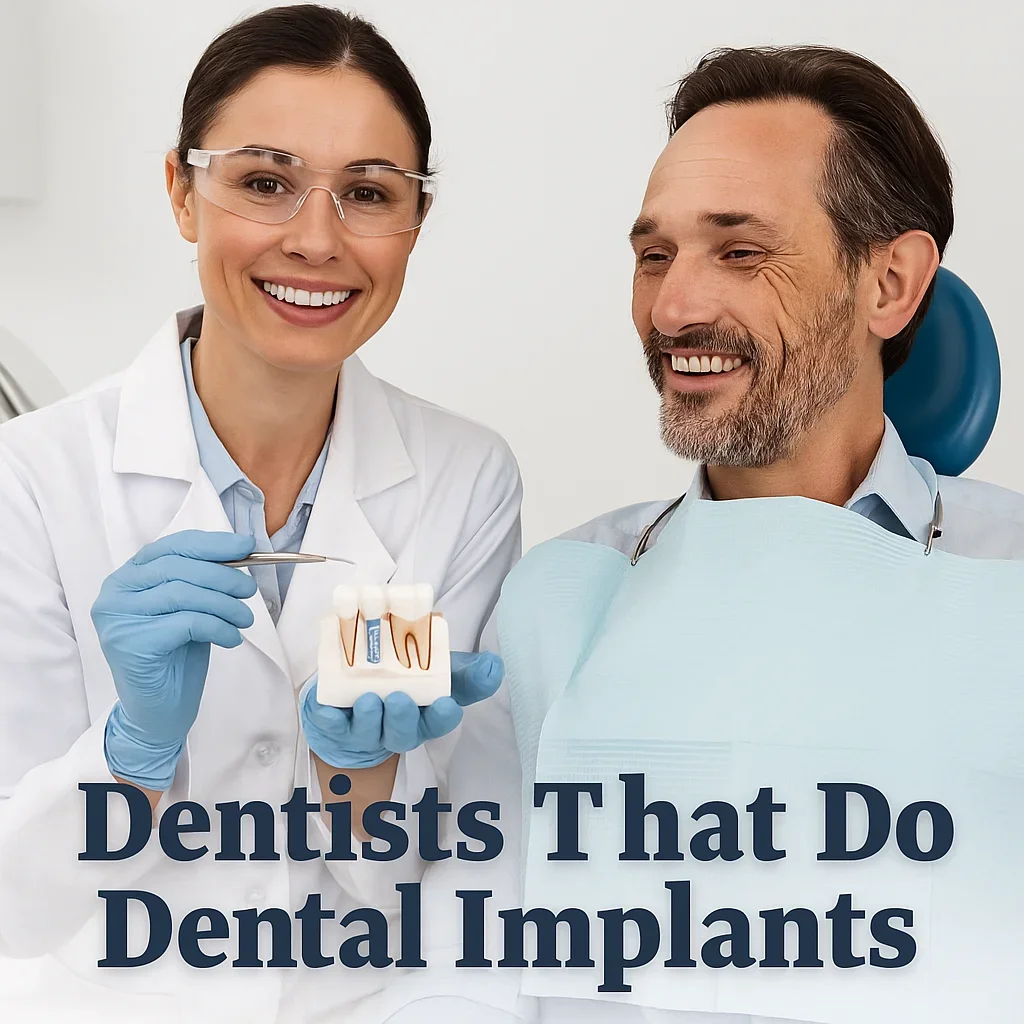
How to Book a Consultation with Trusted Implant Dentists Today
Once you’ve made the decision to restore your smile, the next step is to book a consultation with experienced dentists that do dental implants. This step sets the foundation for your treatment plan, helping you understand what’s possible based on your oral health, budget, and goals. The consultation is more than just an appointment — it’s a collaborative process where the dentist evaluates your bone structure, discusses available implant options, and creates a personalized plan for long-term success. In this guide, we’ll cover how to schedule your consultation, what to expect, and how to ensure you’re choosing a trusted professional who can deliver lasting results. 🦷
Step 1: Research and Identify Qualified Implant Dentists
The first step toward booking your consultation is identifying reputable dentists that do dental implants in your area or abroad. Look for professionals who specialize in implantology or prosthodontics and have verifiable credentials. A simple online search using terms like “implant dentists near me” or “dental implant specialists” will yield results, but always verify credibility through reviews, before-and-after photos, and professional affiliations.
Membership in respected organizations — such as the American Dental Association or the International Congress of Oral Implantologists (ICOI) — is a strong indicator that a dentist adheres to the highest ethical and technical standards. These professionals stay current with evolving implant technologies, materials, and surgical techniques, ensuring precise and safe outcomes for every patient.
Tips for Evaluating a Dentist’s Credentials
- Review education and specialized training in implantology.
- Check for advanced certifications and postgraduate courses in implant dentistry.
- Read patient testimonials to gauge satisfaction and trust levels.
- Ensure the clinic is equipped with modern technology such as CBCT scanners, CAD/CAM systems, and digital X-rays.
Step 2: Schedule Your Consultation — Online or In-Person
Most modern dental clinics now offer easy online booking systems, allowing patients to schedule consultations directly through their website. Clinics like Redent Klinik Contact Page provide seamless access to expert dentists that do dental implants, making it convenient for both local and international patients to connect with specialists.
When booking online, be prepared to fill out a short form detailing your dental history, previous treatments, and expectations. This helps the clinic match you with the right professional and prepare for your visit efficiently. If you prefer, you can also schedule by phone — which is often recommended for patients seeking clarification on pricing or travel arrangements for dental tourism.
What to Include in Your Booking Inquiry
- Your full name and contact information.
- A brief description of your dental concerns (e.g., missing teeth, loose dentures).
- Any recent dental X-rays or scans (if available).
- Preferred appointment date and time.
Step 3: Prepare for Your Consultation
Once your consultation is booked, take some time to prepare. Gather any existing dental records, such as panoramic X-rays or notes from previous procedures. Write down your questions — this ensures you make the most of your visit and fully understand your options. Top dentists that do dental implants appreciate informed patients and are always happy to explain technical details clearly and honestly.
Common Questions to Ask During the Consultation
- What implant systems and materials do you use?
- Am I a good candidate for immediate-load implants?
- How long will my full treatment take, including healing?
- Do you provide financing or insurance assistance?
- What kind of aftercare support is included?
These questions help you evaluate the dentist’s transparency and approach. Trustworthy dentists that do dental implants will always take time to address concerns, explain risks, and outline realistic expectations based on your oral health condition.
Step 4: Undergo a Comprehensive Evaluation
During your consultation, the dentist will conduct a full examination of your mouth, gums, and bone structure. This may include digital imaging, 3D CBCT scans, and impressions to determine if you have sufficient bone density for implant placement. The dentist will also evaluate gum health, bite alignment, and any underlying conditions that could affect healing.
Experienced dentists that do dental implants use these diagnostics to design a custom treatment plan. This plan includes the number of implants needed, recommended materials (titanium or zirconia), surgical timeline, and associated costs. You’ll also receive an estimate for the total duration of treatment, from the initial placement to the final crown fitting.
Technology Used During Evaluation
- 3D Imaging: Allows precise visualization of jawbone anatomy.
- Intraoral Scanners: Capture digital impressions without messy molds.
- Virtual Smile Design: Simulates post-treatment aesthetics for better visualization.
Step 5: Discuss Treatment Plans and Pricing Transparently
After the evaluation, the dentist will present multiple treatment options based on your condition. For example, you may be eligible for single implants, implant-supported bridges, or full-arch restorations. Trusted dentists that do dental implants provide clear, itemized quotes that include all necessary components — such as abutments, crowns, and follow-up visits.
Be cautious of vague pricing or hidden fees. Transparency is a hallmark of professionalism. Always ask for a written copy of the proposed treatment plan, including timelines and total costs. This ensures you understand every stage of your dental implant journey before making a commitment.
Typical Consultation Package Inclusions
- Comprehensive oral examination and imaging
- Treatment plan with cost breakdown
- Opportunity to discuss implant systems and materials
- Payment and financing options
Step 6: Confirm and Begin Your Journey
Once you’re satisfied with the consultation and proposed treatment plan, confirm your booking. Most clinics require a small deposit to reserve your surgical date. For patients traveling from abroad, clinics like Redent Klinik Contact Page can assist with logistics such as accommodation, airport transfers, and local transportation.
Top dentists that do dental implants ensure a smooth experience by maintaining clear communication from consultation to recovery. You’ll receive detailed pre-operative instructions, dietary recommendations, and post-surgery care guidelines. Some clinics even offer video calls for follow-ups if you’re an international patient.
Step 7: Follow Up and Maintain Communication
Successful implant treatment doesn’t end after surgery. Continuous follow-up ensures the implant integrates properly and remains healthy for decades. Your dentist will schedule checkups to monitor healing and make adjustments if necessary. Patients who maintain regular contact with their dentists that do dental implants enjoy higher long-term success rates and greater peace of mind. 🌿
Benefits of Ongoing Communication
- Early detection of potential issues like inflammation or misalignment.
- Professional cleanings that preserve implant surfaces.
- Updated oral care instructions as your mouth adapts.
Final Thoughts: Take the First Step Toward a Confident Smile
Booking a consultation with skilled dentists that do dental implants is the most important first step toward transforming your smile and restoring your confidence. Whether you choose a local specialist or an internationally recognized clinic like Redent Klinik Contact Page, ensure you’re working with professionals who prioritize patient safety, comfort, and transparency. A well-planned consultation is your gateway to a lifetime of healthy, natural-looking teeth — and a radiant smile that reflects your best self. 🌟